"Ukraine is turning Kherson into a military zone," "citizens live in a state of constant pressure and fear" — this is reported with feigned concern by the Russian state news agency RIA Novosti, citing the so-called governor of the Kherson region, Vladimir Saldo. Collaborator Saldo has collaborated with the Russian authorities and headed the occupied Kherson region; he is the main mouthpiece of enemy propaganda in the region.
Amidst the intensification of air attacks, the enemy insidiously "strikes" at painful aspects of Kherson residents' lives, trying to plunge the region into an atmosphere of total fear and uncertainty. This information siege aims to sow despair and undermine the local residents' trust in their own state.
"Human Safari"
Saldo claims that the Ukrainian authorities are using the city as a military resource, and the difficult situation in the regional center is caused by pressure from Ukrainian security forces, mobilization raids, and the placement of military personnel near civilian infrastructure. The fake governor does not report that the Russians are shelling residential areas with artillery and drones almost non-stop.
"Kherson is increasingly turning into a military zone. There is less and less normal civilian life there. Communal infrastructure is wearing out and being destroyed, and people do not see any restoration. The Kyiv authorities are busy with military tasks, not with returning normal breathing to the city," — reports Ukraina.ru.
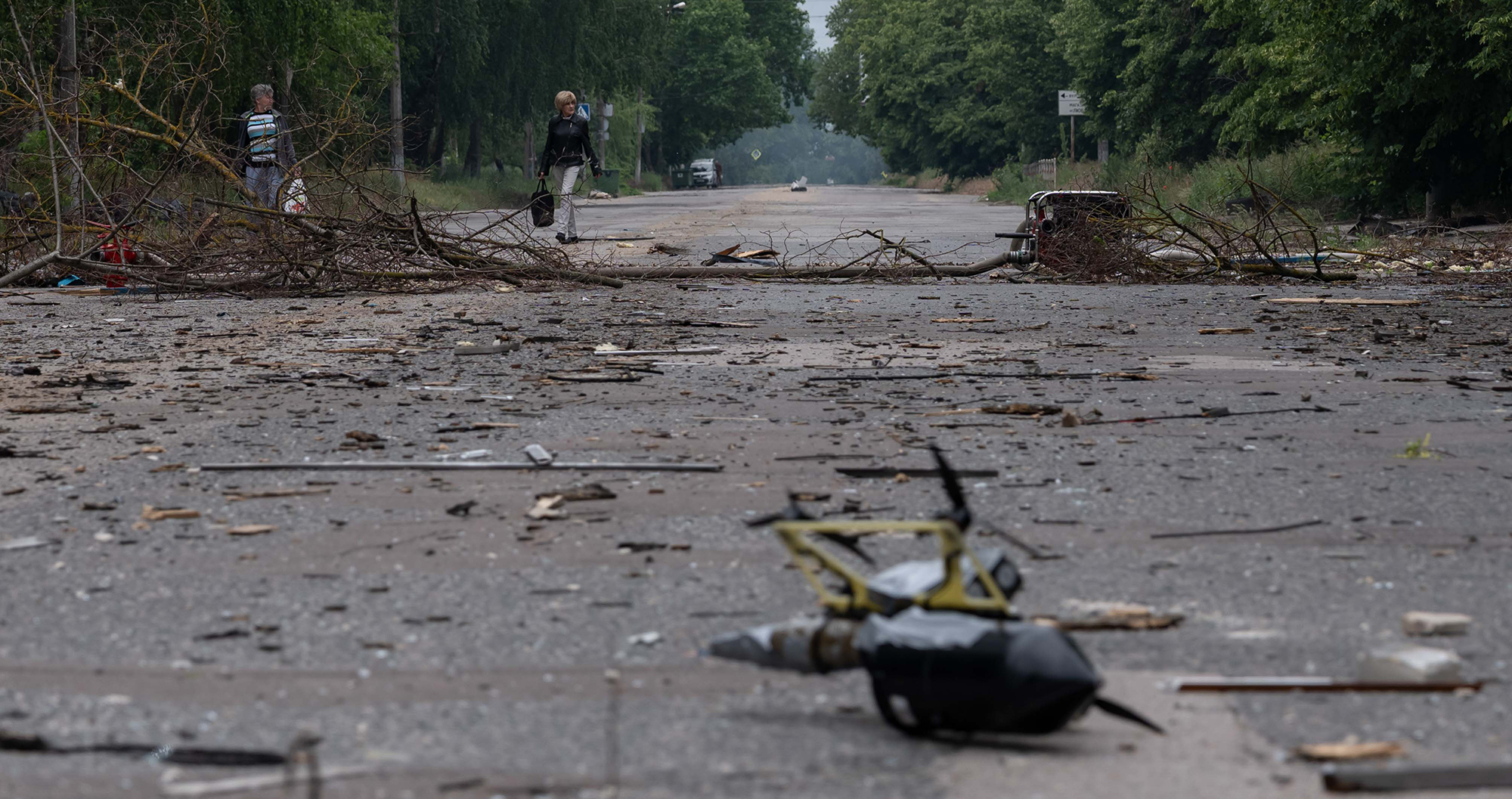
The situation in Kherson has been difficult for years, caused by the fact that the Russian army carries out regular drone attacks and artillery shelling from the left bank of the Dnieper to the right bank. The Russians purposefully hunt for civilians in houses, on streets, and in transport; they strike hospitals, ambulances, medics, and rescuers who are cleaning up the aftermath of previous strikes; they attack grocery stores, critical infrastructure facilities, and municipal workers to deprive people of basic services. In addition, the local authorities record dozens of reports a week about the mining of territories with anti-personnel mines, which the enemy remotely scatters from drones. Everyone who simply goes outside becomes a living target for the enemy. This deadly phenomenon in Kherson has been given a name — "human safari."
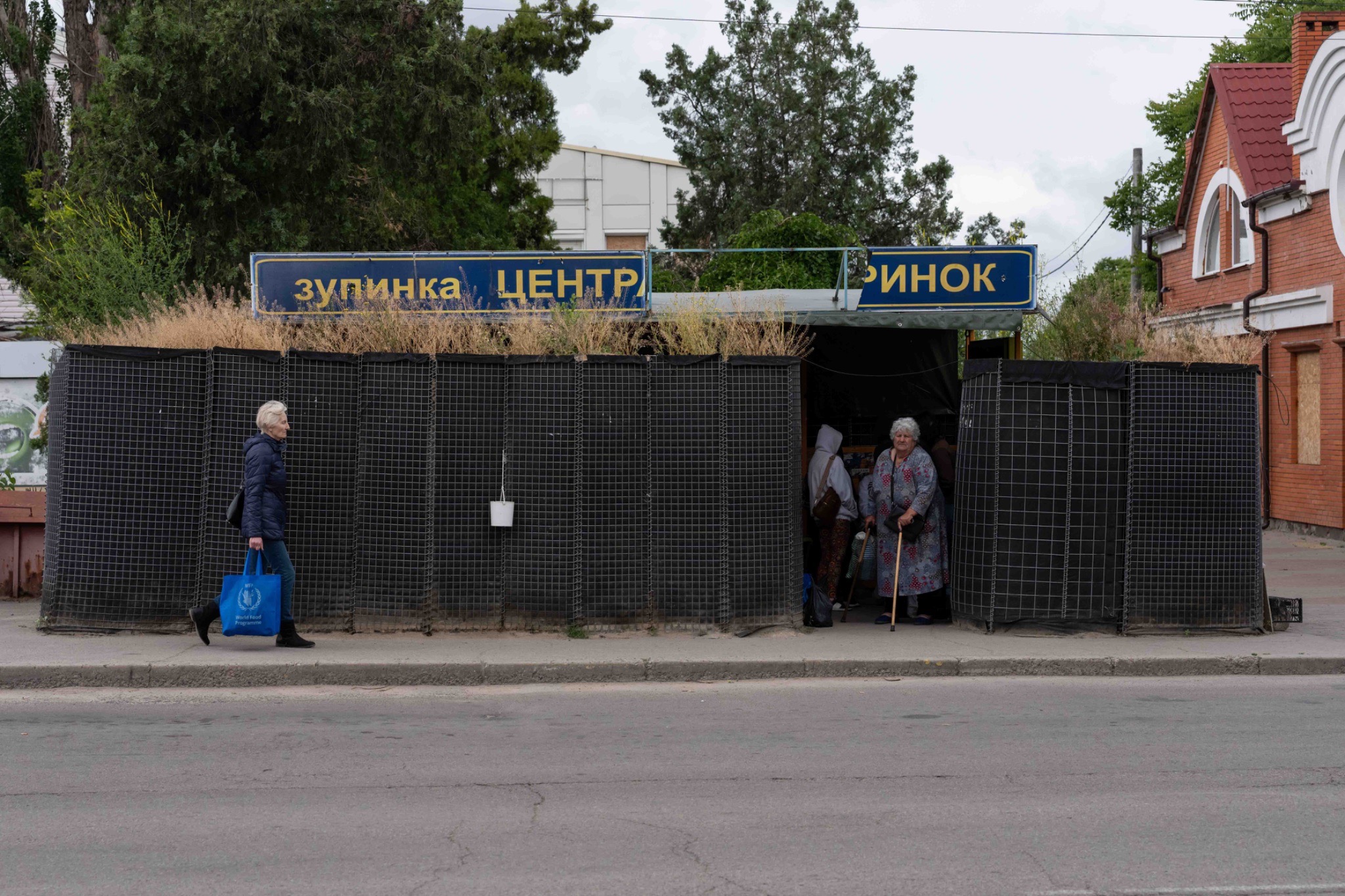
Suspilne Novyny photojournalist and member of the Ukrainian Association of Professional Photographers Ivan Antypenko periodically visits his native Kherson for work. Last autumn, the photographer shared how the city lives and works in bomb shelters and how it adapts to new dangers. At that time, a network of shelters was already actively developing in the city: at bus stops, markets, and some playgrounds. Schooling was mostly conducted remotely, or in rare cases, in equipped shelters. Kherson streets began to be covered with anti-drone nets.
In May 2026, Ivan Antypenko visited his hometown again. Documenting the new scars and everyday life of his hometown, the journalist says:
"The situation in Kherson is very tense right now because many Russian drones are flying — both fiber-optic and regular ones. Mostly they are FPV, or 'Molniya' types. They reach all districts of the city; there are no districts they cannot reach. They fly into some districts a bit more often, or simply work by squares, and less into others. Therefore, you always need to listen, you always need to watch your step, because they also scatter various types of mines from drones, so-called 'petals' and 'gingerbread' types. They are well-camouflaged; if they are lying in the grass, they are very difficult to see."
In their report "Hunting from Above: Russia’s Use of Quadcopter Drones to Attack Civilians in Kherson, Ukraine" and the additional multimedia material, published back in the summer of 2025, the international human rights organization Human Rights Watch concluded that the Russian Armed Forces are intentionally or recklessly attacking civilians and civilian objects with relatively cheap, commercially available drones. In other words, Russians are committing war crimes in Kherson to intimidate the population, and this tactic is part of a large-scale terror campaign directed against the city's residents.
To gather evidence, Human Rights Watch researchers interviewed 36 direct witnesses and victims of UAV strikes. Experts also studied 83 videos of attacks in detail, along with accompanying posts from pro-Russian military Telegram channels, adding photo and video materials that eyewitnesses provided directly to the team to their analysis.
“Their actions are a stark confirmation that the international community must contribute to achieving justice for victims of Russian war crimes and crimes against humanity in Ukraine,” the organization states.
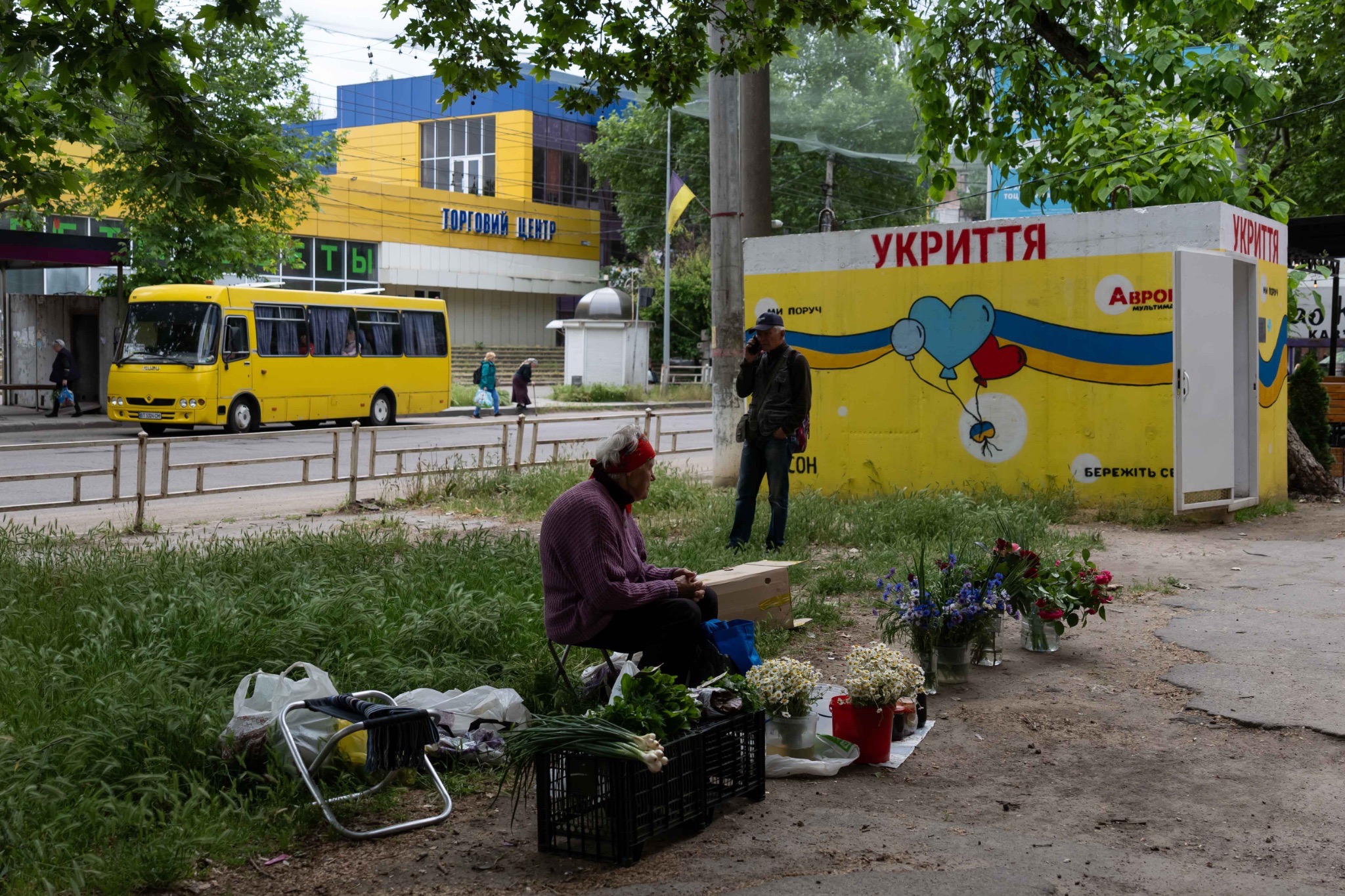
According to data from the UN Human Rights Monitoring Mission, in January 2025, drone attacks caused 70% of all casualties and injuries among the civilian population in the Ukrainian-controlled territory of the Kherson region.
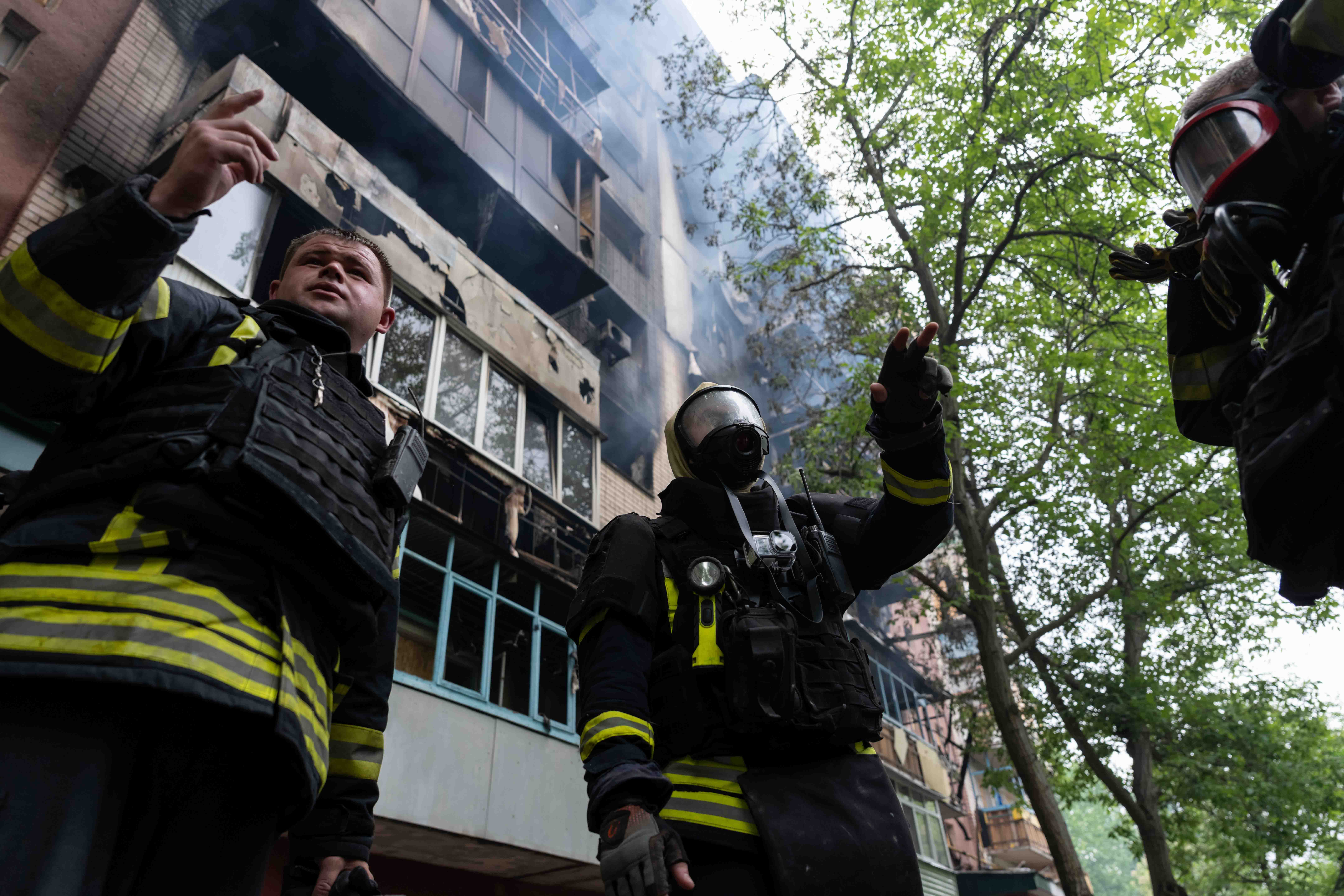
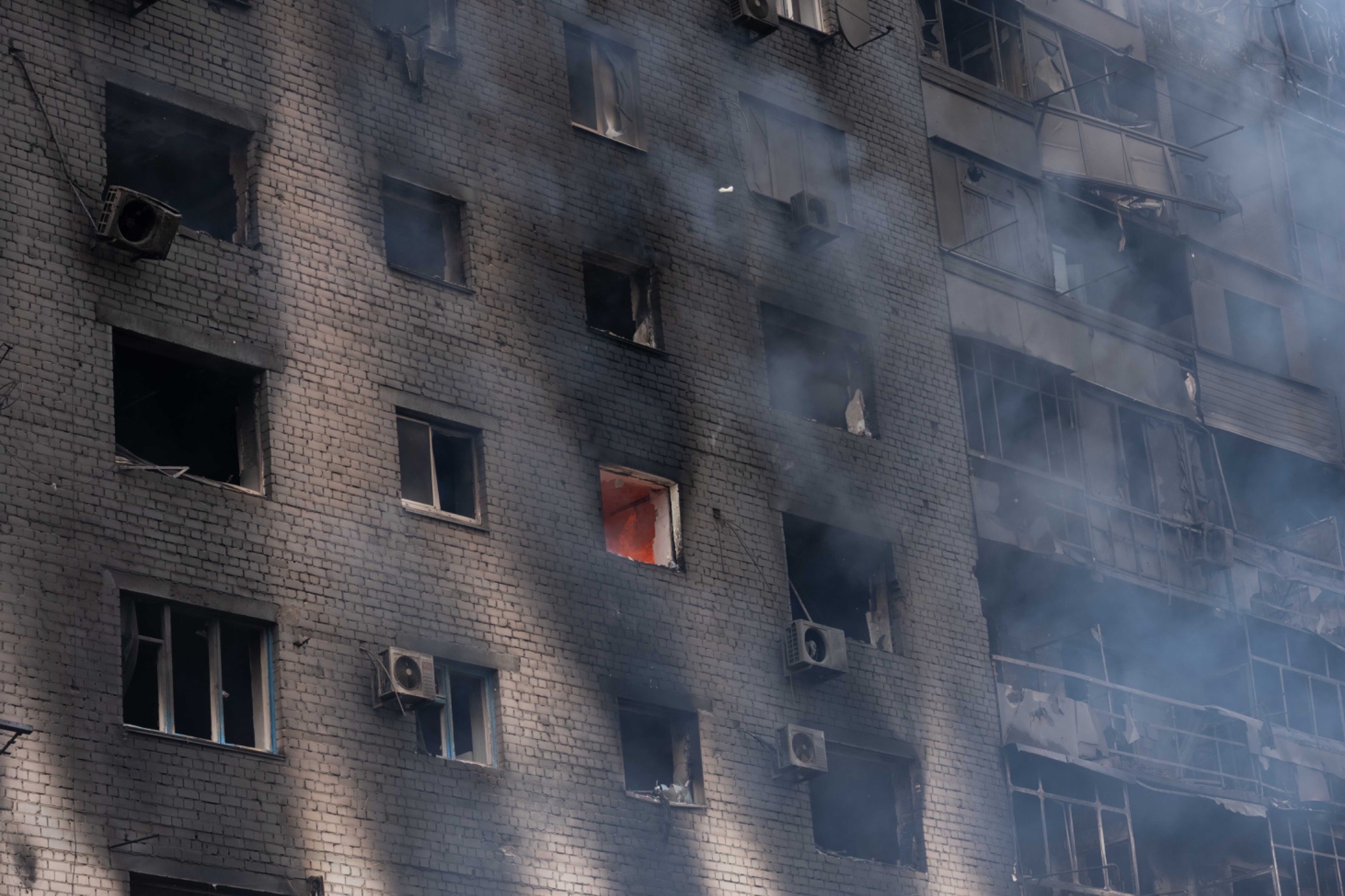
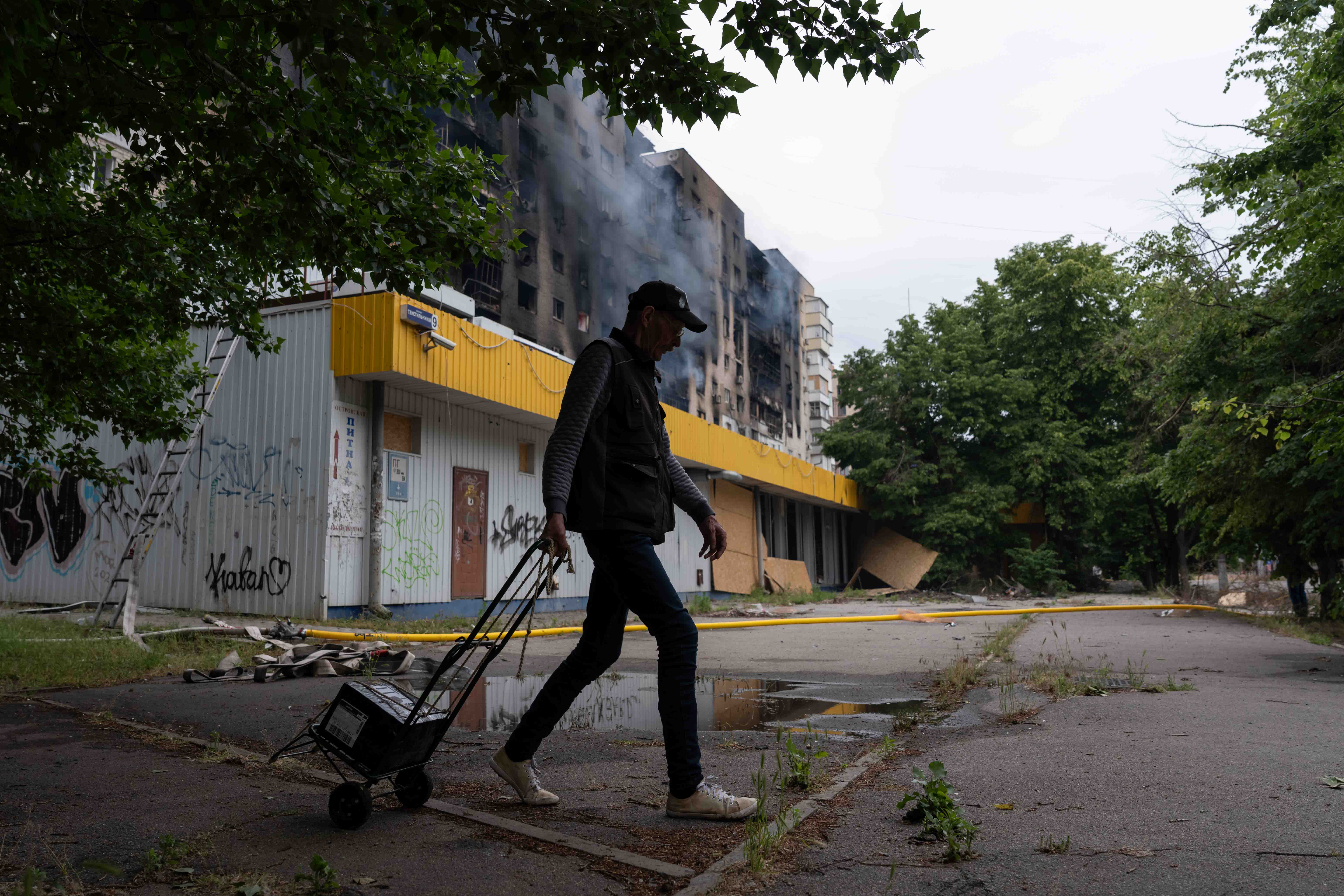
During his latest assignment, photographer Ivan Antypenko documented a massive shelling of a residential block in the Dniprovskyi district of Kherson. The attack sparked a massive fire in a high-rise residential building, with the fire completely destroying 36 apartments. Six people were victims of the strike, and nine others were injured. Rescuers mitigated the aftermath under extreme conditions and the threat of new shelling.
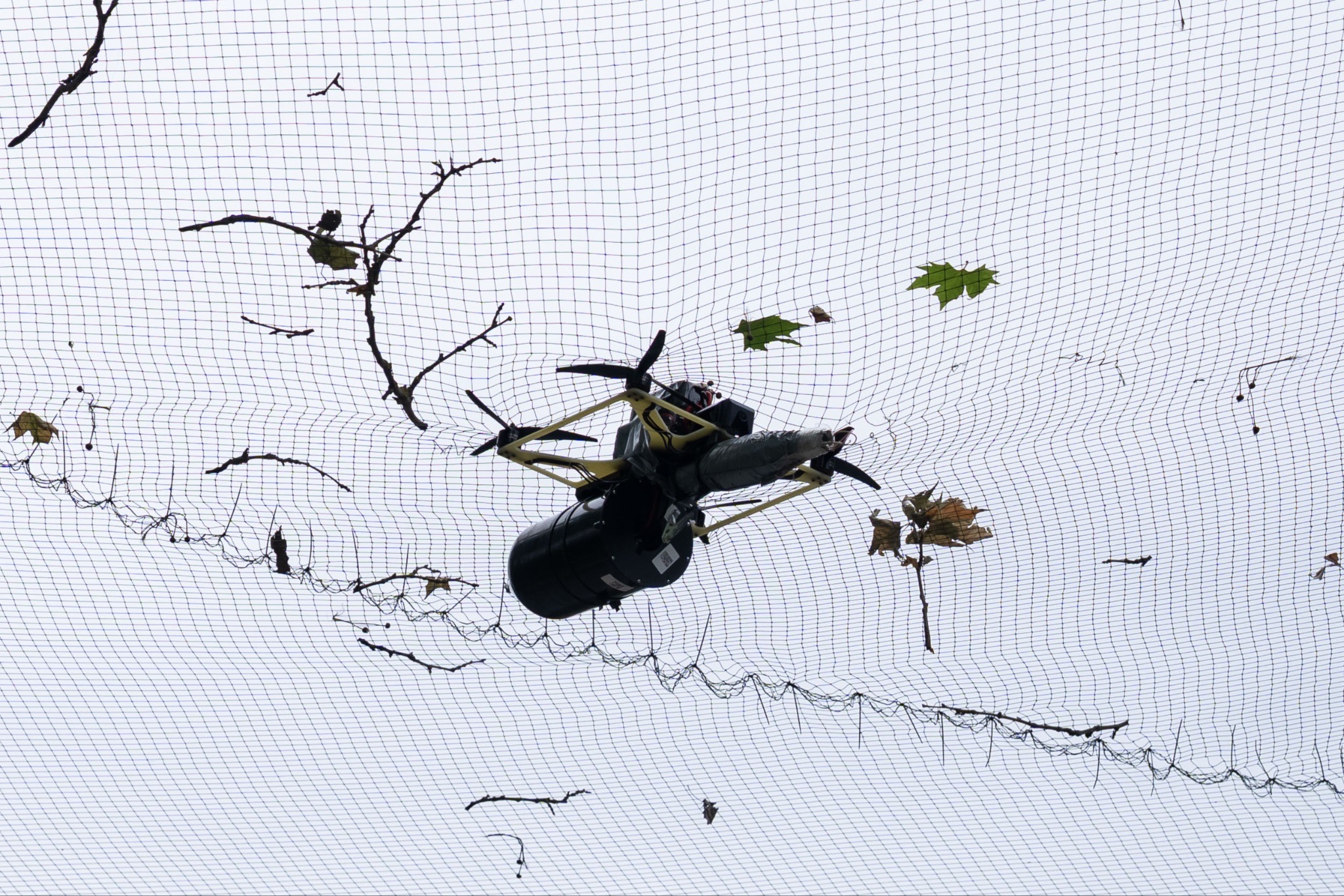
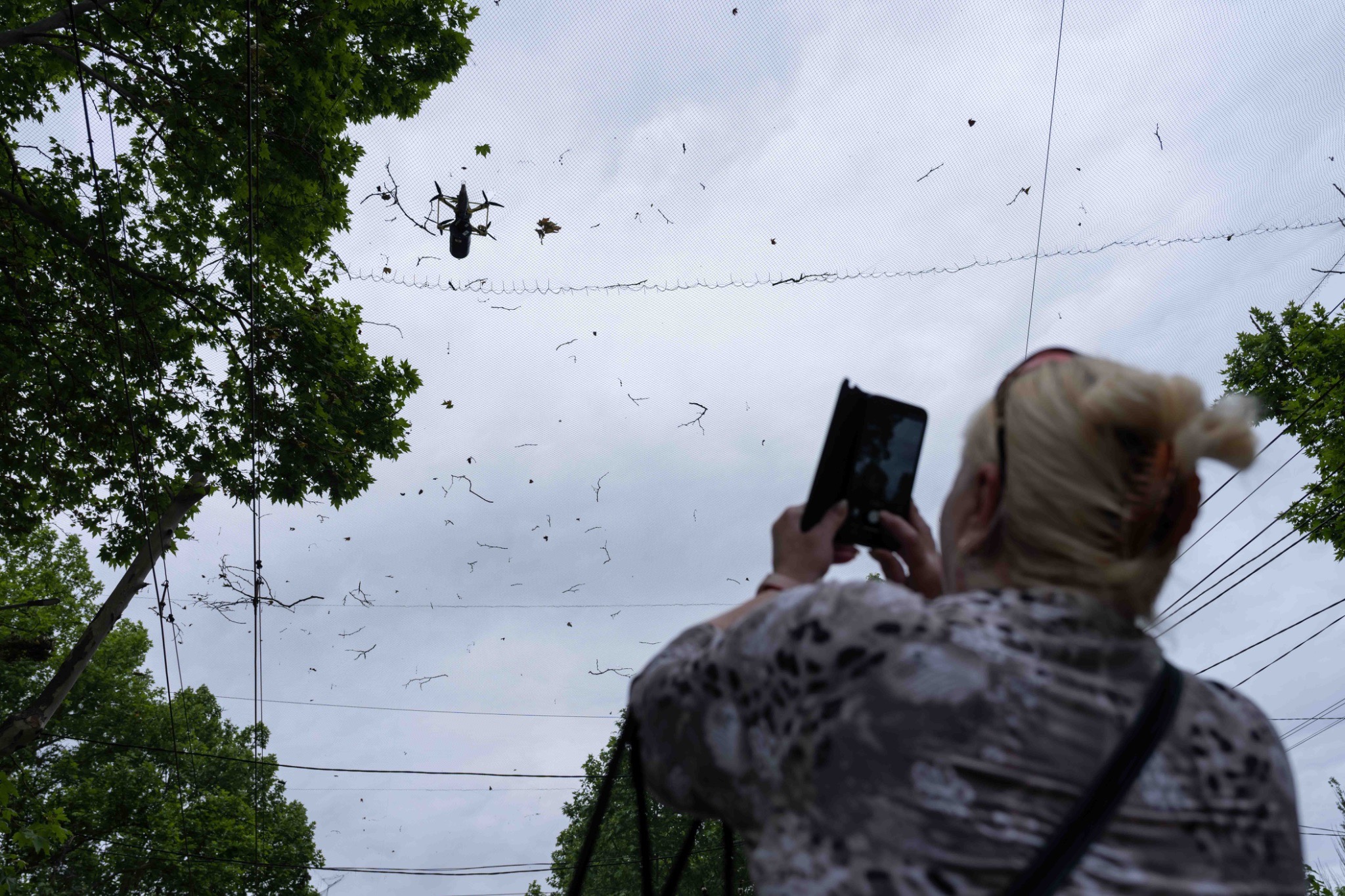
“When I was filming the massive drone shelling of the high-rise, drones continued to fly over us. They flew into neighboring houses, at public transport stops, got stuck in nets on the streets, and lay on the ground. There is no completely safe place in Kherson; it’s just that the intensity of the strikes varies. It’s relatively calm compared to the day when there are massive raids. The attacks happen daily. Many drones are shot down across the city,” Ivan Antypenko recounts.
One War Crime
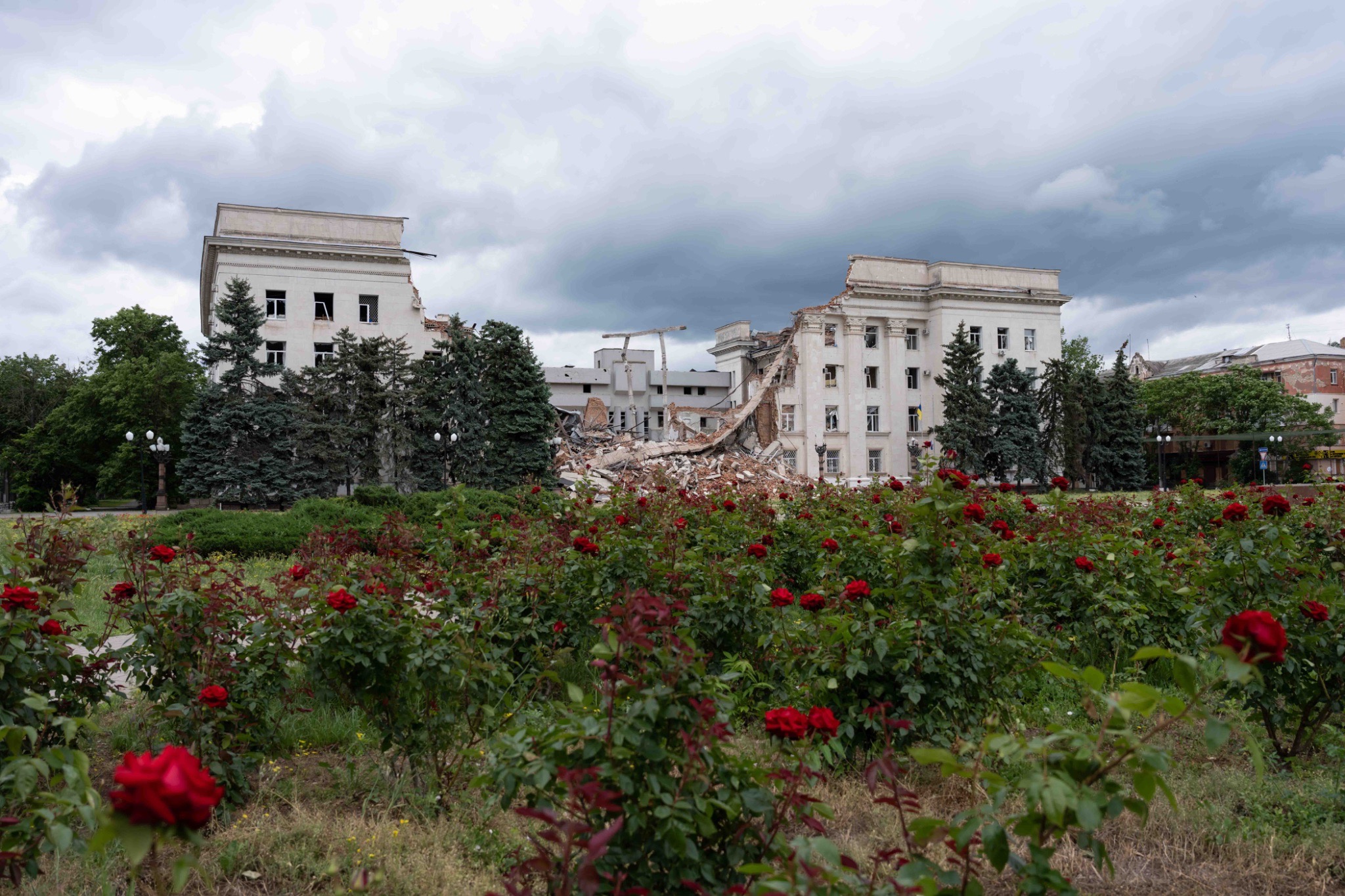
Periodically, Russian artillery pounds the city. In May 2026, the Kherson Regional Prosecutor's Office reported that during another artillery shelling of the city, a Russian shell killed a family's father, while the mother and two girls, aged three and six, were injured.
Propaganda blamed the Armed Forces of Ukraine for the shelling. Collaborator Saldo called it “a provocation by the Armed Forces of Ukraine, trying to cover up strikes on the Luhansk region with another bloody crime.”
“Saldo noted that the strike on the playground in Kherson was needed by the Armed Forces of Ukraine to shift focus and launch their deceitful information machine again,” reports “Ukraina.ru”.
The three-year-old girl who was wounded during the artillery shelling of the playground is being evacuated to the Okhmatdyt National Specialized Children's Hospital. At the Mykolaiv hospital, the child has already undergone surgery to remove a shrapnel fragment from her head; her condition remains critical but stable. Meanwhile, doctors continue to fight for the life of her mother, who was also injured in the shelling.
Shifting responsibility for shelling and terrorist attacks is traditional behavior for the Kremlin authorities. The Russians claim that such provocations by the Armed Forces of Ukraine may indicate a possible future withdrawal of Ukrainian military forces from the city.
“The logic behind the Kyiv regime's actions is clear. They have already shown that they are ready to destroy energy, bridges, roads, social objects, and water infrastructure. The Kakhovka HPP tragedy became a terrible example of this approach. Therefore, the risks of destruction during the enemy's withdrawal are being considered seriously,” declared the region's gauleiter to the “Ukraina.ru” publication.
The occupiers are not abandoning their attempts to push our defenders off their positions on the left bank of the Dnieper. On June 9, 2026, the Defense Forces successfully repelled all 11 enemy attacks, reports spokesperson for the 30th Marine Corps of the Ukrainian Navy, Pavlo Drohal.
Priority Targets
Every day, under conditions of constant danger, local journalists document the truth about Russian aggression and do not allow the enemy's crimes in Kherson to be hidden. Kherson is a city where journalists have stopped marking themselves with PRESS badges because doing so can make them targets for the Russian army.
Regional representative of the Institute of Mass Information in the Kherson region, Serhii Nikitenko, recounted that in 2025, due to the constant threat from Russian FPV drones, Kherson journalists abandoned PRESS markings because the occupiers consider media workers a priority target. The journalist says almost the entire territory of Kherson is within the reach of enemy drones. Despite the mortal danger, dozens of reporters continue to work in the city, who are now forced to use drone detectors as an essential element of protection and strictly follow new safety rules.
“I don't recall them specifically hunting journalists, but colleagues said that drones flew over them while they were hiding. This time, when I traveled, I also tried to plan movement routes: which roads to walk on, or rather, where it's better to go — under trees, under buildings — and not to move too much in coastal areas and in the center, or in cars. Cars need to be hidden because cars are a higher-priority target for Russian strikes. And, accordingly, this leaves a certain imprint on working conditions. You have to constantly think about all these safety aspects. Of course, you need to have a first aid kit and a tourniquet with you. As for body armor, everyone decides for themselves,” Ivan Antypenko shares.
Despite the colossal risks to life, investigators and forensic medical experts continue to work in Kherson. The German publication “Berliner Morgenpost” investigated the work of investigators in Kherson who document Russian war crimes and concluded that they have to work under constant threat to their lives. The publication reports that the “red zone,” where a full investigation is physically impossible, expands daily. During the full-scale invasion, Kherson law enforcement officers have already documented about 30,000 Russian war crimes, including those committed during the occupation. All gathered materials are transferred to the prosecutor's office and courts. Work continues, even though last summer the enemy destroyed their facility along with a morgue for 150 bodies, and the service had to move to a local hospital.
The publication's journalist, citing the head of the Regional Military Administration Oleksandr Prokudin, reports that the effectiveness of countering enemy UAVs on the approaches to Kherson reaches 96%. At the same time, a constant modernization of the offensive potential of the Russian Armed Forces is being recorded. The enemy has integrated the transportation of small kamikaze drones into the deep rear of the city and region into their tactics of “Molniya”-type UAV strikes. Also noted is the use of unmanned aerial vehicles controlled via fiber-optic cable, which completely negates the action of available electronic warfare (EW) systems.
“It’s better not to give yourself away, even if you’re just walking in body armor; if it’s noticeable from the drone, then a person in body armor is a higher-priority target than one without. A person in body armor and, for example, with a camera is an even more interesting target for a Russian pilot,” Ivan Antypenko confirms after his business trip to his hometown.
Media work today is a key weapon in countering Russian disinformation campaigns. We thank everyone for their resilience and efforts, thanks to which the whole world sees and knows the truth about what is really happening in the Kherson region!
If the global community does not force Russia to respect international humanitarian law, the tragedy of the civilian population in Kherson could become a horrific norm for all modern conflicts.
Material created with the support of the British Council's "Grants for Creative Economy Development" program
Working on the material:
Research and text: Yana Yevmenova
Photo editor: Olga Kovalova
Literary editor: Yuliia Futei
.jpg)

.jpg)