
.png)
The enemy employed guided aerial bombs, ballistics, and strike UAVs against residential neighborhoods, port and industrial infrastructure, and gas stations. The most extensive shelling and destruction were recorded in the Zaporizhzhia, Odesa, Kharkiv, Donetsk, and Sumy regions. Pavlohrad suffered several air raids, with deaths and injuries reported. A tragedy occurred in the Kyiv region, where Russians struck a private training ground with missiles during an event involving representatives of the Ukrainian defense industry; ten deaths and about 100 injuries are known. Enemy drones remain the primary daily threat to the Kherson community, causing the majority of civilian injuries, with nearly half of the victims located in the Korabelnyi district.
Chronicle of Russian Shelling
In Pavlohrad on July 20, an airstrike on a residential area killed two people and injured 18, including girls aged one and 13; three of the wounded remain hospitalized. During another attack on the city, a market and a logistics company warehouse were damaged. In the Chernihiv region, strikes on civilian enterprises and critical infrastructure were recorded, followed by fires. An attack on a postal terminal in a Kharkiv suburb killed five people and injured 20; a total of 48 victims were recorded in the region, 23 of them in Izium. Drone strikes in Mykolaiv damaged two gas stations, while in Ochakiv, administrative buildings, a bank branch, a retail outlet, a transformer substation, and a power line were damaged, leaving two civilians injured.
In Sumy on July 21, following drone strikes on a high-rise building and a shopping center, seven civilians were injured, including four children—notably an eight-year-old boy and a 16-year-old girl; the shopping center was completely destroyed by fire, and residential buildings and a gas station were damaged. During the cleanup, the enemy repeatedly attacked rescuers and destroyed a State Emergency Service vehicle. In the Kharkiv region, two people were killed and 15 others injured; in Kharkiv, a private house, two gas stations, and a car were damaged. In the Nikopol area, five people were injured, with one man in critical condition. In the Chernihiv region, three people were wounded, and residential houses burned; an administrative building caught fire due to a strike in Chernihiv, and a university building was damaged. In the morning in Kherson, 45-year-old Kherson Regional Military Administration employee Anzhelika Pereverzieva died following a Russian drone strike on a car.
July 22 saw kamikaze drones twice attack gas stations in Kharkiv; throughout the day in the region, three people were killed and 11 injured, as the enemy struck the village of Shevchenkove with guided aerial bombs. In Kherson, a woman died and another man and several residents were injured in a drone attack; the enemy attacked Zelenivka from the air, damaging houses. In the Nikopol area, seven people were injured by shelling, and a gas station was damaged. In Mykolaiv, a drone attack damaged warehouses and a service station, while energy infrastructure was targeted in the region. In the Chernihiv region, private houses, a gas station, and critical infrastructure objects were damaged.
In Sumy on July 23, a large-scale fire broke out following a Russian shelling of a gas station. In the Chernihiv region, Russians attacked energy facilities, causing 23 hectares of rye to catch fire, and a hit on a food industry enterprise was recorded. In the Kherson region, a UAV hit a fire station. Russians attacked Kherson from the air, with guided aerial bombs falling on a private residential sector and the grounds of an educational institution in the central part of the city and the Korabel district. As a result, the educational institution suffered serious destruction, houses were destroyed or damaged, and one civilian was injured. In Zhytomyr, a fire broke out at a fuel infrastructure facility due to shelling, which rescuers extinguished under the constant threat of repeated strikes. In Pavlohrad, three people were killed and 29 injured in an airstrike; 18 patients remain in hospitals, including three women in serious condition, one man in critical condition, and a two-year-old child in moderate condition.
July 24 saw kamikaze drones attack the border town of Semenivka in the Chernihiv region, where one person was hospitalized; residential houses, a minibus, a gas station, and a private guest house burned in the region, and strikes on energy facilities were recorded. In the Kharkiv region, nine civilians were injured, including a 16-year-old boy; large-scale fires broke out due to a guided aerial bomb strike on a postal cargo department in Izium and a night UAV attack on a warehouse building in Derhachi.
In the Dnipropetrovsk region, a Russian UAV hit the locomotive of a passenger train. In Sumy, a jet UAV purposefully attacked a Nova Poshta warehouse, causing a large fire and the deaths of three drivers. In the Mykolaiv region, port infrastructure came under fire: two civilian vessels and an administrative building were damaged, while in Mykolaiv itself, six garages and a car were damaged.
On the night of July 25, a fire station and a gas station were damaged in the Poltava region following a drone attack. In Kharkiv, two men were killed, and there were 14 victims in total in the region; during the day, occupiers launched a missile strike on Balakliia and Derhachi, resulting in casualties and damaged private households. In the Dnipropetrovsk region, two people were killed and three injured. In the Chernihiv region, fires broke out at two agricultural enterprises, destroying equipment and seed stocks; hits on energy and communication facilities were recorded, and three civilians were hospitalized. Throughout the day, Russians mass-shelled Kherson with artillery, killing two people and damaging residential houses, an educational institution, and a garage. In the Mykolaiv region, port infrastructure was attacked, damaging two civilian vessels and a warehouse.
During the night of July 26, the Russian army attacked communities in the Sumy region, killing one person and injuring eight, including a child; private and multi-story buildings, medical and educational institutions, shops, agricultural premises, civilian infrastructure, and cars were damaged and destroyed. In the morning, Russians struck a private house in the Slobidskyi district of Kharkiv, injuring nine people, including two children. In Kryvyi Rih, a fire broke out from a strike on a shopping center. In the morning, an enemy drone attacked an enterprise in Chernihiv, setting a building on fire; in the afternoon, a jet drone attacked a supermarket—two deaths are known, including a child. Over the day in the Chernihiv region, hits and fires were recorded, including nine hectares of barley being burned. Overall, this week the Russian army deployed nearly 1,700 drones, over 1,630 aerial bombs, and 95 missiles of various types against Ukraine, more than half of which were ballistic.
Zaporizhzhia
Russians hit residential neighborhoods of Zaporizhzhia and the Zaporizhzhia district with guided aerial bombs almost daily. A direct hit by July 20 destroyed two floors of a five-story building, where three people died under the rubble, including an 11-year-old girl, and another 47 were injured. 79 multi-story buildings were damaged, and there is destruction in the private sector. Enemy strikes also caused a fire at a logistics operator's terminal, destroying warehouses and food industry facilities, and injuring employees.
On July 21, the enemy launched KAB strikes on residential neighborhoods and facilities in Zaporizhzhia and the district, causing fires and destruction: a nine-story building, six residential houses, non-residential buildings, warehouses, and a bus were significantly damaged. Three people died and 25 were injured as a result of the shelling, including the bus driver.
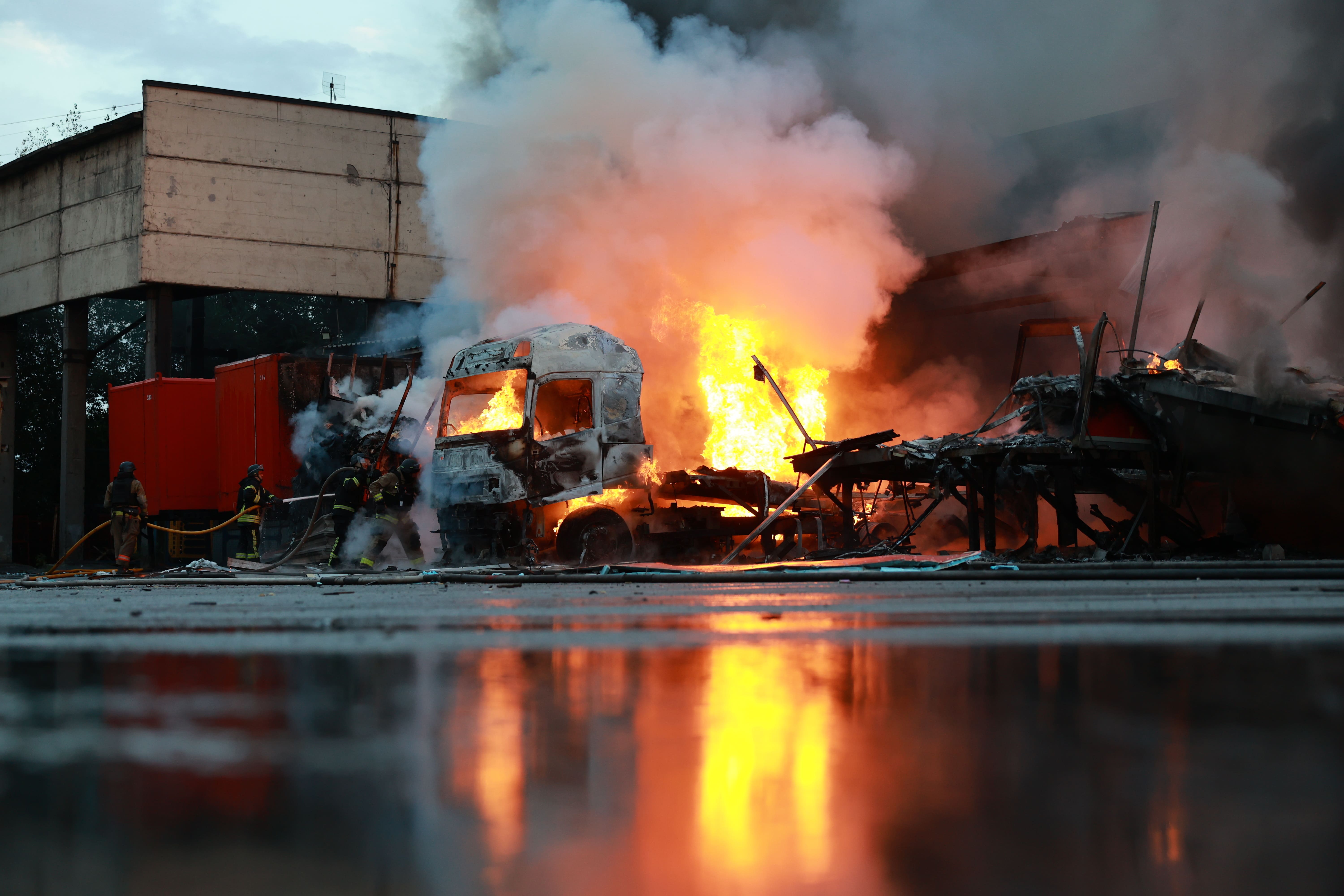
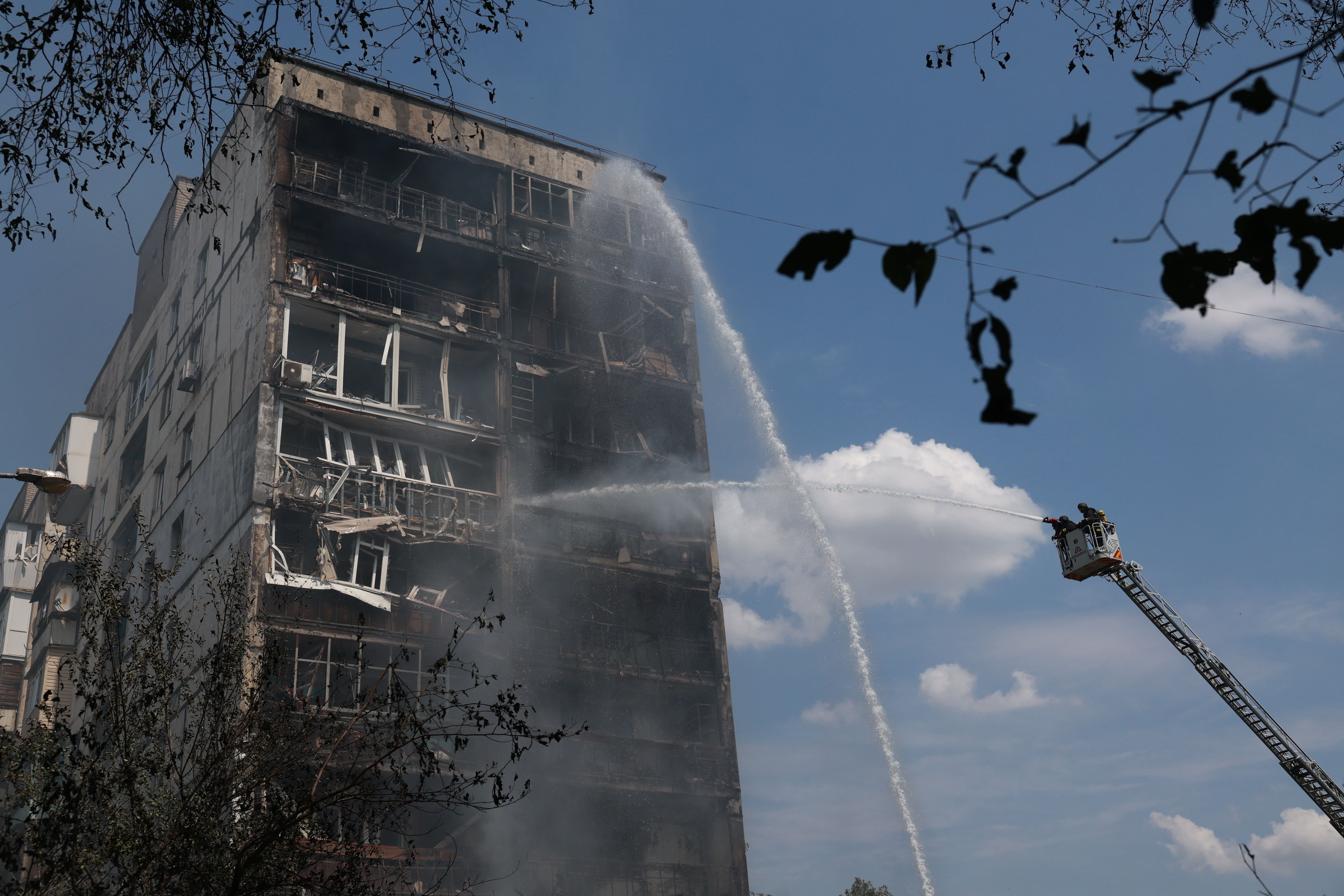
On July 22, Russian troops again attacked Zaporizhzhia, hitting a food industry enterprise and injuring three civilians, after which they struck the Zaporizhzhia district with aerial bombs, killing a man and injuring three others. Late in the evening, an enemy drone attacked another enterprise in the regional center, causing a fire.
At the end of the working day on July 23, the Russian army once again hit Zaporizhzhia with KABs, striking residential neighborhoods and a private medical facility; one person died, and 28 were injured, including six children. Overall, one person died and 34 were injured in the district during the day, with 15 victims remaining in hospitals.
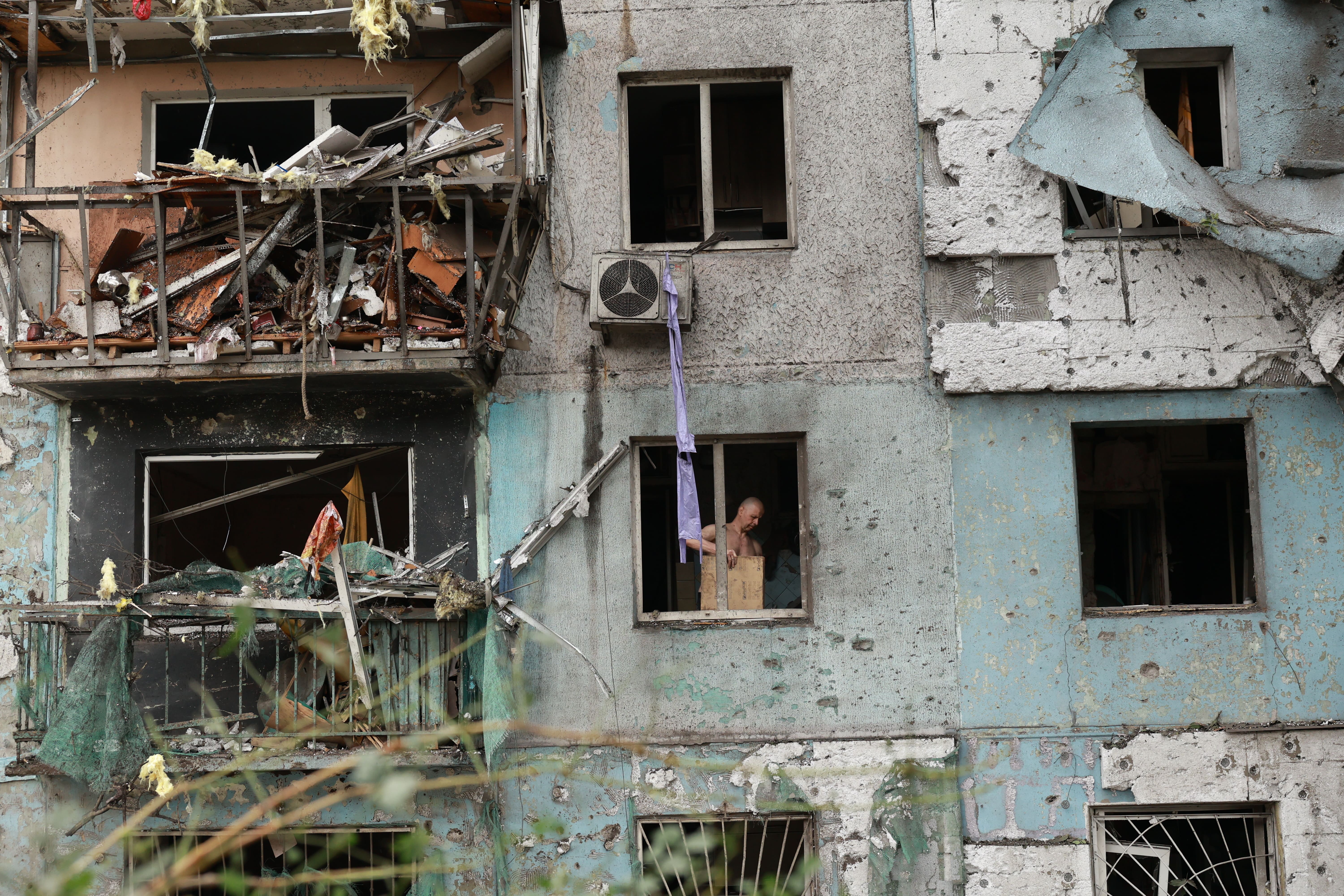
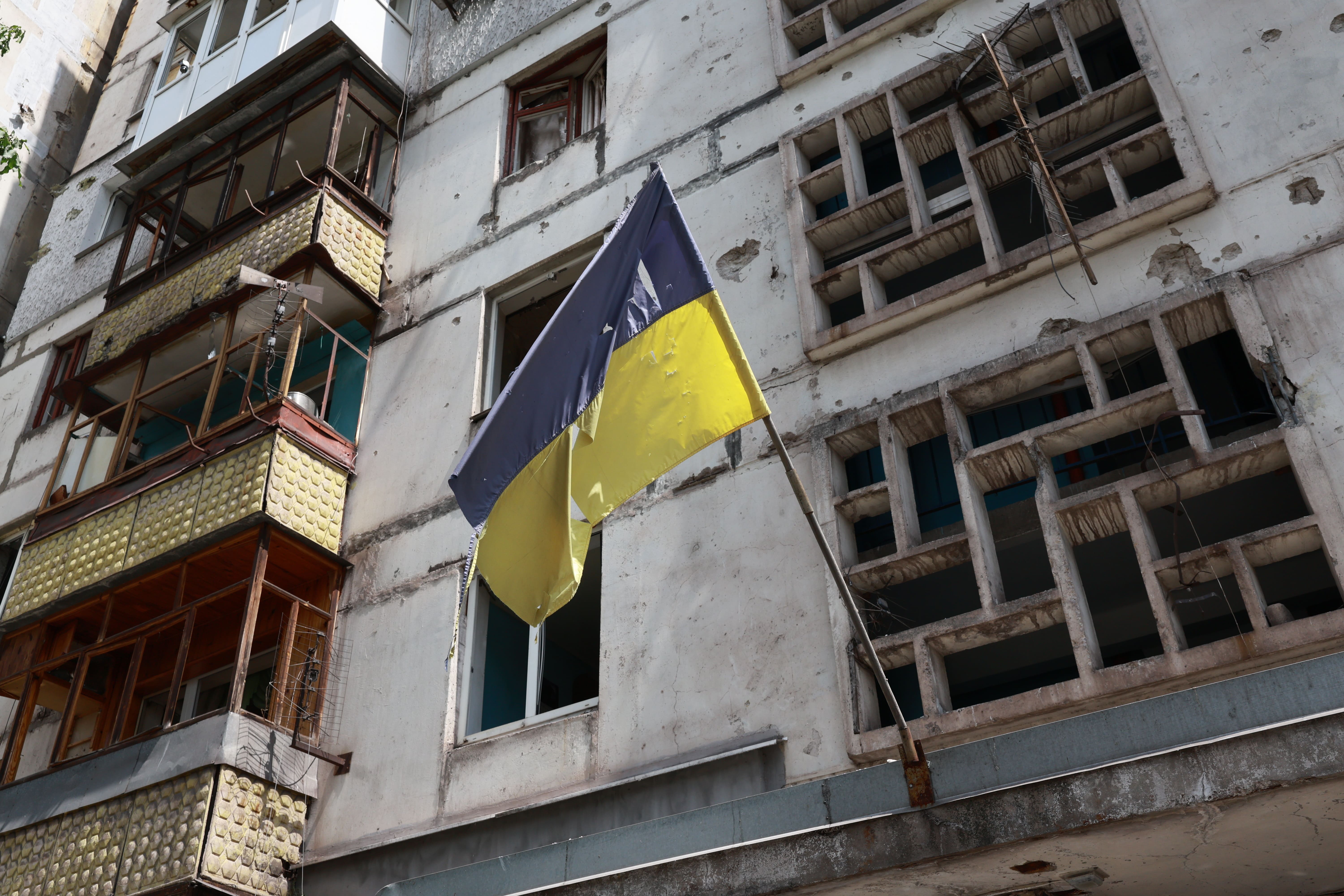
On July 24 and the night of July 25, Russian troops carried out a series of airstrikes and UAV attacks on Zaporizhzhia. KAB hits partially destroyed and damaged private residential houses; one of the munitions hit a cemetery. At least nine people were injured in these attacks, including two children; two men were hospitalized, one in serious condition. During the night drone attack, one person was injured, and a large-scale fire broke out in a two-story commercial building, shops, and pavilions covering 900 sq. m; surrounding buildings were damaged by the blast wave and debris. Over the weekend, the enemy again attacked Zaporizhzhia; a woman's body was recovered from the rubble, and 11 people were injured, including three children; 16 multi-story buildings and four non-residential buildings in the Dniprovskyi, Voznesenivskyi, and Shevchenkivskyi districts of the city were damaged.
Odesa Region
Russians launched a missile strike on a civilian Guinea-Bissau-flagged cargo ship near Odesa, which was carrying corn. A fire broke out on the ship, and ten crew members, including the pilot, died. Eight sailors, some of whom were injured, were evacuated by the Navy of the Armed Forces of Ukraine and the Maritime Search and Rescue Brigade.
On July 20, the enemy targeted civilian and industrial infrastructure in the region. Missile strikes damaged private houses, injuring three people, including a one-year-old child. During the shelling of one enterprise, three employees died and eight were injured; two were hospitalized in serious and moderate condition. Equipment caught fire at the facility, and a gas pipeline was damaged. Solar panels of another enterprise were also destroyed.
As a result of combined strikes on July 21 in the center of Odesa, residential houses, institutions, and cars were damaged; four people were injured: a 17-year-old boy, girls aged 17 and 19, and a 38-year-old man.
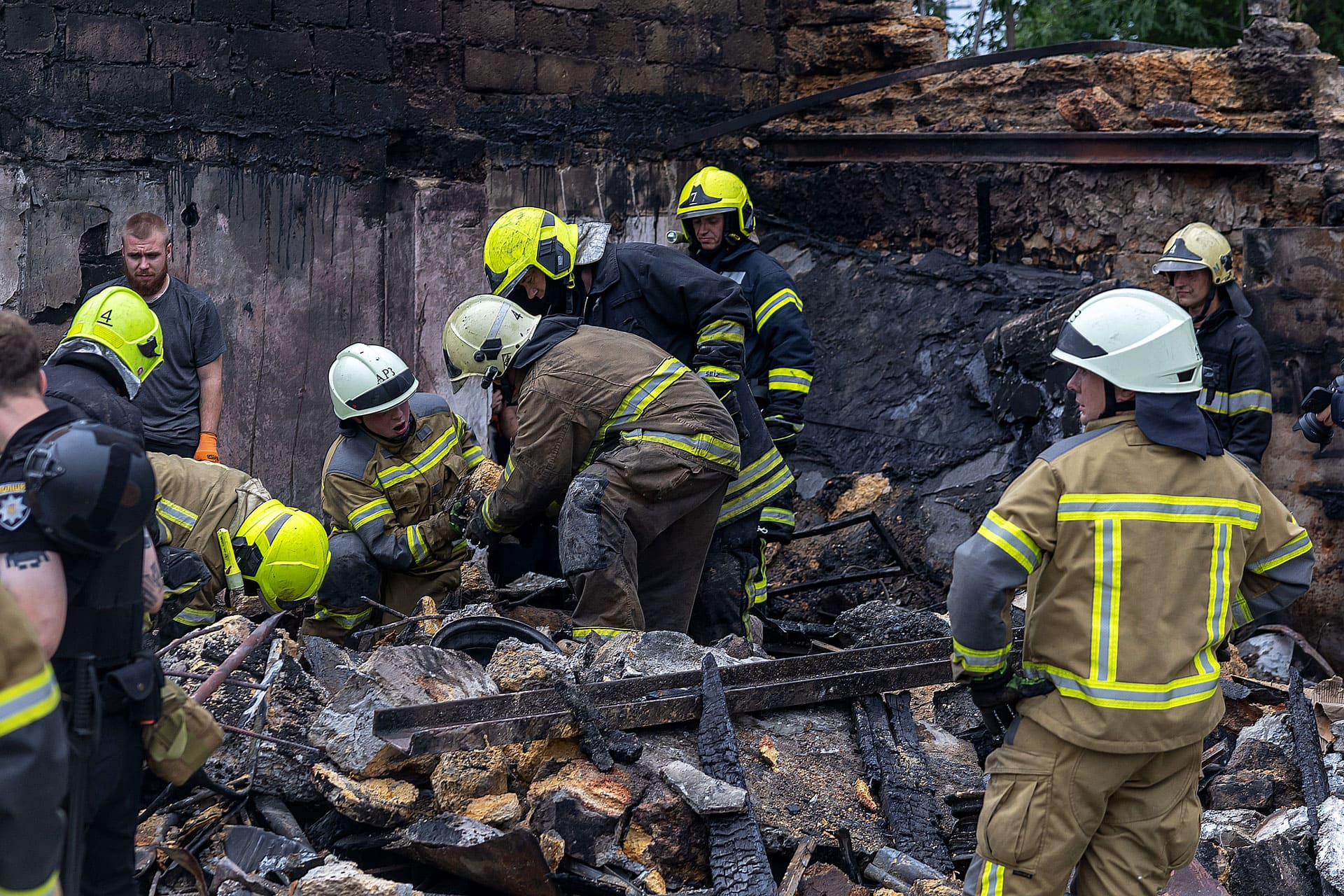

On July 22, the enemy once again attacked the civilian infrastructure of the Odesa region with strike drones. In one settlement, a UAV hit a two-story building, killing a woman; in another, it destroyed the roof of a private home, damaged a tobacco warehouse, and caused a fire due to gas pipeline depressurization. In Odesa, a two-story residential building and the grounds of a service station were hit, injuring two people; while clearing the rubble of the house and garage, rescuers found the body of a deceased man.
"The man killed in broad daylight today by a Russian 'Shahed' worked as a painter. He rented a small booth where he painted cars for Odesans. He died in that booth. At work. Until the last moment, rescuers hoped he was somewhere else and simply wasn't picking up the phone..." — noted photojournalist Oleksandr Gimanov.
The Russian attack on Odesa continued into the night of July 23, damaging an office space, cars, infrastructure, and double-glazed windows of private houses; there are no new casualties.
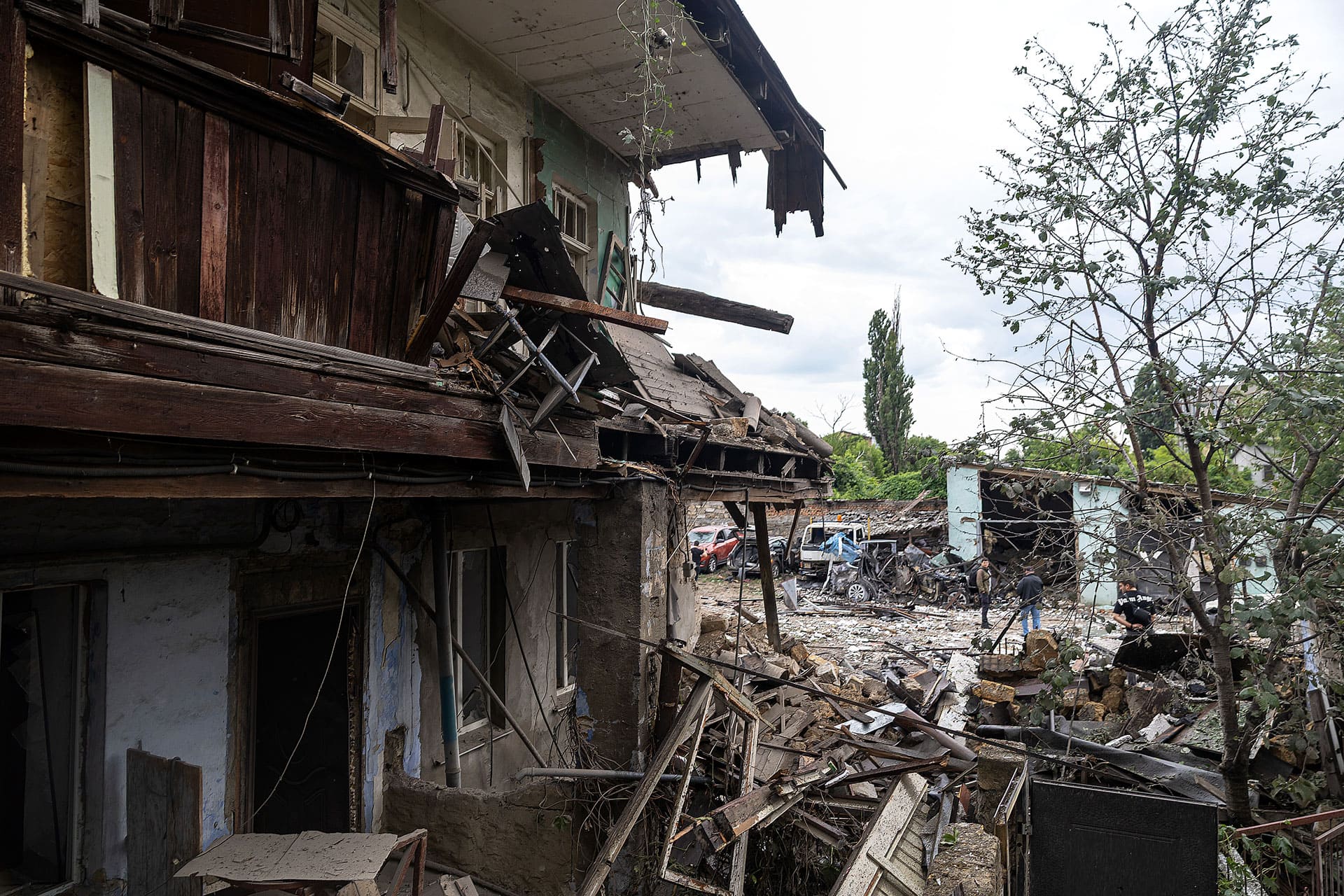
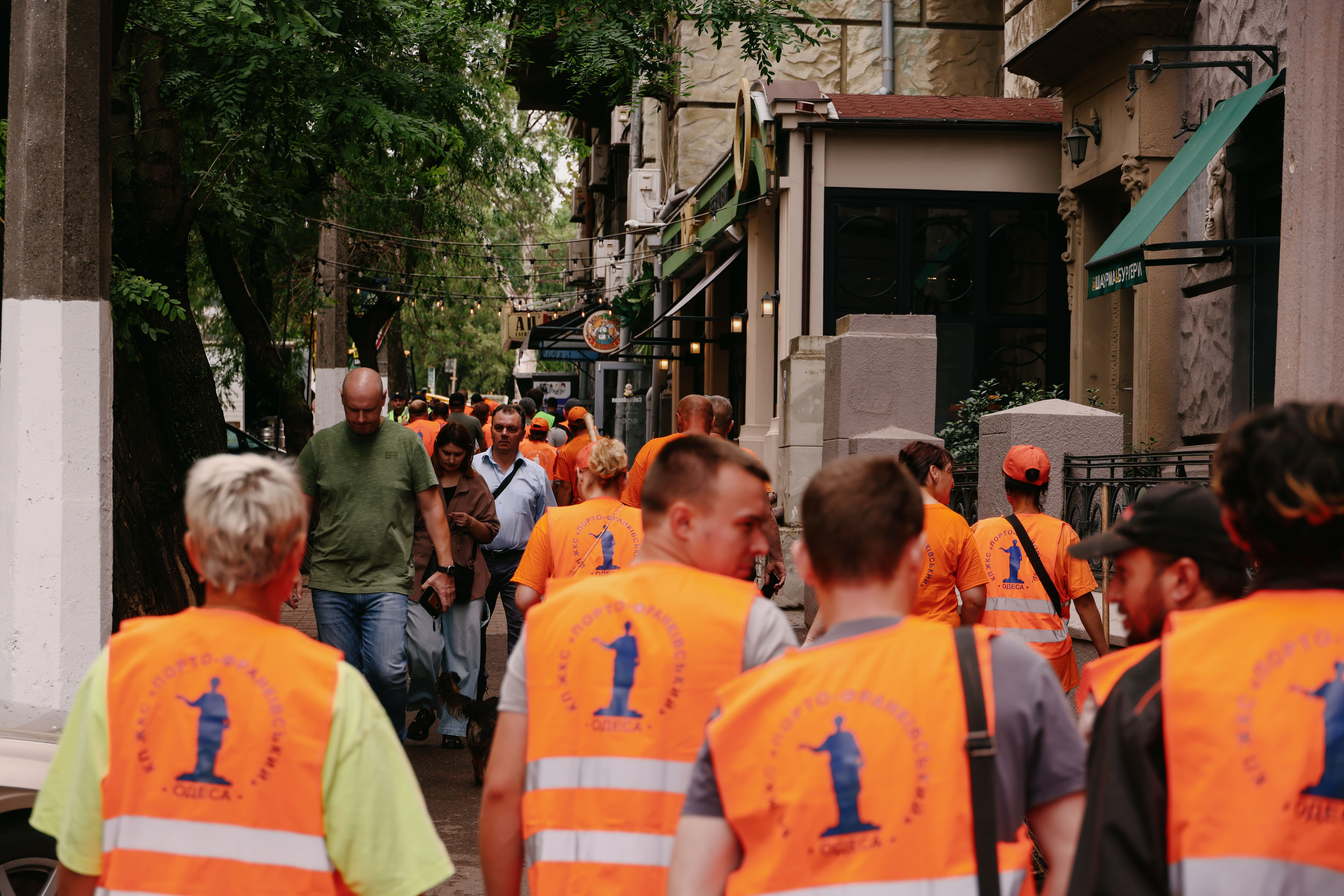
On the night of July 24, the enemy launched a combined strike on the residential sector and industrial zone of the region. A multi-story building, private houses, cars, and enterprise grounds were damaged, and a woman and a four-year-old child were injured. Following an attack on Odesa during the day of July 24, a furniture store was damaged and two people were injured.
On July 25, the RF struck the Odesa region again; about ten private houses were damaged in the Odesa district, and a man was injured. Enemy UAVs twice attacked a Palau-flagged civilian vessel carrying corn—damage to the deck and hold and a fire were recorded, seven people were injured, and the crew and pilot were evacuated by the Navy of the AFU; the fate of two more people remains unknown.
.jpg)
Donetsk Region
On the night of July 20, the enemy attacked Kramatorsk from the air, hitting residential neighborhoods and the largest medical campus in the community; hits on a residential building and a medical facility were recorded, killing two people and injuring ten; in Druzhkivka, two people died. On July 21 in Sloviansk, an airstrike damaged production premises, an administrative building, a private house, and seven cars; in Kramatorsk, critical infrastructure objects, private houses, a post office, a shop, and a cultural institution were damaged; three died in the region.
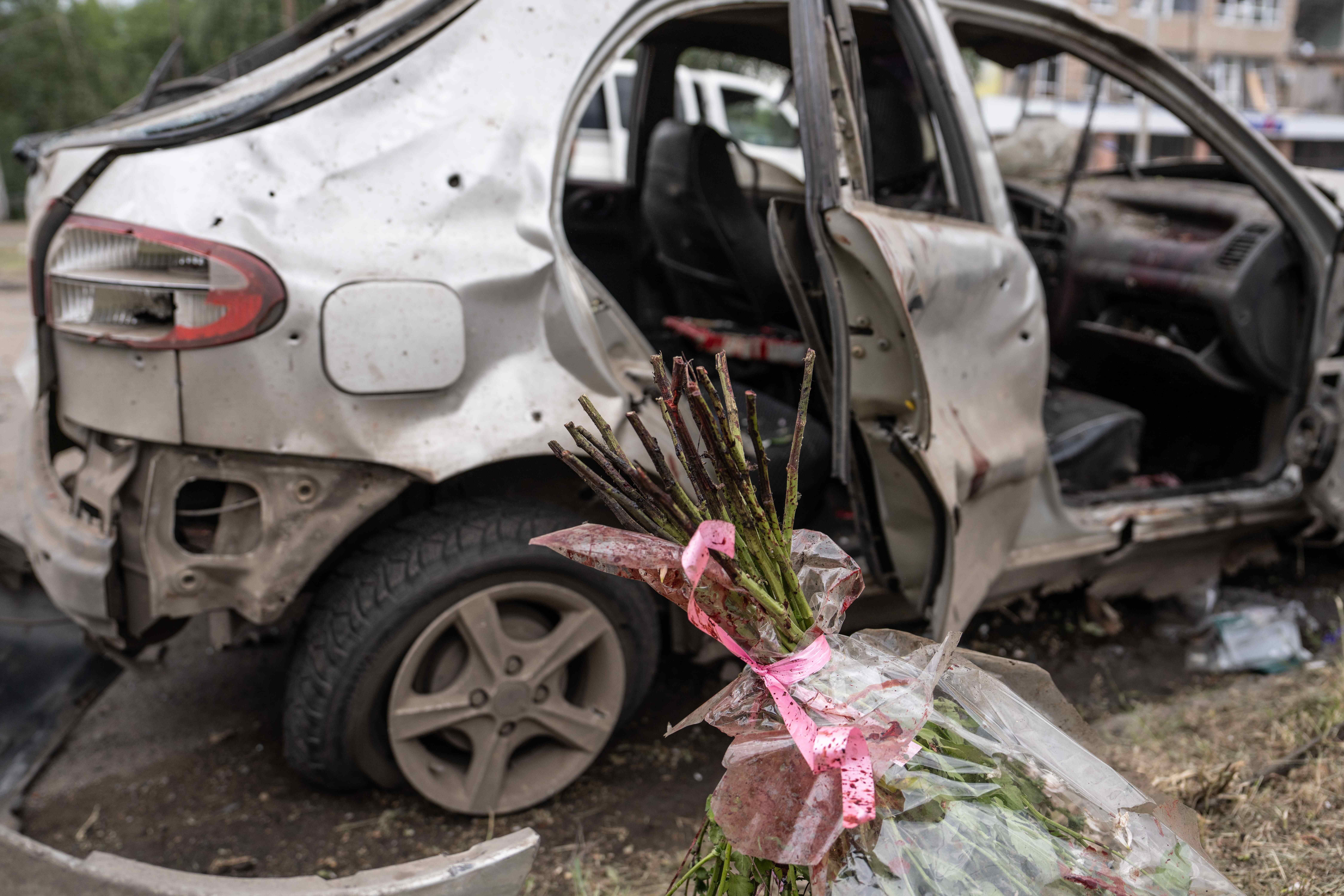
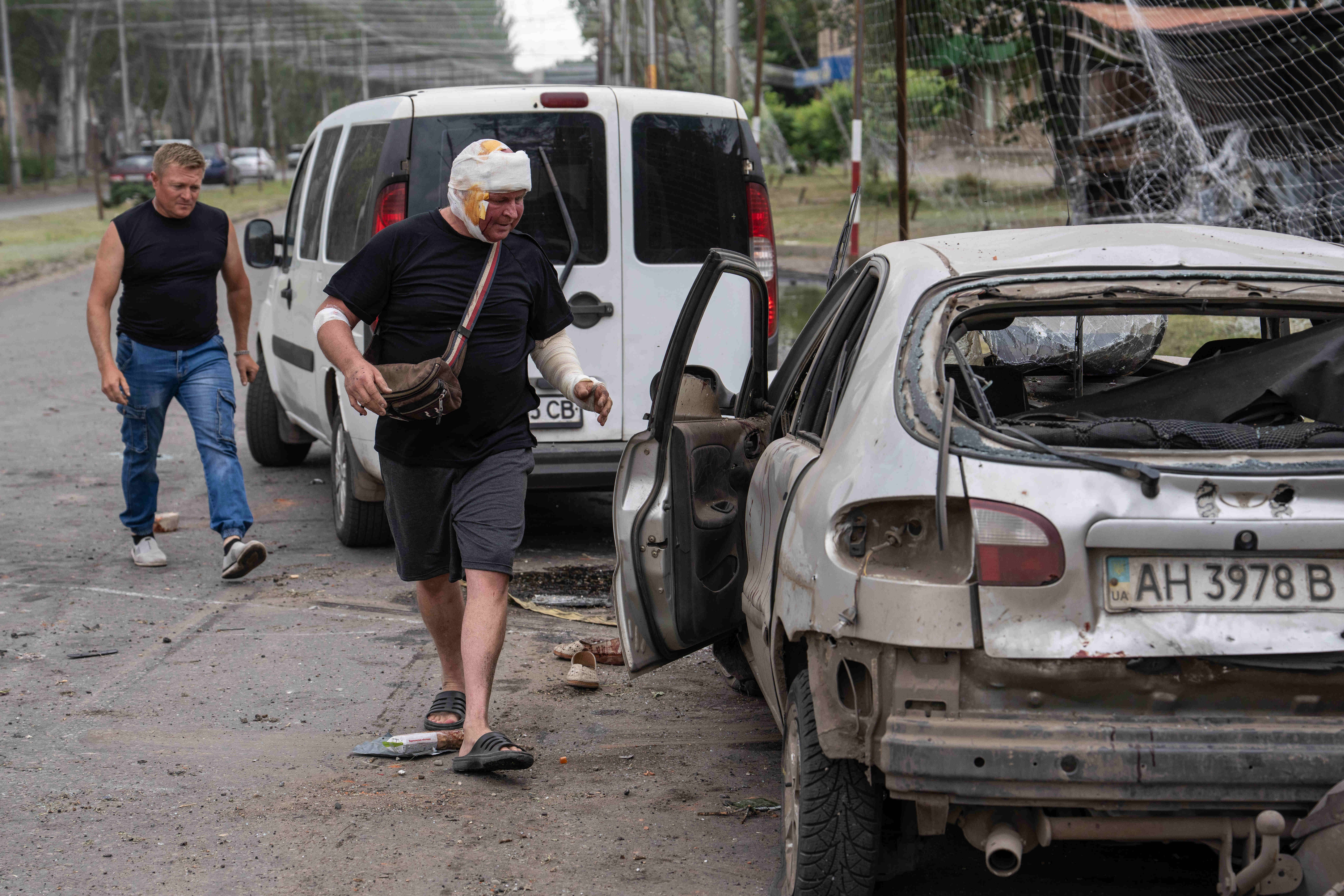
Over the next three days, the enemy continued airstrikes on Sloviansk. On July 22, private houses were damaged and an educational institution was partially destroyed in the city; one person was hospitalized. On July 23, guided aerial bombs hit a multi-story residential area, damaging apartment and private houses and causing fires; one person died and 15 were injured. On the morning of July 24, another airstrike took the lives of five city residents, with nine others injured; at least ten private houses, a wholesale base, a private enterprise, the premises of the Consulate of the Republic of Latvia, and cars were damaged.
"Russian occupiers hit Sloviansk with KABs. Local authorities report five dead and nine injured. They hit a construction supermarket, among other things. The cars parked nearby were simply flattened. A man with a bandaged head tried to pull his car away. The car was splattered with blood. Nearby lay a blood-stained bouquet of flowers and a pair of women's shoes. I asked how he felt. He said his wife died from the hit. Today she turned 50. Heartbreaking events...",
— shared emotionally by 93rd Brigade 'Kholodnyi Yar' press officer and photographer Iryna Rybakova, who captured the consequences of the airstrike on Sloviansk on her social media.


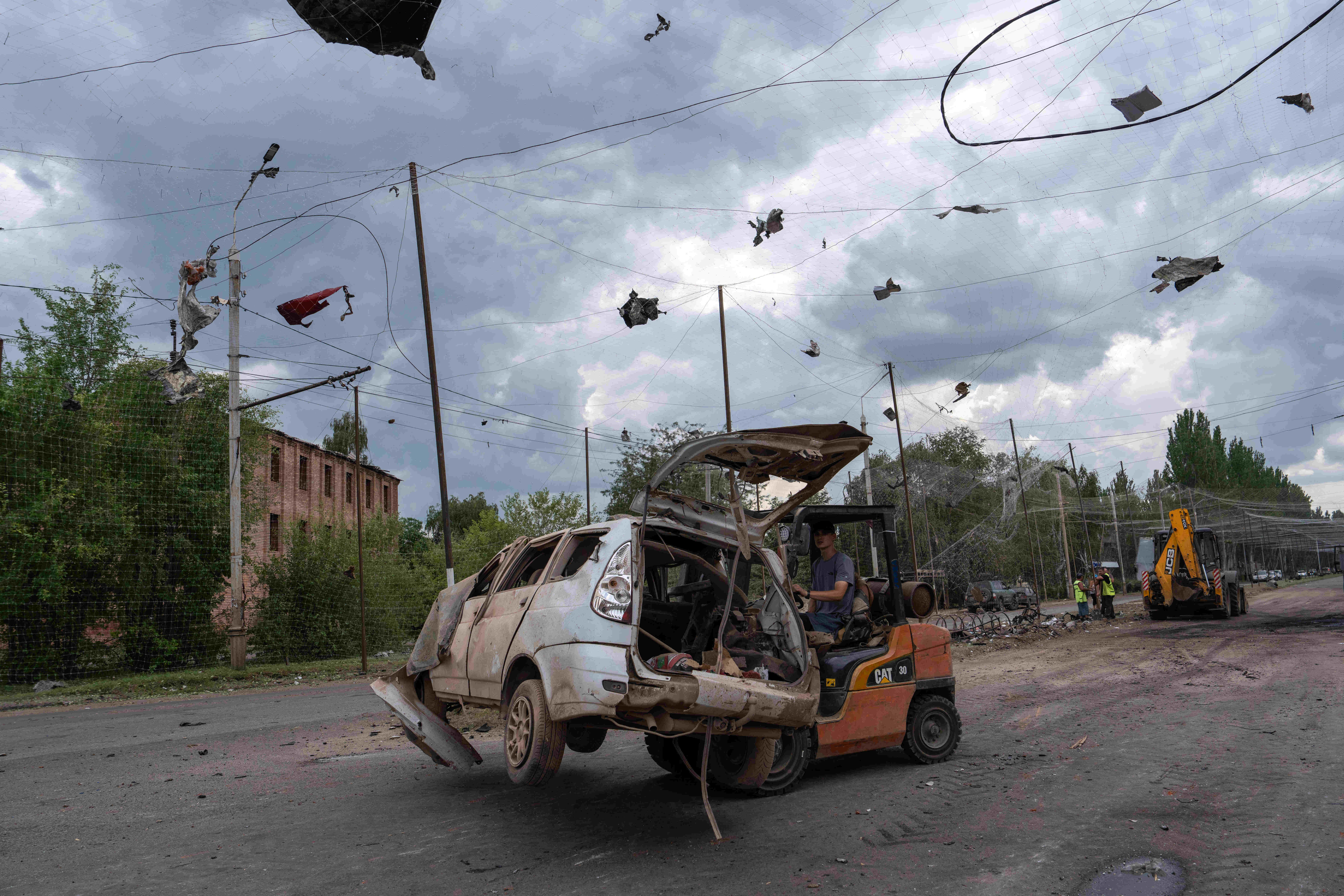
Following the third massive Russian attack on Sloviansk within a day, involving three aerial bombs on the city center and a UAV hit on a private house at night, one person died and 16 were injured, including a 15-year-old boy. A five-story building and a two-story office building were partially destroyed; rescuers pulled three wounded people from the rubble, evacuated two persons, including a woman with limited mobility, extinguished fires, and neutralized an unexploded aerial bomb. In total, 16 apartment buildings, a private estate, a cafe, a pharmacy, a printing house, and retail outlets were damaged in the city. Within 24 hours, six died and 27 residents were injured in the community; over the week—nine dead and 45 injured, as reported by the Sloviansk Military Administration.
Kyiv Region
The week for the Kyiv region began with Russian UAV attacks. On July 22, in the Bucha district, five people were injured, including three children, as a result of a drone strike on a residential house; in the Boryspil district, office and warehouse premises were damaged. On the morning of July 24, the enemy again attacked the region with strike drones, and in the afternoon launched a missile strike. In the Bucha district, where the most severe consequences of shelling were recorded, a search and rescue operation and the extinguishing of fires in private houses and cars continued at the site of the hit. After completion of the work, it became known that the shelling took the lives of ten people, the youngest of whom was 19, and nearly 100 people received injuries of varying severity; domestic animals also died and were injured, and 27 private residential houses, two hotels, a restaurant, and over forty cars were damaged.
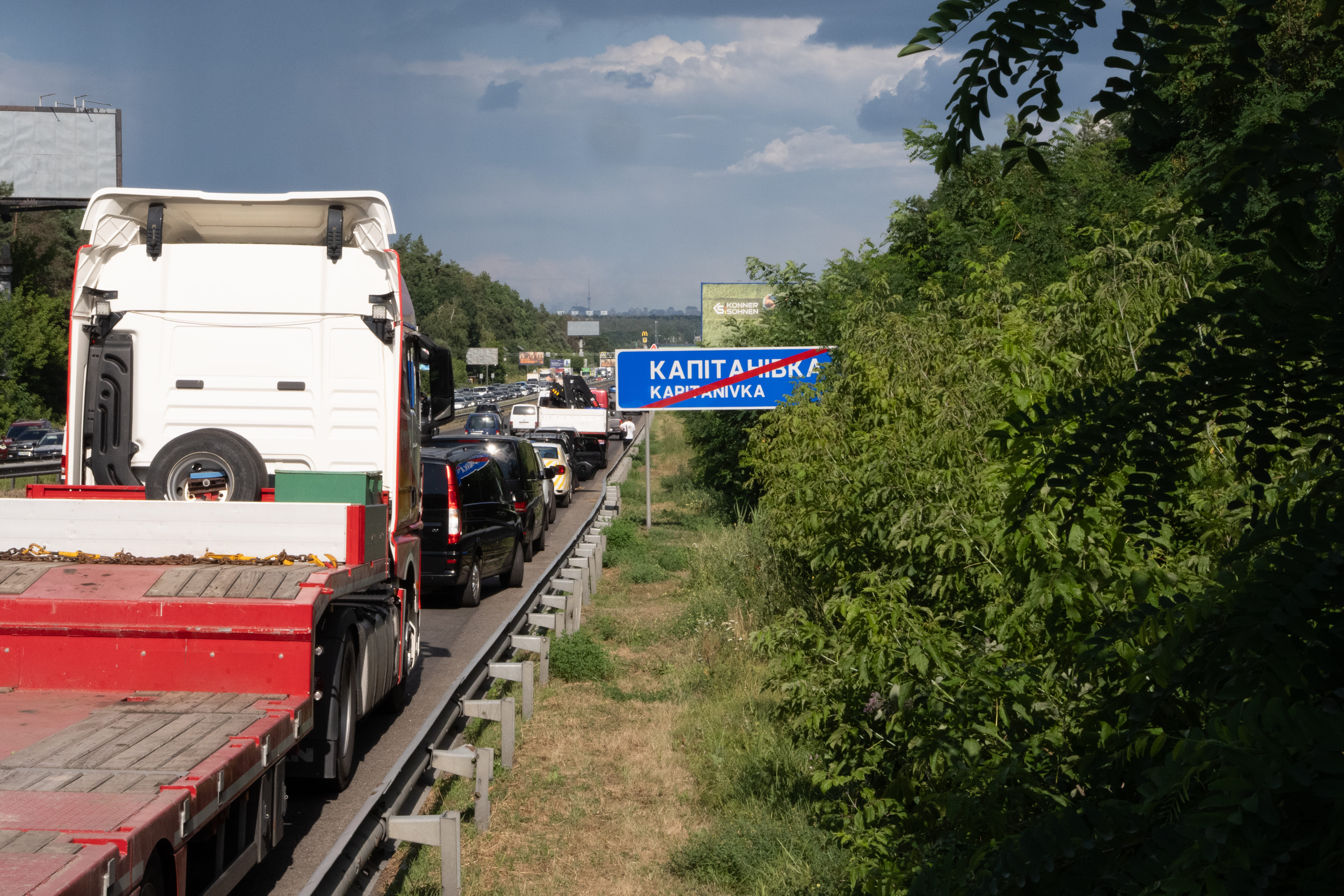
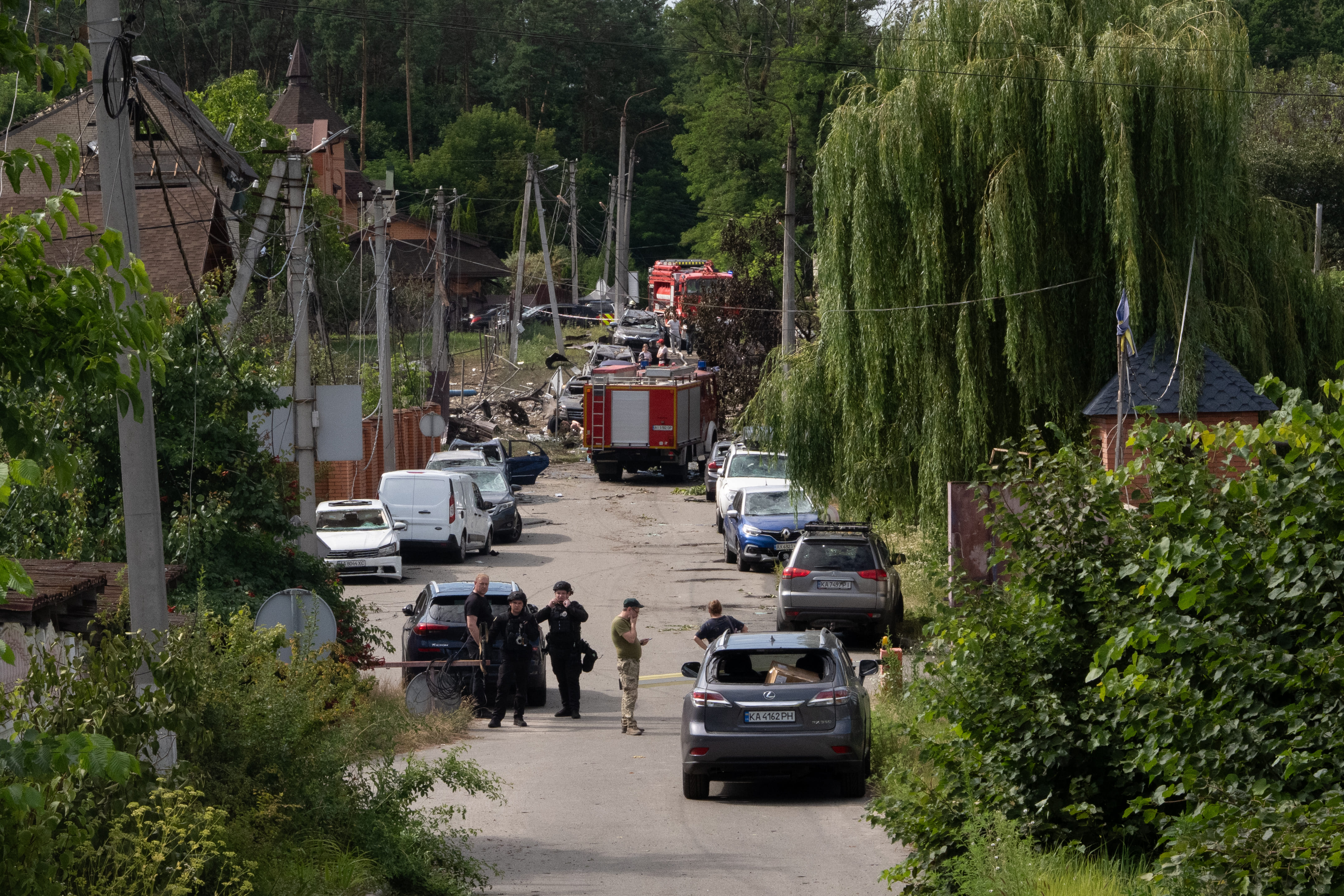
The Air Force Command of the AFU reported that around 11:30, the enemy launched three Iskander-M/S-400 ballistic missiles at the Kyiv region from a northern direction; air defenses intercepted one missile, while the other two hit the Bucha district.
Suspilne Novyny, citing acting head of the KOVA Ruslan Oliinyk and the Ukrainian Association of Gunsmiths, informed that the Russian army struck a private training ground where a weapons exhibition was being held. Journalists were told by the General Staff of the AFU that the area in the Kyiv region hit by Russian troops is exclusively a civilian facility and is not under the jurisdiction of the Ukrainian Defense Forces.
.jpg)
The Office of the Prosecutor General is investigating this war crime under Art. 438 of the Criminal Code of Ukraine. Simultaneously, proceedings have been initiated regarding alleged professional negligence (Part 3, Art. 367 of the Criminal Code of Ukraine) during the organization of the event, which led to human casualties and grave consequences. As reported by Prosecutor General Ruslan Kravchenko, one of the gunsmith associations unauthorizedly organized a large-scale weapons exhibition with over 300 participants—military personnel, officials, foreign partners, and entrepreneurs. The event, which included a demonstration of air defense systems, was held without coordination with the military command or local administrations. Participants were gathered at an open location where the only shelter, measuring 34 sq. m, was located a hundred meters away, creating a critical threat. Although details of the place and time were sent out a day before the event, the investigation is checking a version regarding a possible data leak for targeting the enemy strike.
The main organizer of the event has been detained and notified of suspicion under Part 3, Art. 367 of the Criminal Code of Ukraine. Currently, the suspect is in the hospital with light injuries under custody, awaiting the selection of a preventive measure. Urgent searches have already been conducted on the association's premises and at the residences of potentially involved persons.
Following the Russian missile strike on the training ground in the Kyiv region, Colonel Valentyna Savytska, deputy head of the Center for International Cooperation and Strategic Communications of the UDO of Ukraine, died. May 25 was declared a Day of Mourning in the Kyiv region for the deceased.
On the night of July 25, Russians struck the capital with ballistics; fires broke out in the Desnianskyi, Shevchenkivskyi, and Solomianskyi districts. In the Desnianskyi district, a warehouse, ten cars, and a truck in a parking lot caught fire. In the Shevchenkivskyi district, a fire occurred in a four-story building, and in the Solomianskyi district—destruction and a fire in a non-residential premise.
Meanwhile, protests continue in Kyiv. Demonstrators are demanding the reinstatement of Mykhailo Fedorov as head of the Ministry of Defense, as well as the resignation of Vitalii Kim from the post of Minister for Veterans Affairs.
Produced by:
Researcher and author: Yana Yevmenova
Photo editor: Marusia Maruzhenko
Literary editor: Yuliia Futei
.jpg)

.jpg)













.jpg)


