.png)
The Ukrainian Association of Professional Photographers, together with legal experts from the Ukrainian National Office for Intellectual Property and Innovations (UAPI/IP Office), has initiated the development of a suite of standard contract templates for photographers to use in their daily work. This package of documents will include licensing agreements, agreements on the assignment of economic rights, as well as agreements on the payment of royalties and author's remuneration. It is essential to adapt these templates to various fields of photography, as each niche has its own unique needs and operational specifics that must be addressed from a legal perspective. In addition, practical guidelines are planned to assist photographers in navigating any potential copyright disputes or challenges.
These standards will be implemented in accordance with the regulatory framework and guidance of the Ukrainian National Office for Intellectual Property and Innovations to ensure complete legal compliance with current Ukrainian legislation.
Legal experts from the Ukrainian National Office for Intellectual Property and Innovations discussed the specifics of photo usage by various media outlets and institutions, the rights of individuals depicted in photographs, working under wartime conditions and with artificial intelligence, as well as transferring image collections to archives.
Challenges of Cooperation with Media and Institutions
Specialists from the Ukrainian National Office for Intellectual Property and Innovations, together with the non-governmental organization Design for Ukraine, previously completed a similar project. As part of that initiative, standard contract templates and practical recommendations were developed for designers and illustrators across various specializations. “As recent results show, these documents are not only functional but are also actively and successfully utilized by the community in real-world practice. We hope that our new project for photographers will prove to be equally useful and effective,” says Dmytro Doroshenko, Head of the Creative Economy Sectors Development Department at UAPI.
To maximize the effectiveness of their collaboration with the Ukrainian National Office for Intellectual Property and Innovations, the Ukrainian Association of Professional Photographers plans to launch a survey for community members. The responses will be categorized by subject areas and types of photography. Thorough analysis of each issue will help structure further cooperation as productively as possible.
“We are ready to face contemporary challenges and provide highly practical recommendations based on past experience. We have an in-depth understanding of judicial practice regarding disputes in this field, and we look forward to contributing relevant guidance,” noted Olha Kulinich, Head of the Intellectual Property Academy Department at the IP Office (UAPI).
Situations often arise where a photograph escapes the photographer's control. For instance, a photographer might shoot a famous artist in collaboration with a foreign media outlet, with all economic rights eventually reverting fully to the photographer. However, due to the artist's immense popularity, the image spreads across global publications without any royalty payments. Consequently, the question arises as to how a photographer should proceed legally when an image goes viral and circulates worldwide without authorization.
Another scenario involves commercial piracy on major platforms—for example, when photographs are illegally printed on t-shirts or other merchandise for commercial sale. When sales are aggressive and the ultimate seller is hidden behind the algorithms of giant platforms, it becomes unclear how to reach them and hold them accountable.
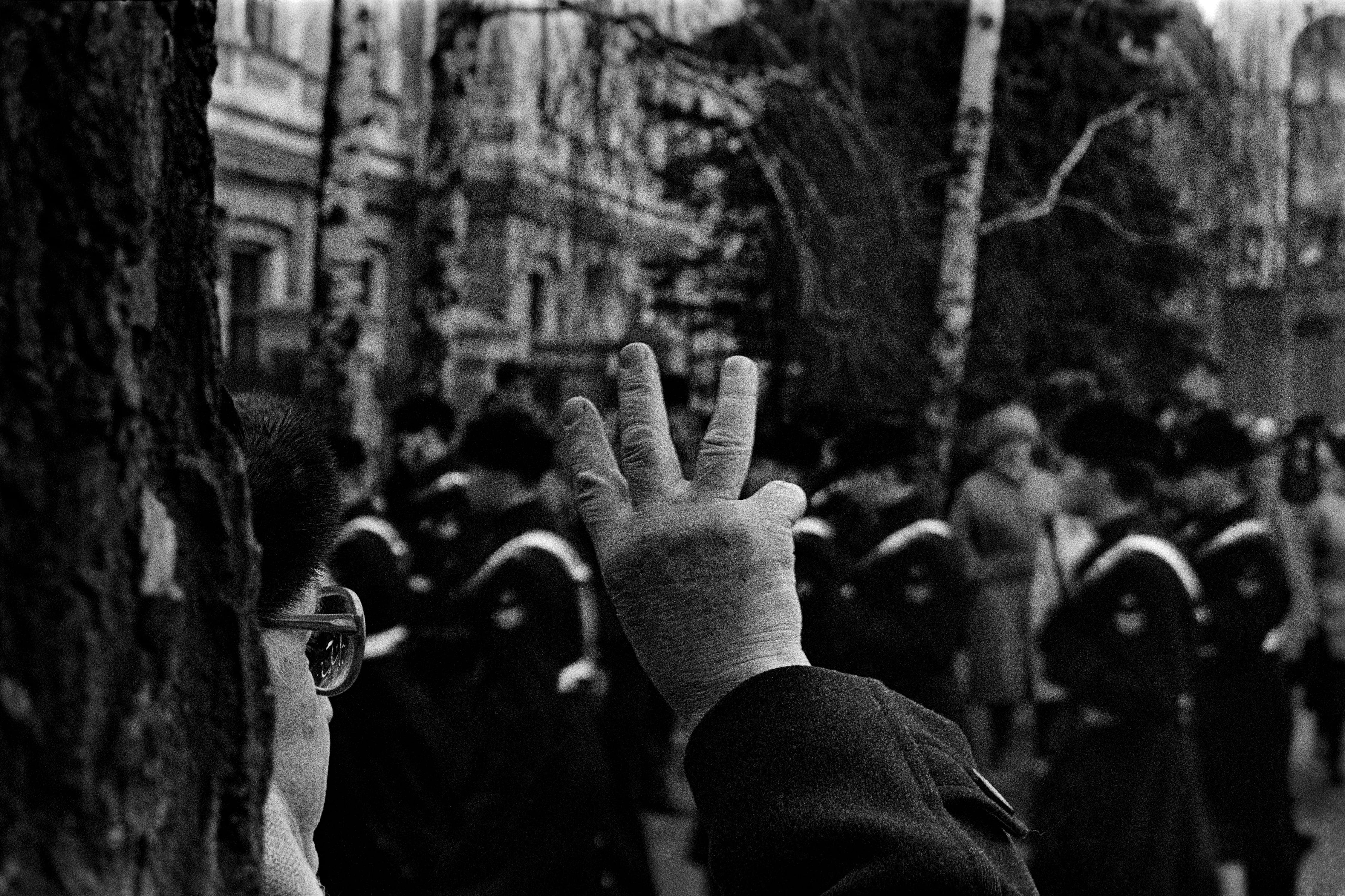
Another issue concerns the ethics of monetizing documentary photography. For example, photographers may work on a documentary topic as part of a personal project, yet certain images may possess commercial potential. The photographer receives purchase requests from magazines along with content monetization offers. This creates a dilemma: how should revenue be shared with the subjects of the photographs from legal and ethical standpoints? Moreover, how should communication and financial arrangements be structured if a non-commercial fashion agency participated in the shoot alongside the documentary effort? Is the photographer obligated to share proceeds with them as well?
“I want to assure you that within our project we will definitely develop a standard model release template for cases like the third scenario, as well as other document templates that photographers should sign with their subjects as needed,” emphasizes Dmytro Doroshenko. “Regarding revenue distribution: Articles 307 and 308 of the Civil Code of Ukraine, which govern model rights, actually address this matter rather superficially. In practice, contractual arrangements determine everything—specifically, what is agreed upon at the outset regarding whether or not a fee will be paid. However, there are clear boundaries regarding when the law strictly requires consent for image use and when it does not. We will detail these legal nuances thoroughly in our final recommendations.”
Legal Aspects of Photographers' Cooperation with Media
Today, photographers face numerous questions regarding the legal terms of cooperation with various media outlets and institutions. Authors are primarily concerned with the legal aspect: how to properly formalize the use of their photos and manage copyright during publication. Due to a lack of clear procedures, the community urgently requires expert guidance to protect their content from unauthorized distribution. Contractual relationships with counterparties present particularly acute challenges—especially during licensing, the transfer of economic rights, and the execution of work-for-hire or employment-related creation agreements.
Added to the general range of challenges faced by Ukrainian creators are several pressingly complex issues where professional relationships intersect with personal boundaries, ethics, and international context. Among these is the trap of “friendly collaboration,” where work takes place without formal contracts based solely on good personal relationships between parties. The absence of documented terms leads to misunderstandings and conflicts when commercialization, publication, or profit distribution arises. Working strictly on trust poses a risk to the friendship itself.
Questions frequently arise during interactions with foreign colleagues and international media due to a lack of familiarity with international legal protocols. Situations occur where Ukrainian photographers assist foreign counterparts—such as securing access to locations or subjects—only for their contribution to be ignored later, with all authorship and results claimed exclusively by the foreign colleague.
Amid full-scale Russian aggression against Ukraine, the ethical boundary between documentary recording and the exploitation of tragedy is frequently debated. A complex dilemma also exists in international collaboration: where does the honest documentation of war or social events in Ukraine end, and where does speculation and exploitation of Ukrainian tragedy by foreign authors for personal financial or professional gain begin?
Photographers who serve as models during photo shoots are concerned by the ambiguity of their legal status: how rights to the images are divided in such cases, whether the photographer-model has the right to influence how the photos are used, and how to properly document joint authorship or image rights legally.
The Ukrainian Association of Professional Photographers, in coordination with legal experts from the Ukrainian National Office for Intellectual Property and Innovations (UAPI), hopes to resolve these questions within a clear legal framework in the near future.
The Ukrainian Photography Market
Contracts from major global media outlets usually state clearly that all legal matters are governed by the laws of the country where the publication is registered. A photographer may either accept these terms or decline. At the same time, for many Ukrainian photographers, this remains an area of uncertainty due to a significant lack of legal training. Today, this issue is becoming increasingly critical, as ignorance of basic rights frequently leads to the exploitation of creators. This is precisely why having a baseline contract template that a photographer can present to a client or media outlet during initial negotiations is essential.
Nevertheless, leading foreign publications strictly respect copyright. Every international contract must explicitly state that non-exclusive copyright remains with the author, while the media outlet receives permission solely to publish the photographs.
Any additional use of the photographs—such as for calendars, t-shirts, or billboards—must be executed under a separate contract. The contract clearly specifies the terms: for example, image usage for one year for a set fee, alongside an embargo period required by the media outlet. An embargo imposes specific restrictions, and the photographer must understand that if publication is scheduled for January, they must wait two weeks after publication before acquiring the right to independently resell those works. Royalty terms for republication must also be negotiated and documented in the agreements.
However, without relevant experience, knowledge, or even a basic contract template on hand, an emerging photographer finds it difficult to know which specific questions to raise during client discussions.
.jpg)
As for the Ukrainian market, blatant content theft remains the primary challenge. Photographers are constantly forced to fight this. Editorial offices frequently use third-party photos with explanations like: “We took this from your Facebook or Instagram page and simply credited your authorship.” Working with film production also introduces specific nuances. When a photographer licenses an image for use in a movie, producers often include perpetual duration clauses, arguing that the film will be broadcast indefinitely. However, the term “perpetual” can make a contract vulnerable and provide grounds for invalidating it, as copyright cannot be transferred without temporal limitations under the law.
In such cases, precise specification of usage scope helps protect the author. “If a studio purchases a license for a specific movie, the contract should explicitly state: the photo is licensed exclusively for use within the film titled 'Film Name.' Even if this right is granted for the full duration of the economic copyright, such a restriction prevents the studio from using your image in other projects. If you sign an agreement granting usage 'by any means whatsoever,' you effectively surrender your rights irreversibly and lose control over your work,” stresses Dmytro Doroshenko, Head of the Creative Economy Sectors Development Department at UAPI.
Overall, establishing a culture of royalty payments and structuring such collaborations professionally would fundamentally transform relationships between photographers and clients worldwide. This is the standard toward which our market must strive. For instance, legal scholars Olha Kulinich and Olha Ulitina, prominent Ukrainian legal experts specializing in intellectual property, have authored crucial research works, manuals, and articles directly addressing copyright, image licensing, and the protection of photographs and digital content.
“Therefore, what we are currently undertaking is the adaptation of extensive existing legal research to current legislation, creating a highly practical baseline for emerging photographers,” says Dmytro Doroshenko.
Artificial Intelligence and Photography
Today, the most critical issue regarding artificial intelligence and photography is the training of AI models on social media images. For instance, Meta and Instagram have introduced opt-out instructions so convoluted that average users cannot navigate them. For photographers, social platforms are the primary portfolio showcase, yet they remain vulnerable to generative model training. Furthermore, the more renowned and unique a photographer is, the higher the risk that AI developers will use their portfolio to train models to mimic their specific artistic style.
This raises another timely, if somewhat rhetorical, question: where is the line beyond which a photograph ceases to be a photograph? How much modification must be applied using AI before an image loses its status as the original source work? Modern neural networks do not simply process photos—they effectively recreate them anew. How should copyright be allocated between the human creator and the generative model that assisted in creating the final image? This is a challenge for which the legal framework is still actively seeking answers.
The American approach to AI regulation is fundamentally different from the European model. While Europeans attempt to protect creators' rights through legislation, American judicial and legal practice leans increasingly toward technological pragmatism: prioritizing innovation and industry progress. Had the U.S. focused exclusively on strict copyright enforcement, the world today would lack most modern AI tools we rely on. They intentionally bypassed certain restrictions to achieve a technological breakthrough.
In this global debate, a final legal answer has not yet been reached. The central question now concerns the permissible degree of neural network intervention in creative content. Naturally, such global challenges extend beyond localized contracts between a photographer and a client into the realm of large-scale legal regulation. Nevertheless, general recommendations for interacting with AI must be documented and integrated into the upcoming guide for creators.
“I want to emphasize that, together with the Ministry of Digital Transformation, we developed guidelines for the ethical use of artificial intelligence to safeguard copyright and other intellectual property rights. Credit is due to the Ministry—they prepared these recommendations across diverse sectors, including advertising and education. Naturally, these provisions currently carry advisory status rather than regulatory effect. However, we will partially integrate them into our project, particularly regarding content labeling,” notes Dmytro Doroshenko.
A generative model itself does not hold and should not hold rights analogous to copyright. However, when a work is transformed hundreds of times, a complex question arises: where is the boundary beyond which it ceases to belong to the original author? The Law of Ukraine "On Copyright and Related Rights" became the first globally to explicitly regulate this status through the concept of a sui generis right for non-original objects. Under this law, the individual who generated the content acquires economic rights exclusively for a term of 25 years, subject to full compliance with third-party rights. This means that if an AI model transforms another creator's photo 300 times yet the original source work remains identifiable, it constitutes a direct infringement of the photographer's rights. In such cases, the author can legally demand the cessation of infringement or seek judicial remedies. Europe currently lacks such a clear protection mechanism against AI, making this a unique Ukrainian legal precedent.
Photographs of Military Personnel
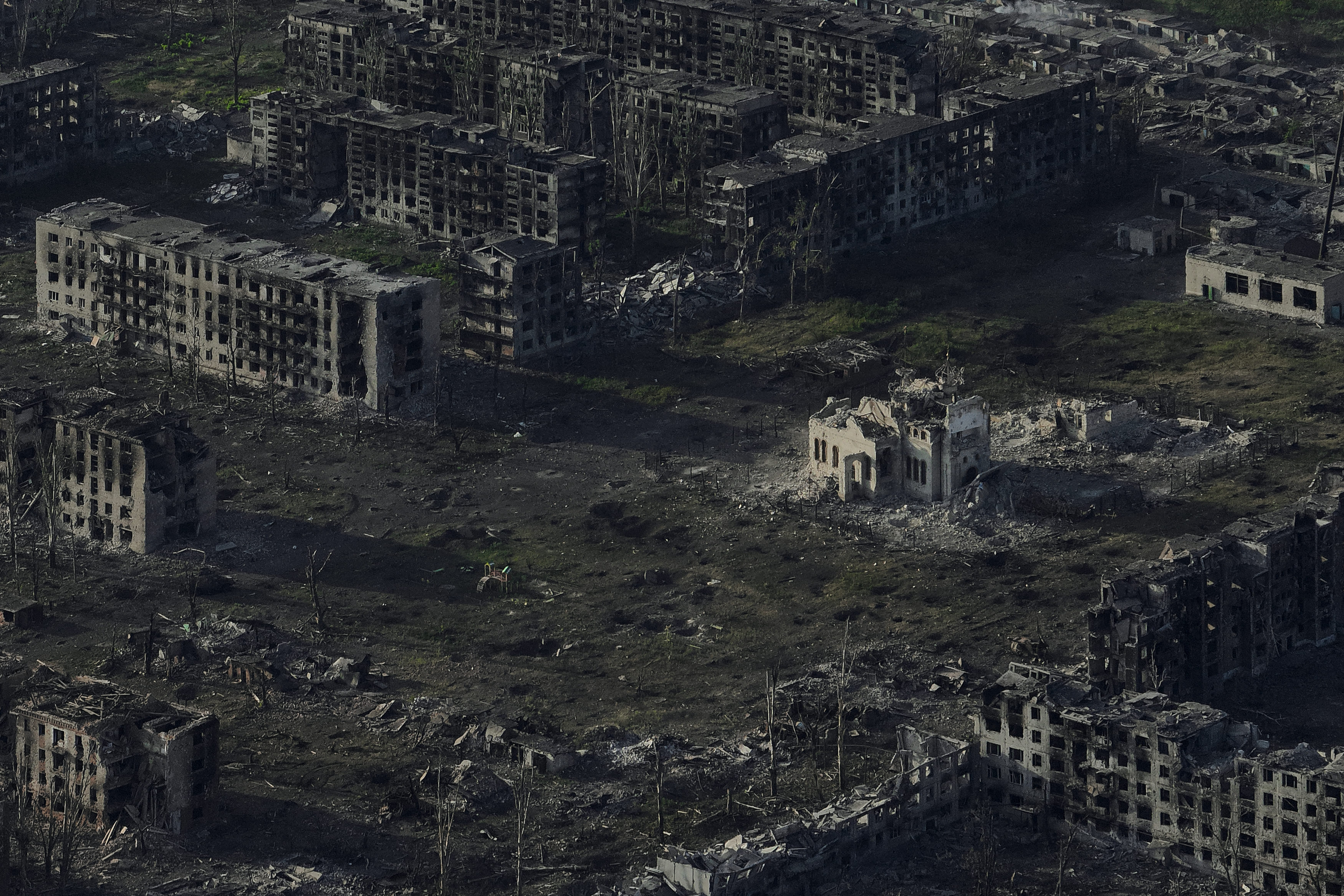
Today, photographers, journalists, and service members within the Defense Forces of Ukraine record wartime events using personal cameras and phones. This everyday, so-called vernacular photography creates a vast unofficial photographic archive that currently remains outside official historical documentation. Since service members generally do not sign copyright agreements during military service, a critical theoretical and practical question arises following their discharge: how can they protect their copyrights and safely utilize their personal photo archives?
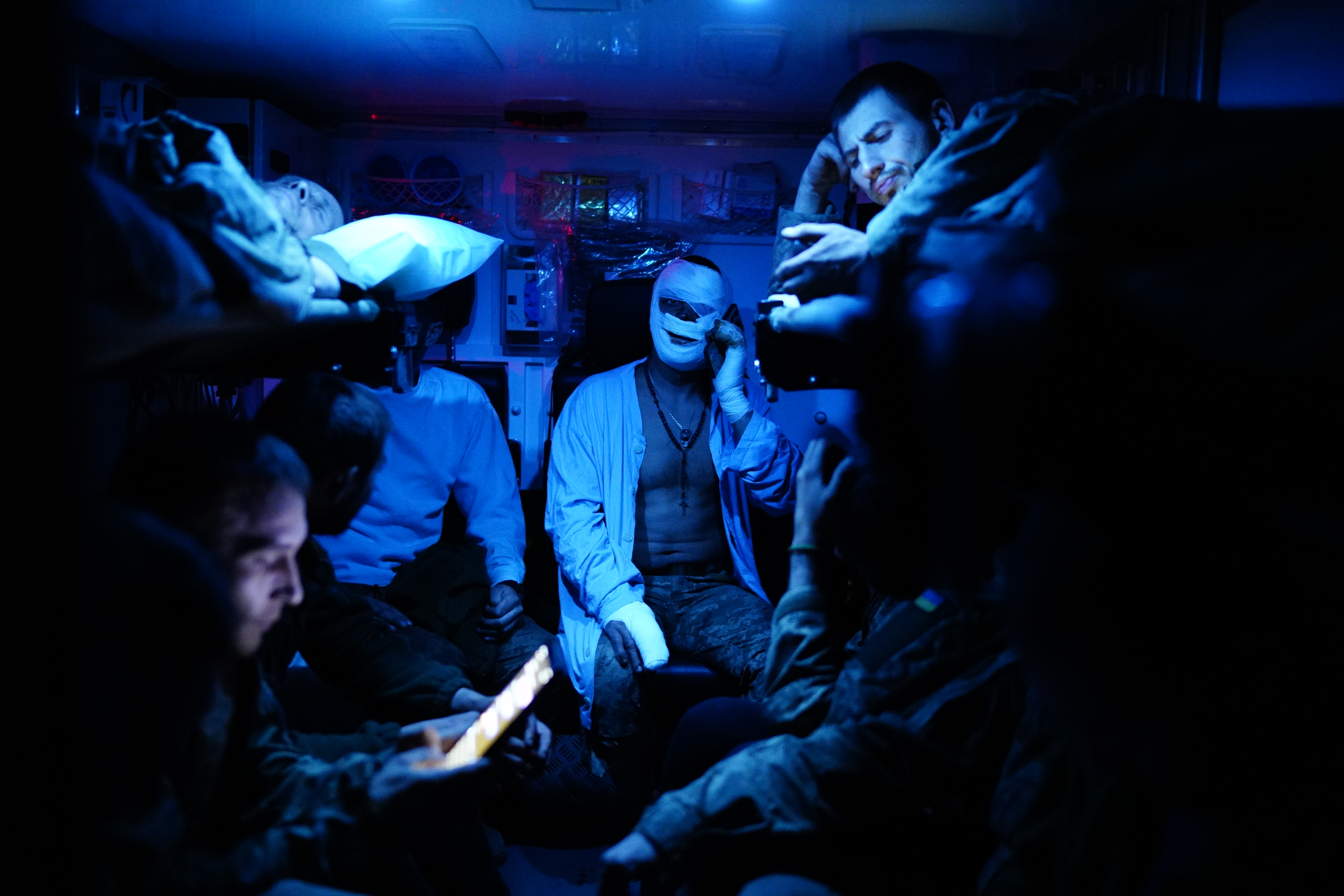
This issue is equally critical for researchers who plan to work with these unique historical materials. When this hidden layer of history eventually surfaces, archive creators could face legal claims, litigation, and accusations. Therefore, both content creators and historical researchers must understand how to establish clear copyright protection mechanisms now to safeguard themselves against future legal risks.
Recent legislative updates in Ukraine have fundamentally changed the rules governing intellectual property within the Defense Forces. The catalyst for this reform was not copyright over photos or text, but a major technological breakthrough on the front lines. With the creation of numerous new weapons systems, innovative UAVs, and technical modifications, the state faced a challenge: proprietary Ukrainian developments began leaking abroad unchecked via foreign instructors and volunteers.
To curb leakage and protect state interests, the Verkhovna Rada passed special legislation (based on Draft Laws No. 13110 and No. 13111) clearly delineating rights and establishing a strict reporting procedure. Mandatory reporting now applies: if a service member whose duties or assignments include creating innovations develops any intellectual property object (an invention, utility model, industrial design, or specialized software), they are legally obligated to report it officially to their commander.
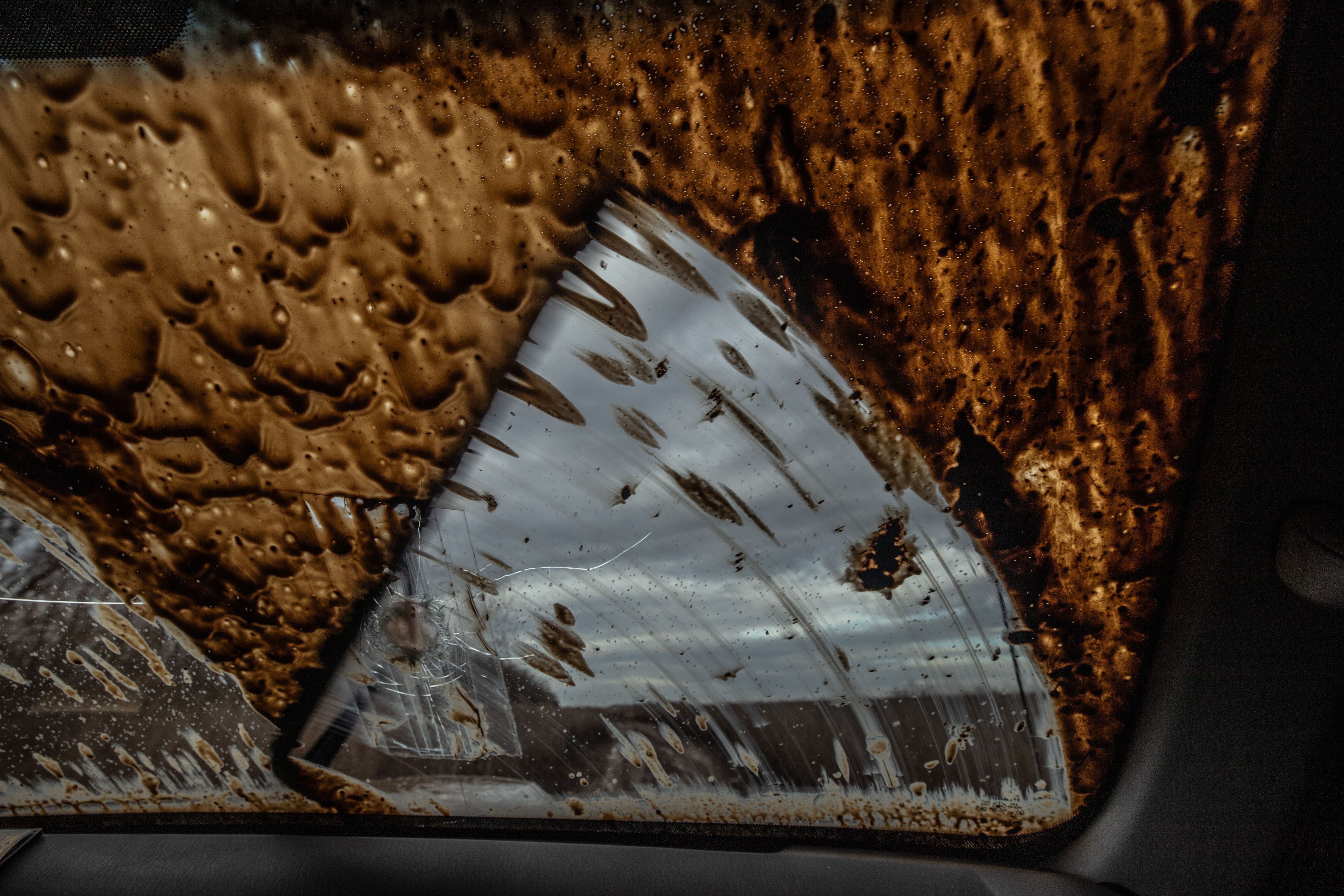
In disputed cases, the Ministry of Defense determines whether rights to created materials belong to the department or the service member. “Understandably, such a situation can be challenging for a service member. On the other hand, when discussing copyright objects specifically, the Ministry of Defense has little need for them, especially since creating such works does not fall within the official duties of a typical service member,” says Dmytro Doroshenko, Head of the Creative Economy Sectors Development Department at UAPI.
Nevertheless, personal archives exist. If created on a service member's own initiative outside official duties, they are governed under general legal principles. Provided these materials do not contain military secrets or classified information, the service member may freely exercise their copyrights.
The State Archival Service and regional archives play a distinct role in this process, as collecting and preserving such historical materials falls within their official duties. Notably, state archives do not require the author's permission to collect materials for their collections. However, despite this collection freedom, statutory law imposes strict limits on how archival institutions may subsequently use and transfer these archival materials.
Court Proceedings
One of the main factors deterring photographers from enforcing their rights is the length of court proceedings during conflicts. Litigation can drag on from one month to an extended period. “We know of cases that have dragged on for years, which is exhausting. However, after an initial negative experience, one begins to clearly understand the necessity of written documentation and formal agreements,” says Dmytro Doroshenko. Olha Kulinich has compiled an extensive database of judicial practice on these matters, confirming that cases are highly individual with no uniform outcomes.
“Regarding contracts—whether a license agreement or an assignment of rights—it is essential to realize that no single template fits every situation. Every relationship with a client, licensor, or licensee is unique. Any baseline template serves merely as a foundation to which edits, clarifications, and specific terms must be added depending on the scenario,” says Olha Kulinich. “In reviewing court practice regarding photographic work infringements, I see diverse cases. Modern practice has evolved, and now that the law explicitly defines a 'photographic work,' courts understand the field's specifics much better.”
The duration of litigation depends entirely on circumstances. If an infringement is obvious, proving it and obtaining a court ruling is straightforward—sometimes achieved in the first instance. However, if photographers face experienced legal teams representing major media outlets or television networks, proceedings can become prolonged. “In my practice, there is a case that reached the Supreme Court and was remanded back to the court of first instance. In such complex situations, having an attorney who specializes specifically in copyright is crucial for the author,” adds Olha Kulinich, Head of the Intellectual Property Academy Department at the IP Office (UAPI).
Although the volume of lawsuits has slightly decreased due to the war, overall legal practice continues to grow. Photographers should not hesitate to defend themselves if a matter is principled or financial damages are significant. Furthermore, every successful precedent positively impacts how major corporations and media outlets treat creators, proving that enforcing one's rights is realistic.
The Ukrainian National Office for Intellectual Property and Innovations (UAPI, IP Office) is a state organization performing the functions of the National Intellectual Property Authority. It operates in the field of legal protection of intellectual property, innovation support, and creative industry development. It conducts educational initiatives and prepares practical materials to help creators understand their rights and options for utilizing and protecting their works. Among its key initiatives is the project “34 Poles of Creativity: Copyright in Creative Industries,” dedicated to legal issues facing artists and cultural institutions.
Credits:
Researcher and author: Katia Moskaliuk
Picture editor: Marusia Maruzhenko
Copy editor: Yulia Futey
.png)
.png)
.png)