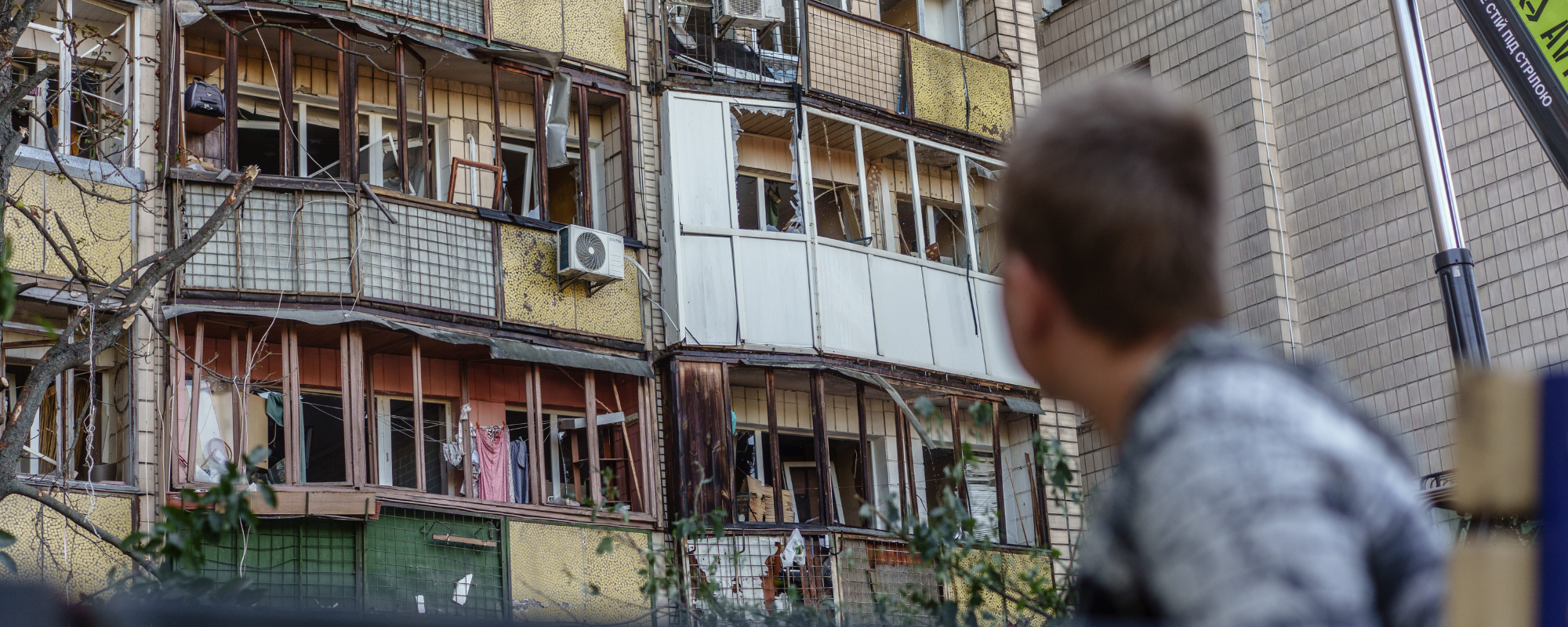
The week of August 17 to 23, 2026, was marked by an escalation of Russian shelling across Ukraine. The most severe consequences resulted from a double strike on a shopping mall in Kryvyi Rih: 16 people were killed and over 140 injured, including children, some of whom are in critical condition. Shelling in Kyiv and the surrounding region claimed 20 lives; in Pechenihy, Kharkiv region, ten civilians were killed; in Zhytomyr, three police officers died; and in the Mykolaiv region, three children were killed. Russian forces deliberately targeted residential areas, civilian transport, critical and railway infrastructure, food warehouses, and even a border crossing point with Moldova. Frontline regions suffered from daily strikes involving MLRS, guided aerial bombs (KABs), and drones.
Chronicle of Russian Shelling from August 17 to 23, 2026
On the night of August 17, a UAV attack in Sumy killed an elderly couple and injured another person, destroying or damaging residential housing, warehouses, garages, and vehicles; in the region, a man died after detonating an explosive object. In the Chernihiv region, a hangar and agricultural machinery were destroyed, with strikes hitting a critical infrastructure facility and a repeat strike on a fire truck that had arrived to extinguish the blaze. In the Poltava region, fires broke out at two industrial enterprises. In the Mykolaiv region, a vessel in the port area was damaged. In the Zaporizhzhia district, two civilians were killed during a strike on a garden association; occupiers attacked a car delivering bread to a frontline village with an FPV drone. In the Kherson region, a hostile FPV drone killed two residents; in the Korabelnyi district of Kherson, a drone strike on a high-rise building caused a fire in several apartments, injuring a woman, and an FPV drone also attacked an outbuilding and a car on the grounds of a hospital. In the Dnipropetrovsk region, two people were killed and six injured; while extinguishing a fire in Marhanets, occupiers shelled rescuers again, damaging a special vehicle. In Izium, Kharkiv region, five people were injured, and over 20 private houses, four high-rise buildings, and garages were damaged.
On August 18, occupiers struck the central part of the village of Pechenihy in the Kharkiv region with two "Banderol" missiles: ten people were killed, at least 18 were injured, and a cafe, a post office, five shops, ten houses, and 15 cars were destroyed or damaged, with fires raging. In Kharkiv, a gas station was damaged; in Izium, six people were injured, including a nine-year-old boy, and apartment buildings, private houses, a garage, cars, and infrastructure facilities were damaged. In Kamianske, drones caused fires at two enterprises, and there were strikes on Kryvyi Rih. During the day, a series of combined attacks on residential areas and critical infrastructure were recorded in the frontline communities of Zaporizhzhia, resulting in a death and injuries, including one child; in Zaporizhzhia, UAVs hit a private residential area, a service station, and apartment buildings, injuring a man. The enemy launched a missile strike on an industrial facility in the Mykolaiv district. A man was injured in a strike on Chernihiv; in the region, a house, a shop, machinery, a warehouse, and 22 tons of feed caught fire. A thermal power plant owned by DTEK came under massive shelling: equipment was significantly damaged, and the station completely ceased electricity generation.
On the morning of August 19, in the Korabelnyi district of Kherson, occupiers struck a shuttle bus with a drone: four people were killed and five others were injured; later in the same district, a second strike damaged another bus. Two more people died in the city due to UAV attacks, which also caused fires and injuries. During the night and at dawn, Zaporizhzhia suffered combined UAV and KAB strikes: a hostel, a furniture store, eight high-rise buildings, and eight private houses were destroyed or damaged; two people were killed, ten were injured, and there were power outages; targeted strikes on communities injured three more civilians. In Balakliia, Kharkiv region, a nine-year-old boy was injured. In the Chernihiv region, occupiers attacked the grounds of several enterprises, causing garages to catch fire and damaging buildings and vehicles. In Zhytomyr, Russian kamikaze drones attacked the headquarters of the Main Department of the National Police; three police officers were killed: 32-year-old Police Captain Artem Zubchuk, 39-year-old Police Lieutenant Colonel Yuliia Yevdokymova, and 42-year-old officer Svitlana Savchenko. Over fifty people were injured, a fire broke out, and the cleanup operations lasted all night. In the Nikopol district, a college, a food enterprise, a shop, an administrative building, and residential houses were damaged, and a 32-year-old police officer was injured.
In Kherson on August 20, there were hits on a high-rise building and the premises of the Art Museum; a cyclist was killed in the region due to a drone attack. In Zaporizhzhia, a 19-year-old young man was hospitalized. The enemy struck logistics infrastructure in Zhytomyr, injuring two people. In the Chernihiv region, a private house, high-rise buildings, a cowshed, a parking lot, and a critical infrastructure facility were damaged, and two civilians were injured. The enemy attacked three districts of Kharkiv with UAVs, damaging a gas station; in the Izium district, an attack on a farm killed about 200 pigs. A fire broke out in a residential sector of Pavlohrad due to hostile attacks, and there were strikes on Kamianske and Nikopol, with reports of casualties.
On the night of August 21, Russians targeted residential buildings in the Kharkiv, Sumy, and Zaporizhzhia regions. In the village of Lebiazhe, Kharkiv region, two women were killed and two more were injured; private houses were destroyed or damaged, and large-scale fires broke out. In Konotop, Sumy region, three strikes were recorded in the residential sector; in the Berezivka community, one person died and two houses caught fire; in the regional center, one strike hit a two-story residential building, injuring six people, including a 16-year-old girl, with one person hospitalized. In Komyshuvakha, an aerial bomb hit a private house, killing a woman and injuring a man; several other civilians were injured in the region, including a seven-year-old child. In Zaporizhzhia, a hostile UAV attacked a shuttle taxi, with at least three passengers reported seriously injured. In Kryvyi Rih, Russians carried out a double UAV strike in two waves with a half-hour interval on the city's largest shopping mall: it is known that 16 people were killed and 140 injured, including 26 children; 50 victims were hospitalized, including 13 children, two of whom are in critical condition. Another three people, including one child, are considered missing. A fire broke out over an area of nine thousand square meters, and search and rescue operations are ongoing. Windows were also blown out in a gymnasium and a lyceum. August 22 was declared a Day of Mourning in the Dnipropetrovsk region for the victims. During artillery shelling of Komyshany in the Kherson region, two people were killed. In the Mykolaiv region, a UAV hit a store building, killing four people, including three children; another person was injured, and a fire broke out. Strikes damaged residential houses in Ochakiv, where a woman was hospitalized.
In Kherson on the night of August 22, a hostile UAV completely burned down a shopping center. In the Mykolaiv region, a medical facility and a pharmacy were damaged. In Zaporizhzhia and the surrounding district, a total of six people died over the day, and three children were among the injured; in the regional center, a high-rise building and warehouse buildings were damaged. Private houses were damaged in Kharkiv. In Chernihiv and its district, Russian shelling damaged critical infrastructure, an enterprise, residential houses, and outbuildings, injuring a woman. In the Sumy region, residential areas, a cafe, and non-residential buildings in four communities came under fire; a 12-year-old boy was injured, and two people died in the border area due to the detonation of explosive objects. In the Nikopol district, a high-rise building and private homes were damaged, and a 32-year-old woman was hospitalized in critical condition. In the Poltava region, Russian shelling caused fires at warehouses and an industrial facility; during the cleanup, Russians launched a repeat strike on rescuers, damaging equipment.
In Kharkiv, a kamikaze UAV attack on a residential sector on the night of August 23 set two houses and an outbuilding on fire, damaging neighboring homes and cars, and injuring eight people, including a child. The previous evening, Russian troops attacked a post office in Lozova with drones; the building was destroyed, and a fire broke out over an area of 350 square meters. In Kherson, hostile FPV drones caused fires at two warehouses, and three trucks caught fire. In the Chernihiv region, a man was injured, a residential house and stubble burned, a farm building was damaged, and a granary was destroyed. In the Mykolaiv region, two civilians were injured, a hospital and a residential house were damaged, and transport infrastructure was hit in Mykolaiv. In the Dnipropetrovsk region, a 15-year-old child was injured.
Donetsk Region
During August 17–23, Kramatorsk, Sloviansk, Druzhkivka, and their communities were under daily massive fire from FAB-250 aerial bombs, MLRS, and various types of drones. The enemy deliberately destroyed civilian, industrial, and critical infrastructure, as well as the residential sector. According to data from the Donetsk Regional Military Administration, at least nine residents were killed and over 70 injured in the region. On August 17, in Kramatorsk, strikes by FABs and drones killed two civilians and injured 11, while residential houses, non-residential premises, educational and commercial institutions, a post office, and cars were destroyed or damaged. In Sloviansk, attacks set fire to market pavilions and damaged private houses and critical infrastructure, leading to power outages.
On August 18, occupiers dropped aerial bombs on a private residential sector and a neighborhood in Kramatorsk: among the injured was a child—a boy was hospitalized in moderate condition; over thirty residential houses were damaged. In Sloviansk, a strike caused a fire in a shopping center covering 1,650 sq. m, and houses and infrastructure were damaged. On August 19, the enemy struck the private sector of Sloviansk with "Tornado-S" MLRS; one person was killed, nine were injured, and at least 86 households were damaged.
On August 20, in Kramatorsk, a massive air strike—preliminarily involving nine FAB-250 bombs with UMPK modules deployed by the enemy—killed two women and injured at least 11 people; 36 residential houses, a shopping center, a library, critical infrastructure, and twenty cars were damaged. In the morning, Russians struck a shop in a residential neighborhood of Sloviansk with a drone; customers and staff were inside at the time, a fire broke out, and three people were injured. In the afternoon, occupiers launched another strike on the city's private sector using "Tornado-S" MLRS, damaging residential houses and cars and injuring three more people.
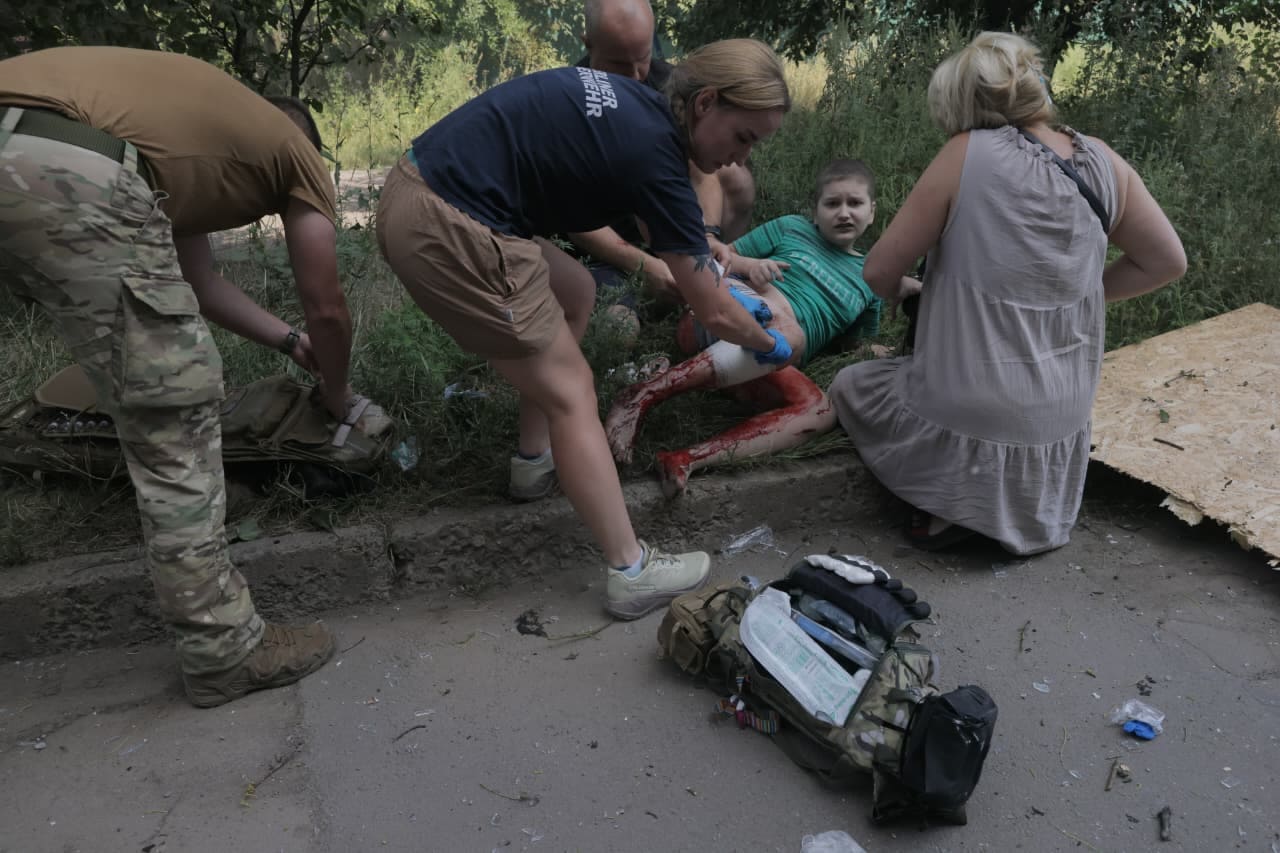
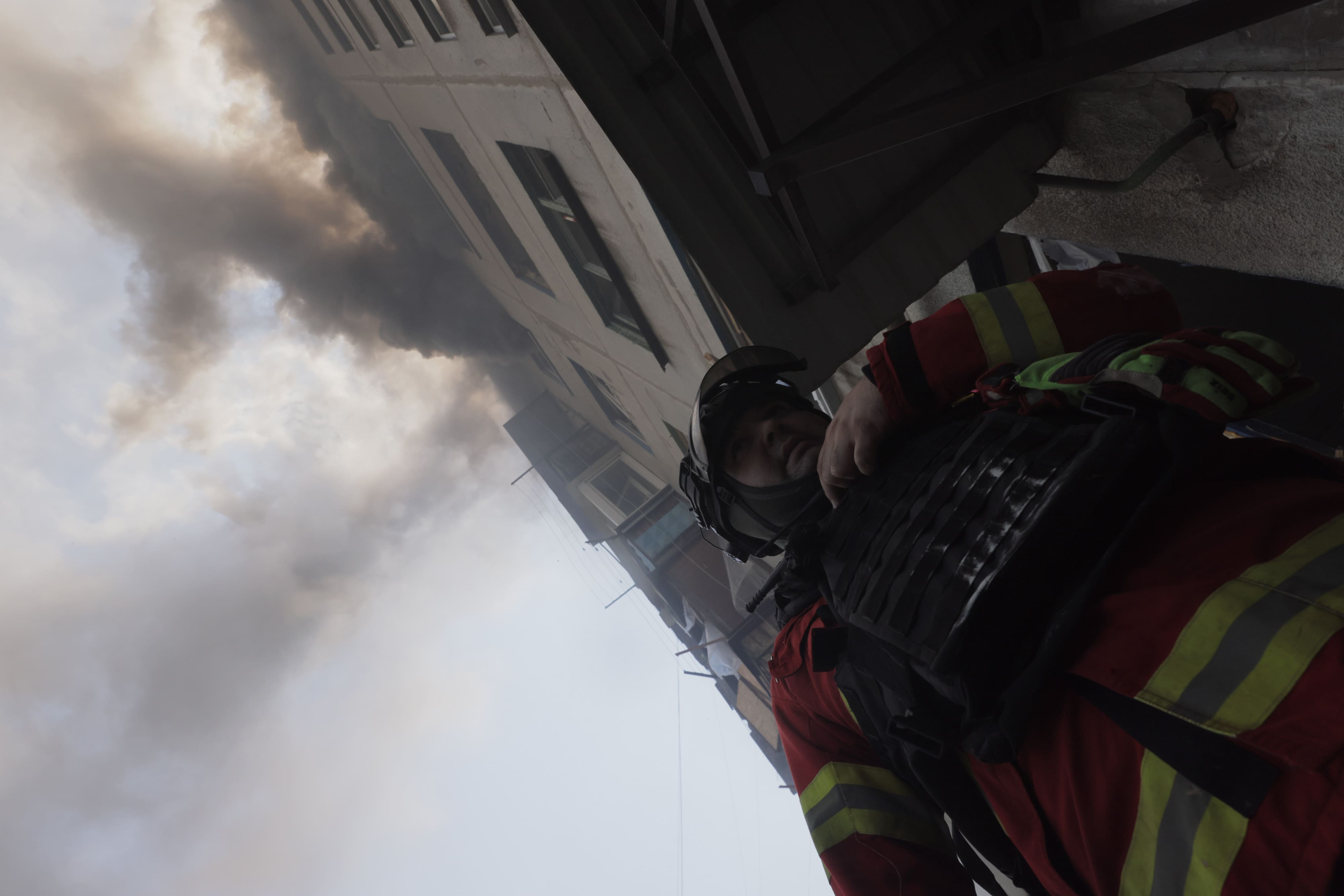
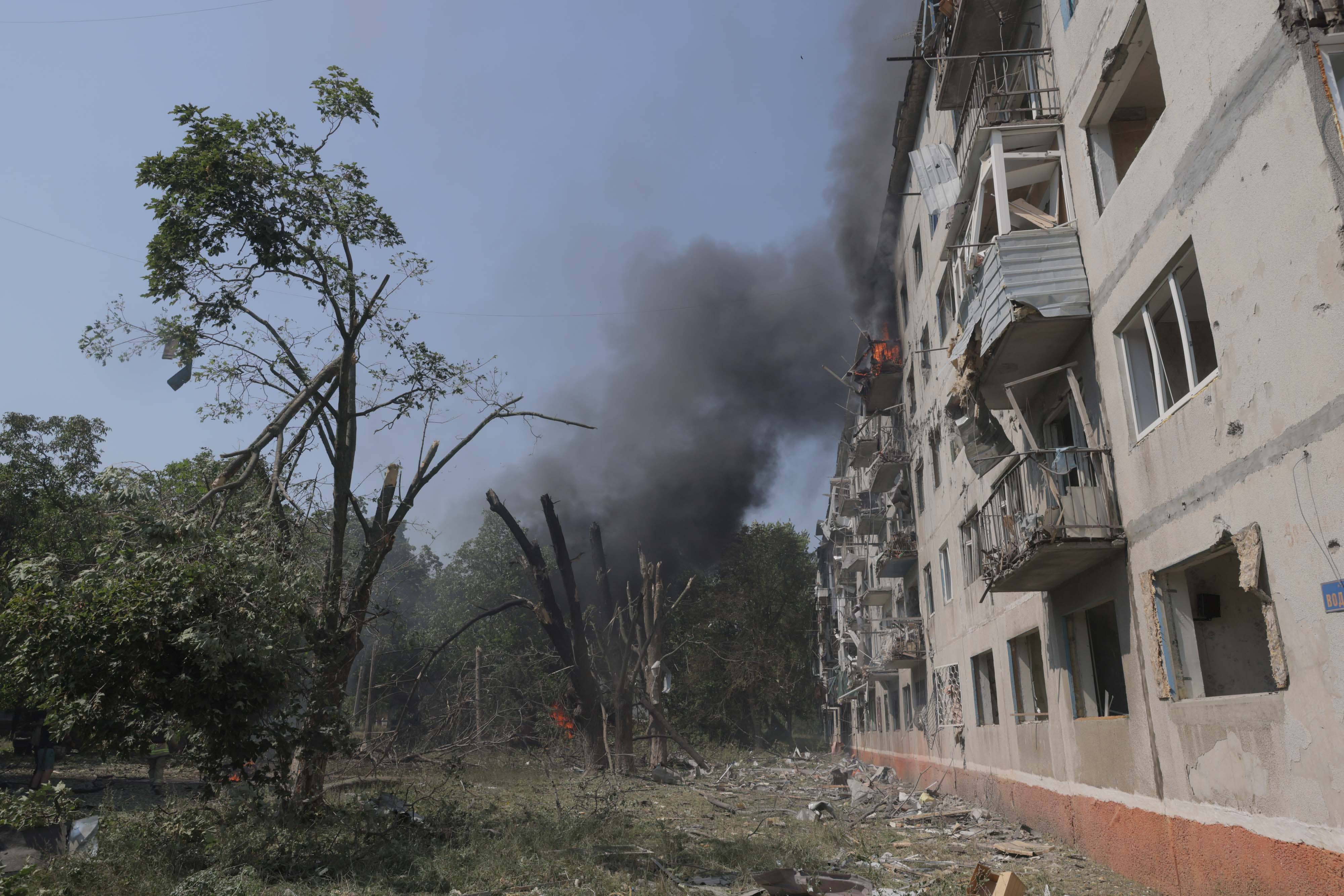
On August 20 in Sloviansk, the enemy's use of various types of weaponry injured seven civilians and damaged over thirty houses, a medical facility, and shops. Around 10:30 a.m. on August 21, occupiers dropped a FAB-250 on the village of Bylbasivka, damaging more than a dozen private houses and cars. A woman was killed in the hit, and her body was recovered from the rubble; two other women were injured. Over two days, the enemy shelled Sloviansk with "Tornado-S" MLRS, damaging or destroying thirty private houses, a market, a communal enterprise, and cars. On August 21, in the Kramatorsk community, critical infrastructure, industrial and warehouse facilities, a high-rise building, private houses, and cars were damaged. Five civilians were injured, including a three-year-old boy who was hospitalized in critical condition. As a result of the shelling of the village of Sofiivka in the Kramatorsk community, two people were killed and two more were injured, with 141 private houses damaged.
As of August 21, Sloviansk has officially acquired the status of an active combat zone, announced Vadym Liakh, head of the Sloviansk City Military Administration.
Odesa Region
Late on August 17, a kamikaze UAV hit a post office in the suburbs of Odesa, injuring seven people, including a child. In the region, private houses, a medical facility, a restaurant, and a civilian vessel under the flag of Togo were destroyed or damaged. Over the day, nine people were injured in the region, six of whom were hospitalized, including two 16-year-old teenagers.
On the night of August 20, a hostile attack in the Odesa region left 13,000 subscribers without power; truck trailers carrying food products caught fire, the facade and windows of a restaurant were damaged, and four civilians were injured. An international border crossing point with Moldova was also damaged.
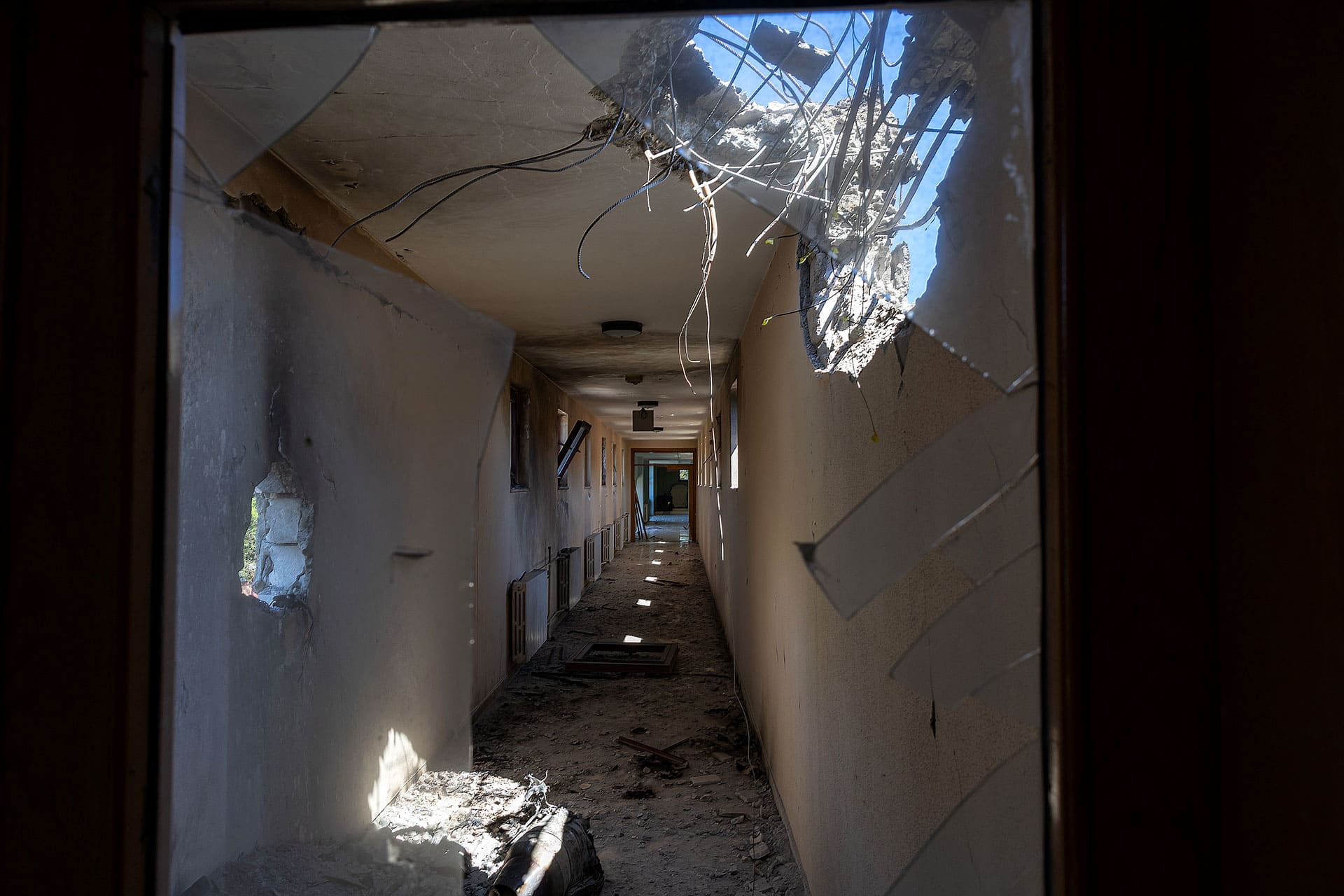
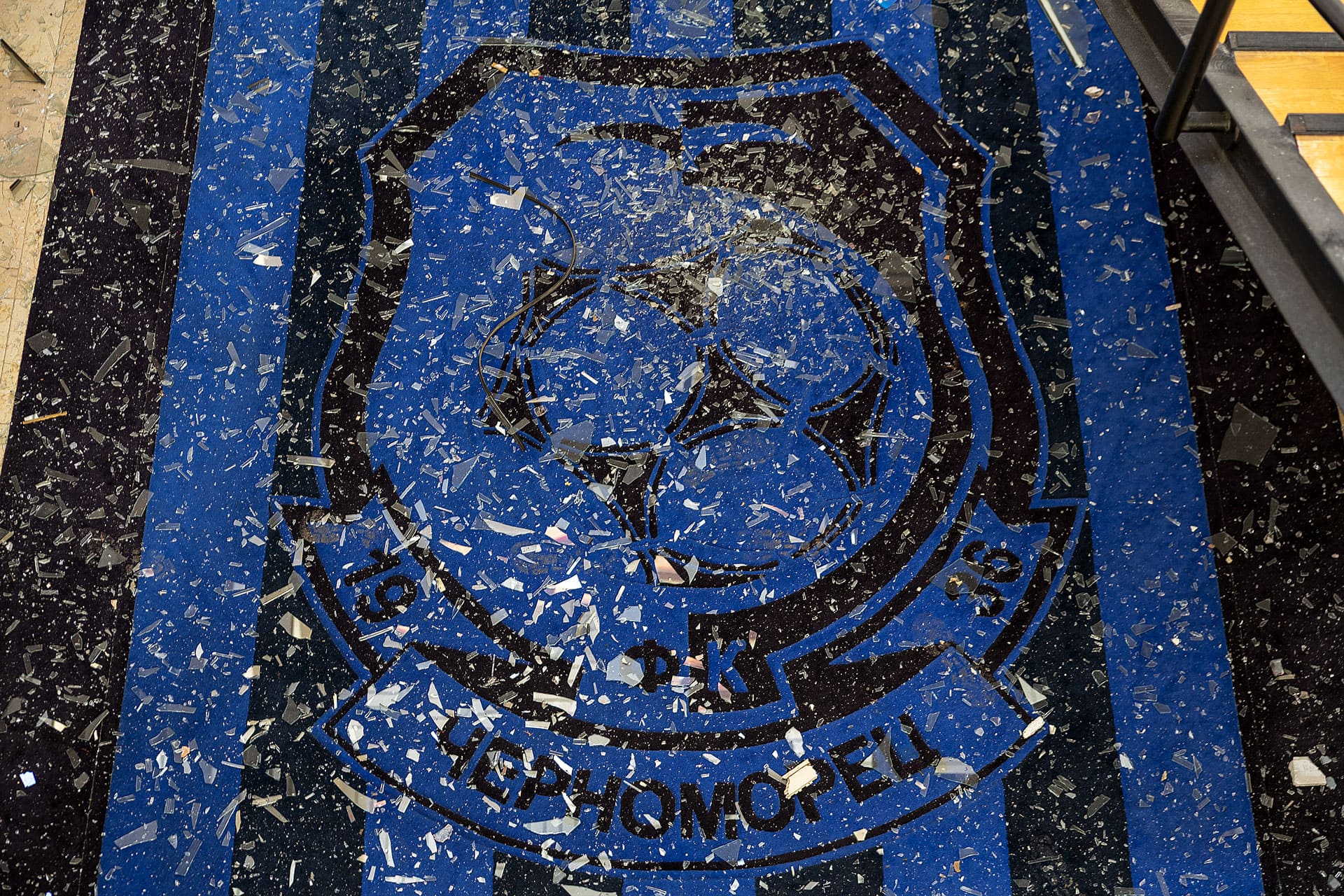
On the night of August 22, transport, energy, and industrial infrastructure facilities and the residential sector of the region came under hostile fire: the railway station in Rozdilna was hit, and a five-story building and a sports facility were damaged; one injury and power and water outages were reported. The publication "Dumskaya" reported that the training base of the Odesa club "Chornomorets" was destroyed as a result of a Russian night strike; the roof and building of the sports complex were damaged, and almost all the windows were blown out.
During the day, the Odesa region suffered a combined enemy strike: residential houses and an agricultural enterprise were damaged, and three people were injured, including a 16-year-old girl.
On the morning of August 23, a kamikaze drone hit the locomotive of passenger train No. 147 Zhytomyr — Odesa, which was carrying 593 passengers, including 15 children. Thanks to early notification from the Ukrzaliznytsia monitoring team, the train was emergency-stopped on the stretch and the people were evacuated, the company reported.
Kyiv Region
On August 18, the Kyiv region was the main target of a daytime kamikaze UAV attack. In the Brovary district, office, industrial, and warehouse buildings were hit, and fires broke out in several locations. Russian drones attacked a distribution center serving EVA stores, the company stated on social media. The premises of the "Kyivhuma" plant were also damaged, but as the company's press service noted, the damage is not critical.
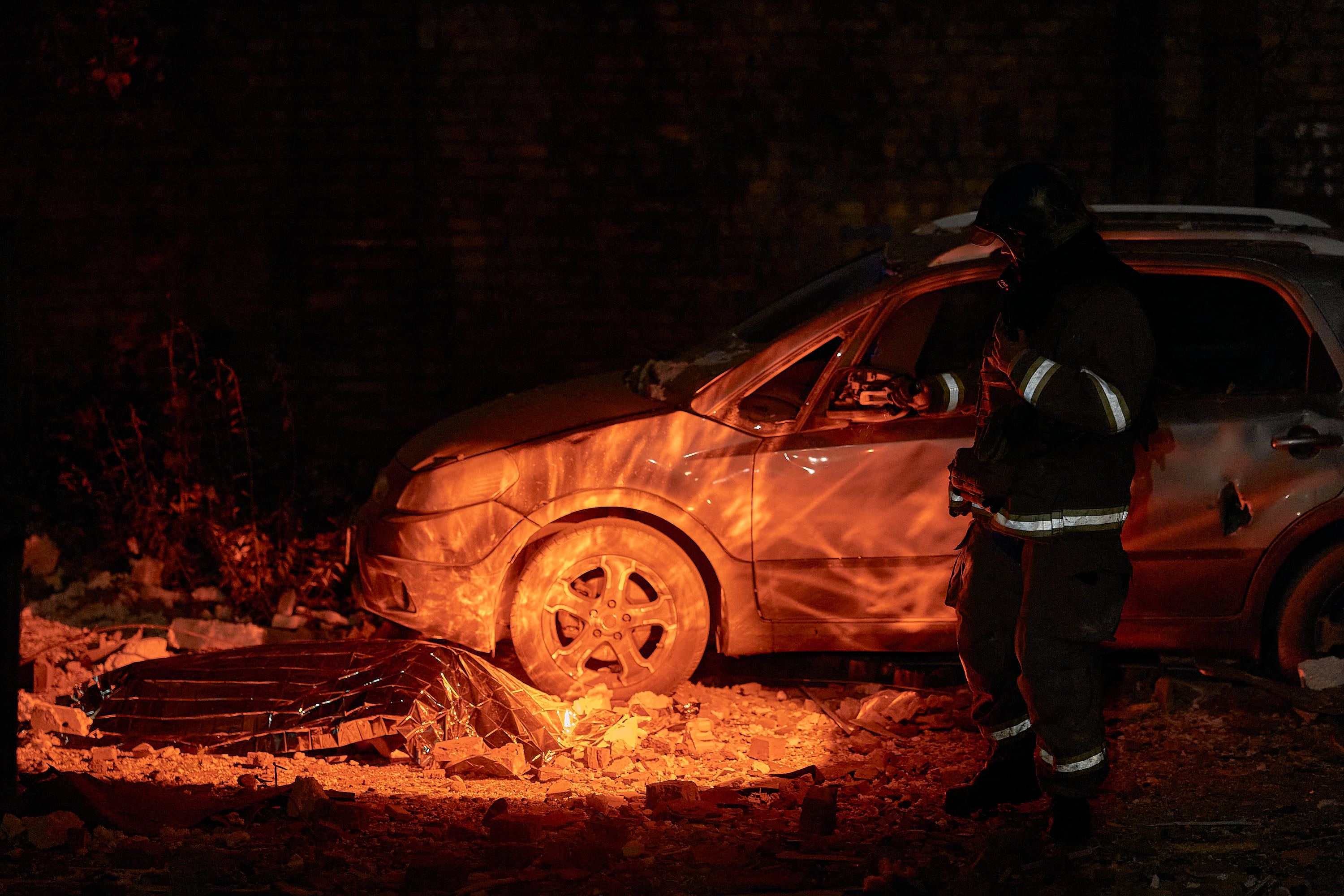
A series of combined Russian strikes using ballistic and cruise missiles, as well as attack drones, on Kyiv and the Kyiv region killed 17 people—16 in the capital and one in the region; at least 50 people sustained injuries of varying severity, and 12 residents of the capital were rescued.
.jpeg)
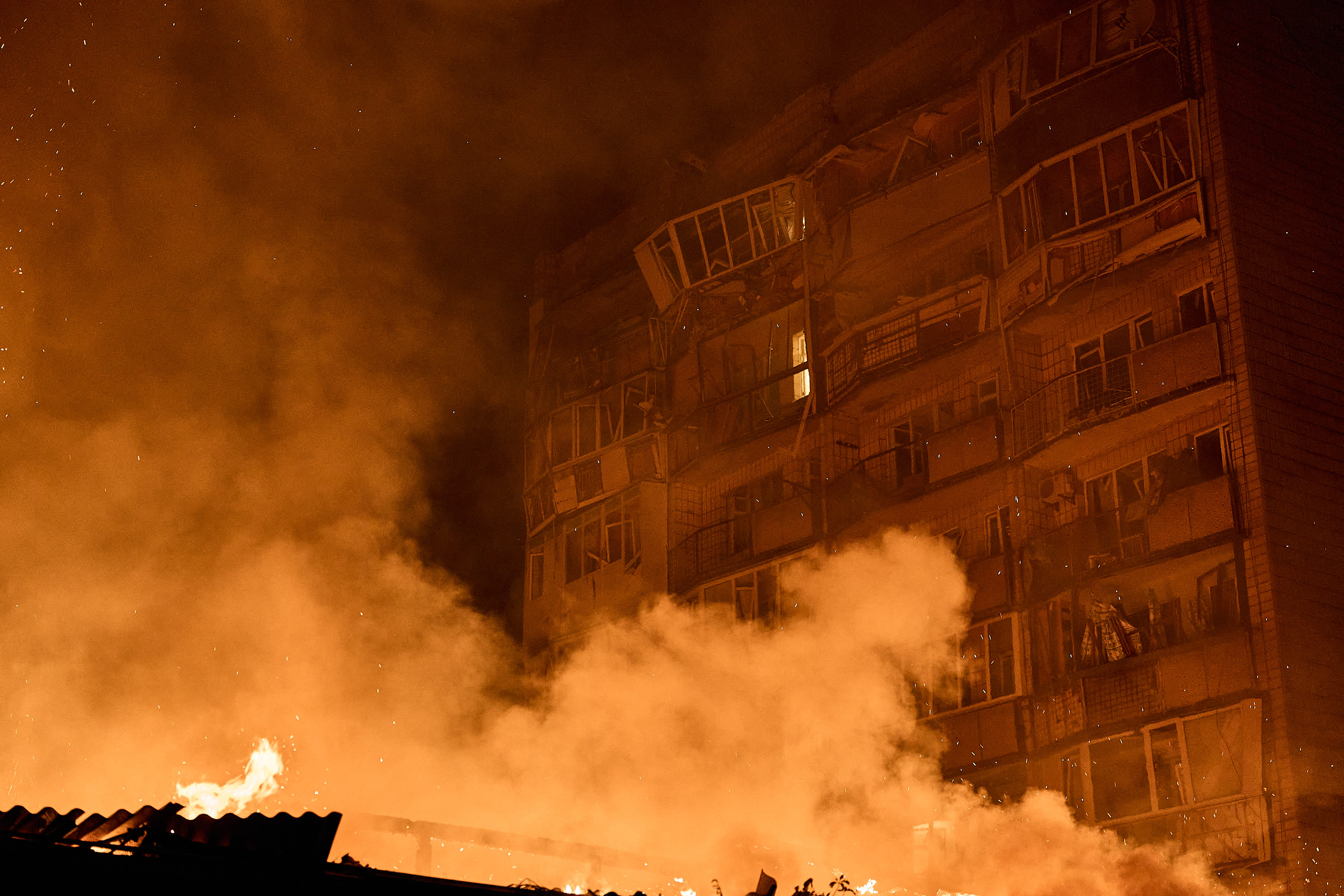
Numerous hits, fires, and destruction of civilian objects were recorded in several districts of Kyiv; 30 residential houses, a school, a kindergarten, and a children's hospital were damaged. In the Solomianskyi district, the eighth and ninth floors of a nine-story residential building were destroyed, followed by a fire; adjacent houses were damaged, and garages, cars, and a shop burned down. The buildings of several medical institutions were damaged, and people were trapped in several houses and in the basement of a local school. The highest number of victims from the Russian attack was recorded in this district.
In the Sviatoshynskyi district, strikes occurred on the territory of an industrial facility, and large-scale fires broke out in three warehouse buildings; a deceased person was recovered from the rubble at one of the sites. In the Darnytskyi district, a fire broke out in warehouse premises as a result of a strike.
Power outages were observed in the Sviatoshynskyi and Solomianskyi districts of the capital due to the attack. In the afternoon, the enemy attacked a critical infrastructure facility. During repeat attacks in the evening, falling UAV debris in the Holosiivskyi district caused a fire on the roof of an office building and a warehouse spanning 400 square meters. The body of a deceased person was found at the scene, and three others were injured.
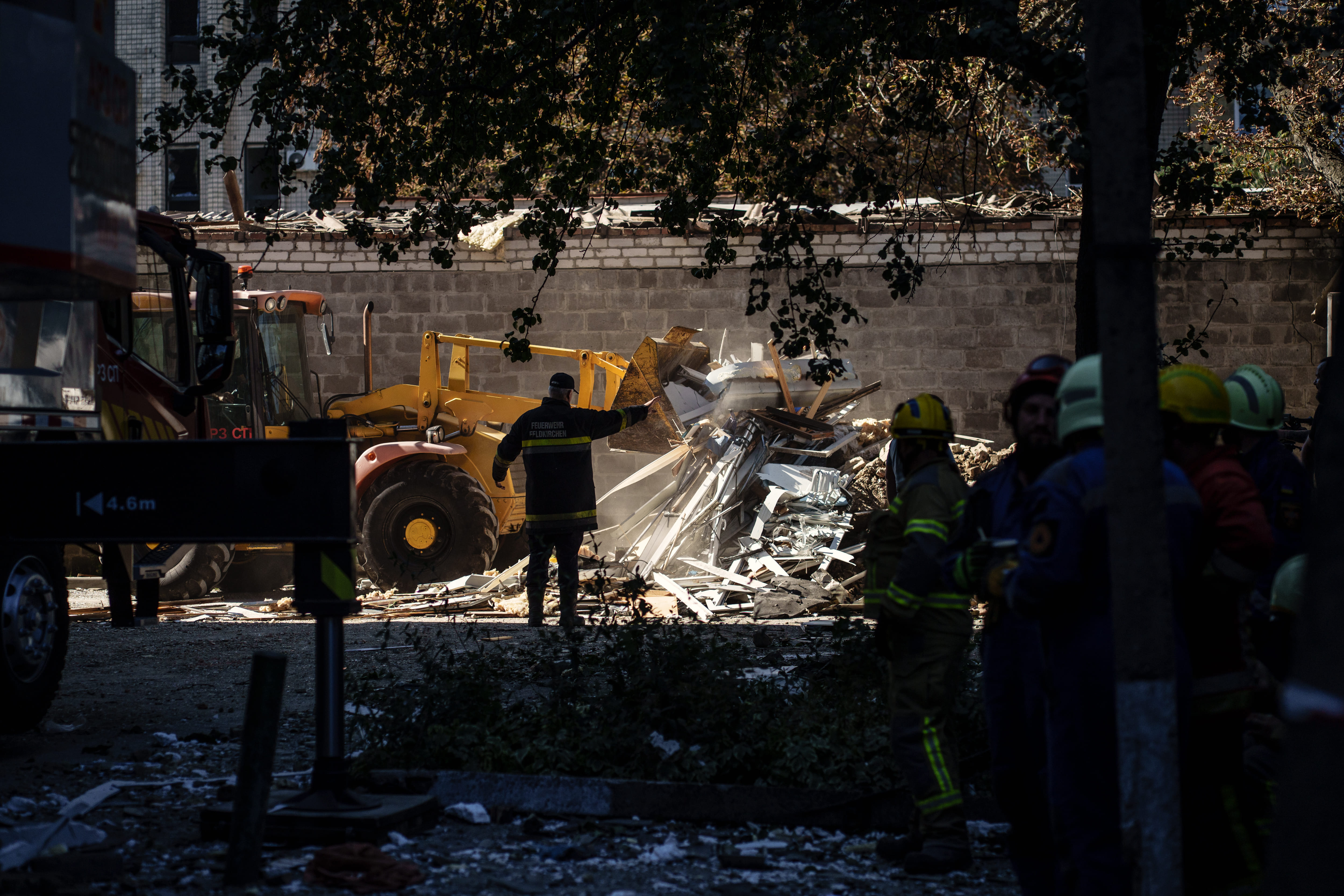
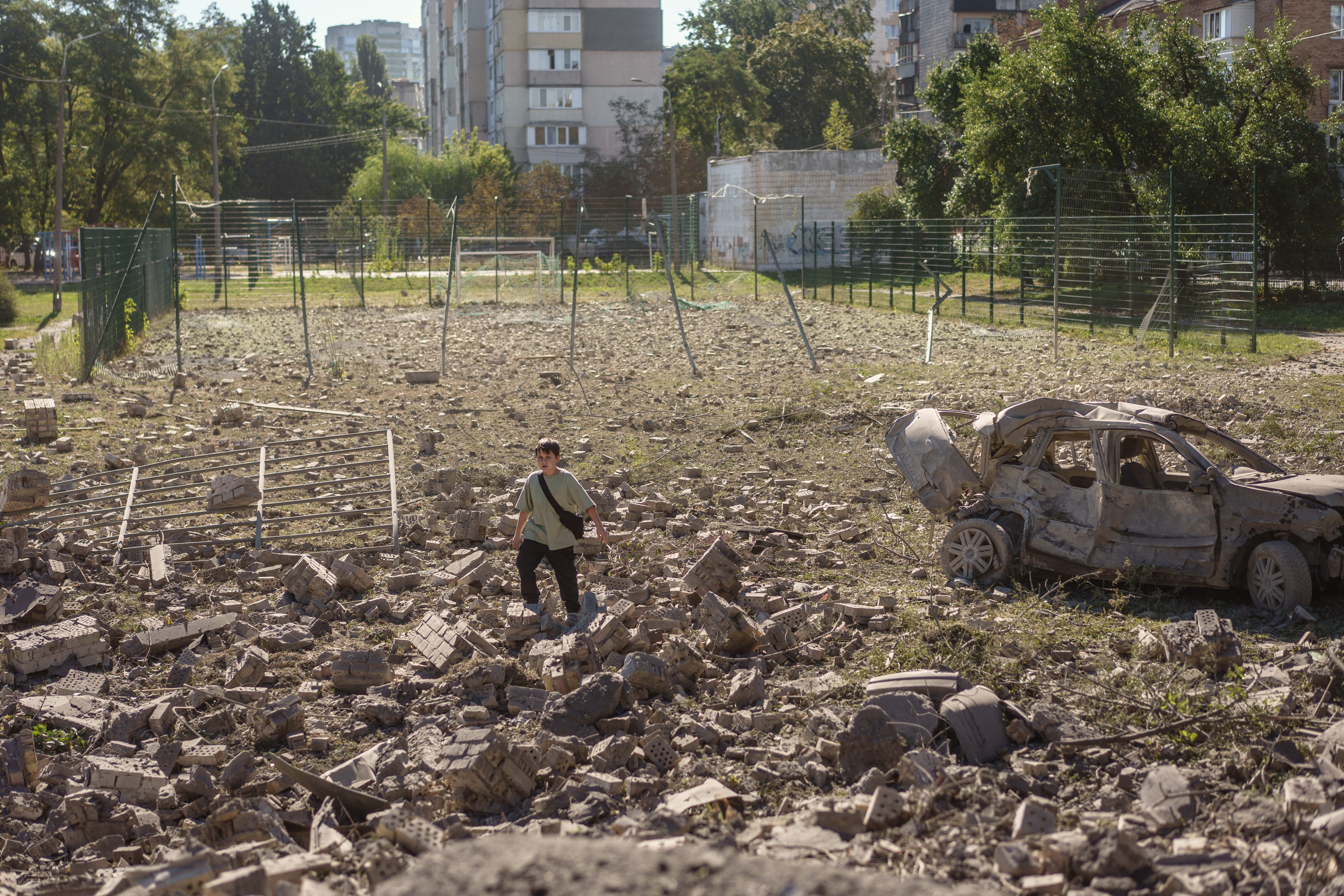
The Russian strike on the night of August 20 hit the distribution warehouse of the ice cream manufacturer "Faini Liody," which supplied products not only to the capital but to 12 other cities in Ukraine, "Ekonomichna Pravda" informs.
In the Kyiv region, the enemy attacked fuel and logistics infrastructure objects several times during the day; residential infrastructure was affected, and large-scale fires raged at the attacked sites, in the private sector, and on open ground. In the Brovary district, one person was killed and another injured due to strikes on a fuel industry enterprise.
In the Boryspil district, six civilians were injured, four of whom were hospitalized. Overall, hits and fires were recorded at 11 locations in the region: four private houses were destroyed and 14 were damaged; a high-rise building, a gas station, four warehouse buildings, and cars were damaged. As Ukraine's Prime Minister Serhii Koretskyi reported, Russians struck food warehouses and Red Cross facilities in Boryspil. "Ekonomichna Pravda" clarified that another warehouse of the "Fora" grocery store chain, where fresh products were stored, was destroyed in the Boryspil district, and a warehouse with goods for Varus supermarkets was damaged.
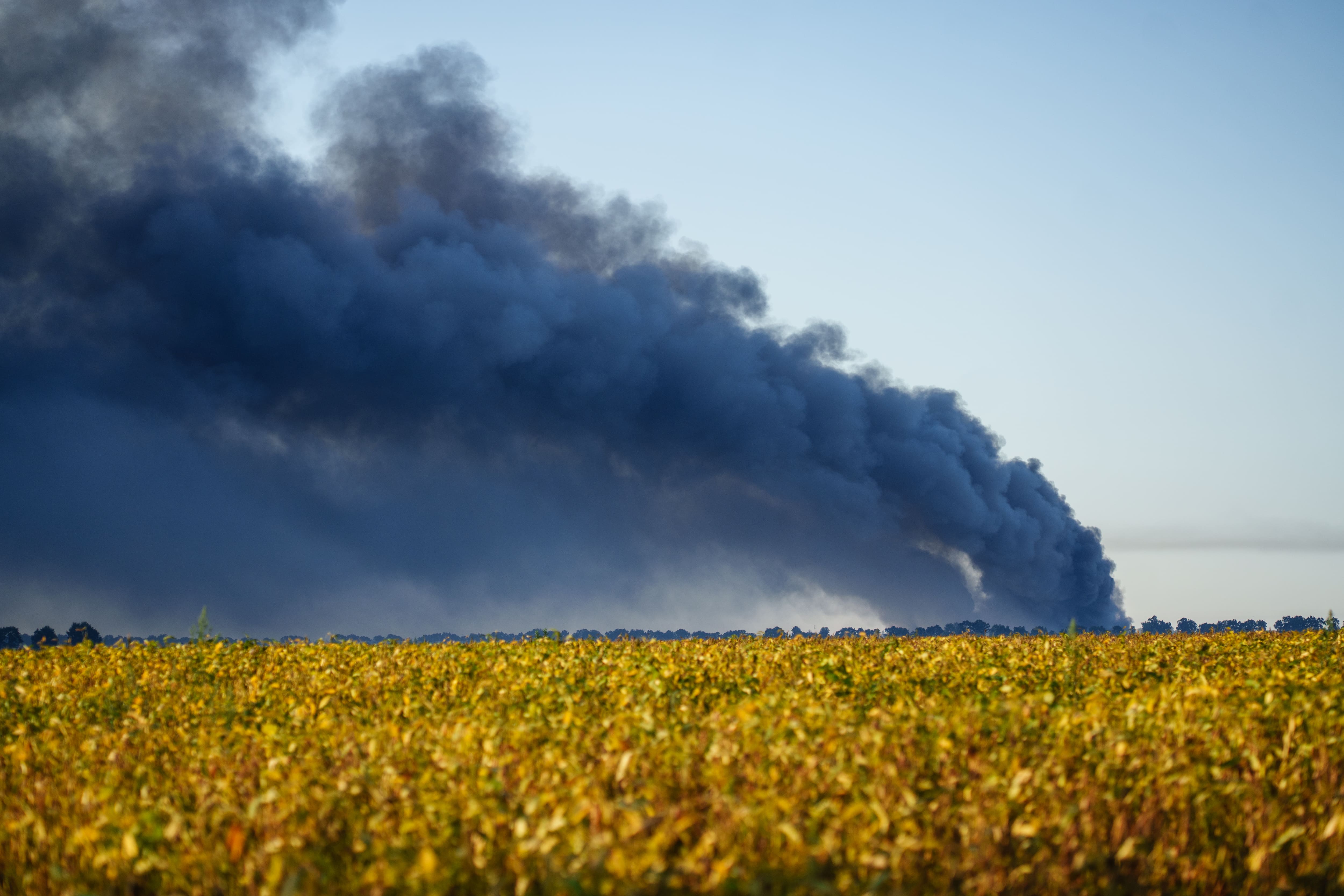
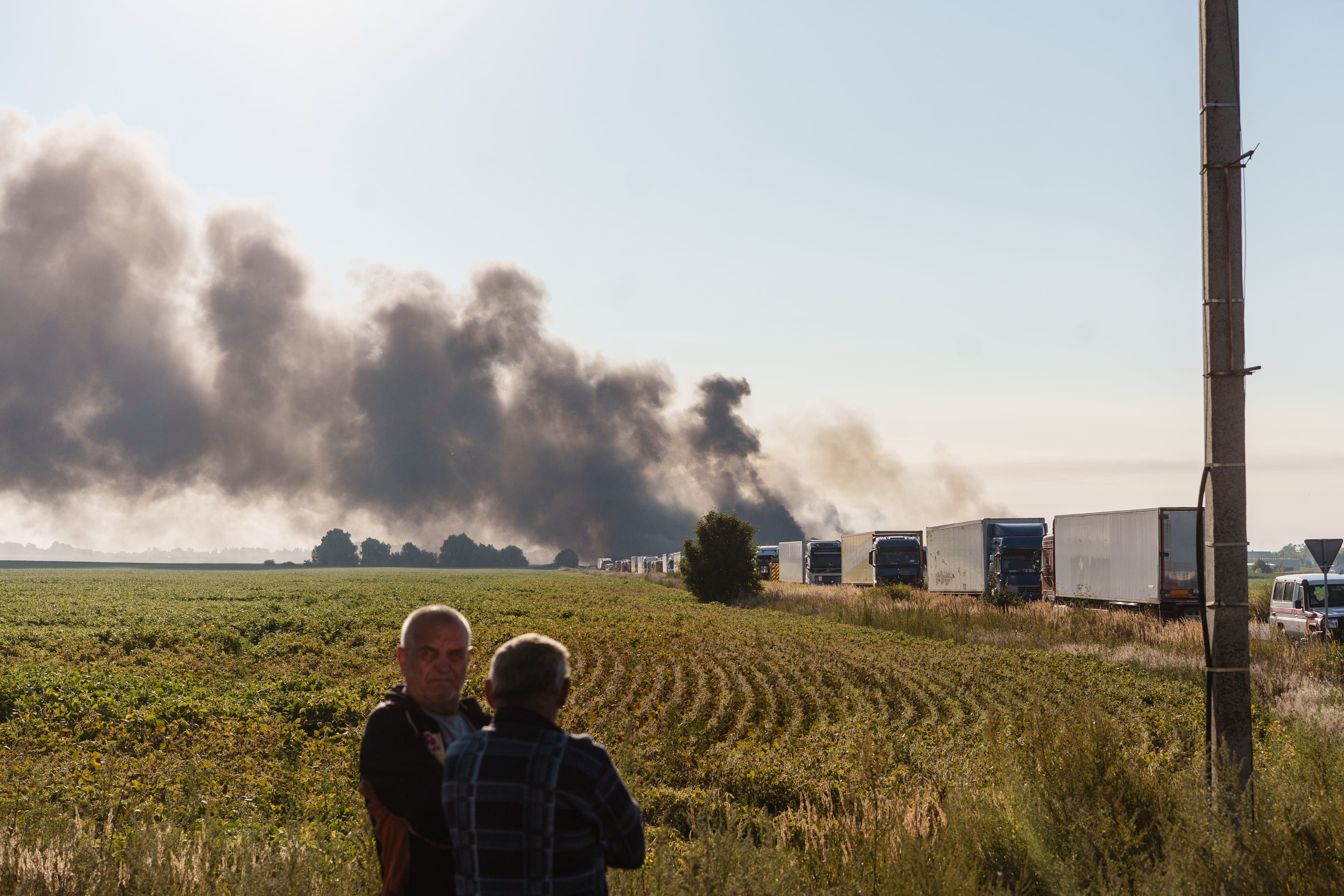
Over 600 rescuers, police officers, dog handlers, and psychologists, as well as robotic equipment, Ukrzaliznytsia fire trains, and SES aviation, were involved in the cleanup of the massive aftermath in the capital and region.
August 21 was declared a Day of Mourning in Kyiv to honor the memory of the victims of the massive enemy strike on the capital.
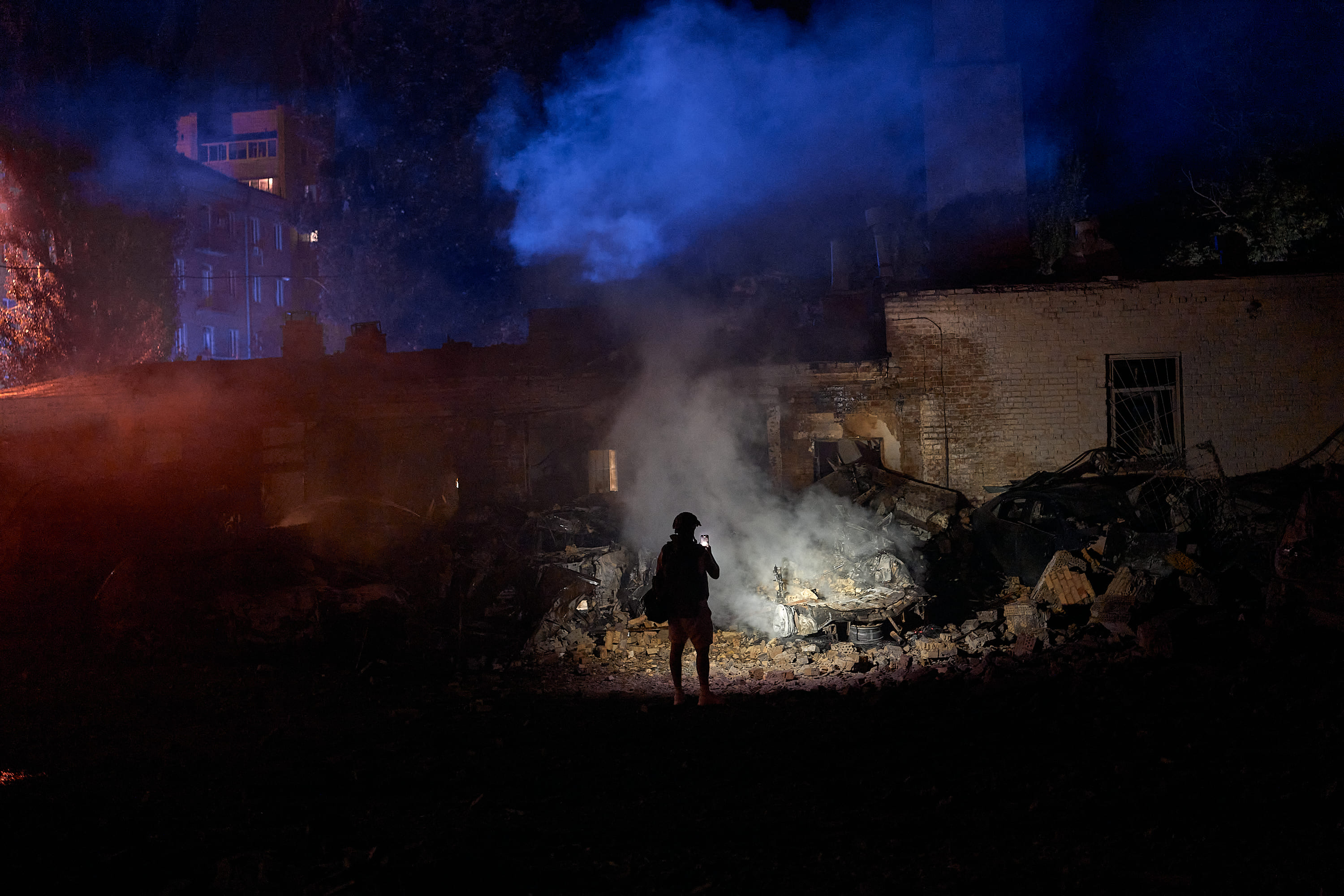
On August 22, the Russian army launched further strikes on Kyiv and the surrounding region. A person died in the Darnytskyi district of the capital on the night of August 22. As the chairman of the board of Ukrzaliznytsia, Oleksandr Pertsovskyi, reported, Russians attacked one of the railway enterprises, and a foreman was killed.
In the afternoon, the enemy attacked the region with ballistic missiles, causing destruction in the Boryspil district: a warehouse, a parking lot with vehicles, a private household, and a gas station were damaged. Two deaths and eight injuries, including a child, have been reported. "Ekonomichna Pravda" informs that the Russian strike on August 22 hit the distribution center of the "Avrora" store chain.
.jpeg)
Contributors:
Researcher and Author: Yana Yevmenova
Picture Editor: Marusia Maruzhenko
Copy Editor: Yuliia Futei
.jpg)

.jpg)