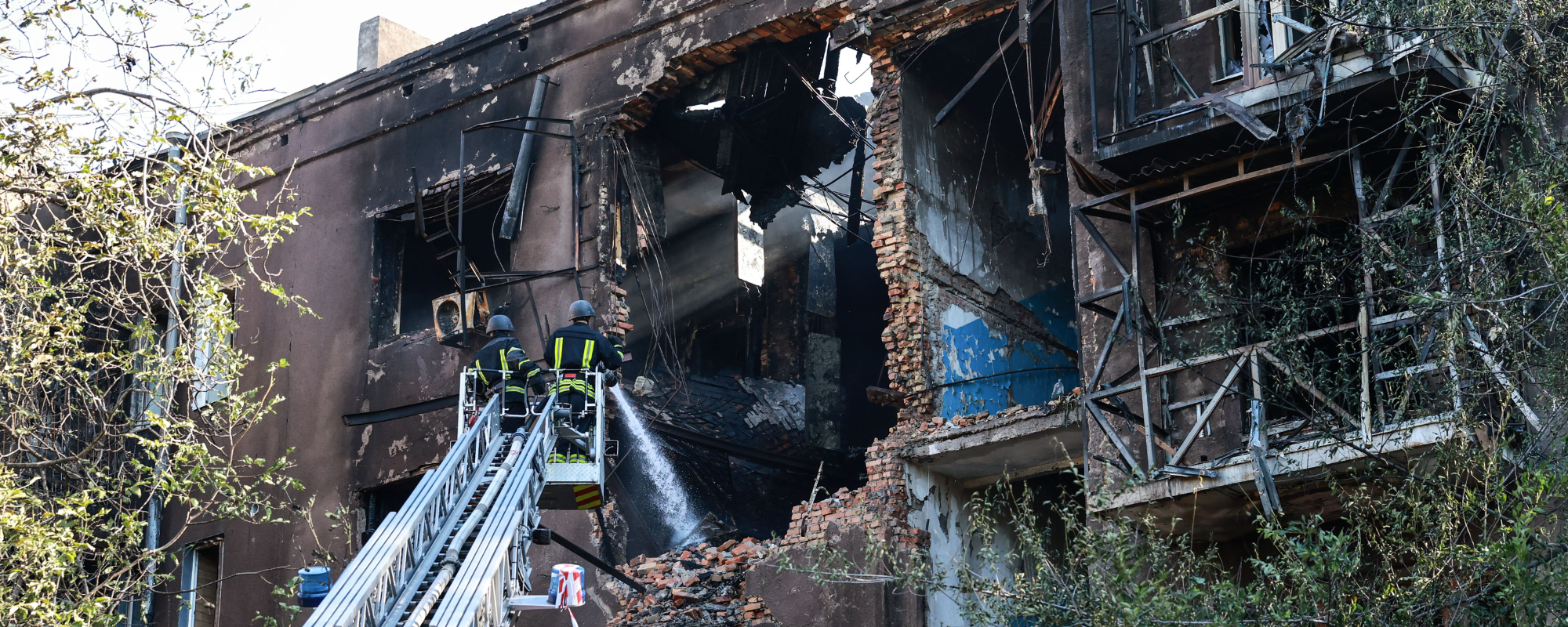
From July 13 to 19, 2026, Russia carried out a series of brutal attacks across Ukraine. Guided aerial bombs, which decimated Kharkiv, Sumy, Zaporizhzhia, Dnipropetrovsk region, Kramatorsk, and Slovyansk almost daily, along with jet-powered drones, became the primary instruments of Russian terror this week. Kyiv once again shuddered from massive ballistic strikes, while the Odesa region endured a week of missile attacks targeting ports and civilian infrastructure. Against the backdrop of these bombardments, a wave of peaceful protests swept the country against the dismissal of Mykhailo Fedorov from his post as Minister of Defense.
Chronicle of Russian Shelling
As a result of enemy attacks on July 13, two people were killed in the Dnipropetrovsk region, and ten others sustained injuries of varying severity; three rescuers were injured during a repeated strike while extinguishing a fire in the Petropavlivka community. In the Poltava region, three people were injured due to a strike on an agricultural enterprise. In the border communities of the Chernihiv region, shrapnel and drones damaged the windows of a lyceum, destroyed the roof of a residential building where a 63-year-old woman was injured, and damaged a food industry enterprise and power system facilities. In Kherson, invaders attacked a civilian car with a drone, wounding a man and a woman, and an elderly woman was killed during an airstrike in the Korabelnyi district. In the Donetsk region, Slovyansk and Kramatorsk came under fire: the enemy used FAB-250 bombs, UAVs, and FPV drones, damaging about 40 private houses, high-rise buildings, an administrative building, a gas station, and shops, wounding four people. In the Kharkiv region, eight people were injured, including three children, and a kindergarten, a medical facility, warehouses, railway infrastructure, and numerous private houses were damaged.
In the Donetsk region on July 14, a resident of Raihorodok was killed by Russian shelling, three women were wounded in the Kramatorsk community, and a hospital, an enterprise, critical infrastructure, a high-rise building, and private houses were damaged. In the Dnipropetrovsk region, a gas station, cars, enterprises, a lyceum, infrastructure, and private houses were damaged, with eight people injured. In the Kharkiv region, during a KAB (guided aerial bomb) strike on Slatyne, at least eight private houses were destroyed, four people were injured, and one woman died in an ambulance; extensive damage was reported in the Bohodukhiv, Kharkiv, and Izium districts. In Mykolaiv, a drone attack damaged private greenhouses; in Ochakiv, one person died in the hospital following shelling with cluster munitions from an MLRS, eight people were wounded, six were hospitalized, and a hospital, residential buildings, and power lines were damaged; warehouse buildings were also damaged in the region. In the Chernihiv region, drone attacks damaged the roof of a bank, three people were injured, two women were hospitalized, a residential building was destroyed, and critical infrastructure was damaged. In Sumy, a high-rise building and civilian infrastructure were damaged.
On the night of July 15, Russians struck the private sector in Sumy with MLRS cluster munitions, damaging households and injuring seven people. In the morning, Russians launched six KAB strikes, one of which hit near a hospital, while the rest targeted infrastructure. Three civilians were killed, and 21 others were wounded; eight were hospitalized, including two children, and four people are in serious condition, including a 16-year-old teenager. Medical facilities, residential buildings, office buildings, and cars were damaged. In Yasna Polyana, Donetsk region, an airstrike killed three people and injured three more. During a morning FPV drone attack on a civilian car and a shop in Kramatorsk, five people were wounded. The enemy struck Slovyansk twice—with a KAB on the industrial zone and a kamikaze drone on a private house. In Chernihiv, debris from a downed Russian "Geran" caused a fire in a building; in the region, homesteads were destroyed, one person was killed, and an 18-year-old boy was severely wounded. In the Dnipropetrovsk region, two people were killed and five others were injured, including a 13-year-old child; strikes hit Nikopol and Kryvyi Rih. The enemy attacked two districts of Kharkiv with a missile and UAVs, damaging a warehouse, a gas station, and a high-rise building; during the day, an airstrike on a civilian enterprise injured eight people and damaged an administrative-production building, warehouses, and cars; in the region, an enemy drone attacked a car with three power engineers, all of whom were injured. In the Mykolaiv region, a port worker died in the hospital from injuries sustained during a UAV attack, and two vessels were damaged; two more people were killed, and warehouse buildings and vehicles at an agricultural enterprise were damaged. In the Zhytomyr region, an enemy UAV hit a gas station, resulting in the hospitalization of two injured people.
In the Kharkiv region on July 16, 18 people were injured, including eight adults and a 16-year-old boy in Kharkiv; the enemy attacked the city with KABs and UAVs, damaging high-rise buildings, an administrative-production building, a production hangar, a pharmacy warehouse, a civilian enterprise, a cinema, tennis courts, and facilities in the central park. In Kramatorsk, Russians shelled a post office in the morning, wounding three people; an afternoon airstrike wounded seven more people, caused a massive fire at an enterprise, and damaged dozens of residential buildings. Slovyansk suffered strikes from aerial bombs, MLRS, and drones, damaging a utility company truck and the private sector; one woman was hospitalized. In Kryvyi Rih, an infrastructure facility was damaged.
In the Sumy region on July 17, seven people were injured, including a four-year-old child. Occupiers released a total of nine KABs on Sumy: strikes on the city's outskirts during the night of July 17 damaged ten private homes, while nighttime hits by five aerial bombs in the city center destroyed a non-residential high-rise and damaged seven residential buildings, a business center, and cultural sites. On the night of July 17, logistics warehouses were damaged in Dnipro; in the Nikopol area, an enterprise, a post office, and a gas station were hit, with ten people wounded in the region over the past 24 hours. In the evening, occupiers attacked Marhanets, hitting an agricultural firm's bus carrying workers with an FPV drone. A man died at the scene, and eight others were injured and hospitalized. On the morning of July 17, the enemy massively attacked a Naftogaz gas production facility in the Kharkiv region with drones, marking the 250th attack on Naftogaz Group enterprises since the beginning of 2026. In the Chernihiv region, five people were injured due to drone attacks, and residential buildings, enterprises, warehouses, and a gas station were damaged. In Kherson, enemy drones and artillery took the lives of two elderly women. In the Kharkiv region over the past day, one person was killed and 14 civilians were injured; medical vehicles, a gas station, educational institutions, and a post office were damaged, and fields of wheat and rye burned. In the Donetsk region, there were three fatalities; in Slovyansk, a FAB-250 destroyed warehouses and a workshop in the industrial zone.
In the Kharkiv region on July 18, two people were killed and 18 others were injured, including five children: in Kharkiv, a missile strike killed a 40-year-old man, and nine people were injured, including two children. An educational institution, administrative and commercial buildings, a high-rise, and a public transport stop were damaged. In Izium, seven people were injured by a KAB strike, including three children. In the Chernihiv region, six people were injured, including three children, with one child in serious condition. Energy facilities, homesteads, and an administrative building were damaged, and fires broke out. In Chernihiv, 12 cars burned in a garage cooperative. In Dnipro, a logistics warehouse caught fire; fires also occurred in the private sector of the district; in the region, one person was killed and four were wounded, and grain fields were burning. In the evening, the enemy carried out an airstrike on Slovyansk—hitting the industrial zone and an educational institution, damaging private houses and an administrative building. In Kramatorsk, airstrikes claimed the lives of three residents and injured two more; civilian objects were damaged. Russians attacked a critical heating facility in Kherson, which was destroyed; they also shelled the Korabelnyi district, wounding four people, including two children in serious condition. A fire occurred at an industrial site in the Poltava region.
As of July 19, several enterprises and residential buildings in the Chernihiv region have been damaged, with fire significantly damaging hangars, trucks, a bakery, and business facilities. In the morning, the enemy launched guided aerial bomb strikes on civilian infrastructure in Sumy—there is damage in the residential sector and industrial zone, one person was killed, and three people were hospitalized. In the Kharkiv region, two people were killed and 20 others were injured; during the day, the enemy attacked Izium and the outskirts of Kharkiv. Among the victims in Izium was a one-year-old child; in Kharkiv, three people were killed. A woman was killed and two others were wounded in an airstrike in the Kherson region. Over the week, Russians deployed approximately 1,450 attack drones, over 1,640 guided aerial bombs, and 99 missiles against Ukraine.
Missiles over Odesa
As a result of continuous combined strikes by the Russian Federation on Odesa and the region between July 13 and 19, large-scale destruction of residential buildings, industrial enterprises, and port infrastructure has been recorded. The Russians carried out a series of attacks on civilian vessels under foreign flags in the Black Sea, resulting in casualties among the ship crews.
In the Odesa district on July 13, a hit occurred on the upper floors of a high-rise building and the roof of a construction supermarket. In Odesa, dozens of buses burned or were damaged at a transport company, and a building on the grounds of a sanatorium as well as private houses were affected. Five people were injured, including a five-year-old child.
The enemy also struck port infrastructure in the Odesa district, where a commercial vessel under the Togolese flag carrying mineral fertilizers caught fire. Five crew members were killed in the strike, and 12 others were injured, seven of whom were hospitalized in moderate condition.
On July 14, a Russian drone attack in the Odesa region damaged auto repair shop buildings, destroying a fuel truck and 11 trucks; at another enterprise, sunflower oil tanks caught fire. A missile strike in the suburbs of Odesa killed a woman and injured another person, damaged a two-story residential building, and triggered a fire.
During strikes on commercial vessels under the flags of Tanzania and Liberia, a captain was killed and three sailors were injured. A UAV attack on a vessel under the flag of the Marshall Islands damaged the ship's superstructure and caused an onboard fire, killing two crew members.

Significant destruction of civilian, industrial, and port infrastructure along with human casualties was recorded following massive combined strikes on the Odesa region on July 15 and 16. On July 15, a missile attack damaged a seven-story residential building, a non-residential building, a gas main, a single-story building, a finished goods warehouse at a manufacturing plant, and cargo trucks, with fires breaking out. Three people were killed, and the number of injured rose to eight; four people were hospitalized, while rescuers managed to pull three residents, including two children, from the rubble.
In the south of the region, an enemy UAV attack damaged a gas station. On the night of July 16 and in the morning, the enemy again attacked the region with drones and missiles, damaging infrastructure, another gas station's grounds, and an educational institution building where glass was shattered and the roof was damaged. July 16 was declared a Day of Mourning for the victims in Odesa.
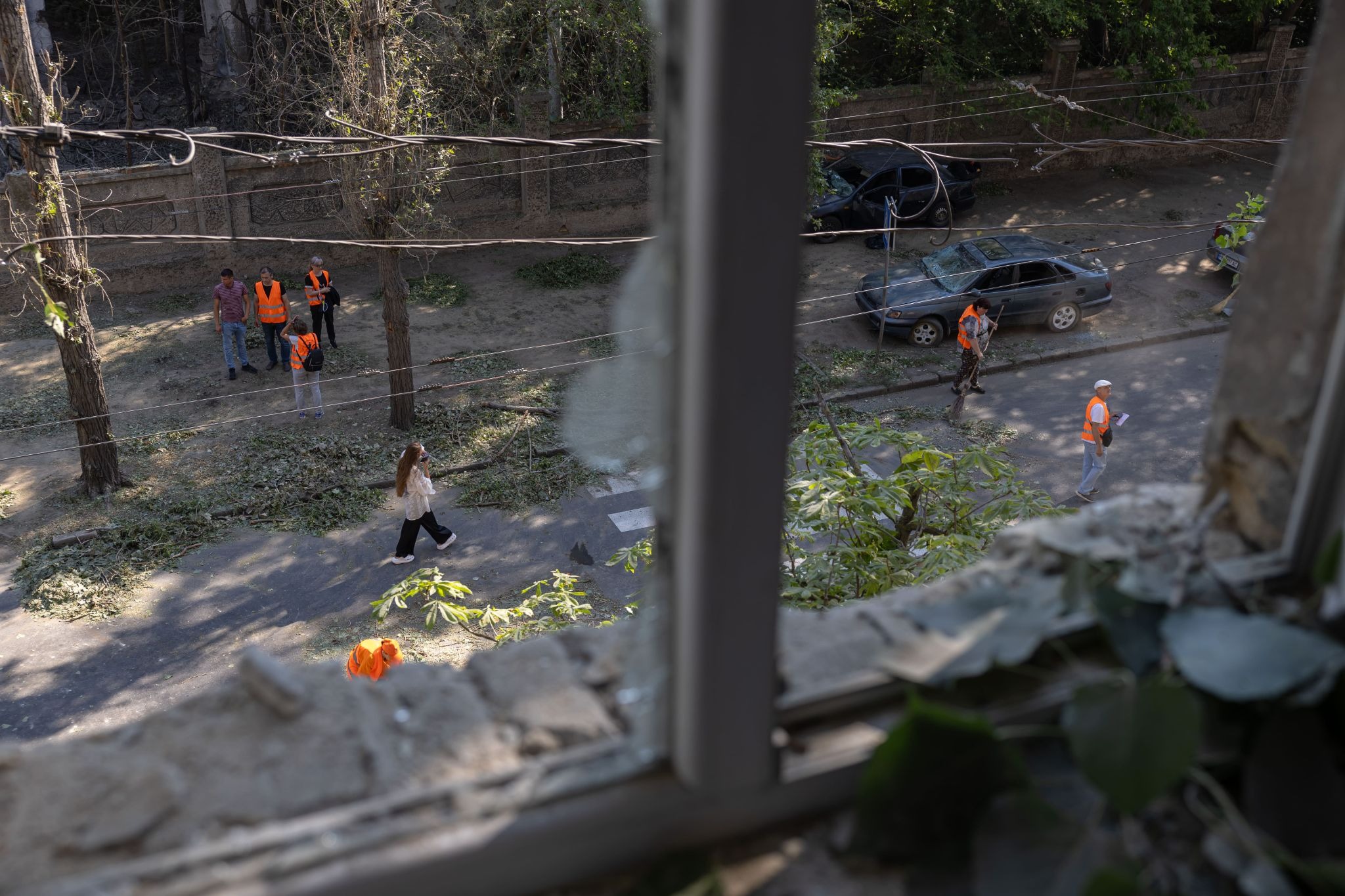
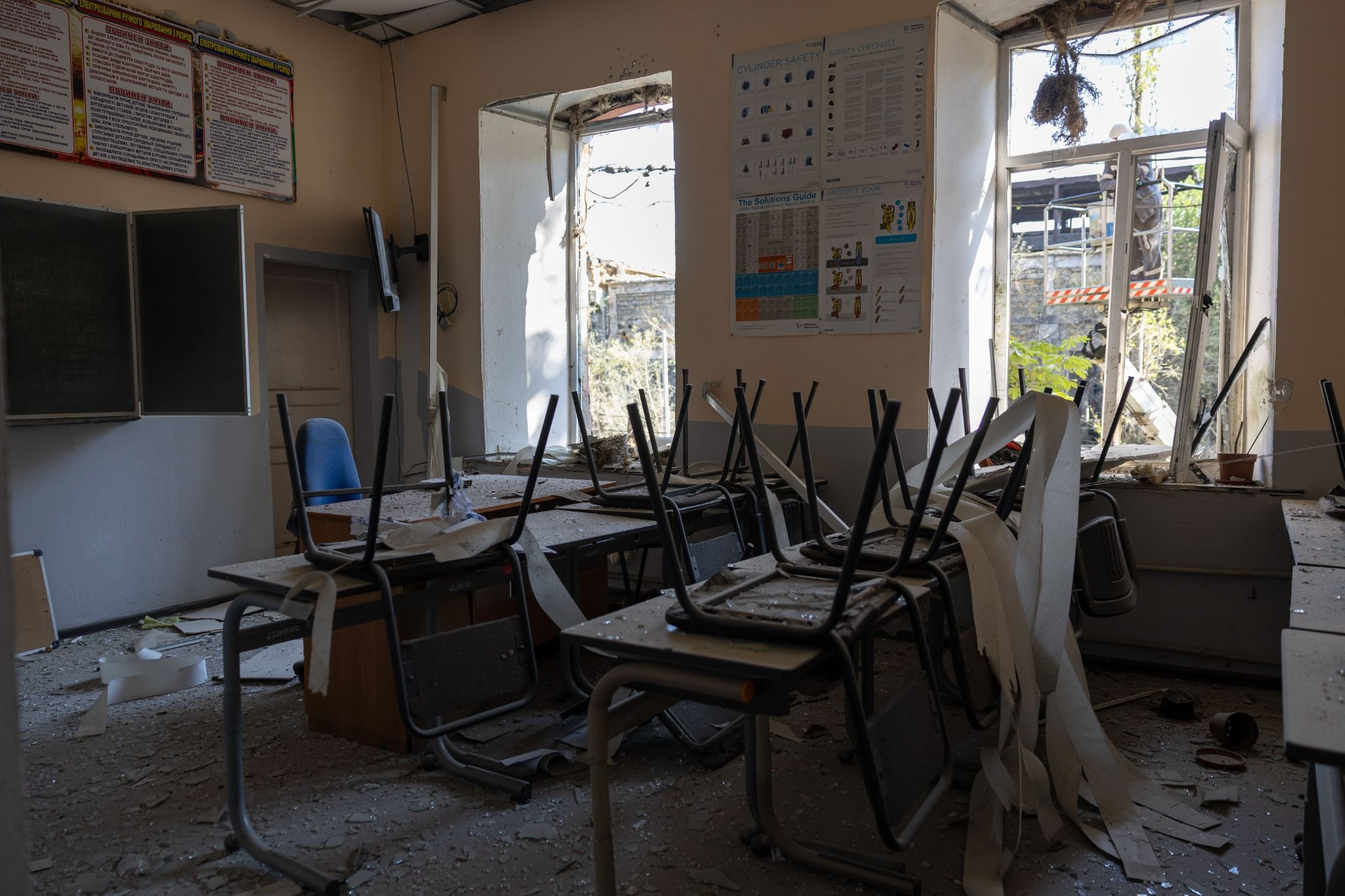

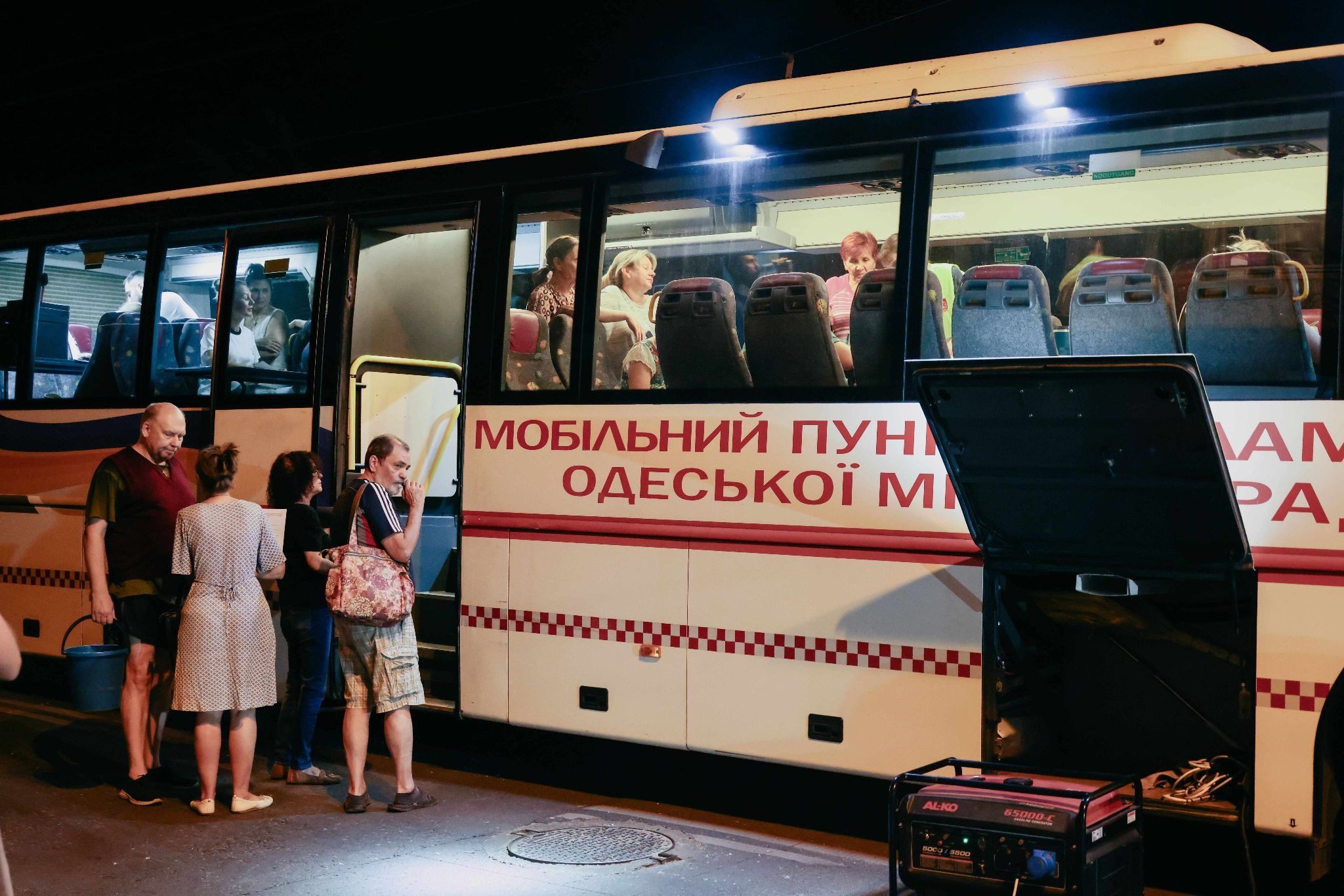
During the night of July 17, Russians launched a missile strike on Odesa and the Odesa district, killing two civilians; one of the victims was a woman walking in a park with children, who survived. The number of injured from the enemy attack rose to 10; two people were hospitalized, one in serious condition. In the Khadzhybeyskyi district, efforts continued to liquidate the consequences of a hit on a three-story residential building, which damaged about a dozen neighboring homes. Additionally, a religious facility, a preschool, cars, and other civilian infrastructure objects were destroyed. In the Odesa district, an enemy shelling completely destroyed a service station building and burned parked cars nearby.
Throughout the day on July 17, Russian troops launched massive missile strikes on Odesa's port and civilian infrastructure, killing two people and wounding seven. During a daytime attack on the Odesa district, an industrial enterprise was hit: a warehouse was destroyed, and an administrative building and 13 cars were damaged; a man was killed in the regional center. Later, occupiers shelled two foreign commercial vessels in the Black Sea: one person was killed and three injured on a vessel under the flag of Antigua and Barbuda, while four people were injured due to a superstructure fire on a vessel under the Marshall Islands flag.
Over the weekend in Odesa, three people were injured, two of whom were hospitalized (one in serious condition); the territory of an infrastructure facility was damaged, and vehicles burned. As a result of a Russian missile hitting an amusement park, fishing huts were destroyed, two people were killed, and four were injured (including a child); cars and a residential building were also damaged.
KABs on Zaporizhzhia
Zaporizhzhia and front-line communities in the region endured another wave of brutal strikes by Russian occupiers. The enemy massively attacked the region with guided aerial bombs and drones, purposefully targeting peaceful residents. On July 13, Russians struck Zaporizhzhia and the surrounding district with drones and KABs: more than a dozen apartment buildings and private houses were destroyed or damaged, and rescuers recovered the bodies of two deceased from the rubble. Among the injured were a four-year-old child and a 15-year-old boy, who is in serious condition. Over the 24-hour period, 16 people were injured in the region, including one child.
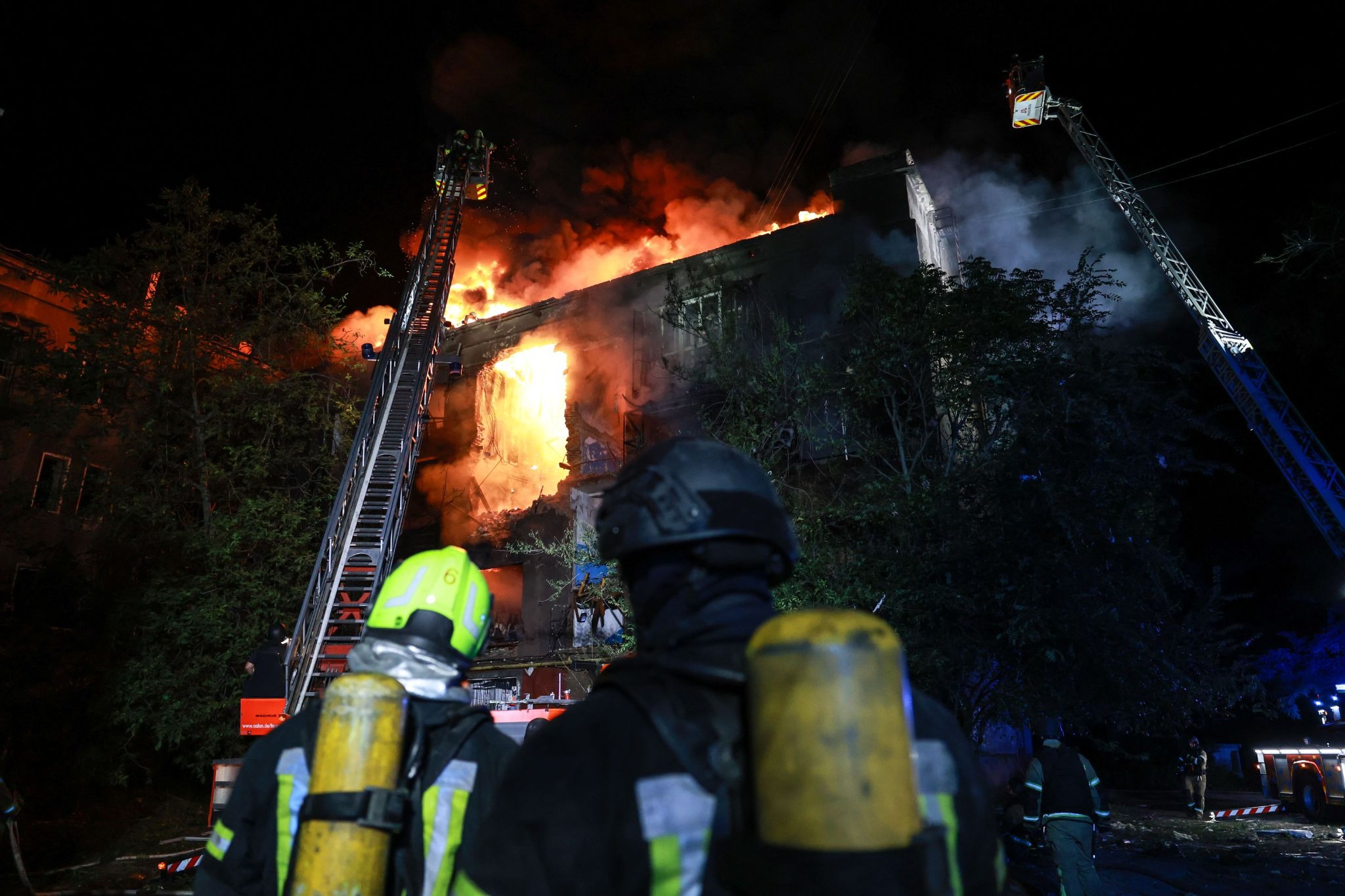
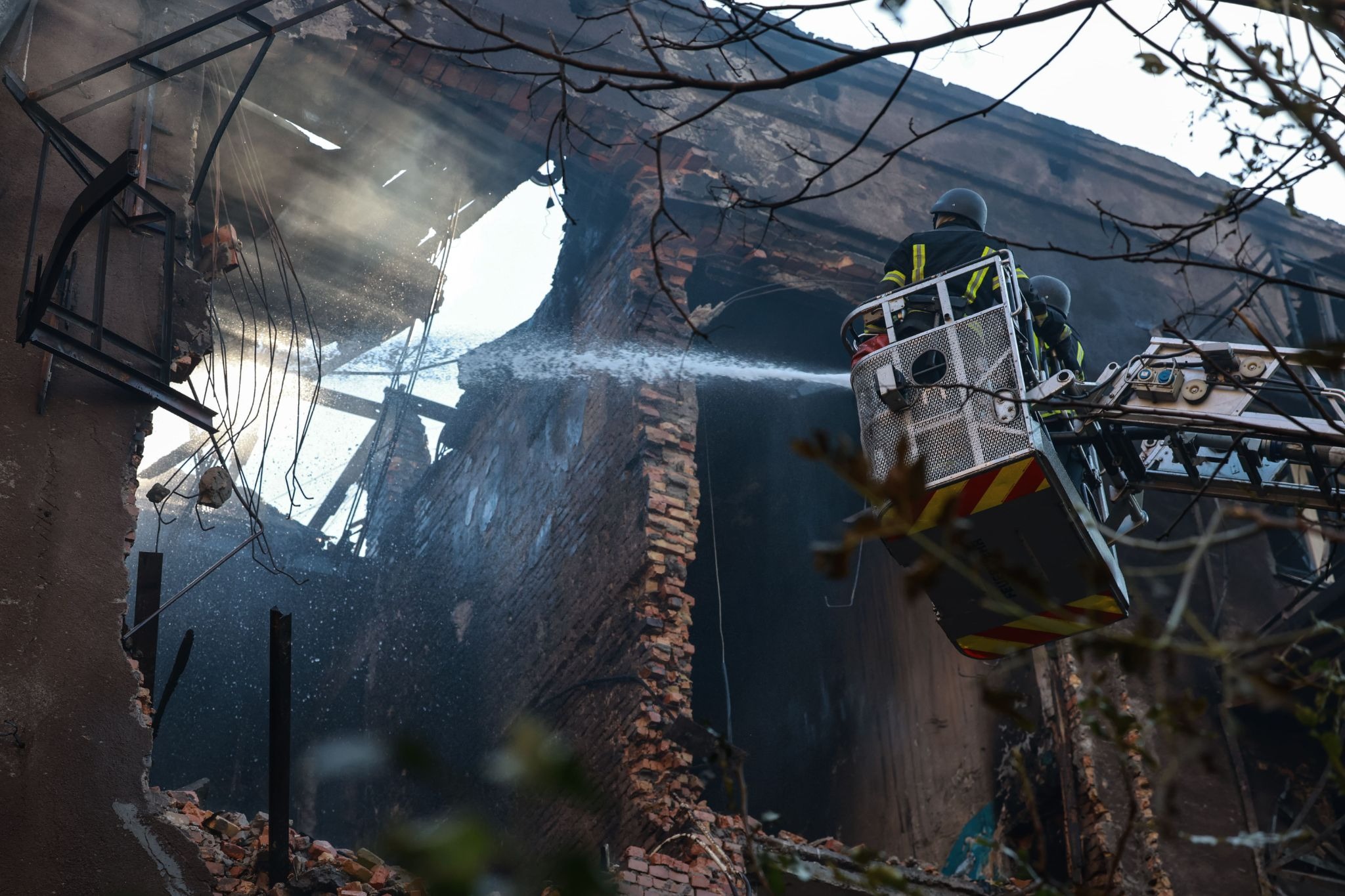
In the Zaporizhzhia district on July 14, a Russian FPV drone hit a civilian car, killing a woman and injuring a 60-year-old man. In the regional center, a drone attack on a truck resulted in limb burns for the driver.
On July 15, seven people were killed and 20 others were injured in the Zaporizhzhia region; the enemy once again attacked the regional center from the air and used drones to target civilians in front-line settlements. Over the next two days, July 16 and 17, three adults were killed and four children were wounded in the region: occupiers struck the regional center and local communities with KABs and FPV drones. Private homes were destroyed and fires broke out as a result of the attacks.


Over the weekend in Zaporizhzhia and the Zaporizhzhia district, one person was killed and 15 others were wounded, including three children. Residential buildings in the Shevchenkivskyi, Dniprovskyi, and Oleksandrivskyi districts of Zaporizhzhia were damaged by enemy strikes; a total of 51 private houses and one non-residential premise were damaged. Additionally, Russians carried out several drone attacks on passenger trains and a Red Cross vehicle in the Zaporizhzhia region.

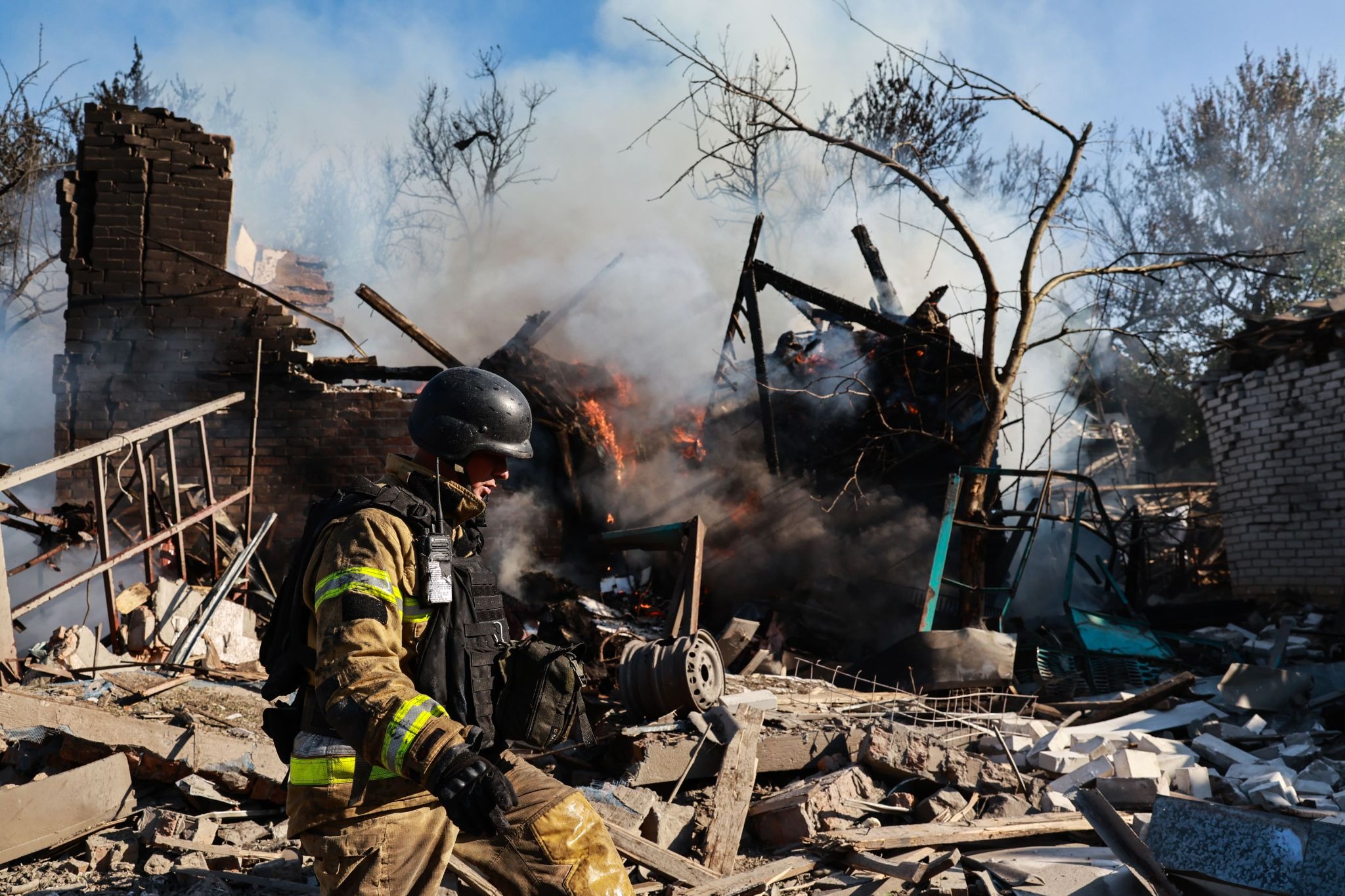
Over the weekend in Zaporizhzhia and the Zaporizhzhia district, one person was killed and 15 others were wounded, including three children. Residential buildings in the Shevchenkivskyi, Dniprovskyi, and Oleksandrivskyi districts of Zaporizhzhia were damaged by enemy strikes; a total of 51 private houses and one non-residential premise were damaged. Additionally, Russians carried out several drone attacks on passenger trains and a Red Cross vehicle in the Zaporizhzhia region.
The Most Massive Ballistic Strike on the Capital
At the beginning of the week on July 14, Kyiv suffered a ballistic attack; missile fragments caused fires in a warehouse in the Holosiivskyi district, and cars caught fire in an open area in the Darnytskyi district. Window panes of a boarding school and private houses were also damaged. During another ballistic attack on July 16, missile debris and enemy hits caused fires in the Sviatoshynskyi and Darnytskyi districts on the territory of non-residential buildings and warehouses; two people were killed and six were injured, including a 16-year-old teenager, with three people hospitalized.
On the night of July 19, the Russian army launched over 40 missiles of various types at Ukraine, most of them targeting Kyiv. Air defense forces managed to down or suppress 18 missiles. In Kyiv, one person was killed and 15 others were injured; nine people were hospitalized, three in serious condition. Hits and fires were recorded in the Dniprovskyi, Desnianskyi, Solomianskyi, Shevchenkivskyi, and Sviatoshynskyi districts of the capital.

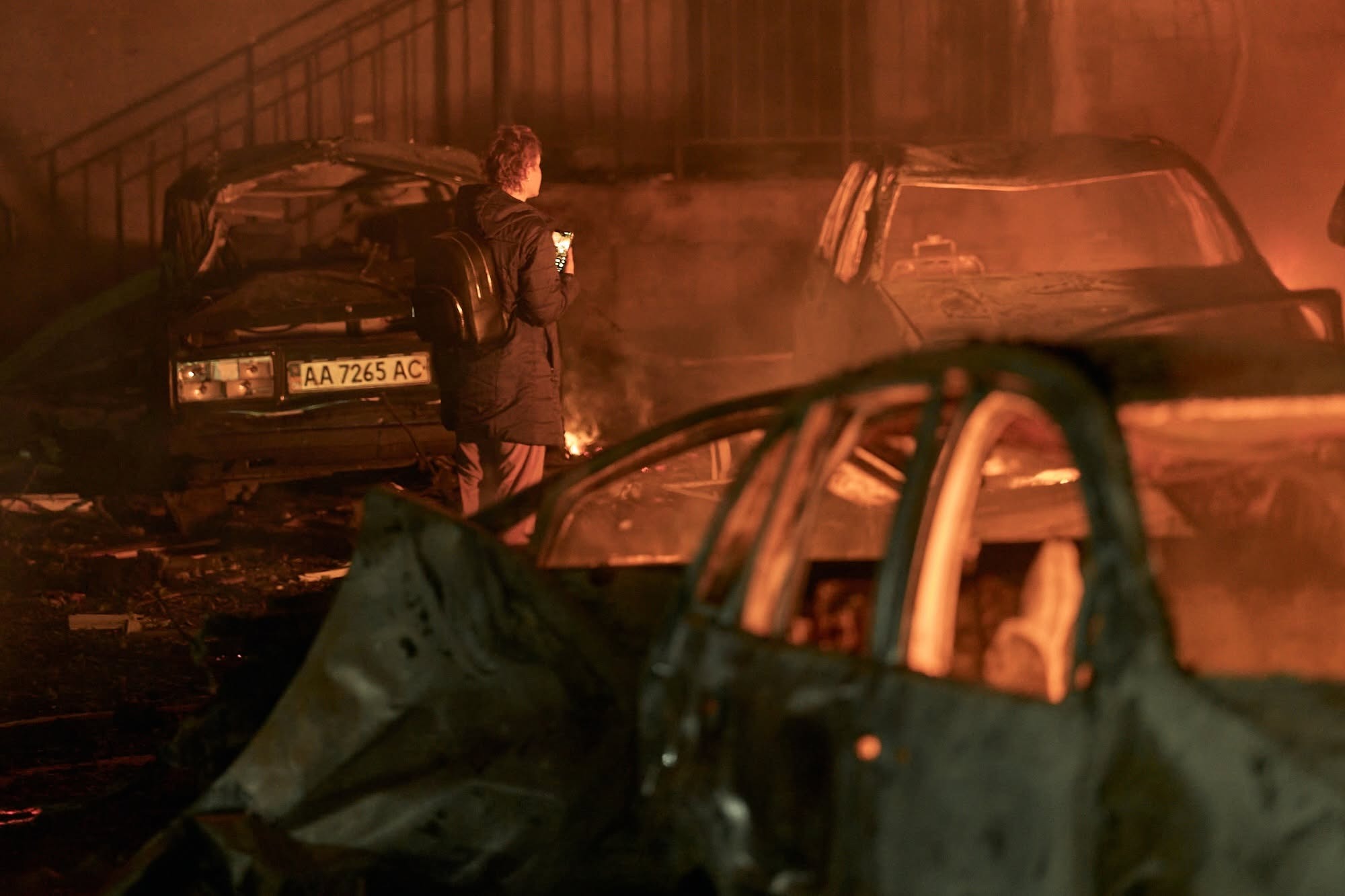
In the Solomianskyi district, an office building caught fire over an area of 200 sq. m, and a nine-story building was damaged. In the Shevchenkivskyi district, a fire broke out in a three-story building over 400 sq. m, parked cars caught fire, and window panes in a 25-story building were damaged. In the Sviatoshynskyi district, a fire started on the roof of a private residential house; in the Desnianskyi district, a fire broke out in a non-residential building. In the Dniprovskyi district, there was a fire on the territory of a non-residential building, and a dormitory caught fire. Work continued in the Shevchenkivskyi district, where emergency services extinguished fires, and in the Solomianskyi district at the site of a damaged five-story building.
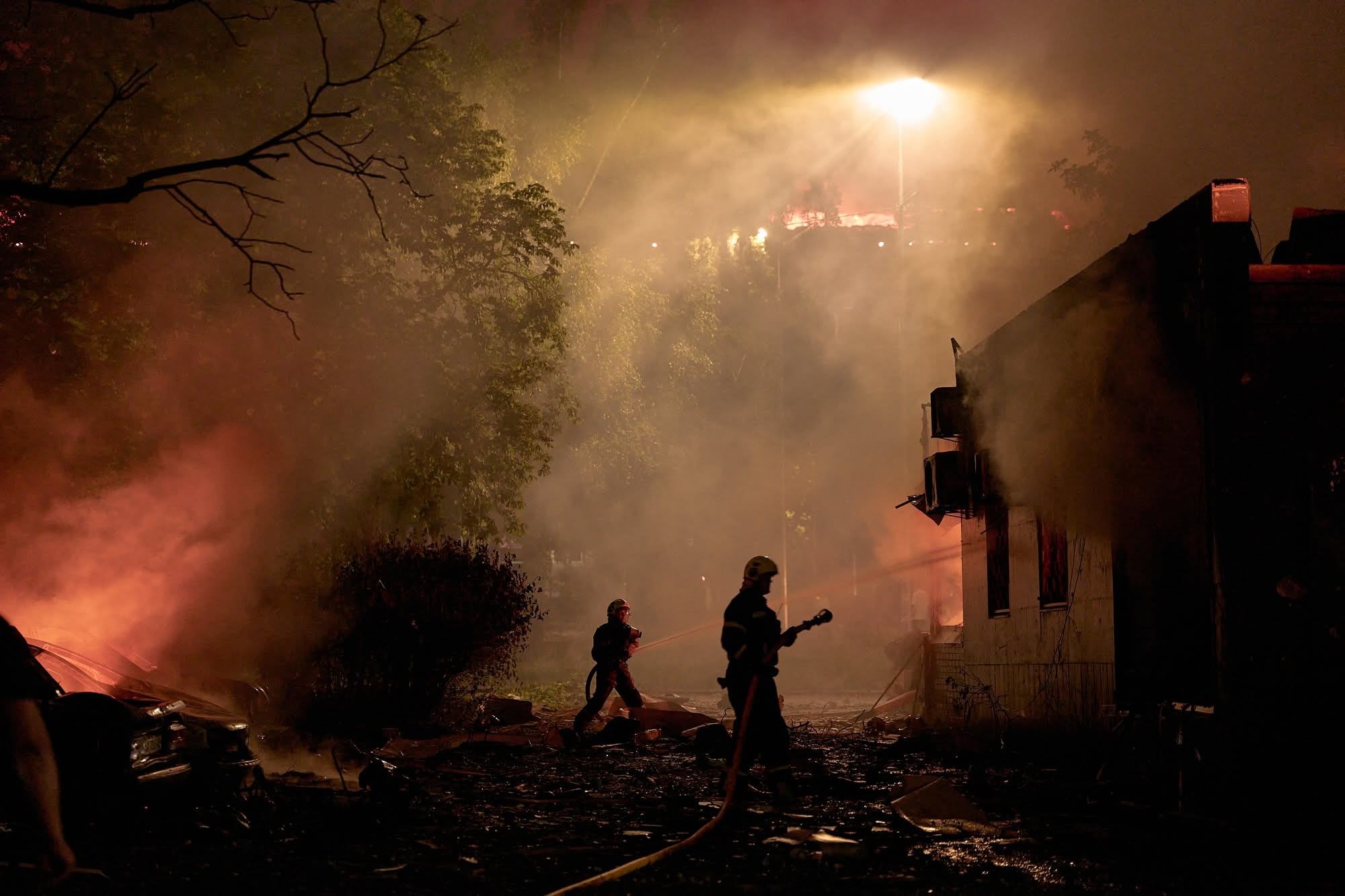
In the Kyiv region, two injuries and large-scale fires have been reported. In the Bucha district, a fire broke out on the territory of warehouse buildings and a logistics facility; the total area of the fires reached approximately 100,000 square meters, with over 200 rescuers, 73 units of equipment, and three helicopters working to extinguish it.

July Protests
July has traditionally become a month of social resistance. Last year, the catalyst for public protests was the government's attempt to limit the powers of anti-corruption agencies NABU and SAP, which active citizens fiercely defended.
This year, Ukrainians took to the streets to protest the resignation of former Defense Minister Mykhailo Fedorov. The protests were sparked by President Volodymyr Zelenskyy's decision not to nominate Mykhailo Fedorov for the position of Defense Minister for a new term following the resignation of Yuliia Svyrydenko's government.
Following the personnel rotations in the government and law enforcement agencies announced by Volodymyr Zelenskyy on July 12, the Verkhovna Rada voted for the resignation of Prime Minister Yuliia Svyrydenko on July 14. In accordance with the law, the entire Cabinet of Ministers automatically stepped down along with her. As a reminder, Mykhailo Fedorov took over the Ministry of Defense in January 2026, replacing Denys Shmyhal.
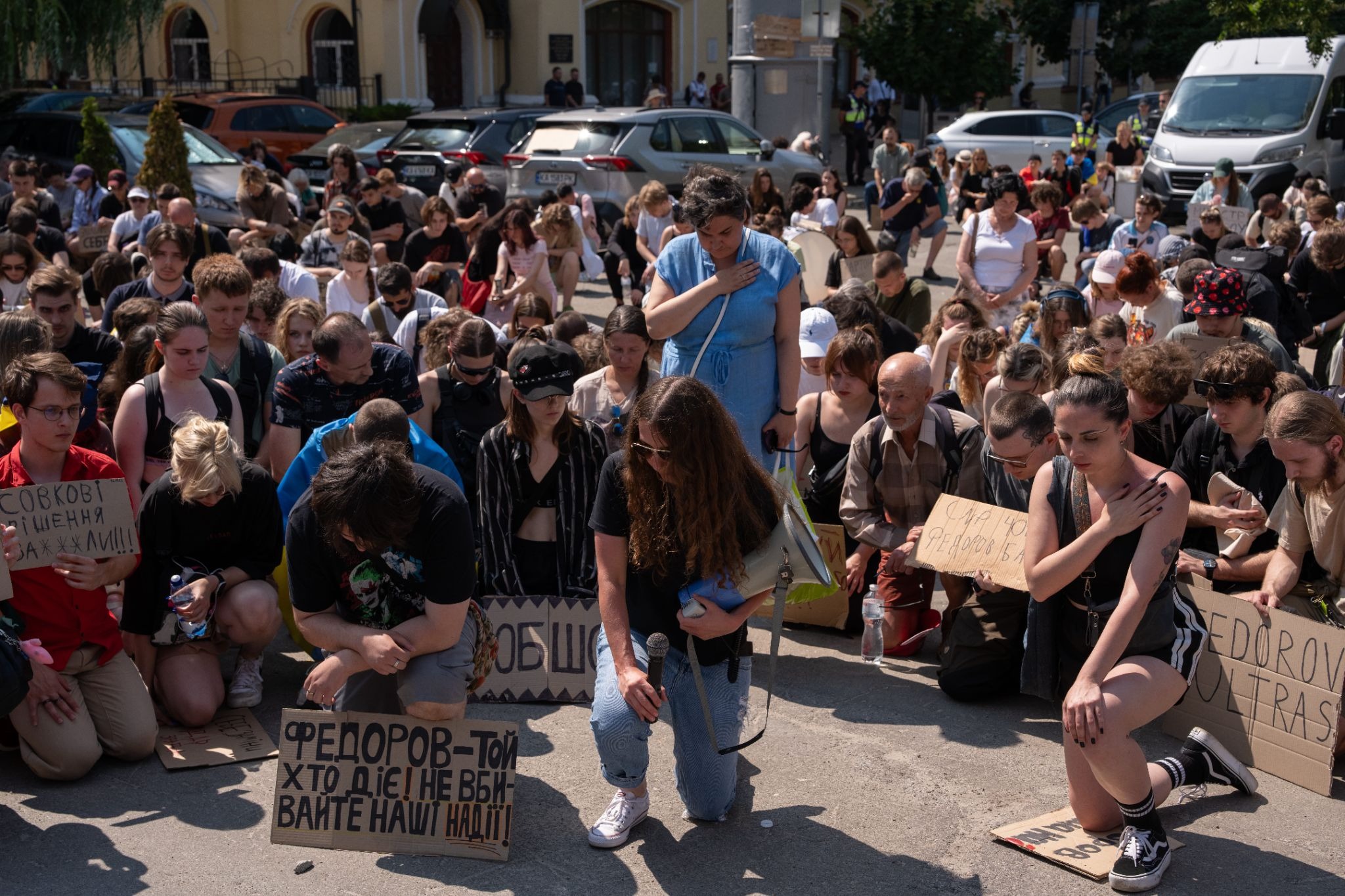

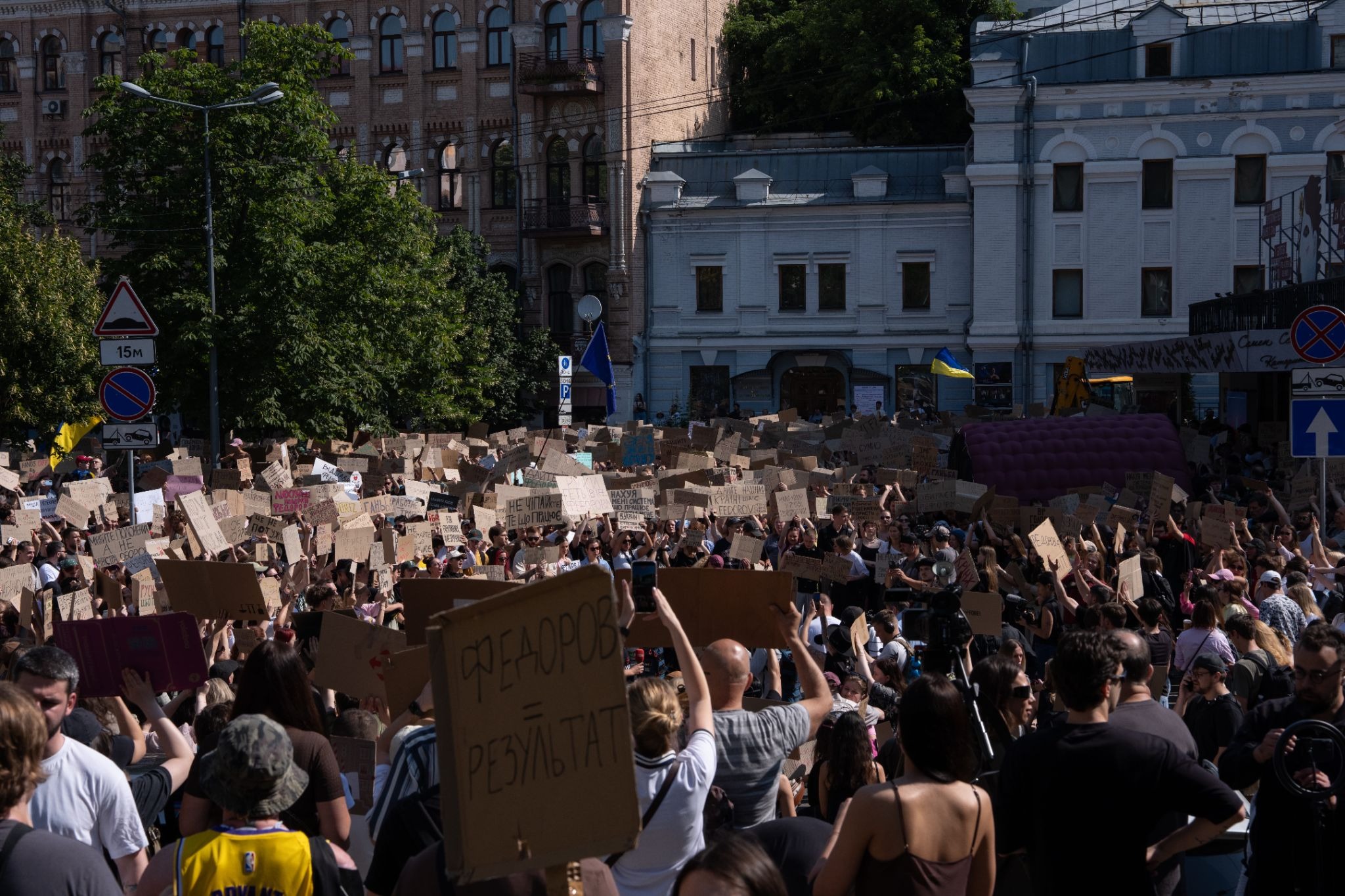
A wave of protest swept across the country: rallies took place in cities where air raid sirens sound constantly—Kyiv, Kharkiv, Sumy, Chernihiv, Odesa, Dnipro—as well as in Poltava, Cherkasy, Ivano-Frankivsk, and other cities. Photojournalist for the Kharkiv-based publication lyuk.media, Ivan Samoilov, noted that during the rally, participants had to descend into the metro due to the threat of KABs and "Banderol" missiles.
In Kyiv, people gathered on Ivan Franko Square, near the Office of the President. Holding homemade cardboard signs, rally participants called on the authorities to keep Fedorov in his ministerial post and to dismiss the Commander-in-Chief of the Armed Forces, Oleksandr Syrskyi.



Commenting on the rallies in support of Mykhailo Fedorov, President Zelenskyy emphasized that such actions are a manifestation of freedom and democracy in the country. At the same time, he remarked that he listens to criticism and that a final decision regarding personnel changes in the Ministry of Defense has not yet been made, Suspilne News reports.
The team behind this report:
Researcher and lead author: Yana Yevmenova
Photo editor: Marusia Maruzhenko
Literary editor: Yuliia Futey
.jpg)

.jpg)