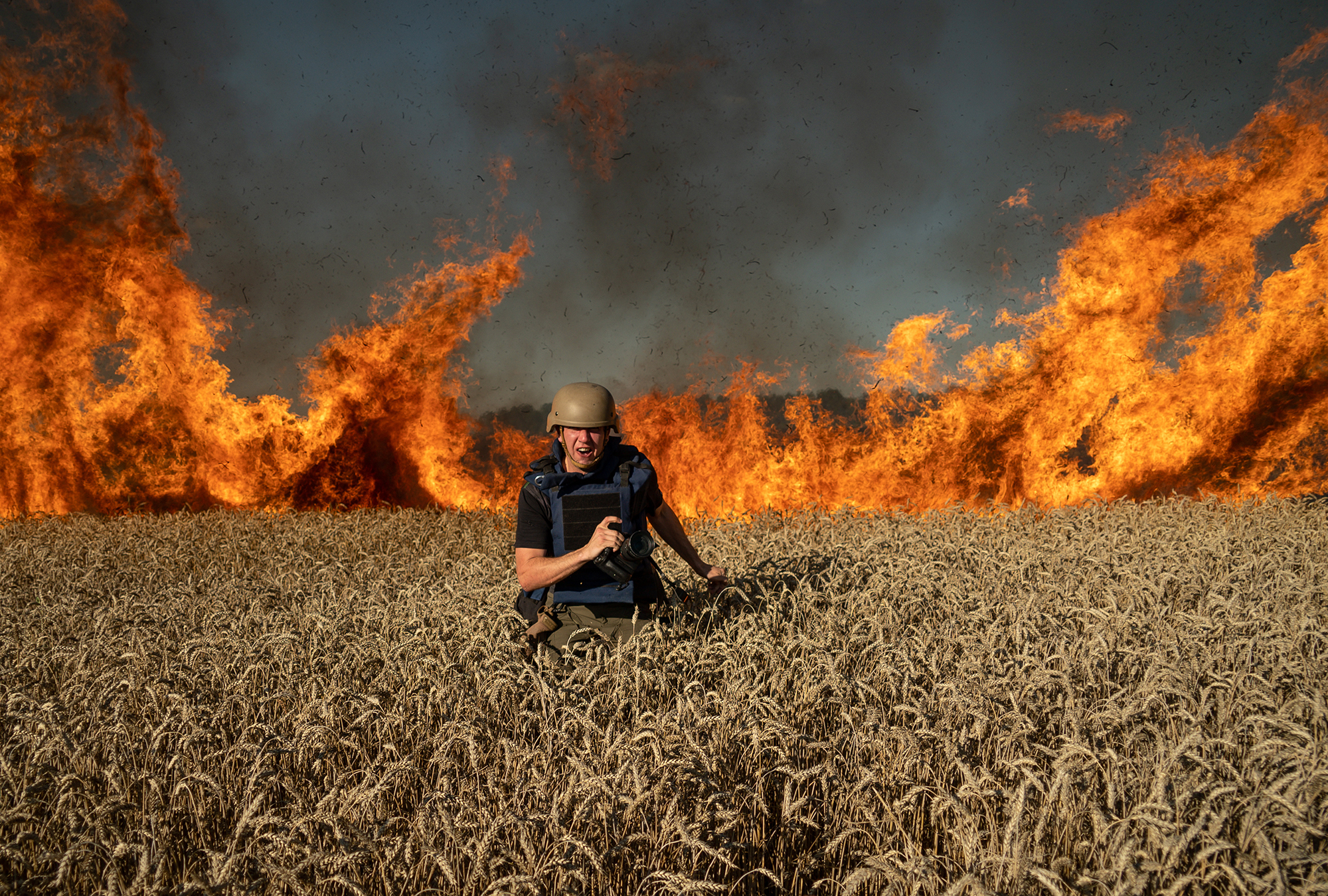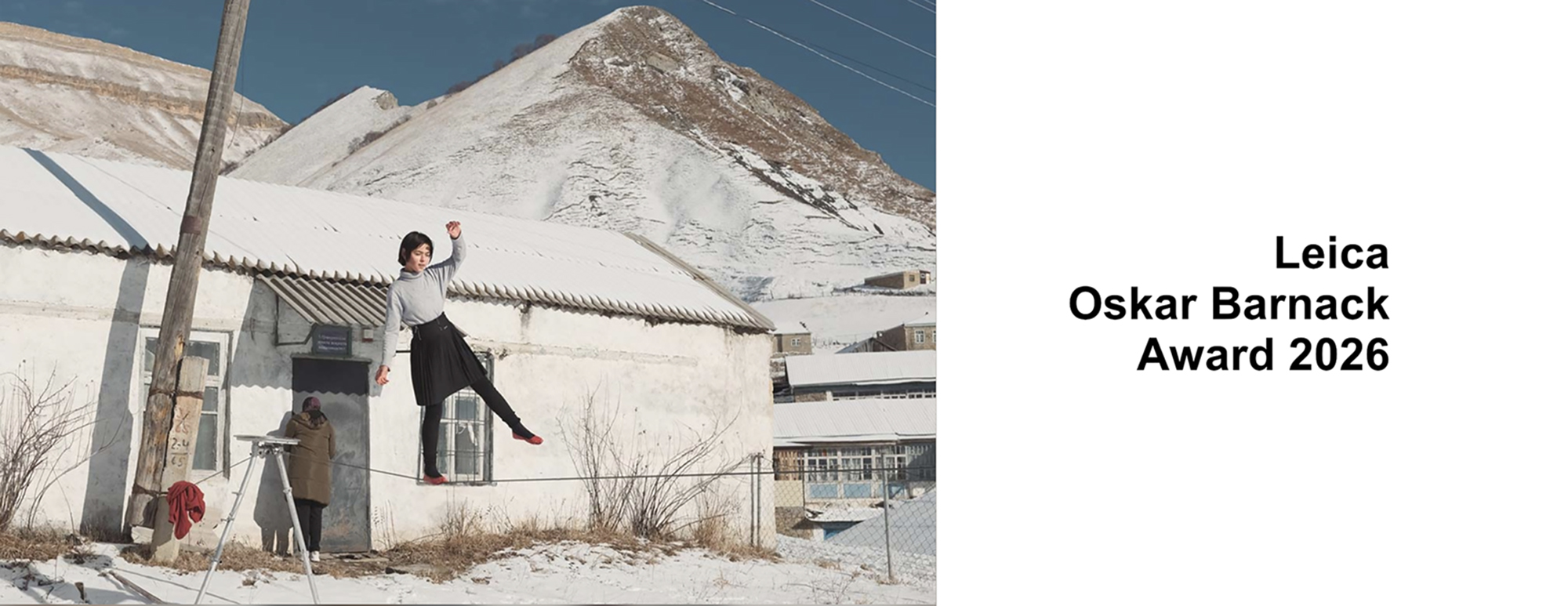
The international photography competition Leica Camera Oskar Barnack Award (LOBA) 2026 has announced its winners. The main prize of this prestigious award was granted to Russian photographer Damir Fayzulin for his project "Preserving Nature, We Preserve Ourselves," dedicated to the mountains of Dagestan and the North Caucasus. This decision once again demonstrated that key international institutions continue to ignore the context of the full-scale war launched by Russia against Ukraine. Just on the eve of the award ceremony, another Russian FPV drone strike claimed the lives of 33 bus passengers in Kramatorsk, and a day earlier, the Russian army killed five children in Pryluky. Against the backdrop of daily war crimes documented by Ukrainian photojournalists, the jury awards its top prize to a project that romanticizes a region of the aggressor state.
Similar controversies surrounding the LOBA award have arisen before: previously, the photography community successfully secured the removal from the shortlist of a series by Valery Melnikov—an employee of the propaganda media outlet RIA Novosti who documented Russian-occupied and destroyed Mariupol. At that time, hope emerged that the jury would finally acknowledge the critical importance of context and refrain from offering a platform to authors who normalize aggression.
However, the current decision demonstrates the exact opposite. Leica's curators and jury view the series on Dagestan as a "neutral cultural gesture," expressing admiration for how the author captures the "loss of authenticity" and "harmony with nature." Behind this pleasing aesthetic lies blatant manipulation—substituting war crimes with a cozy myth of "deep Russia," ignoring centuries of colonial oppression against the ethnic peoples of the Caucasus (whom the aggressor uses as cannon fodder in the war against Ukraine), and deliberately blurring the line between perpetrator and victim.
The official citation awarding the LOBA prize to the Russian photographer speaks of "capturing the interconnection between humans and the environment"; however, the Ukrainian Association of Professional Photographers emphasizes that in contemporary documentary photography, form cannot be divorced from reality.
The Ukrainian photography community calls on international contests to revise their ethical standards, stop the institutional normalization of Russian authors, and provide a genuinely supportive platform for the voices of Ukrainian documentary photographers who document the truth at crime scenes every day.
Contributors to this piece:
Researcher and Author: Yana Yevmenova
Copy Editor: Yulia Futey