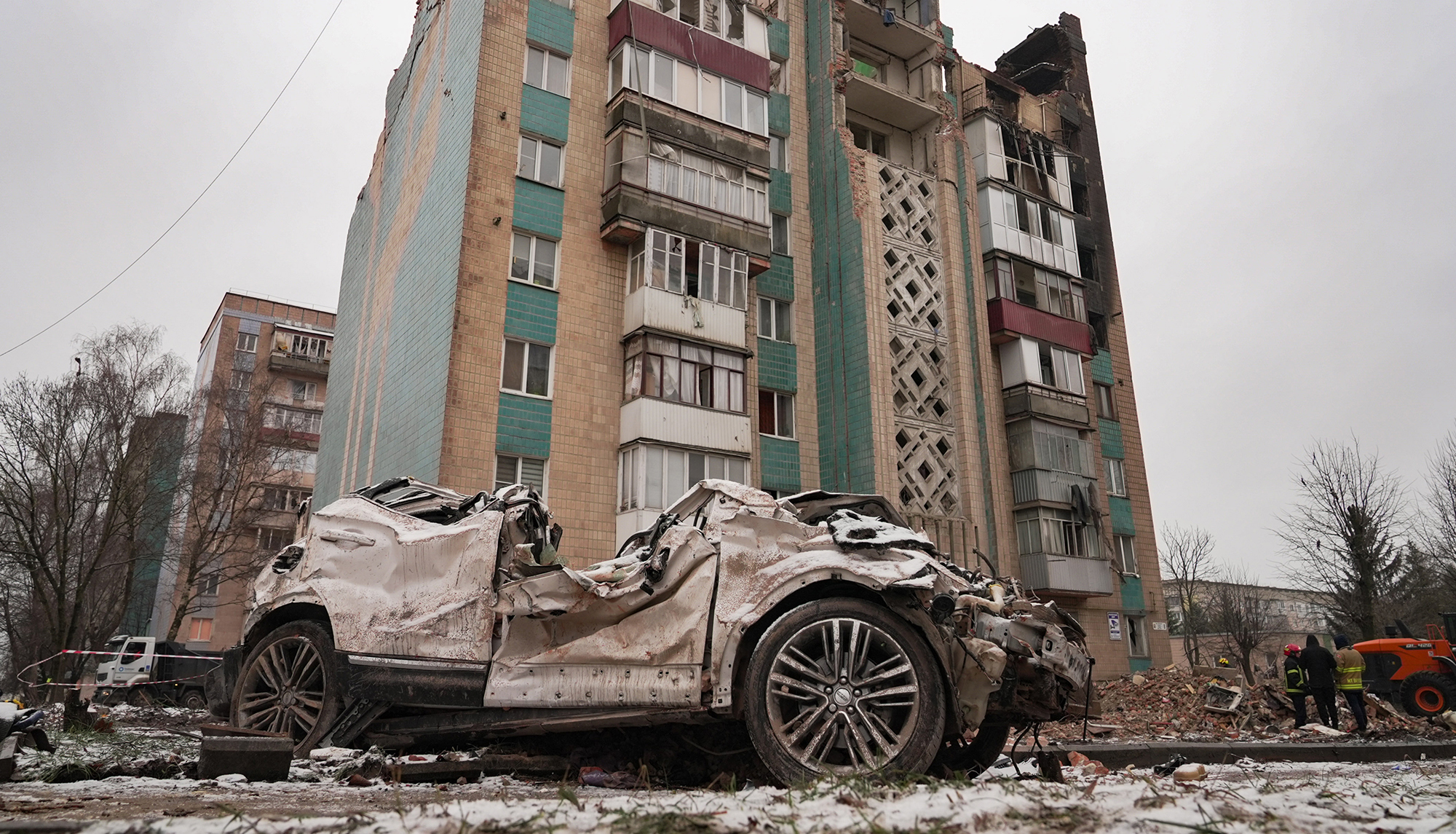
This year, on November 20, 2025, on Universal Children’s Day, Ukraine is in mourning for those killed in Ternopil. The Russian army directed nearly fifty missiles along with drones at western regions of Ukraine, attacking residential buildings in rear-line Ternopil. In total, seven children died over the week: six in Ternopil and one girl in Kharkiv region. Nearly 30 more children were wounded, and one child is missing. The consequences of Russian attacks this week are shown in reports from Dnipro, Lviv, Ternopil, Zaporizhzhia, and Odesa.
Chronicle of Russian shelling from November 17 to November 23
On the night of November 17, Russia delivered a missile strike on a residential neighborhood in Balakliia, Kharkiv region: three people were killed, and 15 people were injured and suffered an acute stress reaction, including five children; civilian infrastructure was damaged. Overnight, energy and port infrastructure in Izmail, Odesa region, was under a massive strike-UAV attack; fires broke out and civilian vessels were damaged. In Chernihiv region, Russian drones attacked a hangar of an agricultural enterprise that stored about 40 tons of sunflower-pellet fuel, two energy facilities, and the center of a border town. One of the energy facilities caught fire. Part of the settlements were left without power. In Kherson region over the day, two people were killed and five were injured, including one child.
Toward the night of November 18, Russians launched a missile strike on the town of Berestyn, Kharkiv region; 17-year-old Kateryna Bakhur was killed — a champion of Ukraine and Europe in kickboxing and Cossack martial arts. Ten people were affected, seven of them hospitalized. Civilian and railway infrastructure, administrative buildings, and power lines were damaged; there were two fire outbreaks. At night, the enemy struck a border town in Chernihiv region; two people were killed. In Kherson region, a Russian drone attacked a municipal vehicle; one worker was killed and one hospitalized. In the city of Kherson, as a result of an enemy attack, one person was killed and one injured.
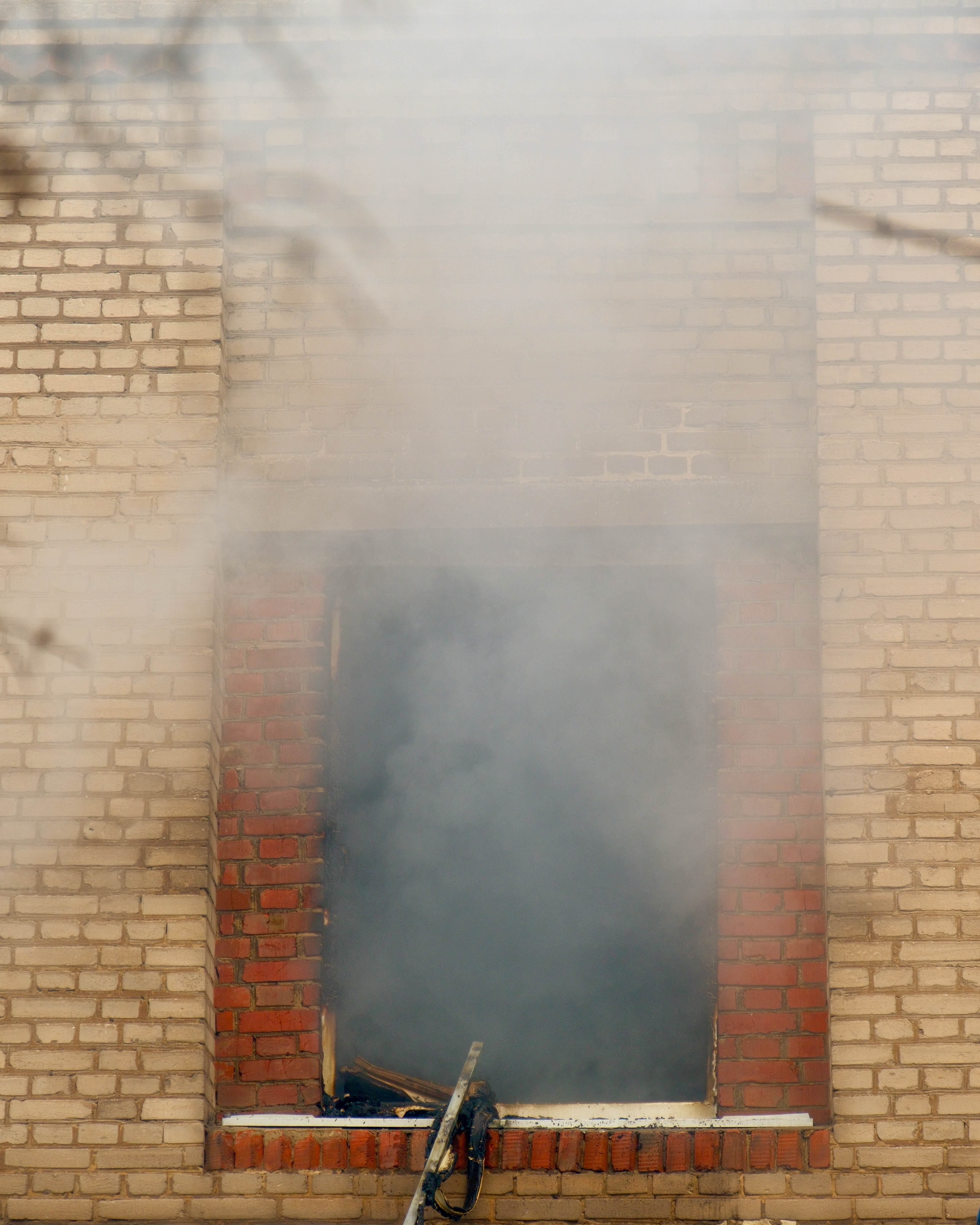
Massive shelling of Dnipro
Dnipropetrovsk region was under enemy attacks almost around the clock. The adversary uses different types of weapons. At the beginning of the week, two people were killed in the region, 11 were injured, and there was extensive destruction. Residential buildings, a gymnasium, a gas station, an enterprise, power lines, gas pipelines, and a poultry farm were damaged — 100 birds were killed there.
On the night of November 18, the adversary attacked Dnipro. The city was hit massively by drones. As a result of the strike, two people were injured in moderate condition. Fires broke out. There was extensive damage, including to a transport enterprise and a private enterprise, an administrative building, service stations, shops, kiosks, a food establishment, high-rise buildings, garages, and cars. Due to partial power outages, trains ran with delays.
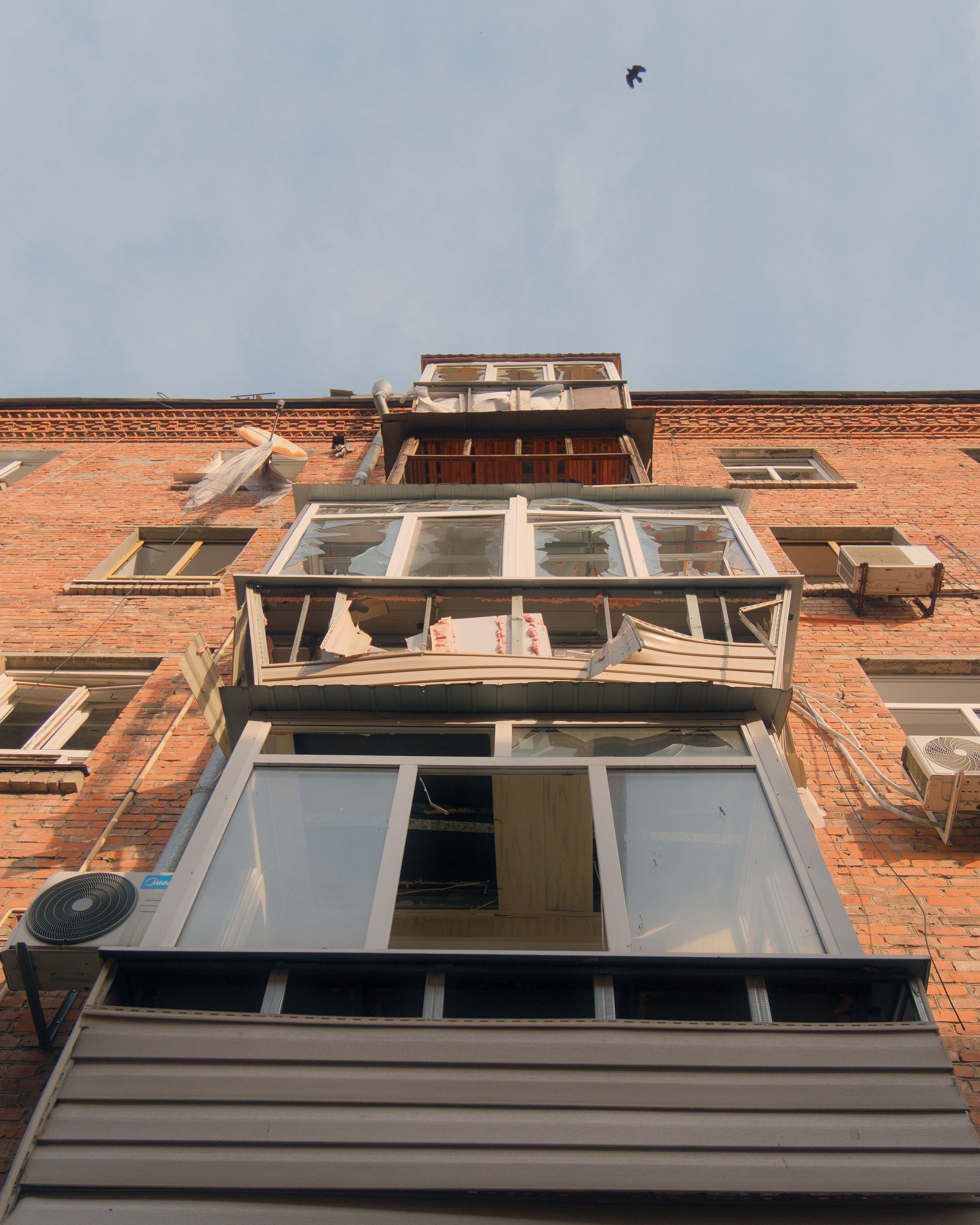


As a result of the overnight shelling, the two-storey building of the Dnipro branch newsroom of Suspilne Broadcasting and Ukrainian Radio Dnipro was destroyed, as well as the nearby TV tower. Suspilne Dnipro reported that windows and doors were blown out in the building, the ceiling and roof were damaged, and a fire occurred that completely destroyed the studio; an annex was also damaged. The TV archive of Dnipropetrovsk television, collected over 15 years and planned for digitization, burned in the fire. No one was in the newsroom during the attack.
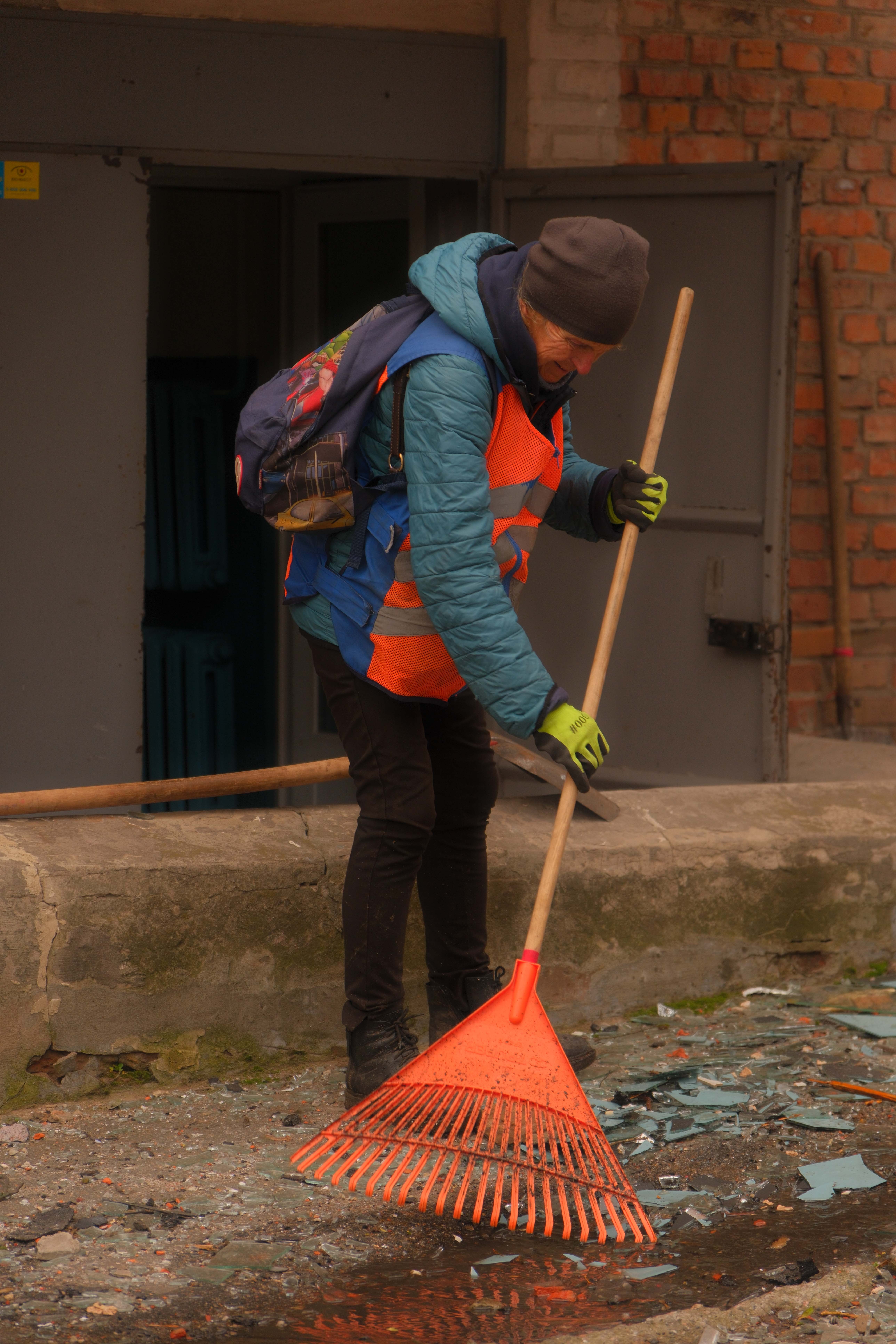
This building also housed the regional directorate Suspilne Donbas and the Dnipro Youth Media Center, and on the second floor was located the Mediabase of the Institute of Mass Information, where educational events were held on first aid, psychological recovery, journalism, and more. The second floor collapsed and caught fire.
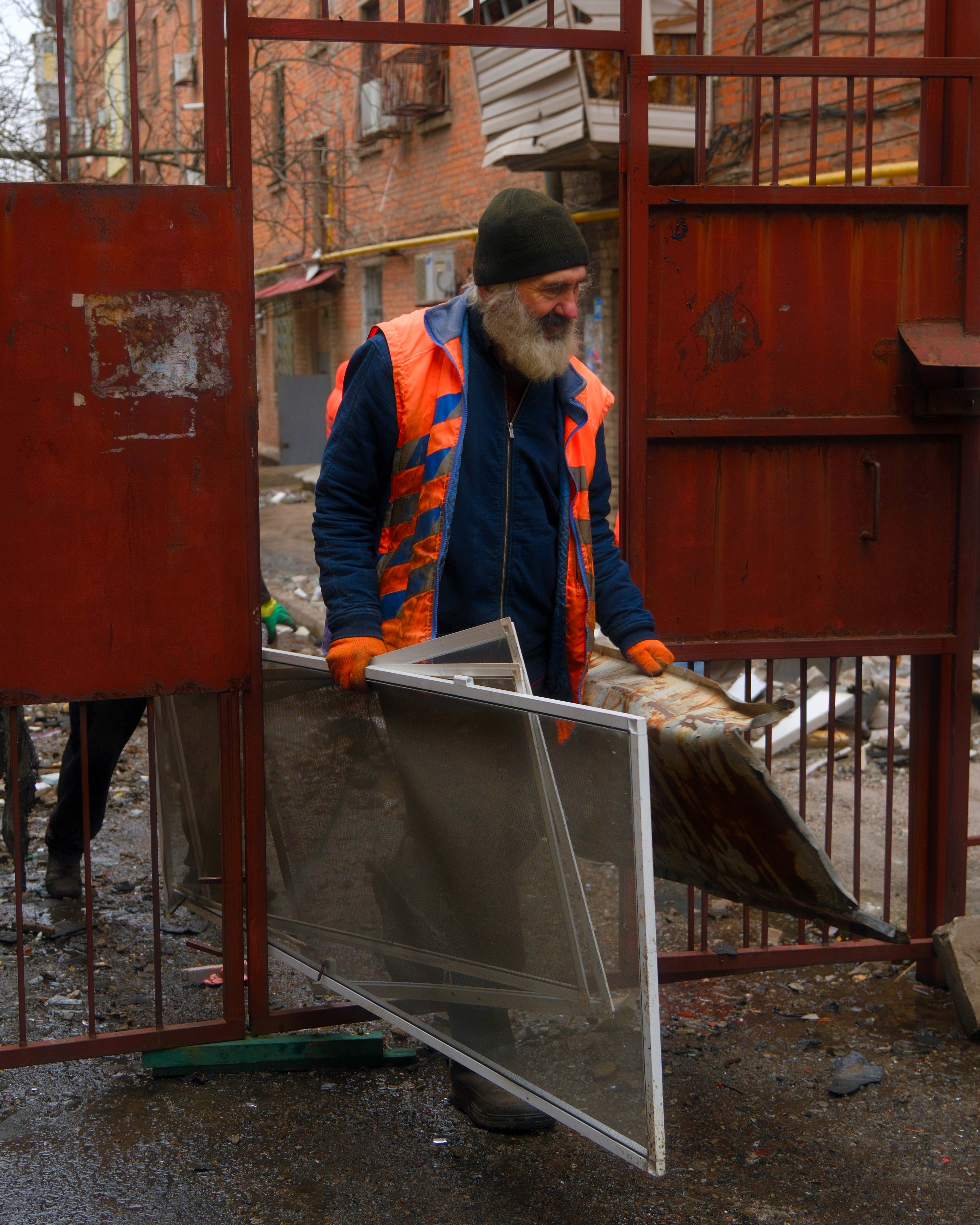
Response and cleanup after Russia’s shelling of the city continued all day. Municipal workers removed about 40 tons of debris, branches, and glass. Specialists worked on restoring heat and gas supply.
Four days of rescue operations in Ternopil
On the night of November 19, the Russian army carried out a massive strike on a number of regions of Ukraine, including the western regions, using 476 UAVs of various types and 48 missiles. Russia attacked critical infrastructure. The main strike hit Lviv, Ternopil, and Kharkiv regions; the strikes also covered Kyiv, Mykolaiv, Cherkasy, Chernihiv, and Dnipropetrovsk regions. The Air Force of the Armed Forces of Ukraine shot down (suppressed) 41 missiles and 442 drones.

Russians attacked Ivano-Frankivsk; three people were injured, including two children, and a fire broke out at a critical infrastructure facility. In Lviv region, there were several fire outbreaks; in particular, warehouses with a total area of more than 10,000 sq m were burning. An energy facility and a woodworking enterprise were destroyed.
A new modern Ukrposhta branch was destroyed together with about 900 parcels; employees were not injured. A warehouse with medicines belonging to the charity fund Nova Ukraine, headquartered in the U.S., and the production facility of the Pizza Hot pizzeria chain were also destroyed, reported “Ekonomichna Pravda”.
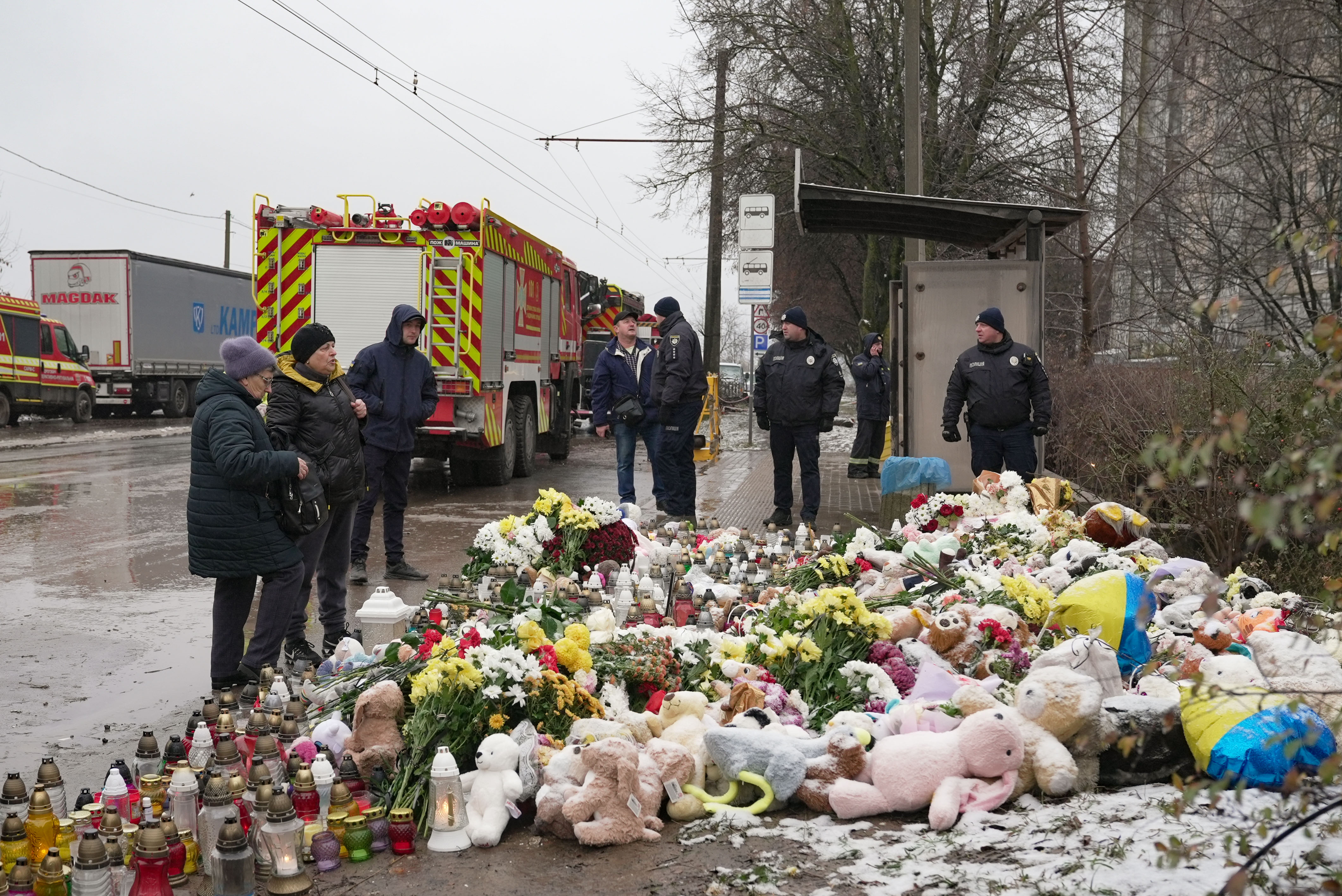
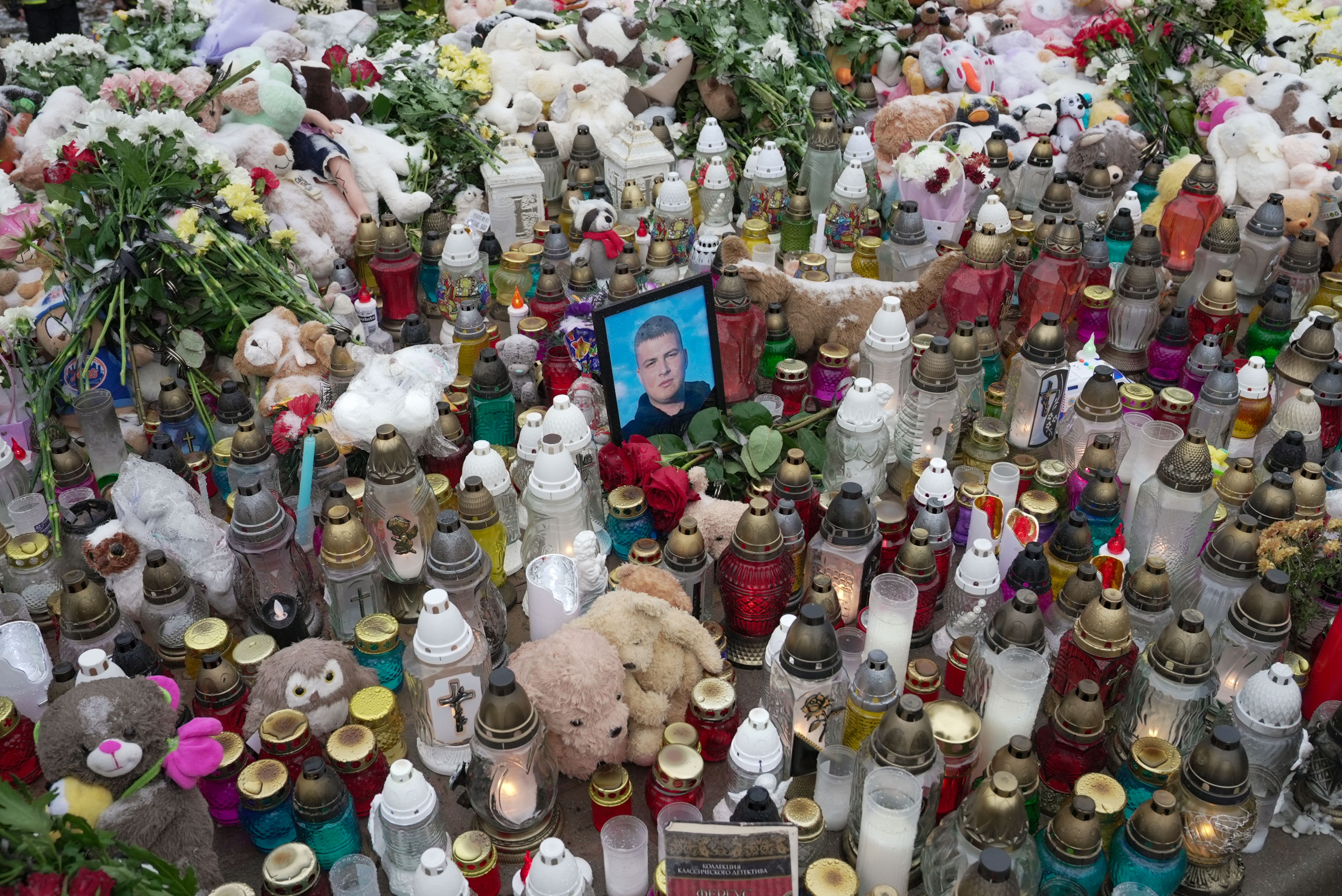
The attack on Ternopil was deadly. An industrial facility and two residential buildings came under fire. In one building, as a result of a direct missile hit, floors collapsed from the ninth to the third, and people were trapped under the rubble. At another location, a fire broke out. In total, 34 people were killed in Ternopil, six of them children; 94 people were injured, including 18 children in hospitals. 46 people were rescued, including seven children, a parrot, and two cats. Heat supply problems were recorded on several streets. Air pollution with harmful substances was also recorded.
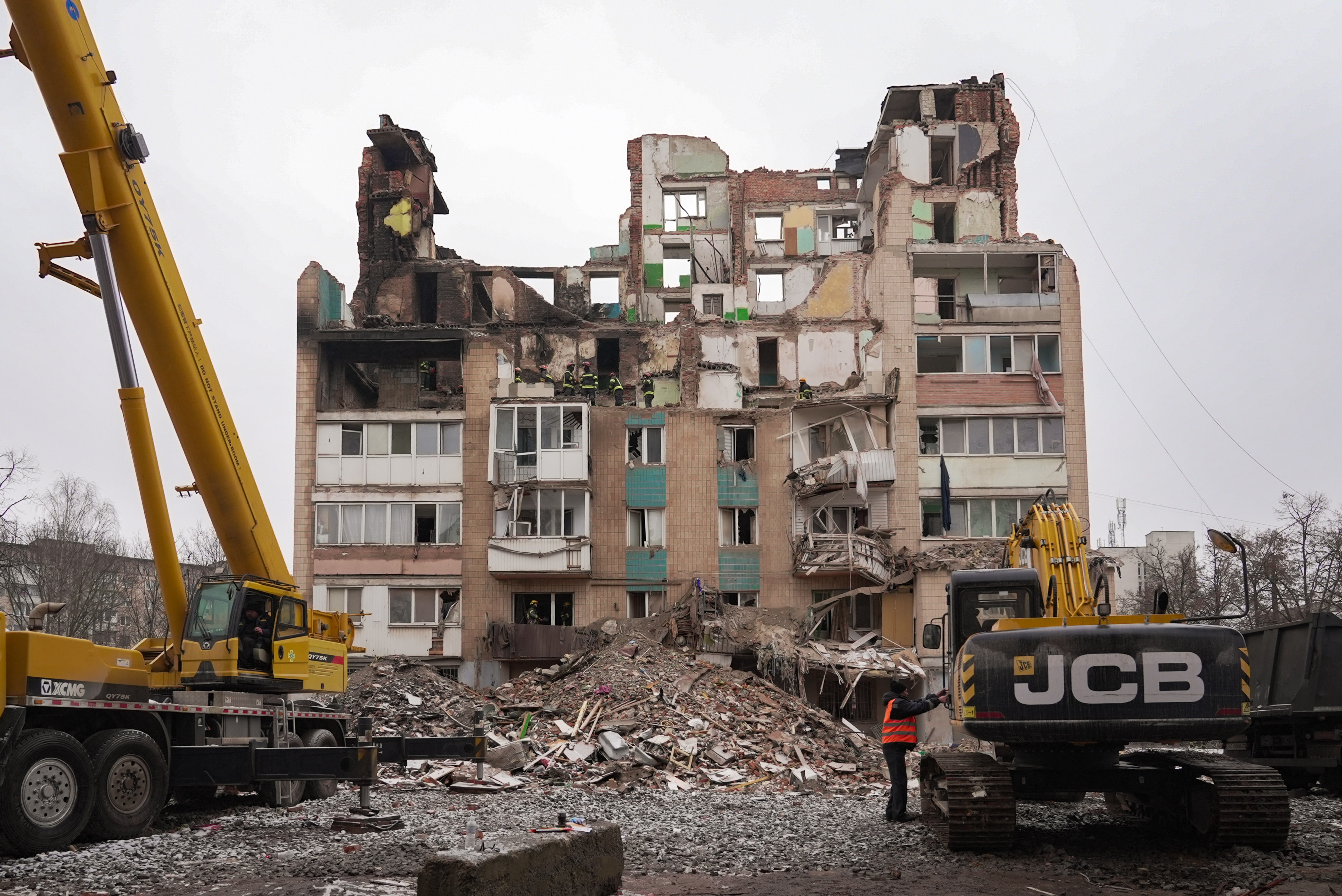
Interior Minister Ihor Klymenko, who arrived in Ternopil to coordinate search-and-rescue operations, shared horrific details of the tragedy caused by Russian shelling:
“In the building where two entrances burned out completely, there are no apartments left intact. I walked between the scorched walls — these are terrifying feelings. In every apartment — a whole life that Russia destroyed in an instant.
“The flames flared up instantly, and the building was covered by the blast wave. People, in horror, tried to jump out of windows — rescuers evacuated them using high-rise equipment. Unfortunately, 19 people died in the fire.”
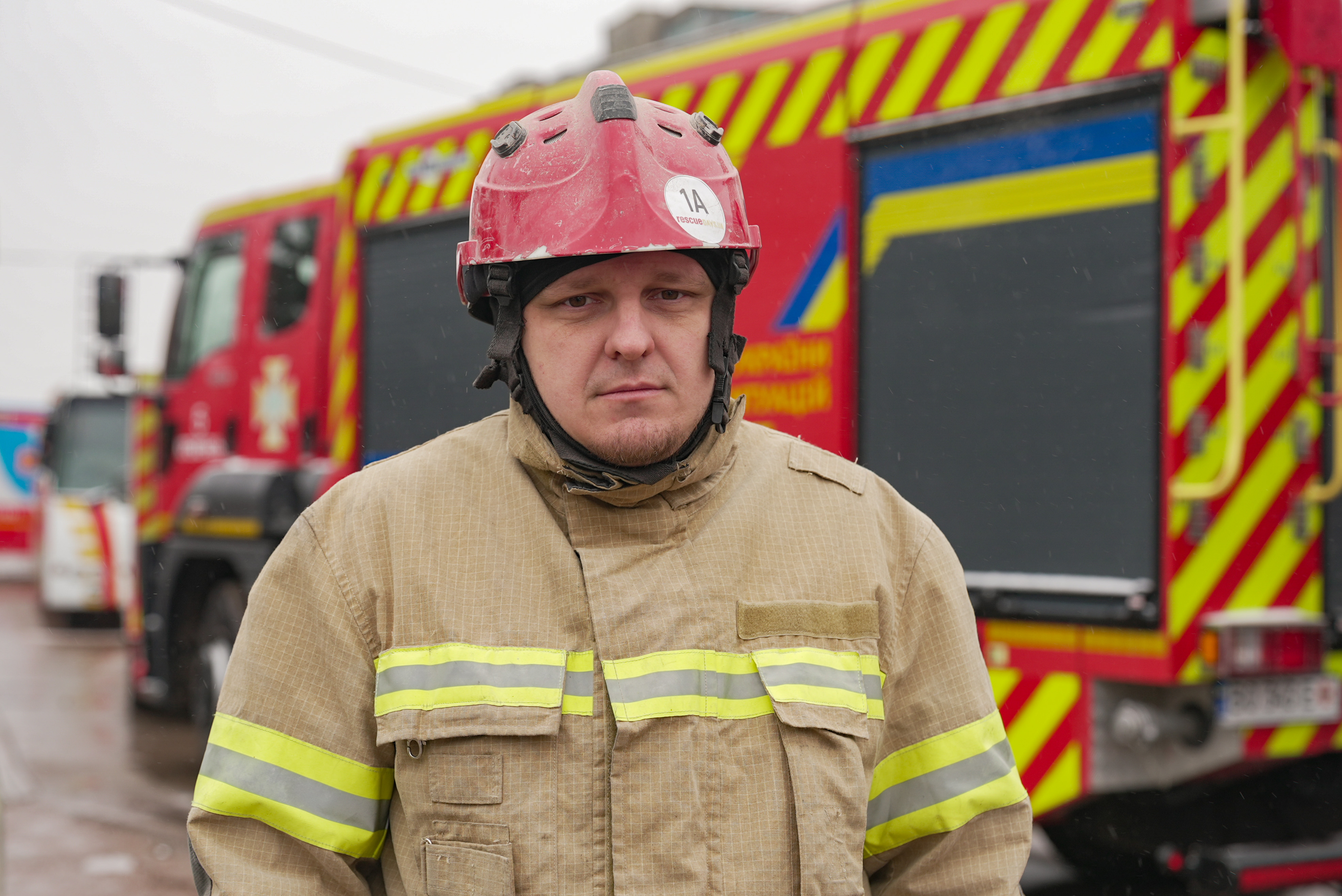
As reported by the Air Force Command, fragments were identified of the missile that hit the nine-storey building in Ternopil. It was a Russian Kh-101 missile manufactured in the fourth quarter of 2025. It contains components made in the U.S., China, Taiwan, and European countries. Ternopil declared three days of mourning for those killed in the Russian attack.
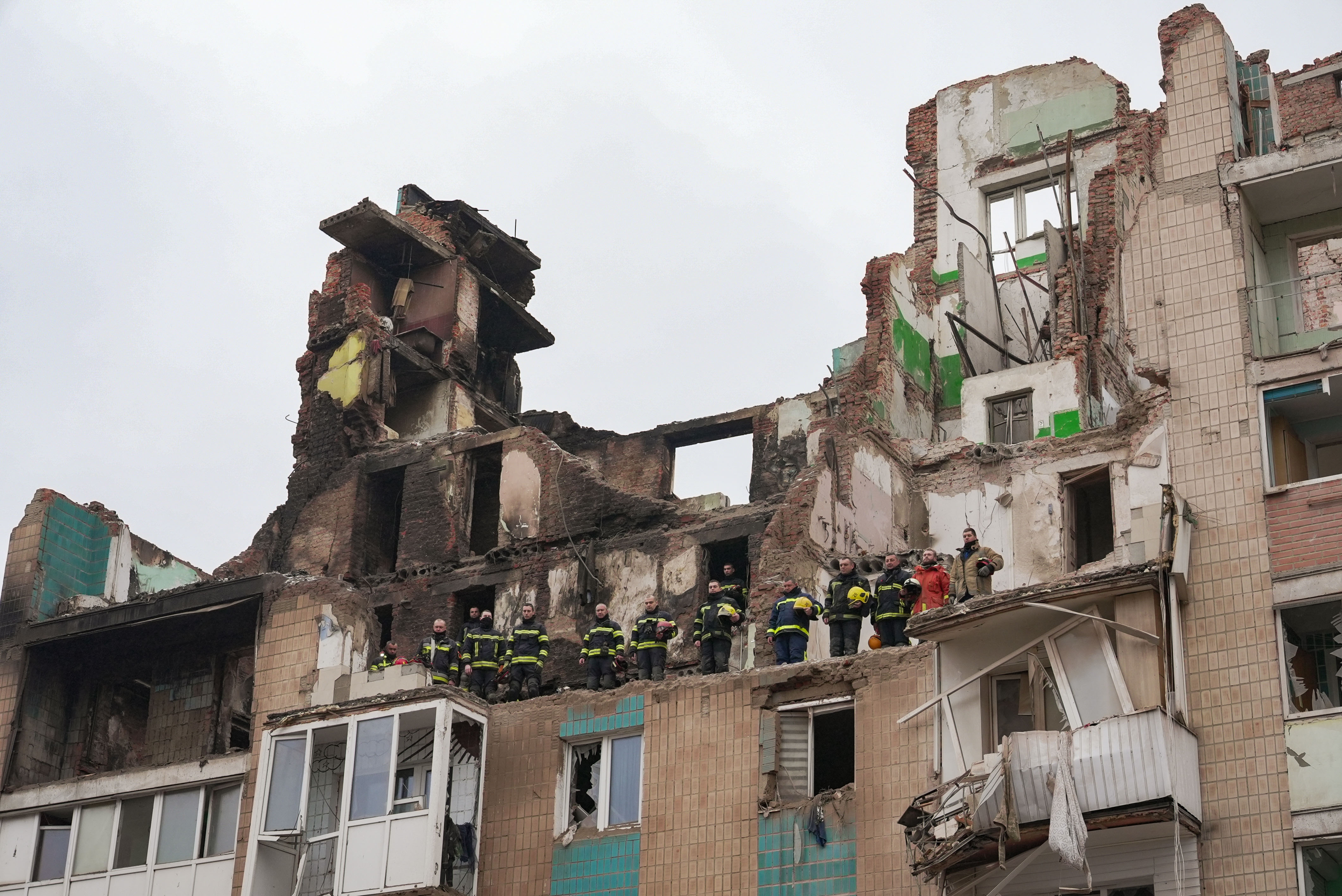
The search-and-rescue operation at the site of the destroyed high-rise building continued for four days without interruption. State Emergency Service units from nine regions, canine handlers, medics, and psychologists worked there. Heavy machinery was used, but some work on the level of the 5th–6th floors was carried out by hand. After the search-and-rescue operation ended, six people are still considered missing, including a child.
Kharkiv was massively attacked by Russian drones; 46 people were affected, including two children. Fires raged in the city. There was extensive destruction of social infrastructure. Railway infrastructure was damaged in the region. Over the course of the day, the Russian army used different types of weapons to strike Dnipropetrovsk region: administrative buildings, gas stations, a DTEK rescue unit, and a fire tanker were destroyed and damaged. Five energy workers were injured; one employee is in serious condition. On the evening of November 19, a drone attack in Dnipro destroyed a UN food warehouse intended to support the population in frontline areas. In Kherson, enemy shelling killed two people. Ukrenergo specialists restored power supply to the temporarily occupied Zaporizhzhia NPP.
FAB strike on Zaporizhzhia
Late in the evening of November 20, Russia struck Zaporizhzhia with guided aerial bombs. Five people were killed and more than ten were injured, including a 17-year-old; one person is in serious condition. Trade pavilions, a supermarket, and cars burned. The blast wave damaged high-rise buildings. There are houses that have already been hit by Russian shelling for the third time.
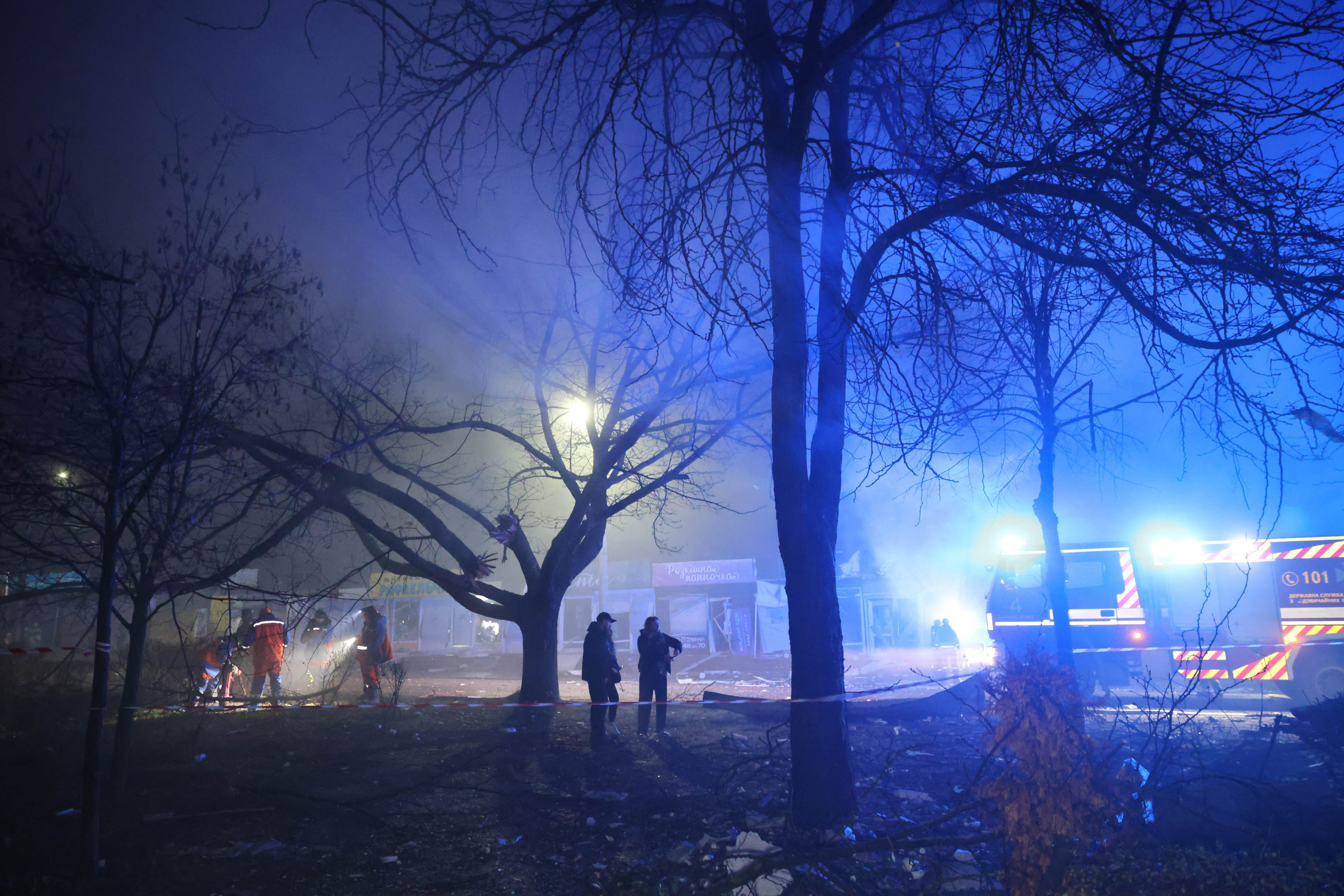
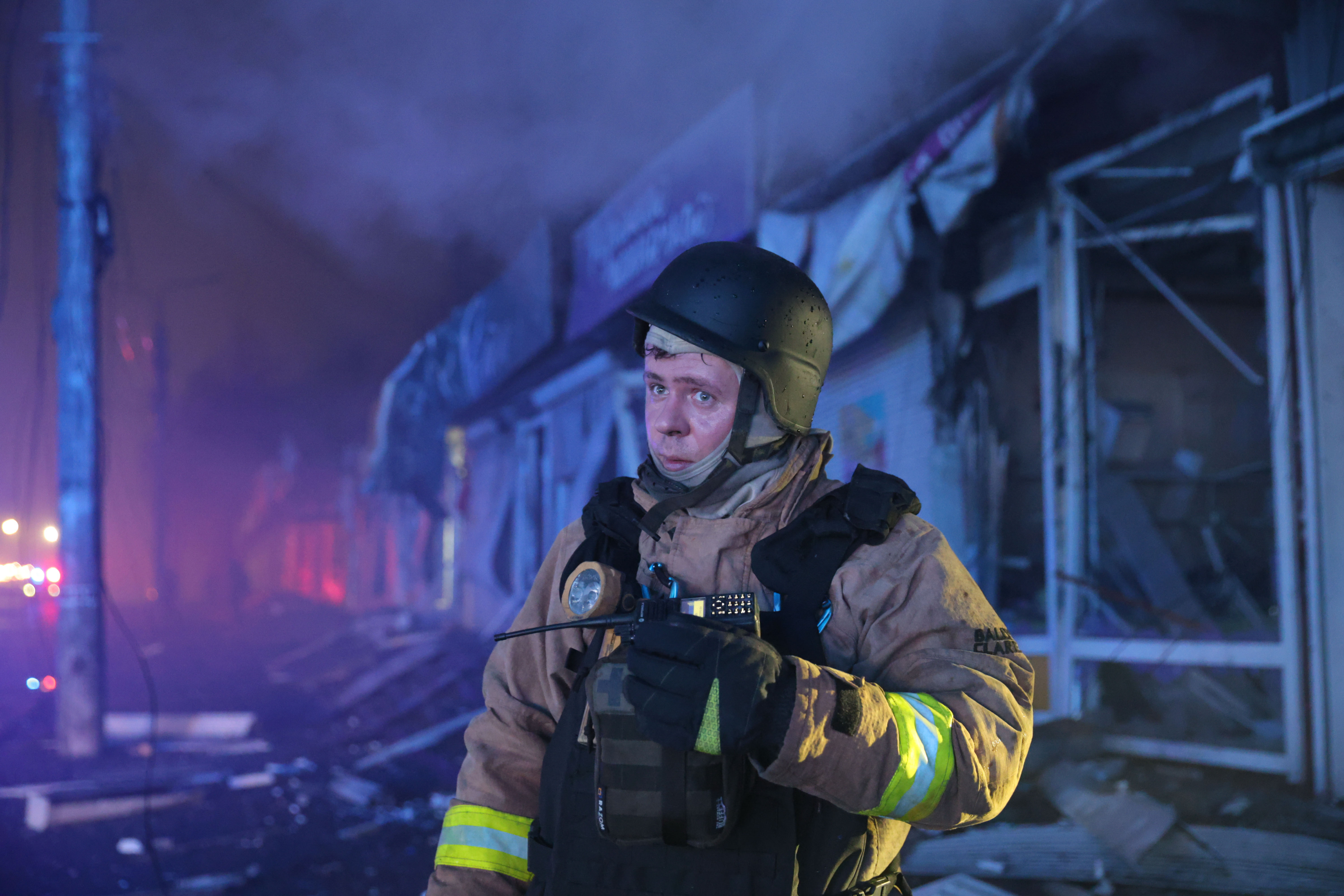
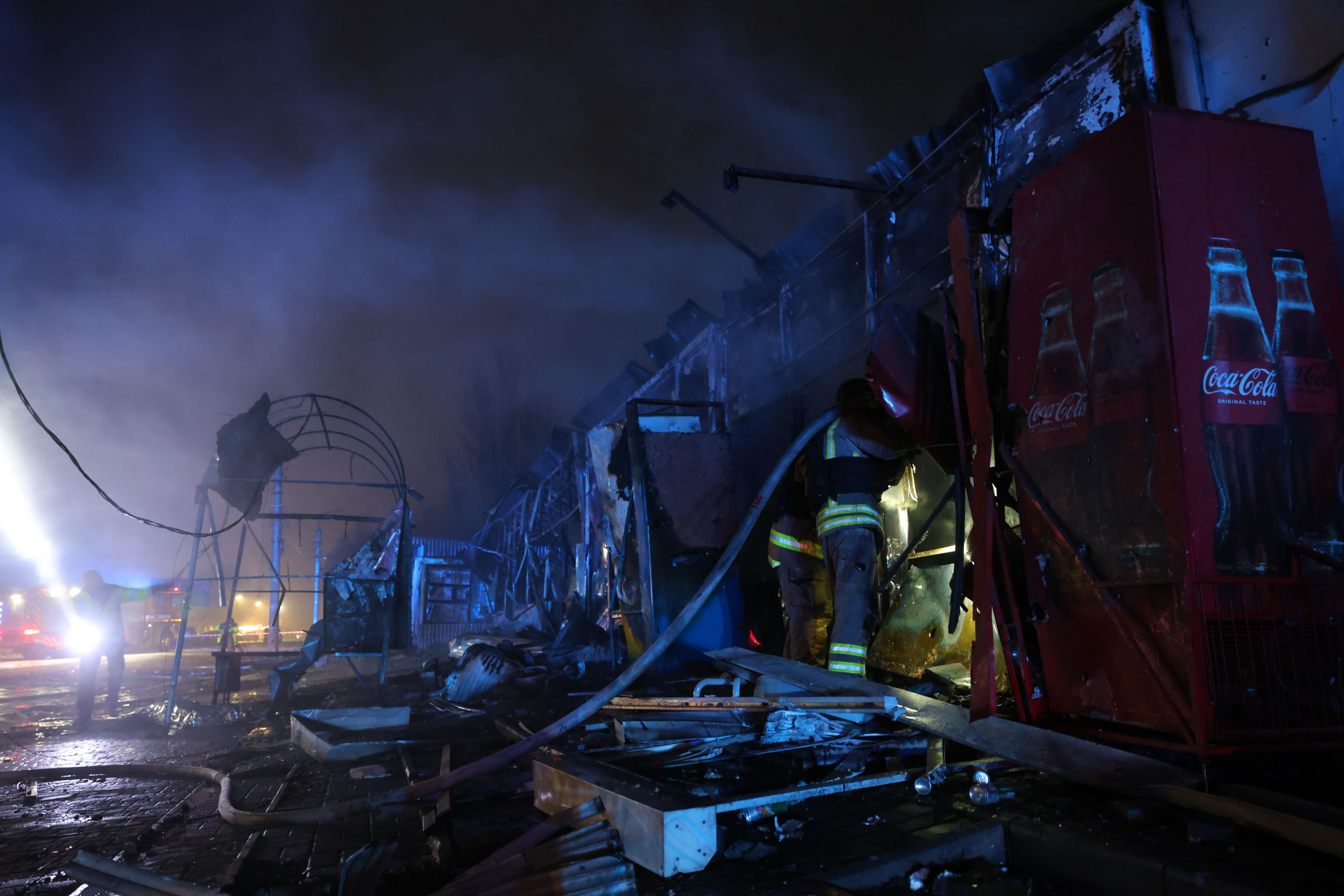
Zaporizhzhia photographer Kateryna Klochko, who documented the aftermath of the Russian shelling of the city, recounted the situation in the city in the morning:
“Yesterday late in the evening, a Russian aerial bomb killed a person right at this bus stop in Zaporizhzhia’s Shevchenkivskyi district. In total, five residents of the city were killed in the attack. And this morning people came out to the mutilated bus stops and waited for buses and minibuses. And the transport did come so that everyone could get to work. Zaporizhzhia works, Zaporizhzhia holds on.”
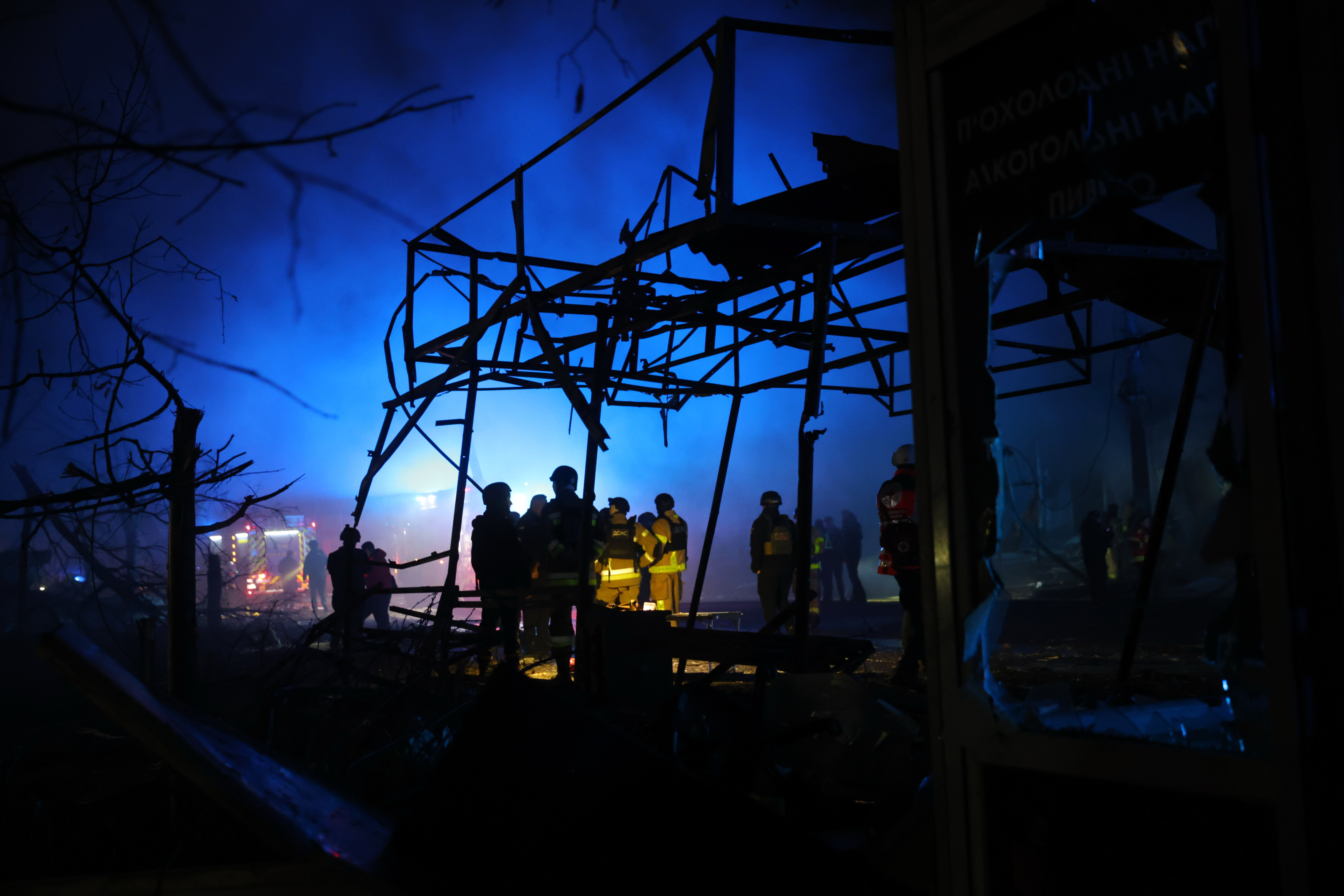
Over the week, 4,500 shellings were recorded in the region; more than 160 infrastructure and housing sites were damaged. In the region’s communities, one person was killed and three were injured.
Over the night and throughout the day on November 20, the enemy again shelled Dnipro and the region. A warehouse building burned in Dnipro. There was a fatality and injuries in the region. A power line, an administrative building, residential houses, and a farm were damaged — domestic animals were killed. In Kharkiv region, Russians continued destroying civilian and railway infrastructure. In Sumy region, two men were killed due to enemy shelling. Russians continued shelling Chernihiv region with various types of weapons: three districts were attacked; a vehicle of a mining industry enterprise, an administrative building, and housing were damaged. A Russian FPV drone hit an evacuation vehicle near Lyman, Donetsk region. An American volunteer was injured; a “Radio Svoboda” correspondent and two police officers were also in the vehicle. The car burned down.
November 21 — Russians struck a medical facility in Kherson: the ceiling, computer equipment, and medical equipment were damaged, and windows were blown out. Two people were killed and two were hospitalized in Dnipropetrovsk region; infrastructure facilities, residential areas, and a farm enterprise were damaged. Russians shelled a State Emergency Service unit in Orikhiv, Zaporizhzhia region. Kramatorsk was without electricity after overnight shelling with strike drones. In Chernihiv region, an enemy UAV killed a shop assistant by hitting a grocery store. The region also sustained damage to critical infrastructure.
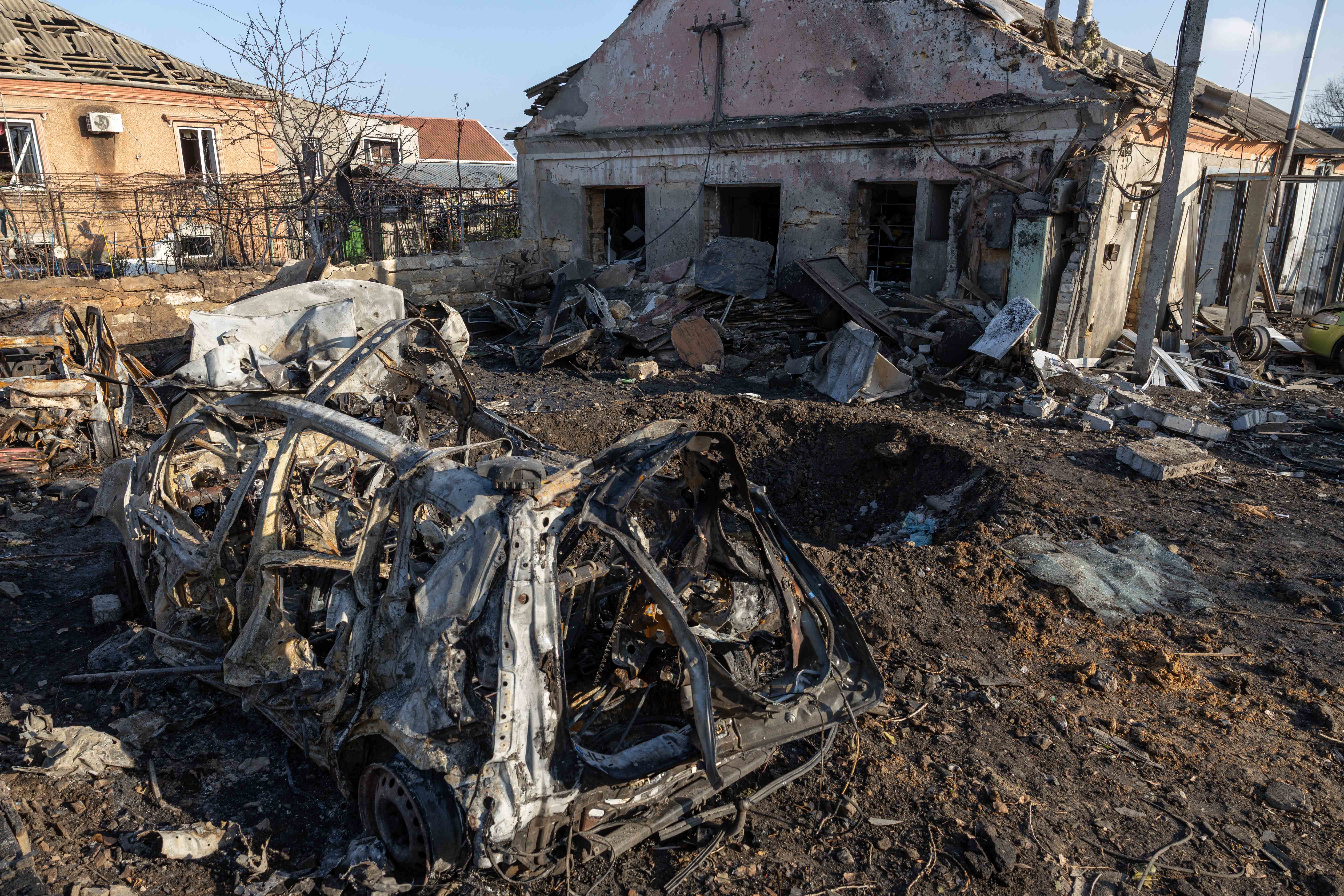
A day to the sound of air-raid alerts in Odesa
On the night of November 21, Russian UAVs attacked a number of regions of Ukraine, using 115 UAVs of various types. Civilian infrastructure in Odesa, Dnipropetrovsk, Kharkiv, and Chernihiv regions suffered the most.
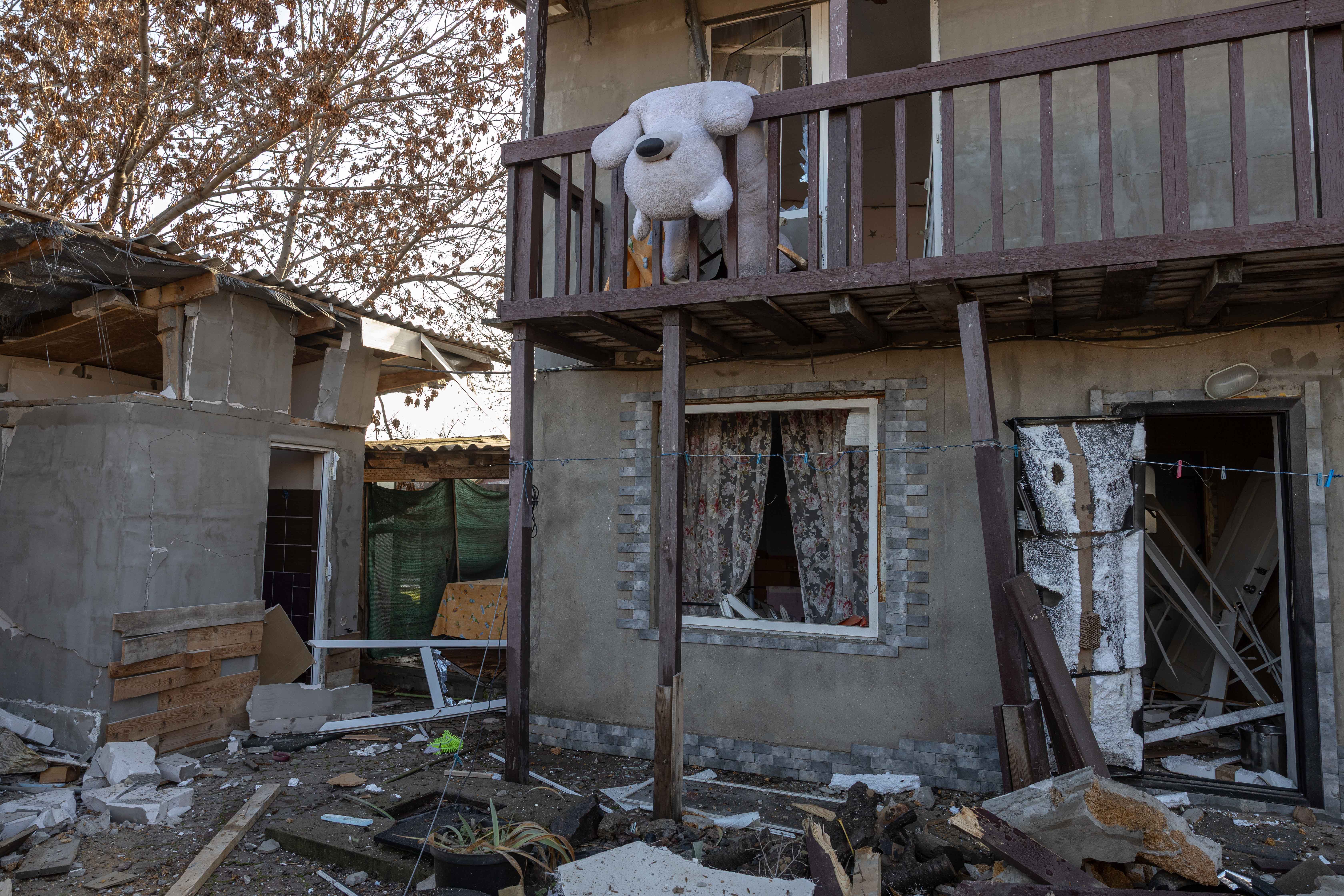
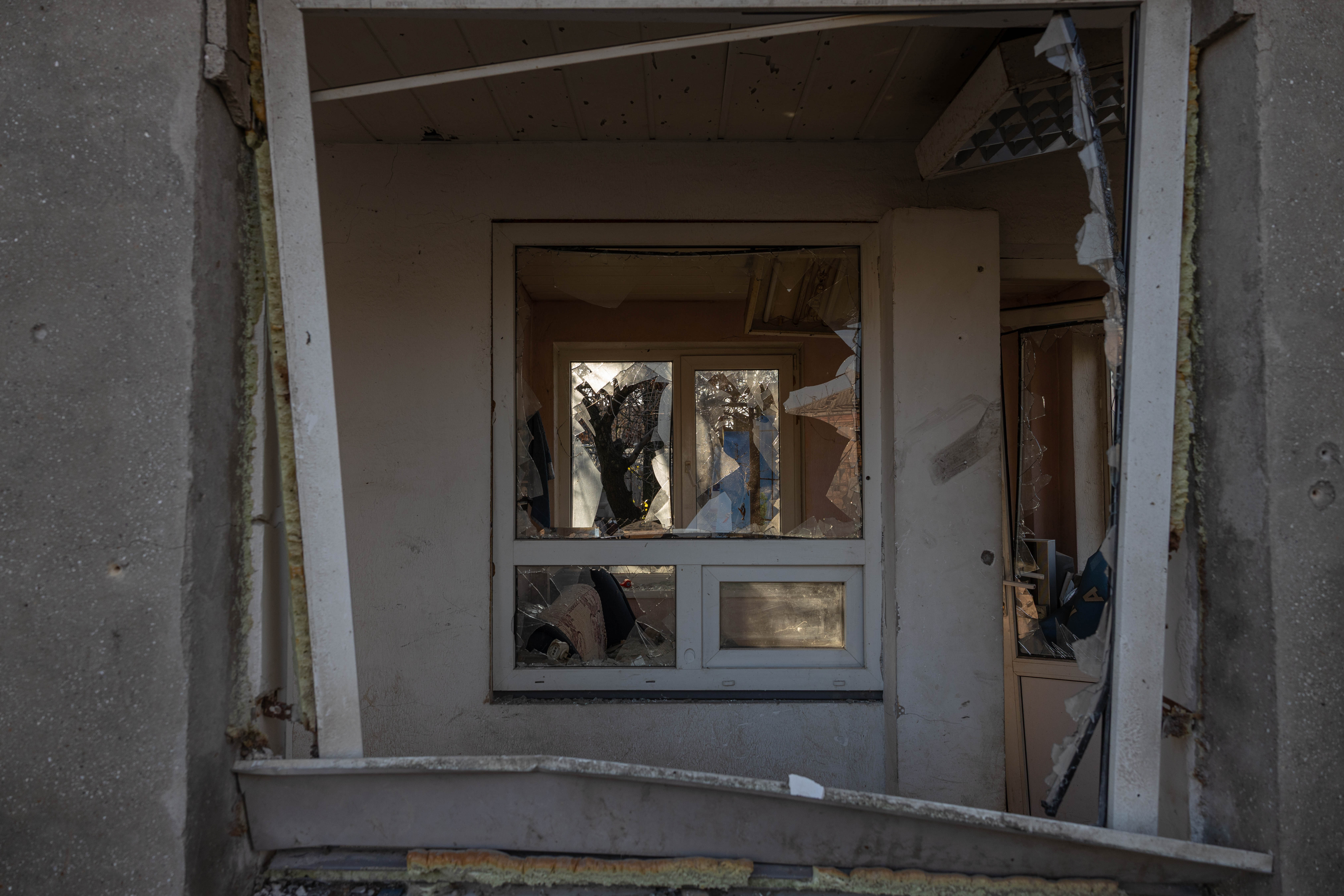
In Odesa, service stations with cars, an administrative building, residential buildings, freight trucks, and garages were damaged; the private sector sustained serious damage: 32 private houses were damaged, and two were completely destroyed. Five people were affected, including one child: three were hospitalized, one man received assistance on site, and another had an acute stress reaction.
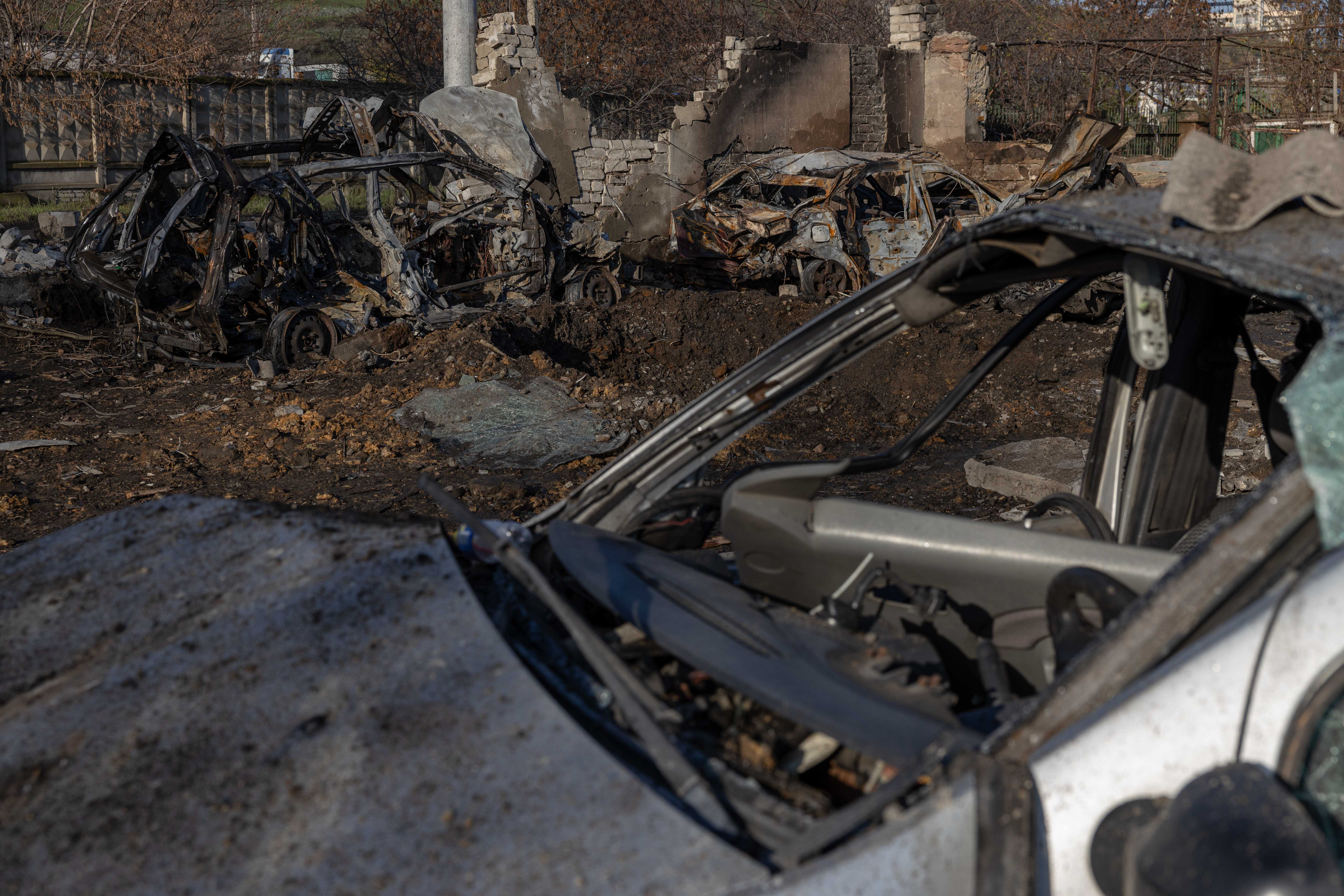
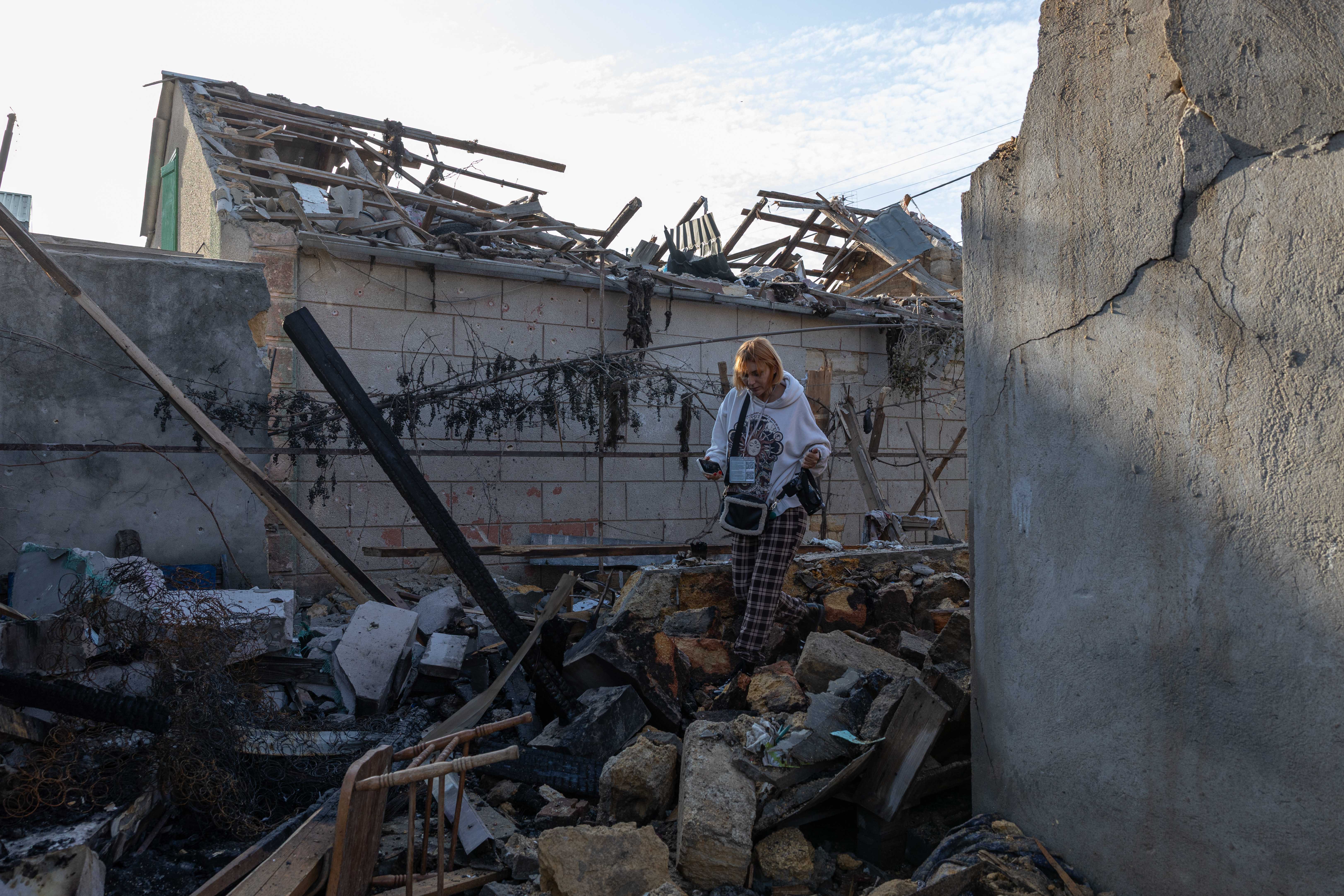
In the morning and throughout the day on November 21, the enemy continued attacking Odesa and the region with strike UAVs. Falling debris or hits without detonation were recorded at several locations. In the private residential sector, there was damage to roofs and facades; an unfinished high-rise building was also damaged; destruction was recorded on hotel grounds. During the day, two people were affected by the Russian attack; one person is in hospital.
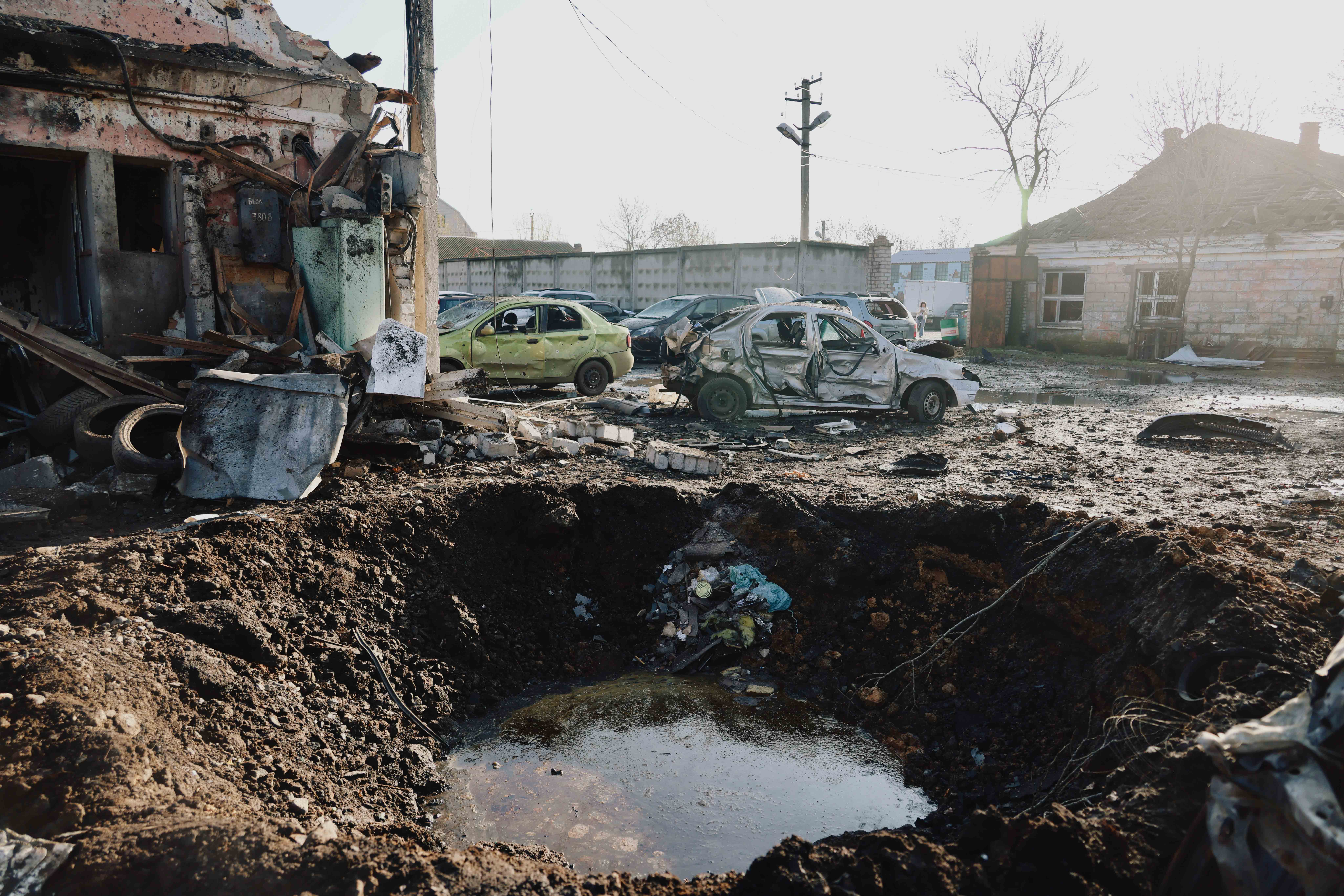
November 22 — Odesa region was again attacked by enemy drones. The air attack lasted more than eight hours. High-rise buildings and private houses, administrative buildings, and vehicles were damaged; local fires broke out due to falling debris and drones that did not detonate. That night, the international border crossing point “Orlivka” on the border with Romania was attacked; infrastructure of the ferry complex was damaged. While the consequences of the shelling were being dealt with, the border crossing temporarily suspended operations, reported the State Customs Service. Overall, Odesa district was attacked by nearly 80 UAVs over the day.

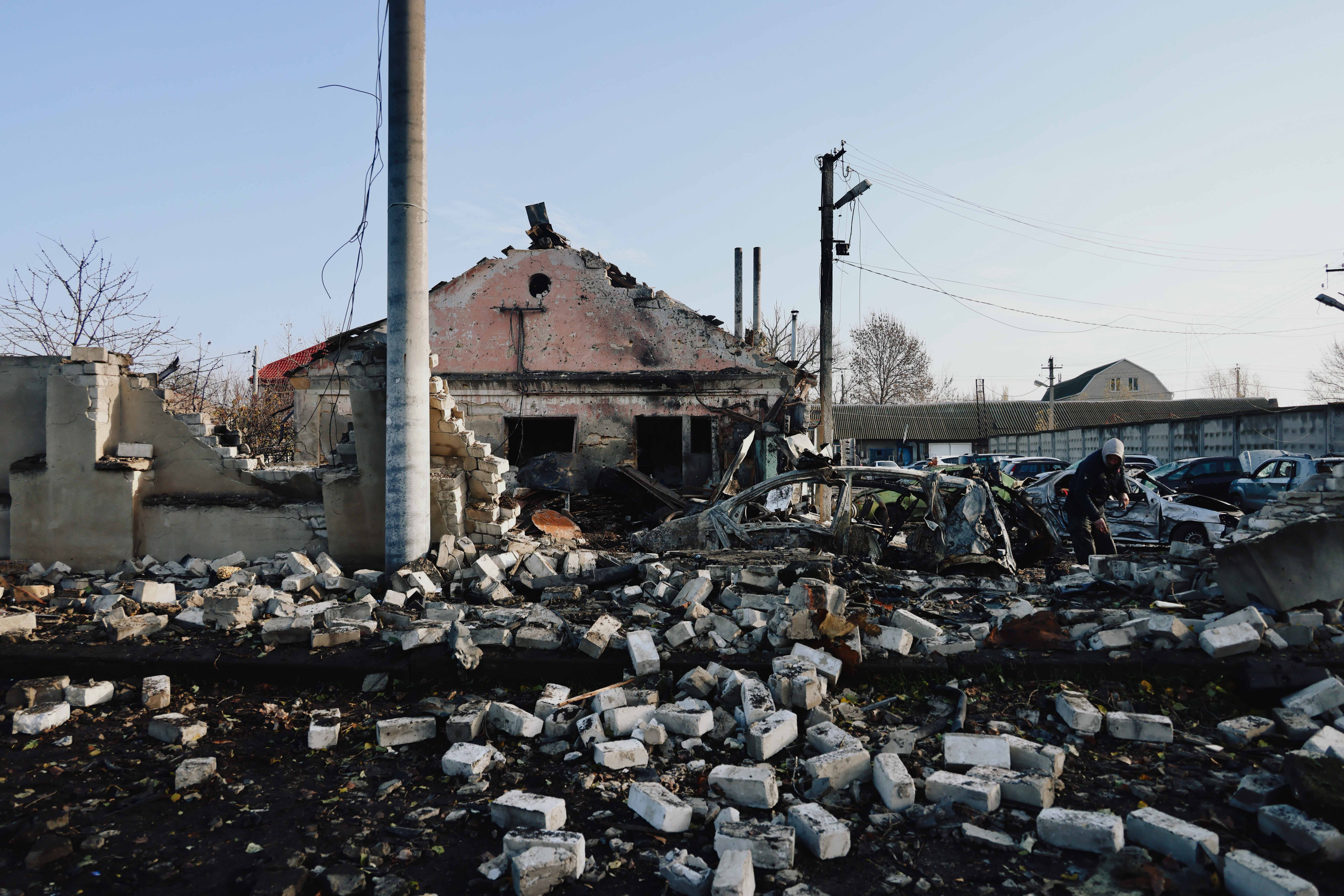
Kharkiv region was also under shelling on the night of November 22. Throughout the day, the enemy shelled Dnipropetrovsk region: one person was killed, five were injured; residential houses, several gas stations, an agricultural firm, solar panels, and a power line were damaged. In Kherson and Donetsk regions, four people were killed in each. In the evening, the Russian army shelled Zaporizhzhia, striking a residential neighborhood and a supermarket where there were many people at the time. Six people were injured; the store, nearby houses, and cars were damaged.
November 23 — the enemy again attacked Odesa and the region. Fires broke out at energy and transport infrastructure facilities. No killed or injured. Overnight, Russians shelled Dnipropetrovsk region and the regional center. In Dnipro, a Russian UAV fell near high-rise buildings; five houses were damaged. Fourteen people were affected, including a child: people sustained shrapnel wounds, carbon monoxide poisoning, and an acute stress reaction. Balconies burned; a car in a yard burned; a fire broke out in the private sector. Three people were injured in Nikopol, including two teenagers; no hospitalization was needed. Chernihiv region was under attack by enemy drones overnight; a hit on the Center for Children’s and Youth Creativity building was recorded, followed by a fire; explosions also damaged nearby high-rise buildings. In Chernihiv, an enemy drone hit a dacha area. In Sumy region, a rescuer was injured; a State Emergency Service unit and residential houses were damaged.
Worked on the material:
Topic researcher, text author: Yana Yevmenova
Photo editor: Olga Kovalova
Literary editor: Yuliia Futei
.jpg)

.jpg)