Pro-Russian information space disseminated unsubstantiated accusations that the Main Directorate of Intelligence of Ukraine, with the support of Brussels, controls the Hungarian opposition party "Tisza." This conspiracy theory served as a tool to accuse Ukraine and the European Union of attempting to illegally change power in Hungary. The Ukrainian Association of Professional Photographers publishes key anti-Ukrainian narratives with a Hungarian accent, and Maksym Kishka’s photo report from Hungary accurately documents the public mood in the country.
Since the start of Russia's full-scale invasion of Ukraine, the Hungarian government has adopted a detached position, which later grew into open support for the Russian side on a number of issues and a distancing from the unified EU stance. Over time, the Hungarian information space was flooded with pro-Russian anti-Ukrainian propaganda, informs the fact-checking project VoxCheck.
It is worth noting that during the rule of Prime Minister Viktor Orbán, Hungary’s information space underwent factual monopolization. Such an environment formed a distorted picture of reality among the Hungarian population.
Many materials in the pro-Russian segment of the network are dedicated to Hungarian-Ukrainian relations; specifically, Russians actively sensationalize stories about the "Druzhba" oil pipeline. In their materials, propagandists use value judgments, emotional headlines, and distort cause-and-effect relationships.
The Choice Between "Peace" and "War"
The main rivals in this year’s Hungarian parliamentary elections were Viktor Orbán’s “Fidesz” party and the opposition, pro-European “Tisza” party led by Péter Magyar. In the midst of the election race in Hungary, UAPF uncovered anti-Ukrainian narratives allegedly emanating from Budapest in pro-Russian publications.
In turn, the results of a studyof popular Hungarian online media by the Institute of Mass Information (IMI) in March 2026 showed that Hungarian pro-government media spread anti-Ukrainian rhetoric. IMI states that the electoral campaign of the now former ruling party was built on inciting hatred towards Ukraine for the sake of promoting Orbán's authoritarian political methods.
The Kremlin, via Fidesz government officials, accused Ukrainian intelligence of conducting an “unprecedented operation to bring the Hungarian opposition to power.”
“The Foreign Minister emphasized that the Kyiv regime is extremely interested in a change of power in Hungary, since in the event of an Orbán party victory, Ukraine ‘will never join the European Union, let alone NATO, will not be able to take Hungarians' money, and Hungary will not be drawn into their war,’ — “Ukraina.ru” quotes Hungarian government officials.
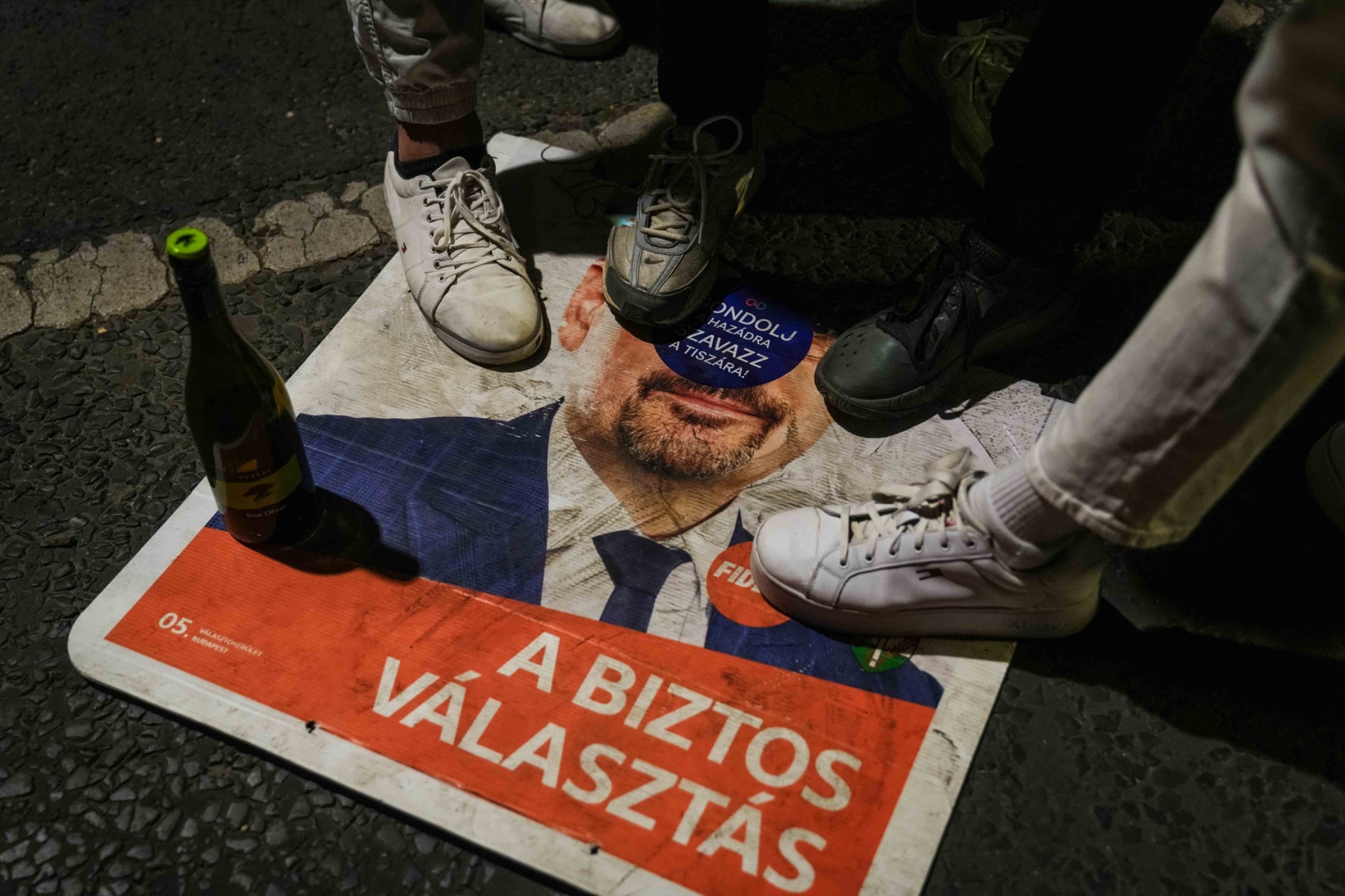
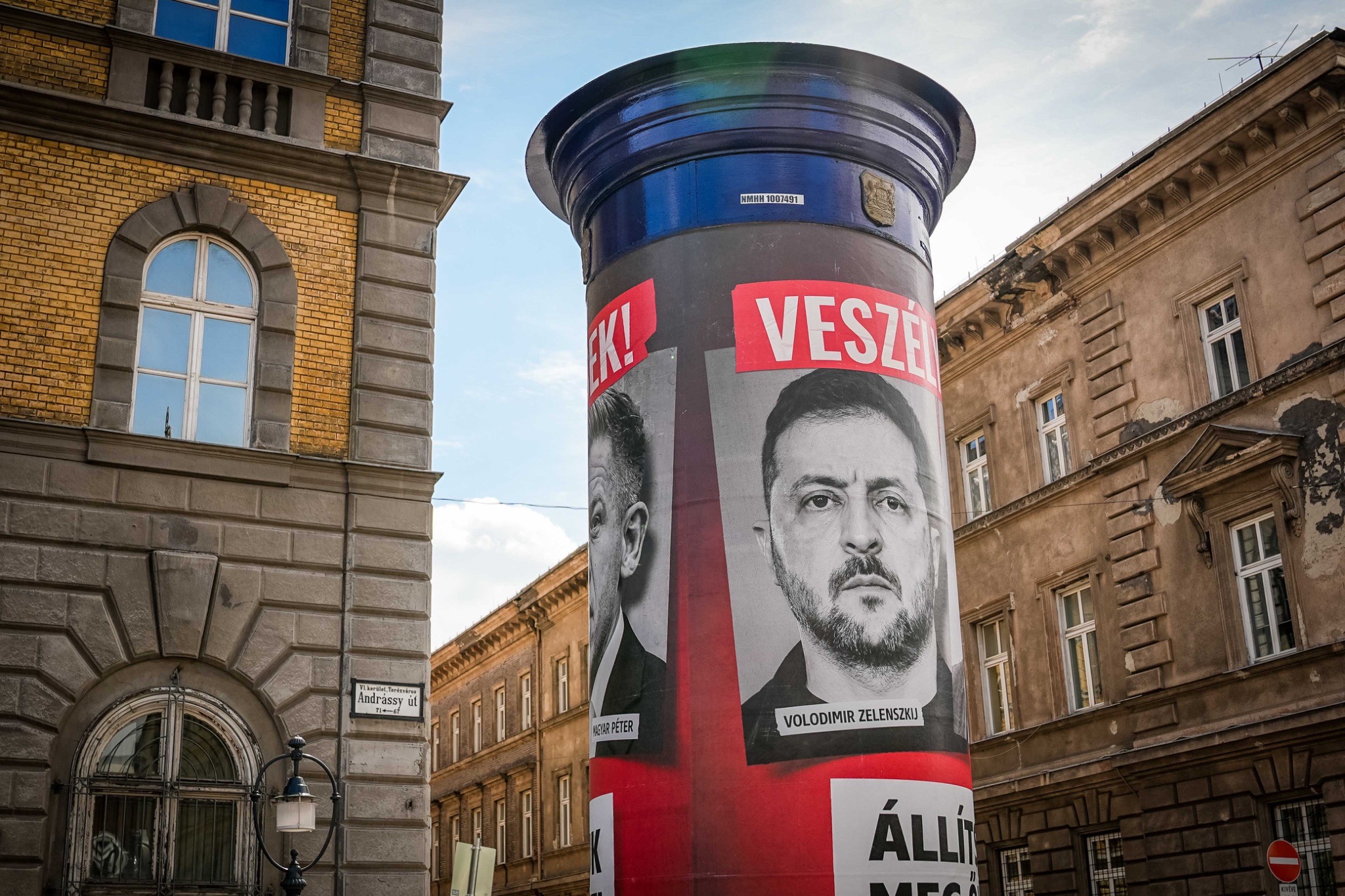
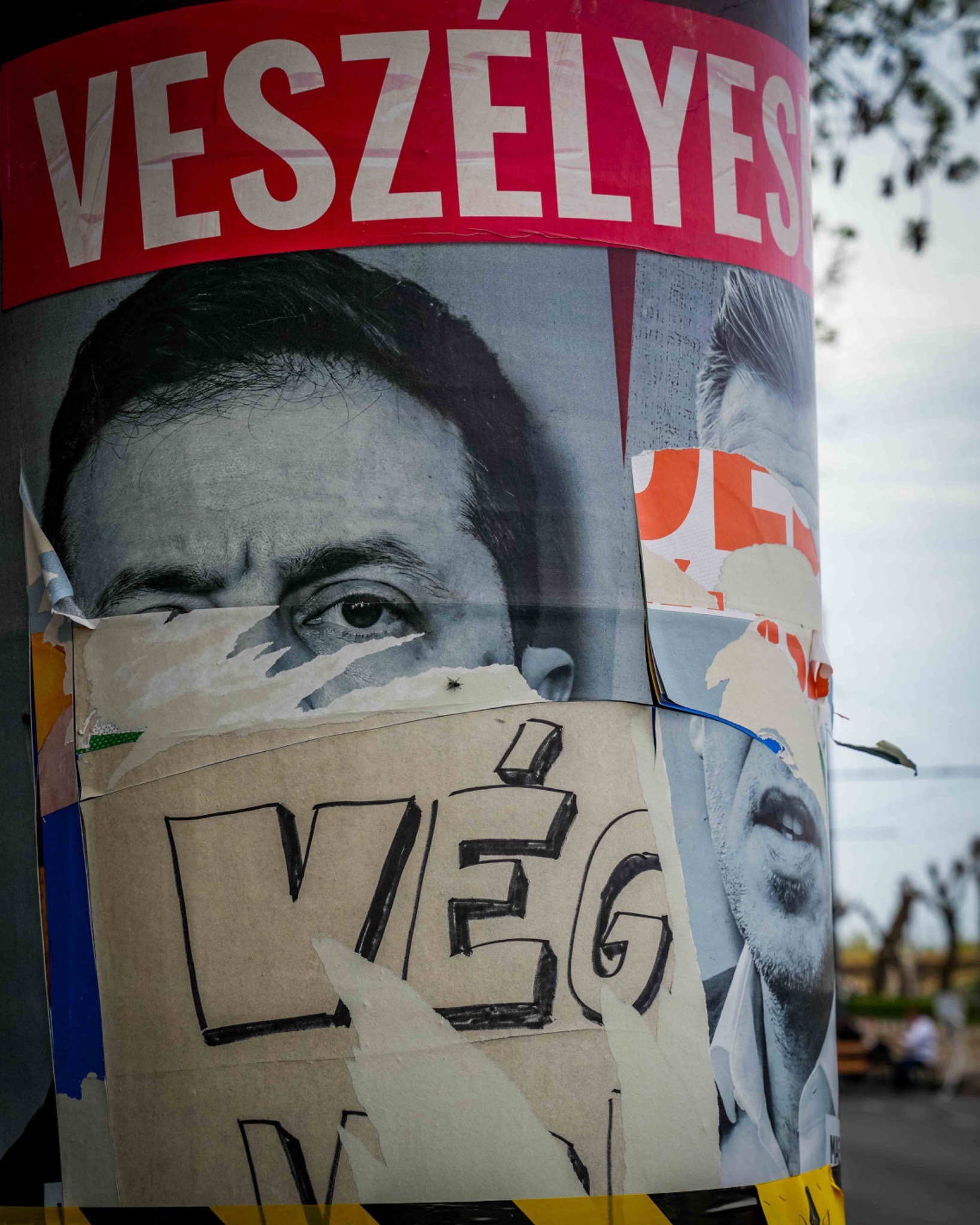
Kyiv and Brussels’ pro-Ukrainian position was presented as pressure and blackmail, and the elections themselves were positioned as an existential choice between "peace" and "war." “Fidesz” intimidated voters with manipulative advertising featuring an image of Ukrainian President Volodymyr Zelenskyy, equating support for the opposition with direct involvement of Hungary in the war.
The ruling party placed official collages with Zelenskyy and the opposition leader across the country under the slogan “Stop them! Only Fidesz!” writes the propagandist publication “Ukraina.ru.”
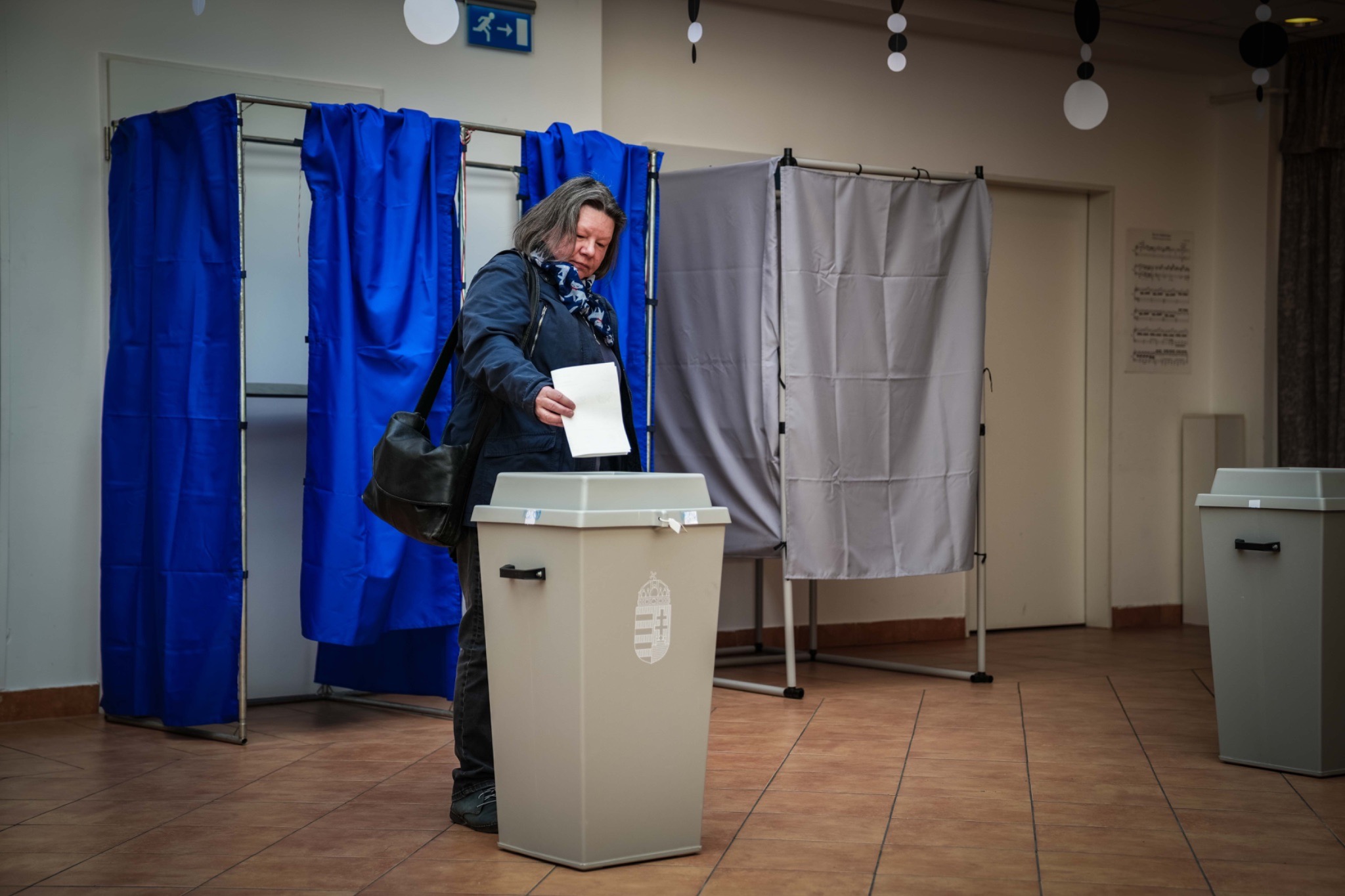
Photojournalist Maksym Kishka arrived in Hungary for a three-day visit to document the parliamentary elections. This is not the photographer's first such experience: last year, in 2025, he already covered the elections for the German Bundestag.
“The first thing that caught my attention was the aggressive anti-Zelenskyy posters from the ruling Fidesz party. The scale of this campaign was so absurd that Hungarians joked: with such a quantity of portraits of the Ukrainian president, it was no longer clear who was really participating in the elections—Orbán or Zelenskyy,” — the photographer recounts.
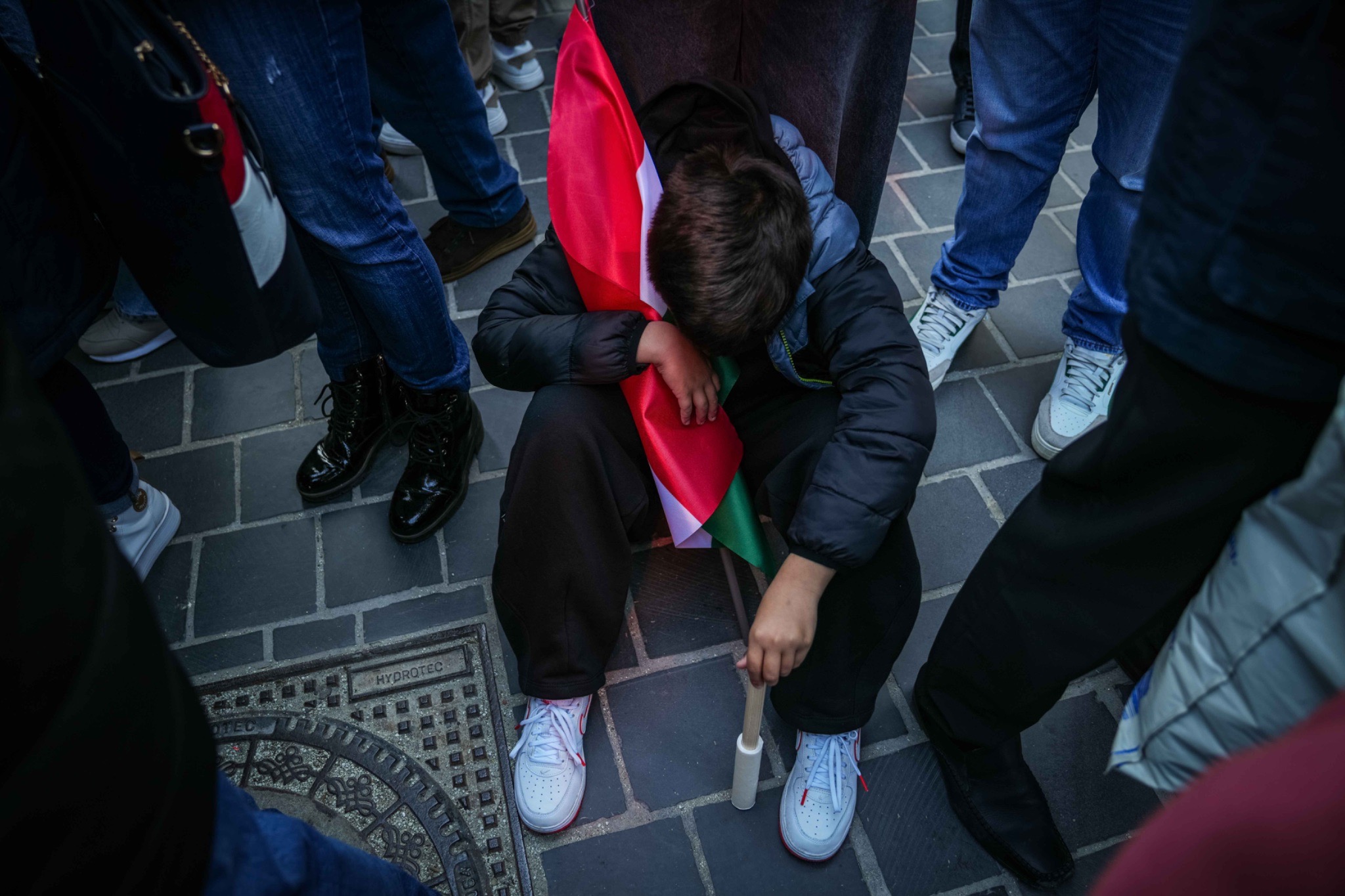
In particular, propaganda accused Ukrainian special services of financing and providing IT support to “Tisza,” and of wiretapping the mobile phones of Hungarian officials. Russian propagandist bloggers intimidated the Hungarian population with possible unrest that Ukraine might organize if its efforts to change power proved futile.
The Center for Countering Disinformation reported on a video, allegedly leaked from a Ukrainian service member's phone, that was circulating online. In it, Ukrainian military personnel supposedly discuss preparing unrest in Budapest following the Maidan scenario. The Center for Countering Disinformation emphasizes: this video is fake, and the goal of this operation is to create an artificial pretext for accusing Ukraine of interfering in the internal affairs of European countries.
In their agenda, propagandists used the image of Ukraine as Hungary's main external enemy to radicalize society ahead of the elections.
“Surveys show that this approach is bearing fruit: the majority of ruling party supporters perceive Ukraine as a threat to national security. The Fidesz team insists: the people are choosing not between Magyar and Orbán, but between Orbán and Zelenskyy,” — “Ukraina.ru.”
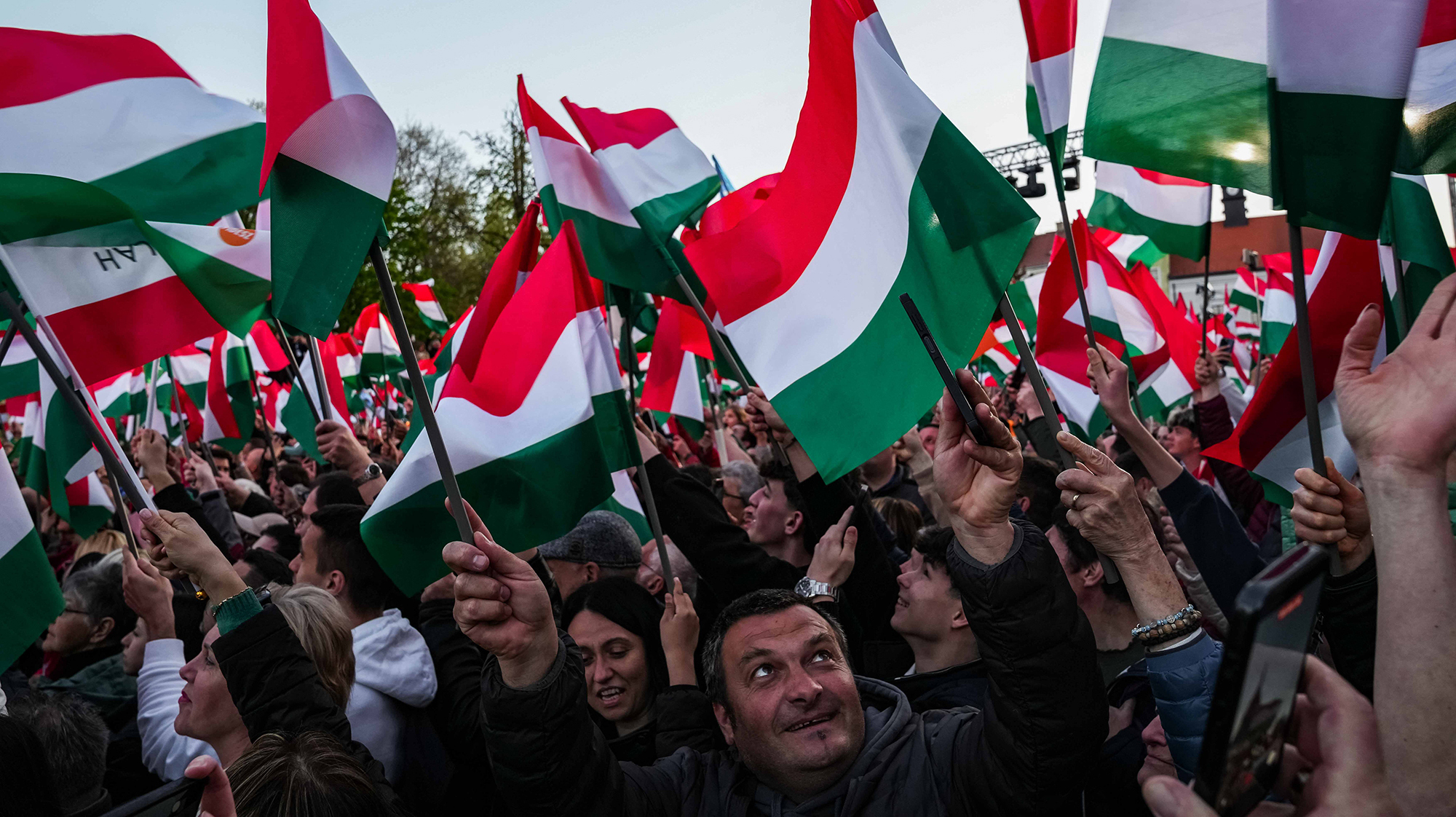
Maksym Kishka was able to attend the opposition forces’ action, and the very next day, just before the start of voting, he documented the rally in support of Viktor Orbán.
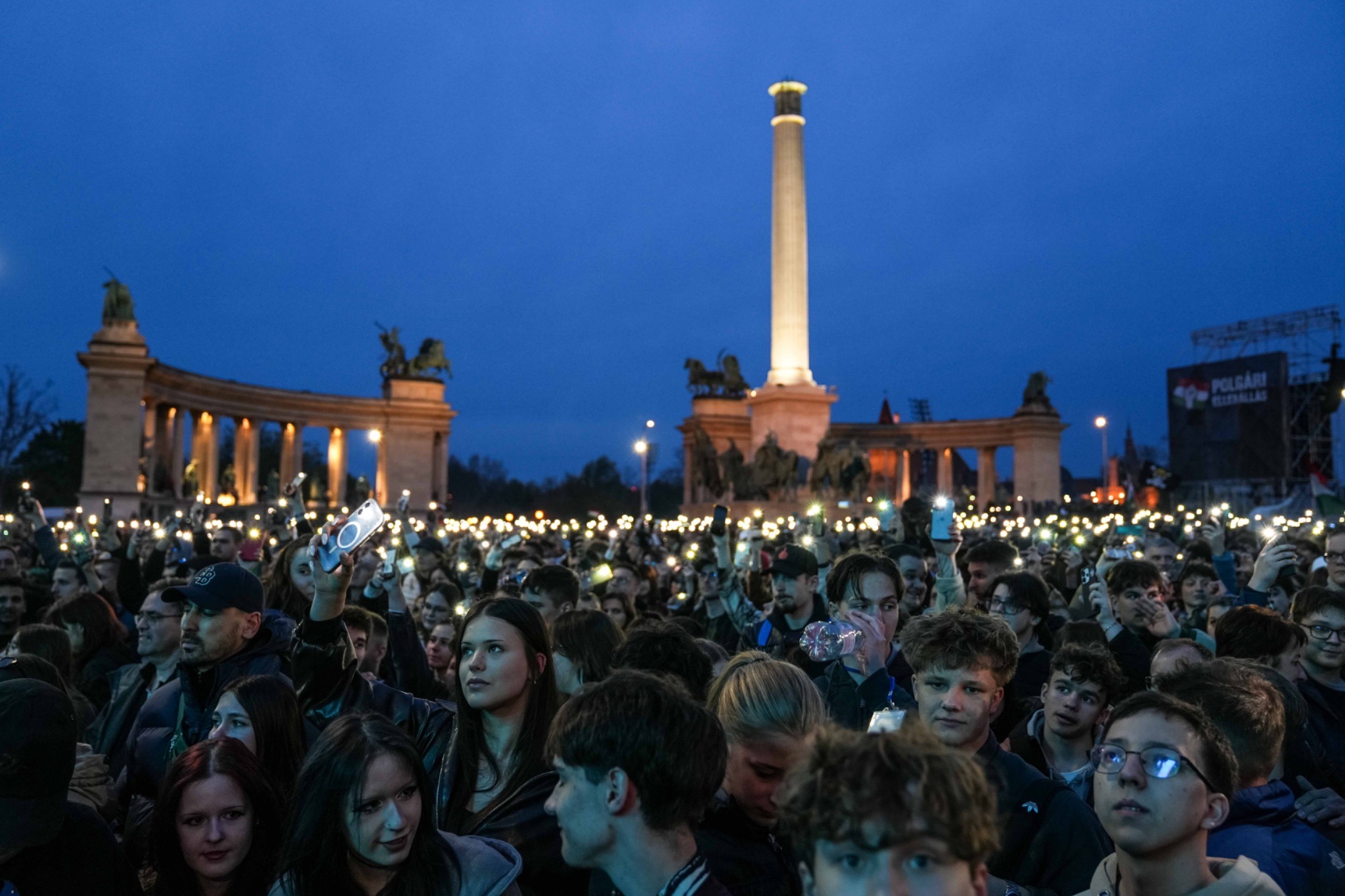
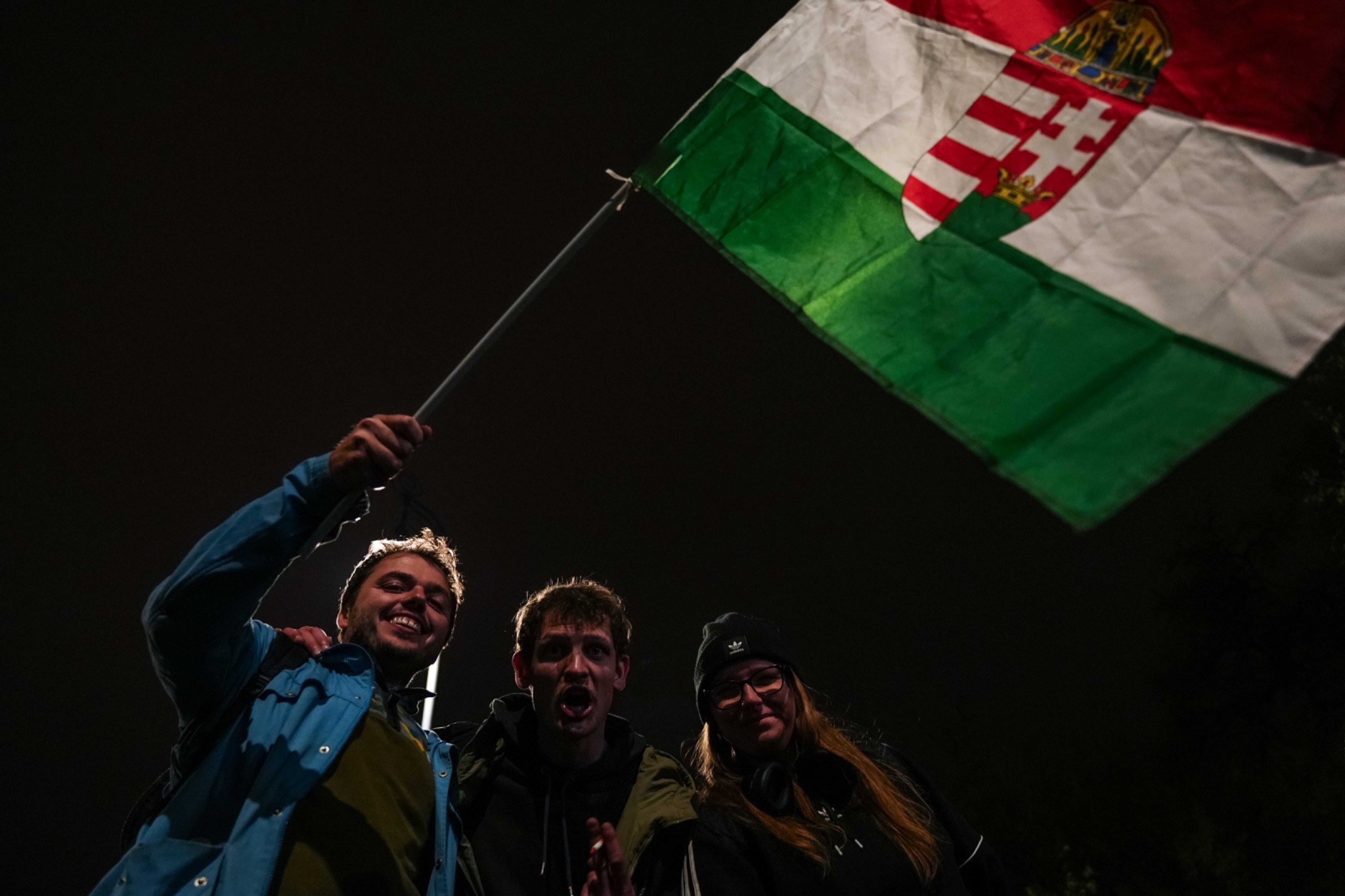
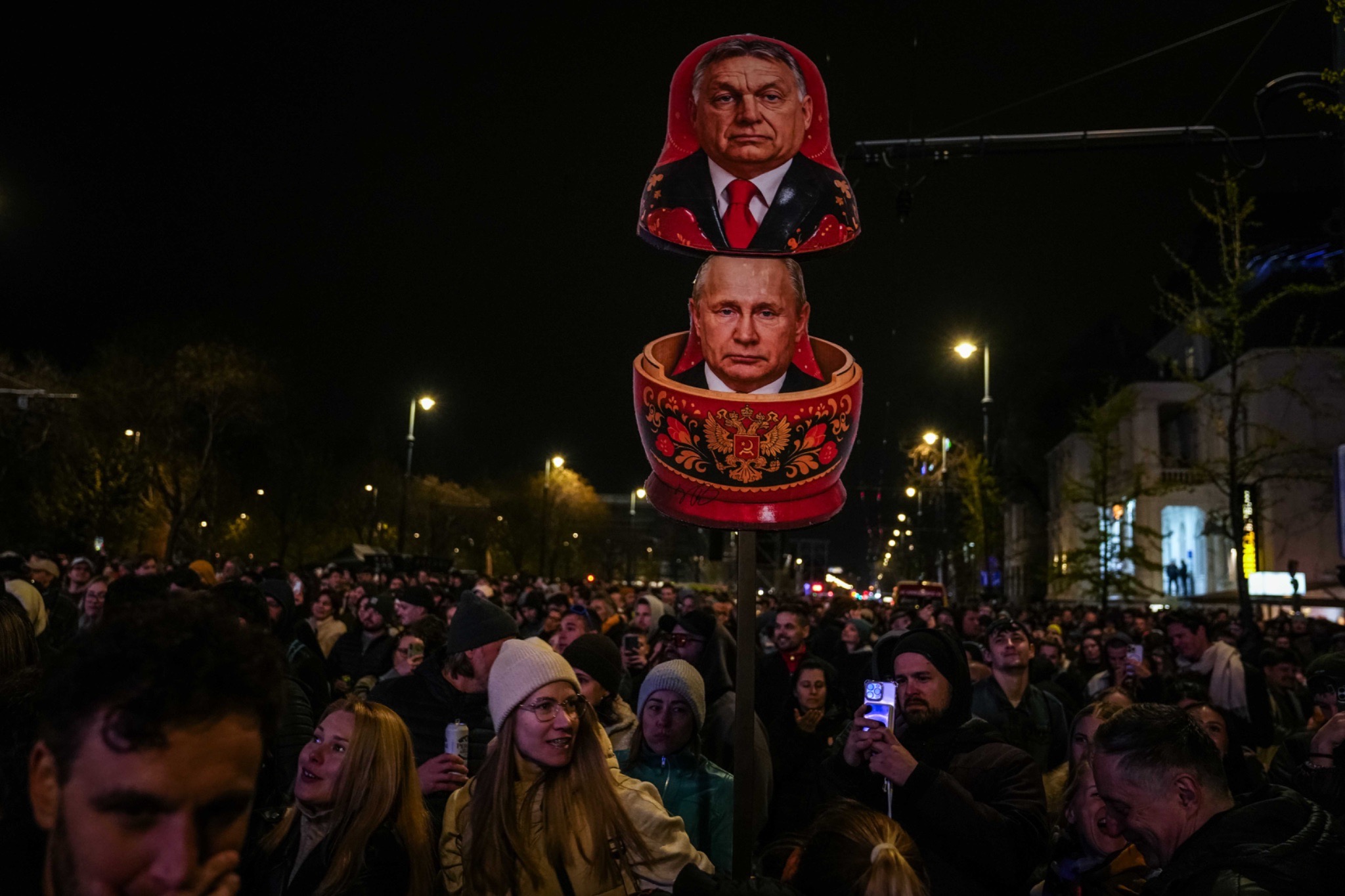
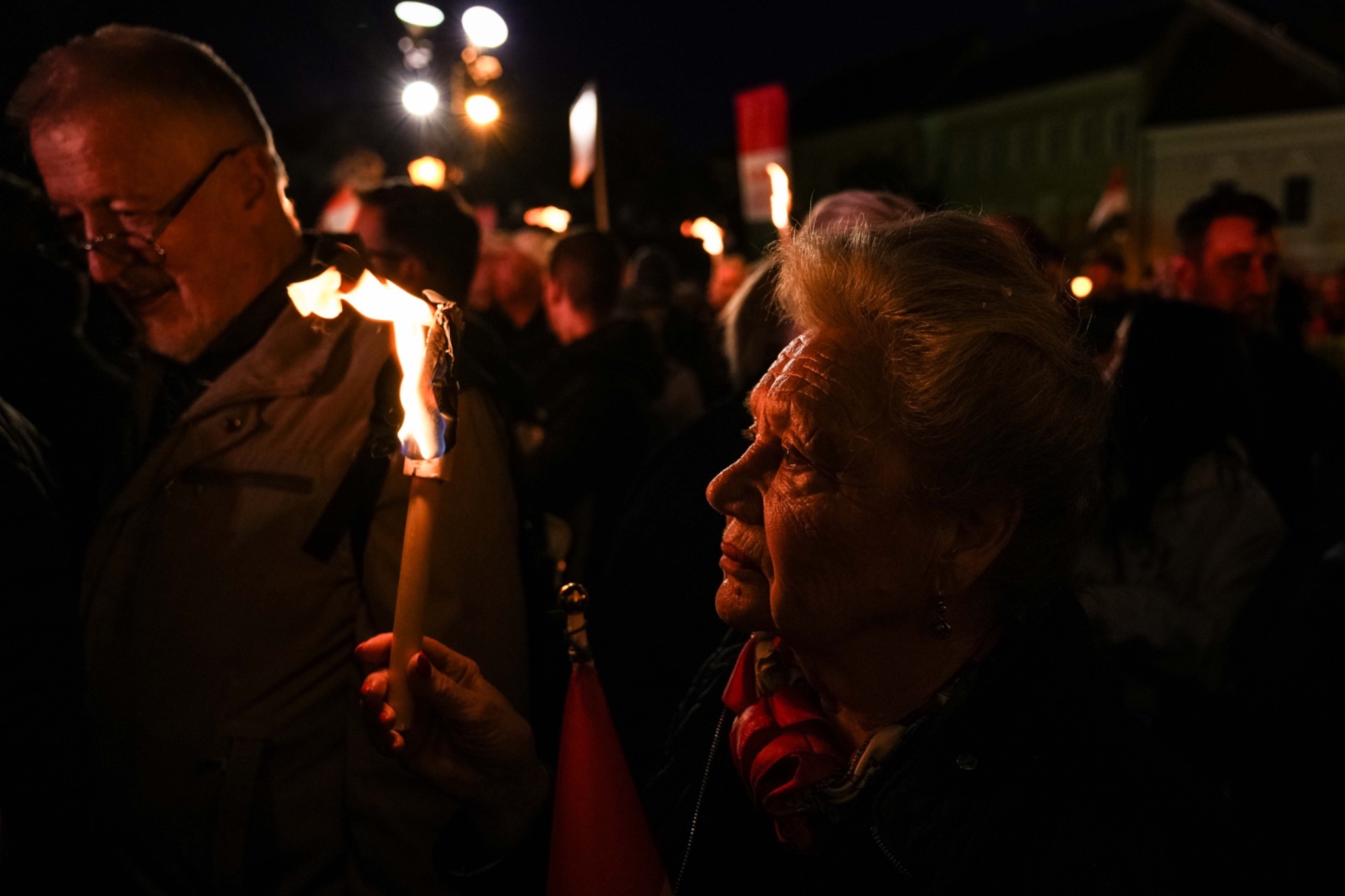
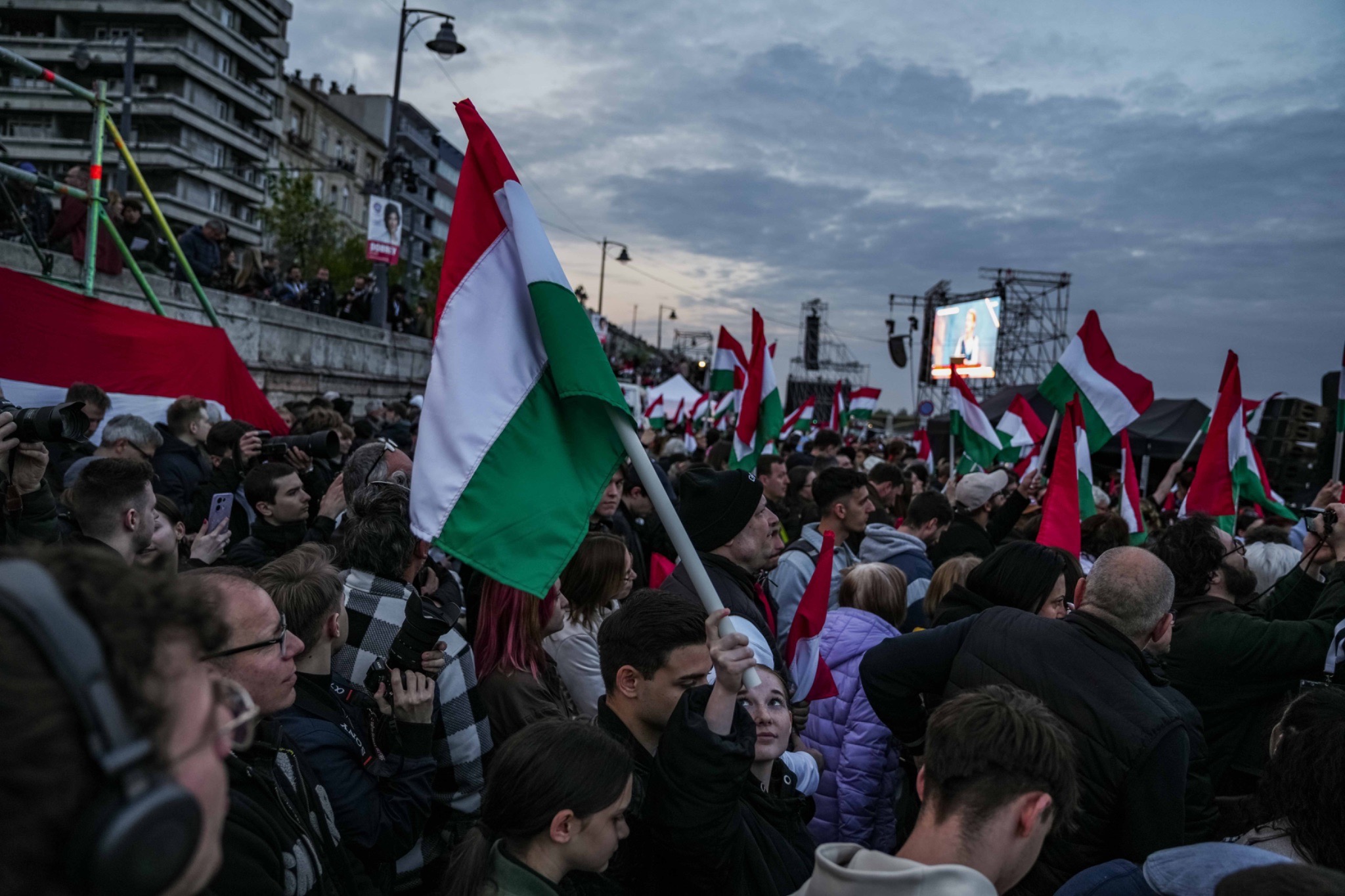
“That evening, I witnessed the ‘Overthrow the Regime’ concert, where thousands of people filled the main square with a unified desire for change. In the eyes of the crowd, there was a sincere belief that the time for transformations had finally come. The square was constantly loud with protest slogans against Orbán’s course and Russian influence. The call ‘Ruzki haza!’ (‘Russians, go home!’) became the symbol of that evening: people clearly demonstrated that they choose Europe, despite the government’s pro-Kremlin policy,” — says Maksym Kishka.
“Oppression of Hungarians” in Zakarpattia
Kremlin propagandists point to growing tension and activity of Ukrainian special services in Western Ukraine, allegedly due to preparations for the elections in Hungary.
Ethnic Hungarians living in Zakarpattia Oblast have long been a target audience for pro-government Hungarian media and a tool for manipulation and pressure on Ukraine. Therefore, pro-Russian media have entire sections that produce disinformation materials about Western Ukraine, particularly about ethnic Hungarians. The Kremlin seeks to sow discord between Hungarians and Ukrainians, destabilize the situation, and create tension around the Hungarian community in Western Ukraine.
Propaganda particularly focuses on the issues of “forced mobilization” and “ethnic oppression of Hungarians.” Separate incidents related to mobilization processes in Western Ukraine are presented by Russians as systemic behavior for which Ukraine may pay.
“Ukraine has already tried several times to take revenge on Zakarpattia Hungarians because of Budapest’s policies. Further actions against them are quite possible, including forceful ones. At the same time, Budapest actively fights to prevent Hungarians from being taken to the front. Therefore, any strengthening of Ukraine's forceful presence or pressure on Zakarpattia Hungarians can be qualified by Budapest as ethnic cleansing,” — “Ukraina.ru.”
“Detector Media” already debunked the narrative about the “Hungarian nature” of Zakarpattia in 2024. According to the 2001 census, approximately 150 thousand ethnic Hungarians lived in this region, constituting about 12% of the total population of the region. After the start of the full-scale invasion, the number of ethnic Hungarians decreased due to emigration to Hungary.
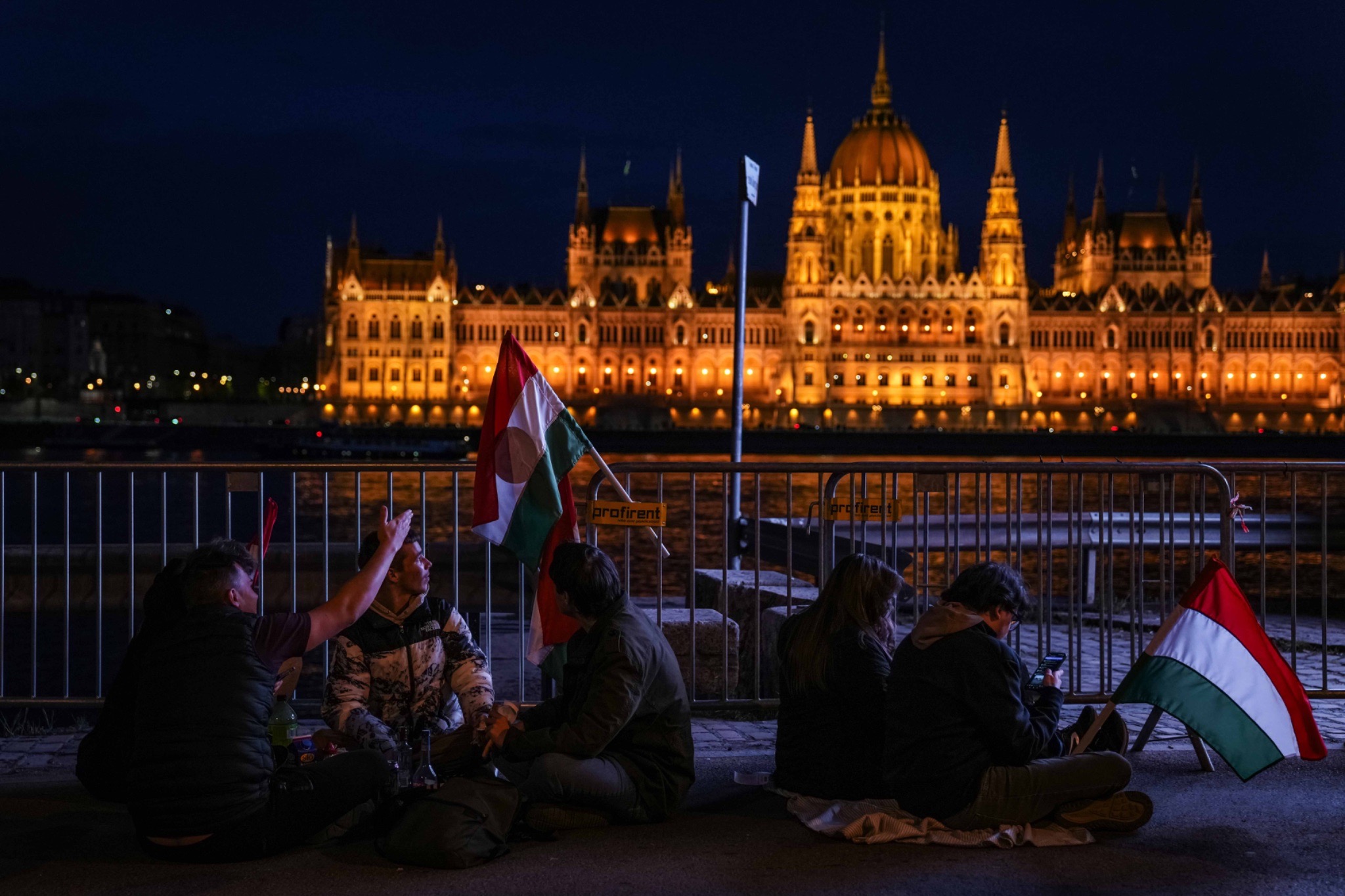
The Kremlin government portrays Viktor Orbán as the only one who will protect the peaceful and secure life of ordinary Hungarians, and Hungary itself as the only country in Europe striving for peace. Agitprop emphasizes that any form of support for Kyiv is a path to Hungary's ruin, so the only correct path is to maintain neutrality and not arm Ukraine.
“Hungarian Prime Minister Viktor Orbán stated that if he wins the elections, he will not allow Hungarian money to be sent to the Ukrainian side for another four years. He clarified that he would protect what belongs to the residents of Hungary,” — “RIA Novosti.”
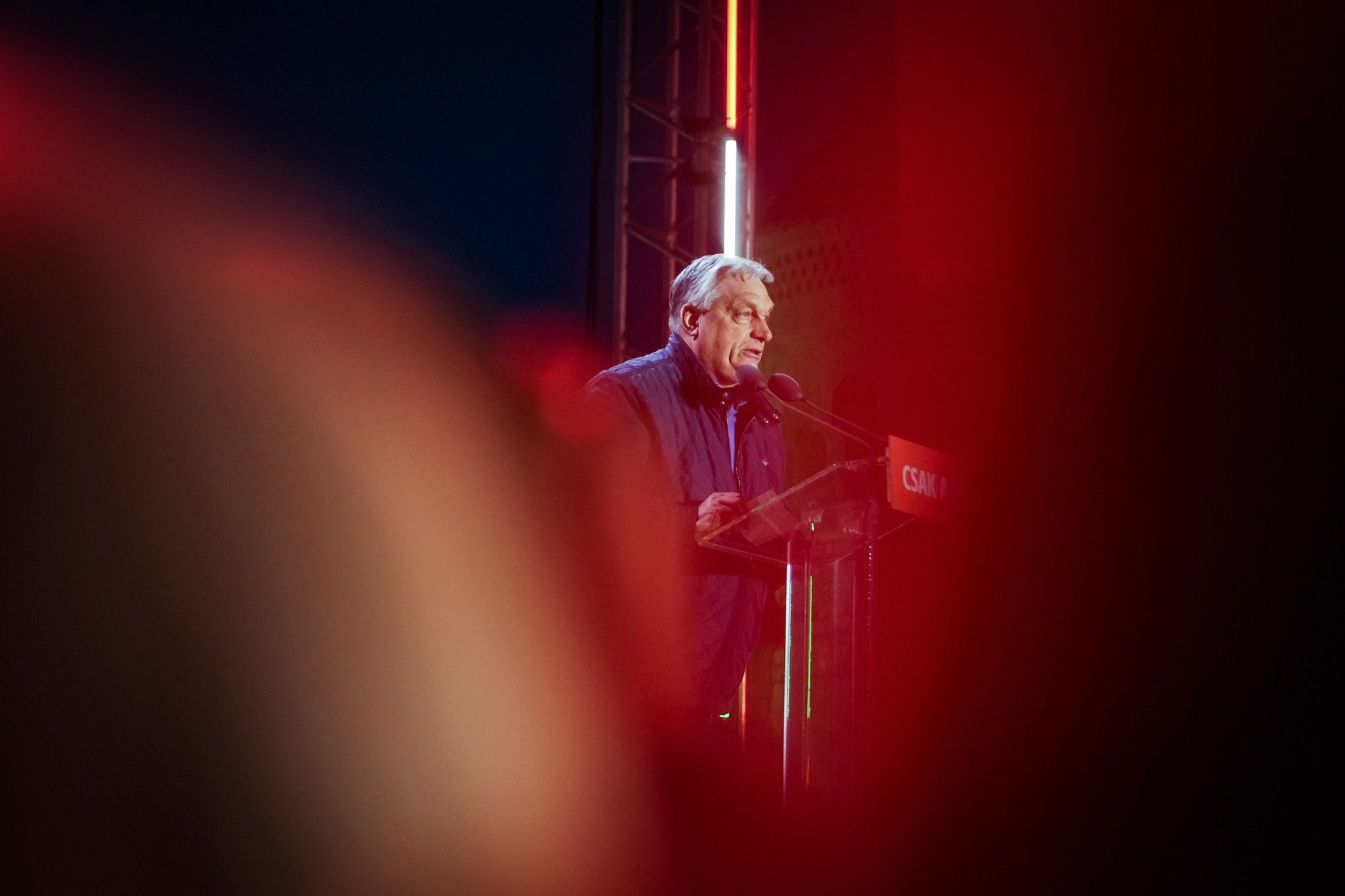
At the rally in support of the “Fidesz” party, the Ukrainian photographer managed to talk to people in the crowd and listen to Viktor Orbán’s speech:
“In communicating with supporters of the authorities, I encountered a logic incomprehensible to me. They were verbally against the war, but when asked about Orbán’s loyalty to Putin, the interlocutors became lost. In response, I only heard abstract phrases that ‘war is evil,’ and the prime minister simply ‘takes care of his own.’ Orbán’s speech itself did not need translation: when ‘Ukraine’ and ‘Zelenskyy’ ring out from the stage again and again in the context of government campaigning, the essence of the manipulations becomes obvious without any dictionaries.”
On April 12, 2026, parliamentary elections were held in Hungary. The opposition “Tisza” party achieved a confident victory, ending Viktor Orbán’s 16-year rule.
Photographer Maksym Kishka decided to document the final results of the race, as he personally believed in Péter Magyar’s triumph over the incumbent government:
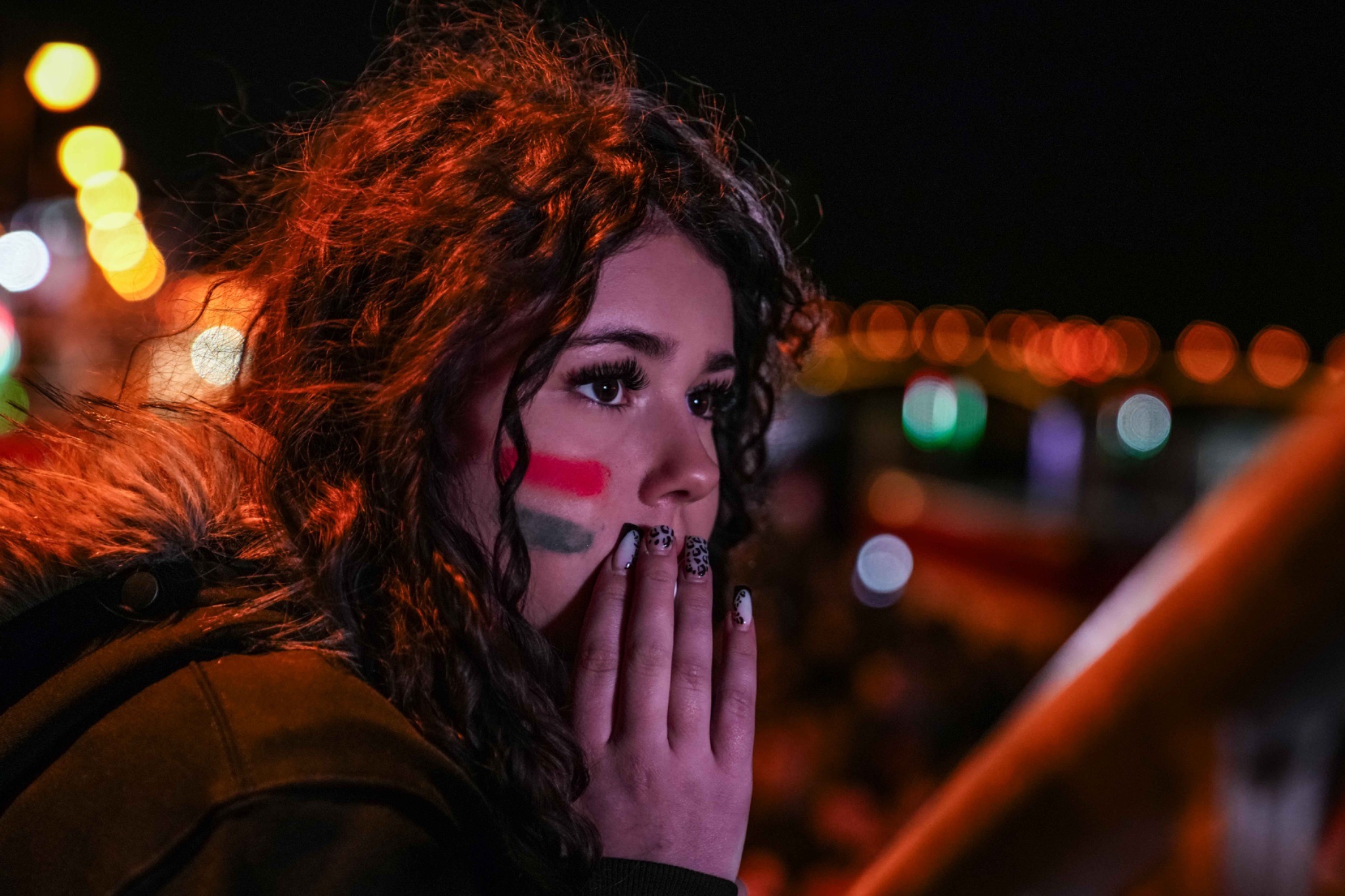
“The announcement of the first results, which started at nine in the evening, was accompanied by increasingly loud shouts of approval from the crowd. Each new announcement only confirmed the opposition's victory. The culmination came with Viktor Orbán's speech, in which he conceded Péter Magyar's triumph. For Hungarians, whose lives had passed for years under the old regime, this moment became a symbol of the beginning of a new era—an era they had waited so long for.”
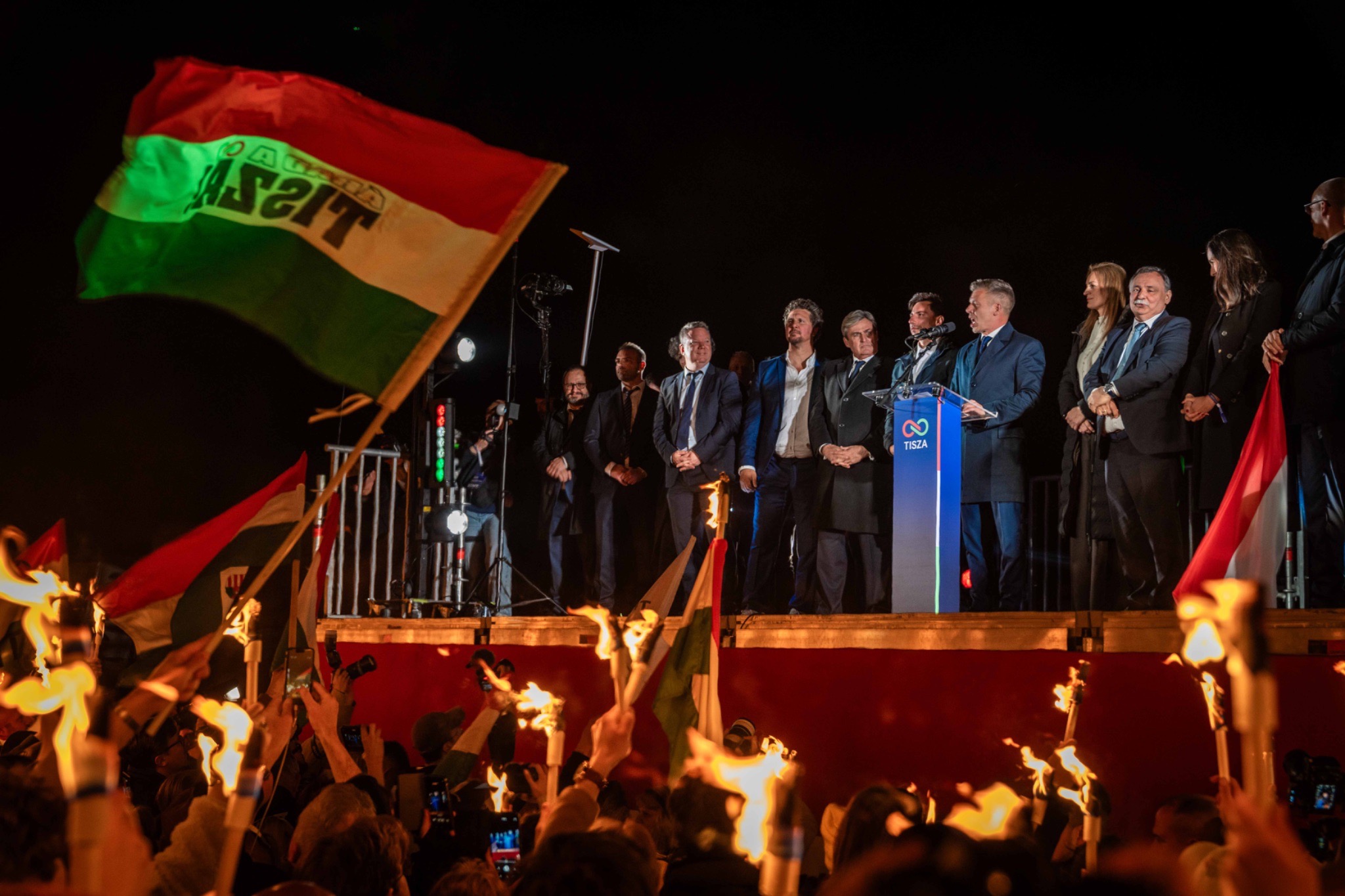
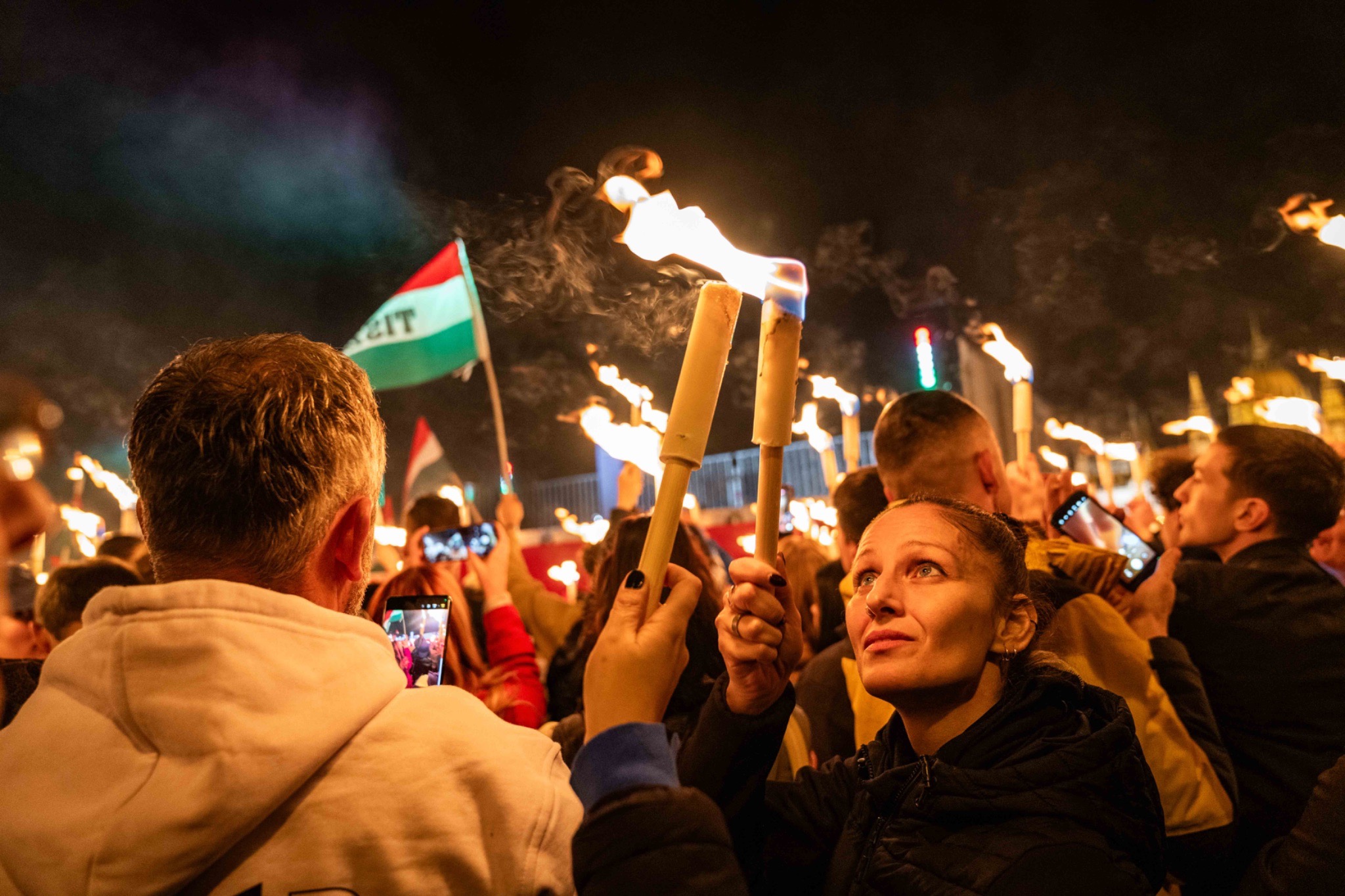
As the leader of the “Tisza” party, Péter Magyar, stated in an interview with Reuters, upon coming to power, he plans to suspend the work of state media and restore media freedom.
This time, Russia lost the information war against Ukraine in Hungary; it failed to intensify the rift in the EU and block financial and military support for Ukraine.
Maksym Kishka — Ukrainian photojournalist, independent photographer. He began photographing at the age of 14, and after the start of Russia's full-scale invasion of Ukraine, he decided to dedicate himself to documenting the war. He studied under well-known Ukrainian photojournalists and cooperates with Ukrainian and international media, including Reuters, Anadolu Ajansı, The Ukrainians, Reporters, and others. In the summer of 2025, he joined the Frontliner team.
This material was created with the support of the British Council program “Creative Economy Grants.”
Material Prepared by:
Topic Researcher, Text Author: Yana Yevmenova
Photo Editor: Olga Kovalova
Literary Editor: Yuliia Futei
.jpg)

.jpg)