Photographer Yelyzaveta Servatynska, whose photo of a kitchen cabinet in Borodyanka became a global symbol of Ukrainian resilience, enlisted in the military to document the war from the inside.
Yelyzaveta Servatynska shared why she transitioned from civilian journalism to working in the press service of Azov, why it is crucial for her to capture the face of every soldier, how her photo archive transformed into a personal chronicle of a large military family, and how war burns out emotions while compelling one to hold the camera until the very end—because when brothers-in-arms die, it feels as though a page is torn from a family album.
— How did your work as a photojournalist begin?
— I entered journalism with the specific goal of pursuing photography. Right after university, I got a job at Suspilne as a reporter. At first, I had to work as a field correspondent. Later, I proposed a new working format to the editor-in-chief: during field assignments, I would capture photos and write feature stories simultaneously. I worked in this mode for about six months, traveling to shoots with a camera on my back. I had to convince the editors that high-quality photographs taken with professional equipment engage the audience much better. Over time, they began to listen to my arguments. Eventually, a dedicated photojournalist position was created on the staff. That allowed me to focus entirely on photography: without live broadcasts or trips with a videographer, I created photo essays and documentary stories.
— How did photography enter your life, and who among masters or colleagues became your primary guide and source of inspiration?
— I started doing photography back in my childhood. I studied at an art school for seven years, and when I graduated, I still had two high school years left. That’s when I decided to try something new and joined a photography club that had long been operating in our town. My classmates and I went there together. It was fascinating to me because photography is visual art as well. That’s where I got my first film cameras.
I started shooting, and our instructor played a huge role in helping me fall in love with this craft. She was an incredible woman. For some reason, she instilled in me the idea that learning to shoot at night is essential, as it is complex and few master it. I absolutely loved it. We went on night shoots together, photographing the sky and the city, and I became genuinely passionate about it. Even when I moved to Kyiv for university, I continued riding around the city taking photos of night landscapes and people.
— How did studying at the journalism department shape your systematic vision of photography and your choice of subjects for photo stories? Why, out of all possible genres, did you choose documentary photography?
— Oleksiy Furman, who taught us at the university, influenced me the most. I am deeply grateful that he became my teacher. I feel he taught me to perceive documentary stories and human destinies from an entirely different angle. Around that time, we were preparing term papers on this topic. Oleksiy shared many examples from his own experience, but what stuck with me most was his thought that it is crucial for a photojournalist to live through the stories of other people—to maintain close contact with the subject and literally live their life. Back in my student days, that astonished me. I even thought to myself, "If I shoot documentary photography, will I have no life of my own left, having to completely dissolve in the stories of others?"
Years later, when I started working actively in journalism, I truly understood the meaning and importance of those words. It was Oleksiy who shaped my understanding of documentary photography. I remembered that lesson for the rest of my life and subsequently applied it actively in my work.
— During your work at Suspilne, did you cover individual news events and reports, or did you also have the opportunity to develop long-term personal projects?
— At Suspilne, I mostly covered event reports and news stories. One of the most impactful experiences for me was my first trip to Donbas. We were working on a piece for the "LB.ua" publication about psychological support for children living near the front line. At that time, we visited Svitlodarsk, Bakhmut, and Lysychansk—which, unfortunately, are now occupied. For a week, we worked with children at the "Voices of Children" hub in Svitlodarsk, visiting orphanages and social centers for temporary placement of children from vulnerable families.
At that moment, my world completely flipped upside down. I was only 20 or 21 years old. That trip profoundly altered my perception of Donbas and gave me my first experience working with children living under such conditions. Being a part of their lives and documenting it on camera proved to be psychologically taxing. After that assignment, I seriously reconsidered my approach to the profession—specifically how I internalize the difficult fates of others.
I realized that with a camera alone in journalism, I couldn't do as much as I wanted to. I thought I would be more useful in the military because it was vital for me to be directly involved in the defense. So I went to help my unit, and today I am very happy with that decision.
— In what role did you begin your journey in the military, and in which specific units and operational areas did you work as a military photographer?
— I joined the press service in 2022. I believe we made a significant contribution to the unit's media presence: we essentially built a press service from scratch, which now operates within the 1st Corps of the National Guard of Ukraine "Azov." Today, it is quite a large structure. Over this time, I worked my way through various positions. I started as a photographer, and as the staff expanded and we brought on new people, I led the photography department in the brigade. Later, I became head of the brigade's entire press service. The next step was my transfer to the corps level.
— How did the full-scale war alter your personal perspective on photography and its primary purpose?
— In my view, it was crucial to capture and show what happens from the inside—things civilian journalists would never be able to see. Our primary mission was to document absolutely everything, regardless of whether general rules permitted it.
A major shift occurred in my mindset back then. When you are a journalist, you abide by one set of standards and professional principles. But when you are a service member and part of the structure, your task is the opposite: to record what is forbidden to everyone else and capture things that may never be published. That was a real challenge for me. I had to push past my own resistance, raise the camera, and shoot what I would never have allowed myself to in civilian journalism—things prohibited from coverage here and now. A completely new, behind-the-scenes world opened up to me then. And I clearly recognized how vital it is to build this archive, which might prove valuable in the future.
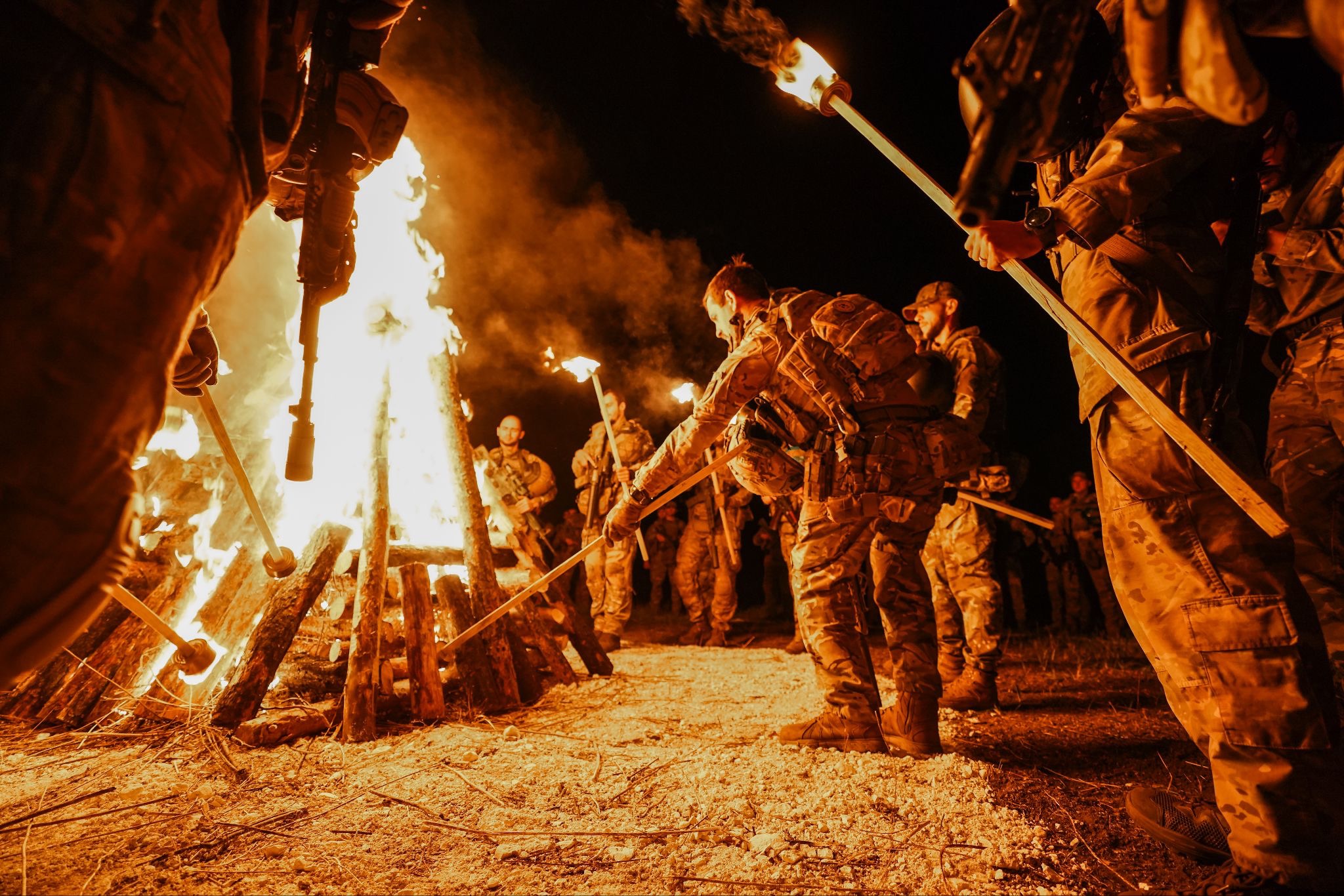
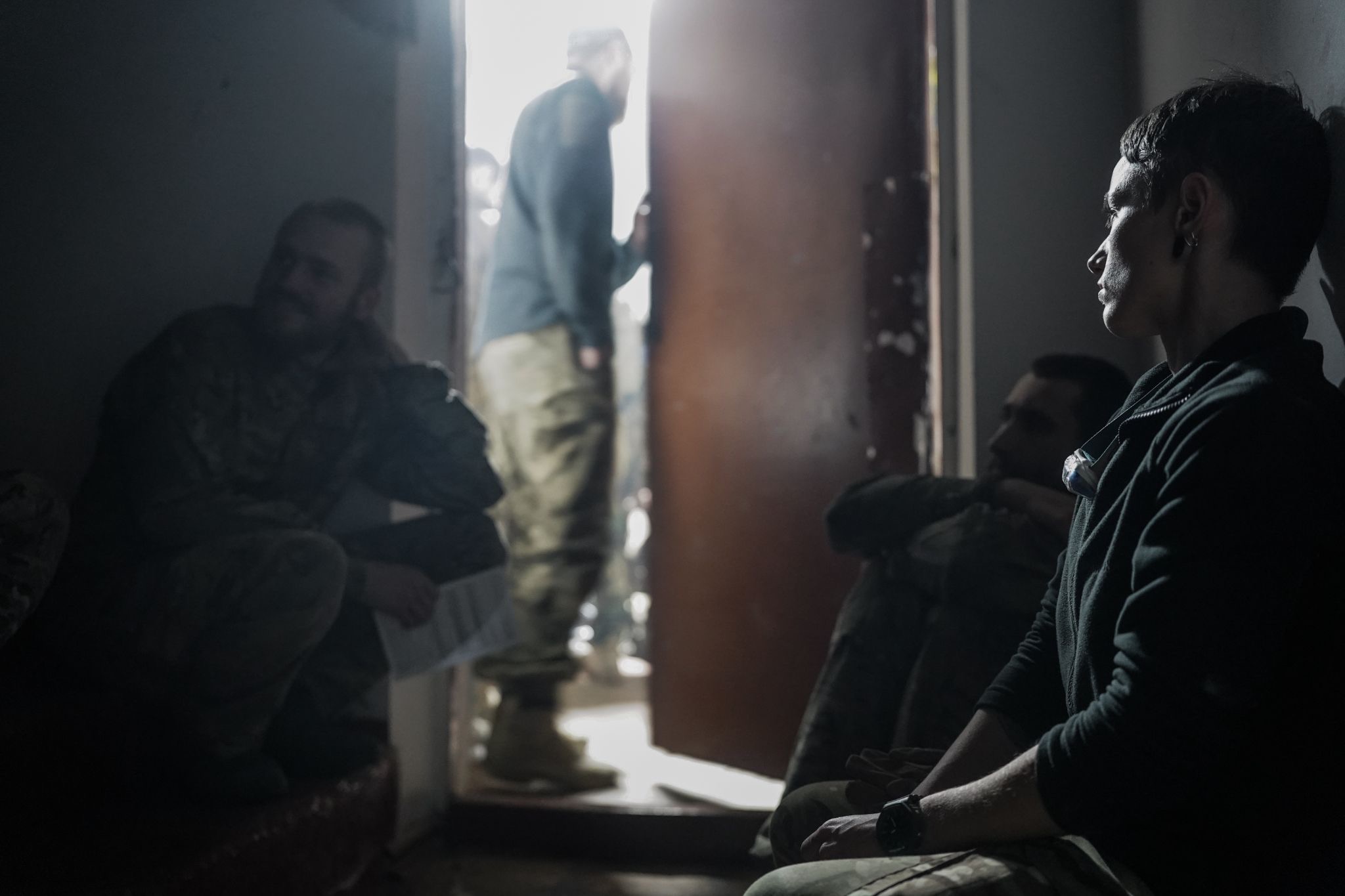
For me, it was a matter of principle to document everything, even daily routines. It was essential to constantly be alongside the soldiers, capturing their everyday life, active combat operations, and the stressful moments of battle management. I photographed soldiers to show their daily stories and also covered the rear life of the unit, which is rarely discussed because it seems less dramatic, though it is no less vital.
One of my primary goals was to capture the face of every soldier I met. That realization came very quickly: every combat mission or active operation almost always meant losses. Preserving the memory of these people became paramount. It turned out that having countless photos is common only in my bubble—in reality, there are soldiers who never take photos at all and have no family archives.
So it didn't matter to me in what setting a person appeared before my lens. I knew I had to take photos of soldiers while they worked, behind the wheel, fixing machinery, or simply sitting at a table with paperwork. I also documented the most emotional moments, such as reunions of brothers-in-arms after returning from positions or captivity.
As it happened, families of our fallen soldiers often reached out to me. Every time, it served as confirmation that I absolutely had to keep shooting. It didn't matter how vast this archive became or how many gigabytes it occupied. Even if these frames are never published anywhere, let them simply be preserved. Because for someone, they will undoubtedly become the most precious things in life. In such moments, you realize that photography is not just about art—above all, it is about memory.
— You mentioned leaving civilian photojournalism because documenting such painful topics became psychologically overwhelming. Yet in the military, this pain likely became even closer and sharper. How did you cope with these experiences, and how do you recover after what you have witnessed on the front lines?
— At the beginning of my military service, it was also tough for a while. I don't know exactly how my psyche is built, but I think it's more or less familiar to any service member or person working in war: an emotional switch simply flips in your head. You clearly realize: there is a task that simply needs to be done. It ceases to matter what conditions you are in or what you feel—whether you are sad or cheerful—because the guys on the front line definitely have it harder.
In the second year of service, so much was happening around—both good, horrific, and overly emotional—that I felt my reactions starting to shut off. If I had reacted acutely to every event, I probably would have simply lost my mind.
By the third year, I suddenly caught myself thinking, "Wow, how can anyone live feeling nothing at all?" Looking back at old videos and photos from the first months of my service, I was amazed by how much I laughed back then, how fun it felt. Later on, it became extremely difficult to make me laugh. It's remarkable how the psyche adapts.
— What is photography to you now: a form of therapy and a way to endure the war, or, conversely, a source of additional trauma?
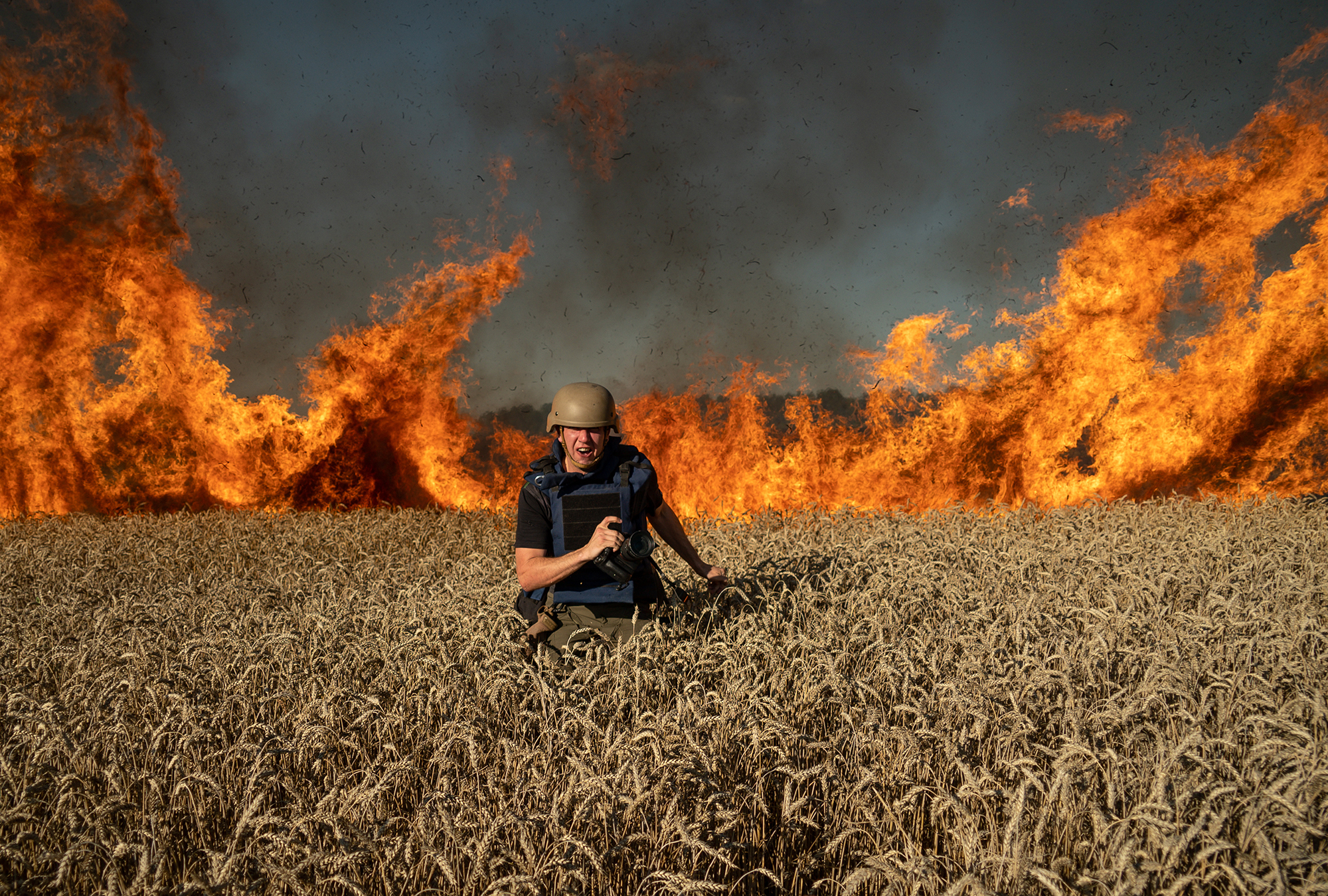
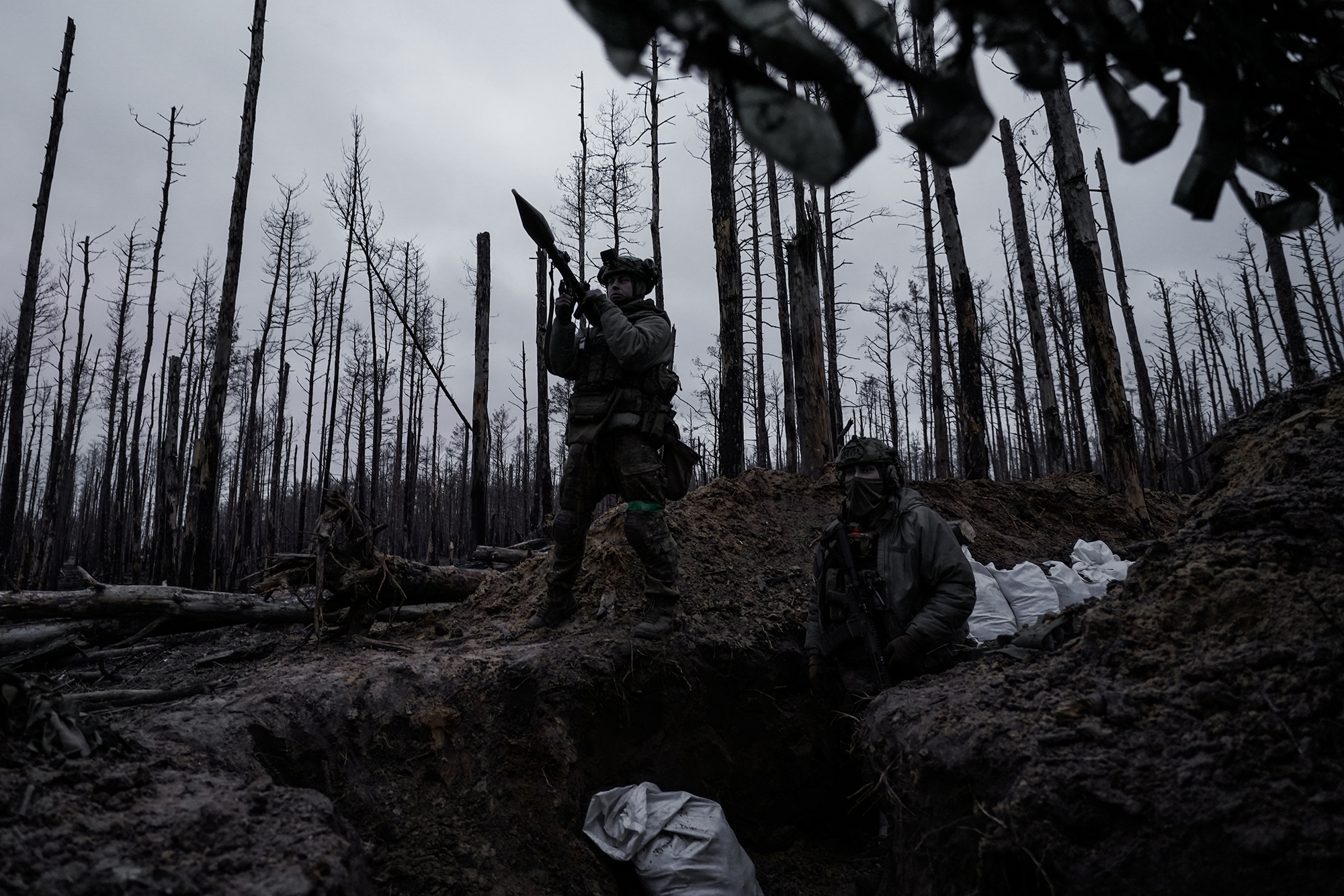
— I feel that when I was a journalist, photography served as therapy for me. In life, I am actually a shy person, and the camera acted as a shield carried in front of me. Later, the camera became a tool. Even in the worst conditions we found ourselves in, I tried to create something beautiful. I wanted to make art out of where I was: from those trenches, mud, and dirty vehicles. Despite all the horror, I still saw a certain beauty around me.
Every time we entered positions or went out on an assignment, I understood that around me lay immense space for creativity, even in dangerous conditions. And I tried to create something beautiful and meaningful.
— Do you currently have the opportunity to review your archives and extract individual stories or projects from this vast body of material? Do you plan to publish them later as an exhibition or a book?
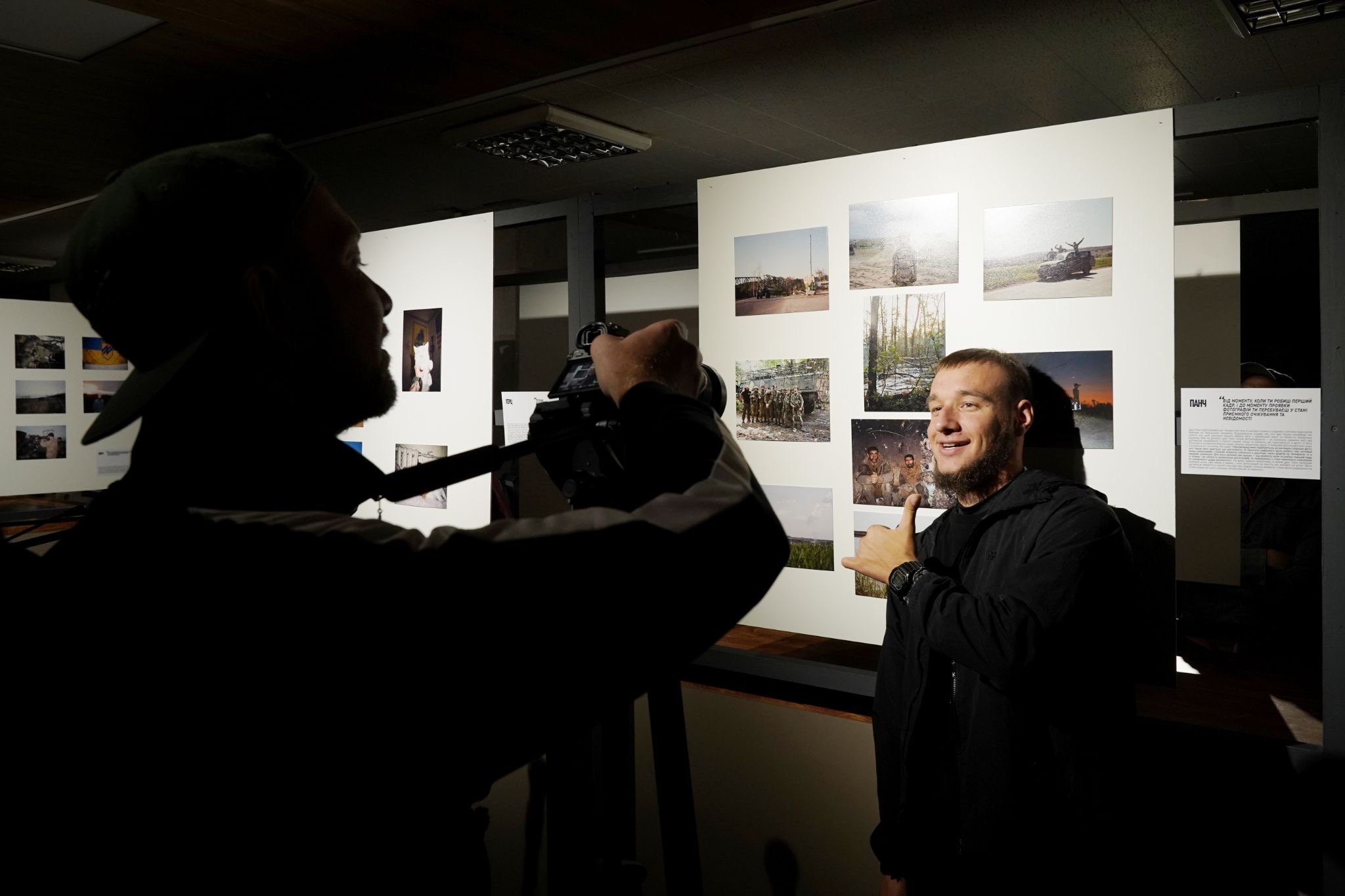
— Yes, I have a vast amount of photos in the archive, but doing individual projects solely in my own name feels unfair. Everything I managed to capture on camera is the merit of our team, commanders, and soldiers with whom we put in tremendous effort so that these photographs could exist in the first place. It is a story about a project on behalf of the unit, not a specific individual—and that is honest. That’s how the idea arose to organize a photo exhibition featuring film photographs from all the brigade’s soldiers who shoot on film cameras for their own enjoyment. It turned out there were quite a few such soldiers—people of various specialties, from privates to commanders. It was important for me to show another side of a service member, to break down the wall between military and civilians, and to change the perception of an "Azov" fighter in the eyes of ordinary people. First and foremost, this encourages the audience to consider military service, as the army deeply needs people.
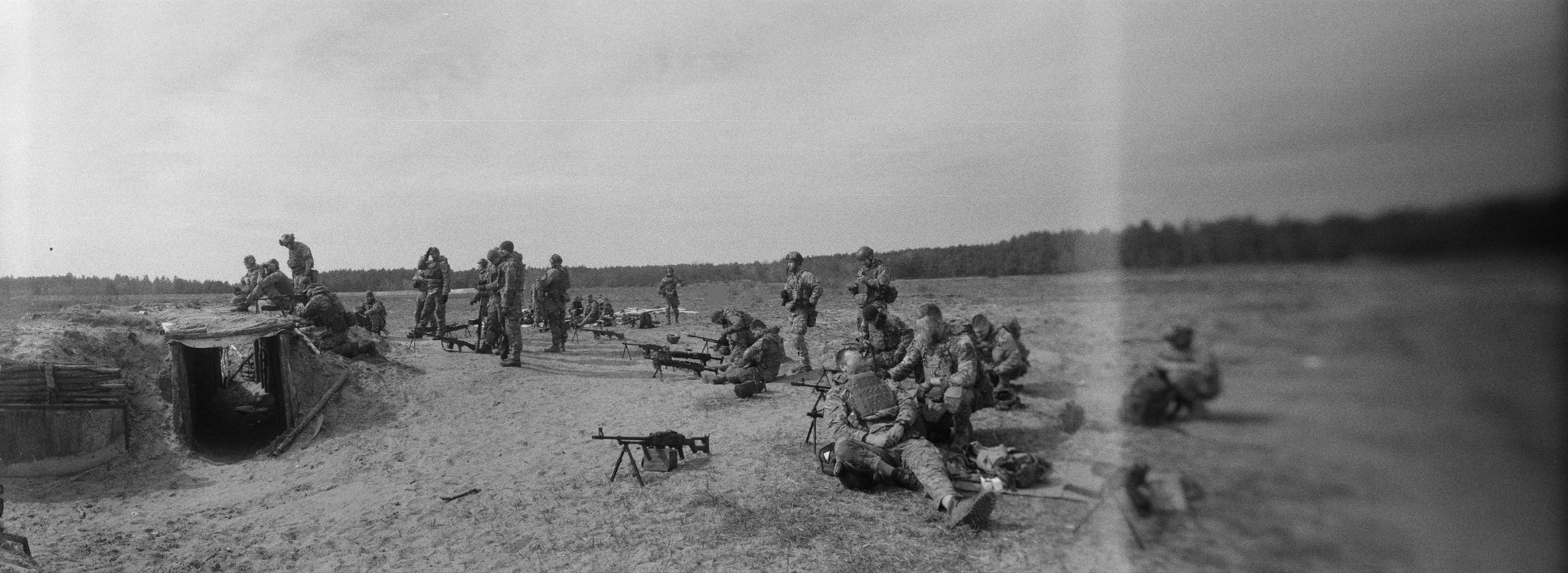
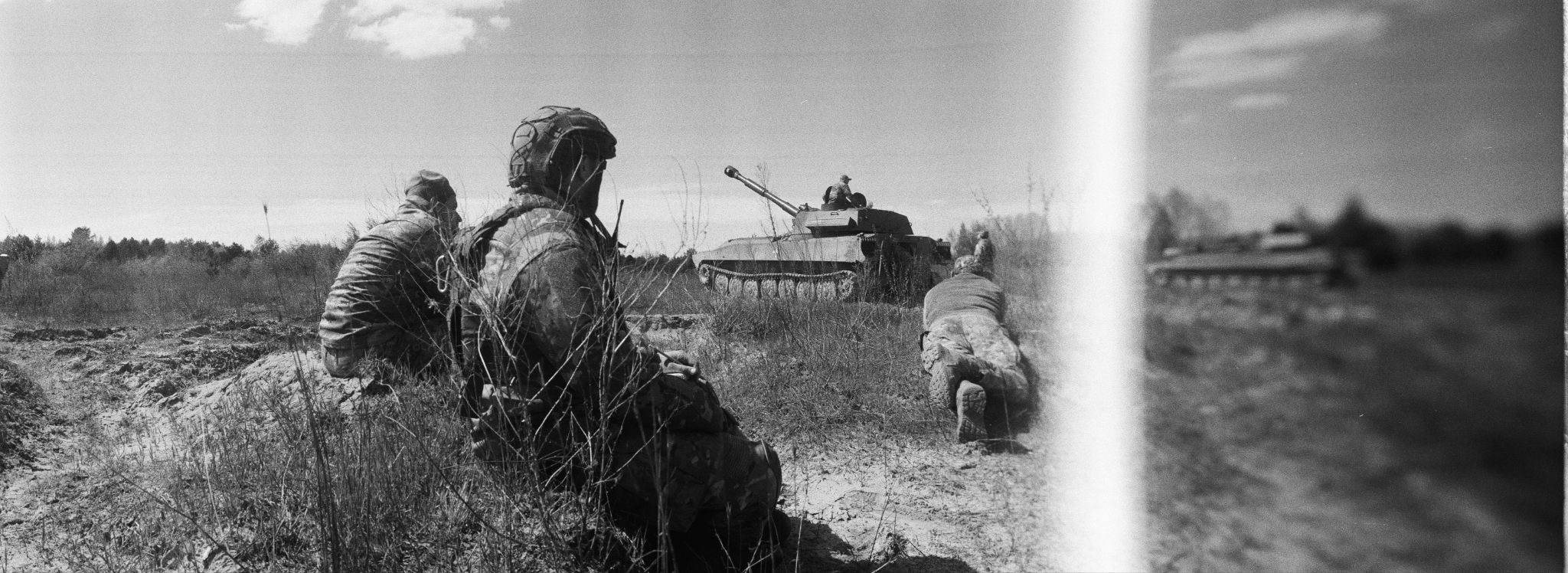
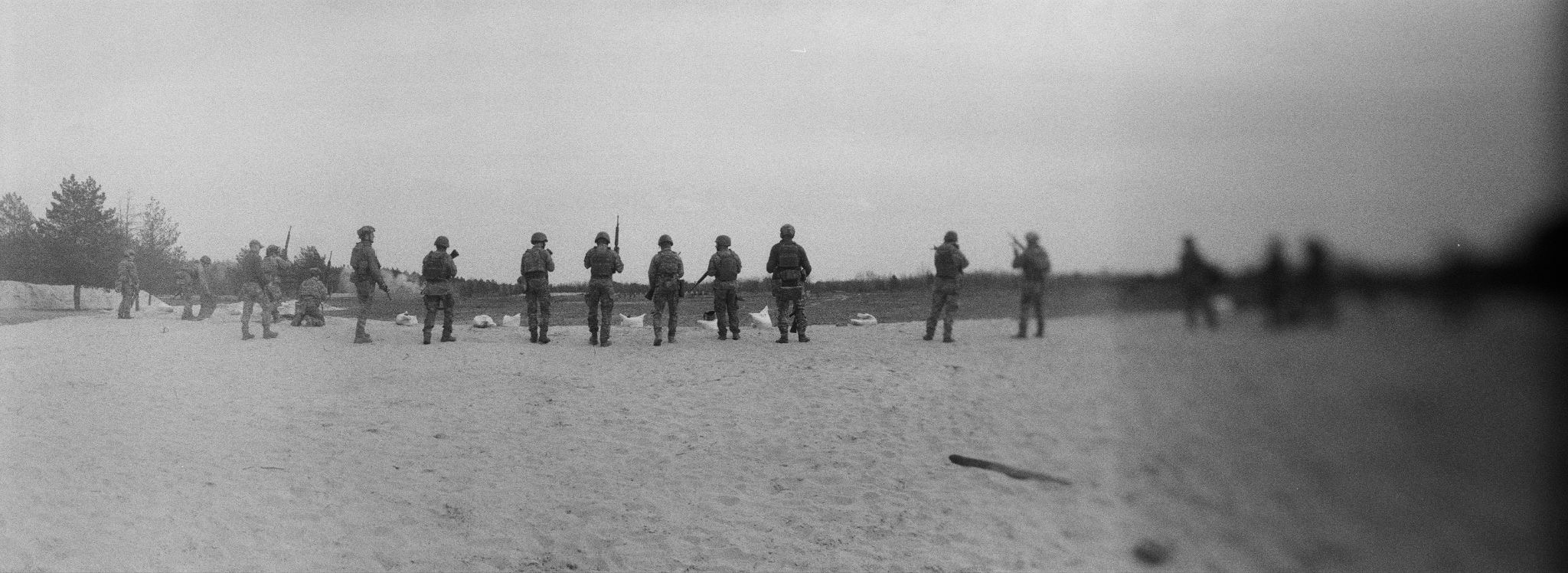
I also have my own film stories. Once, the guys brought me a whole box of different film cameras they found in a village during building inspections. I sorted through them all, found the working ones, and started shooting with them. My favorite became the "Horizon"—I shot the most with it.
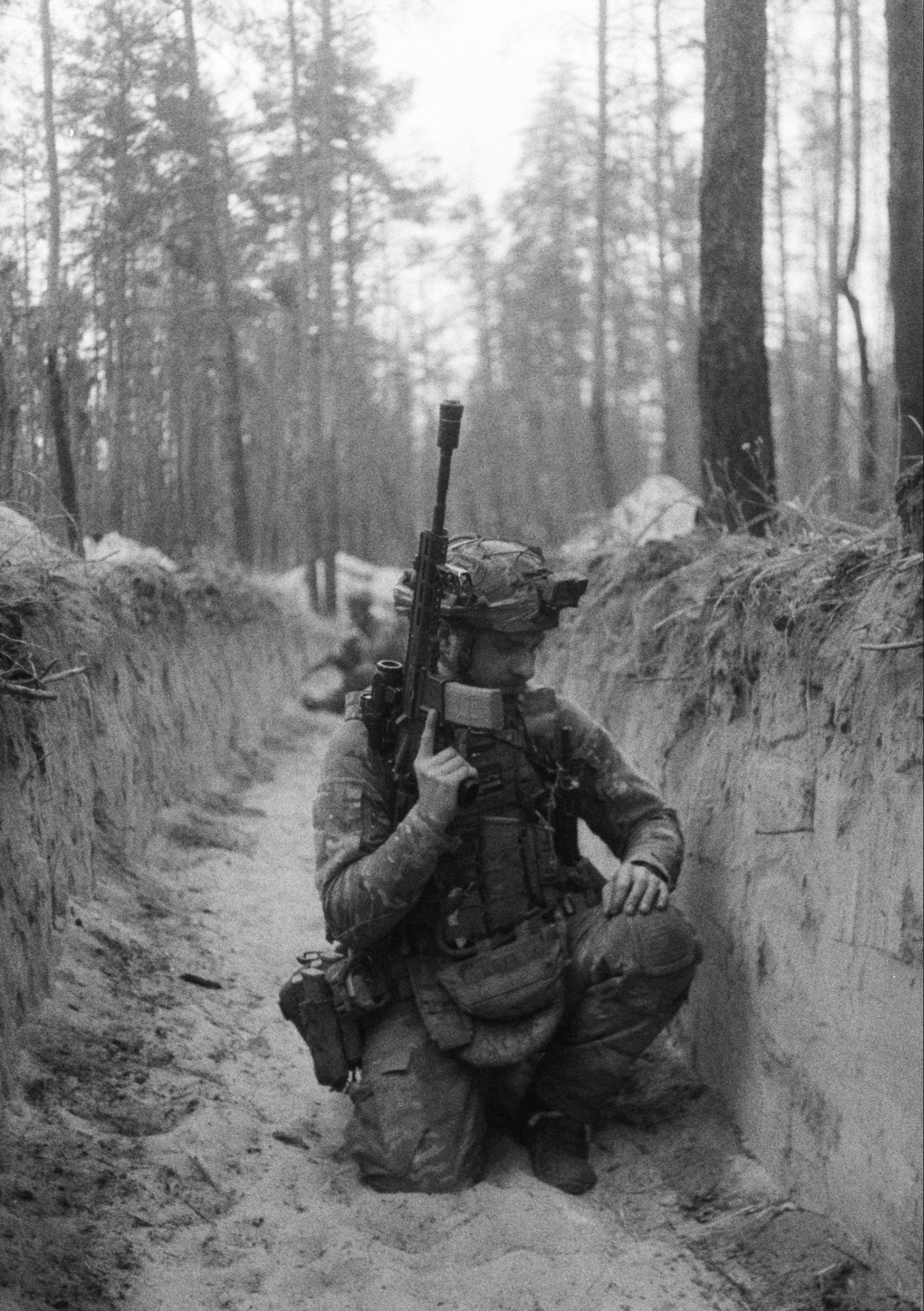
On film, I photographed things I wanted to preserve more for myself than for the unit. Of course, we posted some frames on official resources, but film is something more unusual. It is closer to art, which might not be entirely understood by the majority. It was creativity mostly for myself. Yet there are very interesting frames there that we later selected for the film photography exhibition: training exercises at the shooting range, panoramas from positions, and the daily life of soldiers.
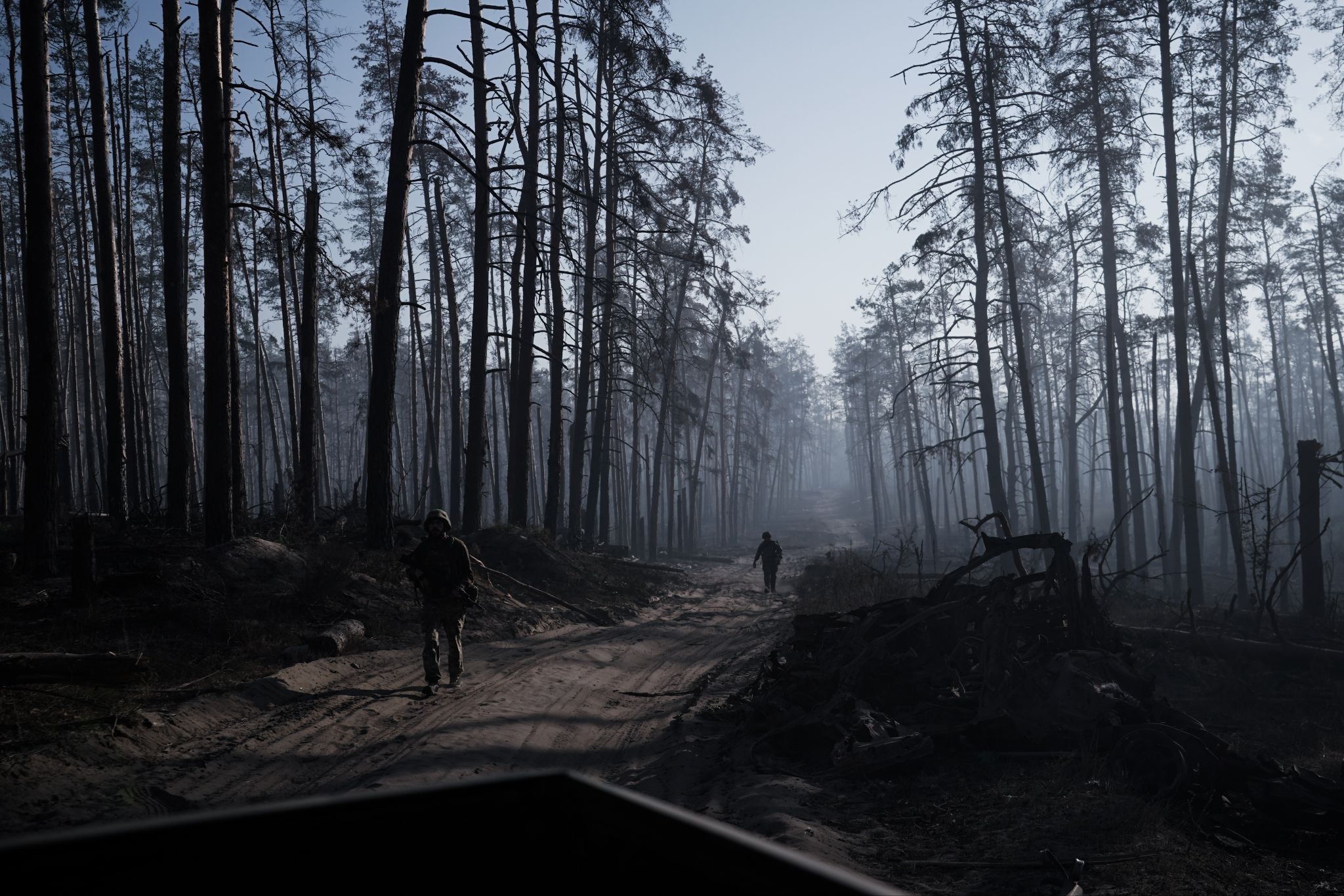
I vividly remember an episode when we were stationed in a forestry area. It felt like a special closeness to the earth, being surrounded by nature while right in the middle of military operations. It evoked motifs of World War I. I remember many people posted comparisons, using my photos as well to draw parallels between how things were then and how they are now.
— Lately, there is much talk about classical documentary photography losing its power and requiring new formats—such as multimedia or conceptual solutions. What significance does straightforward documentary photography hold today, and is it still capable of independently conveying the most vital stories?
— Of course, multimedia matters because it allows for a broader perspective on events using diverse tools. However, I believe that in photography, the most important element is always what is depicted in the frame. It is not even about how it was shot, but what was recorded. We see proof of this daily when scrolling through news feeds showing the aftermath of missile strikes.
Often, it doesn't matter who took the photo—a professional photographer or an amateur. That image can later serve as evidence in the European Parliament or be used in an international tribunal as proof of Russian war crimes. Photography is crucial because it is the simplest and fastest way to capture and show what occurred during the war.
— During your work, a vast stream of people passed before your eyes. Are there stories among them that stayed with you the most—as emotionally closest or most difficult?
— I probably remember the people I saw in Borodyanka in 2022 most vividly, back when I was still working as a journalist. We arrived there literally on the second or third day after the region's official liberation. We were simply walking through courtyards, and people were sitting there smiling. They were dirty because they hadn't left basements for a long time, they had seen Russians coming in and threatening them, they endured the destruction of their homes—yet they were smiling. Amidst all this, they offered us their baked potatoes or whatever else they were cooking right in the yard. In the middle of that same yard, near completely destroyed five-story buildings, ran a small child who had also spent the entire occupation there.
It struck me deeply how people, after enduring everything, could smile normally, offer food, say that everything was okay, and continue living.
During my military service, many stories accumulated. For some reason, right now I mostly recall fallen brothers-in-arms with whom I worked closely.
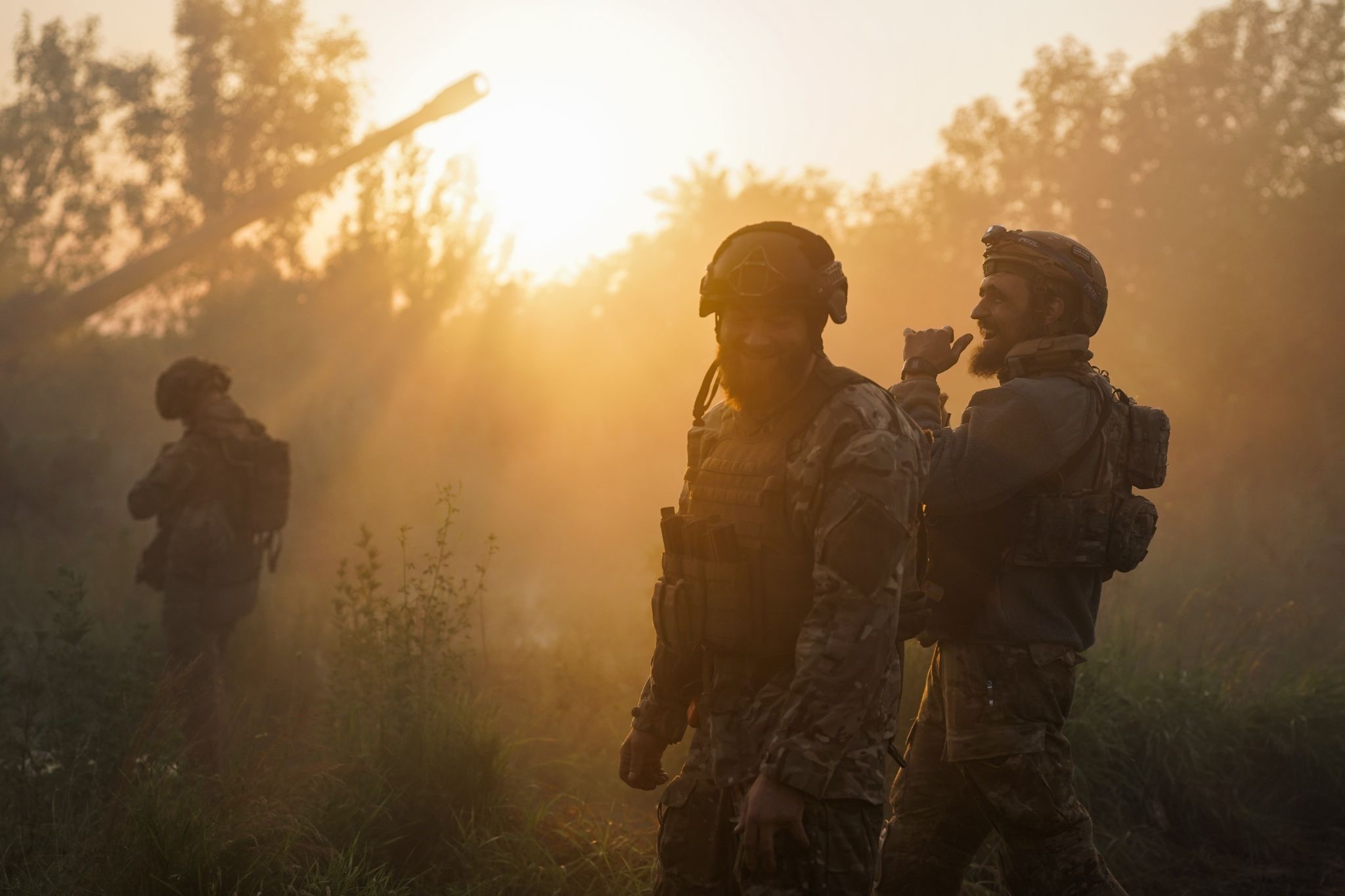
I remember the faces of scouts and infantrymen returning from missions. To me, they are out of this world. I still don't understand where they find the courage to go first, forge paths, and engage the enemy—putting their very bodies on the line. When you see them return after several days at front-line positions—exhausted, worn out—yet still smiling and passionate about their work, you realize that such people exist nowhere else in the world except here. And we must cherish them, because fewer and fewer of them remain.
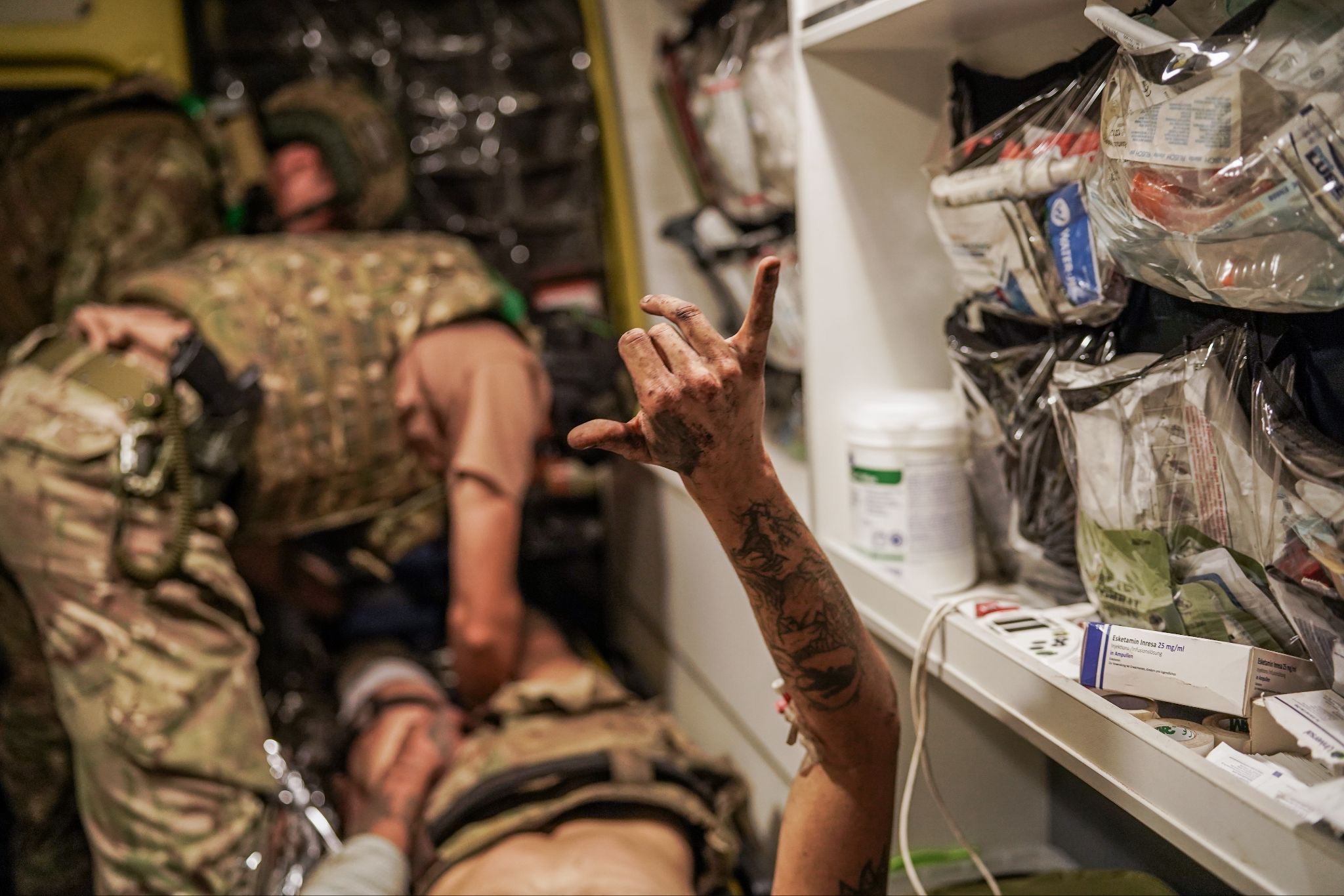
I feel we simply have no reserve, no other people who could replace them, which makes them extraordinarily precious to us. When I look at my archive photos, it hurts deeply because I realize that in most shots, half of those I photographed are no longer alive. Even though I understood this earlier—knowing where I came and whom I was photographing, trying to prepare myself—is it ever possible to be truly prepared for such a thing? I think it is always terribly difficult.
— How has working as a wartime photographer changed you? Do you feel your emotions have heightened with deeper empathy for your subjects, or, on the contrary, has emotional callousness developed as a defense mechanism?
— My sense of empathy has probably faded somewhere, remaining only toward my brothers-in-arms. Those I served with, I considered my family. And everyone I photographed in the brigade, I viewed in that exact light. You could say that all the photographs I've taken are my family album. And that is what hurts the most.
I understand that we are in a war of attrition aimed at destroying us and our enemies alike. Still, every loss of a brother-in-arms feels as though a page with a photograph is torn out of a family album, and that page no longer exists. It is truly painful.
— Despite all the pain, fatigue, and burnout, what prevented you from losing purpose and the desire to keep photographing?
— It is a duty to those I stood beside. The importance of preserving the history of my unit was also decisive for me, because there we were literally writing history and continue writing it further.
Over these years, every single day for me is a separate page of history with photographs. Through them, a chronicle of the unit can be written after the war ends. My materials will be able to show what was happening in our sector and the vital contribution made by the soldiers stationed there.
Right now, I have returned to portraiture. I am also very interested in the educational aspect of photography. Perhaps I will organize educational events on documentation, specifically wartime photography and covering the work of a military unit, as well as the specifics of working with service members at the front. These are distant plans for now that I hope to realize someday. Maybe I will join a photography school or simply teach children how to take photos, see the world through a lens, capture every moment, and learn to do it like no one else can.
Yelyzaveta Servatynska is a Ukrainian documentary photographer, photojournalist, and service member. She was born in Yuzhnoukrainsk, Mykolaiv region.
She has been practicing photography professionally since 2021. She worked with Ukrainian media outlets, notably Suspilne News, creating photo essays and documentary stories. She is the author of the famous photograph of an intact kitchen cabinet with a ceramic rooster in a house destroyed by Russian troops in Borodyanka.
In late 2022, she joined the Azov unit, where she participated in creating the information service and developing the photography department. In 2025, she became head of the brigade's press service and the photography department of the 1st Corps of the National Guard of Ukraine "Azov."
She co-organized the photo exhibition series "Caliber 120×35 mm. Family Album," dedicated to film photographs taken by Azov service members.
In her practice, she focuses on documenting war, preserving visual memory, and telling human stories. She pays special attention to photography as a means of preserving testimonies about people, events, and wartime experiences.
Worked on this material:
Interviewer: Katya Moskaliuk
Picture Editor: Vladyslav Krasnoshchok
Copy Editor: Yulia Futey