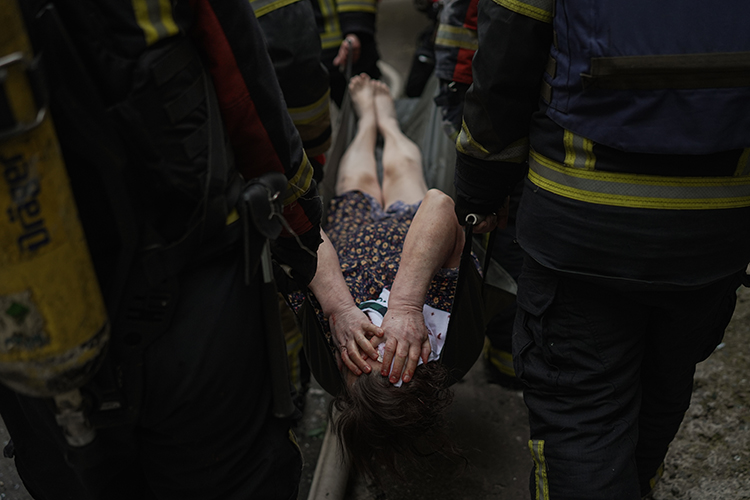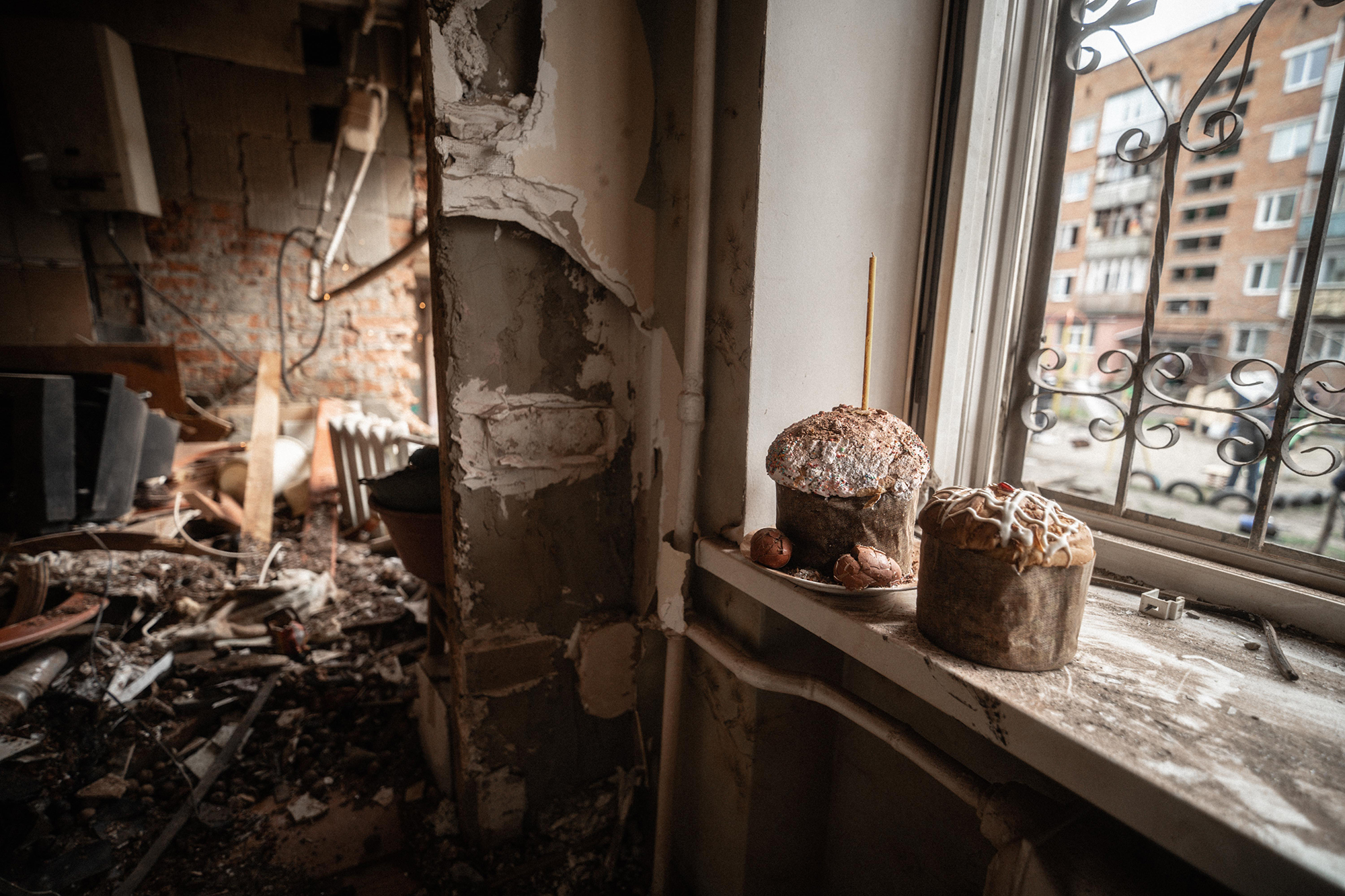
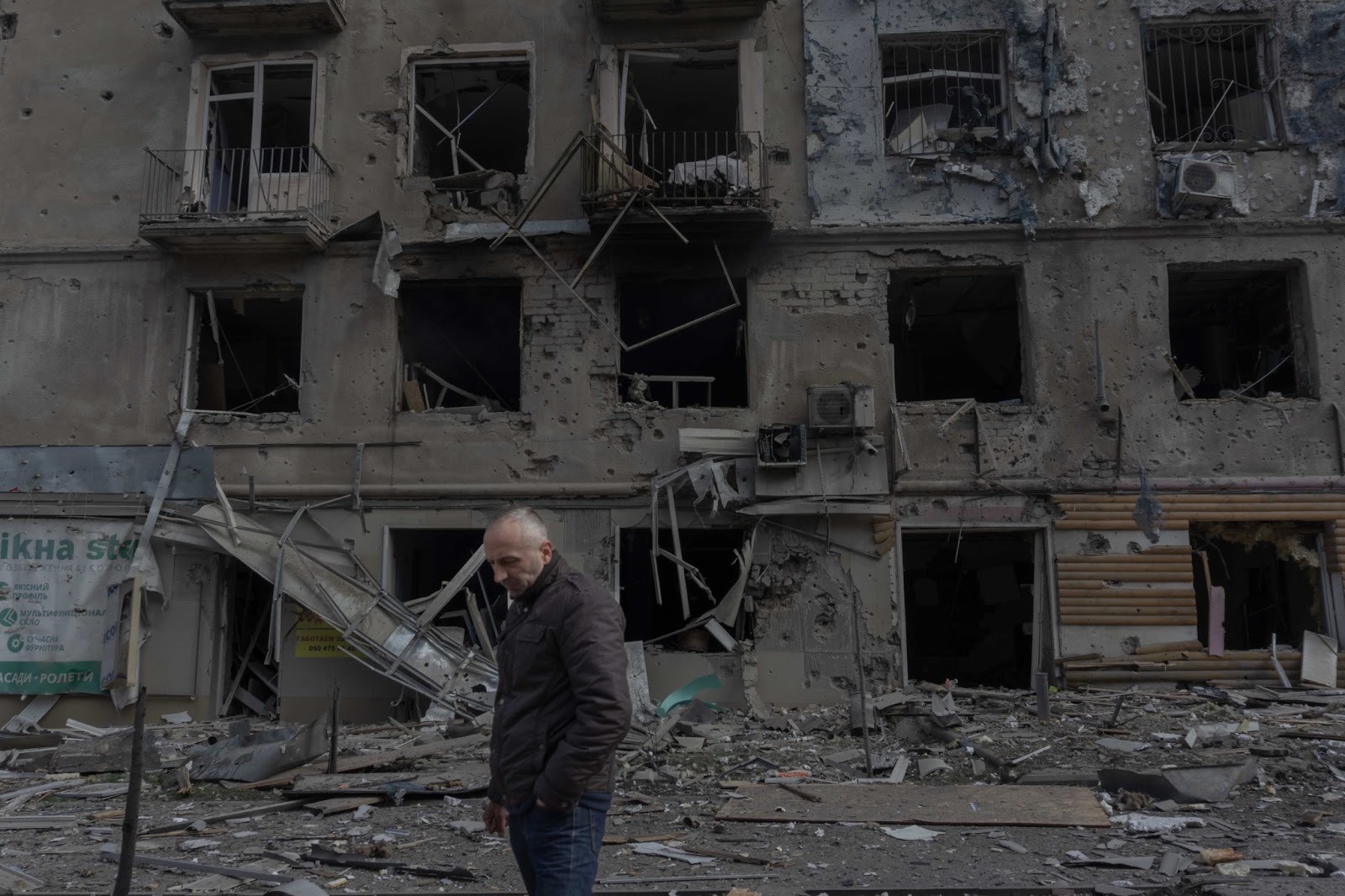
On the eve of Easter, Russian forces deliberately targeted peaceful cities and villages across Ukraine. The enemy struck energy infrastructure, administrative buildings during working hours, crowded markets, public transport, cultural and historical landmarks, and residential homes. Odesa, Nikopol, and Kramatorsk held days of mourning for the victims. In Nikopol, a city of approximately 40,000, over 100 residents have been killed or injured since early April, reports Ukrainska Pravda. Zhyttia. Civil casualties remain high in Kherson, where the city faces the constant dual threat of shelling and remote landmining. The scale of destruction to residential housing is documented in photo reports from Odesa, Kharkiv, Sumy, Kherson, and Kramatorsk.
Chronicle of Russian Shelling: April 5–12, 2026
April 5 During the day, a Russian FPV drone struck a civilian vehicle in Nikopol, Dnipropetrovsk region, killing one person and leaving another in critical condition. The enemy also targeted a fire and rescue unit, damaging its facade, windows, and equipment. Nikopol mourned those lost in a strike on a local market the previous day.
April 6 Attacks targeted energy facilities in the Kyiv, Chernihiv, Sumy, Kharkiv, and Dnipropetrovsk regions. In the Chernihiv region, transport and industrial infrastructure were hit, alongside residential damage; two people were injured, one hospitalized in moderate condition, and most of the region suffered temporary power outages. In Mykolaiv, a minibus and a garage caught fire following strikes, with two people hospitalized. In the Dnipropetrovsk region, ten people were wounded, including a 1.5-year-old girl and a 17-year-old boy; four were hospitalized. Injuries were also reported in the Zaporizhzhia region.
Night of April 7 Two Russian "Shahed" drones struck a Star Brands warehouse in Pavlohrad, Dnipropetrovsk region. The resulting fire caused serious damage to the facility, which produces and distributes snacks, grains, and flour, according to Ekonomichna Pravda. An attack on a bus in Nikopol killed four people, with total daily casualties reaching 24 wounded. In the Synelnykove district, an 11-year-old boy was killed. Morning strikes also hit administrative buildings in Novhorod-Siverskyi and Pryluky, Chernihiv region. In Pryluky, a fire broke out across 600 square meters, injuring 15 civilians.
April 8 Strikes in Zaporizhzhia and the surrounding district killed two people and injured ten. A fire department vehicle was damaged, and a garage cooperative caught fire. In Chernihiv, drones attacked a private parking lot, destroying trucks, and hit a community center in the border area.
April 9 A morning strike in the Zaporizhzhia district killed one person and injured four, destroying private homes. In the Dnipropetrovsk region, injuries were reported in Nikopol and Pavlohrad, where an enterprise was damaged. In the Chernihiv region, the enemy targeted communication facilities and residential properties.
April 10 Two people were killed and three wounded in the Dnipropetrovsk region, where several businesses were damaged. In the Zaporizhzhia district, one person was killed and nine were injured.
April 11 Two police officers were injured in the Zaporizhzhia region. In Nikopol, an FPV drone attack incinerated two trucks, killing one driver instantly. In Marhanets, a drone strike on a residential area wounded a woman.
Easter Morning, April 12: Russian shelling caused widespread damage to civilian infrastructure across multiple regions. One person was hospitalized in critical condition in the Dnipropetrovsk region, and three others were wounded in the Zaporizhzhia district.
Drone Attacks on Kharkiv
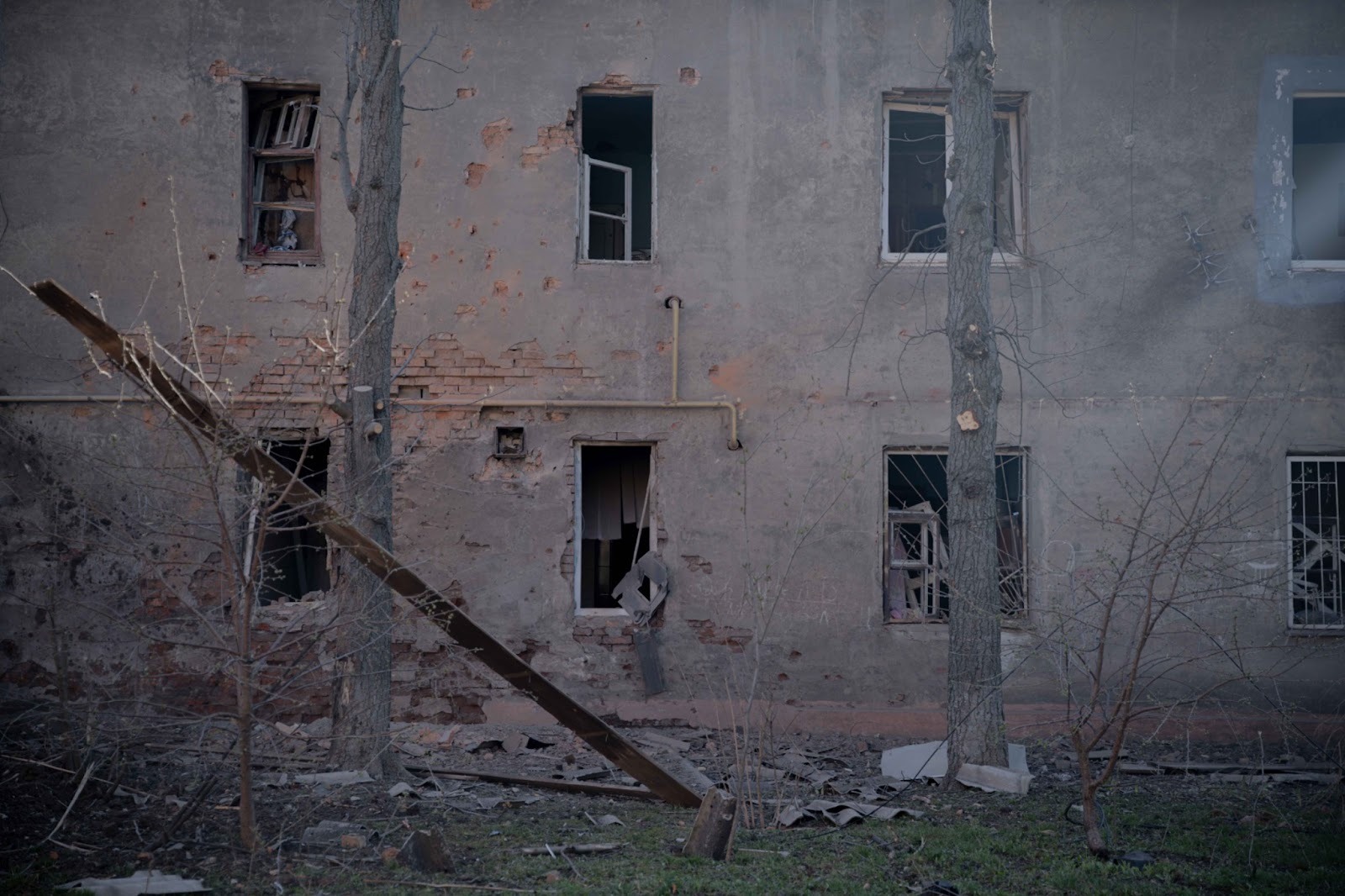
April 5 Drones targeted the Kyivskyi, Shevchenkivskyi, and Slobidskyi districts of Kharkiv. In the Shevchenkivskyi district, a jet-powered "Shahed" struck near an apartment block, damaging seven high-rise buildings, severing a gas pipeline, and disabling the sewage system. Two women were injured.
April 7 Multiple locations were hit. At one site, four high-rise buildings were damaged, with the top floor of one building destroyed, injuring five people. Another drone explosion destroyed a bus stop and a bus, wounding the driver. A follow-up attack on first responders shattered windows at an educational institution. Fires broke out in various locations, covering up to 800 square meters of dry grass. A civilian enterprise and nearly a dozen cars were also damaged.
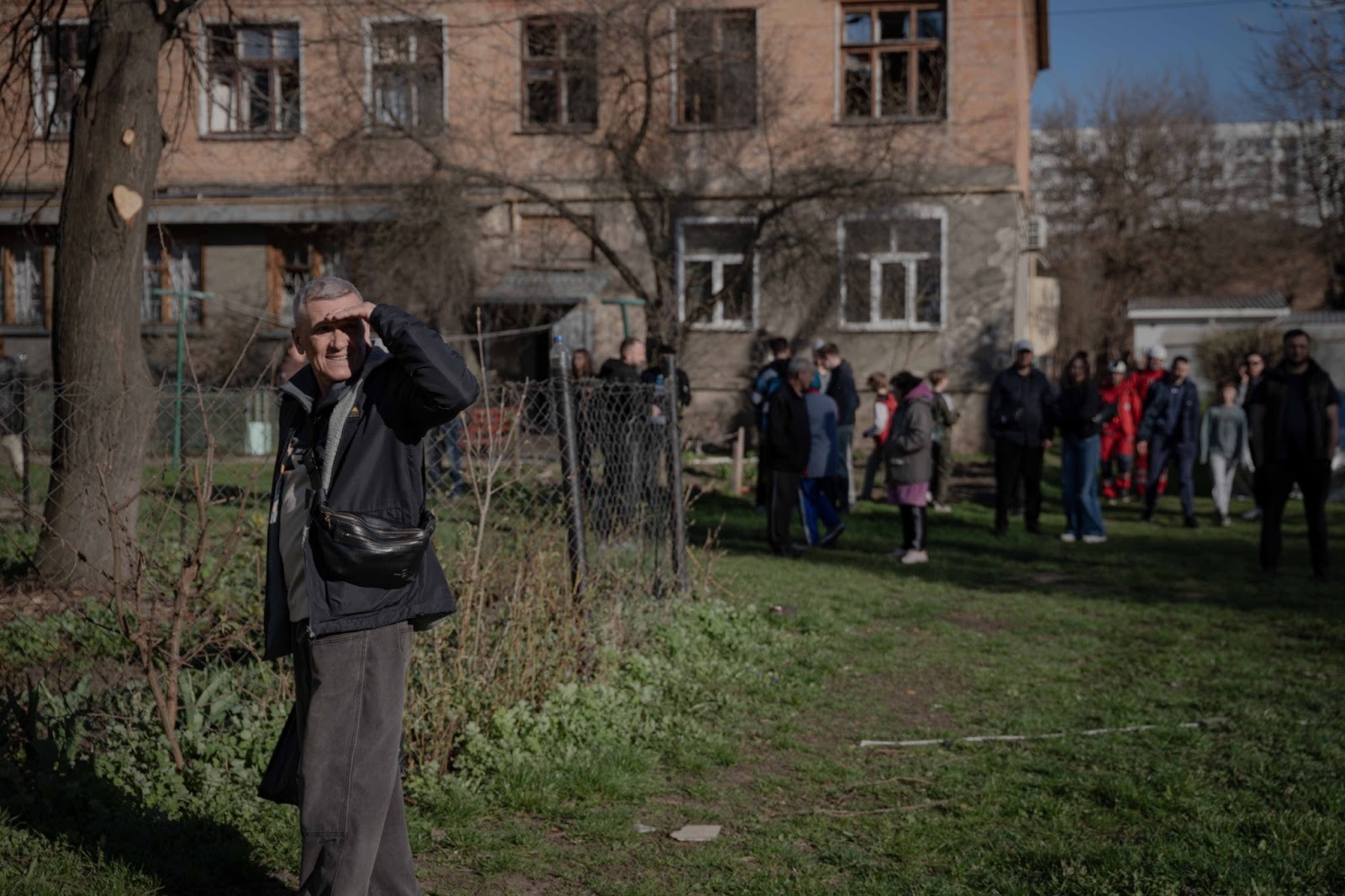
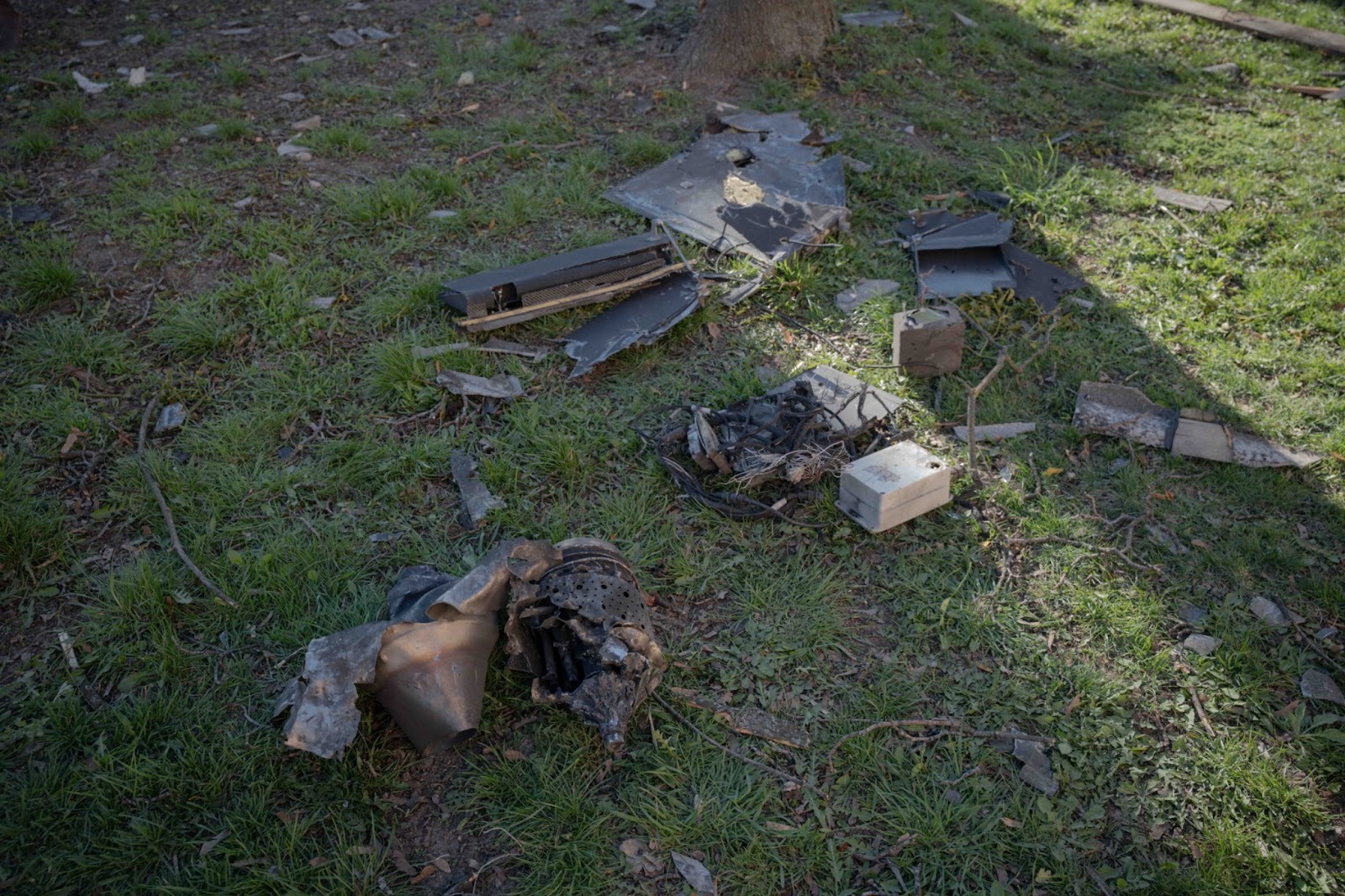
During the week, the Kharkiv region was under constant shelling, resulting in civilian casualties every day. In particular, on April 10 in the village of Zolochiv, three children (13, 14, and 16 years old) were injured; they all have an acute stress reaction.
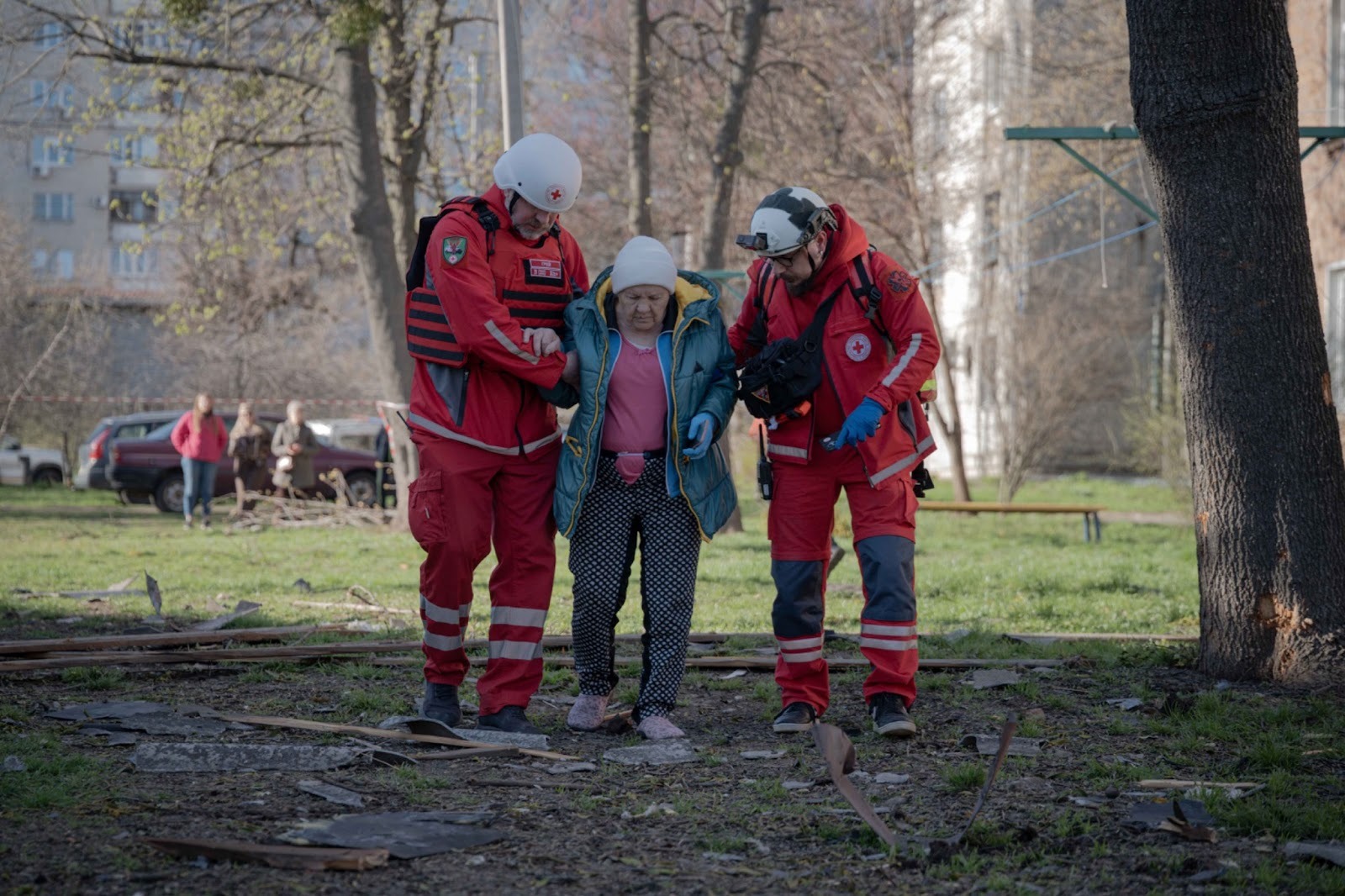
April 6 Drones attacked a gas station in Zolochiv, igniting four fuel tanks. On April 7, the enemy targeted a local architectural landmark in Velykyi Burluk—the Dontsov-Zakharzhevsky estate. The 1835 building was engulfed in flames, marking yet another attack on this historic site.
April 11 A drone struck an administrative building in Velykyi Burluk, causing a fire. On Easter, drones hit a grocery store in Zolochiv, injuring two people. Rail infrastructure in the Izium and Lozova districts was also targeted during the week.
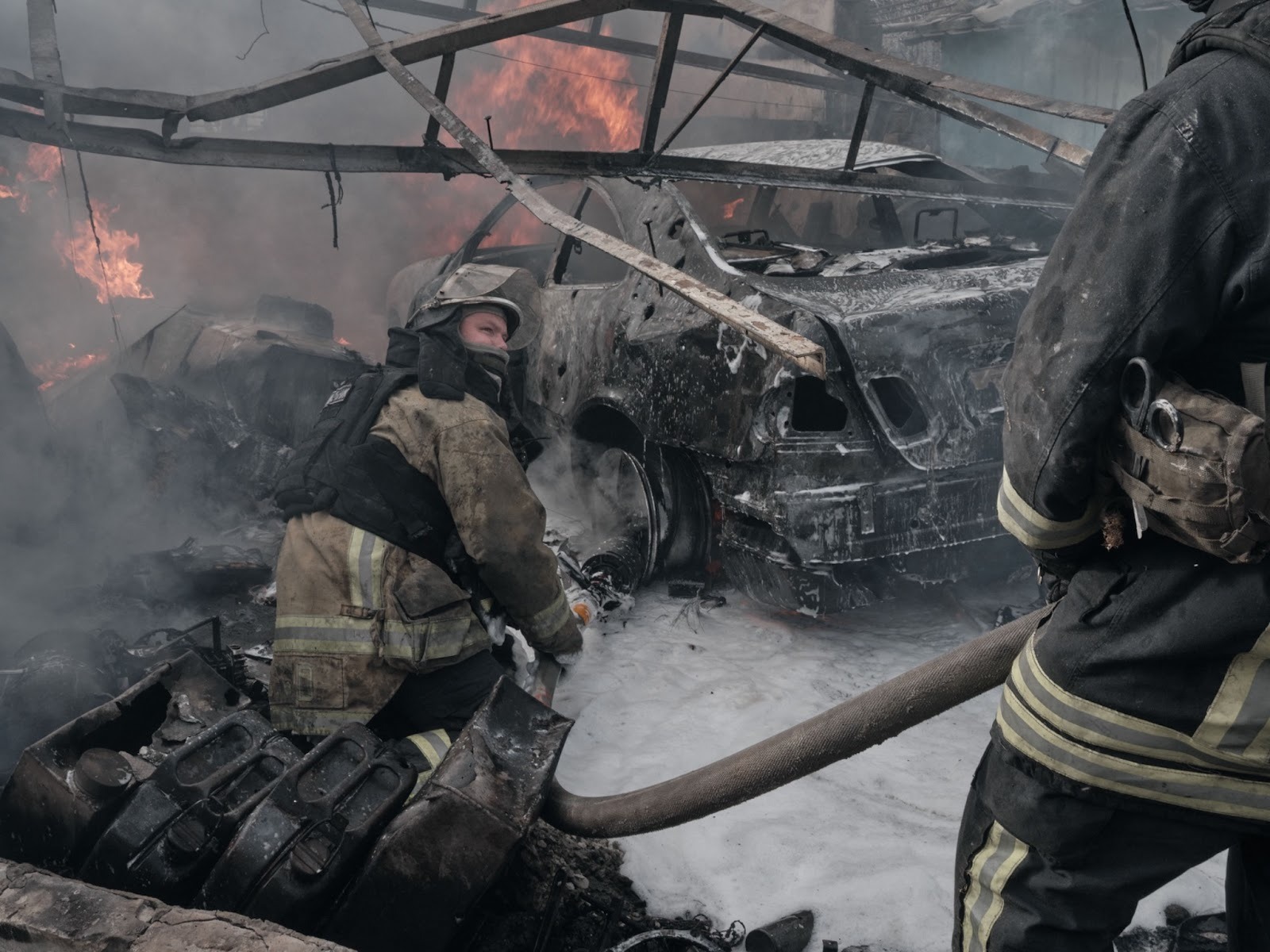
Constant Peril in Kherson
On Sunday, April 5 police captain Vitaliy Kukharchuk was killed. A Russian FPV drone hit the service car of the special police battalion, reports Ukrainska Pravda.
April 6 In the Korabelnyi district of Kherson, a woman died in the yard of an apartment building in front of her son. Three more people received shrapnel wounds, concussions, and traumatic brain injuries. Later, Molniya drones injured four people, including a teenager. A 16-year-old girl received a blast injury as a result of explosives being dropped from a drone. In total, 2 people died and 15 were injured in the region during the day.
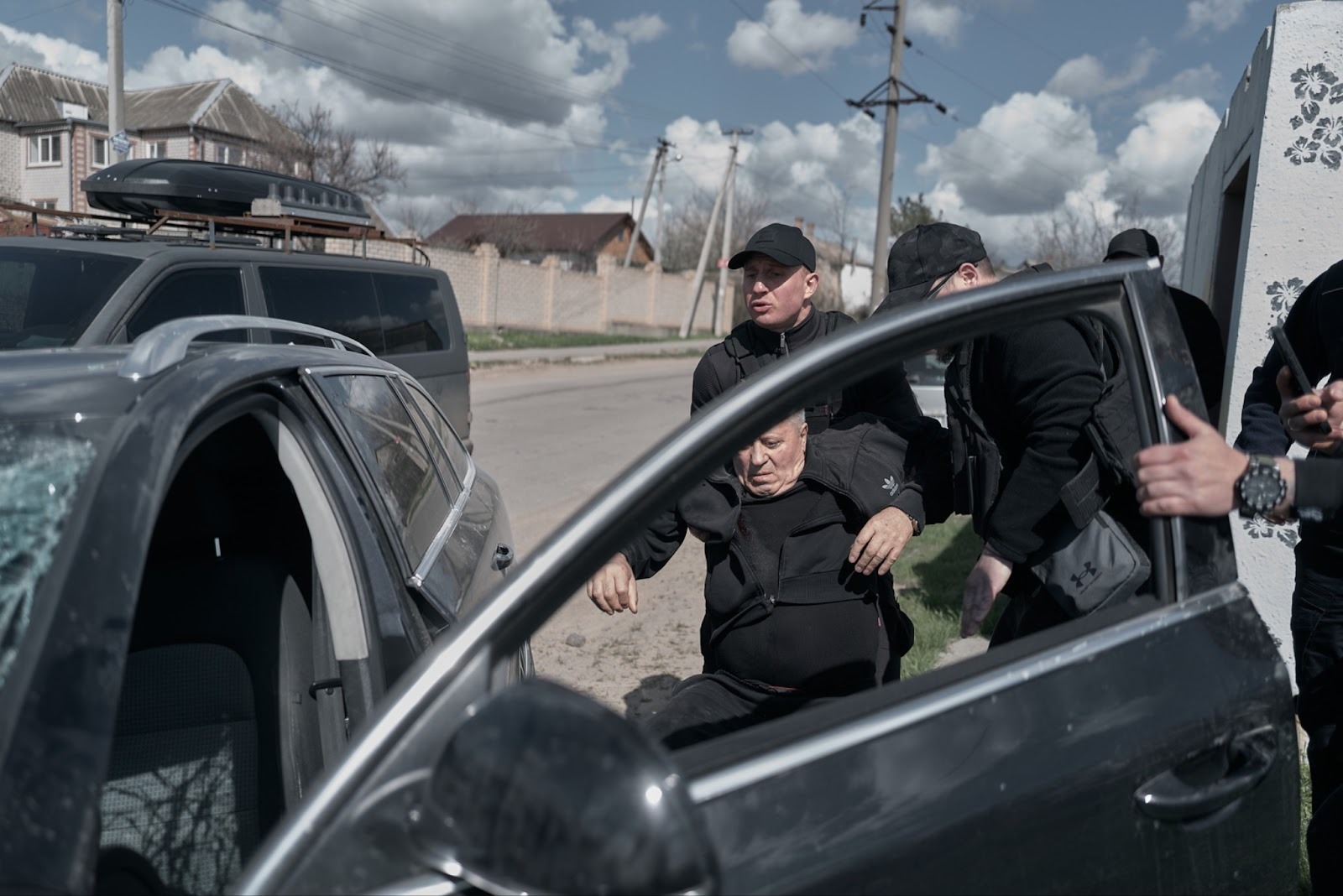
April 7 The Korabelnyi district was under constant fire. A shop, a pharmacy, and apartments were damaged; 4 people died, 7 were injured. In Stepanivka, three KABs destroyed a school and damaged a hospital building. Four people were injured, including a 14-year-old boy and his father, who is in critical condition.
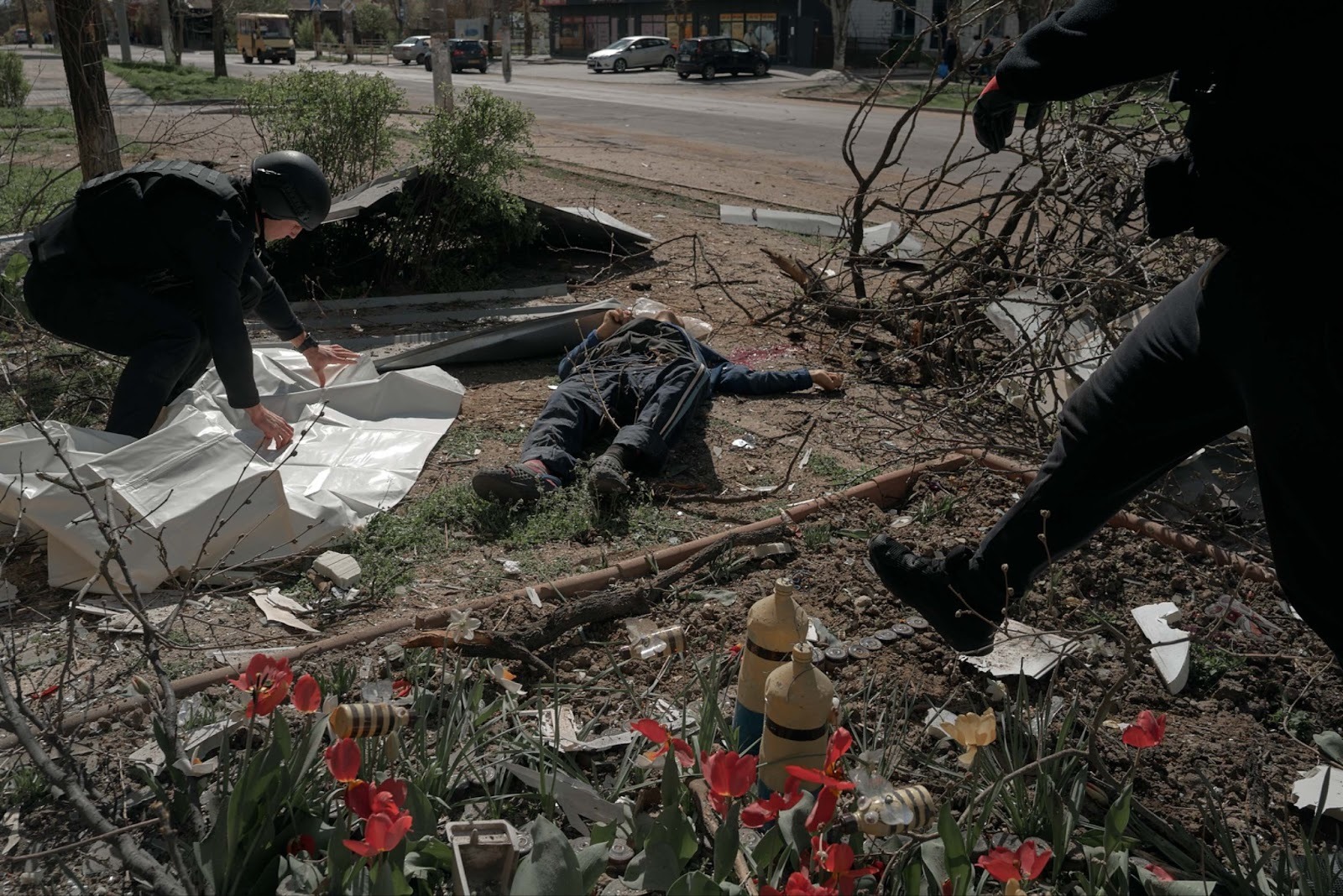
"Kherson was shelled for several hours in a row with everything: KABs, then artillery, then drones. Almost every hit meant a new call, more dead, more wounded. And all this in crowded places. In the middle of the day. Someone was walking home from work, someone was drinking coffee... ordinary civilians," write photographers Kostiantyn and Vlada Liberov.
April 11 On the eve of Easter, the Korabelnyi district was again under attack. Drones hit public transport twice: in the morning — a minibus, later — a trolleybus. The trolleybus driver died in the hospital.
In addition, a new type of explosive device was found in Kherson, camouflaged with cloth to make it harder to notice, notes Yaroslav Shanko, head of the Kherson City Military Administration.
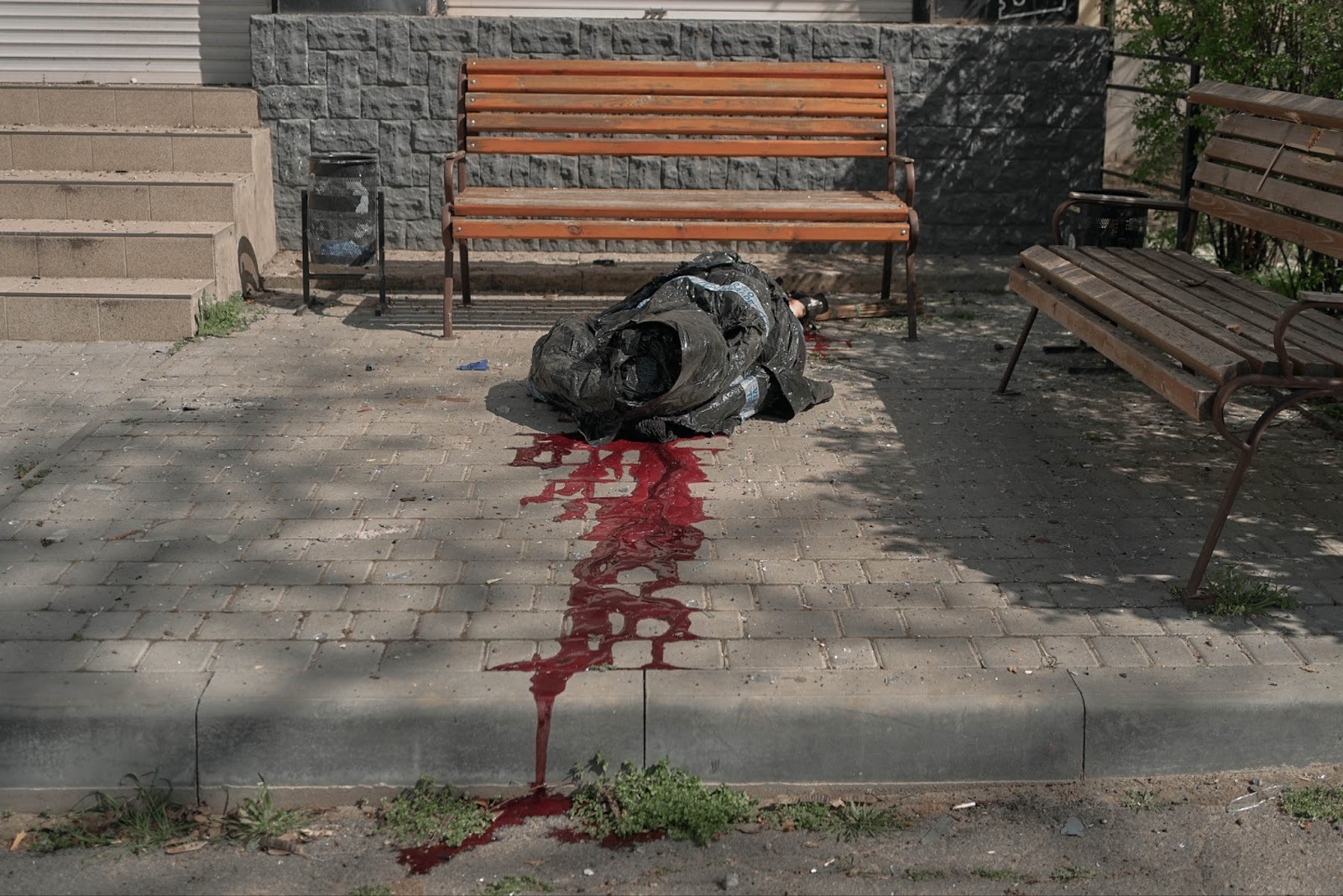
Deadly shelling of Odesa
The Russian army continues to terrorize Odesa and the surrounding region. During the night of 6 April, the enemy struck critical infrastructure, residential buildings, and administrative facilities in the regional center. Significant destruction and fires were recorded, including in a private residential area, a dormitory, and on the grounds of a children’s educational institution; vehicles also caught fire. Thousands of families were temporarily left without electricity.

In the city's Kyivskyi district, one high-rise building, five private homes, a private kindergarten, a shop, and nearly three dozen cars were damaged. A Russian drone struck an apartment building, destroying floors five through three. A search and rescue operation was carried out amid reports that people could be trapped under the rubble.
In the Prymorskyi district, a multi-story residential complex and seven private houses were damaged. In total, 73 residential buildings sustained varying degrees of damage, comprising 14 high-rise buildings and 59 private homes.
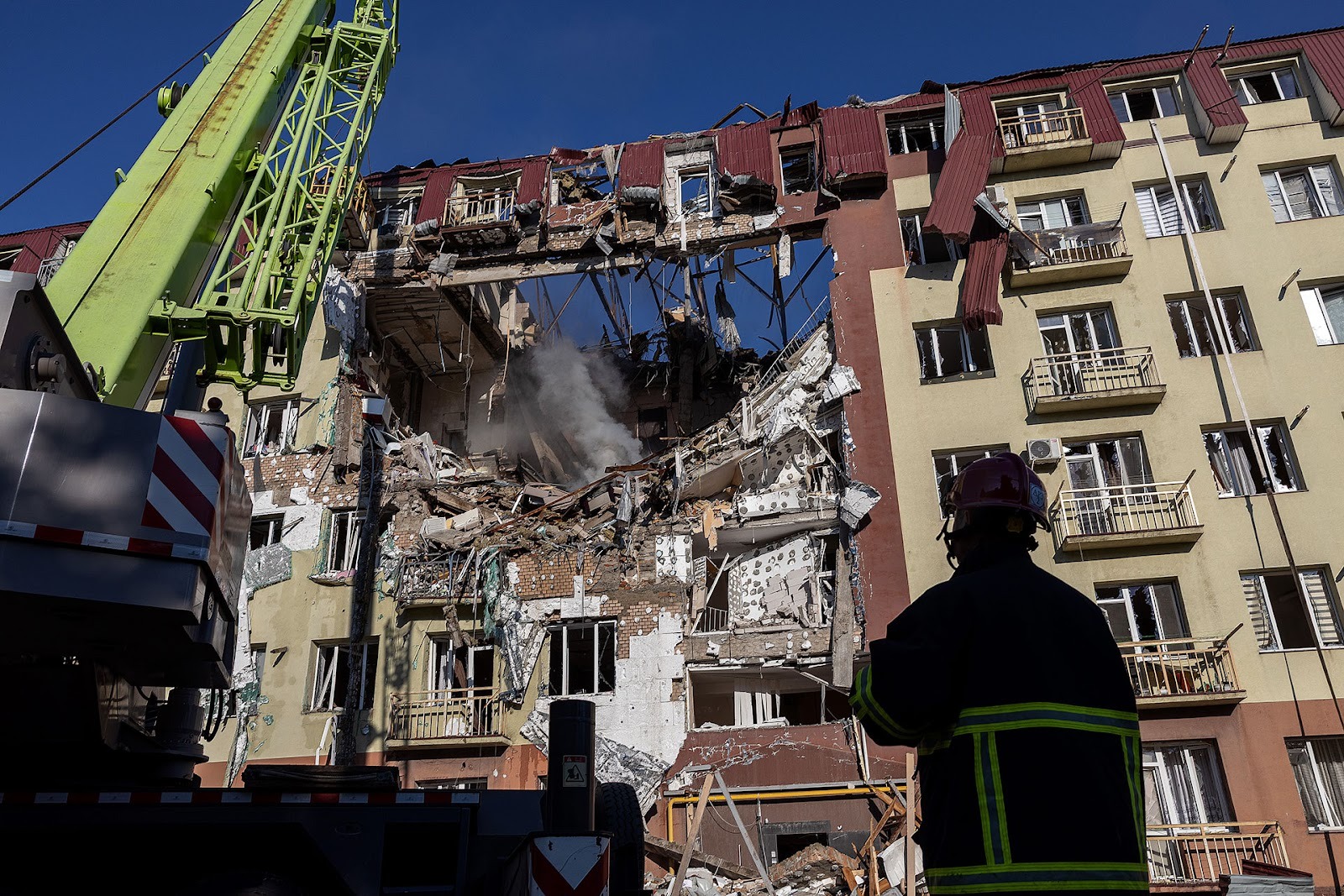
The night-time enemy attack resulted in three deaths: a 30-year-old woman, her two-year-old daughter, and their 53-year-old neighbor. Fifteen people were injured, among them a pregnant woman and two children: a seven-month-old boy and a two-year-old girl. Two people were hospitalized in serious condition, and eight were in moderate condition, including the children. Emergency workers rescued seven people. April 6 was declared a day of mourning for the victims in Odesa.
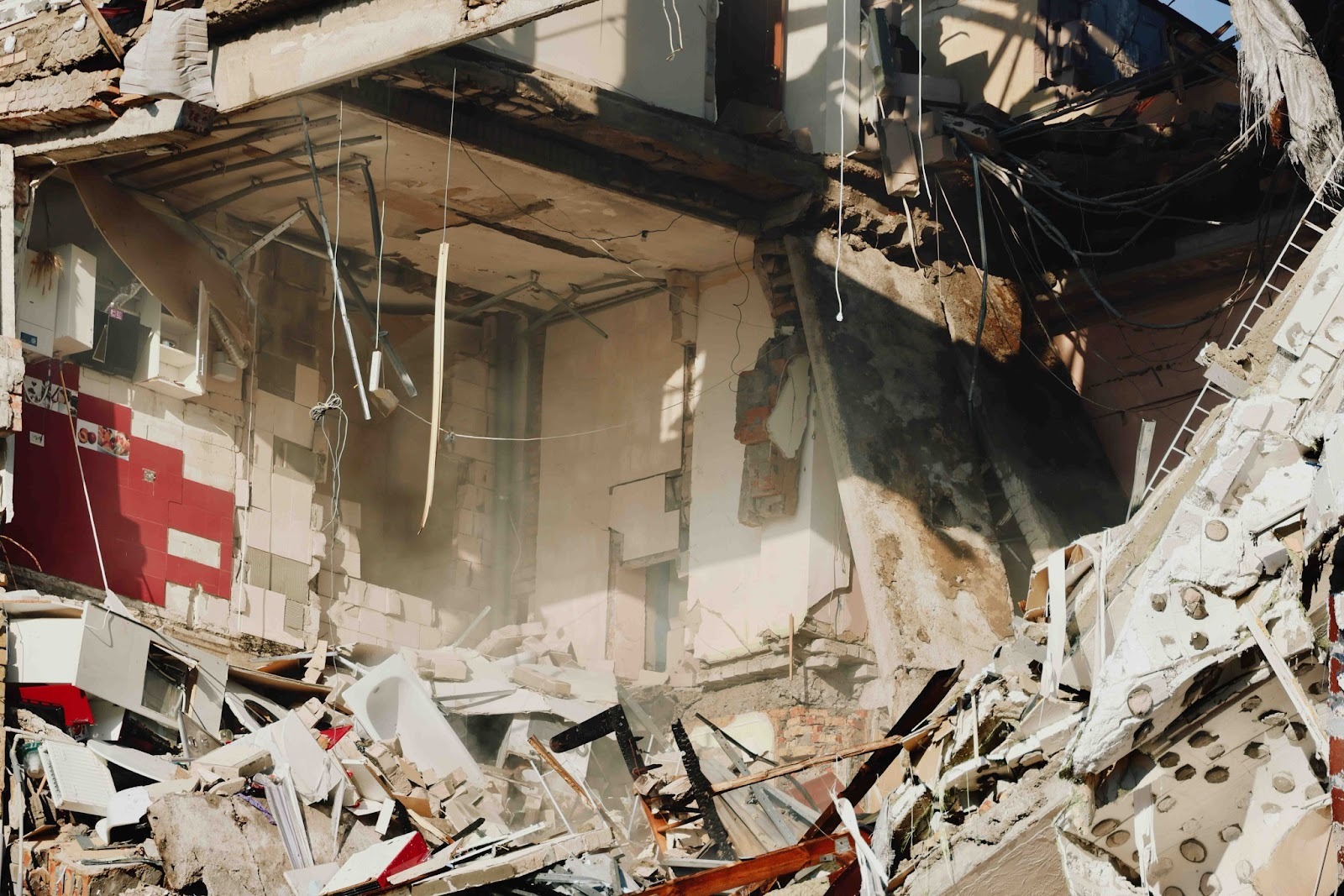
Overnight on April 11, a Russian drone struck a residential building in Odesa’s private sector, causing a fire. While extinguishing the blaze, rescuers discovered the bodies of two deceased individuals. One person was hospitalized.Ukrainska Pravda, citing the Odesa City Council Department of Education and Science, reported that education worker Anastasiia Pohorielova and her husband were killed that night. She served as the Deputy Director for Administrative and Economic Affairs at Lyceum No. 16. A multi-story residential building was also struck. Overall, the attacks damaged dozens of high-rise and private buildings, a dormitory, a kindergarten, catering establishments, and transport, while fires raged in various city districts.
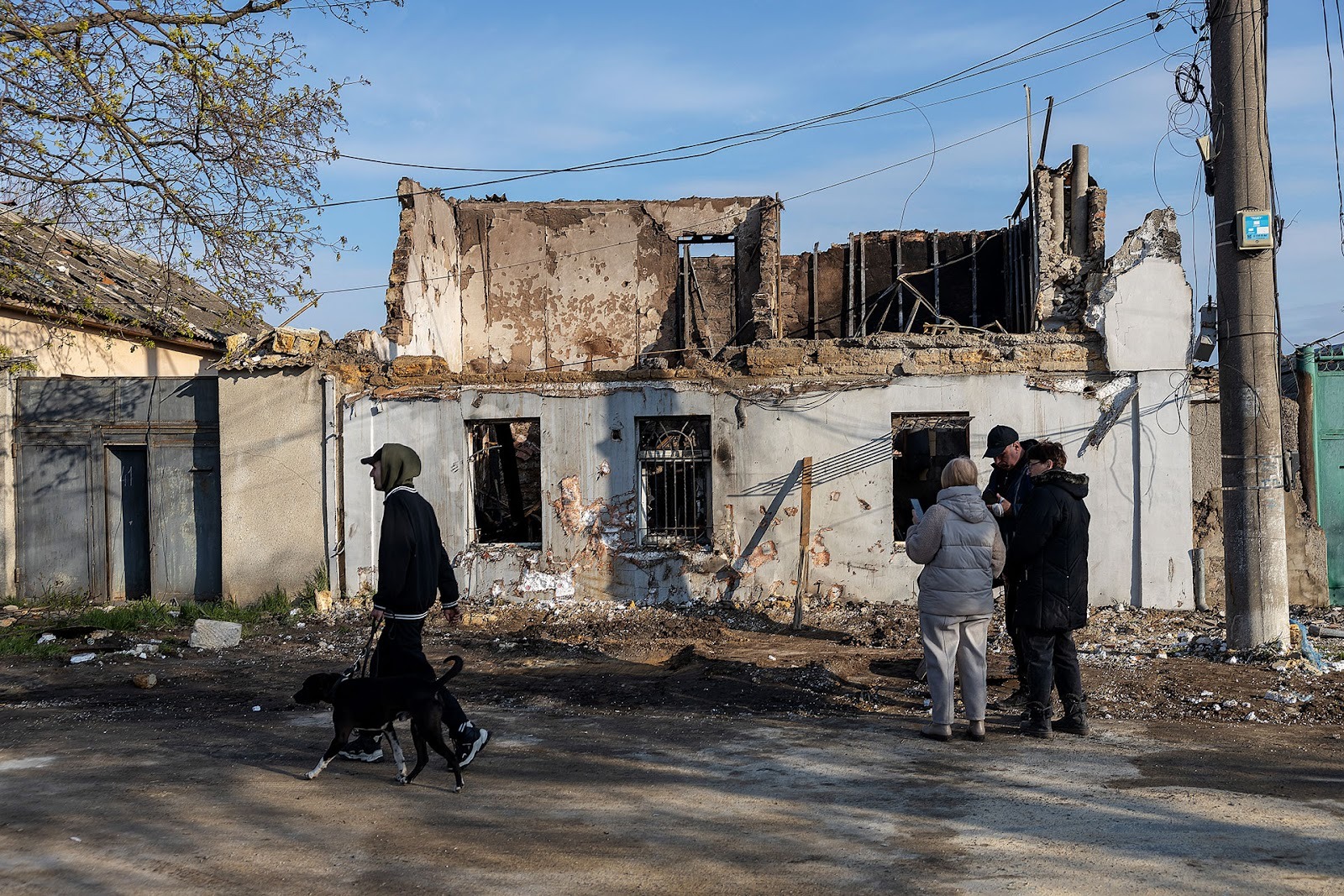
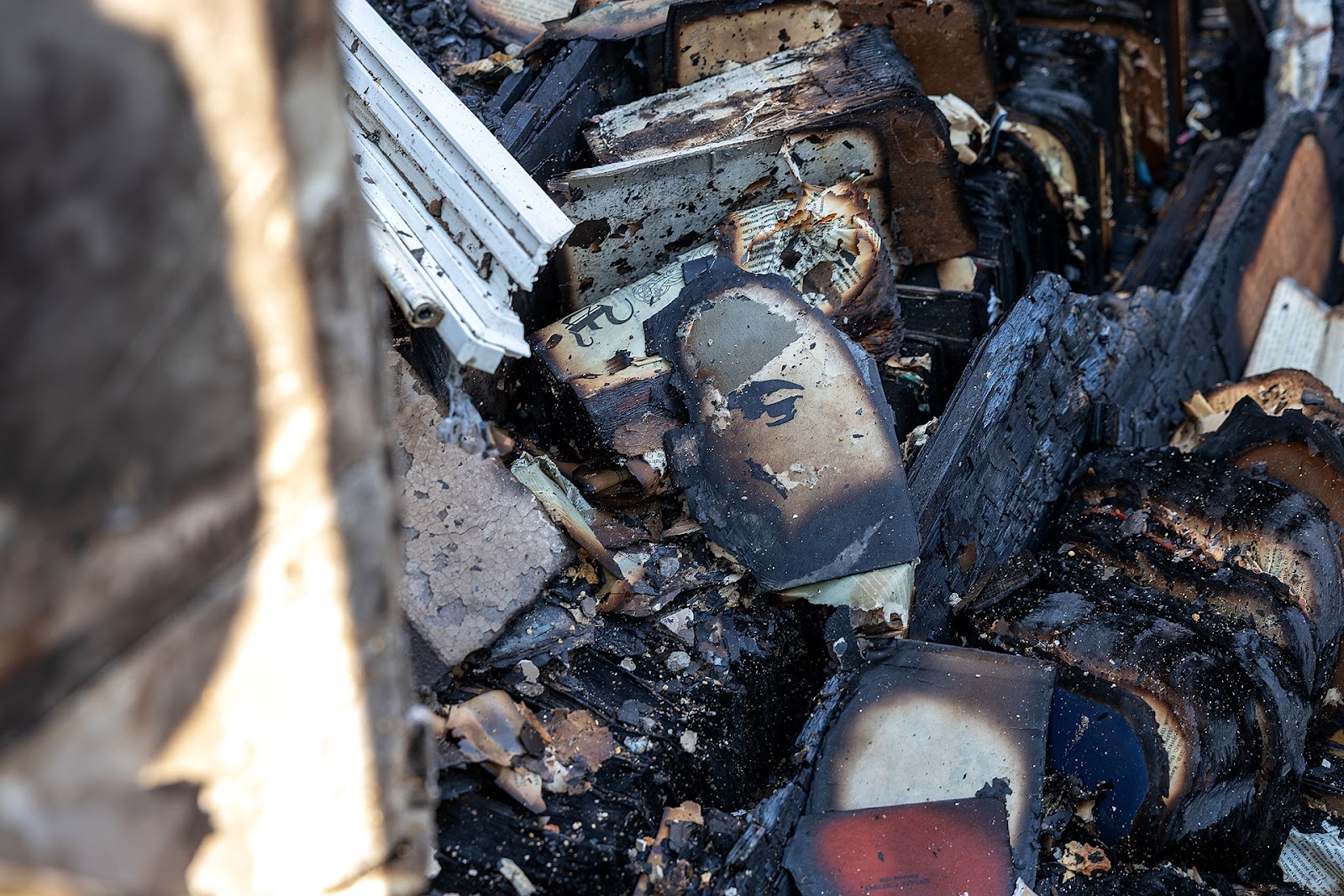
“This is how the ‘brotherly people’ try to manage to ‘greet’ Odesa residents before the start of the so-called truce. Tonight, two people—a husband and wife—died in their own beds. A child was left orphaned,” photographer Oleksandr Hymanov shared with his followers.
Throughout the week in the Odesa region, Russian attack drones repeatedly targeted port and energy infrastructure. There were also reports of strikes on industrial and transport infrastructure. Fires broke out on port territory and in warehouses, and an energy facility sustained damage.
Two Strikes on Sumy
The border area of the Sumy region is under constant enemy fire, resulting in daily injuries and widespread damage to infrastructure. On April 9, Russian forces attacked a filling station in the Hlukhiv community, damaging the building and injuring two station employees. On Easter night, April 12, Russian forces attacked a medical vehicle in the same community, wounding three medics, whose lives are not in danger. In the Yunakivka community destroyed the Kharytonenko Palace, according to the local publication Kordon Media. Video published on the website shows the burning ruins of the 19th-century palace.
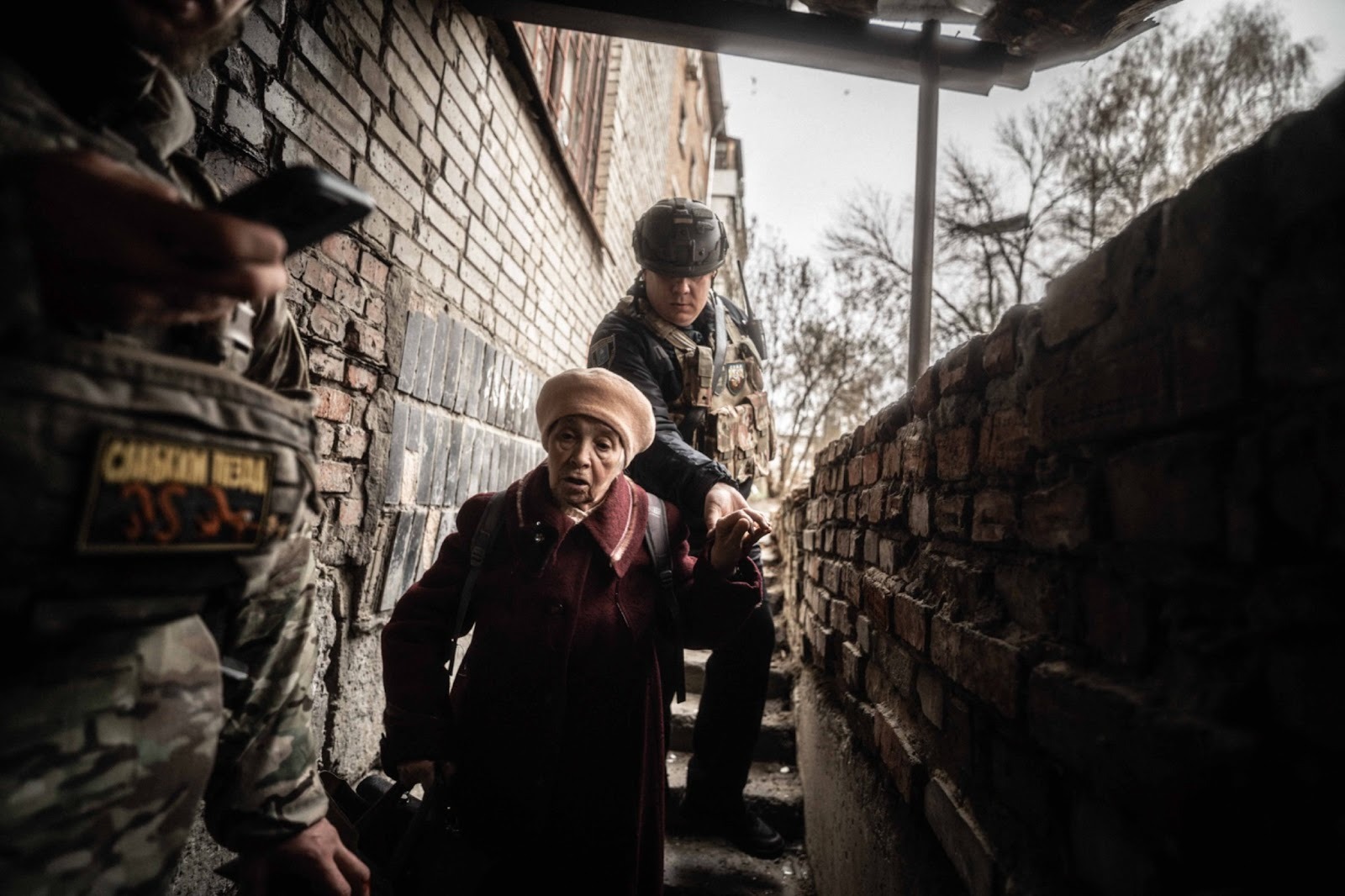
The Russian army also shelled communities relatively distant from the border. On April 8, for instance, the enemy struck the Romny community, killing one person and injuring several others, including a five-year-old boy. On April 10, the Konotop district suffered from drone attacks, which damaged apartment buildings, a non-residential premise, and vehicles, causing injuries.
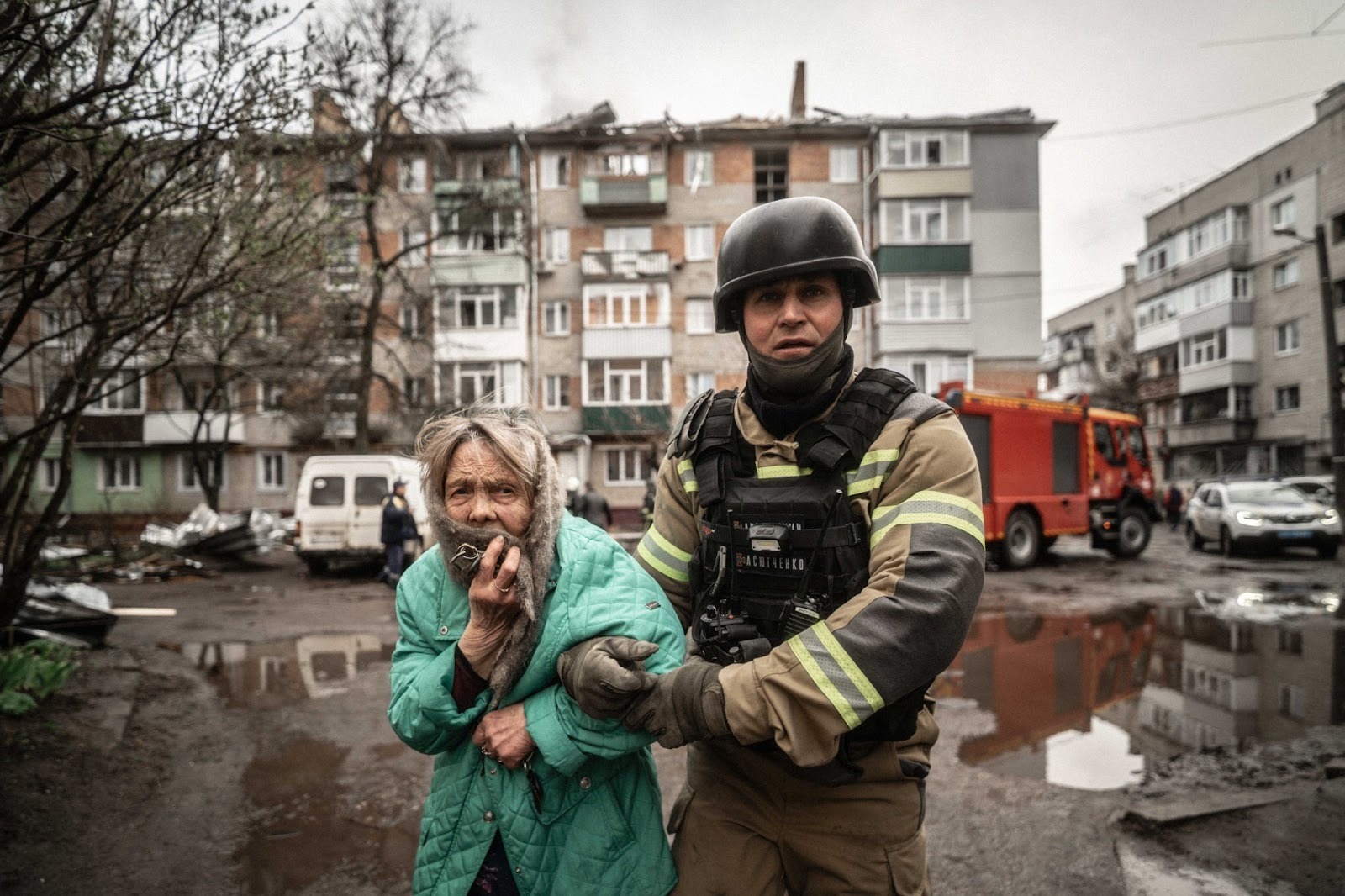
The regional capital came under Russian drone attacks the day before Easter, with Russian forces deliberately targeting residential buildings. On the afternoon of April 10, a drone struck a high-rise building in the Kovpakivskyi district, destroying the roof and starting a fire. The residents who were injured suffered acute stress reaction.
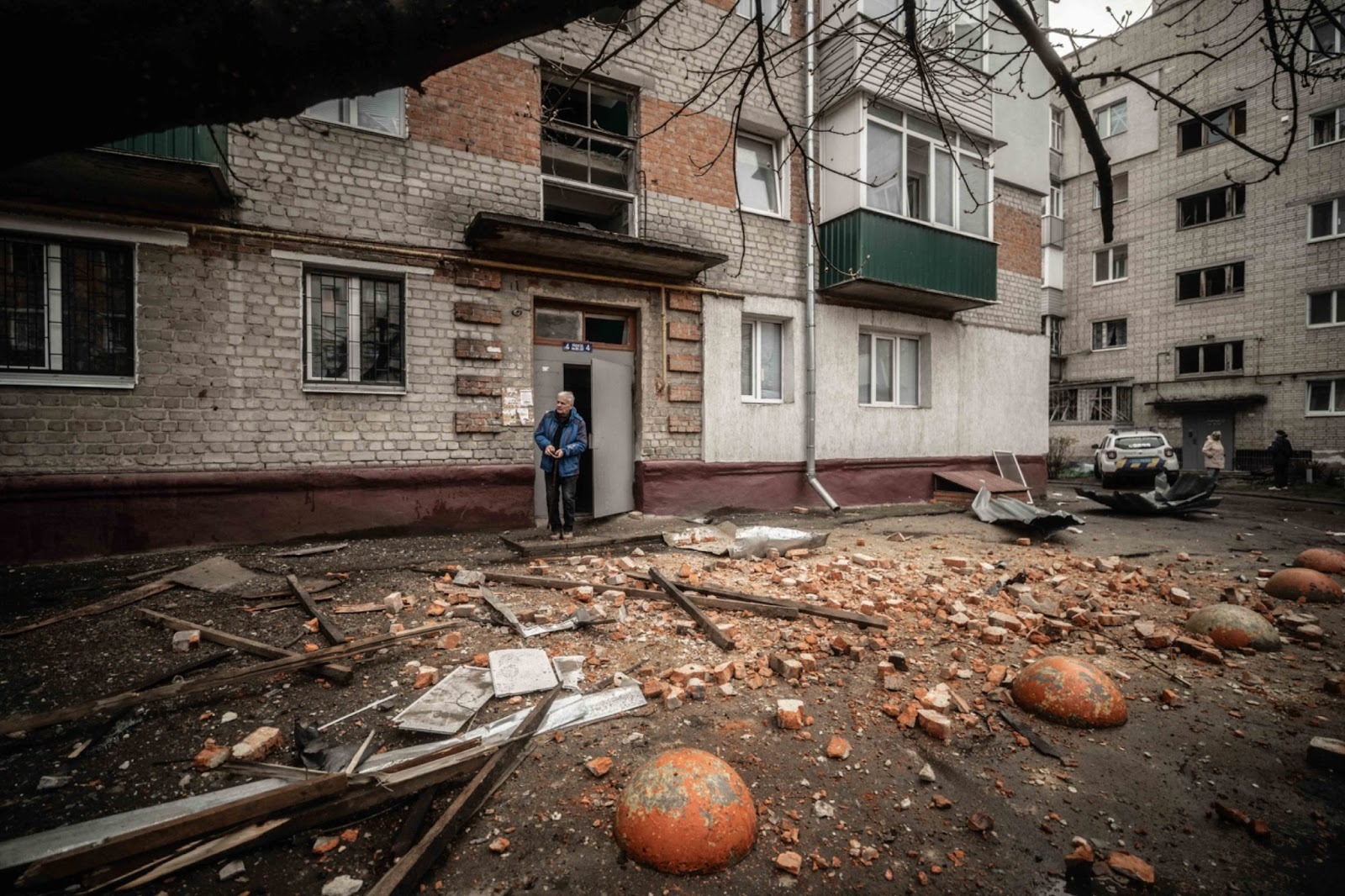
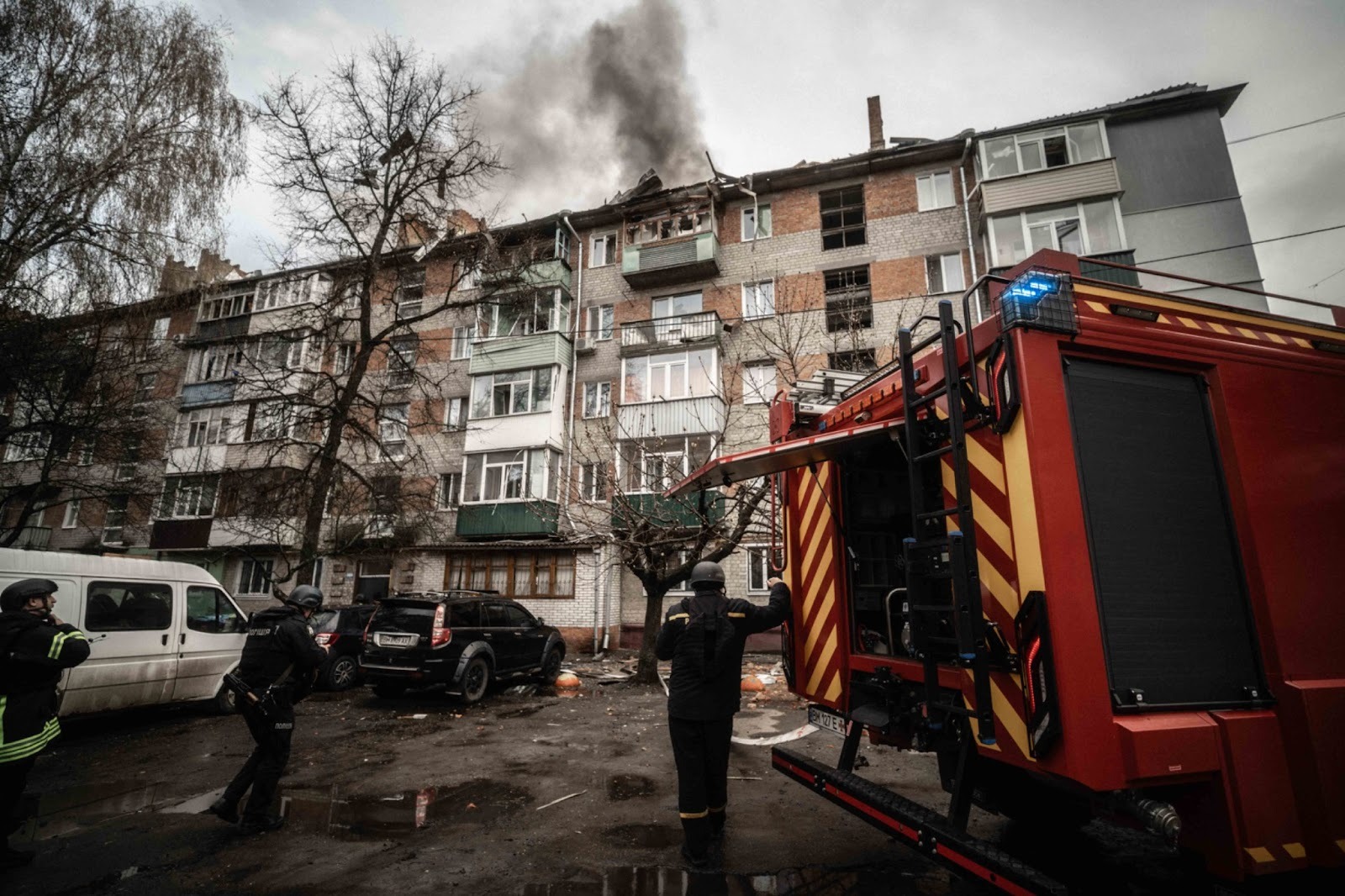
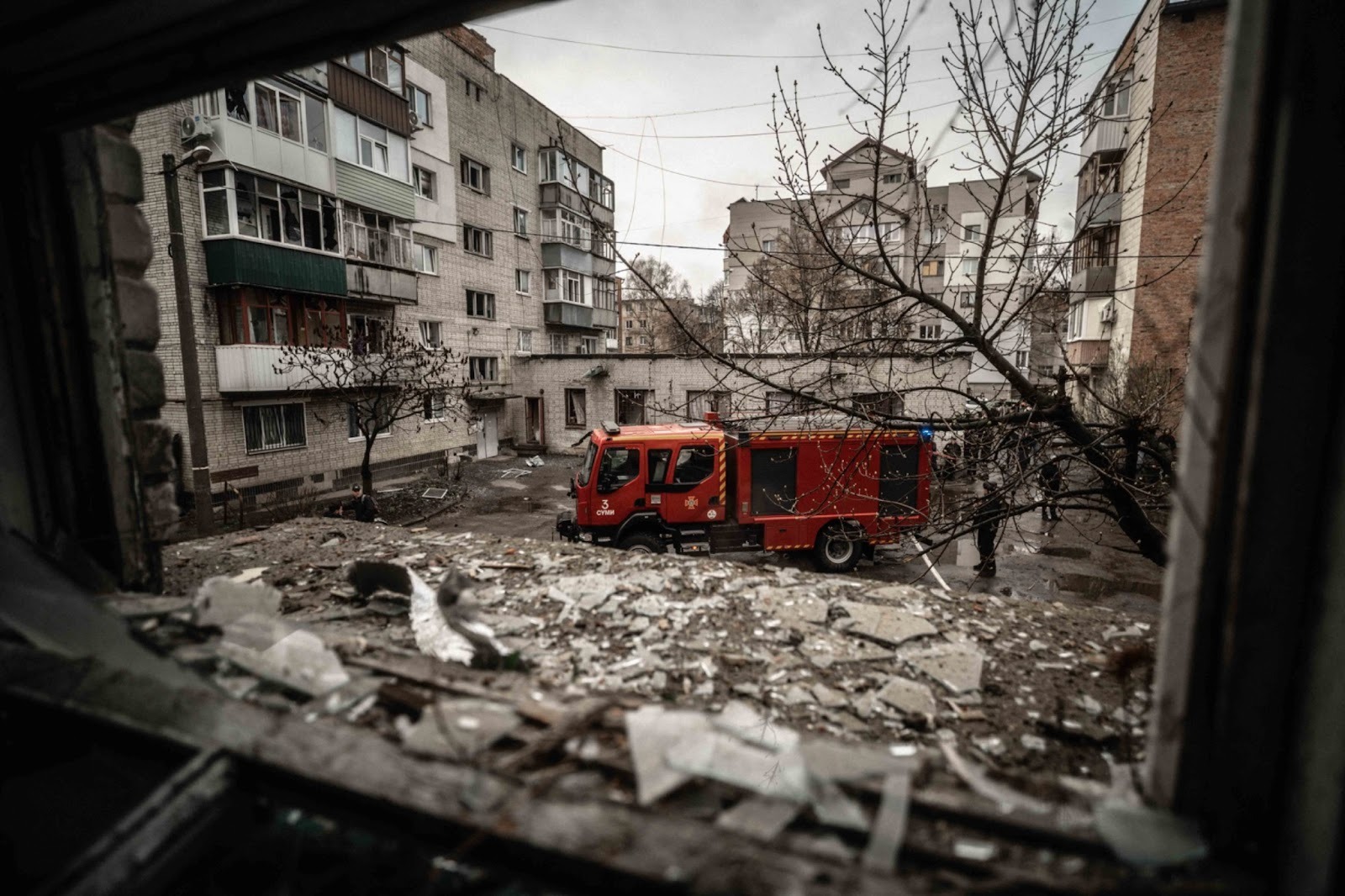
Late on the night of April 10, Russian forces launched a second strike on the city, again targeting a residential building. A fire broke out on the first and third floors, and rescuers evacuated residents from the damaged building. The drone hit the ground floor, severely damaging the basement utility lines and first-floor apartments, where walls were left with holes running straight through them, according to journalists from Kordon Media.
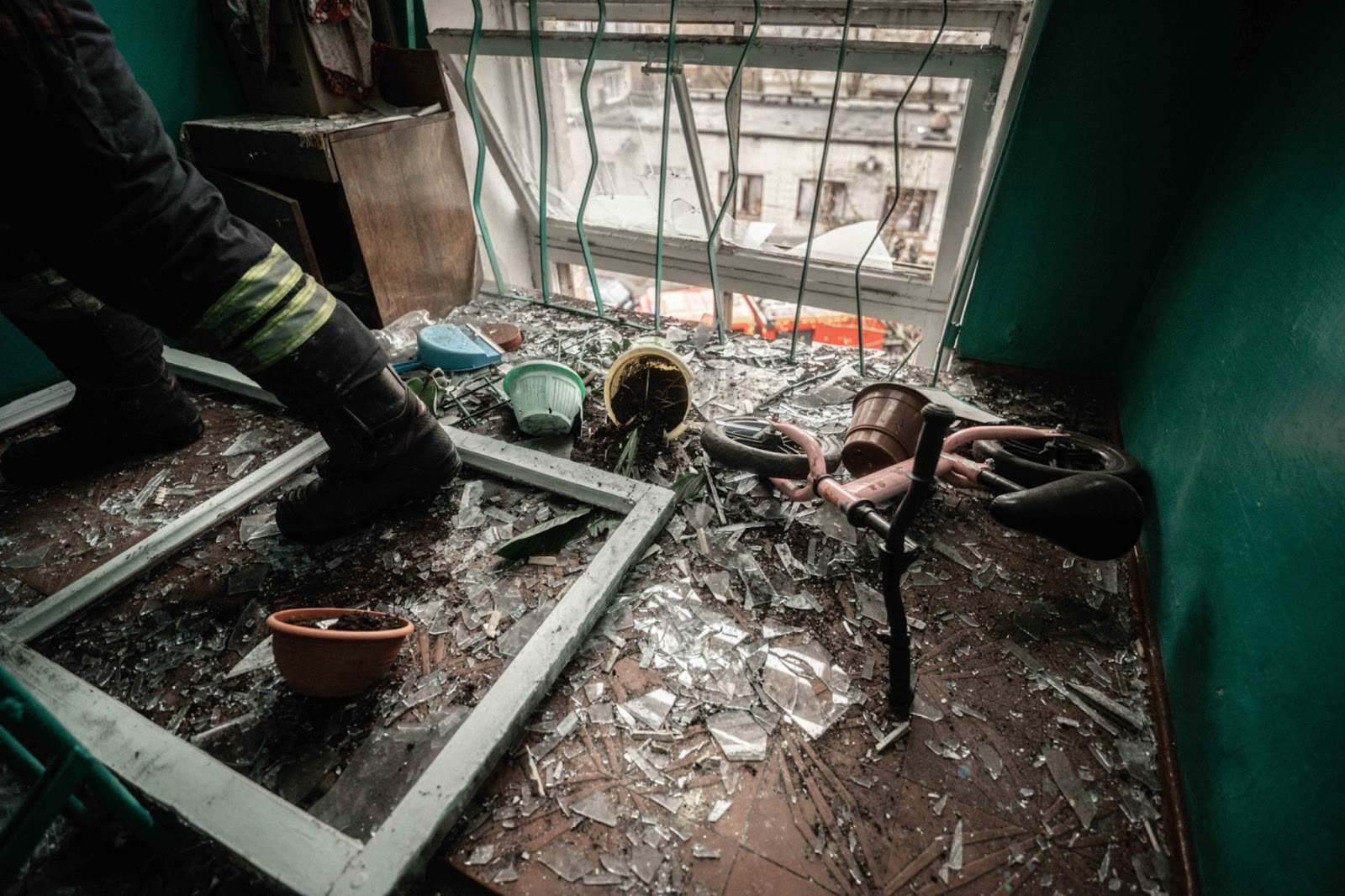
The attacks collectively damaged 12 high-rise buildings, one private house, a kindergarten, and about ten vehicles. Seventeen people were reported injured, most of whom were elderly; an 87-year-old woman was hospitalized, and a 14-year-old boy was also among the wounded.
The next day at the strike site, State Emergency Service (DSNS) rescuers dismantled parts of the ruined roof and the upper-floor apartment that sustained the impact, where the ceilings were damaged, Kordon Media reports.
Throughout the week in the Sumy region border area, two people died and others were injured due to the detonation of explosive objects. Two men on a tractor, for instance, ran over what is believed to have been an explosive dropped by a drone, and they died instantly. The enemy is also employing remote mining using drones in the Sumy region. Late in the week, a minor was injured by a mine in the Shostka district and remains hospitalized in critical condition.
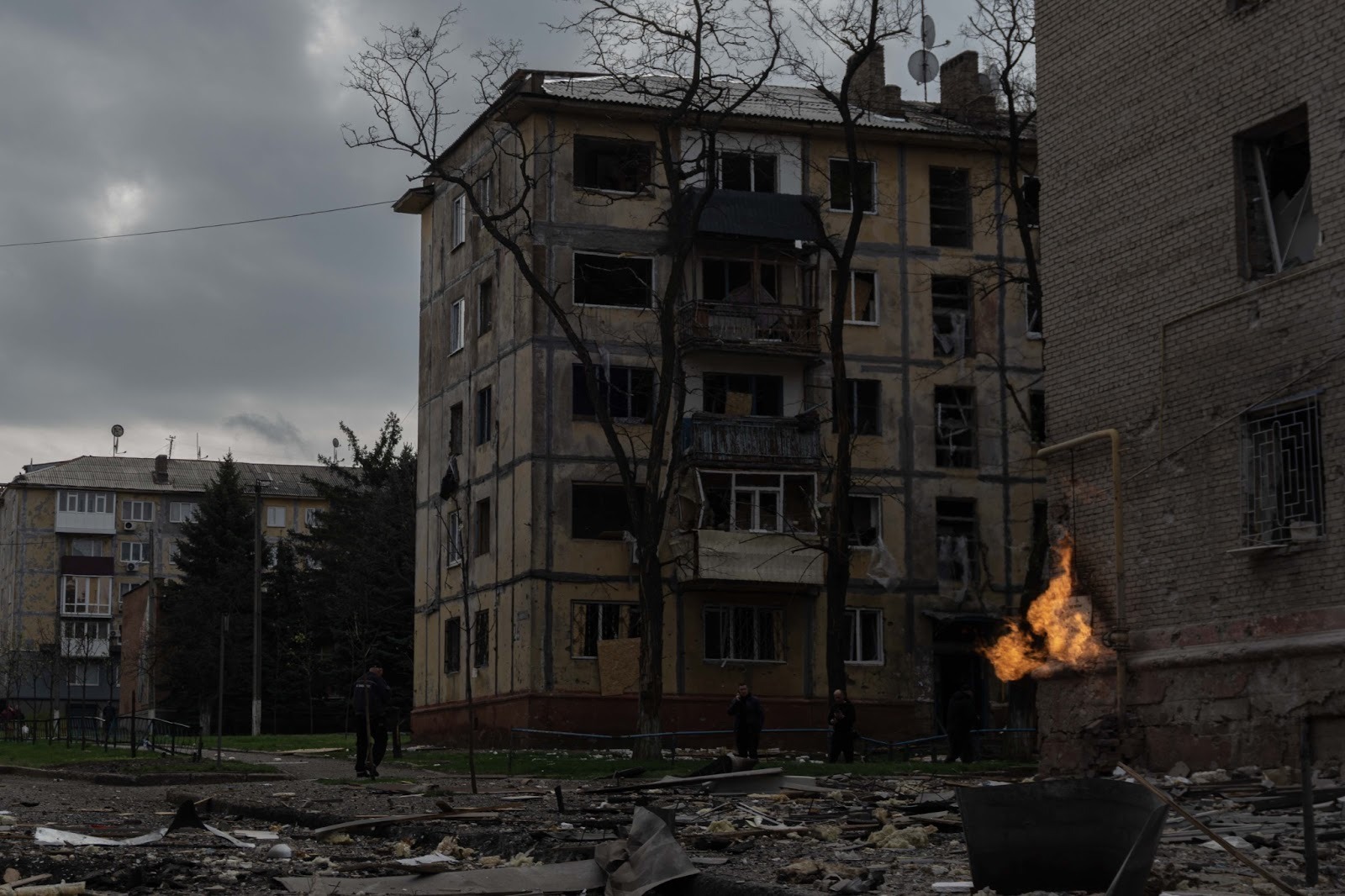
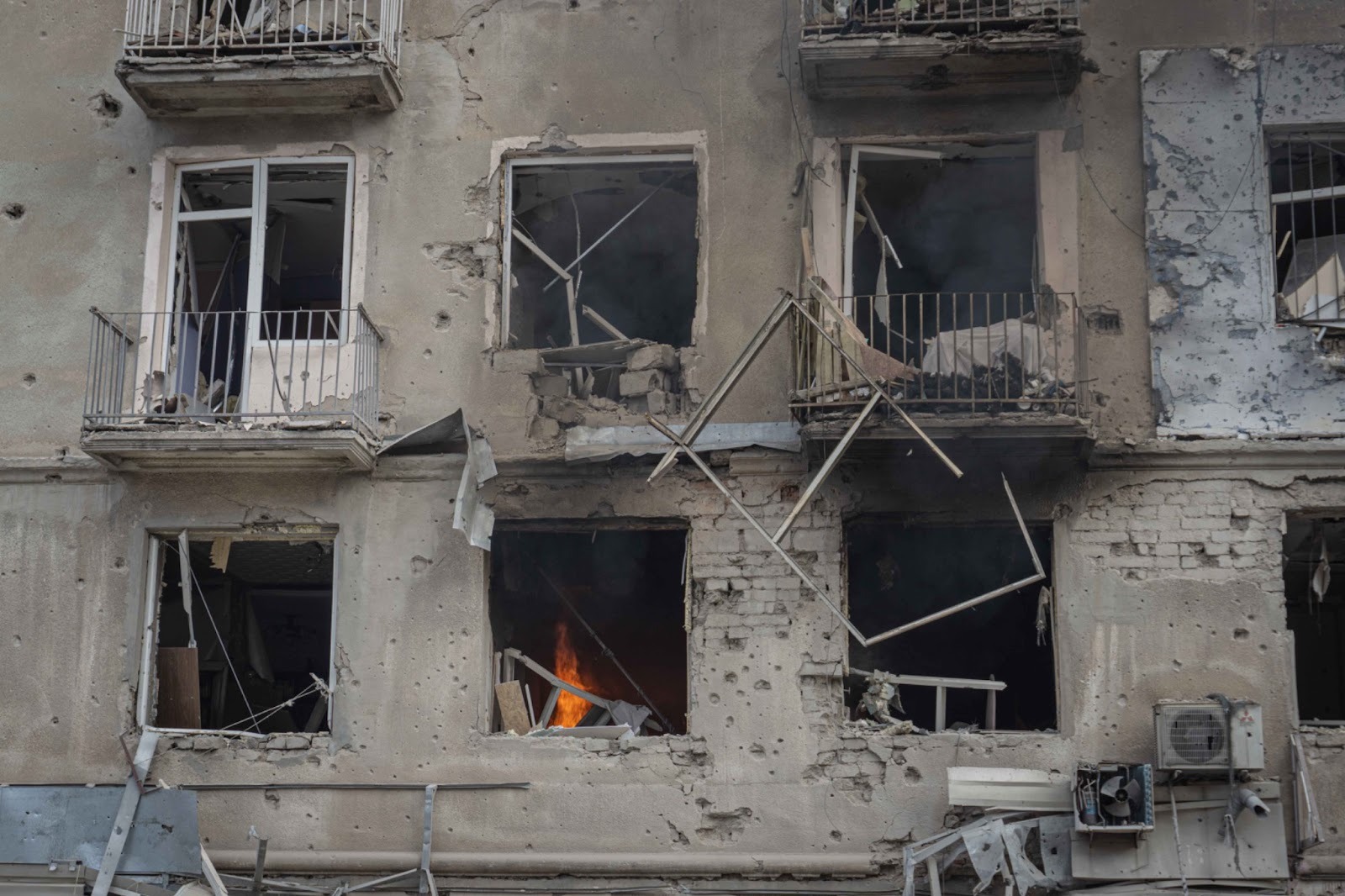
Kramatorsk After Another Bombing
The adversary continues to destroy the cities and villages of the Donetsk region. Over the week, Russian forces killed one person each in Dobropillia, Kindrativka, Oleksiievo-Druzhkivka, Sloviansk, and Lyman. On April 5, Kramatorsk was observing mourning for those killed by Russian strikes during the previous week.
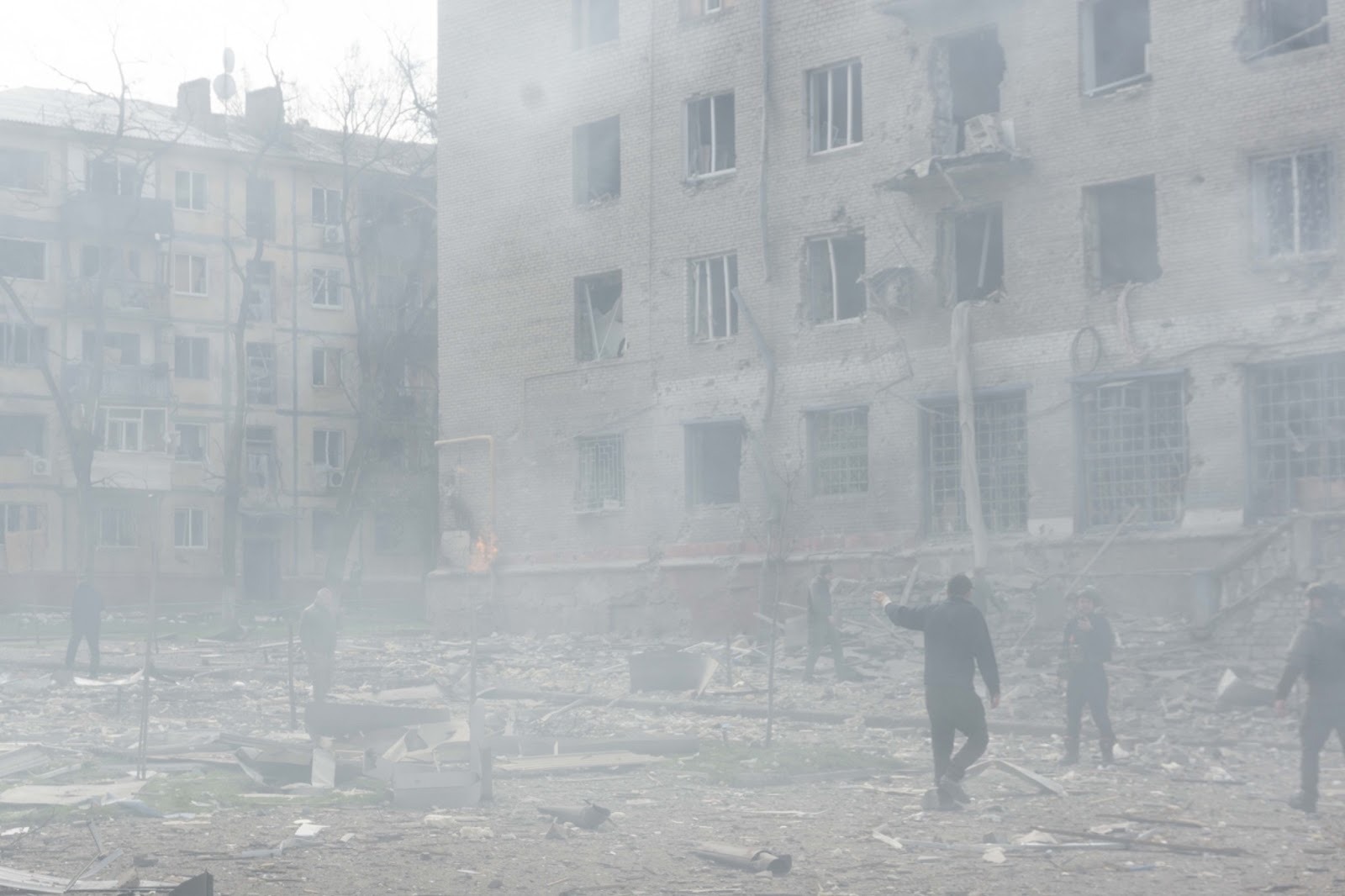
On the afternoon of April 5, Russian forces launched two FAB-250 guided bomb strikes on Sloviansk, destroying two private houses and damaging more than a dozen homes and two shops in the city center. On April 6, one person was killed and five others were wounded in Sloviansk, including a child and a rescuer along with his wife. On April 9, a fire and rescue unit in Mykolaivka was damaged, with its facade, window and door blocks, suspended ceiling, garage entrance gate, and two garage bays mutilated. An apartment building in Druzhkivka was attacked, causing fires in apartments and wounding residents. Sloviansk was attacked again on April 10, when drones struck the private sector, destroying and damaging houses and injuring three women.
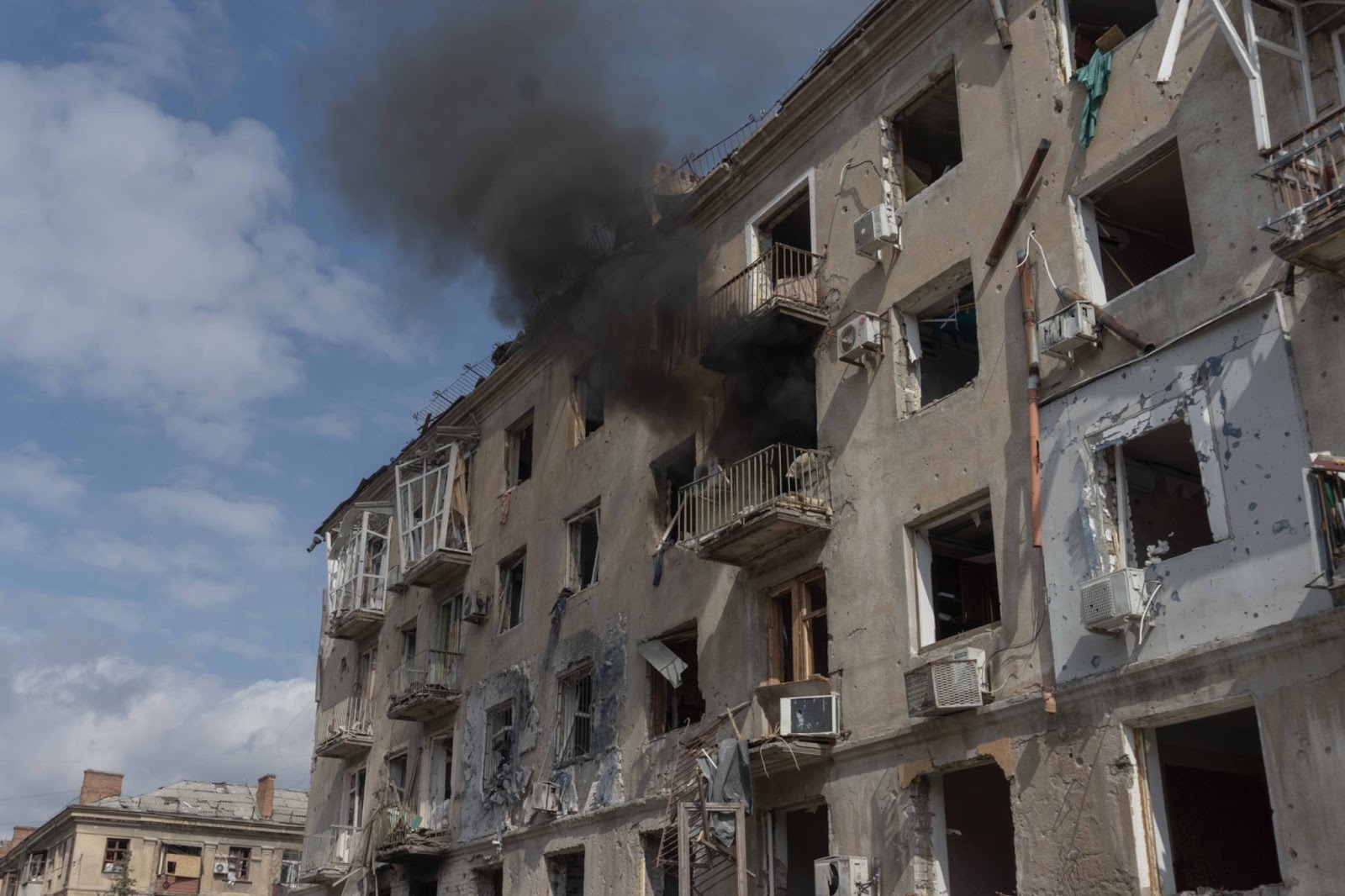
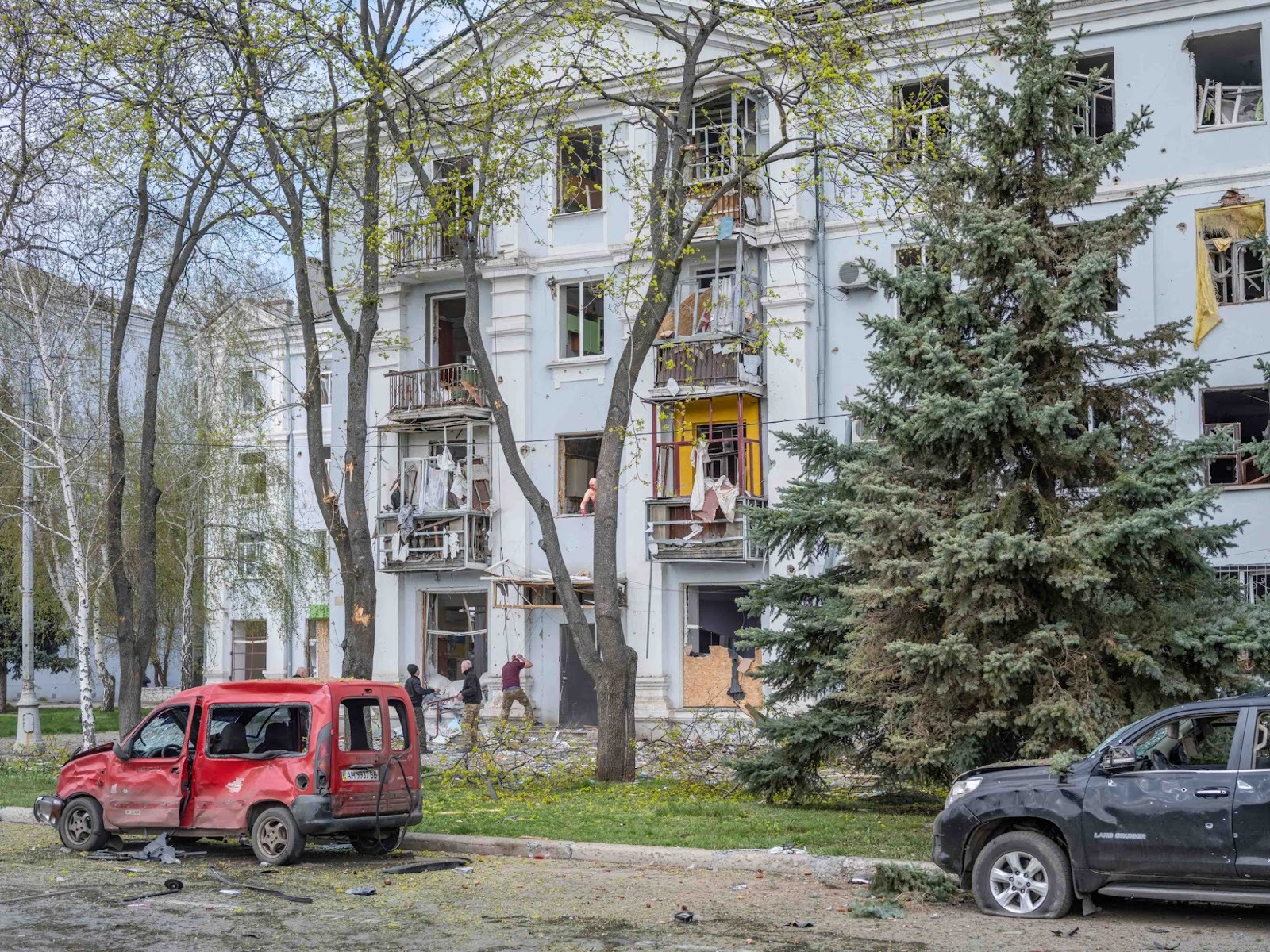
On April 11, enemy aircraft bombed residential areas in Kramatorsk and launched drone strikes in Druzhkivka, Donetsk region. In Kramatorsk, 17 high-rise buildings were damaged, 11 people were injured, and fires broke out. In Druzhkivka, a massive fire erupted in an apartment building, with flames covering balconies from the third to the fifth floors and two apartments.
This material was created with the support of the British Council program “Creative Economy Grants.”
Contributors:
Researcher and author: Yana Yevmenova
Photo editor: Olga Kovalova
Literary editor: Yuliia Futei