To demoralize Ukrainians and push them toward capitulation, Russia systematically attacks Ukraine’s energy system and civilian population, exerts pressure on the front line, carries out “false flag” operations, and spreads disinformation. In the Kharkiv direction, the occupiers accompany their crimes with well-practiced information and psychological operations.
The crime in Kruhliakivka
The Russian army continues to kill Ukrainian civilians in peaceful towns and in combat zones. On November 3, 2025, Russian soldiers killed two unarmed civilians and a dog with FPV drones as they walked under a white flag along the road from the village of Kruhliakivka in Kupiansk district, Kharkiv region.
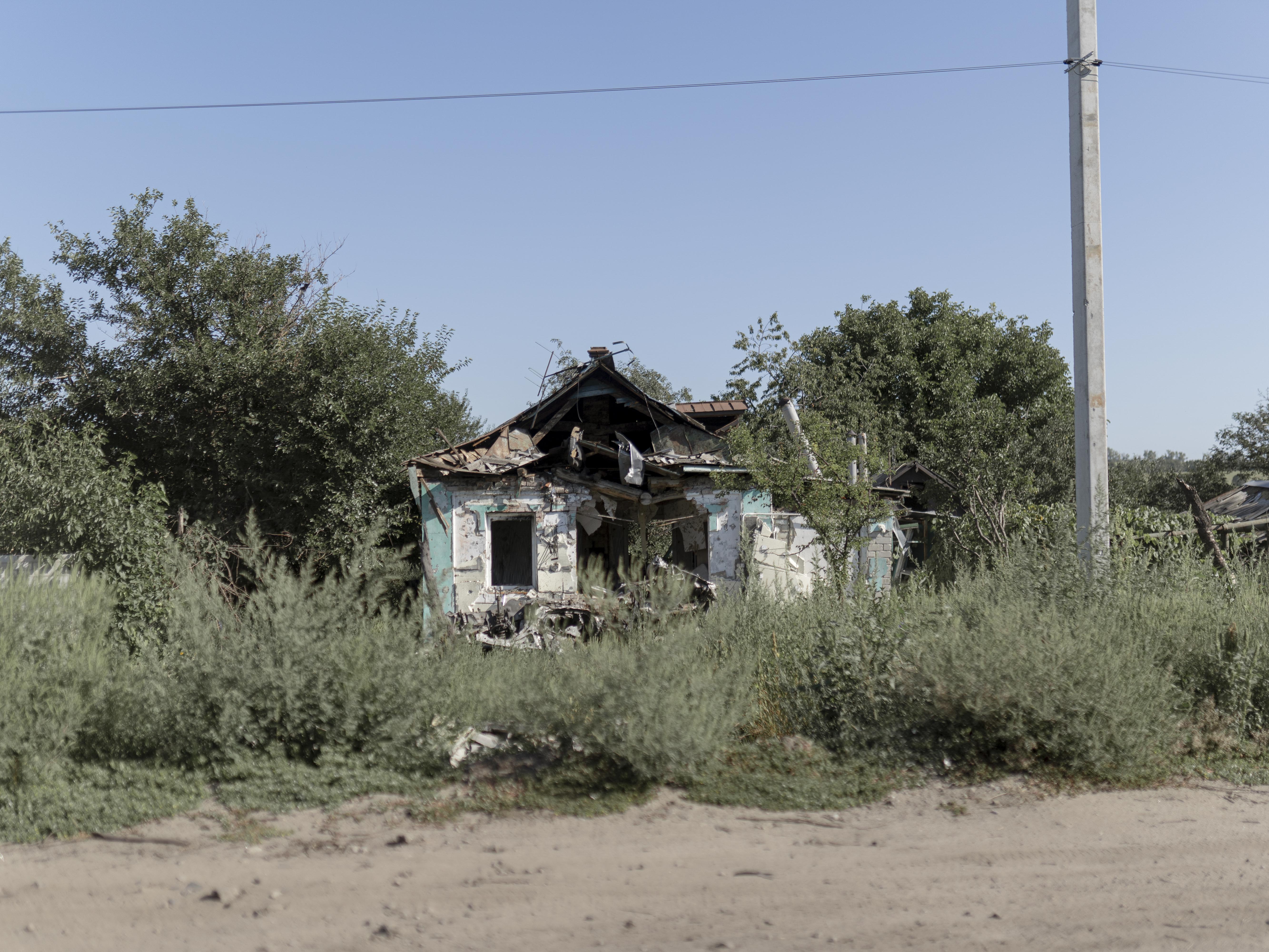
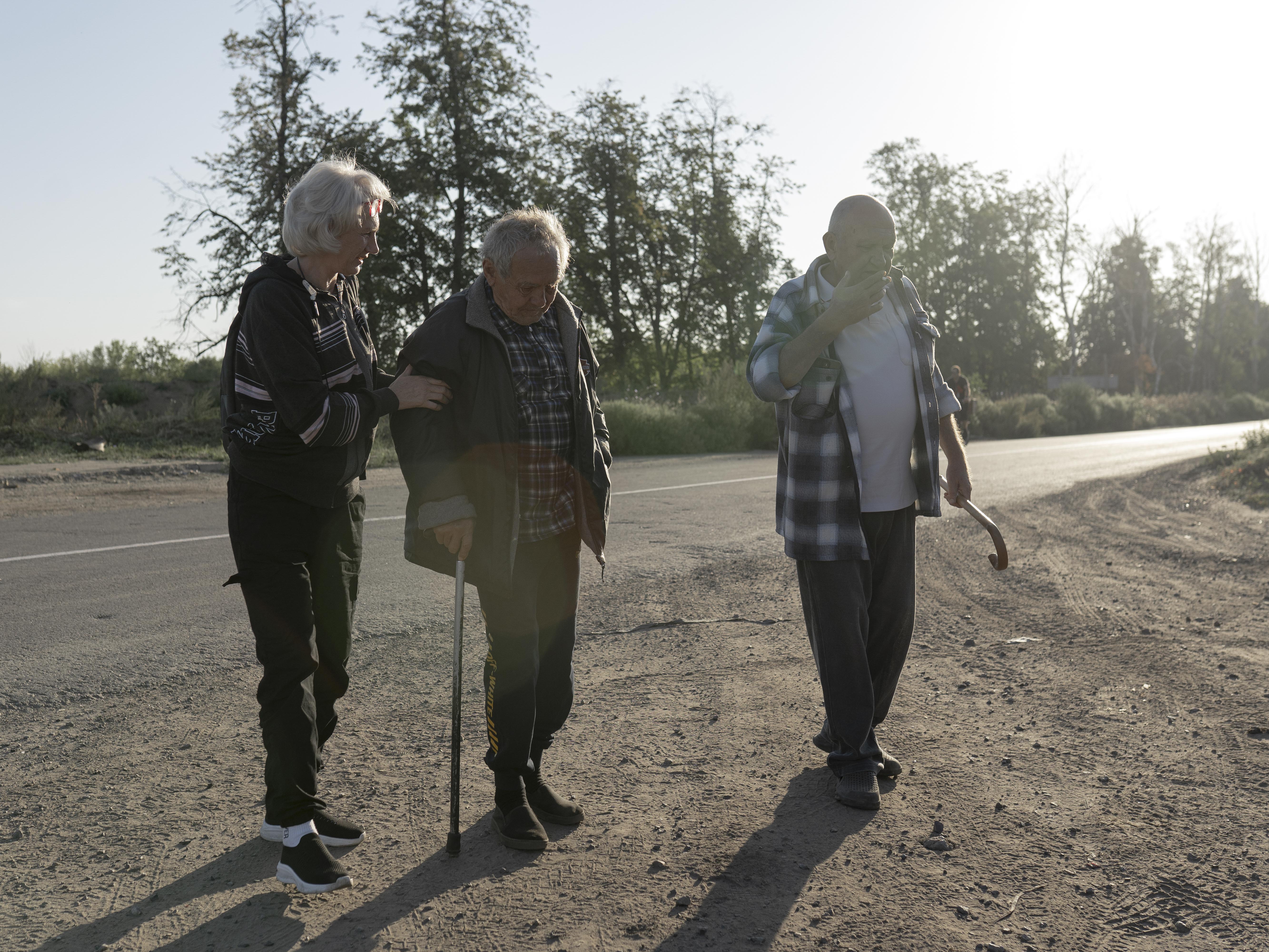
Writing about this crime, the propaganda outlet “Ukraina.ru” resorted to its usual distortions and claimed that it was the Armed Forces of Ukraine that deliberately killed peaceful Ukrainians who were trying to escape from near Kupiansk and were walking toward the Russian army. Quoting collaborator Tsaryov, the outlet calls it “a difficult road home”, claiming that “despite the risks and deadly danger, people continue to strive for Russia, because they see it as the only place where they can find protection and be saved from the lawlessness of the Kyiv authorities”.

.jpg)
Once again, Russians are trying to convince people that their army does not fight against civilians and to shift responsibility onto the Ukrainian military. “Bandits from the UAV units of the Armed Forces of Ukraine kill their own citizens with direct FPV-drone hits as they try to escape the combat zone, and they also kill their own servicemen who surrender,” writes Russian war correspondent Yevhenii Piddubnyi on his Telegram channel.
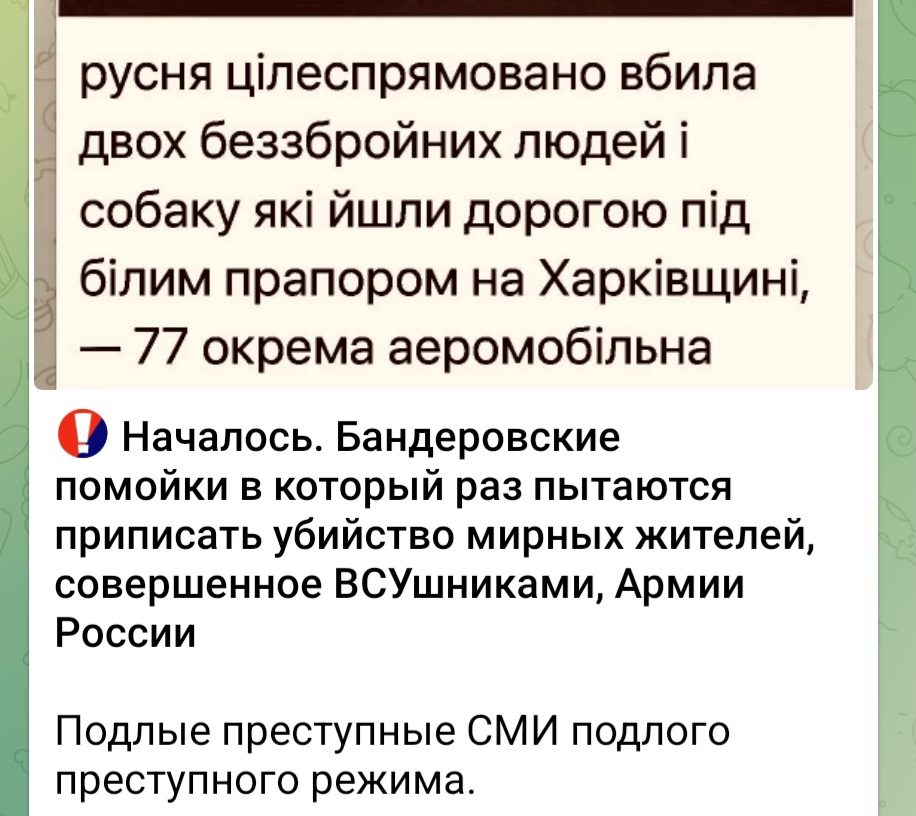
“It has begun. Bandera cesspools are once again trying to pin the murder of peaceful residents on Russia’s army — a murder carried out by the Ukrainian Armed Forces. Despicable criminal media of a despicable criminal regime.”
The 77th Separate Airmobile Brigade of the Armed Forces of Ukraine reported on the Russian army’s crime in Kruhliakivka. According to the Ukrainian military, Russian soldiers filmed the attack on civilians to amplify the narrative about alleged atrocities by the Armed Forces of Ukraine against their own population.
Communications officer of the 77th Airmobile Brigade Viktor Petrovych said on Suspilne that the video was posted on the Telegram channel of Russia’s 96th reconnaissance battalion—at least, the account had that label. Ukrainian servicemen calculated that the people were likely trying to evacuate from the settlement of Kruhliakivka, which is in the combat contact zone; they were moving toward the occupied territory. The serviceman said the Russians ran a livestream — there are several drone videos from different angles. This indicates that the Russian soldiers likely gave permission to leave the settlement and accompanied the people. The Ukrainian officer assumes the dead were elderly men, but cannot say for sure because the bodies are severely mutilated and there is currently no possibility to evacuate them due to ongoing fighting.
.jpg)

To tell the world the truth about crimes committed by the Russian army in Ukraine and to help bring justice closer, Ukrainian photo documentarians work with the military in frontline areas, during evacuations from dangerous territories, and at locations after Russian shelling.
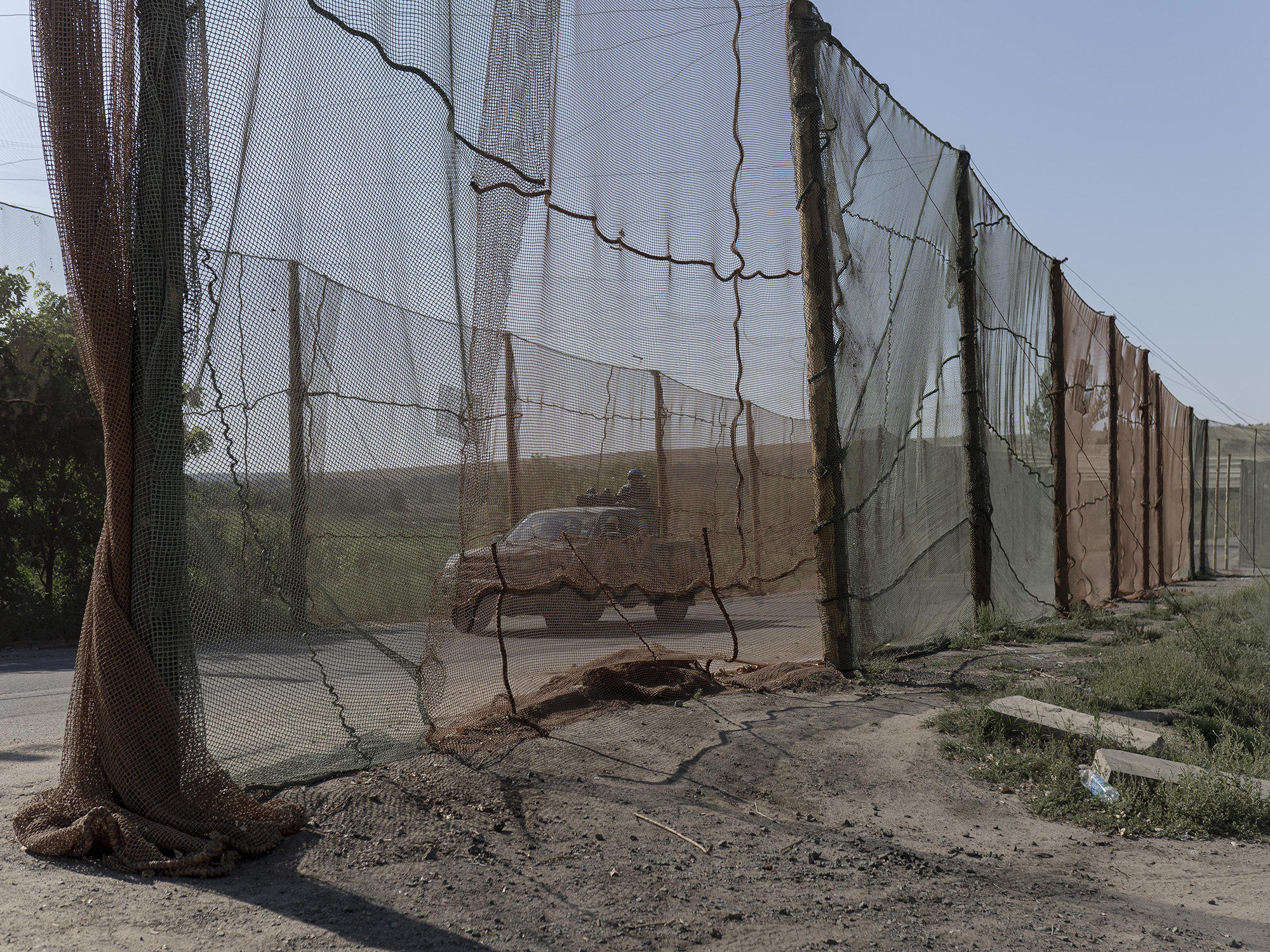
Photographer Mykyta Kuznetsov visited Kupiansk district in August 2025, where he documented the evacuation of civilians. He told UAPP that it was a risky trip:
“I went on assignment together with a colleague to do a report about an evacuation at the end of August, which is regularly carried out by the search-and-rescue unit ‘Troianda na rutsi’. At that moment, it was already quite dangerous to enter Kupiansk, so the unit included rescuer Maryna, who is originally from there and could easily coordinate evacuees along routes familiar to her so they could safely and inconspicuously reach the evacuation point where volunteers would be waiting for them.”

The Kharkiv Regional Prosecutor’s Office emphasized that there were no military facilities or positions near the place where civilians were killed near Kruhliakivka, and that a pre-trial investigation has been launched into the war crime.
Mandatory evacuation from settlements of Kupiansk district began on August 10, 2023. In October 2025, the Kharkiv Regional Defense Council expanded the mandatory evacuation zone for families with children due to the deterioration of the security situation in the district. Around 650 civilians still remain there.
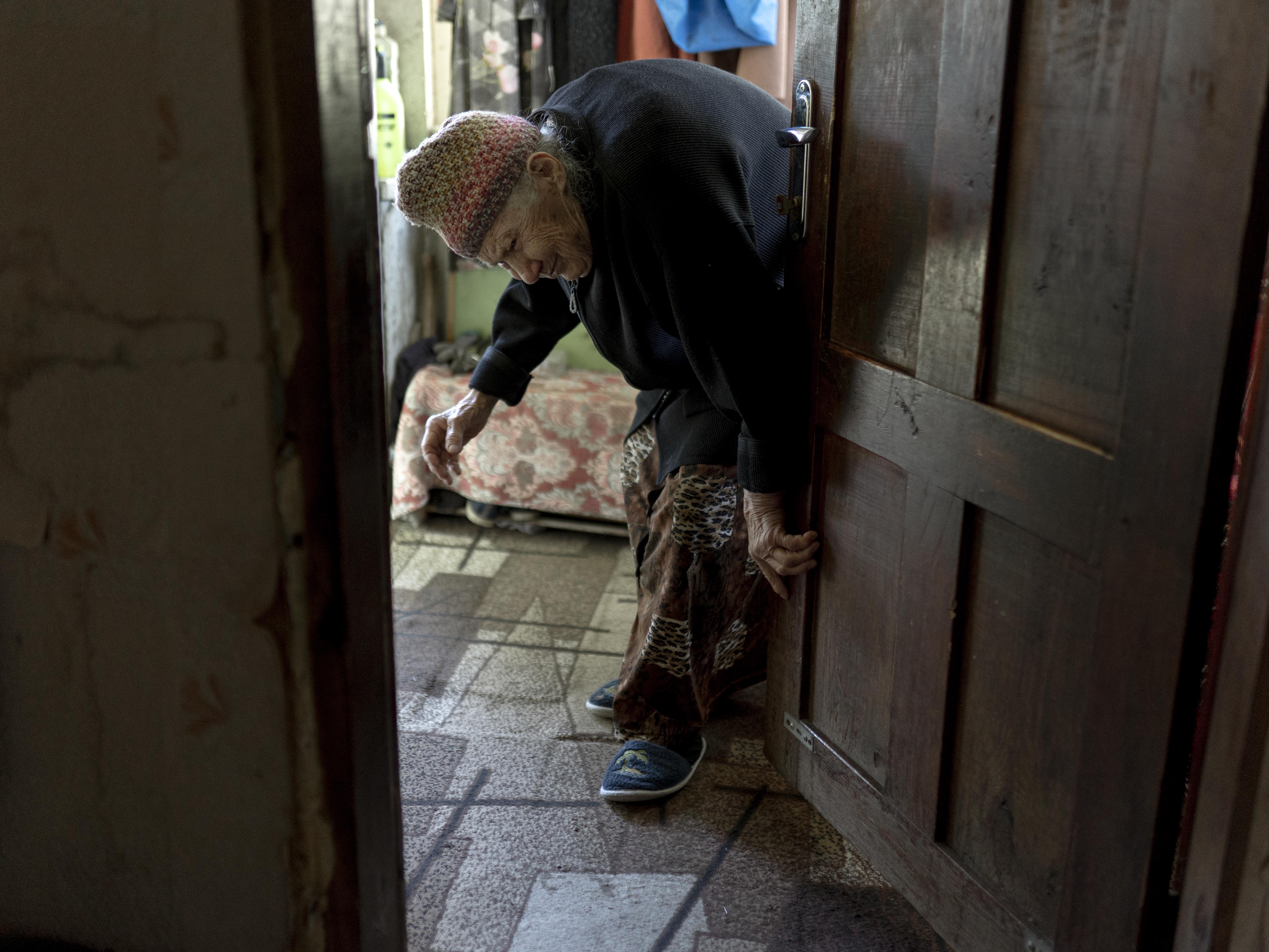
“For the most part, elderly people with limited mobility remain in the city and on the outskirts of Kupiansk district. They either are not able to evacuate on their own, or do not have volunteers’ contacts due to the lack of access to stable communication, which is available only in open areas where it is hard to hide from FPV drones. Also, according to evacuees, the reason for staying is caring for family members with various disabilities and the lack of adequate state support for minimum subsistence,” — Mykyta Kuznetsov shares memories from the trip.
Attack on a kindergarten in Kharkiv
Every day since the start of the full-scale invasion, Russians strike Kharkiv and the region, while denying their involvement in shelling civilian infrastructure and people. On October 22, 2025, during a massive Russian attack on Ukraine, three explosions rang out in Kharkiv’s Kholodnohirskyi district. As a result, the second floor of a private kindergarten was destroyed and a fire broke out. 30 children and the kindergarten staff were in a shelter at the time. A municipal worker was killed; 10 people were injured; surrounding buildings were damaged. Footage of rescuers and police evacuating children from the shelter spread across Ukrainian and international media.
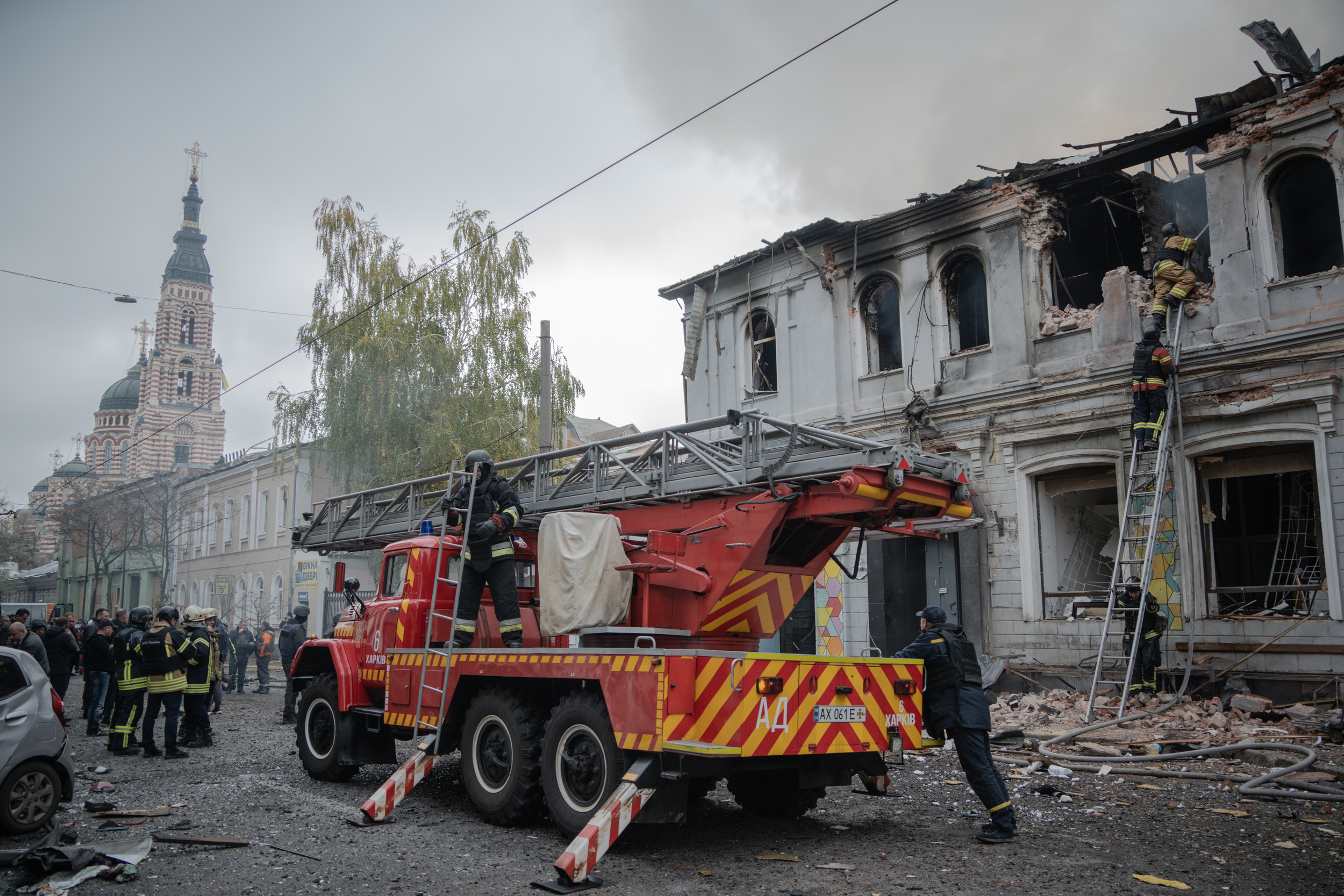
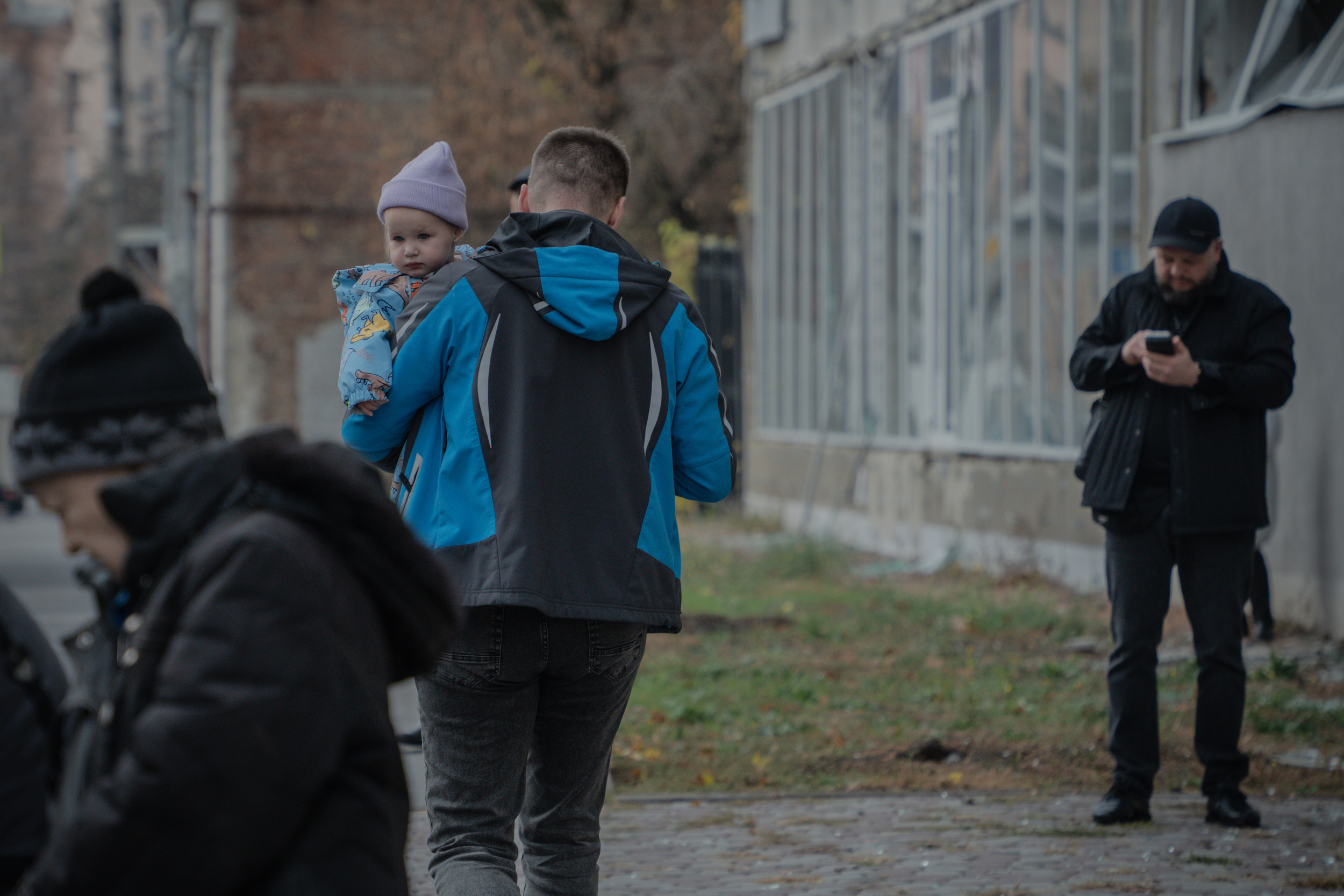
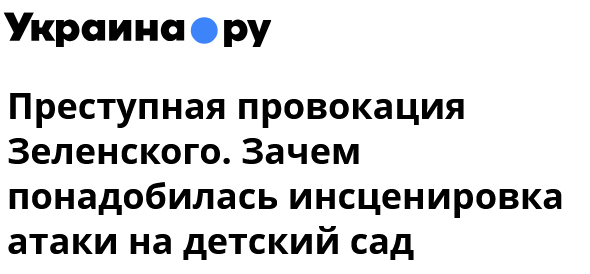
Media and publics controlled by the Russian authorities tried to whitewash the Russian army’s actions. The propaganda outlet “Ukraina.ru” claimed it was a provocation by the Kyiv authorities ahead of the Ukrainian president’s visit to Sweden. Supposedly, the evacuated children looked clean, without scratches or dirt, dressed for going outside — meaning they could not have been in a shelter.
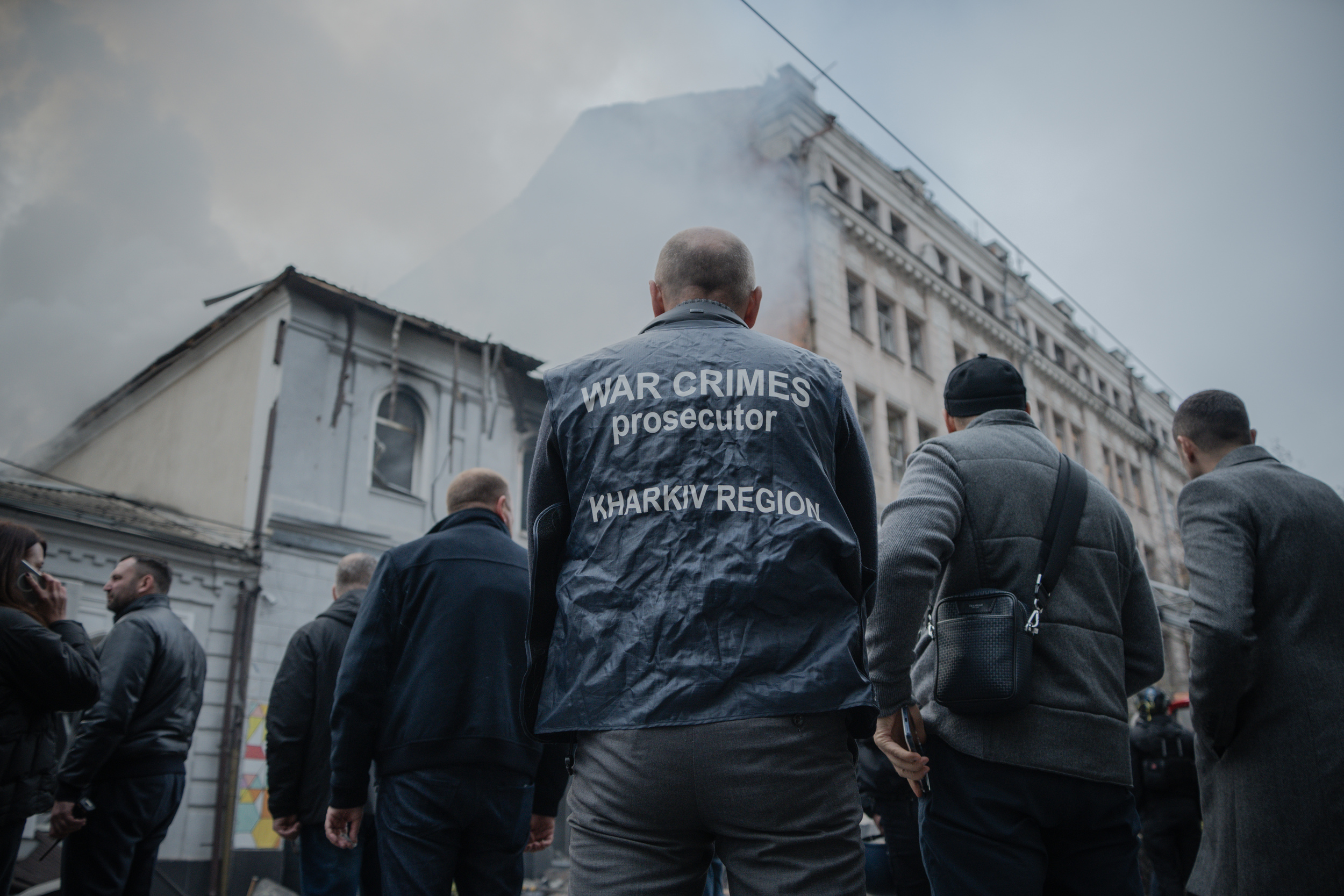
Head of the Kharkiv Regional Prosecutor’s Office Amil Omarov stated that Kharkiv was attacked by “Geran-2” drones, likely with a jet engine. The strike hit a dense area of administrative and residential development, where a private kindergarten is located in one of the buildings. The Security Service of Ukraine is conducting a pre-trial investigation into the war crime.
Kharkiv photographer Ivan Samoilov worked at the impact site. In a comment to UAPP, he said:
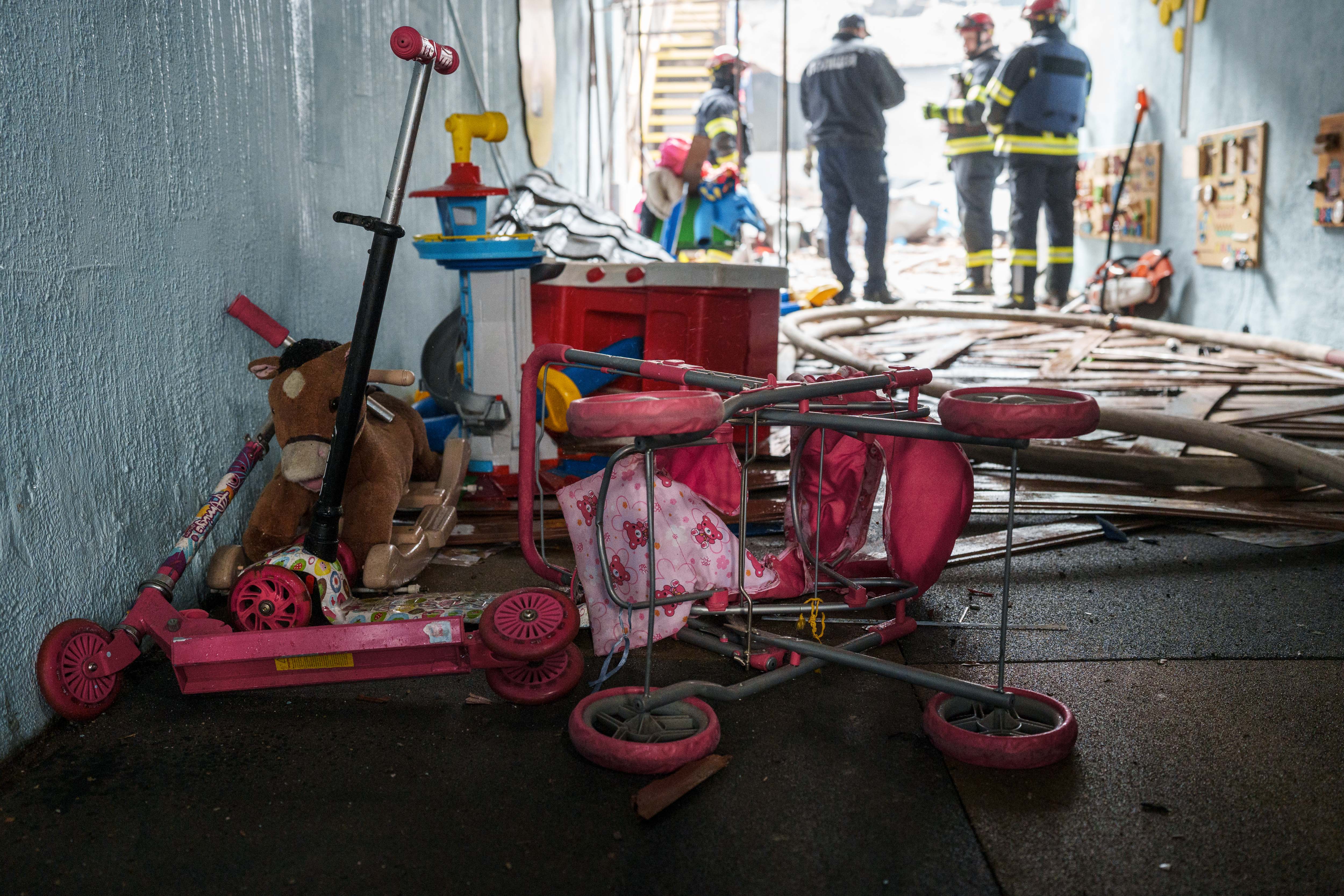
“When I arrived, there were already government representatives there, as well as State Emergency Service rescuers, explosives experts, and firefighters who were still putting out the building because there was a fire. For some time I shot outside, on the street, and couldn’t assess whether it really was a kindergarten or not. Although, as I approached that street, I saw parents in panic walking with their children. Obviously, they had run there and taken their kids. When I got inside — there is a small inner courtyard and there were rooms on the second floor — everything indicated it was a kindergarten: learning boards, desks, children’s toys, strollers.”
The internet project Stopfake.org debunked Russian lies about the lack of evidence of the Russian army’s involvement in the strike on the children’s facility. Fact-checkers say there are eyewitness testimonies and photo and video materials, including video of the drone’s direct hit on the kindergarten building and its explosion, as well as bodycam footage of a police officer carrying toddlers out of the shelter. The preschool’s address is also confirmed — its signature colors are visible on the building facade; the consequences of the hit and the fire were recorded in the kindergarten building and nearby houses.
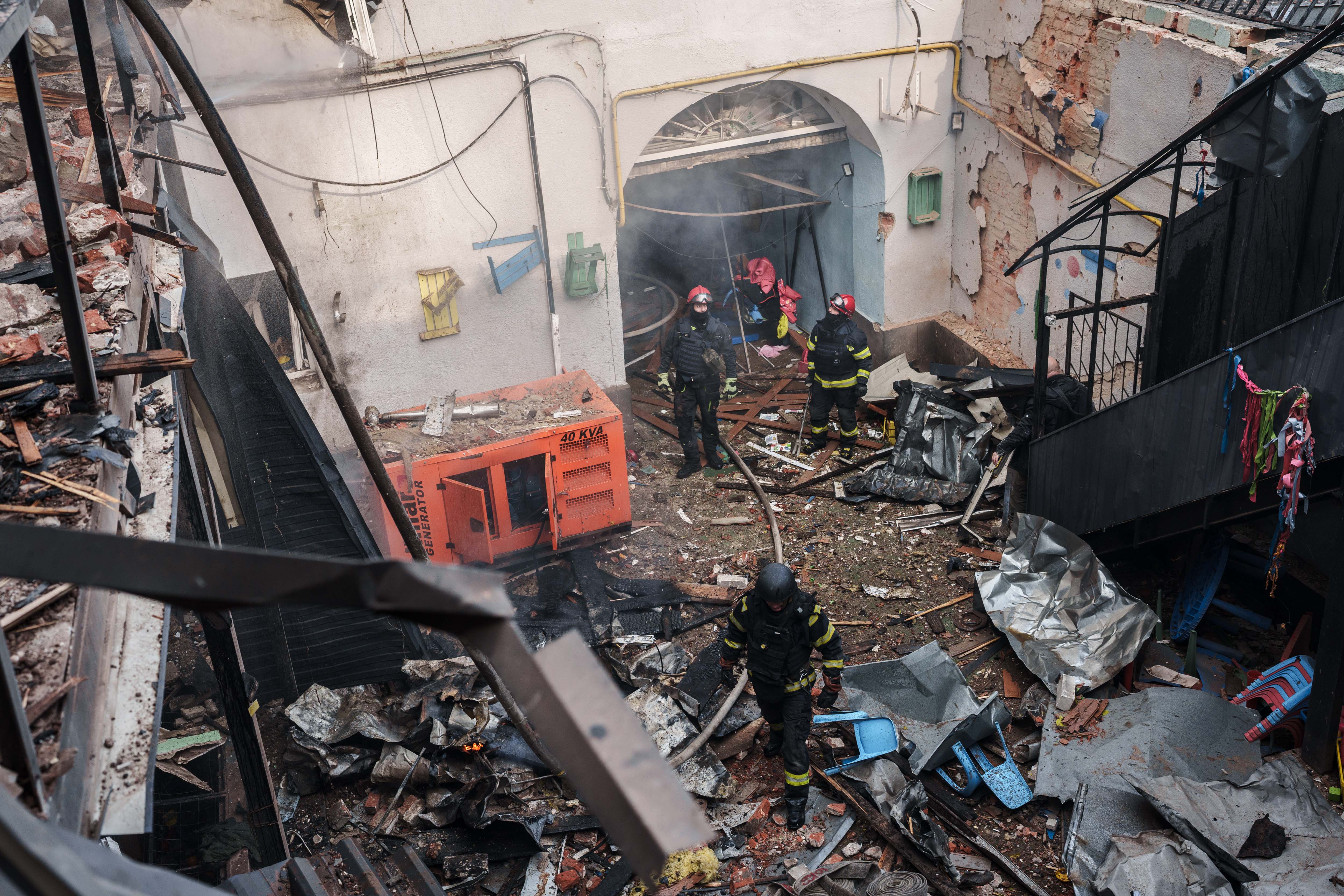
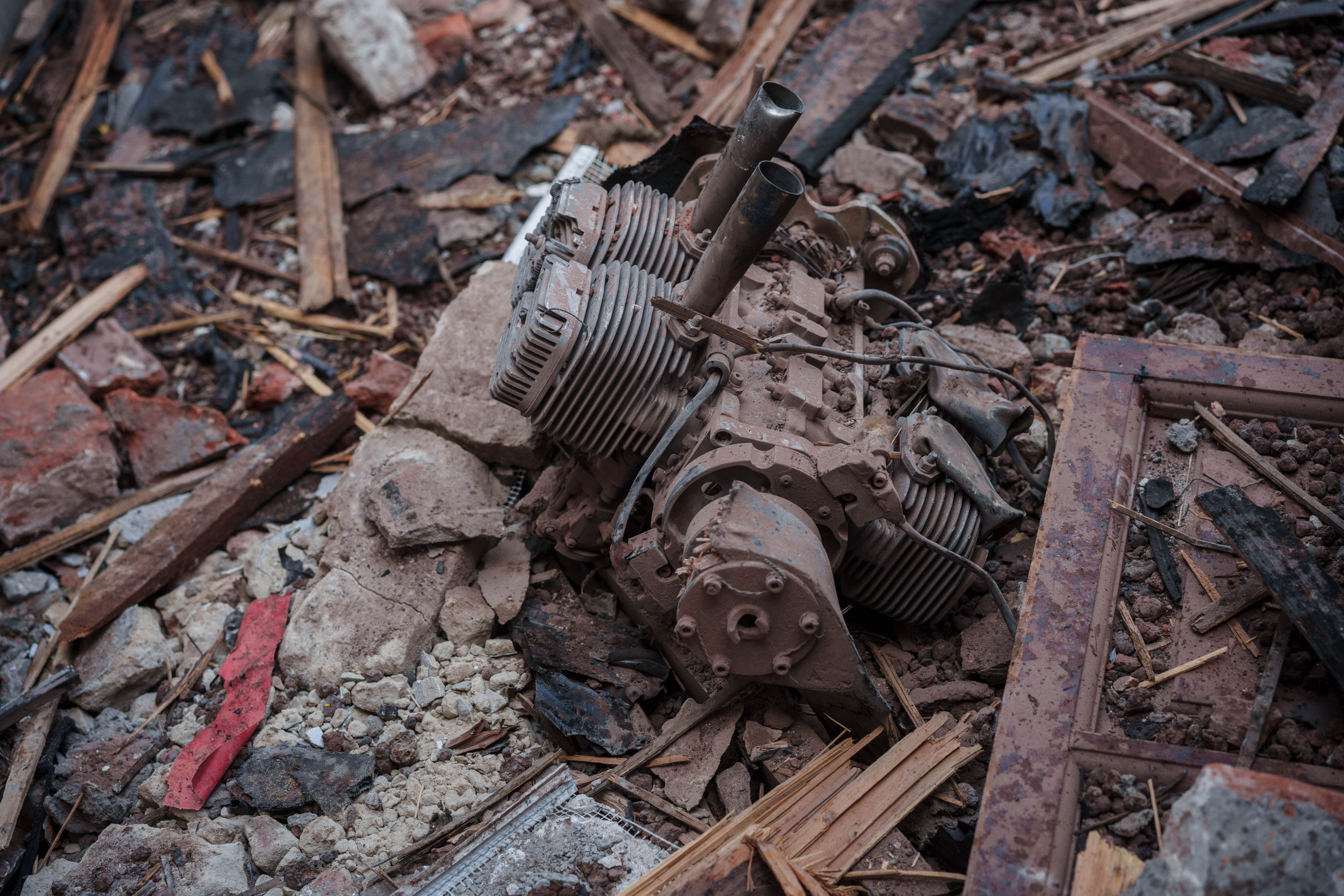
Ukrainian photojournalist Serhii Korovainyi was also in Kharkiv that day.
“I was there about 15–20 minutes after the attack, so I didn’t see the children running out. But it was still obvious that it was a kindergarten: toys, strollers, dolls were lying everywhere. I looked inside and there were desks and textbooks. It 100% gave the impression of an educational facility that is actively operating. Then I talked to people on the street — they said it really was a kindergarten and told how the kids ran out into the street after the strike,” — Serhii Korovainyi shared details of that ominous morning in Kharkiv.
Kupiansk, Vovchansk, and the road to Kharkiv
While the Russian army shells cities and kills civilians who remain in frontline areas to the very end, pro-Kremlin media try to devalue the actions of the Ukrainian military and sow fear and panic.
Heavy fighting continues in Kharkiv region, especially around Vovchansk and Kupiansk. The Russian online paper “Arguments and Facts” publishes emotional pieces about the “special military operation” in Kharkiv region and then builds a pseudo-reality around them. Propaganda claims Kupiansk is about to fall, that the Russian army has encircled the city and left Ukrainians without key defensive points. The resistance of the Armed Forces of Ukraine is called “desperate attempts in anticipation of an official statement,” and urban battles are described as the Russian army “clearing” the city of Ukrainian soldiers.

“Ukraina.ru” claims that “Right Sector Nazis who took part in punitive actions against the peaceful population” remained in Kupiansk. They supposedly are holding on because they fear being captured because of their crimes. It also claims that the rest of the fighters dream of surrendering, but “the Nazis are holding them by force.”
Russians actively spread fakes about the mass surrender of Ukrainian defenders in this direction. Analysts at VoxCheck and other organizations debunk AI-generated video fakes circulating online. As a rule, these are generated video addresses by Ukrainian service members about a “catastrophic situation” or the “fall” of the city they were defending.
Propagandists do not abandon the idea of getting closer to Kharkiv and push their narratives about the victorious march of Russian troops: “Having liberated the fortresses of Kupiansk and Vovchansk, the Russian army will advance more actively; the road to Kharkiv effectively opens,” writes the Russian outlet “Lenta.ru”.
Fighting is currently ongoing in Kupiansk. Russian troops are in the northern districts of the city. Logistics are complicated for both sides. Many drones and KABs hover over the contact zone. On November 16, 2025, the Joint Forces Grouping reported the current situation in Kupiansk: most of the city is under the control of the Ukrainian Defense Forces, and Russian troops at occupied positions in the northern districts are cut off from ground supply. At the same time, Russian troops try to simulate control over the city by unfurling tricolors in places where small groups are present and by putting them into supply packages that their drones drop over the city.
The situation in Vovchansk is difficult because the city is almost completely destroyed. Russians increased pressure on Vovchansk in three directions: south of the oil-extraction plant, toward the village of Tsehelne, and toward a gas station. This was told to Suspilne Kharkiv by DeepState co-founder Ruslan Mykula.
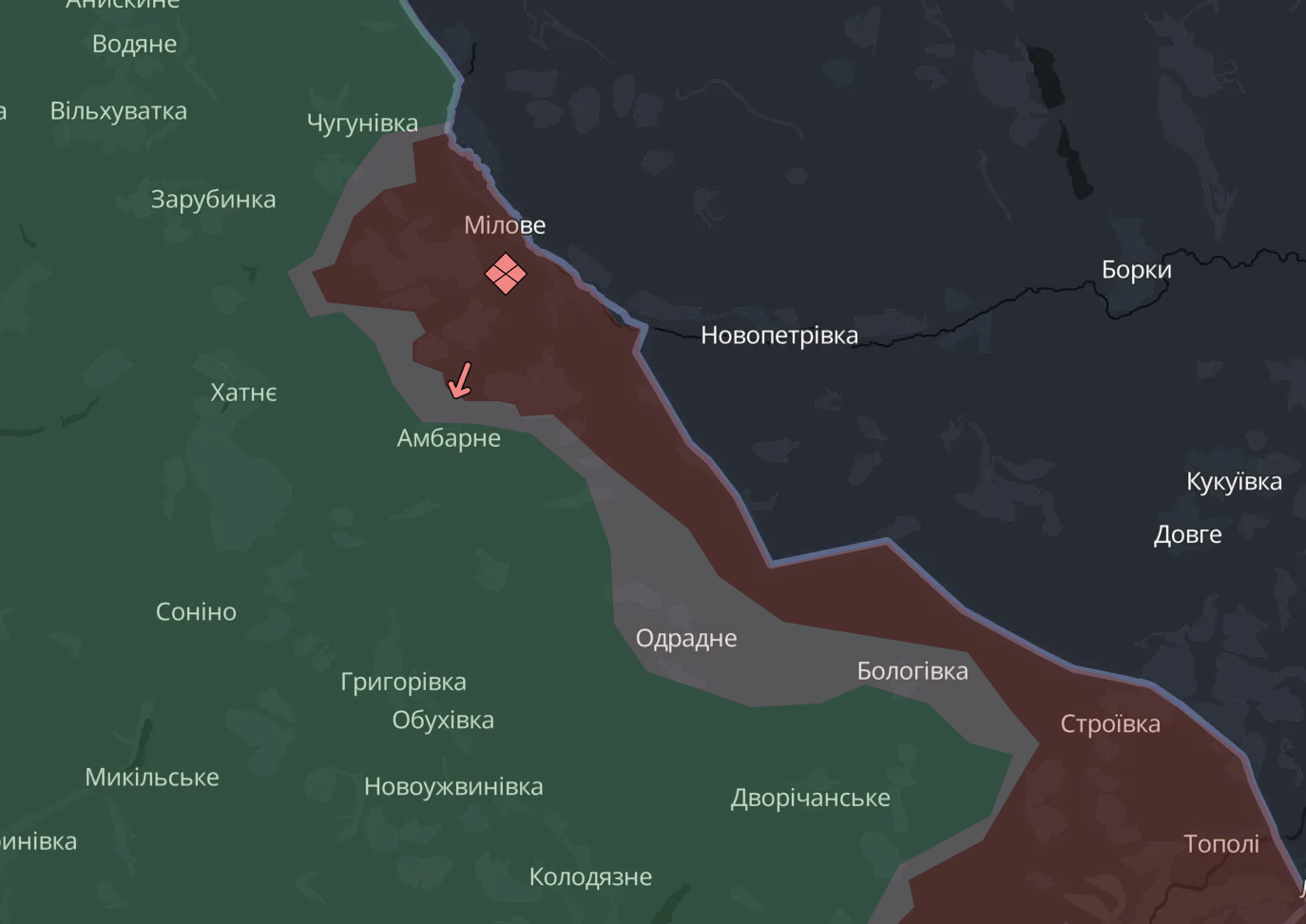
On November 5, DeepState reported enemy advances near Bolohivka and Kamianka. According to Ruslan Mykula, Kamianka is considered occupied, and analysts are verifying the situation in Bolohivka, although the General Staff of the Armed Forces of Ukraine already called it occupied back in September. The DeepState co-founder believes that by increasing pressure in the area of these settlements, Russians are trying to push Ukrainian forces away from the Oskil River and build a land corridor to Kupiansk.
Russians have also increased pressure in the Velykyi Burluk direction and near Lyman.
At the end of October 2025, Russians spread a fake claiming that Ukraine had closed access for Ukrainian and foreign journalists to frontline regions to hide its “catastrophic” position. At the same time, the fact-checking website Stopfake.org reported that Putin was inviting foreign journalists to Ukrainian cities on the front line, promising safe passage — including to Kupiansk.
“Russia’s war against Ukraine is considered the most thoroughly documented in history, including because of Ukraine’s openness to monitoring missions, international organizations, and representatives of foreign and national media. The Armed Forces of Ukraine accredit media representatives ‘to deliver timely, truthful, and comprehensive information about Russia’s war crimes against Ukraine’,” fact-checkers at Stopfake.org write.
Thousands of photographs by Ukrainian photo documentarians that tell truthful wartime stories help defeat the enemy in the information space. After the war, they can become significant evidence in international courts.
Worked on the material:
Topic researcher, text author: Yana Yevmenova
Photo editor: Olga Kovalova
Literary editor: Yuliia Futei
.jpg)

.jpg)