Russian shelling is testing the resilience of Ukraine’s energy system every day. In Kyiv, a state of emergency has been introduced in the energy sector, headquarters for eliminating the consequences of shelling have begun operating, and the rules for residents’ movement during curfew have changed.
The most destructive and tragic was the attack on the Nova Poshta terminal in the suburbs of Kharkiv, where four men were killed. Over the week, those injured included medics, police officers, and Oblenergo employees. Large-scale enemy strikes continue in Odesa region. Working at the limit of what is possible around the clock are energy workers, emergency responders, police, municipal workers, and other services across Ukraine.
Chronicle of Russian shelling from January 12 to January 18, 2026
Overnight into January 12, a Russian drone attacked a medical vehicle in a border area of Chernihiv region as medical workers were returning from a call. Two medics were hospitalized with injuries, and the ambulance vehicle was damaged. Russians continue to terrorize Kharkiv and Dnipropetrovsk regions, in particular striking Kryvyi Rih. In Kharkiv, 12 apartment buildings, a garage cooperative, energy facilities, and other infrastructure were damaged. Over the day, there were 11 injured in the region.
During the night of January 13, Russians used nearly 300 strike UAVs and 25 missiles against Ukraine. The main target of the strike was the energy sector, but there was also a lot of destruction of residential and civilian infrastructure. Affected: Dnipropetrovsk region, Zaporizhzhia, Zhytomyr region, Kyiv region, Odesa region, Kharkiv region, Donetsk region, and Sumy region. In Bucha district of Kyiv region, emergency outages were introduced; they also applied in Brovary and Boryspil districts. Due to Russian shelling, civilians were injured in Dnipropetrovsk, Chernihiv, and Sumy regions; in Nikopol area, a child was among the injured. Late in the evening, the Russian army struck Kramatorsk in Donetsk region with aerial bombs and MLRS shells with cluster munitions; one person was killed. Residential buildings were hit, as well as a State Emergency Service unit and commercial and industrial facilities in the city. An enemy strike on an energy facility in Zaporizhzhia region injured two female employees of the enterprise; they were hospitalized; equipment was damaged, and there were significant power outages.
On January 13, Kharkiv region was under a massive attack by the Russian army; four people were killed and ten were injured. The main strike hit the innovative Nova Poshta terminal in the suburbs of Kharkiv. Four strike drones and two missiles hit the site. The cargo terminal was destroyed and the mail terminal was severely damaged. Fires raged over an area of 500 square meters. This was the fourth attack on this enterprise. Rescuers saved 30 people, and two people were pulled from under the rubble. Search and rescue operations at the strike site ended on January 17. Over the day in the region, private houses and power lines were damaged, and in Kharkiv — a children’s sanatorium.
January 14 — Dnipropetrovsk region, Zhytomyr region, Zaporizhzhia, Kharkiv region, and Kherson region were under Russian shelling. They again struck critical infrastructure, using 113 UAVs and three ballistic missiles. In the morning and during the day, drone attacks continued in Kyiv and Chernihiv regions. In Sumy region, Russians attacked a civilian evacuation vehicle of the “White Angel” unit. The vehicle was damaged; police officers were injured; civilians were not injured. In Sumy, Russian drones struck a gas station.
Over the day, civilians were injured due to Russian shelling: one person in Chernihiv region, and seven in Kharkiv region, including one child. During the evacuation of civilians, a Russian drone hit a police service vehicle; it was destroyed, and people were not injured.
On the night of January 15, the enemy once again carried out an attack on energy and residential infrastructure in Zhytomyr, Kharkiv, and Kyiv regions. In Bucha district, eight private homes were damaged. The enemy struck a residential area in Sumy region, destroying a house where a family with four children lived; fires broke out. The region was also hit with aerial bombs; a man was killed, 11 civilians were injured, and an educational institution and private houses were damaged. Dnipropetrovsk region was under constant attacks, and a child was injured there. In Kharkiv region, Russians attacked an energy facility; its equipment was severely damaged.
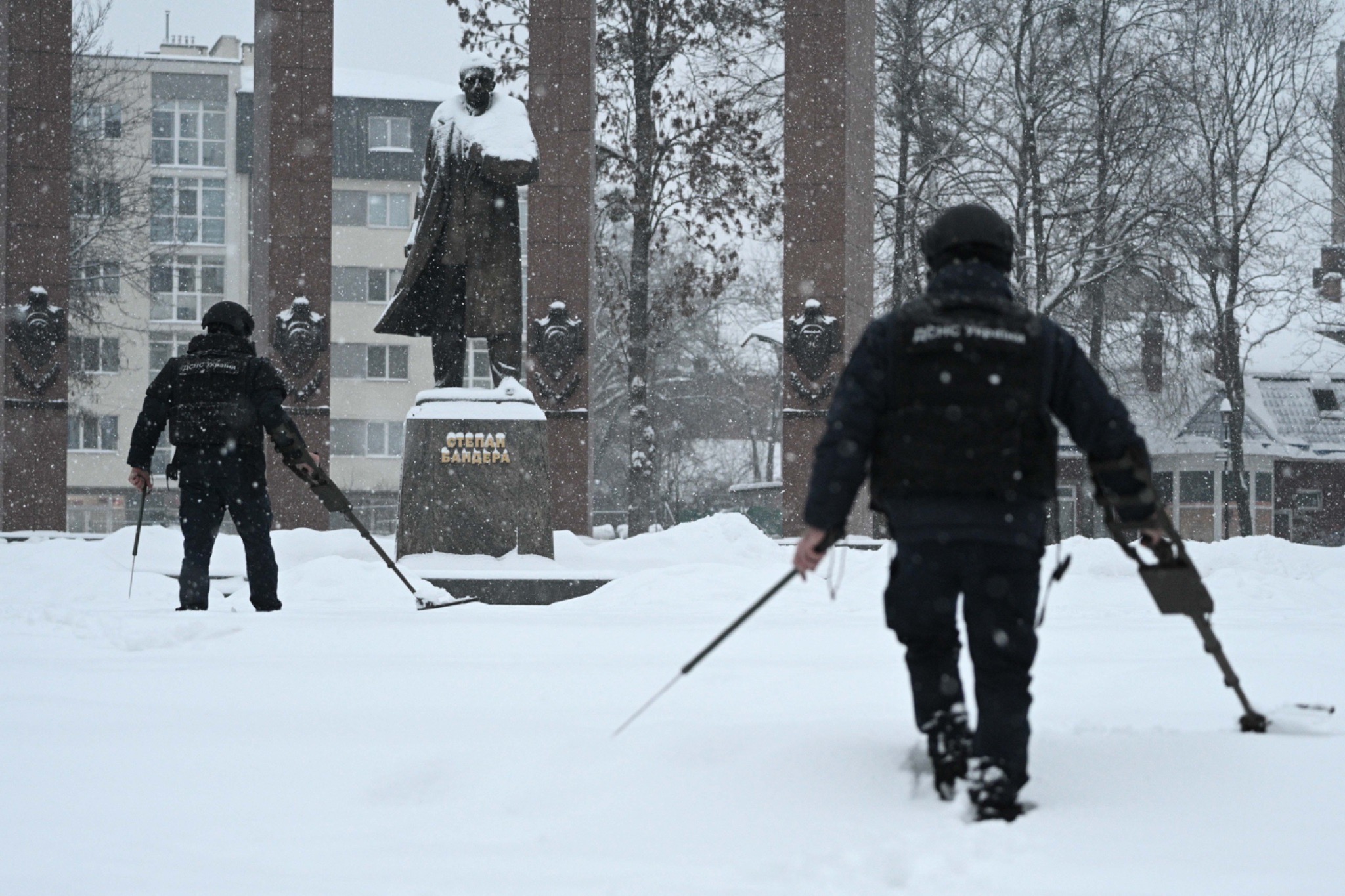
In the morning, Russians struck a children’s playground with a strike UAV near the Stepan Bandera monument in Lviv. Municipal workers were working nearby; they were not injured. Residential buildings, educational institutions, and a church were damaged. In a building of Lviv Polytechnic, as well as a school and a college, windows were blown out. In the Church of Saints Olha and Elizabeth, stained-glass windows and the display window were damaged. Emergency responders, sappers, and chemical specialists worked at the site.
January 16 Russians attacked critical infrastructure facilities in Zhytomyr region; a fire broke out. As a result of shelling of energy facilities, by morning consumers were also left without power in Zaporizhzhia and Kharkiv regions. In Sumy region, Russians again struck residential areas. In Nikopol in Dnipropetrovsk region, two women were killed by Russian shelling, seven more people were injured, one in serious condition; apartment buildings and private houses, a municipal enterprise, and gas pipelines were damaged.
January 17 in Chernihiv region, two men were hospitalized in moderate condition. In border Semenivka, the enemy carried out a repeated strike while police officers were working at the site of a Russian drone hit on a house. Four people were injured: one civilian woman and three police officers. Russians carried out an airstrike on a residential area in Sumy, injuring three women and a child, and damaging apartment buildings and private houses.
January 18 at night, Russian drones struck a private residential area in Kharkiv; one person was killed and three others were injured, and a fire broke out. In the region overall, there were three fatalities. Due to Russian strikes in Dnipropetrovsk region, six people were injured. At night, Russians attacked Khmelnytskyi region with strike drones; a fire raged at one of the facilities. In total, in the night attack on Ukraine the enemy used more than 200 strike UAVs. In Donetsk region over the week, five people were killed and more than 20 were injured. In Kherson region — the same number of fatalities and about a dozen injured. Over the week, Ukraine was attacked with more than 1,300 drones and 29 missiles, and 1,050 aerial bombs were dropped.
Odesa region: ports, energy facilities, infrastructure
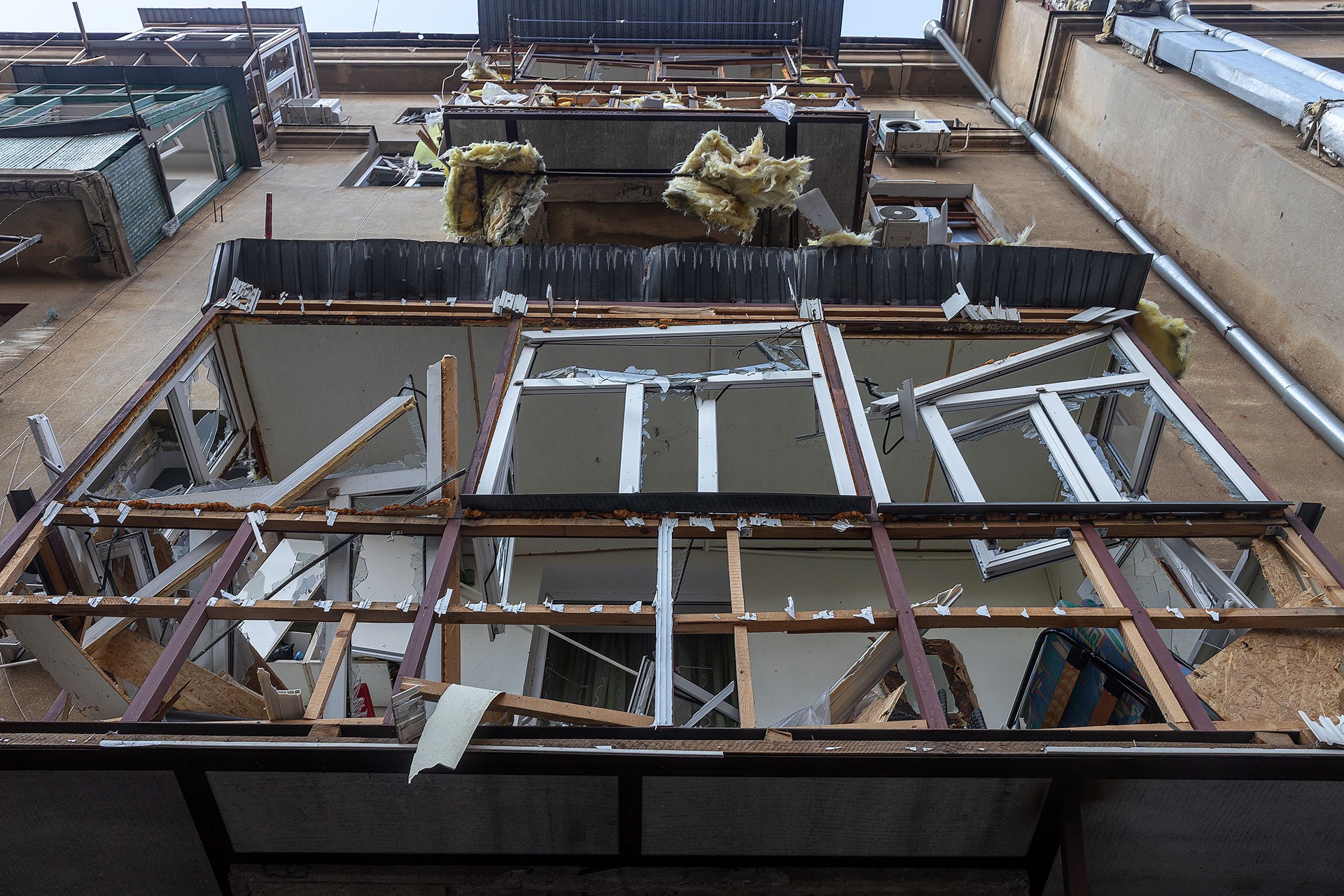
On the night of January 12, the Russian army shelled residential and energy infrastructure in Odesa region with strike drones. There was damage and two injured. One of the city’s neighborhoods and several settlements were left without power. In Bilhorod-Dnistrovskyi district, Russians attacked a wine plant; the roof of the production building was damaged, and a fire broke out.
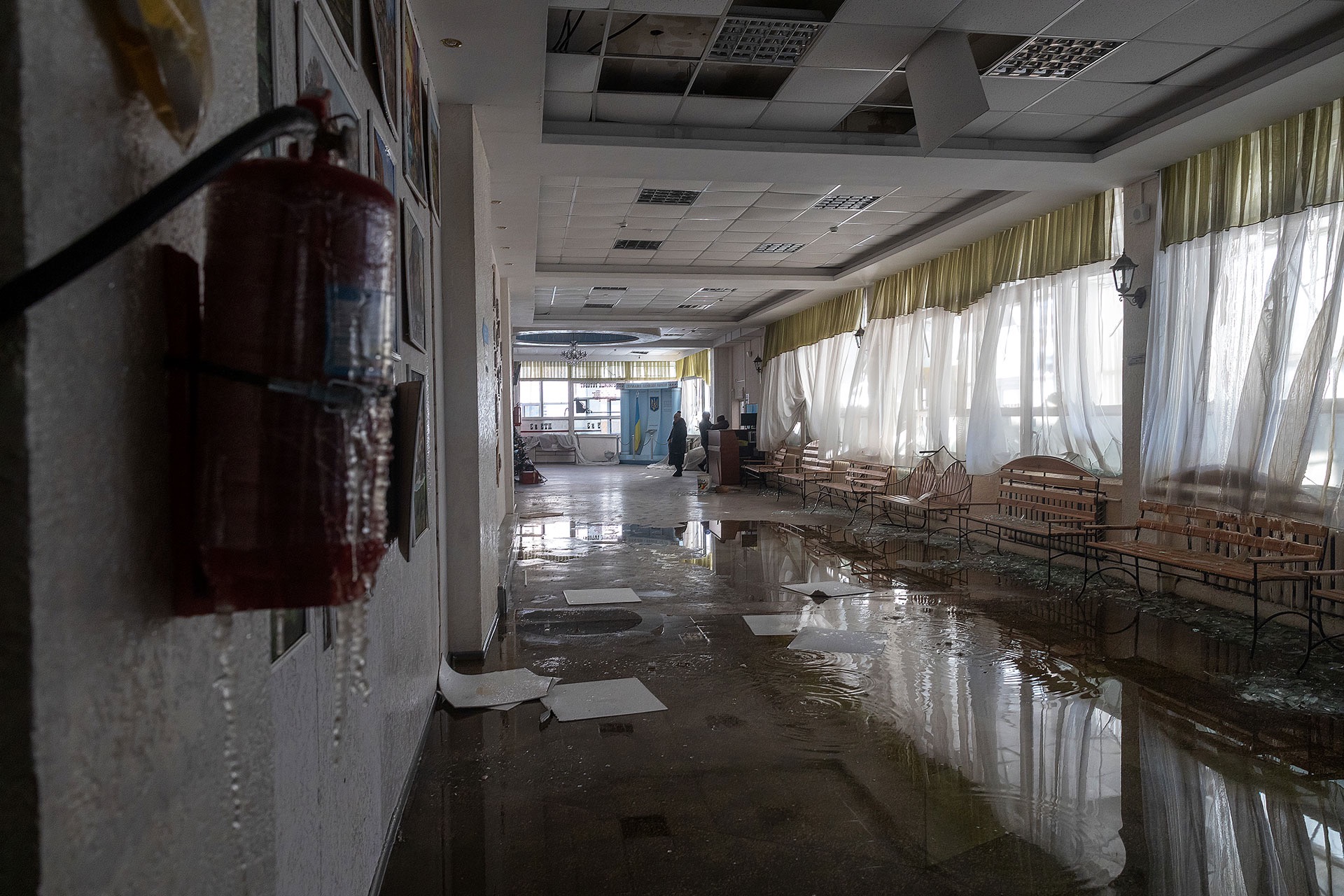
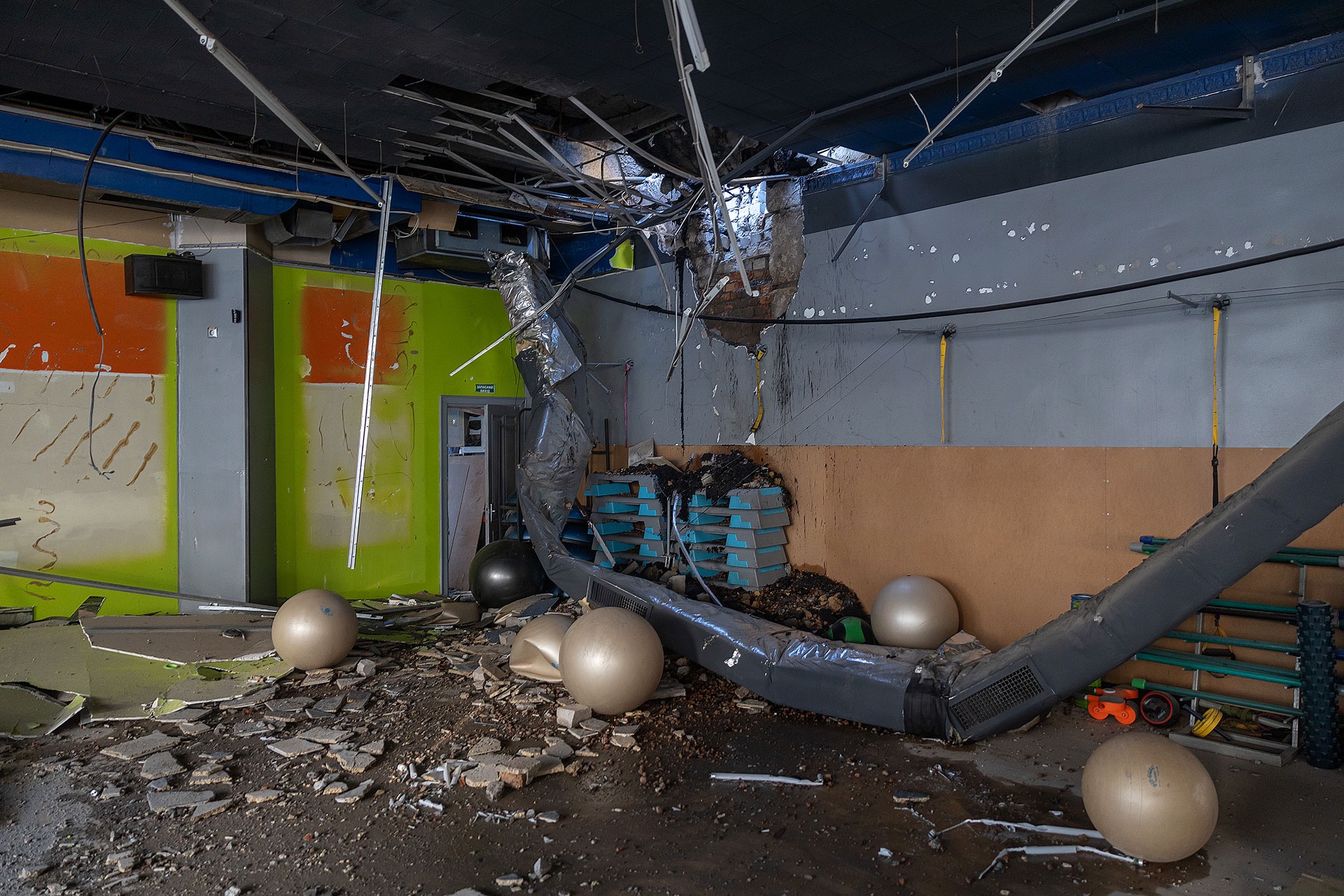
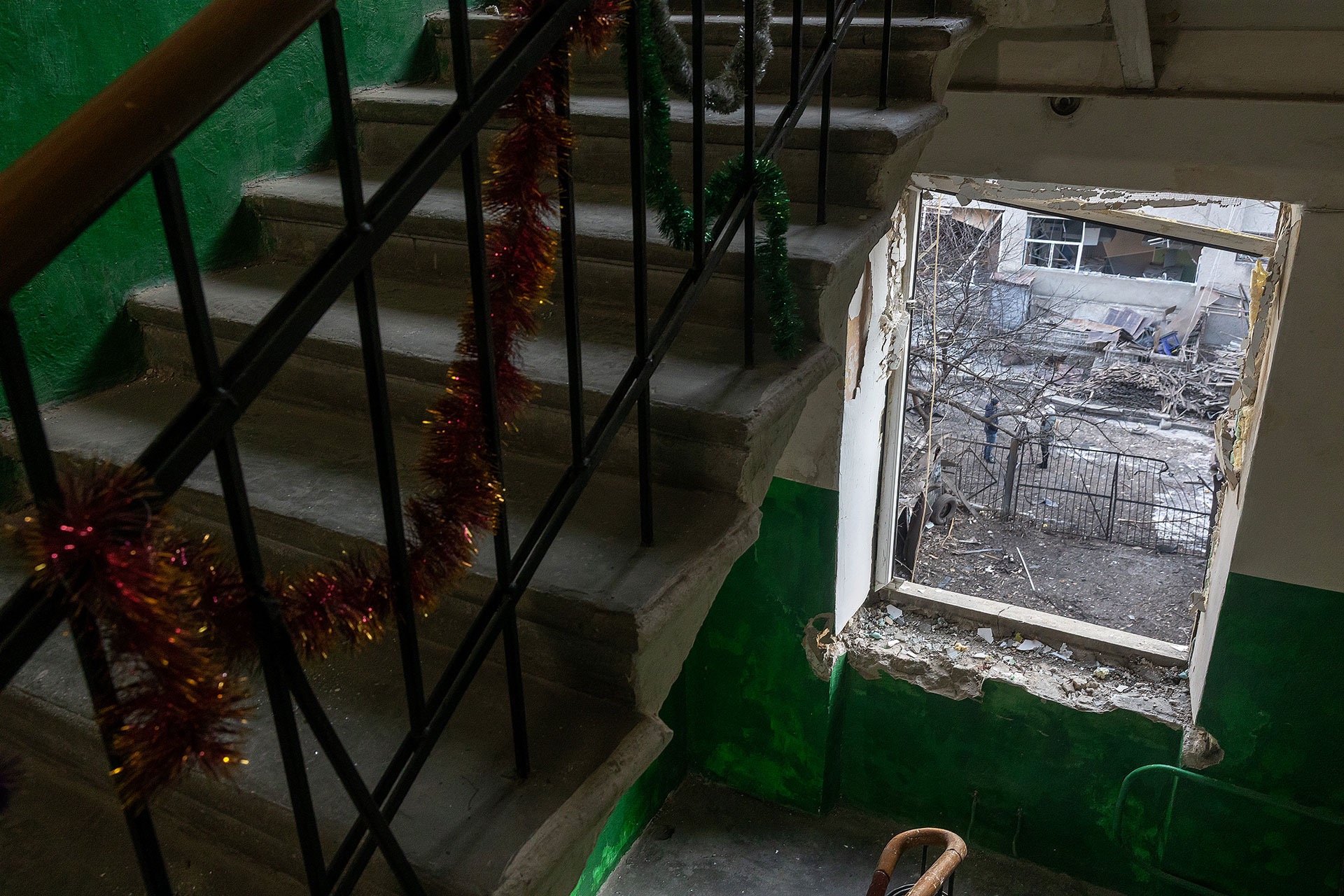
January 13 as a result of shelling, several premises were on fire: an unused new building, a fitness center, a vocational lyceum building, and a garage. In nearby apartment buildings, a kindergarten, and a hospital, facades were damaged and windows were blown out; energy facilities, an amusement park, garages, and cars were also damaged. Six people were injured, two of them in moderate condition.
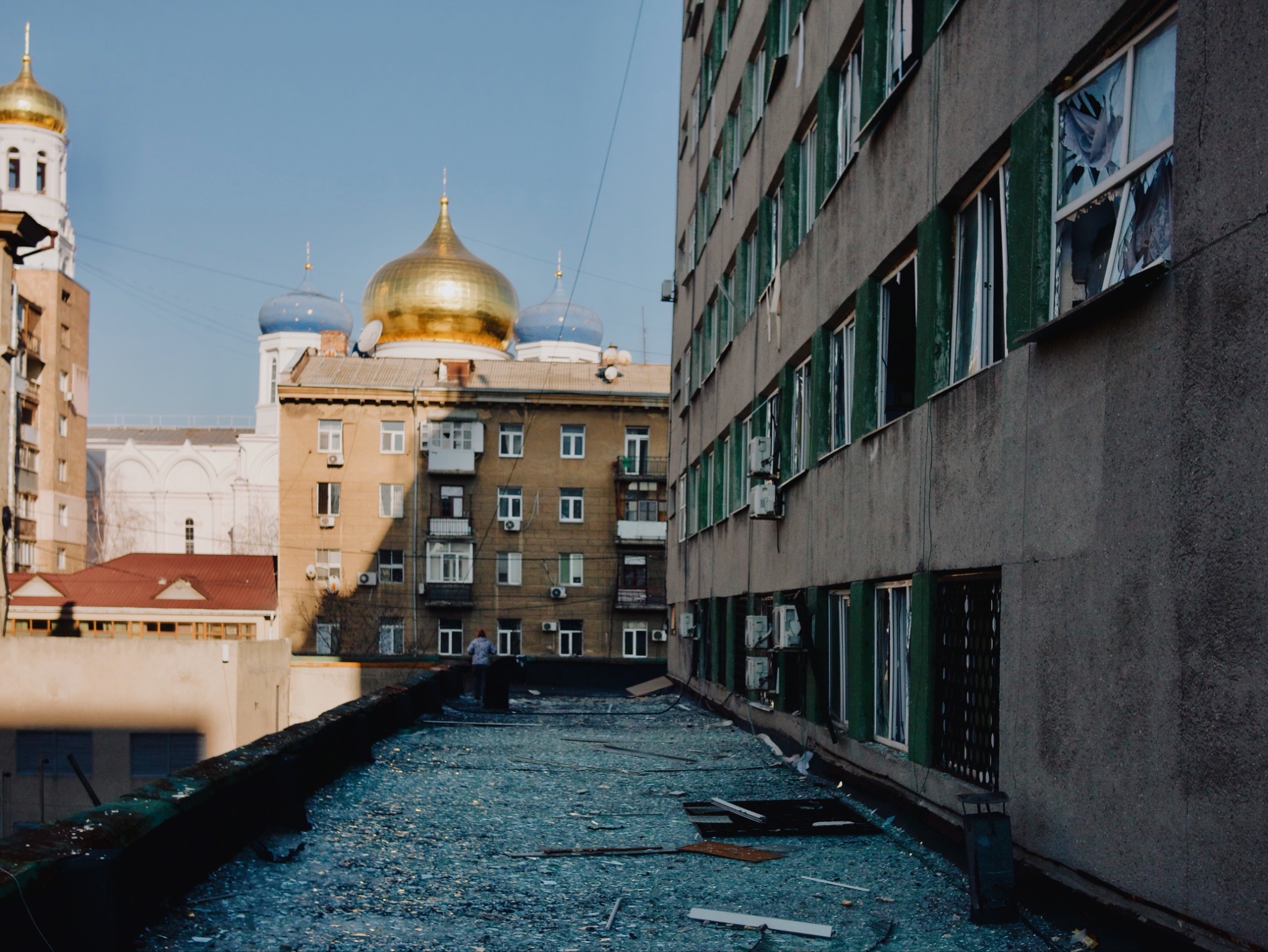
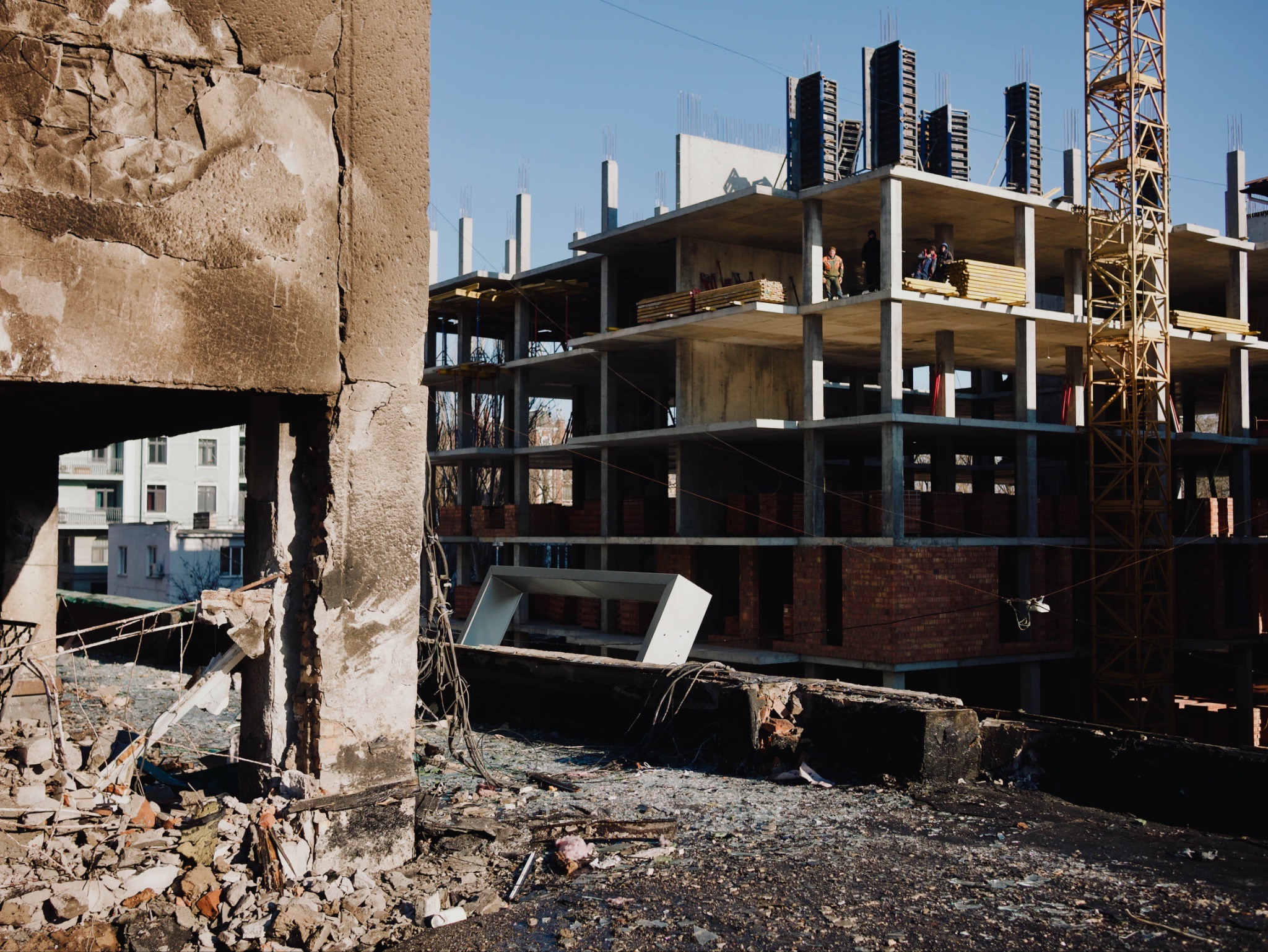
On the night of January 15, in Bilhorod-Dnistrovskyi, as a result of a Russian drone attack, administrative buildings were damaged and a security guard was injured. During the day, port infrastructure was attacked: Russians struck the pier of Chornomorsk port with ballistic missiles, and containers with household appliances caught fire. A civilian cargo vessel under the flag of Malta was damaged, and a crew member was injured. The nights of January 17 and 18 were uneasy for the region; Russians attacked the energy system and infrastructure facilities.
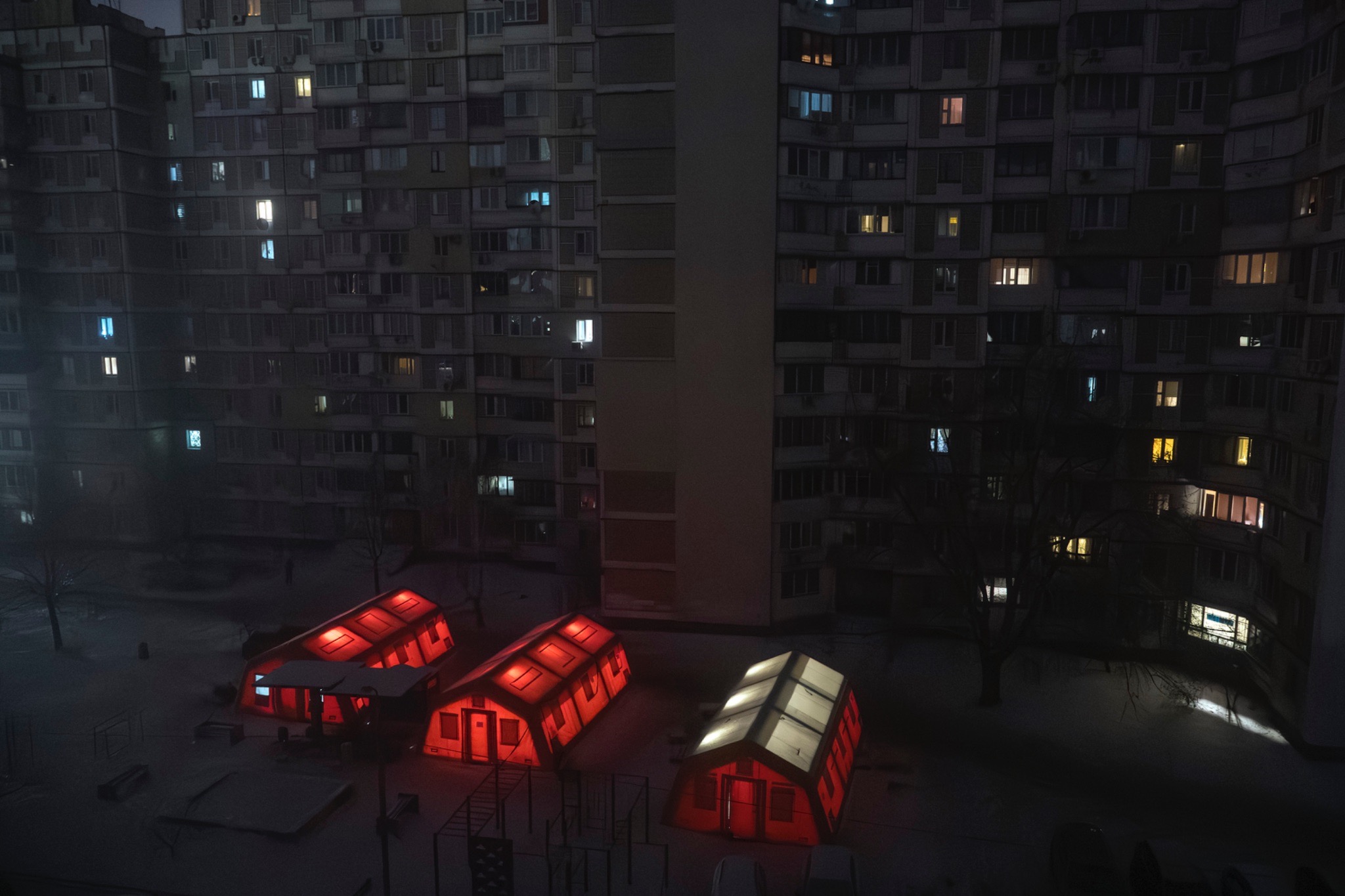
Emergency situation in Kyiv
Over the week, Russian drones flew toward the capital almost every day. On January 14 and 15, hits and falling debris were recorded in the Darnytskyi and Solomianskyi districts of the capital. On January 15, in the Solomianskyi district, a drone hit the technical floor of a high-rise building.
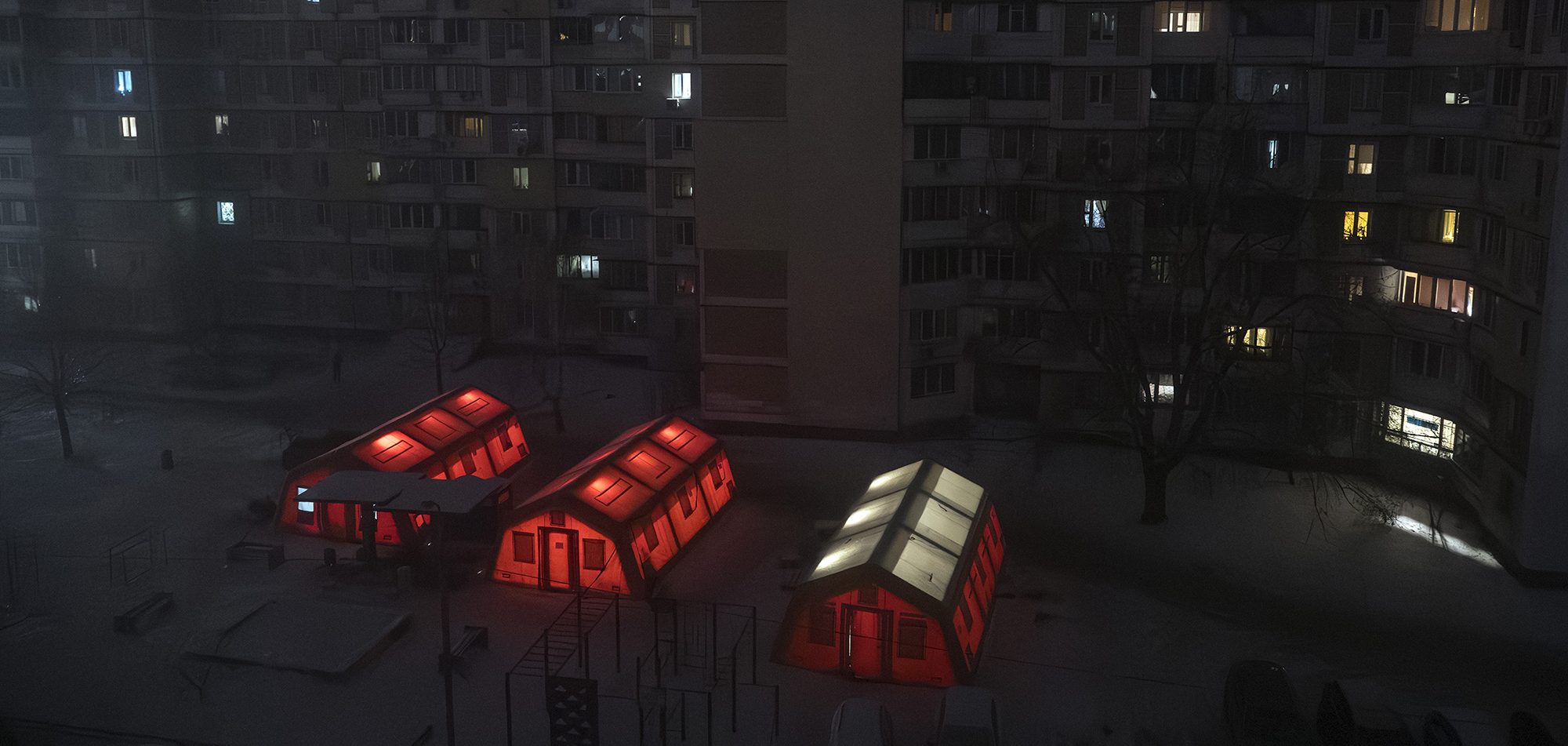
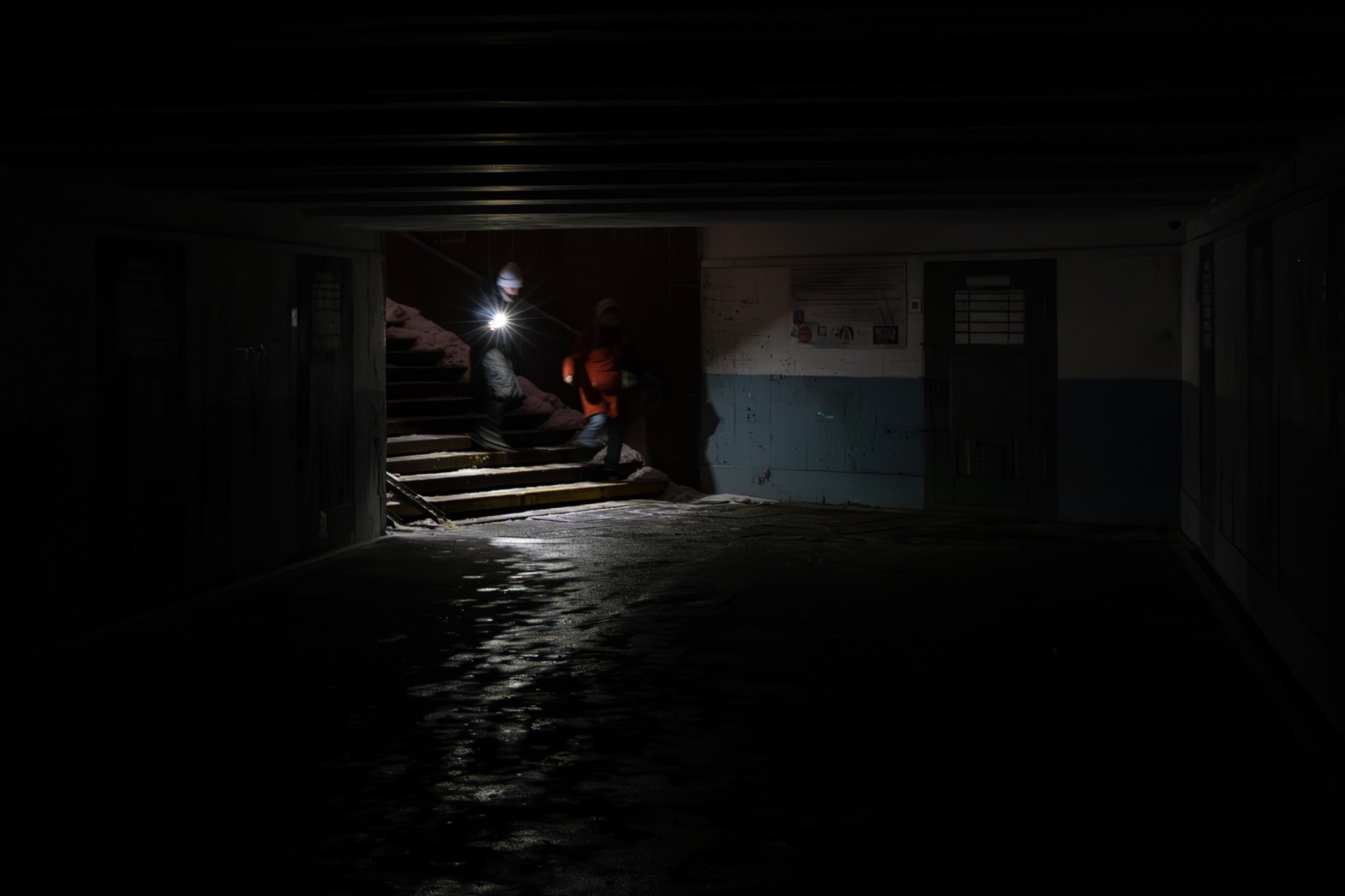
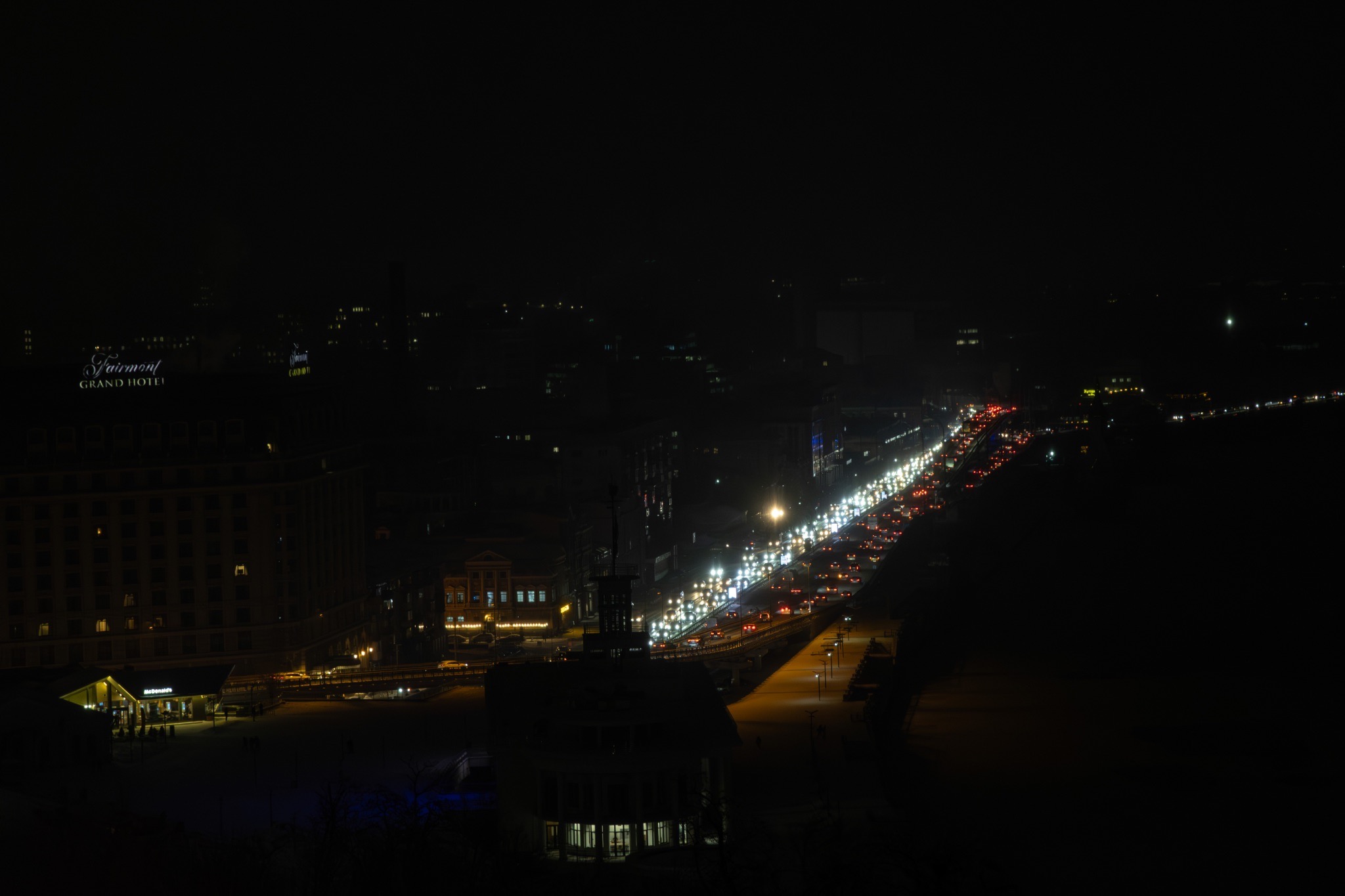
Kyiv continues restoring heat supply in apartment buildings after the massive Russian shelling on January 9. At the beginning of the week, about 500 multi-storey buildings were without heating. On the left bank of Kyiv, the heating situation was more difficult. Kyiv had emergency outage schedules in effect. Headquarters were created to eliminate the consequences of the emergency situation in Kyiv’s and the region’s energy systems, and they will coordinate the work of all services involved in restoration. The authorities decided not to cut off electricity to multi-storey buildings with electric heating. A decision was also made to ease the curfew in areas with an energy emergency so that people can access heating points. Across Ukraine, more than ten thousand such points have been deployed, including 1,200 in Kyiv. In particular, up to a hundred 24/7 “Points of Invincibility” are already operating at railway stations; Ukrainska Pravda reports.
The Security Service of Ukraine classified Russia’s strikes on Ukraine’s energy system as crimes against humanity based on the necessary collected evidence. Since October 2025, the SBU has documented 256 Russian air attacks on energy and heat supply facilities.
Photojournalist Ivan Antypenko, who captured evening Kyiv during the hardest winter in 20 years, emphasized the main thing: “Kyiv in the evening. Winter. Dark. But in times of the deepest darkness, we always protect the light. The light inside us.”
Worked on the material:
Topic researcher, text author: Yana Yevmenova
Photo editor: Olga Kovalova
Literary editor: Yuliia Futei
.jpg)

.jpg)