
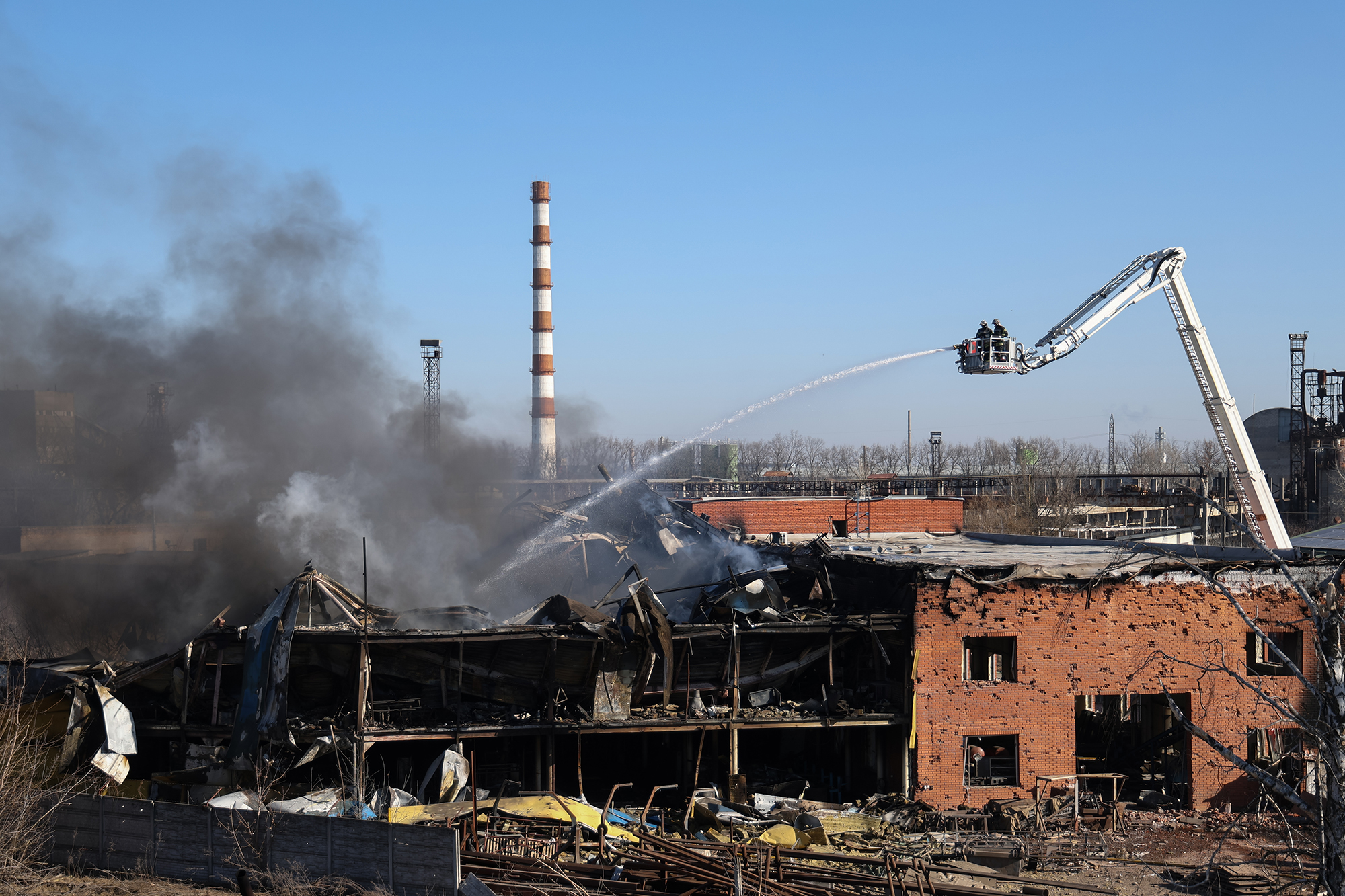
Russians are deliberately targeting people’s homes, civilian transport, and evacuation vehicles. The week in Ukraine began with mourning for those killed by a missile strike on a residential building in Kharkiv on March 8. On the night before the weekend, Russia launched a brutal drone-and-missile attack on the Kyiv region. The enemy is trying to cause material damage by striking businesses and to disrupt civilian logistics in frontline and border areas by attacking the railway. Donetsk, Sumy, and Zaporizhzhia regions are suffering from enemy air strikes: Russia is destroying historic buildings and well‑known architectural ensembles in Ukrainian cities. Every day, the occupying army is erasing Kherson’s cityscape. Over the week, Russia used 1,770 attack drones, more than 1,530 guided aerial bombs, and 86 missiles, including more than 20 ballistic missiles.
Chronicle of Russian strikes from March 9 to March 15, 2026
March 9 Search-and-rescue operations in Kharkiv were completed at the building hit by a Russian missile on the night of March 8. At least 11 people are confirmed dead, including two children. The final death toll will be known after identification work is complete, as body fragments were also recovered from under the rubble. Four people remain missing. Kharkiv declared March 9 a day of mourning. In Sumy and Chernihiv regions, Russia attacked energy infrastructure. In the Dnipro region, people were injured over the course of the day; one person was killed in Kherson. In the Odesa region, a railway worker who had been severely wounded in shelling on March 4 died in hospital.
At night on March 10, Russia attacked Dnipro and the surrounding region. One person was killed and nearly two dozen were injured, including two children. A high‑rise residential building, a private home, and an administrative building were damaged. In Kharkiv, UAV attacks left two children among the injured; significant infrastructure damage was reported across the region. Russia also carried out air strikes on an enterprise in Sumy region and on central Sloviansk in Donetsk region. In Sumy region, two people were killed and three injured. In Sloviansk, four people were killed and 21 injured, including two children; seven people were hospitalized. Damage was extensive. In Kherson region, one person was killed; in the regional center, three were injured, and a 16‑year‑old boy was hospitalized.
At dawn on March 11, Russia dropped five aerial bombs on central Kramatorsk. One person was injured, and nearly five dozen sites in the city center were damaged, including a locally protected architectural landmark — the NKMZ Palace of Culture and Creativity. In the morning, a drone strike hit the district police department in Shostka (Sumy region), destroying the building and injuring more than 40 police officers, Ukrainska Pravda reported. Russia also used two FPV drones to attack an evacuation vehicle of the State Emergency Service in Zaporizhzhia district carrying three staff members and two civilians. The vehicle was damaged, but no one was hurt. Later, guided aerial bombs struck Zaporizhzhia and the surrounding area: 12 people were injured, eight were hospitalized, and residential infrastructure sustained heavy damage. In Kherson’s Dniprovskyi district, a drone struck a minibus carrying passengers in broad daylight, destroying the vehicle and injuring ten people, including a 17‑year‑old; one person is in serious condition. In Kharkiv, a drone attack on an enterprise killed two people; six were hospitalized, three of them in serious condition.
March 12 In Chernihiv region, a 15‑year‑old girl was killed in her bed overnight when a drone struck; her parents were hospitalized with injuries, and the house was destroyed. Industrial infrastructure was hit in Kharkiv and Dnipro regions; Mykolaiv region saw strikes on industrial and transport facilities; Odesa region’s port infrastructure was targeted. A food warehouse was damaged and caught fire. In Zaporizhzhia and the surrounding area, residential buildings and recreational sites were hit. There were killed and injured across the affected regions, including children among the victims.
At night on March 13, Russia attacked transport infrastructure in Kharkiv, Dnipro, and Mykolaiv regions, damaging a diesel locomotive and a locomotive; the driver and assistant suffered shrapnel wounds. In Chernihiv region, a historic building in central Novhorod‑Siverskyi — which housed the district children’s library — came under attack and caught fire. Throughout the week, civilian businesses in the region were targeted. Air strikes on residential areas left people injured in Sumy and Donetsk regions. In Kherson region, two people were killed.
At night on March 14, Russia carried out a massive missile‑and‑drone strike on energy facilities in Kyiv and the surrounding region, deploying nearly 500 air‑attack weapons, including 68 missiles. Sumy, Kharkiv, Dnipro, and Mykolaiv regions were also affected. Civilian businesses, transport infrastructure, homes, and schools were hit and damaged. In the evening, an air strike on Zaporizhzhia killed two people and injured 21, including two teenagers. Private homes were damaged, windows in a high‑rise were blown out, and garages burned. In Sumy region, a drone attacked the “Smorodyne–Vorozhba” passenger train; thanks to the quick actions of railway workers, there were no casualties. Over the day, there were fatalities in Donetsk and Kharkiv regions, in Zaporizhzhia, and in Kherson; children were among the victims.
Early on March 15, in Kharkiv region, an FPV‑drone strike hit an emergency medical vehicle, killing two members of the medical team; another was hospitalized with injuries. In Dnipro region, two people were injured as Russia struck Nikopol and Kryvyi Rih. In Chernihiv region, an energy facility and transport infrastructure were hit; residential buildings were struck and fires broke out, injuring four people. Later in the day, a drone attack on a checkpoint in Chernihiv district killed a serviceman and wounded a police officer. In Kherson, Russian attacks set apartments in a residential building and a minibus on fire.
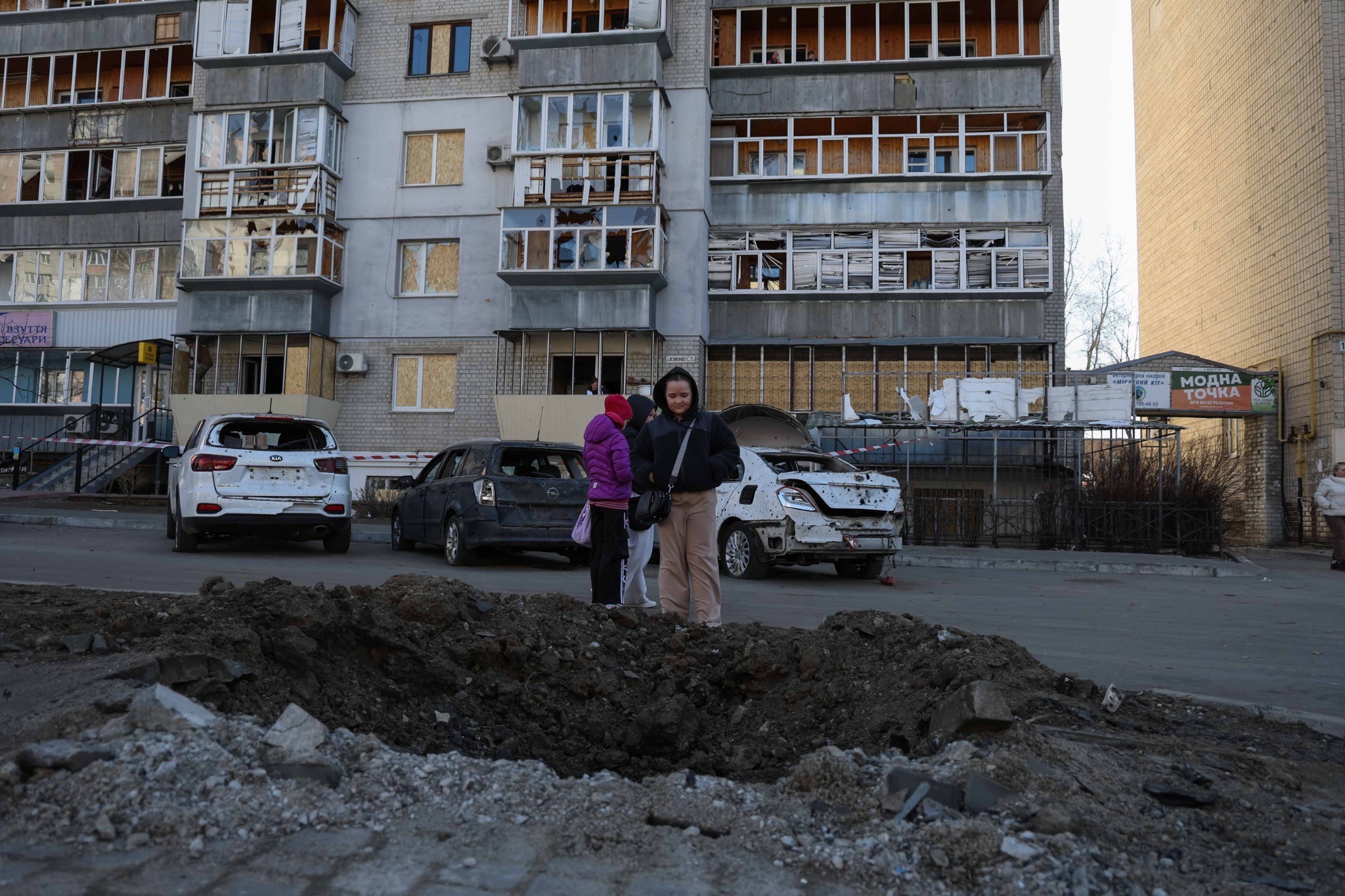
A loud night in the Kyiv region
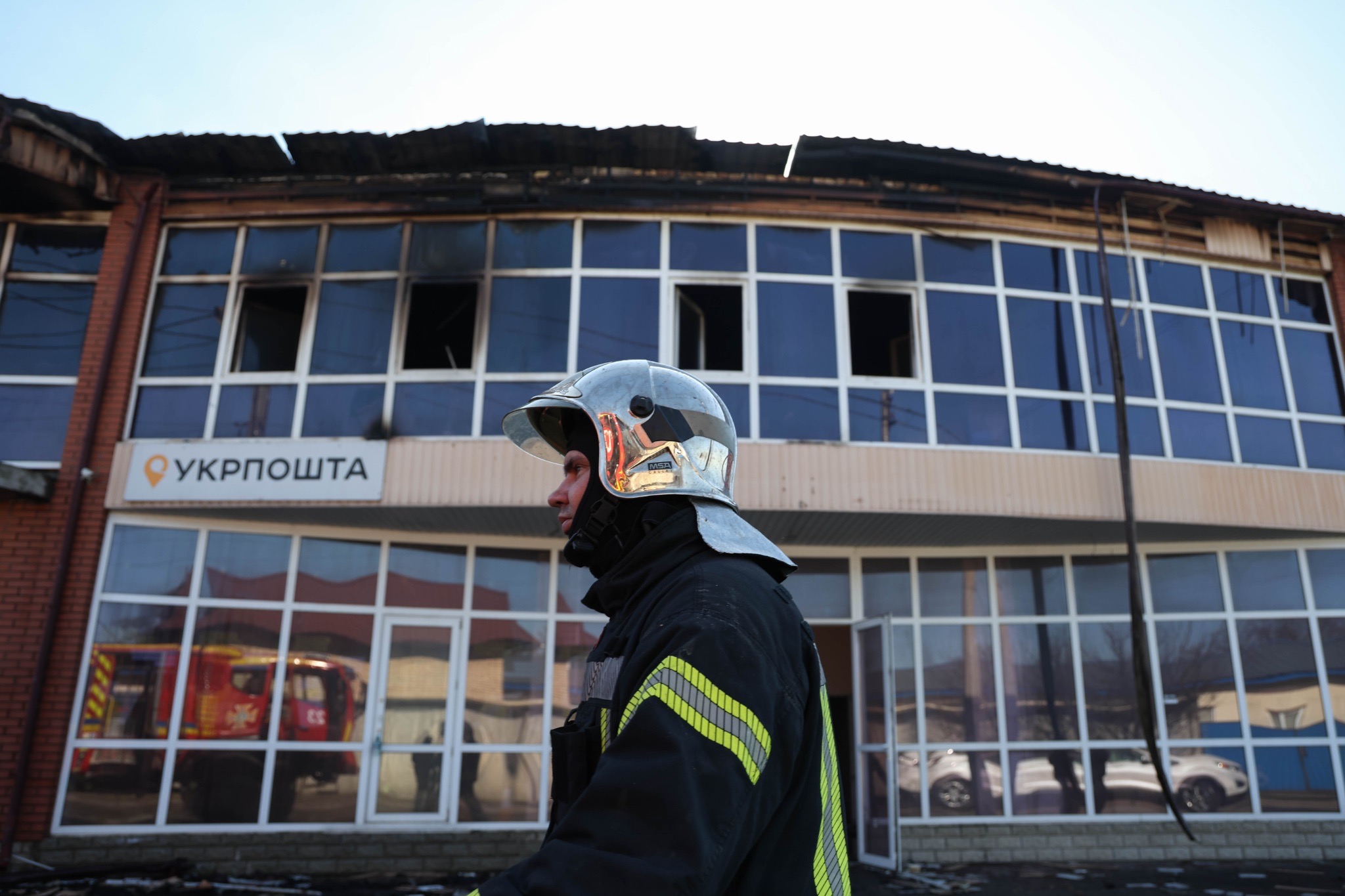
Settlements in Kyiv region came under a massive overnight attack on March 14. The enemy targeted businesses and critical infrastructure, homes, schools and other educational institutions, and transport. In total, 184 sites were damaged. The heaviest impact was recorded in six districts: Brovary, Vyshhorod, Obukhiv, Bucha, Bila Tserkva, and Boryspil. Five people were killed and 22 were injured, including three children.
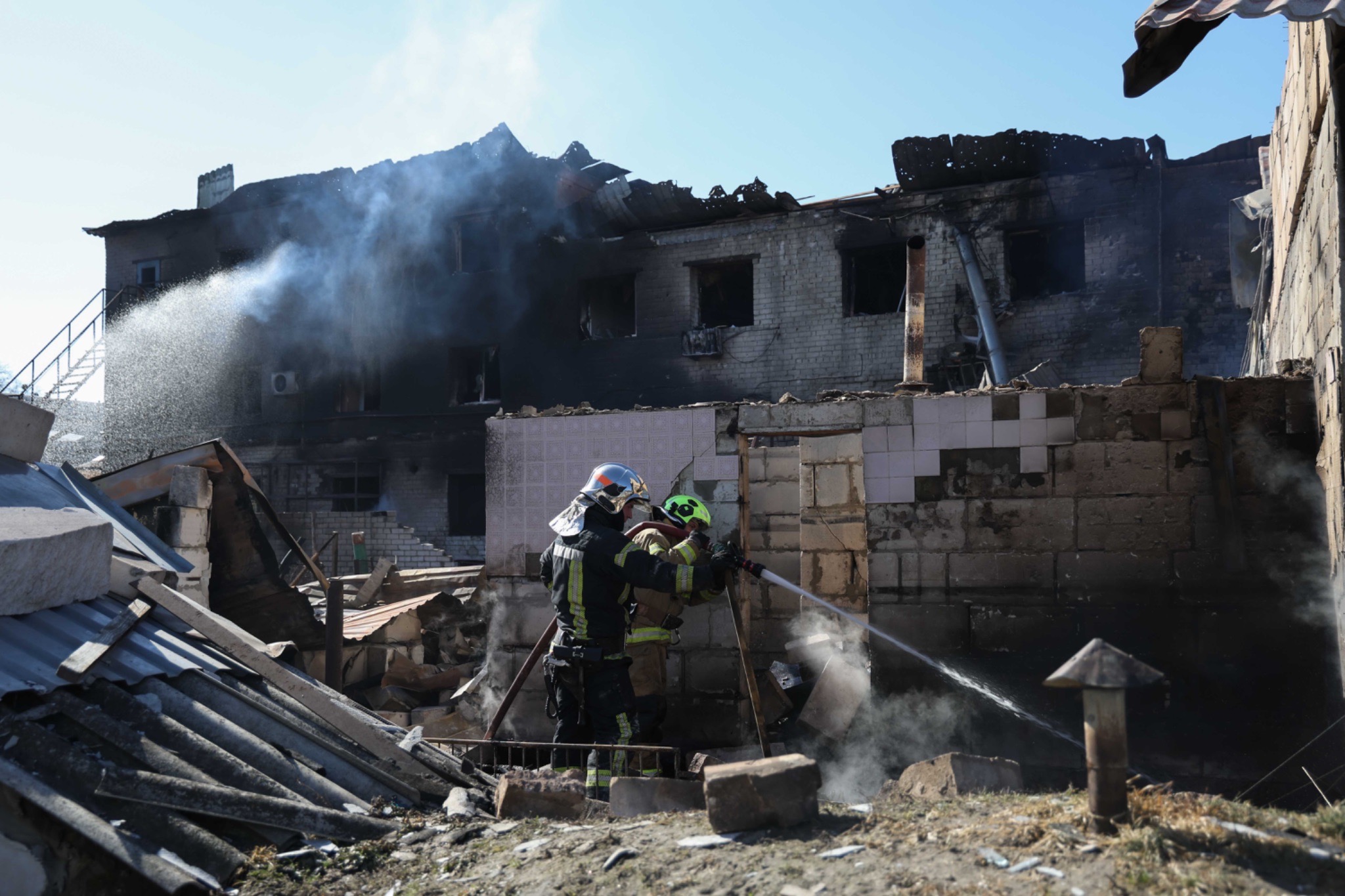
In Brovary district, four people were killed and four more were injured; more than six dozen sites were damaged. Warehouse and production facilities were hit, a dormitory was damaged, and an office building caught fire. In Pohreby (Brovary district), a restaurant roof caught fire. In Bucha district, a fire broke out on the grounds of a садове товариство. In Vyshhorod district, warehouses were destroyed, fires raged, and a high‑rise building was damaged; one person was killed and another wounded. In Obukhiv district, falling debris sparked a fire on the roof of a nine‑storey building; private homes were burning, and a church, educational institutions, and production premises were damaged. Five educational institutions were damaged in Obukhiv district: a kindergarten, three schools, and a vocational education institution.
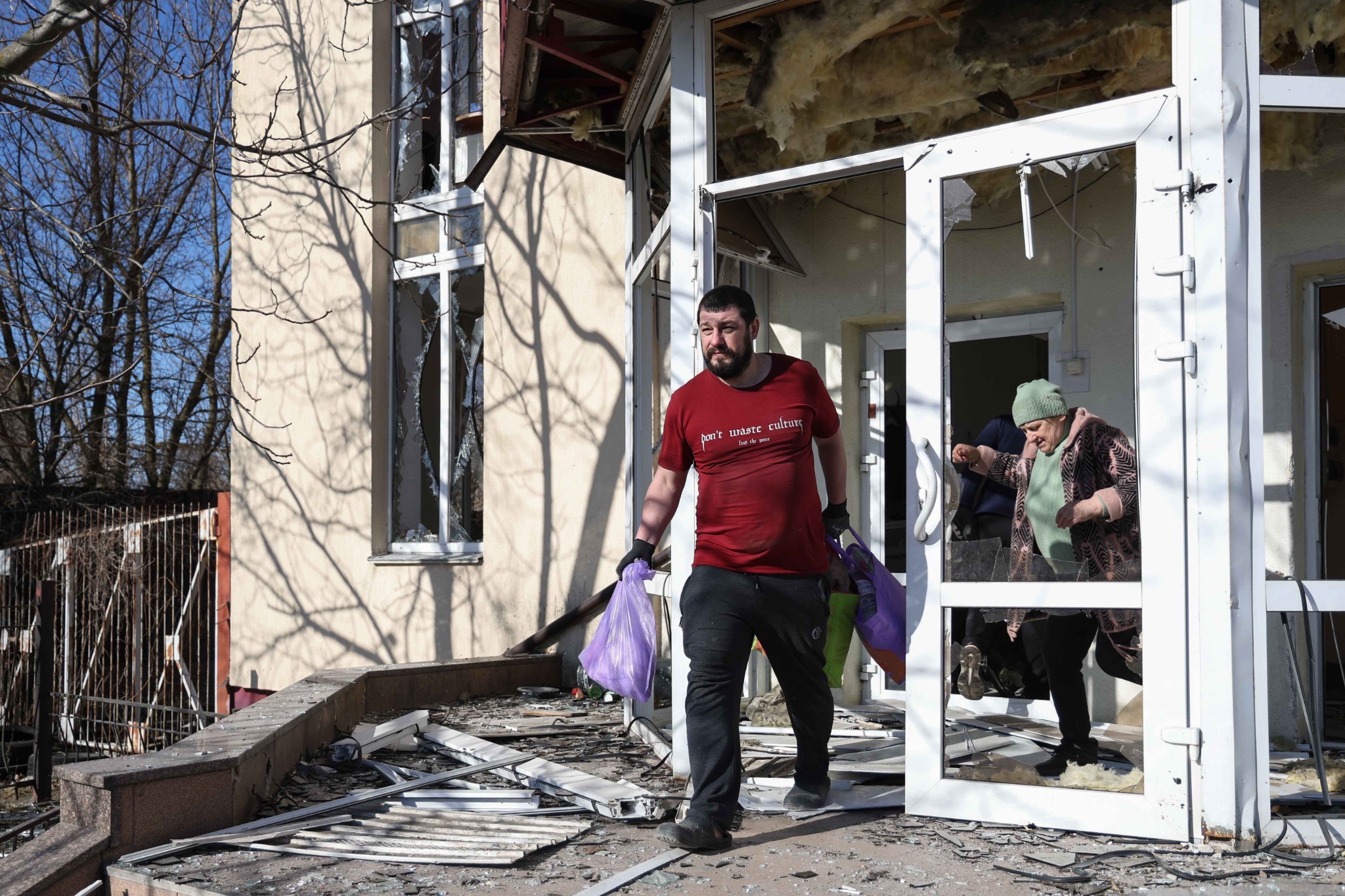
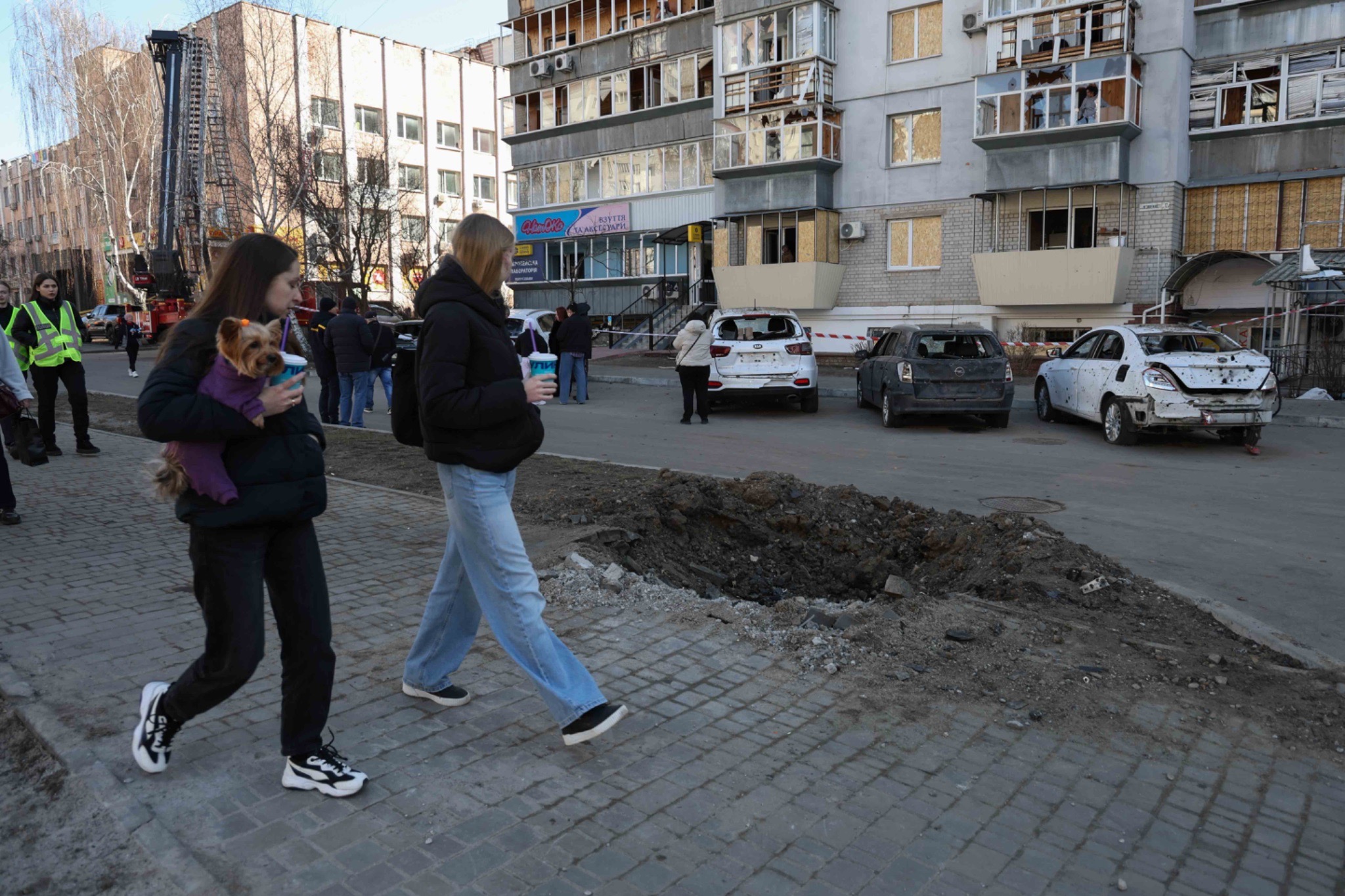
“When schools and kindergartens come under attack, it is an attempt not only to disrupt the education process and deprive children of their basic right to education. It is an attempt to intimidate parents, sow doubt about safety, about the future, and about the very possibility of a normal life,” — said Ukraine’s Minister of Education and Science, Oksen Lisovyi, commenting on the damage.
As a result of the strike, about 1,348 consumers were left without electricity in Brovary, Vyshhorod, and Obukhiv districts of Kyiv region. In Obukhiv district, six settlements were left without gas supply — 7,911 subscribers, the largest number in Ukrainka. Heat supply is temporarily unavailable there and in Obukhiv. Support hubs have been set up to help people, including with medical and psychological assistance; volunteers have been involved. In Brovary, a “bus of resilience” is operating, and hot meals have been organized for affected residents.
Worked on the material:
Topic researcher, text author: Yana Yevmenova
Picture editor: Olga Kovalova
Literary editor: Yuliia Futei
.jpg)
.jpg)














.jpg)


