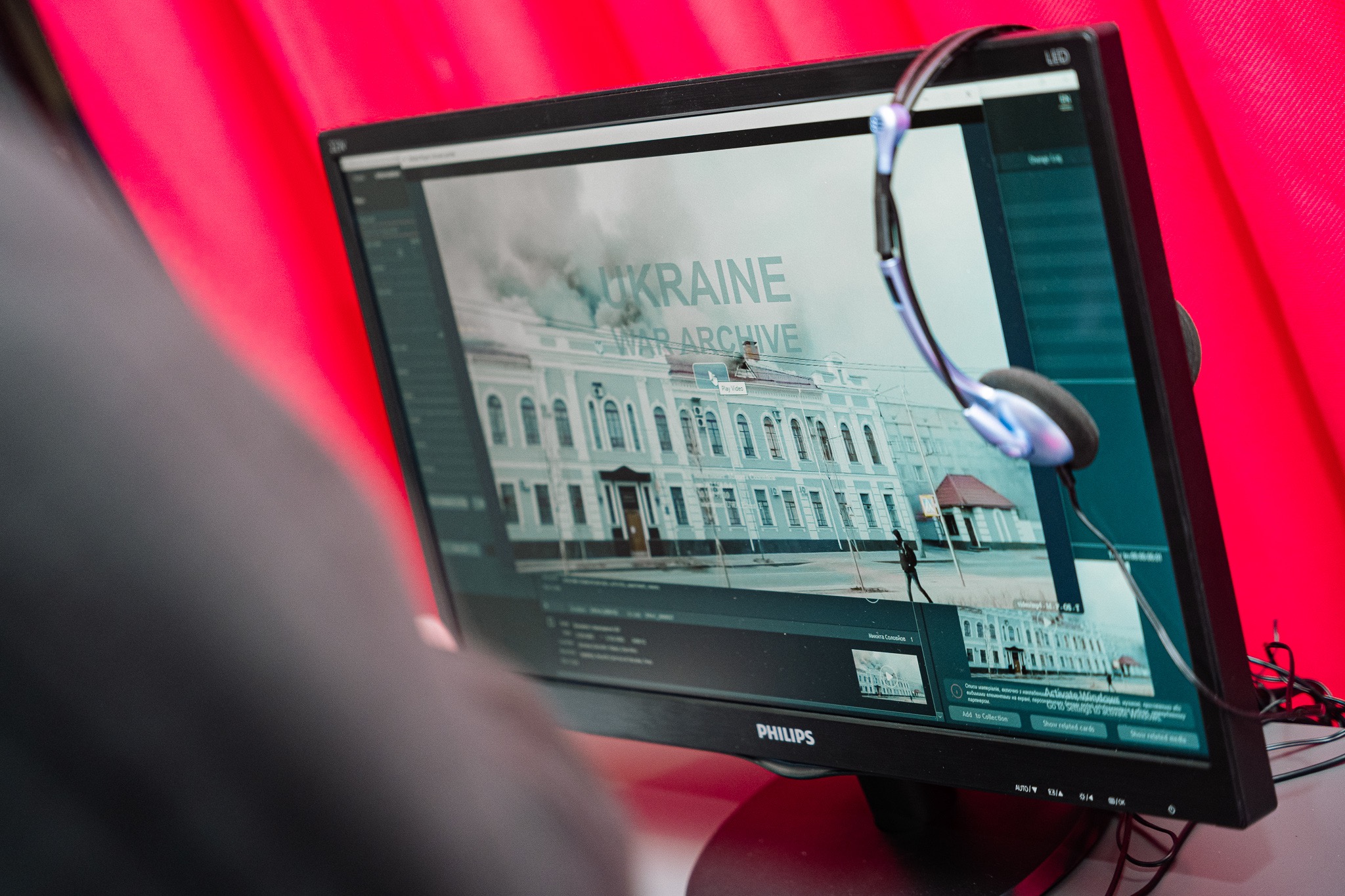
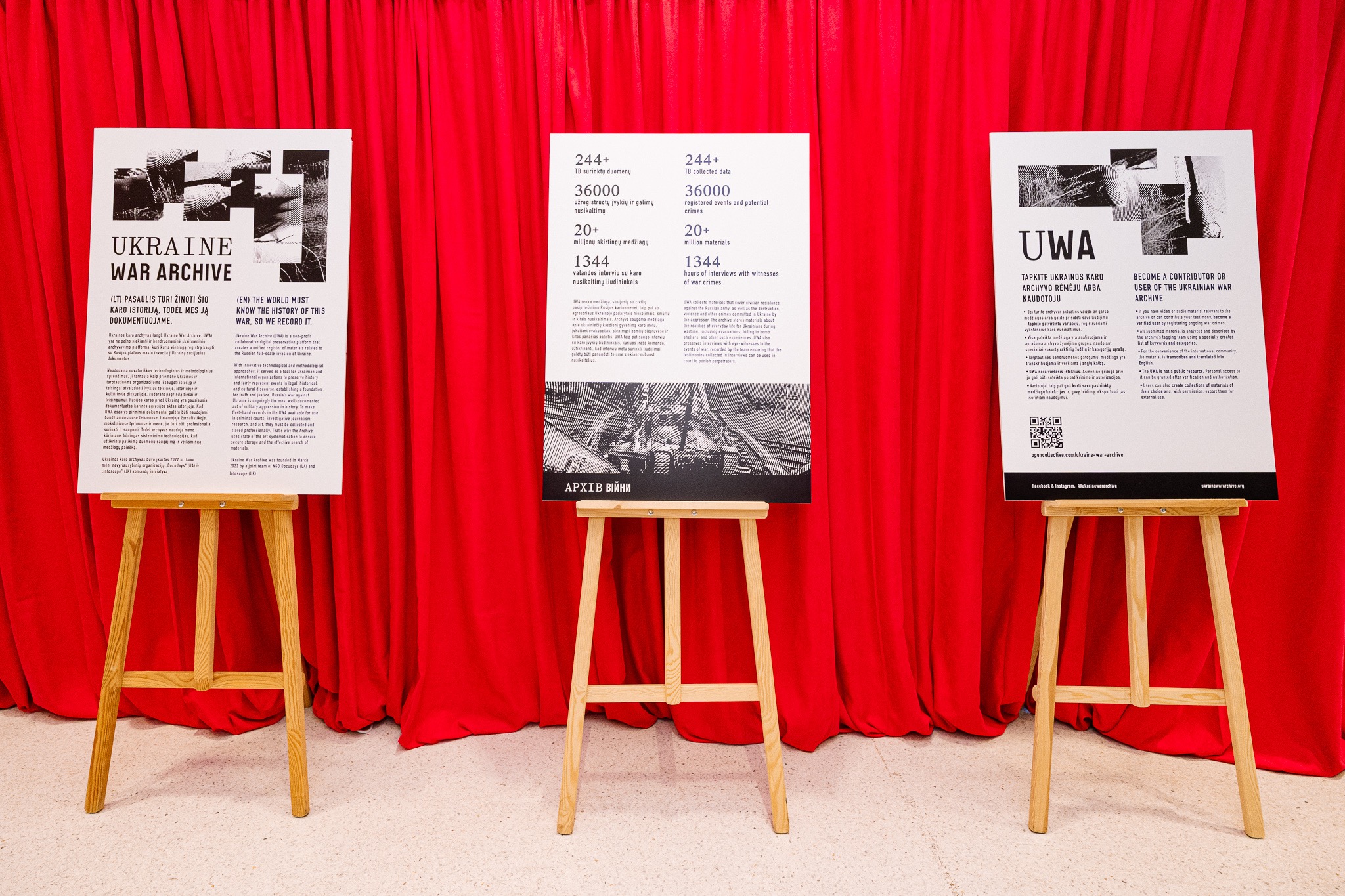
The War Archive has already collected about 37 million unique media files documenting Russia’s war against Ukraine. The initiative, founded by the non-governmental organization Docudays UA and the company Infoscope in March 2022, preserves a wide range of materials that record Russian war crimes, military actions, and life during the war. Interviews with eyewitnesses to war events, recorded by The War Archive team, are also part of the archive.
«Russia’s war against Ukraine is the most documented act of armed aggression in history. For these materials to be used in criminal courts, journalistic investigations, scientific, and artistic works, they must be professionally collected and preserved,» says The War Archive team.
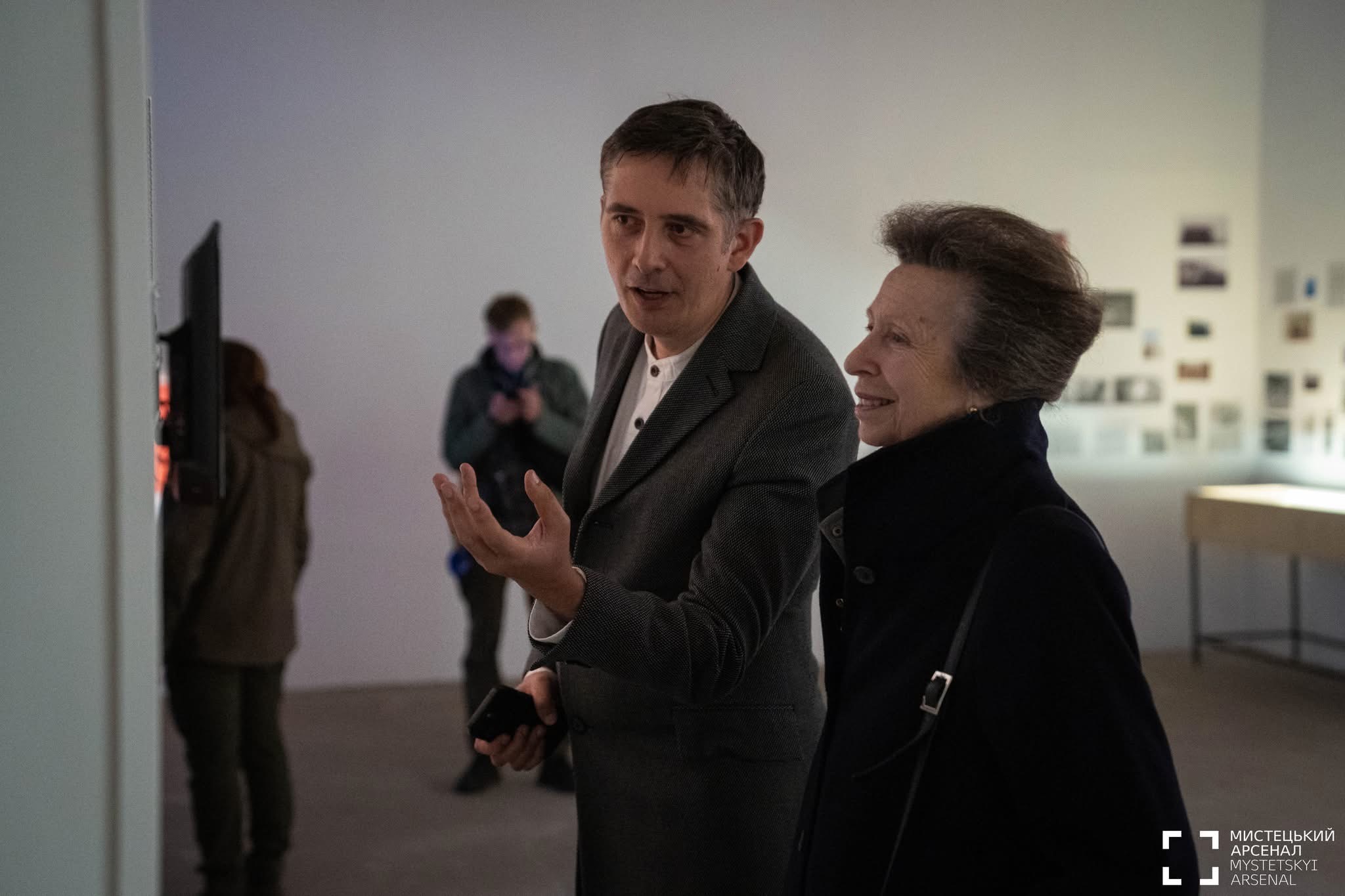
Roman Bondarchuk, director and co-founder of The War Archive, told the Ukrainian Association of Professional Photographers how the team is collecting materials on the full-scale Russian invasion and why it is important to continue documenting life during the war.
"Memory Must Be Archived So That No One Can Rewrite History"
No one imagined what this war would be like or how long it would last. There was an instinctive urge to save everything that was happening. The Internet is a very dynamic environment, and eyewitness testimonies can disappear very quickly. For example, according to the American research agency Pew Research Center, almost 40% of web pages that existed in 2013 are no longer accessible. Many web pages don't last even a year, let alone social media posts.
I remember the Revolution of Dignity was documented by various media outlets, and bloggers and opinion leaders conducted their own live streams. I and my colleagues, who later worked on documentaries about Maidan, often couldn't find important materials—all the recordings had simply disappeared. I was struck by how fleeting and fragile the memory of events that everyone seemed to have witnessed could be.
A few years after the Revolution of Dignity, I was on the jury of an international festival abroad. I wanted to tell foreigners more about the events of that time, as the influence of Russian propaganda was very noticeable. However, the Google image search was configured in such a way that it first displayed the least appealing photos—that is, the narratives needed by our enemy. Someone had worked very persistently with the images. When the full-scale Russian invasion began, I realized that memory must be preserved and archived so that no one could rewrite history.
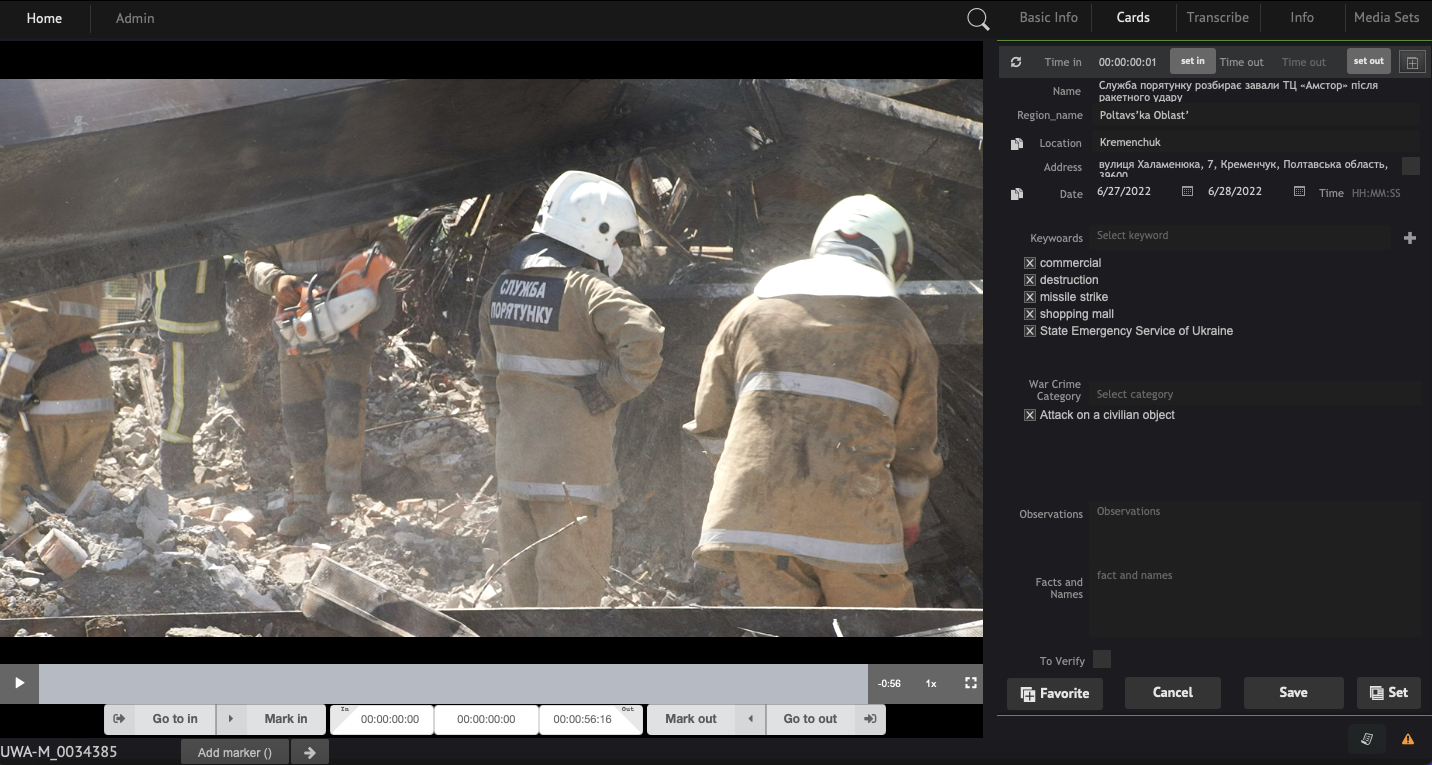
The Docudays UA team began collecting videos and uploading them to the festival server. It soon became clear that the volume of materials was enormous. In March 2022, I spontaneously called Maksym Demydenko, whom I've been friends with since university. Maksym said that collecting and archiving materials needed to be more technological. Together, we began developing a digital platform—Maksym founded the Infoscope organization in Great Britain, which united volunteers, developers, and designers, and provided the necessary security for the materials and backups. We assembled a team of analysts, a partnership department, documentarians, and user engagement specialists. We developed the protocols and methodology according to which the project should operate. It was important to us that the platform be protected, capable of accommodating huge volumes of information, that material could be searched by keywords, and that users could create individual collections, contact the owners of the materials, and so on.
"The Platform Works Continuously to Reduce the Gaps in War Crime Testimonies"
According to various human rights organizations, an average of 150 war crimes occur daily in Ukraine. Russia's tactic is to make violations massive and commonplace, so everyone gets used to it and no one looks for the guilty. We believe that The War Archive's data will help with the collection and organization of information. Our mission is the continuous collection of materials to find all the fragments and fill all the gaps in the testimonies regarding war crimes.
We cooperate with many organizations, regional media, and individual content creators so that the information is as complete as possible and a researcher or artist can study an event from all possible sides and angles. For example, if someone searches for materials about the Kakhovka dam, they will be able to find artistic photographs, audio or video recordings from eyewitnesses, and statistical data on the destruction.

Of course, we used the experience of other archives and keep in touch with initiatives that collect war testimonies. For example, with the project and the Syrian Archive. The Syrian Archive team worked for many years without even knowing when their data might be needed. The level of human rights violations and the number of repressions there reached such a level that people stopped hoping for justice. However, after the fall of Bashar al-Assad's dictatorial regime, the Syrian Archive became one of the leading resources for restoring the country's history. They now have a huge number of requests, researchers are working, and I am sure that books will be written and films will be shot.
"The Archive Is a Source for History"
Continuity is the most important word in archiving. If materials are collected daily according to a single protocol or form, if these arrays are searchable and classifiable—the archive becomes a reliable source for history.
We developed the structure of our archive independently. We started by preparing keywords—tags for materials. We consulted with the Center for Civil Liberties, the Ukrainian Helsinki Union, and Bellingcat investigative journalists, learning about their experience in collecting materials and classifying war crimes. Over time, we began to expand the list to include points on narrower aspects of the destruction of this war, for example, about the loss of cultural heritage. Our list of keywords is constantly expanding.
An important step was connecting digital tools, such as Lenses. It allows us to process huge volumes of data from open sources. Thanks to Lenses, we analyzed Russian television broadcasts, identified episodes of hate speech, linking specific statements and manipulative quotes to each individual propagandist. Based on these quotes, a submission was made to the International Criminal Court.
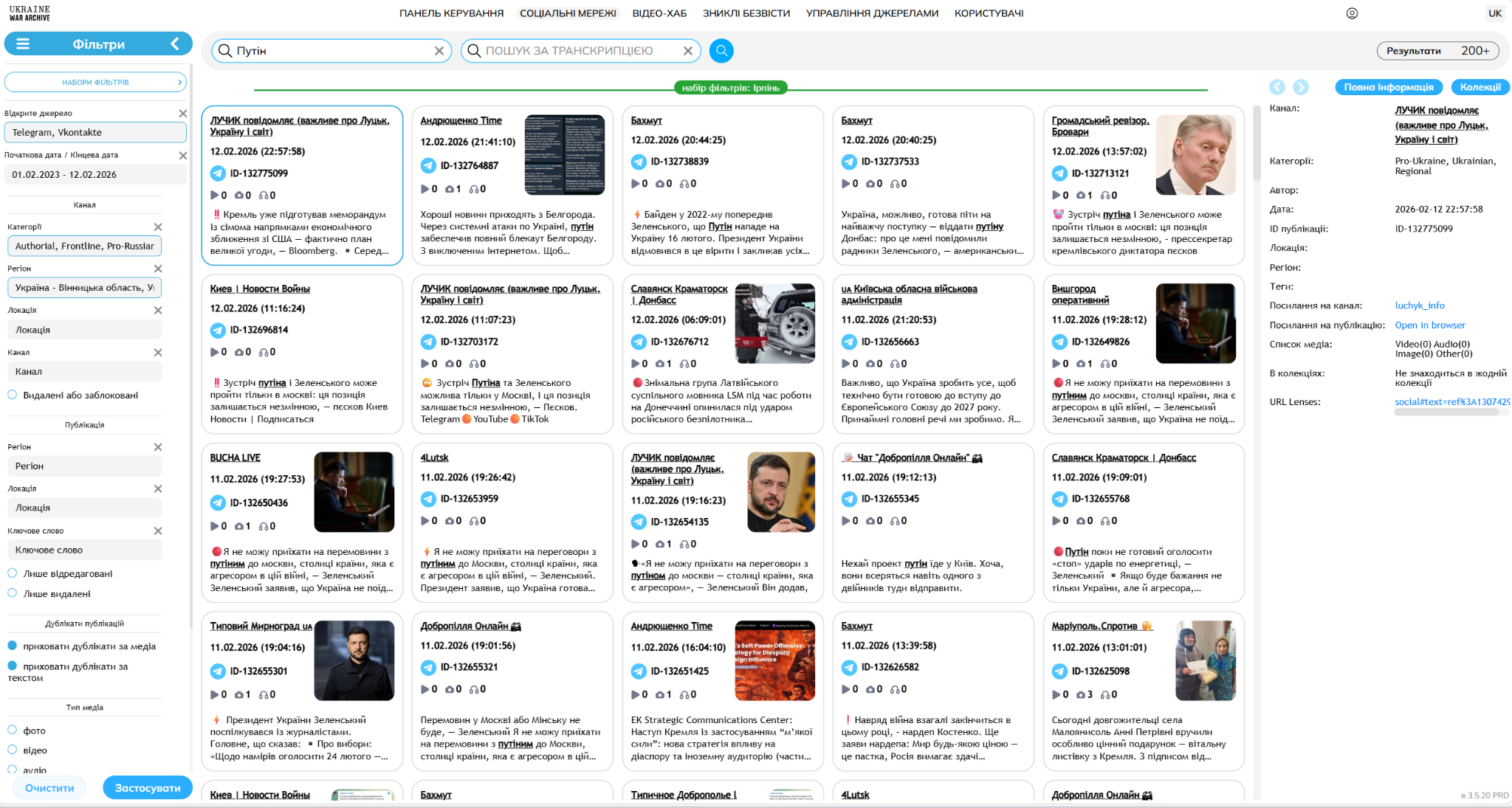
To search for missing people, we created the Missing People tool. The system automatically collects and analyzes data from all available social networks and online platforms and helps find people, even if the matches are incomplete and the person is only briefly mentioned in some regional TV report. All these additional tools and sections appear evolutionarily, working with the existing database of materials we have collected.
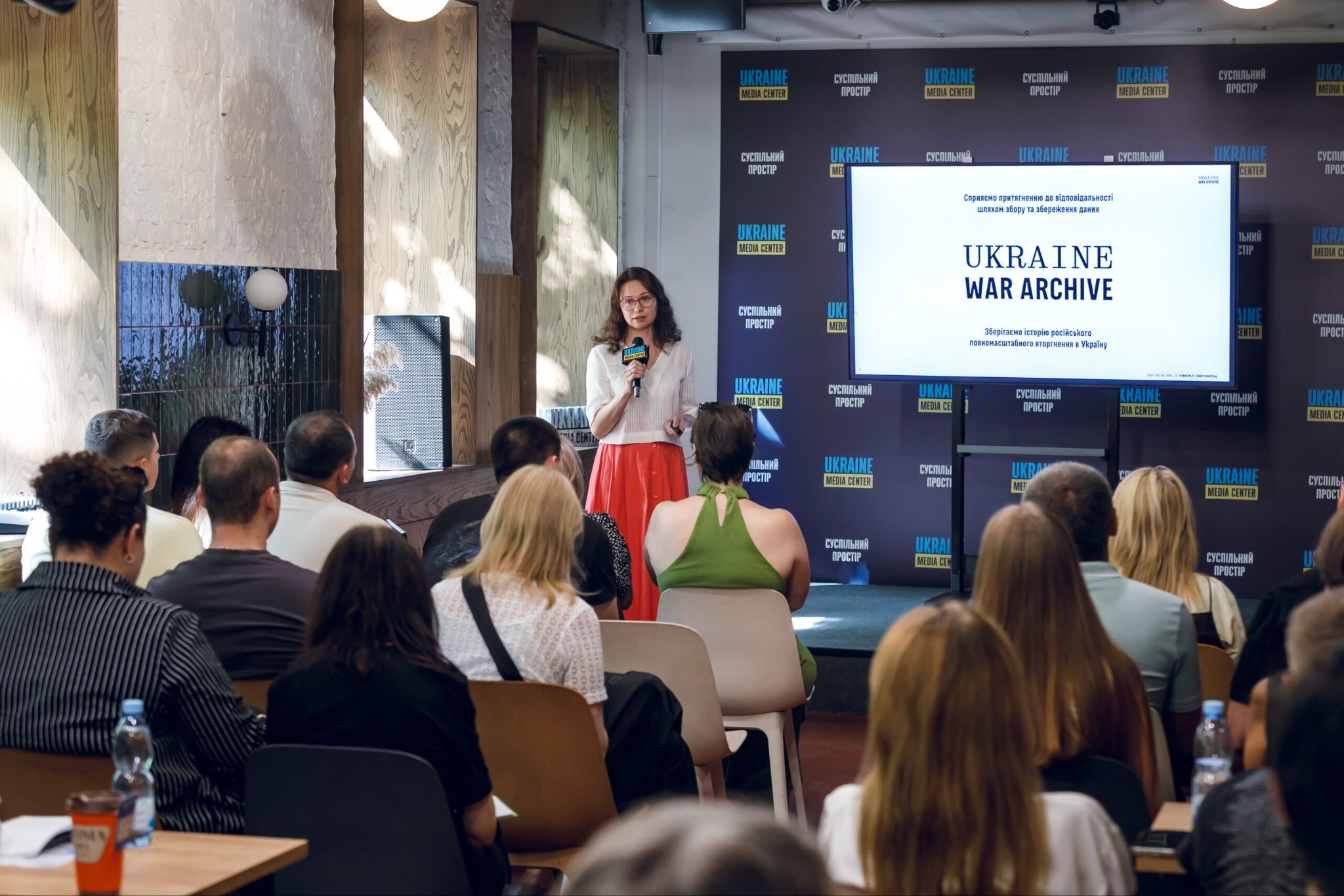
"It Is a Very Interesting Process When Documented Events Turn into Emotional Stories, When an Artist Enhances Them"
Our priority is the collection of materials, their protection, and archiving, but the list of materials we archive is constantly expanding. In addition to working on the archive, we have to talk about our project, demonstrating how the materials can "work" to attract new partners, contributors, and users.
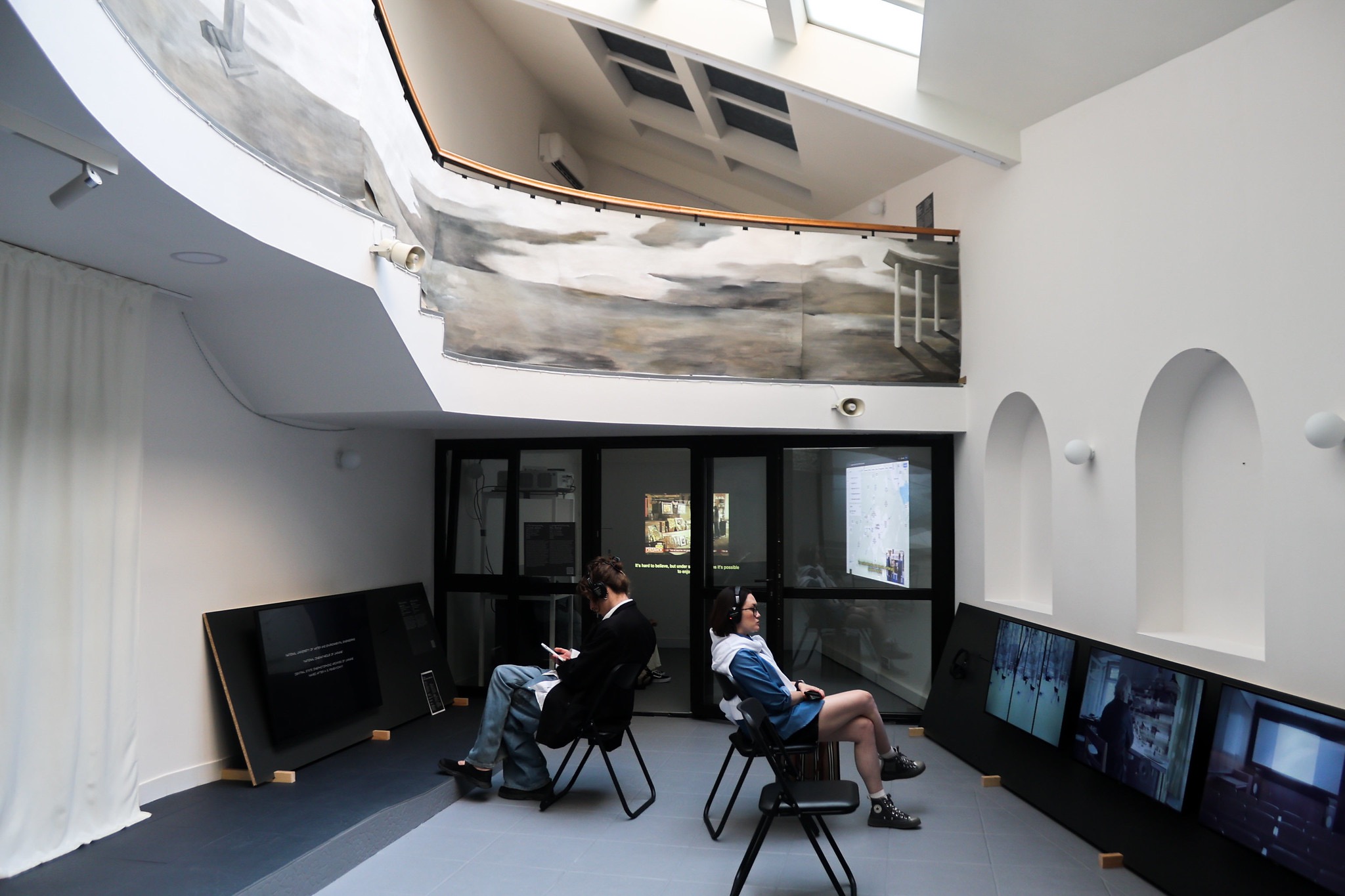
Last year, our team, together with Docudays UA, conducted the LAB: DOCU/SYNTHESIS × The War Archive art laboratory. The program brought together artists who worked on reinterpreting memory and cultural heritage through documentary materials. Participants were mentored by well-known artists who helped Ukrainians with their creative projects. The result of the laboratory was the multimedia exhibition "How We Remember." We received very interesting reflections from the artists, including a project in virtual reality format that allowed one to feel inside a "preserved" museum in Poltava, and "diary" videos from the occupied territories, particularly from Luhansk. In fact, it is a very interesting process when documented events turn into emotional stories, when an artist adds their subjective experience, enhancing them.

The War Archive helped artist Volodymyr Kuznetsov find materials about volunteers involved in cooking. The project "Anthology of Ukrainian Cuisine 2022–2024" focuses on food preparation as a concern for survival. There are stories about groups of people who cook borscht on an industrial scale, dry it, and form dry rations for the military. The work is based on observing these people. Everything looks quite mundane, but the project reveals the phenomenon of Ukrainian horizontal societal orientation, which functions without hierarchy and is built on volunteering.

"We Create Films to Remind the World That the Russian-Ukrainian War Is Not Over Yet"
Every year we test new formats, for example, creating documentary films based on materials from The War Archive. This is a good tool to keep events in Ukraine in focus and remind the world that the Russian-Ukrainian war is not over yet, showing what our struggle looks like.

We recently made a video in which civilians who escaped from Mariupol tell their stories. The video about Mariupol is part of the strategic direction of countering Russian propaganda. Since Russia is trying to distort the events in Mariupol, direct eyewitness testimonies become an undeniable counter-argument. We have thousands of comments under this video, which perfectly demonstrate the systematic work of Russian bot farms; by looking at them, one can study their current narratives and how their manual looks.
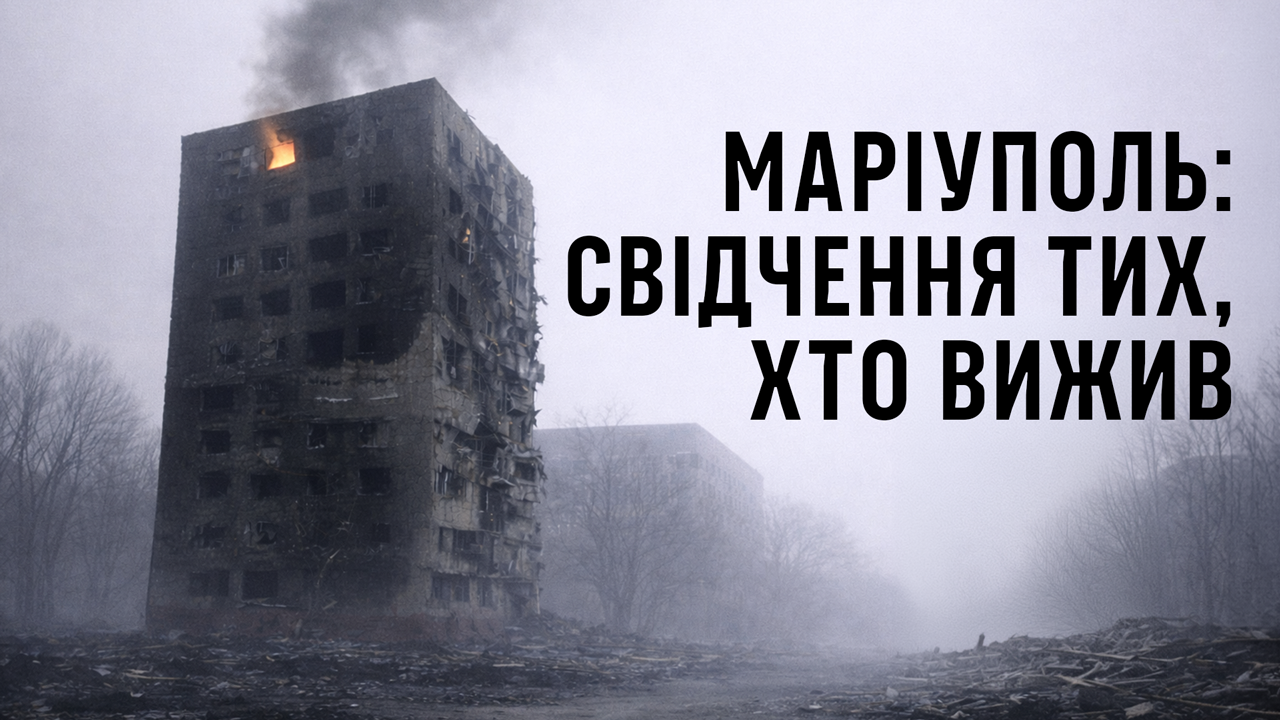
I see that these videos are very much needed by the witnesses of these events. They need to feel that their stories are important, heard, and not forgotten.
We have small experimental projects. For example, in Irpin, we set up a computer where local residents can come and record their memories and testimonies in any form, uploading photos and videos to the Archive. If they are not recorded now, they might simply disappear over time. We plan to scale this project up.
The other day, I spoke with a British director whose team is working on a feature film about Ukrainian drone operators. They plan to shoot it in the UK and need visual materials to recreate the working conditions and daily life of Ukrainian soldiers so that everything in the film looks authentic and convincing. This means that materials from the War Archive can also be used for such projects.
I also spoke with another director from Great Britain. He read a major article in The Guardian about a civilian from Mariupol who walked past all the checkpoints and made it almost all the way to Kyiv. The director wanted to make a film about this man, but the newspaper told him that the rights to this story had already been purchased. I told him that our archive contains thousands of equally compelling stories that they can work with. People often don't understand where to find stories or how to work with archives.

In modern psychotherapy, there is a method called Virtual Reality Exposure Therapy. This method is actively used in the USA for veterans of the wars in Iraq and Afghanistan, and it is currently being adapted in Ukraine. In virtual reality, the patient returns to a recreated scene that was traumatic for them—shelling, an explosion, etc. Specialists are next to the person at that moment and help them overcome stress. For the virtual scene to work, it must be recreated down to the smallest detail. The relevant archival materials are very valuable for this method of psychotherapy.
"Our Ambition Is Not to Change Documentary Cinema, But to Become a Trusted Source That Filmmakers Turn to"
Filmmakers cooperate with us as a platform they can trust. We have no duplicates, as each file is assigned its own unique code that will not change for decades. This is especially important in the era of artificial intelligence, when everything can be modified. We had a case with the documentary film Diviya by director Dmytro Hryshko, which explores the impact of the war on Ukraine's ecology. Dmytro worked with the Archive mainly during the research stage, searching for places that had undergone the greatest changes during the war. He later went there for filming with a clear plan and professional equipment.
We were approached by the team for a film about children forcibly deported to Russia who were successfully returned. The authors filmed a lot of material, but not all of it will be included in the film. They transferred these recordings to our archive so that specialists—investigators, prosecutors—could use these testimonies for court cases. Work on the film is still ongoing. Our ambition is not to change documentary cinema, but to become a trusted source that filmmakers turn to when working on films.
"It Is Important for Us to Collect the Maximum Possible Amount of Data That Would Be Displayed for a Search Query and Complement Each Other"
We collect very different materials, each of which has its own tag and created hash sums. We note the method by which the information was obtained—a witness's or contributor's mobile phone, a surveillance camera, a drone recording, etc. Copyright continues to belong to the owner, and we archive and organize the materials.
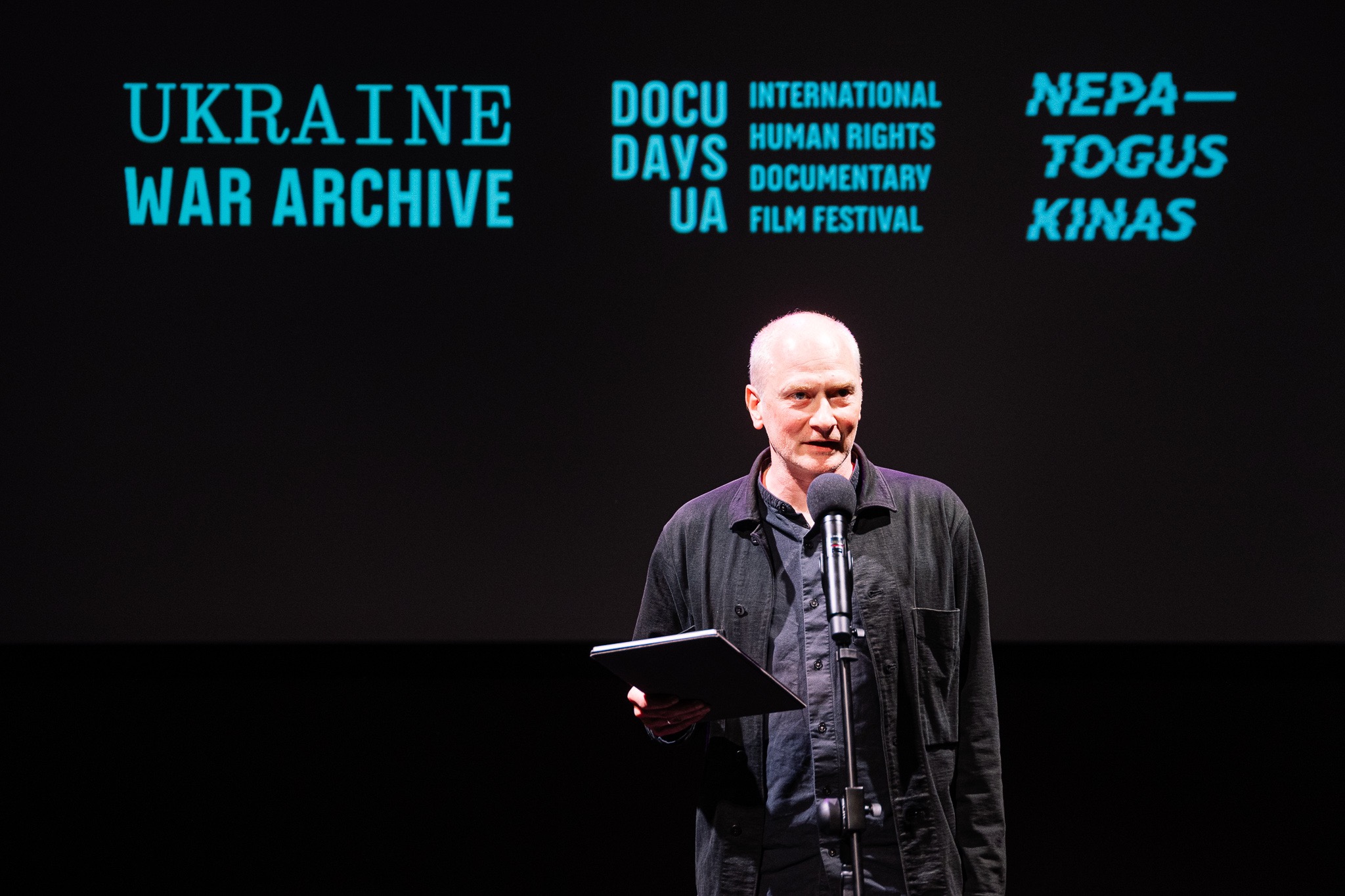
The range of our materials is also expanding over time. In the first months of the full-scale invasion, we decided to limit the timeframe and collect information starting from February 24, 2022. Now we understand that there are many connections between 2014 and 2022—if we find such materials, we make sure to add them to The War Archive.
First and foremost, we are interested in video, audio, and photographs. Recently, we have started collecting statistical data, information on the movement of Russian units, and analytical reports. It is important for us to collect the maximum possible amount of data that would be displayed for a search query and complement each other. We have cases where, for example, twenty witnesses spoke about one incident in general terms, but the twenty-first shared important details.
Recordings that, at first glance, do not directly concern the war may become necessary later. For example, one of our analysts was watching a recording of a man who worked with the mechanism of the dam on the Irpin River. At first, he couldn't understand why we needed this man's story. However, at, let's say, the thirtieth minute, it turned out that the dam had a decisive function in stopping the Russians—the water rose, and the military simply could not cross it.
For now, we are not uploading fiction films only. Perhaps there is sense in that too. When Mstyslav Chernov's film 20 Days in Mariupol was released, the Russians immediately posted their propaganda film with the same title online. It started gaining millions of views because everyone was looking for Chernov's film. Russians have created a lot of propaganda during the full-scale war, which is also interesting for history. However, for now, that is not our priority.
We use materials from the military. Within the framework of this year's Docudays UA International Human Rights Documentary Film Festival, we opened the open call "The War Archive / Fragments of Resistance" for documentary films shot by active servicemen, communication departments of military units, as well as for films about units or individual operations of the Armed Forces of Ukraine. We want to invite the authors and heroes of these films to our festival, give them the opportunity to express themselves, slightly blur the line between the military and civilians, and unite them in one space.
Many cinematographers are currently serving in the ranks of the Armed Forces of Ukraine. They remain in their profession, simply filming the war in the war. We are very interested in having their materials also in The War Archive, as they are at the very center of events.


"We Make Films That Travel to International Festivals and Serve as a Tool of Cultural Diplomacy"
Colleagues monitor social networks and reach out to active users for materials. Curatorial work is ongoing. In most cases, we know whom we invite and why. We have partners with whom we have established long-term relationships. For example, we cooperate with the Ukraїner project—they transfer materials from their expeditions to us. It is important for us to receive materials from cameras, as all the metadata about the shooting is contained there. This cooperation is also important for our partners, as all their materials are reliably stored. If something happens to their server or part of the recordings are lost, they can always contact us for the originals.
All people who have communicated with us and recorded testimonies for us can withdraw their materials. Upon the witness's request, we can delete their recordings from the archive.
We have a function for saving deleted posts on Telegram. We track news Telegram channels—if the system detects the deletion of news, it may indicate manipulation. We have a special tag that allows us to track deleted materials, study the information field, and Russian propaganda.
The War Archive is first and foremost a platform that collects data, organizes it, and stores it for decades to come. The documentation of the war and the recording of witnesses is an initiative of the Docudays UA team, the majority of which is involved in filmmaking. We make films that travel to festivals and serve as a tool of cultural diplomacy.
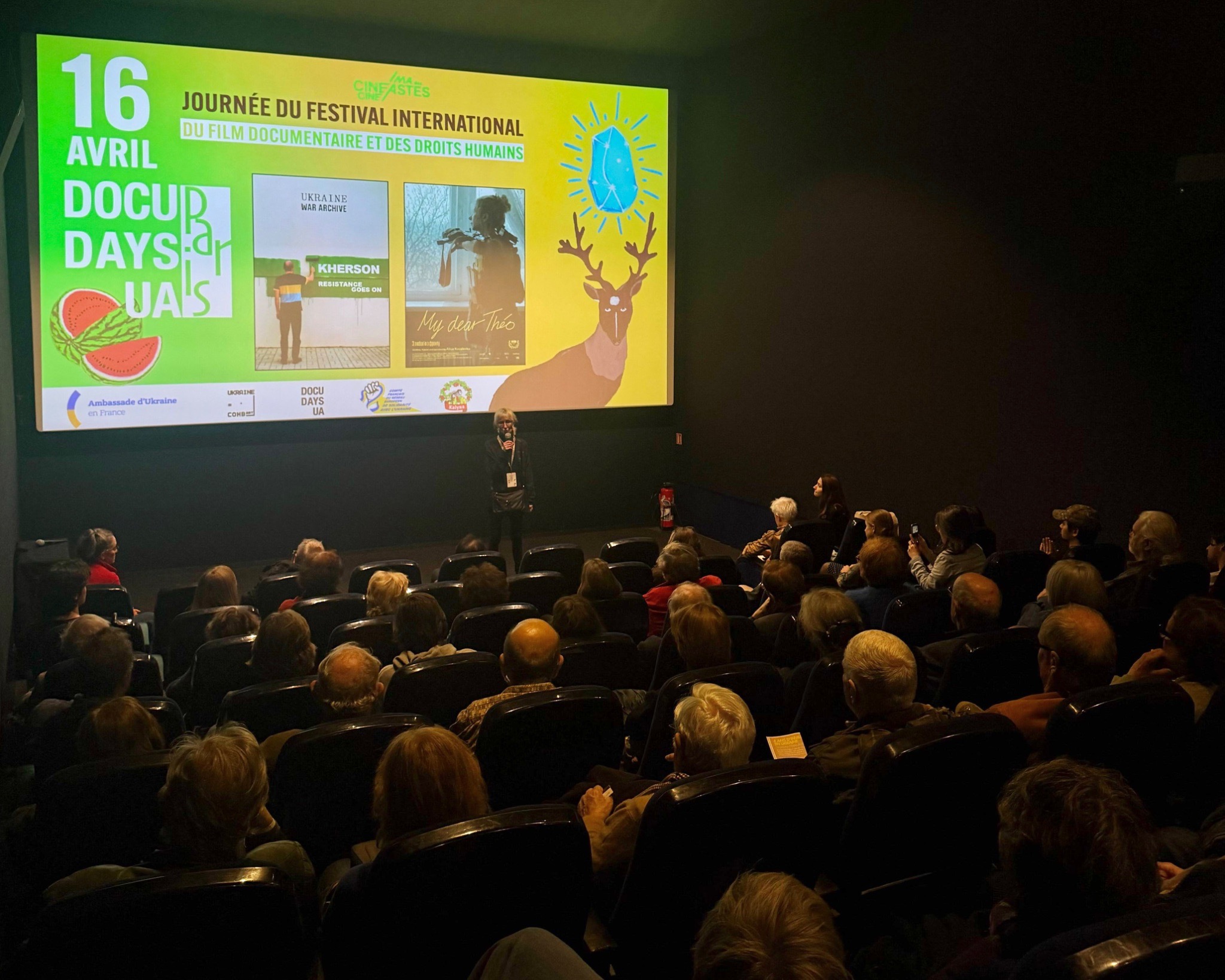
Ukrainian filmmakers often join us. Directors Kateryna Hornostai, Tetiana Symon, Roman Synchuk, actress Rita Burkovska, who has now joined the ranks of the Armed Forces of Ukraine, and others have worked with us. Their recordings of eyewitnesses turn into deep and emotional conversations. From these, the team created a documentary film cycle "Witnesses. North of Kyiv." These are stories of residents of the Kyiv region who survived the Russian occupation. The story of the Russian terrorist attack in Olenivka, where Ukrainian prisoners of war died. We continue to work on a film about the maternity hospital in Chernihiv, and how it operated during the city's occupation by the Russians.

"With The War Archive Materials, We Protect the Core of Our Memory, Documenting the History of the War That the Whole World Must Know"
When the war ends with our victory, and our witnesses are no longer in any danger, we will be able to transform The War Archive into a digital museum, at the very least. It is important that the data remains accessible and cannot be altered in any way. It would also be interesting to create a real, physical museum, a space where people can come, research, and feel. The collected archive is, undoubtedly, a huge layer of history by which people will form an idea of our time and experience. For example, how we survived shelling, slept in corridors between two walls, away from windows, evacuated from frontline cities to relatively safer ones, how we survived winters without heating, and how we raised and educated children during the war.
With The War Archive materials, we protect the core of our memory, documenting the history of the war. This is a fight for our identity. Our enemies came to erase our identity, to destroy or force its bearers to leave, to say that Russia has always been here. However, we collect and document all their steps. We know where and when they were, what and how they destroyed, we know the names of their units and their names. Sooner or later, the day will come when we will move through the list and bring the guilty to justice. This is what gives us the strength to keep working. We cannot drop out of the race before them—we must be persistent, protect our loved ones and ourselves, to win this long marathon.
Ukraine War Archive (Архів Війни) is a non-commercial partnership platform for preserving digital materials about Russia's full-scale war against Ukraine. The Archive creates a unified register of video, audio, and other materials (photos, texts, reports, analytics, etc.), systematizes them, and helps Ukrainian and international organizations work with evidence and historical testimonies in legal, historical, and cultural contexts. The platform works with metadata and file descriptions: a separate card is created for each material, and the team of analysts processes and tags it using a system of keywords (over 400), based on the classification of war crimes under the Rome Statute and its own methodology. Copyrights are not transferred to the Archive: the copyright holder/partner retains the rights and determines the level of access to the materials themselves. Access to the Ukraine War Archive is granted only to authorized users who undergo preliminary verification; materials are available for viewing but not for download. The initiative was created in cooperation with the NGO Docudays and the British organization Infoscope.
This material was created with the support of the British Council’s “Creative Economy Grants” program
Material Contributors:
Topic Researcher, Author of the Text: Katia Moskalyuk
Literary Editor: Yulia Futei
.png)