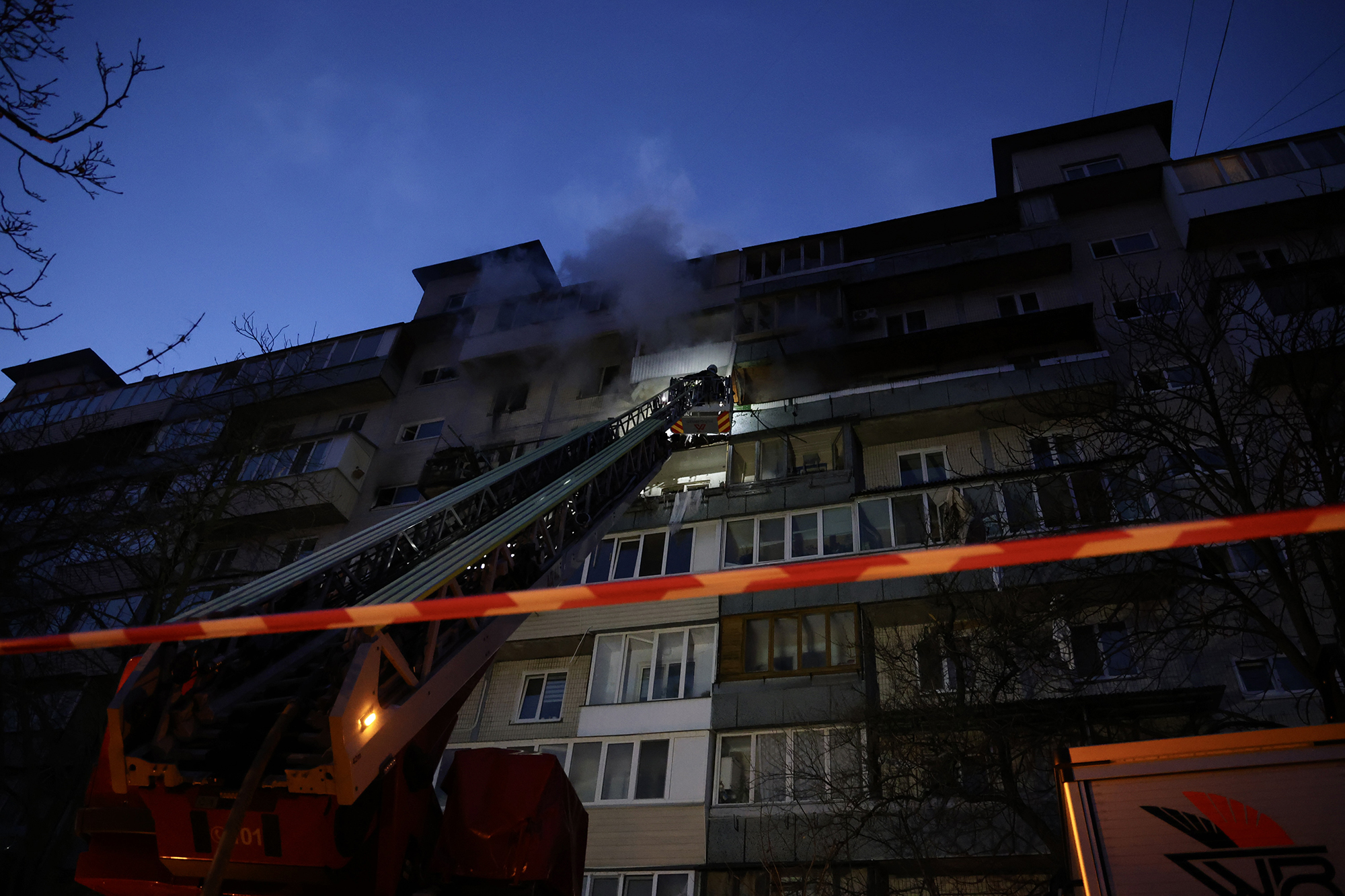
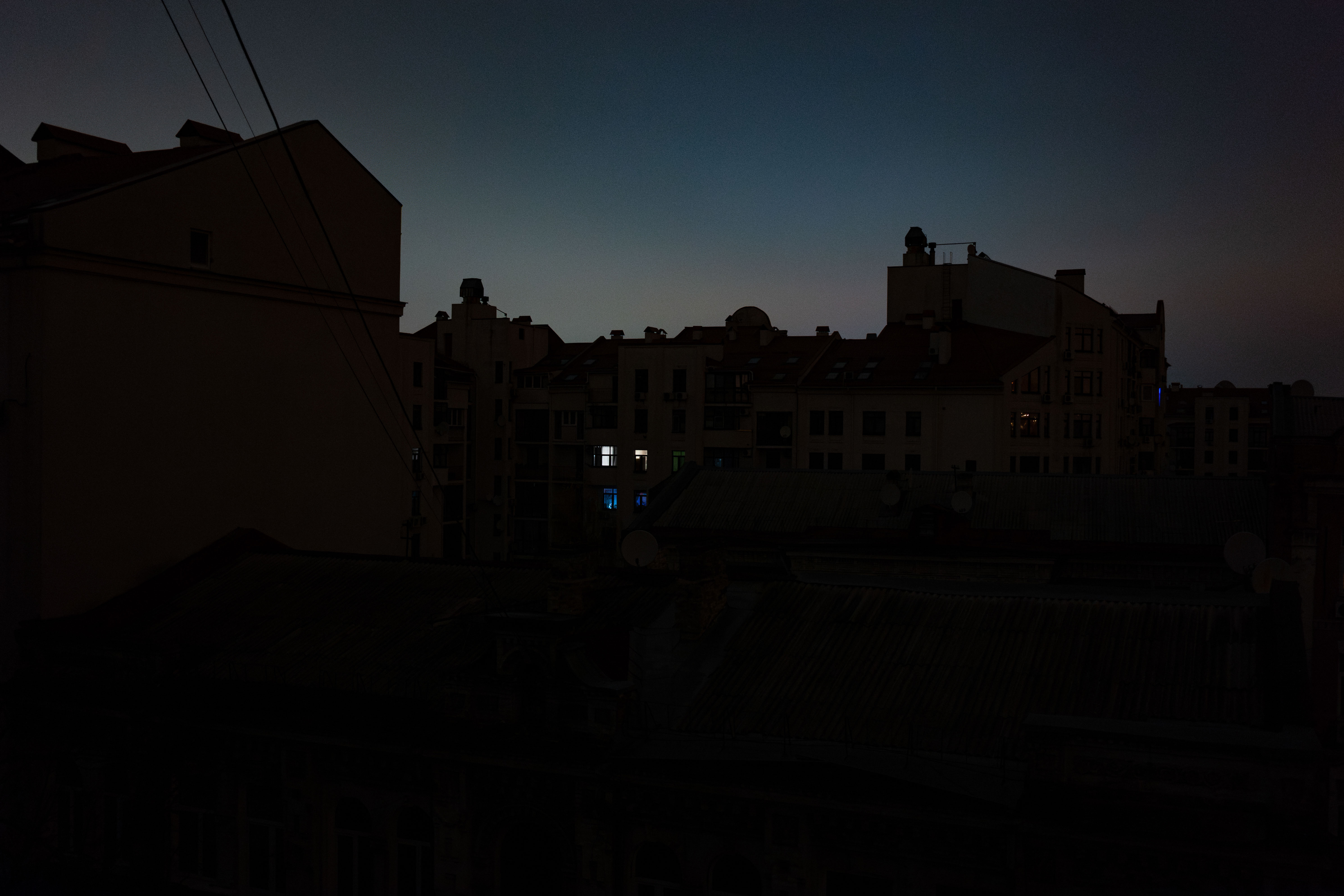
Russian attacks on energy facilities caused power shortages across all regions of Ukraine. Scheduled power outages were implemented in most oblasts, and restrictions even affected industrial sectors. Throughout the week, Russia terrorized Odesa, Kharkiv, and Dnipropetrovsk regions. The shelling situation remains consistently severe in Donetsk region and Kherson. The culmination of the working week was a massive attack on Kyiv, where residential areas of the city came under enemy fire. The State Emergency Service of Ukraine (SES) once again warns: after enemy drone attacks, rescuers find cluster elements near UAV debris that can detonate unpredictably.
Chronicle of Russian Attacks from November 10 to 16
On the night of November 10, the enemy attacked Sumy region once again, forcing rescuers to work under the constant threat of repeat strikes. In Dnipropetrovsk region, a church dome and the roof of a bank building caught fire due to a Russian drone attack. Two civilians were wounded in Kherson, where a scientific institution building was damaged.
November 11, Russia launched a massive UAV attack on energy facilities in Odesa region, causing power outages. A Ukrzaliznytsia (Ukrainian Railways) depot and an administrative building were also damaged, and one person was injured. In Kharkiv region, a Russian FPV drone struck a civilian car, injuring three people: two in moderate condition and a 16-year-old boy in serious condition.
On November 12, the enemy carried out about a dozen attacks on Dnipropetrovsk region, affecting two districts: Nikopol, hit by artillery and FPV drones, and Synelnykove, struck by UAVs, where one man was killed. Throughout the day, another man was severely wounded by enemy fire, and a lyceum, a gas station, a shopping pavilion, a power line, and residential buildings were destroyed. Private enterprises and cars were on fire in Pavlohrad.
Russia struck the Kholodnohirskyi district of Kharkiv with three drones. Two fires broke out on the territory of a civilian enterprise. Rescuers saved two civilians from apartments blocked near the strike epicenter, and four people were hospitalized. In Sumy region, enemy UAVs attacked a delivery vehicle carrying bread, injuring the driver and damaging a Ukrposhta (Ukrainian Post) car, which sustained broken windows. In Chernihiv region, an enemy FPV drone attack damaged a service vehicle belonging to a telecommunications company and a house on the territory of a former forestry.
On November 13, Russians attacked Odesa region again with strike drones, the third time this week. Fires erupted at a transport infrastructure facility, and the roof of a railway repair shop was destroyed. In Mykolaiv, a strike hit an industrial facility, injuring six people, three of whom are in serious condition. Kharkiv and the surrounding region face daily attacks. In Kharkiv, a transport enterprise was hit. In the Borivska community, Russians struck a mini-tractor with a drone, killing three people and injuring one more. An enemy FPV drone hit a gas distribution station in a border community in Chernihiv region. In Dnipropetrovsk region, an FPV drone struck a car, wounding three people.
Loud Night in Kyiv
Overnight on November 14, Russia launched a combined attack on Ukraine's critical infrastructure, employing 430 UAVs of various types and 19 missiles, including 13 ballistic ones. The enemy targeted the capital, with Kyiv region, Poltava, Odesa, and Cherkasy regions also affected. Strikes from missiles and 23 strike drones were recorded at 13 locations, and debris fell in 44 locations.
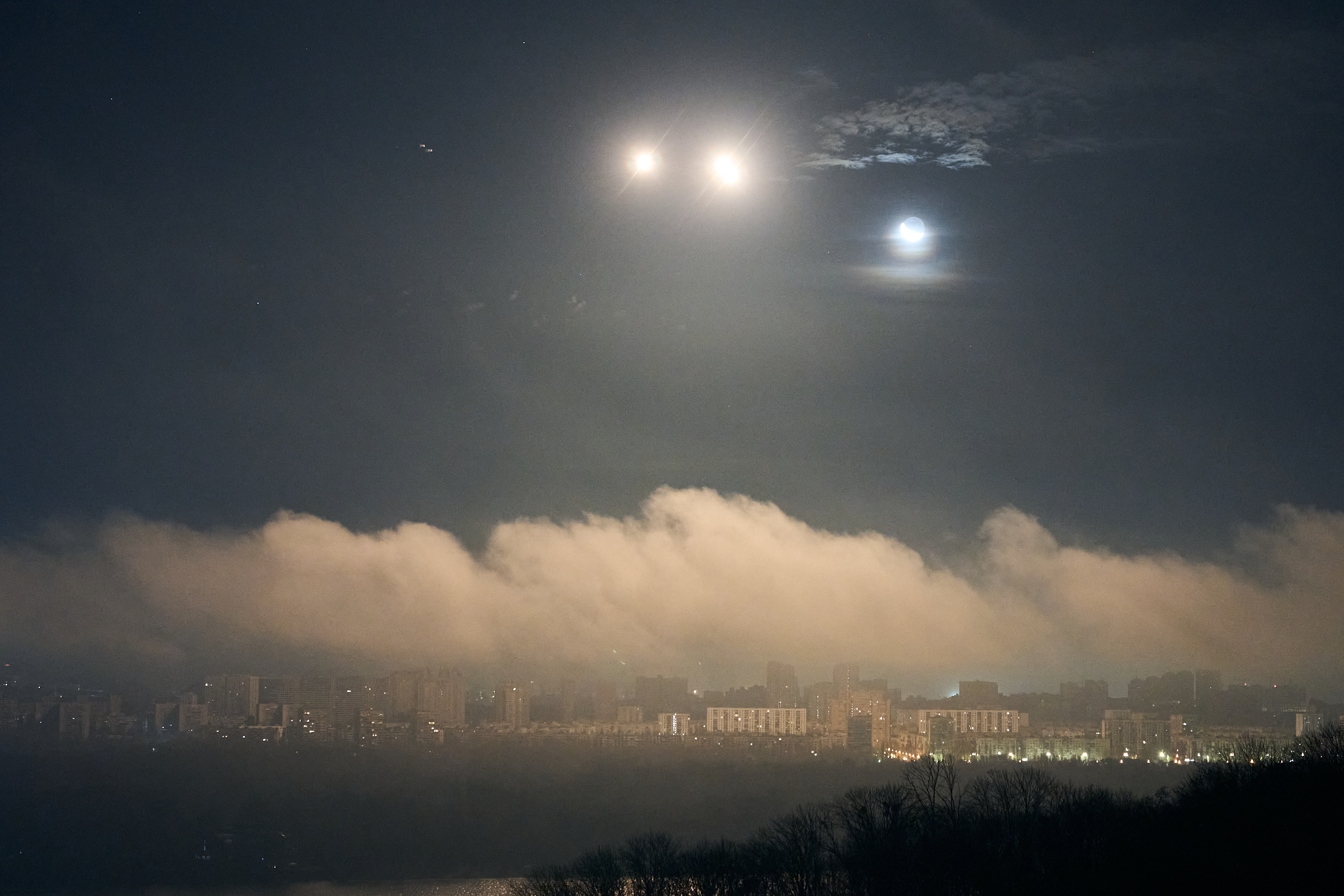
In Kyiv region, about 10 people were injured, including a seven-year-old girl. In Kyiv, seven people were killed and 36 were injured, including two children and a pregnant woman; six people remain hospitalized, five of them in serious condition. Rescuers pulled 68 people from under the rubble and out of blocked apartments. 27 buildings were damaged, with numerous fires reported; almost all districts of the capital were under attack. Fires and damage were recorded on the territory of a sports base, a school, a hospital, shops, and offices. The building of the Embassy of Azerbaijan in Kyiv was also damaged. Nearly 300 rescuers and 500 police officers worked to mitigate the consequences of the night shelling of Kyiv.
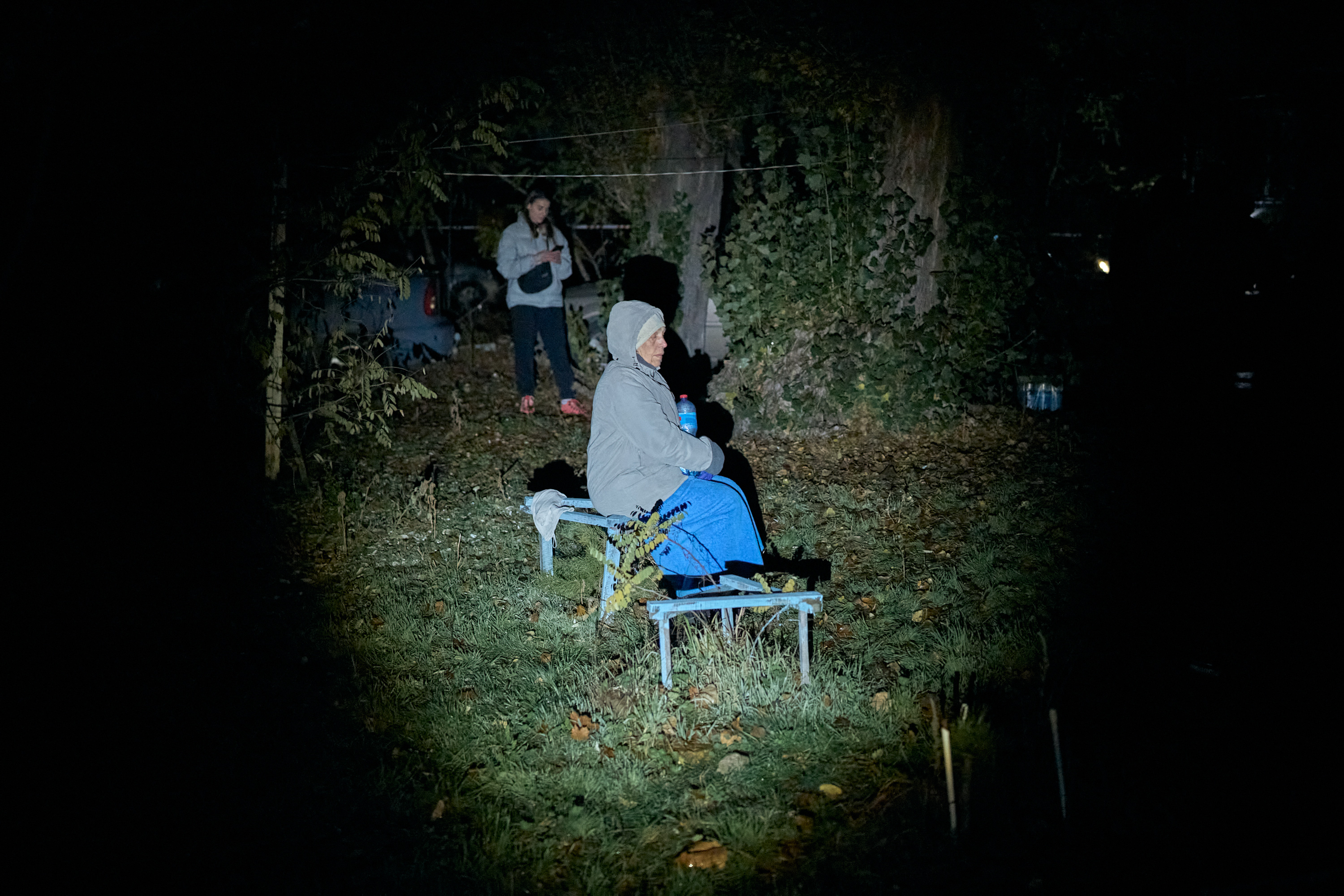
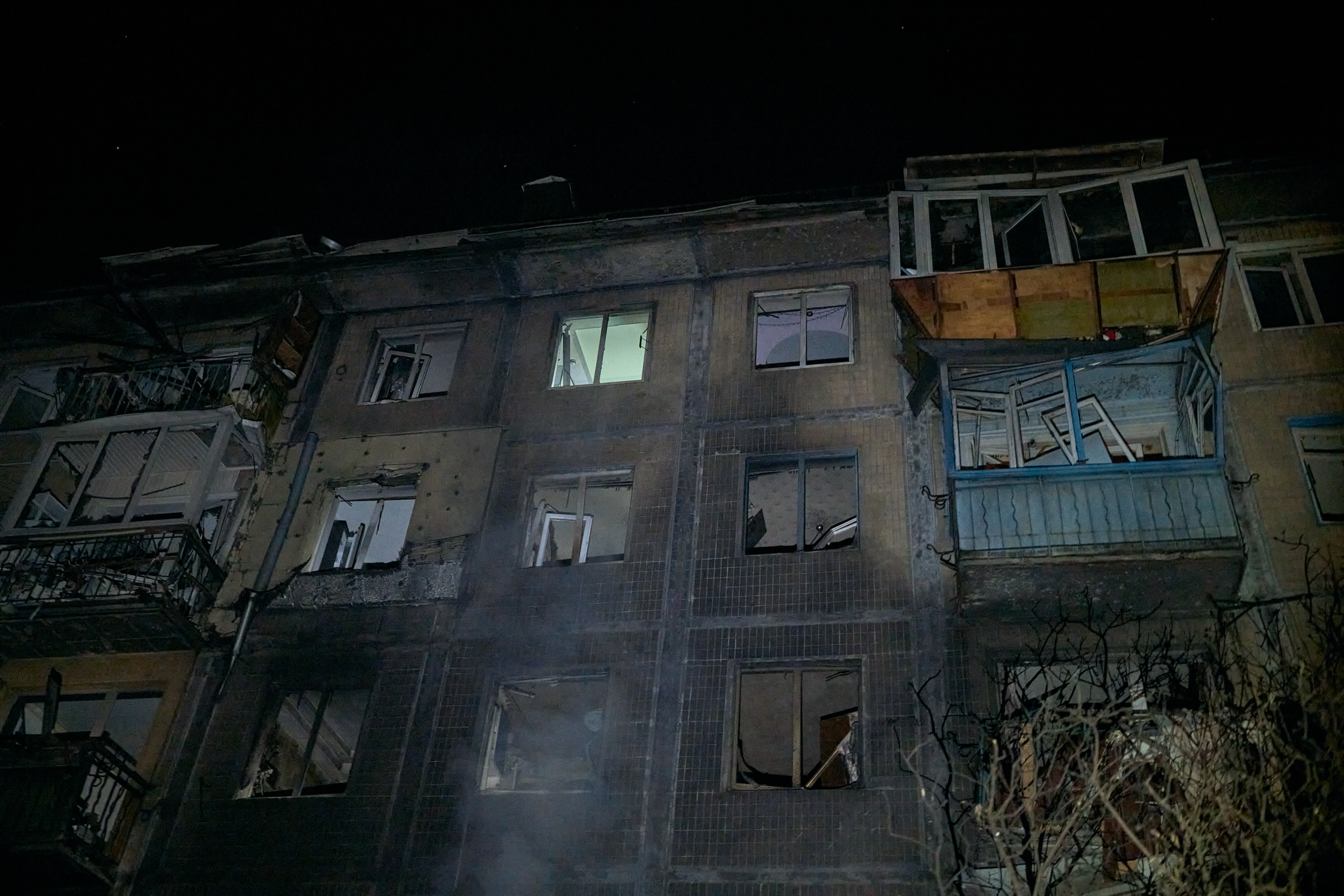
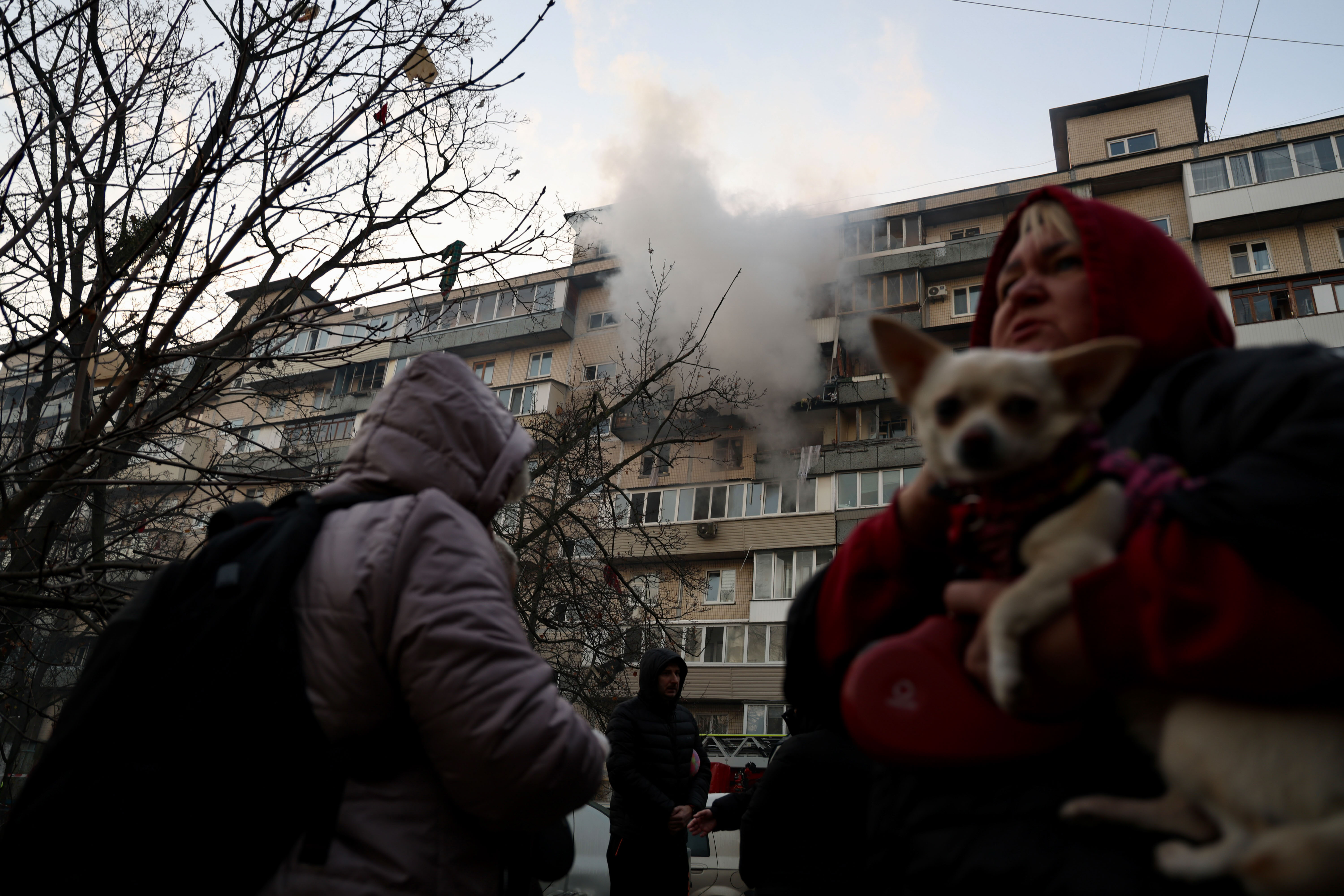
The Desnianskyi district of Kyiv was one of the most challenging locations for rescuers, with fires reported at several addresses. At a nine-story building in the Lisovyi Masyv neighborhood, the search and rescue operation was complicated by debris one meter high covering the 5th and 6th floors, preventing rescuers from using heavy engineering equipment. Six people were killed, five were injured, 17 were rescued, and 252 people received psychological assistance. The Russian shelling damaged sections of the district's heating networks, leading to a temporary suspension of heat supply.
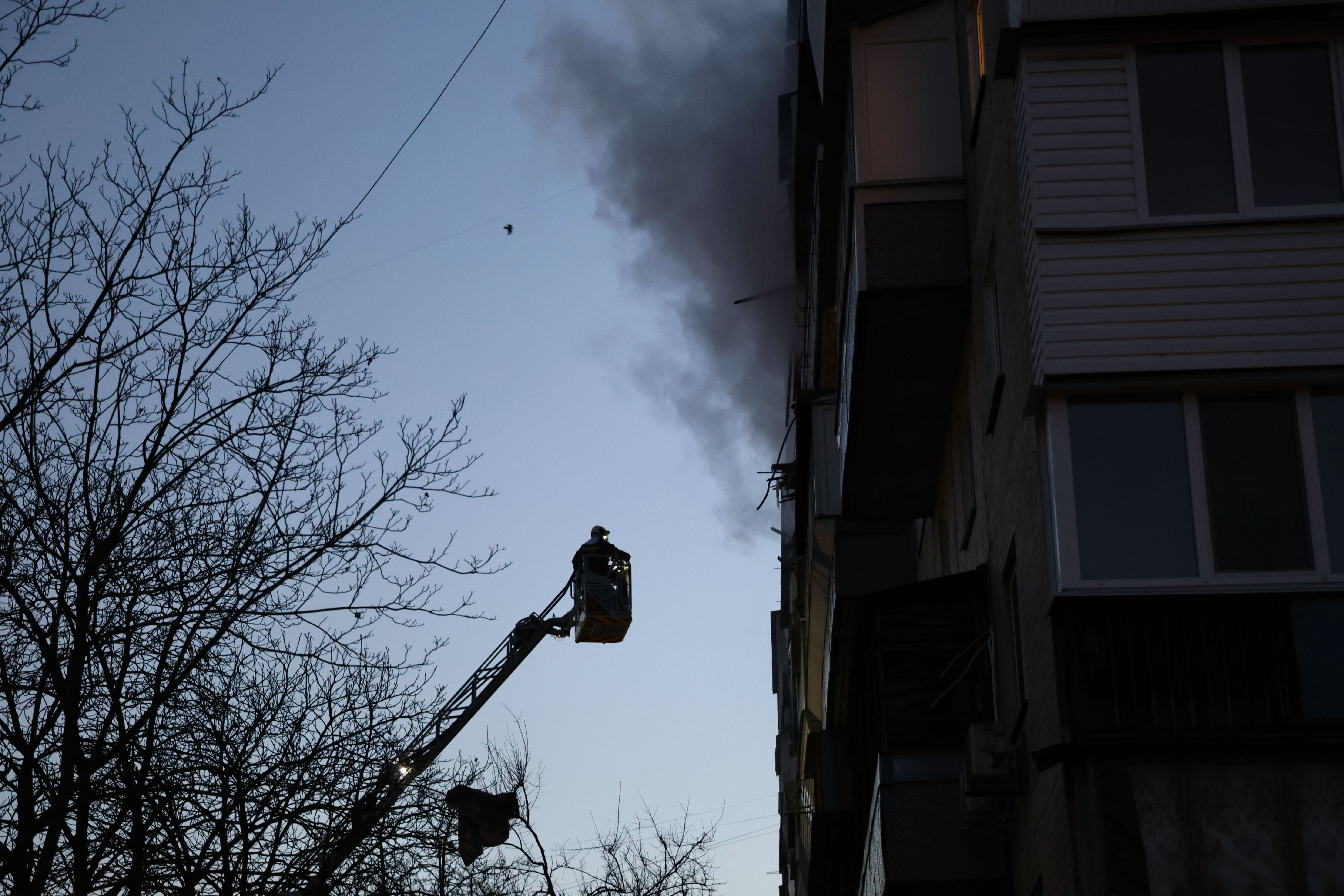
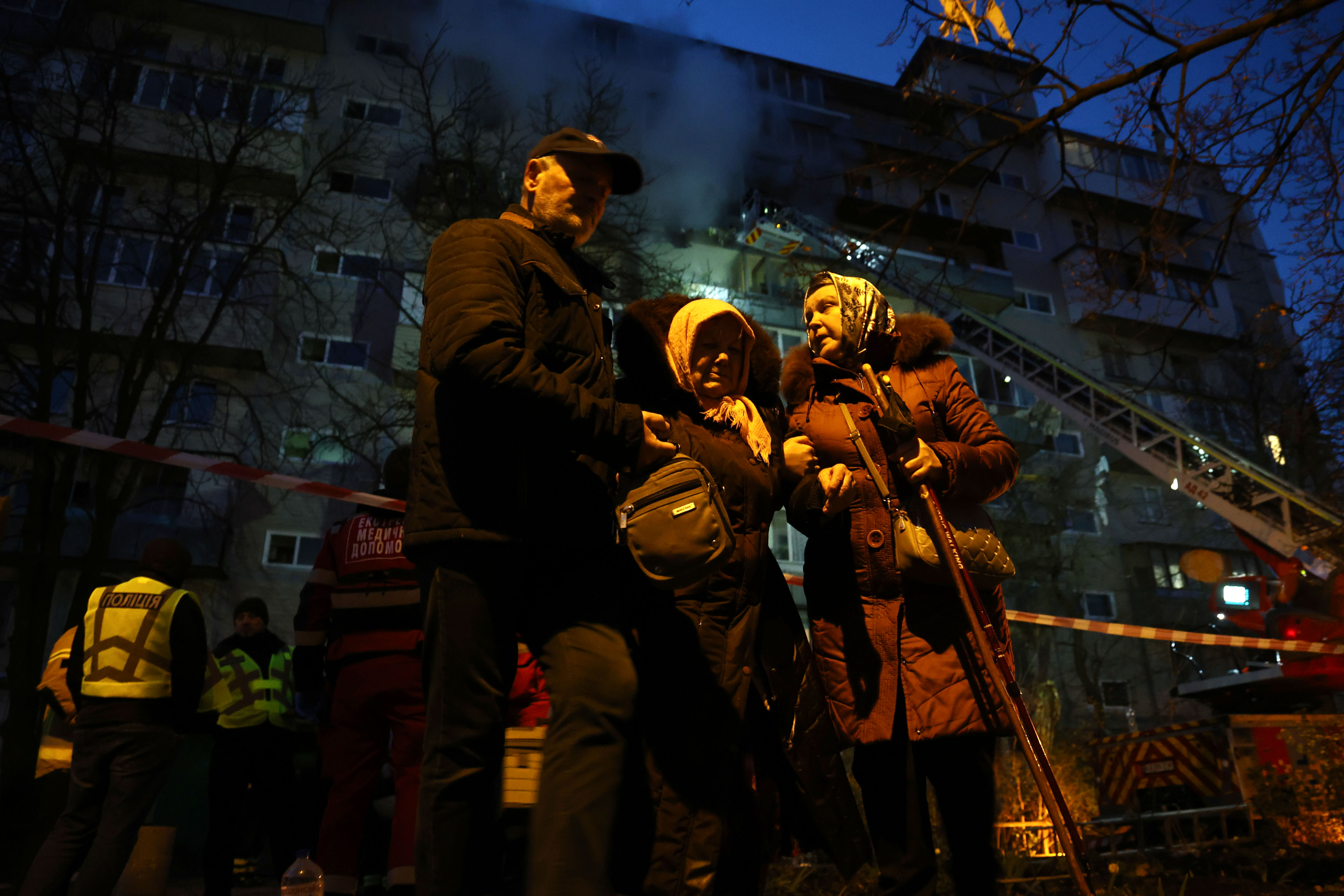
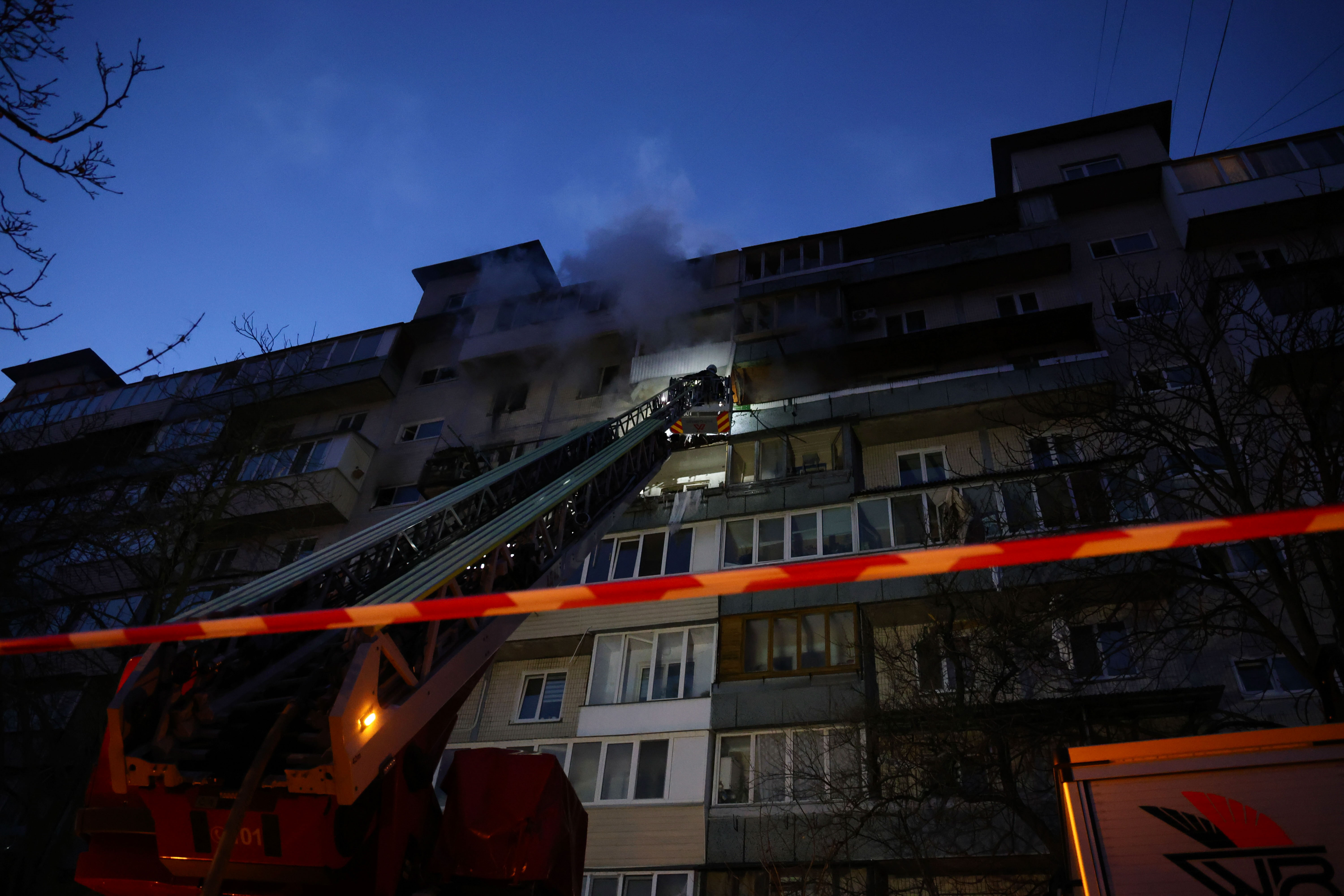
By morning, another death was confirmed—a woman who died in the hospital. The number of victims of Russian aggression thus increased to seven. The woman sustained severe burns, including to her respiratory tract, after a direct hit by a drone on her house in the city's Desnianskyi district. This house is home to Chernobyl accident liquidators and their relatives. The deceased woman, Natalia Khodemchuk, was the widow of the first victim of the Chernobyl disaster. Her husband, Valeriy Khodemchuk, died under the rubble of the 4th power unit.
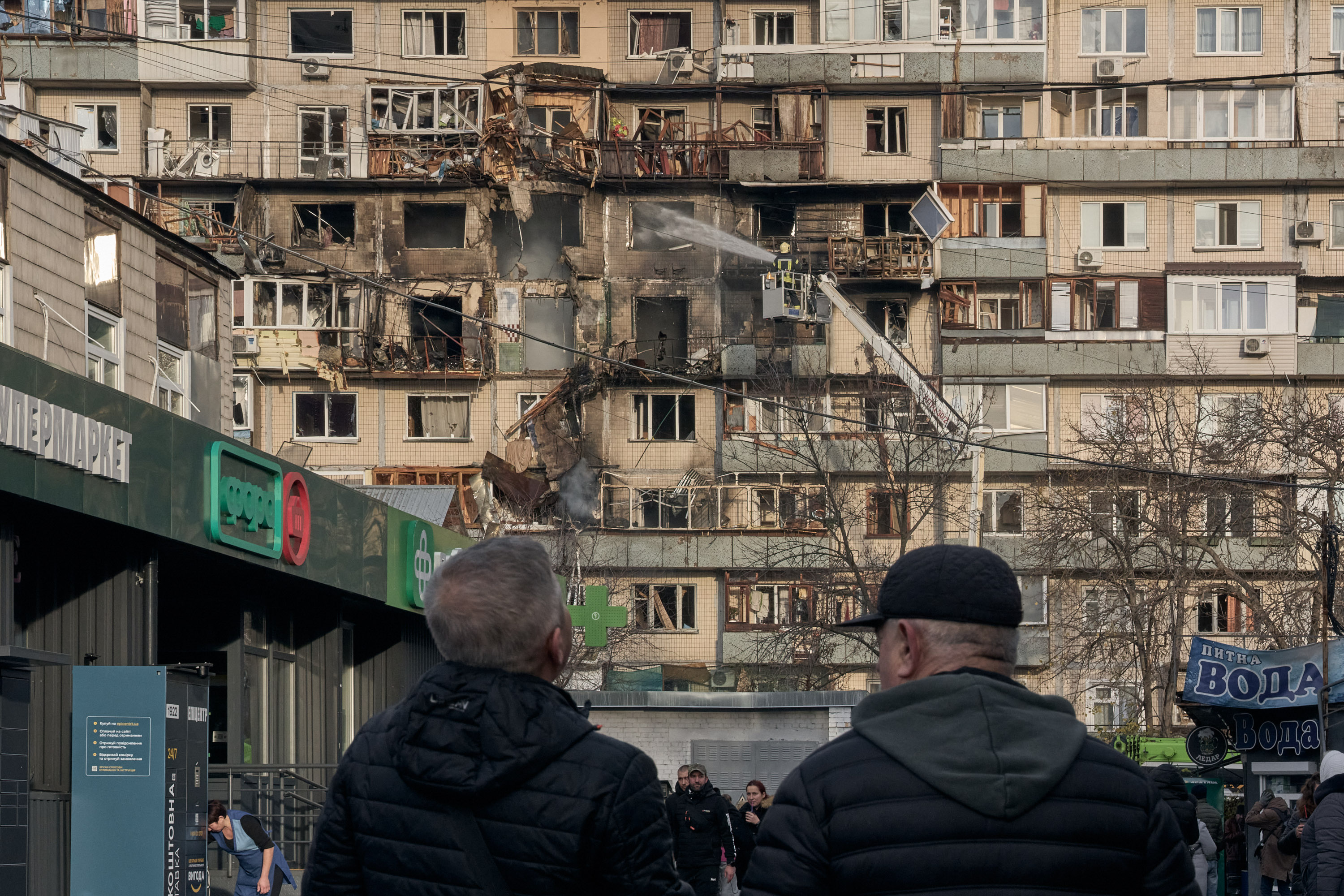

President of Ukraine Volodymyr Zelenskyy reacted to the enemy attack: “This was a specially calculated attack designed to inflict maximum harm on people and civilian infrastructure. In Kyiv alone, dozens of apartment buildings sustained damage. The Embassy of Azerbaijan was damaged by ‘Iskander’ missile debris. The main direction of the attack was Kyiv, but they also struck Kyiv region, Kharkiv region, and Odesa region,”.
Photojournalist Kostiantyn Liberov, who worked at the Russian shelling sites that night, shared his emotions after the difficult night:
“This was a terrifying and arduous night for Kyiv. We haven’t heard such loud explosions in a long time. Dozens of missiles and Shaheds were flying over the city. Some of them struck residential buildings directly. Several people were killed last night, and dozens were injured. Debris from one of the Shaheds fell right near our house,”.
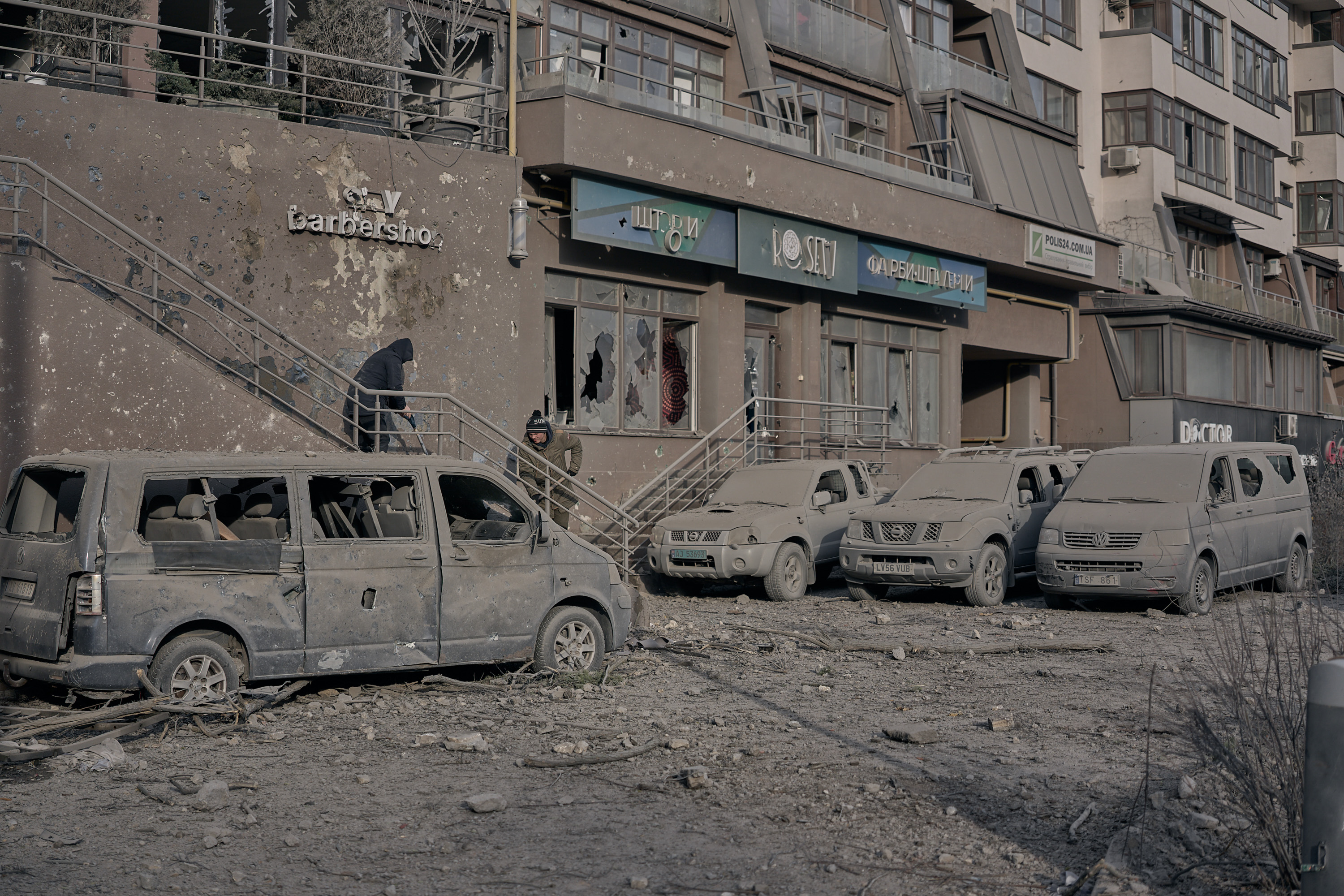
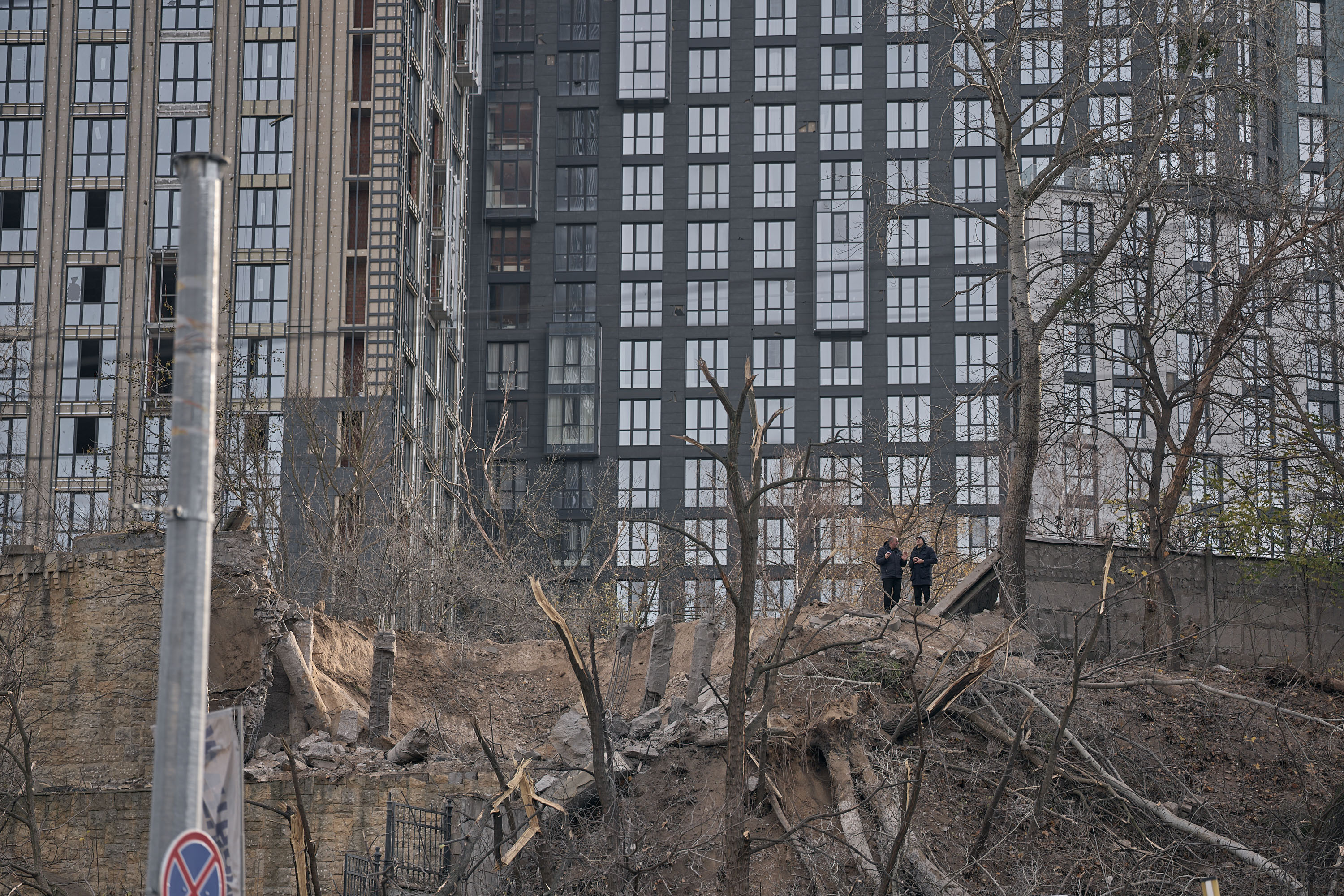
That night, Serhii Vlasenko, a rescuer from Kyiv who was on duty, had to extinguish a fire in his own apartment. It was completely burned out after a strike drone hit the building. His family managed to react in time to the danger and went to a shelter. Serhii Vlasenko, an experienced rescuer with 15 years of service, embodies the fortitude and professionalism of Ukrainian emergency workers. Serhii's family received the keys to departmental housing.
Minister of Internal Affairs of Ukraine Ihor Klymenko thanked Serhii and his colleagues for every combat shift: “Stories like this remind us that rescuers are not just a service. They are people who have children, parents, and homes. And even when their own home falls victim to the war, they still go out first to help others. Thank you, Serhii. And thank you to everyone who stands with people through every loud night,”.
Dnipropetrovsk, Kharkiv, and the surrounding region were also under attack on the night of November 14, where three people were killed and two were injured. In Kharkiv region, 30-year-old police officer Denys Lozovyi died instantly after an enemy drone struck his service vehicle. Around 7 a.m., the Russian army launched a missile strike on a road on the outskirts of Sumy, causing no casualties. Russians have been attacking an industrial zone on the outskirts of Sumy with drones for two consecutive days, leaving the city covered in smoke. During the day, three people were injured in a drone attack on the city, including a 17-year-old boy. In the morning, the enemy hit a local market in Chornomorsk, Odesa region, with strike drones. Two people were killed, 11 were wounded, and six were hospitalized. Shops, cars, the city square were destroyed, and windows were blown out in an educational institution. In Chernihiv region, Russian drones struck during the day, causing a hangar to burn and damaging an administrative building, vehicles, and residential houses. A man was killed in Kherson late in the evening as a result of ordnance dropped from a Russian drone. The Zaporizhzhia Nuclear Power Plant (ZNPP) was once again under threat of blackout due to the loss of power on one of its two external lines, reported Energoatom.
On November 15, rescuer Vitalii Nakariakov from the SES was killed in the village of Zarichne, Zaporizhzhia region, during firefighting operations at a civilian site when a repeat Russian strike hit the fire's epicenter. Dnipro and the surrounding region were attacked again. Private enterprises, residential buildings, a culture center, a gas pipeline, and vehicles came under shelling. One man was killed and another injured in the region. In Nikopol, a Russian FPV drone struck a gas station, wounding five people, one of whom is in serious condition. During the day in Nizhyn district, Chernihiv region, Russian UAVs attacked transport infrastructure and a critical energy facility, leading to power outages in communities across two districts. Kharkiv region was also under enemy fire that day.
Overnight on November 16, Russians attacked Kharkiv region again, and the residential sector in Sumy region, injuring one person in each. In Odesa region, energy facilities were shelled again, damaging a solar power plant. In Dnipropetrovsk region, Russian shelling caused widespread damage to civilian infrastructure, with one casualty. In the morning, Chernihiv region was hit by drones as Russians attacked an energy facility, cutting power to several communities. In total, the Russian army launched 170 UAVs across Ukraine overnight. During the day, Russians struck Kharkiv with a UAV, causing no casualties. Over the week in Ukrainian-controlled Donetsk region, the Russian army killed three people and wounded about a dozen.
Contributors:
Researcher and author: Yana Yevmenova
Photo editor: Olha Kovalova
Literary editor: Yuliia Futei
.jpg)

.jpg)