
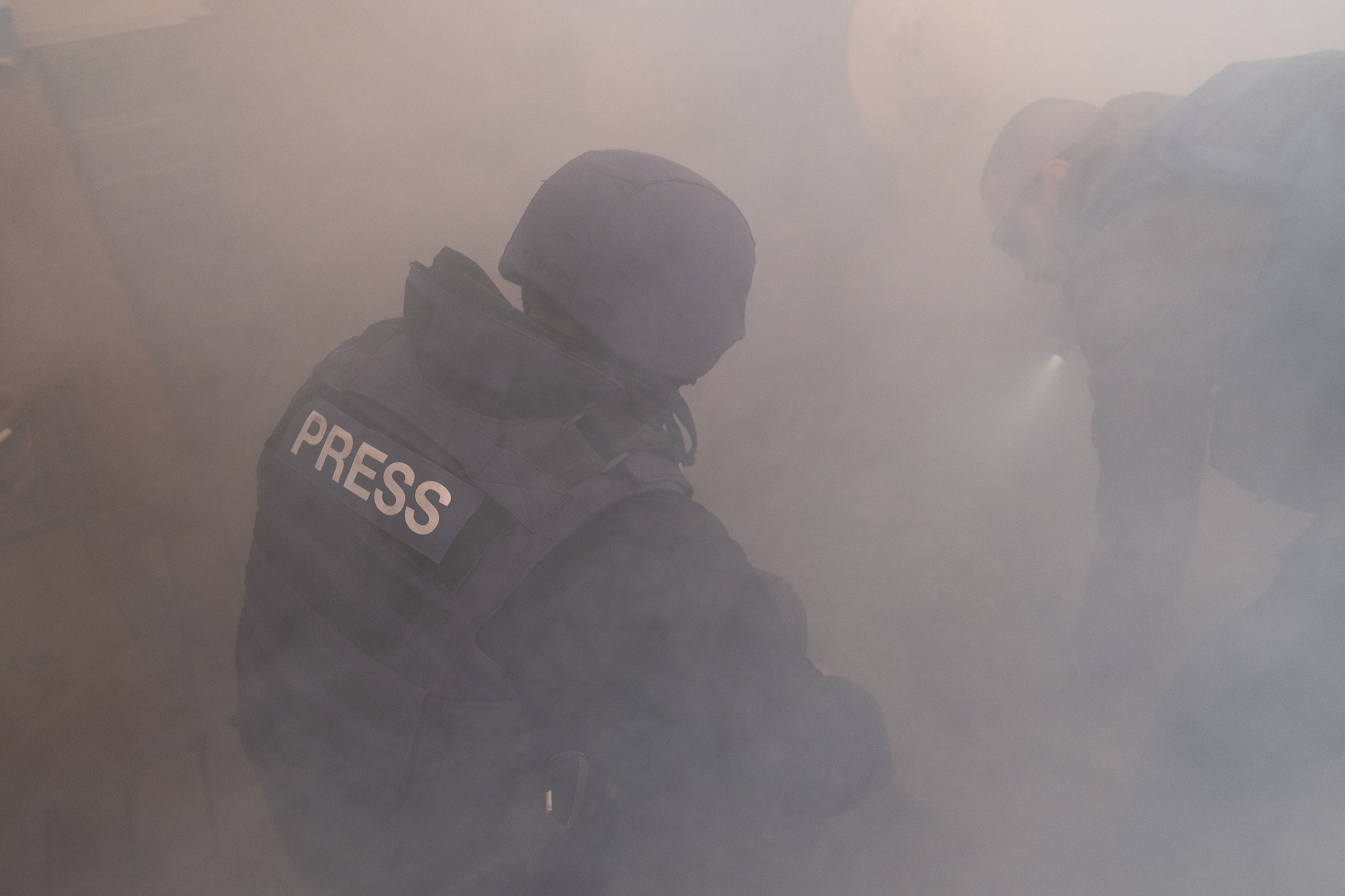
Since the start of the full-scale invasion, Russia—constantly violating the norms of international humanitarian law and the rules and customs of warfare—has been persecuting journalists in Ukraine. The Kremlin is doing everything it can to stop the work of media that report the truth about Russia’s war crimes every day. The aggressor state’s propaganda is working intensively to ensure informational chaos reigns in Ukrainian cities.
Despite diplomatic processes, the Russian authorities refuse to cease shelling Ukraine. The Kremlin argues this by claiming it is working toward a lasting peace, not a ceasefire.
Водночас російська армія нарощує атаки на критичну і промислову інфраструктуру, житлові будинки та редакції місцевих медіа. Наприклад, під час масштабного обстрілу Дніпра в ніч з 17 на 18 листопада росіяни цілеспрямовано вдарили по двоповерховій будівлі дніпровської філії Суспільного Мовлення, офісу Українського Радіо й телевізійній вежі, що розташована поруч. У будівлі розміщувалися редакції Суспільне Дніпро та Суспільне Донбас. Внаслідок цієї атаки пошкоджені офіси й техніка, у приміщенні утворилася пробоїна, повибивало двері, сталося сильне загоряння. Телевежа внаслідок обстрілу припинила мовлення теле- та радіомовників. На момент обстрілу співробітників у приміщенні не було.
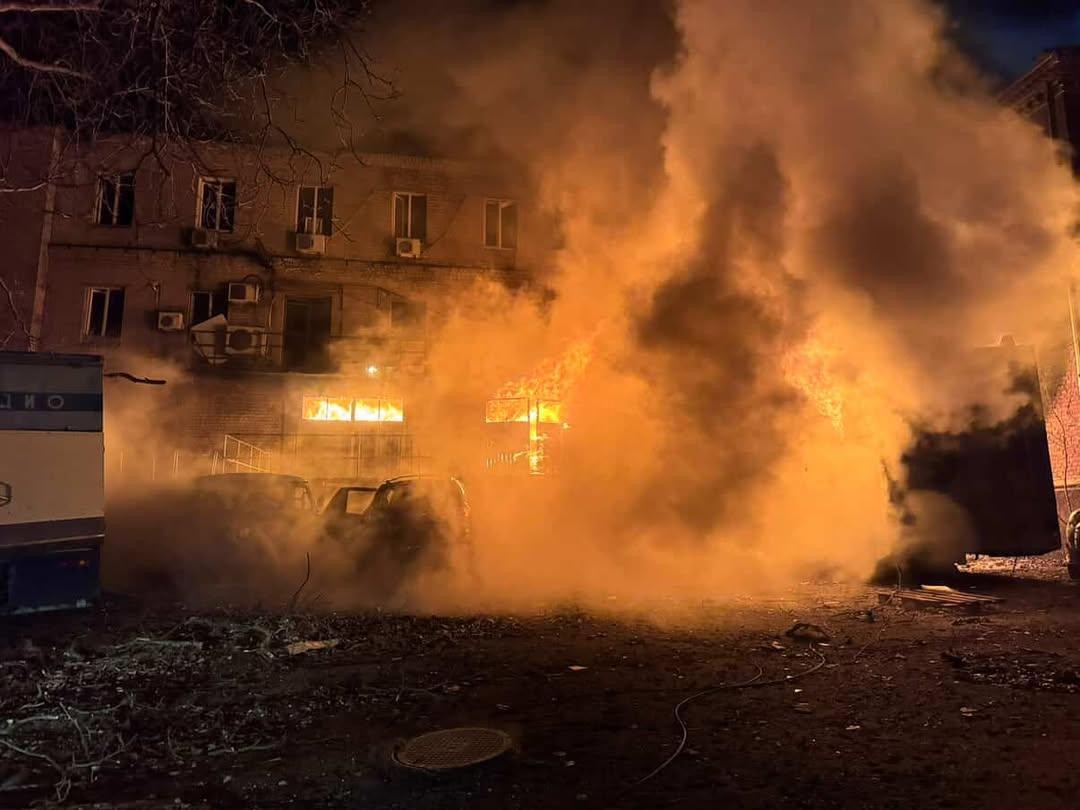
This time, commenting on the massive attack on Ukraine, Russians did not deny the shelling of Dnipro’s newsrooms. Kremlin mouthpieces rejoiced that, supposedly, the propaganda of the “Kyiv regime” would no longer influence the city’s residents.
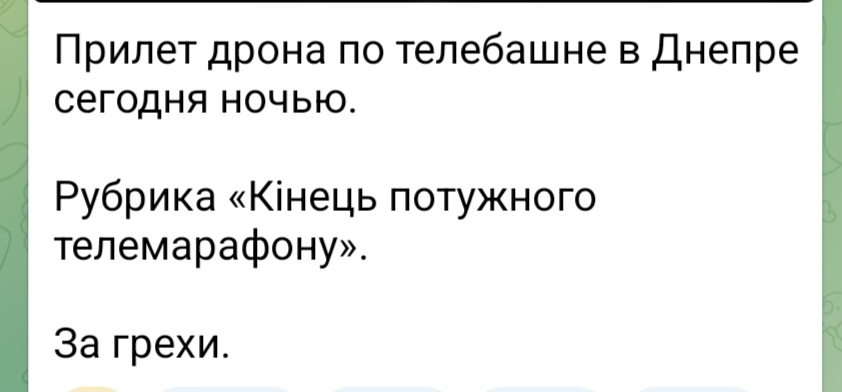
“A drone hit the TV tower in Dnipro. A new entry in the ‘The end of the powerful TV marathon’ section. For sins.”
Suspilne Dnipro photo correspondent Daniil Nikolaienko documented the aftermath of the Russian attack on the newsroom and shared details of that fateful night. In a comment to the Ukrainian Association of Professional Photographers, he said the massive Shahed attack on the city began at around 10 p.m. At that time, he was at home. He says he learned about the hit on the channel from an editor who lives opposite the Suspilne building. She wrote in their group chat that the strike set the newsroom’s roof on fire and blew out her own windows. Then several more UAVs hit the channel, adds Daniil Nikolaienko.
“Literally an hour later a colleague wrote to me and suggested going to the channel. That night, together with other colleagues, we went there. When we arrived, the State Emergency Service and police were already working on site. The roof of the building was on fire. We couldn’t get inside then, because there was a risk of the entire building collapsing,” the photo correspondent recalls. “We were on site until about 2 a.m. By that time, the flames had spread to the studio, where the sets were. Everything there burned to the ground. Our cars that were parked in the back yard also caught fire.”
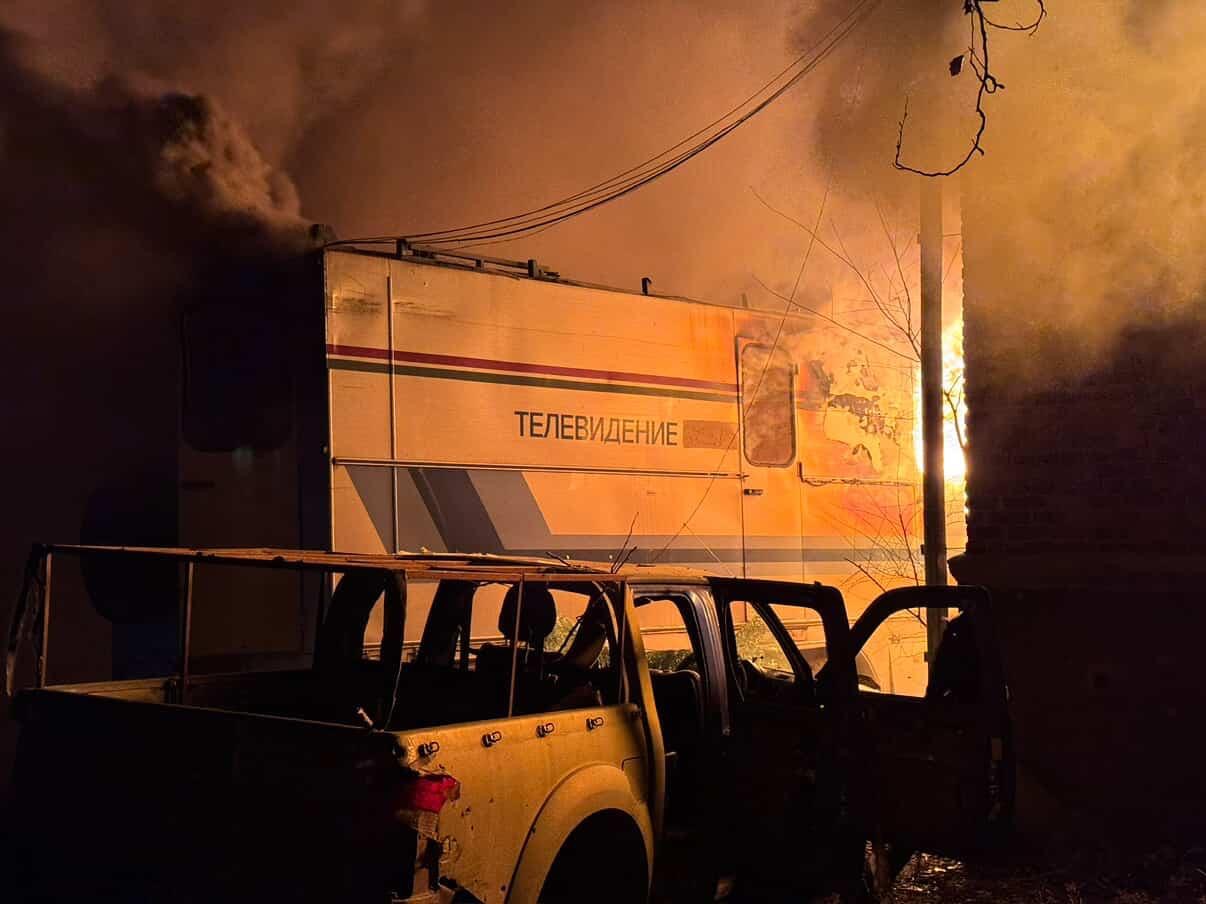
Propaganda outlets, including “Tsargrad”, called the newsroom of the Ukrainian media a legitimate target because of an alleged presence of weapons on the premises. Notably, the Russian online paper refers to a number of Ukrainian sources it does not name, and, likewise, does not publish the very footage showing the weapons it claims were there.
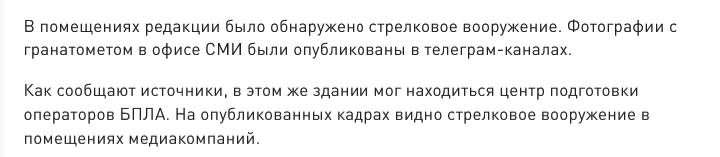
Another Kremlin outlet, “Voennoe Obozrenie”, also claims—without any specific evidence—that a military center allegedly operated in the building under the cover of a newsroom.

On the second floor of the building destroyed by the Russian strike, there was also an office of the media human rights organization Institute of Mass Information (IMI) — “Mediabase Dnipro”. The attack caused a fire there and the roof collapsed. The same building housed the film studio “Kontrabas”, and the fire destroyed all of its property.
Daniil Nikolaienko says he was only able to get inside the next day, accompanied by rescuers. What he saw there, the correspondent says, makes it possible to state that Russians struck the newsroom deliberately:
“Part of the building burned down; what survived was flooded with water while the fire was being extinguished. Absolutely every window was blown out, the corridor was blocked, because there was a direct hit there. The UAV pierced all floors, and the entire roof of the studio was also covered with holes from Shahed hits, so we can say for sure that this was a targeted attack on Suspilne Dnipro.”
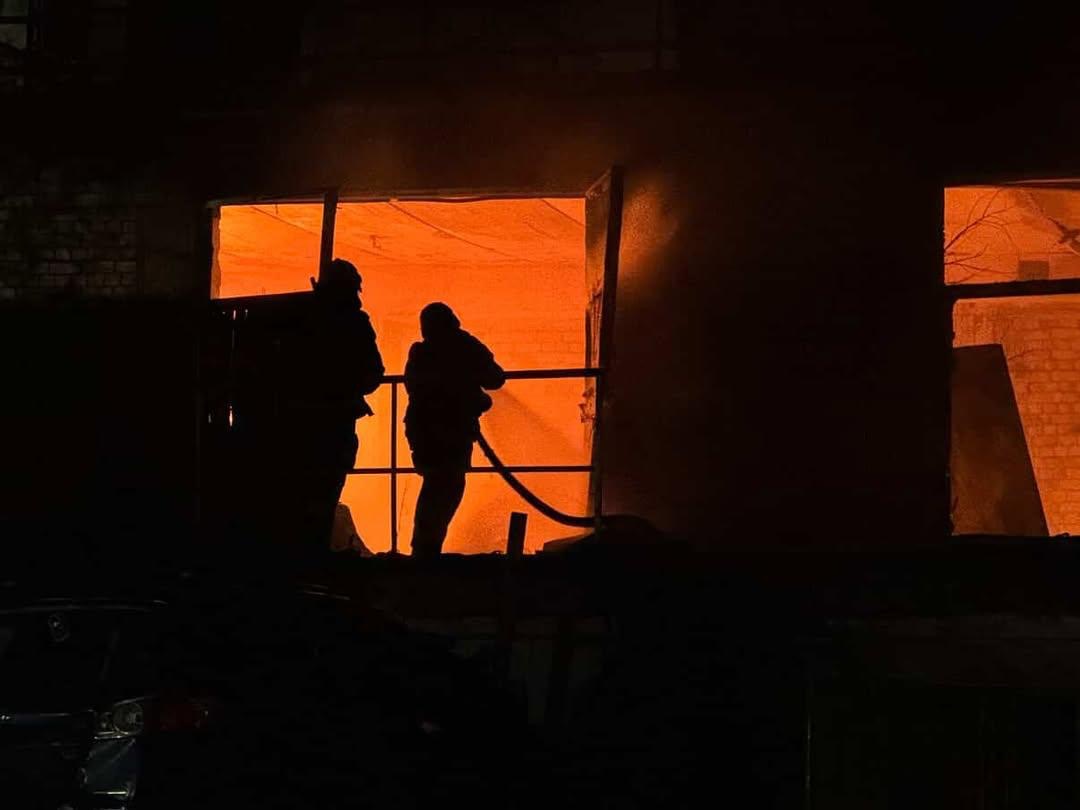
Suspilne Broadcasting is Ukraine’s nationwide public broadcaster that provides television, radio, and online news through a network of regional channels across Ukraine, including in Dnipro. After the attack, Suspilne Dnipro continued working on all online platforms.
Over the past six months, Russians have also struck Suspilne branches in other regions, including Zaporizhzhia and Kherson.
In Dnipropetrovsk region, in October 2025, a Russian FPV drone attacked the building of the “Pivdenna Zoria” newspaper newsroom in Nikopol. On the night of November 15, the Russian army shelled the premises of the Dnipropetrovsk Regional Union of Journalists and the offices of several newsrooms with strike drones.
Russian shelling damaged the office of “Ukrainska Pravda” and the “Radio Svoboda” bureau in Kyiv. Russians struck TV towers in Chernihiv and in Kharkiv region.
“This is, in general, the building of the TV and radio center, built back in the 1950s. Fortunately, the equipment was not damaged, the cameras survived, so our operators can now work calmly. The computers were less lucky — they were flooded with water,” Daniil Nikolaienko shares details of the Russian strike on the newsroom. “For now, the building has been fenced off; no one is allowed in. As a result of the attack, our archive also burned down — it contained recordings of programs, films, and cartoons from the last 15–20 years. It was simply a newsroom where journalists, camera operators, and editors worked.”
Ukrainian media organizations strongly condemned the attack on the Suspilne broadcaster’s branch in Dnipro and the nearby TV tower. They called on the international community to also firmly condemn the Russian attack and to continue supporting Ukraine with weapons and sanctions pressure on Russia. The condemnation was joined by the international organization Reporters Without Borders (RSF) and the OSCE Representative on Freedom of the Media, reports the Ukrainian online outlet “Detector Media”.
This attack shows that in the fourth year of the war, Russia is increasing risks for media workers in Ukraine. In 2024, UAPP described how Russians justified and tried to legitimize shelling of frontline hotels. In particular, as a result of a Russian missile strike on a hotel in Kramatorsk on the night of August 25, Reuters employee Ryan Evans was killed. Propaganda then called him a “foreign mercenary”, although in fact he was in Ukraine as part of a team of foreign journalists as a civilian security adviser for reporters working in areas of hostilities.
In Donetsk region on October 3, 2025, as a result of a deliberate strike by a Russian FPV drone, French reporter Anthony Lallican was killed. His colleague, Ukrainian photojournalist Heorhii Ivanchenko, was seriously wounded — doctors had to amputate the journalist’s leg. Commenting on information about the French journalist’s death, Russian propagandists initially concealed whose drone it was. Later, hostile channels began justifying the attack on media workers by spreading the narrative that journalists were accompanying Ukrainian Armed Forces soldiers.
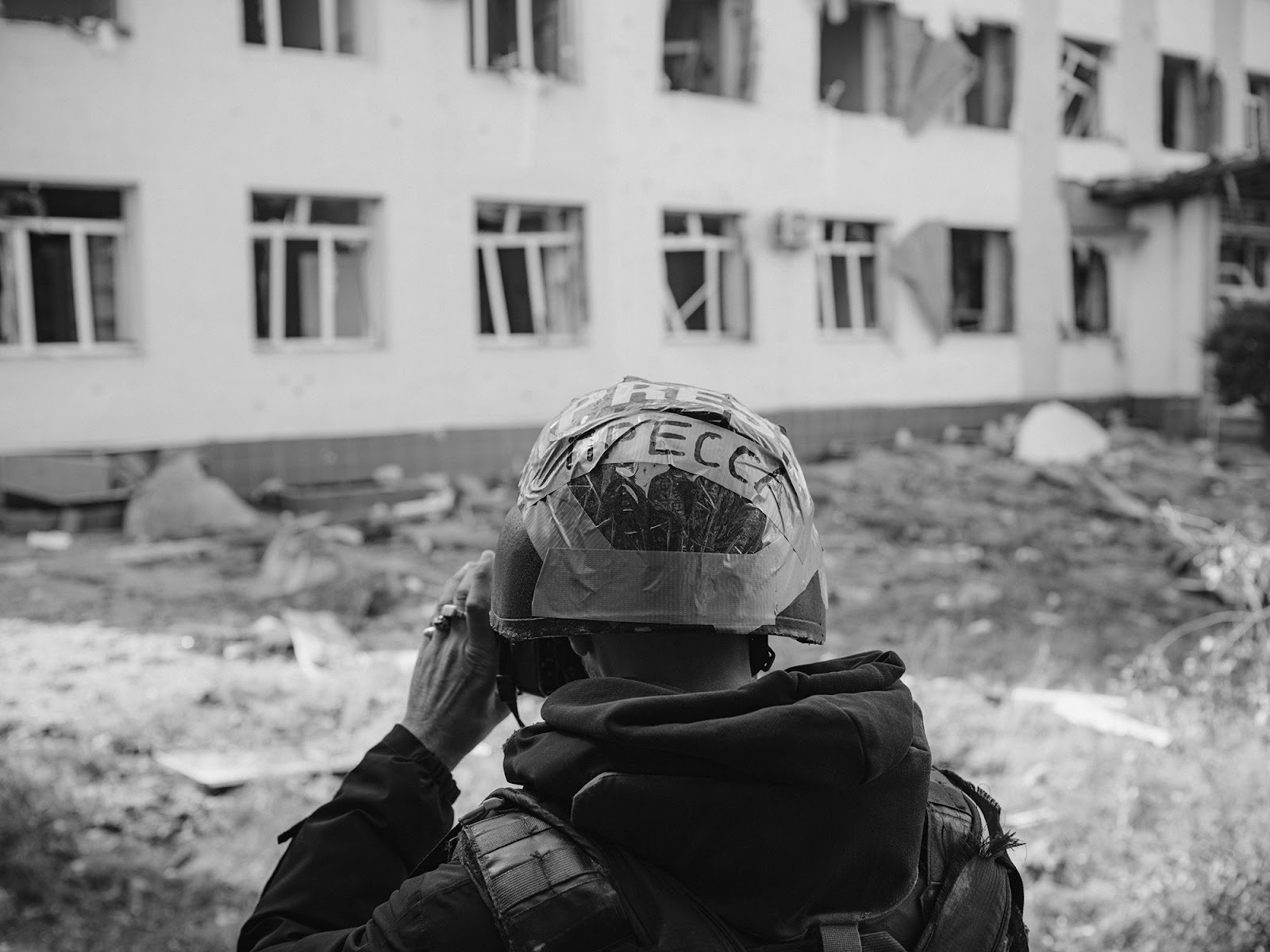
IMI reported the deaths of two more media workers in November 2025. On November 1, at the age of 28, Ukrainian photographer and serviceman of the 35th Separate Marine Brigade named after Rear Admiral Mykhailo Ostrohradskyi, Kostiantyn Huzenko, was killed. That same month, it became known that a serviceman missing in Kharkiv region, fixer for the French TV channels TF1 and LCI, Anton Bondarenko, had been killed in action.
Kremlin fakes that accompany the treacherous armed attacks on journalists and newsrooms work to discredit Ukrainian media in the eyes of the entire civilized world. And by justifying attacks on freedom of speech — both for a domestic audience and internationally — Russians create a foundation for further shelling of media.
In its work with foreign audiences, pro-Kremlin propaganda tries to justify the invasion of Ukraine, turn everything upside down, and portray itself as the victim in this war. The Kremlin’s systematic efforts aim to undermine the international community’s support for Ukraine.
An example of how Russia works with the international community is the counterclaim against Ukraine regarding allegations of possible violations of the Genocide Convention, accepted on December 8, 2025 by the International Court of Justice. Ukraine filed its case immediately after the Russian invasion, on February 26, 2022. However, in September this year, the independent UN commission of inquiry on violations in Ukraine stated it had not yet found sufficient evidence that Russia is committing genocide in Ukraine.
Despite the mass of documented Russian crimes in Ukraine, Russia still manages to push its propaganda even into the legal sphere.
Worked on the material:
Topic researcher, text author: Yana Yevmenova
Photo editor: Olga Kovalova
Literary editor: Yuliia Futei
.jpg)

.jpg)













.jpg)


