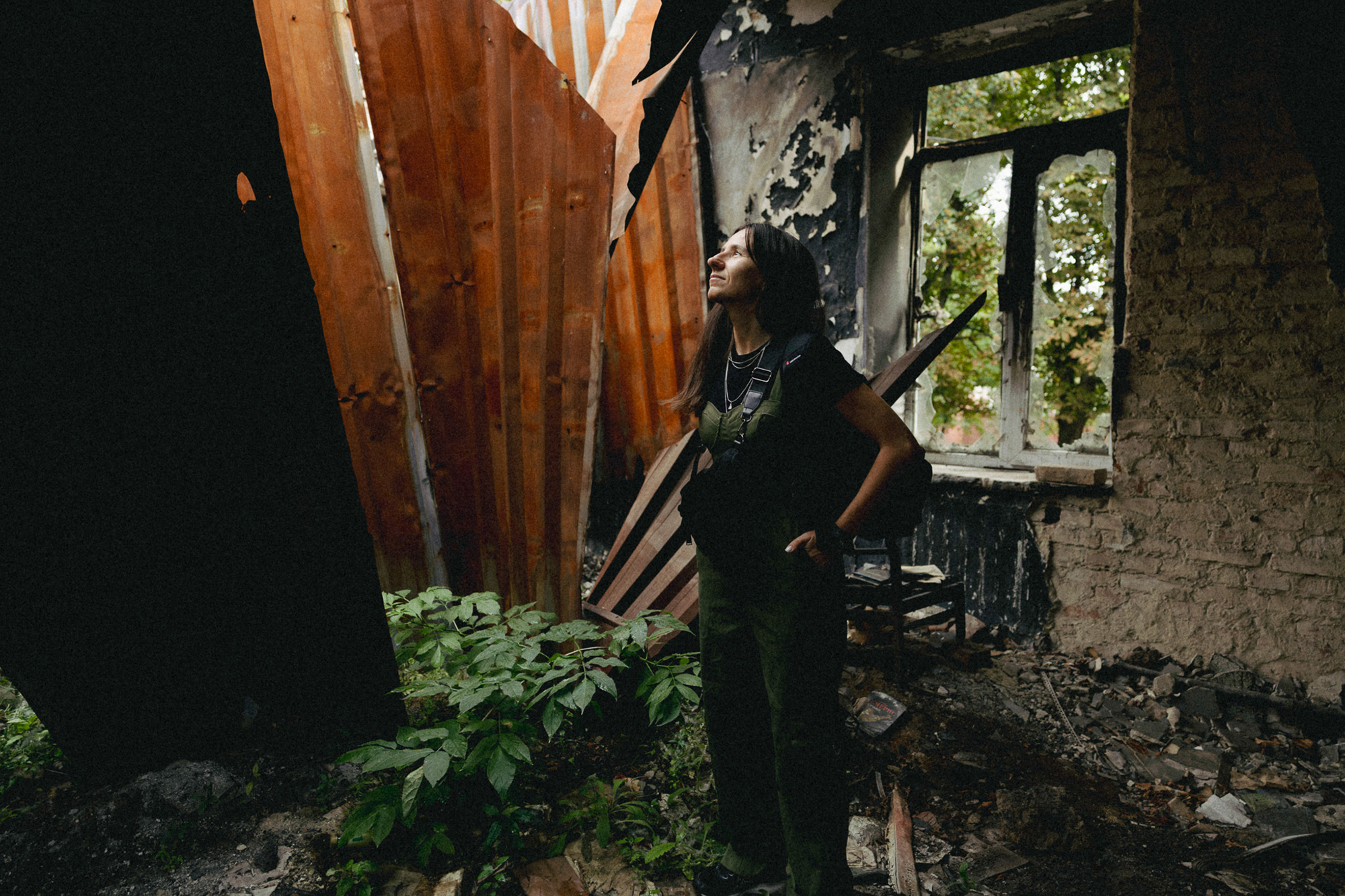
Photographer Daria Chuprun explains how she shows the humanity and kindness that one does not encounter in a world without war, and why she is still searching for stories where people are capable of creating and empathizing alongside explosions and pain.
"Contemporary Art, Not Photography, Inspires Me"
Photography entered my life back in university. I bought my first almost-professional camera—a Nikon D90—to work on my diploma. I was studying at the Kharkiv Pedagogical University, Faculty of Art and Graphics, and was very pleased that one of the methods for the graduation project could be photography or collage. Nothing more interesting than photography existed for me back then. Although, at first, I wanted to be a fashion designer, but for some reason, I decided it wasn't promising.
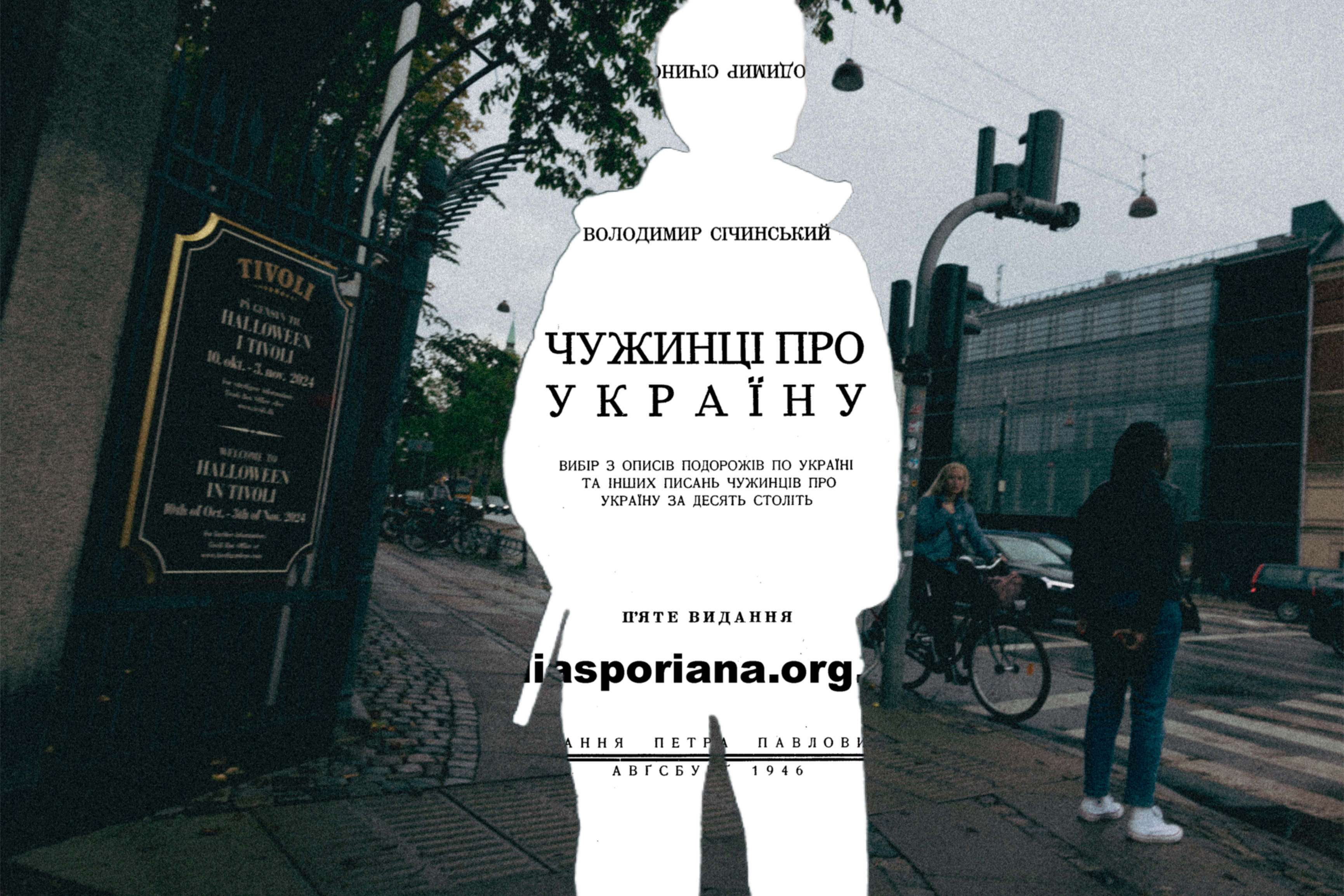
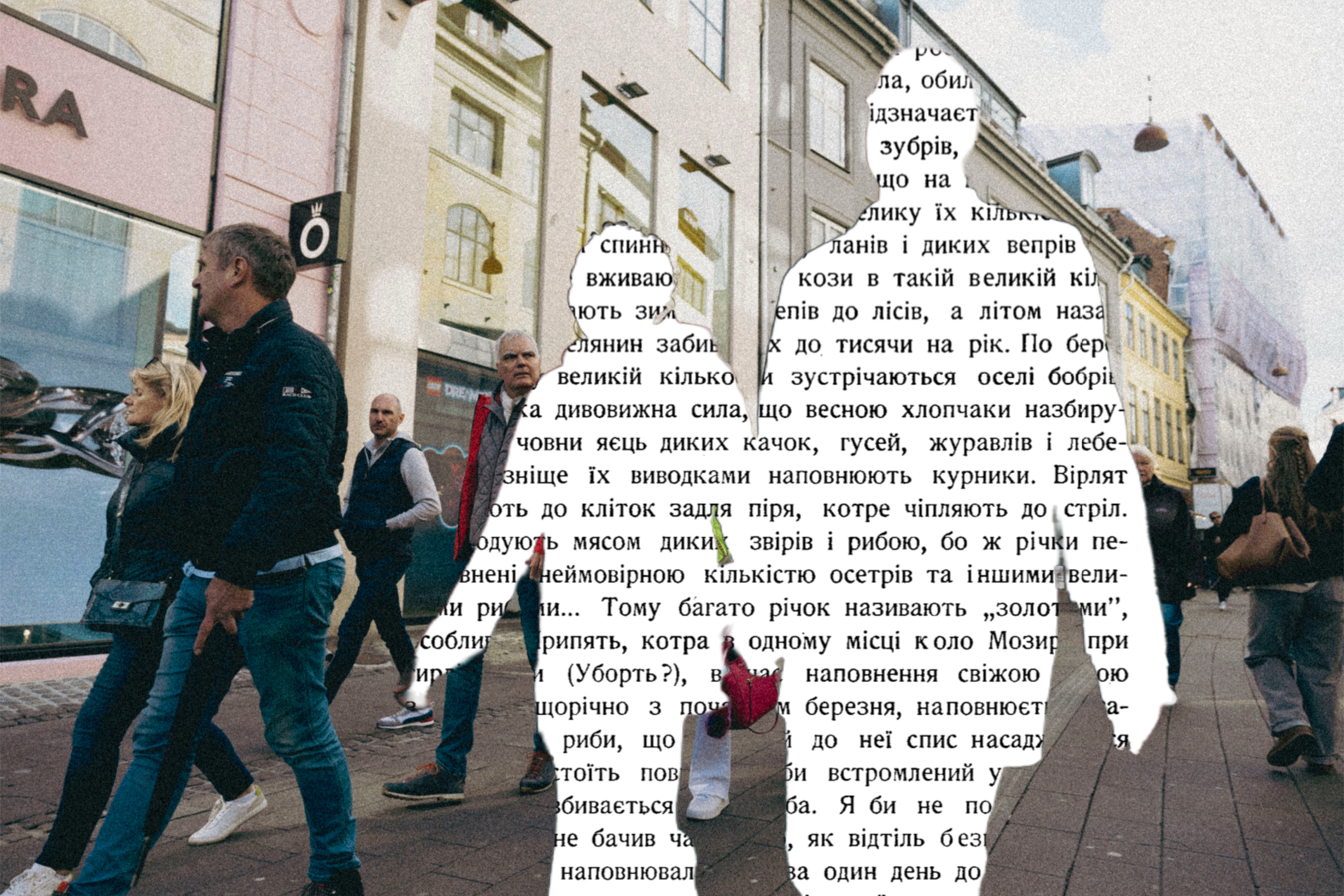
Now, I sometimes think about film photography; it would be interesting to try. However, I immediately started working with digital photography. I remember when I was in school, a relative gave me a digital "point-and-shoot," and that was real wealth. I photographed my friends and everything around me. My friend was studying at the Kharkiv State Academy of Design and Arts and had a subject called "photography." I recalled my "point-and-shoot" and did her homework for her. She received the highest grade, and I was thrilled—I can take photos.
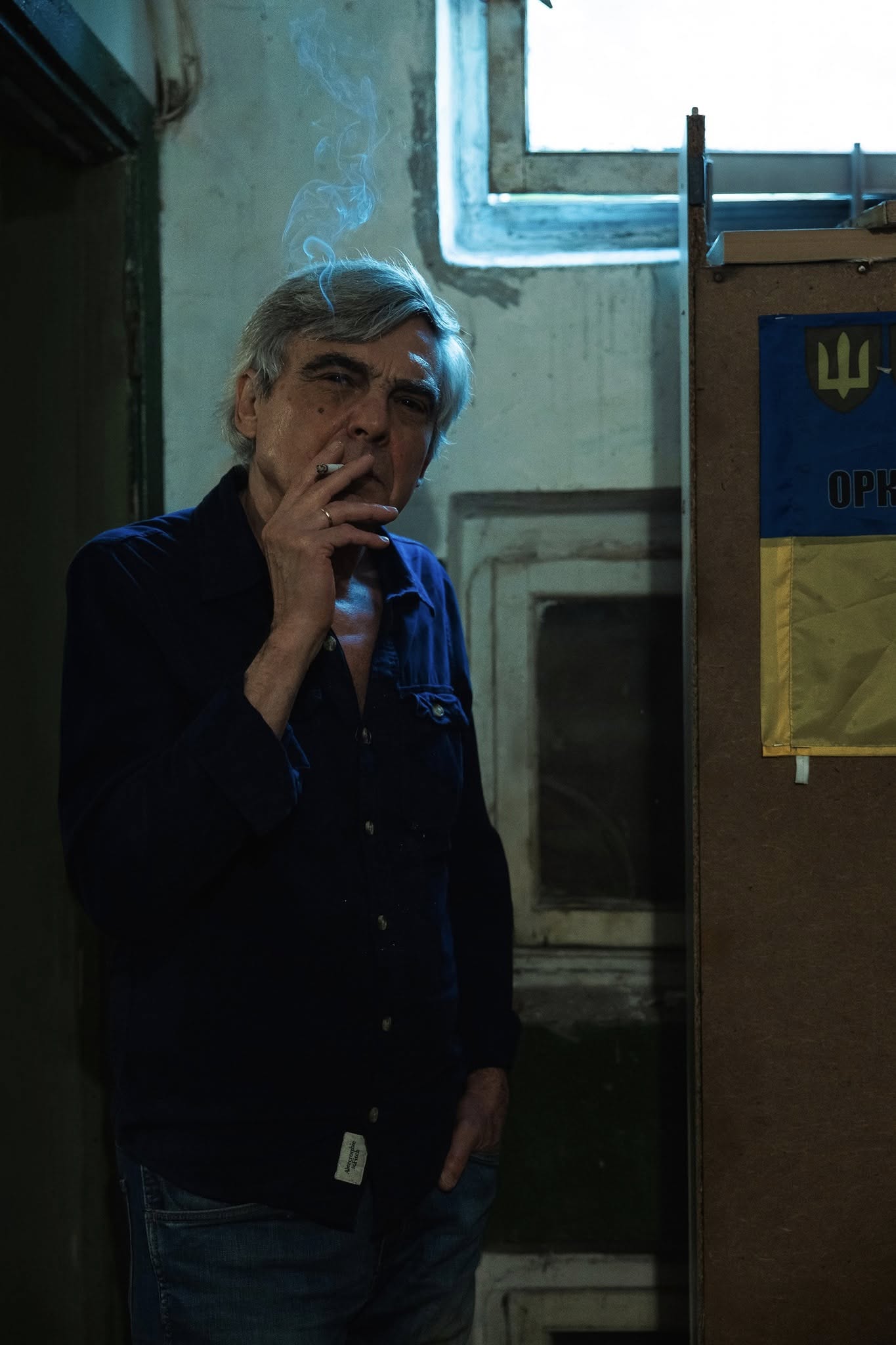
My first teacher was the Kharkiv photographer Volodymyr Volodymyrovych Leliuk. By the way, I recently photographed him for my personal project. I am still surprised he had the patience to explain everything instead of telling me to find another occupation. After that, there were various courses, articles, and books about the art of photography.
My path into photography is probably a standard story—first, I took photos of friends, then commercial and reportage shoots appeared. I even photographed weddings for a year or two. However, from the beginning, I wanted to pursue fashion photography and somehow thought that diverse shoots would lead me there. It turned out that it doesn't work that way. I would advise beginners to go straight for their goal.
Once I had enough experience to understand the technical aspects of shooting, I decided I would shoot what I wanted. Thanks to my friend Oksana Kosenko, who teaches the history of costume, I got my first order in the fashion industry. Her acquaintance was developing her own brand and needed professional photoshoots for its promotion. Oksana recommended me, but her acquaintance didn't immediately agree—she wanted a photographer with experience specifically in the fashion sphere. The project turned out great because I was technically ready for it. After that shoot, I received many new orders. That's how it all started.
I like the photographs of British fashion photographer Nick Knight (Nick Knight), and I really love the work of Tim Walker (Tim Walker). I attended an exhibition of his works. I adore looking through his books: I can flip through them for hours because every frame is wow, it's captivating.
In fact, contemporary art, not photography, inspires me. I once dreamed of visiting all the largest contemporary art museums in the world. I even made a list. With the start of the full-scale war, this dream receded into the background… However, contemporary art is something that always inspires. Just like Tim Walker's photographs. My relationship with one contemporary art museum did not work out—with the MACBA museum in Barcelona (Museu d'Art Contemporani de Barcelona, Museum of Contemporary Art —ed.). Perhaps this is because, after the Russian invasion, our attitude toward what is important and what is not has changed. When you don't encounter anything expressive or resonant with your thoughts, everything seems futile.

"We Were All Not in a State to Be Photographed"
When the full-scale Russian invasion began, everything around lost meaning—nothing was important anymore, only the war. I saw no sense in aesthetics or fashion. At this time, I started working on my first project on the border of documentary and art photography. For the project "Life in a Suitcase," I photographed the belongings people took with them when they left their homes. Through portraits and people's personal items, I wanted to tell stories about their lives and the challenges they were forced to face. This project gave meaning and inspiration to my work.
At the start of the full-scale war, I was in Kyiv. I looked out the window, and it seemed to me that all the residents of my residential complex had already left. I left the capital on the tenth day and planned to go to Europe. In Lviv, I met an acquaintance who was volunteering and needed a driver. I stayed, and we drove around the Lviv region and neighboring oblasts for two months. I was an internally displaced person myself at the time, and we talked a lot about the things we took with us. That's how the idea for the "Life in a Suitcase" project emerged.
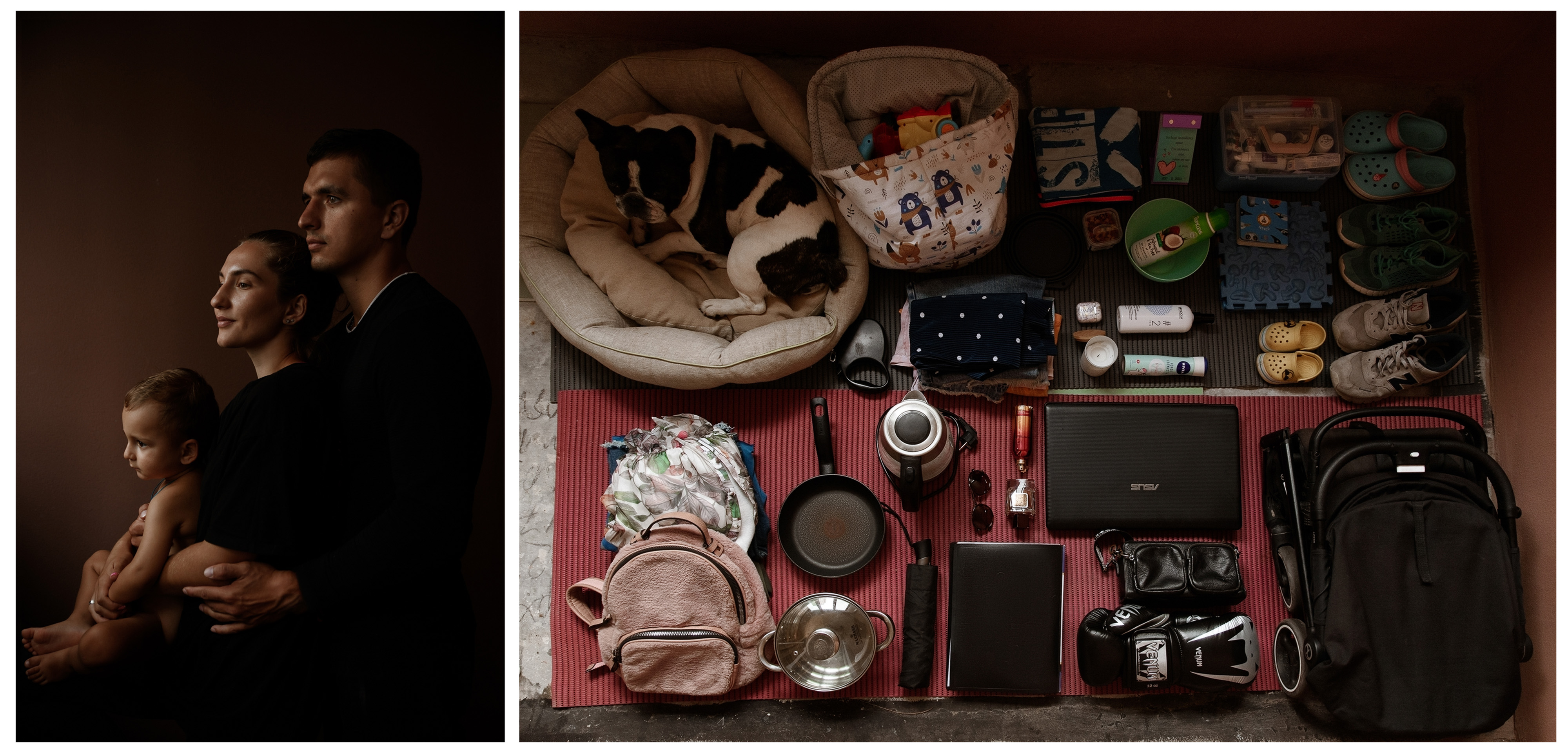
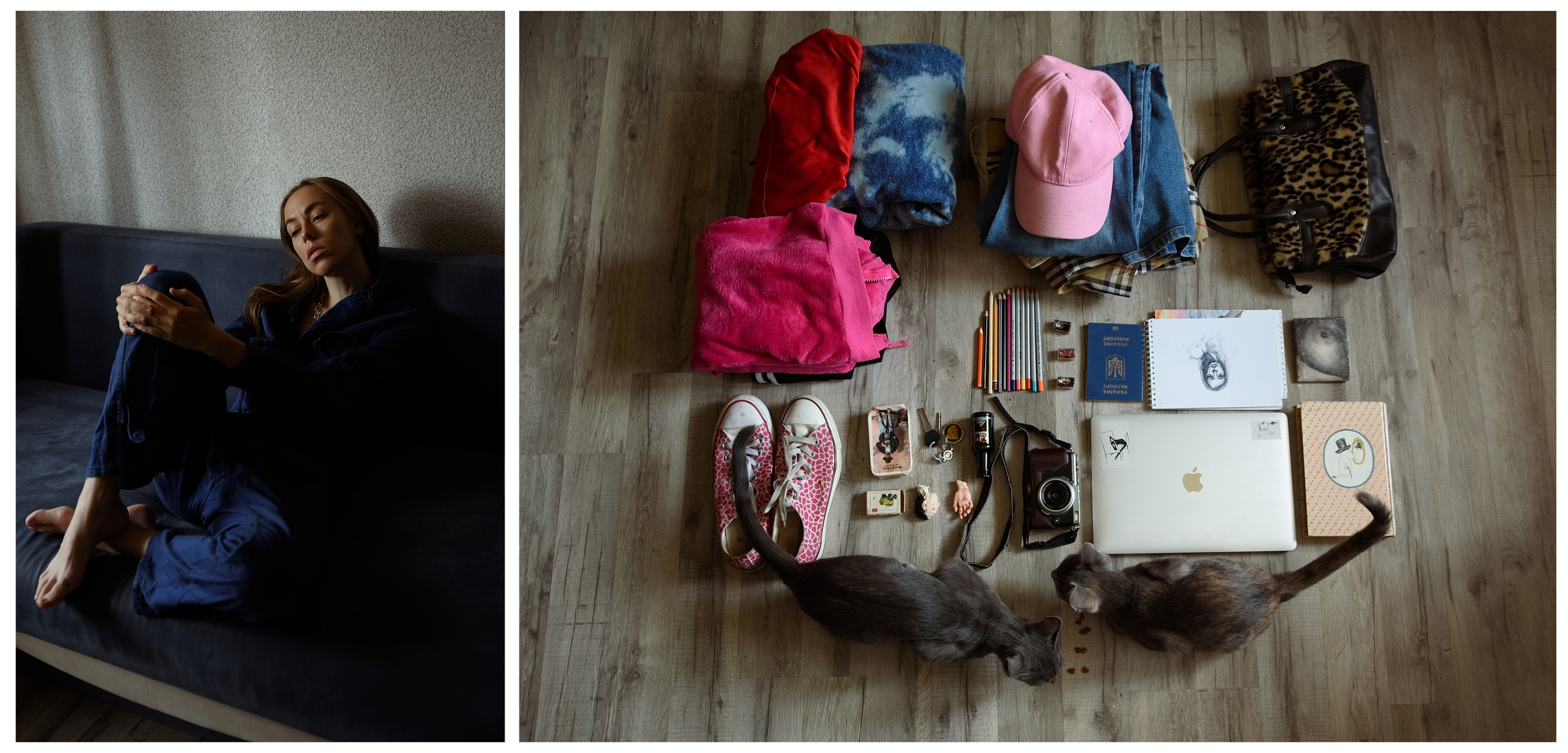
I lived in Lviv and took some of the photos there. Then we traveled around the Lviv region and neighboring regions, and the project's geography expanded. I asked people to be photographed and to show the important and memorable things they took during the evacuation. I always started the conversation by saying that I was in the same situation as they were. I told them it was important for me to tell their stories. Of course, many were not in a state to be photographed. None of us were in a state to be photographed. In total, I managed to shoot about fifty stories for the project.
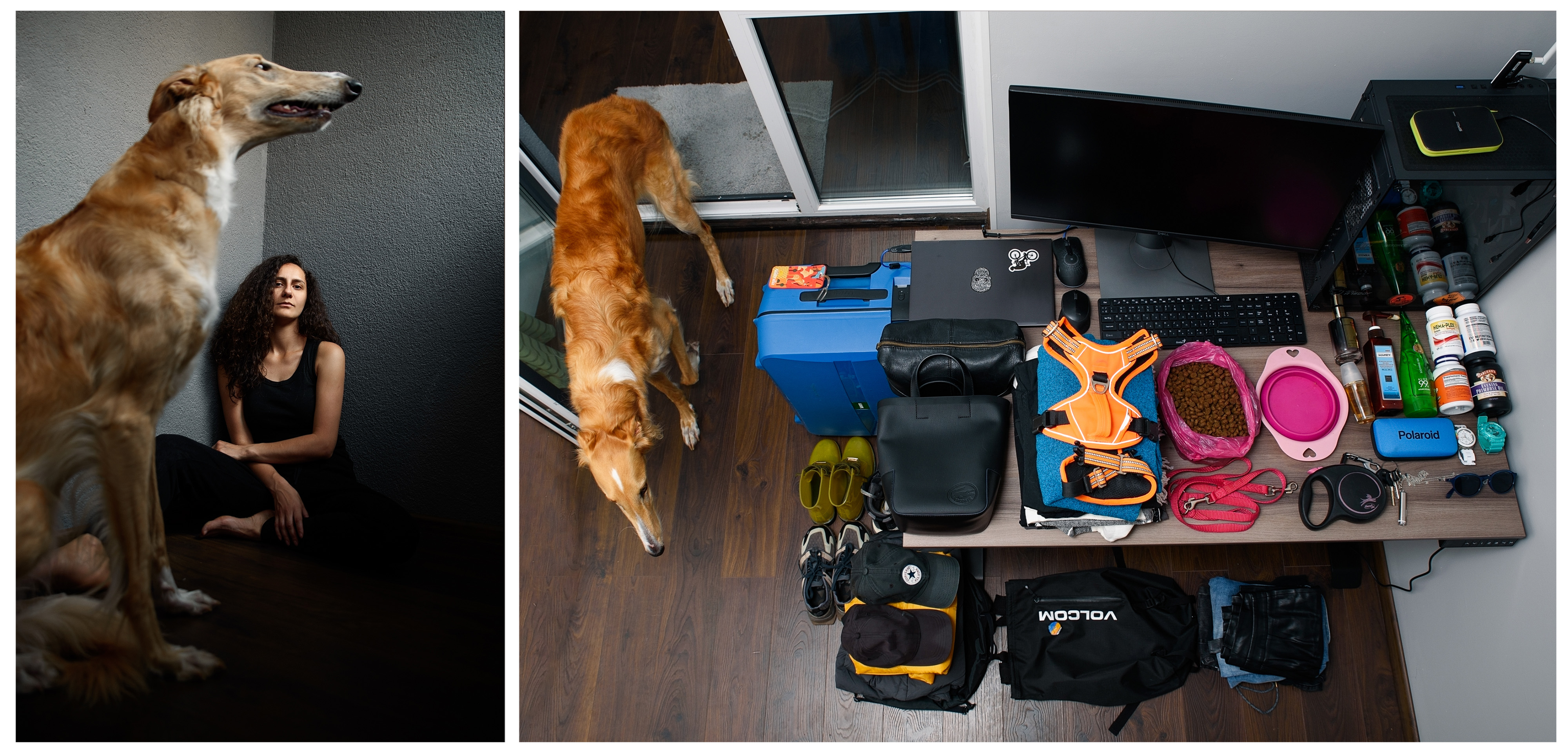
I remember all the heroes I photographed for "Life in a Suitcase." One of the most touching stories for me is the story of Yuliia. She uses a wheelchair and was evacuated from a very dangerous region. Her small backpack contained only a toothbrush and apples. My friend, the volunteer, was looking for special transportation for her to go to Europe. Accidentally, we came across a car belonging to the Red Cross organization, which helped. Yuliia was then evacuated to Italy, and she later told me that she lives in a room with a sea view. For me, this is an example of humanity and kindness that you might not encounter in a world without war. Even the car we used with the volunteer Liuba was given to us for free. The main thing was that the transport was for good deeds.
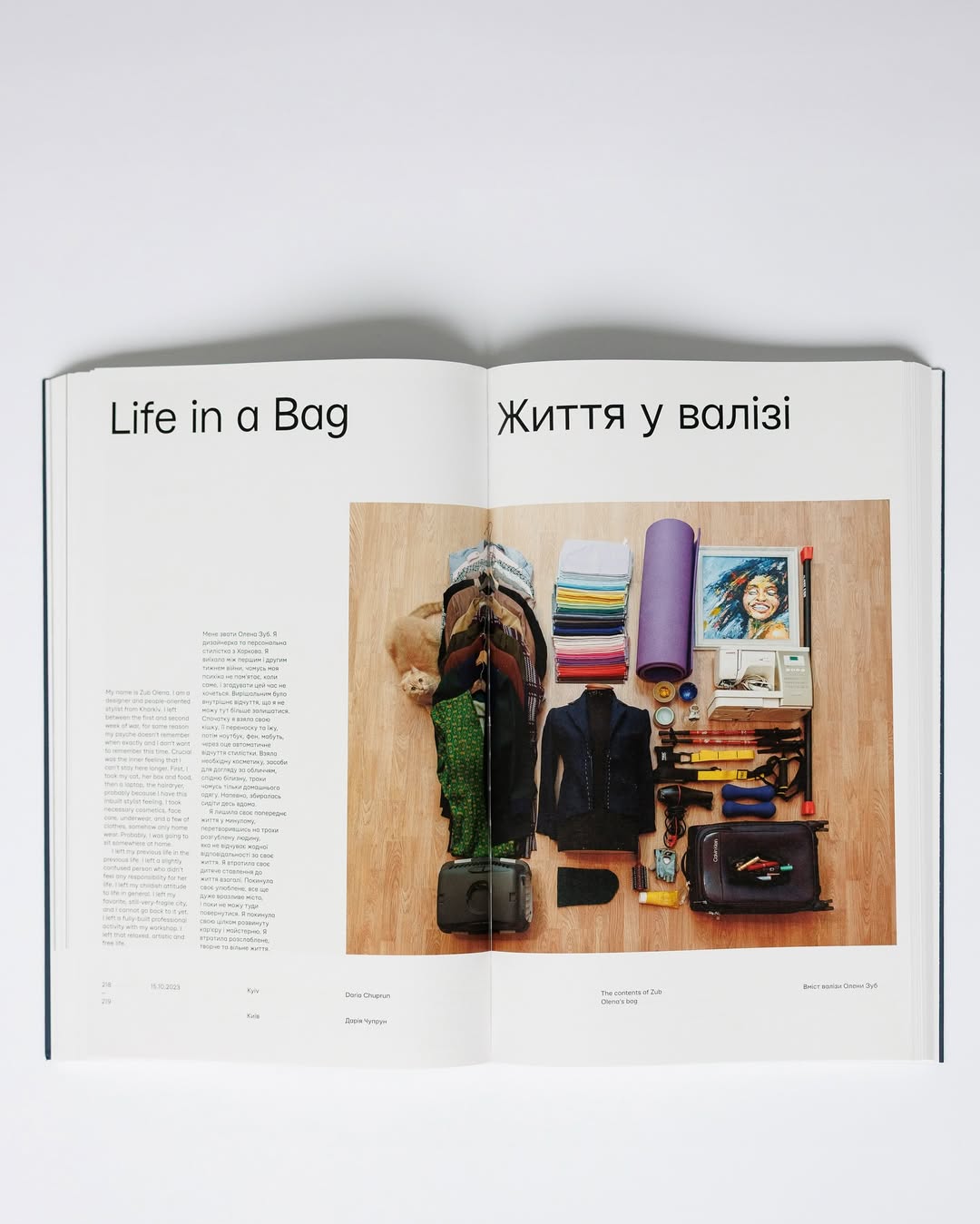
Photographs from the "Life in a Suitcase" project were published in 2023 in the book "Ukraine: Love+War" by the American publishing house FotoEvidence. Initially, I wasn't sure how to further develop this project or where it would find its audience. I submitted it to only one open call and waited six months for the results. Time passed, and the topic of internally displaced families and refugees lost its urgency. At that time, I felt discouraged and burned out, and decided I would no longer work on social projects. However, this project was published, and I continued.

I do not shoot reports or factual photographs. There are enough people who successfully do that. I work on topics that truly resonate with me. I am interested in art, and photography is a way for me to talk about what is difficult to express in words. My current project combines these interests and, undoubtedly, remains in the context of the war—because today, nothing exists outside of it. It is important for me to show how we live within the war—not heroically or tragically, but genuinely, in all the complexity of this experience.
I started shooting the project in Kharkiv at the beginning of 2025. During the full-scale Russian invasion, I was in Kyiv, but Kharkiv is the city where I lived most of my life. There, I photographed friends, and the guys told me that after the strike on the "Epicenter" hypermarket, houseplants were being sold almost for free—just so they wouldn't wilt. They bought several pots, and their apartment now has a lot of greenery. I listened and thought that this was a surrealism you wouldn't encounter in a peaceful world—a missile hit, and people are saving flowers.
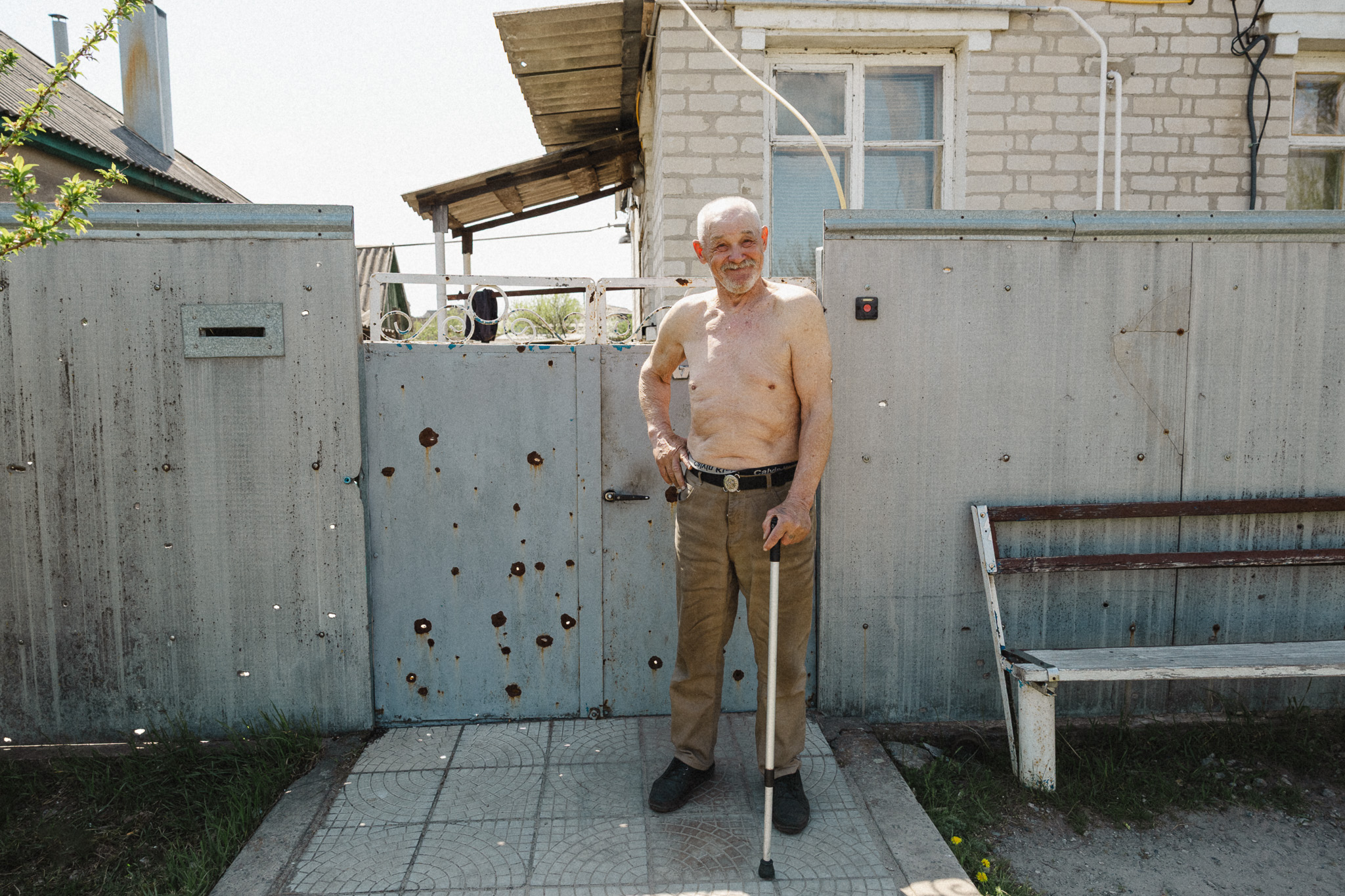
The next expedition was to Izium, where I photographed a local artist. In turn, he told me about a friend who lives near Sloviansk, and I traveled to the Donetsk region. There, I photographed in a museum of antiquity, most of the exhibits of which had been evacuated. Later, I shot in Barvinkove in the Kharkiv region, and in the near future, I plan to continue in Zaporizhzhia and Odesa. I don't see an end to this project yet. I have already documented over seventy stories. Of course, I had the idea to photograph absolutely everyone involved in the project's theme, but even ChatGPT said it was utopian.

During the project shoots, I meet wonderful people. In my teens, I watched fantastic movies about heroes, and now I realize they actually exist. Just consider the story of the military commander who saved two comrades, blew up a bridge, and thus prevented the enemy from passing."I Often Don't Know Where Curiosity and Feelings Will Take Me"
“Often I don’t know where curiosity and feeling will lead me”
I work on long-term photo projects. I have the opportunity to follow my interests and work on my own projects. I often don't know where curiosity and feelings will take me. There are things I would not want to shoot right now, such as funerals—it's a very difficult process. However, I cannot say that I wouldn't photograph them at all. Of course, I do shoot reports, for example, about the prosthetics and rehabilitation of military personnel, or about military clothing brands. But currently, there aren't many such shoots. I remember how strange fashion shoots seemed in the spring of 2022. I felt surprise, joy, and hope at the same time. Many people took a risk back then and started "sewing spring."
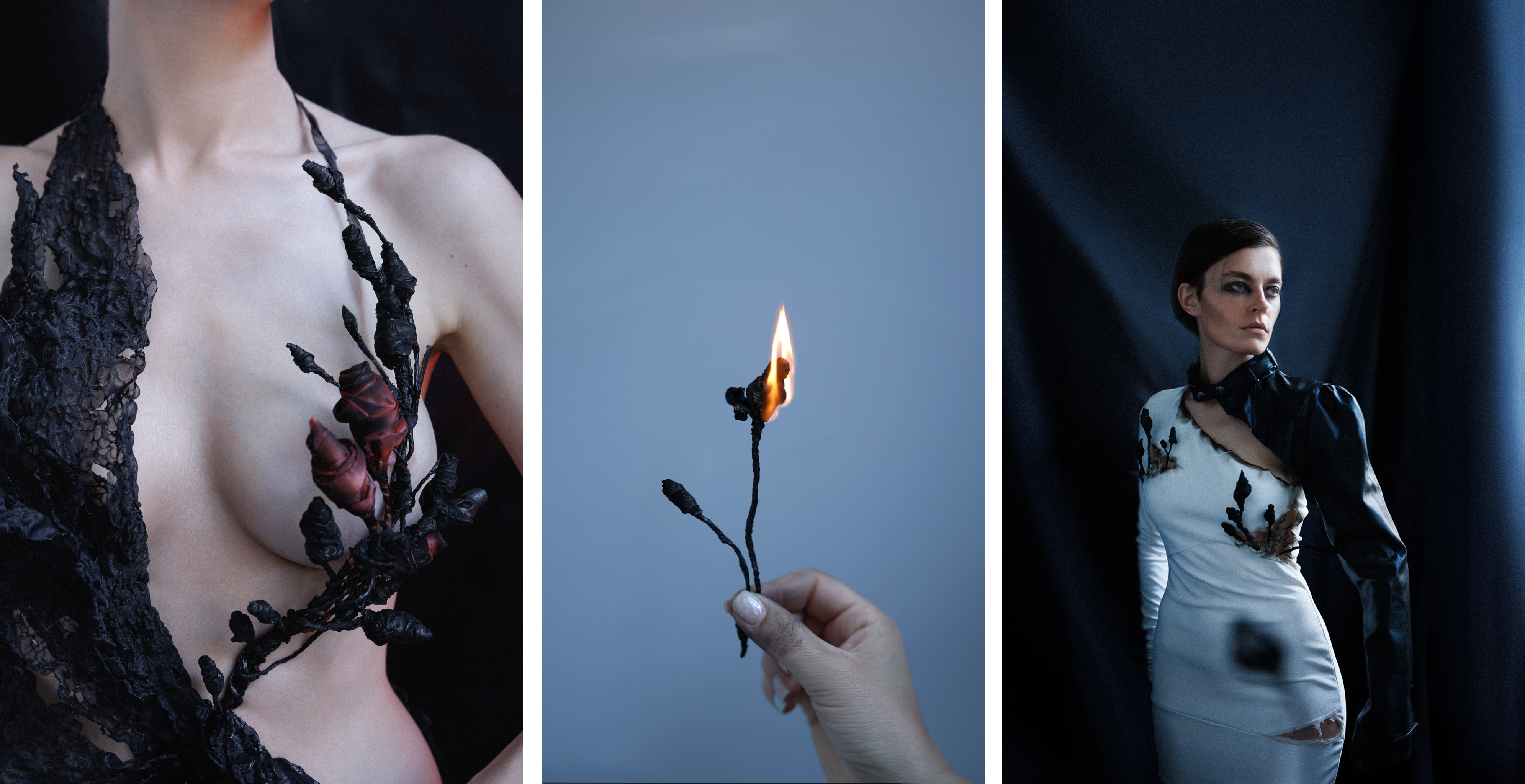
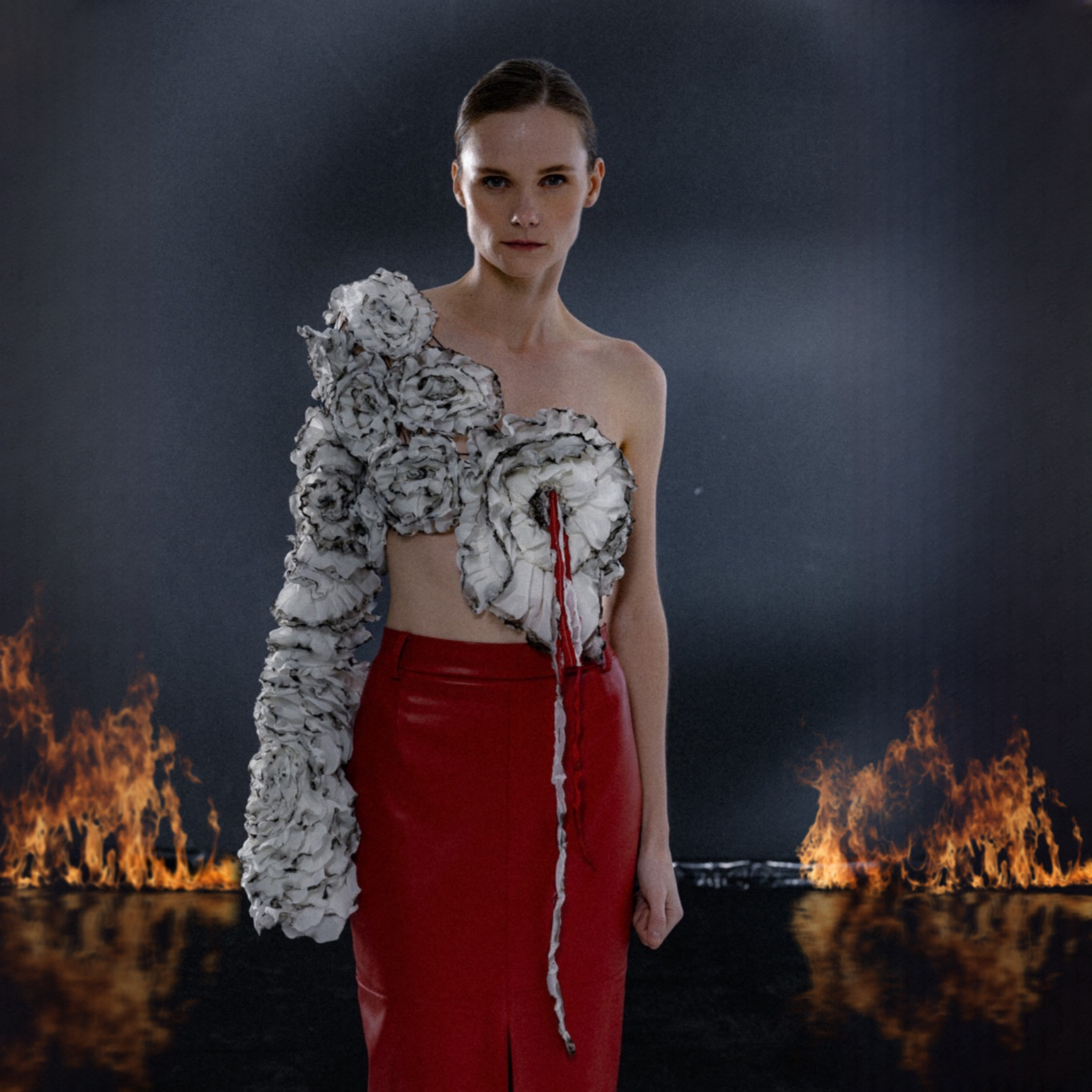
In 2023, I started working on the art project "If Clothes Could Speak." Before this project emerged, I felt the greatest crisis—nothing interested me, and I was searching for a form in which I could talk about my feelings. Before 2022, I had never experienced anything like that. I was looking for therapy for myself in terms of creative expression. Then I somehow saw a piece of burned cardboard, and everything clicked. I decided I would work with fabric, as I once wanted to be a clothing designer. I created several dresses by using fabric and fire, and the project worked—the desire to create returned. Within everyone, there is the strength to transform pain in order to continue living."I Haven't Changed Much; The Circumstances Have Changed Drastically"
“I haven’t changed much; instead, the circumstances have changed dramatically”
It seems to me that it is difficult not to shoot, and difficult not to be involved, even just a little. Inactivity is more exhausting than work. When you work, you first and foremost don't allow yourself to become indifferent. And if even one person's attitude toward the war or people changes, that will already be a small victory.
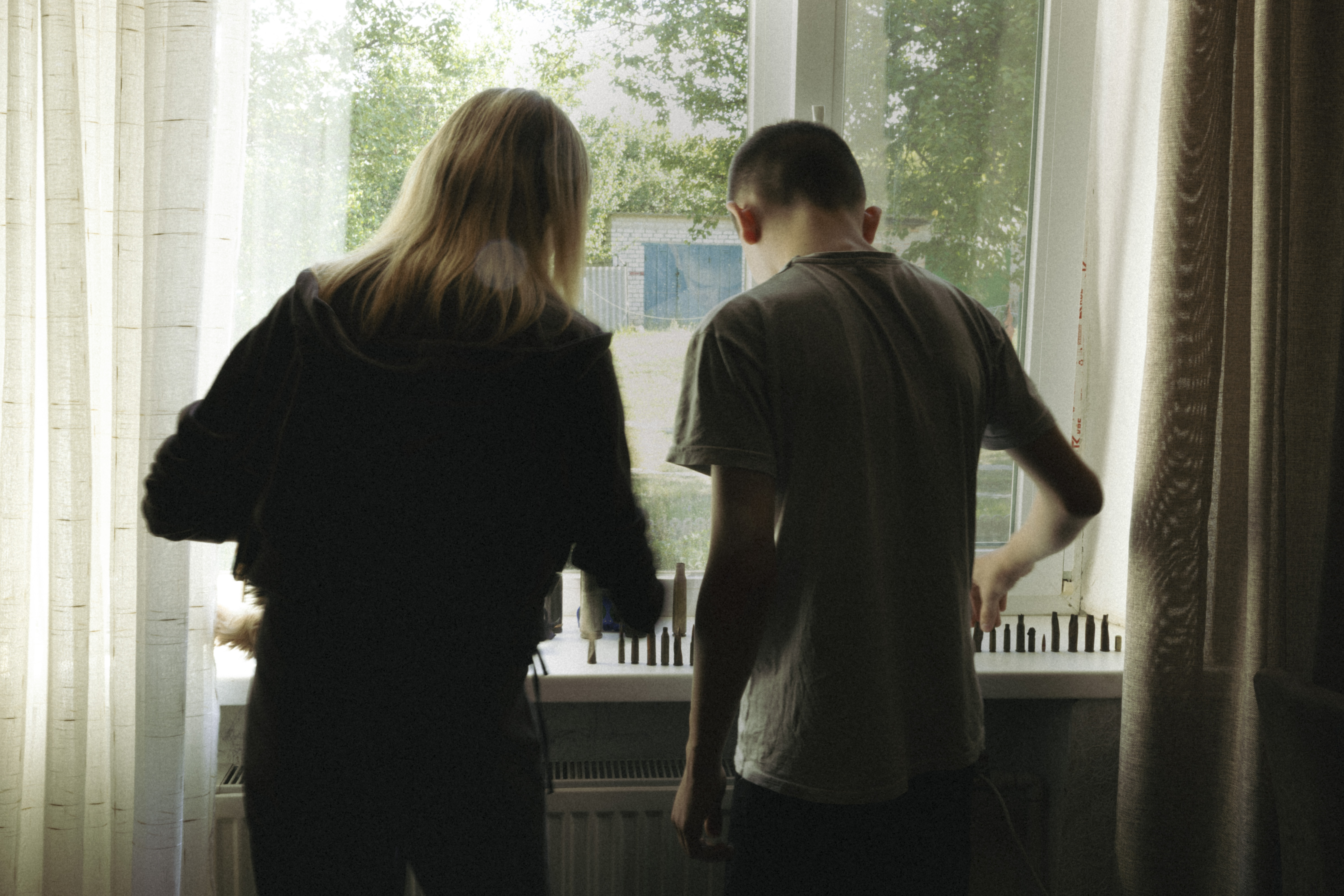
Currently, I primarily work with civilians; my stories are often quite touching, but the distance between me and the war is still very great. It is still easier for me than for many photographers who work on the frontline. Of course, the war cannot help but affect you, but it seems to me that I haven't changed much; the circumstances have changed drastically.
I have always been attentive to people, seeing them as interesting and profound. With the start of the full-scale war, this human depth became simply limitless. For my photo projects, I talk to people a lot and add texts to the photographs. During the war, a person and their story are key. However, the photograph must be compelling enough for a person to want to read that story.
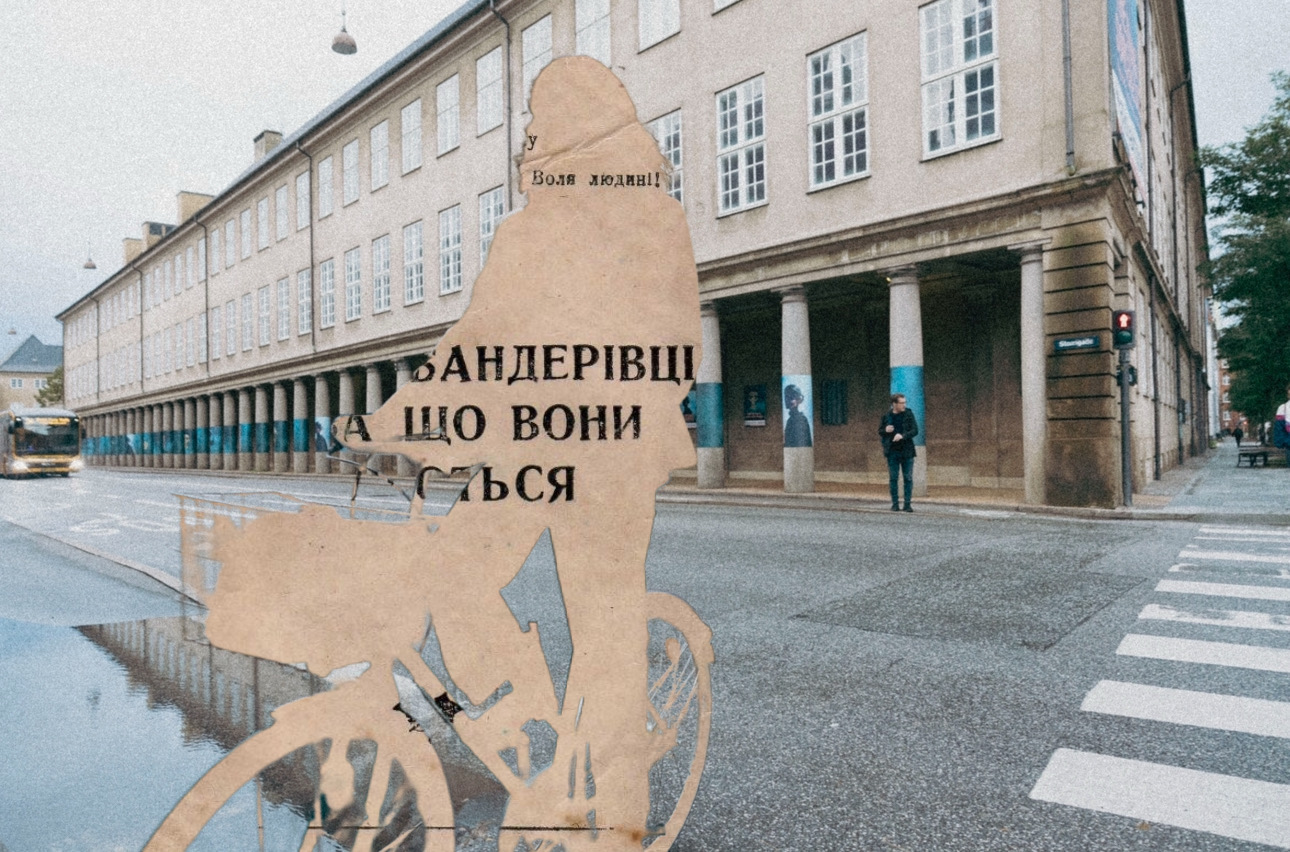
I have heard the statement many times that photography changes nothing, and I completely agree with it. However, I cannot stop photographing. When searching for a form of expression for what is inside me through photography, I orient myself toward my former perception of the war—when it seemed like something distant, almost unreal. I want to shoot about life—about how we continue to create, raise children, work, laugh, and fall in love. I want foreigners to see us not only through the prism of war but as people in whom they can recognize themselves. I want to touch the inner universe of other people. Maybe that can change something.
Daria Chuprun – a professional fashion photographer with many years of experience working with clothing, footwear, and accessory brands. Her specialization is creating conceptual shoots that harmoniously combine emotional narrative with brand aesthetics.
The photographer's social media: Facebook, Instagram
The material was prepared by:
Topic Researcher, Text Author: Katia Moskalyuk
Visual Editor: Vladyslav Krasnoshchok
Literary Editor: Yuliia Futei


.jpg)