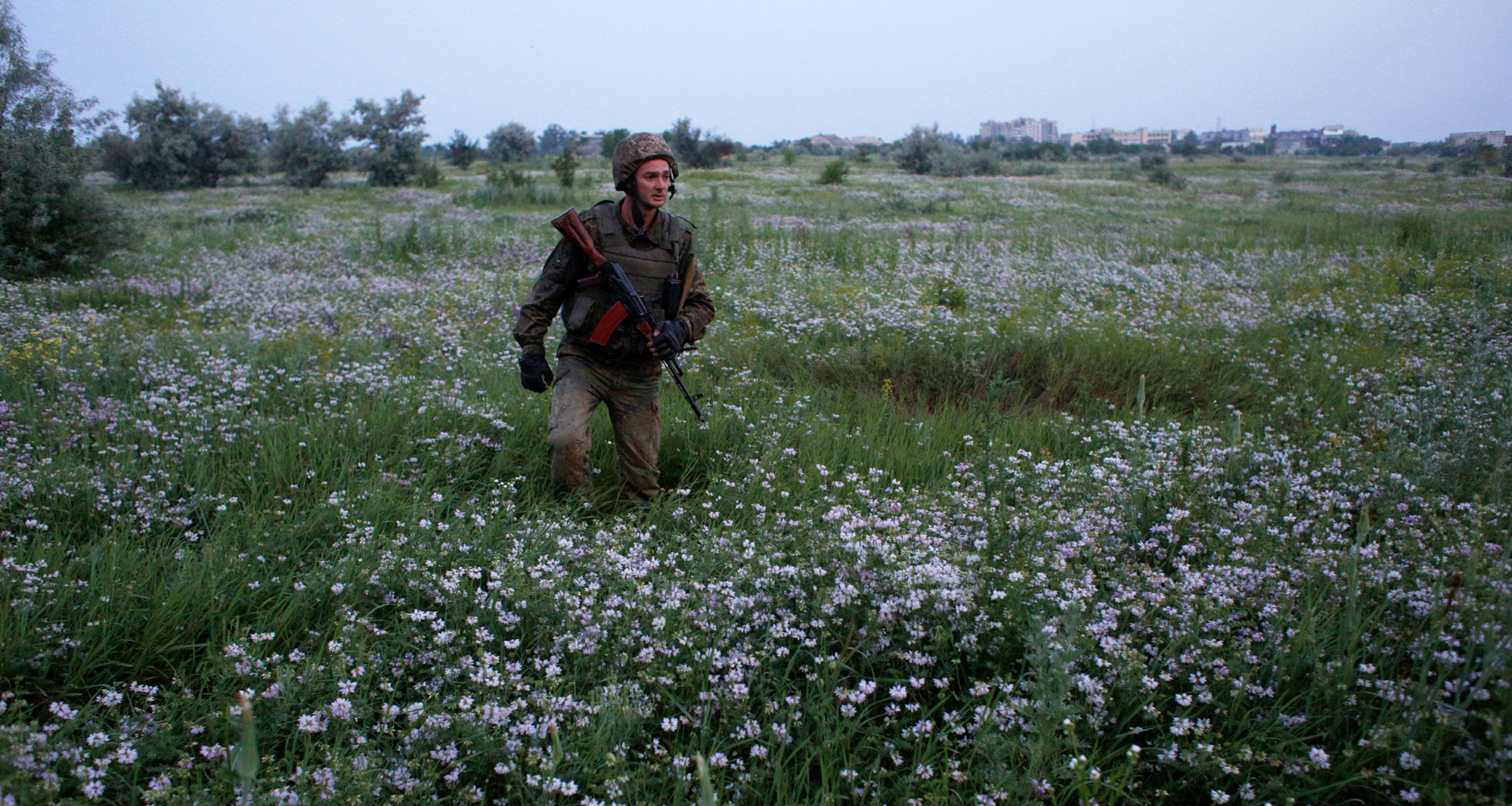
Mariinka, once a cozy 10,000-strongsuburb of Donetsk, has been transformed since 2014, along with neighboring Krasnohorivka, into a powerful defensive line. The history of the heroic resistance on the Mariinka front is, first and foremost, an epic tale of the superhuman resilience of Ukrainian soldiers who fought for every shard of wall. It is also a memory of eight years of life for local residents on the demarcation line, which, after February 24, 2022, turned into the hell of total war. The enemy applied a scorched-earth tactic on this front—just as in Bakhmut—erasing the town block by block. Ukrainian defenders withdrew from Mariinka in December 2023, when only ruins remained of the city.
Photojournalist Anatolii Stepanov, who has been documenting this war since 2014, shared his account of the shelling of Mariinka and the heroes who held this bridgehead.
“There is much to remember from these years, but the war had a specific character. There were periods of escalation, as in June 2015, and periods of relative calm in hostilities, which alternated with the activity of the Ukrainian military. Sometimes we managed to retake territory near Mariinka and advance toward the village of Oleksandrivka, closer to Donetsk. But the hostilities of that time are difficult to compare with what is happening now.
The main thing that remains in my memory is the people I lived with at the positions. I crossed paths with many of them in other places in the Donetsk and Luhansk regions as well,” — the photographer recalls.
What Preceded It
Russian propaganda spent years preparing the ground for the invasion of eastern Ukraine. Therefore, in the spring of 2014, after the annexation of Crimea, the Kremlin was able to incite separatist rallies with the help of local supporters and mercenaries in eastern Ukraine. After the enemy seized key cities in the Donetsk and Luhansk regions in April 2014—virtually half of these regions—Ukraine officially announced the start of the Anti-Terrorist Operation (ATO). In July 2014, Ukrainian forces liberated most of occupied Donetsk region and began the encirclement of Luhansk. To halt this offensive, Russia resorted to direct aggression: starting July 11, regular missile strikes on Ukrainian Armed Forces units began from the territory of the Russian Federation. In late August, Russia introduced regular troops into Ukraine, blocking the liberation of Donetsk.
About the Battles for the City That Is No More
Mariinka was first occupied in June 2014, and the town changed hands until August 5, when ATO forces finally drove the enemy out. Mariinka was liberated from the Russian invaders by volunteer battalions “Azov,” “Donbas,” and “Shakhtarsk,” with powerful fire support from the 51st Mechanized Brigade. Krasnohorivka was returned to Ukrainian control on August 1 by the forces of the 51st and 93rd Brigades, the 20th Territorial Defense Battalion, and the volunteer formations “Donbas” and “Pravyi Sektor” (Right Sector).
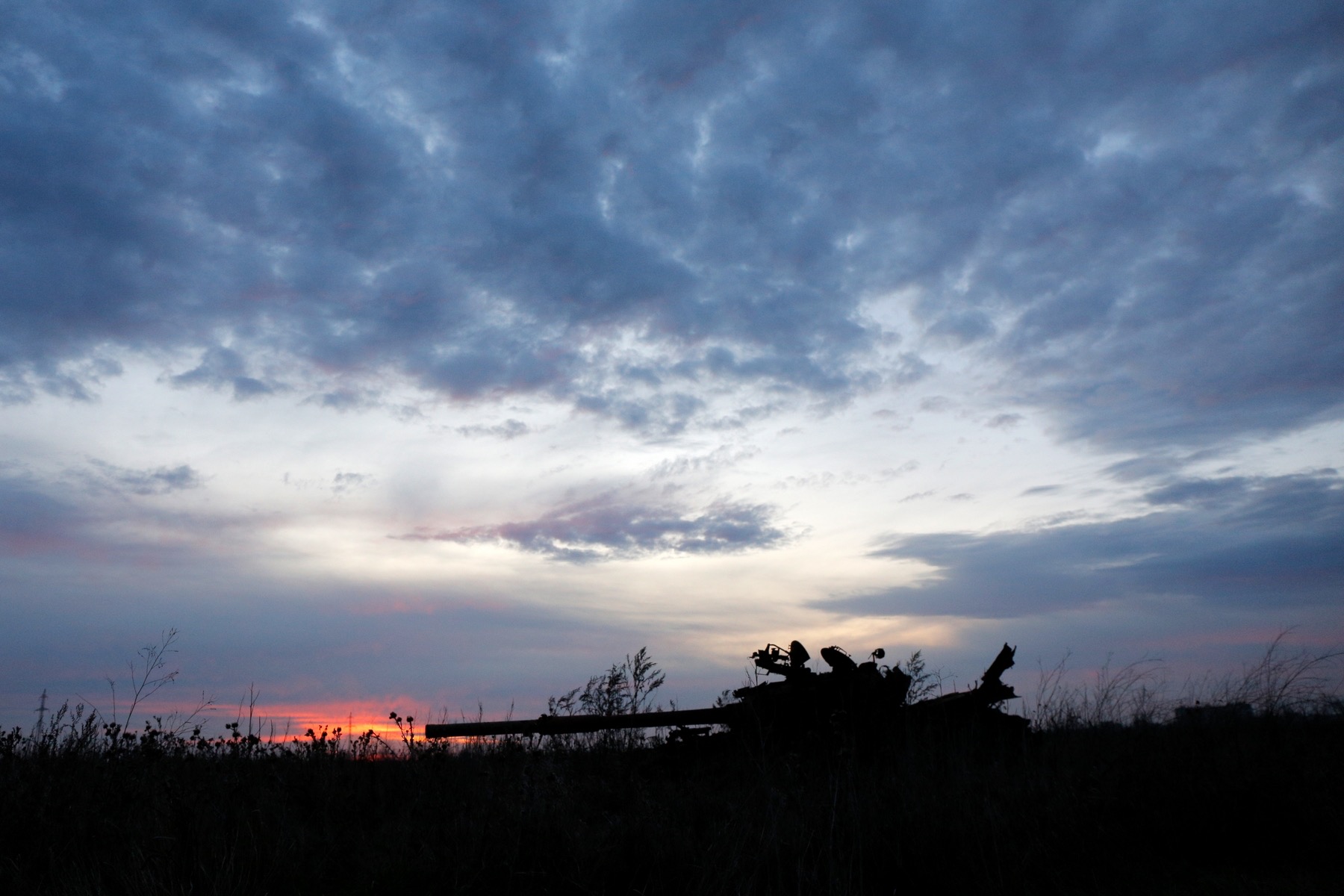
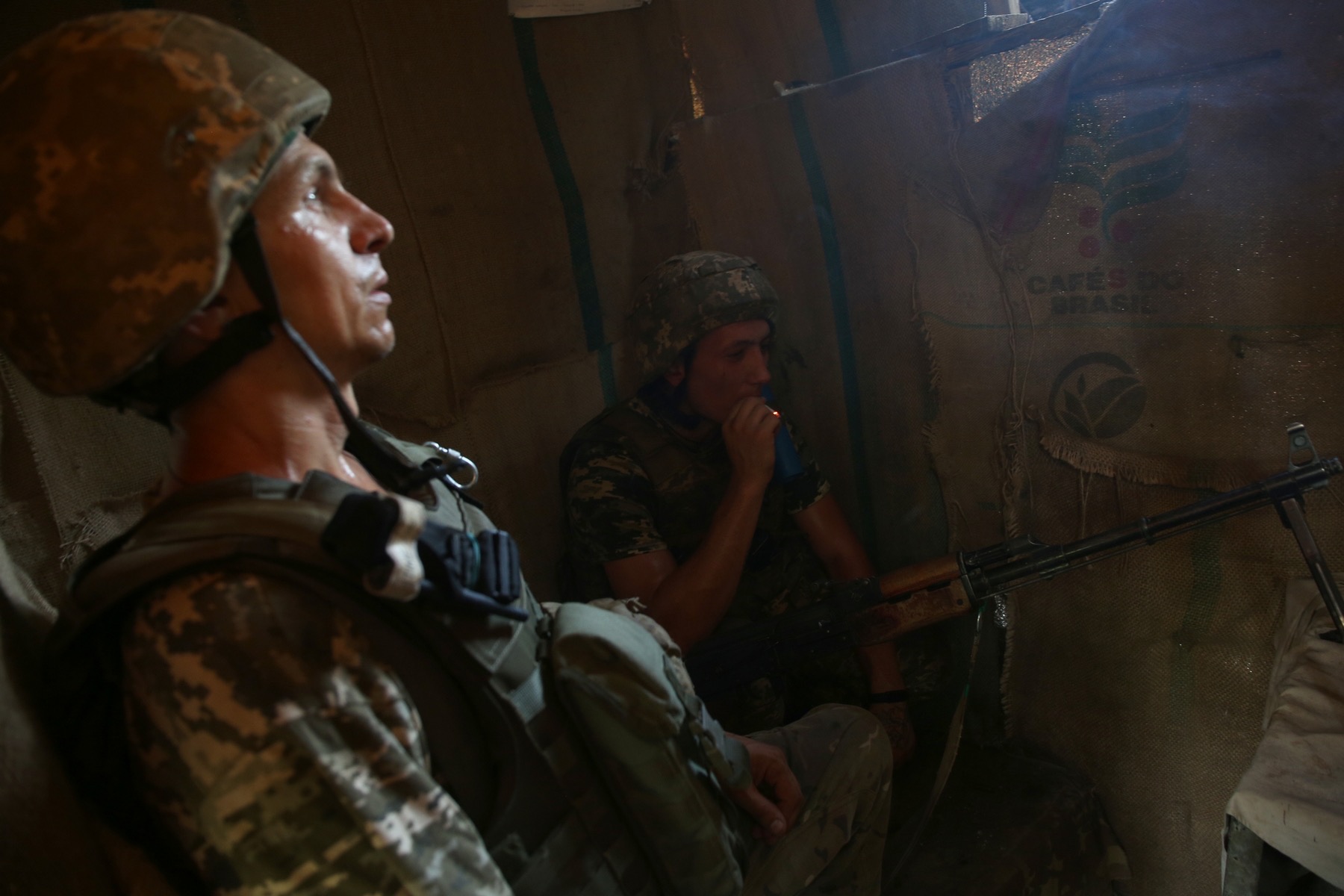
Russian hybrid forces attempted to seize Mariinka again around four o'clock in the morning on June 3, 2015, following a massive artillery shelling.
Before the start of the battles in Mariinka, the OSCE recorded the transfer of militant equipment to the city, as stated in the mission's special report. Observers nearby heard artillery and "Grad" MLRS fire.
Due to the attempted Russian offensive in violation of the Minsk agreements, the General Staff of the Ukrainian Armed Forces authorized ATO forces to use artillery in the areas of Mariinka and Krasnohorivka. The OSCE confirmed that the Ukrainian Armed Forces officially warned of the use of heavy weapons in response to repel a real threat.
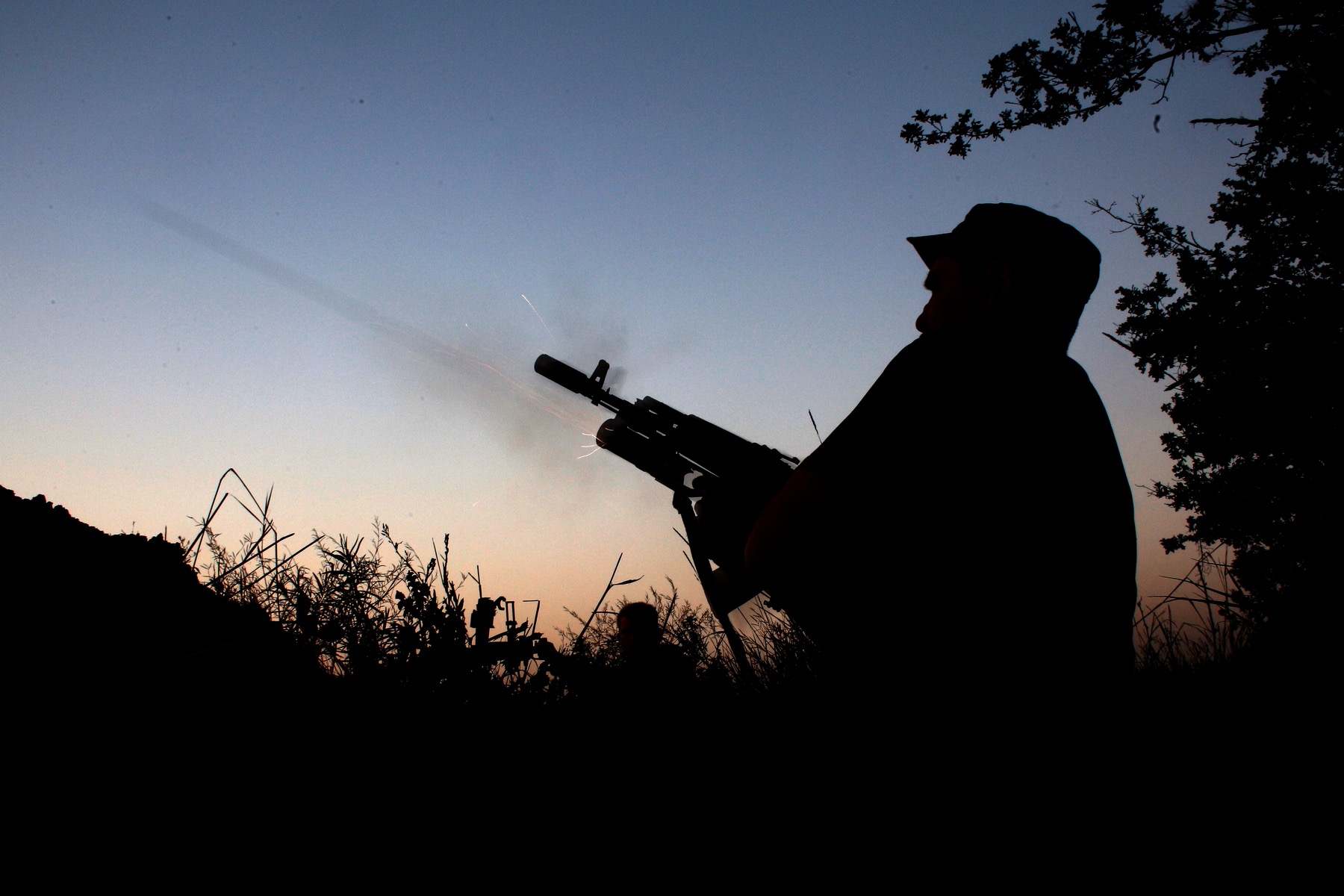
As the "Novynarnia" publication informed at the time, the enemy's first strike was met by about 300 fighters of the 2nd Battalion of the 28th Separate Mechanized Brigade named after the Knights of the Winter Campaign, whose positions were stretched for several kilometers along the front line. According to the memories of the battle participants, terrorist forces broke through to the city center and the police building, and enemy tanks shelled the Mariinka hospital. However, Ukrainian artillery timely cut off enemy reserves. The steadfastness of the 2nd Battalion and the massive losses forced the occupiers to halt. After lunch, the Ukrainian Armed Forces captured a wounded Russian, who admitted that about 500 Russian military personnel were sent to storm the city. Ultimately, receiving a tough rebuff from the units of the 28th Brigade that arrived to assist, the enemy began to retreat.
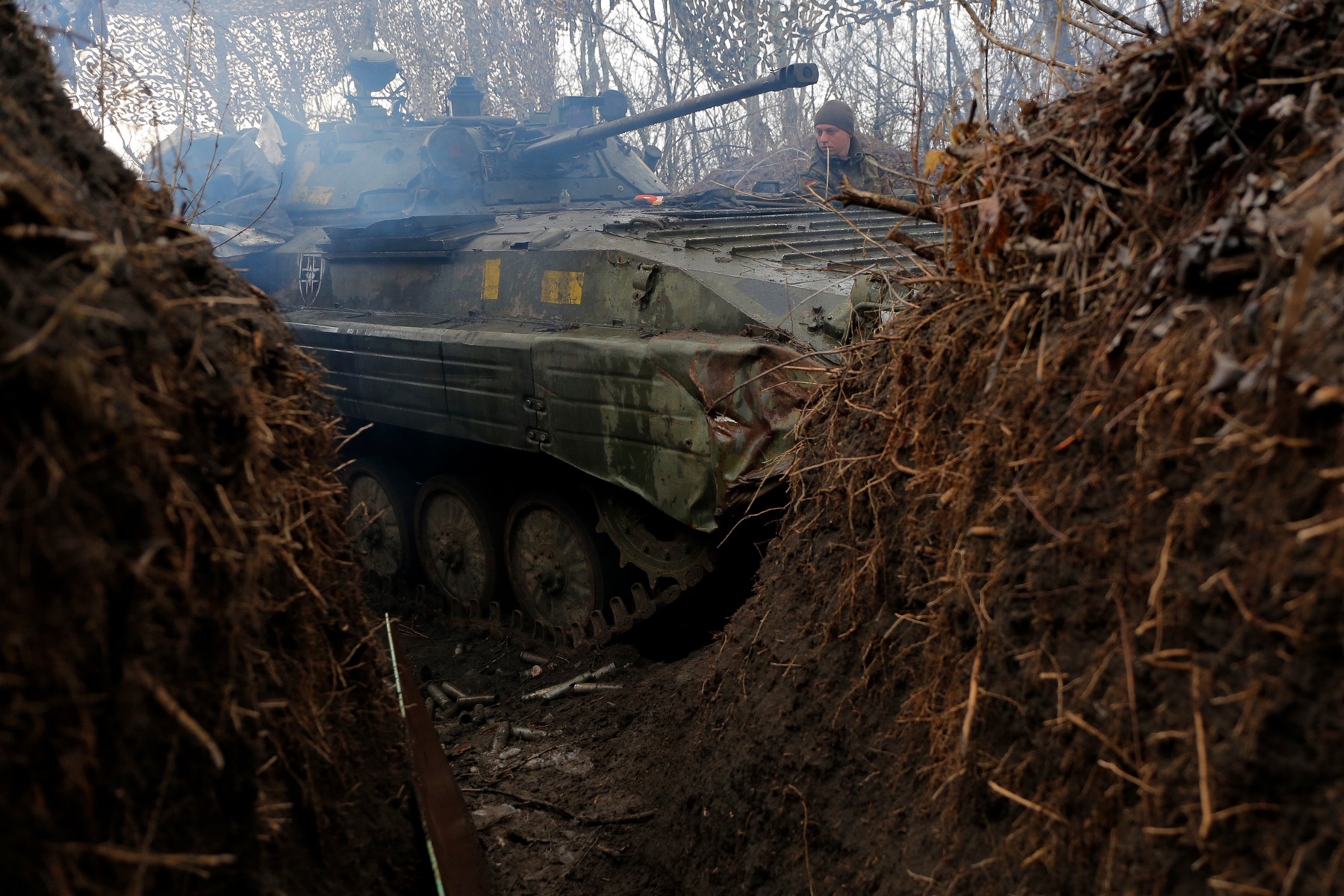
“I first arrived in Mariinka in July 2015. At that time, active hostilities were no longer taking place there, but the destruction on the outskirts of the town was a reminder of them. I was still in Kyiv during that battle. The assault was repelled precisely thanks to the competent work of Ukrainian artillery on the formations advancing on the city and the steadfastness of our infantry. The artillery accurately hit the stables area, where the reserves of the collaborator assault groups were forming. The infantry at the positions also acted selflessly. But I only learned all this from the news... It so happened that after the heavy battles for the Donetsk airport and Debaltseve, my attention was more drawn to those fronts. But it was the storming of Mariinka in June 2015 and how the Ukrainian military repelled it that drew increased press attention to this area. It was after this that I started traveling more often to Mariinka and Krasnohorivka, because a powerful line of defense had essentially formed there,” — Anatolii Stepanov recounts about the first serious battle for the city and media attention.
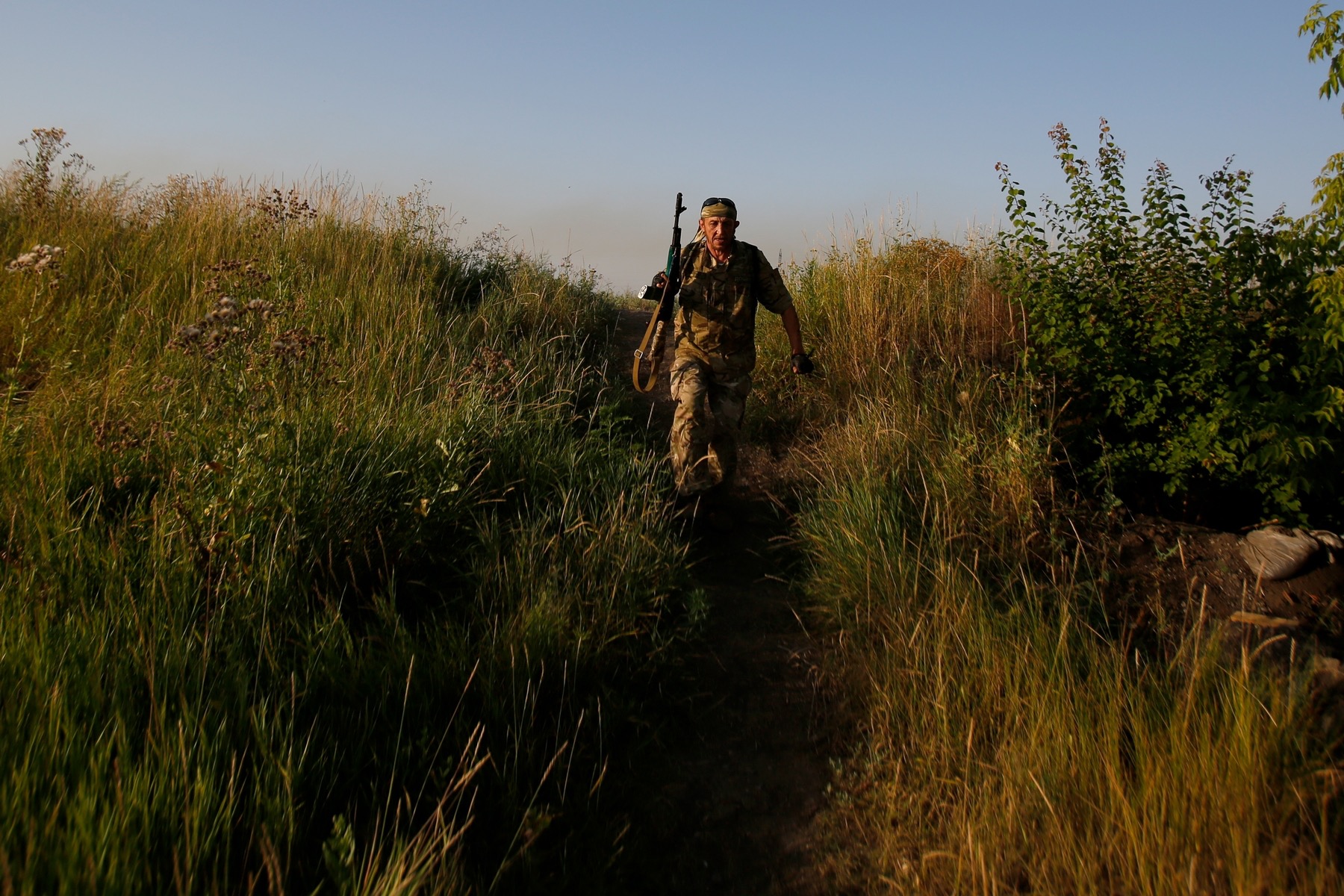
Five Ukrainian soldiers were killed in the battle, and 35 more fighters were wounded. According to UN data, nine civilians were also killed. The Russian side officially classified information about the losses of the Russian Armed Forces to conceal the Russian army's participation in the aggression. On June 8, an enemy subversive and reconnaissance group made further attempts to storm the town under fire cover, but without success.
Life on the Edge
After the battle for Mariinka on June 3, active hostilities transitioned into a phase of local clashes. The war was limited to constant shelling of the front line, checkpoints, and entry-exit checkpoints (EECPs), as well as the actions of subversive groups. The cost of this confrontation included the wounded and killed, as well as destroyed houses, halted enterprises, and ruined infrastructure. For eight years, Mariinka and Krasnohorivka lived their frontline lives near the demarcation line with occupied territories.
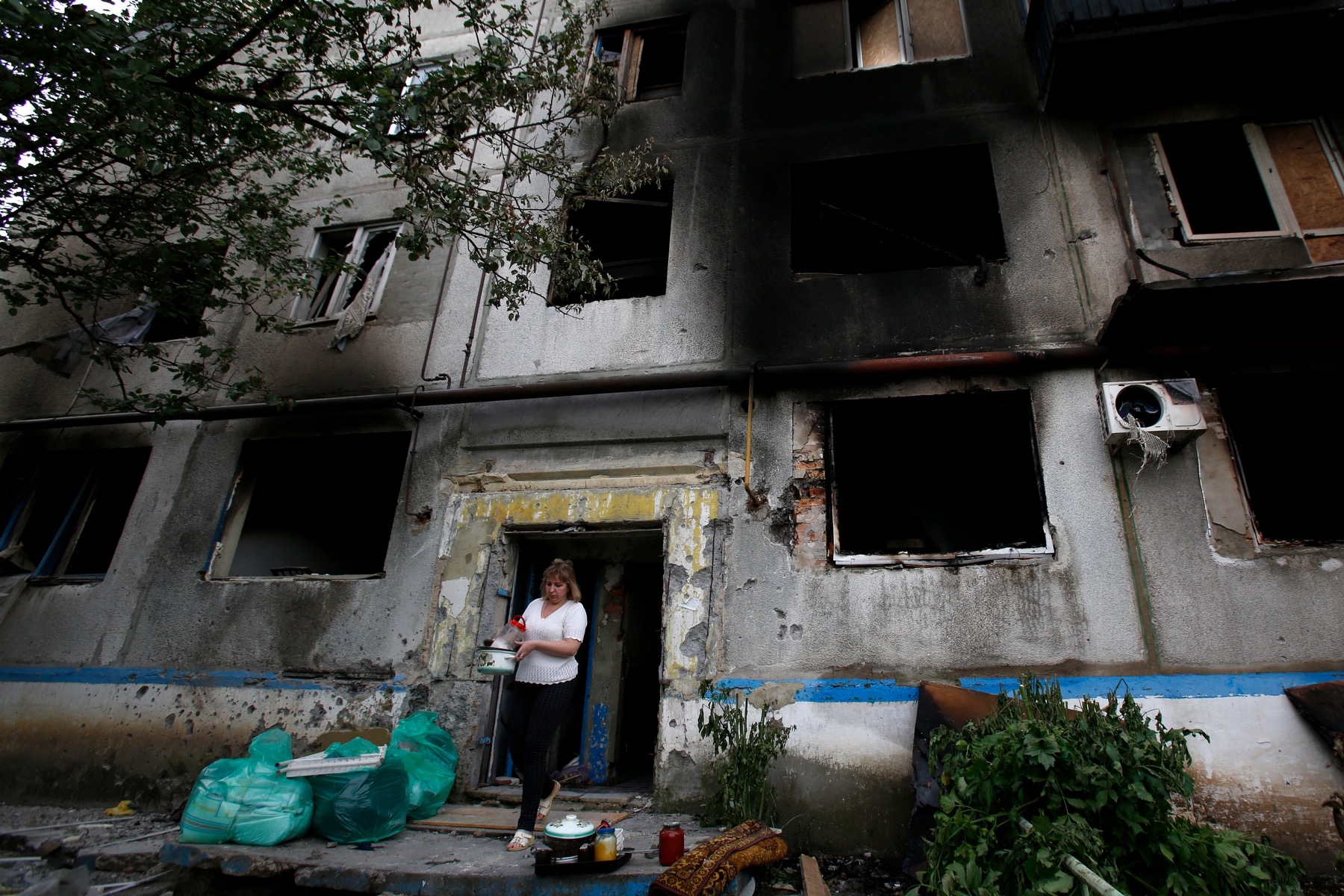
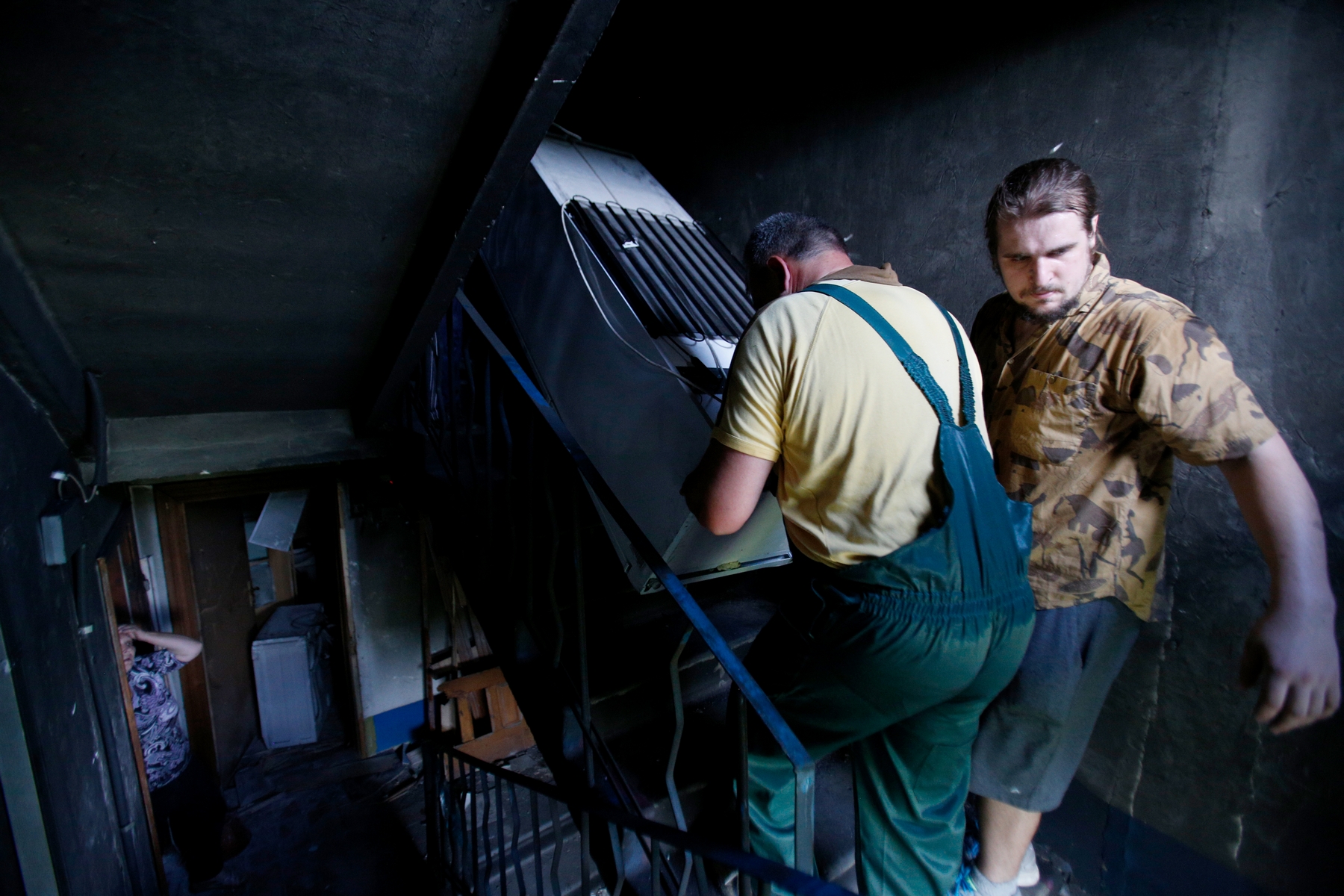
“Life never stopped in these frontline towns. The outskirts closer to the front line were seriously hit by artillery, but further away, life continued. Shops were open, and people carried on with their lives. Unfortunately, the shelling did not stop, especially at night. Shells often flew into residents' homes as well,” — the photographer says.
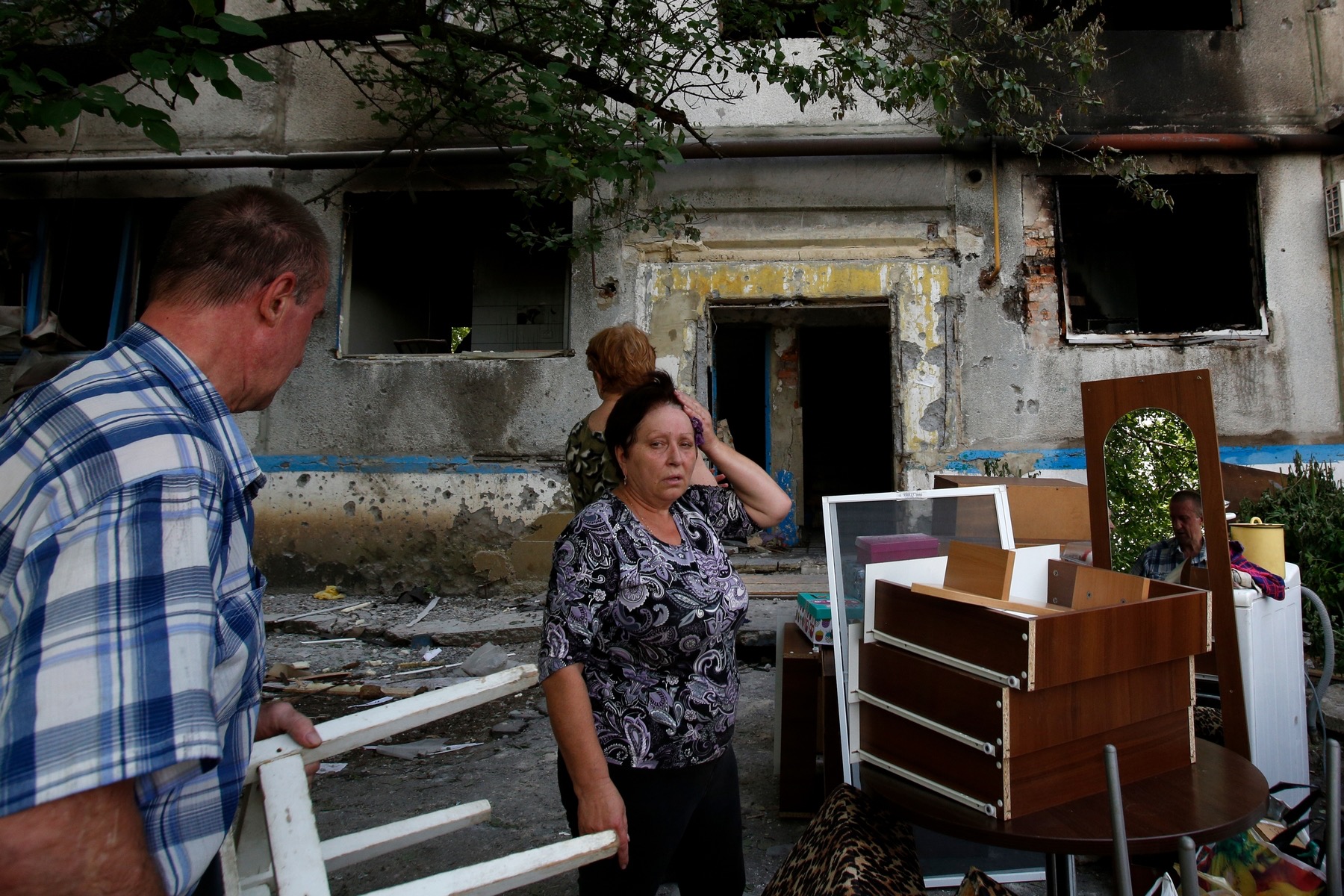
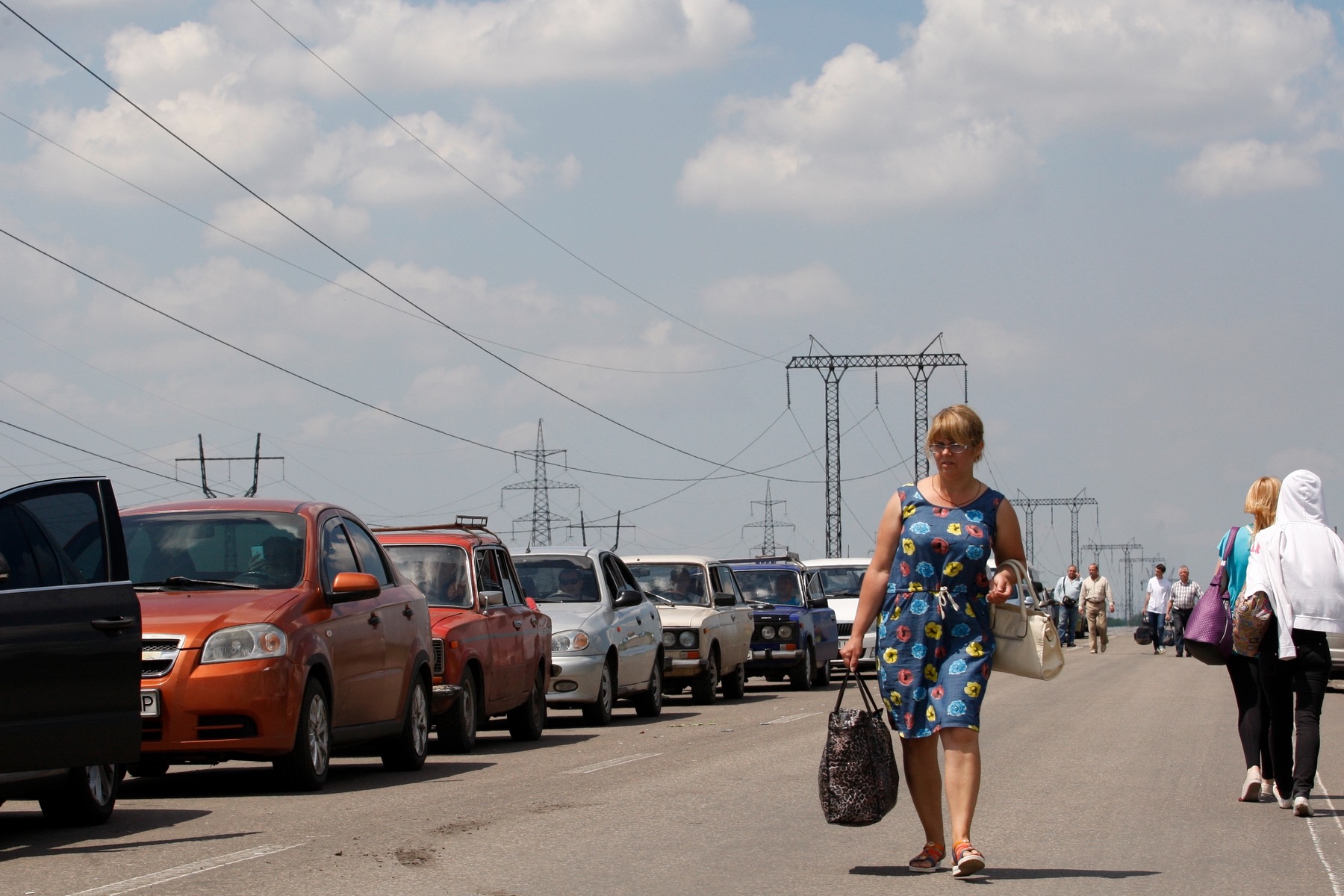
Mariinka was separated from occupied Donetsk by only 30 kilometers and the eponymous EECP, through which thousands of civilians passed daily into the occupied territory.
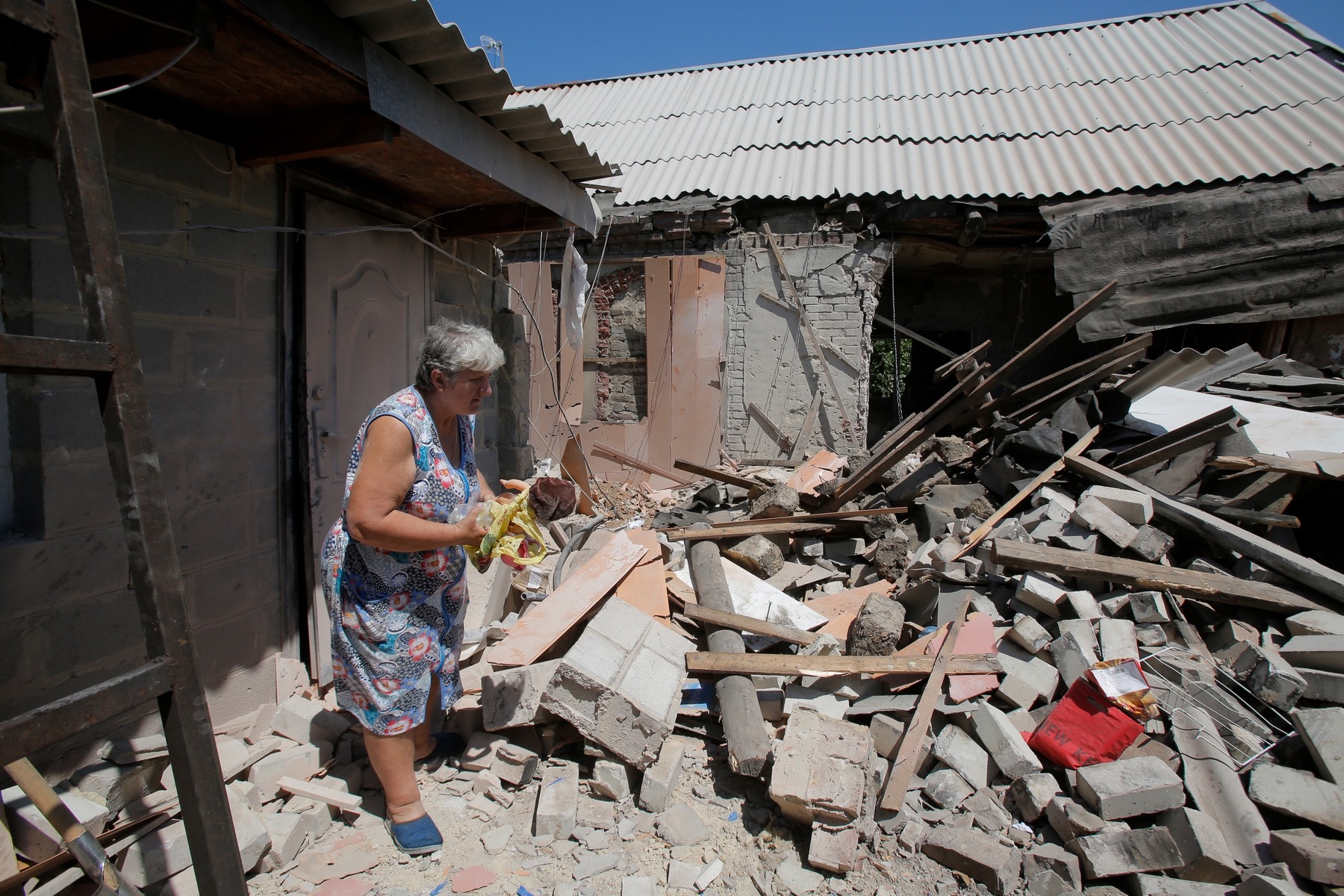
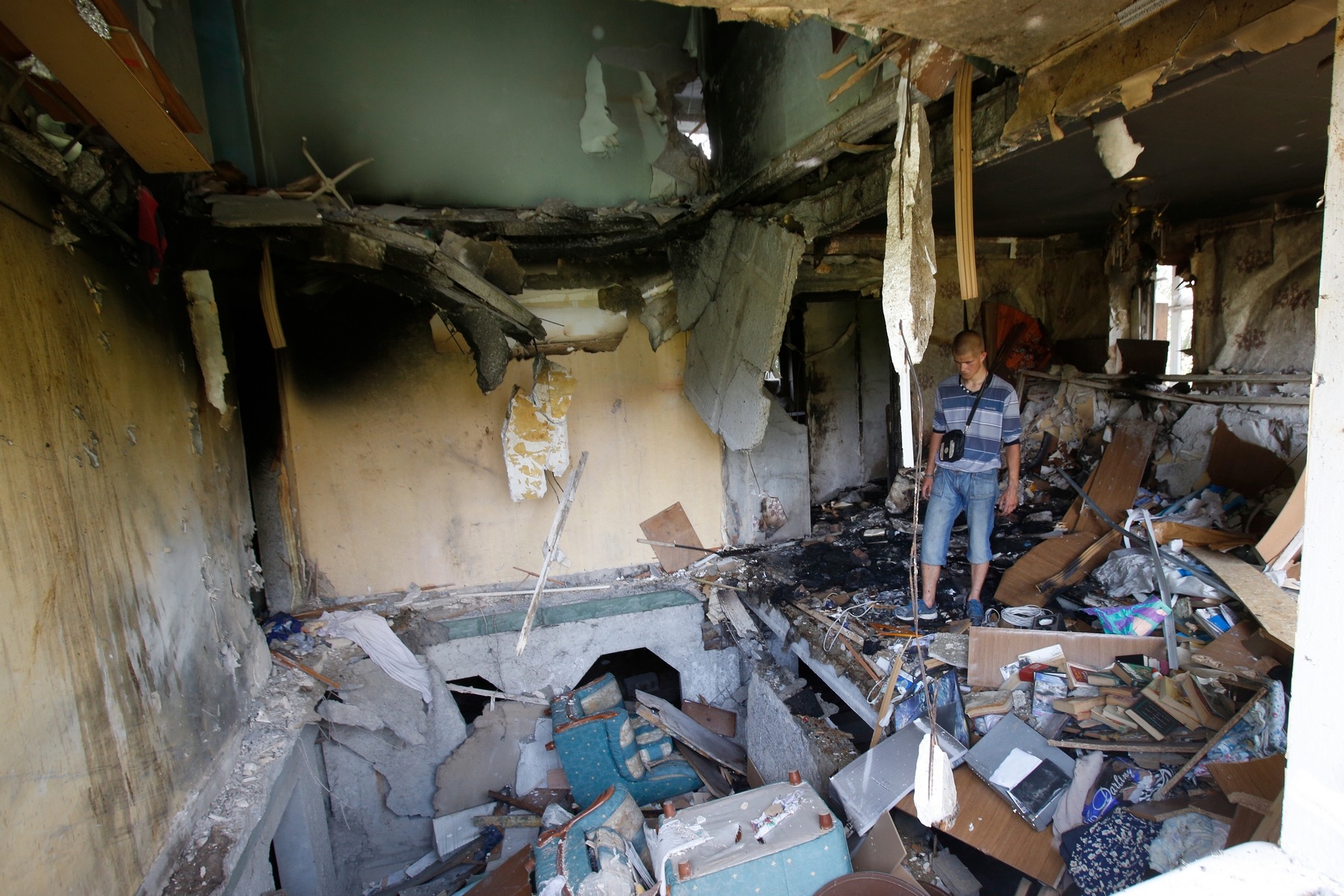
“I will never forget the day when artillery destroyed a multi-story building on the outskirts of Krasnohorivka. People were carrying out salvaged belongings from the burned apartments and were in shock. And in Mariinka itself, the checkpoint to the occupied territory was operating at the time. People stood in line for inspection, suffering from the heat. Such strange coexistence—artillery hitting houses and queues of people wanting to get to Donetsk…” — the photographer shares his memories.
Russians systematically destroyed infrastructure and homes. Throughout this time, the town remained without gas supply. The gas distribution station was directly on the contact line, and regular Russian shelling prevented the Ukrainian side from guaranteeing safety and restoring gas supply.
Anatolii Stepanov saw a home in Mariinka destroyed by Russian artillery shelling, where a large family lived: a grandfather, a husband and wife, a daughter and niece, and two grandchildren—a two-year-old boy and an eight-year-old girl. The girl was wounded then.
“Mariinka often suffered from artillery fire. On June 14, 2019, I came to the guys from the 24th Mechanized Brigade, who drove to the private sector area near the front line. There was a completely destroyed house. A family with a child was in it. The girl survived but was taken to the Kurakhove hospital. But her grandfather was unlucky. He was crushed by the wall and died in the hospital,” — the photographer shares grim details of life in Mariinka.
The “Radio Svoboda” publication reported that most local men worked in the Vuhledar mines, 30 km from Mariinka, or served in the army; women were mostly employed in state structures, and the town also had a single agricultural enterprise operating. Despite the difficult conditions, a children's and youth sports school with various sections operated here. Due to the proximity to Donetsk, the local television tower broadcast Russian channels, so residents used satellite dishes and the internet for access to Ukrainian information.
Anatolii Stepanov says that before the full-scale invasion, he did not observe centralized evacuation from the town—people left when shelling destroyed their homes.
“People could be living in their house or apartment next to the front line, and at night a shell would arrive and destroy everything. It could also kill… And then the family would pack up and leave their home. There were also those who waited for the ‘liberators’ to arrive, looked askance at the soldiers, and said after every hit that the Ukrainian Armed Forces were shelling them from the front line…” — the photographer recounts.
About the Heroes of This Defense
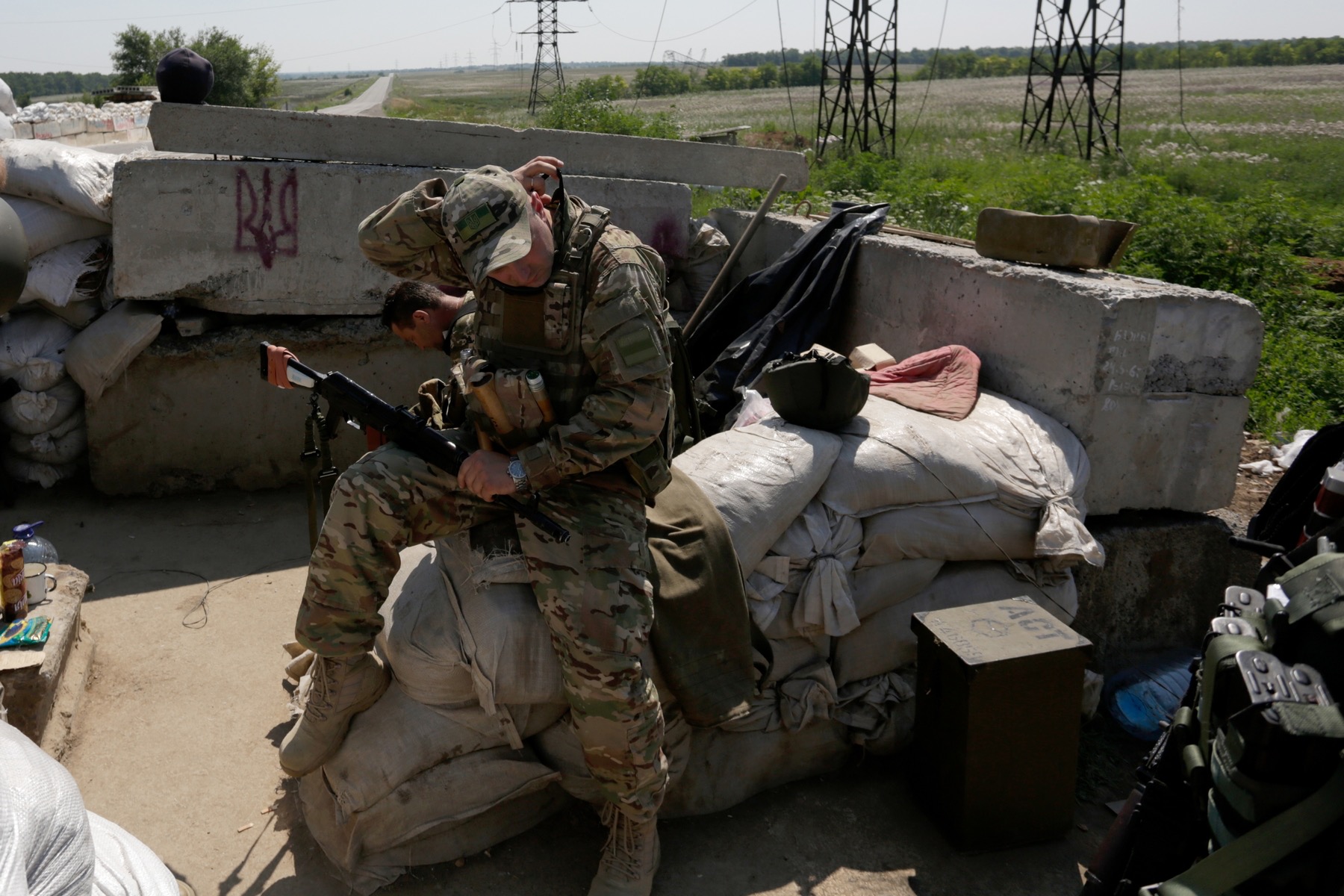
Anatolii Stepanov began visiting the positions of various brigades holding the defense in this area in 2016, working with many units, including the “Donbas” battalion, the 10th Mountain Assault Brigade, the 30th Mechanized Brigade, the 28th Mechanized Brigade, and the 24th Mechanized Brigade. The photographer says he tried to stay on the front line longer to show the daily life and work of the military, living for several days at the positions.
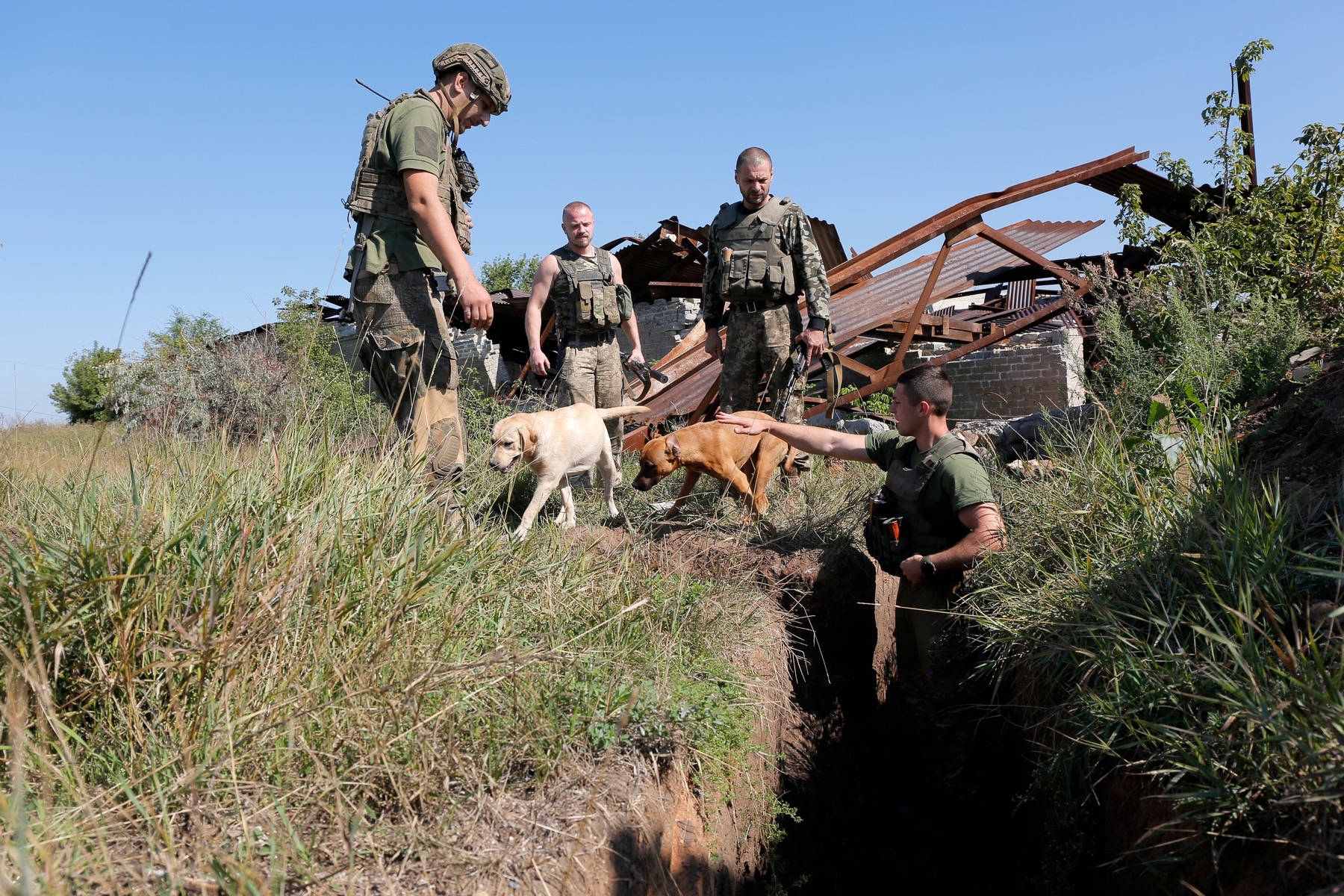
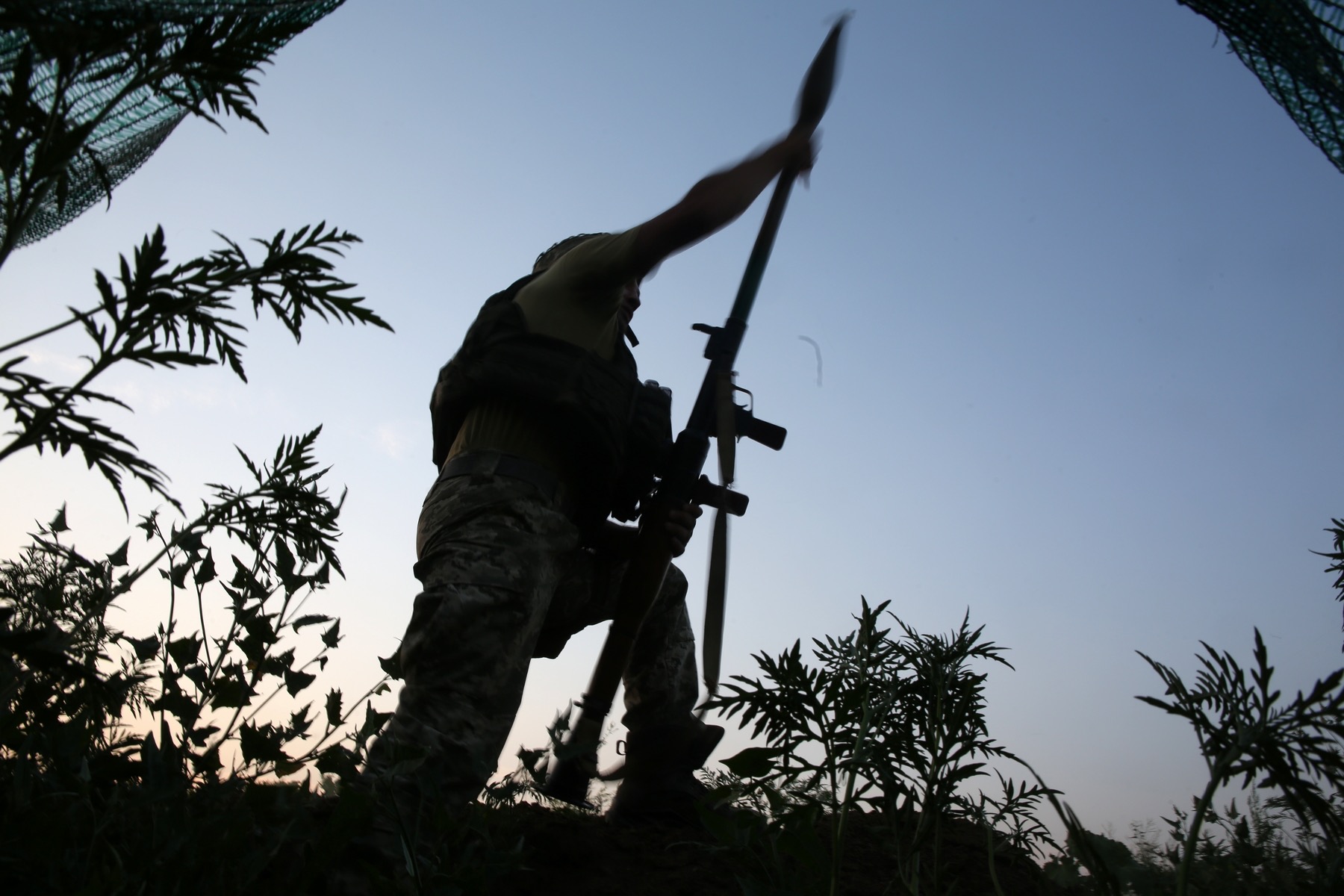
Having occupied the surrounding spoil heaps back in 2014, the Russians had a full view of and could fire upon the open steppe around the town. However, the Ukrainian military made the most of other favorable conditions.
Anatolii Stepanov describes the specifics of the war near Mariinka:
“The main fighting began with the onset of night. Small arms battles flared up. There were fewer artillery or tank shellings, but even then you could feel their effect. Mortars were used extensively. Krasnohorivka itself was slightly higher in elevation than the enemy positions, and this gave a certain advantage. The river helped in defending Mariinka. The front line there ran past the buildings of the sports boarding school and the hospital for World War II veterans. Although the war was not of the intensity it is now, guys were still dying on the front line even then.”
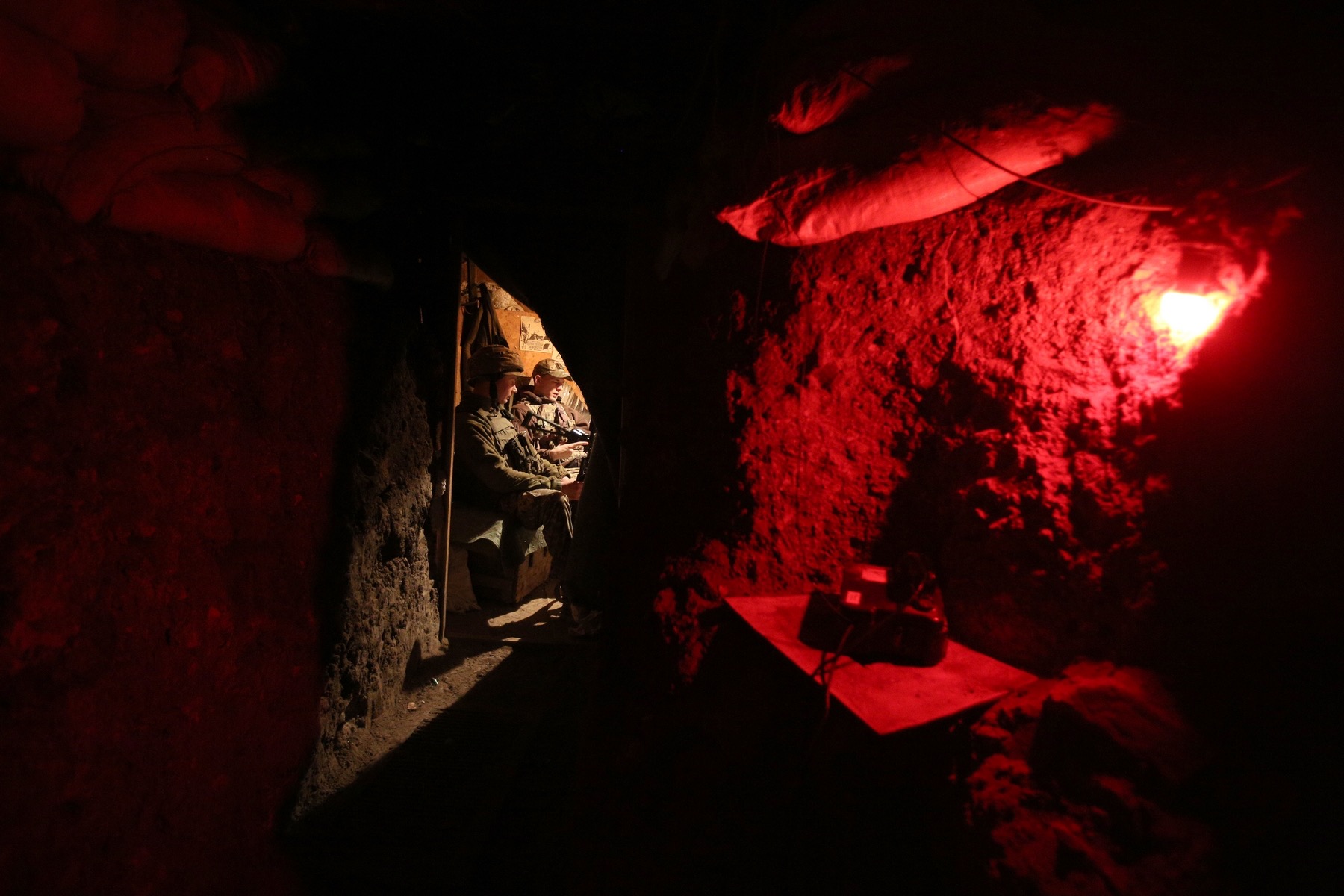
The photographer says the town's defense mostly came down to camouflage against enemy snipers and technical surveillance equipment:
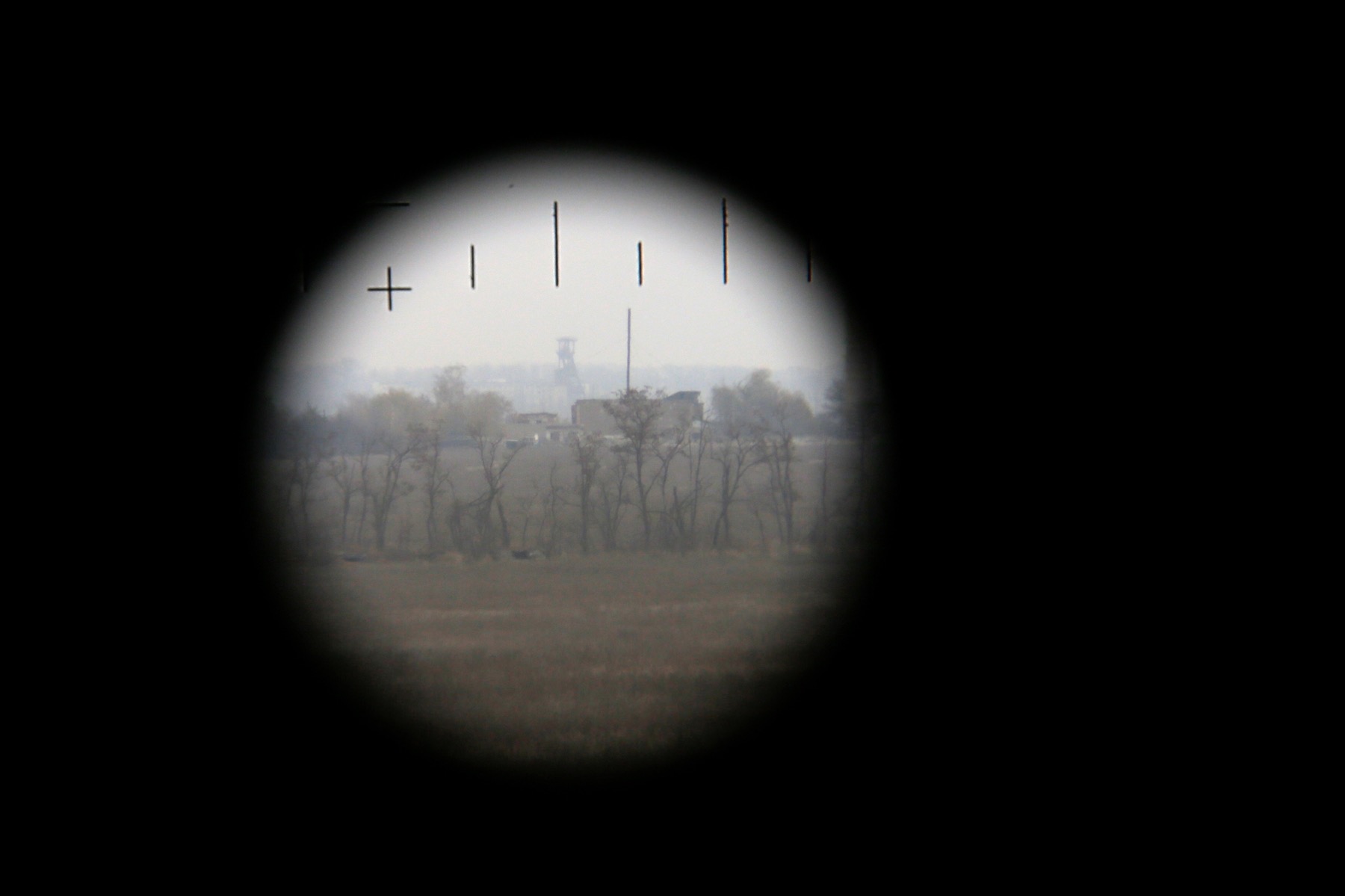
“Logistics itself is difficult to even compare with the present. Given the presence of buildings, it was possible to drive literally to within a few hundred meters of the line of our fortifications. And walking along the front was less risky. The main thing was not to enter the enemy's direct line of sight. There were no strike drones. Even ‘Mavics’ were only just starting to appear as reconnaissance devices. Various cameras installed on elevations and night vision devices played a major role then. The work of snipers was very widespread then, and soldiers tried to observe the enemy without raising their heads above the shelter. They used the so-called scout's tube — a mini-periscope.”
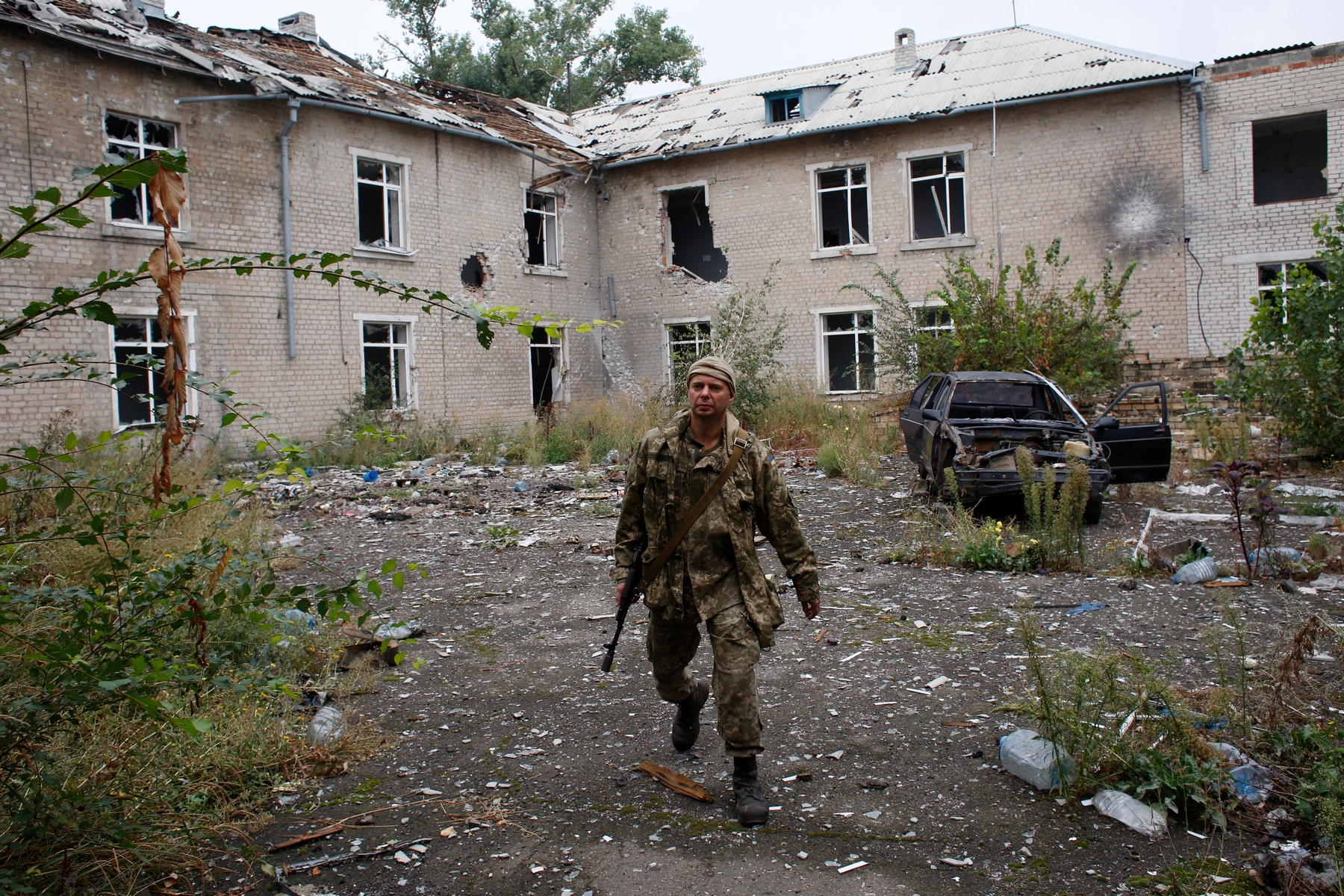
During his work with the units and at the positions, Anatolii Stepanov met wonderful people with whom he still keeps in touch, but unfortunately, some of the guys are no longer alive. In particular, the photographer remembers Captain Yurii Leliavskyi, press officer of the 80th Air Assault Brigade, and Platoon Commander Anatolii Semenenko of the 30th Mechanized Brigade.
Yurii Leliavskyi, a native of Lviv, was a professional media worker who spent many years working for all-Ukrainian TV channels and the press. In 2014–2015, Yurii covered the war in Crimea and Donbas, which led to him being captured twice by militants in Sloviansk and the Luhansk region. He had a number of awards: the Order "For Merit" III degree (2015) and "Bohdan Khmelnytskyi" III degree (posthumously), and the "Saint George Honorary Badge" (posthumously).
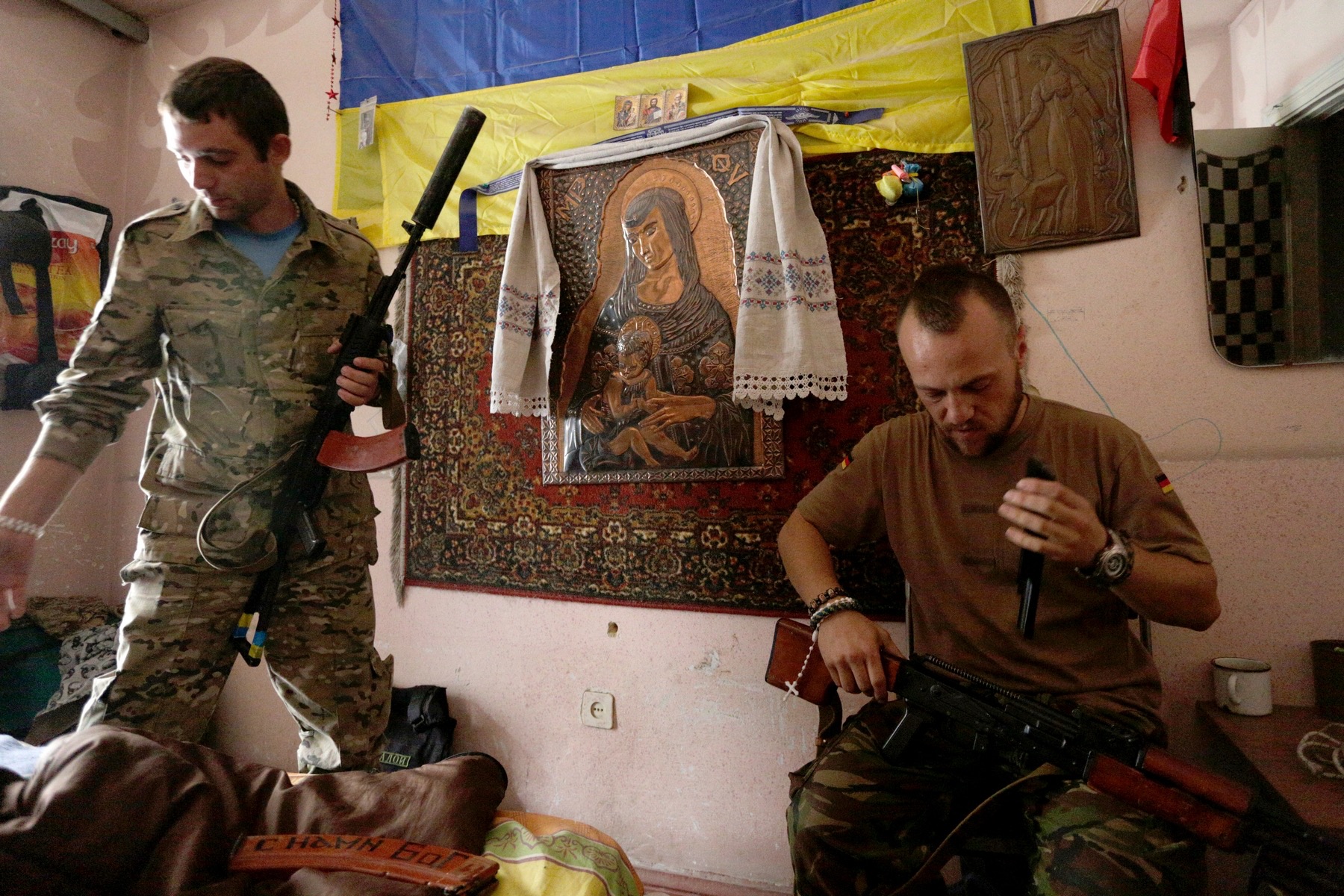
“In 2016, I lived at the 10th Mountain Assault Brigade positions in Krasnohorivka. Yurii Leliavskyi was the press officer there then. Yurii and I often worked together. Even as a press officer, he loved to fight. And he died in September 2022, while serving as the press officer of the 80th Air Assault Brigade,” — Stepanov recalls.
Anatolii Semenenko, a serviceman from the Odesa region and Captain of the 30th Mechanized Brigade, was awarded the Order of Bohdan Khmelnytskyi III degree, the Order "For Courage" III degree, and the "Cossack Cross" II degree commendation.
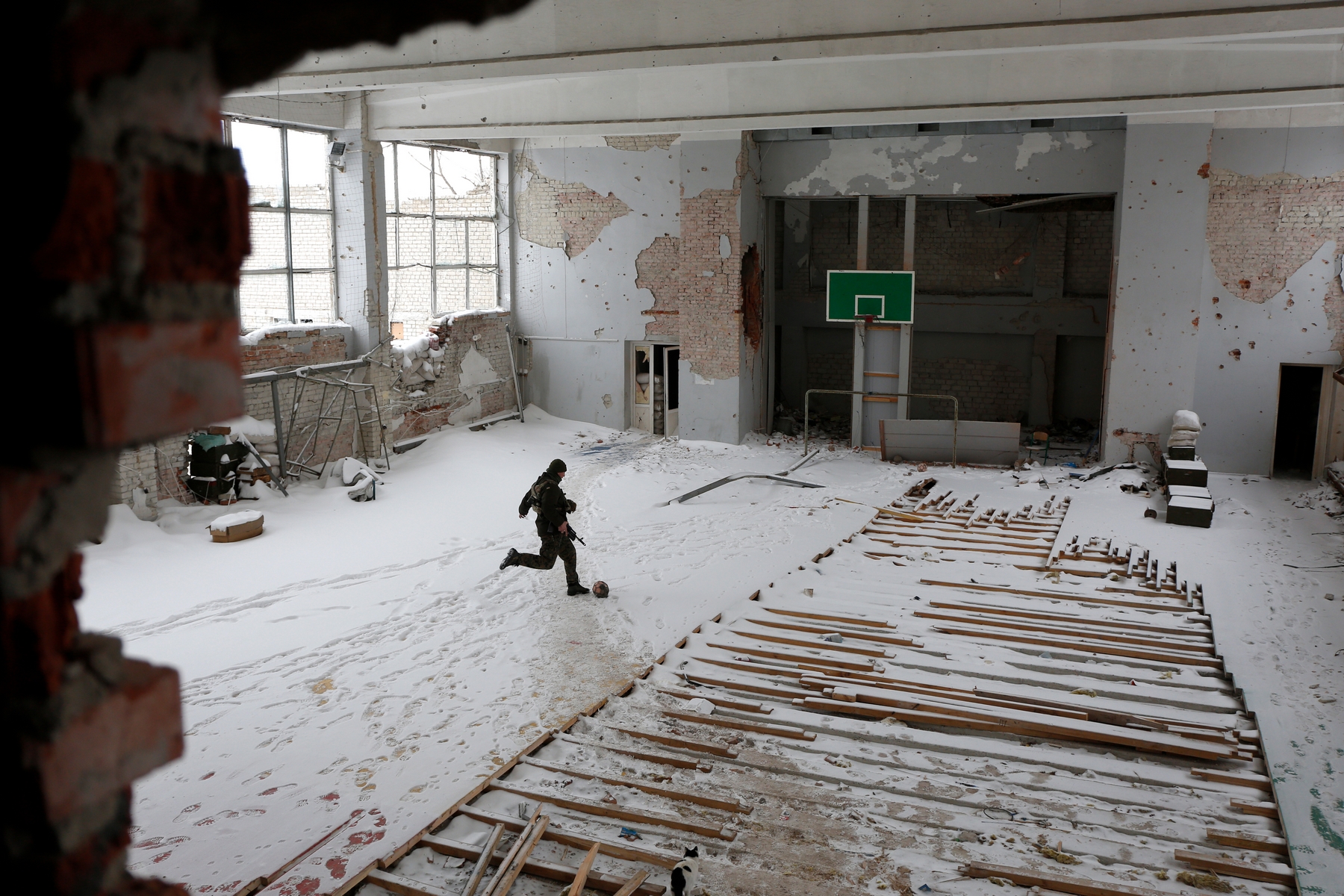
“It was at the boarding school in Mariinka that I met a wonderful person—Anatolii Semenenko, Platoon Commander of the 30th Mechanized Brigade. Anatolii loved football very much. And in the gym of the boarding school, which was already a firing position, there were soccer balls lying around. Anatolii would observe the enemy through the loophole, then go down to the gym and kick the ball around a bit with a soldier from his platoon. He was always the soul of his unit, always with his subordinates. Later I lived with him at his positions near Zolote in the Luhansk region. Anatolii was already commanding a company then. And he died a hero, leading his soldiers in an attack near Bakhmut in the autumn of 2022,” — Anatolii Stepanov remembers.
The Last Years of Fierce Defense
On the eve of the full-scale Russian invasion, on February 17, 2022, Russian troops shelled Mariinka, wounding a local resident. The struggle for the frontline settlements intensified.
Due to massive air and artillery strikes and the use of prohibited phosphorus shells, Mariinka suffered critical destruction within a few months. This was the only way the Russian army was able to advance. On November 3, 2022, all civilian population was evacuated from the destroyed town. The Russians continued to shell the already completely devastated town, destroying everything the Ukrainian military could use as shelter.
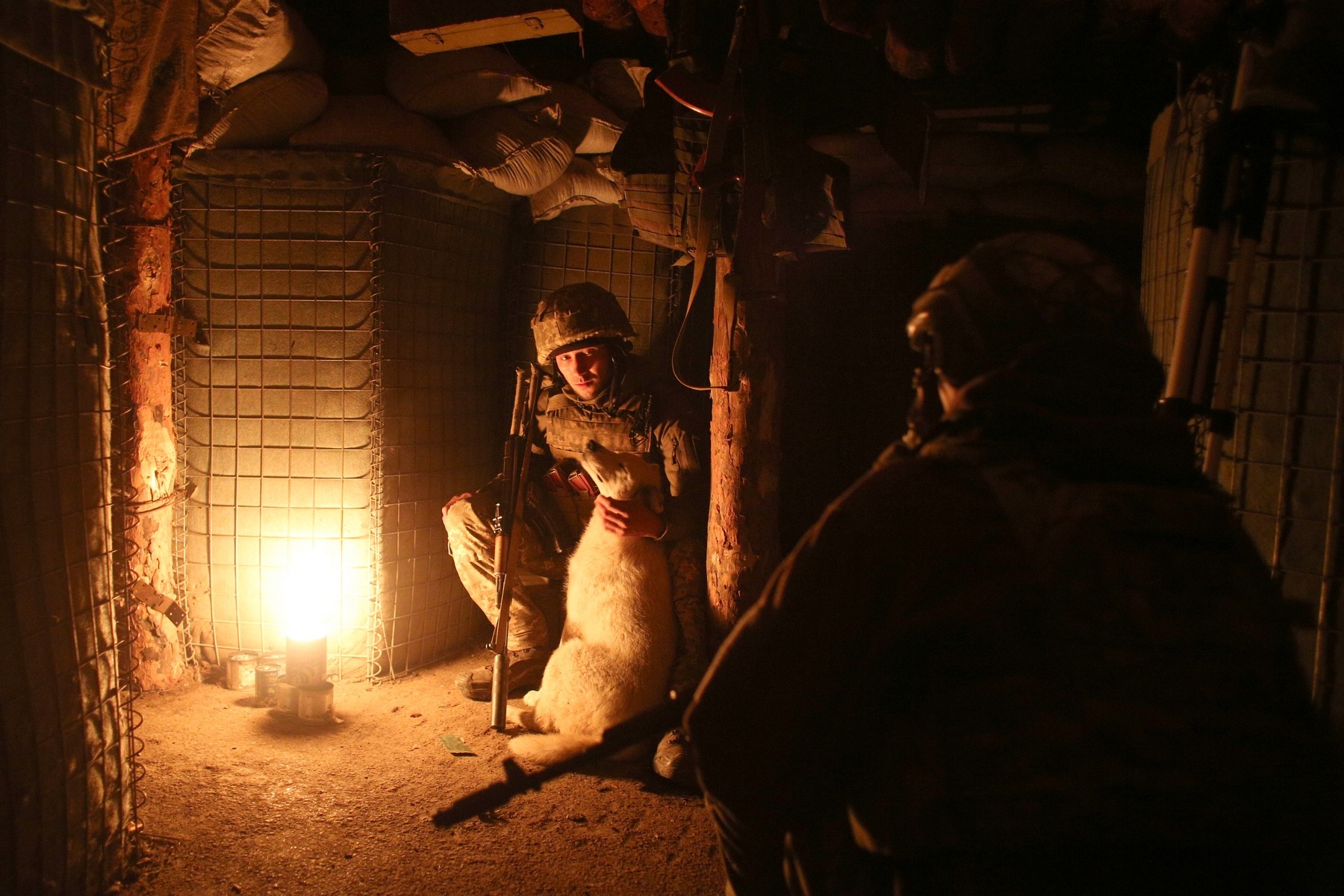
In October 2023, the “Ukrinform” publication reported on how the defense of Mariinka had changed. Paratroopers of the 79th Brigade sat in the basements of destroyed houses and in cramped trenches under continuous shelling. Russians stormed Ukrainian positions in small groups with tank support, massively employing small quadcopters, electronic warfare, and prohibited phosphorus shells and chemical gas. Despite the extremely difficult conditions and bitter frosts, Ukrainian fighters burned enemy armor with "Javelins" in a matter of seconds, successfully destroyed enemy UAV crews, and held the perimeter; fighting often devolved into hand-to-hand combat.
Throughout the last year of battles on the Mariinka front, the Russian command regularly reported the complete capture of Mariinka and Krasnohorivka, but the fighting for the towns continued.
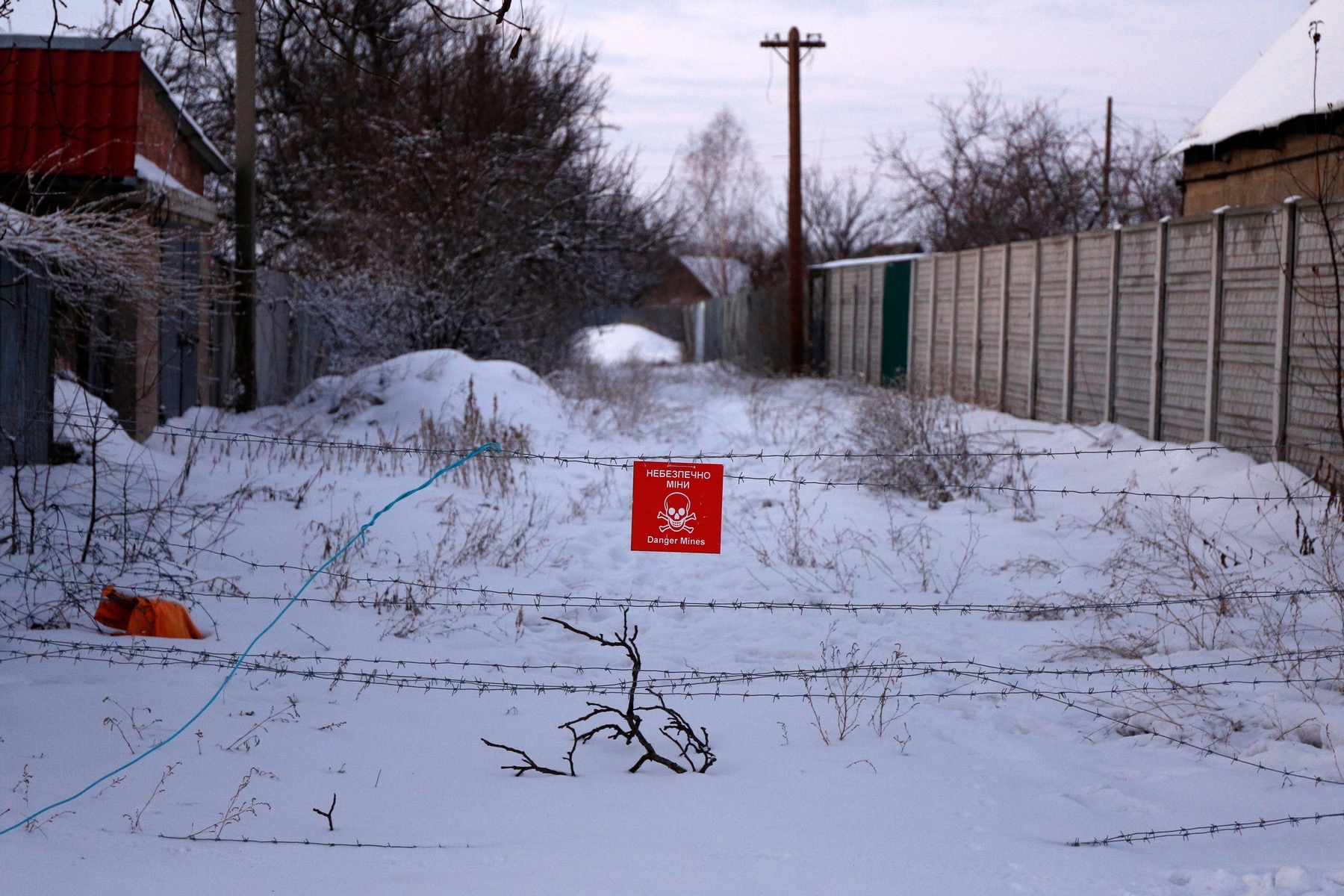
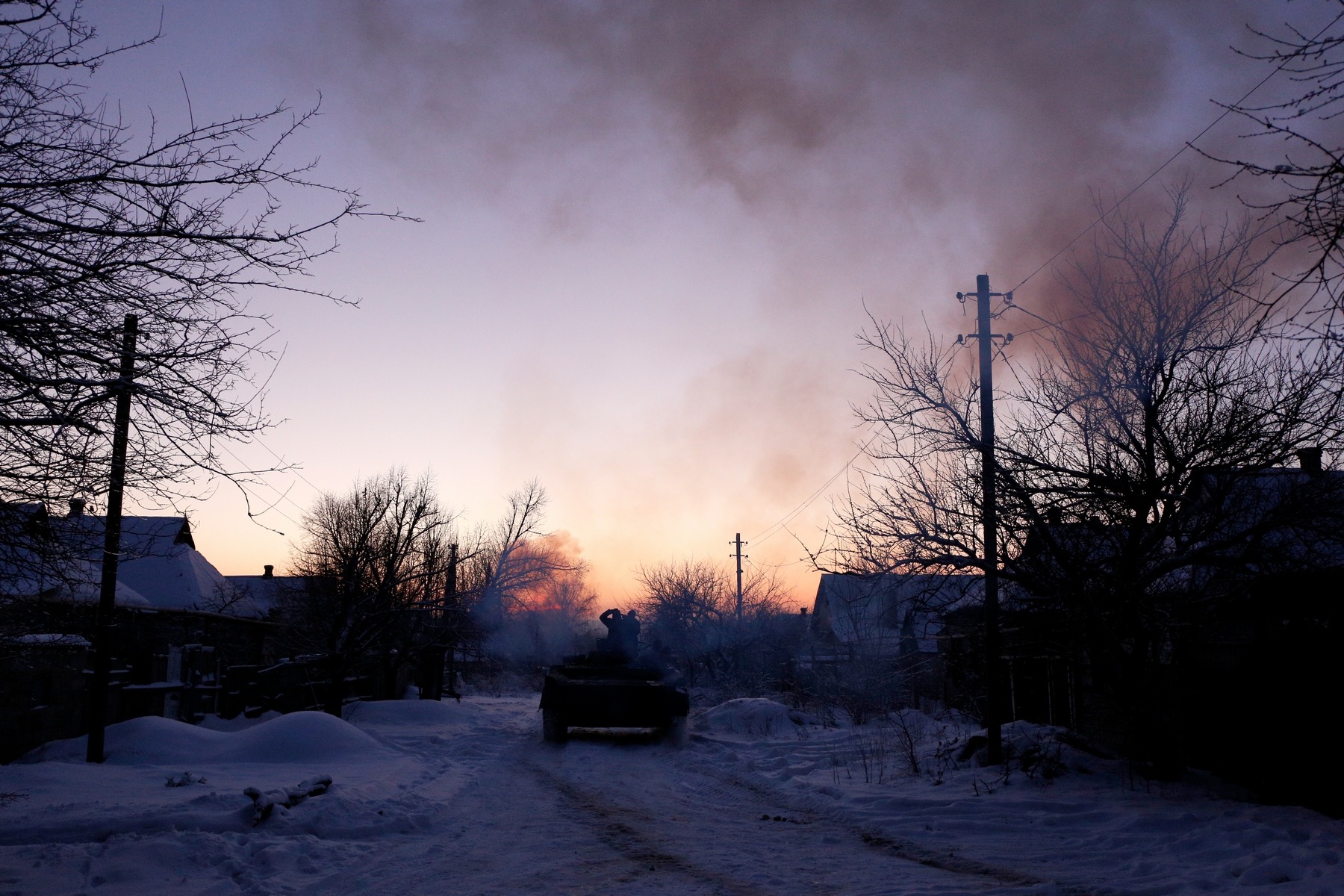
In December 2023, Ukrainian units were forced to finally withdraw from Mariinka to new defensive lines. Krasnohorivka was occupied in October 2024, and the town also suffered significant destruction.
Anatolii Stepanov recounts the assignment during which he took his last shot on this section of the front:
“After the start of the full-scale invasion, I was only in Krasnohorivka once, in January 2023, at the positions of the 79th paratroopers. It was more or less calm there then. Interestingly, I often visited these positions during the ATO—JFO period. But upon leaving, near Kurakhove, there was a cluster ‘Uragan’ shelling.”
Material created with the support of the British Council's "Grants for Creative Economy Development" program
Anatolii Stepanov— a Ukrainian photographer, born and raised in Kyiv, educated as an engineer. In 2004, he graduated from Viktor Marushchenko’s School of Photography and has since worked as a professional photojournalist for a number of Ukrainian media outlets and international agencies. He has had numerous publications in National Geographic, Spiegel, Stern, Time, and many other international editions, and has participated in international photo exhibitions.
In November 2017, he presented a report on his front-line work during the presentation of the photo book RAW at the Ukrainian Museum in New York. His project, “Nezalezhni” (The Independent), dedicated to Ukrainian youth fighting for their country, is featured in an online exhibition at the Ukrainian National Museum in Chicago. Anatolii Stepanov has been covering Russian aggression against Ukraine since the first days of 2014 and throughout all these years in cooperation with Agence France-Presse.
Photographer’s social media: Instagram, Facebook.
The Team That Worked on the Material:
Topic Researcher, Text Author: Yana Yevmenova
Image Editor: Olga Kovalova
Literary Editor: Yuliia Futei


.jpg)