%20(750%20x%20360%20%D0%BF%D1%96%D0%BA%D1%81.)%20(2000%20x%20800%20%D0%BF%D1%96%D0%BA%D1%81.)%20(2).png)
The artistic practice of Ukrainian photographer Andriy Kasyanchuk began in 2021. While studying at Ihor Chekachkov’s Academy of Contemporary and Conceptual Photography, he formed an experimental approach to image-making, combining photography with abstract and mystical motifs inspired by literature and philosophy. In his works, Andriy Kasyanchuk explores themes of self-identity, the relationship between man and nature, as well as internal emotional states, viewing photography as a space for introspection and reflection. Andriy’s works are kept in private collections in Ukraine and France.
Andriy Kasyanchuk spoke about how he combines the reality of the world around him with the magical realism found in the books of his favorite authors, how the philosophy of wabi-sabi helps his shots retain their soul, and why there is so much hope even during a war.
— Please tell us, when did photography enter your life? Why did you choose this medium to communicate with the world? Who introduced you to photography as an art form?
— My story with photography began when I was a child, walking the outskirts of our village with my father. My father, a photography enthusiast and biologist by profession, often took me along to photograph the local flora and fauna. During these walks, we talked a lot—my father told stories about the environment and shared interesting facts about nature. We photographed flowers, various plants, animals, and birds that we managed to spot along the way. My father introduced me to photography.
My first camera was a Nikon D90. I bought it for myself when I started university in Kyiv. Later, a friend gifted me a film Zenit. As often happens with old cameras, something wasn't working, and I ruined my first roll of film. I decided to buy myself an Olympus M2 film camera, which I shot with for a long time. So, I started with digital photography, then switched to film, and now I am returning to digital photography again.
— Who did you look up to at the beginning of your photography career? Which photographers inspire you? What generally drives you to create photographs?
— At first, probably like most photographers, I looked at a lot of work by 20th-century classics: Henri Cartier-Bresson, Robert Capa, Helmut Newton, and others. I have always liked the direction of pictorialism in photography, where authors tried to bring photography closer to painting and graphics, proving that a photograph is a full-fledged art form. I am still inspired by the works of the pictorialists.
Later, I discovered more names in Ukrainian photography, in particular, the Kharkiv School of Photography—Boris Mikhailov, Roman Pyatkovka, Yevgeny Pavlov, and others. I viewed many of their photographs, adopted some things for myself, and was inspired by their work.
.png)
I also love leafing through photobooks. Whenever possible, I visit the “Zbirka” bookstore in Kyiv to look at new releases. Among contemporary authors, I am very impressed by British conceptual and documentary photographer Stephen Gill and German photographer and artist Wolfgang Tillmans. The images of these two authors are truly inspiring and motivate me to work. I am fascinated by their visual language and experiments in photography. I can say with certainty that the photobooks of these two authors should be in every photographer's library.
— You used to shoot on film a lot. What does analog photography mean to you? What fascinates you about it?
— I still shoot on film, but not as often as I did in 2020–2022. Today, film has become significantly more expensive, and that prompted me to return to digital photography. However, I like film for its unpredictability, as well as its specific colors and aesthetics. Film fascinates me with its ability to force me to slow down, to think about framing, composition, and content. A medium-format camera visually changes the frame, for example, by adding more depth of field. In film photography, many factors influence the result, and it is this combination of creativity and unpredictability that I like about it.
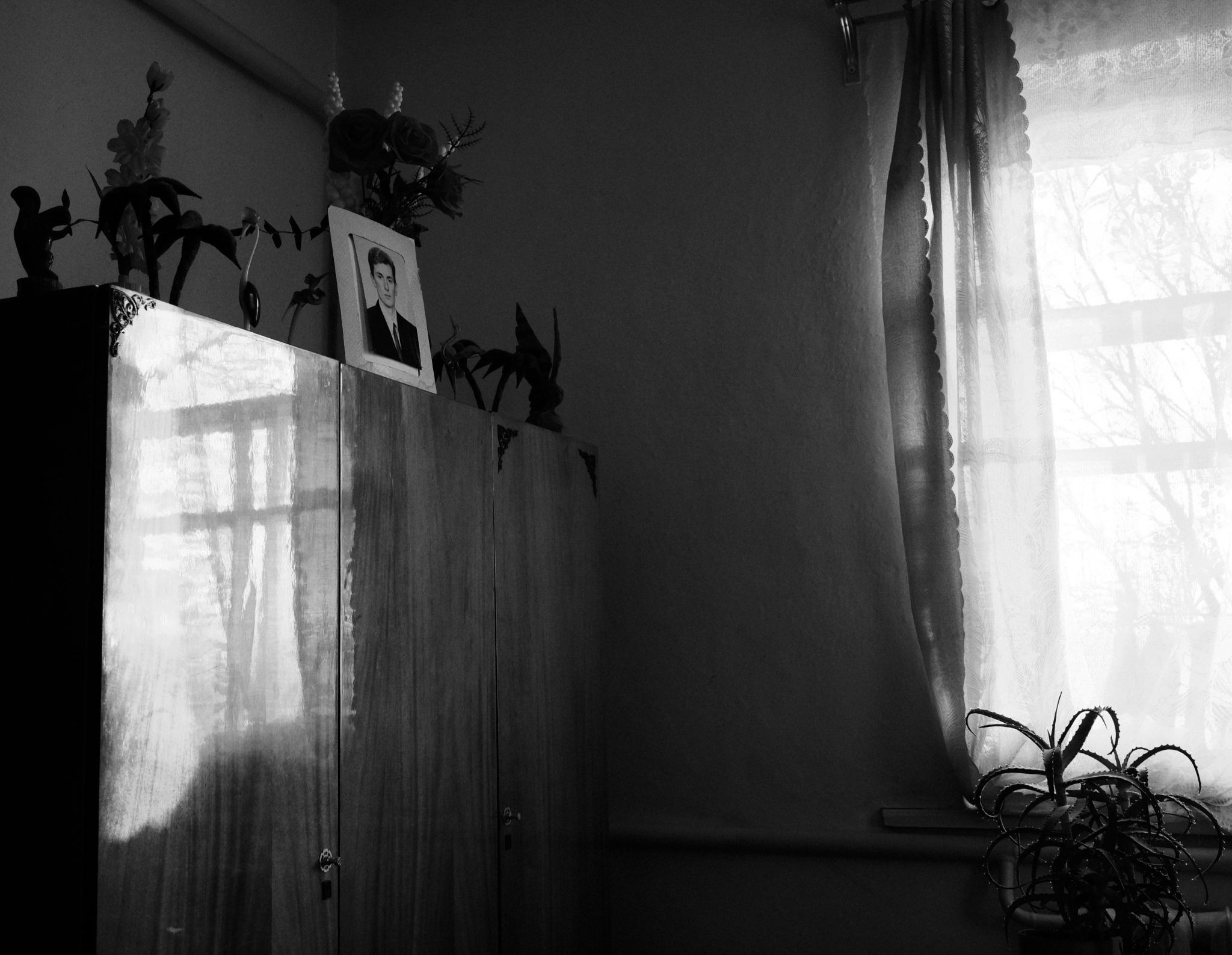
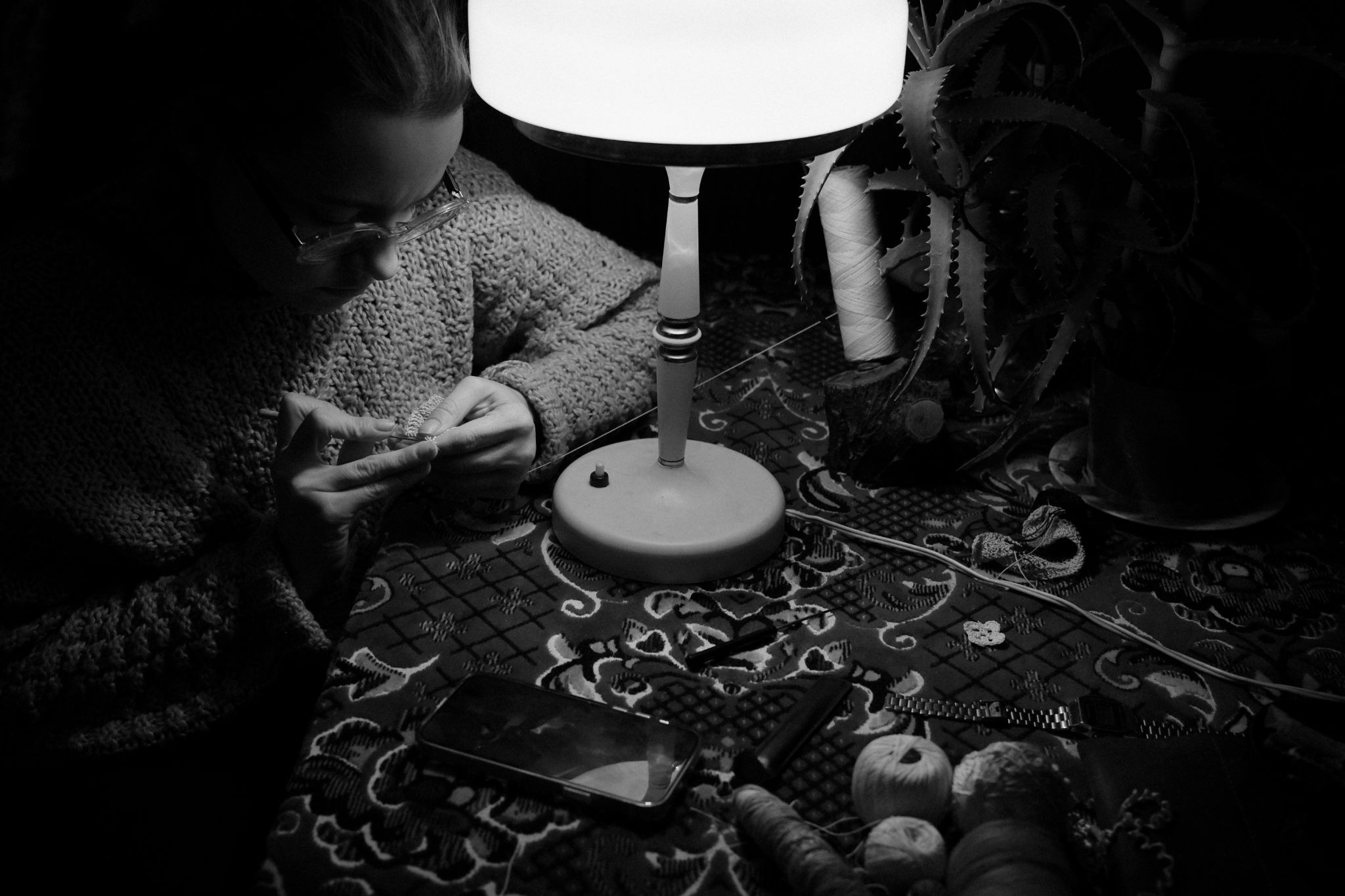
— Please tell us why you chose Ihor Chekachkov's Academy of Contemporary and Conceptual Photography for your studies? How did your education influence your visual language?
— I ended up at Chekachkov's Academy in 2021. At that time, I knew of three photography schools: Ihor Chekachkov's Academy of Contemporary and Conceptual Photography, the MYPH School of Conceptual and Art Photography, and the Viktor Marushchenko School of Photography. I hesitated for a long time, but I chose Chekachkov's Academy because I liked the curriculum and there were many famous names among its lecturers. However, I decided that after Chekachkov's Academy, I would also go to study at MYPH under Sergiy Melnitchenko.
At Ihor Chekachkov's Academy of Contemporary and Conceptual Photography, I discovered a huge spectrum of approaches to photography and shooting techniques, became acquainted with various conceptual ideas, and saw how diverse the world of photography can be. I was so fascinated by the introduction to conceptual photography that I decided to develop in this direction further.
Studying at Chekachkov's Academy lasted about four months, and during that time, we went from the history of photography to the present day. I continue to be a subscriber to Ihor's Academy Patreon—we meet once a month to discuss news from the photography world and photobooks. Now I cannot travel abroad, and for me, these meetings are my access to photography in the world. During the war, it helps me a lot mentally—it helps me hold on.
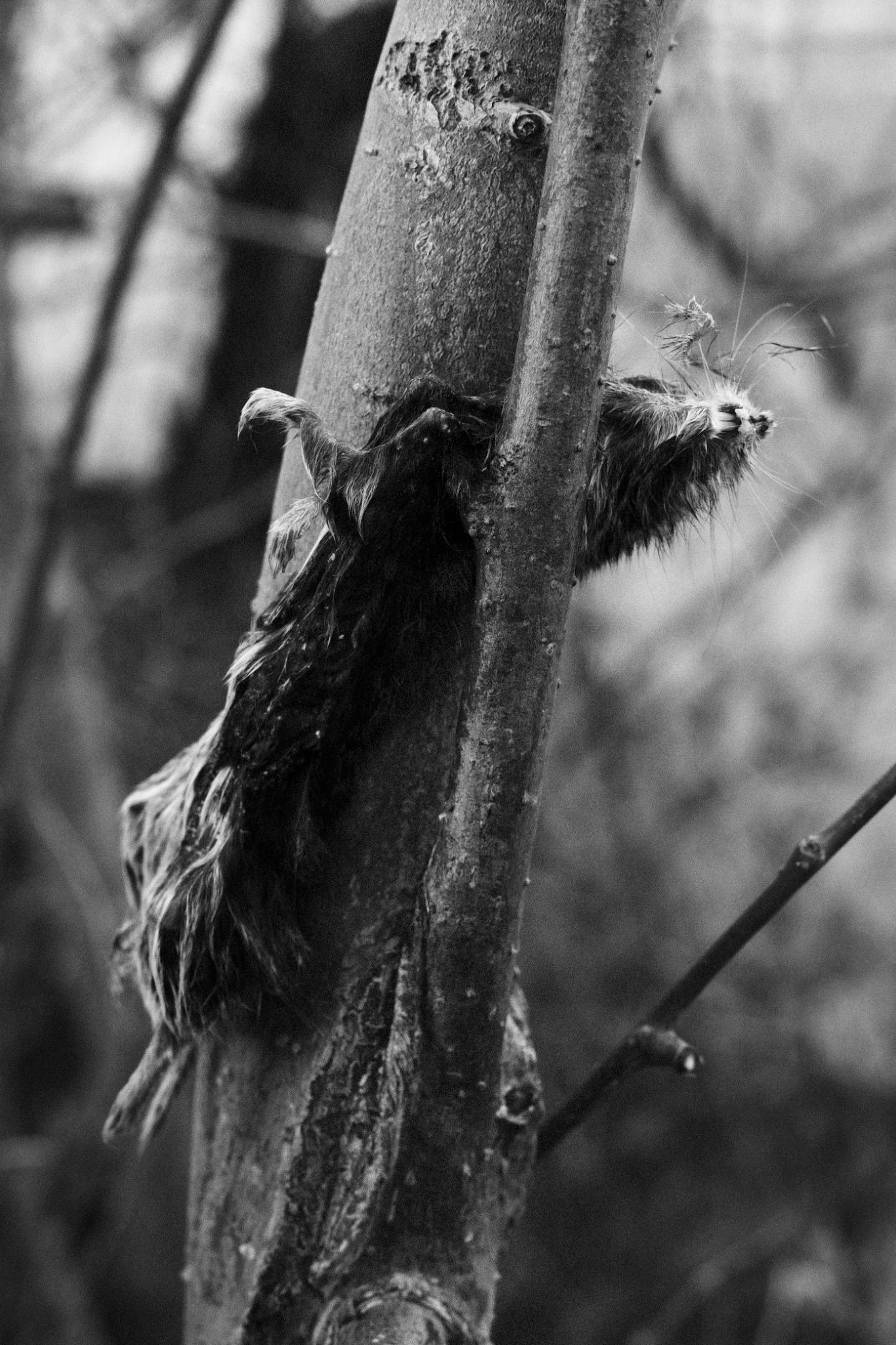
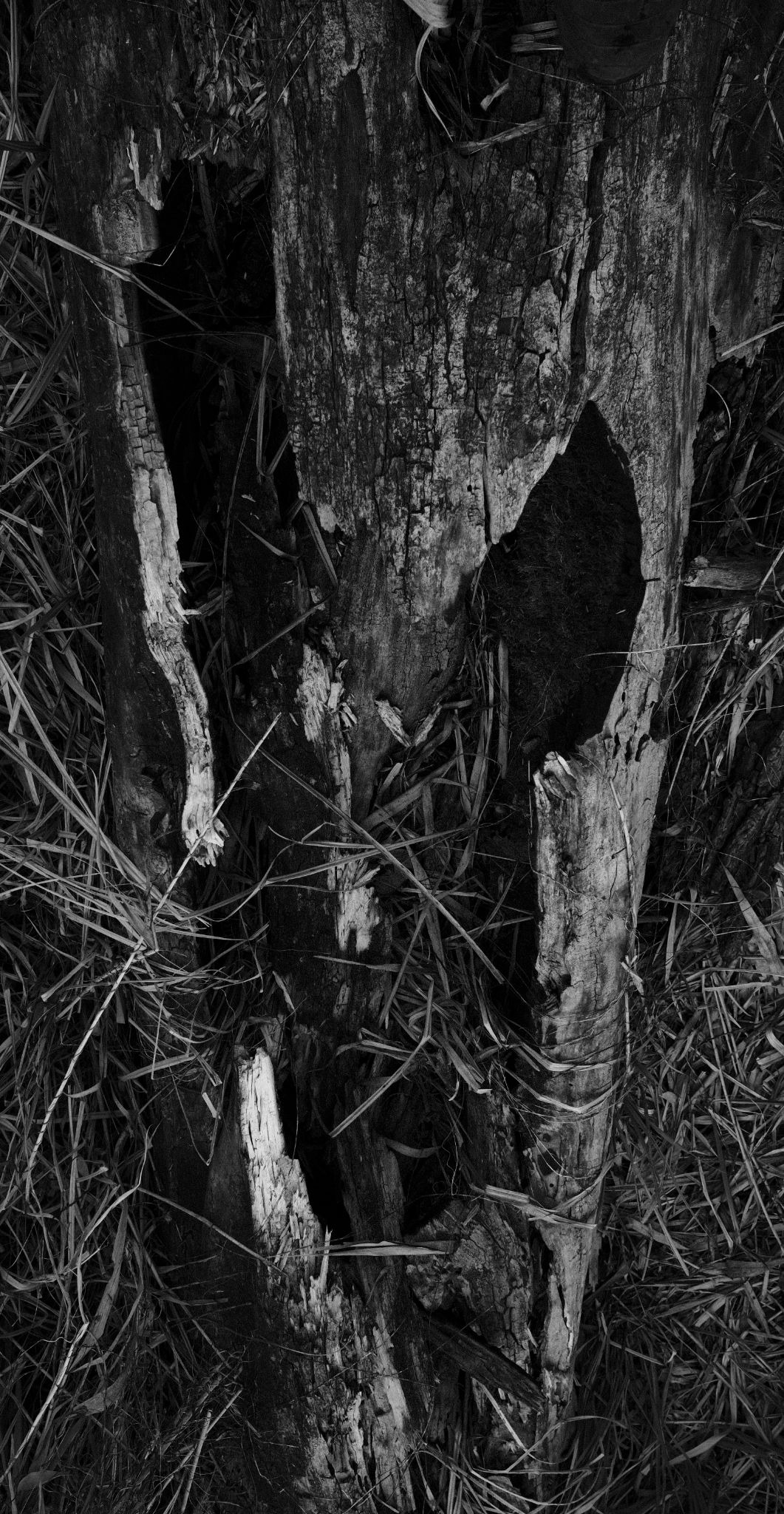
My plans to study at the MYPH School of Conceptual and Art Photography were disrupted by the full-scale Russian invasion in 2022. However, I still went to study with Sergiy Melnitchenko, but it was in 2024. The School has a very extensive program, and I had the opportunity to attend lectures on topics that were relevant to me at that time. Sergiy Melnitchenko is a very cool photographer and teacher; he does a lot for the development of Ukrainian photography today.
Of course, the training influenced my perception and vision of photography. However, a photographer's visual language depends on their experience, the trials they have endured, the books they have read, as well as films, music, and so on.
— It is said that a photographer always shoots their internal state, regardless of the subject matter. If you look at your early works and compare them with today's—what main internal changes in yourself do you see there? Tell us, what projects were you working on at the beginning of your career and what are you working on now?
— At the beginning of my journey in photography, they were simple and general themes: animals, birds, flowers, portraits of acquaintances. But later, I began to delve deeper into the profession, to think about it more thoroughly. As a result, my works became more conscious, deep, and, in my opinion, sensual.
My project “Inpu,” which happened in 2022, combines the version of me from before the war and after. The project features a lot of nature, the environment—the outskirts of the village that I photographed in my childhood. However, this photo project contains my experience, thoughts, and way of seeing that I gained after 2021. The “Inpu” project well reflected my internal state at that time. I think I would not have been able to convey my emotions and thoughts visually if I hadn't had a certain life experience and previously studied photography.
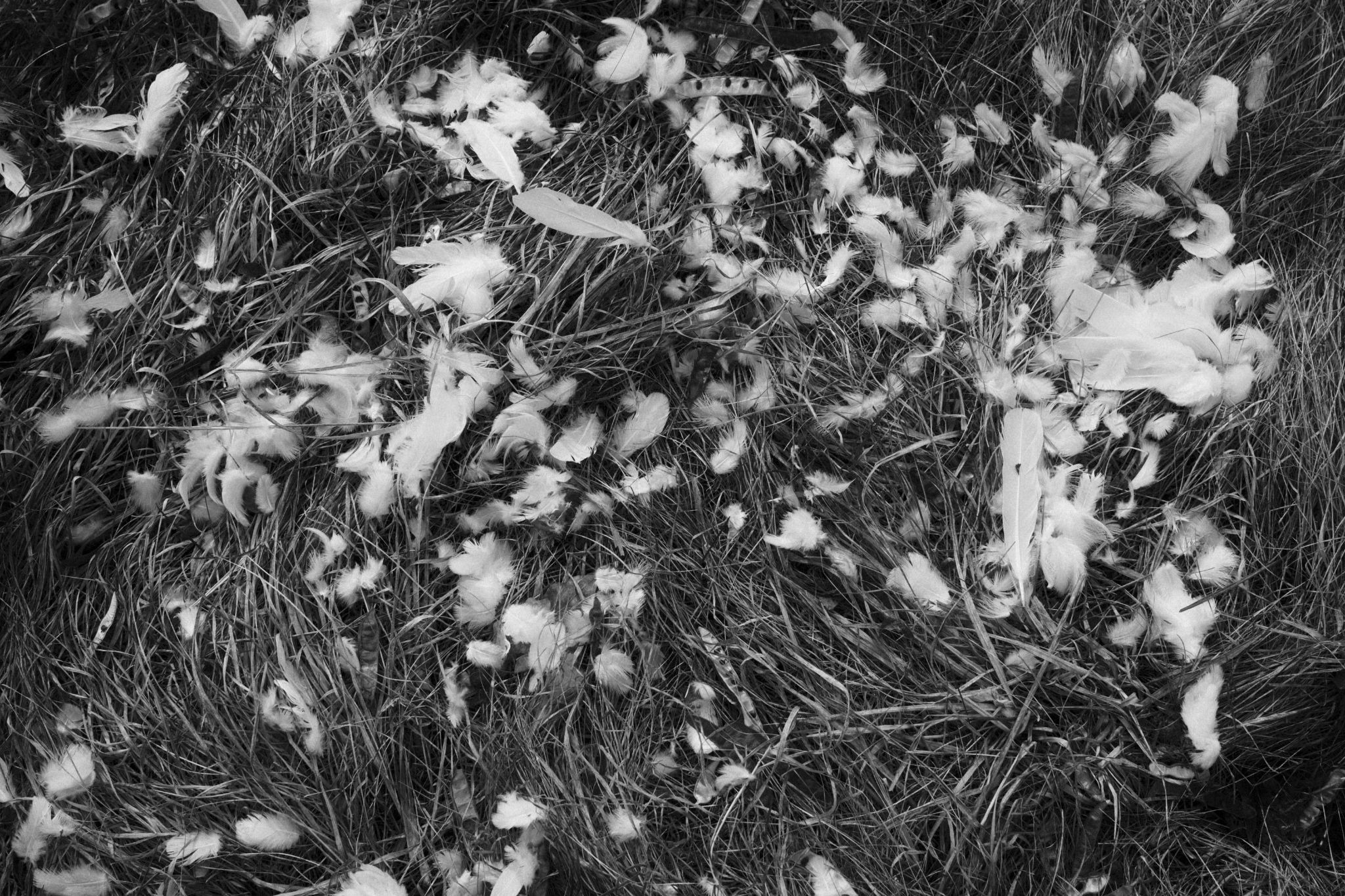
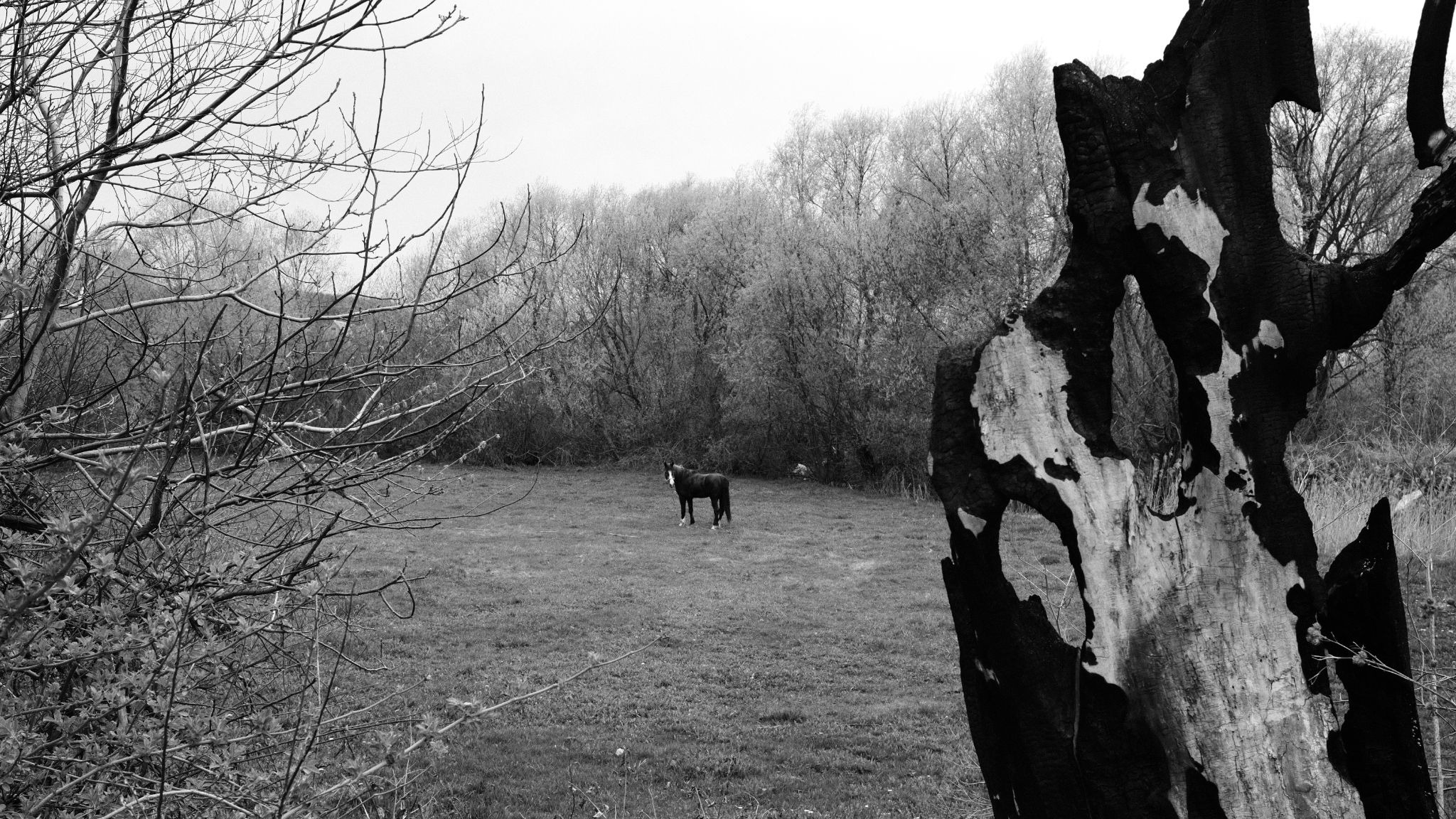
— Your personal exhibition had the poetic title “Flower Repair Workshop.” What main metaphorical meaning did you put into this project? Why was it important for you to work on it?
— “Flower Repair Workshop” is a series of photographs that I took backstage at the Ivan Franko National Academic Theater. I would come to the theater, get to know the actors, and take photographic essays. At that time, I was re-reading Dante Alighieri's “Divine Comedy,” and in conversations with acquaintances, the phrase that we all live in hell started coming up often. I thought about it for a long time and decided that if there is a hell, then somewhere there must certainly exist a paradise. When I photographed the light of the stage spotlights, the preparation of the set for the performance, and the rehearsals of the actors, I decided that people come here in search of paradise. The theater is a place that changes people.
In the photo project “Flower Repair Workshop,” I compared our everyday life to hell and purgatory, where all people come, and the state after gaining the experience of visiting the theater, of transforming within it—is paradise.
Paradise in Dante Alighieri is a white rose flower, in which people sit in an amphitheater, and in the middle is an essence that can be called God. When a person enters paradise, they are as if healed, because before that they were wounded by the experience of hell and purgatory. A person, the soul of a person, is like a fragile and vulnerable flower; the theater is a workshop that heals it. That is why I named my photo project about the theater “Flower Repair Workshop.” A workshop that heals wounds.
— Is the philosophy of wabi-sabi, that is, beauty in imperfection and impermanence, an important part of your worldview? How do you seek this balance of imperfection in a frame?
— The philosophy of wabi-sabi appeals to me because, to a certain extent, it allows you not to be a perfectionist and not to demand something from yourself that may ultimately turn out to be unimportant. When I made photographs earlier, I tried to make everything perfect. Sometimes this crossed the line, where the desire for this perfection ultimately ruined the entire frame. If I may put it this way, the chase for the ideal deprived the frame of its soul. When I became acquainted with the philosophy of wabi-sabi, I realized that I wanted to follow it.
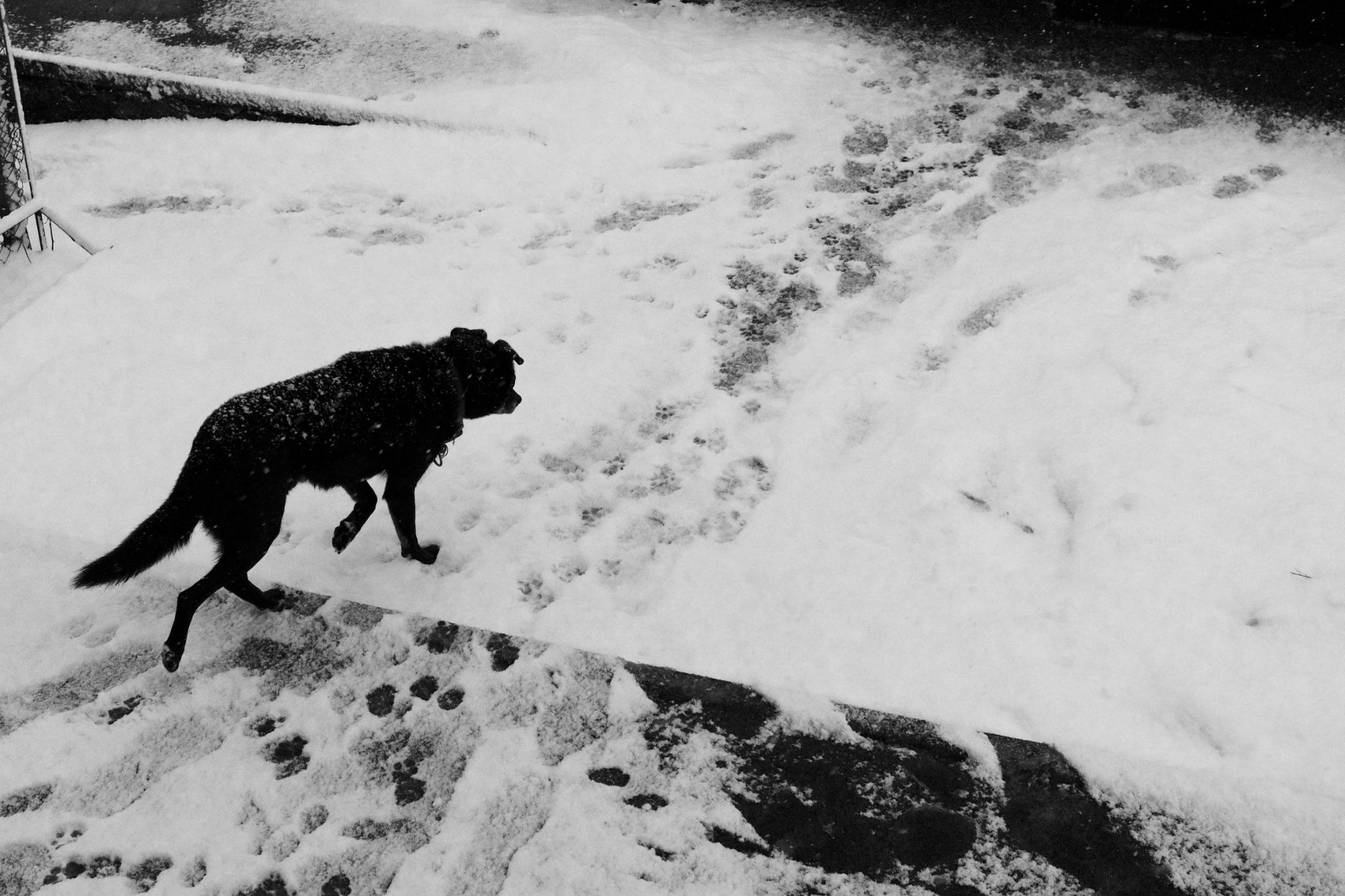
In my photographs, I very rarely do manipulations that would radically change the original frame. I might not crop photographs at all. That is, I minimally edit the captured images. I allow for grain, slight blur in the frame, a tilted horizon. Of course, everything in the frame must work, visually convey an idea, or emphasize the thought embedded in it. I prefer the process of shooting and selecting frames rather than editing them. The philosophy of wabi-sabi suits me very well.
— What is a “beautiful mistake” in photography for you? Have there been cases in your practice where a technical flaw allowed you to see something much deeper than you planned to shoot?
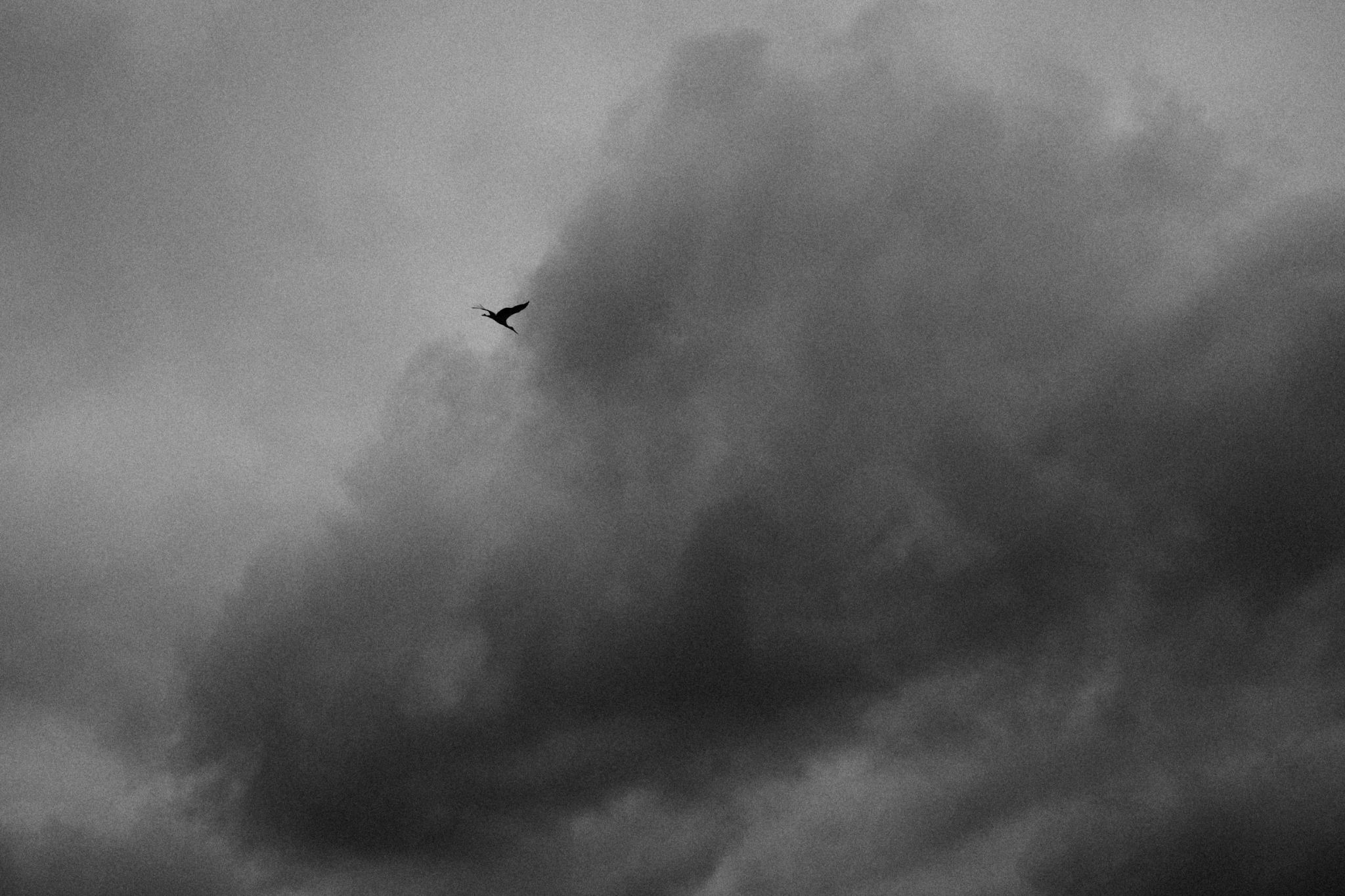
Beautiful mistakes are all those things that can happen by accident: some light, a spotlight, or a bird that flew in at the right or wrong moment. That is, these are all those unpredictabilities that, on one hand, ruin the frame, but on the other—give it additional meaning, new thoughts, and can be visually and compositionally justified.
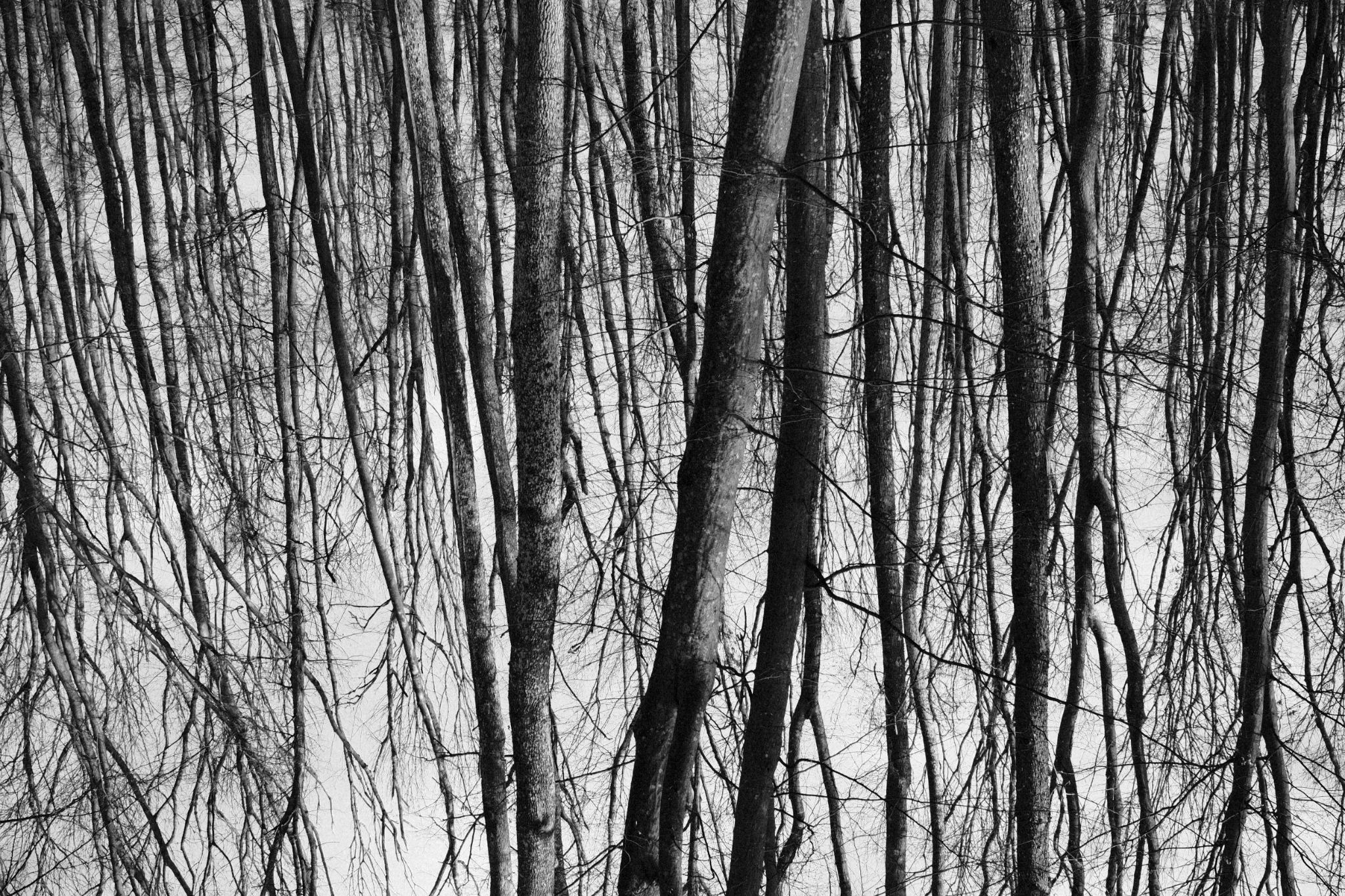
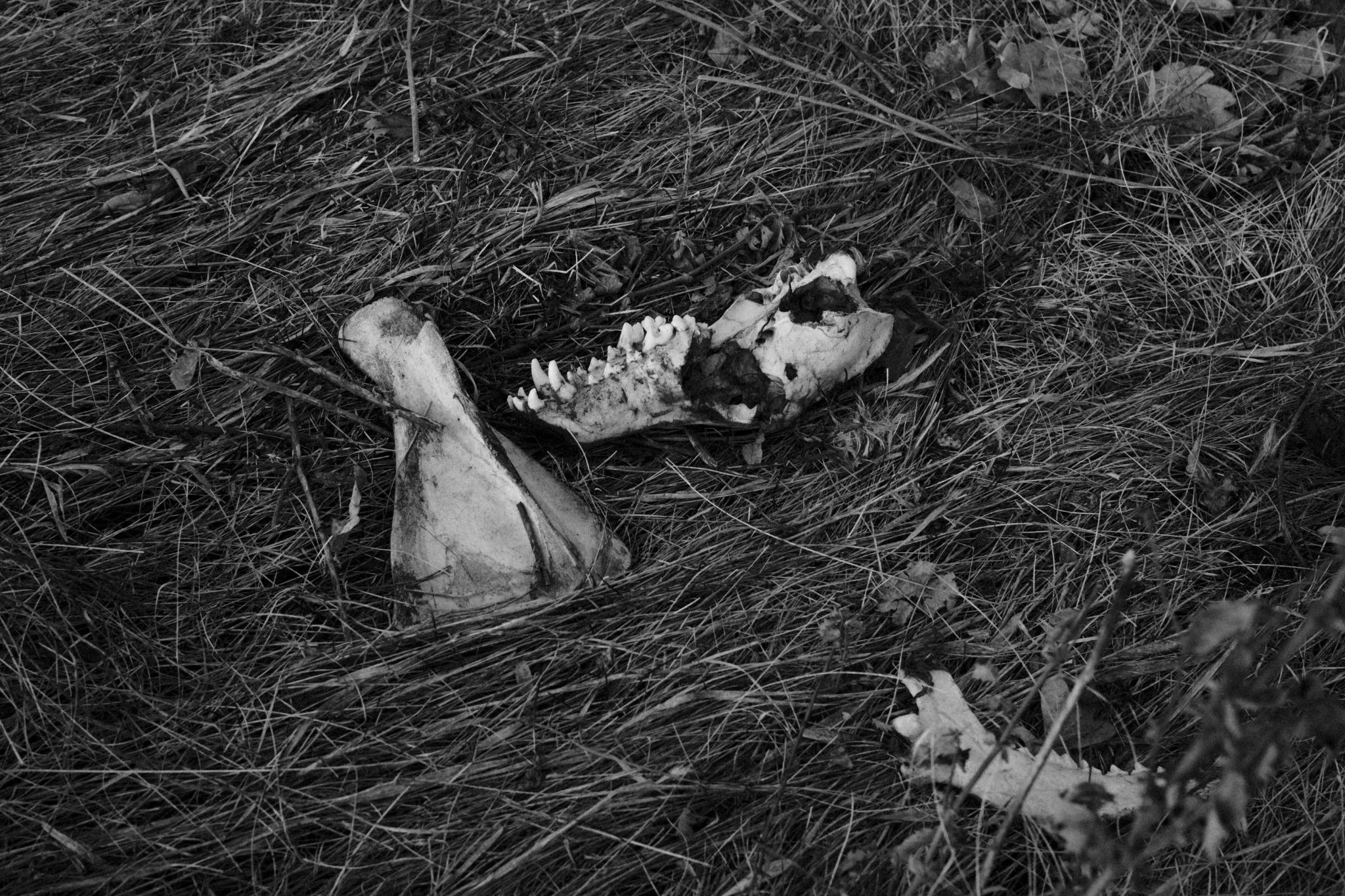
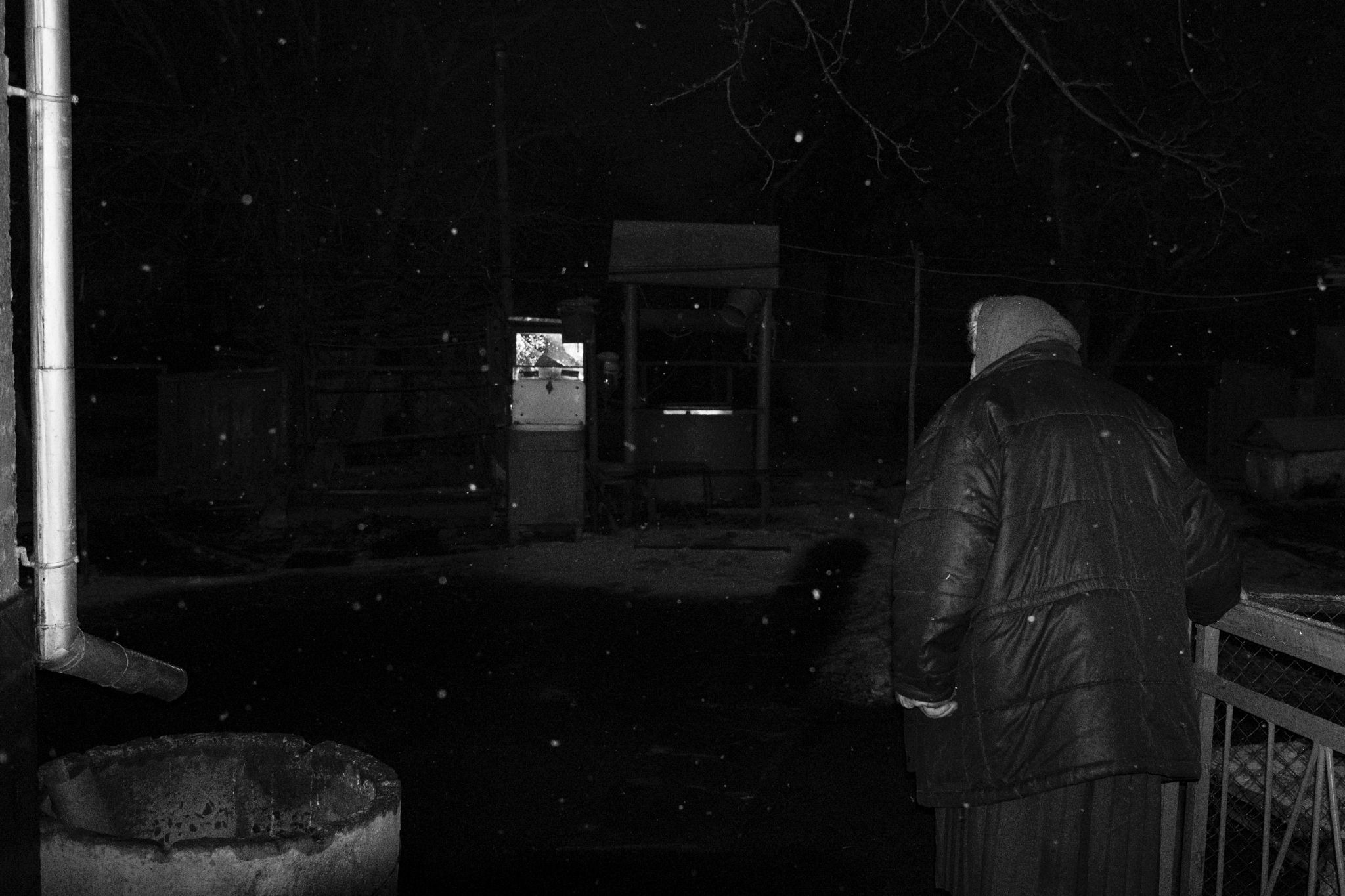
Such cases have, of course, happened to me. Especially when I worked in the theater, where there is a lot of movement and unpredictable scenes. There were often accidental frames. And it was precisely because of this unpredictability and external influence that I had not counted on, that such shots remained in my final selection.
— Art critics note mystical and abstract elements in your works. How exactly do the ideas of Gabriel García Márquez’s magical realism and James Joyce’s complex prose transform into visual images in your lens?
— Regarding magical realism, at some point, I really liked Gabriel García Márquez's books. I was captivated by his writing style and the subtle details he adds to his works. They look quite realistic, but if you think about it for a moment, you realize that it is still fiction, some magical coincidence, or something similar.
Therefore, I began to notice such moments in my own frames, or even deliberately create them. I wanted people to potentially not notice them at first glance, but if they looked at the photograph a little longer and analyzed it completely, moved their eyes across it, they would be able to recognize these details that I left or added. I often used such a technique in my series “Inpu”—it added depth of thought to the frame.
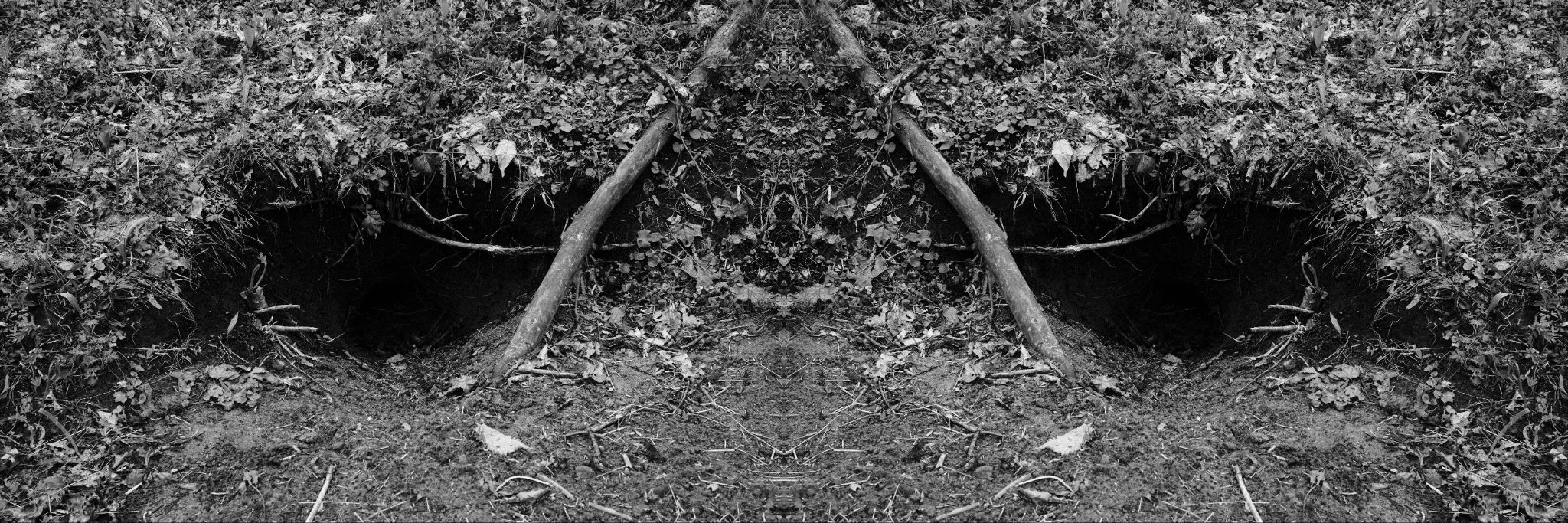
As for James Joyce, I really liked his “Ulysses.” I was struck by the very approach and technique of creating this work, where the author describes the same day using different verbal techniques, approaches, and styles. While reading it, I liked it so much and it stuck in my head that I just lived with this book for a long time and couldn't move away from it. To me, it is something incredible—an incredible work and an incredible author. I don't even know if I have ever met more genius writers or works.
— How did the beginning of the full-scale Russian-Ukrainian war influence your perception of photography as a medium? How do two seemingly opposite genres—poetic art photography and wartime documentary—coexist in your consciousness today?
— With the beginning of the full-scale invasion, I realized that now documentary photography is the most relevant and important, and it should be used to talk about events in Ukraine. I added more documentary components to my work and reduced the amount of artistic ones. Currently, I lean more towards documentary, sometimes vernacular photography, to record everything that my loved ones and I are experiencing now. Of course, I am not betraying my old principles and the vision I followed, but today documentary photography prevails in my work.
— The name of one of your projects, “Nature 300,” contains the military code for the wounded. And where in this wounded reality do you look for your own point of healing? What keeps you from burning out?
— I am often asked about this, and, in truth, I don't know how to answer. Perhaps it is my internal philosophy, character, or experience. I try to remain an optimist, not to fall into apathy, depression, or other bad states. Probably, not everything is lost as long as I am alive. Code 300 is about hope.
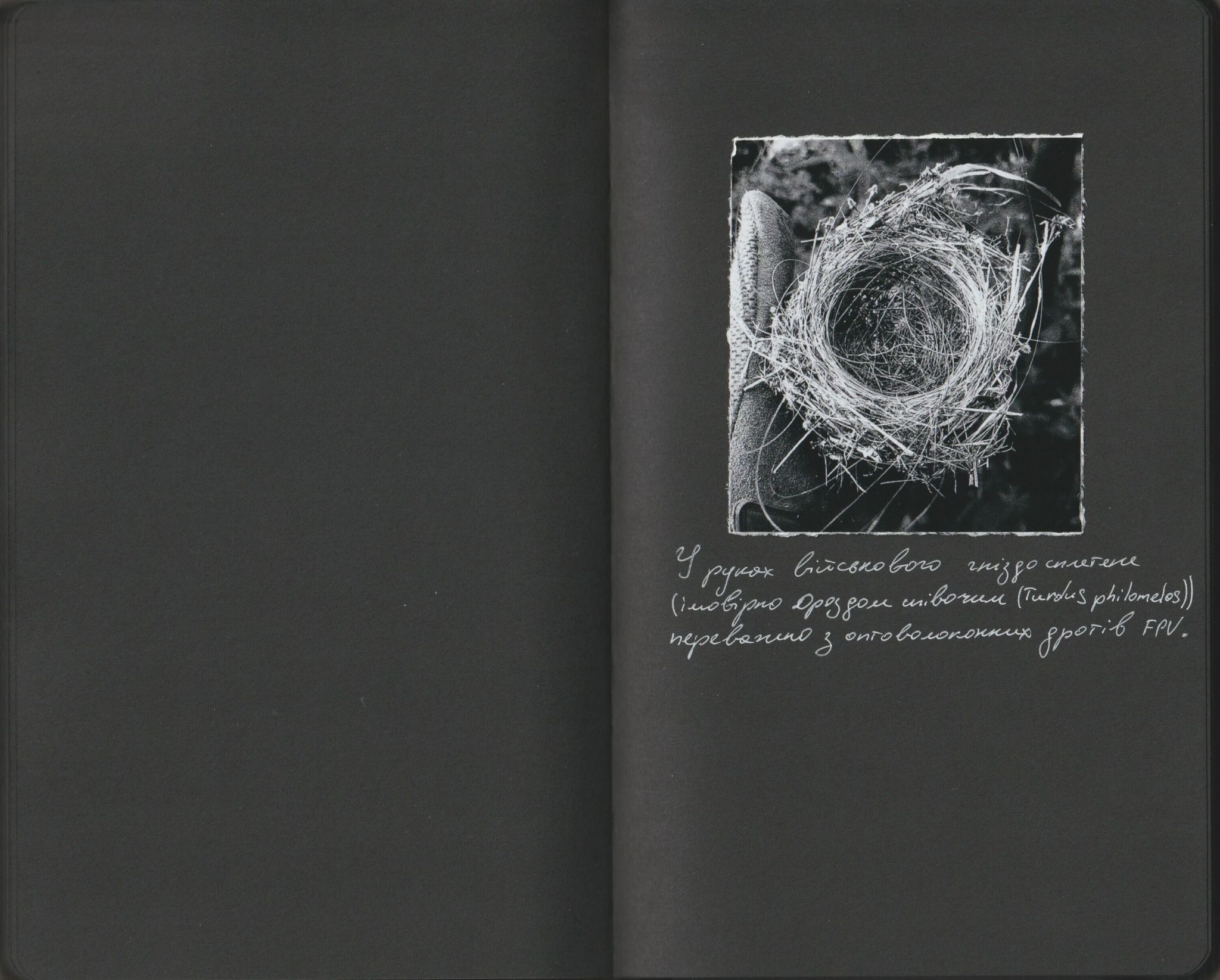
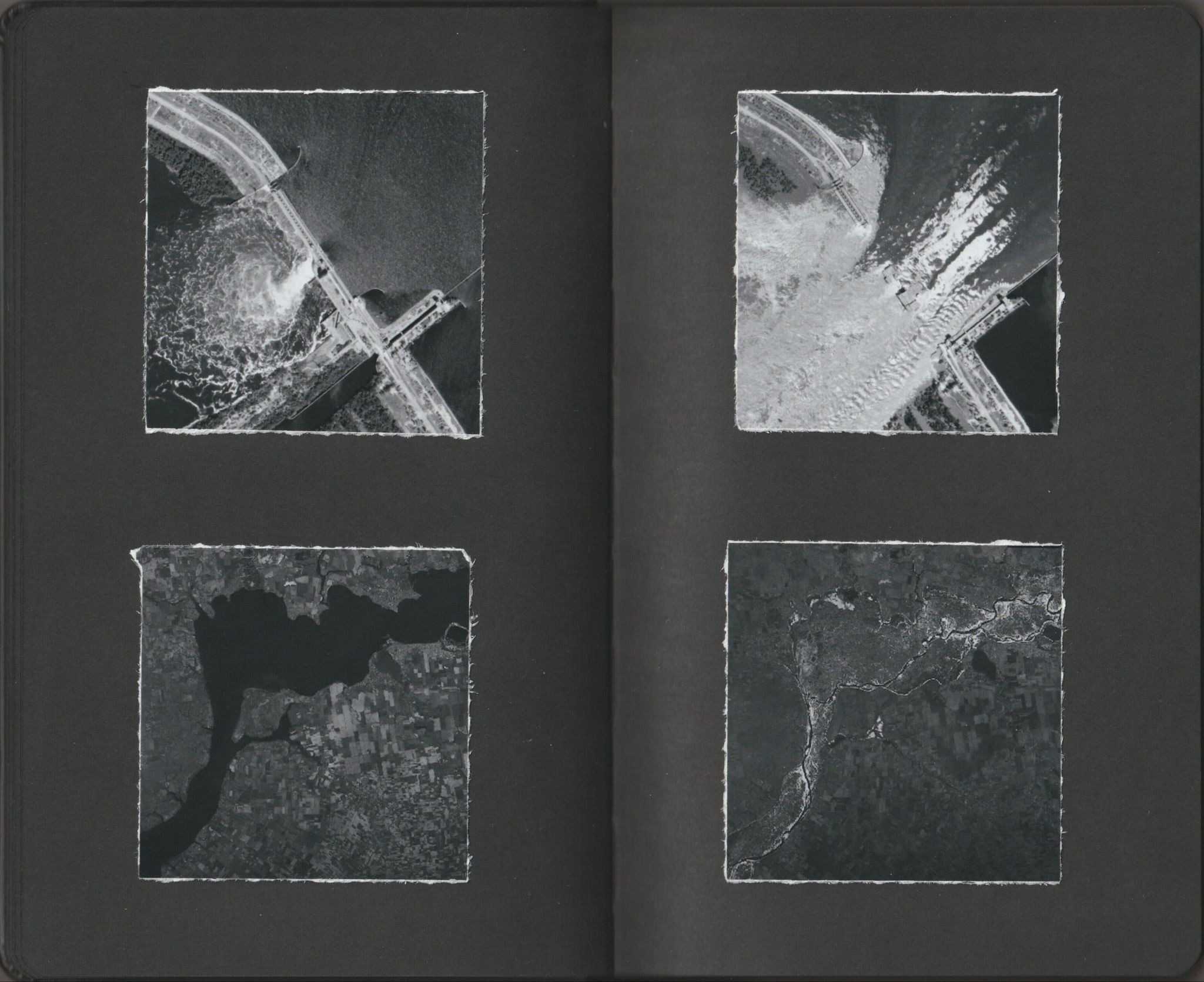
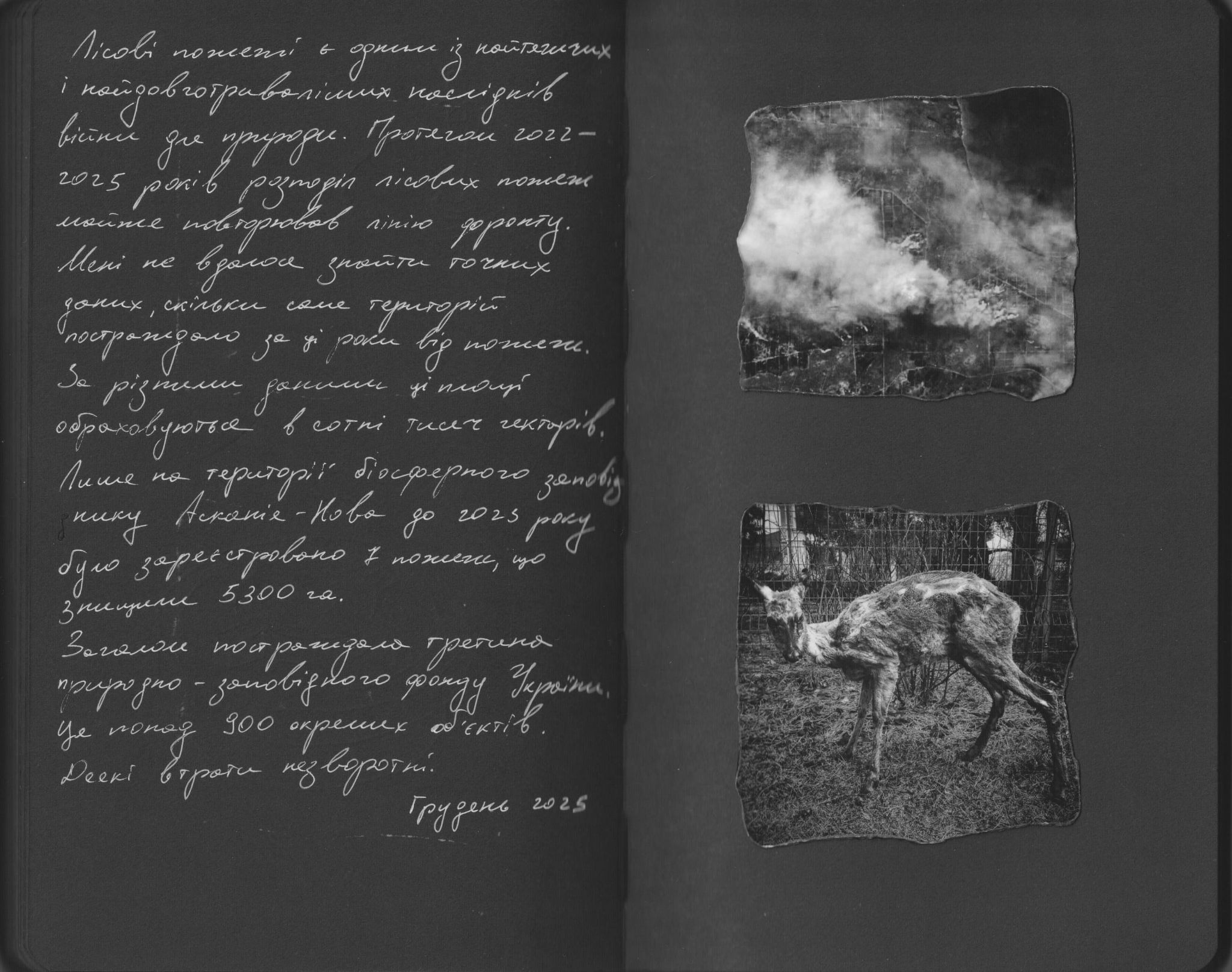
I hope that we will succeed in everything, the war will end, and everyone will return to their homes. Then there will be more time to think about everything. Right now, I am just trying to hold on.
I am currently taking a basic general military training course. Consequently, I am forced to take a short pause from photography. Instead, I try to keep a diary, to make notes, to keep this period of my life in memory. Perhaps, in time, they will become the basis for the next photo project.
Working on the material:
Topic researcher, text author: Katya Moskaliuk
Photo editor: Olga Kovalova
Literary editor: Yuliya Futey
.jpg)
.jpg)