%20(750%20x%20360%20%D0%BF%D1%96%D0%BA%D1%81.)%20(2000%20x%20800%20%D0%BF%D1%96%D0%BA%D1%81.)%20(2).png)
July 5, 2014, marked the first major victory of the Ukrainian army in the modern war for independence—on this day, the Armed Forces of Ukraine liberated Sloviansk and Kramatorsk. These are strategically important cities in the Donetsk region, which the Russian Federation still attempts to re-occupy today.
Photographer Olha Ivashchenko recalls her trip to the Donetsk region immediately after the de-occupation, where shattered intersections and frightened people in basements made her feel, for the first time, a threat to her native Kharkiv. The footage taken then and conversations with local residents became harbingers of the full-scale war that began in February 2022.
The Beginning of the ATO
On April 12, 2014, Sloviansk and Kramatorsk became the first targets of Russian sabotage groups during the beginning of the invasion of the Donbas. The very next day, because of these events, acting President Oleksandr Turchynov announced the start of the Anti-Terrorist Operation (ATO).
"On the first day of the ATO, April 15, 2014, 15 other journalists and I flew out of Sloviansk at night in a helicopter organized for us by the Kharkiv governor to talk to the first commander of the ATO, Vice Admiral Vasyl Krutov," recalls Ukrainian photographer Olha Ivashchenko.
On this day, a Ukrainian special forces unit successfully took control of the airfield in Kramatorsk.
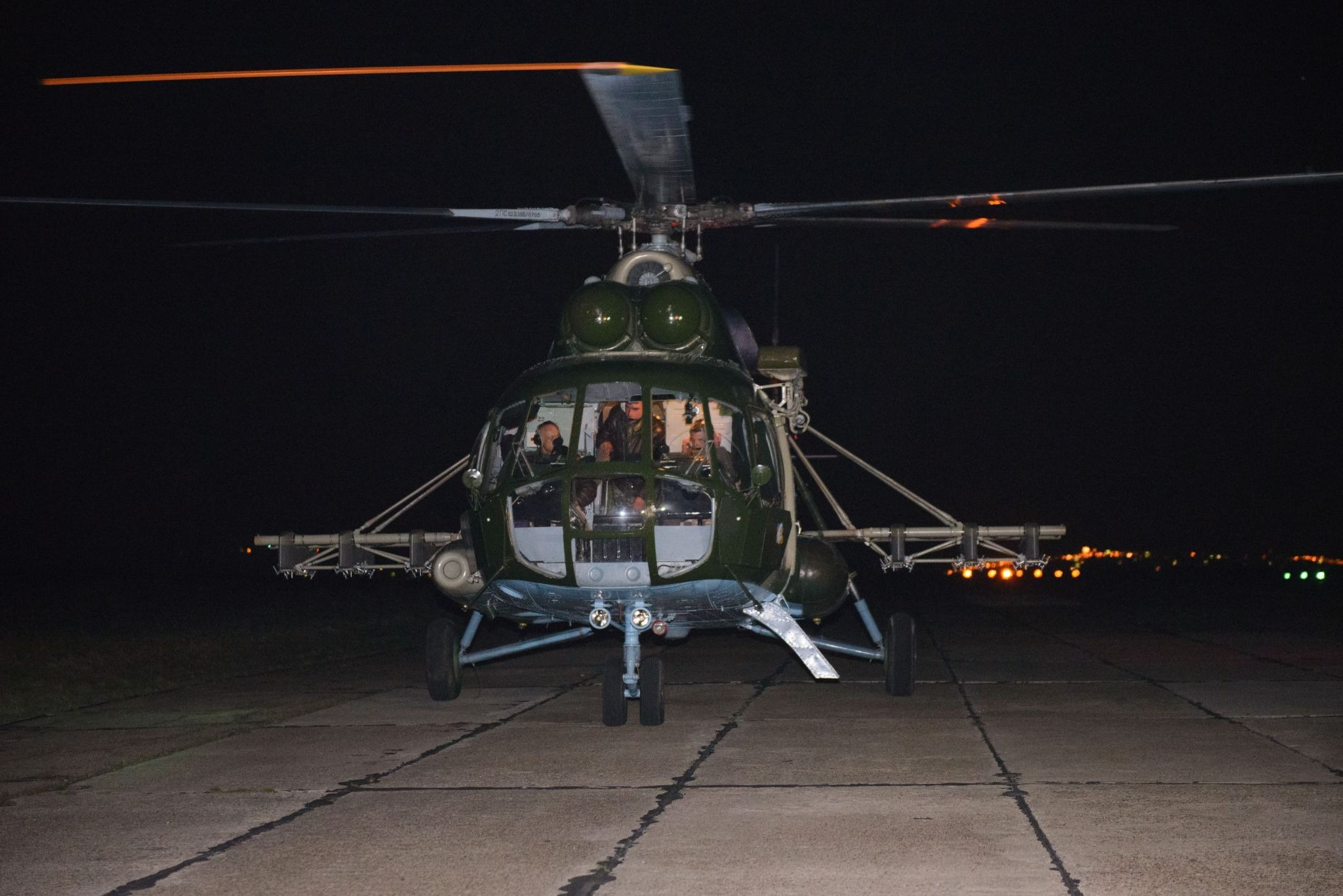
"We landed on the runway of the Kramatorsk airfield after dark and walked toward the airfield building. Our military was already based there, having repelled the first armed attack by pro-Russian terrorists on this strategic object that same day," says Olha Ivashchenko. "However, interestingly, no one warned the military about the journalists' arrival. We had to walk across the field with our hands up, explaining that we were journalists and that we had been brought by that very helicopter."
Olha Ivashchenko and her colleagues were interviewing and photographing at a time when pro-Russian terrorists were already outside the airfield gates.
«Вони навіть нападали на гелікоптер, коли ми відлітали назад», — говорить фотографка.
"They even attacked the helicopter as we were flying back," the photographer says.
Battles for Sloviansk and Kramatorsk
The occupation of Sloviansk and Kramatorsk began when armed Russian sabotage groups led by Igor Girkin seized local administrative buildings and law enforcement agencies. For nearly three months, the cities remained under the control of Russian sabotage groups, who used civilians as a "human shield" and set up firing positions in residential quarters. At that time, the militants fired at the Ukrainian military from the "Nona" self-propelled artillery system, which was located among the houses of local residents. Despite the difficult conditions and losses, the Ukrainian military, step by step, approached the Sloviansk hub, blocking the logistics and supply of weapons to the enemy.
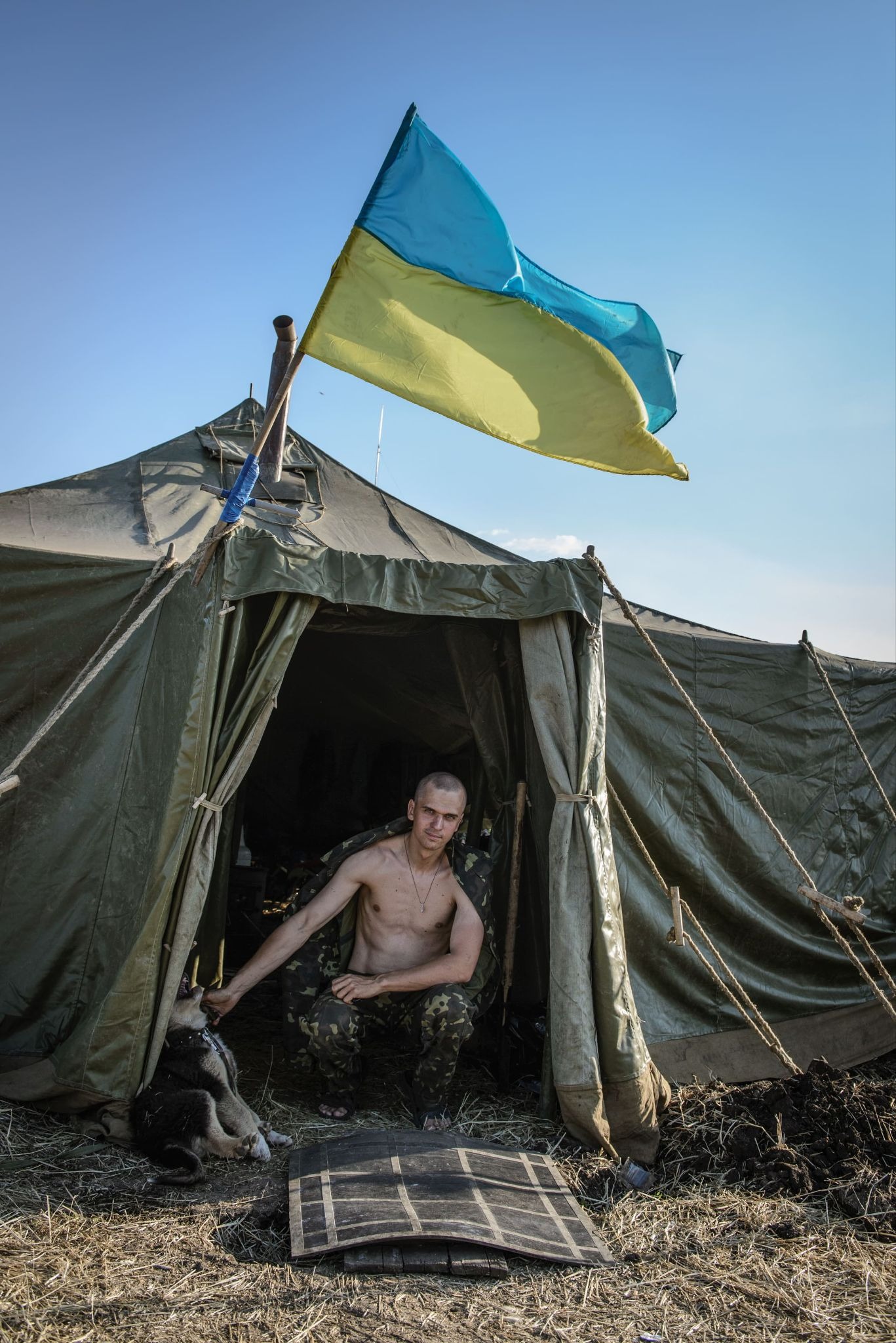
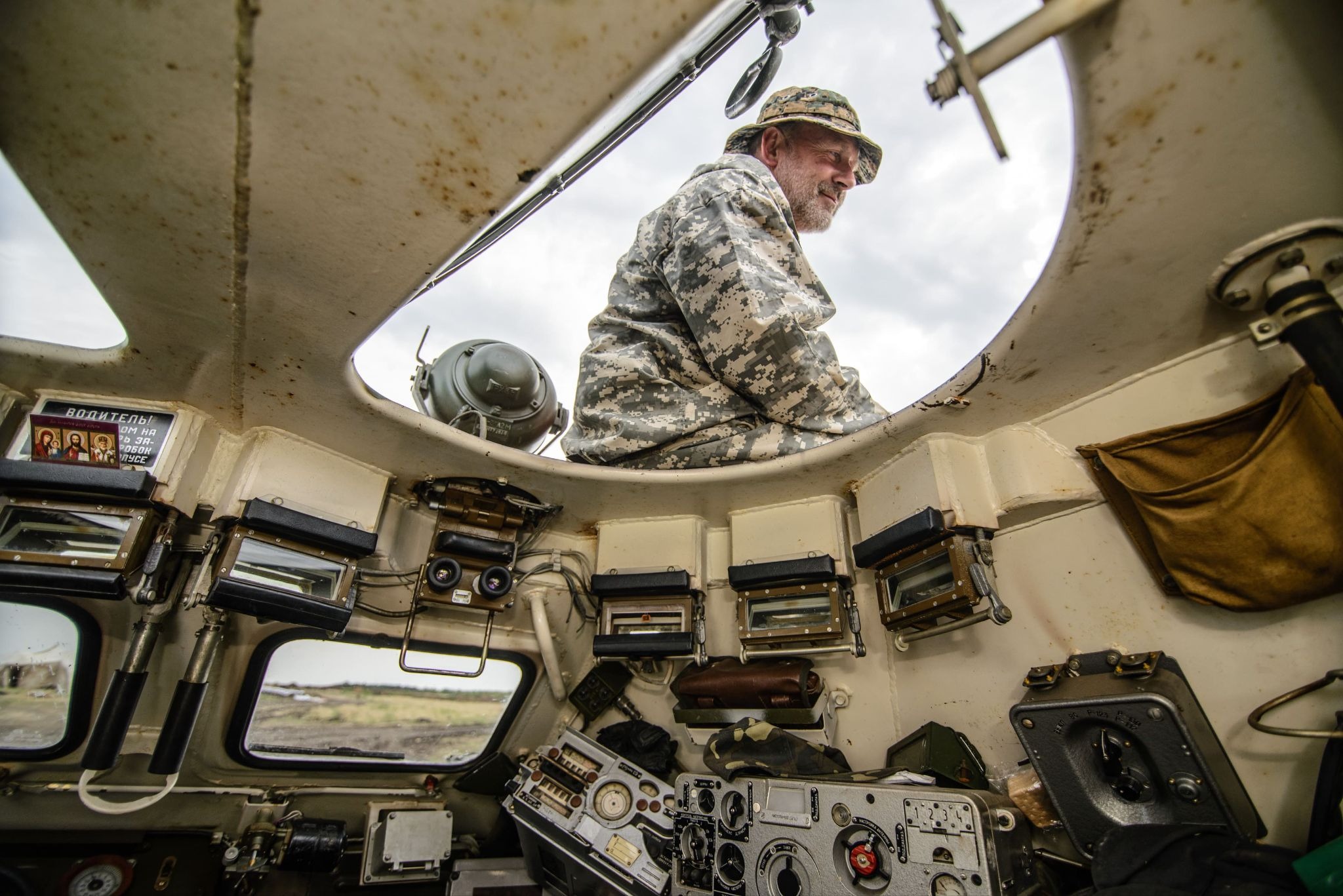
A decisive turning point occurred in early July, when the Anti-Terrorist Operation forces squeezed the militants into a tight ring. Defense and control over Mount Karachun—the dominant height between Sloviansk and Kramatorsk, from which the occupiers' positions were visible as if in the palm of one's hand—were of key importance. At the end of June, the TV tower on Karachun collapsed due to shelling.
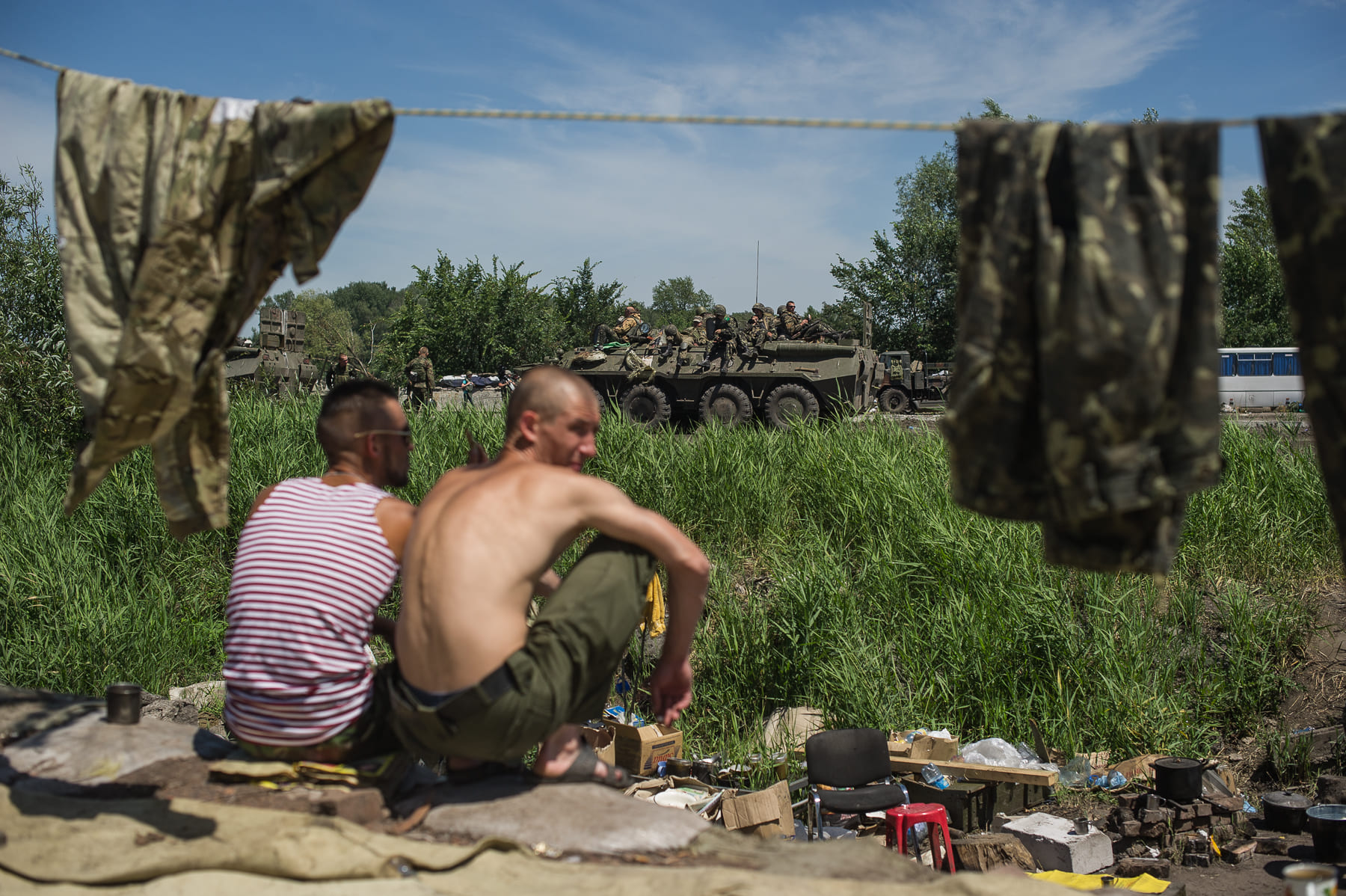
Throughout July 1–2, Ukrainian artillery units and aviation launched massive strikes on militant positions around Mykolaivka, destroying six strongholds and a large ammunition depot. An important section of the Kharkiv—Rostov highway was blocked. On July 3, 2014, the ATO forces carried out a successful operation and blocked the city of Mykolaivka. This allowed Ukrainian soldiers to cut off the last major artery for the supply of weapons and ammunition for Girkin's group. The militants found themselves in an actual tactical encirclement. On July 4, 2014, Mykolaivka was completely liberated from pro-Russian groups and taken under the control of the ATO forces. More than 50 militants surrendered to them.
Mykolaivka was the last transport artery through which the group of Russian saboteurs in Sloviansk received weapons, ammunition, and reinforcements from the territory of the Russian Federation via Siversk and Lysychansk. In addition, the Sloviansk TPP is located in the city, which the militants turned into a fortified stronghold. Establishing control over Mykolaivka meant creating a tight tactical "ring" around Sloviansk.
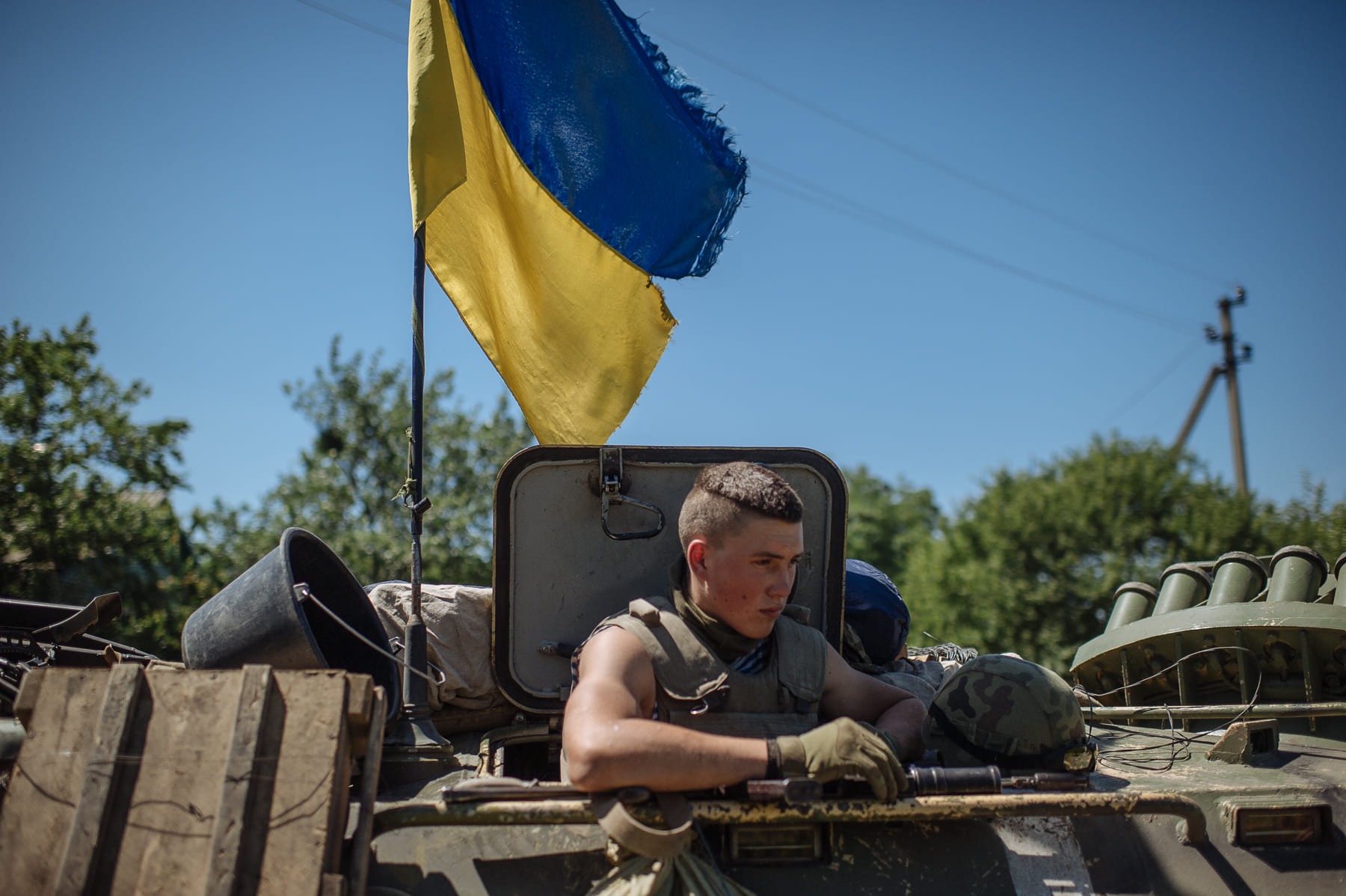
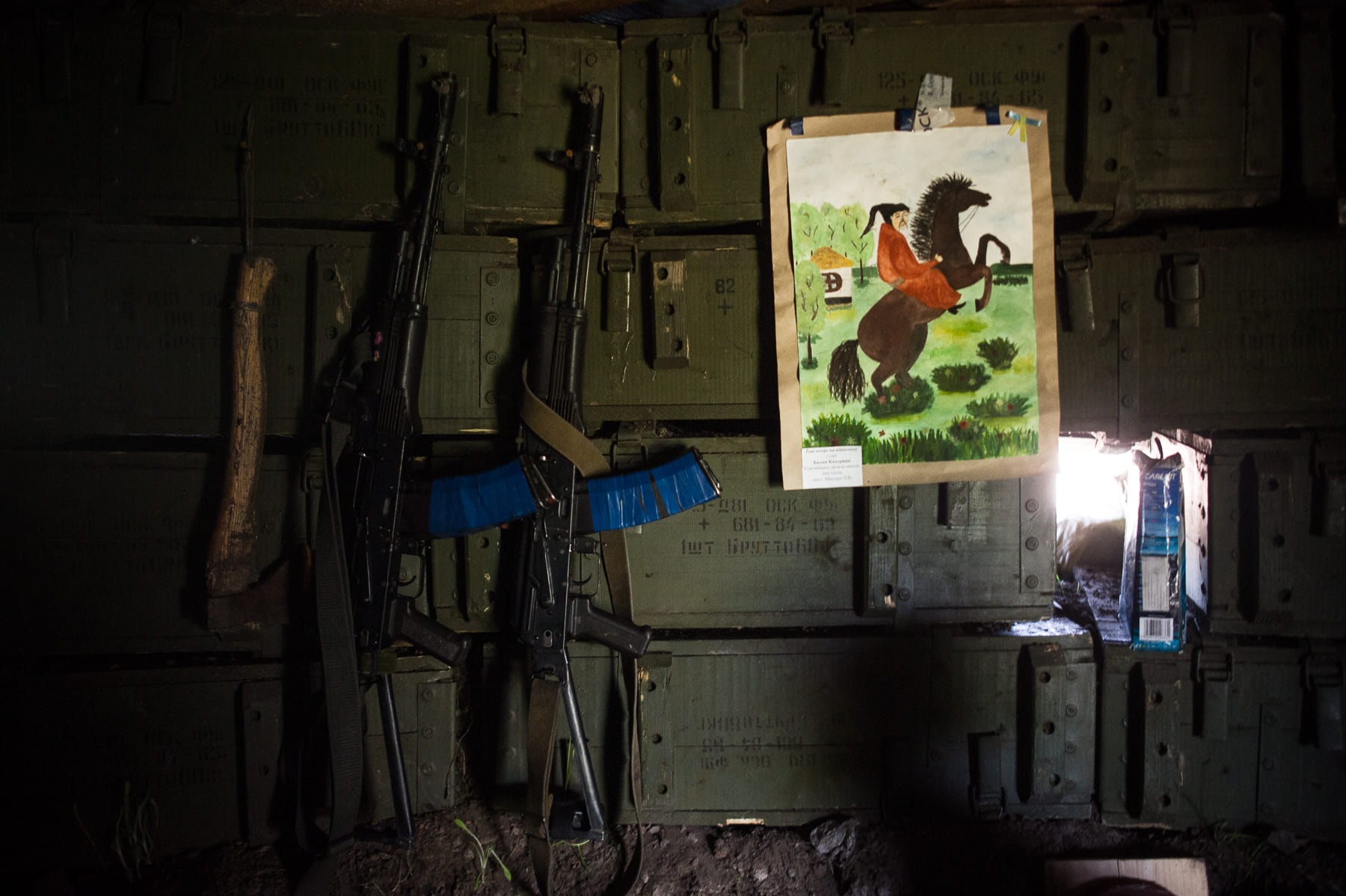
On the night of July 5, realizing the hopelessness of their situation and under the pressure of Ukrainian artillery, the columns of occupiers began a hasty and chaotic retreat in the direction of Donetsk. Girkin ordered his forces to urgently break out of Sloviansk. A huge column of equipment and manpower moved toward Kramatorsk, and from there—to Donetsk. At one of the exits, the column was met with fire by a Ukrainian checkpoint commanded by paratroopers, destroying part of the enemy's armored vehicles. However, due to the complex terrain and lack of forces to tightly close the ring, the main part of the militants—more than a thousand people—managed to escape to Donetsk. They left behind a large amount of Russian weapons, military equipment, and ammunition.
The Beginning of the War
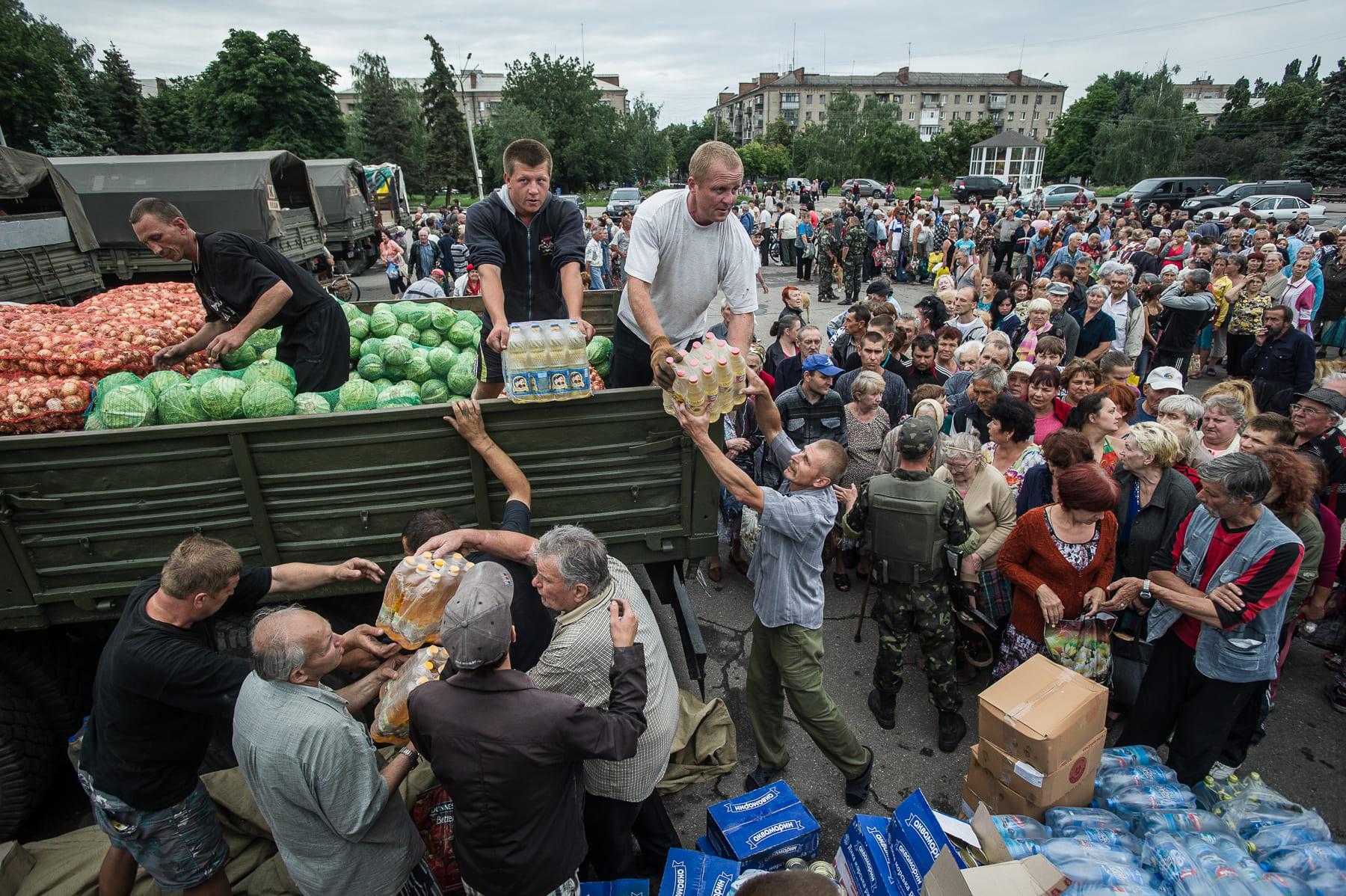
On the morning of July 5, 2014, advanced assault groups of the Ukrainian military entered Sloviansk. Ukrainian scouts of the 2nd National Guard Battalion raised a blue-and-yellow flag over the city council building. On the same day, Ukrainian units entered Kramatorsk, where the occupiers also abandoned their positions, fleeing after the Sloviansk group. During July 5 and 6, the ATO forces also liberated the cities of Bakhmut, Druzhkivka, and Kostiantynivka. Immediately after the restoration of Ukrainian authority, the cities began receiving food, water, humanitarian aid, and payments were restored.
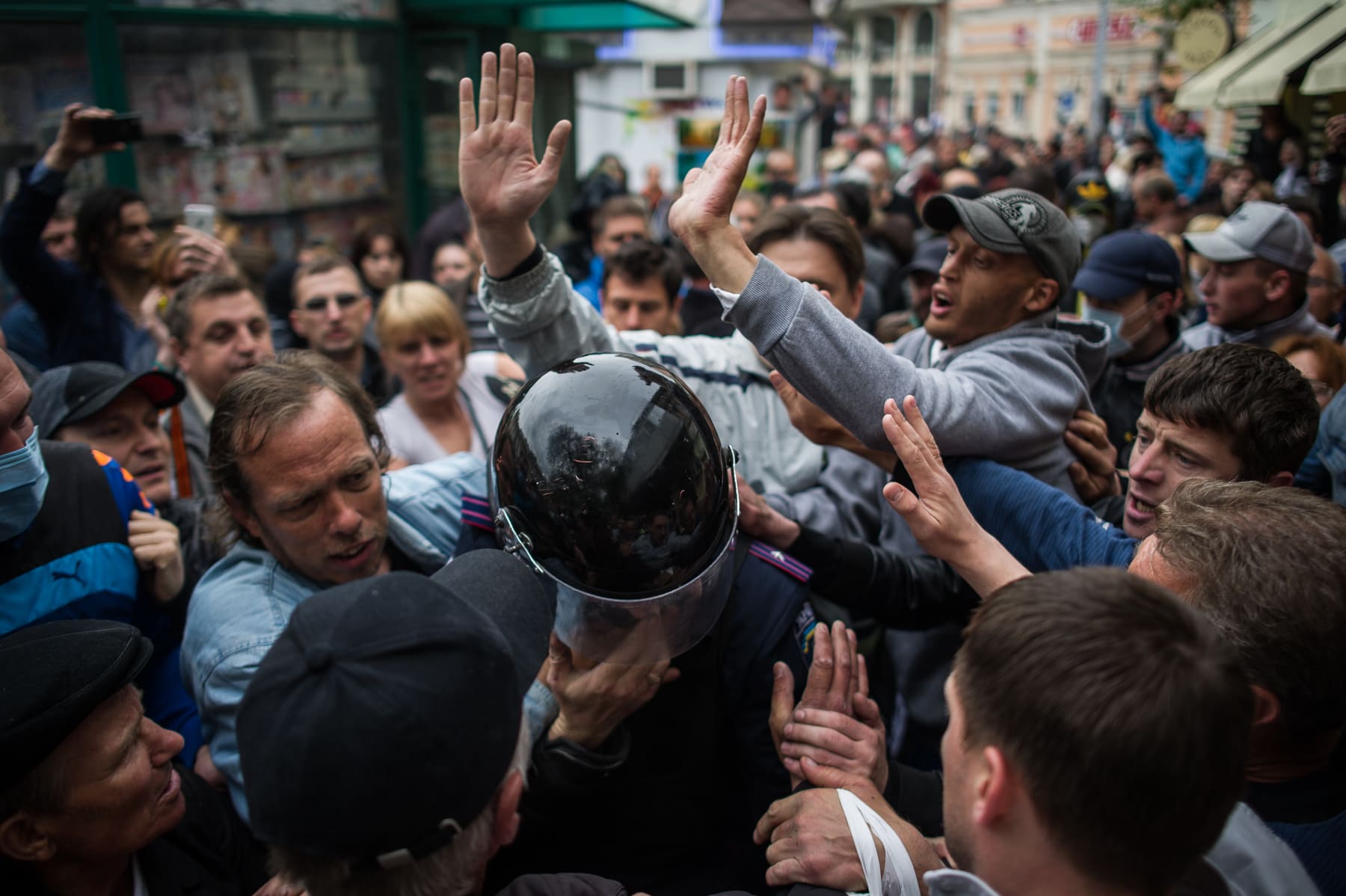
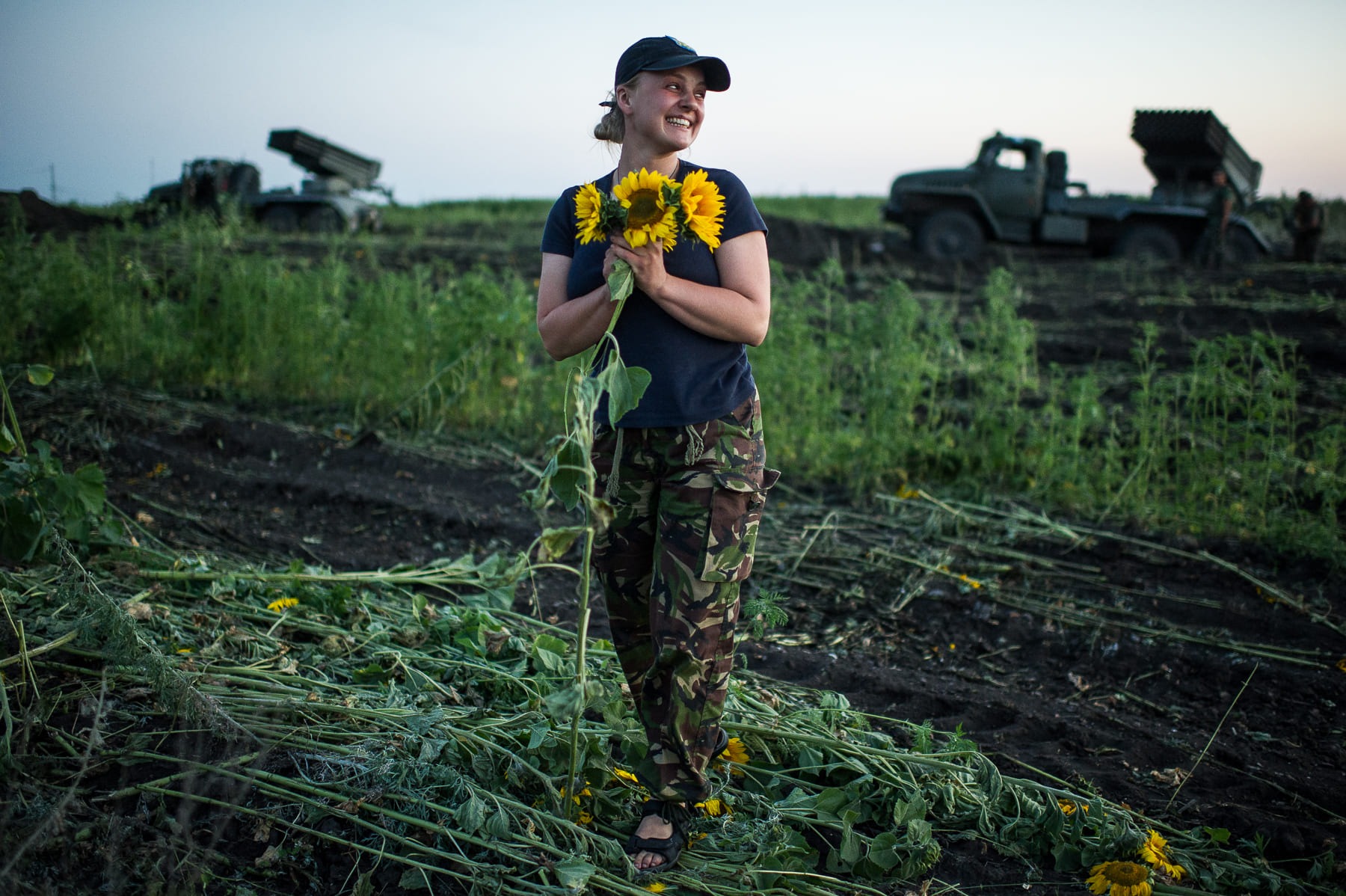
In the battles for the liberation of these cities, 70 Ukrainian soldiers were killed. The losses of the pro-Russian militants are estimated at approximately 470 people. During the operation, the main bridgehead in the north of the Donetsk region was eliminated, from where the enemy planned to advance on the Kharkiv and Dnipropetrovsk regions. The liberation of Sloviansk and Kramatorsk finally ruined the Russian Federation's plans for the rapid creation of a so-called "Novorossiya" throughout the Donetsk and Luhansk regions. Since Donetsk remained under occupation, Kramatorsk was declared the temporary regional center of the Donetsk region in October 2014.
"We were driving from Kharkiv a few days after the liberation of Sloviansk, and the first thing I saw was a completely destroyed intersection between Sloviansk, Bakhmut, and Izium," recalls Olha Ivashchenko. "I was struck by how close this was to my native Kharkiv. There was still a sign marked '162 km'—that's only about a two-hour drive along the highway."
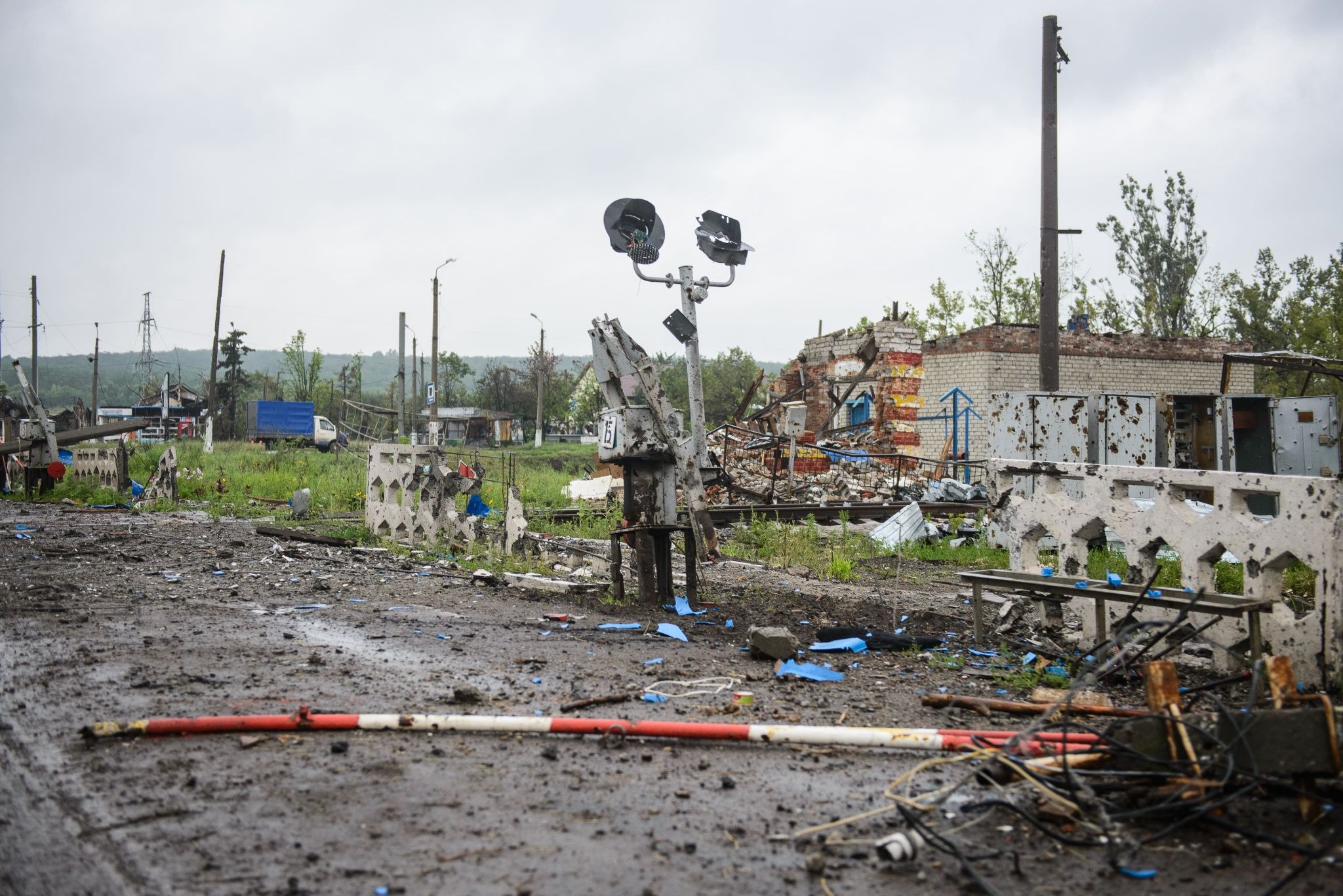
Fighting had been going on in these places for over two months: shell casings were littering the road, and the cafes at the intersection were completely destroyed.
"At that time, it was a quite shocking picture; it was then that I saw the consequences of hostilities for the first time," Olha shares her memories. "It was then that I began to fear that one day Russian planes would start bombing Kharkiv. That happened in 2022."
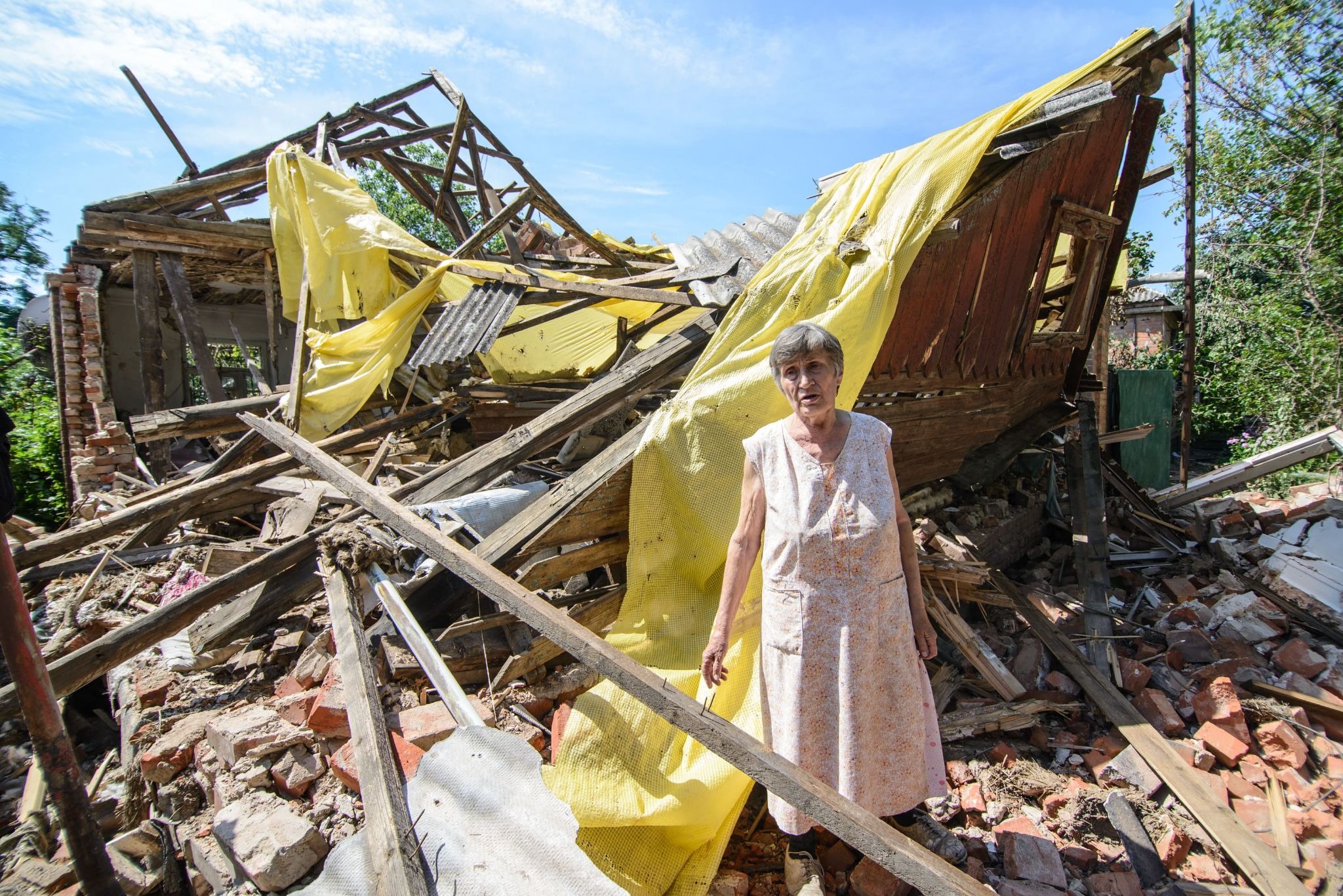
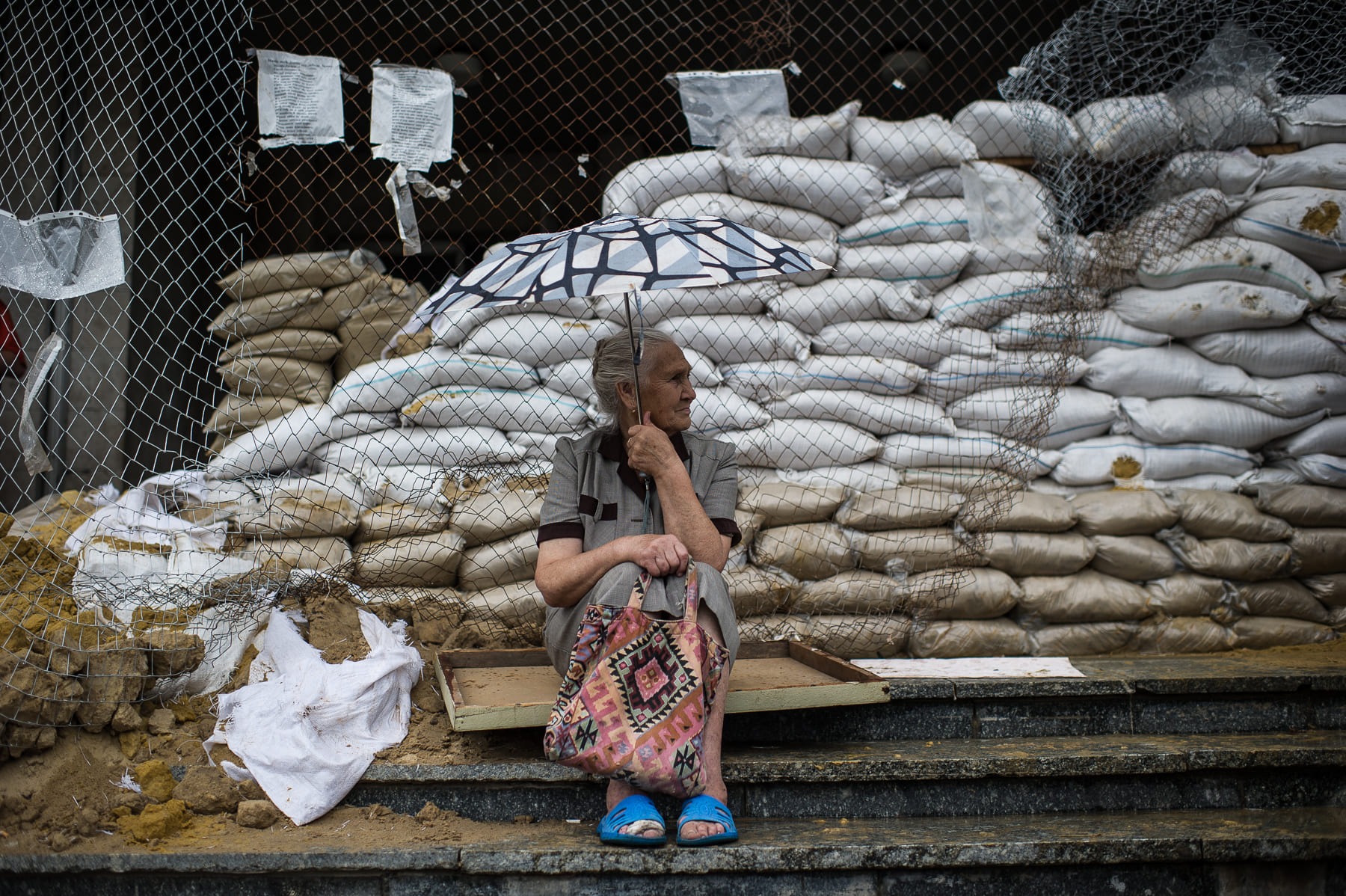
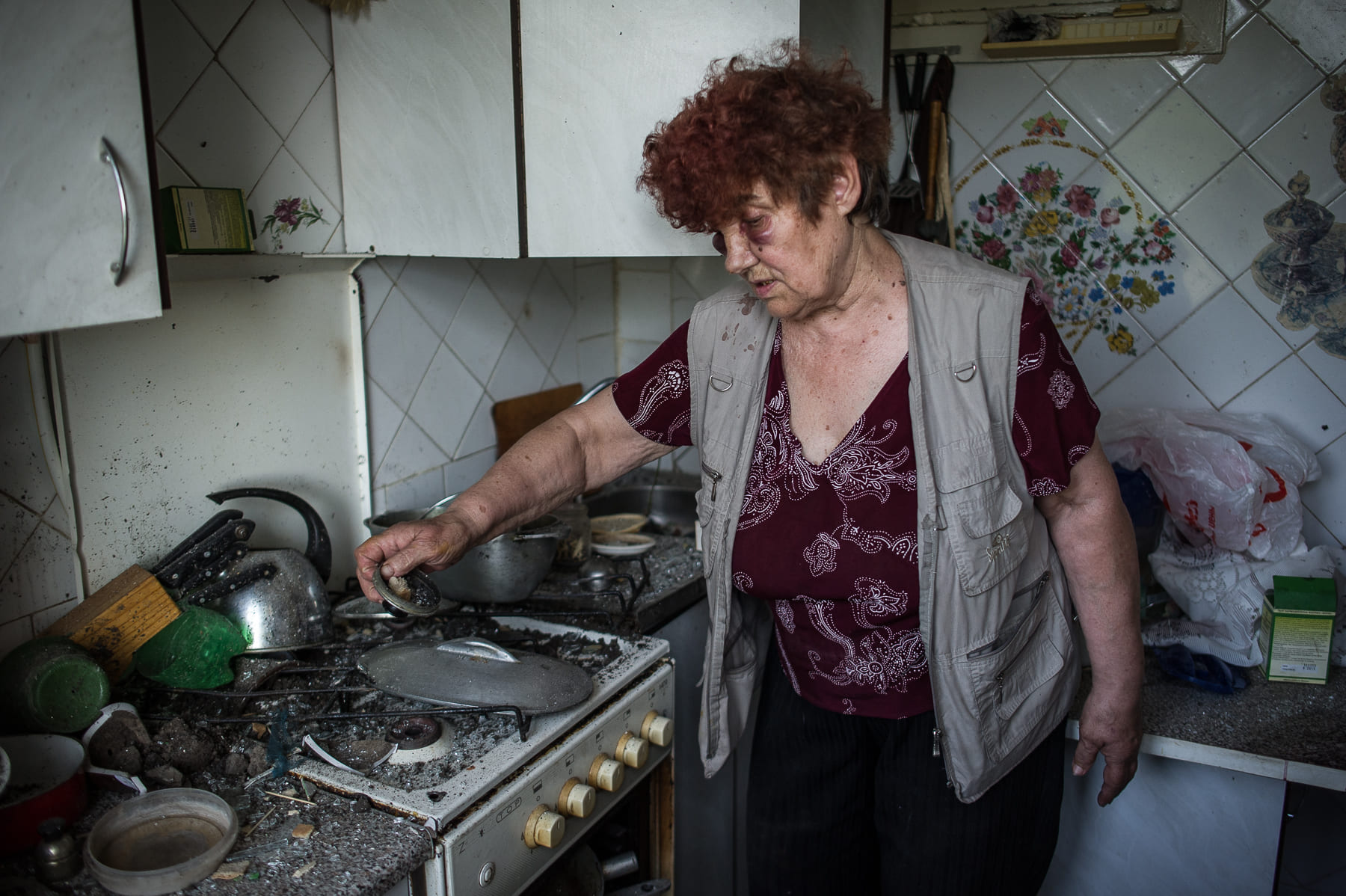
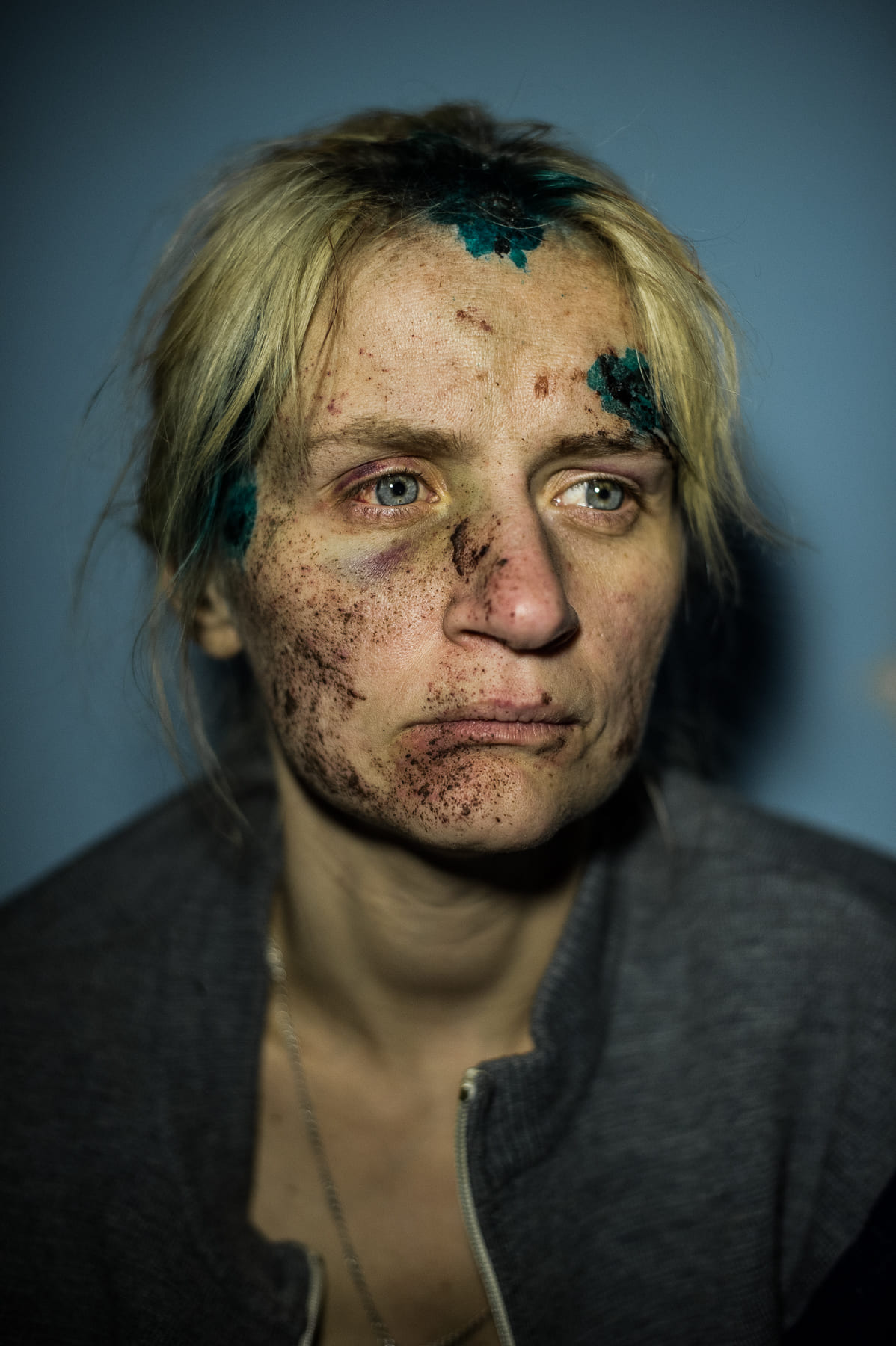
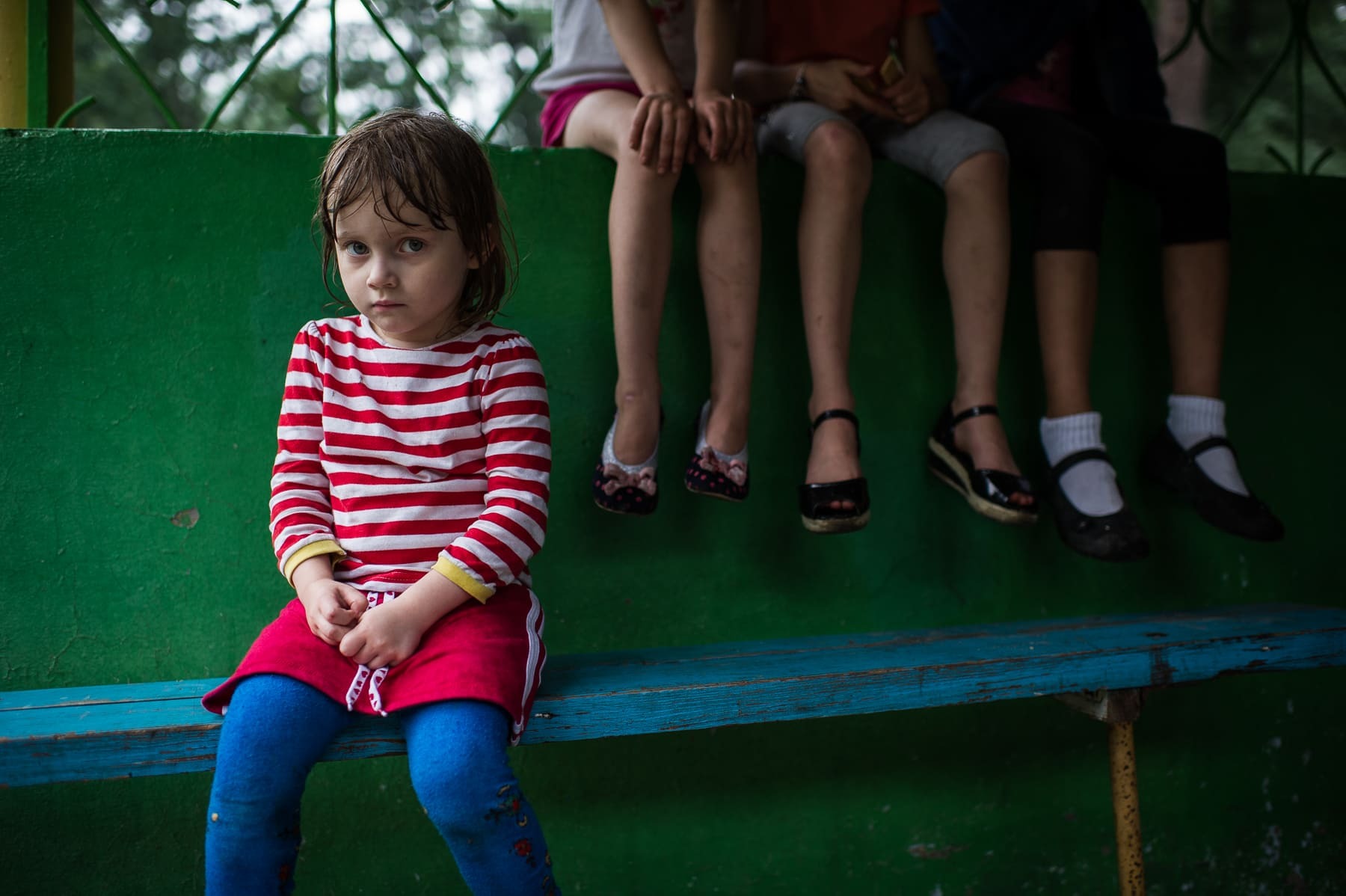
Olha Ivashchenko, together with volunteers, managed to get into the city of Sloviansk. The photographer met people there who had been hiding in basements from the war for over two months.
"Seeing us, they asked: 'Is that it? Is everything over, can we come out?'" says Olha Ivashchenko. "As it turned out, it was only the beginning."
Material created with the support of the British Council's "Grants for the Creative Economy" program
Oleksiy Furman — a Ukrainian visual storyteller, graduate of the University of Missouri and co-founder of New Cave Media, an immersive storytelling studio in Kyiv, Ukraine. He covered the Ukrainian revolution of 2013-2014, the annexation of Crimea, and continues to work documenting the war in Ukraine.
Oleksiy's coverage of the conflict has been recognized by POYi, NPPA, PDN Photo Annual, and the Bayeux-Calvados Award for War Correspondents. His work has been published in TIME, The New York Times, The Washington Post, Al Jazeera America, 6MOIS, Der Spiegel, The Guardian, De Standaard, and the Financial Times.
For two years, Oleksiy photographed severely wounded Ukrainian soldiers returning home. This work, titled "Life After Injury," received the Grand Prix of the IAFOR Documentary Photography Award.
In the summer of 2016, he co-founded the immersive storytelling studio New Cave Media. The studio creates immersive solutions for brands in Ukraine and other countries. Among New Cave Media's recent clients are UNICEF, WWF, Mitsubishi, and GIZ. The studio's personal project, a virtual reality documentary "Aftermath VR: Euromaidan," received a Journalism 360 Challenge Grant from Google News Lab, the Knight Foundation, and ONA in July 2017.
Olha Ivashchenko — a Ukrainian photojournalist and documentary photographer, originally from Kharkiv, who lives and works in Kyiv.Olha has been documenting the war in Ukraine since 2014. She collaborates with such international humanitarian organizations as the International Committee of the Red Cross (ICRC), the United Nations (UN), Amnesty International (AI), Human Rights Watch (HRW), as well as various media outlets. She focuses on news reporting and social issues.
Olha began her career as a photo reporter in 2011 in Kharkiv. She covered the UEFA Euro 2012 football championship. Since 2014, during the events unfolding in the east of Ukraine and specifically in Kharkiv, she began cooperating with leading global news agencies such as Reuters, Associated Press (AP), and the European Pressphoto Agency (EPA).
Since 2014, she has worked for 5 years as a parliamentary correspondent in the Verkhovna Rada of Ukraine. She is also the official photographer of the Klitschko brothers' boxing promotion company, K2 Promotions.
Olha Ivashchenko's work has been published by TIME, The New York Times, The Telegraph, Financial Times, Los Angeles Times, The Wall Street Journal, Die Zeit, Der Standard, The Globe and Mail, Liberation, Le Parisien, The Atlantic, Chicago Tribune, The Guardian, and other publications.
Since the beginning of the full-scale invasion, Olha has worked in many cities and villages of Ukraine, including on the border with Russia and Belarus. She documented the aftermath of the occupation of the Kharkiv region and the city of Kherson, as well as the consequences of the Russians blowing up the Kakhovka HPP. She worked on documenting Russia's war crimes for Amnesty International's report on the bombing of the Drama Theater in Mariupol. To this day, Olha continues to cover the aftermath of the Russian invasion and its impact on the civilian population of Ukraine.
Working on the material:
Topic researcher, text author: Katya Moskaliuk
Photo editor: Marusya Maruzhenko
Literary editor: Yuliya Futey
.jpg)
.jpg)