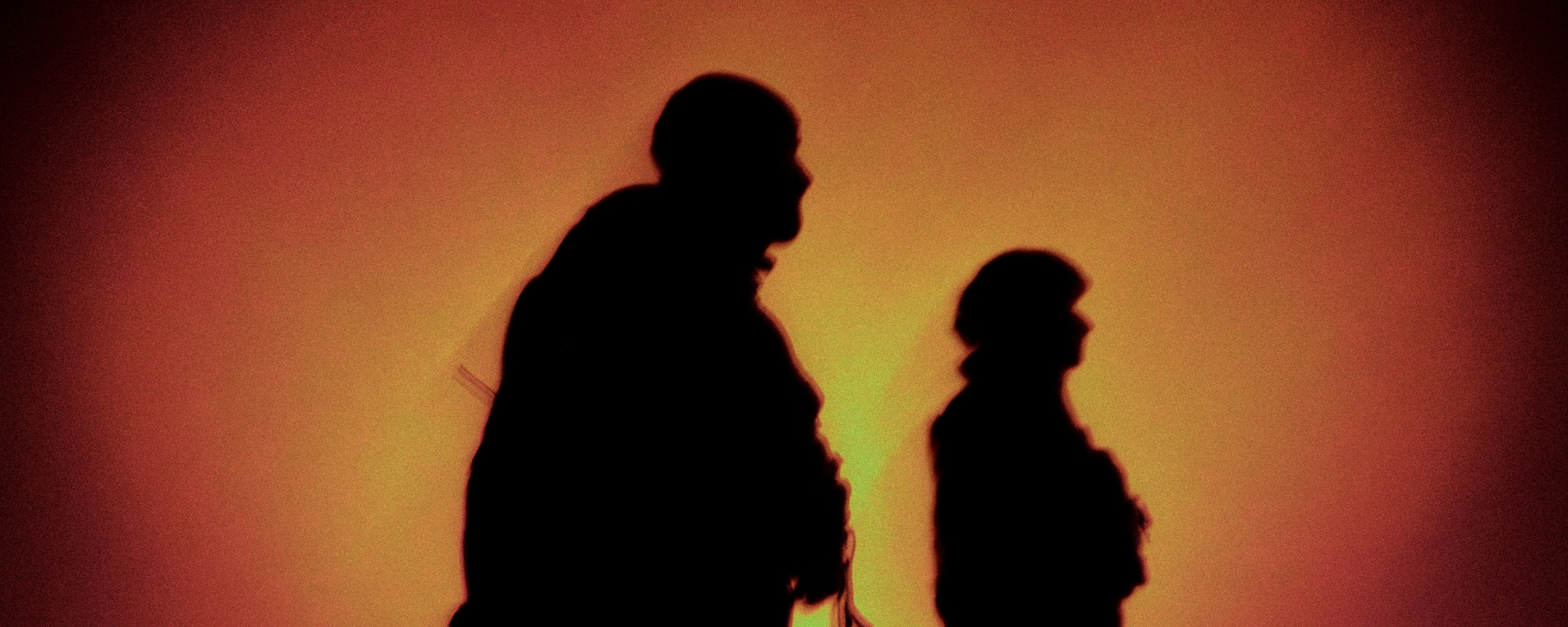
Ukrainian photographer Vitalii Herasymenko studied at a film school in Barcelona and shot street photography in Beijing. Combining a cinematic approach with conceptual photography, he creates deep visual narratives. Vitalii served in an assault battalion of the Armed Forces of Ukraine. He captured not only combat operations but also documented how war alters a person’s perception, feelings, and internal state. With his project "Thermal Signatures," the photographer became a laureate of the prestigious ShowOFF section at the international festival Krakow Photomonth 2026.
Vitalii Herasymenko shared why collective filmmaking gave way to artistic freedom in photography, how he created a photo zine based on a fictional myth, and which music track best fits his photo project "Thermal Signatures."
— Out of all possible visual arts, why did you choose photography as your primary tool for engaging with the world?
— It all started, I suppose, over ten years ago. In 2013, I won a grant and went to Greece for six months on an Erasmus exchange program. They used the Bologna system, which allowed students to independently choose courses worth 60 credits. This was quite different from studying at my university back home, where there was a fixed curriculum. My department in Greece was called the Faculty of Philosophy, encompassing humanities and the arts.
Among the available options, I picked what genuinely interested me—specifically, "Creative Writing" and "Introduction to Cinema." Until then, I thought my abilities were limited strictly to learning foreign languages. However, during my studies in Greece, I developed a serious passion for cinema and creative writing, realizing I wanted to pursue this path further.
That was when I decided my long-term goal was to work in film, even though I didn't yet know how to make it happen. Later, I moved to Kyiv and started working in the film industry. However, my work revolved around production and organizational logistics. I always wanted to be closer to the creative core rather than management. So, I set a goal to enter film school. To achieve this, I took a detour: I decided to go to China to teach English to save up money for tuition. In the end, I spent four years there—from 2018 to 2022.
It was during this period that I started taking photos. I was drawn to cinematography, so photography served as a stepping stone and an opportunity to acquire basic camera skills. Through it, I grasped fundamental concepts to apply in film later on. It was mostly street photography: I just walked around the streets of Beijing, capturing whatever caught my eye.
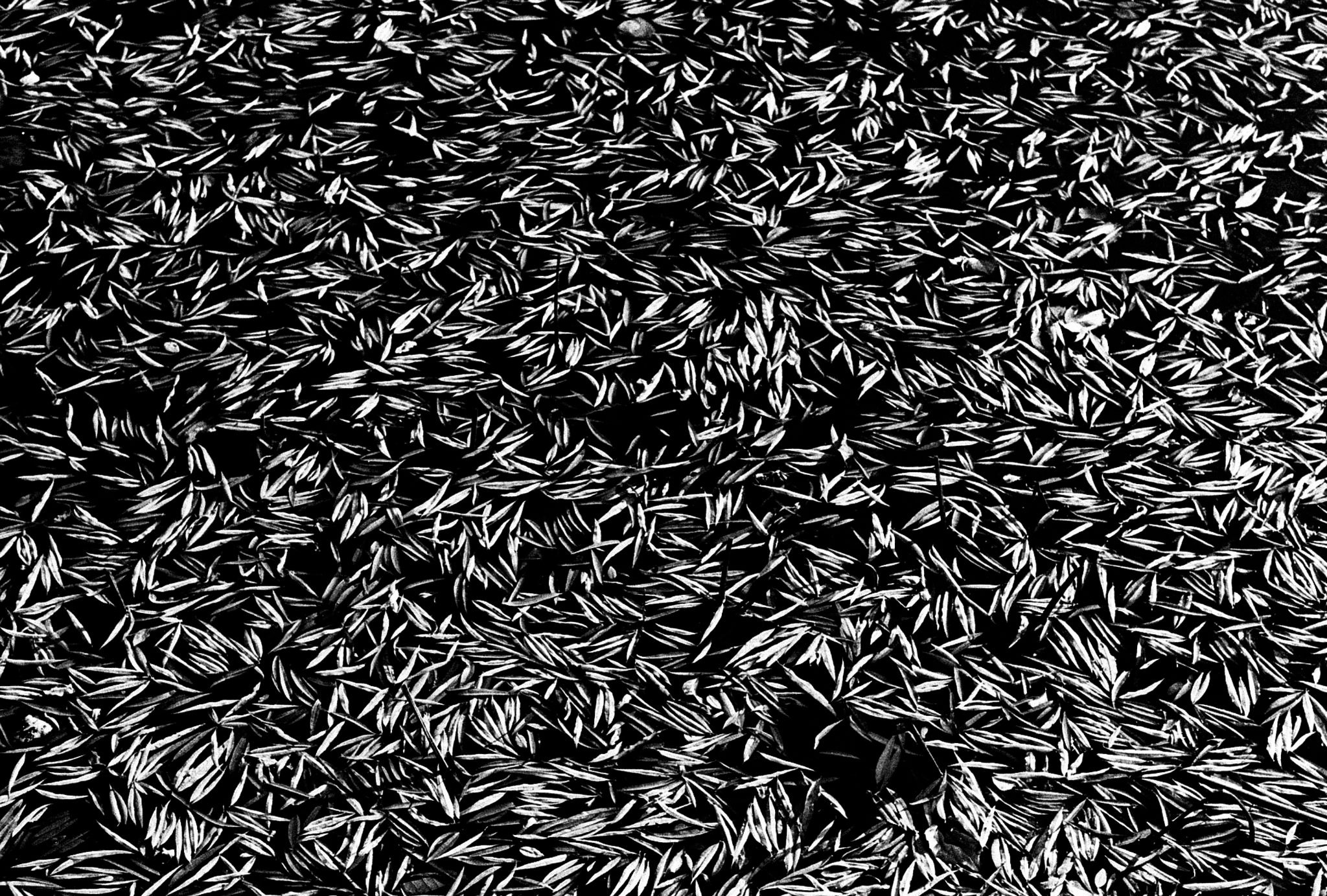
In 2021, I stumbled upon Serhiy Melnychenko's project about dancers, which he shot in the Chinese city of Chengdu. It resonated with me that he was also a Ukrainian photographer in China. I began looking into Serhiy's background and realized his story felt very familiar: he was an adventurer just like me. I followed him on social media and learned he had his own photography school, MYPH. It felt like a great opportunity to learn something new, so I enrolled and completed his course.
The course was valuable, but at the time, I was at the very beginning of my development as a photographer. I was simply shooting, and while individual shots turned out well, I didn't know how to think in terms of cohesive projects. After finishing the course at Serhiy Melnychenko's school, I kept taking pictures, though not very actively.
In 2022, when the full-scale war broke out, I relocated from China to Spain and enrolled in a one-year program at a film school in Barcelona called ESCAC. However, upon completing my studies, I experienced burnout. Film school ended up reminding me that I was actually more interested in photography. Film is ultimately a collective effort where creating something entirely on your own is difficult. In photography, on the other hand, I can conceptualize, execute, and control every creative aspect myself. So, ironically, it was film school that pushed me to take photography more seriously.
— How did working with moving images and studying at film school inform your photography? Do you feel the influence of cinema on your work?
— Projects or series in photography are essentially a sequence of frames, which is fundamentally similar to film editing. Understanding editing, sound, and music from my studies helps me construct photo series. You can approach the process as if writing a script or a synopsis, since many preparatory steps are identical—only the final execution differs. The methodology taught in film school—planning and analyzing step-by-step—helps me immensely in the end.
— During your studies at the film school or MYPH, were there creators who served as visual benchmarks for you? Who among photographers inspired you the most at the beginning and perhaps shaped your style?
— Serhiy Melnychenko definitely had a major influence on me. I really admire his work, but what resonates with me most is his work ethic—how he operates and the effort he puts in. I adopted his systematic approach to growth and use it actively. That consistency is crucial: no matter your style, what matters most is constant momentum, submitting your work relentlessly, and connecting with peers.
Until recently, I didn't consider myself someone with a broad visual background specifically in photography. Of course, I attended exhibitions occasionally, but only in the past year have I done so more frequently, buying photobooks and studying which creators I resonate with. When starting out, I had my own vision, but it was formed largely under the influence of cinema. I always looked up to my favorite film directors and specific cinematographers who possessed distinct styles.
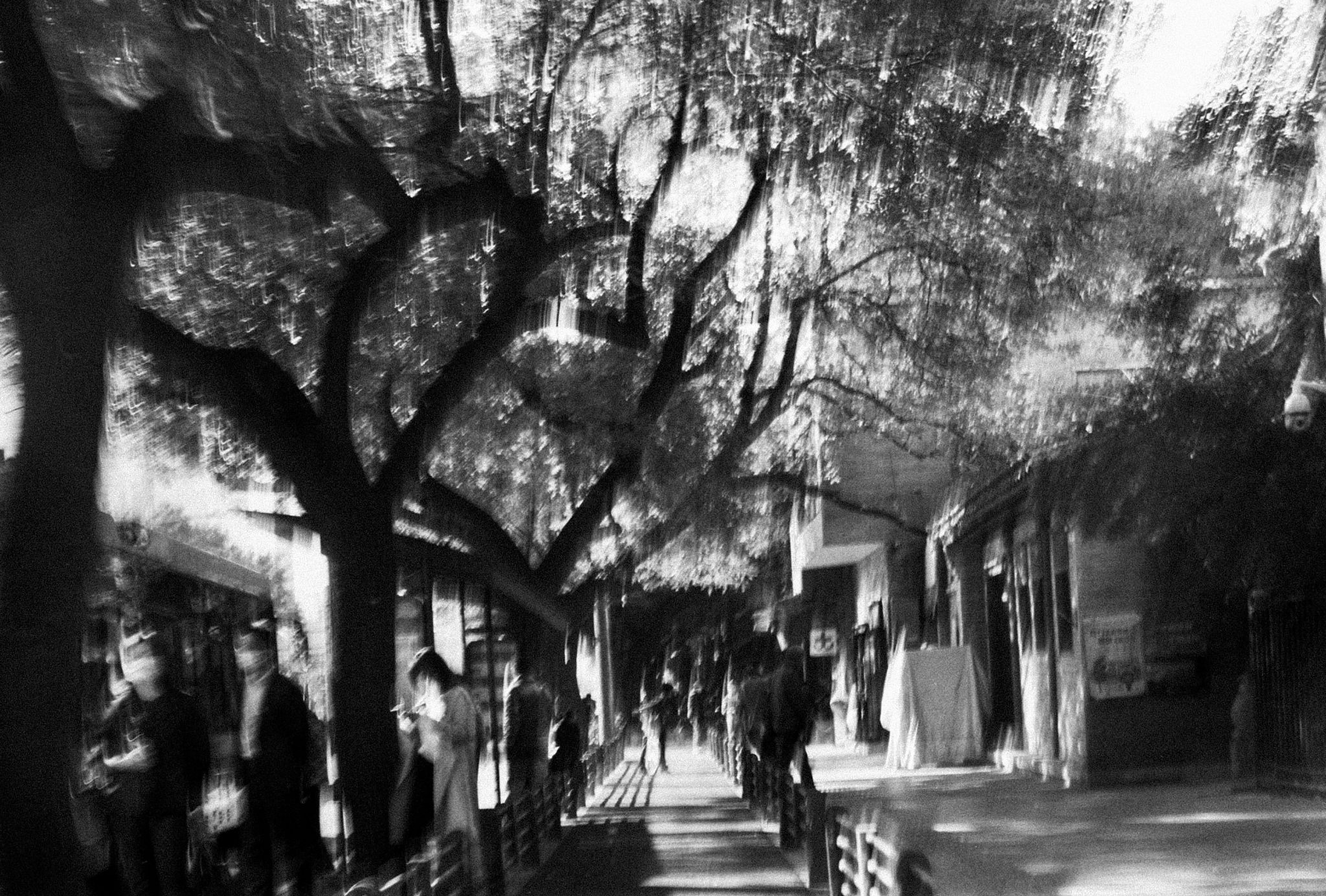
While living in China, I was deeply influenced by certain directors whose work I admired back then. In particular, I was struck by their camera work and overall approach to filmmaking. This cinematic experience, including Chinese and Asian cinema, shaped my perspective much more than the work of other photographers.
My favorite director since then has been the Taiwanese filmmaker Tsai Ming-liang. I still rewatch his films periodically. He is a unique auteur who showcases his work both at international film festivals and as video installations in art galleries.
During film school, we were shown films by Chris Marker, including his iconic sci-fi short "La Jetée," which consists almost entirely of a sequence of black-and-white still photographs. I was deeply moved and fascinated by how a series of still images could tell such a compelling story.
— Could you tell us about your photo projects shot in China? Were they conceived from the start as cohesive series, or did the concepts emerge later when the images fell into place after a period of shooting?
— It started with the project "Black Pearl of Beijing," which I assembled in 2023. It was mostly work with my personal archives after finishing my studies at MYPH and film school. At the time, I was going through an emotionally difficult period: film school was over, so much had happened over the past year and a half, and I felt lost, unsure of what to do next.
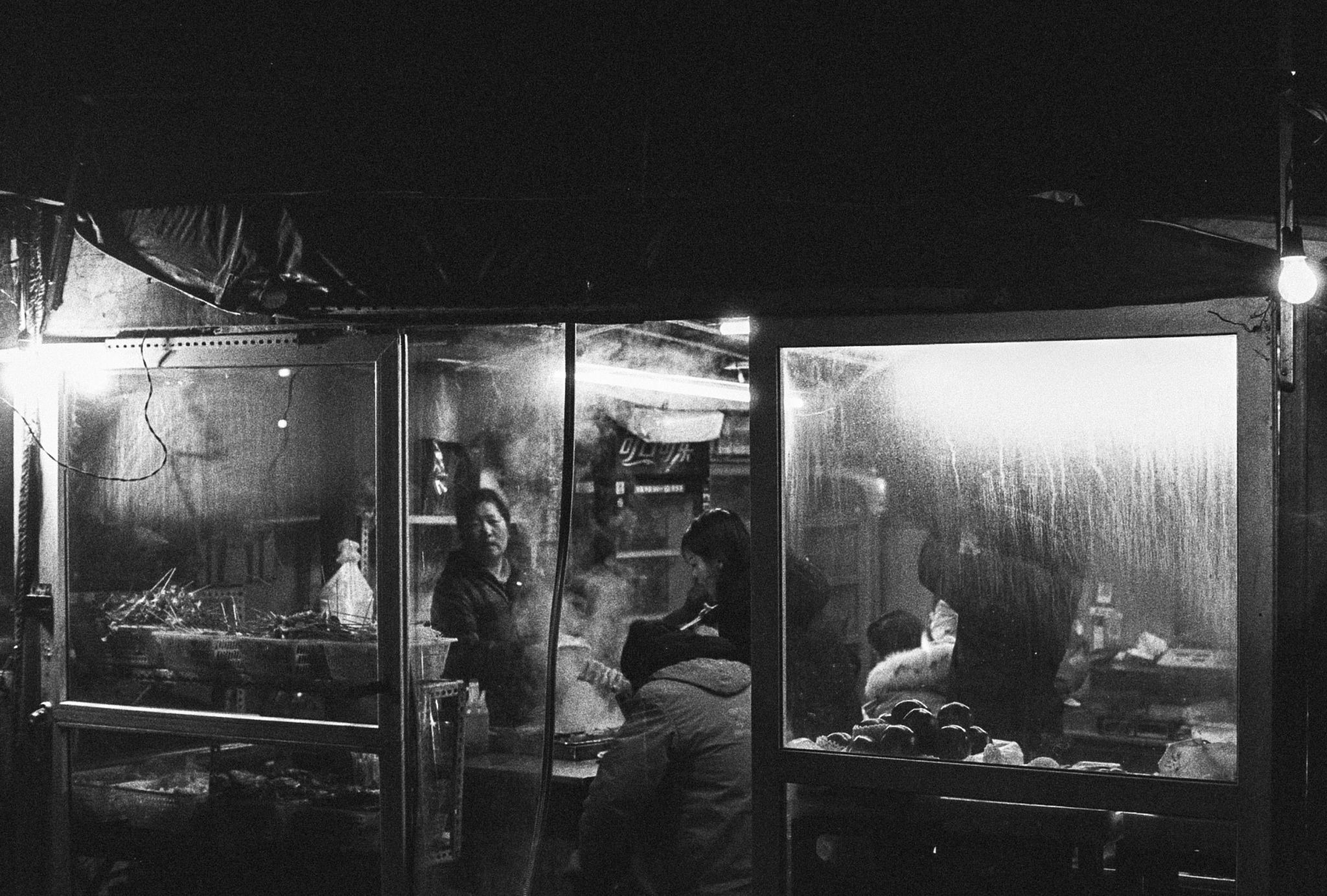
During this period, I was going through my black-and-white photos. Since I shot almost everything on film, I had accumulated a huge amount of material. I reviewed these rolls—looking for compelling images, analyzing how one frame interacted with another, and observing my own shooting habits. Eventually, the concept of a fake myth emerged. It wasn't a real myth, but a legend I invented about a black pearl and a dragon, crafted specifically for this photo series.
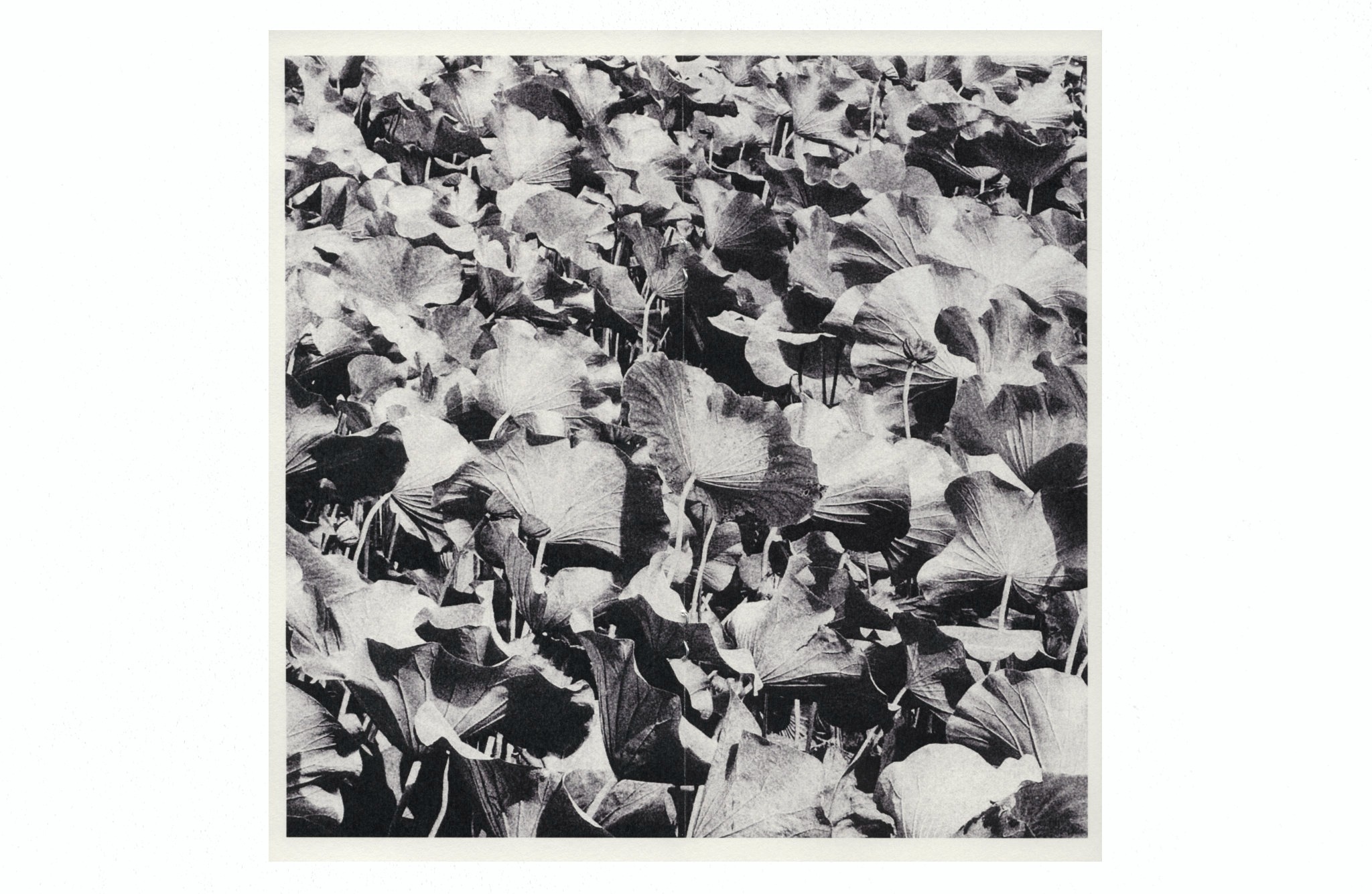
I began my project by researching the context and background—I was curious about how pearls were harvested in the past and the folklore surrounding them. Based on these materials, I wrote my own text, which became a play on words and imagery. When I shared it with acquaintances, they didn't even realize at first that it wasn't an authentic myth. They were genuinely surprised: "Oh, where did you dig up this old story?" And I answered that I created it myself.
About a year ago, I felt that this project had been sitting on the shelf for too long and needed a proper conclusion. That's when I decided to make a zine. As a result, I self-published a small print run of 60 copies.
— Do you lean toward a specific visual aesthetic—for instance, film or digital photography? Or is it purely a tool you tailor to a specific task to realize a concept?
— Previously, I leaned heavily toward film photography because digital didn't appeal to me at all. Given the choice between a digital and a film camera, I always picked film. However, since joining the military, I hardly shoot on film anymore.
I can shoot in both formats, but digital currently dominates. In my current environment, using film is impractical and difficult; it requires composure and deliberation. While I would love to experiment with medium-format film shooting, for now, I am sticking with digital.
— How has your perception of photography transformed since the start of the full-scale Russian invasion?
— In 2024, I made the decision to return to Ukraine, and that fundamentally changed my life. After film school, I stayed in Spain for a while, reflecting on what I wanted out of life. I realized that if I wanted to evolve as a photographer or an artist, living abroad was not the place for me. I hadn't planned to stay outside Ukraine for so long in the first place. Initially, because of COVID, I was stuck longer than expected, and then the full-scale war began. Ultimately, I weighed everything and knew it was time to come back.
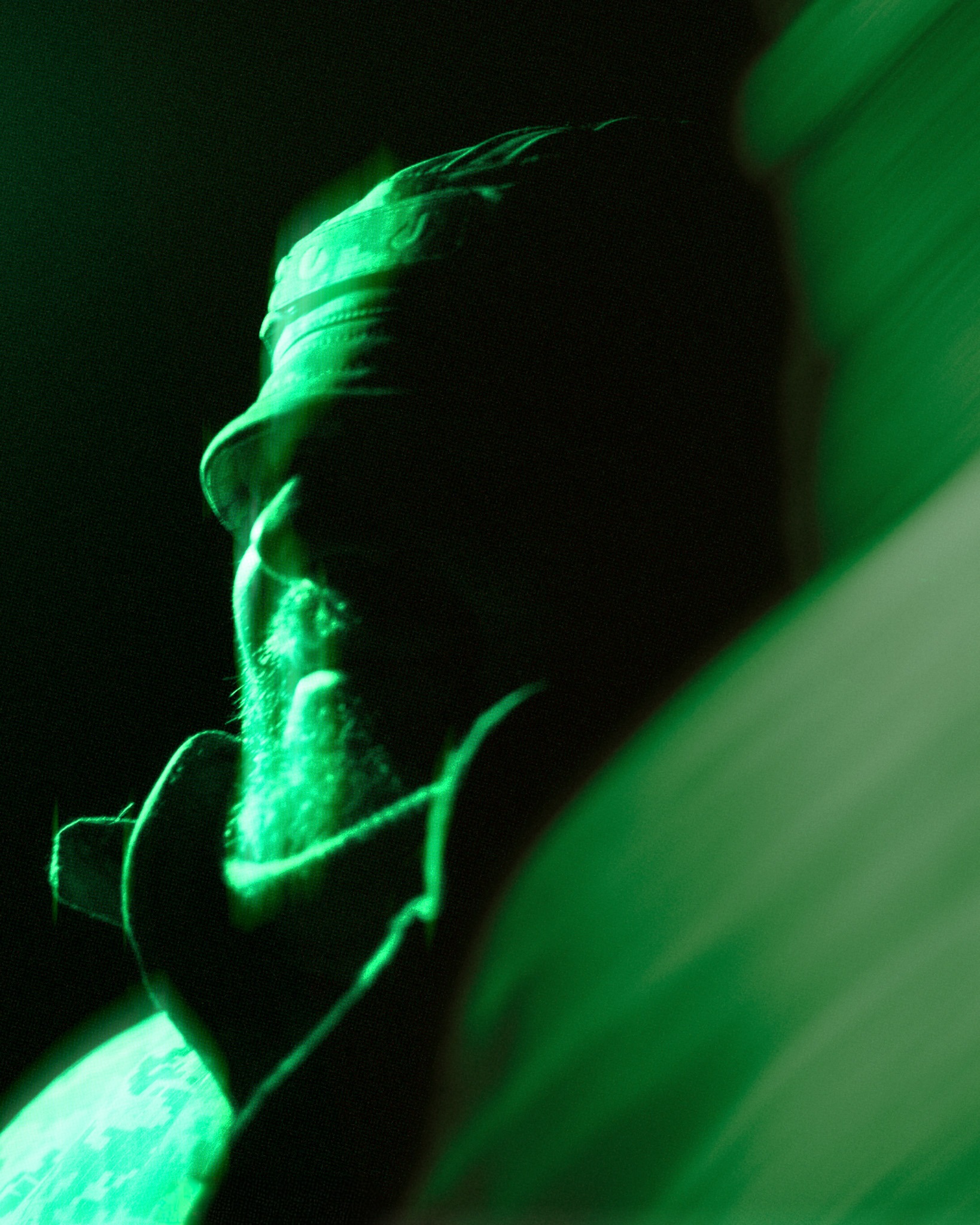
From my very first day of service, a immense amount of daily photography work began. I gained an entirely new range of experiences I had never encountered before. Naturally, I already had a technical foundation, allowing me to compose shots effectively. Everything I knew about photography remained relevant, operating almost subconsciously. However, I had to adapt rapidly to new rules, constraints, dangers, and risks. Shooting daily in those conditions and at high volumes accelerated my growth significantly. I felt that progress every single day. Taking 300–500 photos day in and day out, and processing them immediately, gives a powerful boost to your skills.
— Could you tell us about your project "Thermal Signatures"? When and how did it come to life?
— For me, this project is a blend of documentary and conceptual photography, as the subjects are real people—my fellow brothers and sisters-in-arms. I was regularly shooting standard documentary images for my unit using conventional formulas—whether reportage, positions in action, or training sessions. But after a few months, producing repetitive images gets tedious. You start wondering what else you can do to elevate the work without being told it's completely off-mark. To strike that balance, I occasionally took photos for myself.
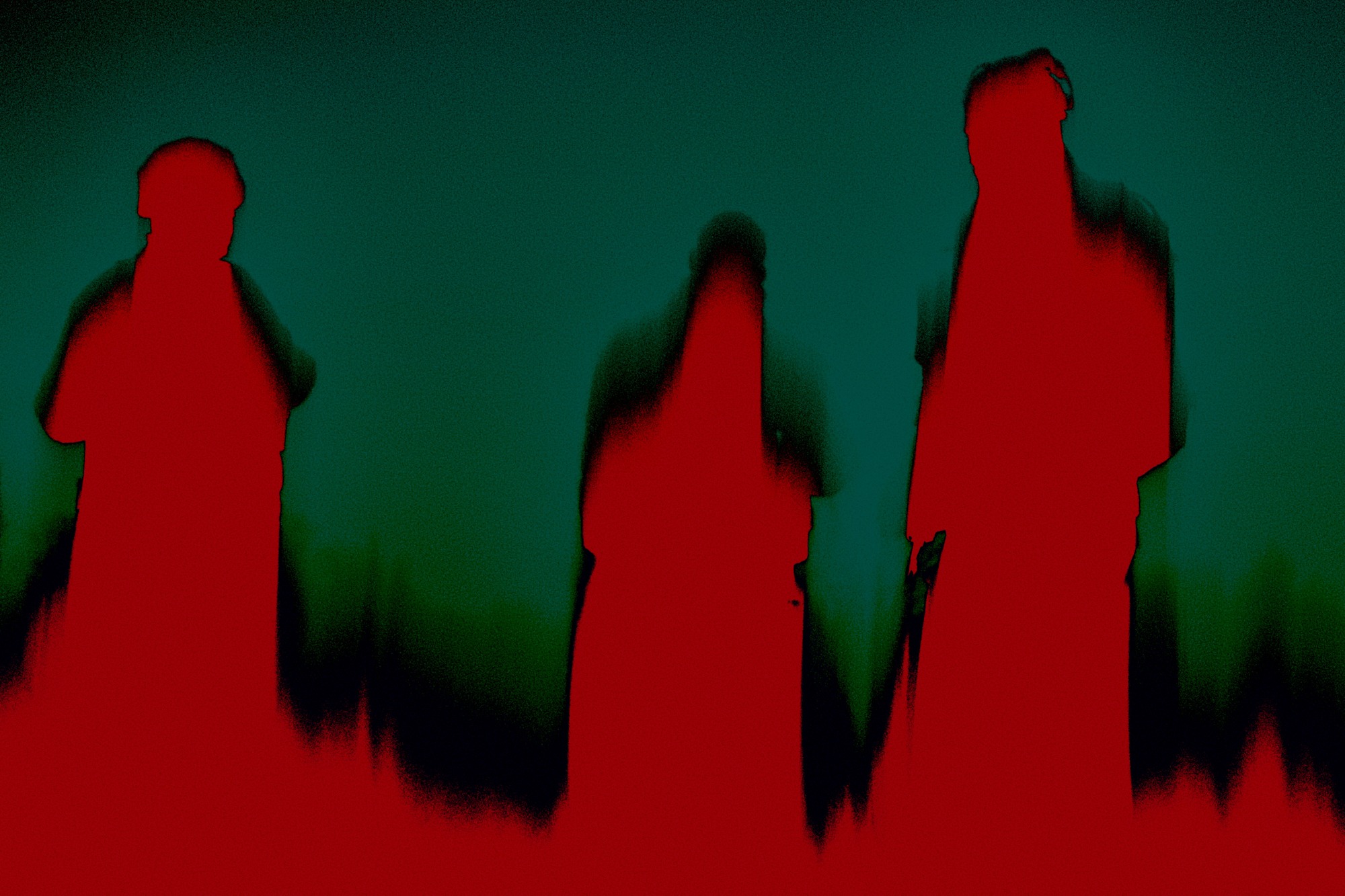
Back in Barcelona, I had experimented with long exposure, creating portraits in that style. I was generally fascinated by lighting experiments. Later, during my current duties, I frequently encountered extreme low-light situations. We had to work either in complete darkness or under conditions where lighting the shot was virtually impossible. This is particularly felt in active combat zones, where you cannot use flashes or even small LED panels. So, you simply work with whatever light is available.
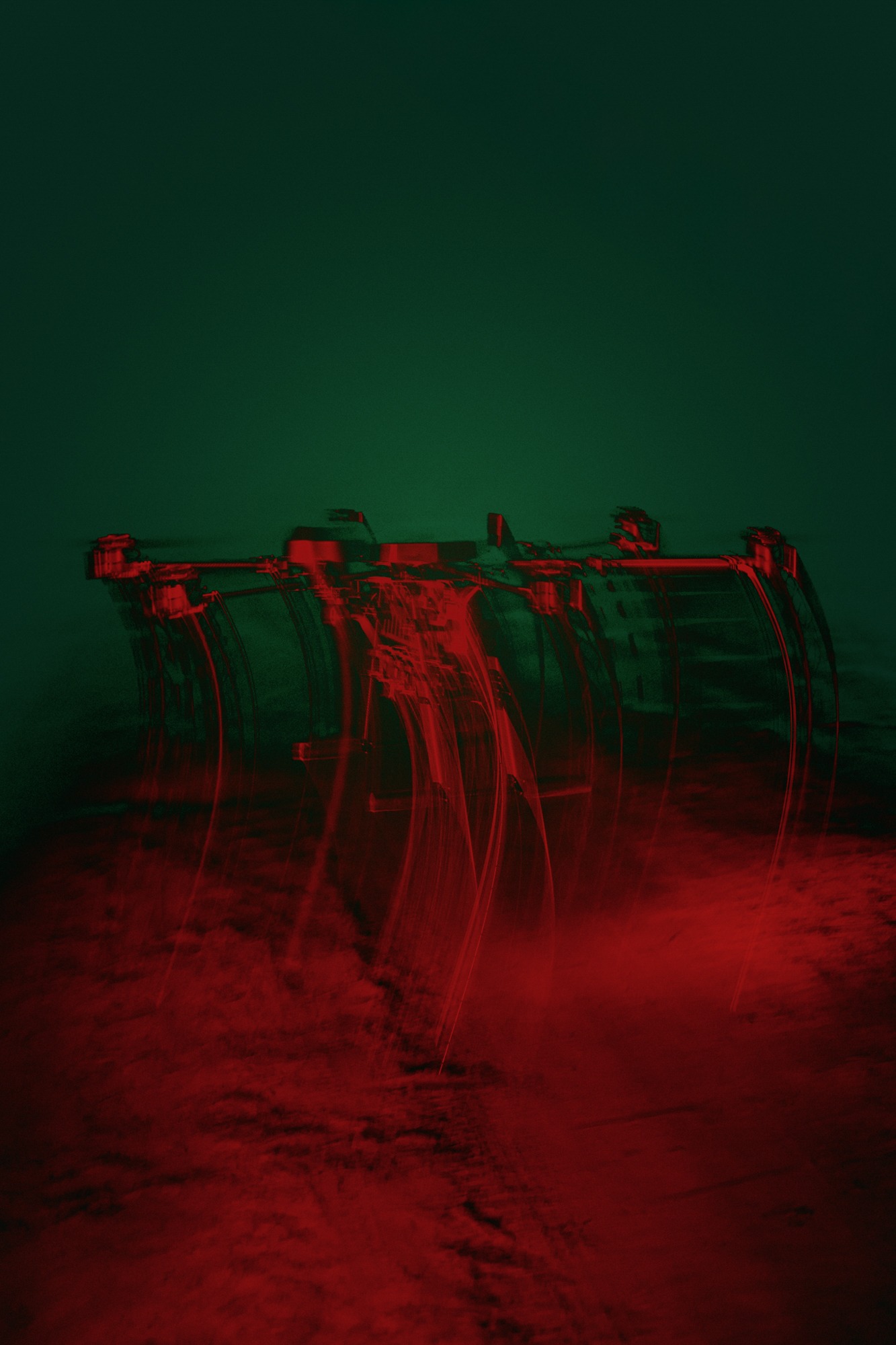
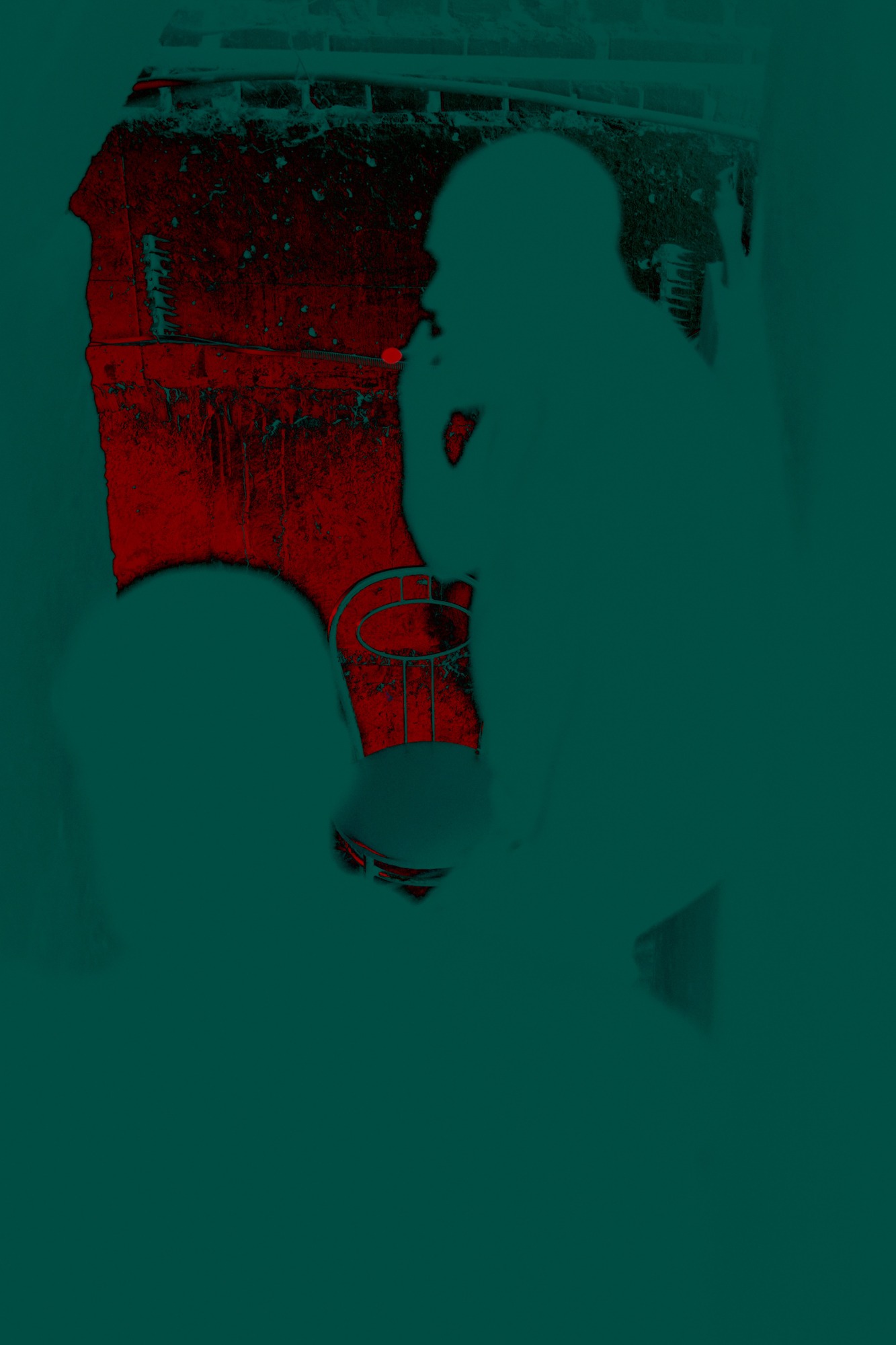
The idea fully materialized at a firing range during a training exercise before an assault. Darkness was falling fast, and my camera settings were pushed to the limit. I decided to slow the shutter speed down—to about 1/4 of a second—and moved the camera rhythmically to capture what little light remained. During post-processing, I noticed the effect and thought to myself: "Stop. This is it."
I continued shooting this way, but it remained a separate folder on my computer, set aside for better times. In 2025, when we were rotated to the second line, I finally found time to work through the archive. It started with aesthetic discovery: I found a distinct visual language, and through that form, I uncovered the underlying meaning I wanted to convey—the transformations occurring within me and my comrades from 2024 through 2026.
At first, I only showed these images to my girlfriend—she studied art history and is an emerging curator. She insisted: "You have to do something with this, you must give it exposure."
Then came the motivation to meet the submission deadline for the MYPH Prize, but military duties intervened—unforeseen events constantly arise in the army—so time ran out and I missed it. When I finally finalized the series, I compiled a list of about ten open calls and submitted my work. One of them happened to be Krakow Photomonth, where "Thermal Signatures" was selected.
— Did you have the opportunity to travel to the Krakow festival in person and attend the opening?
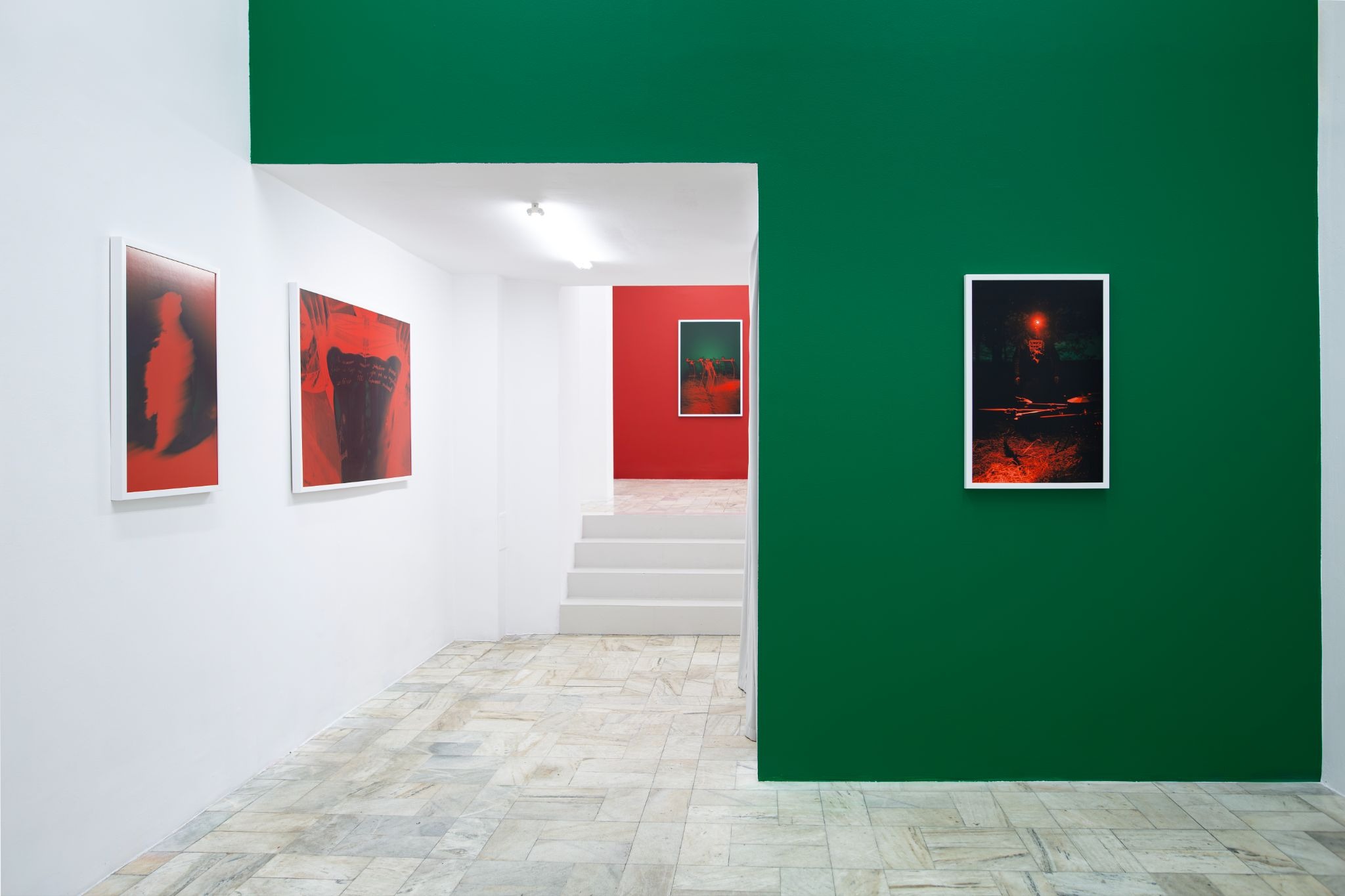
— In May of this year, I attended the opening of Krakow Photomonth. Preparation was long and meticulous. In the ShowOFF section, where my work was featured—a platform dedicated to up-and-coming photographers—each participant was allocated an individual space for a full solo exhibition within the festival. The organizers assigned a curator to every participant to assist with all stages. My curator was Tobias Zielony. To be honest, I hadn't heard of him before. Later, I learned he is a renowned artist with a wealth of insight to offer. Tobias was an incredible curator and photographer who provided immense help in setting up the exhibition. Thanks to the festival, I managed to go on leave abroad for the first time in a long time—it was an unforgettable, remarkable experience.
— It is interesting how your work resonated with an international audience. What feedback did you receive from visitors in Krakow? How do people living in a peaceful environment react to such visual documentation of war?
— The audience's reaction genuinely surprised me. I anticipated that my project might evoke resistance, as its palette and forms feel somewhat aggressive, immediately signaling danger and conflict. Instead, I received overwhelming positive feedback. People came up—mostly Poles and Germans—saying how deeply moving the series was. One moment stood out vividly: a woman, who I believe was the wife of one of the gallery co-founders where I exhibited, walked up to me and said, "Thank you for protecting my children."
Another encounter occurred at an exhibition displaying traditional Western photography, typical for European art spaces. A 60-year-old German artist approached me and said: "Listen, I'm looking at all this, but I keep thinking back to your project. And I wonder: what should I tell my children?" I was surprised, and he continued: "I have three sons. How do I explain to them that they might have to join the army and defend Germany? Yesterday I saw your work, and I'm still thinking about how to talk to them about this. Why isn't anyone listening to you, and why aren't we preparing for war?" He was profoundly disturbed by this realization.
I didn't expect such emotional depth. I assumed I would hear polite generalities or comments on the novel visual aesthetic. However, seeing people deeply moved and seriously reflecting on their own future, on how to live and protect their families—that was a revelation for me.
It was crucial for me that this project did not frame Ukrainians as victims. It is about defense and active resistance. That, I believe, is why it stirred such associations. Every day during the festival, I personally guided tours, explaining this core idea.
I explained why the project was rendered in this specific aesthetic and color palette. It is my attempt to convey what it feels like to be inside the war. What are those feelings? On one hand, there is constant peril, the awareness that you could be killed at any moment. We lived under relentless shelling—guided aerial bombs, Grad rockets—a vast array of threats capable of taking a life in an instant. Yet on the other hand, there is an extraordinary sense of euphoria from knowing you are in the right place with the right people. This feeling is so intense it becomes almost addictive. Even now, spending most of my time away from the front line, I miss it.
Beyond the danger, there is a clear understanding: we are on our own land, and we hunt as well. If we are hunted daily, we hunt them back in equal measure. It was essential for me to convey to people abroad that we are not passive victims of circumstances, but active participants and creators of this resistance. And on the opposing side, the enemy feels that danger too—and that dread will only grow.
— Given your cinematic background, where visuals are intrinsically linked with audio, have you thought about what music or soundtrack should play in the background when a viewer engages with "Thermal Signatures"? What does this story sound like?
— Yes, there is a specific track. The entire time I was building the series, selecting and editing shots, I was obsessed with one album. It's "Eye of Delirious" by Ukrainian musician Hanna Bryzhata, who releases solo electronic music under the project Bryozone and plays in the surf-rock band Chillera. Her niche, immersive ambient music inspired me deeply. I would love to meet her in person someday just to thank her for that record.
— We discussed international audiences, but how do people closer to home perceive your work? Have your comrades seen "Thermal Signatures"? What was their reaction?
— My comrades have seen the project and support it. They generally approve of such creative experimentation. Numerous operational restrictions constantly arise, which partly explains why I approached the material in this specific visual style—primarily due to operational security.
A few years ago, I often wondered how to find my own style, comparing myself to others and feeling uncertain. Now, my fellow soldiers in the unit tell me: "Do it in your style." That feels rewarding.
— You are directly involved in the war while actively working with photography. What role does it play for you in this context? Does it serve as a psychological coping mechanism, or did photography bring you closer to danger and human suffering in the first place?
— I feel I am exactly where I belong. By engaging in this work, I arrived precisely at the place I always wanted to be. When I am working, surrounded by tasks, travel, and meetings, I feel complete and fulfilled. This process has a therapeutic effect on everyone involved—it serves as therapy both for me and for the people I document. I am not merely taking pictures; I am constantly talking with them and conducting interviews for our photo stories. For me, it is a unique privilege to meet so many people, record their faces and destinies, and preserve archives during this historic period.
— Why do you continue to find meaning in photography, and what gives you the strength and inspiration to keep shooting?
— I believe I do this primarily for myself. I cannot claim that it alters lives or globally changes the situation. However, I need this journey to understand who I am and why I am here. It is a way to navigate all the defining stages of our country and its people.
When I was living abroad, I clearly understood: I could not miss this, nor could I allow myself to remain there. I had to return. I believed it was critically important, regardless of what might happen to me.
Photography is simply the medium through which I express what is taking place. I don't define myself strictly as a traditional documentarian, nor do I present things purely through a documentary lens. It is more of an attempt to conceptualize events, process them internally, and convey my own narrative—perhaps through others, alongside others, and through the photograph itself. Ultimately, it helped me gain a clearer understanding of who I am and why all of this matters.
Vitalii Herasymenko — photographer and cinematographer. Member of the Ukrainian Association of Professional Photographers (UAPP) and the MYPH art community. Laureate of the ShowOFF section at Krakow Photomonth 2026. Earned a Master's degree in Film Production from the Higher School of Cinema and Audiovisuals of Catalonia (ESCAC, Spain) and a degree in Classical Philology from Ivan Franko National University of Lviv.
Drawing on a multidisciplinary background, he builds his artistic practice at the intersection of documentary and conceptual photography. In his long-term series, he explores environments of total uncertainty: from constructing an urban legend around an elusive MacGuffin in an isolated metropolis ("Black Pearl of Beijing") to the spectral aesthetic of the front lines dictated by the "non-human" optics of modern warfare ("Thermal Signatures").
Contributors:
Interviewer: Katya Moskaliuk
Picture Editor: Vladyslav Krasnoshchok
Copy Editor: Yulia Futey