%20(750%20x%20360%20%D0%BF%D1%96%D0%BA%D1%81.)%20(2000%20x%20800%20%D0%BF%D1%96%D0%BA%D1%81.)%20(3).png)
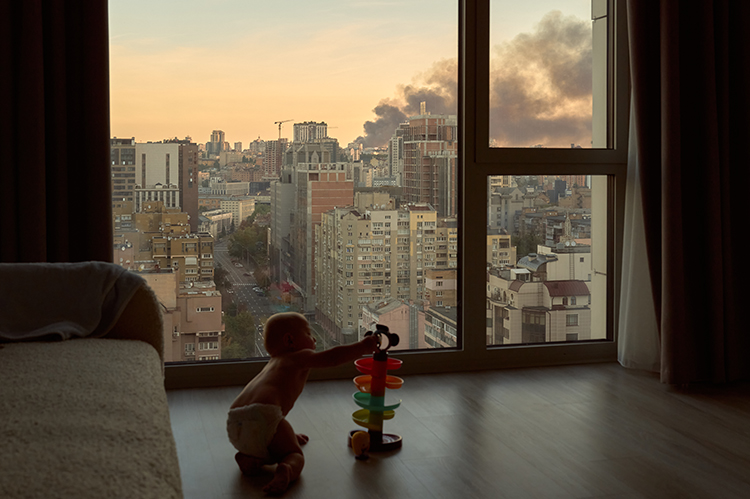
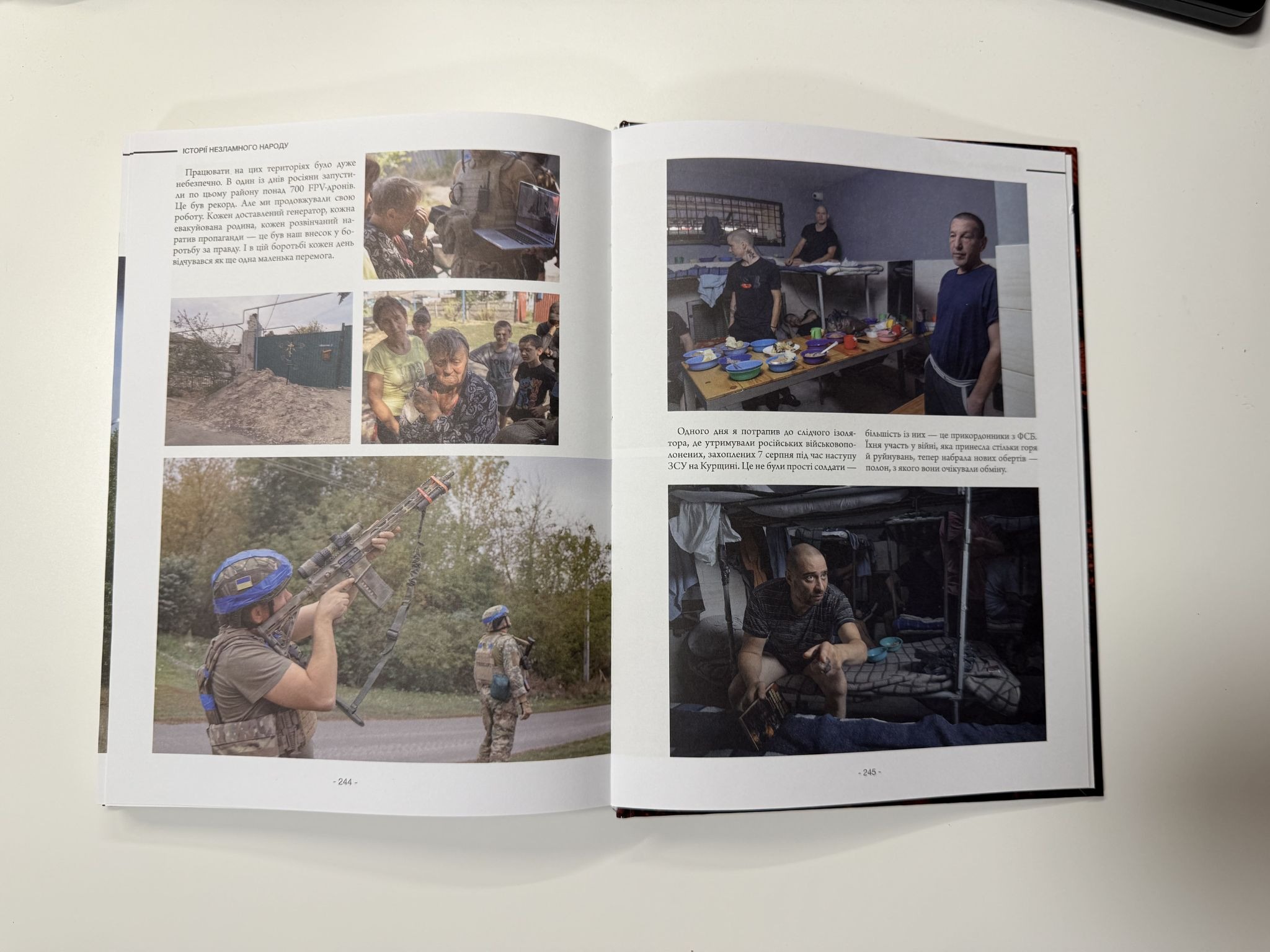
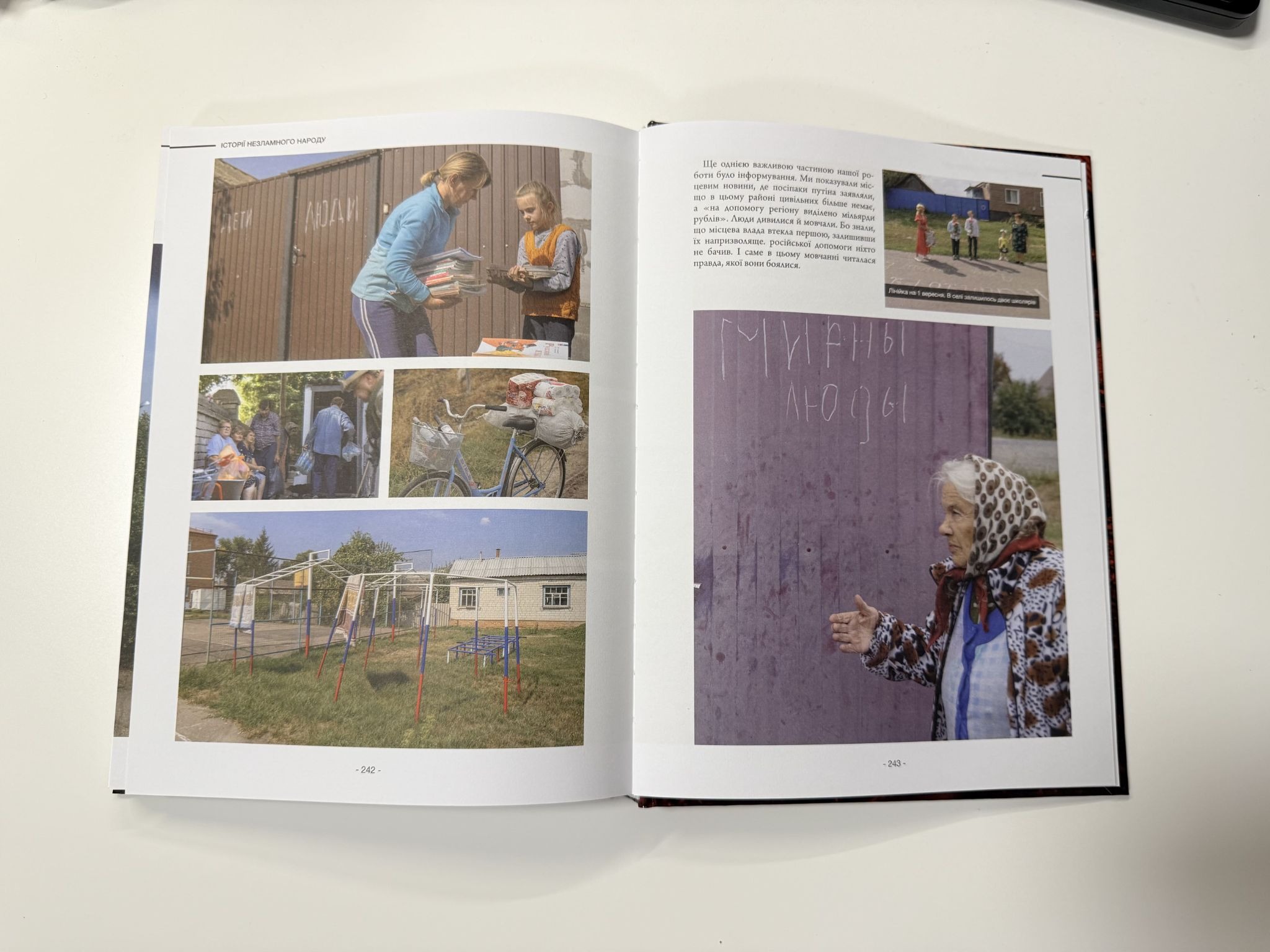
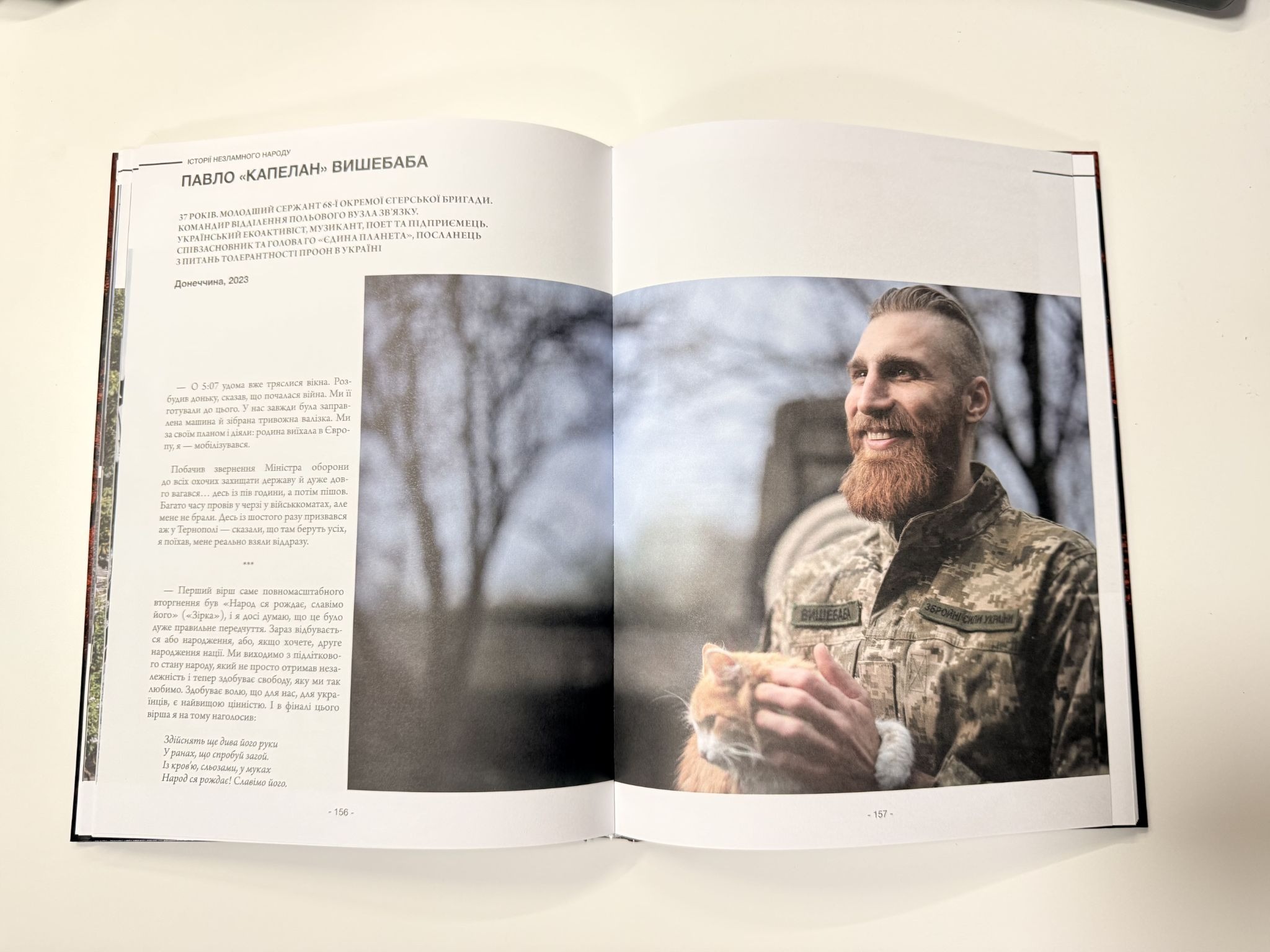
The photo book "Stories of an Unbreakable People" by Oleh Palchyk combines text essays and photographs capturing the realities of the Russian-Ukrainian war. The book tells the stories of people who, with the onset of the full-scale Russian invasion, joined the resistance—ranging from military service to volunteering. The author acts not just as a chronicler, but as a direct participant in the events. He seeks answers to questions about the origins of Ukrainian resilience, integrating his personal experience into the narrative.
Oleh Palchyk spoke about the heroes of his book, the nuances of combining text and visual language, and the quest to find the answer to why Ukrainians remain unbreakable.
– Your book "Stories of an Unbreakable People" combines photographs, narratives, and essays. What came first—the idea to write people’s stories or the shots that demanded stories? When did you decide to create a photo book?
Initially, I took photographs exclusively for social media, but over time, I wanted to convey the thoughts of the people I was photographing to the audience. I started adding quotes from our conversations and short life episodes to the photos. Later, this evolved into a full-fledged interview format: I took a recorder and began documenting my subjects not just for posts, but for more cohesive stories.
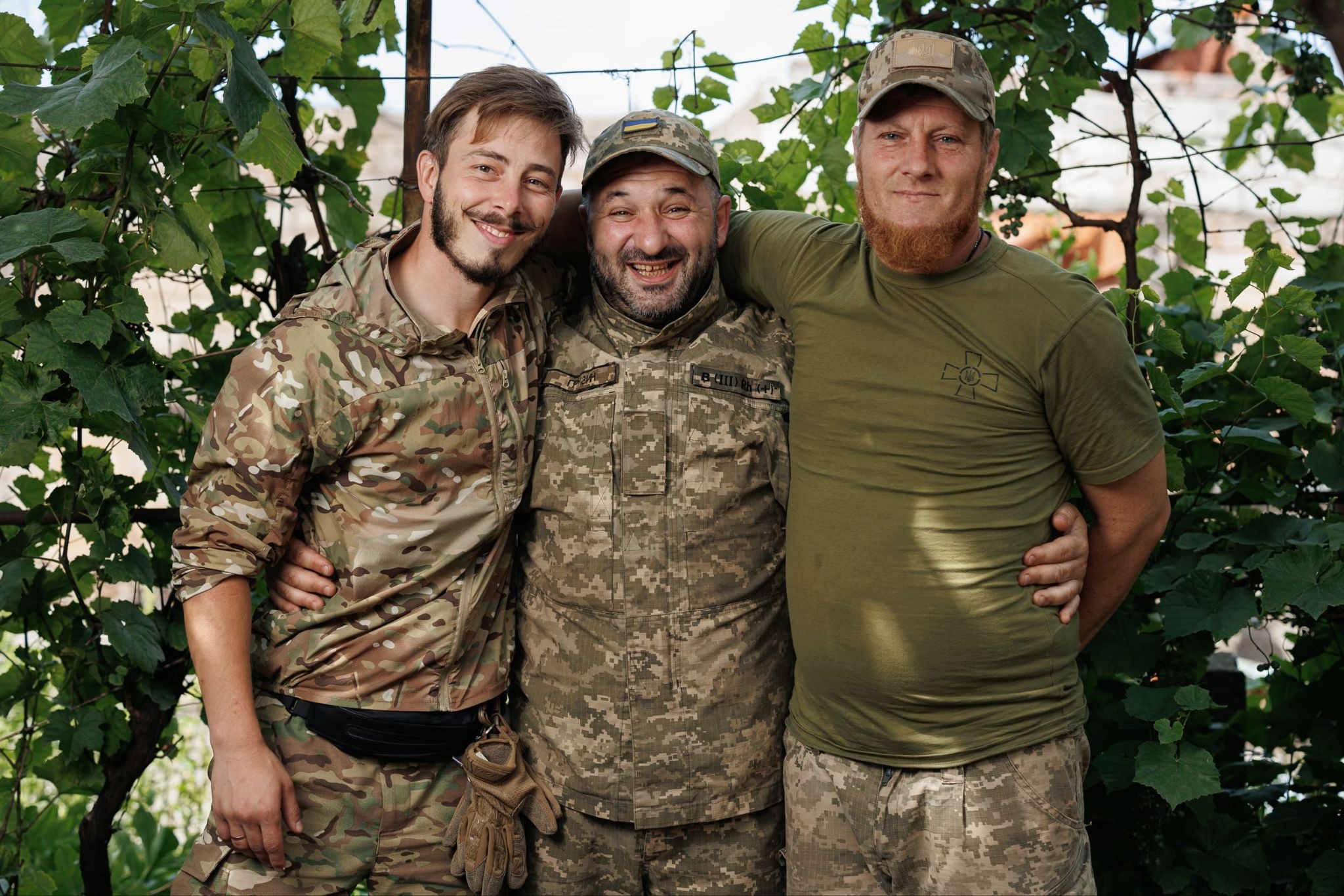
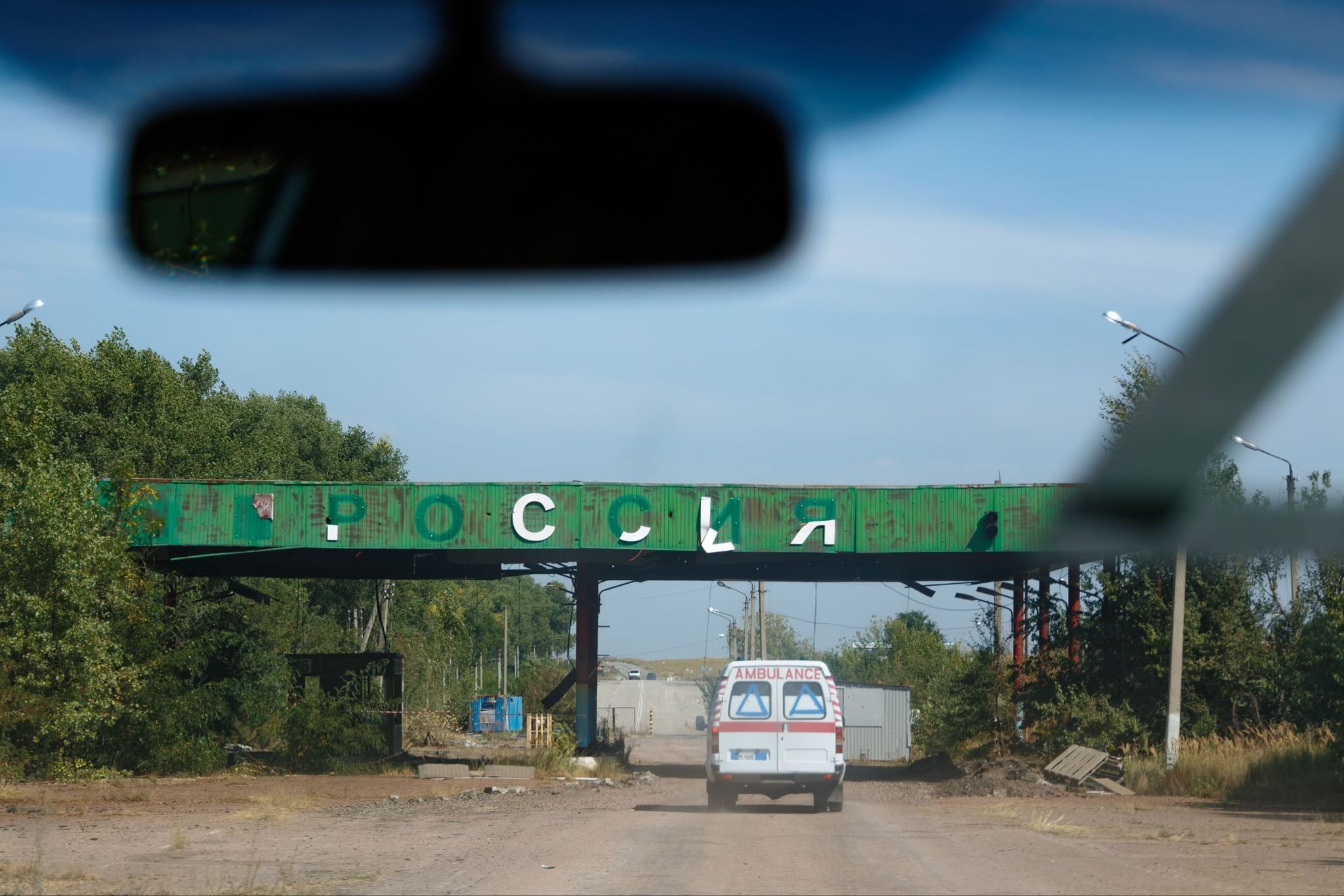
At some point, the material accumulated so much that I decided to assemble it into something more tangible than digital imprints on the internet. This happened in 2023. Since then, I have continued gathering material, but already with a specific goal—to release a book consisting of approximately 50% text and 50% photo illustrations, as I am, after all, a documentary photographer. I added several frontline stories of my own and, through these essays, attempted to answer the same questions I had asked my subjects. That is how this book took shape.
– What was more difficult: experiencing these events firsthand or later choosing the right words to capture them on paper? How do the texts and photographs combine in the book?
Choosing the right words was harder. I had to consider censorship so that the book would not fall into the 18+ category, remaining accessible to all audiences. I also had to remove many security-related details, because "smoking break" conversations are one thing, and public text is quite another. Unfortunately, due to this censorship, some of the "vibe" was slightly lost, and perhaps some episodes became less engaging than they were in real life.
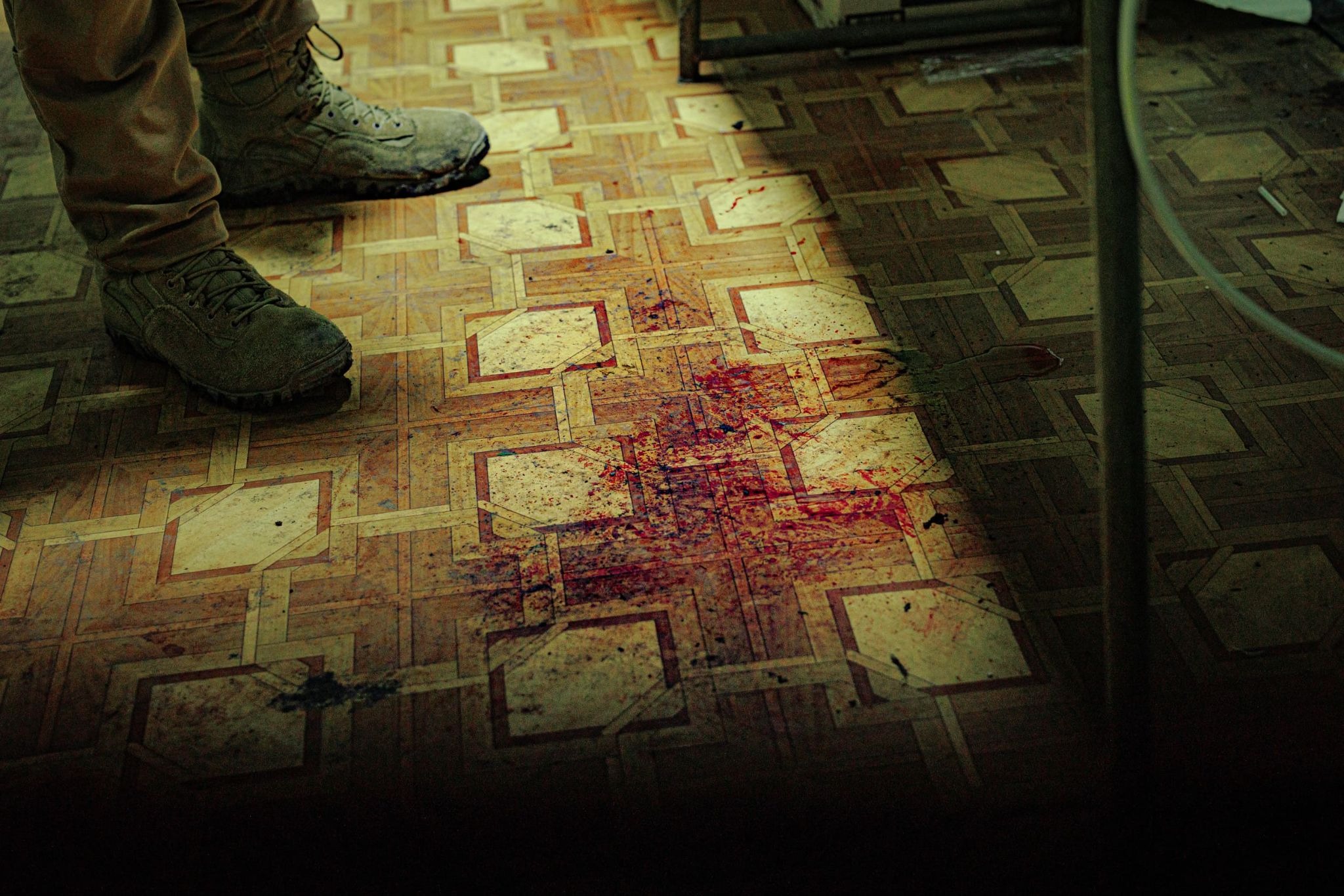
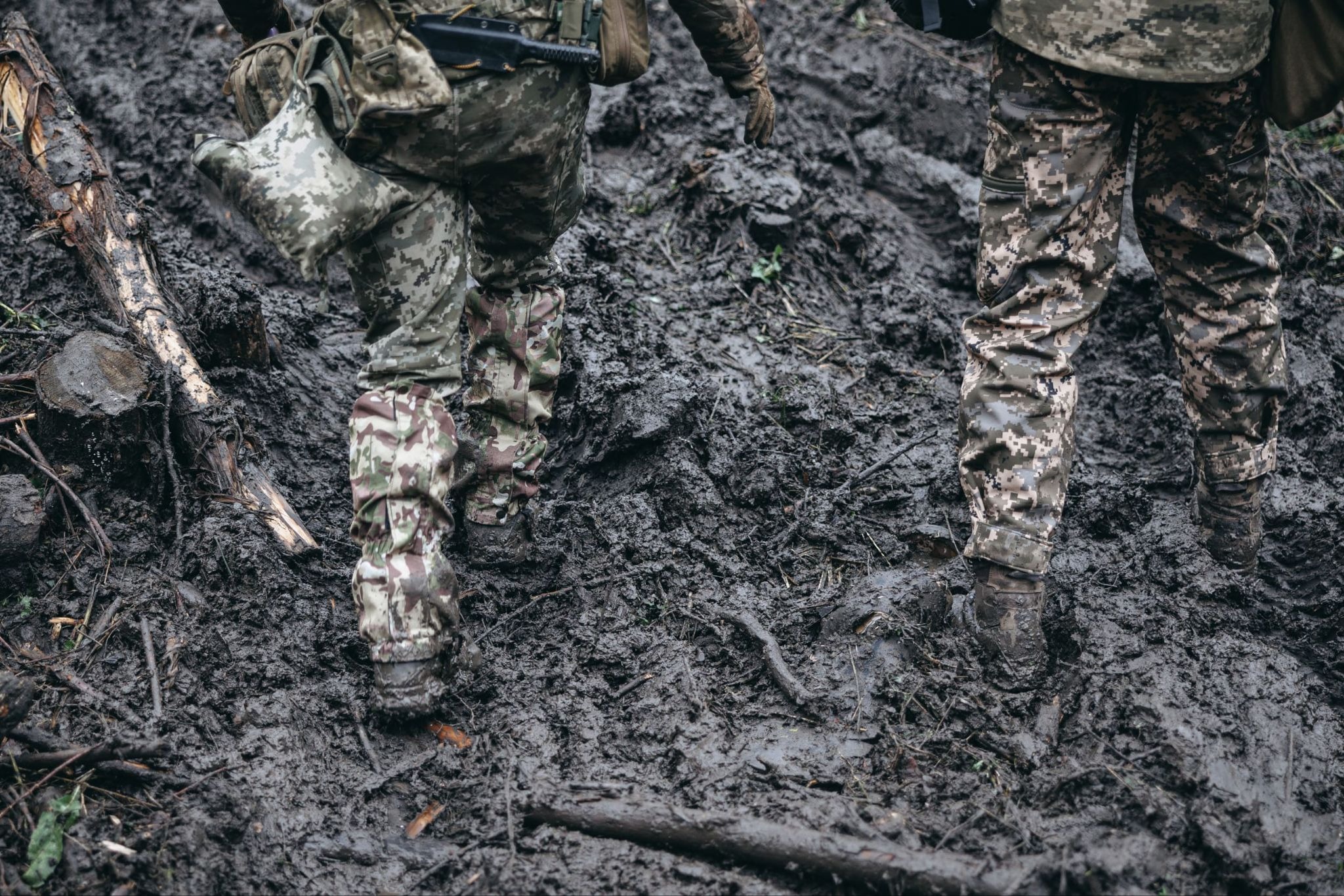
– When exactly did the title for this book emerge? How relevant does it remain for you now?
The title emerged almost immediately after the concept for the book appeared. For me, it remains relevant to this day. We tried many times to give it a different title—discussing various options with editors and the publisher—but none sounded quite as accurate. Every one of them was missing something. So, for me, the title of this book is the quintessence of its content.
– The book seeks to answer the question: "Why do Ukrainians remain unbreakable?". Which of the heroes' answers struck you personally? What answer did you find for yourself while working on the project?
The book is specifically about the phenomenon of Ukrainian resistance and modern Ukrainian passionarity. What struck me was not so much individual answers, but the fact that all the heroes, in essence, spoke about the same thing—why they, being completely civilian people, ended up in the army on February 24th. These were different people: of different ages, genders, social statuses, and from different parts of Ukraine, but their thoughts turned out to be very similar. I currently feel a strong lack of the unity in society that once led all these people to the military.
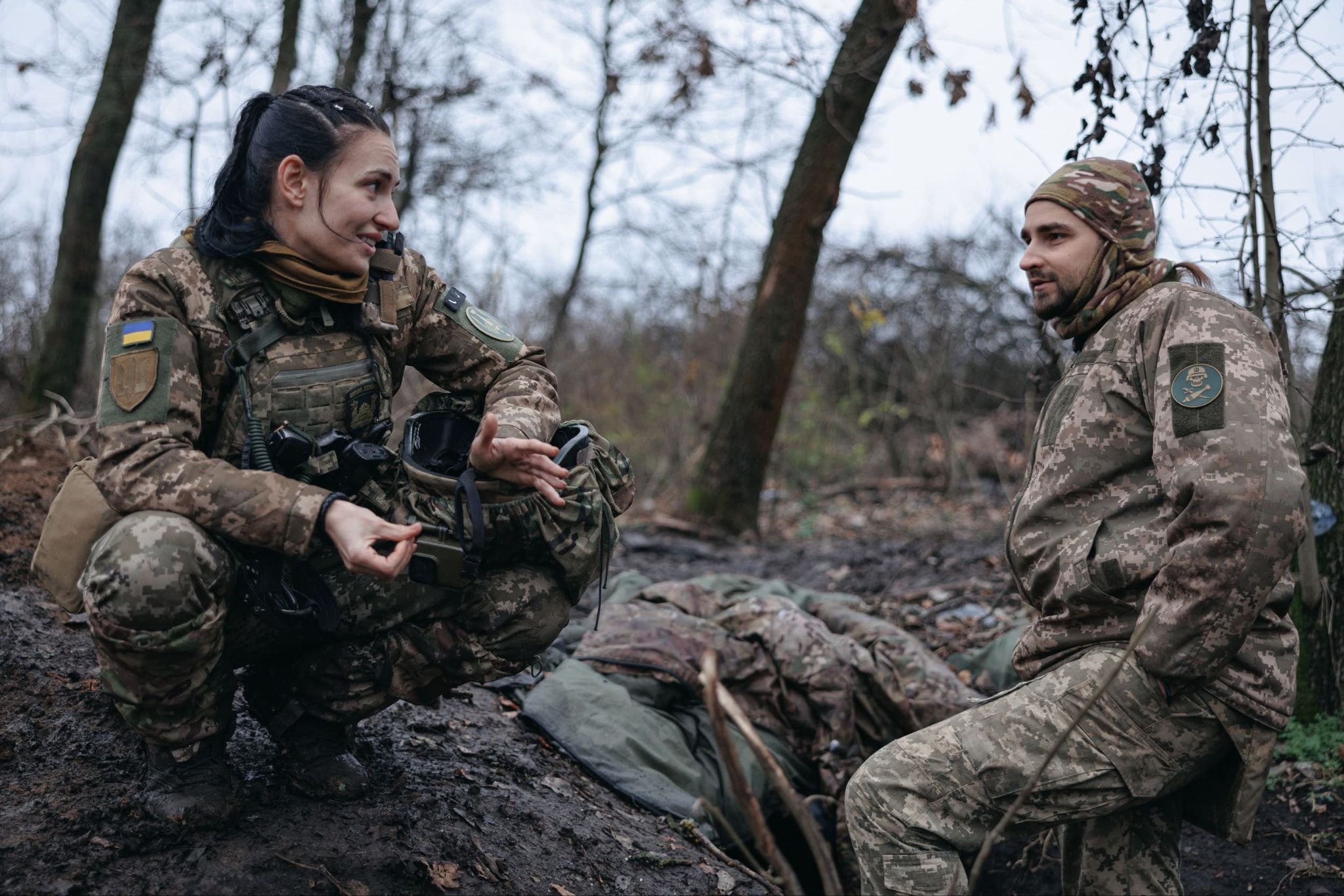
– Before the full-scale invasion, you did a lot of commercial, advertising, and reportage photography. How has your visual style and approach to the frame changed in the conditions of combat?
In frontline shooting conditions, I use my entire wealth of knowledge and skills accumulated over many years. I combine reportage photography with certain technical techniques from advertising photography, borrow a bit from wedding photography, and take something from film photography. In this direction, one must constantly evolve because photos of the military evoked strong emotions in society in 2022–2023, but now it is very difficult to break through "banner blindness" with documentary photography. Everyone has become accustomed to everything; there is a lot of homogeneous military content around. That is why I always try to invent something new to capture attention. Fortunately, my commander trusts me in this and always supports me.
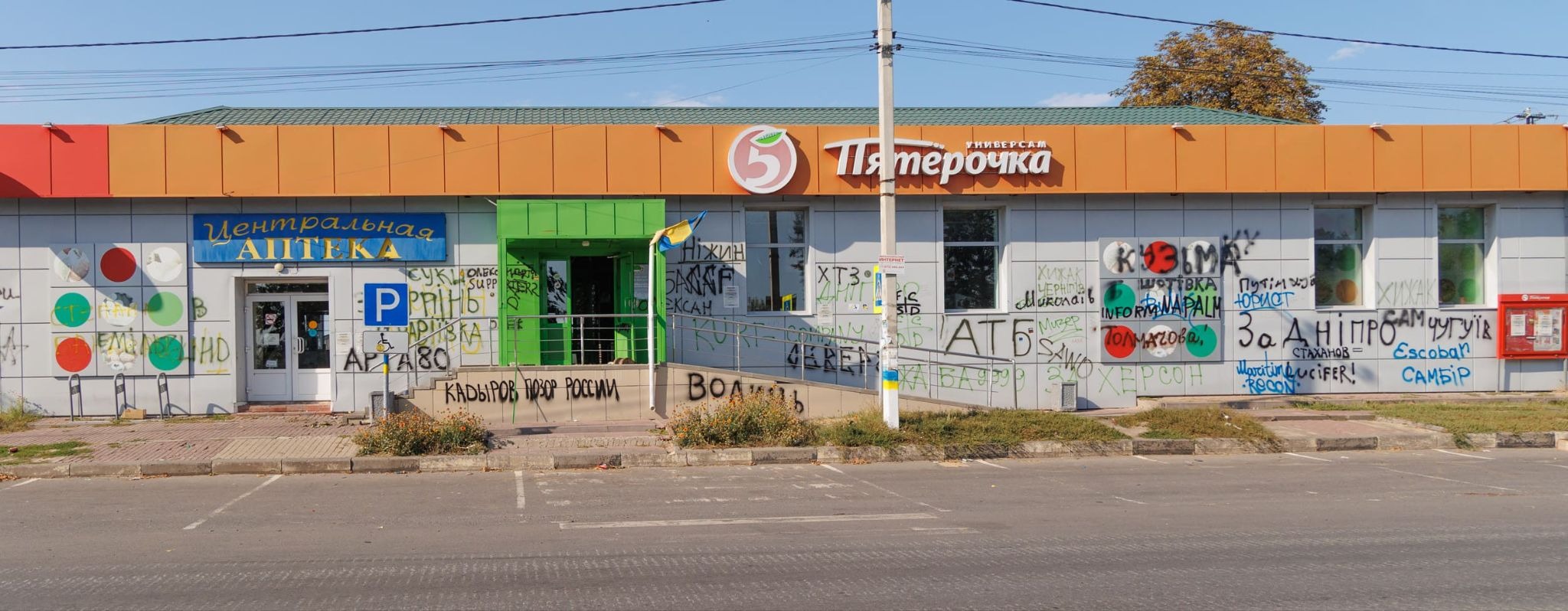
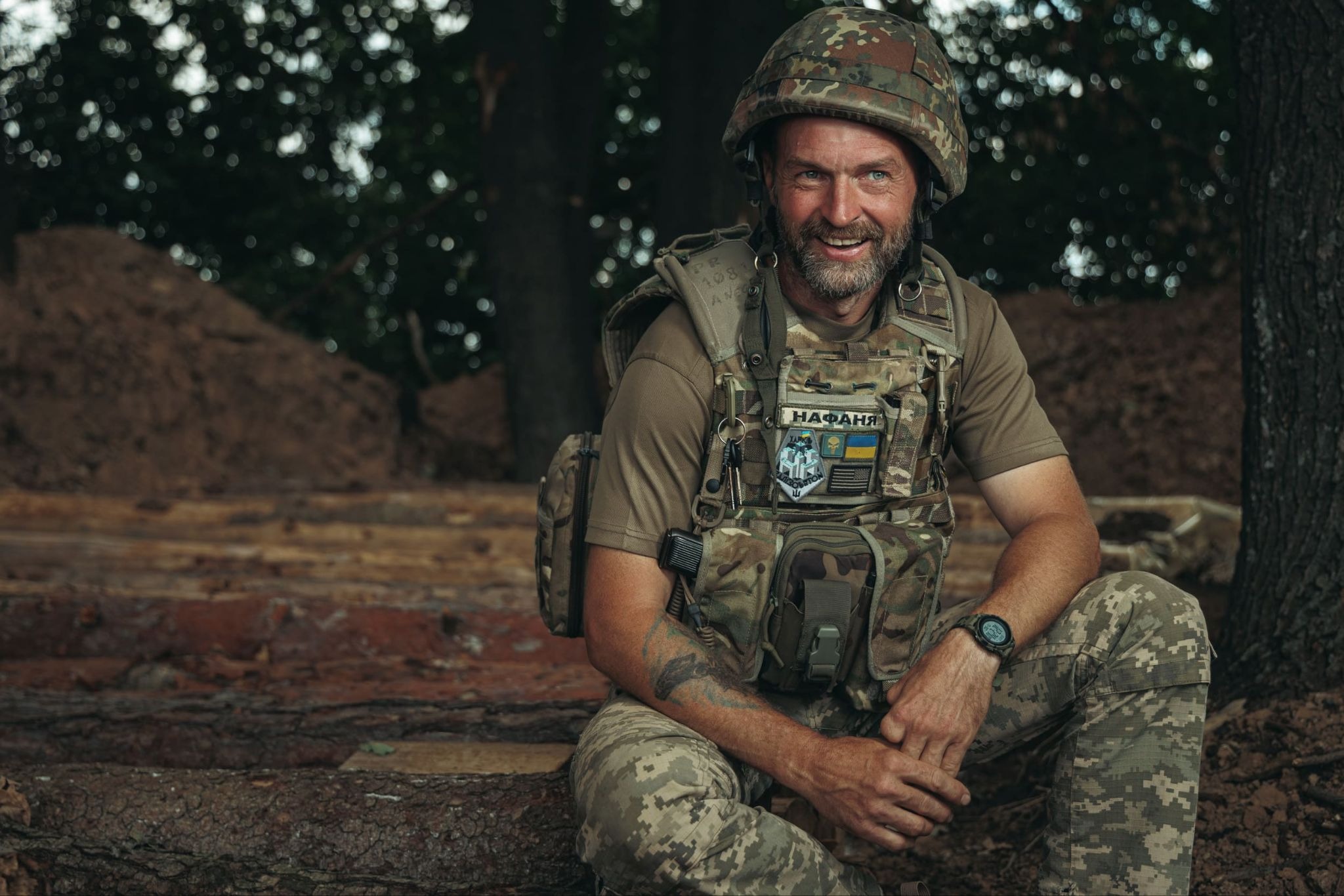
– You wrote: "Everything I manage to grasp with my lens and heart, I preserve as evidence for the future." How do you manage to balance between the work of a soldier and a documentary photographer?
It is very simple: I was brought into service precisely for my skills—to do what I do best and better than others. It is almost the same as in civilian shoots, only instead of a producer, there is a commander; instead of assistants, there are brothers-in-arms; and instead of actors, there are real soldiers.
– How did you choose the heroes for your book among thousands of stories of defenders, volunteers, and artists?
I tried to encompass the entire spectrum of people participating in the defense of the country. Therefore, the book includes volunteers, people of art, and representatives of other fields—not only, and not so much, the military. I wanted to show a cross-section of society.
If we arrived in a unit for a week or two, I was in no rush to shoot immediately. First, I just talked to understand what kind of person they are, whether they truly were where few people go and saw what most have not seen. It was important for me to talk to the primary source. Does the person have something to tell? Do they want to share this with me? And only then would I ask for photos and an interview. Sometimes this happened during the second or even third visit to the same place.
– Are there people among the book's heroes whose internal transformational leap struck you the most?
Yes, and perhaps what struck me the most was that these changes were common to all of us—to everyone who chose this path. We passed through very different states: from euphoria to acceptance, from losses to very simple but genuine joys. Here, at the war, many of us not only changed—many truly began to live for the first time. Consciously, acutely, without falsehood. And, as paradoxical as it may sound, it is here that you very often discover within yourself what you had not noticed before in peaceful life.
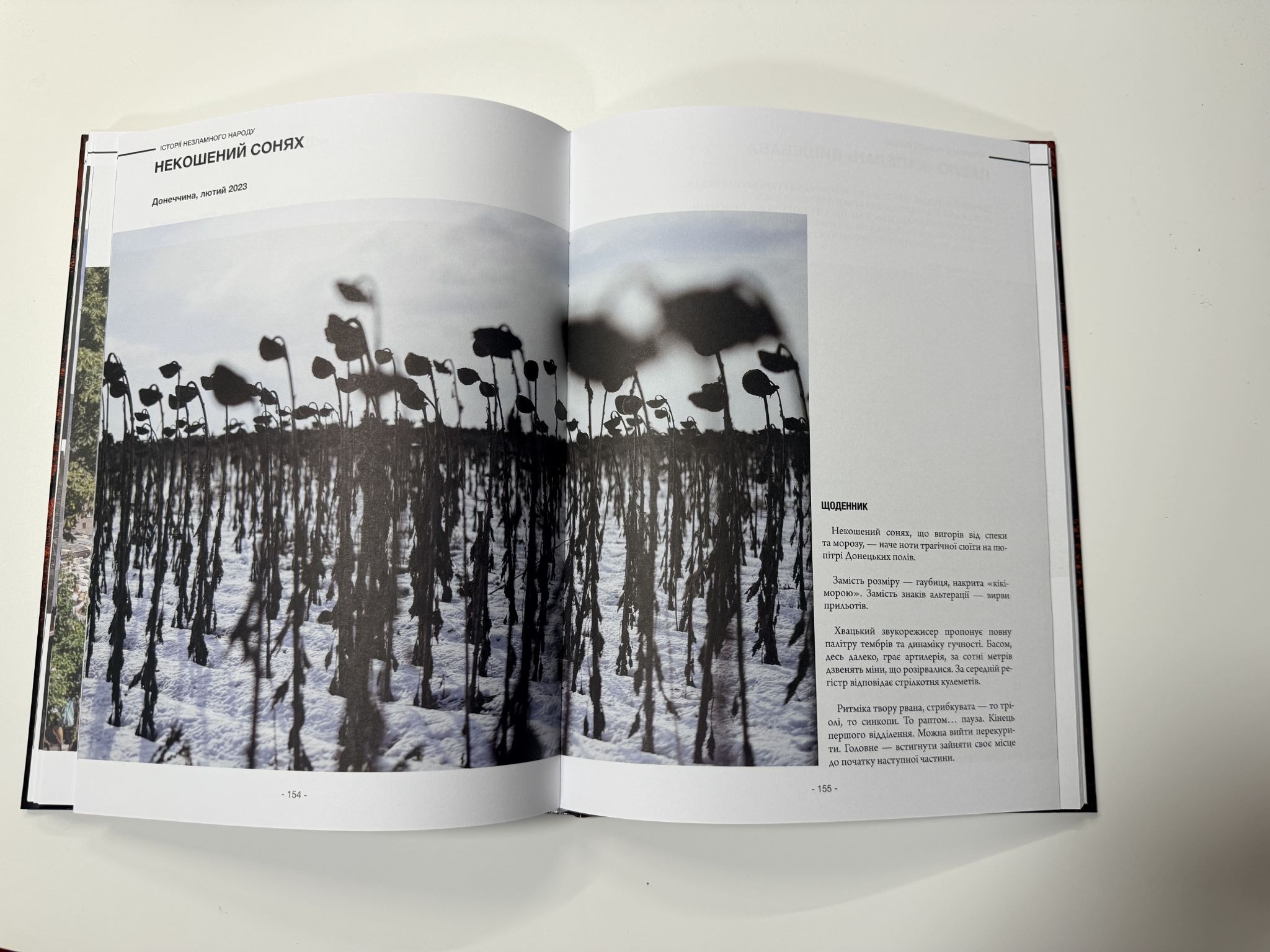
– How did you convey the character of the heroes through the visual language of photography? What was most important to you when shooting portraits?
If there was an opportunity, I always tried to show the person from several planes: in a staged portrait, in a reportage style, in motion, and in action. Because in a static frame, you see one state, but in a live moment—an entirely different truth about the person. That is exactly how a holistic, volumetric perception is formed: not about an image, but about character.
– Your heroes are people who have endured losses, occupation, and fear, but have not broken. How did you manage to establish contact with them so they would share their stories?
In most cases, the heroes were happy to make contact. It was important for them that someone hear their story and truly hear it attentively. Even just to speak out again about what happened to them was important for many and, perhaps, even slightly therapeutic. At some point, I realized that I was no longer just conducting an interview, but also partially performing the role of a psychotherapist—not in the literal sense, but as a person providing a space for trust, memory, and the voicing of pain.
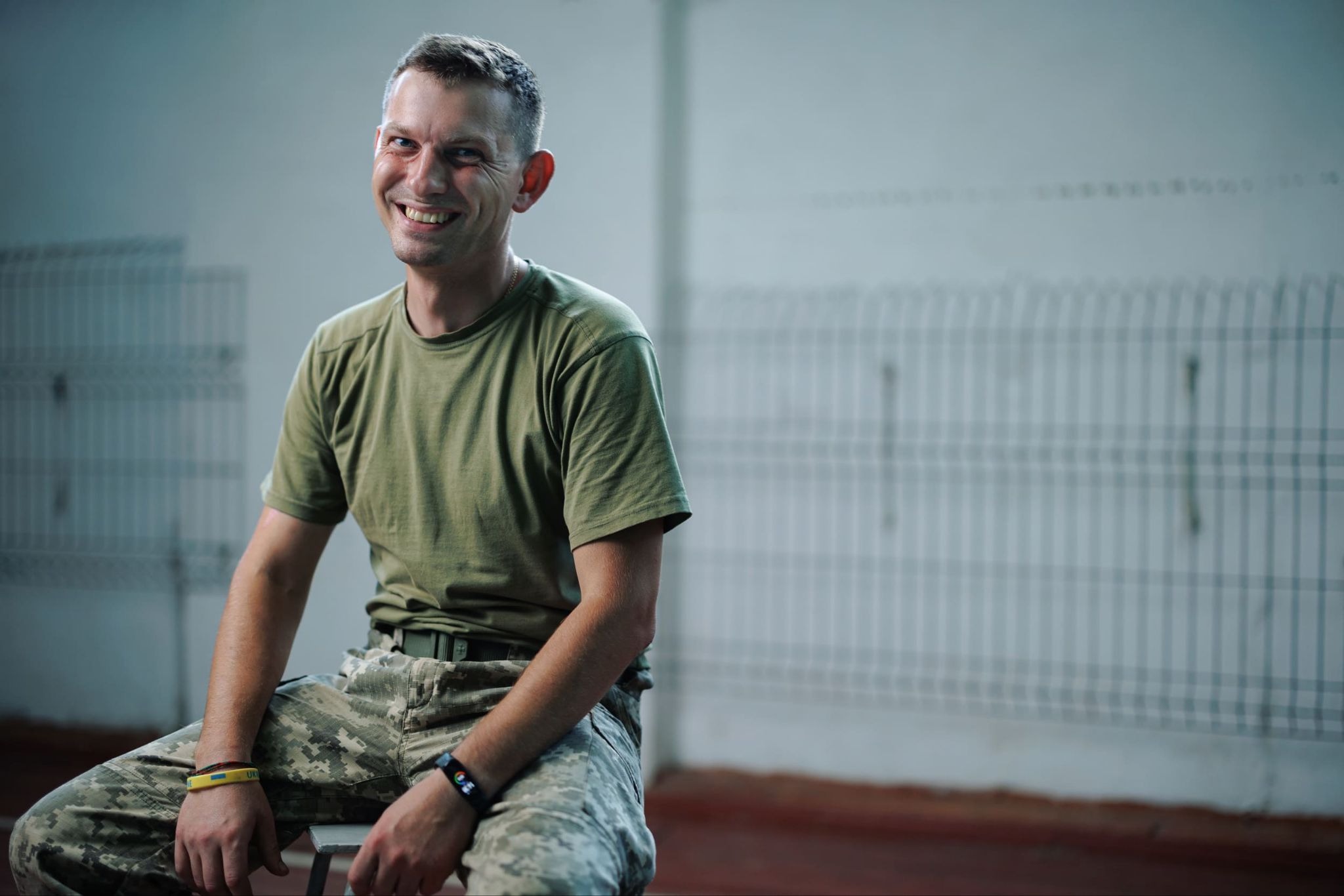
– The war, unfortunately, continues. Are there people among the book's heroes whose stories you documented in one period, but by the time the book was released, their status or fate had changed radically?
Yes, unfortunately. One of the stories described in the book ended tragically: the person died just a few days after I interviewed them. Someone received a serious injury, someone demobilized or moved to another structure. War changes human destinies very quickly, and for me, this book is also about how fragile everything we manage to capture is, and how painful it sometimes is to realize that an abyss can lie between the moment of shooting and today.
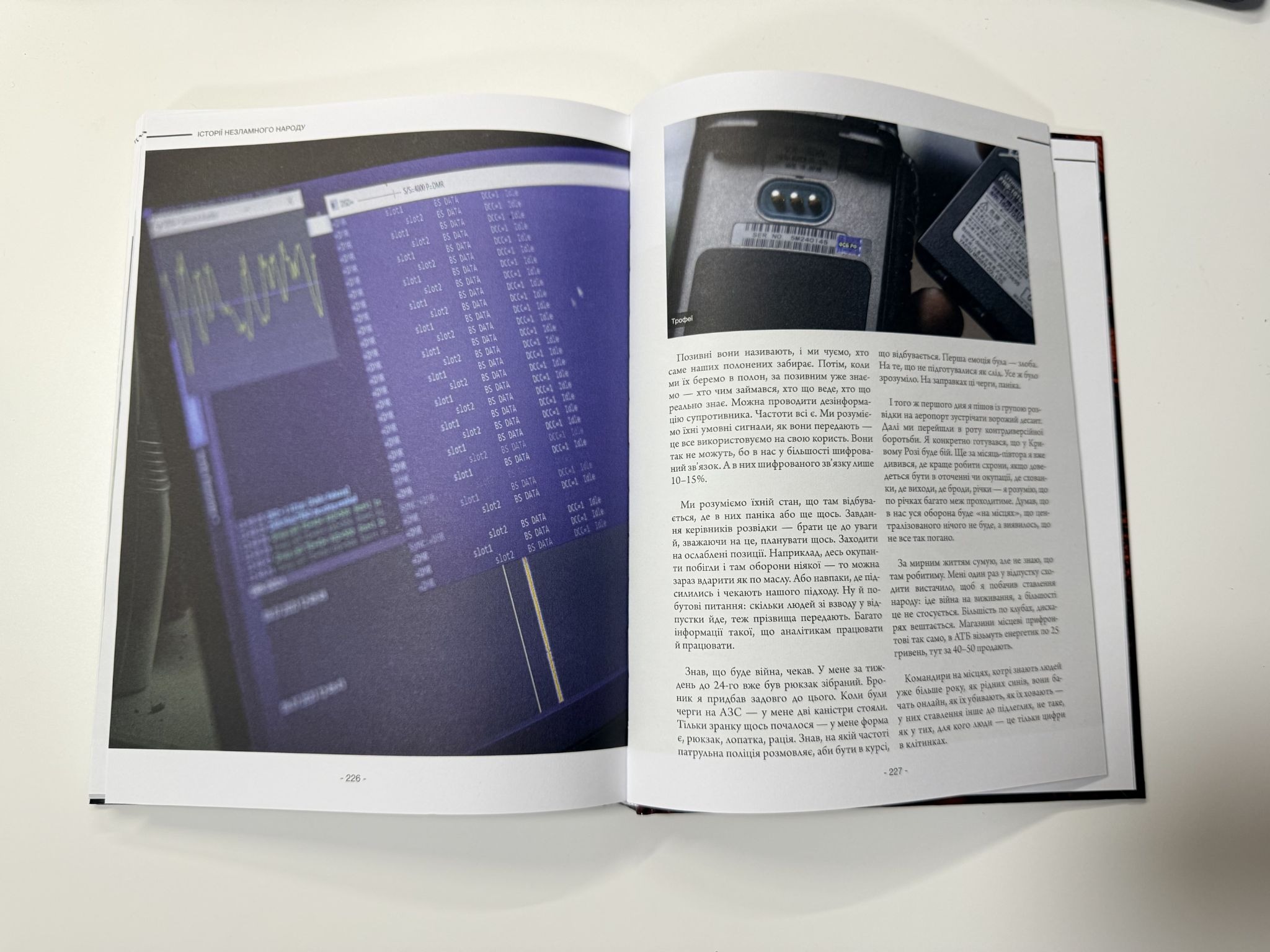
– By what criteria did you choose photographs for the photo book? Were there many discussions and versions of the final layout?
In the first draft of the manuscript, to be honest, I tried to fit my entire photo archive into the book. I wanted to show everything at once—everything most beautiful, most important, strongest. But work on the book lasted quite a long time, and I periodically returned to the layout, removing something again and again. The editors already cut almost nothing—neither in the text nor in the photos. The only thing we did was reduce the size of many photos so that the book would fit into the required number of pages.
– What audience is the book intended for? Who is its viewer? In your opinion, why is there a need for another book about the war?
The book is intended for everyone who is still capable of seeing reality rather than living in neo-Soviet myths. In my childhood, I devoured books about the Second World War, about heroism, about feats—but as an adult, I realized that a great deal of it was not history, but propaganda fiction of the "country of the soviets." Later, from veterans, I heard a completely different truth—one that was simply thrown out of those books.
That is precisely why I wanted to make my own, Ukrainian propaganda (in the normal sense of this word)—but based on real people, real events, and real actions. Not on cardboard heroes from textbooks, but on those who truly went through the war.
I really want children to read this book and grow up with the understanding of who the enemy is here and who is defending their land. So that on the day when (not "if," but specifically "when") Russia crawls here again, they will not be lost, will not look for excuses, and will not repeat our mistake, but will immediately give them a good kick. We were not ready, but we stood our ground. The new generation must be ready immediately.
And likewise, I want ordinary people to read this book. Perhaps then they will stop wincing at endless fundraisers, will look at veterans differently, and will finally realize that the attitude toward the military among us is often unfair. To put it mildly.
– Is there a plan for the book to be released in foreign languages? How important is it now to show these faces abroad?
The plans included publishing the book in other languages, but so far this has not been realized. And, to be honest, it is very important. Just as with us, people in Europe need to be constantly kept informed about what is actually happening. Because Russia knows how to play this game much better than we do. Unfortunately.
That is why there must be as much of our cultural diplomacy as possible abroad—in any form, be it cinema, theater, photo exhibitions, or books. So that our partners make decisions faster. So that future generations of parliaments in Europe are less poisoned by Russian influence. Because if we do not tell about ourselves, the enemy will do it for us. And they will do it in a way that benefits them.
The material was created with the support of the British Council's "Grants for the Creative Economy" program
Oleh Palchyk — photographer, journalist, junior sergeant in the Public Relations Service of the Territorial Defense Forces of the Armed Forces of Ukraine. Since 2006, he has been professionally involved in documentary, advertising, and commercial photography.
From 2011 to 2014, he worked as a reportage photographer for the Kharkiv City Council. During 2011–2012, in the city of Kharkiv, he covered the preparation and holding of the UEFA EURO 2012 football championship. From 2016 to 2018, he worked at one of Ukraine’s largest photo production companies, PositivePictures, as a post-production designer and photographer. At various times, he collaborated with companies such as Lexus, Unicef, DCH, International Airport Kharkiv, FC Metallist, FC Shakhtar, Ahmad Tea, Toyota, McDonalds, Samsung, Phillip Morris, Procter & Gamble, and others.
He has held several solo photo exhibitions: "Impressions of Franconia" (2012), "Everyone of Us is a Warrior" (2022, Kyiv/Kontraktova Square. Collaboration with the Ukrainian Institute of National Remembrance). He participated in collective exhibitions "OstAnders Music Edition" (2012, Germany), "KyivPhotoWeek" (2017, Ukraine), "Faces of War" (2022, Ukraine), "Lengthwise in War" (2023, Ukraine-World).
As a co-author, he participated in the publication of the photo albums "Euro Holidays in Kharkov" (Kharkov, 2013) and "Kharkov sources" (Kharkov, 2013). Both were initiated and supported by the Kharkiv City Council and the Kharkiv Regional Council. The joint work of Michael Wharley (London) and Oleh Palchyk took gold in the "Portrait" category at the British Institute of Professional Photography National Awards 2018.
He has been awarded the Ministry of Defense of Ukraine's "Cross of Valor" medal, the commander of the Operational-Strategic Grouping of Troops "Tavria" medal "For Service to the State," the "Shield of the Territorial Defense Forces of the Armed Forces of Ukraine" badge, and a Certificate of Honor from the Ministry of Defense of Ukraine "For the best coverage of military topics in literature and art."
The team that worked on this material:
Topic researchers, authors of the text: Oleh Palchyk, Katya Moskaliuk
Photo editor: Marusya Maruzhenko
Literary editor: Yuliya Futey
.jpg)
.jpg)