
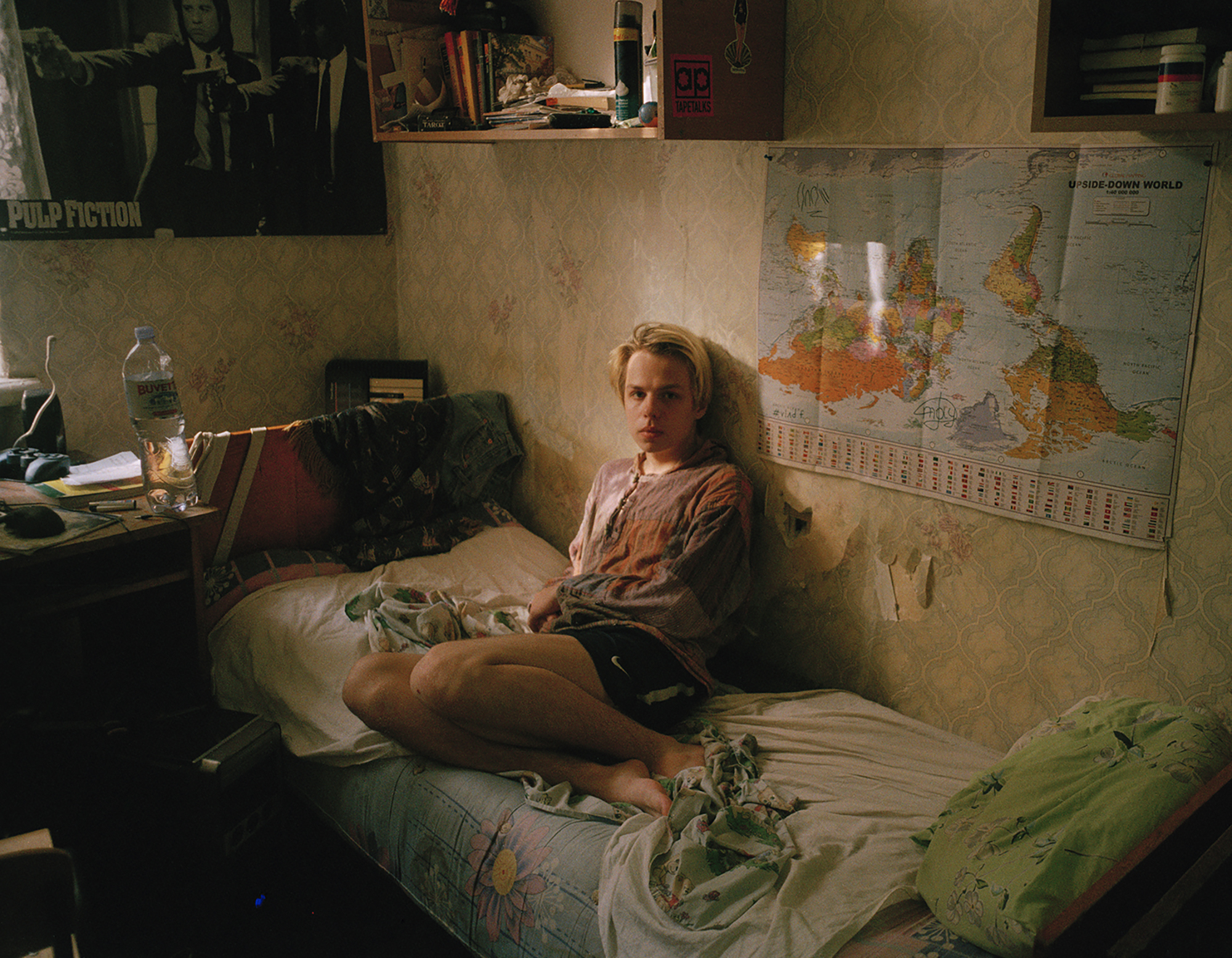
Photographer Daria Svertilova explained how she searches for ways to convey the pain of war in photographs without obvious signs of tragedy and why she does not tire of telling people who are weary of war about the conflict.
"My Working Tool is Medium Format Film Cameras"
I became interested in photography quite early—at 13. At the time, it was a popular hobby among my peers. Classmates were shooting on DSLR cameras, and I wanted to try it too. First, I borrowed my uncle's camera, and later, my grandfather gave me his "Zenit." Concurrently, I started looking into where I could study photography. I grew up in Odesa, and at that time, there were not many cultural events related to photography there. I found a photo club for teenagers, where I learned about aperture, shutter speed, and film sensitivity. The photo club in Odesa became my first step into photography.
My first film photograph was a picture of my dog. I really loved photographing my pets—a cat and a dog. Quite quickly, I started photographing my classmates. I had a few girlfriends at school, and one of them loved having her picture taken. She suggested I do a photo shoot for her. We posted the results on the popular social network at the time, where other kids from my school saw them. Since then, everyone asked me to take their picture for their profile photo. People trusted me.
After school, I enrolled at Odesa University in foreign languages, as there was no opportunity to study photography in Ukraine. Of course, there were clubs and private courses, but no university major. I saw my development in studying photography abroad. I focused on countries where this could be done for free, but in the country's language. I enrolled in the School of Decorative Arts in France. During the first year, I studied various art directions, and from the second year, I chose photography as my main specialization.
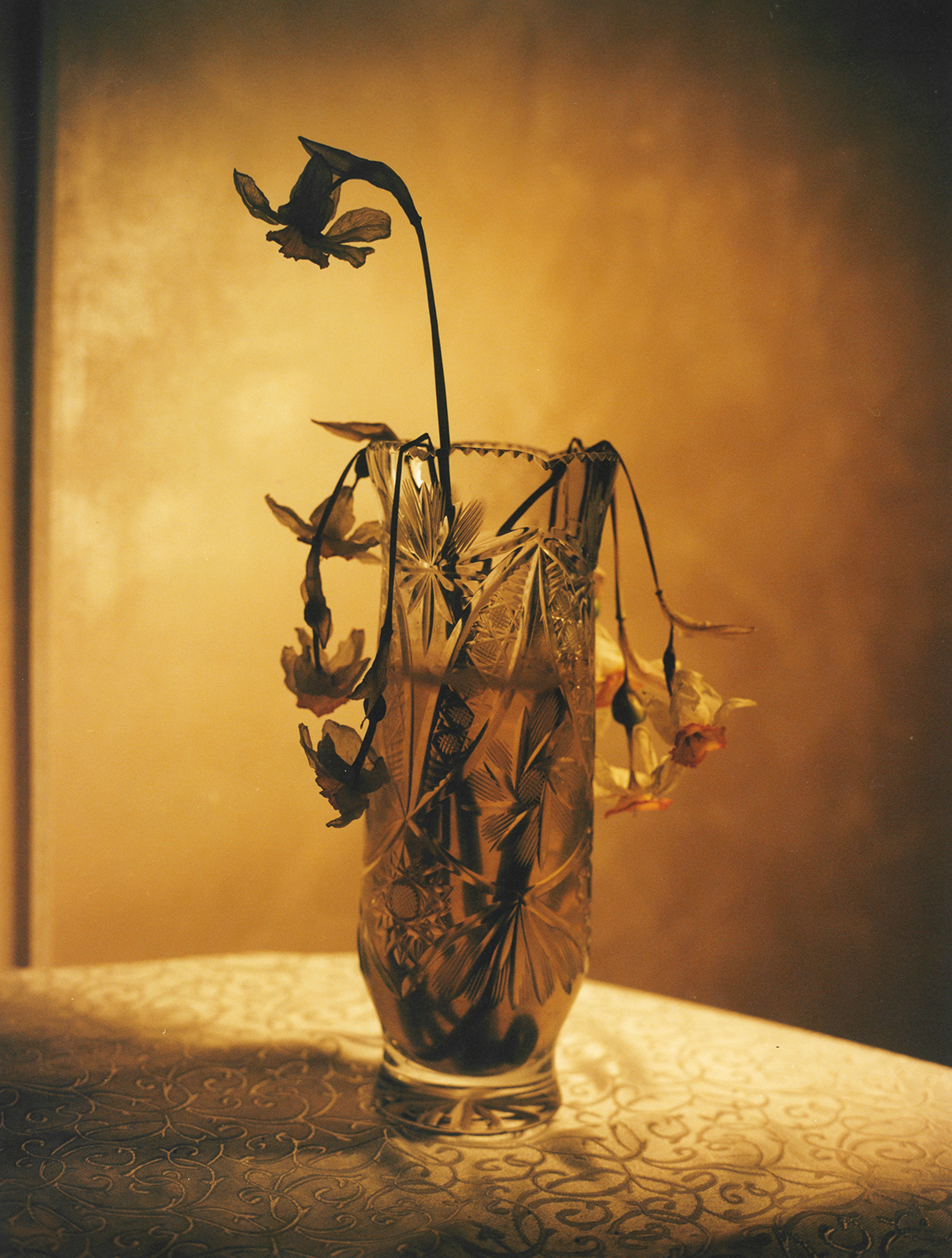
My main tool in photography is medium format film cameras. I like the process of working with them—the fewer photos you can take, the more you work on them. As a child, I was very interested in painting. And, probably, I unconsciously started looking for the materiality of painting in photography. Of course, I also shoot with a digital camera, but working with film is more comfortable for me.
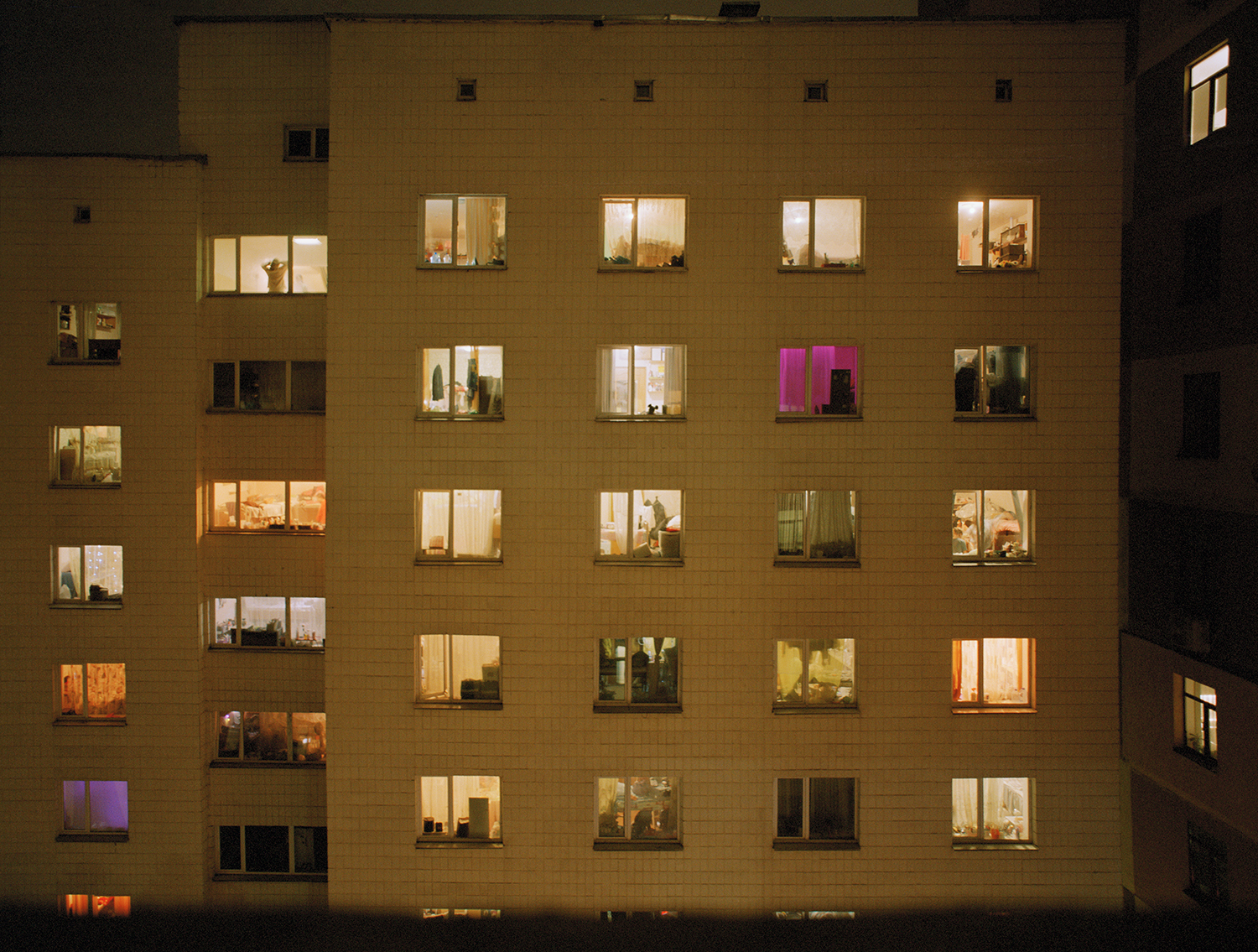
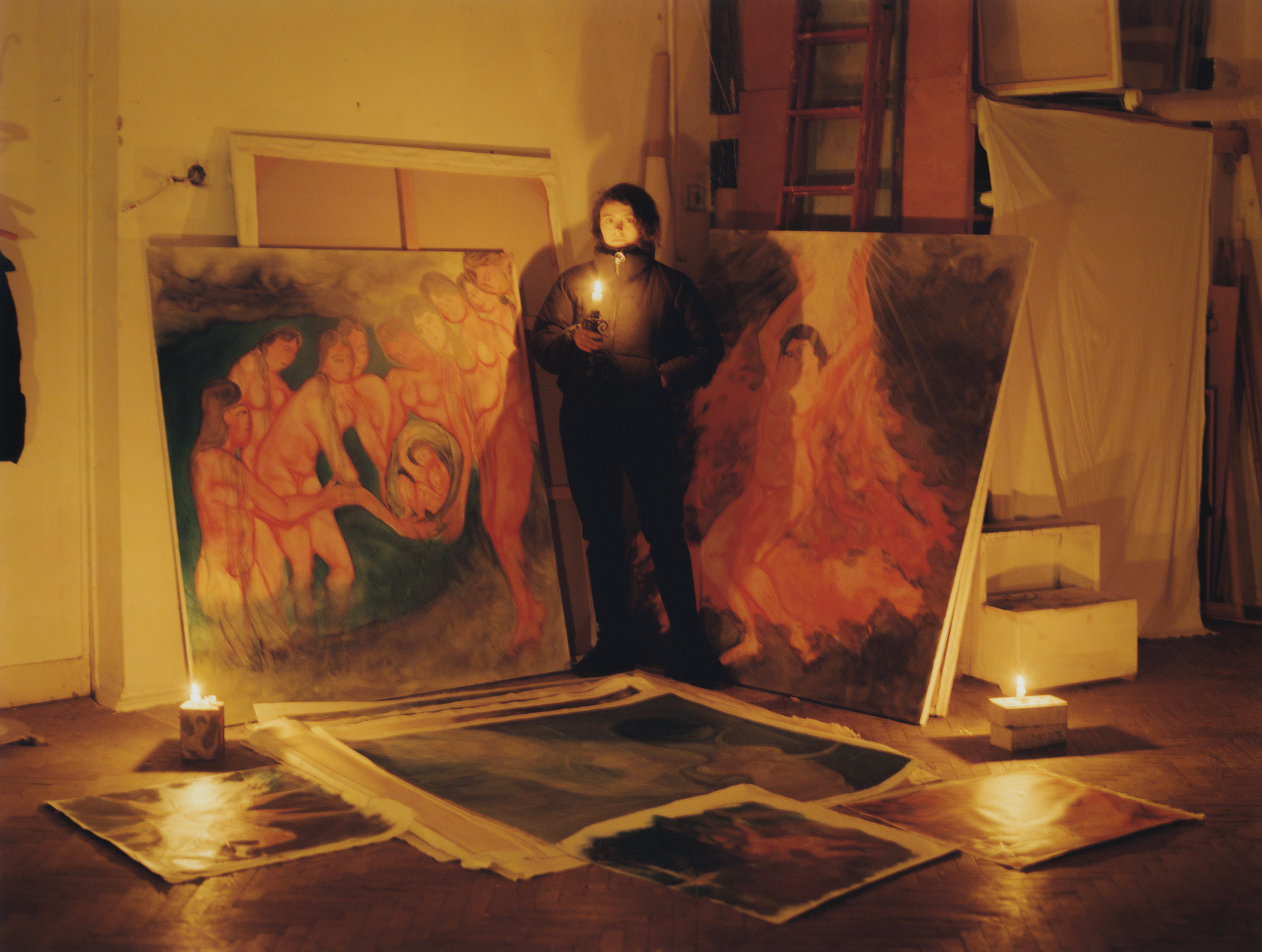
I don't have photographers whose work I constantly review. I like documentary photography from the early 2000s; for example, I love the cinematic photographs of Alec Soth. I have many references from American and European photography. Photography is very democratized now—there are many opportunities to view images. This includes young photographers whose names are not yet widely known but who are creating interesting projects. You can also engage in self-education, watch various tutorials online, look through photobooks, and attend diverse photo exhibitions. I always try to visit major photo events like Paris Photo.
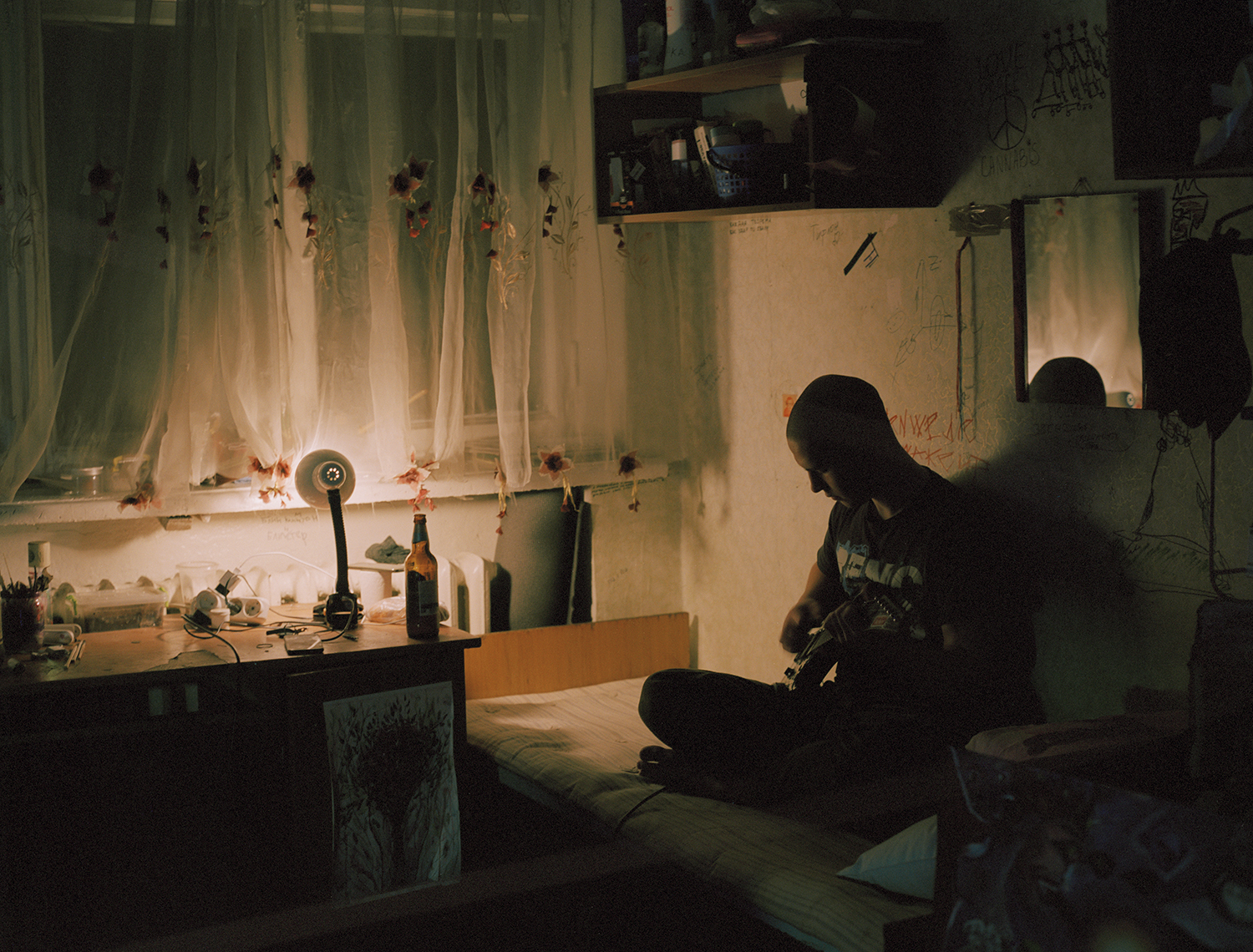
Speaking of female photographers, I recently discovered the Swedish artist Hannah Modigh. I also really like the vision of the French photographer Claudine Doury and the American photographer of Ukrainian origin Yelena Yemchuk. I constantly find new interesting authors. For example, I am inspired by the work of the Catalan artist Laia Abril—she works with photography, but it is not her only medium. She tackles complex topics such as misogyny, abortion, and the control of the female body, and uses photographs more as illustrations to convey certain ideas, mixing them with other, non-visual mediums.
"War Also Takes Things From Us That Are Not Visible at First Glance"
After the start of Russia’s full-scale invasion, many foreign publications turned their attention to Ukrainian photographers. People abroad began to realize Ukrainian subjectivity. French media, with whom I had always wanted to collaborate, contacted me. For instance, a week before the full-scale war began, I wrote an email to the publication Le Monde but hesitated for a long time to send it. The start of the great war became a catalyst, and I finally sent the letter. Three months later, their photo editor wrote to me on Instagram, saying she had my contact from the email and offered me a shoot for Le Monde—a portrait of a Ukrainian film director. I couldn't take the job then, but we exchanged contacts. They contacted me again in the fall, and I produced a long photo report. After the publication in Le Monde, editors from other European publications started reaching out to me. This was during my final year of university.
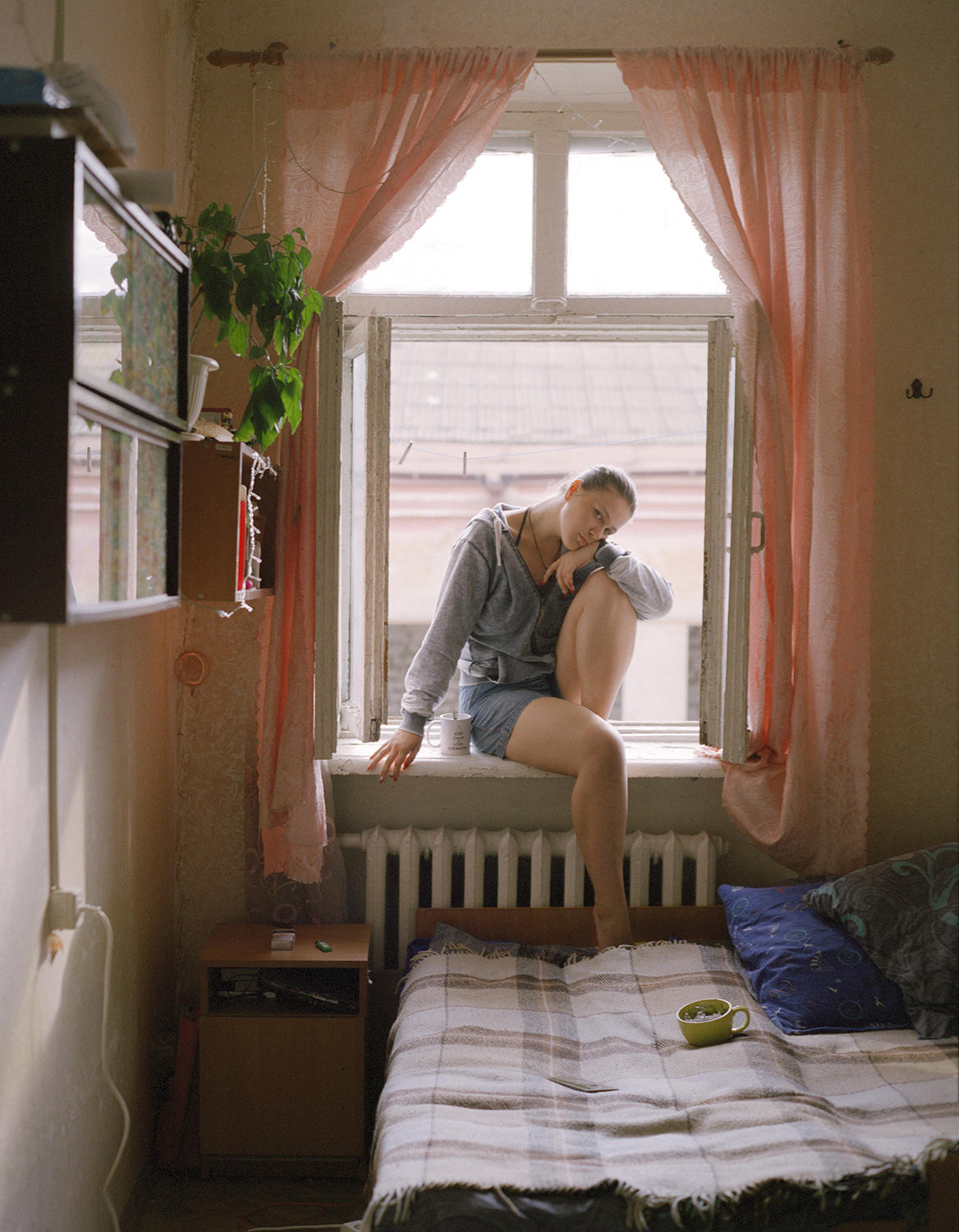
War is an immense tragedy. Everything I photograph that is not about war holds far less power and meaning for me. War takes so much from us, including things that are less visible and obvious. From us, as Ukrainian authors, it takes the freedom to work on other, non-war related subjects. At the same time, foreigners, whom the war does not directly affect, now do not want to look at images of war in the same volume as they did in 2022.
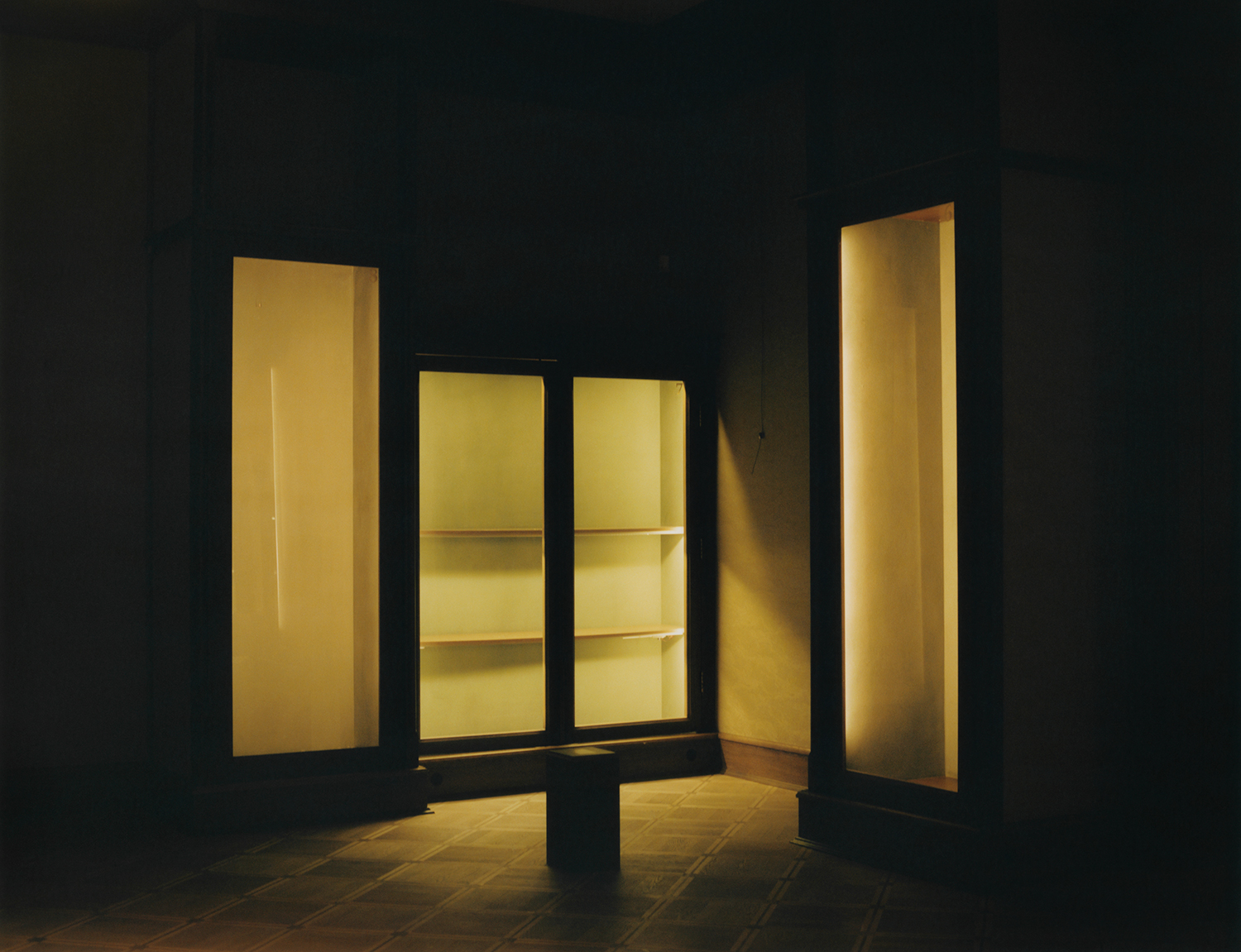
At the beginning of the full-scale invasion, I didn't know where to start shooting—so many events were happening, and it was difficult to establish an internal hierarchy of their importance. The second question for me was how to tell the story of the war to people who are very distant from it (mentally, rather than geographically). How to show the viewer at least a fraction of that tragedy, which is impossible to convey in its full extent.
Lately, I rarely post on Instagram and look at far fewer images of war. I realize that on this social network, they no longer have the same impact as they did at the beginning of the full-scale invasion. People who are not connected to the war simply scroll past them. I see how much this hurts all of us and how we try to spread information about the horror that is happening. It seems to me that images featuring personal stories are more effective now. For example, when you don't just repost a photograph but also write that the destroyed house in the image is located near the home where you grew up.
“Stories of darkness and light”
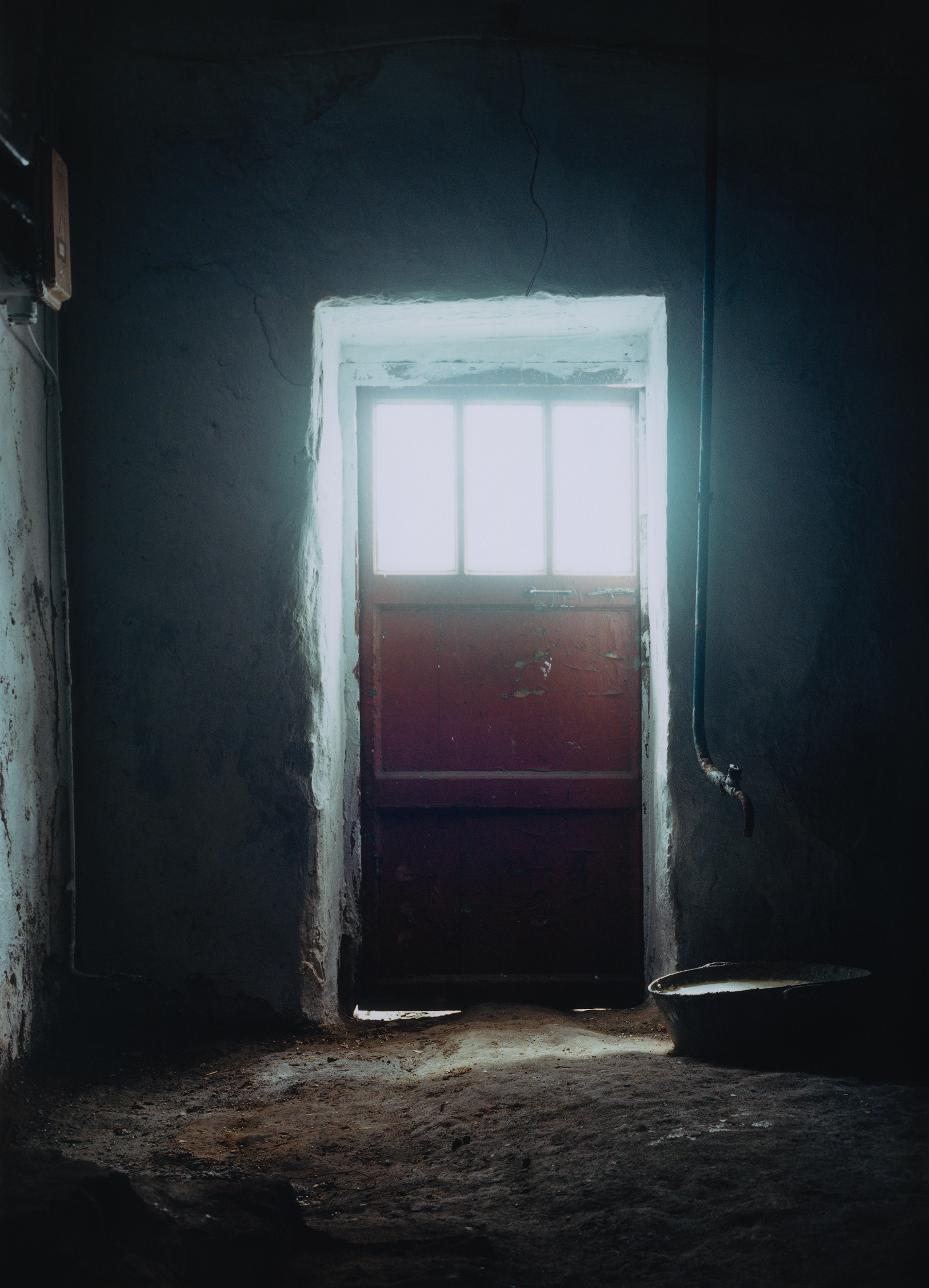
To this day, I have not photographed the war directly and have worked with civilian stories. In the summer of 2022, I came to Ukraine and set out to photograph the destruction in the Kyiv region. This was several months after its liberation, but it was important for me to capture that moment; I photographed without a specific goal, and there was something therapeutic in it. At the car graveyard in Irpin, I took one shot that I often return to. I was walking past a burned-out car, and suddenly it seemed to me that its empty headlights were the eyes of a colossal creature staring ominously at me.
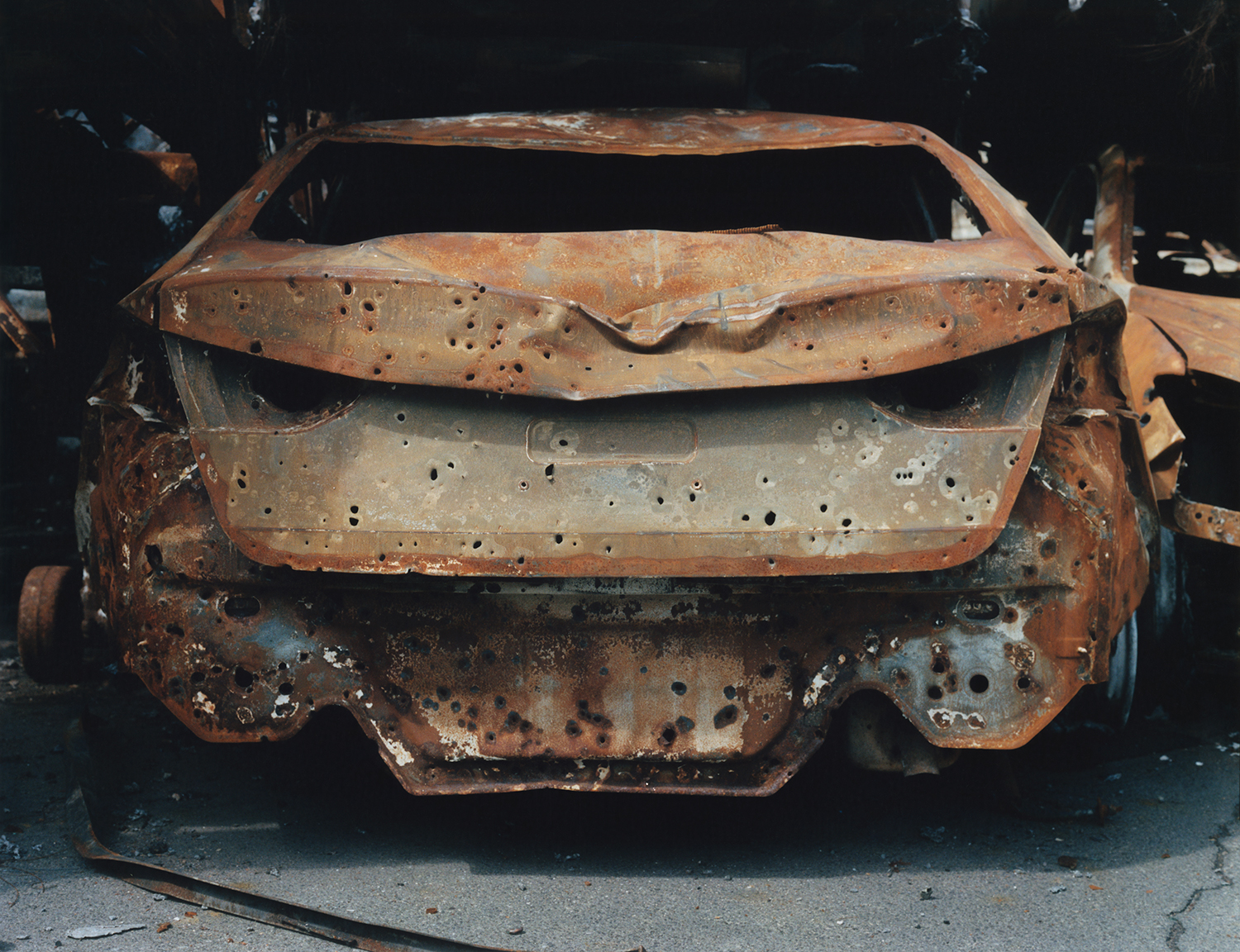
Throughout 2022–2023, I worked on my diploma series, and it was composed of fragments of the new wartime reality. I wanted to show the war through the prism of my own feelings. That year held a lot of darkness, devastation, and courage. I wanted to capture all of this in the project.
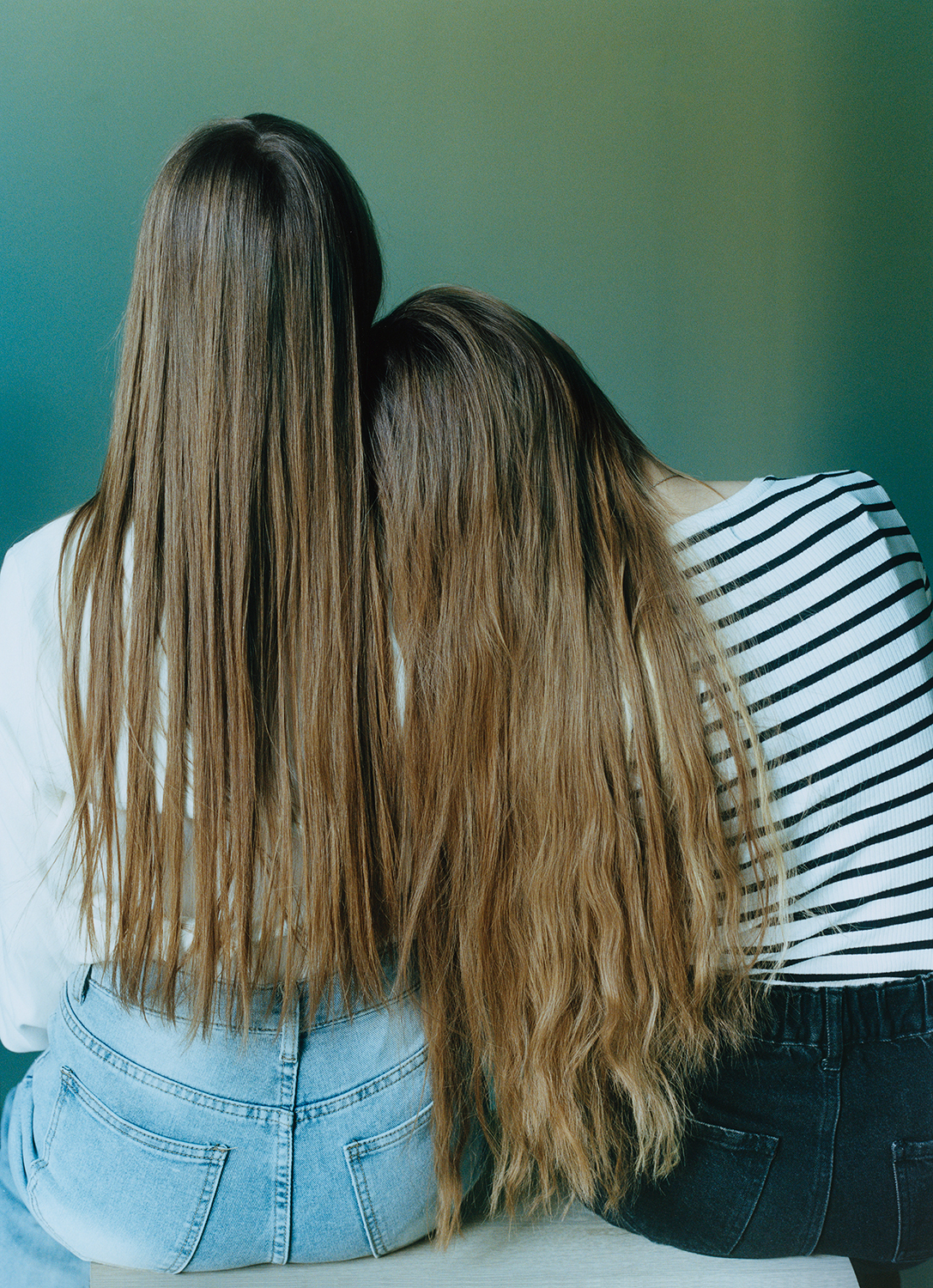
In my work for the press, I photographed many stories about women. For example, for Le Monde, I created a story about two sisters, one of whom lives in Ukraine and the other in France. I photographed stories about pregnancy during the war. Over the past year, as part of the Magnum Photos grant in partnership with Odesa Photo Days, I worked on a story about the abduction of children in the occupied territories. The idea of how to cover this topic came to me after a trip to the Kherson Regional Children's Home, from where 46 small children were abducted in 2022.
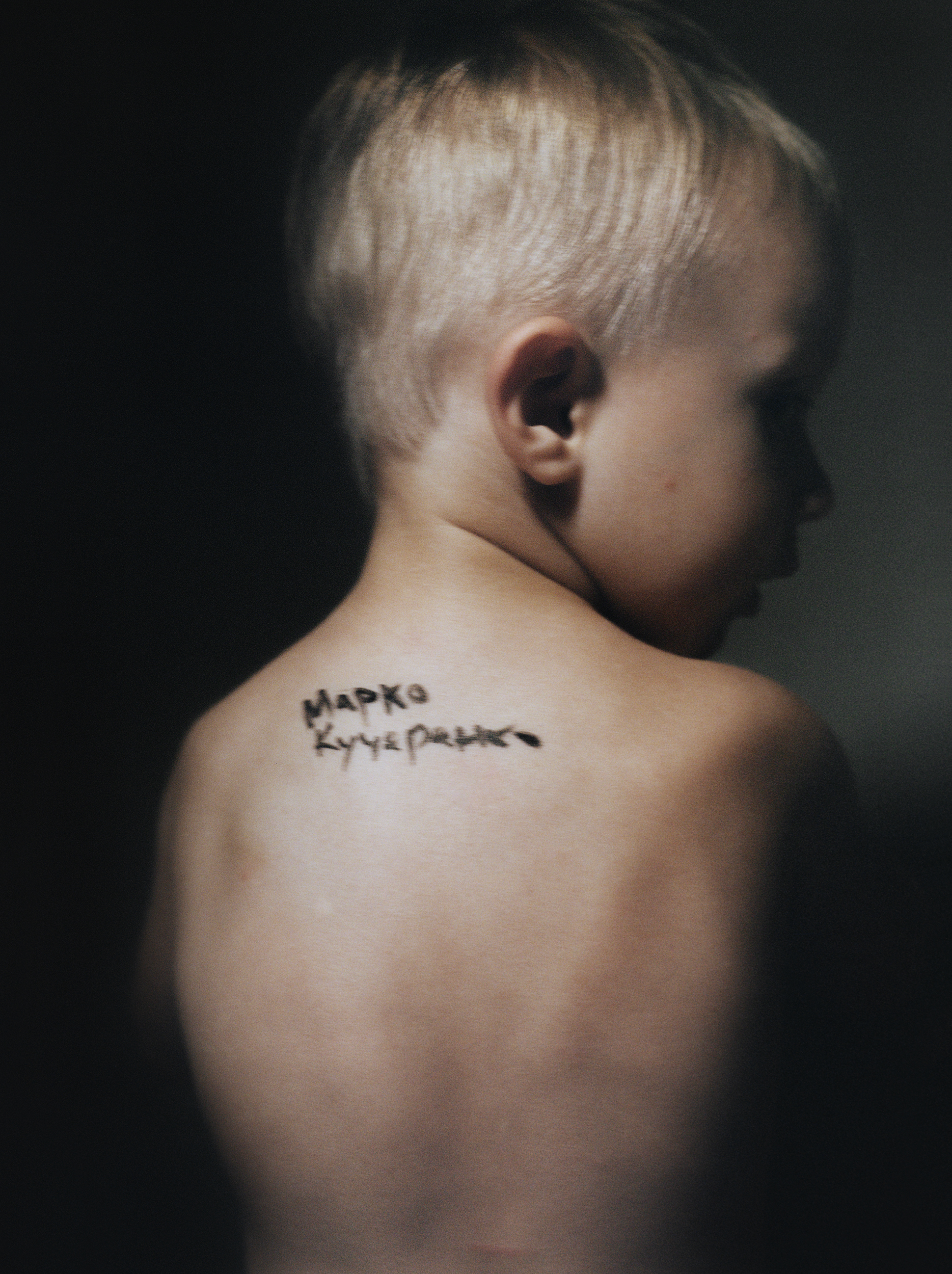
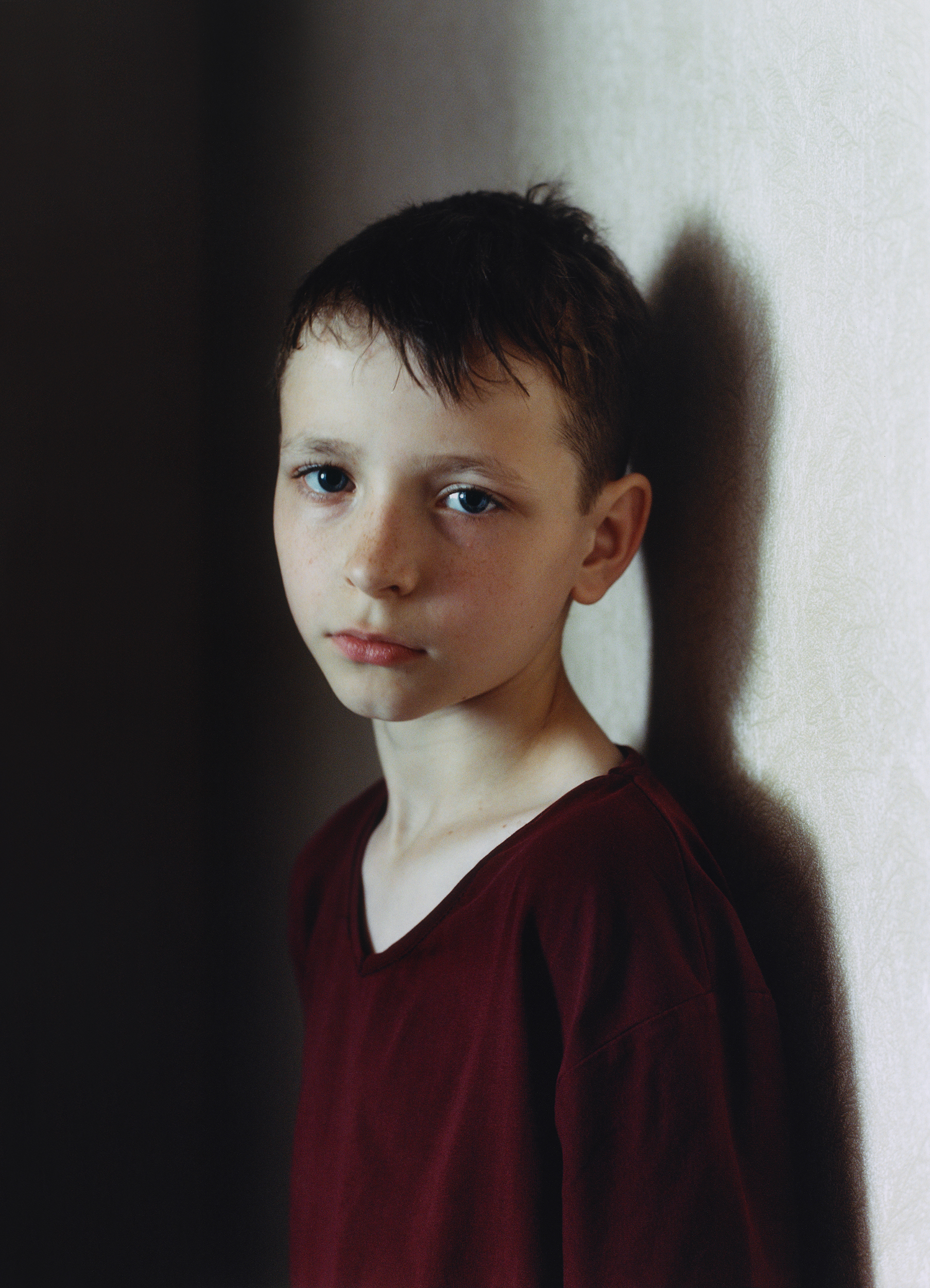
Also, for the Beyond the silence exhibition at Jam Factory, created based on the grant program, I made an installation with photographs of missing children. While selecting profiles from the Children of war website, I could see several children with the same last names—meaning that all the children of one family were either killed or abducted. It seems to me that the topic of Ukrainian children remaining in the occupied territories is insufficiently covered. After the liberation of Kherson, many foreign journalists traveled there and there were reports about the forced removal of children, but now no one is writing about it, even though none of those Kherson children have been returned.
I returned to the topic of child abduction at the beginning of this year when I was preparing material together with a French journalist. New aspects of this problem emerged. Now, Russians are no longer removing children from occupied territories but are directly establishing a system of re-education there and erasing Ukrainian identity. This topic is difficult to show because there is no physical access to the occupied territories or to the children themselves. However, I would like to work more on this topic—it touches upon a very specific, non-direct cruelty, one that aims at deep violence and long-term destruction.
With the start of the full-scale war, many dark photographs appeared in my work. While working on my diploma project, I had a feeling of darkness inside, and it was reflected in the images.
"I Am Looking for Ways to Talk About War with 'Quiet' Photography"
My work consists of assignments for the media and my own long-term projects. Assignments give me a better understanding of the current situation, while long-term stories allow for a deeper immersion into a specific topic. It is important that Ukraine's presence is not limited to news and media platforms but also extends to the spaces of exhibitions and festivals.

I had a good example with the photograph of soldier Hanna Vasyk. I took her portrait, which was exhibited in Brussels. It was strange for Belgian visitors to see a woman in military uniform, especially with a short haircut and a piercing on her face—it was easy to imagine she was connected to the creative community. Viewers were struck by this contrast, and they asked me many questions about Hanna. It was important to me that the portrait made them reflect on the situation in Ukraine. I increasingly observe that non-graphic images leave more space for thought and feeling for people who are not directly involved in the war. Graphic photographs are also important—they are evidence and a part of history. But in my work, I look for ways to show the war through implicit, "quiet" images.
I recall a few emotionally exhausting shoots, which were civilian stories. A French journalist and I went to cover the story of a boy who was 10 years old during the siege of Mariupol. He was there with his mother and little sister for two months. The boy sustained an eye injury from a fragment while running to hide his sister in a shelter. He last saw his mother at a filtration camp in Taganrog. The boy was taken by his grandmother. I was deeply affected by her last phrase, saying they were ready to give any interviews, just to get the boy’s mother back. I was also greatly struck by the story of military medic Marianna Mamonova. She spent most of her pregnancy in Russian captivity and gave birth to her child after her release.

"We Are Part of One Great Effort"
I am a very empathetic person and try to maintain this trait in my work. The war has made me more attentive to others. I often mentally put myself in the place of the person I am working with and imagine if I would want to be photographed at that particular moment. Maybe this isn't very professional, but humanity is important to me in photography. I love listening to people's personal stories and feeling them. If I am talking to a person and they, for instance, start crying, I would rather try to calm them down and take a photo afterward, rather than photographing them in that moment.
I had moments when it was difficult to find the motivation to continue working. For example, in December 2022—I was at home in Odesa then. There were many attacks during that period, and once, my mother and I lived for two days without electricity and water. That was a state of deprivation; it was difficult not only to find meaning in shooting but also just to start the day. During that time, I was highly motivated by the people around me who went to work every morning despite the night shelling and sleepless nights.
I am genuinely happy for the members of the Ukrainian photo community who manage to make their mark internationally and receive worthy awards for their projects. I am also inspired by the assignments and the feeling that I can tell people abroad about Ukraine. It is extremely important to continue working.
I fully realize that I cannot fundamentally change the situation; none of us can. So many impressive photographs have already been taken that did not influence the course of events. I often wonder how to live the day when the morning news reports on so many casualties, and how to find meaning in life and continue working. I am helped by the feeling of my own involvement and the understanding that, at my level, I am doing what is possible. I am supported by the feedback from viewers whose photographs made them reflect, rethink their understanding of the war, or donate. We are all working for the future; we are part of one great effort.
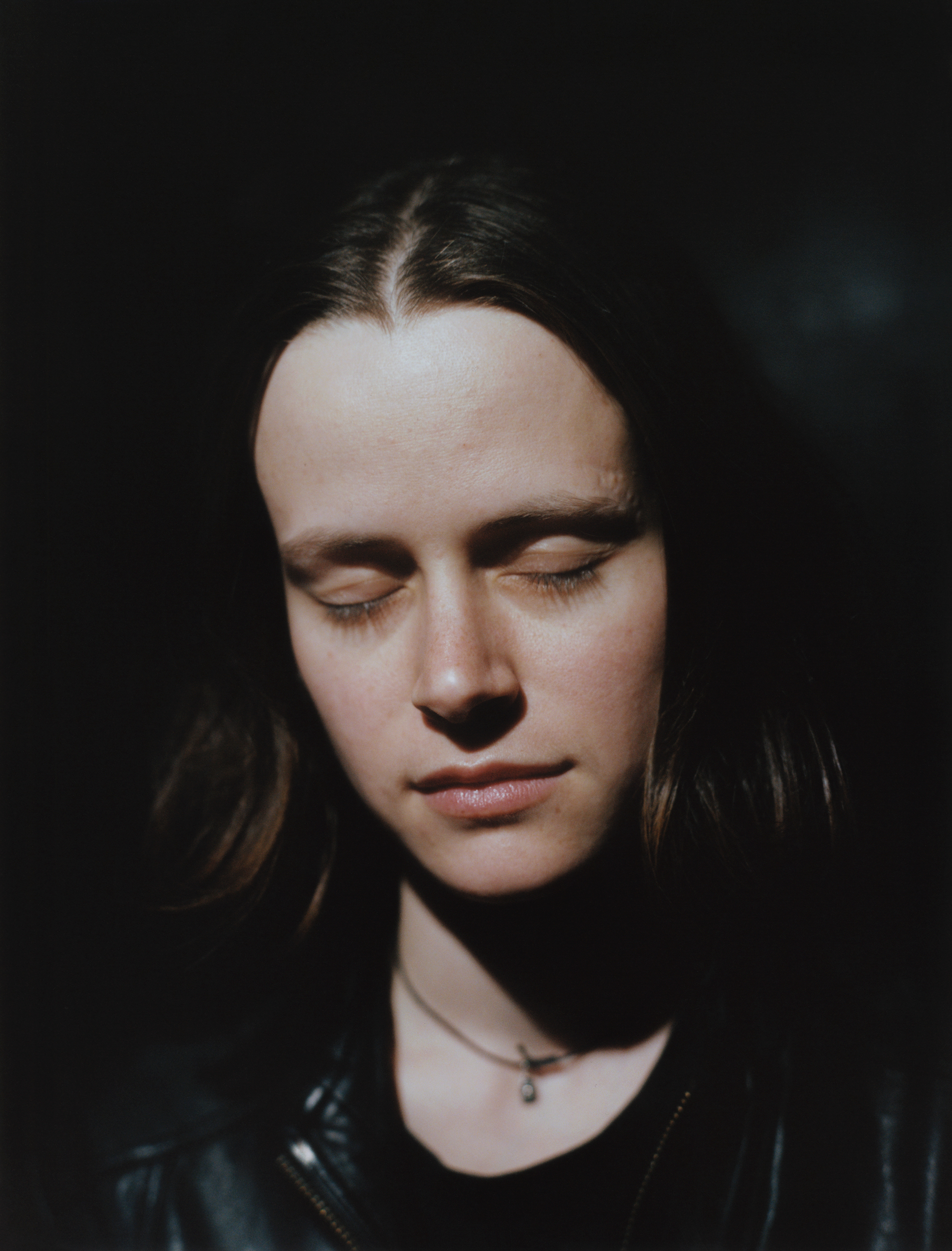
Daria Svertilova — a Ukrainian photographer, born in 1996 in Odesa, Ukraine. She currently lives and works in Kyiv and Paris.
In 2023, Daria received her Master’s in Photography from the School of Decorative Arts in Paris. Her photographic practice is aimed at reflecting the interconnection between the past and the present, particularly concerning the younger generation of Ukrainians and the socio-cultural context in which youth lives. Using photography as her main medium, Daria seeks to create a sincere and dignified portrait of her generation.
She regularly participates in exhibitions abroad and works with foreign and Ukrainian press. In 2022, she was a finalist for the Palm Photo Prize. Daria's works are part of the collection of the Museum of Kharkiv School of Photography (MOKSOP).
The photographer's social media: Instagram, Facebook
The material was prepared by:
Topic Researcher, Text Author: Katia Moskalyuk
Visual Editor: Vladyslav Krasnoshchok
Literary Editor: Yuliia Futei













.jpg)


