
.png)
The first week of September concluded with a new ordeal for Ukraine. In the pre-dawn hours of Sunday, September 7, Russia launched its most powerful combined strike on Ukrainian cities in recent times. The enemy employed hundreds of strike drones and ground-based missiles, targeting residential neighborhoods, government buildings, and critical civilian infrastructure.
According to the Air Force, 823 aerial assault weapons were launched across Ukraine: 810 strike UAVs and 13 missiles. Despite the air defense efforts, 9 missile hits and 54 drone hits were recorded. Damage of various scales was observed in over three dozen locations, including the Kyiv, Chernihiv, Poltava, Odesa, Dnipropetrovsk, and Zaporizhzhia regions.
Chronicle of Attacks in the First Week of September
On the night of September 1, Russia launched 86 Shahed-type strike UAVs and various types of decoy drones from several directions across Ukraine. Air defense forces managed to shoot down most targets, but 10 hits were recorded in six locations across different regions.
On the night of September 2, enemy drones struck a number of settlements. Sumy, Bila Tserkva, and the Izmail district of the Odesa region were targeted. One civilian was killed in Bila Tserkva.
On the night of September 3, Russia carried out a combined aerial attack, employing both Shahed drones and cruise missiles. Western regions, as well as the Kyiv and Kirovohrad regions, were hit. Fires broke out in the city of Khmelnytskyi and in the Kyiv and Kirovohrad regions, causing damage to civilian infrastructure and reporting casualties.
The enemy used 112 Shahed-type strike UAVs and decoy drones from various directions against Ukraine. The attack was massive, targeting critical infrastructure and residential areas.
On the night of September 5, Russian troops massively attacked the Dnipropetrovsk region. Air defense forces shot down 15 drones, but hits were recorded: buildings in Dnipro were damaged, and the Nikopol region was struck by an FPV drone. In total, the Russians launched 157 drones across Ukraine that night, 121 of which were destroyed by Ukrainian air defense.
On the night of September 6, Zaporizhzhia became a new target. Russian drones damaged a kindergarten, a critical infrastructure facility, apartment buildings, and private homes. 17 people were injured. According to the Air Force, the enemy employed 91 drones that night, with hits recorded in eight locations, as well as debris falling in several places.
Flames Over Kyiv's Government Quarter
On the night of September 6-7, the capital became one of the main targets of the Russian attack. By the morning of September 7, more than ten impact sites were known across different districts of the city.
“Among them are direct hits on residential high-rises in the Sviatoshynskyi and Darnytskyi districts. Enemy drones flew into ordinary people's ordinary apartments—straight through the windows,” reported the Head of the Kyiv City Military Administration, Tymur Tkachenko.
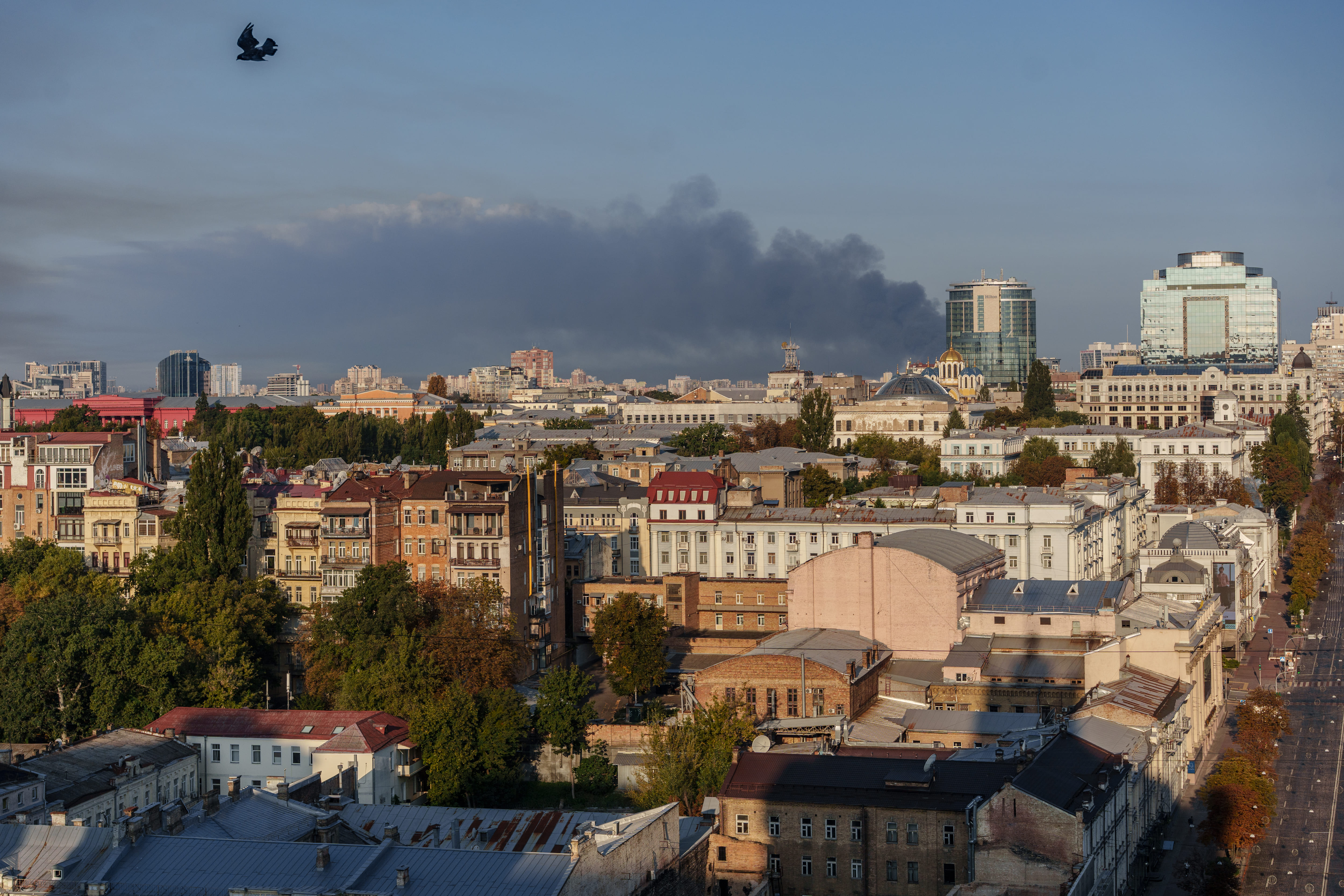
In the Sviatoshynskyi district, the 16-story building suffered the most damage: the top three floors were destroyed. In another 9-story residential building, floor slabs partially collapsed from the 8th to the 4th floor. It was there that the occupiers took the lives of two people—a mother and her three-month-old son. The infant’s father remains in the hospital with severe injuries. In another building, rescue workers pulled nine people from under the rubble.
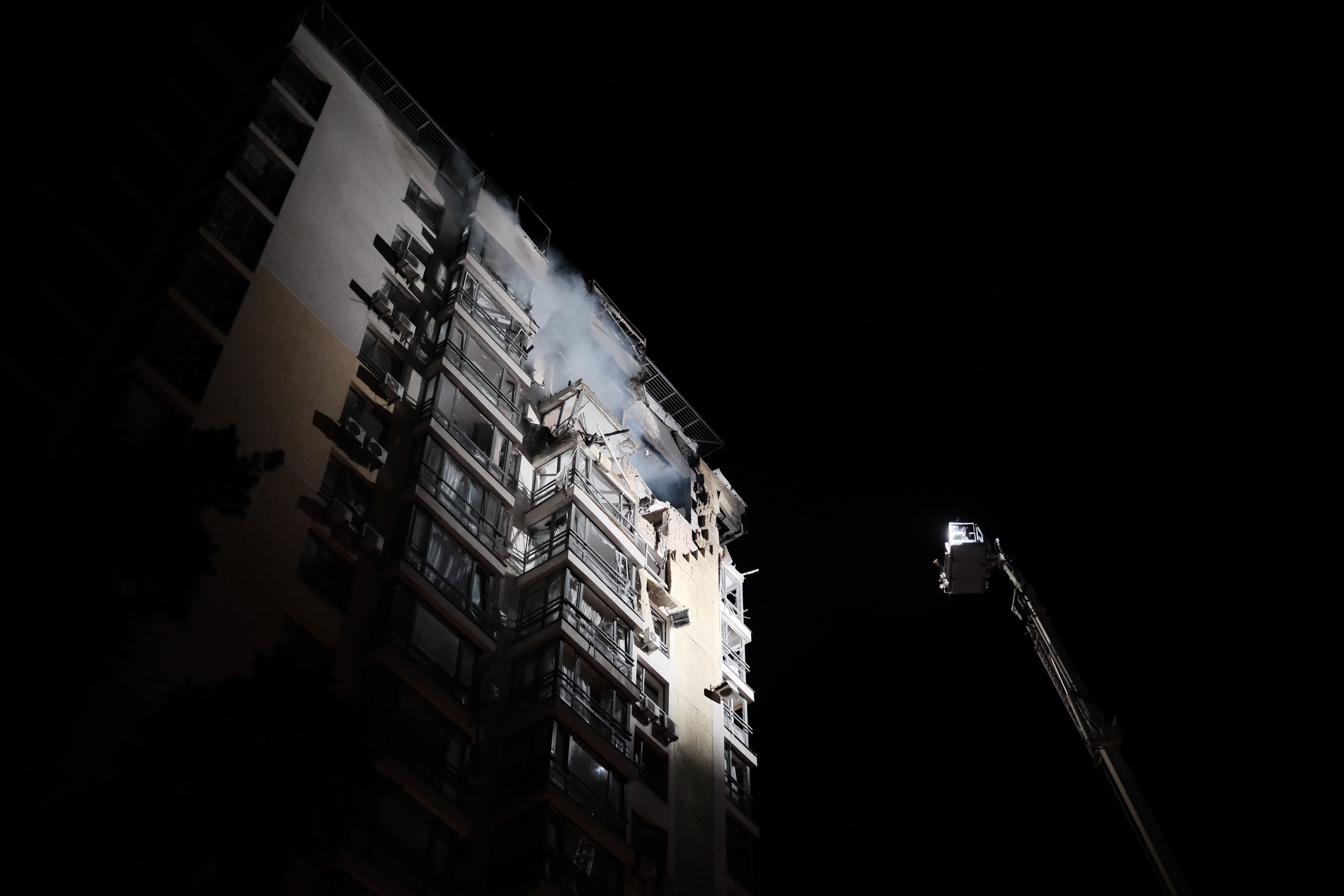
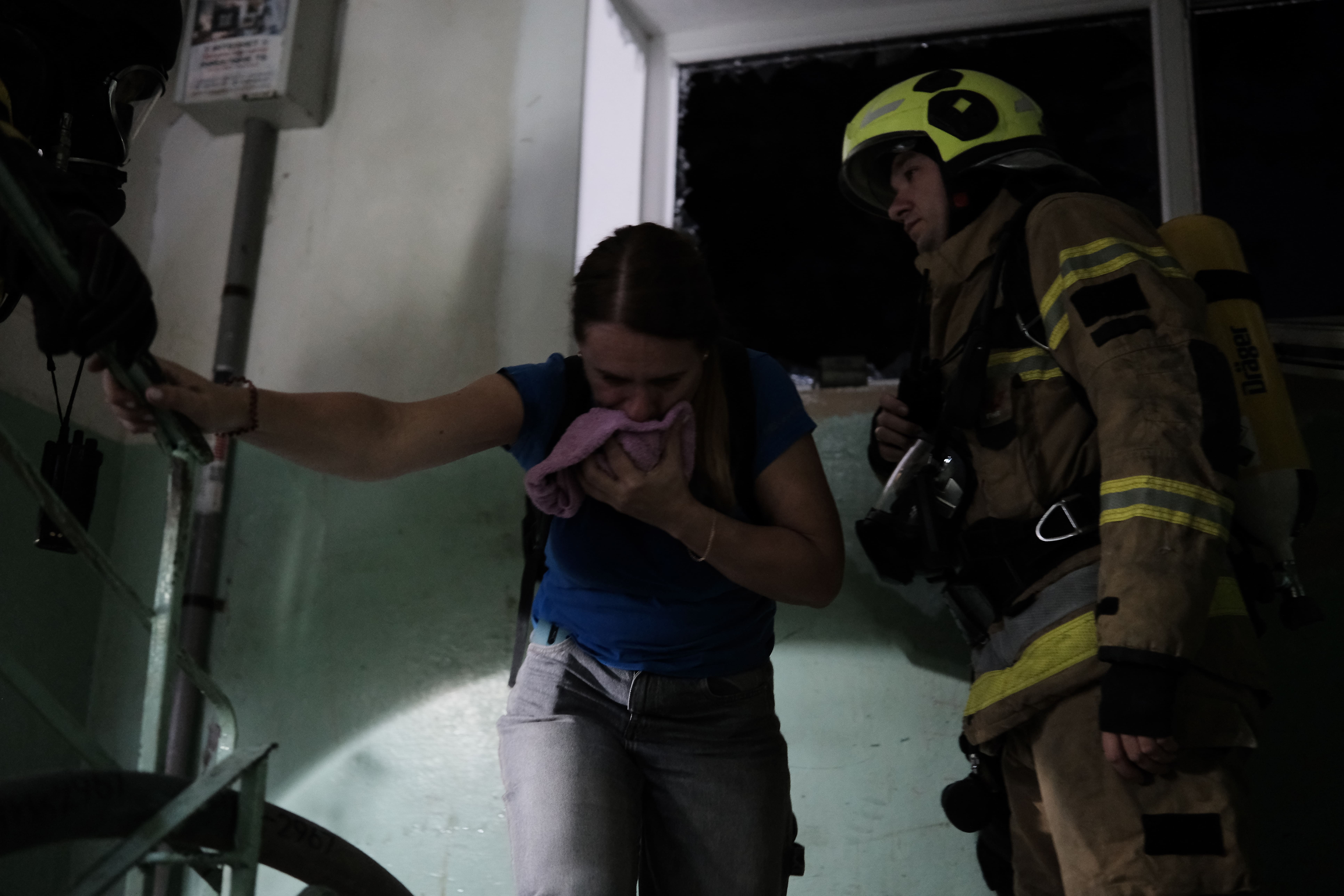
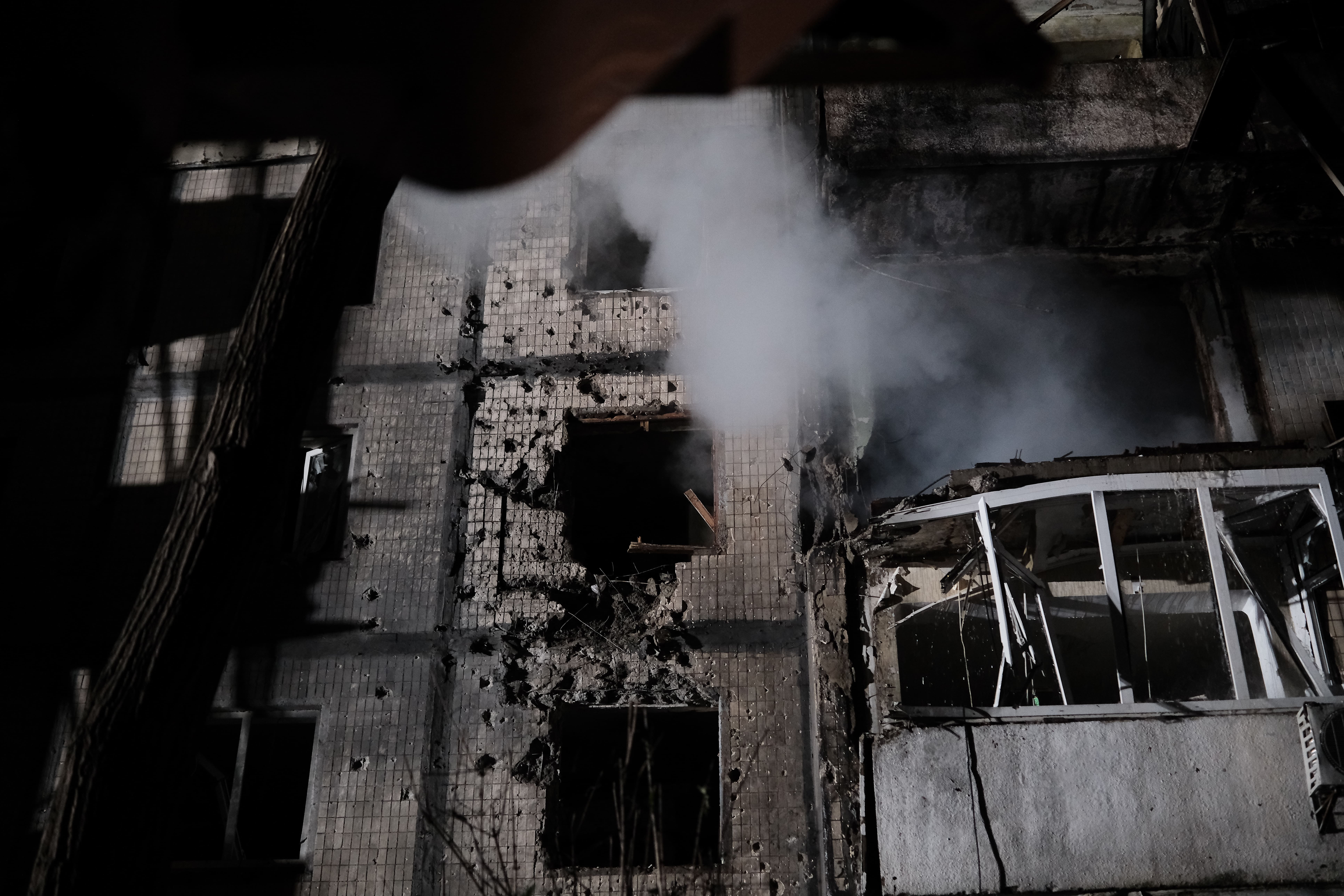
In the Darnytskyi district, a Russian drone crashed into a four-story residential building, destroying the upper floors. Two casualties are preliminarily reported. Fires were recorded across the city: cars caught fire, non-residential premises burned, and one kindergarten also caught fire.
“In total, we have two dead and 17 injured across the city. We are verifying information regarding others,” concluded the Head of the Kyiv City Military Administration.
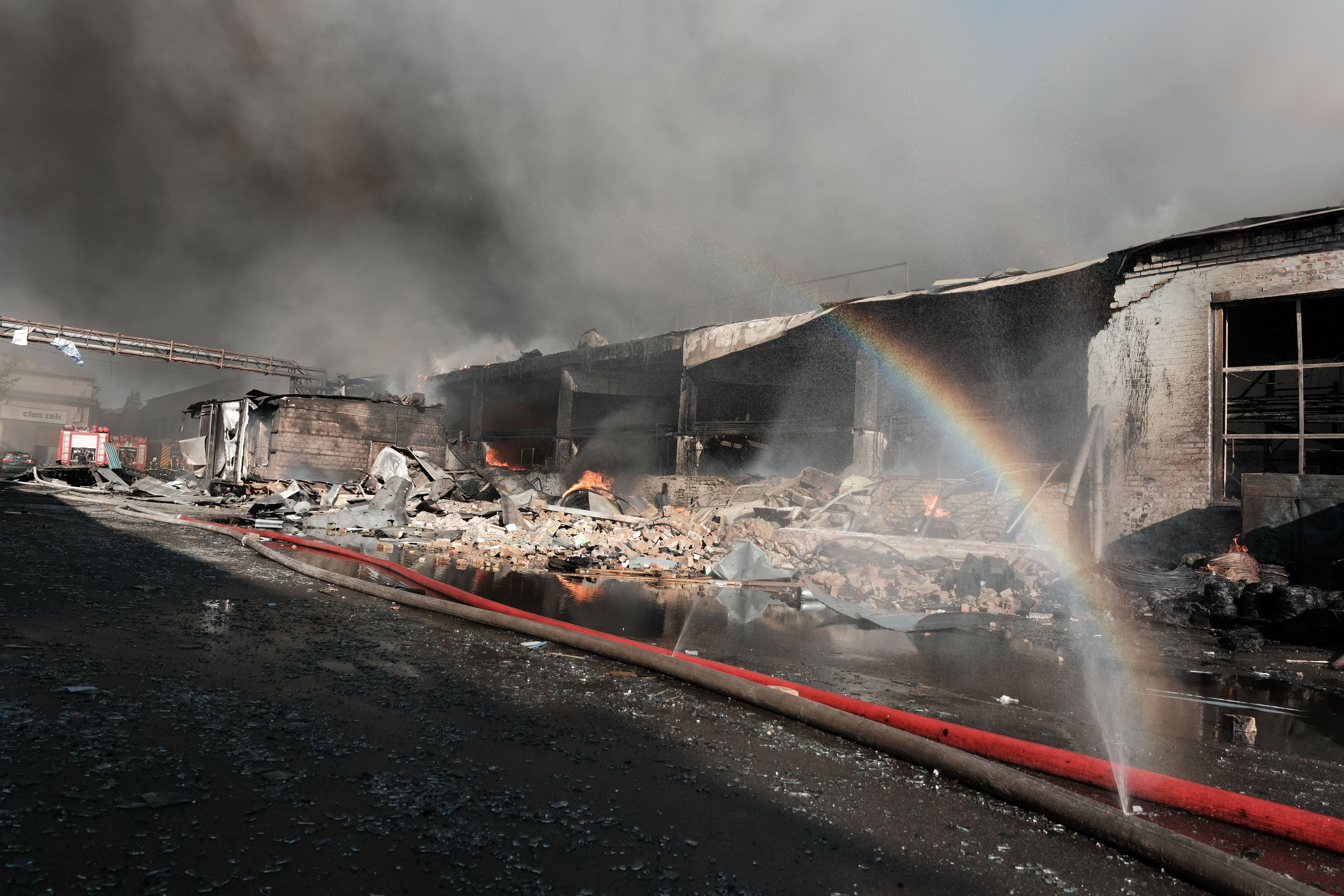
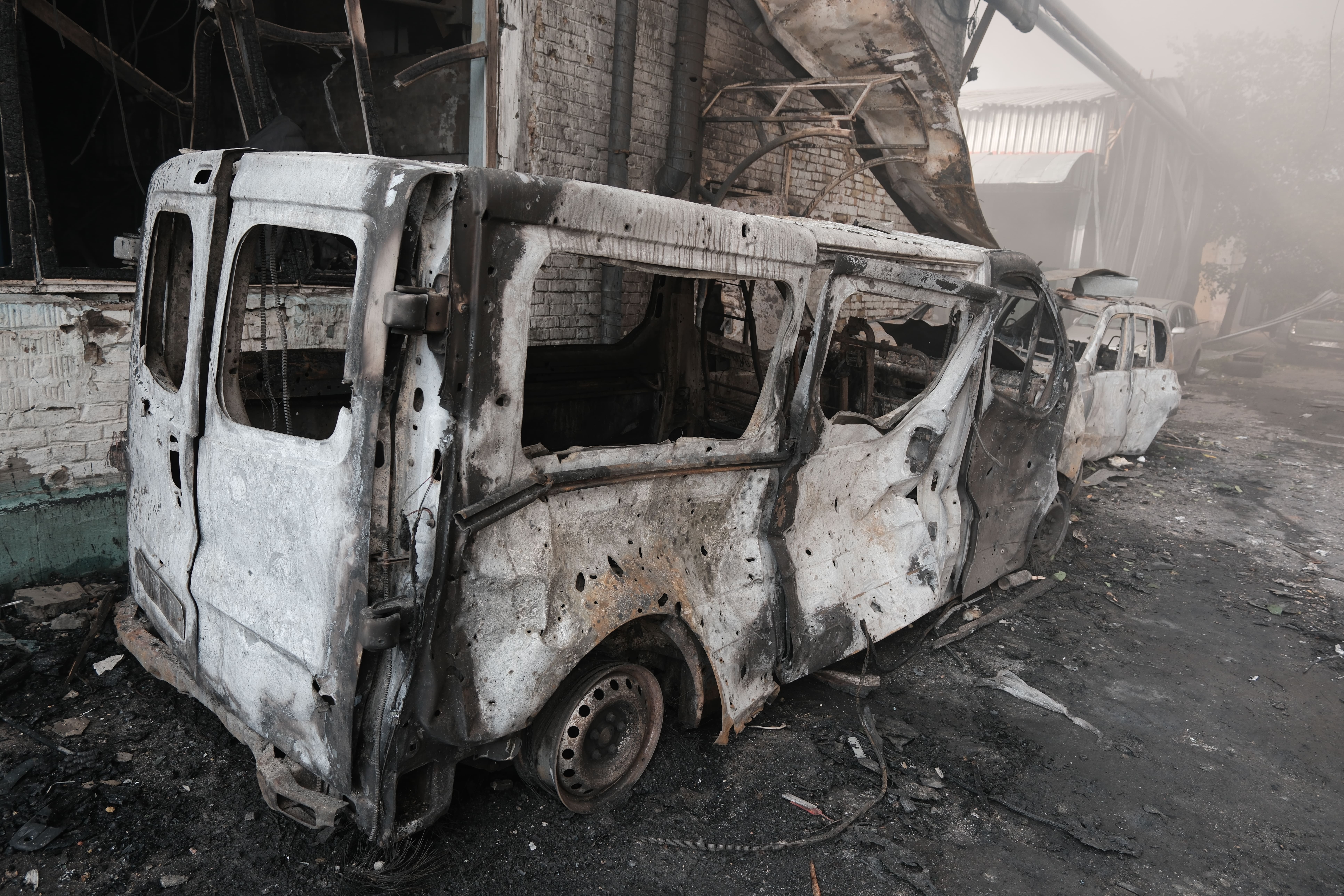
Russian forces also struck the building of the Cabinet of Ministers of Ukraine—the first time since the start of the full-scale war.
Deputy Prime Minister Yuliia Svyrydenko stated: “For the first time due to an enemy attack, the Government building has been damaged, including the roof and upper floors.”
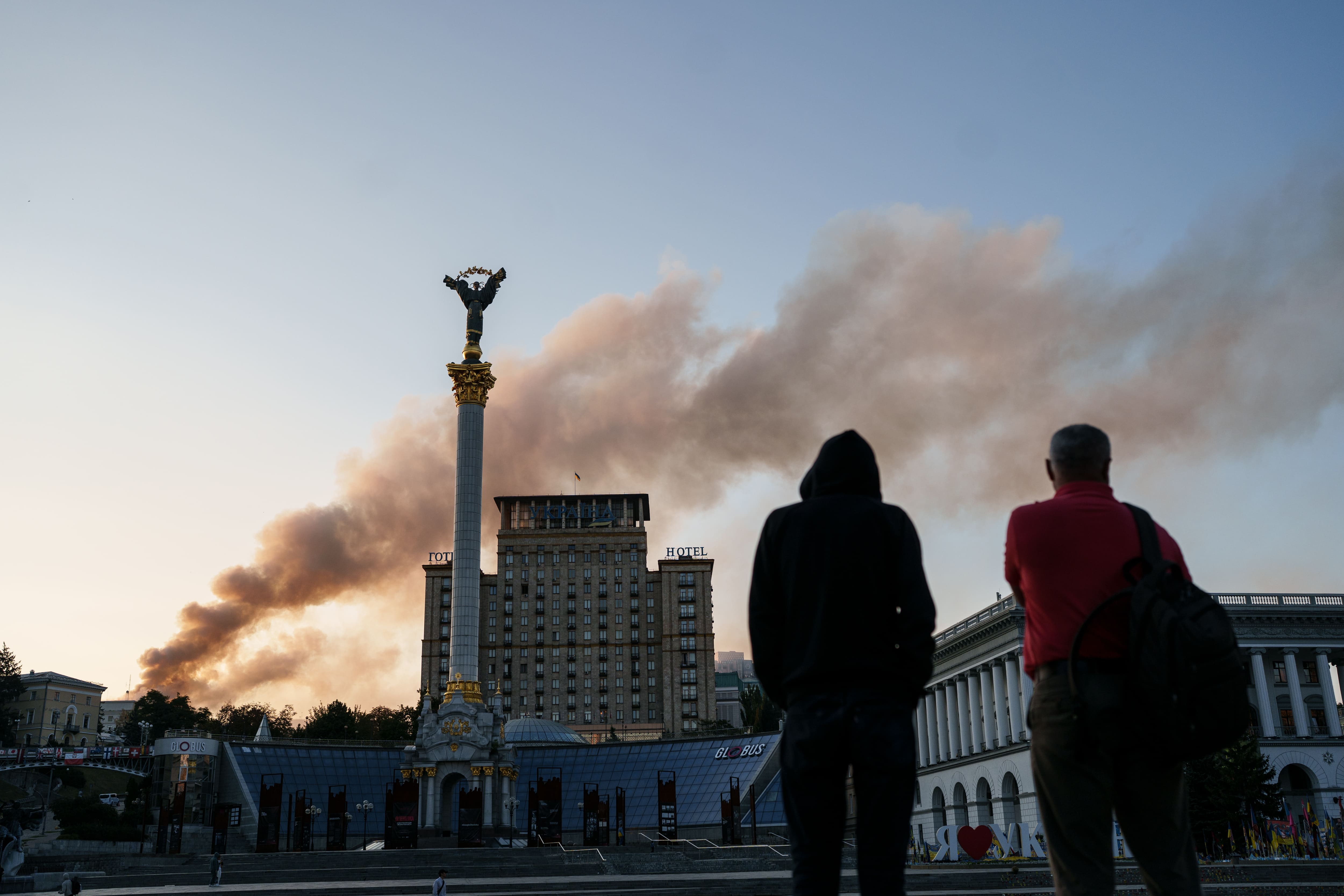
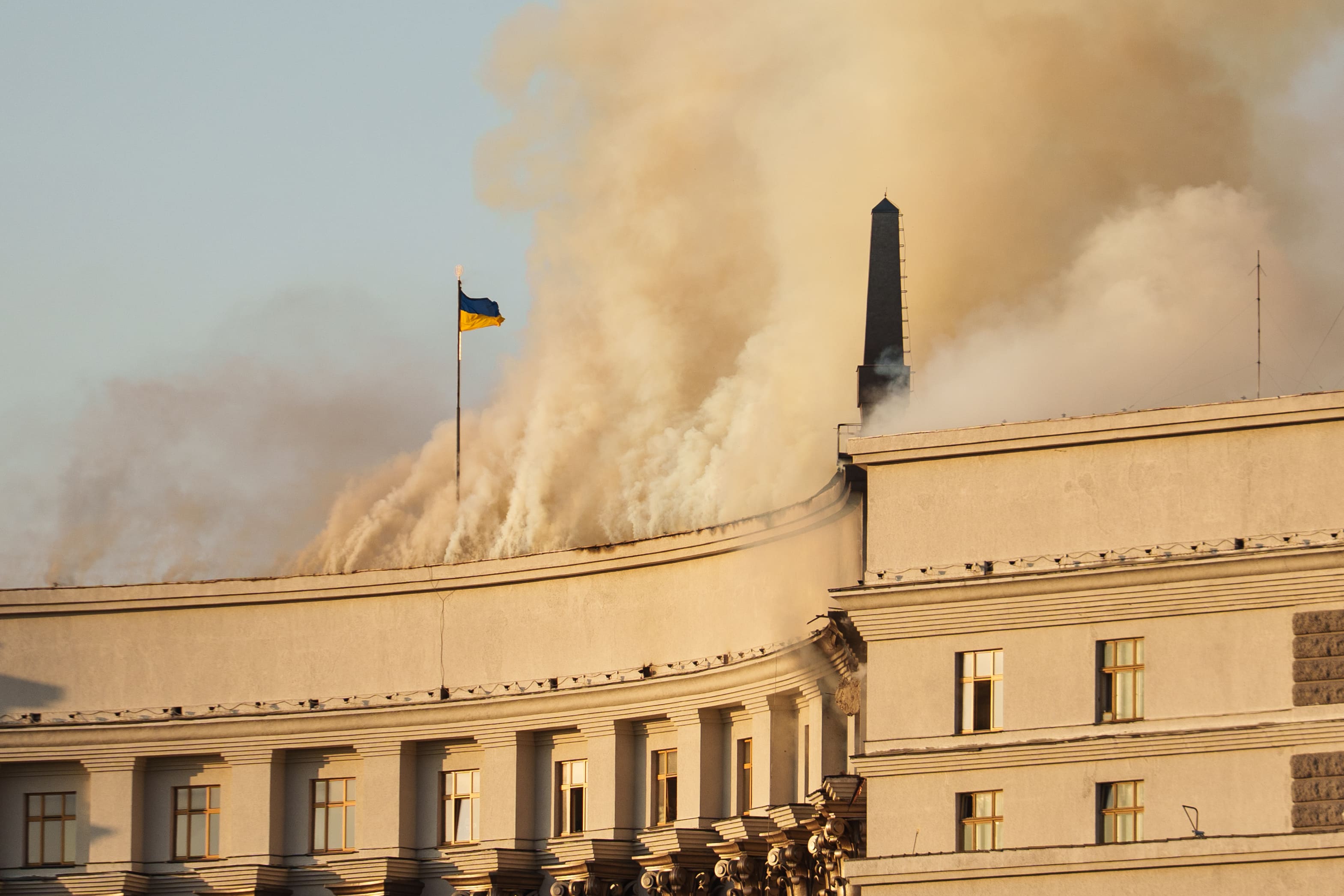
The fire at the Cabinet of Ministers building covered over a thousand square meters, and rescue workers fought it alongside firefighting helicopters. According to the Minister of Internal Affairs, the fire was localized, but efforts continued for hours.
Photographer Serhii Korovainyi captured the aftermath of the strike: thick black smoke rises above the government quarter in the center of the capital.
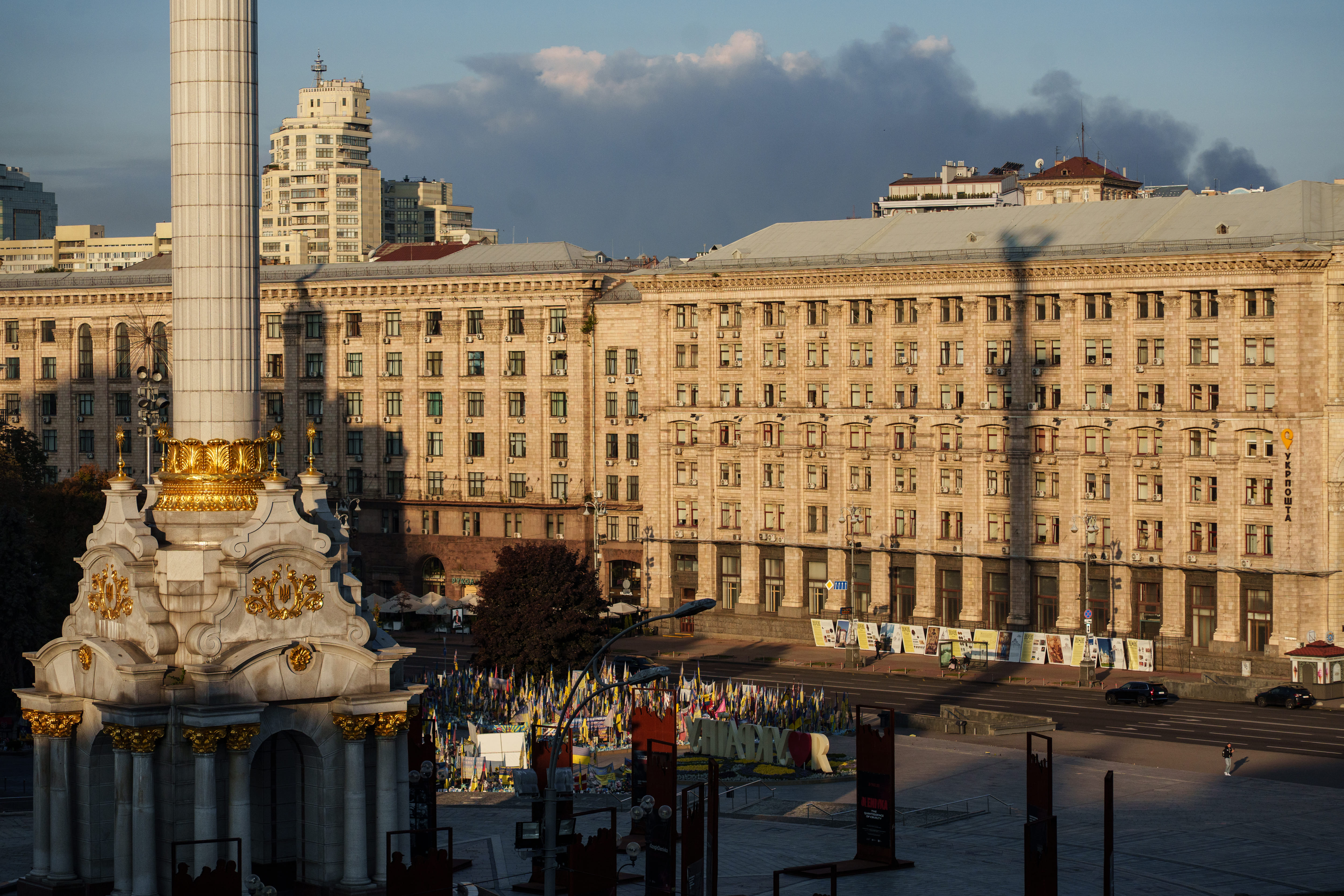
Serhii Korovainyi shared his impressions and thoughts on the night shelling:
“A cruise missile low over the house—‘down to the floor!’, I shout, the dog barks. There are dead and injured in Kyiv, the body of a one-year-old child was recovered from the rubble, the Cabinet of Ministers is burning, fires rage across the city. The world watches, discussing post-war deterrence forces for after the war, but you, the decisive ones, try during the war. Renaming the Ministry of Defense to the Ministry of War—the war is right here, in the center of Europe. Or do you need simpler wars? Russian terrorists dreamed of striking at the centers of «прінятія рєшеній» — we’ll see how that helps you.”
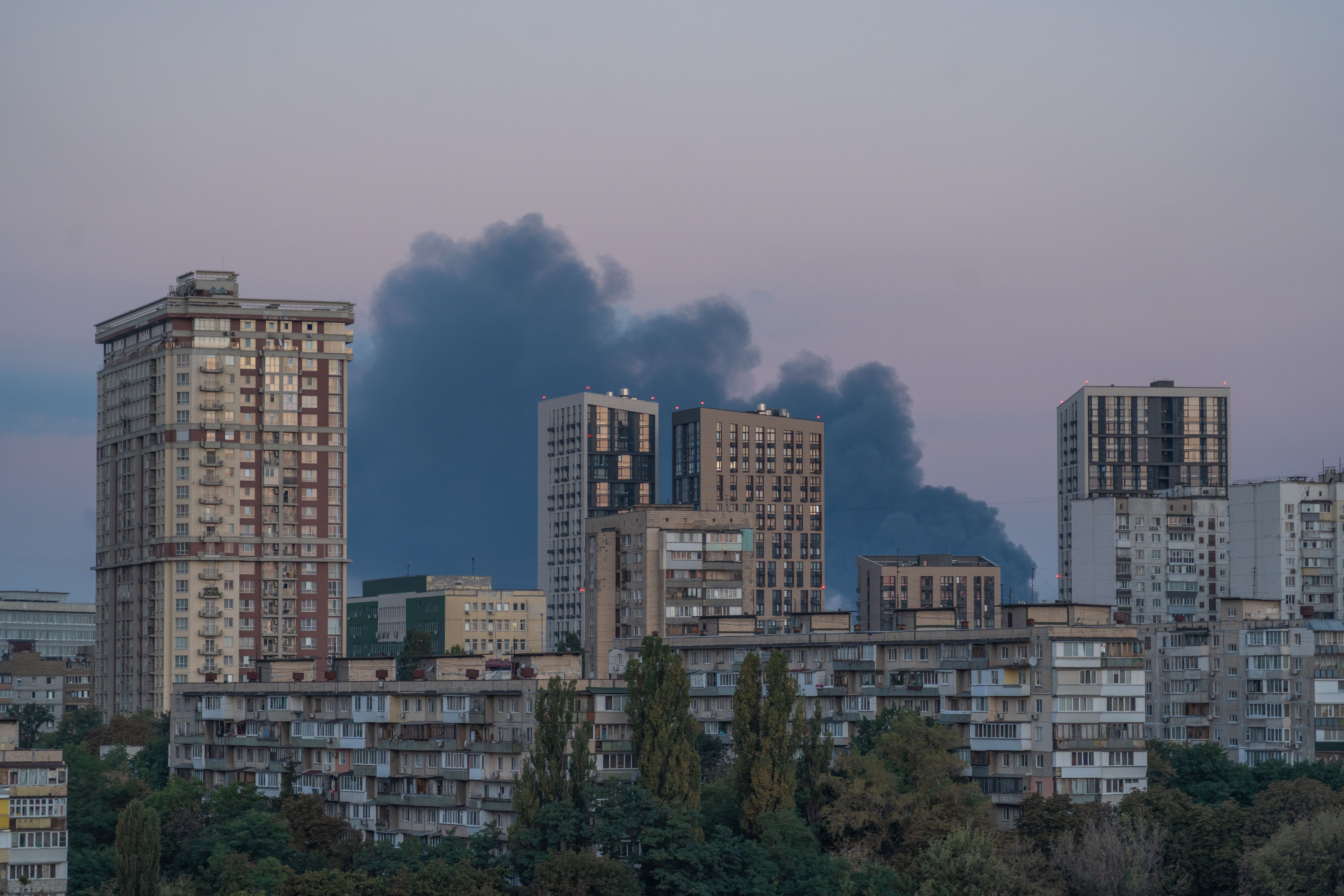
Photographer Anton Shtuka also worked at the impact sites in Kyiv. He published a series of photos with a telling caption: “Postcards from Kyiv 2025. The massive Russian aerial attack on Ukraine is still ongoing, with numerous airstrikes reported from Kyiv and other cities. Confirmed civilian casualties. Russia's response to peace negotiations.”
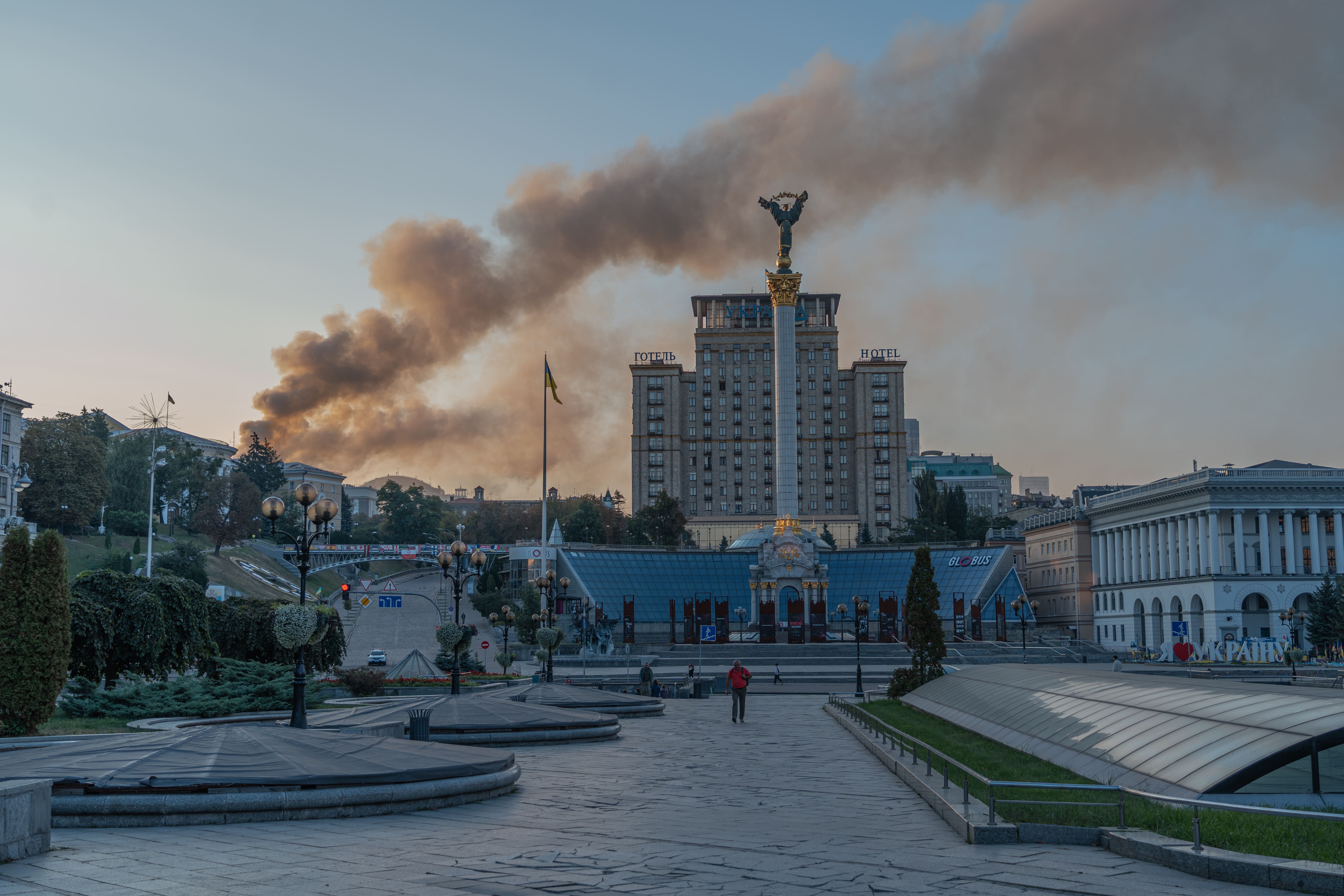
Odesa: High-Rises Ablaze
On the first weekend of September, Russian occupiers also attacked southern Ukraine. The air raid alert in the Odesa region sounded at 10:34 PM on Saturday, September 6, and enemy drones appeared over Odesa after 4:00 AM on September 7. Local residents reported a series of explosions on social media that lasted until dawn.
.jpg)
The Odesa Regional Military Administration confirmed: civilian infrastructure objects were damaged, hits were recorded in residential neighborhoods, and fires broke out in several buildings. The State Emergency Service (DSNS) specified that the top floor of a high-rise burned out, and the fire was successfully extinguished. At least three people were injured in the attack.
Photographers Kostiantyn and Vlada Liberovi showed footage of the aftermath of the attack on their native city.
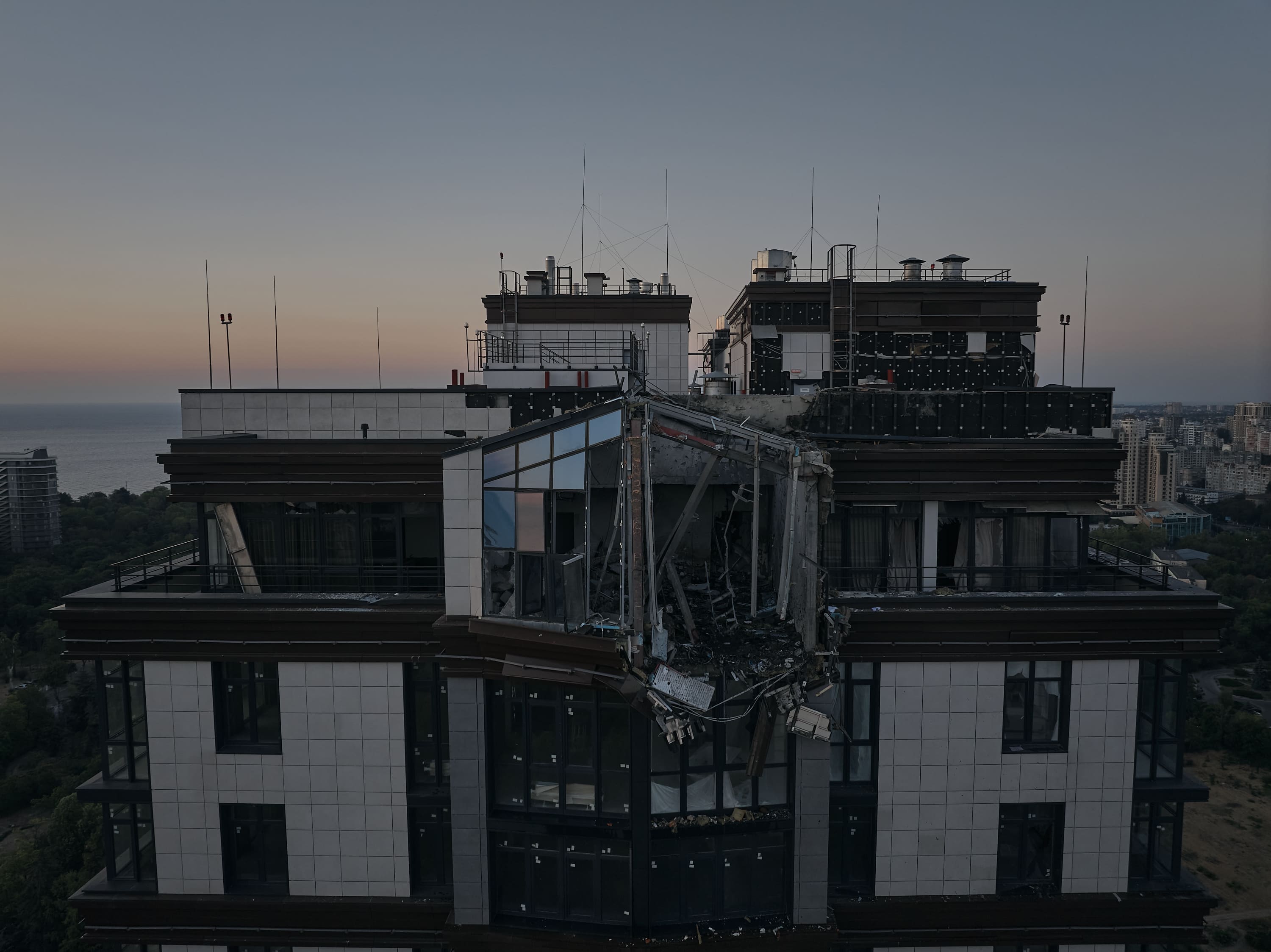
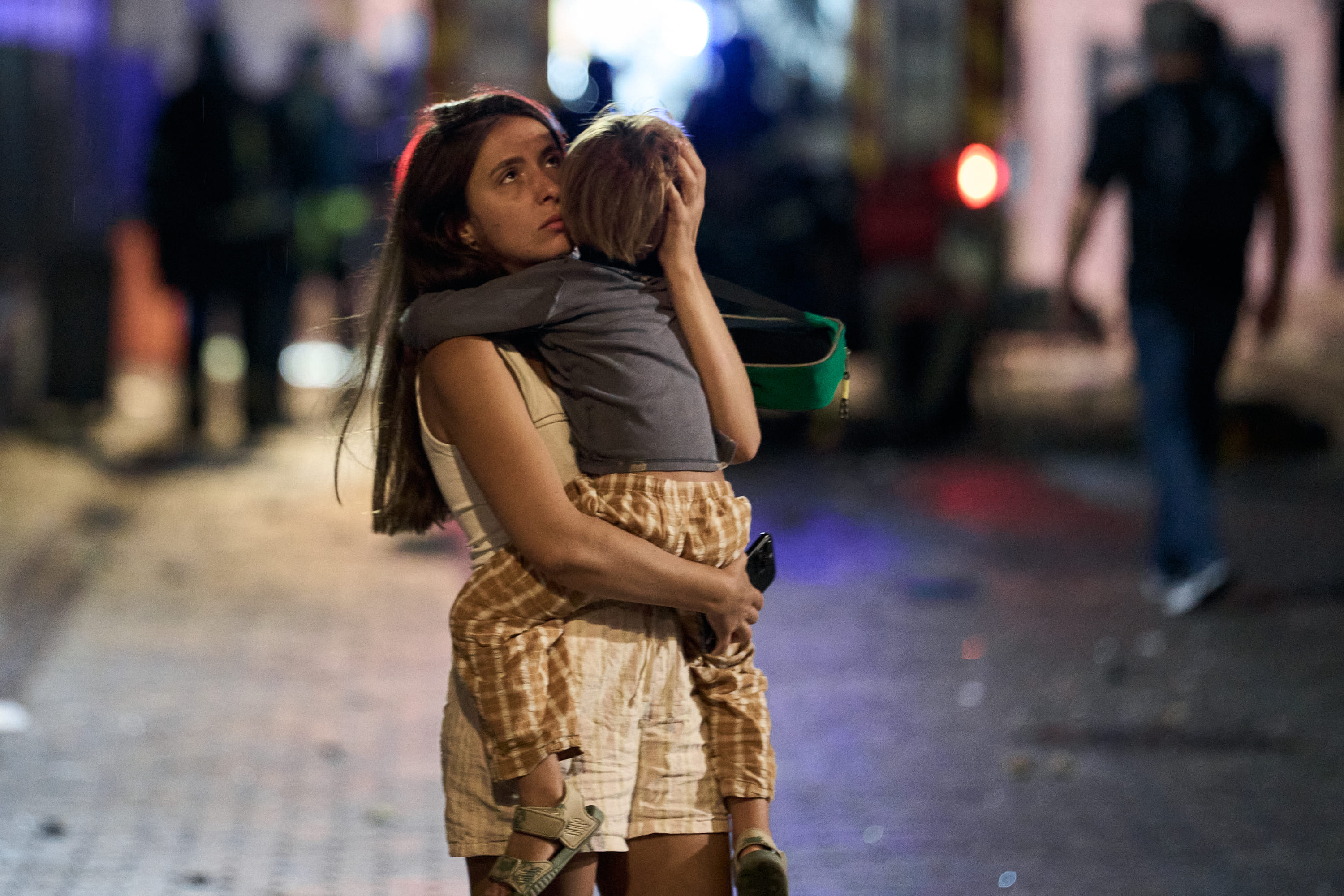
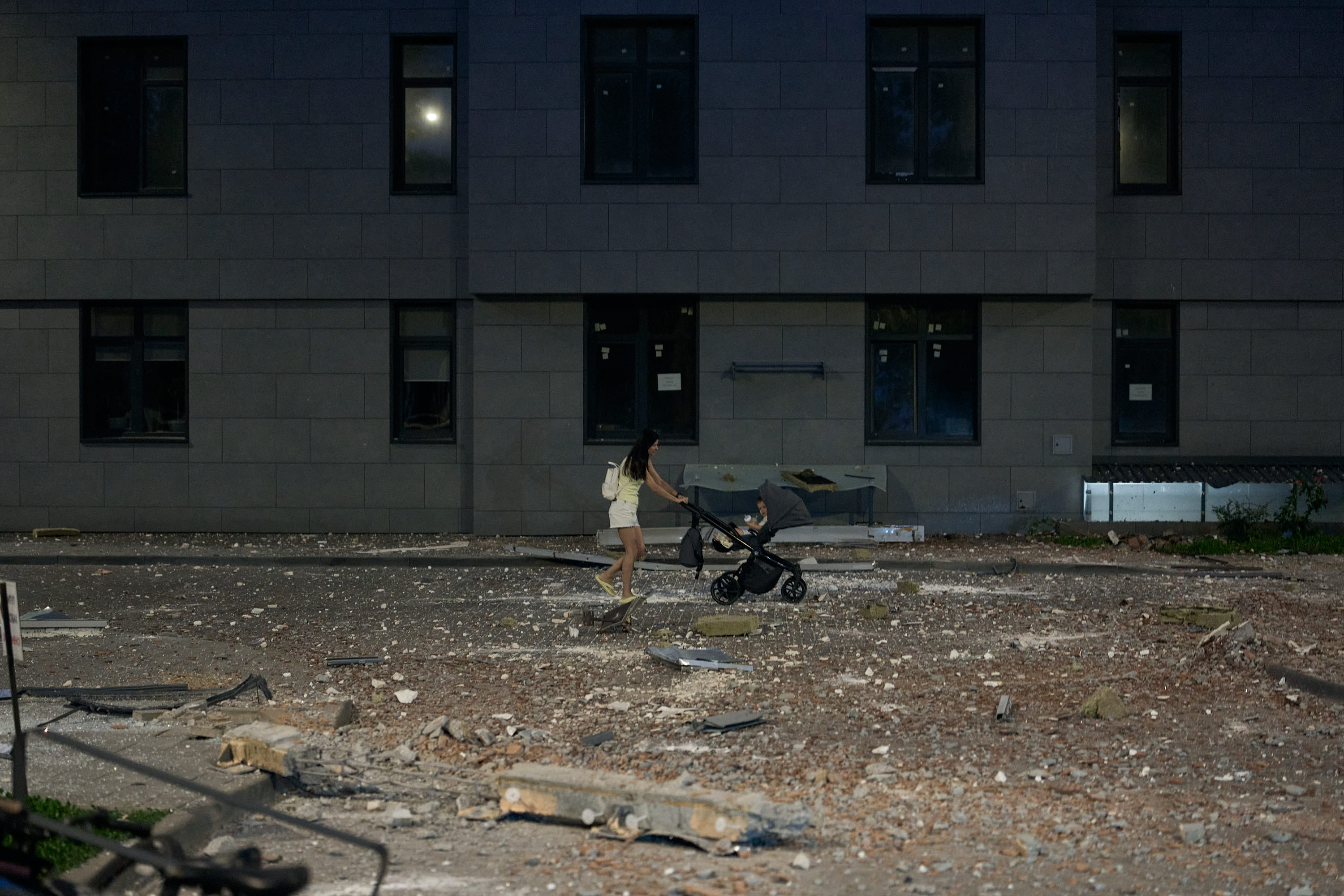
“Odesa now. Due to a personal loss, we spent this terrible night for the country in the city where we were born and raised. In a city associated with the cries of gulls, the sound of the sea, and loud restaurants—not with the sounds of air defense work and explosions. A Russian strike on a residential building. Terrified people. Small children who shouldn't have to grow up in this nightmare. And it seems there is no end to it.”

Photojournalist Oleksandr Hymanov also worked at the attack sites in Odesa. He emphasizes that following safety rules saves lives:
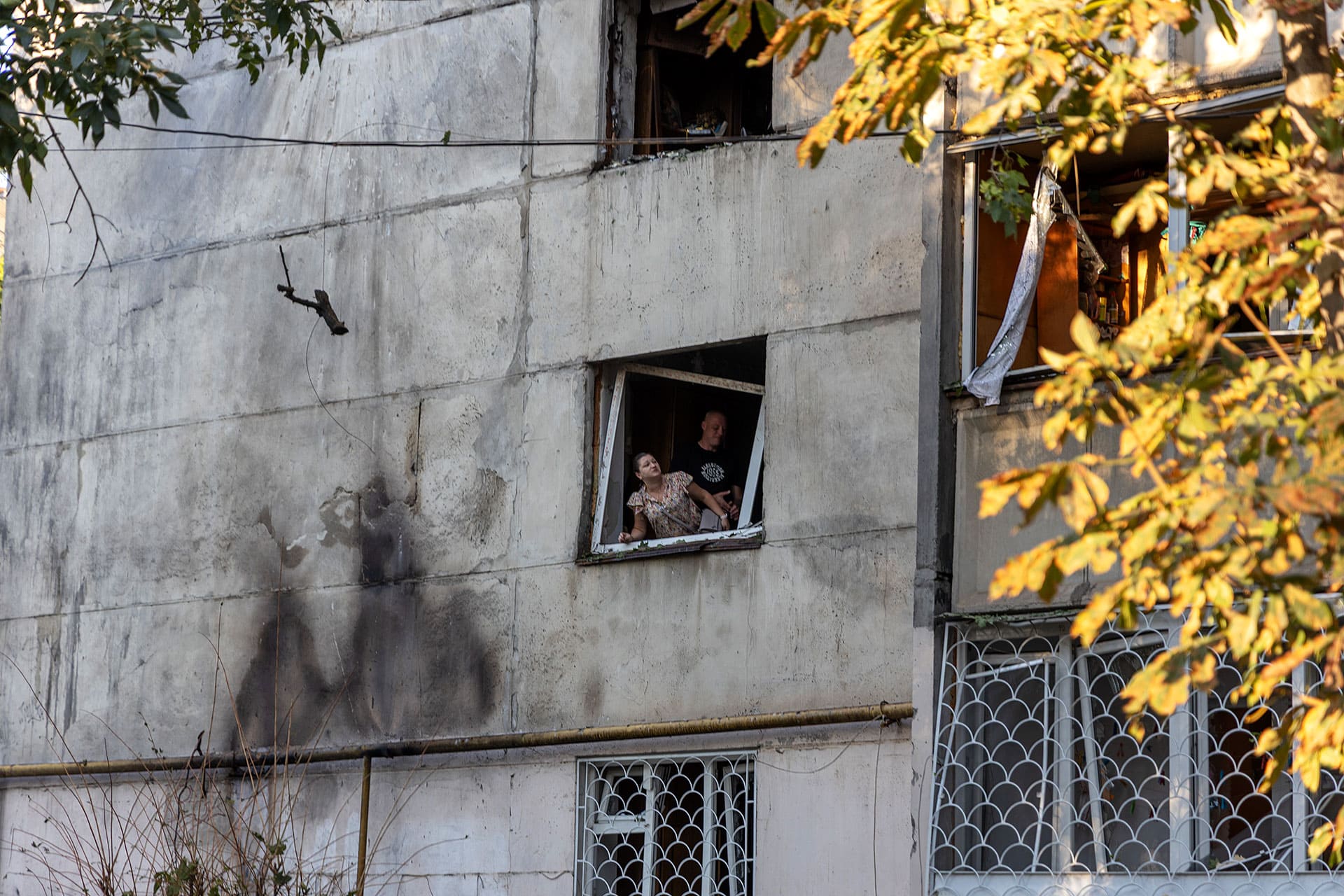
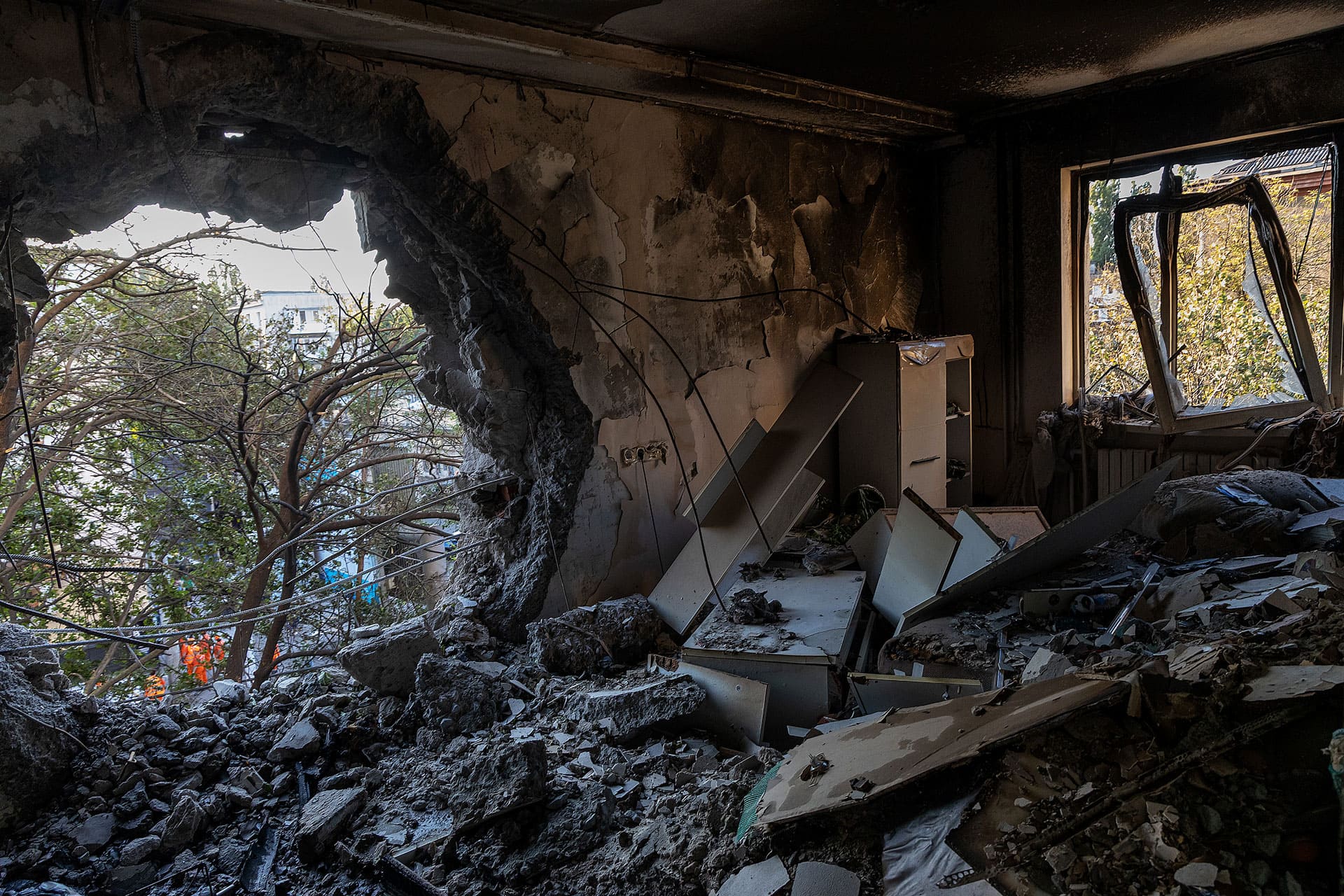
“Go down during attacks. At least to the basement. The woman and her son, residents of the apartment in the first photo, are alive precisely because they bothered to go down.”
Hymanov also reported that the strike again affected the Palace of Sports. The shelling caught its workers during their shift—at the exact moment they were pouring ice for the new season.

Government Reaction
President of Ukraine Volodymyr Zelenskyy emphasized that the strike was a deliberate act of terrorism aimed at prolonging the war: “The enemy shelling killed two people in Kyiv, including a two-month-old child. My condolences to all the relatives and loved ones. In the capital alone—dozens of injured, the Cabinet of Ministers building is damaged. More than 20 houses and a kindergarten were destroyed in Zaporizhzhia. There is damage to commercial warehouses in Kryvyi Rih, people killed in the Sumy and Chernihiv regions, and an apartment building hit in Odesa. This is a deliberate crime at a time when diplomacy could be working.”**
Minister of Foreign Affairs Andriy Sybiha called upon international partners to increase pressure on Russia and impose new, tougher sanctions. According to him, the Russian war machine relies on oil and gas revenues, so these financial flows must be cut off to stop the war.**
“This in itself is a serious escalation. The greatest cynicism lies in the fact that these brutal attacks occur precisely when President Trump is making every effort to achieve peace. But instead of responding to these efforts and agreeing to a leaders’ meeting, Putin rejects diplomacy and intensifies terror,” noted Andriy Sybiha.
Material prepared by:
Topic Researcher, Text Author: Vira Labych
Photo Editor: Olga Kovalova
Literary Editor: Yuliia Futei
.jpg)

.jpg)













.jpg)


