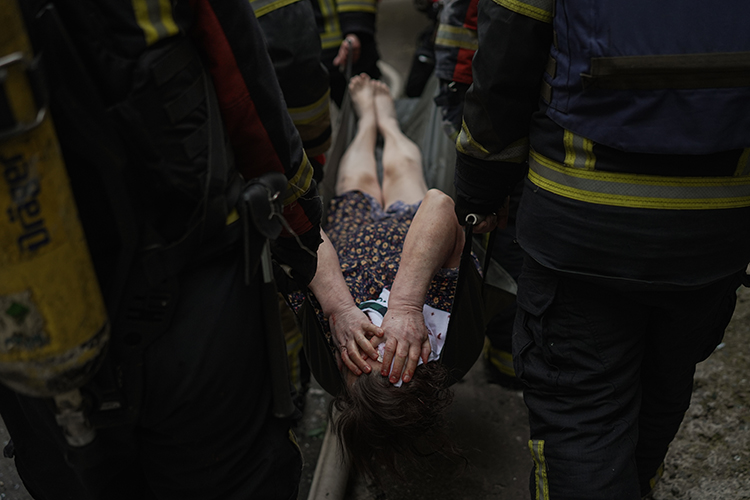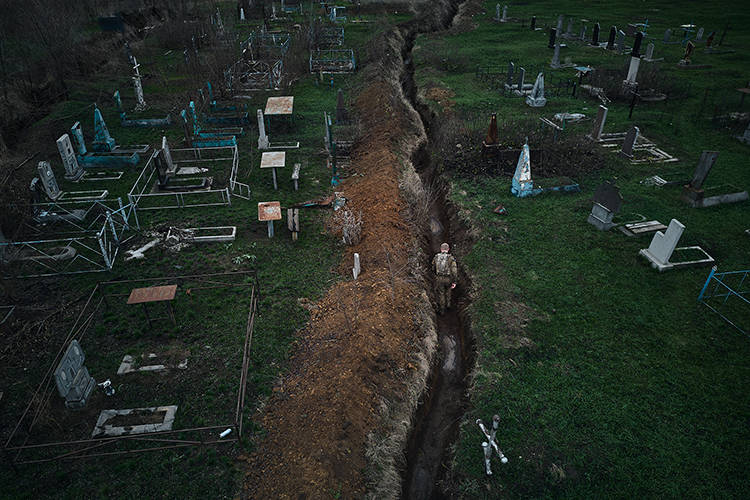
This week, Russia continued its missile and drone terror against Ukrainian cities. Hundreds of Shahed-type UAVs and dozens of tactical missiles were launched every day — from the well-known Iskanders to the latest Grom-1 models. The targets of the attacks were not military facilities, but residential areas, hospitals, schools, metro stations, train stations, and even passenger trains. Between June 23 and 28 alone, dozens of people were killed and hundreds wounded, including children. The most massive strikes hit Kyiv, Dnipro, and Odesa. These events once again refute any false claims by the Kremlin about “precision strikes.” In reality, the goal remains the same — to intimidate, destroy, and leave Ukrainian cities deserted.
Kyiv, night of June 22-23
Russian troops attacked the capital with a record-breaking combination of more than 350 drones (including up to 160 Shahed drones) and several types of ballistic missiles, including Iskander-M and Iskander-K. The strikes damaged residential buildings, the campus of the Sikorsky Kyiv Polytechnic Institute, the metro system, and a hospital in Bila Tserkva. At least seven people were killed (including a child), and more than 30 were injured.
Dnipro, night of June 23-24
A Russian missile attack on the city caused a tragedy on the railway: one of the missiles fell near a passenger train. Seventeen people were killed and at least 279 were injured. On the same day, Kharkiv and the Sumy region were also shelled. The total number of victims exceeded 100 people.
Chernihiv region, June 24
A Russian missile struck a training center of the Ukrainian Ground Forces. One soldier was wounded. The facility was attacked from an operational-tactical direction, probably with Iskander missiles.
Kharkiv, night of June 25
Russia attacked the city with “shahids.” All hits were recorded in the Kyiv district — drones hit a civilian enterprise and an uninhabited residential building nearby. One person was injured and hospitalized.
Samarskoe (Dnipropetrovsk region), June 27
A missile strike on the village of Samara killed five people. Another 23 were wounded, four of them are in serious condition. The strike caused extensive damage to residential buildings.
Dnipro, evening of June 28
The Russians launched a new Grom-1 guided missile at the city. The air defense system worked — the missile was shot down outside the city, and casualties and destruction were avoided. However, experts emphasize the danger of this type of weapon: it is one of the newest models of tactical weapons of the Russian Federation.
Odesa, night of June 28
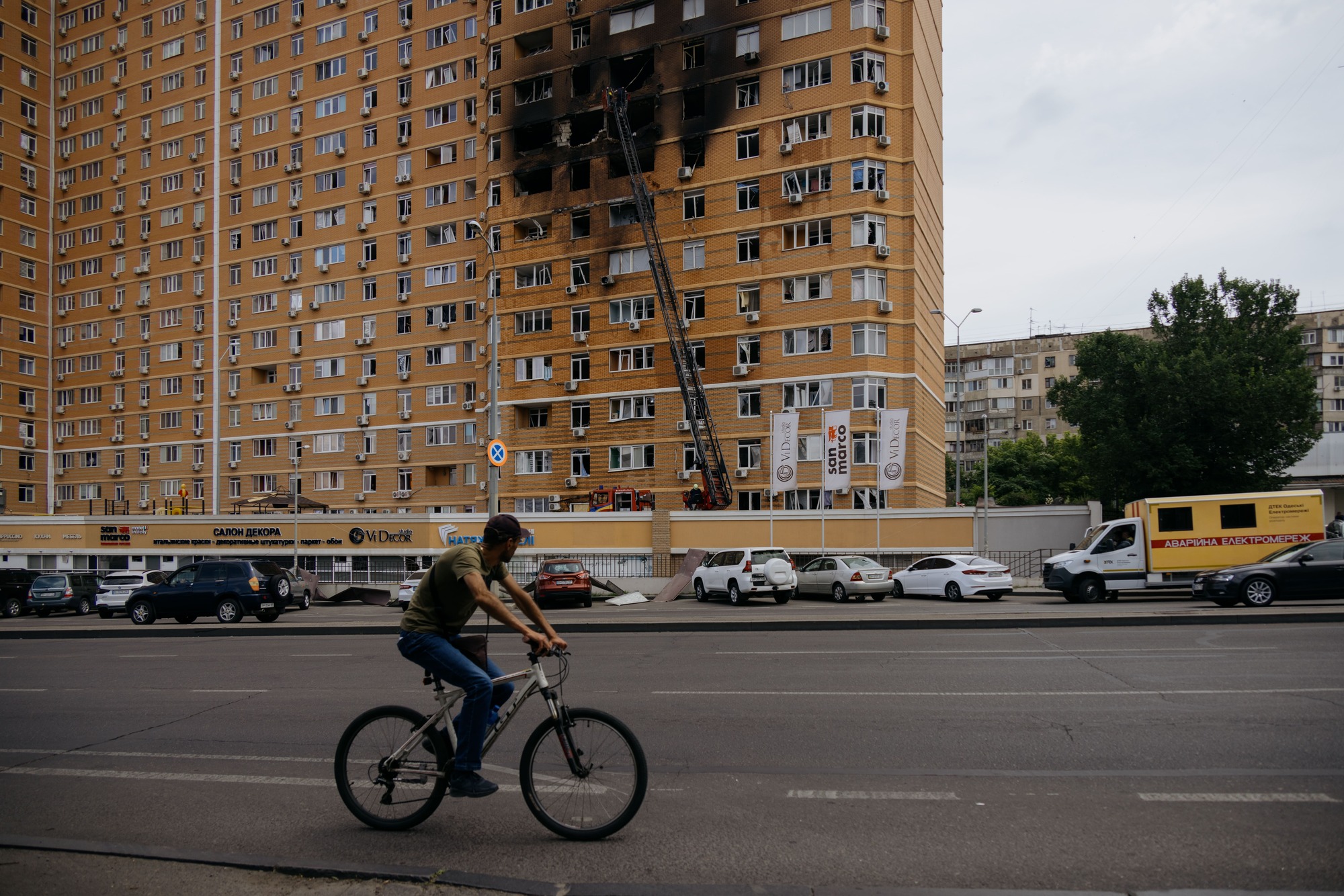
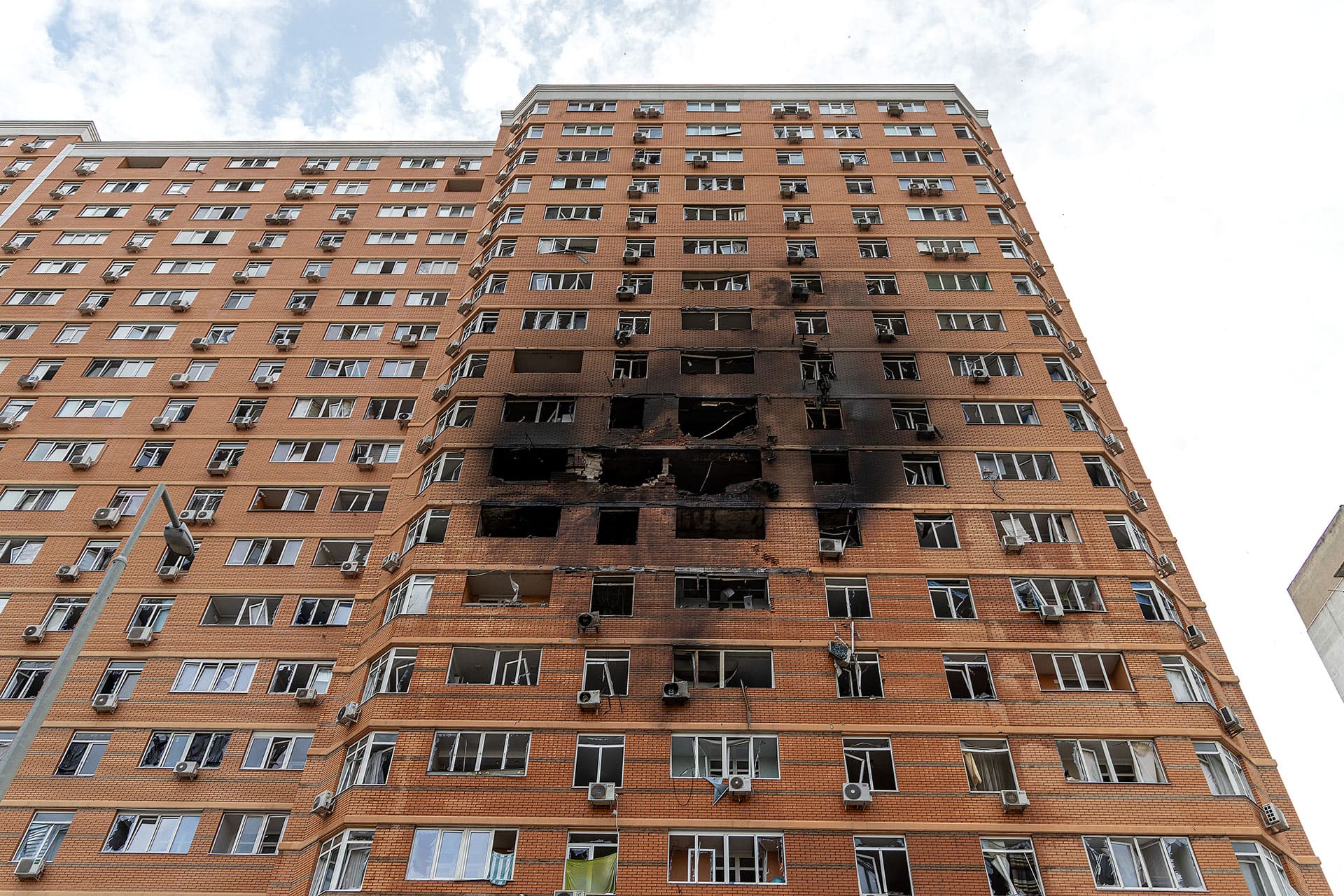
On the night of June 28, Russia attacked Odesa with kamikaze drones, striking a multi-story residential building. As a result of the attack, a married couple was killed and at least 14 people were injured, including three children. One of the children, a three-year-old, was poisoned by combustion products, while the others are in hospital, some in serious condition.
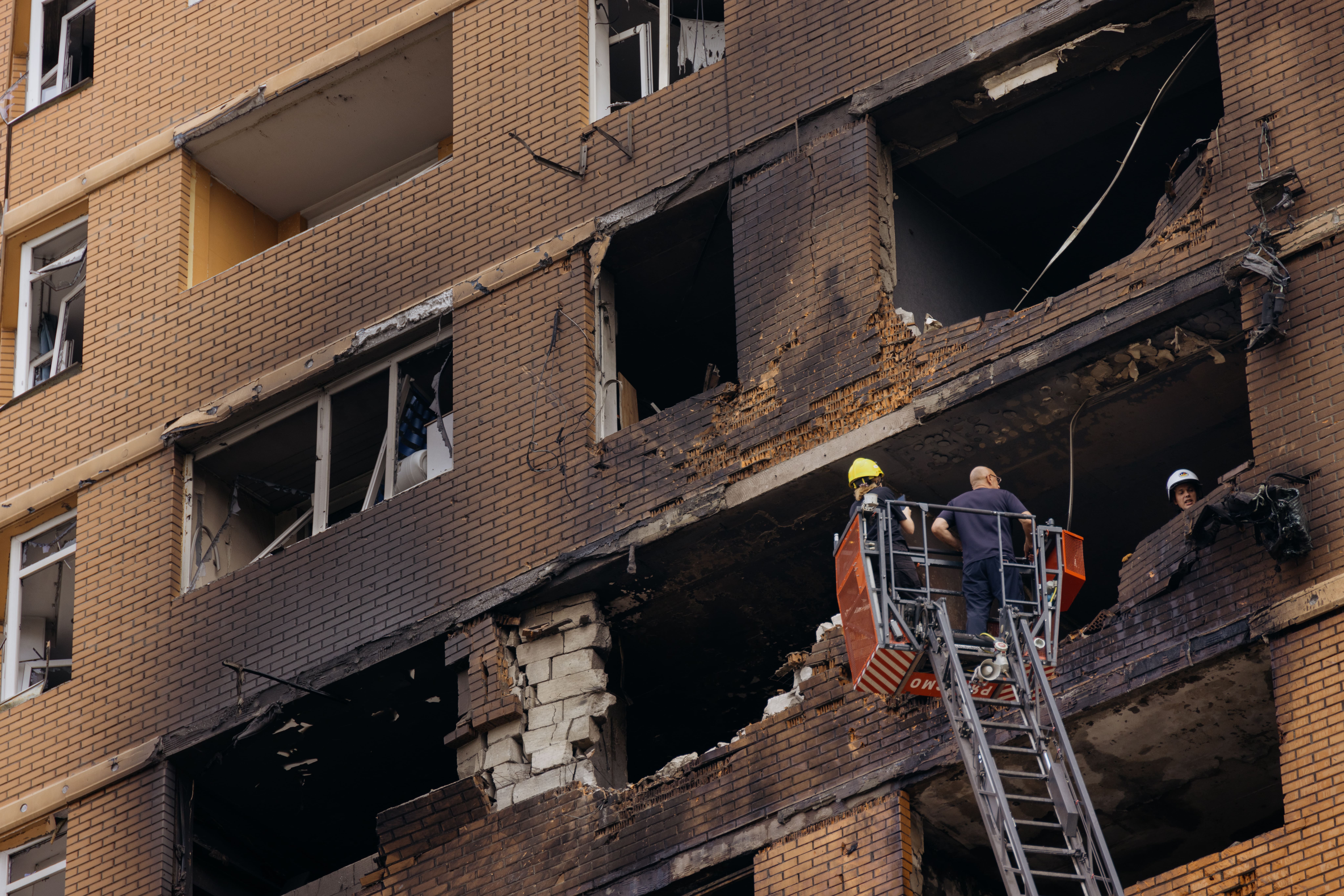
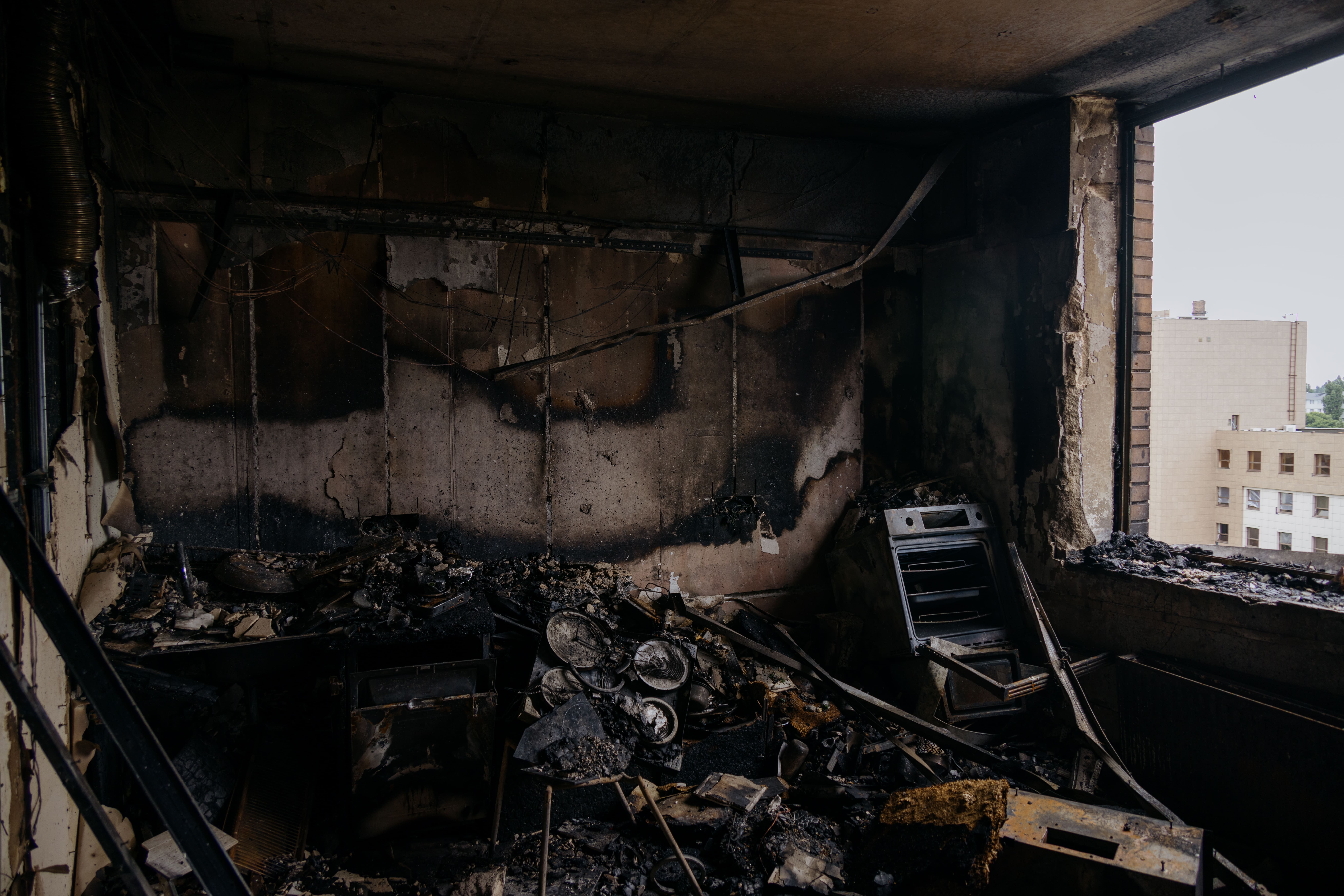

An enemy drone struck the upper floors of a 21-story building, causing a large fire that engulfed floors 7 through 9. Due to heavy smoke and high temperatures, some residents were trapped in their apartments. Rescuers risked their lives to extinguish the flames and pull people out. They managed to save at least five people, including one child.
After the attack, a mobile “Point of Invincibility” was set up near the damaged building. The work of the rescuers was complicated by repeated air raid sirens, which continued long after the strike.



Photojournalists Alexander Gimanov and Timofey Melnikov captured the aftermath of the tragedy: burned-out apartments, broken windows, distraught residents standing near the ruins. Their photos are a document and a direct response to Russian lies about “military targets.”

Analysts' assessments
June was the worst month for the Ukrainian capital since the beginning of the year. Western analysts openly call Kyiv “the most dangerous city in Ukraine.” Strike after strike, night after night — Russia has concentrated its attacks here, changing its tactics: now, instead of scattered shelling, it is carrying out targeted, systematic terror against a single metropolis. In one month, more than 350 drones and dozens of missiles have been used. Schools, hospitals, and high-rise buildings have been hit. The destruction is not chaotic but systematic. Ukrainian air defense is working at the limit of its capabilities. According to official statistics, its effectiveness has fallen from 95% to 85% — not because it is weakening, but because the number of attacks has increased significantly. Since the beginning of the year, the Russians have launched about 100 munitions per night. In June, that number rose to 500.
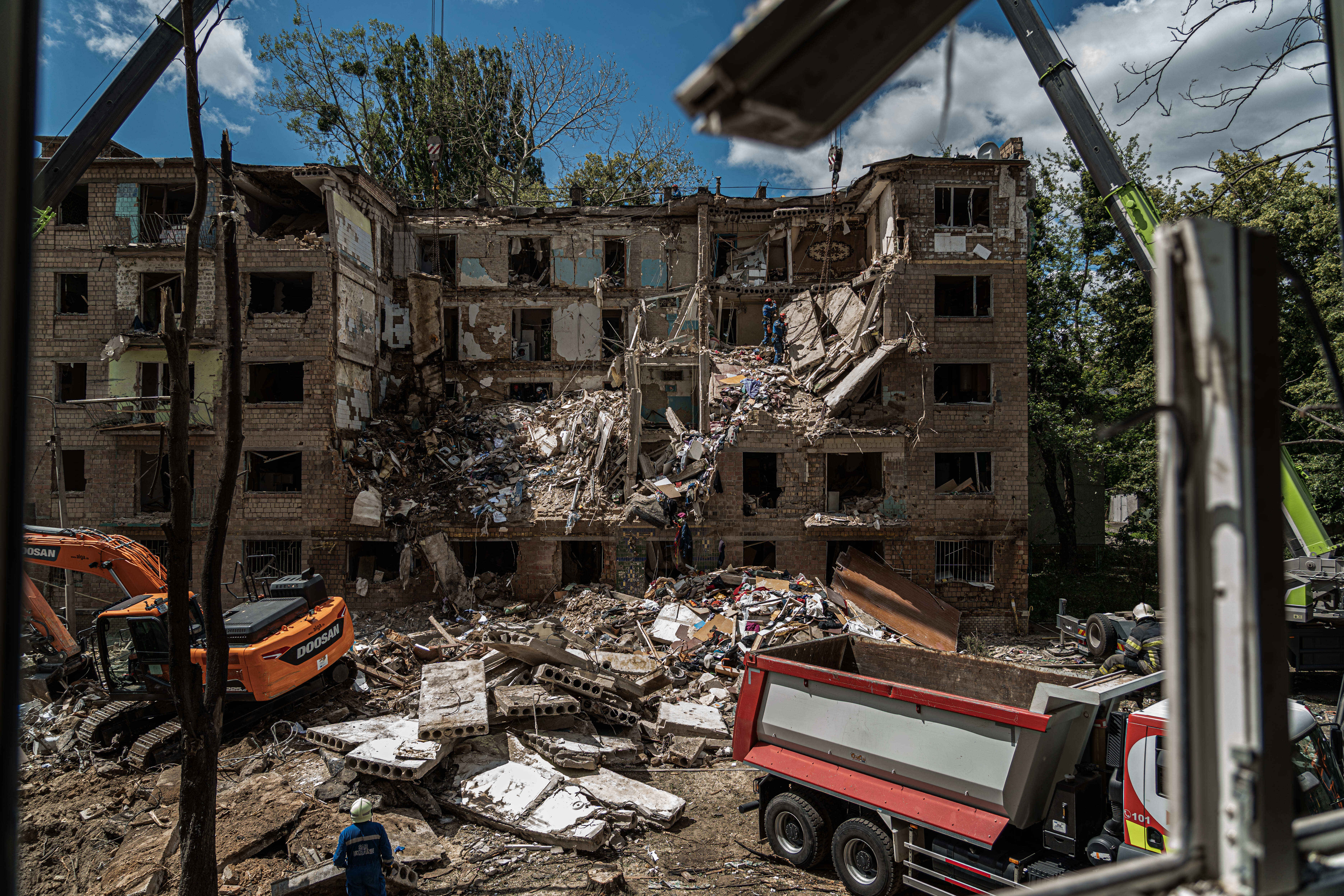
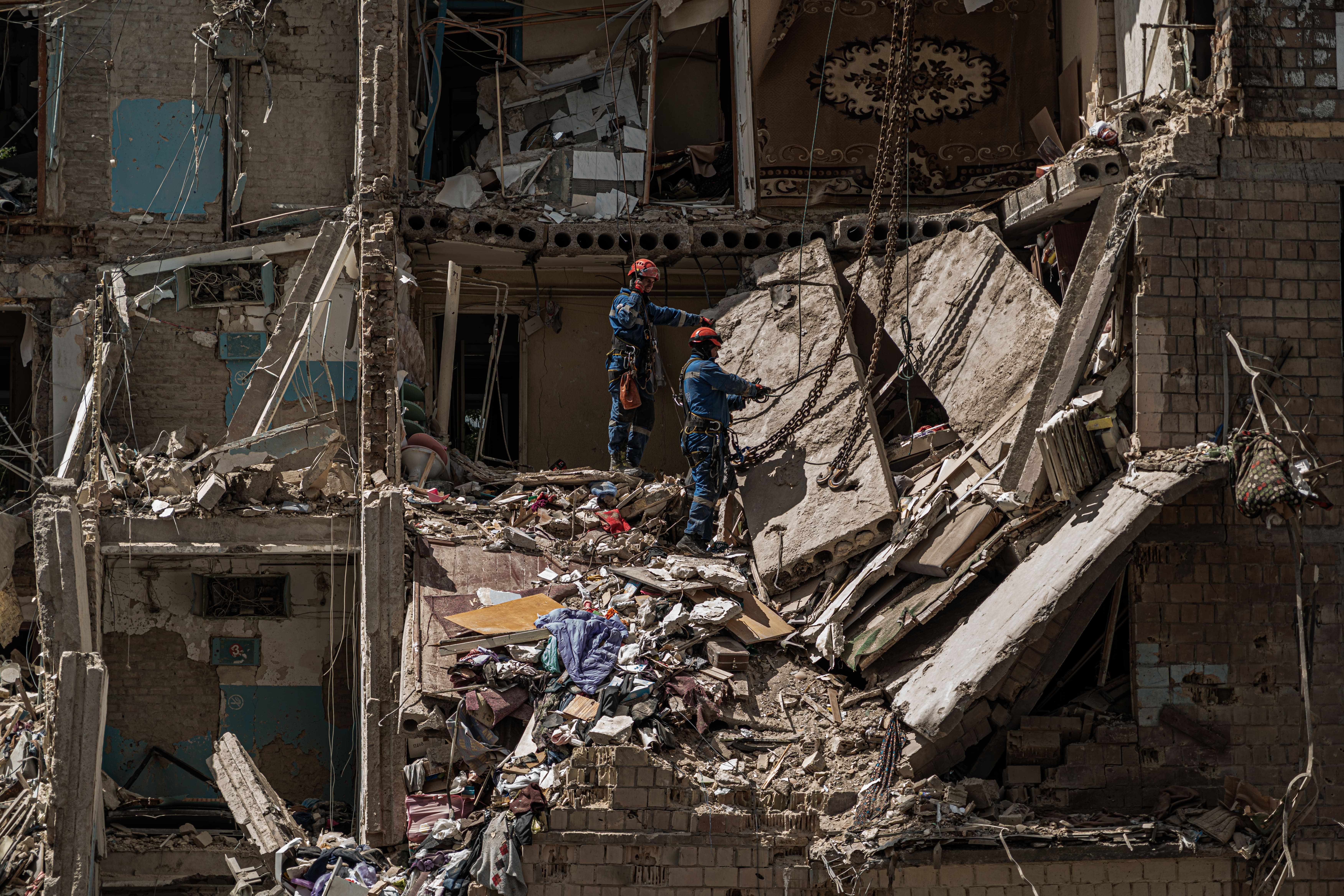
In his address to the Dutch parliament, President Volodymyr Zelenskyy recalled that since 2022, 28,743 Shahed-type drones have been launched in Ukraine, including 2,736 in June 2025 alone. That is almost 10% of the total in one month. Zelensky emphasized that these attacks would not have been possible without Iran. He warned that without new air defense systems, it would become increasingly difficult to defend the skies.
Western media report that against this backdrop, residents of the capital are increasingly considering moving away. However, the face of Kyiv is changing: it is becoming not just a symbol of resistance — it is turning into the main front in the struggle for the survival of civilian life in Ukraine.
Contributors:
Researcher and author: Vira Labych
Image editor: Olga Kovalova
Literary editor: Yulia Futey
Website manager: Vladislav Kukhar