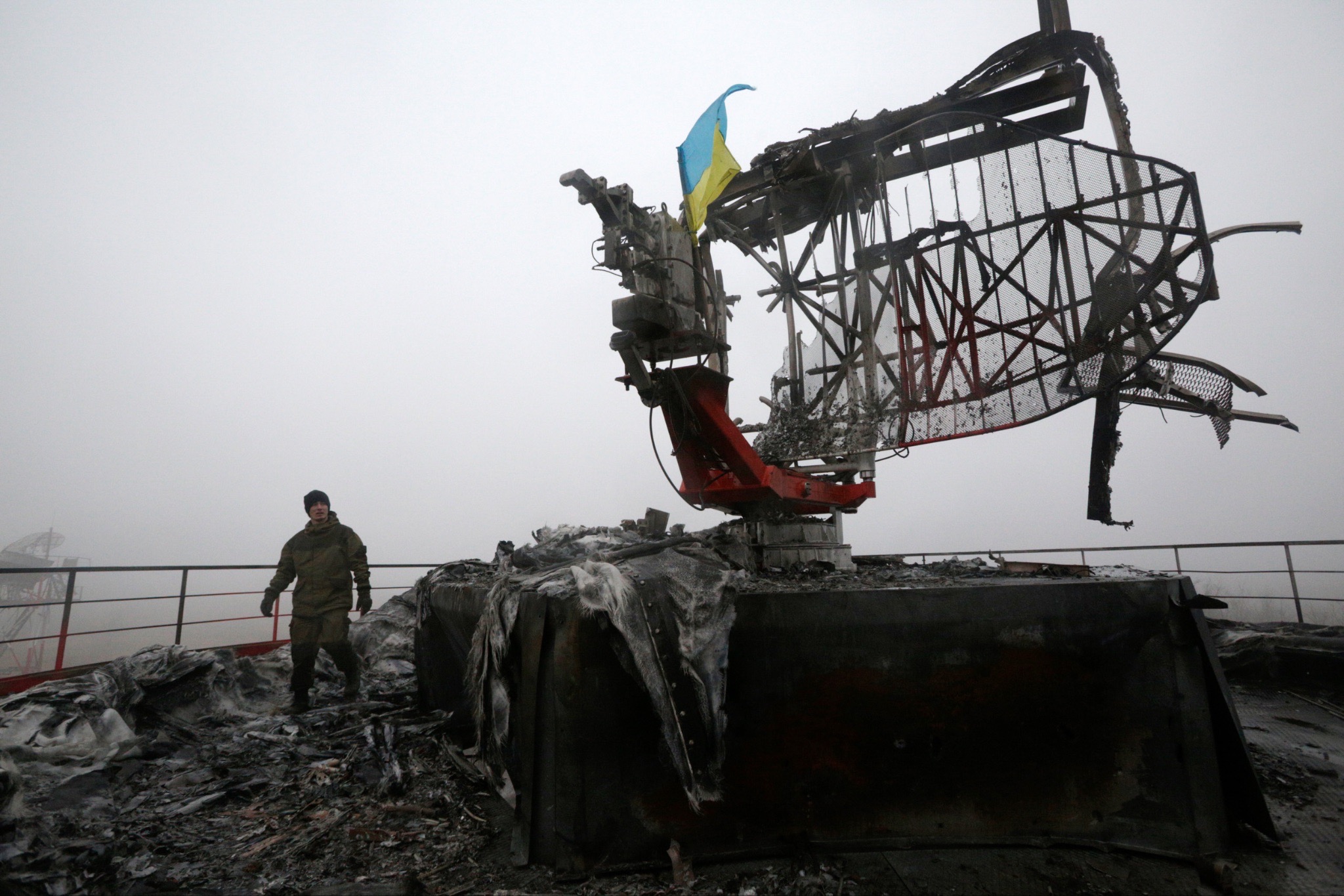
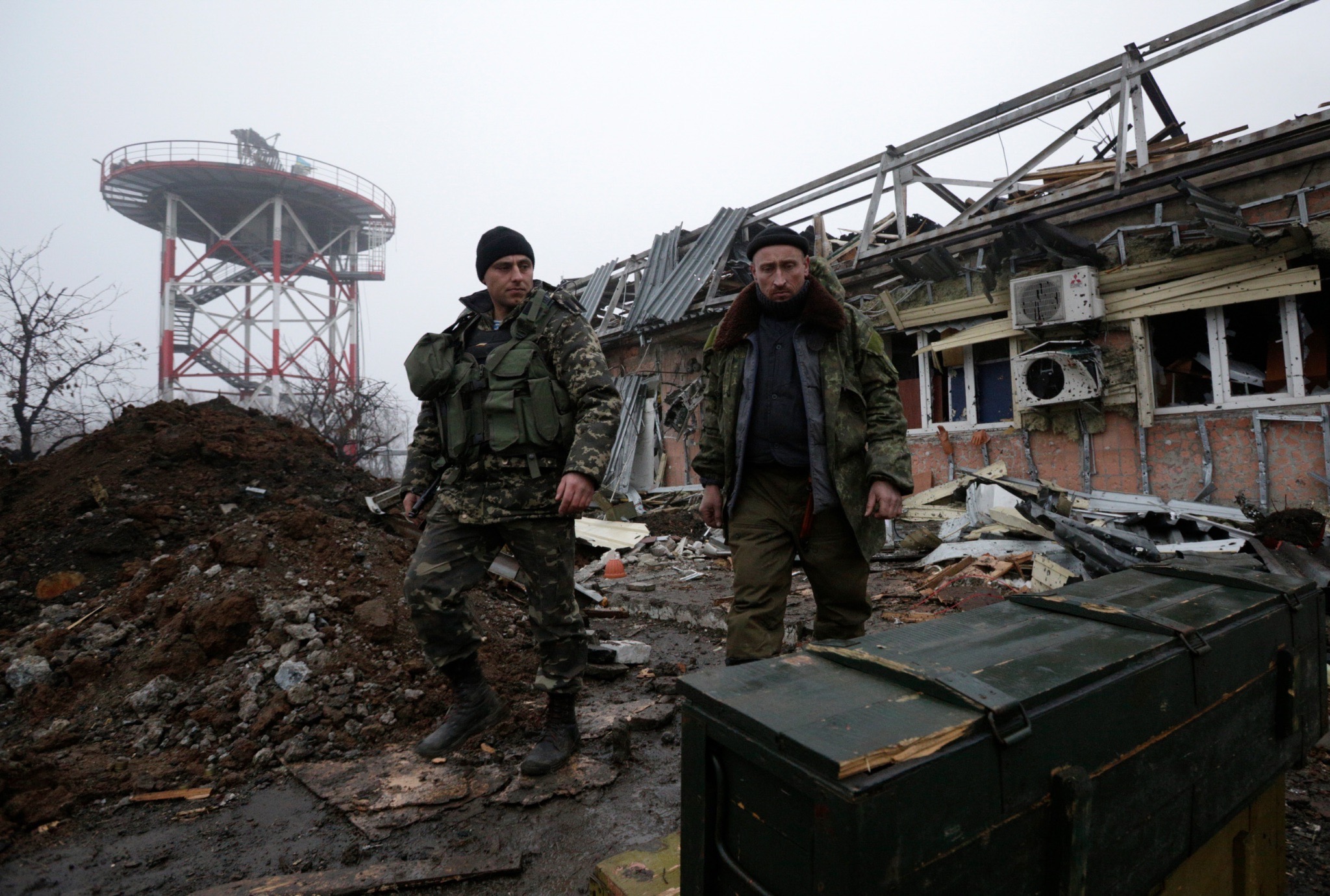
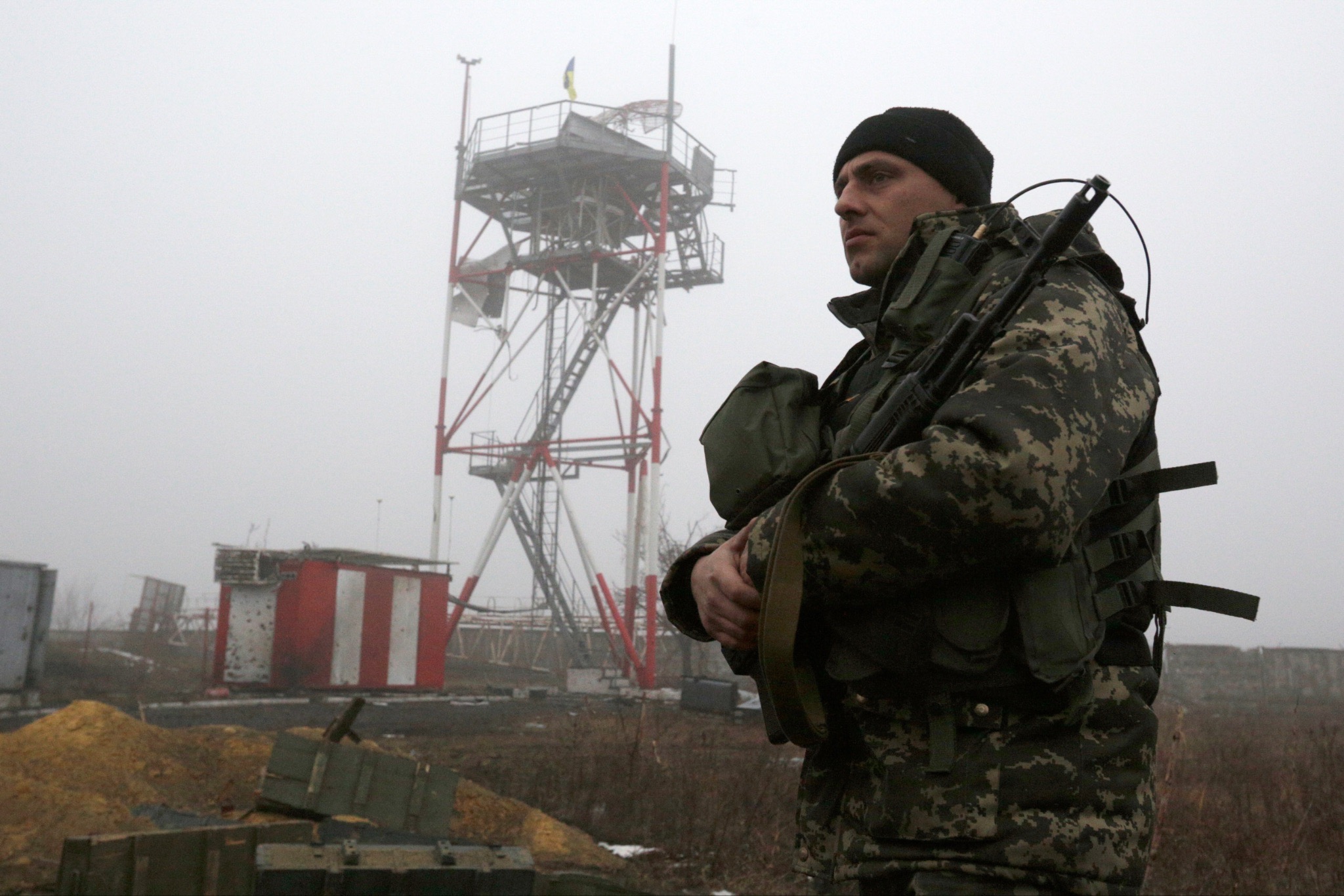
In 2012, the Serhii Prokofiev Donetsk International Airport was a new runway built for the European Championship and the tallest control tower in Ukraine. Just two years later — the gateway to Donetsk, a strategic facility and a fortified site.
Eleven years have passed since January 20, 2015, when occupying forces blew up the floors in the new terminal of Donetsk Airport during the battles for its control. Many Ukrainian soldiers were killed then. Every year on January 20, Ukraine officially marks the Day of Remembrance of the Defenders of Donetsk Airport, bowing their heads before their feat. The Russians destroyed the tower, yet it continues to live on as a symbol of the unbreakable will of Ukrainian defenders, stronger than concrete.
Every year, on the eve of anniversaries and memorial dates of this war, Russian propaganda intensifies disinformation campaigns against the Ukrainian Defense Forces and civic resistance. That is why it is important to continue bearing witness and writing genuine documentary work.
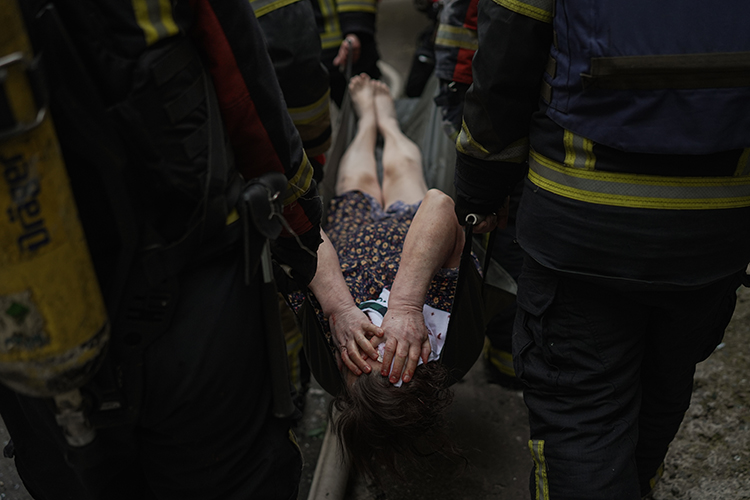
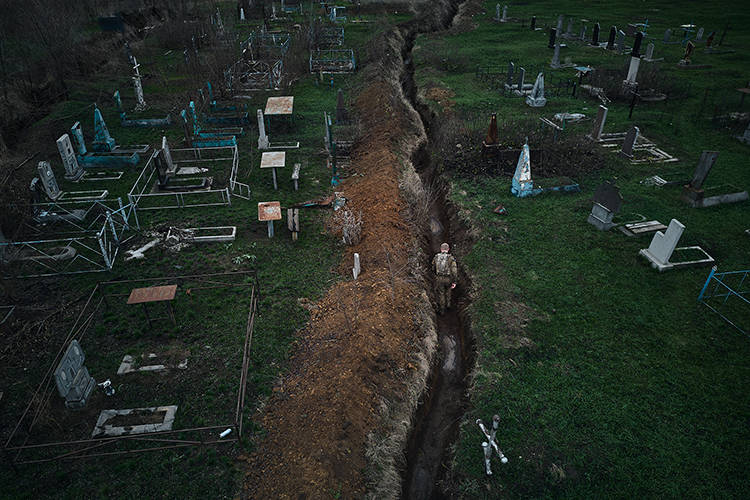
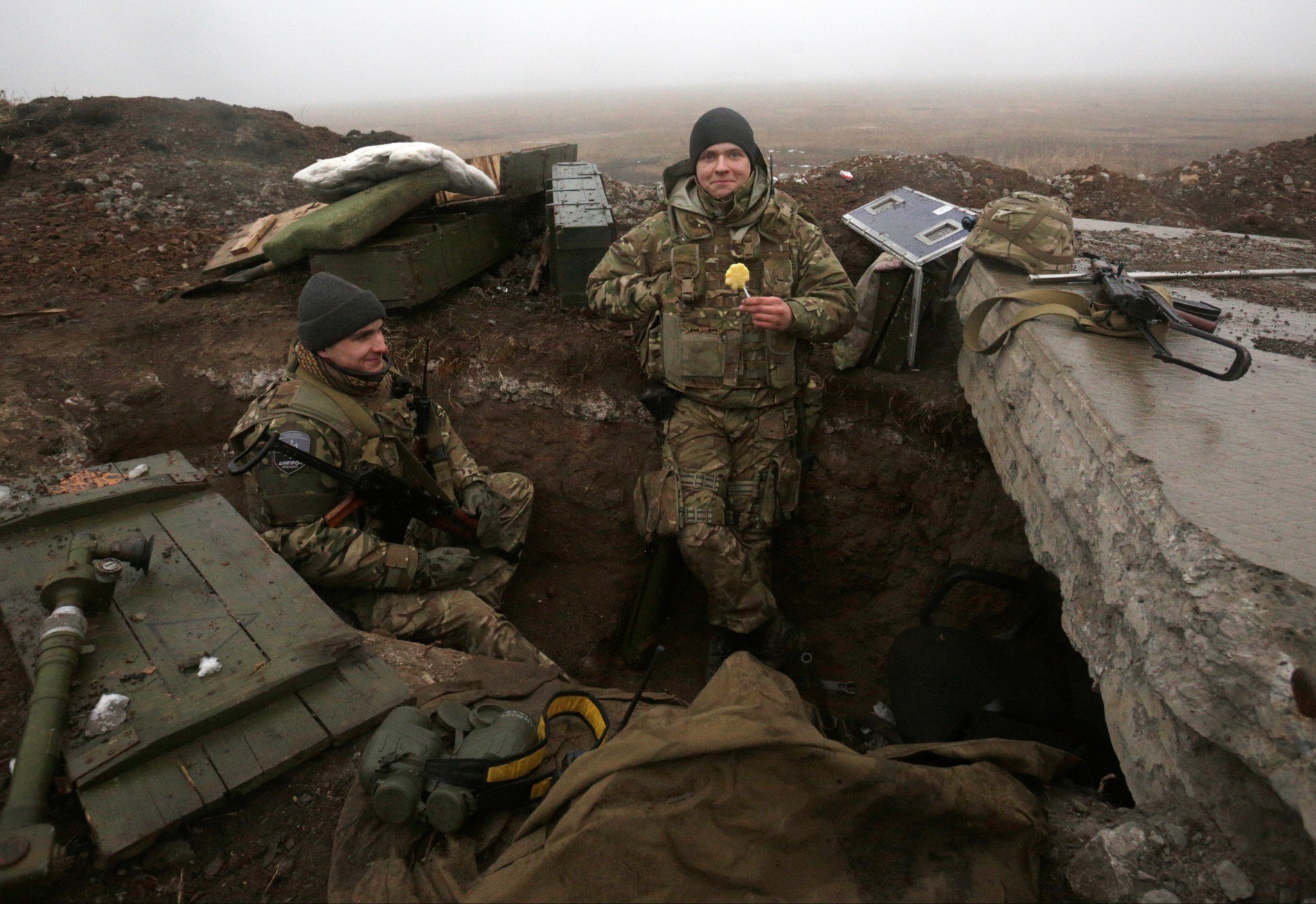
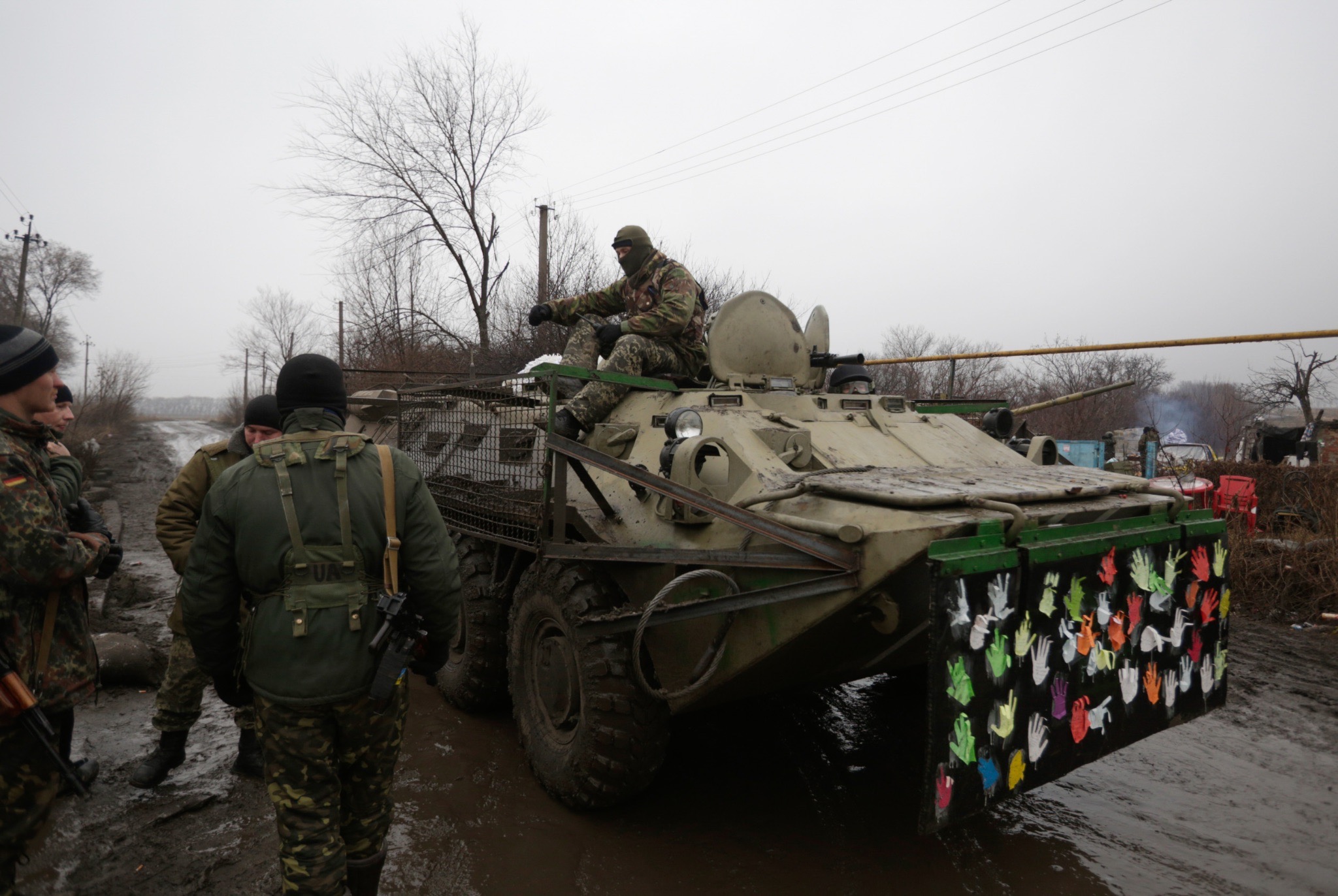
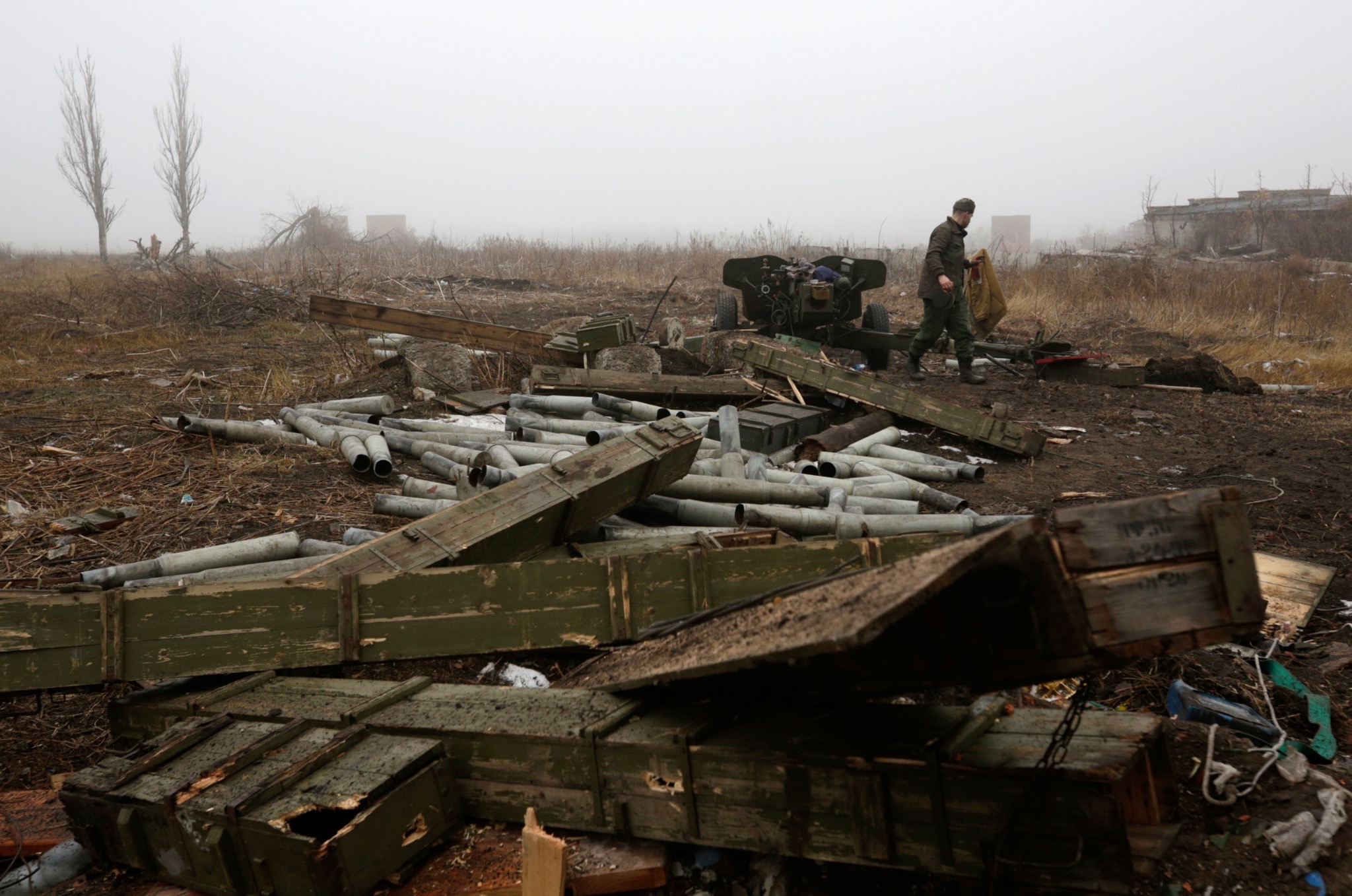
Ukrainian documentary photographer Anatolii Stepanov, who has been covering Russian aggression against Ukraine since the first days of 2014, commented on the main Russian narratives about the defense of Donetsk Airport and the ATO and shared important details of those turbulent events. The photographer repeatedly visited Pisky, where a stronghold and logistics point of Ukrainian forces was located, and was at the destroyed weather station near the airfield.
“Ukraine attacked Ukraine”
They heroically held the defense of the terminals for more than 240 days, from September 2014 to January 22, 2015. These were the first serious battles of the beginning of the Russian‑Ukrainian war, which became a turning point for the occupier’s plans. Volunteer formations and units of the Armed Forces of Ukraine took part in the defense of the airport. During the defense of Donetsk Airport 101 Ukrainian soldiers were killed, 440 were wounded, and 9 went missing. The last defenders left the airport territory a few days after the terminal was blown up.
Russians often distort and subjectively interpret historical facts in order to justify their own aggression against Ukraine. Therefore, propaganda presents the beginning of the battle for Donetsk Airport as the beginning of Ukraine’s war against the residents of Donbas. The Telegram channel “Ukraina.ru,” which mimics a Ukrainian outlet, in May 2024 called the beginning of the fighting for DAP “a direct and inevitable crime of ten years ago, because of which civilians are now dying on both sides of the border from missiles and shrapnel”. Meaning that the war allegedly began with Ukraine’s use of aviation, since not only so‑called “militiamen” but also civilians were killed in air strikes.
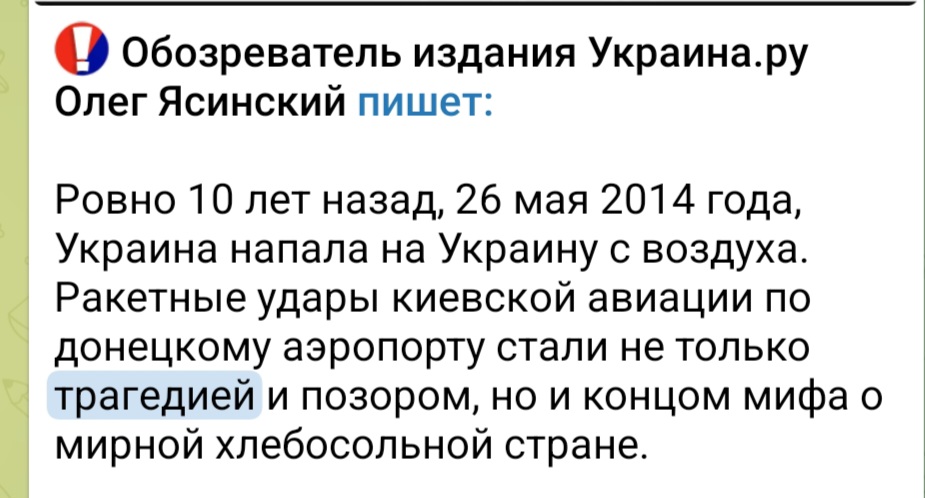
“Exactly ten years ago (publication in 2024 — ed.), on May 26, 2014, Ukraine attacked Ukraine from the air. Missile strikes by Kyiv’s aviation on Donetsk airport became not only a tragedy and a disgrace, but also the end of the myth of a peaceful, hospitable country.”
In reality, this was an undeclared war by Russia against Ukraine, which began with the annexation of Crimea and the deployment of separatist movements in the Luhansk and Donetsk regions. The majority among the so‑called “militiamen” in the east were Russian mercenaries and soldiers, reported Ukrinform. Russian propaganda then masked its aggressive plans as the desire of the people of Donbas to separate from the rest of Ukraine, where Nazis had allegedly come to power. However, Russia encountered unprecedented resistance from the Ukrainian people. Ukrainian patriots did not allow a coup to take place in Odesa and Kharkiv and took up arms to defend Ukrainian land. In April 2014, separatists set their sights on capturing Donetsk Airport. On May 26, militants lost the battle for DAP and retreated to Donetsk with losses. Ukrainians carried out the operation under the cover of aviation forces.
It is well known that the beginning of the war can be considered the capture of the cities of Sloviansk and Kramatorsk by a detachment led by a reenactor and, at the same time, FSB officer Girkin. If armed people from another country attempt to seize a strategic facility, any state has the full right to remove them from that facility. That is exactly what was done on May 26. Moreover, part of the attackers was destroyed by friendly fire. Their own people shelled and shredded a KamAZ with militants, — says photographer Anatolii Stepanov and adds: And in general, there is no sense in paying attention to what propaganda says. We are in our own country and we have our own work to do.
“A shameful page of the civil war in Ukraine”
Russians call the defense of Donetsk Airport “a shameful page of the civil war in Ukraine”, allegedly because Ukrainians used it to adjust fire on Donetsk during a ceasefire. Russians try to create a negative image of Ukrainian soldiers, calling them “criminals who killed women in Donetsk region for separatism”, as well as accusing them of torture, violence, and looting.
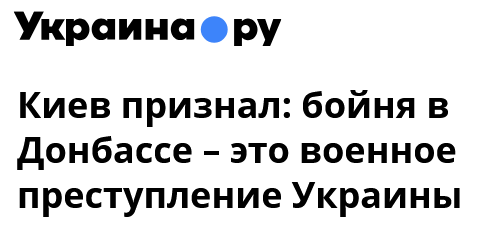
To reinforce their narrative, propagandists cite the names of DAP defenders who appeared in criminal cases. By convincing a pro‑Russian audience that most defenders of Donetsk Airport are especially dangerous criminals, the Kremlin justifies violence against Ukrainian soldiers, often as a preventive action. Allegedly, behind Russian shelling of the airfield stands a noble cause — “to bury under the ruins of the terminals Ukrainian soldiers who came to kill the civilian population of Donbas and to drive the Armed Forces of Ukraine away from Donetsk”.

However, the Ukrainian online outlet “Eastern Variant” reports that the cyborgs (another name for the defenders of Donetsk Airport — ed.) during the first battle at the end of May 2014 deliberately delayed time so that airport staff and civilians could leave. At the same time, militants, according to testimonies of the outlet “Radio Liberty,” used civilians as cover to disorient the opponent.
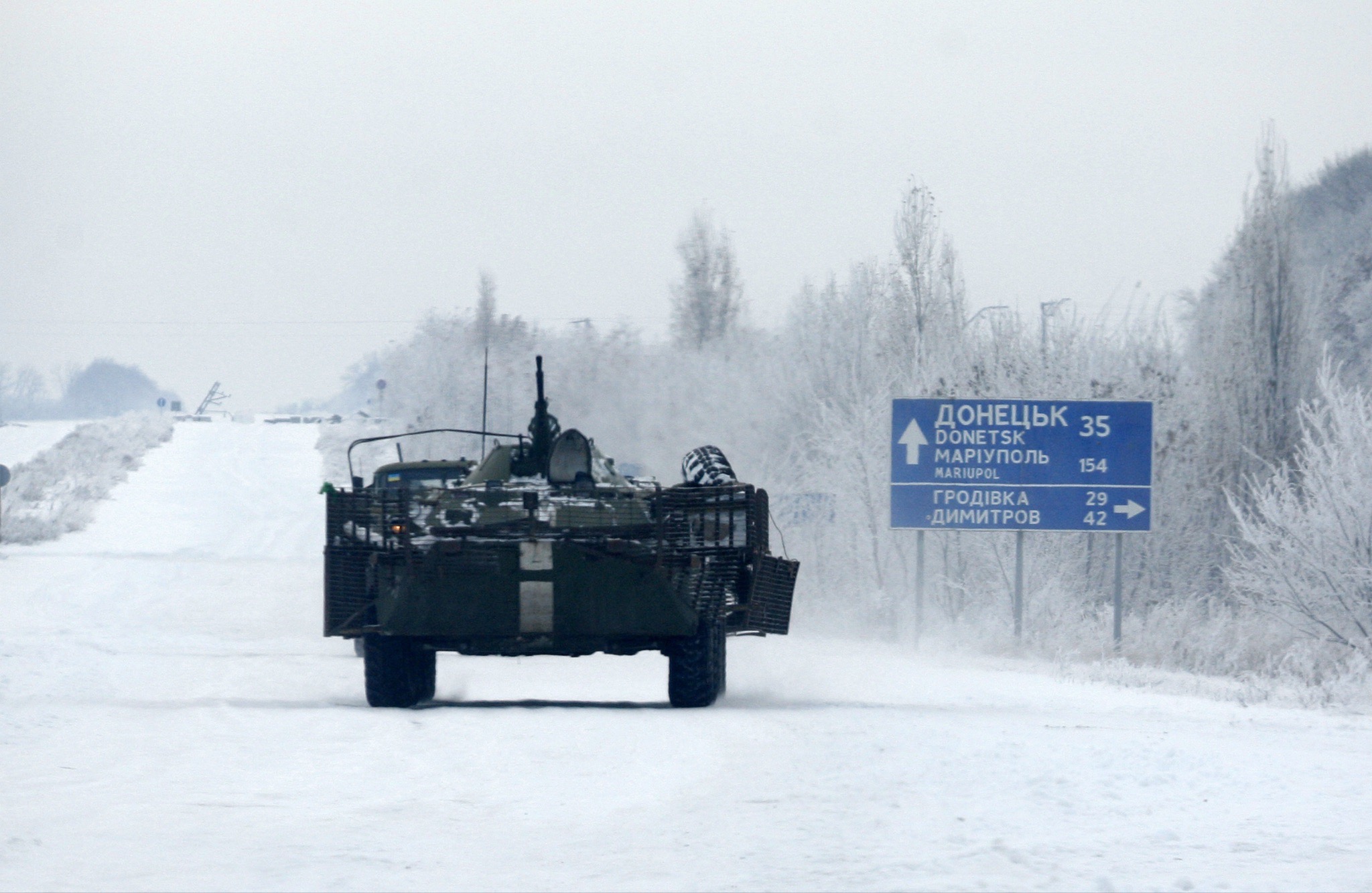
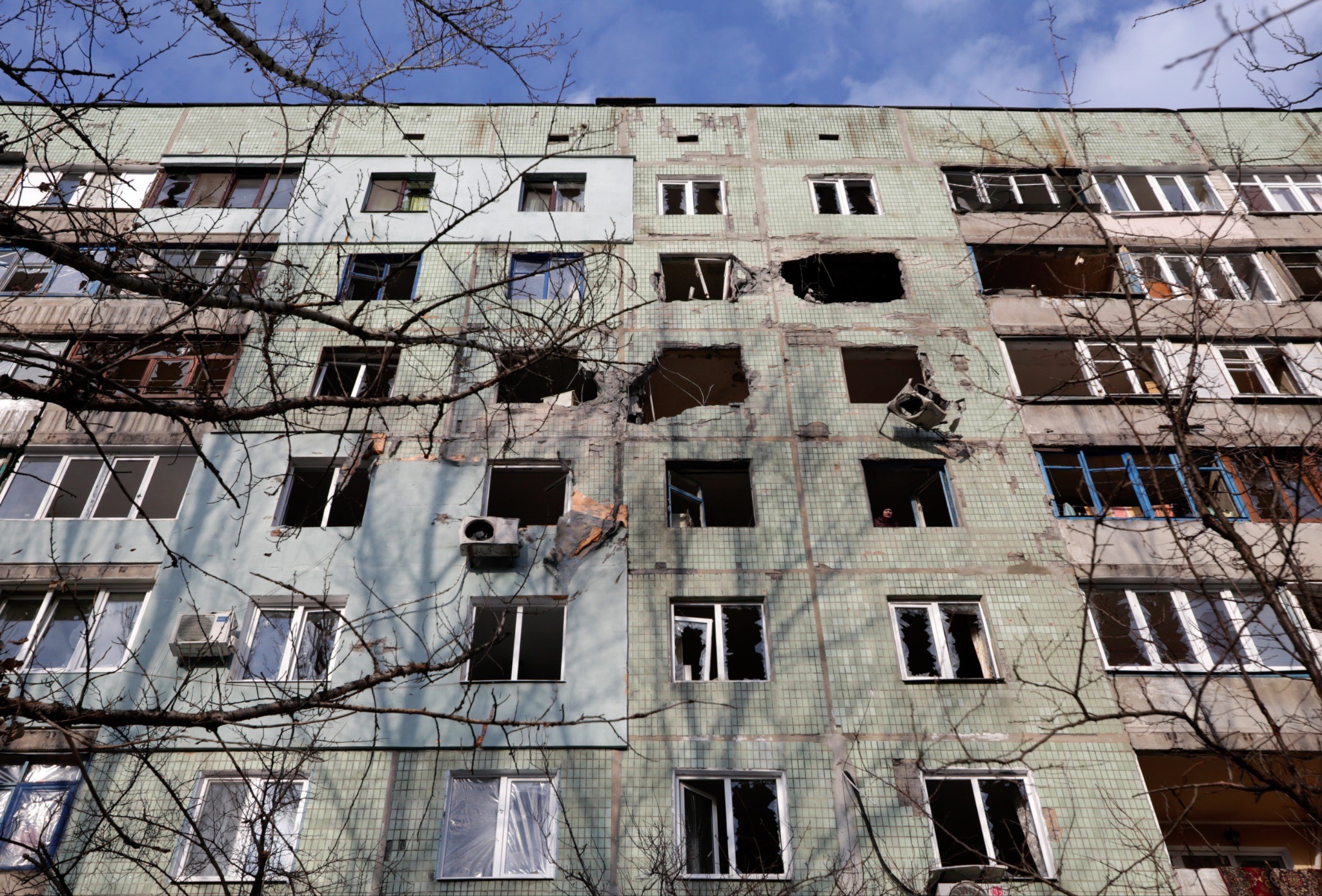
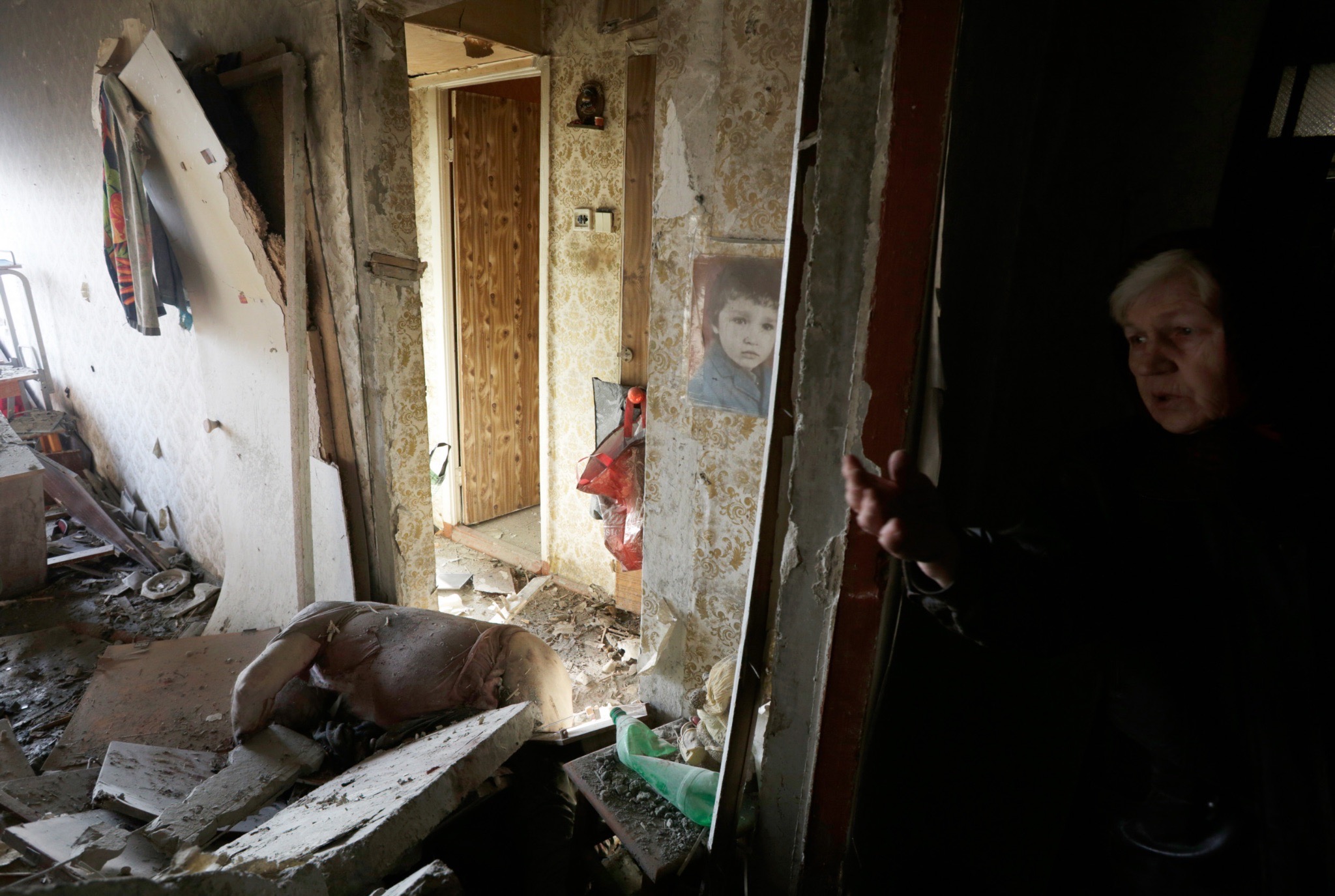
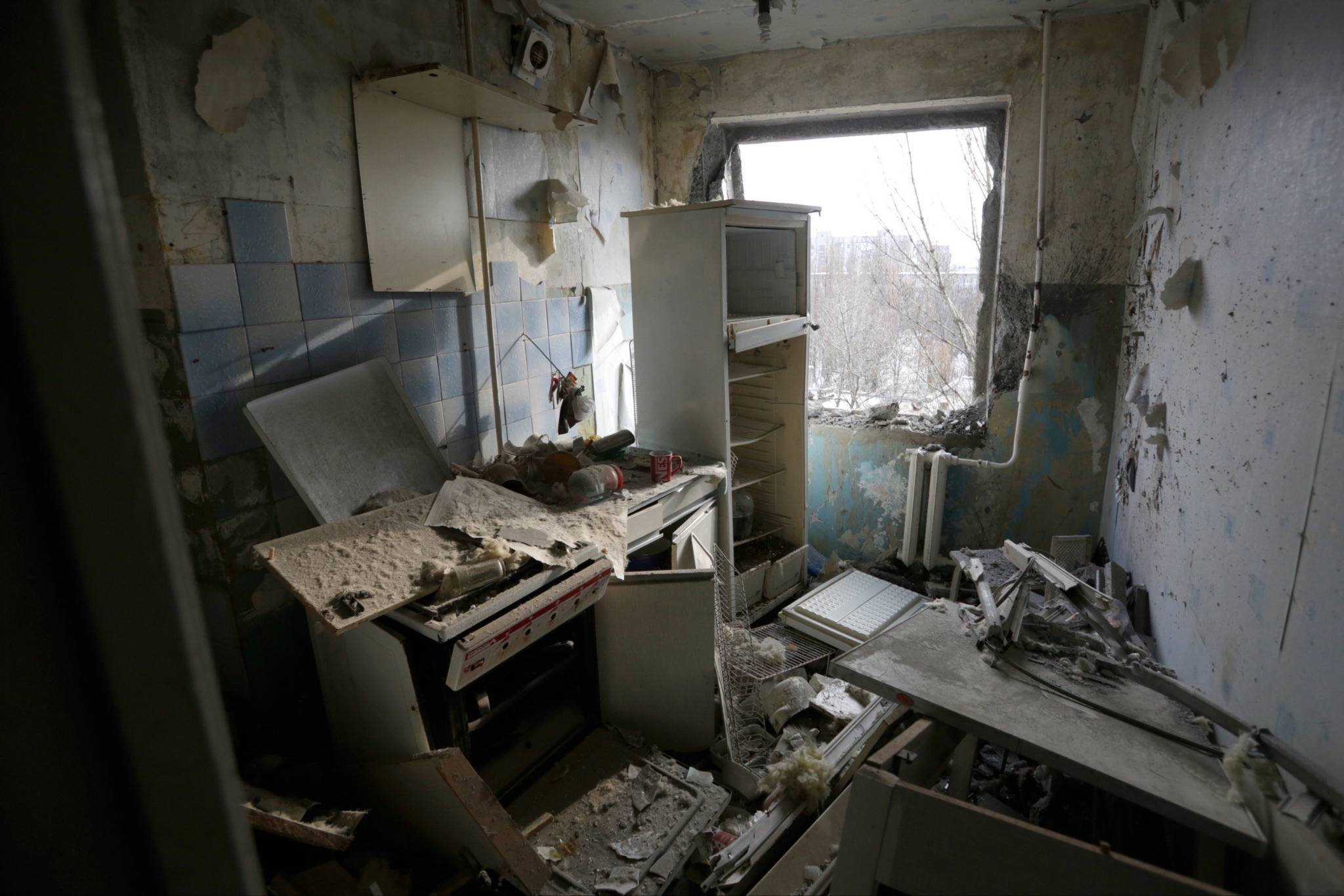
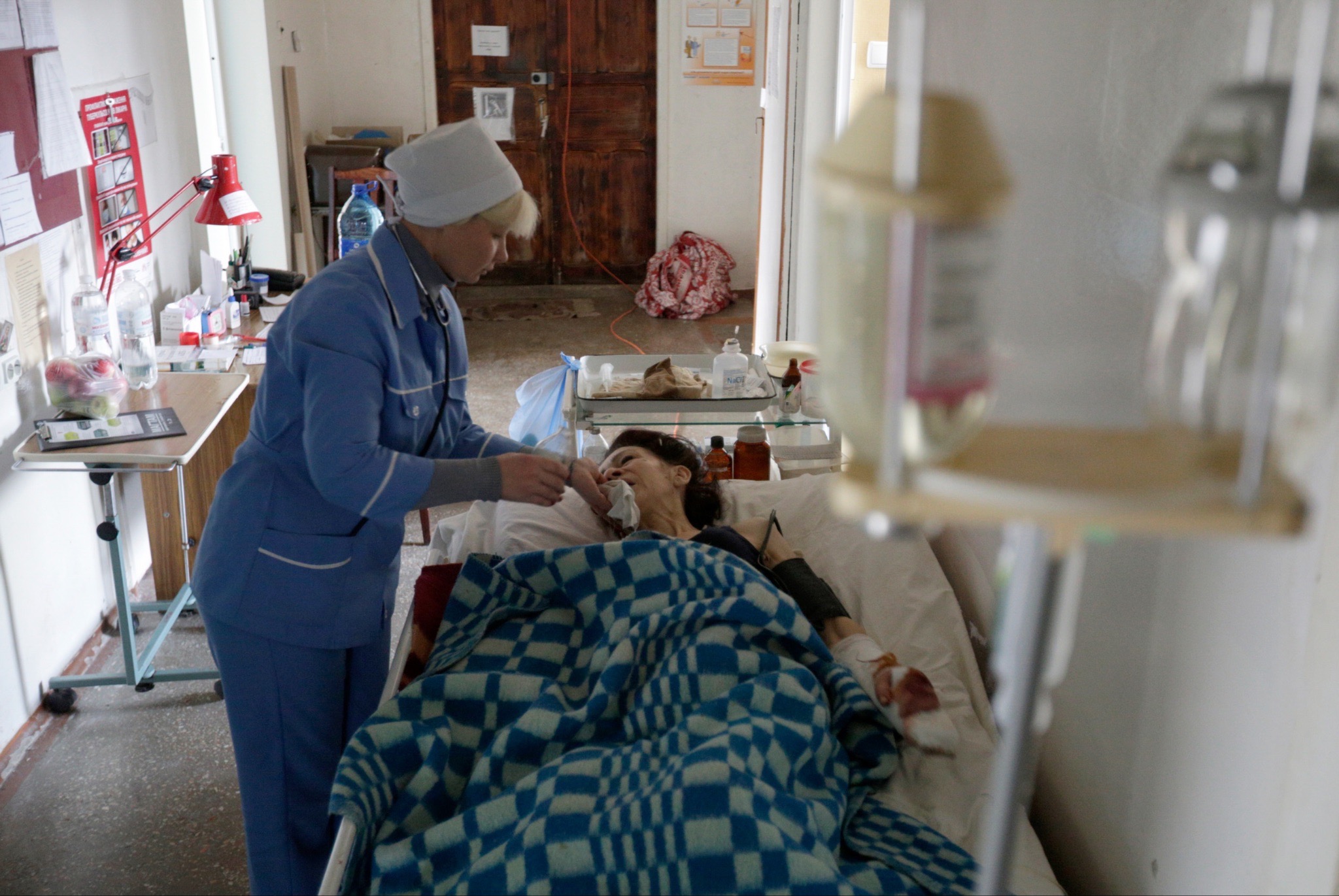
Photographer Anatolii Stepanov says that Russians constantly shelled surrounding settlements, in particular the city of Avdiivka. These Russian crimes, which they shifted onto Ukrainian security forces, are documented in photographs from the photographer’s archive.
It was not possible to deploy heavy weapons there. Ukrainian artillery worked on its outskirts so as not to allow attackers to effectively storm the airport. But they themselves brutally shelled Pisky, Opytne, Orlivka, Avdiivka, Krasnohorivka, Kamianka, Karlivka, Pervomaiske, and many settlements nearby. They killed people, destroyed houses, — says the photographer.
Defense that “had no significance” and Kyiv‑invented “cyborgs”
In the pro‑Russian information space, emotional messages often surface such as “the defense of Donetsk Airport had no strategic significance for Ukraine,” “it was unsuccessful from a military point of view,” “Ukrainian soldiers gave their lives for no clear reason”. More precisely, propagandists say, the cyborgs died so that Kyiv could once again declare Russian aggression. In different formulations, but always about the same thing, pro‑Kremlin accomplices at every opportunity impose the idea that there was and is no sense in an endless war for a piece of scorched land.

Allegedly, it was precisely in order to motivate fighting for every piece of land — or concrete — that the Ukrainian authorities invented the legend of the “cyborgs.” This is a new edition of an old Ukrainian patriotic myth about the battles near Kruty — January 29, another anniversary that irritates Russians. On this day, Ukrainians bow their heads before the feat of volunteers, mostly students, who in January 1918 resisted the Bolshevik army at the Kruty railway station, having one cannon and more than a dozen machine guns. Russians discredit Ukraine’s military feats of all times, claiming that only Ukrainians are capable of glorifying and encouraging the continuation of war in the name of higher national interests.
At the same time, in 2014, Donetsk Airport and the nearby villages had important strategic significance for the further de‑occupation of territory seized by pro‑Russian separatists.
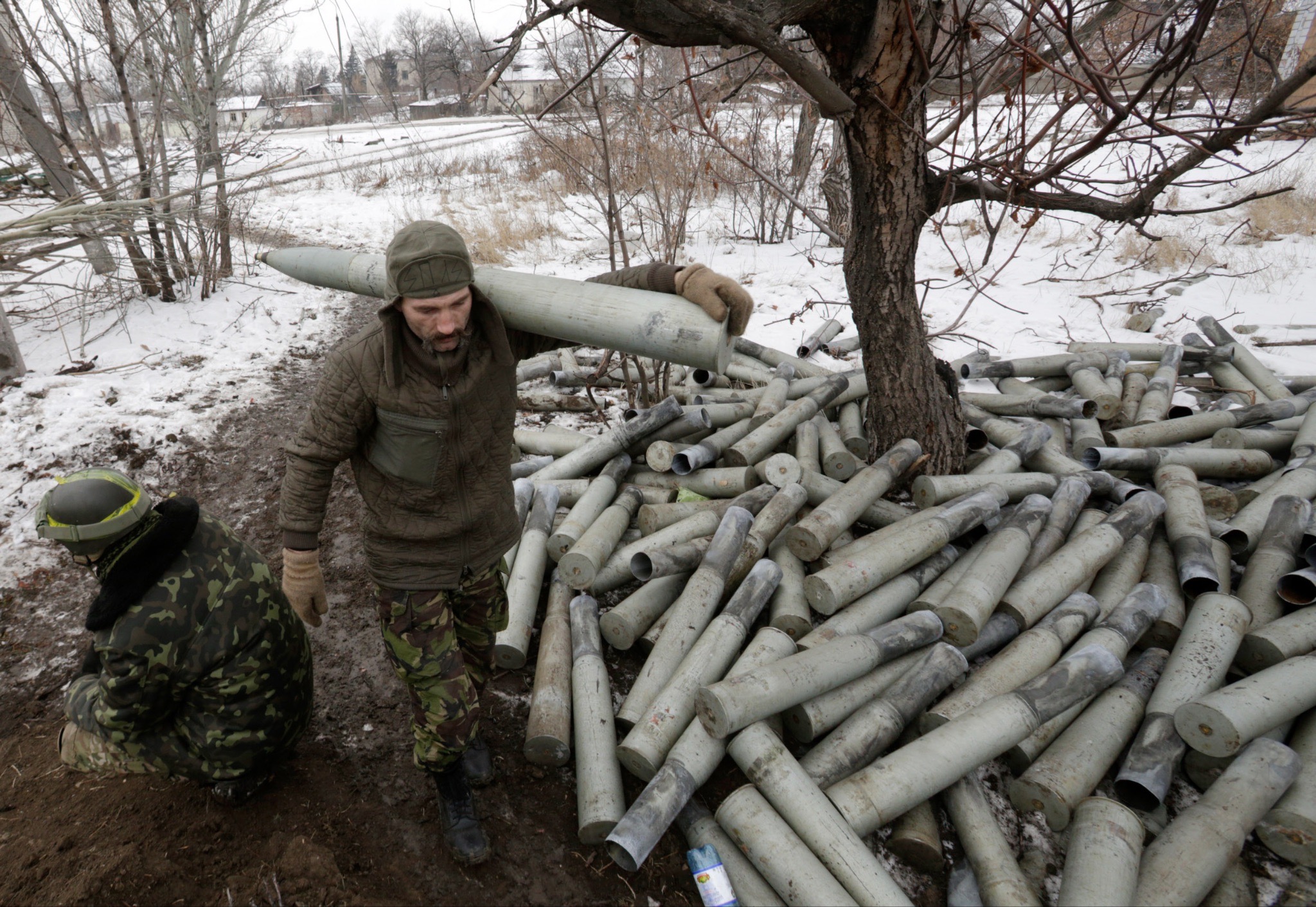
DAP is a strategic airport in a region where an attempt at a separatist coup is being made. To seize such an airport means gaining the ability to deploy airborne troops there by aircraft at any time and to develop success. That is why it was held — so that the Russians would not have such an opportunity, — shares Anatolii Stepanov.
In the summer of 2014, it was relatively quiet at DAP; heavy fighting resumed in early September. Battles continued not only for the airport but also for the villages closest to it. Despite the signed Minsk agreements, militants shelled Ukrainian defenders. In January, due to massive Russian shelling, the control tower collapsed and part of the new terminal was blown up. On January 20, a second explosion occurred, as a result of which many cyborgs were killed. Some were taken prisoner, while the rest left the airport territory in the following days. Russians destroyed what they could not capture. For their ability to hold the defense of the airport under shelling and for the fierce resistance of Ukrainian defenders of the airfield, they were nicknamed “cyborgs.” According to one version, this name was given to them by the militants themselves, marveling at their resilience. In the autumn of 2014, cyborgs, while surrounded by terrorists on the territory of the airfield, managed to capture Russian soldiers.
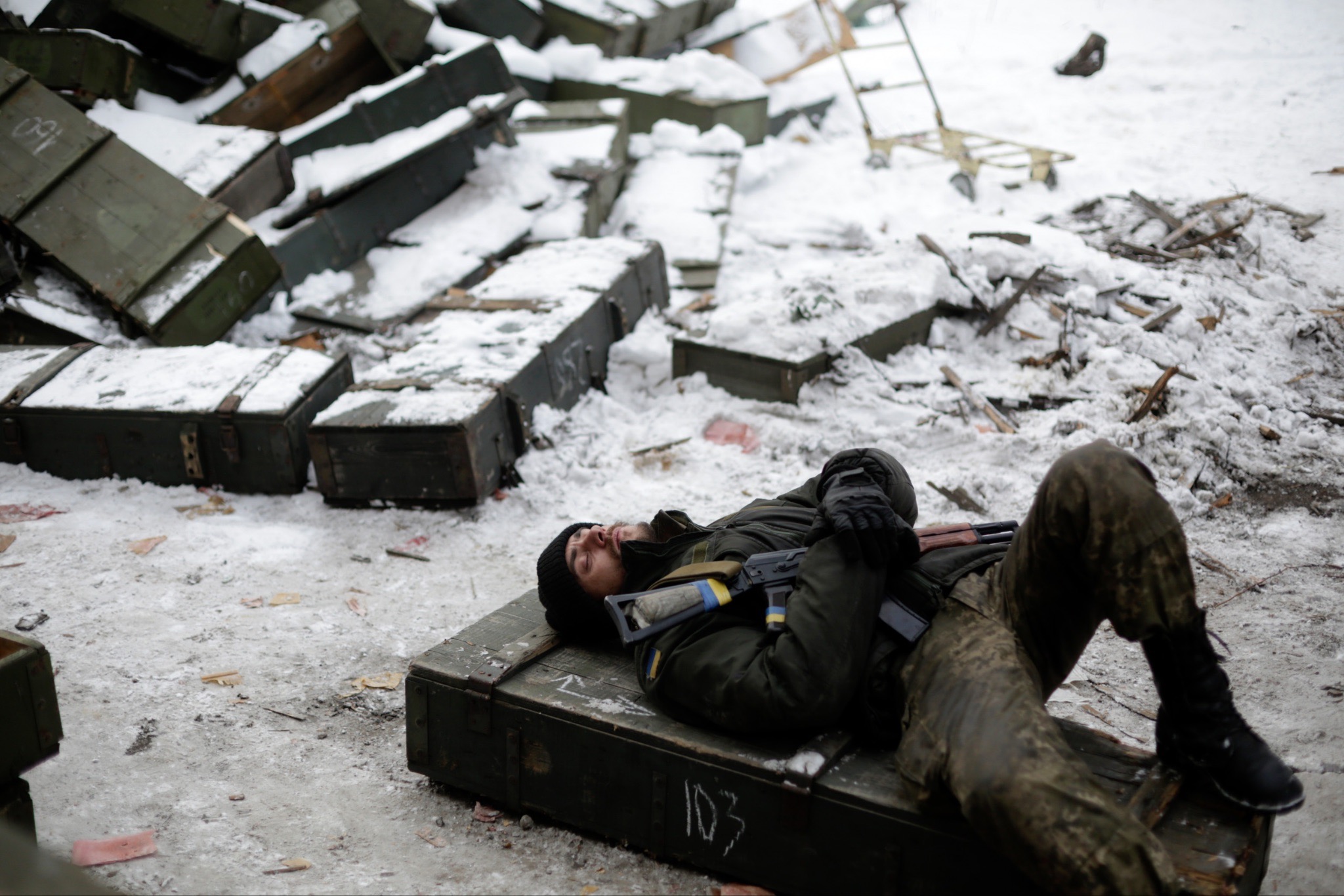
To understand who the cyborgs were, one must imagine the defense of a modern structure made of glass and concrete pillars with plasterboard partitions, — describes the conditions in which Ukrainian soldiers held the defense, Anatolii Stepanov.
Russia denied the participation of its troops in these hostilities. Propaganda told how heroically the “militiamen” drove the cyborgs out of the airfield. “Eastern Variant” reports that militants repeatedly spread fake reports about the capture of DAP while fighting was still ongoing. And after the military left the ruins of the airfield, the propaganda outlet “RIA Novosti” claimed that items were allegedly found there that likely belonged to foreign mercenaries.
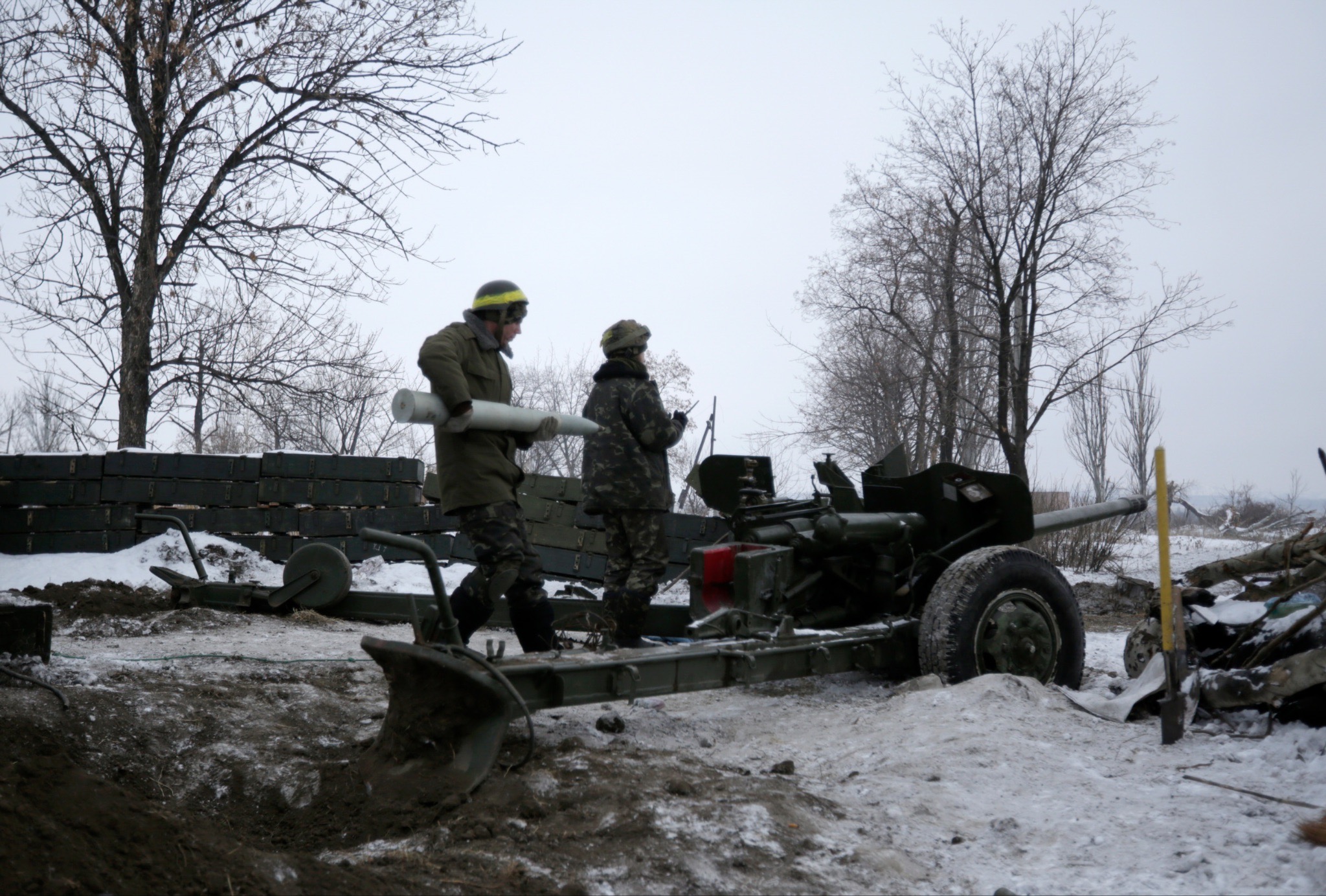
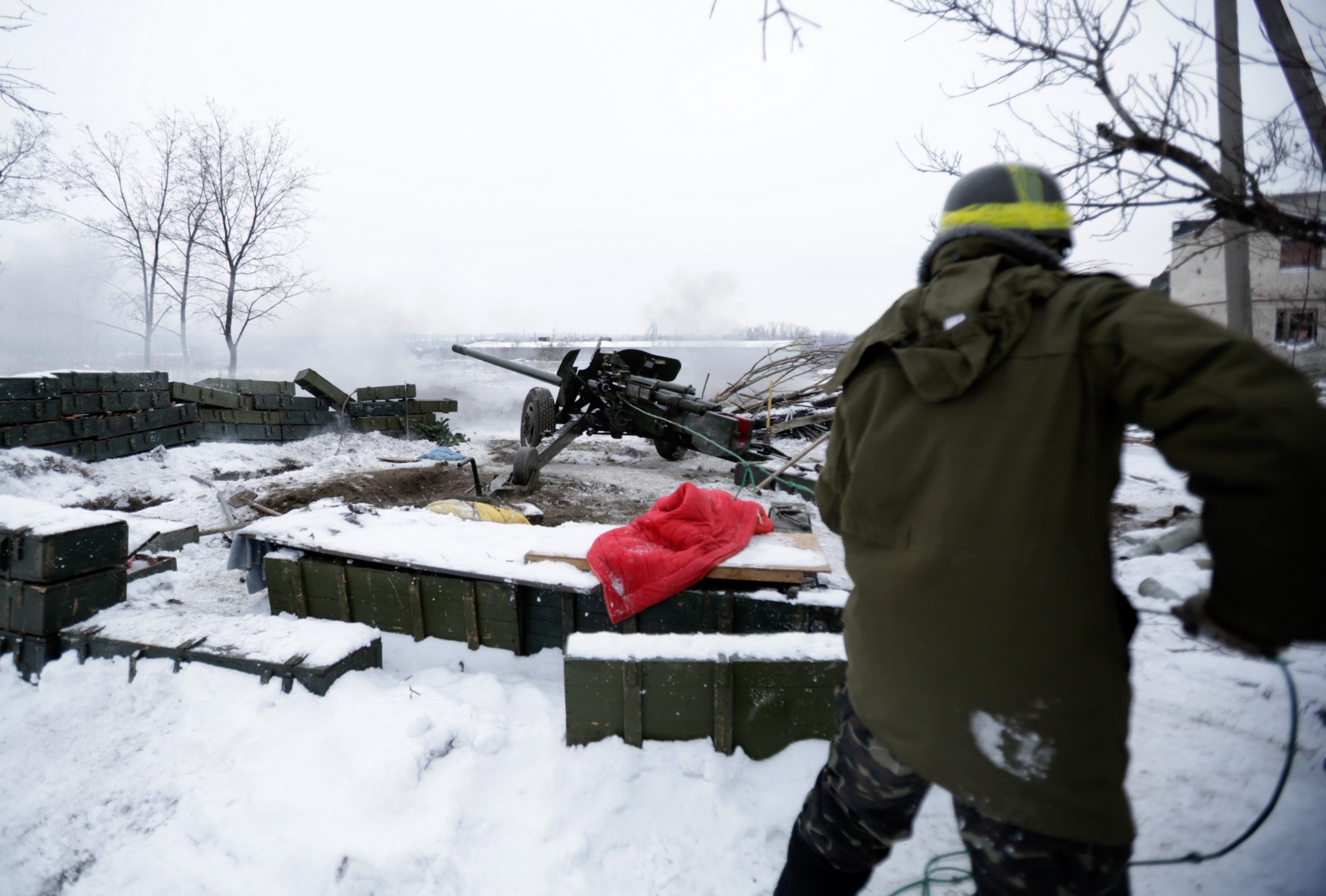
At the same time, Russians would for a long time continue to deny their aggressive plans regarding Ukrainian territories. Propaganda actively used the narrative of “brotherly peoples” to lull vigilance. Allegedly, Russia does not want casualties among Ukrainians or devastated Ukrainian land, because Ukraine does not deserve such a fate. At the same time, the Kremlin authorities instilled in people’s minds that Donetsk would never return to Ukraine. Allegedly, present‑day Kyiv would no longer have power over the land and people of Donbas. Locals were promised to quickly restore the airport and name it as the population wished. Instead, as of the summer of 2025, the Institute for the Study of War (ISW) reported that Russians are preparing the territory of the former DAP as a site for launching Shahed drones at Ukraine. At least satellite images testify to this.
The defense of DAP is one of those pages of the Russian‑Ukrainian war that is first spoken of as a tragedy, and only then remembered for heroism and honor. Russian propaganda exploits this, distorting the truth about its heroes. Russia seeks not only to disgrace the feat of the cyborgs — it does everything to deprive the civic resistance of the Ukrainian people of meaning in the context of the Russian‑Ukrainian war. This is a line that stretches from ancient times to the present day.
The ATO was a delayed reaction to Russia’s brutal actions. Unfortunately, due to the Minsk agreements, it turned into a frozen conflict, with the help of which the Kremlin’s criminal group tried to destroy Ukraine from within. If a country agrees to give up even a small piece of its land to the enemy, it loses its subjectivity. I would not pay any attention at all to what Kremlin propaganda barks, — summed up Anatolii Stepanov.
The material was prepared by:
Researcher, author of the text: Yana Yevmenova
Picture editor: Olga Kovalova
Literary editor: Yuliia Futei