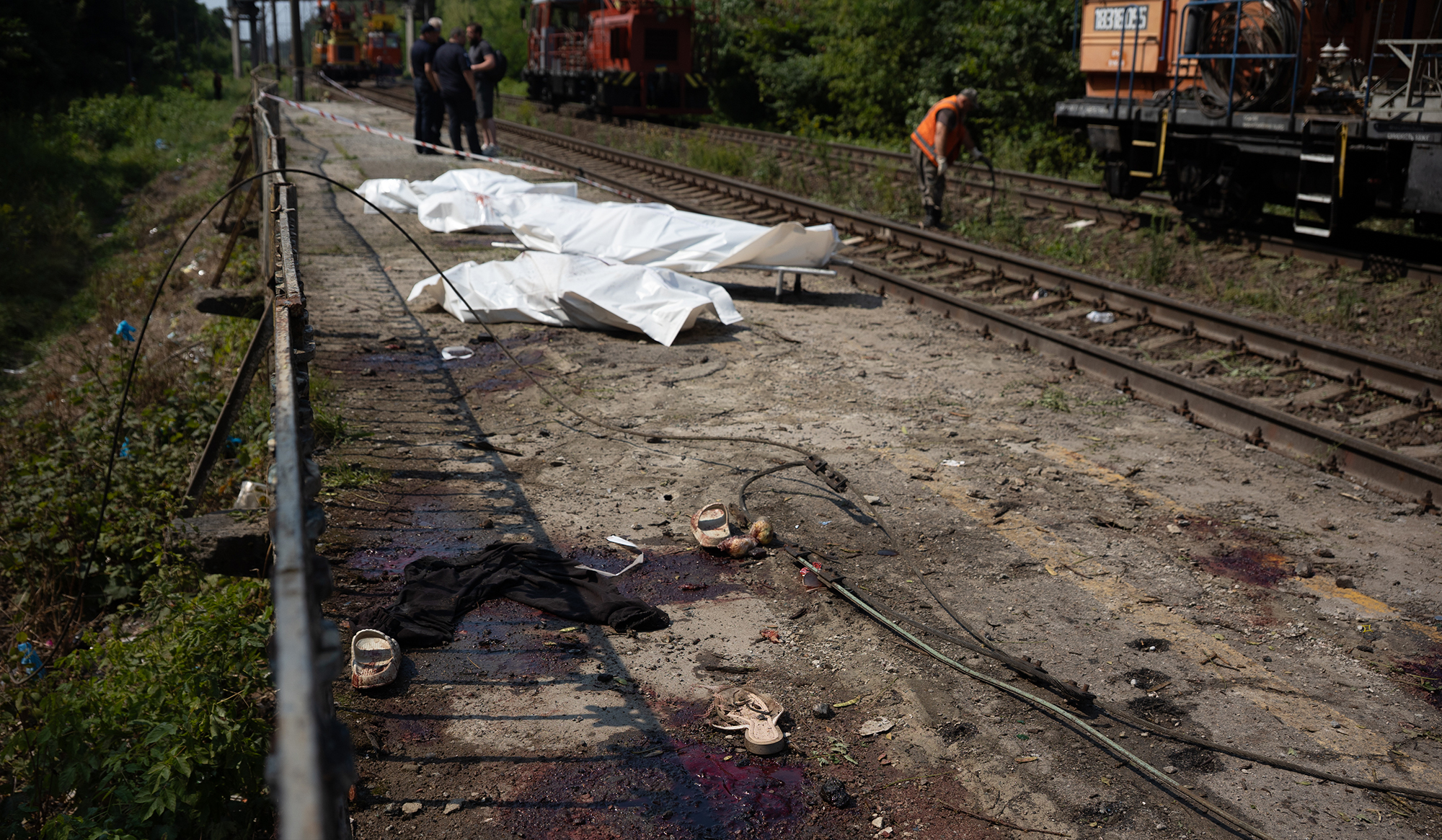
Over the past week, Russian strikes targeted railways, logistics hubs, energy and oil and gas facilities, and the residential sector. The railway system was shelled 41 times: 11 locomotives were damaged, 350 passenger evacuations were carried out, and six railway workers were killed, with another 17 wounded. Kyiv and the Kyiv region suffered heavy strikes: a ballistic missile attack destroyed dozens of logistics facilities and led to the deaths of company employees; eight more people died at the Kvitneva railway station, and a drone strike on a private house killed a three-year-old child and two other family members. The enemy launched a massive attack on Odesa and destroyed infrastructure in Kramatorsk.
Chronicle of Russian Shelling from August 3 to 9, 2026
On the eve of August 3, a strike on a critical infrastructure facility in the Poltava region caused a hazardous chemical leak, which was liquidated by State Emergency Service units. In the suburbs of Kharkiv, a UAV hit a postal terminal and an auto enterprise, killing one person and wounding another; trucks, trailers, containers, and equipment caught fire. In Kharkiv, a high-rise building, a civilian enterprise, and a gas station were damaged. In the Dnipropetrovsk region, the enemy attacked a gas station, killing a station employee, a rescuer, and his eight-year-old son; six others were wounded, one in critical condition. In Dnipro, a house was damaged, and warehouses containing food products burned. In Zaporizhzhia and the surrounding region, an airstrike and UAV attack damaged residential buildings, a gas station, and a power line, killing three civilians; over 30 people were injured, including SES sappers whom the enemy targeted during demining operations, and a 16-year-old girl who is in critical condition. In Kherson and its community, the enemy dropped guided aerial bombs and attacked a municipal enterprise and civilian cars with drones—two people died, and seven were injured. In Mykolaiv, a lyceum building and three civilian vessels in the port zone were damaged; in the region, a fire broke out at an agricultural enterprise, and an administrative building, a commercial facility, and a private house were damaged, with three wounded, one in critical condition. The Chernihiv region suffered one of the most massive drone attacks, resulting in significant destruction, fires, and casualties: enterprises, logistics companies, and critical infrastructure in Pryluky, Novhorod-Siverskyi, and Chernihiv were hit.
On the night of August 4, in Sumy, an attack by six guided aerial bombs on a private residential sector killed an elderly woman and two girls, aged five and ten; four other residents suffered acute stress reactions. In Chernihiv, a private residential house was destroyed, and several enterprises in the region were damaged. In Mykolaiv, port infrastructure and civilian vessels were damaged; a strike on the residential sector killed a woman and injured seven others, including girls aged two and 12. In Zaporizhzhia and the surrounding district, two people were killed and 11 wounded; during the day, the Russian army struck an industrial enterprise and the territory of a children's regional clinical hospital—damaging the facade and windows—and attacked municipal transport in the regional center with a drone. In the Kharkiv region, one person was killed and seven injured, including an eight-year-old child. The Russians launched missile strikes on Balakliia, Bohodukhiv, Derhachi, and the village of Zadunetske in the Zmiiv community: in Balakliia, a missile hit near a two-story building—an apartment was destroyed, and a woman was rescued from the rubble in serious condition; at another address, houses, cars, and commercial facilities were damaged. In Bohodukhiv, two missiles hit a civilian enterprise, sparking a fire. In the village of Zadunetske, about 15 private houses were damaged. In the Kherson region, a woman was killed during artillery shelling; in Kherson, an enemy FPV drone "hunted" a vendor at a market in the Central District, leaving the man with bodily injuries.
As a result of missile strikes on August 5 in the Kholodnohirskyi and Novobavarskyi districts of Kharkiv, 11 people were injured, four of whom were hospitalized, one in serious condition; an enterprise, a house, and a car were damaged. In the Sumy region, Russian attacks killed two people and left others wounded. In Zaporizhzhia, critical and transport infrastructure facilities were damaged, including a UAV strike in the regional center that damaged trucks and caused a fire on Khortytsia Island; in the Zaporizhzhia district, a woman was killed, and a farm building, a commercial space, and a private house were damaged. In the Nikopol district, a fire station building was damaged. In the Central District of Kherson, an enemy FPV drone destroyed a truck delivering food to a supermarket. In the Mykolaiv region, a school building caught fire and was destroyed.
On the night of August 6, a strike on a critical infrastructure facility left Kherson completely without electricity; a UAV attack on a minibus injured a 14-year-old girl. In the Mykolaiv region, a building and special equipment at a transport infrastructure facility were damaged, and six people were hospitalized; in Mykolaiv, five garages and a workshop of an enterprise were damaged. In the Chernihiv region, enterprises, critical infrastructure facilities, and private houses were damaged, with injuries reported among civilians. In the Dnipropetrovsk region, five people were killed and 16 injured; the occupiers hit a civilian minibus, damaged fire equipment during a repeat shelling, and destroyed a sorting depot and a base for mobile Ukrposhta branches in Pavlohrad, where two employees died. In the Kharkiv region, three people were killed and 14 injured, including a child. The enemy launched missiles at two districts of Kharkiv and Balakliia, damaging private houses, a hangar, and warehouses; they also struck a railway station in Lozova, killing two employees and injuring eight people, some seriously, while damaging the station building, contact network, and rolling stock. In Sumy, KAB strikes caused large-scale destruction to over ten houses, non-residential premises, and infrastructure; 12 civilians sought medical help, and three were hospitalized. In Zaporizhzhia, airstrikes and drone strikes damaged a dormitory, an educational institution, and civilian cars, with injuries reported.
In Sumy, a combined Russian attack on August 7 wounded three civilians and damaged residential buildings, non-residential premises, and infrastructure. In Bilopillia, a UAV strike on a market killed one person and wounded nine others, one of whom is in serious condition. In the Hlukhiv community, a UAV destroyed a post office. In Izium, a cluster munition strike killed two men and injured four people, sparking a massive fire; in Kharkiv, the window panes at a metro station entrance were damaged. In the Dnipropetrovsk region, two men were killed and six other people were injured, including a 17-year-old boy, with one person in serious condition; warehouses of a logistics company, apartment and private houses, cars, and infrastructure facilities were damaged. In the Zaporizhzhia district, two people were killed, and residential buildings and an office space were destroyed; over five thousand consumers and two settlements were left without power. During firefighting operations, rescuers came under repeat shelling, injuring two firefighters and damaging special equipment. The enemy attacked Mykolaiv's port infrastructure with drones, damaging a civilian vessel; in the Kobleve community, a mine explosion in the Black Sea on a closed section of the coast killed a man in the water and injured two women. Following enemy strikes on seven assets of the oil and gas sector in eastern Ukraine, critical equipment was destroyed, leading to the forced shutdown of facilities and a significant reduction in raw material production volumes.
August 8 saw a massive strike on the Dniprovskyi district, causing fires on the territory of a logistics company; in Pavlohrad, a residential building, a gas station, and an infrastructure facility were damaged. In the Nikopol district, two people were killed and two others injured; a passenger bus and a truck burned. In the Chernihiv region, a Russian UAV hit a warehouse building, sparking a fire covering 600 square meters. The enemy attacked a Sumy–Kyiv passenger train with drones, damaging one carriage; passengers were evacuated in time. In Zaporizhzhia, three people were killed and four wounded; the enemy attacked several enterprises in the regional center with UAVs, damaging transport. In Kherson, a drone attack injured a 12-year-old girl; the enemy attacked communities in the Kherson region, killing a person in the Dariiv community and damaging administrative buildings in the Zelenivka district. In the Mykolaiv region, a gas station and warehouses were damaged. The enemy dropped KABs on Izium: eight people were injured, and high-rise buildings and cars were damaged; in Kharkiv, a UAV hit the territory of a city cemetery.
On the night of August 9, the enemy attacked Pavlohrad: fires broke out, and houses, infrastructure, a shopping center, and cars were damaged; nine people were injured, including four children. In the region, 11 people were injured, some seriously. In the Zhytomyr region, UAV attacks caused fires at a civilian infrastructure facility, a private enterprise, and on the territory of a private household, with three injuries. In the Saltivskyi district of Kharkiv, the enemy hit a high-rise building, reportedly with a "Banderol" cruise missile, destroying the floors between the seventh and tenth; two men were killed, and the number of wounded currently stands at 23, including a five-year-old child. One person is in serious condition, and the rescue operation is ongoing. Over the past 24 hours in the Kharkiv region, three people were killed and 25 injured. This week, the Russians deployed 61 missiles, over 1,560 strike drones, and 1,540 aerial bombs against Ukraine.
Donetsk Region
On the evening of August 2, the enemy struck a road bridge over the Kazennyi Torets River in Sloviansk; a girl born in 2004 was hospitalized with injuries. On the afternoon of July 3, the Sloviansk community was under attack by various types of enemy UAVs, and the city was hit twice by airstrikes: houses and a preschool educational institution in the city center were damaged, with strikes also hitting a road in the industrial zone and near the central market. One person was killed and four were injured, including two teenagers, one of whom is in extremely critical condition. On August 4, attacks in Sloviansk damaged three private houses and one high-rise building, as well as a supermarket, a gas station, an administrative building, an industrial space, a cafe, a garage, and cars.
On August 4, the Russians launched a strike on Kramatorsk with two guided aerial bombs: one person was killed, and 27 people were wounded, 14 of whom were hospitalized. Six high-rise buildings, two educational institutions, a bank, a post office, four commercial facilities, eight cars, and infrastructure were damaged. A large-scale fire raged in a 14-story residential building, leaving people trapped in their apartments; rescuers managed to save nine people, including three with limited mobility. Emergency rescue operations in the building lasted about 20 hours.
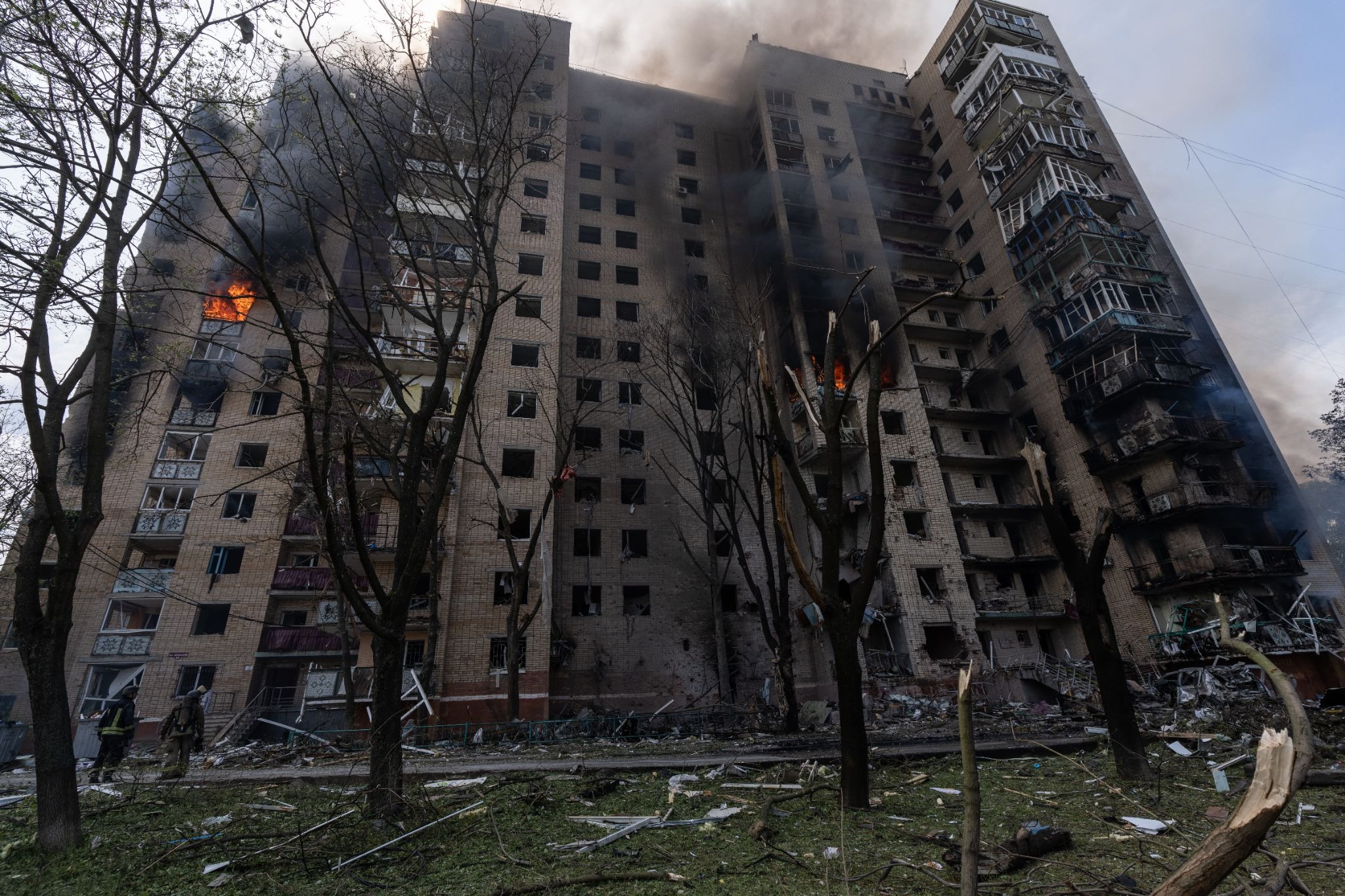
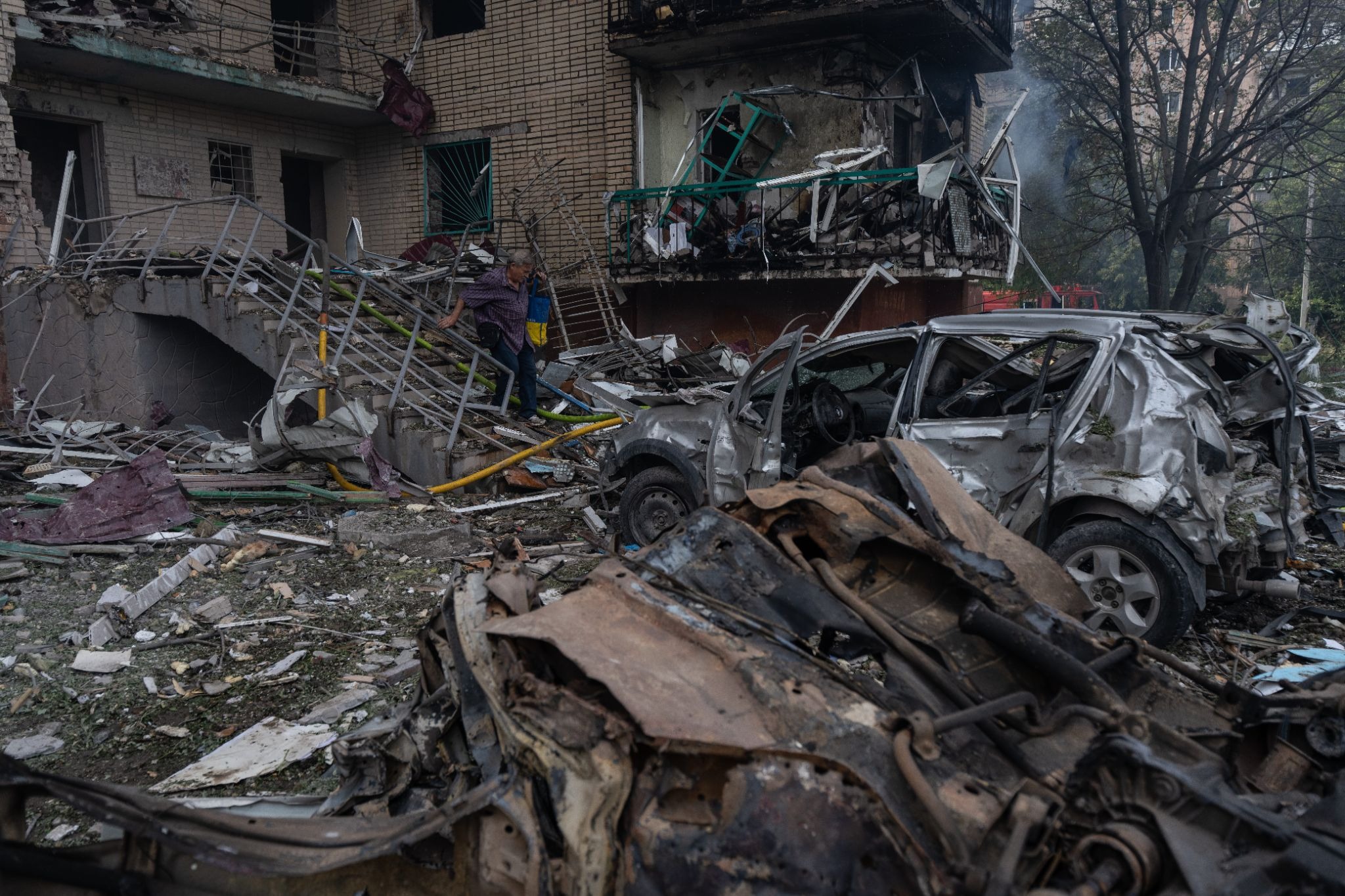
On August 4, three people were killed and 31 others were injured in the Donetsk region. Iryna Rybakova, press officer for the 93rd "Kholodnyi Yar" Brigade and photographer who visited the site of the Russian airstrike in Kramatorsk, recounted how residents and emergency workers attempted to save animals and property immediately after the strike:
"Someone is clinging to children's toys and cannot let them go. Someone asks the firefighters to retrieve a bag with documents from an apartment where flames are literally bursting out of the neighboring window. They respond to the requests and go to look for items important to the people—perhaps they haven't burned yet? Someone resolutely runs back into the burning building to a high floor to carry a dog out of an apartment. 'Nova Poshta' workers pulled up a truck and are saving parcels from the destroyed branch. Employees from neighboring branches came to help."
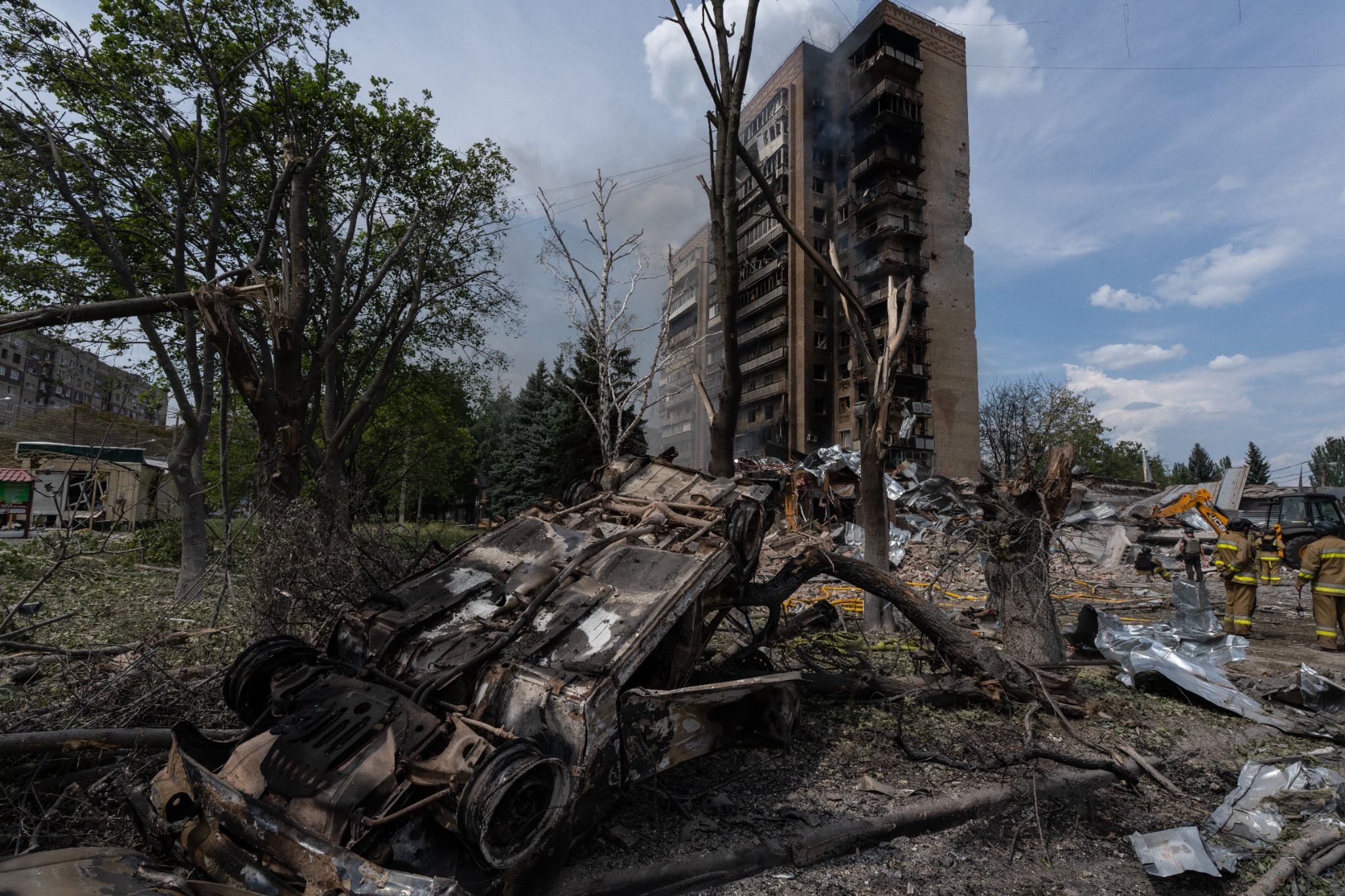
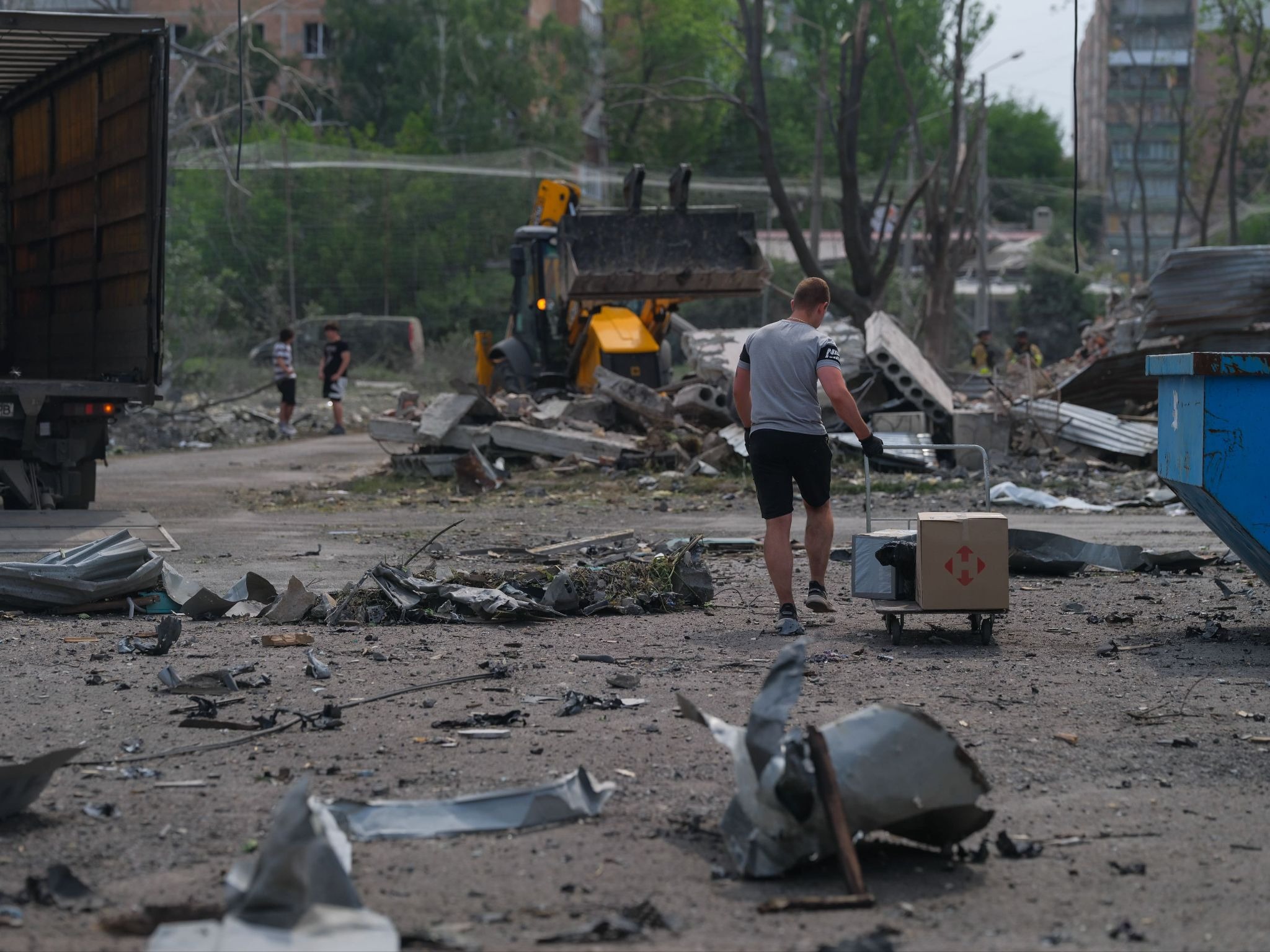
Throughout August 5 and 6, the Kramatorsk community suffered massive enemy attacks using drones, FAB-250 aerial bombs, and artillery: one person was killed and three were wounded. In Sloviansk, strikes hit the city center, a residential neighborhood, and the private sector, damaging an apartment building and two private houses.
From August 6 to 9, two people were killed and others were wounded in Sloviansk, with one man in extremely critical condition. Dozens of private and apartment buildings, retail outlets, gas stations, warehouses, administrative buildings, a parcel locker, and cars were damaged.
Kyiv Region
On the night of August 5, the Russian army attacked Ukraine with four Zircon/Oniks anti-ship missiles, 24 Iskander-M/S-400 ballistic missiles, and 115 strike UAVs, most of which were jet-powered. The main blow fell on the Kyiv region, targeting warehouses of civilian enterprises, infrastructure, and a railway station. As a result of the massive nocturnal missile strike on the capital and the region, 17 civilians were killed—one in Kyiv and 16 in the Kyiv region—and over 40 people were injured. August 6 was declared a Day of Mourning in the region.
In the capital, fires and destruction were recorded in the Obolonskyi, Sviatoshynskyi, Holosiivskyi, and Desnianskyi districts. In the Obolonskyi district, a non-residential building burned; in the Sviatoshynskyi district, warehouses were on fire. In the Holosiivskyi district, one-story non-residential buildings were hit; at a brewery plant, rescuers promptly neutralized an ammonia leak, and at a damaged gas station, they stopped a gas leak. In the Desnianskyi district, two non-residential buildings caught fire.
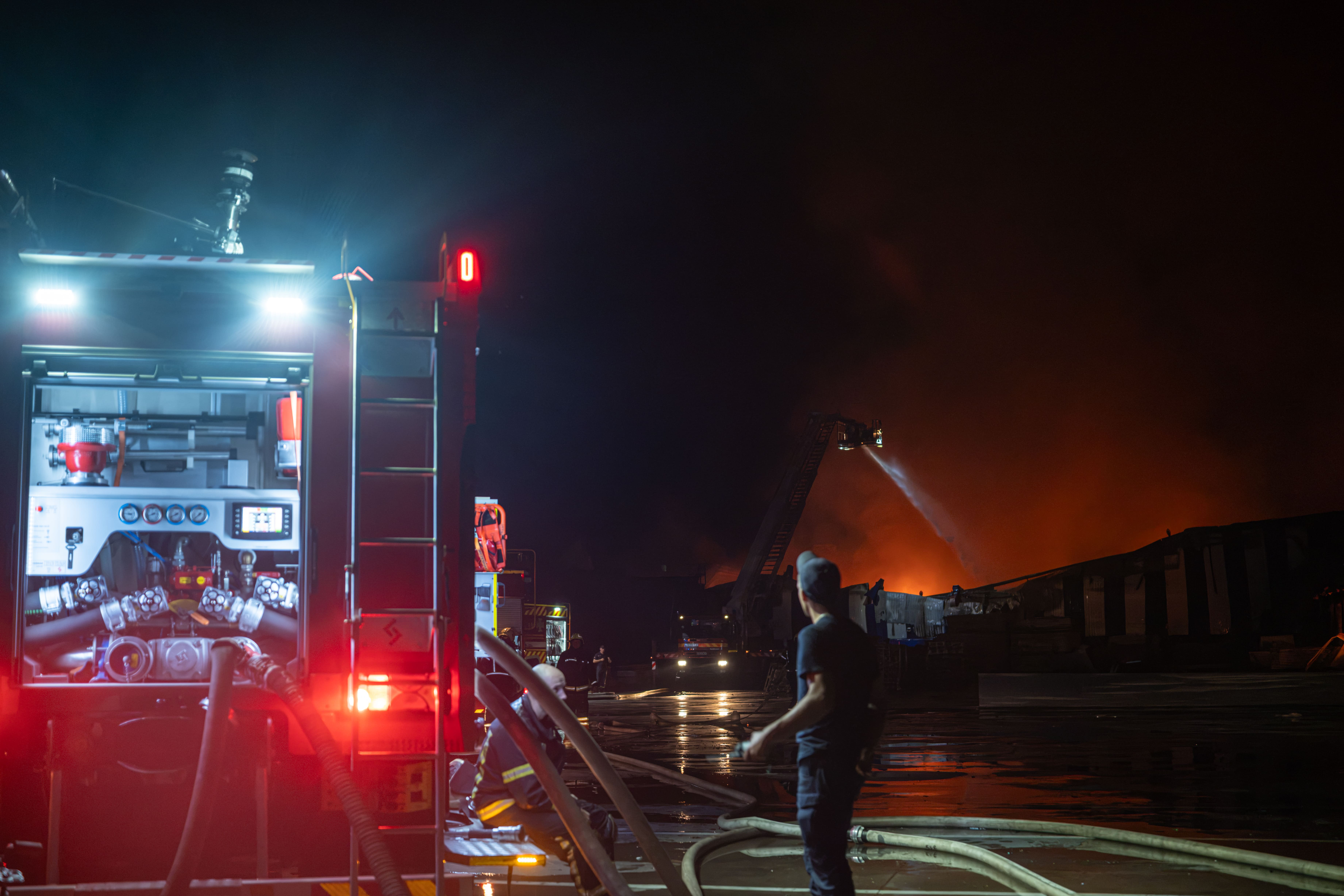
.jpg)
Following the massive fires caused by the Russian shelling, air quality in most districts of Kyiv deteriorated to dangerous levels; in the Obolonskyi and Sviatoshynskyi districts, air quality indicators reached 174 units, compared to a norm of up to 50, reports "Ukrainska Pravda."
"Ekonomichna Pravda" reported that during the ballistic shelling of the capital, the main Novus logistics center and two Silpo distribution centers were damaged, a Nova Poshta sorting center was destroyed, and the central warehouse of Liqui Moly Ukraine, a supplier of motor oils, burned down. Six employees died at Silpo, while Nova Poshta saw three fatalities and eight wounded. Logistics complexes of Epicentr in Kyiv and Kalynivka were hit, killing one employee and wounding three others. The attack also destroyed a Bosch Ukraine warehouse, a Toyota-Ukraine spare parts warehouse, a Puma sportswear logistics complex, and an Intertop Ukraine logistics warehouse.
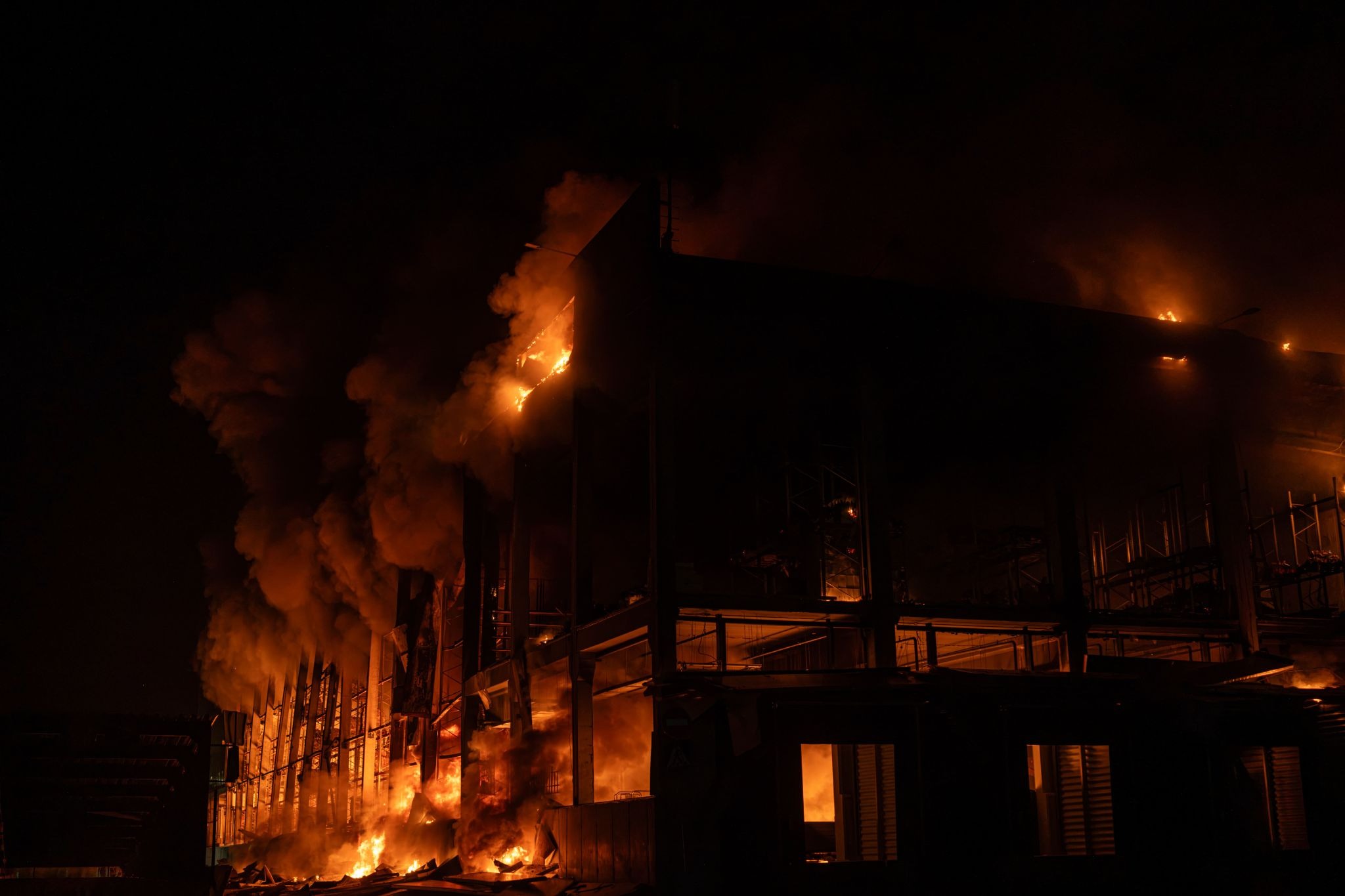
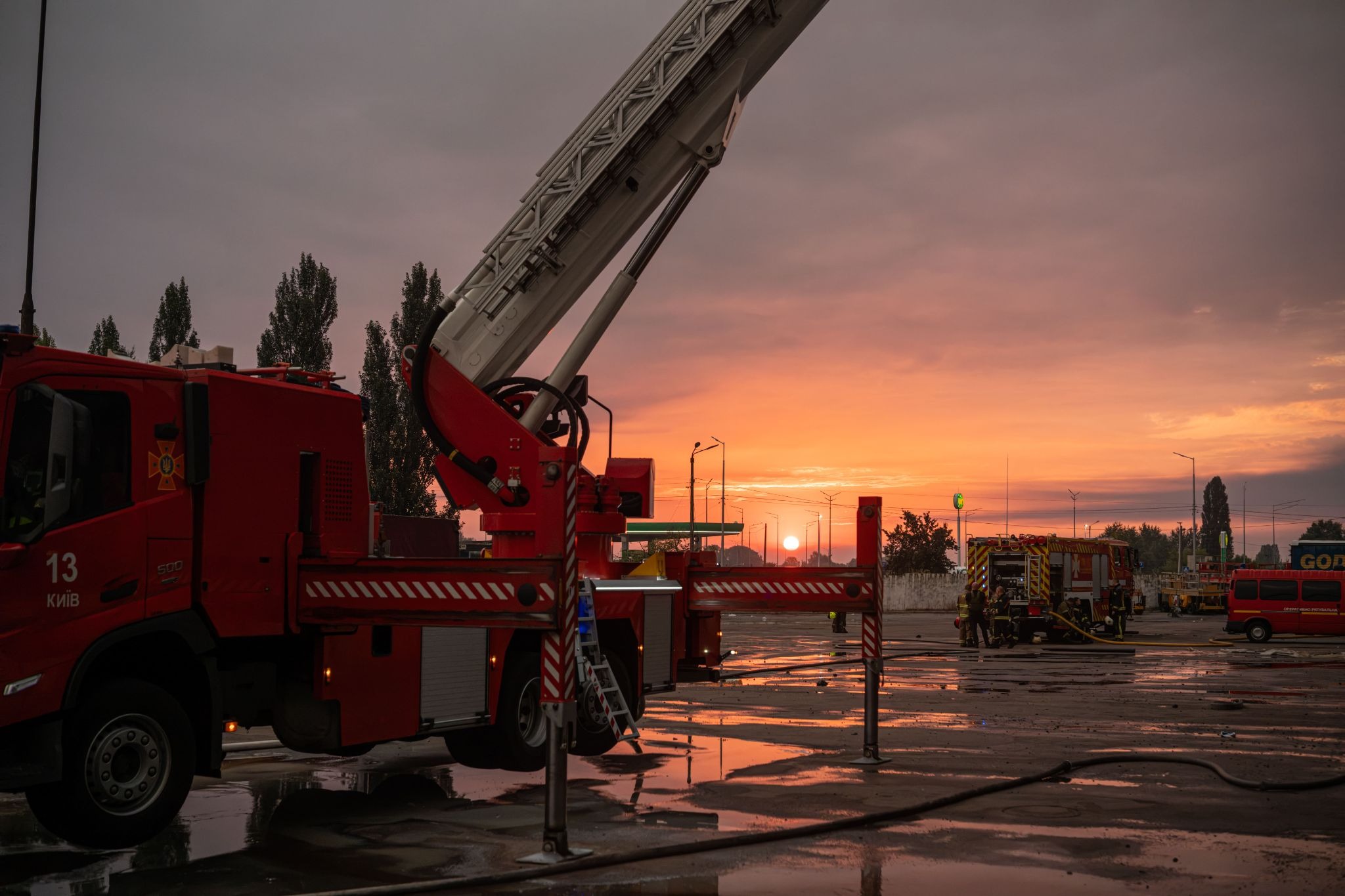
In the Kyiv region, massive fires raged, with 78 objects destroyed or damaged, including 13 warehouses and one production facility: food warehouses, logistics centers for supermarket chains, a post office, a greenhouse complex, and other civilian sites. The greatest impact was felt in the Brovary district (in Brovary, Velyka Dymerka, Kvitneve, and Peremoha), as well as the Bucha and Fastiv districts. Firefighting efforts continued at five locations across the Kyiv region over an area of approximately 230,000 square meters.
In the Brovary district, ten people were killed and 16 injured; notably, eight people died and three were injured on the platform of the Kvitneva railway station near attacked logistics centers when people failed to catch the last train, which was delayed, reports Suspilne News. The vast majority of those killed were residents of the Chernihiv region. Nineteen objects were damaged: seven warehouses and a production building, three private homes, and nearly a dozen trucks. In Brovary, three ballistic missiles destroyed a Rozetka distribution warehouse complex.
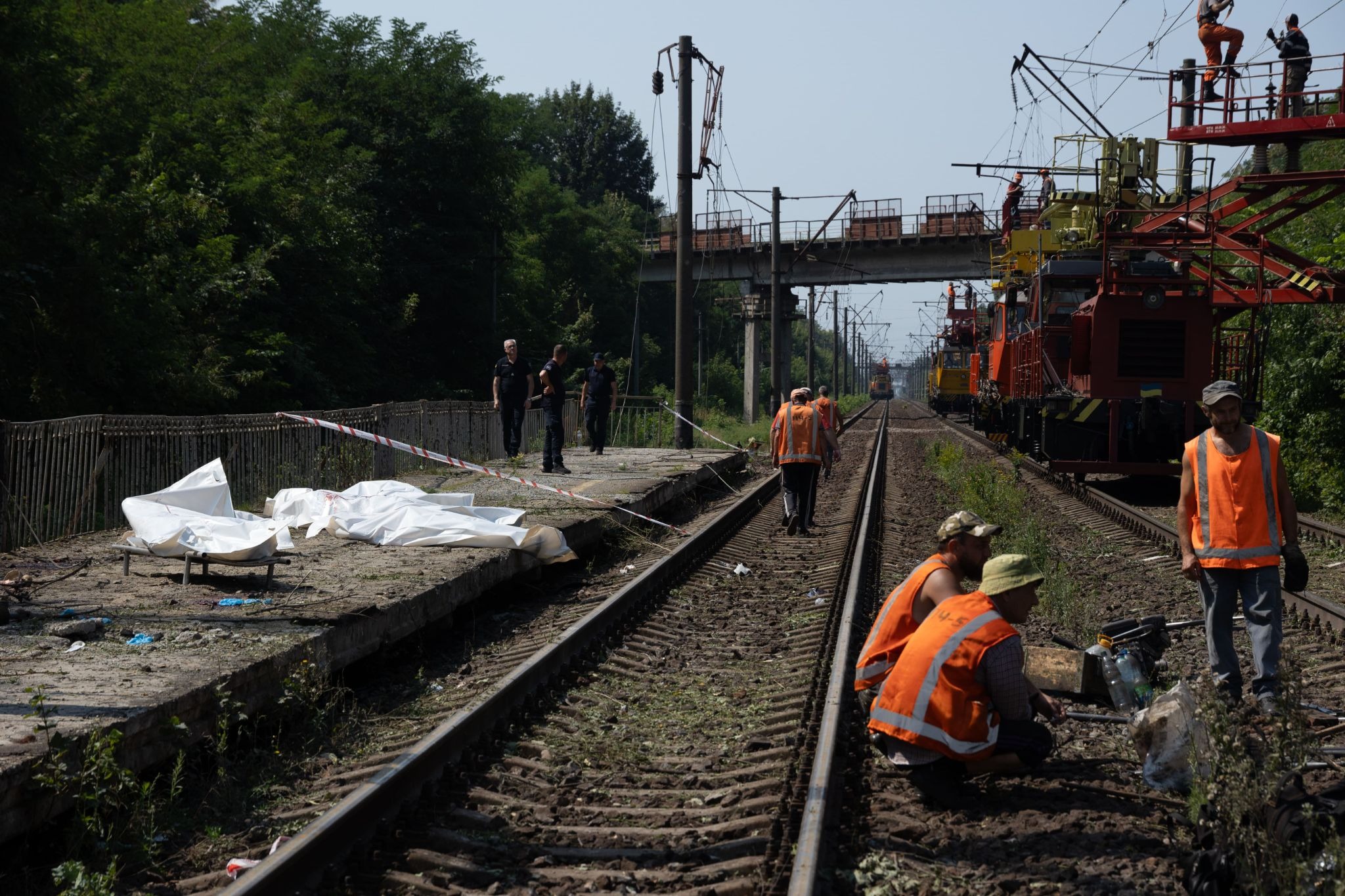
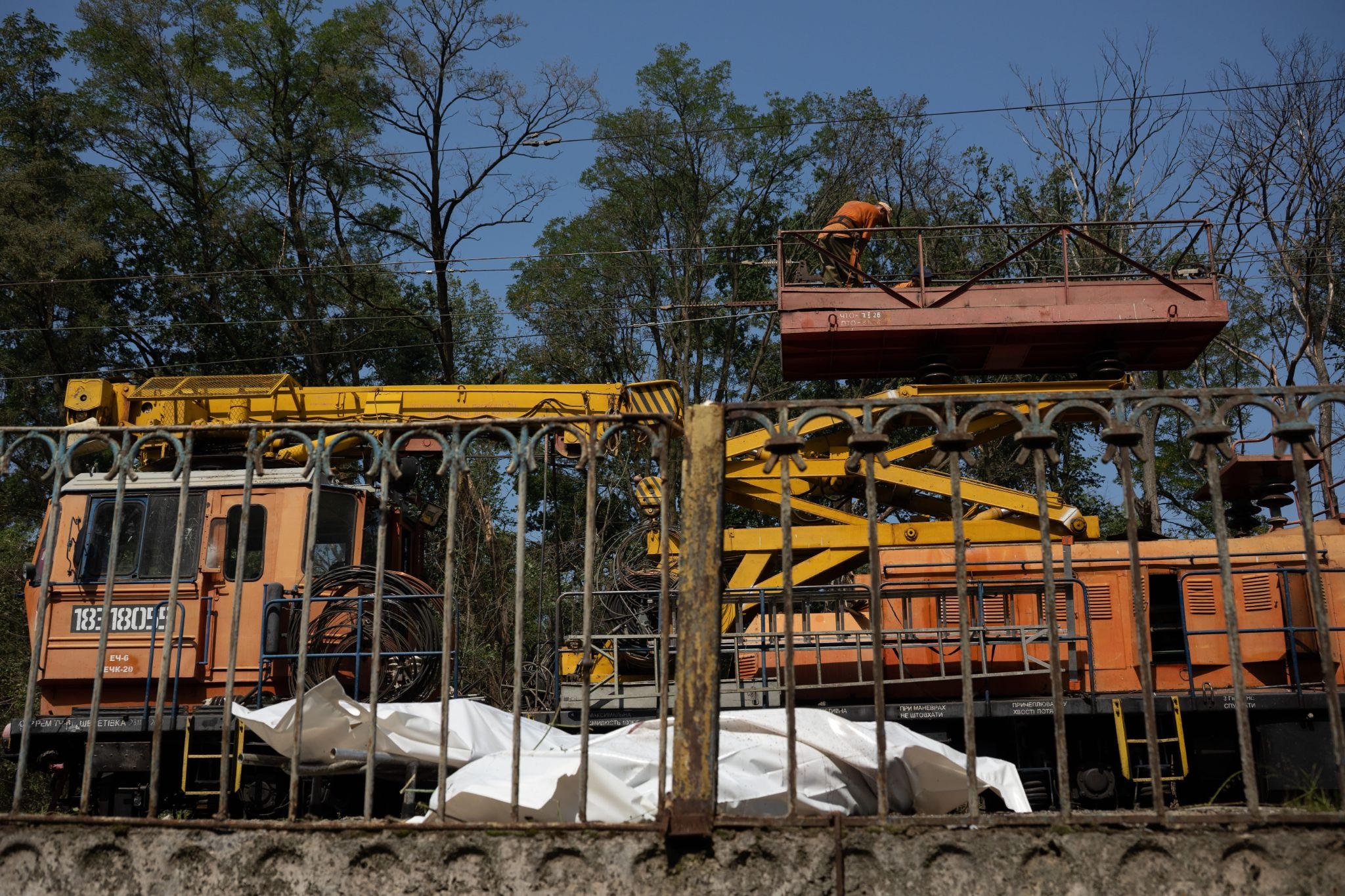
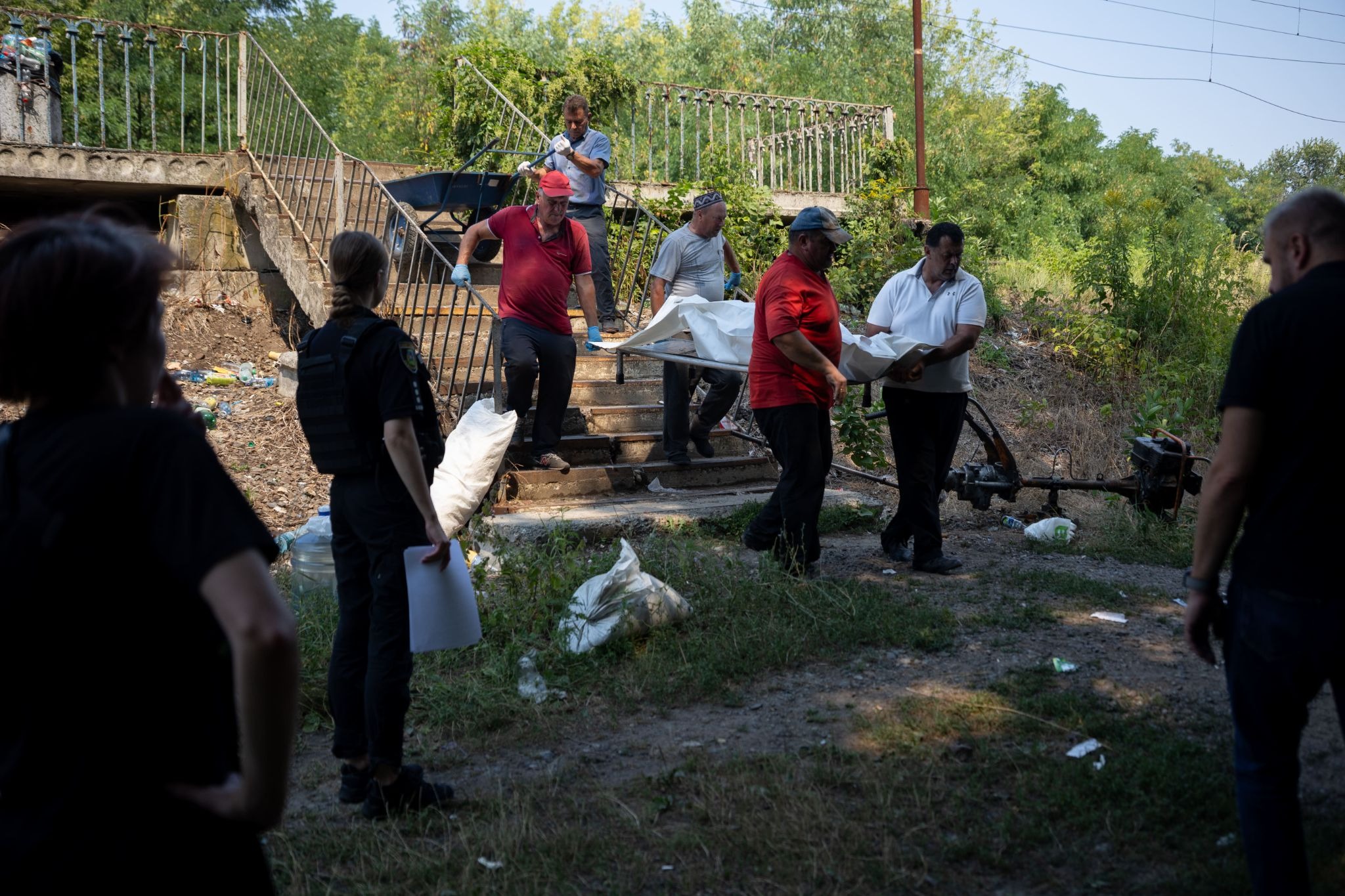
Five more people were killed in the Bucha district, and 16 were injured; 40 objects were damaged: five warehouses, a private house, and over three dozen vehicles. In the Fastiv district, one person was killed and four wounded; a warehouse and vehicles were damaged.
Overall, about a thousand SES specialists and police officers, over 140 pieces of equipment, as well as firefighting robots and helicopters, were involved in liquidating the consequences, clearing debris, and documenting crimes. Operations in the Kyiv region continued until at least the end of the week.
As a result of massive Russian drone and ballistic missile attacks on Kyiv and the Kyiv region on the night of August 8, four people were killed and eight others injured. The village of Pukhivka in the Brovary district was the epicenter of a tragedy where enemy drones destroyed a two-story private house: a family of three died—grandfather, grandmother, and their three-year-old grandson. Four more people were injured, including the boy's parents, his 15-year-old brother, and a neighbor who came under a repeat strike while providing assistance. A warehouse building at an enterprise also caught fire in the village.
In Kyiv, the enemy launched a ballistic missile strike, killing one person and injuring four others, three of whom were hospitalized. In the Holosiivskyi district, massive fires broke out in garages and a building used for storing cardboard; in the Obolonskyi district, a fire occurred at an enterprise.
Odesa Region
From August 3 to 9, the Odesa region suffered a series of massive enemy attacks: two people were killed, and at least 37 were injured. Russian strikes caused large-scale destruction to civilian and transport infrastructure, residential buildings, damaged the "Chornomorets" Stadium, and hit a civilian vessel carrying wheat in the Black Sea.
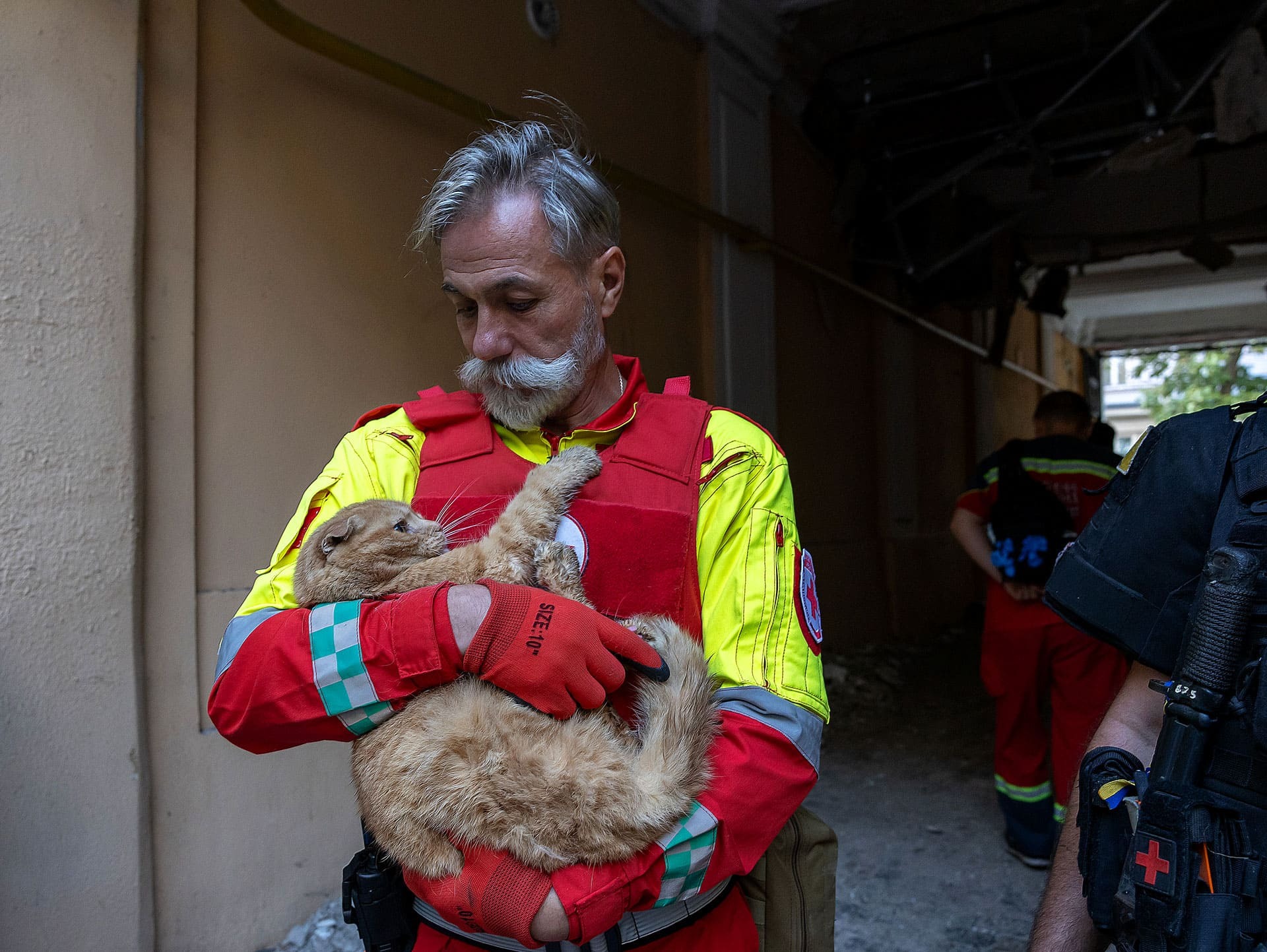
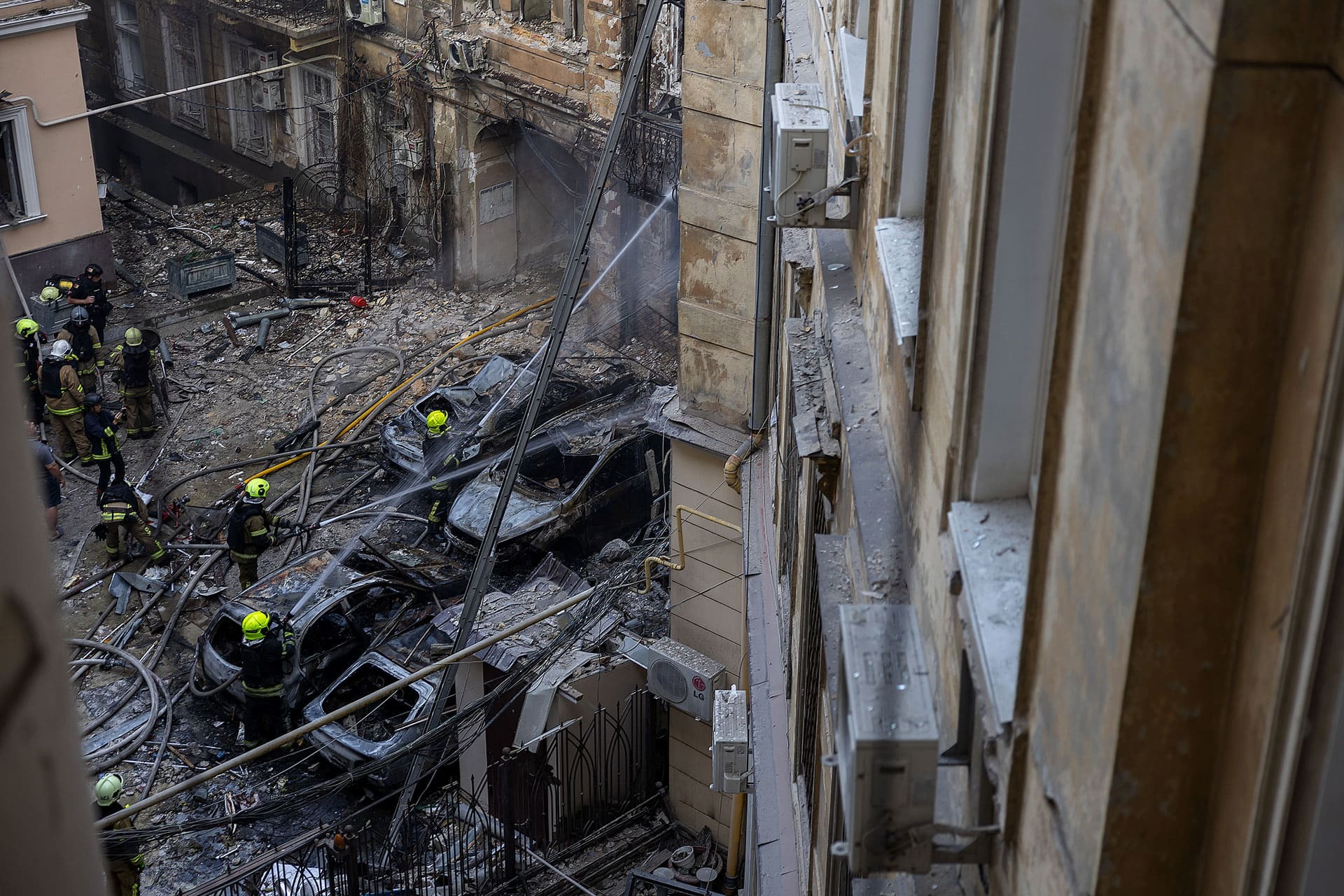
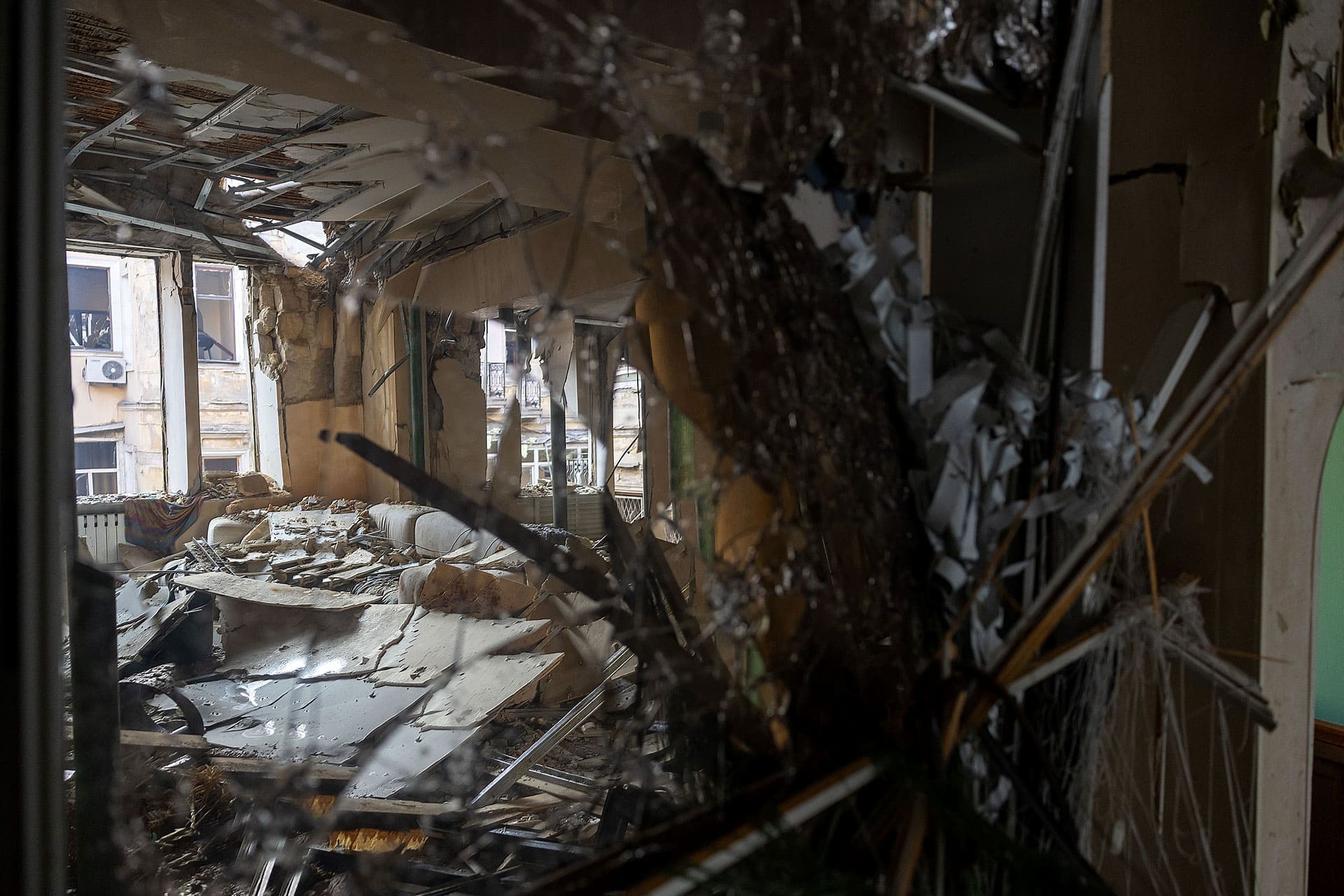
On August 3, 16 people were injured during the shelling of a transport infrastructure facility; five of them were hospitalized, one in serious condition. A building, buses, and cars were damaged. The following day, Russian drone attacks in Bilhorod-Dnistrovskyi destroyed private houses, injuring two people. During the day, the enemy launched a missile strike near a market in the Odesa suburbs, injuring four people, three of whom are in the hospital in moderate condition.
In the Odesa district on August 5, one person was killed and 13 injured; ten people were hospitalized, and fires broke out at an enterprise, destroying cars and damaging seven residential houses. In the Black Sea, a Russian attack on August 6 damaged a bulk carrier flying the flag of Guinea-Bissau carrying Ukrainian wheat: a fire broke out on the ship, one person died, and three crew members were injured. In the Izmail district, a 16-year-old boy was injured.
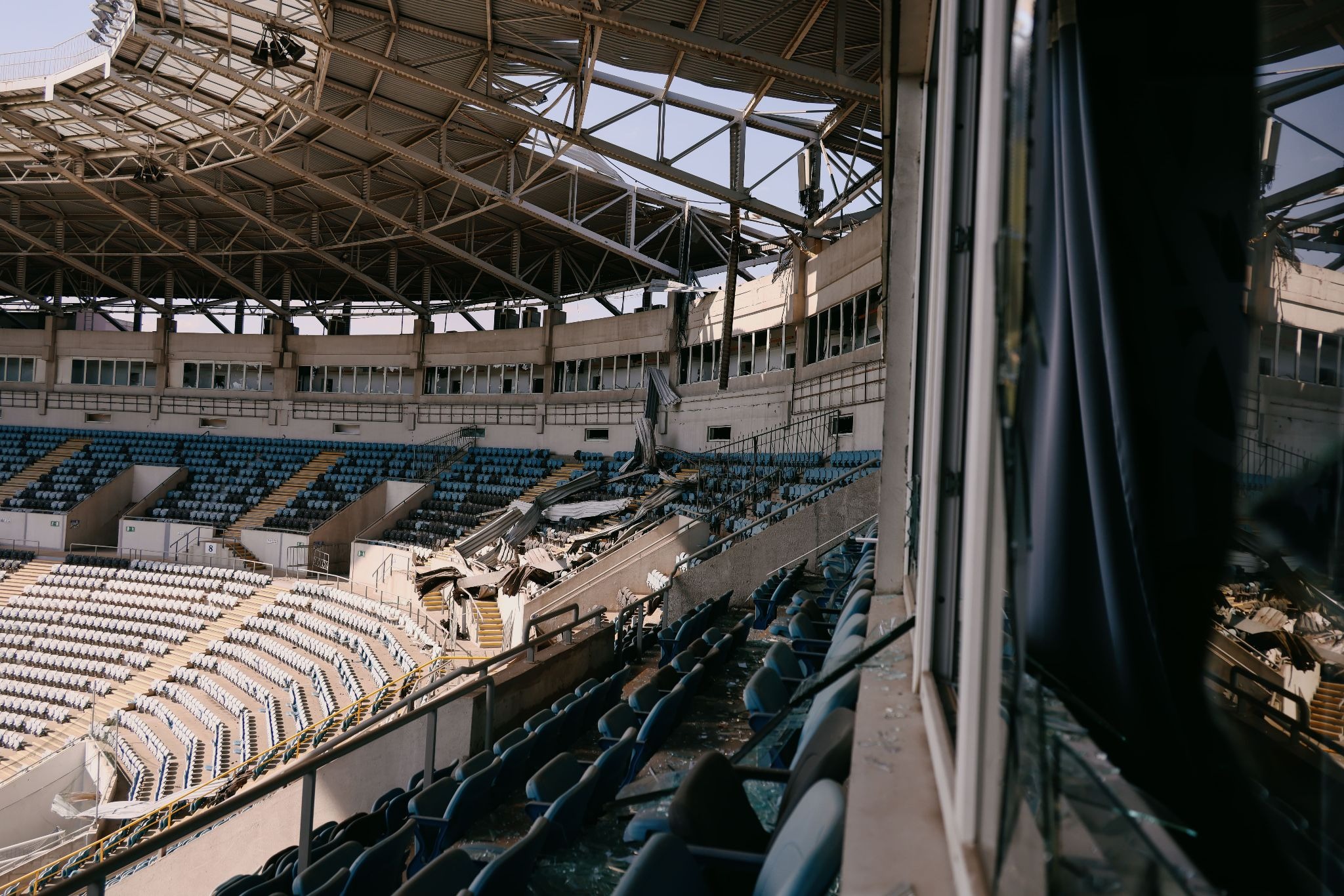
As a result of a Russian attack on the center of Odesa on August 7, the "Chornomorets" football stadium was damaged: the roof, stands, glazing, and office premises were destroyed; a 28-year-old woman and a 31-year-old man were injured, with the latter hospitalized in moderate condition.
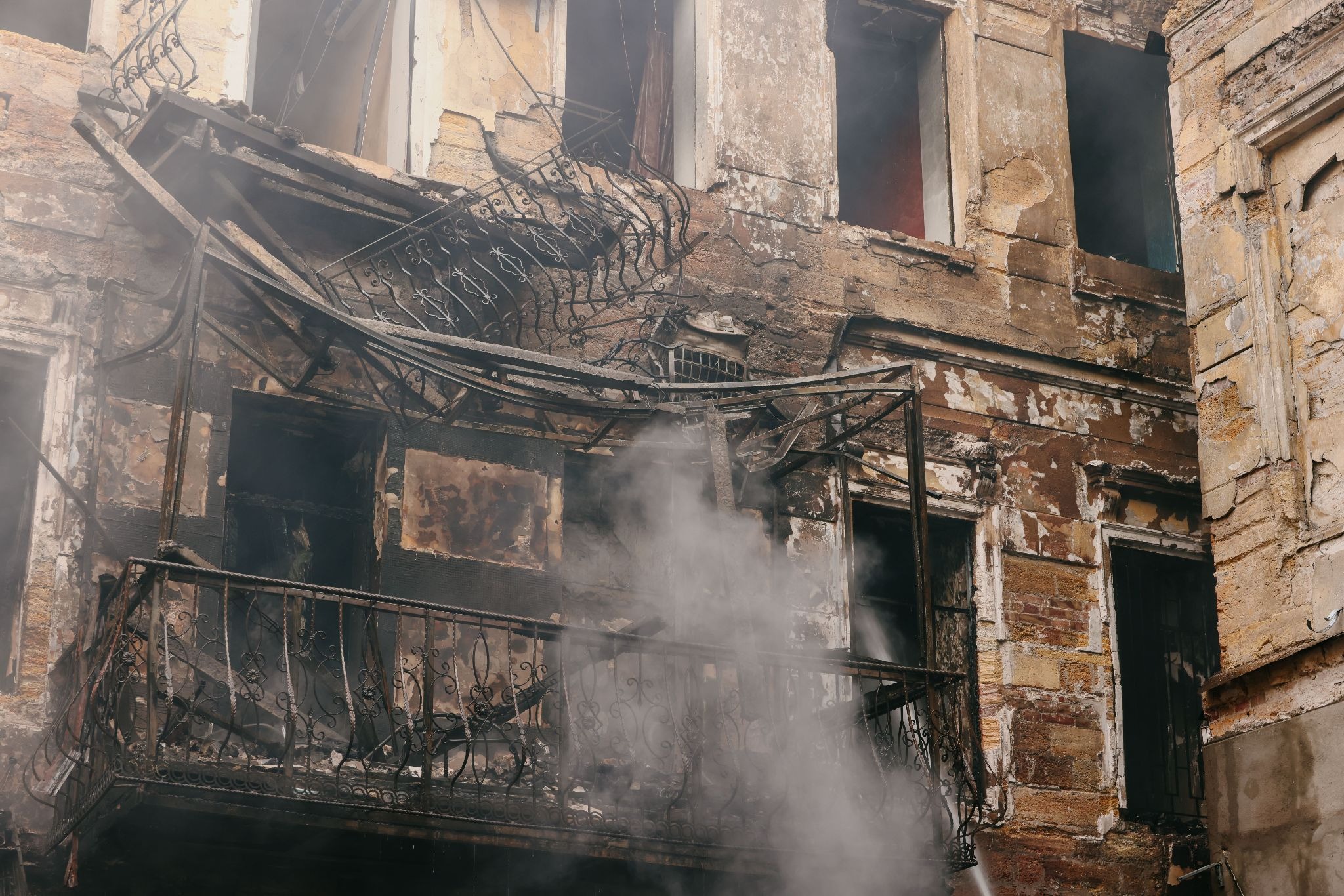
On the night of August 9, Russian troops launched a massive combined strike using dozens of missiles and drones on civilian infrastructure and residential areas in the Odesa district. Odesa suffered the most significant destruction, where residential buildings in two districts were damaged, including a four-story building where two floors burned out completely. The roofs and glazing of two private estates, company offices, and at least six passenger cars were also damaged. At least eight people were injured in the attack, seven of whom are in moderate condition.
Contributors:
Researcher, author: Yana Yevmenova
Photo editor: Marusia Maruzhenko
Copy editor: Yuliia Futei
.png)
.png)
.png)