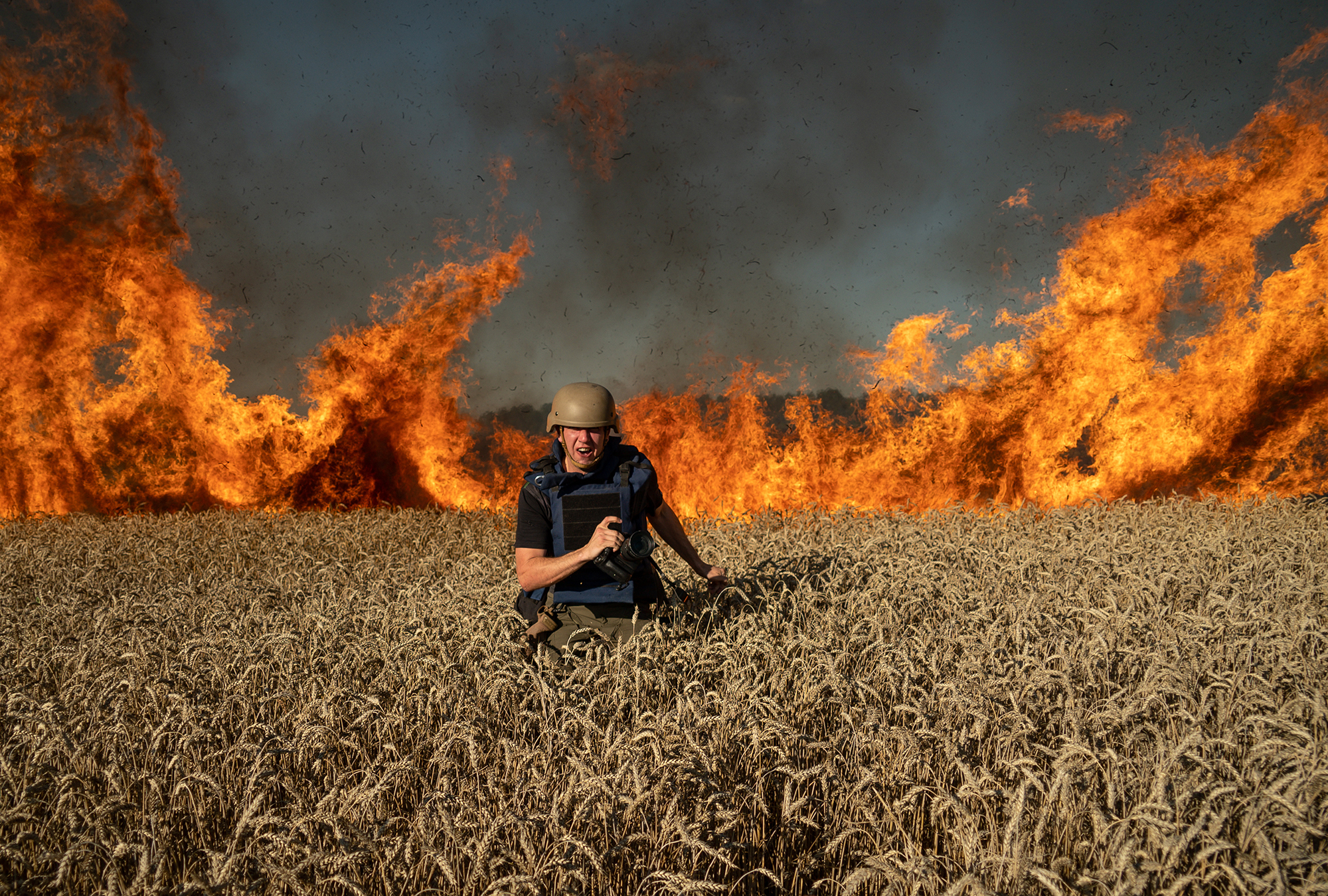
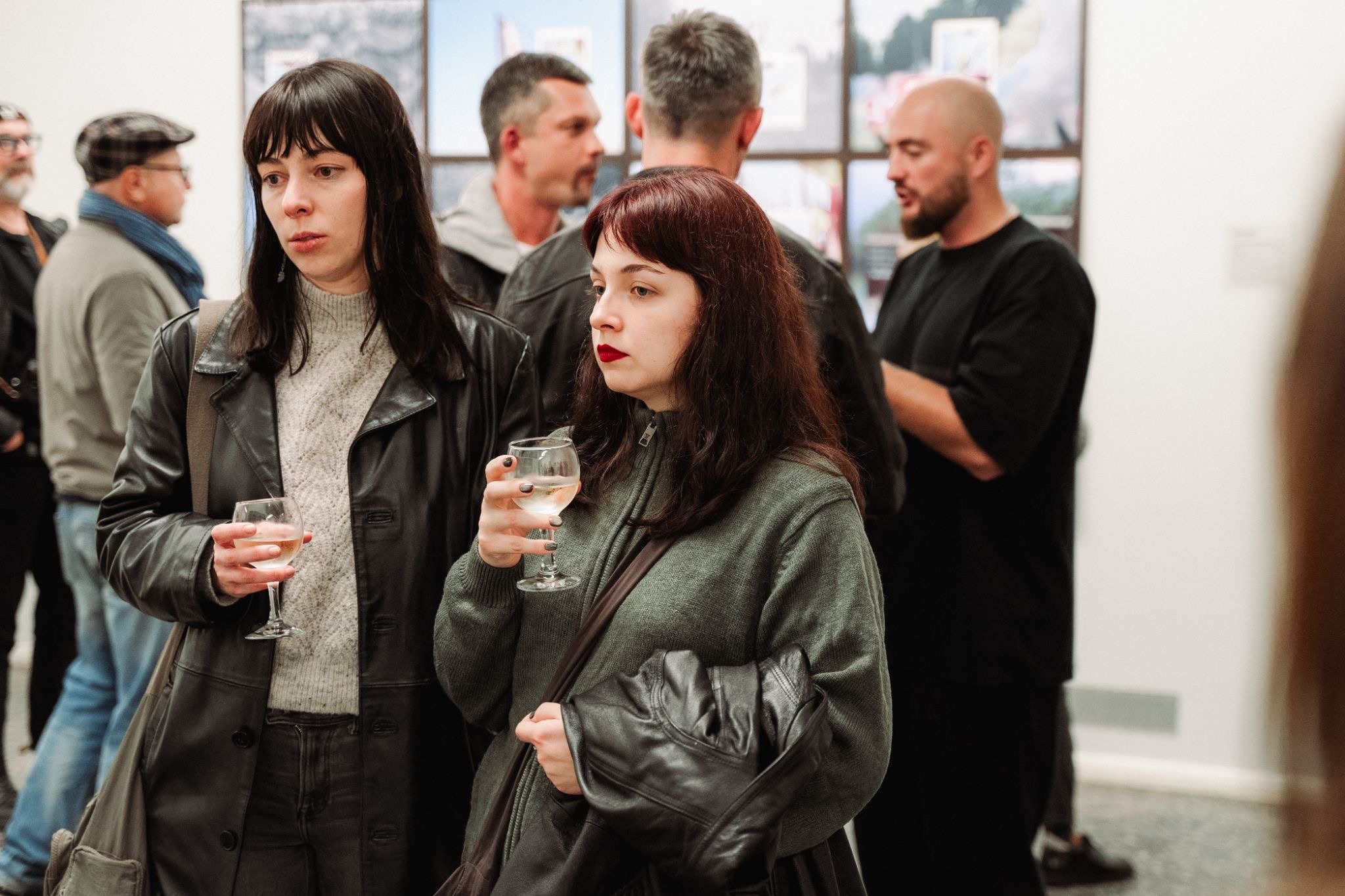
On October 23, Kyiv's Dymchuk Gallery hosted the award ceremony for the winners of the MYPH Photography Prize 2026—the third annual competition for Ukrainian photographers. First place was awarded to a project dedicated to the memory of fallen defenders, while second place went to a series shot during active service in an assault battalion. Overall, three of the nine finalists are active-duty service members of the Armed Forces of Ukraine.
Despite a diverse array of artistic approaches—ranging from instant photography to nuanced post-documentary analysis and satirical self-portraits—the Russo-Ukrainian War emerged as the central theme of this year's MYPH Photography Prize.
Behind the Scenes of the Contest
Founded by the Mykolaiv School of Conceptual and Art Photography (MYPH), the award reaffirmed its role as a vital platform for emerging Ukrainian artists, receiving 493 submissions from Ukrainians across 23 countries
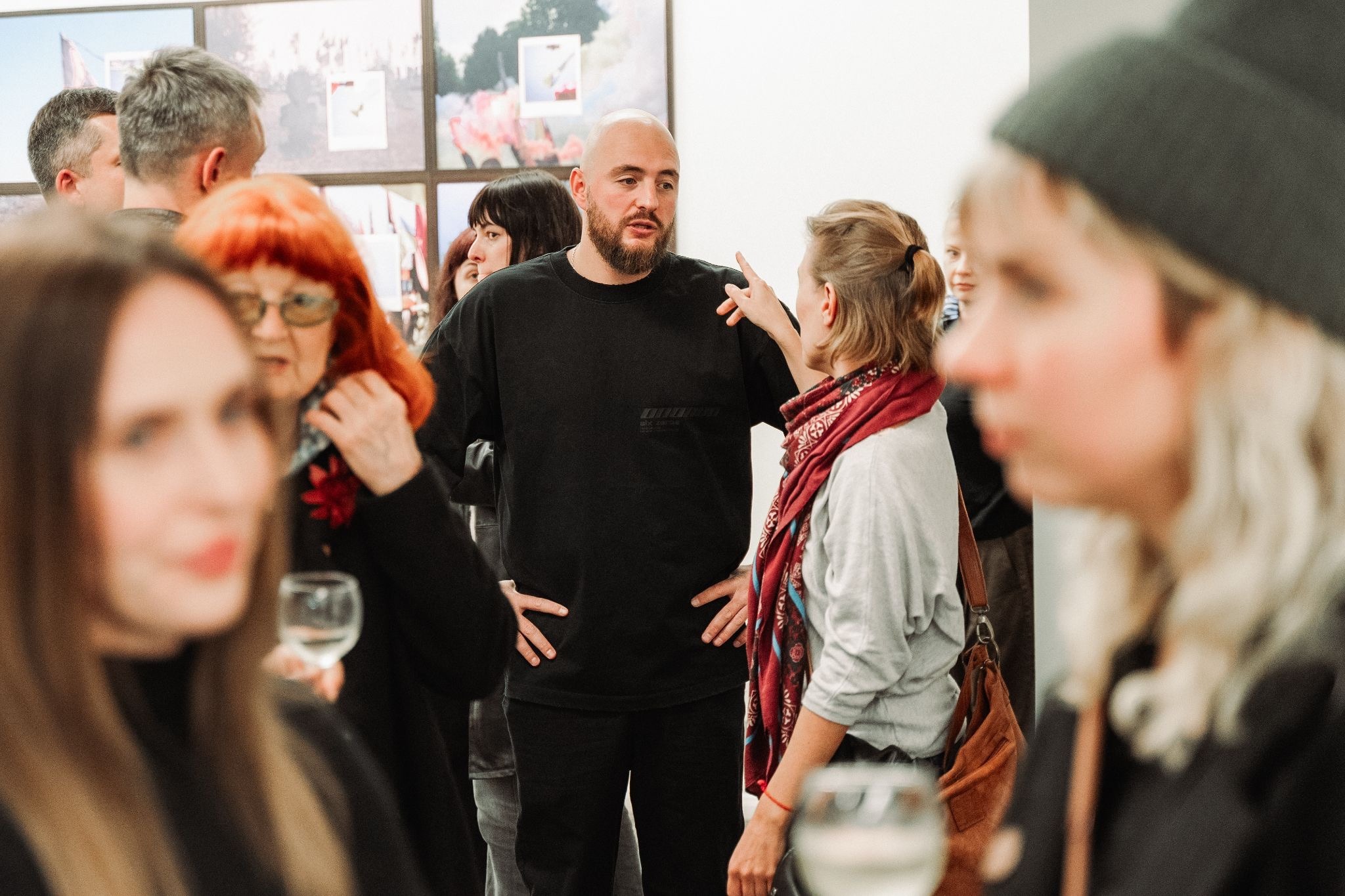
As a reminder, MYPH was established in 2018 by internationally acclaimed photographer Sergiy Melnitchenko—laureate of the Leica Oskar Barnack Award and the PhMuseum Grant—whose work is exhibited in international museums. Over the years, MYPH has grown from a school into a comprehensive platform encompassing a creative community, gallery, agency, publishing house, 525 by MYPH magazine, a festival, and the namesake prize. The platform reflects Sergiy Melnitchenko's commitment to mentoring emerging creators and integrating Ukrainian art photography into the global discourse.
The organizers remain dedicated to their core values: the prize continues to be open and free of charge, aimed at emerging artists with under five years of active practice, offering complete creative freedom without technical restrictions—from analog classics to digital mediums. Submissions are evaluated by professionals across various creative fields. Sergiy Melnitchenko discusses the jury concept and its lineup:
“We maintained both a diverse jury and a range of genres among the finalists. It is essential to me that a body of work is viewed by people from different backgrounds, rather than solely by photographers or curators.”
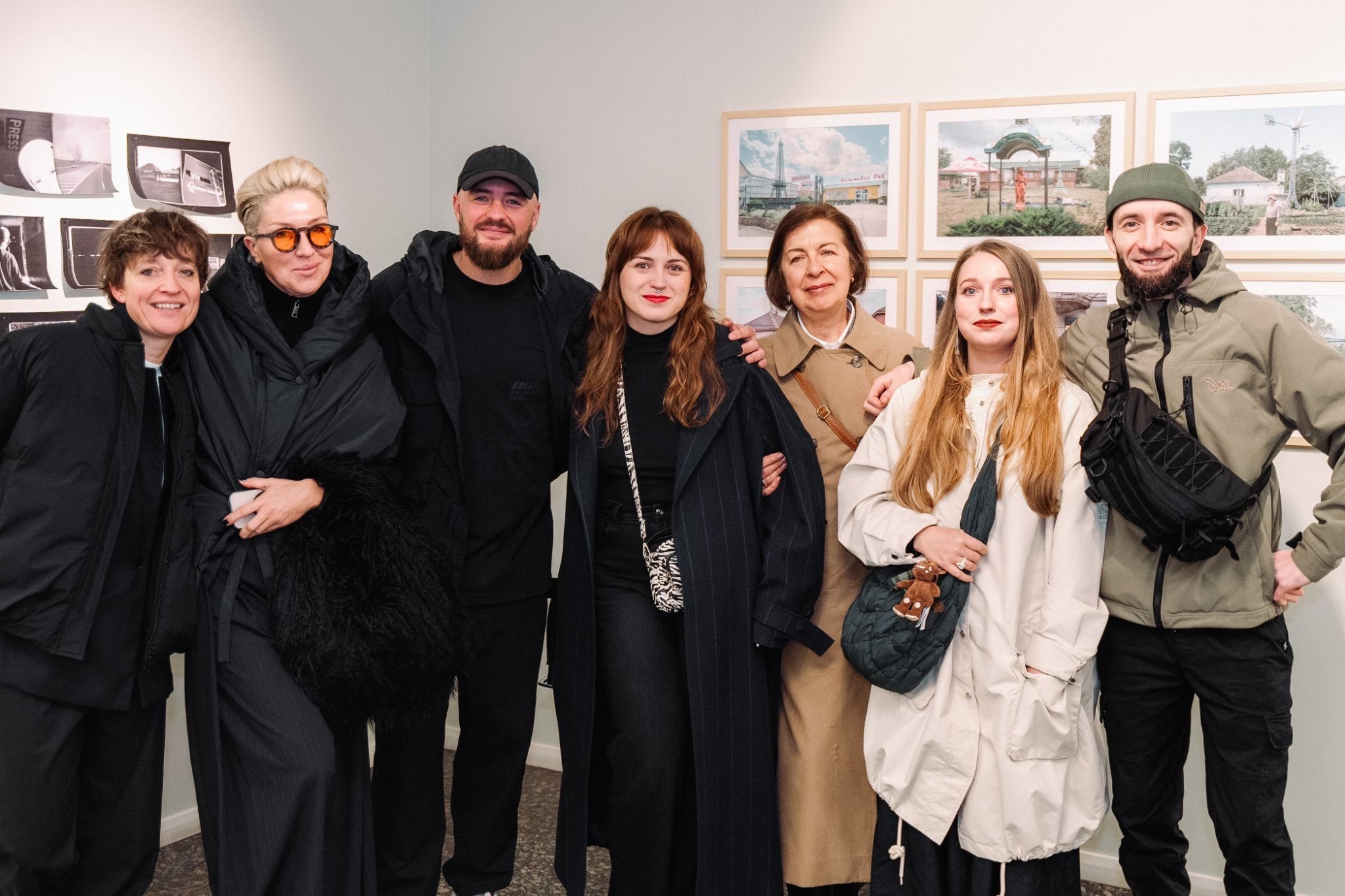
This year's jury featured seven experts: Anastasiia Volkova from the Ukrainian Institute; Viktoria Bavykina, founder of Ukrainian Photographies; photographer Vladyslav Krasnoshchok of the Kharkiv School; Dmytro Kravchenko representing Fujifilm Ukraine; Maksym Horbatskyi from Open Eye Gallery in Liverpool; publisher Nastya Leonova of ist publishing; and Nataliya Ivanova from YermilovCentre.
“Some assess through the lens of a museum, others as publishers, practitioners, industry leaders, or international galleries. When such diverse experts reach a consensus on a project, it truly signifies something,” Sergiy emphasizes.
Despite the impressive volume of submissions—nearly five hundred entries worldwide—the evaluation process was smooth thanks to a well-structured methodology. Jury member Anastasiia Volkova shares her review experience:
“Selecting was straightforward due to the three-tier review system and the absence of convoluted frameworks that might require evaluating criteria beyond artistic merit. I approached the process much as I would visiting an exhibition: reviewing the visual series first, before turning to project descriptions, artist backgrounds, and personal contexts. Moving at one's own natural pace made it a truly engaging and revealing experience.”
Hosting a completely free competition amid a full-scale war poses a formidable challenge that many cultural organizations face due to limited funding. According to Sergiy Melnitchenko, bringing the initiative to life was made possible through the combined efforts of partners and patrons.
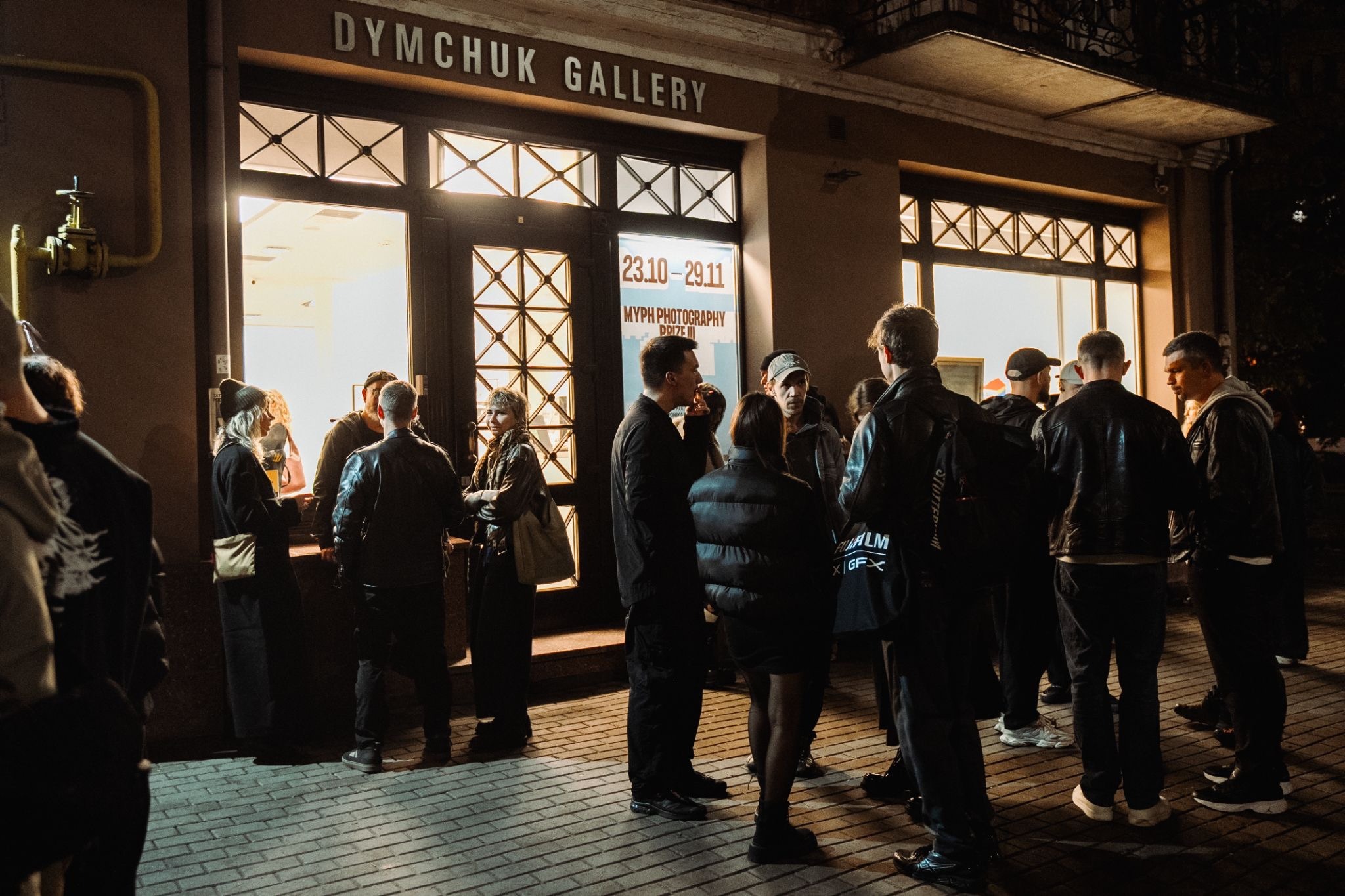
The prize was supported by Fujifilm Ukraine, UAPP, the Ukrainian Institute, Dymchuk Gallery—which hosted the exhibition for the third consecutive year—VS-PRINT, FOTOVRAMCI, ist publishing, MOKSOP (Museum of Kharkiv School of Photography), Creative Publishing, and Ivanna Bertrand.
“The prize is completely free for all participants, so everything relies on external support. Our primary sponsor this year is Adam Kharlampovych—entrepreneur, philanthropist, contemporary art collector, and founder of the Adam Harber Foundation and LU Gallery,” shares Sergiy Melnitchenko.
Winning Projects
The top honors and main prize places at the MYPH Photography Prize 2026 were awarded to Veronika Mol, Valeriia Kosheriyeva, Vitalii Herasymenko, and Oleksandr Popenko. Additional finalists included Anastasiia Antonenko, Andriy Kasyanchuk, Iryna Kabysh, Maks Mokrytskyi, and Marharyta Fal.
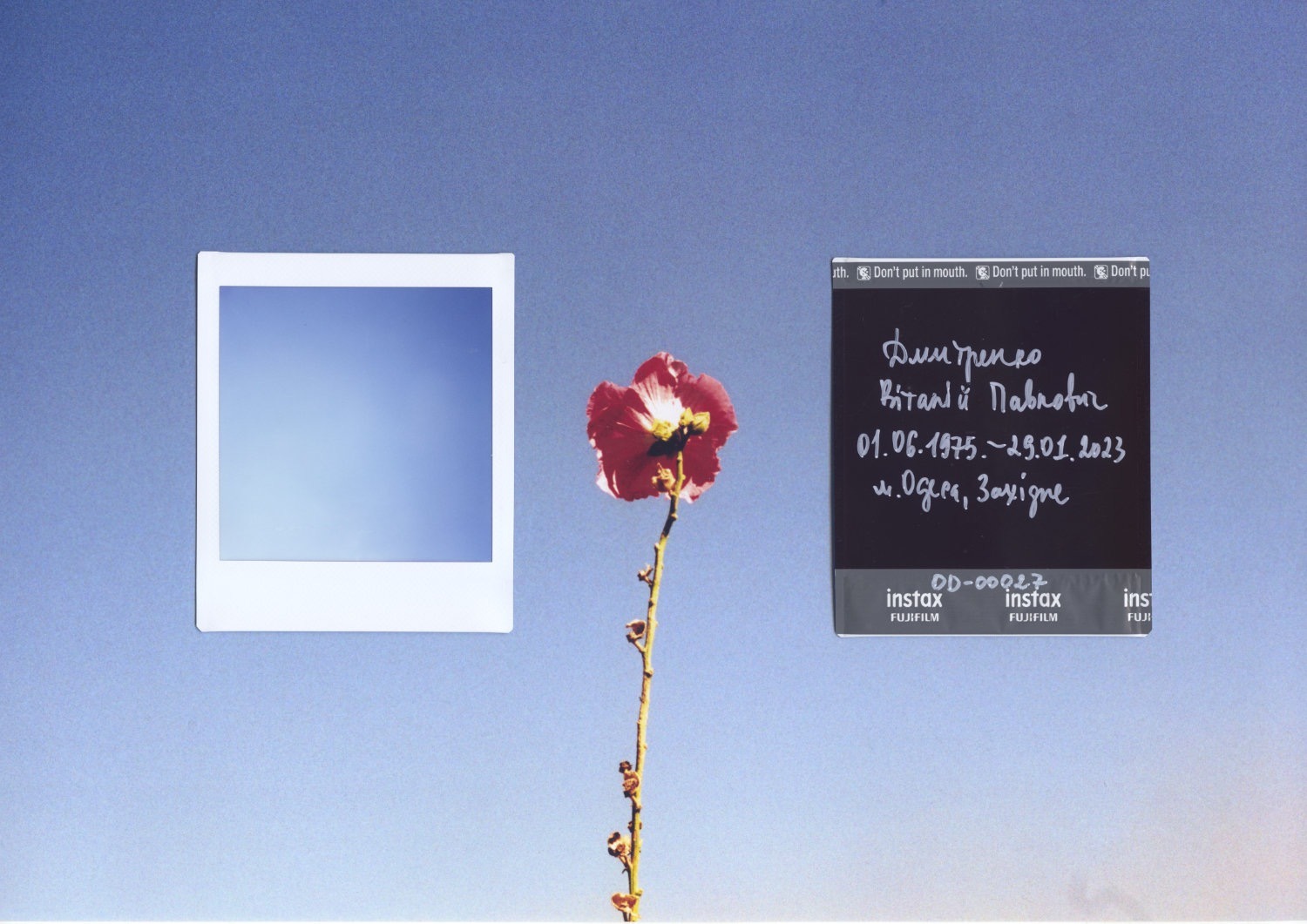
Veronika Mol won first place with her project “It Might Be Silence” (2025–2026). The artist travels to Ukrainian cemeteries, capturing instant film photographs of the sky above the graves of fallen soldiers. Arranging these square prints into a large-scale installation, she forms a visual pattern reminiscent of AFU digital camouflage. On the back of each photograph, she records the fallen defender's name, years of life, and burial site. Her project currently includes nearly a thousand photographs across 28 cemeteries—a ritual act that serves as both a personal gesture of gratitude and a collective space for memorialization.
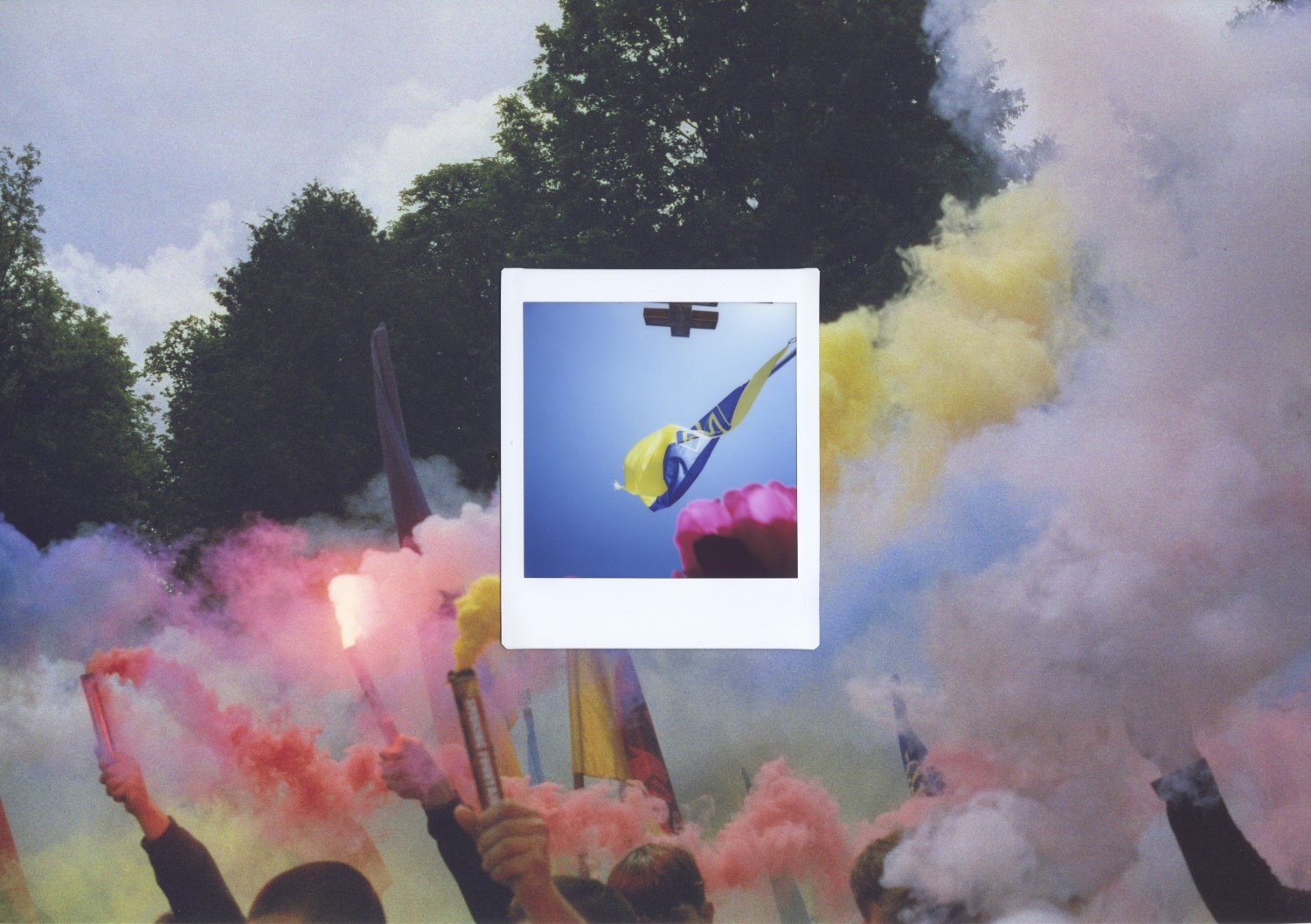
Ukrainian conceptual photographer Veronika Mol is a laureate of the MYPH Photography Prize and Chromatic Awards, as well as a nominee for the Leica Oskar Barnack Award 2026. Her work has been exhibited in solo and group shows in Ukraine and abroad, and featured in international publications.
The jury awarded second place jointly to Valeriia Kosheriyeva and Vitalii Herasymenko, who received an equal number of points.
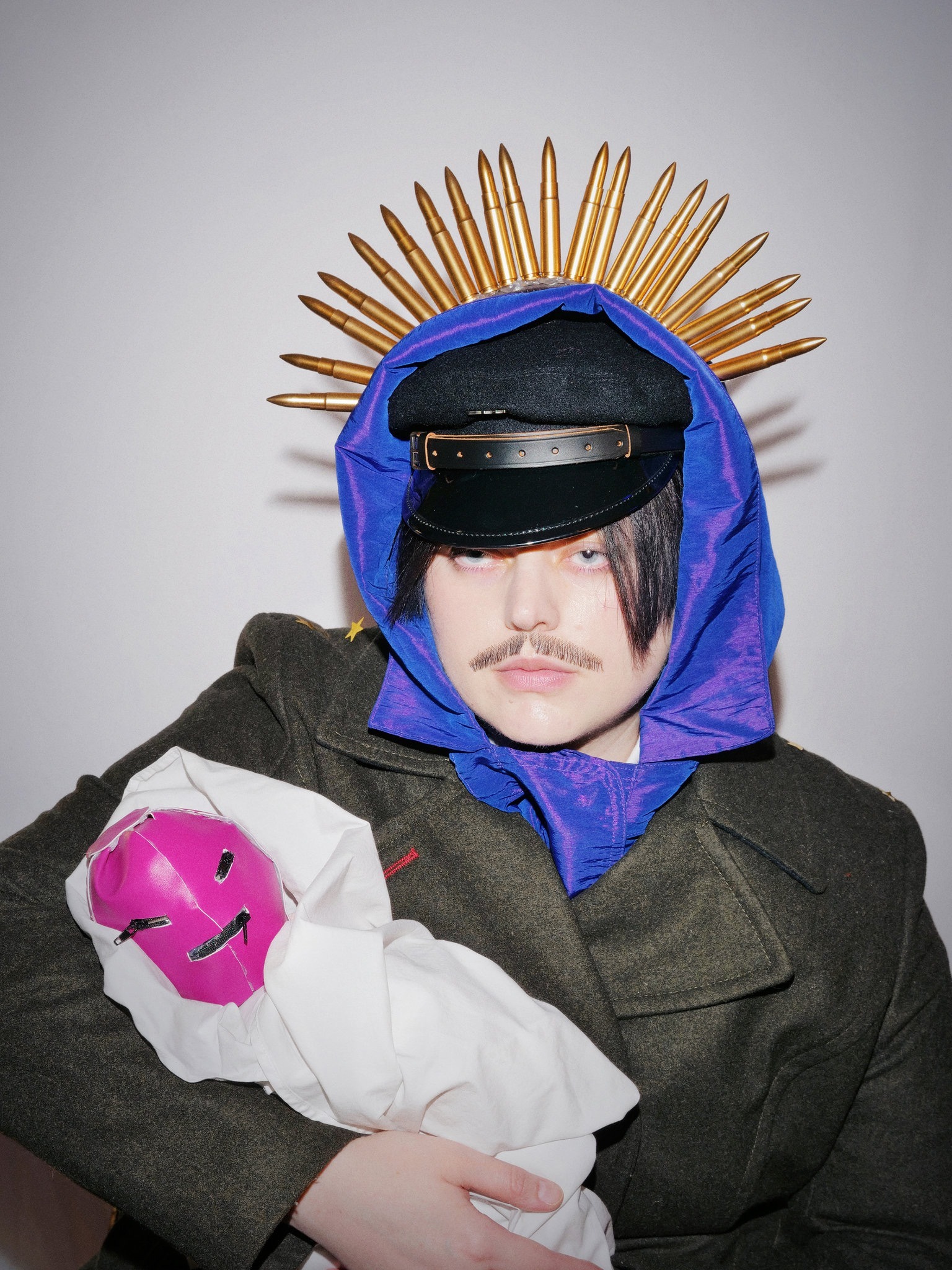
Mykolaiv-born artist Valeriia Kosheriyeva presents “Plaything,” a staged self-portrait series portraying a dictator figure adorned in military overcoats and a fake mustache. Utilizing absurdist props, the project deconstructs narcissism and toxic masculinity while satirizing totalitarian regimes and imperial aggression.
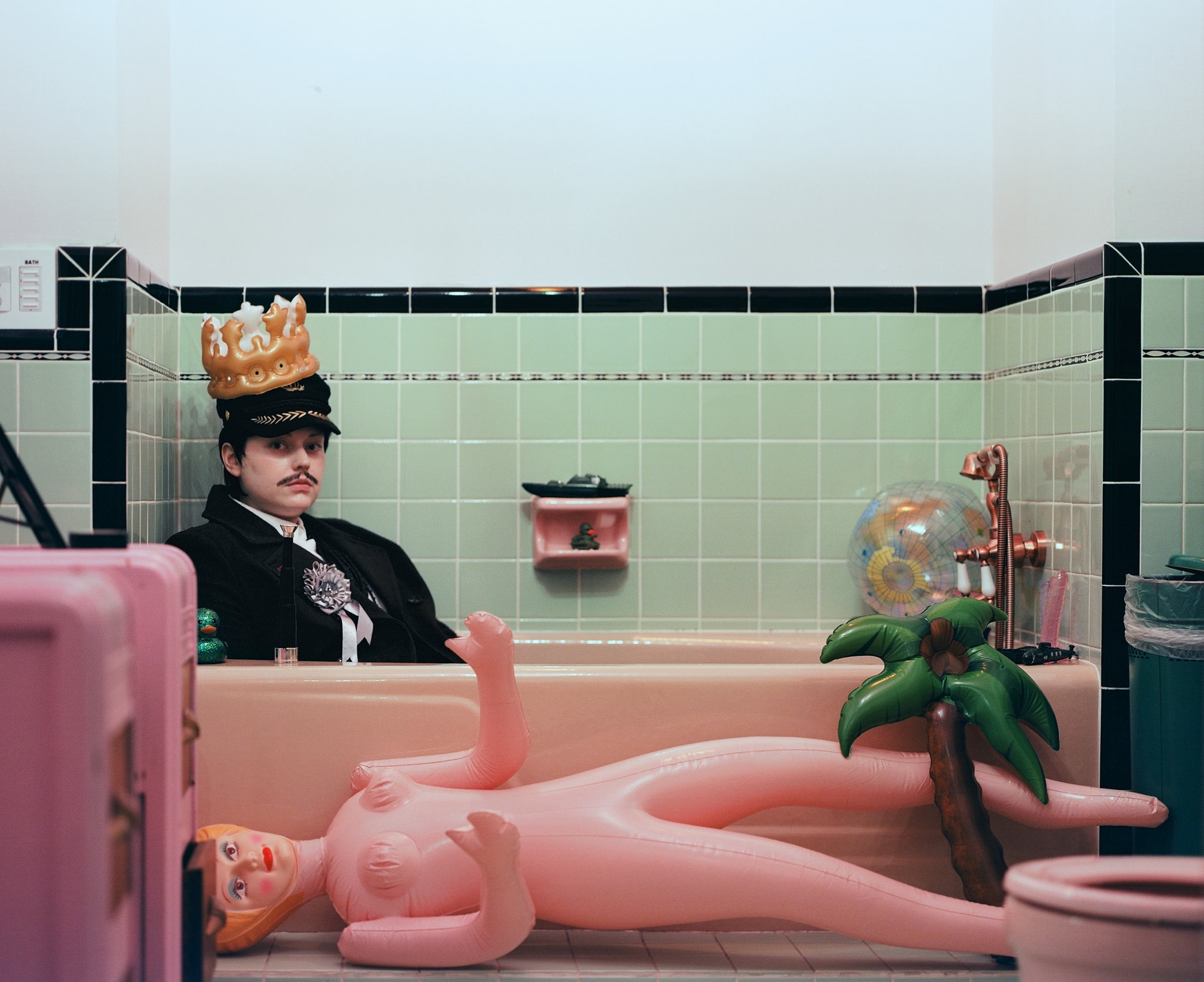
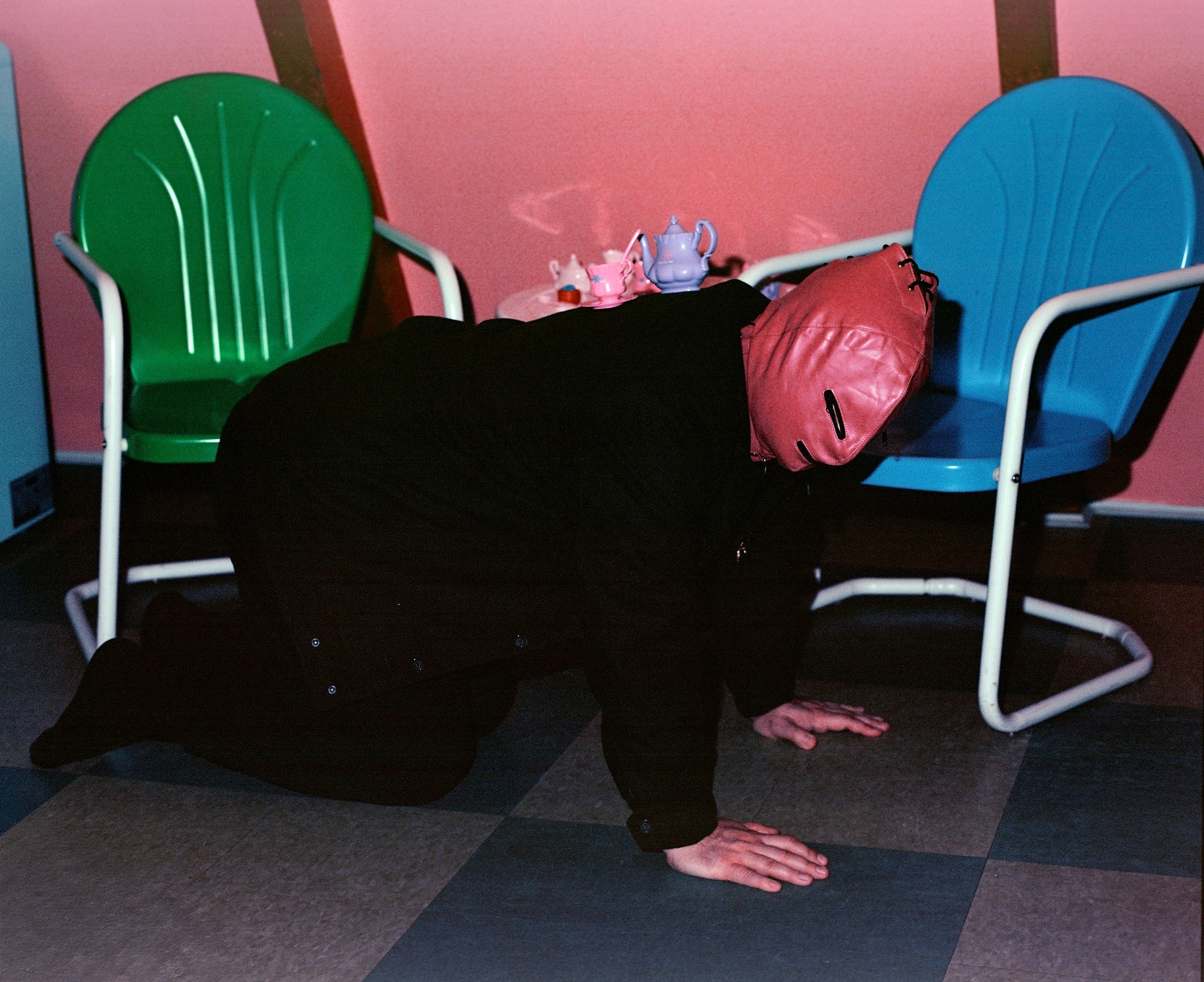
The photographer studied contemporary photography at the MYPH school during 2025–2026. Working at the intersection of self-portraiture, staged photography, and analog mediums, she handcrafts all the props for her shoots. Valeriia is currently based in the United States.
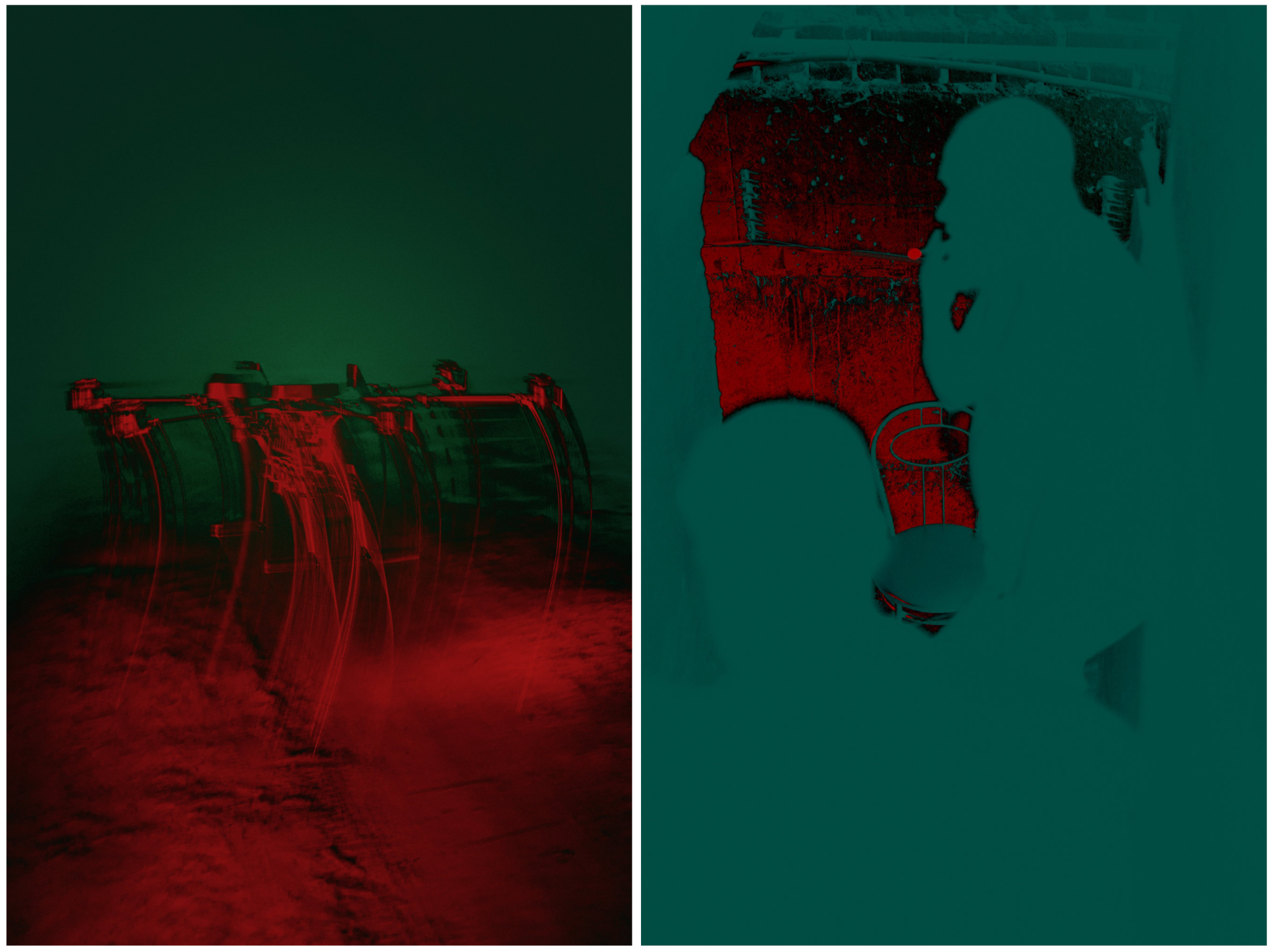
Documentary photographer and active service member Vitalii Herasymenko presented a body of work created between 2024 and 2026. His series “Thermal Signatures” documents his service in an assault battalion of the Armed Forces of Ukraine through the digital optics of thermal imagers and drones. Translating frontline reality into a stream of spectral data, the series explores the fine line between humanity and its digital footprint in the killzone—an endeavor to preserve the faces and daily life of fellow soldiers in an environment built for destruction.
Vitalii Herasymenko is a MYPH graduate and UAPP member specializing in post-documentary photography. He won the Krakow Photomonth ShowOFF 2026, participated in the MYPH Photo Festival as well as exhibitions across Ukraine and Poland, and authored the artbook “Black Pearl of Beijing.”
UAPP previously published an interview with Vitalii Herasymenko, where he discussed his award-winning project in detail.
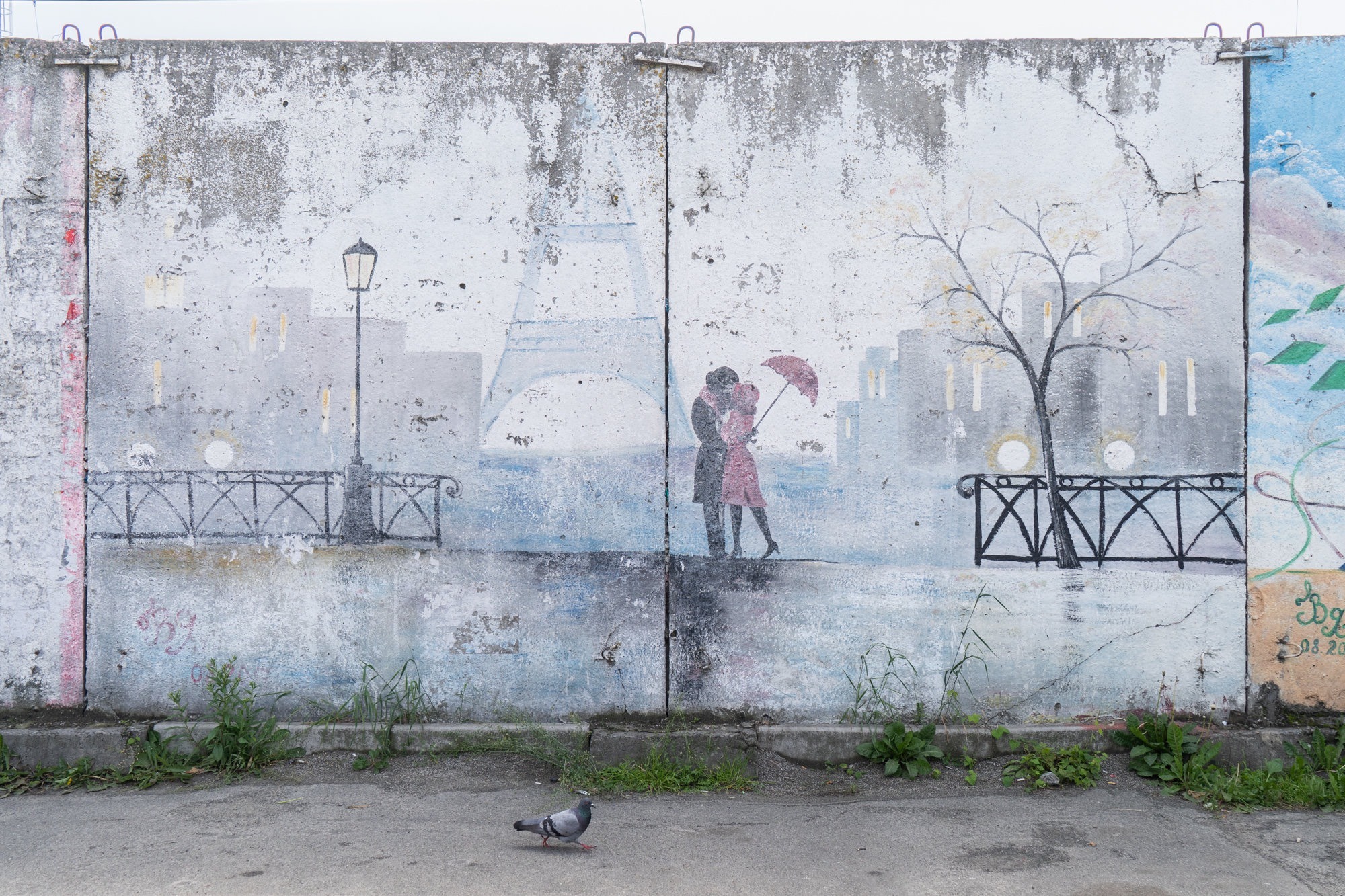
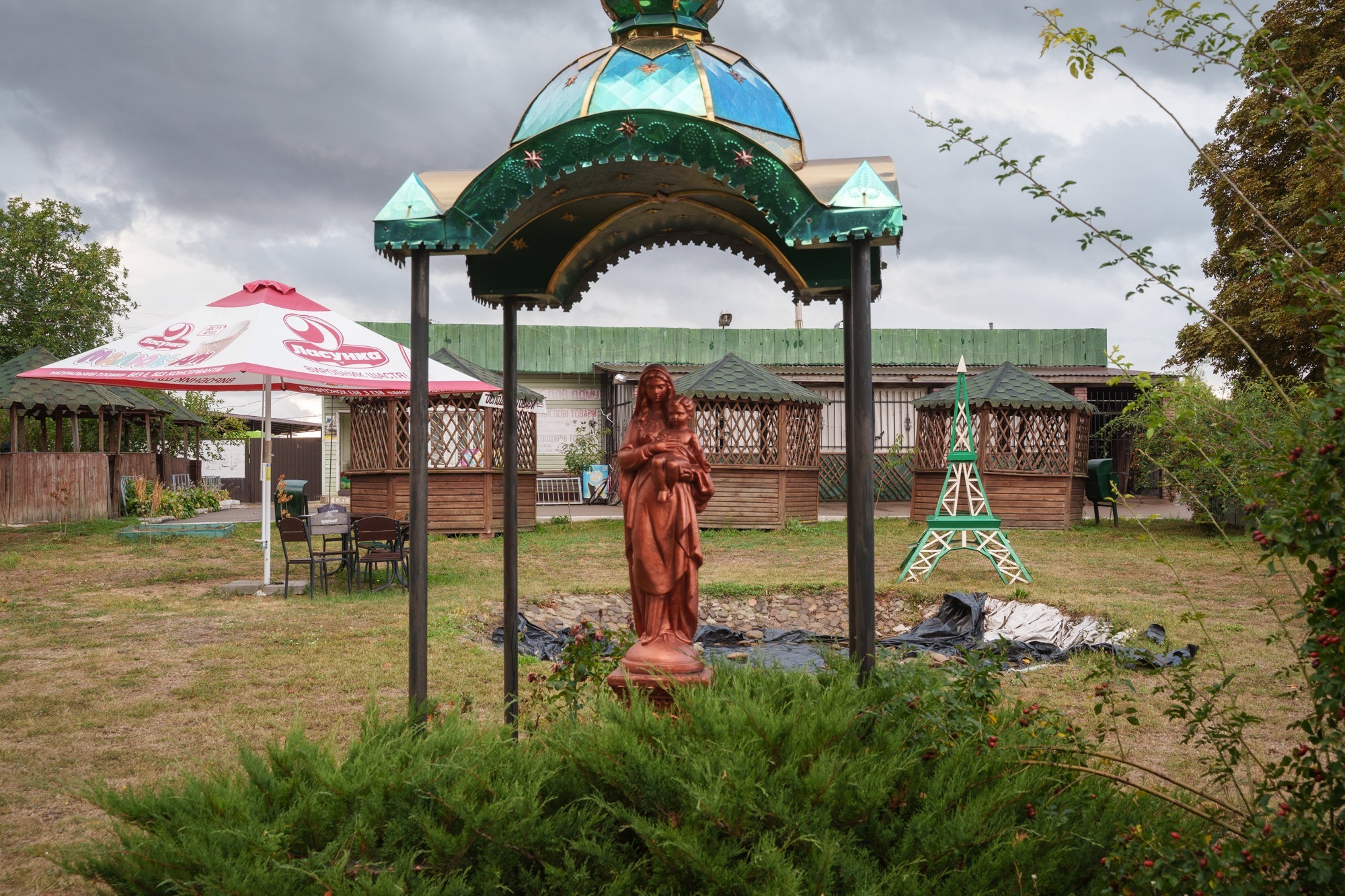
Third place was awarded to Oleksandr Popenko for his series “Little Paris” (2025–2026). The documentary photographer and director examines an unusual urban phenomenon: replicas of the Eiffel Tower scattered across Ukrainian towns and villages. Through portraits of their creators and builders, the project offers an ironic reflection on the pursuit of European identity through visual kitsch and local context.
Oleksandr Popenko has collaborated with BBC News, hromadske, and Suspilne Media. He has held several solo exhibitions in Ukraine and participated in European group shows. He is also the author of the photo book “Under Surveillance” (2025), which received a special design distinction at Book Arsenal.
The use of irony and self-portraiture emerged as key artistic techniques among the finalists' entries.
“Projects employing irony particularly stood out this year—such as works by Valeriia Kosheriyeva, Oleksandr Popenko, and Iryna Kabysh—alongside female self-portrait series examining embodied experience,” notes jury member Anastasiia Volkova.
War as a Leitmotif
The Russo-Ukrainian War served as a central thread across all entries, regardless of genre. Beside prize winner Vitalii Herasymenko, two other active service members were among the finalists: Maks Mokrytskyi and Andriy Kasyanchuk. In “MOS 100-Rifleman (Cigarettes),” Maks Mokrytskyi filmed newly mobilized comrades he served alongside, recording their responses to the question: “What do you want most right now?” In “Nature '300',” Andriy Kasyanchuk documented environmental observations into an account of wartime ecocide, continuing work begun by his father following the Chernobyl disaster. Andriy detailed his project in a feature for UAPP.
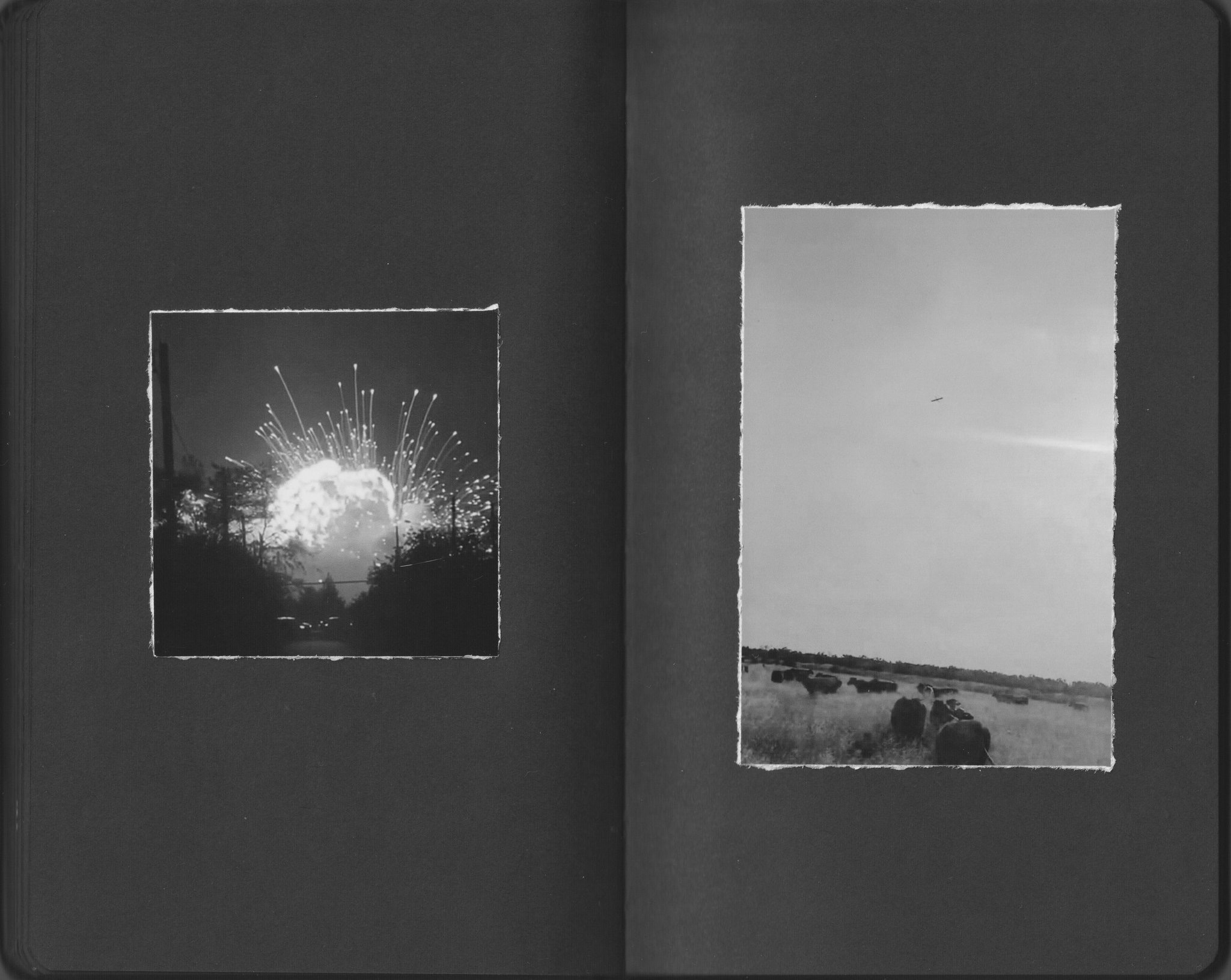
Wartime themes extended beyond military personnel, as nearly all finalists reflected deeply on the war and personal experience.
“War permeates almost every series this year—not as news imagery, but through personal perspective. Veronika Mol photographs the sky above fallen defenders' graves. Vitalii Herasymenko and Maks Mokrytskyi captured their own service from within. Andriy Kasyanchuk keeps a journal of nature suffering as a victim of war. Photojournalist Marharyta Fal addresses professional fear. Valeriia Kosheriyeva and Iryna Kabysh work with satire: dictatorship as a game, safety as an inflatable facade,” explains Sergiy Melnitchenko.
Sergiy adds that reflecting on the war extends beyond direct documentation or combat experience; in many projects, it appears indirectly through lost memories, local identity, or everyday life details.
“Some projects approach war obliquely. Anastasiia Antonenko works with found negatives of another family after losing her own family archive. Oleksandr Popenko searches for Eiffel Tower replicas across Ukrainian settlements and meets their creators. The genres span documentary, post-documentary, staged photography, concepts, and archives, united by deeply personal expression. With three of nine finalists serving in the Armed Forces, those living the war are shaping its narrative,” says Sergiy Melnitchenko.
Beyond the Prizes
Finalists gained significant professional momentum alongside practical career opportunities.
Prize winners received educational vouchers for MYPH courses valued at UAH 50,000, 25,000, and 10,000. All finalists received photography book sets from Creative Publishing and MOKSOP, along with promo codes for ist publishing books. Non-placing finalists received diplomas and UAH 5,000 MYPH course vouchers.
Collaboration expanded with Fujifilm Ukraine through the introduction of the “Best Debut” award, won by Valeriia Kosheriyeva. First-place winner Veronika Mol also received a professional Fujifilm camera.
“The 'Best Debut' award from Fujifilm is a new initiative this year, offering a Fujifilm X-Series camera and lens to an author showcasing a series publicly for the first time. Valeriia Kosheriyeva won this honor—having had no prior exhibitions or publications, she achieved both second place and best debut. Creating these opportunities is the core purpose of our prize. The first-place winner also receives a Fujifilm camera,” explains Sergiy Melnitchenko.
Additional special awards were presented: Valeriia Kosheriyeva received a monetary award from Ivanna Bertrand, Veronika Mol received a gift certificate from FOTOVRAMCI, and Vitalii Herasymenko received a special prize from VS-PRINT.
Past laureates demonstrate that the award offers recognition and motivation beyond tangible prizes. The initiative integrates photographers into a supportive network and establishes a platform where creators from diverse backgrounds—military personnel, civilians, and displaced artists—can collectively process and communicate wartime experiences.
“Winners receive exhibition showcases at Art Market Budapest and ART KYIV, alongside nominations for international photography competitions and programs. In UAPP membership statuses, first place earns full membership, while second and third places gain candidate status. The exhibition will also tour to other cities in Ukraine and internationally following its Kyiv run,” notes Sergiy Melnitchenko.
The exhibition of finalists' works from the third MYPH Photography Prize runs at Kyiv's Dymchuk Gallery through November 29, 2026. The display includes a video presentation featuring 12 additional shortlisted participants. Admission is free at 21 Yaroslavska Street, Kyiv.
“My gratitude goes to the jury and all 493 applicants across 23 countries. Above all, we thank our defenders, whose service makes these exhibitions possible,” concluded Sergiy Melnitchenko.
Sergiy Melnitchenko is a photographer, educator, and founder of the MYPH School of Conceptual and Art Photography. He began practicing photography in 2009 and has participated in approximately 200 solo and group exhibitions, art fairs, and festivals worldwide. Over the past five years, he has organized and curated more than 40 projects and exhibitions featuring work by MYPH students globally. He is a winner of national and international awards, including the Leica Oskar Barnack Award Newcomer in 2017 (Berlin), Photographer of the Year in 2012, 2013, and 2016 (Kyiv, Ukraine), and Golden Camera in 2012 (Kyiv, Ukraine). He was a finalist for Krakow Photomonth, PinchukArtCentre Prize, Off_Festival Bratislava 2014, DEBUTS 2018, Kolga Tbilisi Photo Award, and Batumi Photodays, among others. He participated in Paris Photo, Volta Art Fair, Photo L.A., Photo Basel, and Unseen Fair, and was nominated for the Foam Paul Huf Award in 2020 and 2023. Selected for the European platform FUTURES in 2022, his works reside in private and public collections across the US, Hong Kong, Ukraine, Poland, France, Germany, Belgium, Lithuania, Czech Republic, Japan, Netherlands, Italy, Switzerland, and Norway. In 2022 and 2023, two series comprising 25 works were acquired for the permanent collection of the Alexander Tutsek-Stiftung foundation, which also awarded him a annual grant in 2023 to create a personal photographic project.
Contributors to this material:
Researcher and Author: Yana Yevmenova
Picture Editor: Vladyslav Krasnoshchok
Copy Editor: Yuliya Futey