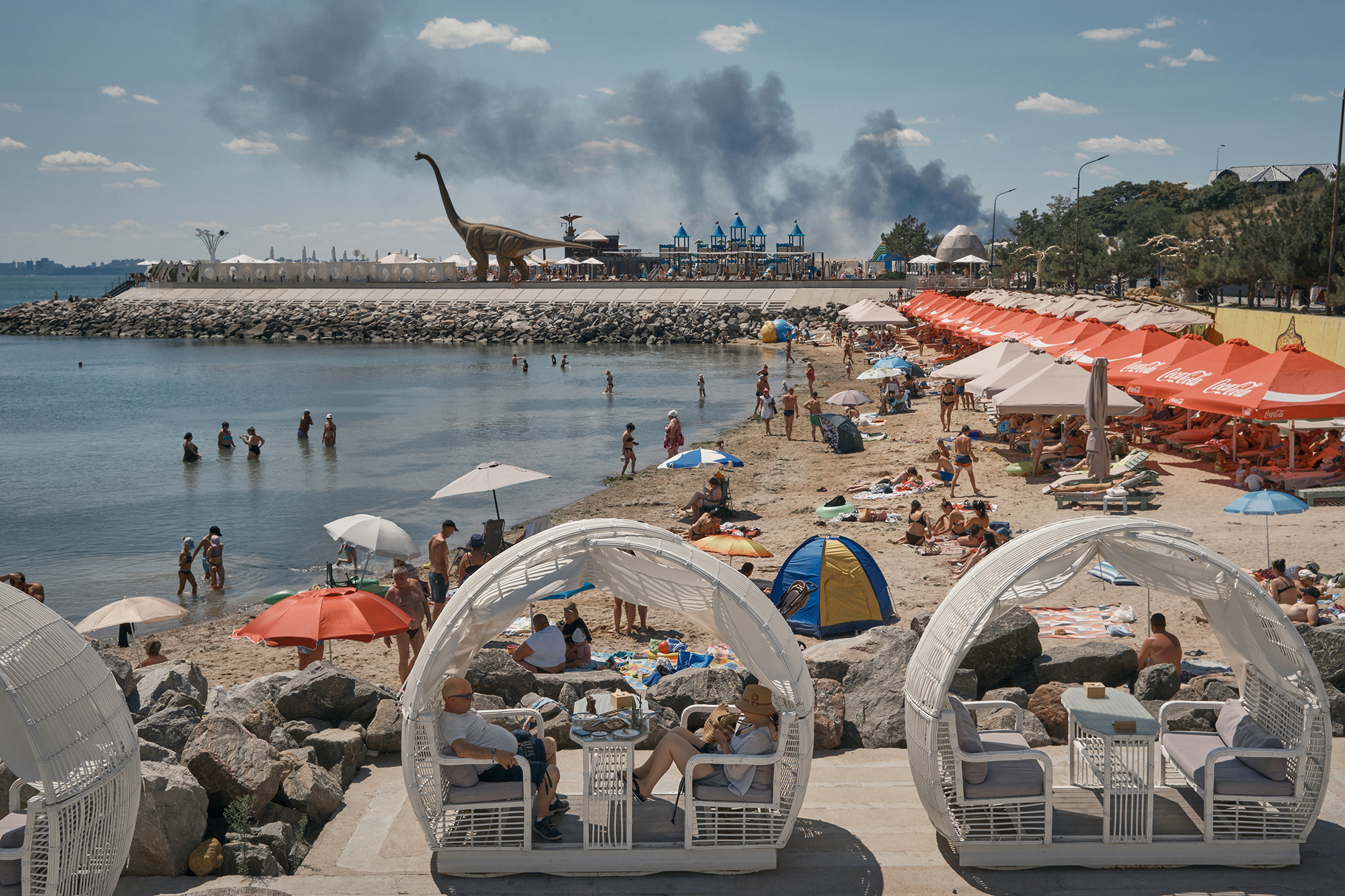
During the final week of July, Russian forces launched a series of targeted, lethal strikes against Ukraine's civilian population: in Chernihiv, a jet-powered drone struck a supermarket filled with customers; a missile attack on Lviv partially destroyed two apartment buildings; in the Kryvyi Rih region, a ballistic strike leveled a private home, killing a family with many children; and in Kyiv, victims of a ballistic attack included residents heading to shelters and those who were among the first to aid the wounded. Frontline and border communities, as well as port infrastructure, remain under constant fire from KABs, drones, and artillery.
Chronicle of Russian Shelling from July 27 to August 2, 2026
On the night of July 27, enemy attacks in Nikopol killed two people; among the injured was a six-year-old boy hospitalized in moderate condition. A kindergarten, a hospital, enterprises, high-rise buildings, private homes, and a bread stall were damaged. In Pavlohrad, an enterprise was mangled, with one person hospitalized; in Dnipro, damage was reported to an enterprise, apartment buildings, shops, and vehicles. The Sumy region suffered strikes from aerial bombs and drones: in Sumy, private houses, infrastructure, transport, a shopping center, and an enterprise were damaged, with five injured; in the wider region, two children and an adult were injured, and animals on a farm were killed or wounded. In Kherson, a civilian died due to the detonation of an anti-personnel mine. In the port area of the Mykolaiv district, three vessels were damaged, one person was killed, and others were injured across the region. Russians dropped aerial bombs on a private sector in the Kramatorsk community in Donetsk region, resulting in three confirmed deaths and damage to residential buildings and infrastructure. In Sloviansk, the enemy hit a passenger bus and a vehicle belonging to the "eRecovery" commission; no casualties were reported. Zaporizhzhia endured a massive strike by KABs and UAVs; the enemy hit residential quarters, public transport, and a retail point, destroying private homes and damaging high-rises, an educational institution, and cars, leaving two dead and 13 injured.
On the night of July 28, guided aerial bombs in Sumy destroyed and damaged private homes, injuring six people, including three children; agricultural enterprises were also attacked in the region, with three more individuals injured. Russian aviation shelled the Sloviansk community, damaging a high-rise building, warehouses, and equipment. In the Dnipropetrovsk region, one person died, and in Marhanets, rescuers came under repeat shelling, damaging a fire-rescue vehicle. In Kherson, an artillery strike killed a man, while two other residents died in the hospital from previously sustained severe injuries. In Mykolaiv, an industrial enterprise and residential buildings were damaged as fires broke out. In the Black Sea, Russians once again struck a civilian vessel flying the Liberian flag; the ship was at anchor, empty and without a crew. This marks the third attack on this vessel, with smoke reported on board. In Zaporizhzhia and its district, fires erupted in the residential sector and a garage cooperative, injuring two people, while four rescuers were hurt during a secondary strike on a forestry site.
In the Nikopol region on July 29, ten people were injured, including a three-year-old child; some victims remain in critical condition. Infrastructure, an enterprise, an outpatient clinic, a store, a high-rise, private homes, and vehicles were mangled. In Sumy, guided aerial bombs struck the industrial sector; fires broke out at gas stations in the Sumy and Stepanivka communities. In the Kharkiv region, 49-year-old SES rescuer Mykola Belukha passed away in the hospital after sustaining severe injuries during a UAV attack on a fire station in Bohodukhiv on July 12. Combined strikes in Sloviansk destroyed warehouses and hangars of a private enterprise, damaged over 60 private homes and an educational institution, and killed one man. In the Kramatorsk community, one person was killed and seven injured, including a child, with extensive damage to infrastructure. In Druzhkivka and Raihorodok, two civilians died, and over a dozen were injured, including a child. In Kherson, drone attacks damaged a residential block and a service station; three civilians were hospitalized, and one man died from his injuries. In Mykolaiv and its regional center, a combined attack killed one man and injured nine others, damaging an industrial enterprise, an administrative building, port infrastructure, three civilian boats, high-rise and private buildings, ten garages, cars, and a recreational facility. In the Odesa region, a missile strike damaged an infrastructure object.
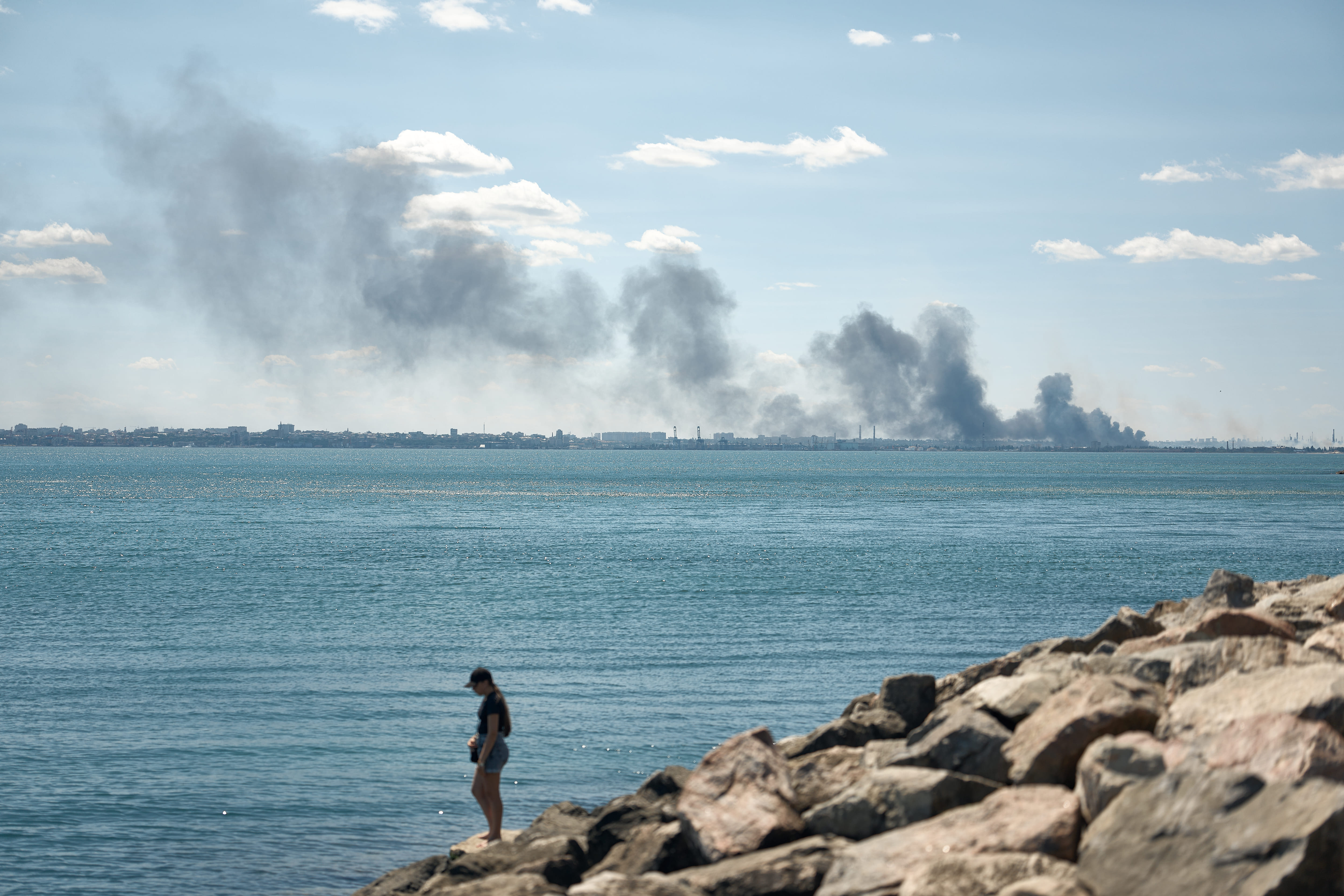
On the night of July 30, Russian troops launched a massive assault using 74 missiles and 284 UAVs of various types, striking the Kyiv, Dnipro, Lviv, Poltava, Kharkiv, Mykolaiv, Sumy, Vinnytsia, Cherkasy, Ivano-Frankivsk, and Kherson regions. Air defense forces destroyed over 260 drones and 55 missiles. As Volodymyr Zelenskyy noted in a video address, even mobile fire groups participated in intercepting cruise missiles. In the Dnipropetrovsk region, a missile strike on the private home of a large family in the village of Radushne—preliminarily identified as North Korean ballistics—killed six people: both parents and three children (a six-year-old girl and boys aged 11 and 17). Additional human remains found under the rubble are being identified by experts. Nine people were injured, including two children; one woman is in critical condition. The family's home was completely destroyed, and neighboring houses were damaged. July 31 was declared a Day of Mourning in Kryvyi Rih. In the Poltava region, strikes on warehouses caused fires and killed one person. In the Zhytomyr region, six people, including three children, were injured following strikes on an agricultural enterprise, which also damaged residential and social facilities. In Mykolaiv region, port infrastructure, warehouses, private and administrative buildings, and an ambulance came under fire. In Kherson region, a Russian UAV intentionally struck a SES fire truck, damaging and igniting the specialized vehicle; two civilians died in Bilozerka following a drone strike on a car. Russian forces dropped three KABs on Kherson's industrial zone, killing one man and damaging production facilities, a medical center, and a high-rise.
During the night and morning of July 31, Kramatorsk suffered airstrikes: 18 high-rise buildings, educational and retail facilities, a post office, and a bank were damaged; one person died and six were injured. In Sloviansk, one person was injured, and industrial premises and private homes were damaged. In Pavlohrad, two people were killed and 14 injured, including three children; one person is in critical condition. Damage was reported to residential buildings, an enterprise, and a shopping complex. In the Dnipro district, a logistics terminal and an administrative building of a food industry enterprise were mangled; three died in the Nikopol region. In Mykolaiv region, a KAB strike damaged 19 houses, a community center, and an educational institution. In the Sumy region, eight people were injured—one critically—following strikes by jet-powered UAVs and KABs on civilian and industrial infrastructure, sparking massive fires. During the day, enemy UAVs attacked a Nova Poshta branch and other civilian enterprises in Haisyn, Vinnytsia region; nine people were injured, three of whom were placed in intensive care. In Zaporizhzhia, one man died and six others were injured, one critically. A KAB strike on central Kherson destroyed an educational institution and damaged 11 residential buildings; one person died and five were injured. Enemy drones repeatedly attacked rescuers while they were extinguishing fires. In the wider region, two more died and one was injured. In Odesa and its region, the territory of a non-operational enterprise, a hospital, and a college were damaged; one private house was destroyed and six damaged, with three civilians injured, including one man in critical condition.
On the night of August 1, the RF launched 185 UAVs and 35 missiles at Ukraine, including 27 ballistic missiles, one of which was intercepted by air defense. The primary targets were the Kyiv, Dnipropetrovsk, Sumy, Kharkiv, and Poltava regions. In the Poltava region, firefighters extinguished a blaze in a warehouse, and a Ministry of Internal Affairs service center was damaged. In Zaporizhzhia, one person died and two were injured; in the Zaporizhzhia district, Russians attacked agricultural farms. In the Dnipropetrovsk region, two people were injured, including a 17-year-old youth hospitalized in moderate condition. In the Nikopol region, a Russian FPV drone hit a regular passenger bus during the day: seven were injured, including a 16-year-old boy; two are in critical condition, and the bus was completely incinerated. In the Sumy region, one person died and two were critically injured; a resident of the Romny community passed away in the hospital. In Zelenivka, Kherson region, a 14-year-old boy sustained blast injuries after triggering an unknown device. An airstrike in central Kherson killed a woman and injured 19; two healthcare facilities, private homes, and warehouses were damaged as massive fires raged in the city. A Russian UAV struck a high-rise in the center of Odesa, damaging an apartment on the 20th floor and igniting the building's facade and interior; two adults and two children were hospitalized, three of whom are in critical condition.
As of the morning of August 2, Russian attacks in Mykolaiv damaged a civilian vessel and injured two people; in the region, a family of three, including a four-year-old girl, was injured, with damage to a gas station and vehicles. In Zaporizhzhia, a man was killed. In the Dnipropetrovsk region, seven were injured, with an 18-year-old youth taken to the hospital in critical condition. In Kramatorsk, one person was injured, and damage was reported to two high-rises, a hotel, a shopping center, and infrastructure; two people died in Druzhkivka.
Chernihiv Region
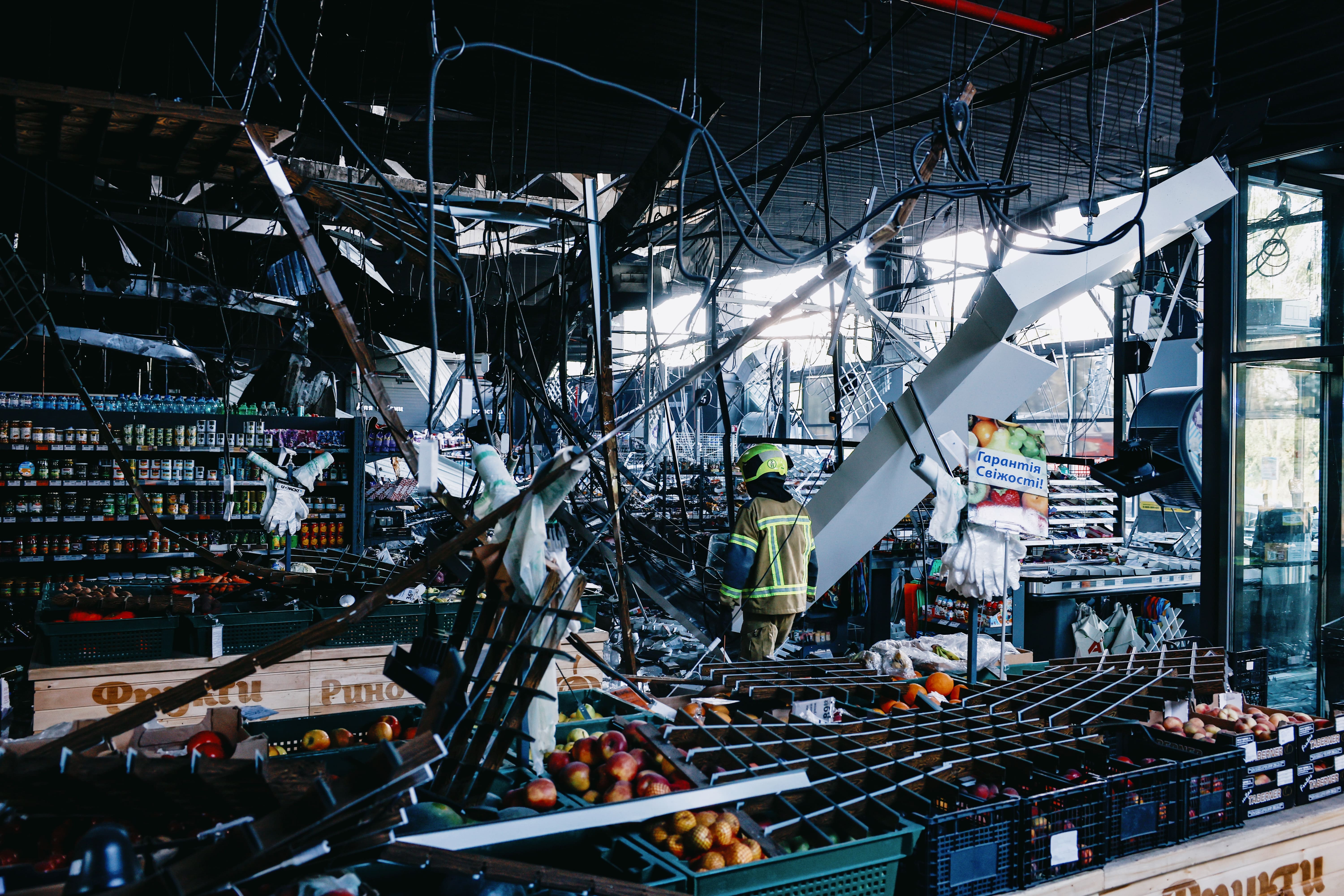
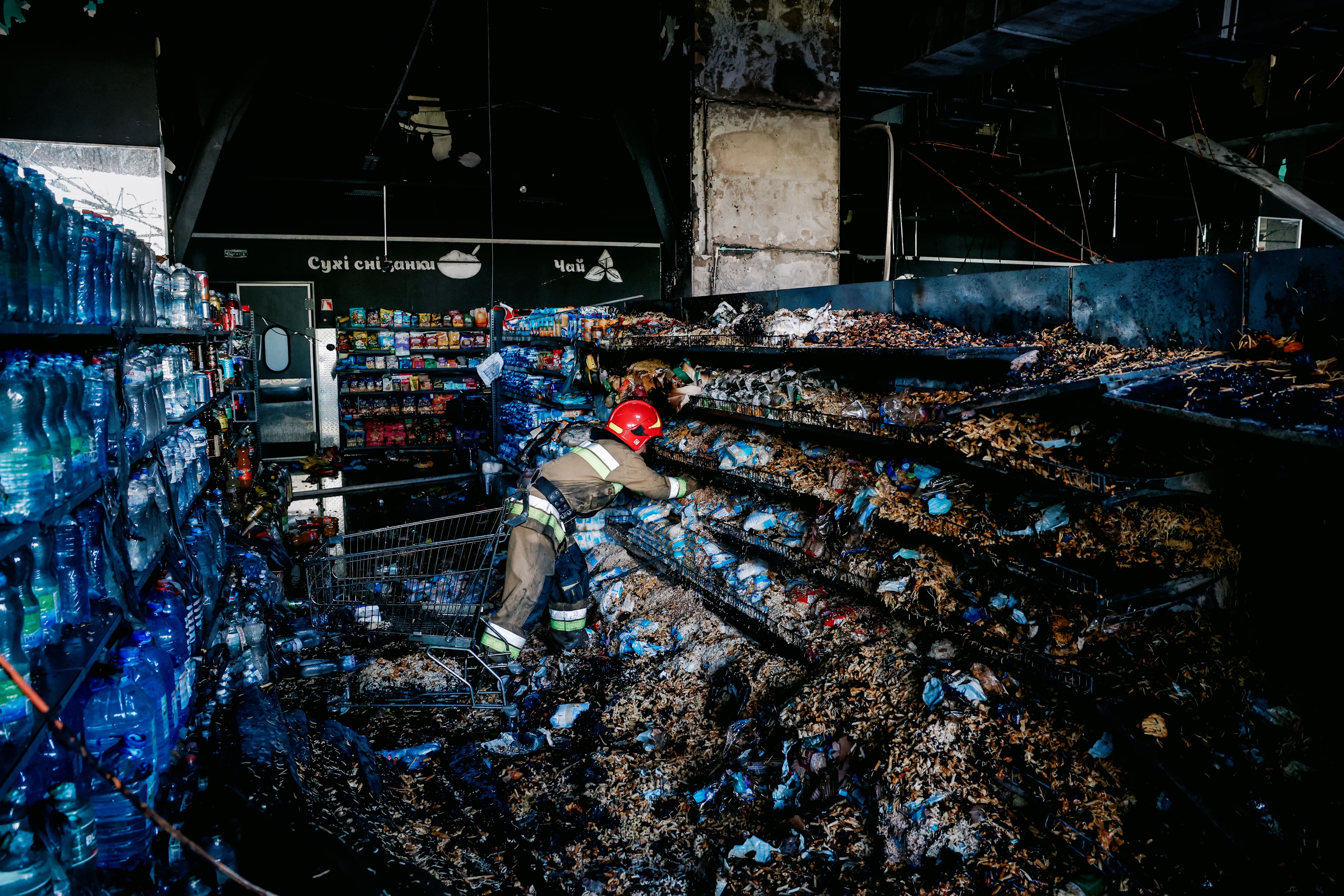
Russian forces have increased the deployment of jet-powered drones in the region. July 27 was a day of mourning in Chernihiv for the victims of a Russian jet UAV strike on an ATB supermarket the previous day, July 26. In the middle of a weekend in a residential district, the enemy drone struck the supermarket, killing two people: a 23-year-old woman and a nine-year-old girl. Another 25 individuals were injured, including four children (the youngest a two-year-old girl). Twelve victims were hospitalized, including a ten-year-old boy; four people remain in critical condition.
“A weekend. People go to the supermarket before the work week. Whole families. With children. And that is exactly where the Russian drone hits them. A nine-year-old girl and an adult were killed today by a Russian drone that attacked a supermarket in Chernihiv. Thirteen are wounded, including another child sleep,” stated First Lady of Ukraine Olena Zelenska in an emotional commentary on the treacherous strike on her Instagram.
Zelenska noted that since the beginning of the year, over 10,500 Russian drones have entered the Chernihiv region—approximately 50 per day. While 70% were neutralized, the remainder “killed, maimed, and destroyed.” According to preliminary findings by explosives experts reported by the National Police, the city was attacked by a “Geran-4” jet drone equipped with a video camera. Other drone strikes in the city destroyed a service station, caused a fire at an enterprise, and damaged a food industry facility where a 48-year-old man was injured. Throughout the week, the enemy in the region attacked gas stations, enterprises, hangars, a cowshed with animals, critical infrastructure, administrative and residential buildings, and a postal vehicle as fires broke out across the region.
Kharkiv Region
On July 27, Russian troops launched massive combined strikes using missiles, aerial bombs, and drones against Kharkiv and its regional settlements, killing two people and injuring dozens of civilians. In Kharkiv, 20 private homes and a gas station were damaged; one woman died, and 16 residents were injured, including a ten-year-old boy and a 17-year-old girl. Preliminarily, the Russian army used a small-sized S8000 "Banderysh" missile.
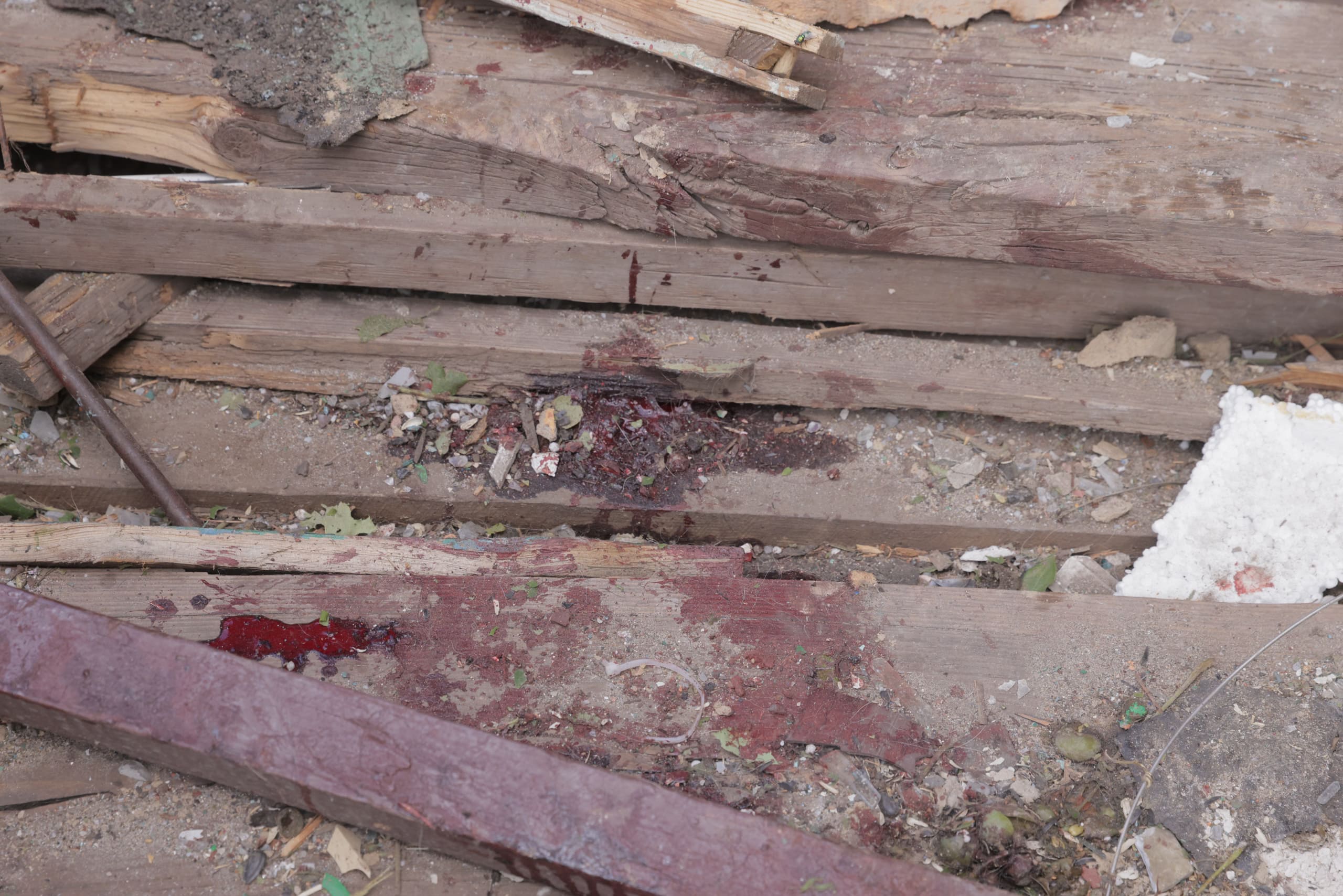
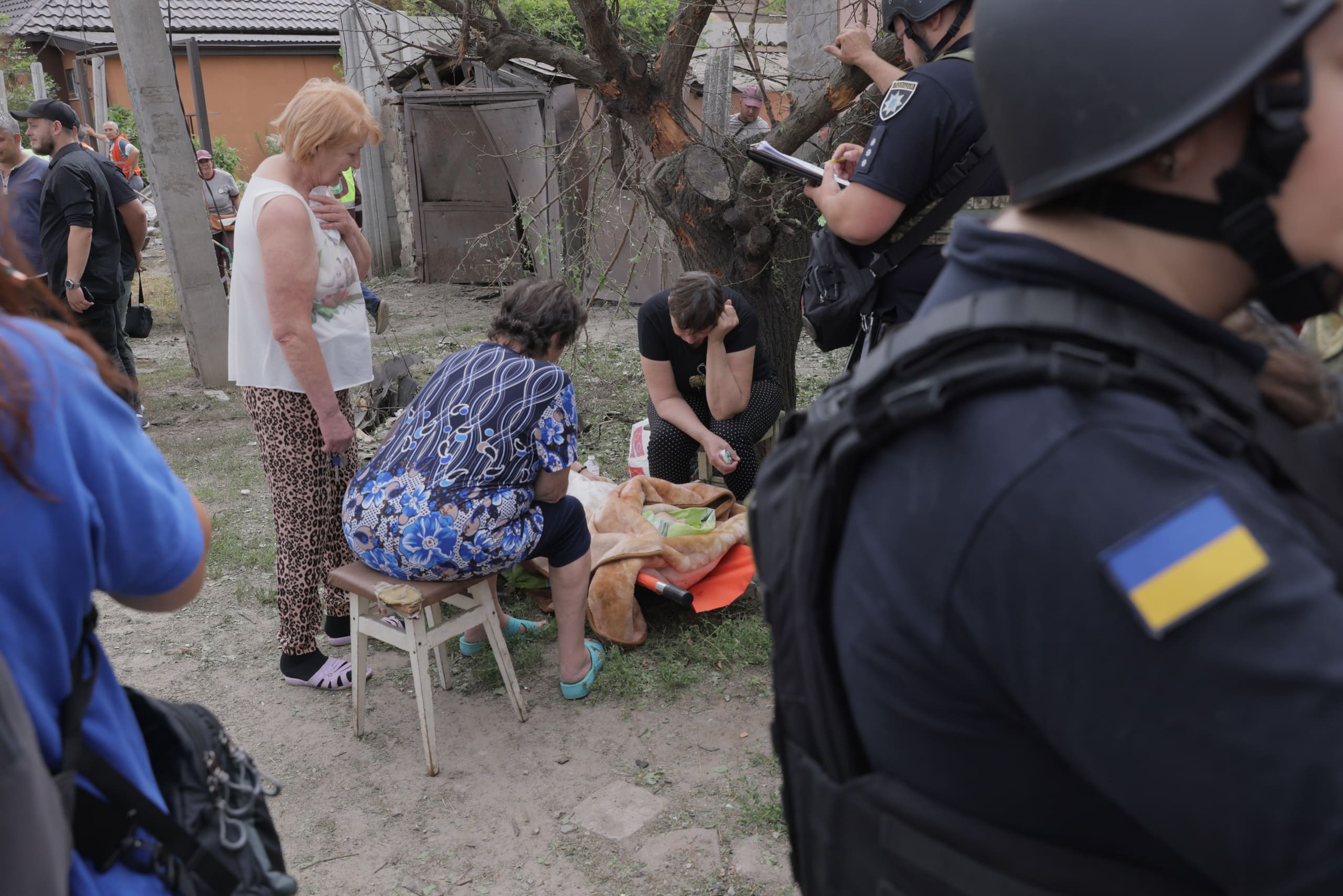
In Balakliia, an enemy strike damaged medical and educational institutions, an administrative building, a five-story residential building, and a store; one person died and eight were injured. In Izium, an airstrike caused a fire in a hangar and warehouses, damaging a gas station and 40 garages, with three injured. In Lozova, the enemy damaged railway infrastructure; in Bohodukhiv, four gas stations, garages, and housing were mangled; and in the village of Korotych, a postal terminal was hit.
Over the following two days, a UAV struck a five-story building in Kharkiv's Novobavarskyi district, igniting the roof and damaging neighboring houses and cars; one woman was injured, and eight others suffered acute stress reactions. In the Bohodukhiv, Kupiansk, Lozova, Chuhuiv, Izium, Berestyn, and Kharkiv districts, dozens of private and apartment buildings, enterprises, railway infrastructure, gas stations, power grids, ambulances, and civilian cars were damaged; in several communities, wheat fields were incinerated. Overall, at least 18 people in the region were injured, including three children.
Ahead of the weekend, the enemy attacked the Kyivskyi, Saltivskyi, and Slobidskyi districts of Kharkiv with UAVs, damaging the glazing of an apartment building and a postal terminal in the suburbs, where a freight truck caught fire. Over the weekend, strikes targeted the Saltivskyi, Nemyshlianskyi, and Kyivskyi districts, damaging a high-rise roof, a service station, a gas station, and cars.
On August 1, in Kharkiv's Shevchenkivskyi district, enemy drones attacked the warehouse of a local publishing house, sparking a fire covering approximately 10,000 square meters and injuring one man. The strike hit the logistics center of the "Ranok" publishing house. The blaze destroyed up to half a million school textbooks and over a million book copies, as reported by the local media outlet "Nakypilo," citing Viktor Kruhlov, CEO of the Ranok corporation. Damages are already estimated at several million hryvnias.
Ten people, including three children and a rescuer, were injured in a Russian night attack on the Kharkiv region on August 2. Fires raged at service stations and warehouses. In Kharkiv, a high-rise, three warehouses, a gas station, a service station, cars, and a garage cooperative were damaged. Due to intense shelling, a mandatory evacuation was declared for nine villages in the Staryi Saltiv community, with forced evacuation for families with children. Currently, 865 residents remain in the community, including 58 children and 64 people with limited mobility.
Kyiv Region
Following a Russian ballistic attack on Kyiv on the night of July 30, fires broke out in two districts, damaging residential buildings, a market, garages, warehouses, and cars. In the Obolon district, retail pavilions were burned, while in the Sviatoshyn district, a garage cooperative caught fire, killing a 31-year-old man and injuring two others aged 30 and 53; a five-story non-residential building also ignited. The strike damaged the stained-glass glazing of the "Pochauna" metro station pavilion; however, after debris was cleared, the station resumed operations on schedule. Over 56,000 people sought shelter in metro stations overnight, according to the KMDA.
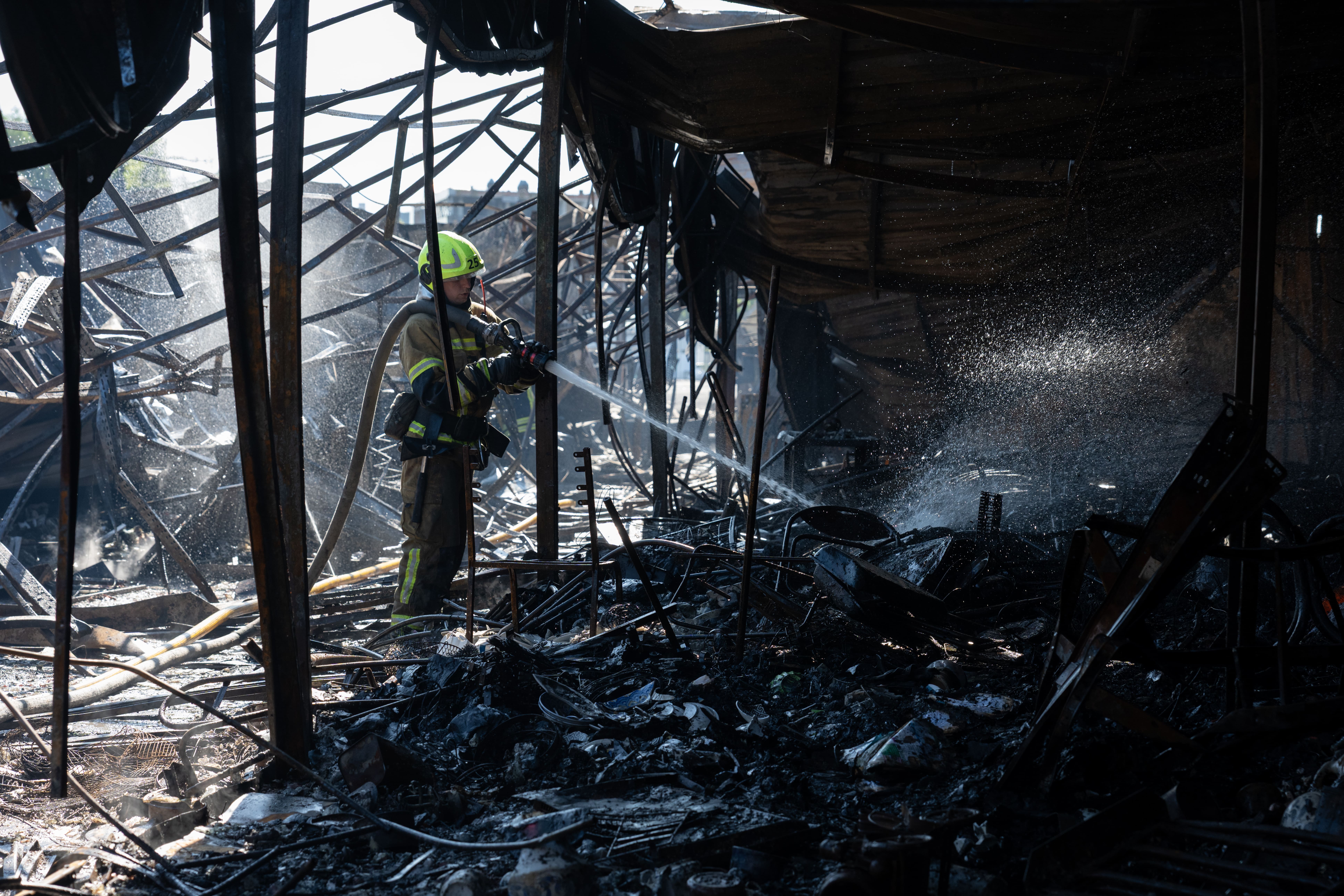
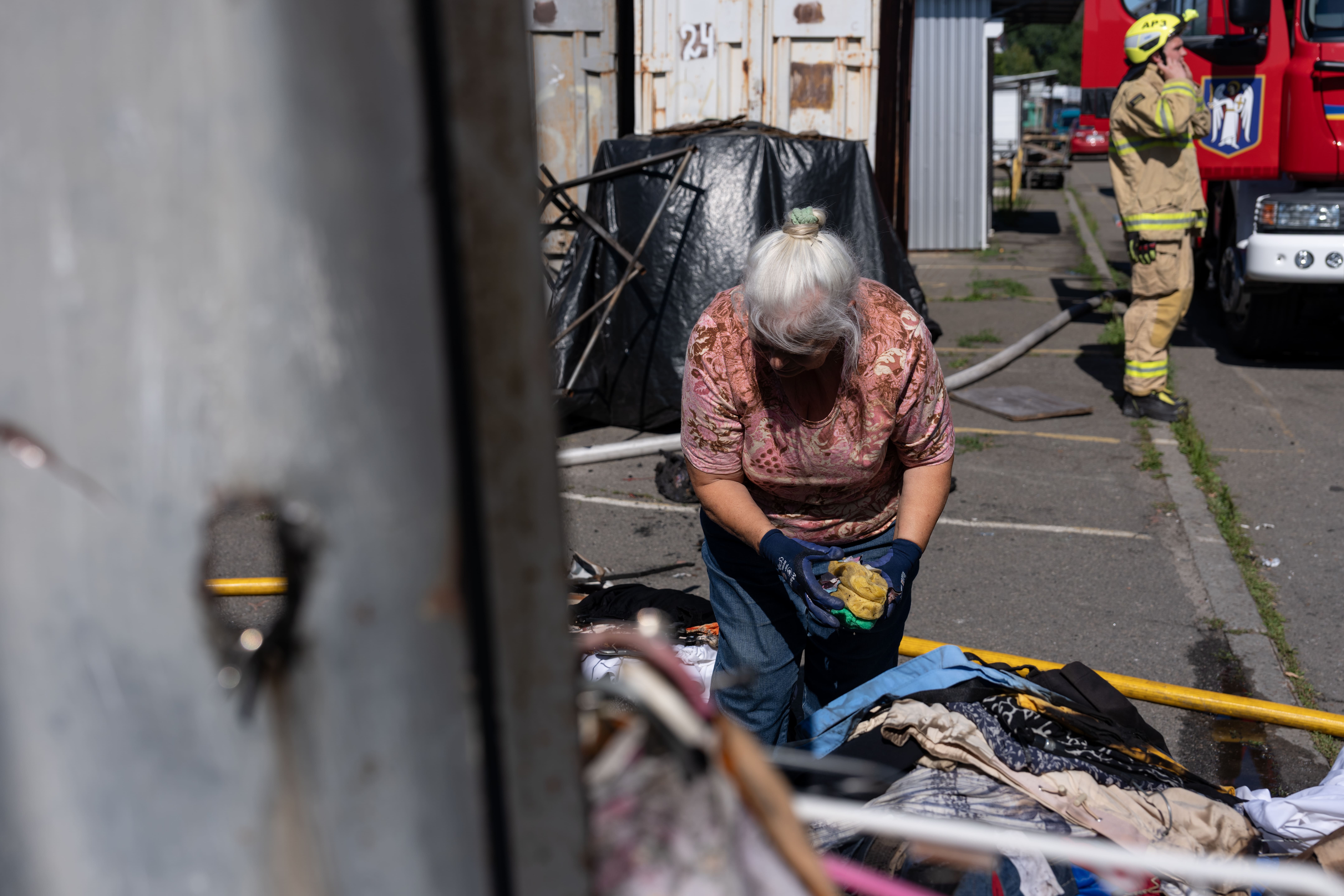
On July 31, a Russian UAV attack in Kyiv's Holosiivskyi district ignited dry grass over an area of 1,200 square meters. On the night of August 1, Russians attacked residential areas of the capital with ballistic missiles. Nine people were killed and over 30 injured, including four children; 17 individuals were hospitalized. During a secondary strike, 22-year-old patrol police officer Yehor Terekhin was killed while running to provide first aid to the victims.
In the capital, residential buildings, a school, and the Embassy of Lithuania were damaged. There were two hits on the territory of the "Kyivmedspetstrans" municipal organization, partially destroying four buildings and damaging other premises. The most significant destruction occurred in the Darnychtskyi and Solomianskyi districts, where residents were trapped in residential buildings. Due to the rapid response of rescuers, 105 people were saved.
In the Solomianskyi district, two people died following the partial destruction and ignition of a five-story building; cars in a parking lot also burned. In the Darnychtskyi district, a fire broke out, with destruction reported in administrative and non-residential buildings, damaged homes, and burning cars along one of the streets. A crater from a strike was found in one of the squares; seven people died in this district. In the Shevchenkivskyi district, a non-residential building caught fire, resulting in the total loss of five medical vehicles and severe damage to 20 others; a fire also occurred on the grounds of a film studio. In the Dniprovskyi district, a store was damaged, and in the Pecherskyi district, four private homes were affected.
.jpg)
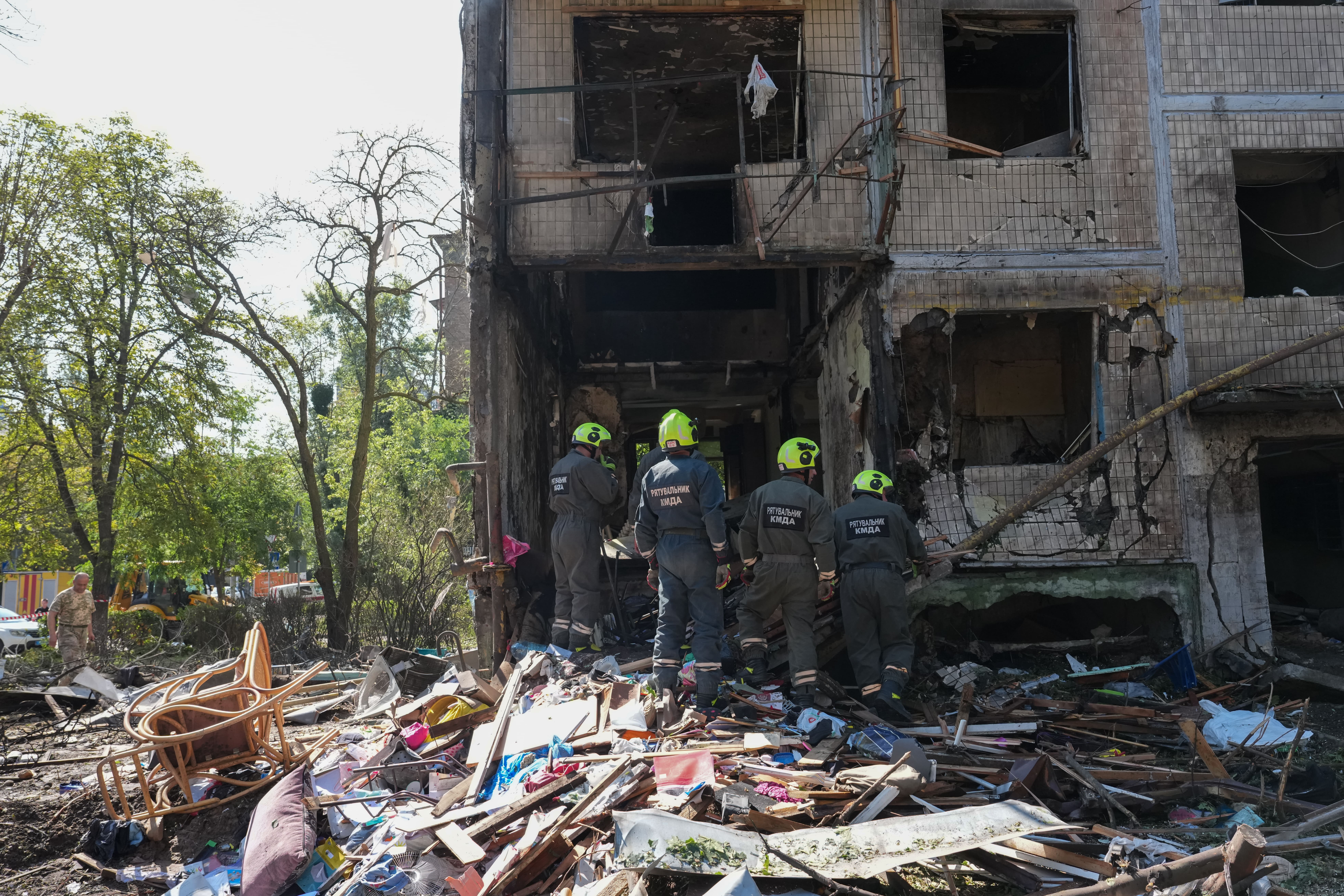
Throughout the week, the Kyiv region experienced destruction, fires, and casualties. On July 30, in the village of Skybyn, Brovary district, a two-story private home was partially destroyed and two neighboring houses were damaged. Five people, all members of one family, were injured; three were pulled from the rubble by rescuers. On August 1, three people were injured in the region, and a fire broke out at a logistics center in the Bucha district, covering over 20,000 square meters. In the morning, Russian drones attacked warehouses in the Brovary district, killing one person and injuring six; 12 vehicles were also damaged. Ekonomichna Pravda reported that jet UAVs attacked a Rozetka company warehouse where 270 people were working at the time.
The death toll from the Russian missile strike on a military exhibition in the Kyiv region on July 24 has risen to 12. A 20-year-old youth and a 66-year-old Ukrainian, a former diplomat for the Order of Malta, have died in the hospital.
Protest actions have been ongoing in Ukraine for two weeks, starting July 16 with demands to reinstate Mykhailo Fedorov as head of the Ministry of Defense. On the evening of July 31, a protest march took place in Kyiv and other major cities calling for dialogue and reforms in the defense sector, according to Ukrainska Pravda.
Lviv
Early in the morning on July 30, Lviv endured a massive missile attack; 22 missiles targeted the city, most of which were intercepted, Hromadske reports. Two hits were recorded on residential developments in the Zaliznychnyi district, accompanied by fires. At one address, an unexploded missile warhead was successfully neutralized; at another, the top two floors of a five-story building were partially destroyed. A search and rescue operation involving high-altitude equipment was launched to evacuate residents from the damaged building. Rescuers saved 13 people, including a child. Local residents also joined in clearing the debris. The missile strike damaged 21 residential buildings, a school, and two kindergartens.
.jpg)
Rescuers recovered the body of a deceased man from the rubble, identified as 35-year-old Lviv police officer Volodymyr Shandra. There are 38 confirmed injuries, including three children; the oldest victim is 93, while the youngest is a six-year-old boy who sustained fractures in two limbs. As of the following morning, seven people remained in the hospital, one in critical condition. Among the wounded are a police officer and a rescuer.
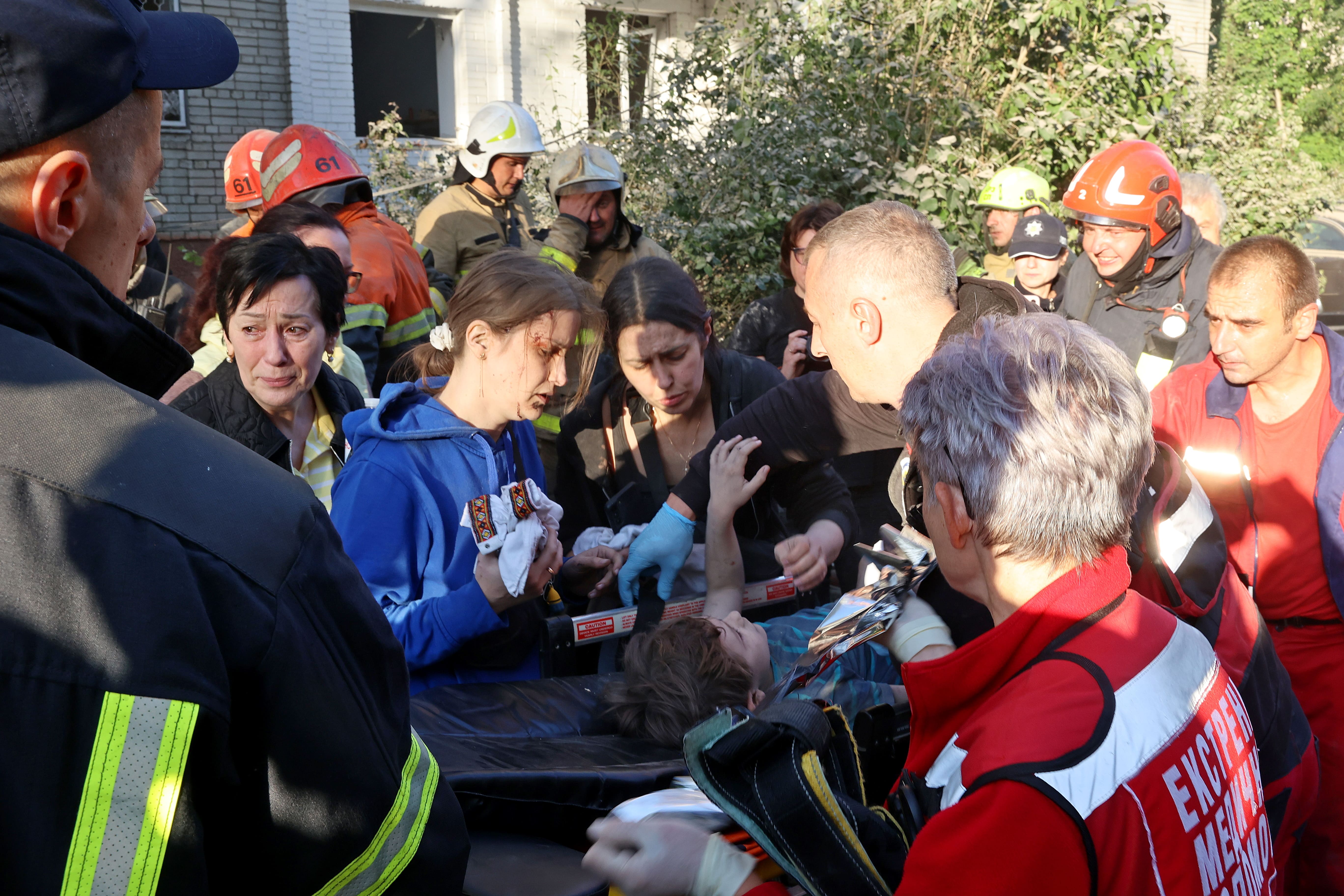
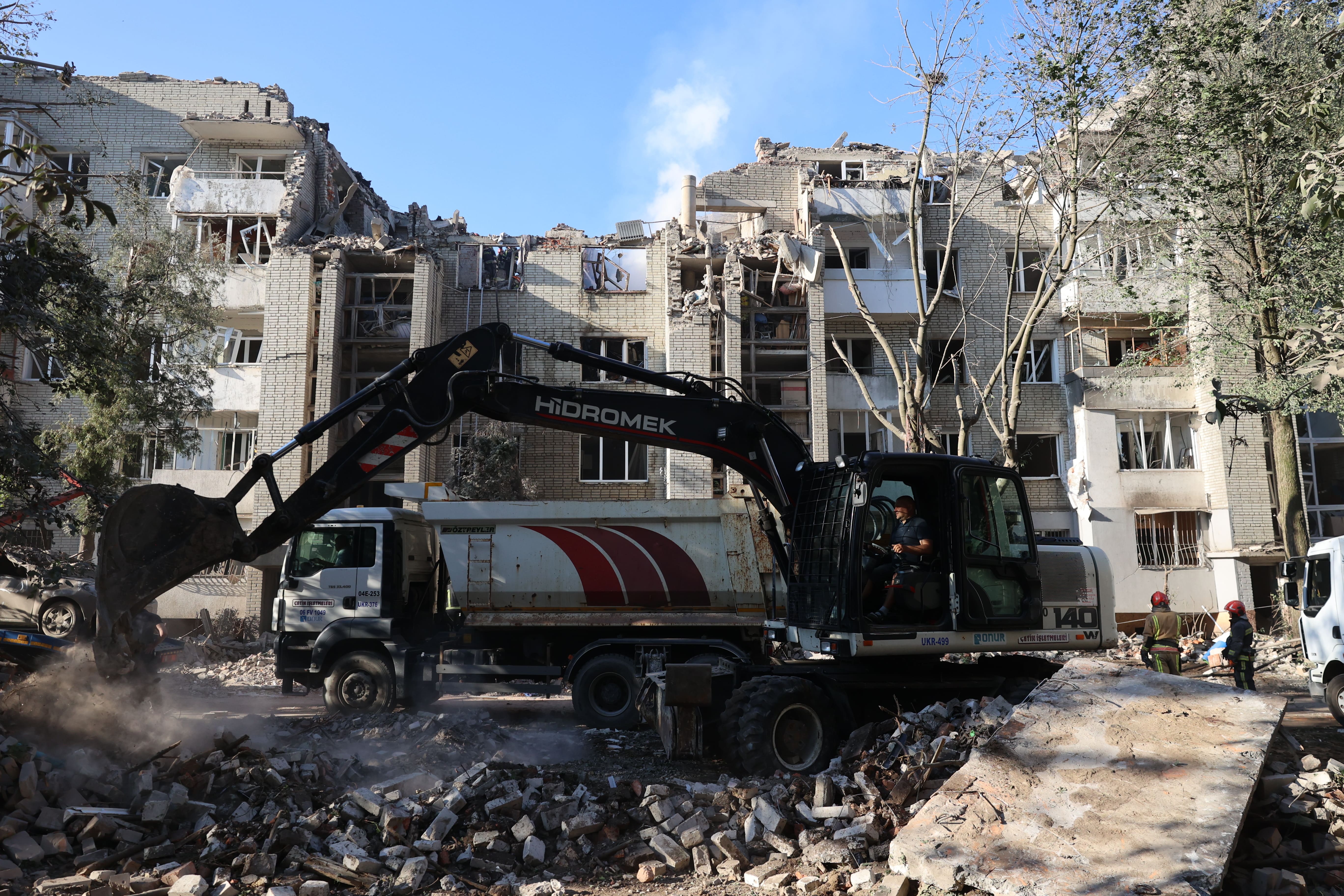
Over 200 SES specialists, 39 units of specialized equipment, and service dogs from the "Lviv" Rapid Response Mobile Center participated in clearing the consequences of the enemy shelling.
In the Ivano-Frankivsk region, a Russian attack damaged an industrial facility and over 50 private residential buildings. Ukrainska Pravda reports that a Russian Kh-101 cruise missile fell in the Lublin Voivodeship in Poland overnight.
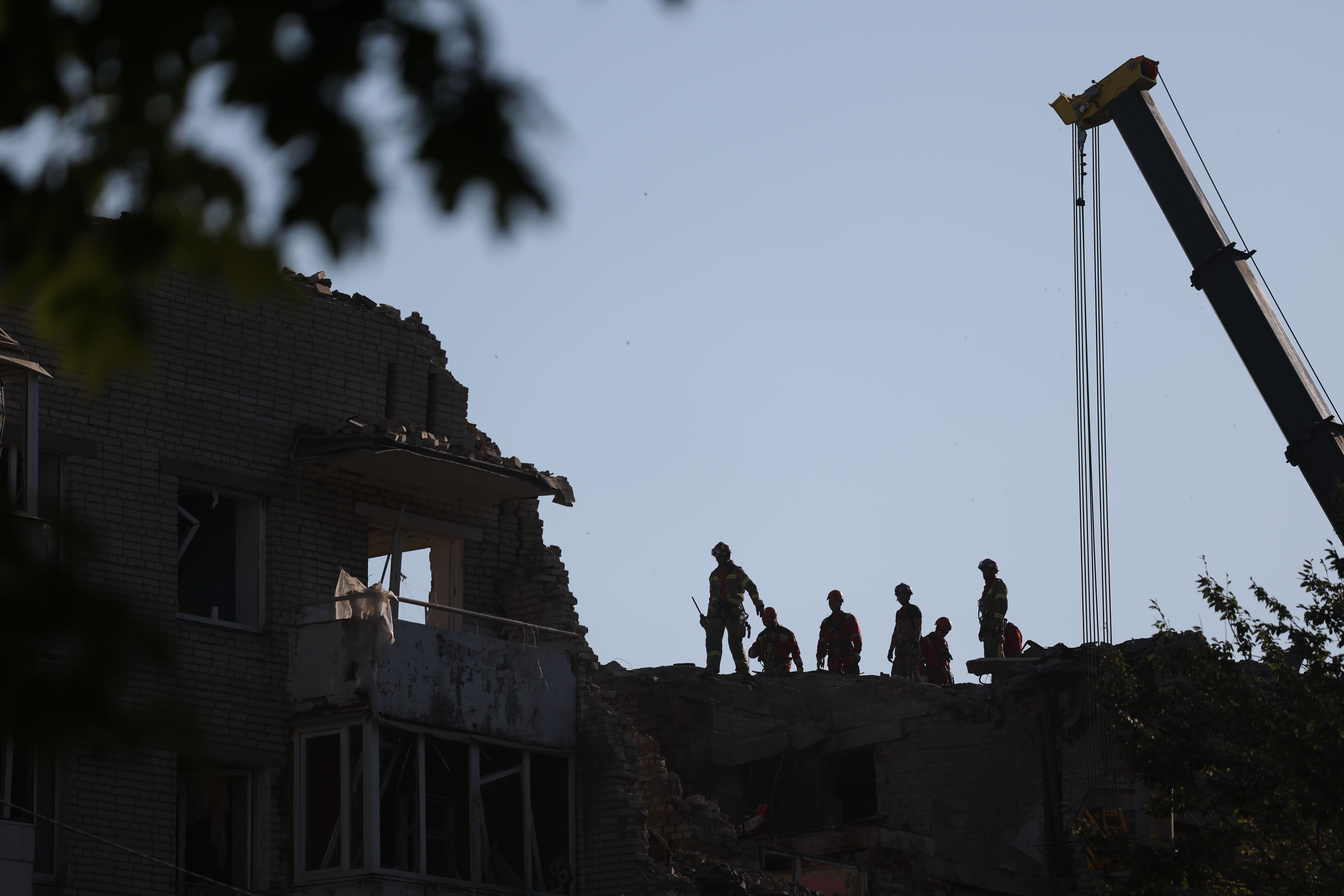
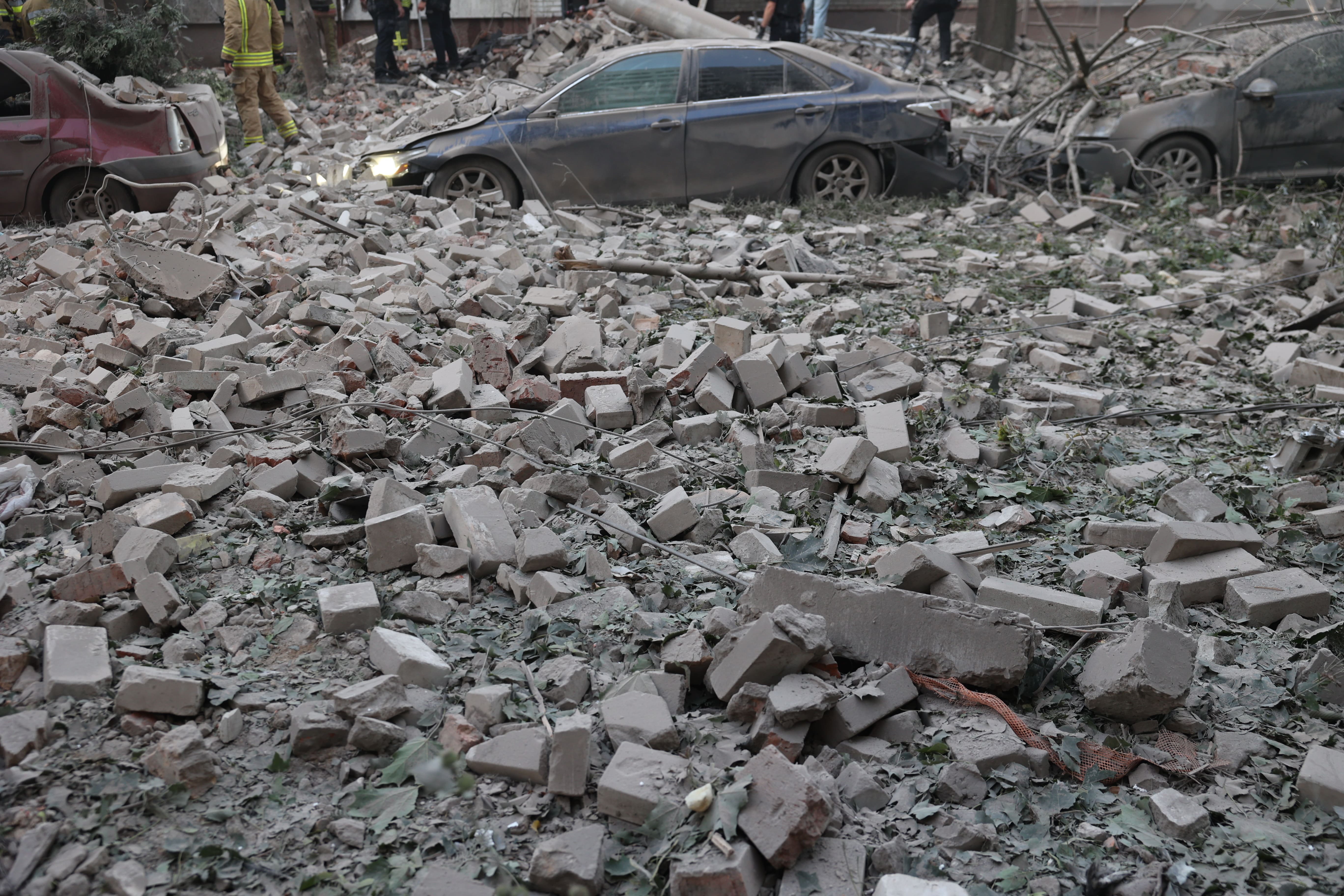
On the afternoon of July 31, an explosion occurred at a training ground of a military unit in the Khmelnytskyi region, followed by ammunition detonation that lasted until that evening. Four servicemen were injured, and contact was lost with five special forces members; search and inspection operations were ongoing at the scene. The detonation damaged several civilian homes and municipal structures. The State Bureau of Investigation has opened proceedings to determine the causes and circumstances of the explosion.
Contributors to this material:
Researcher and author: Yana Yevmenova
Picture editor: Marusia Maruzhenko
Literary editor: Yuliia Futei
.png)
.png)
.png)