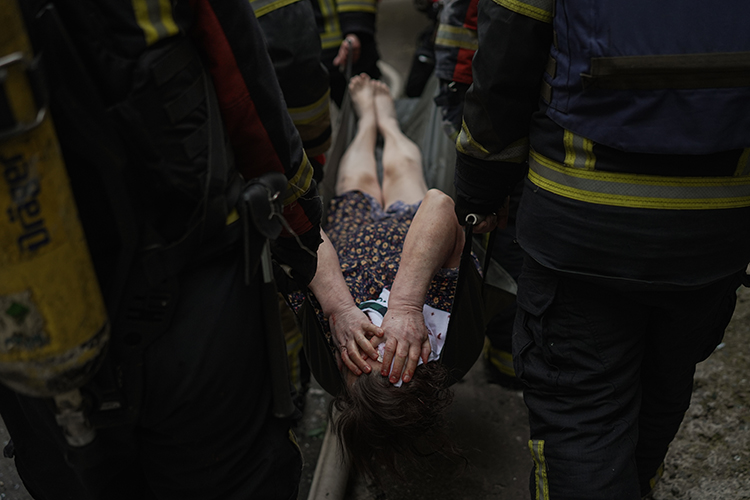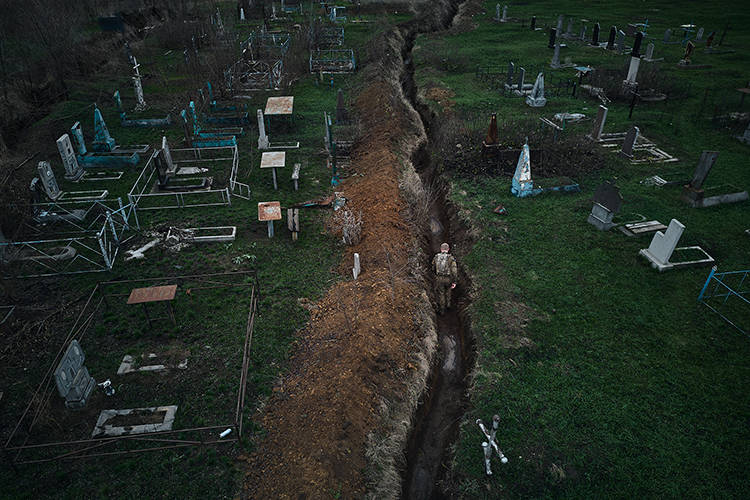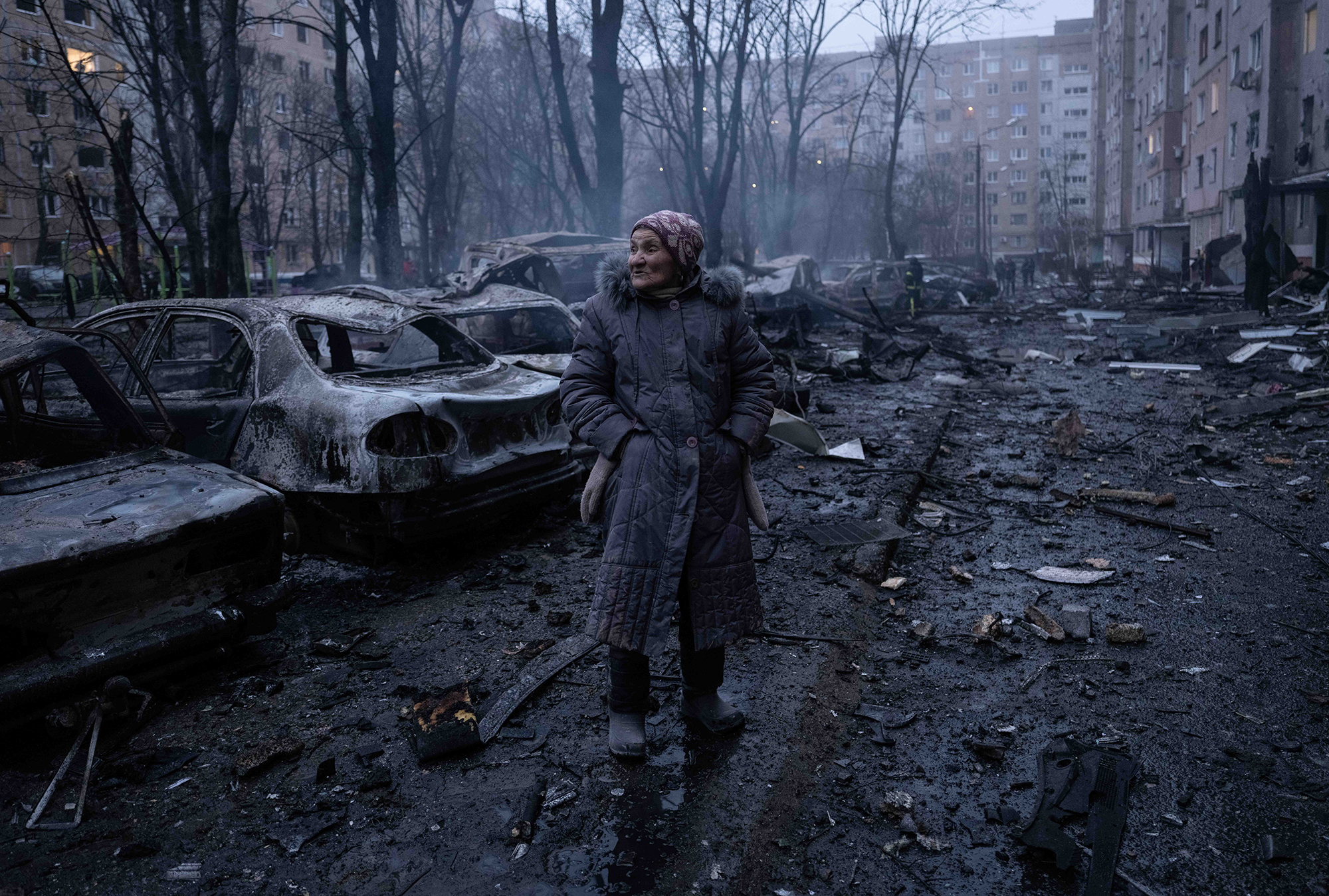
The Russian army continues to kill and injure Ukrainian children. Russians deliberately attack residential neighborhoods in cities and towns in the middle of the night, killing the younger generation and, in some cases, entire families. The youngest injured this week — an infant in Dnipro — is not even one month old. This week became a week of mourning for Bohodukhiv in Kharkiv region, Kramatorsk and Sloviansk in Donetsk region; children were injured in Sumy region, Zaporizhzhia region, and in Kherson. In addition, Russians attacked young Ukrainian children in a hospital and a kindergarten. Odesa is under shelling almost every day; the enemy terrorizes the south of the region, trying to create a severe situation with electricity and heating. The Russian army carried out massive strikes on Kyiv and Dnipro, and enemy weapons reached even the western part of the country.
Chronicle of Russian shelling from February 8 to 15, 2026
February 8 and 9, the Russian army struck Chernihiv region; residential, municipal, and railway infrastructure, as well as communication facilities, came under attack. One person was killed and five were wounded. In the border town of Snovsk, shelling damaged the editorial office of the newspaper “Promin,” reported the Institute of Mass Information. In Sumy region, Russians struck railway infrastructure; an electric train caught fire.
February 10, in Zaporizhzhia district, a Russian drone attack injured a one‑year‑old child and three adults; households were burning, and six thousand subscribers were left without electricity. In Zaporizhzhia, a kindergarten was damaged during shelling; children and educators were in a shelter at the time. Russians shell Kherson every day; over the course of one day, a teenager with a blast injury and shrapnel wound to the sternum was hospitalized, and two adults were also wounded. In the border area of Chernihiv region, Russians are destroying businesses — a missile strike and eight drones destroyed another agricultural enterprise. In Sumy region, Russian drones attacked civilian vehicles: passenger cars, a funeral vehicle, and a garbage truck; one driver was killed on the spot. Drones also attacked a private house in the region, injuring a child; another child suffered an acute stress reaction.
On the night of February 11, Russians struck Vilniansk in Zaporizhzhia region; five people were injured. In Zaporizhzhia, drone attacks caused fires and shattered windows in the inpatient ward of a medical facility; an infrastructure facility was damaged, leaving more than 11,000 subscribers without power in two districts of the city. In the morning, in Kherson, a municipal enterprise came under enemy fire — 12 vehicles were damaged. Railway infrastructure was attacked in Sumy region. In the afternoon, Russians launched two Kinzhal aeroballistic missiles toward Lviv, which were neutralized by air defense forces, reported Lviv Mayor Andrii Sadovyi.
On the night of February 12, Russians carried out a massive strike on energy facilities in Kyiv, Odesa, and Dnipro; Kyiv region, Donetsk region, Kharkiv region, and Kherson region were also affected. The enemy used 219 attack drones and 25 missiles. Two people were killed and more than ten were wounded as a result of the attack. In Kherson, a municipal enterprise and residential quarters were attacked; fires raged and people were injured.
As a result of enemy attacks on February 13, two people were killed in Zaporizhzhia region. In Kherson, a man detonated a Russian explosive device; he is hospitalized in moderate condition. In Antonivka, Kherson region, a shelling attack killed a public order inspector of the Municipal Guard enterprise, Volodymyr Baranovskyi. In Mykolaiv region, Russian drone attacks damaged energy and transport infrastructure; consumers in Bashtanka and Mykolaiv districts were partially left without electricity. In Sumy, Russians attacked a hospital treating children with two drones during the day. Windows were damaged; children and staff were in shelters.
Toward the night of February 14, Russian drones struck the Novhorod‑Siverskyi District Military Administration in Chernihiv region; a fire broke out and the building was severely damaged. Due to shelling the previous day, a temporary disruption occurred in Mykolaiv region’s power supply system; Mykolaiv was left without electricity, and the Mykolaiv CHP plant was emergency‑shut down. Russians shelled Kherson with cluster munitions, causing extensive destruction of residential infrastructure; two people were killed in the region over the course of a day. A civilian woman was killed in Sumy region.
On the night of February 15, Russians attacked Zaporizhzhia and the region: one person was killed, seven were injured, and four houses were destroyed.
Donetsk region under aerial bombs
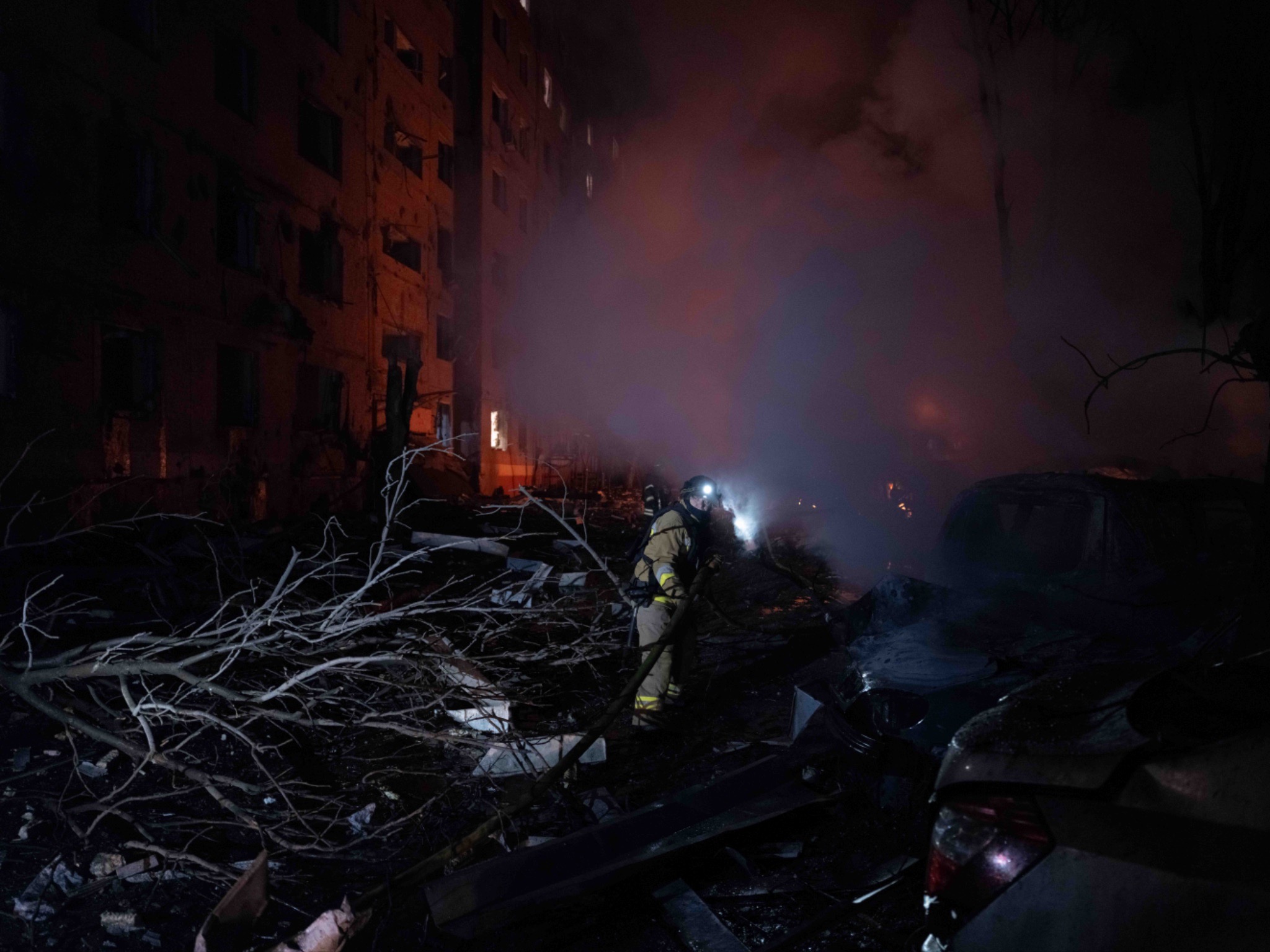
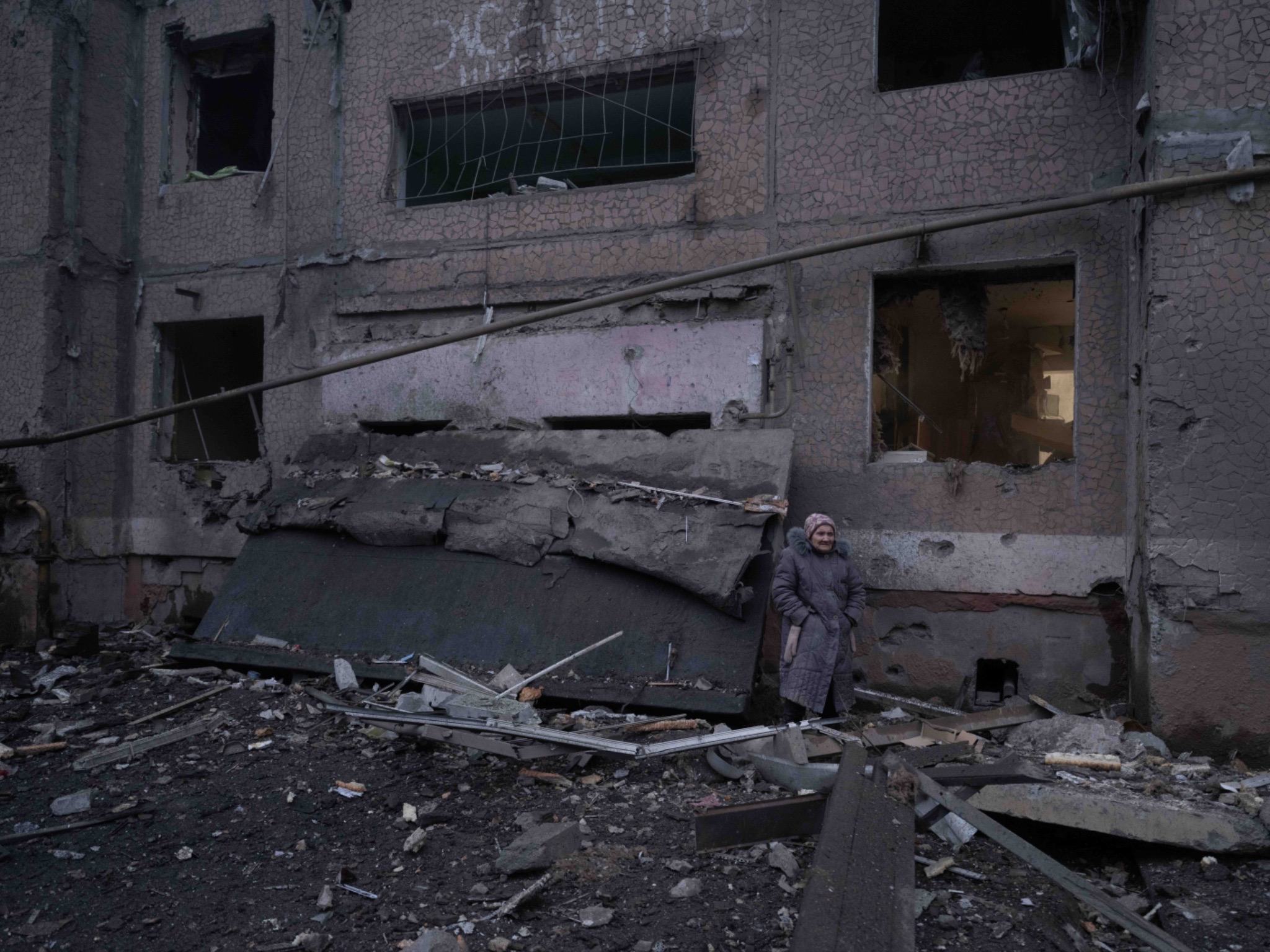
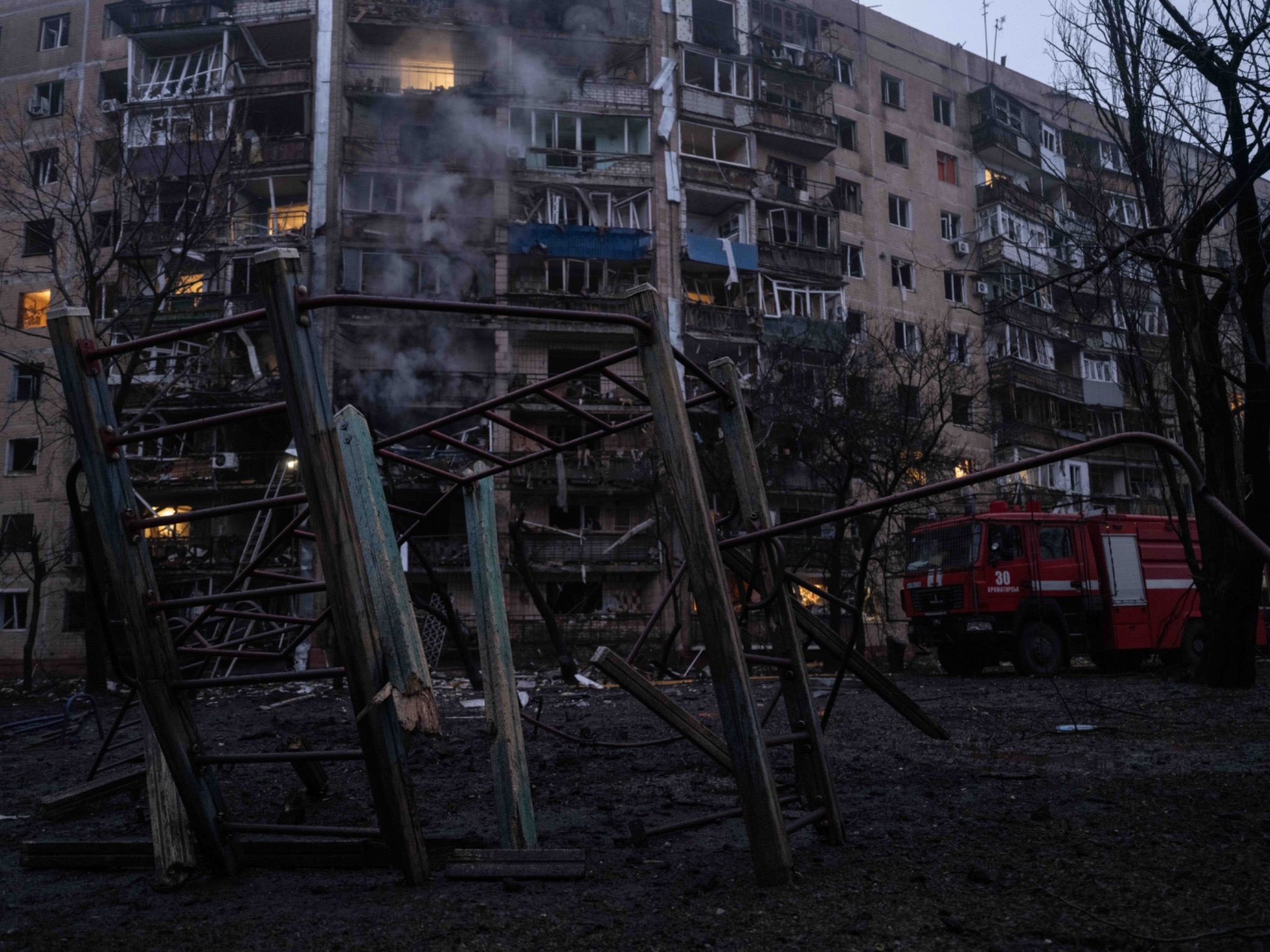
At dawn on February 8, the enemy struck a residential quarter in Kramatorsk with two FAB‑250 bombs. One person was killed and six were injured, including an 18‑year‑old girl. An infrastructure facility, a kindergarten, 20 apartment buildings, three administrative buildings, and vehicles were damaged. Fires broke out in apartments on the third floor of a nine‑story building; cars were burning. One of the aerial bombs exploded near the entrance where the “Podrobytsi” film crew was staying. Correspondent Ihor Levenok sustained shrapnel wounds to his left arm. Later, the enemy dropped another bomb on the central part of the city; it hit the asphalt surface and did not fully detonate. Apartment buildings and a post office were damaged. The bomb disposal service determined that Russians used a one‑and‑a‑half‑ton ODAB‑1500 bomb.
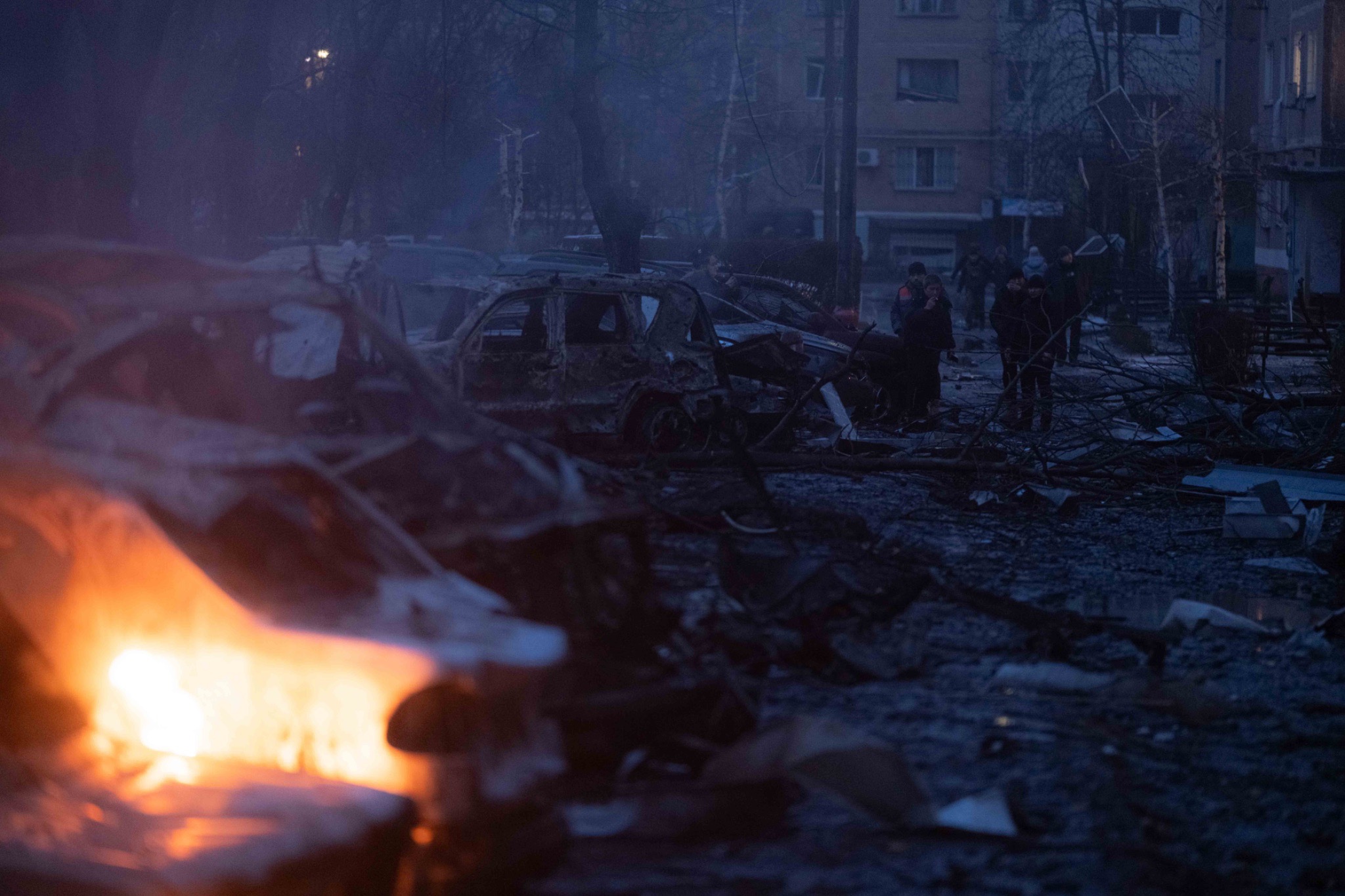
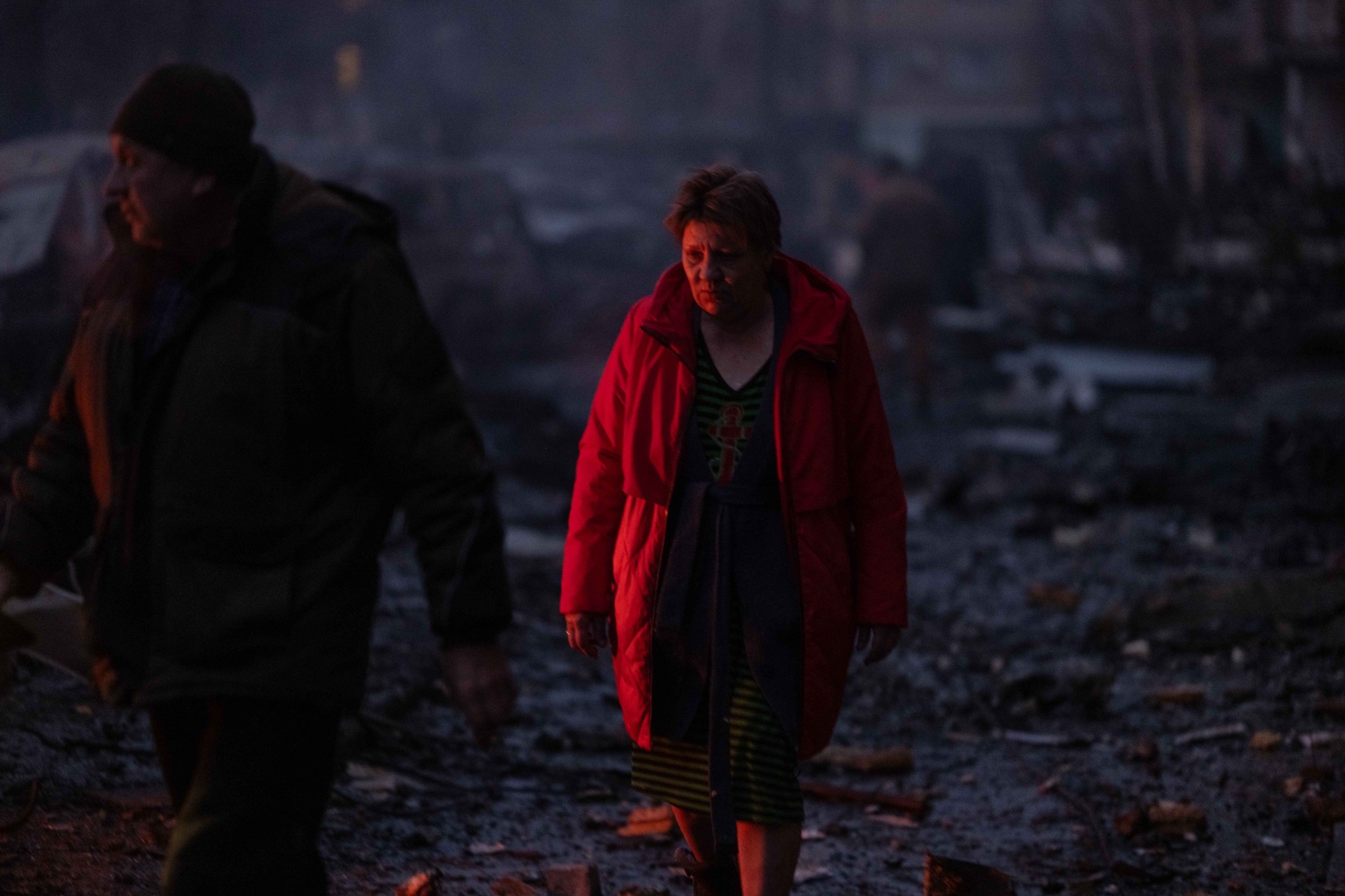
On February 9, the Russian army struck the residential sector of Druzhkivka with an aerial bomb; emergency workers rescued a person from under the rubble of a house. On February 10, the enemy dropped seven aerial bombs on Sloviansk, killing three people: an 11‑year‑old girl and her mother died under the rubble of a house; another man died in hospital. Sixteen people were injured, including a child; seven were hospitalized, two in critical condition. Two apartment buildings, 14 private houses, an administrative building, warehouses and hangars, an infrastructure facility, a service station, a shop, a gas station, and vehicles were damaged.

“Every day for Donetsk region means new and new Russian war crimes. Strikes on peaceful cities, on homes, on children — this is terror that has no justification. The world must see this and call things by their proper names. Russia is a terrorist state!” — could not restrain his emotions, Head of the Donetsk Regional State Administration Vadym Filashkin.
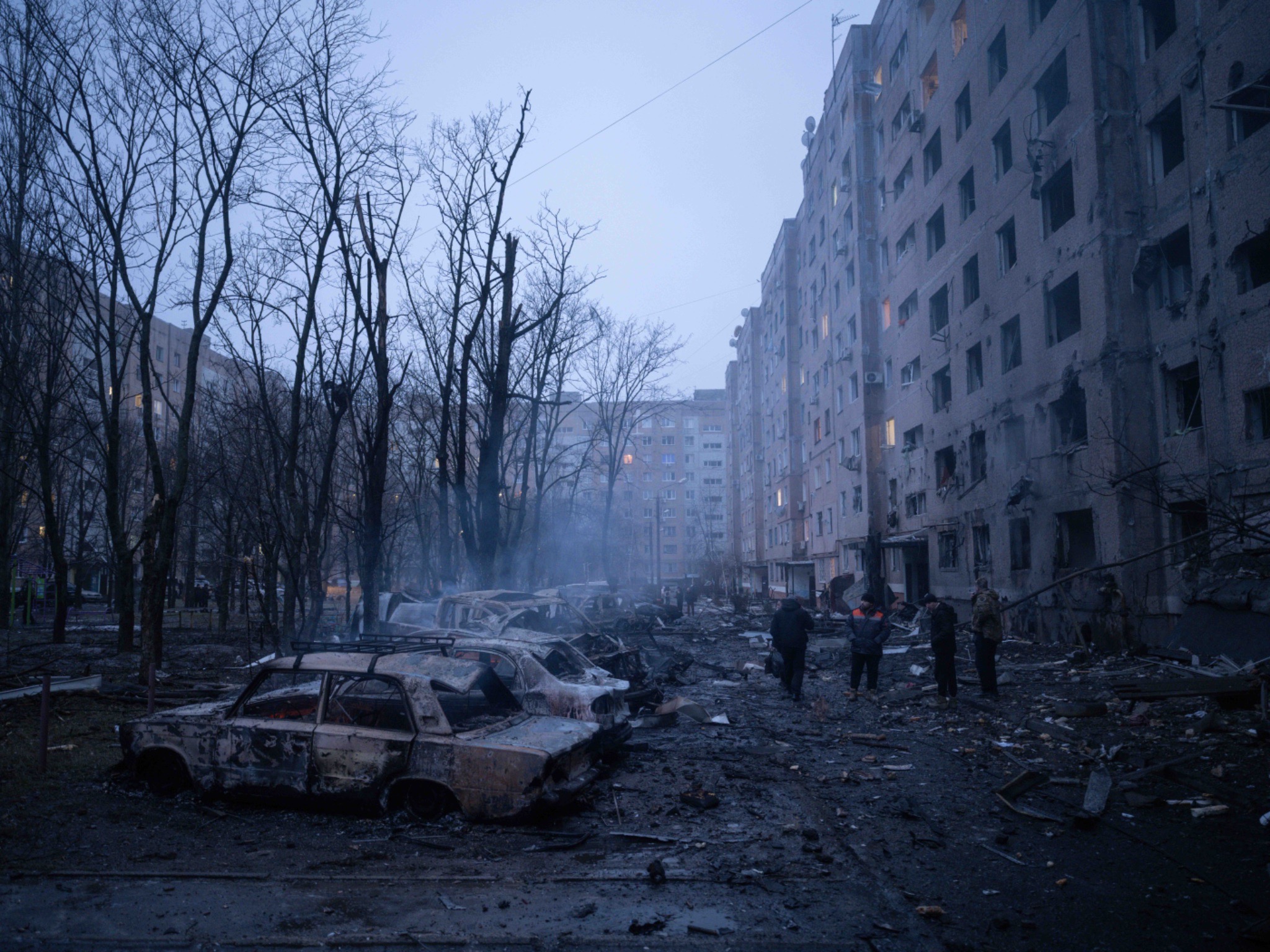
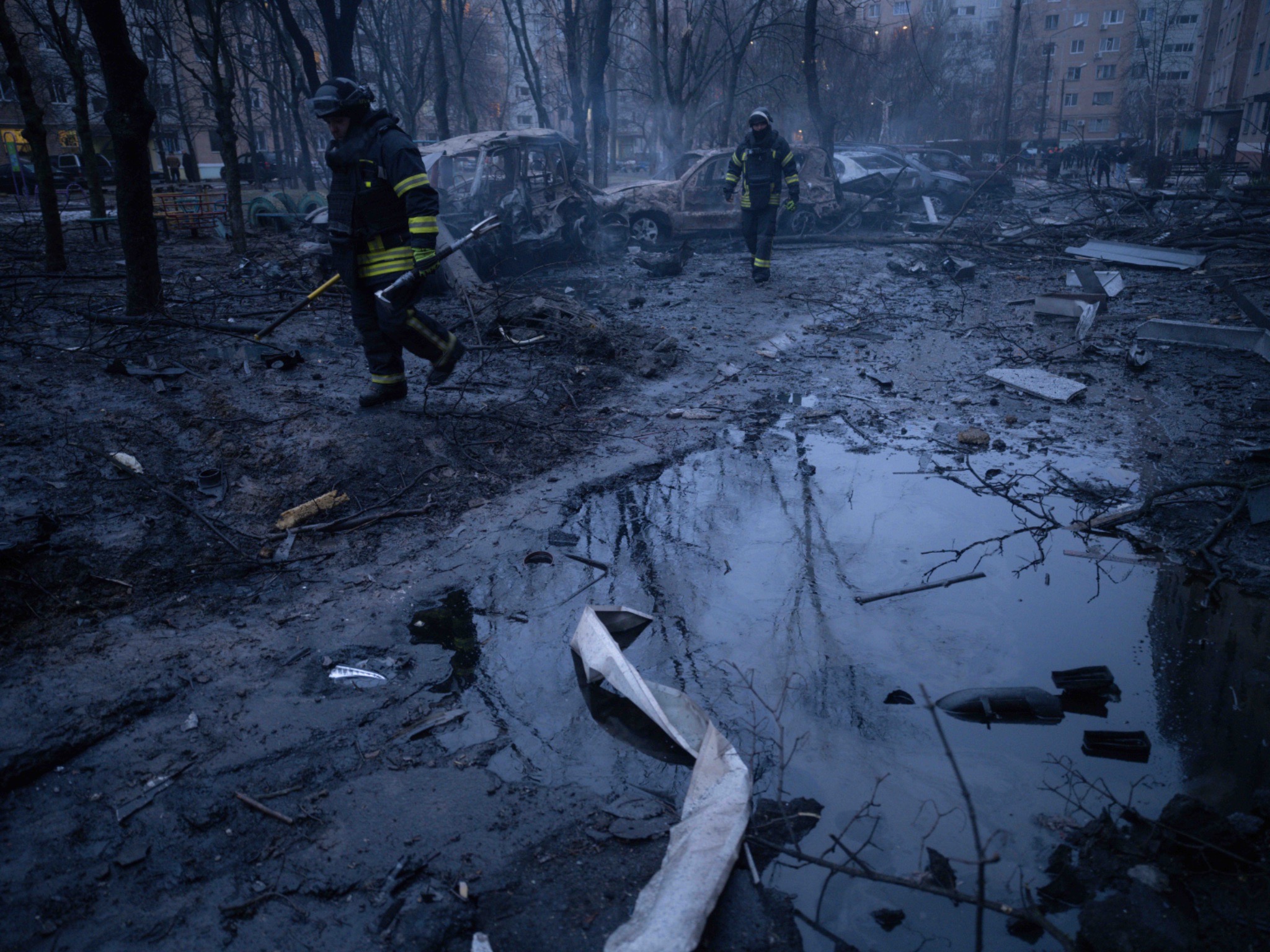
In the middle of the night on February 12, Kramatorsk suffered another enemy airstrike on a residential area and a fire‑rescue unit — ceilings, windows, and equipment were damaged. Two people were injured in the city; around twenty apartment buildings, an educational institution, a shop, a pharmacy, warehouses, and vehicles were damaged. Due to a Russian drone strike that same evening on a private house, four people were killed, including an eight‑year‑old boy and his two 19‑year‑old brothers; their mother and grandmother were injured, and five more people were wounded. Three houses were completely destroyed; up to a hundred houses and a gas pipeline were damaged. Russians also struck energy infrastructure with drones, injuring emergency crew workers. Over the course of the day, road infrastructure, an industrial facility, and a mobile coffee shop were damaged in the city. In Druzhkivka, fires raged after Russian shelling; firefighters rescued a mobility‑impaired woman from a burning house.
A week of drone terror in Odesa region
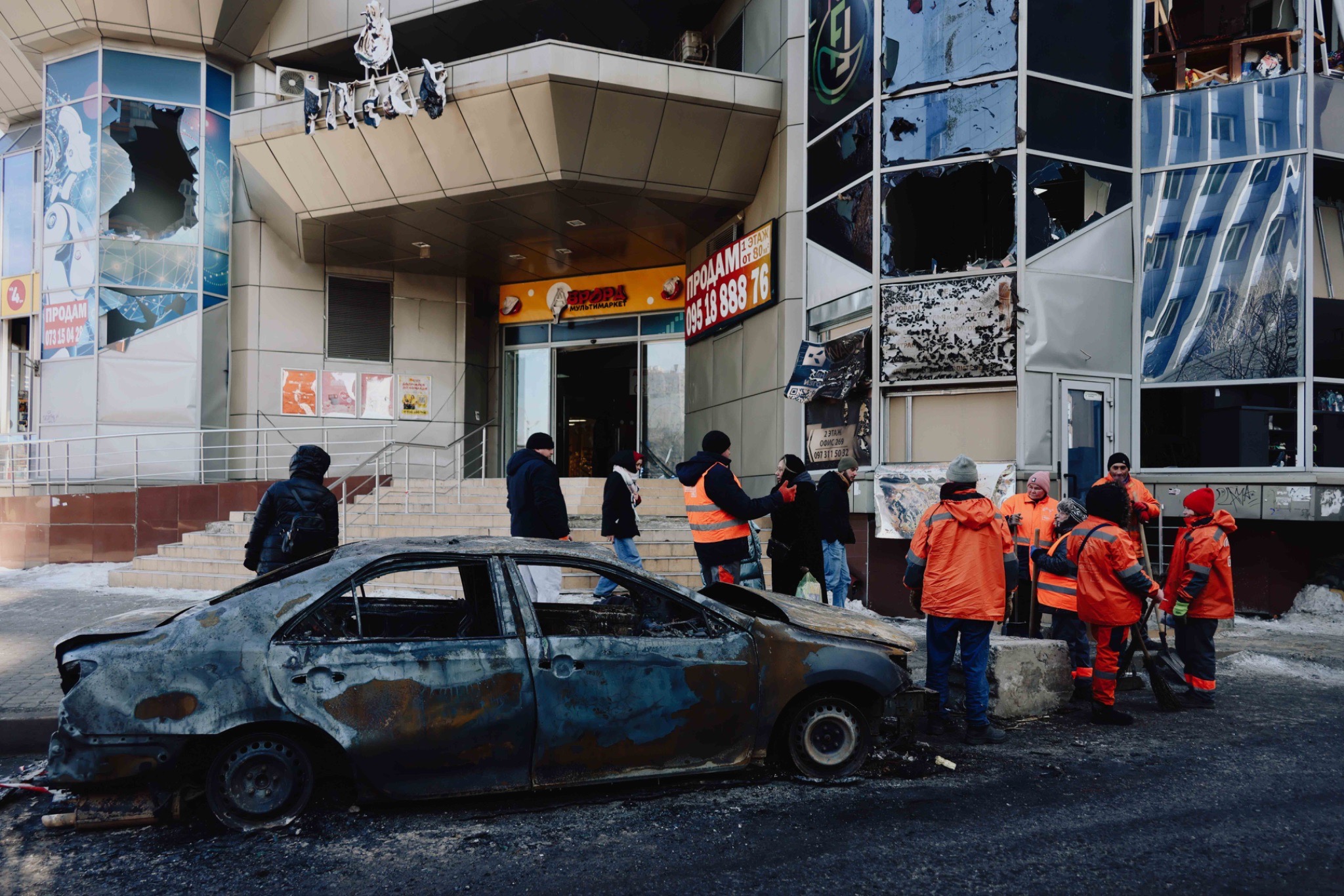
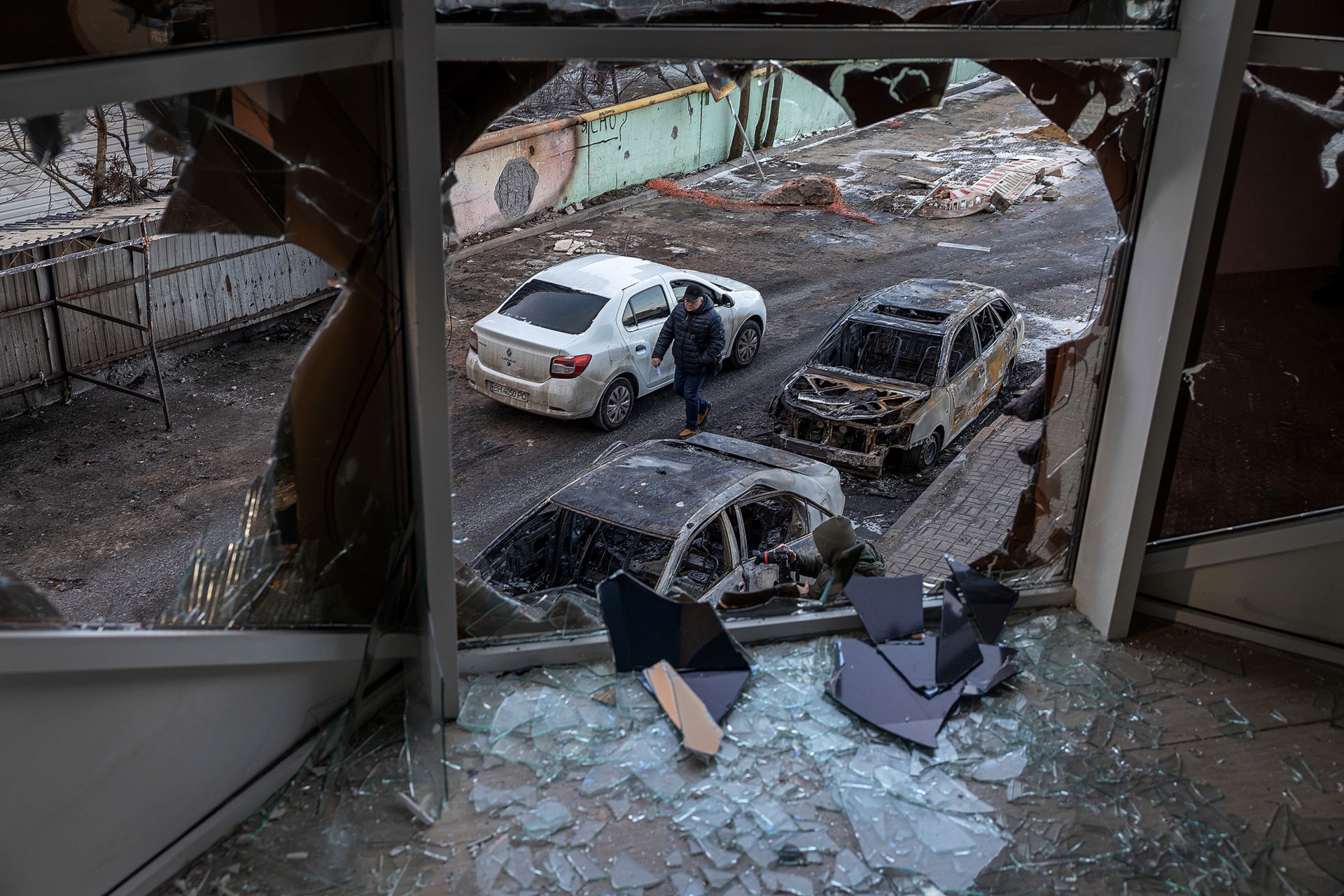
Throughout the week, Russia sent attack drones into the region. As a result of an attack on Odesa on the night of February 9, a 35‑year‑old man was killed and two people were injured, including a 19‑year‑old girl. The central part of the city, a densely populated area with residential buildings and business facilities, came under fire. Damage was recorded at several locations: a drone hit damaged the roof and rooftop equipment of a 24‑story building; a fitness club building was affected; facades and windows of nearby buildings and shops were shattered; a fire broke out; cars and a gas pipe were burning. Services promptly repaired the gas pipeline, quickly launched a boiler house, and restored heat supply to homes.

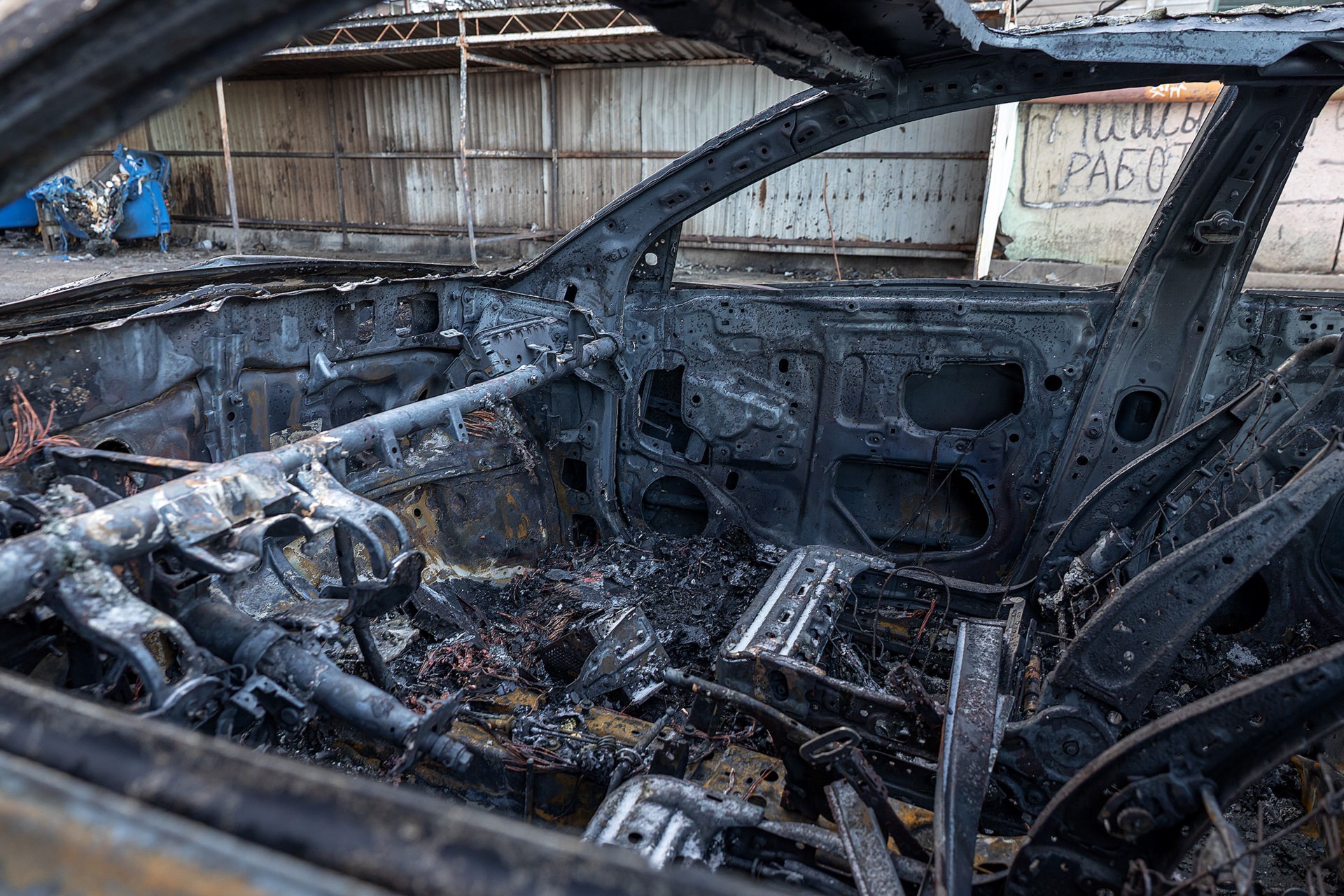
On the night of February 10, the enemy struck energy infrastructure in the south of Odesa region. An energy facility was damaged and caught fire; an administrative building was also damaged. Settlements in three districts were partially left without electricity — more than 95,000 people in 42 settlements. The most difficult situation was in Kiliia, where more than 200 houses were left without gas, centralized heating, and electricity.
Head of the Odesa Regional Military Administration Oleh Kiper reported that assistance from the State Emergency Service arrived in the south of Odesa region: heating points, powerful generators for critical infrastructure, heat guns, and field kitchens. Points of Resilience are already operating in Kiliia, including ones where people can get hot meals and stay overnight.
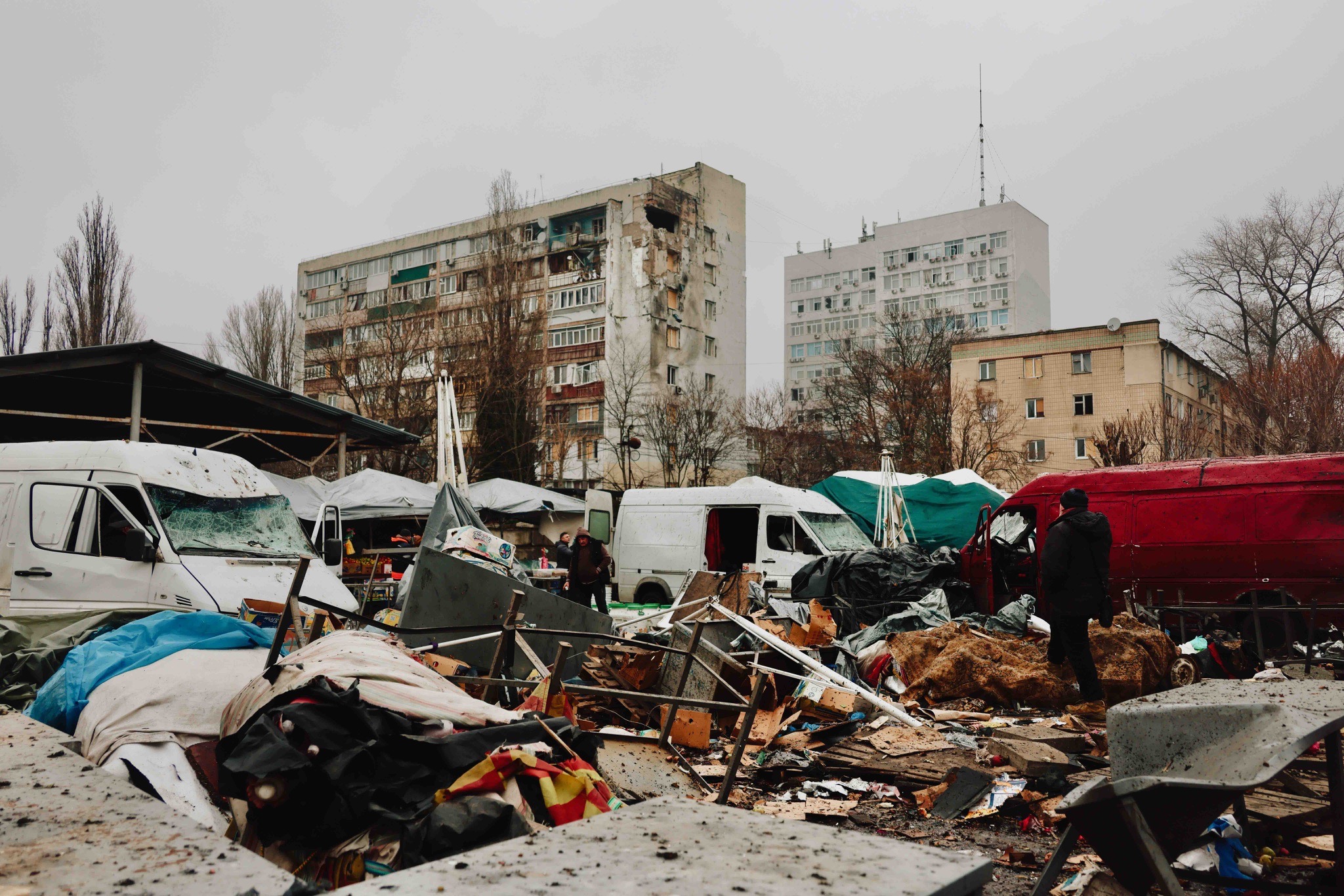
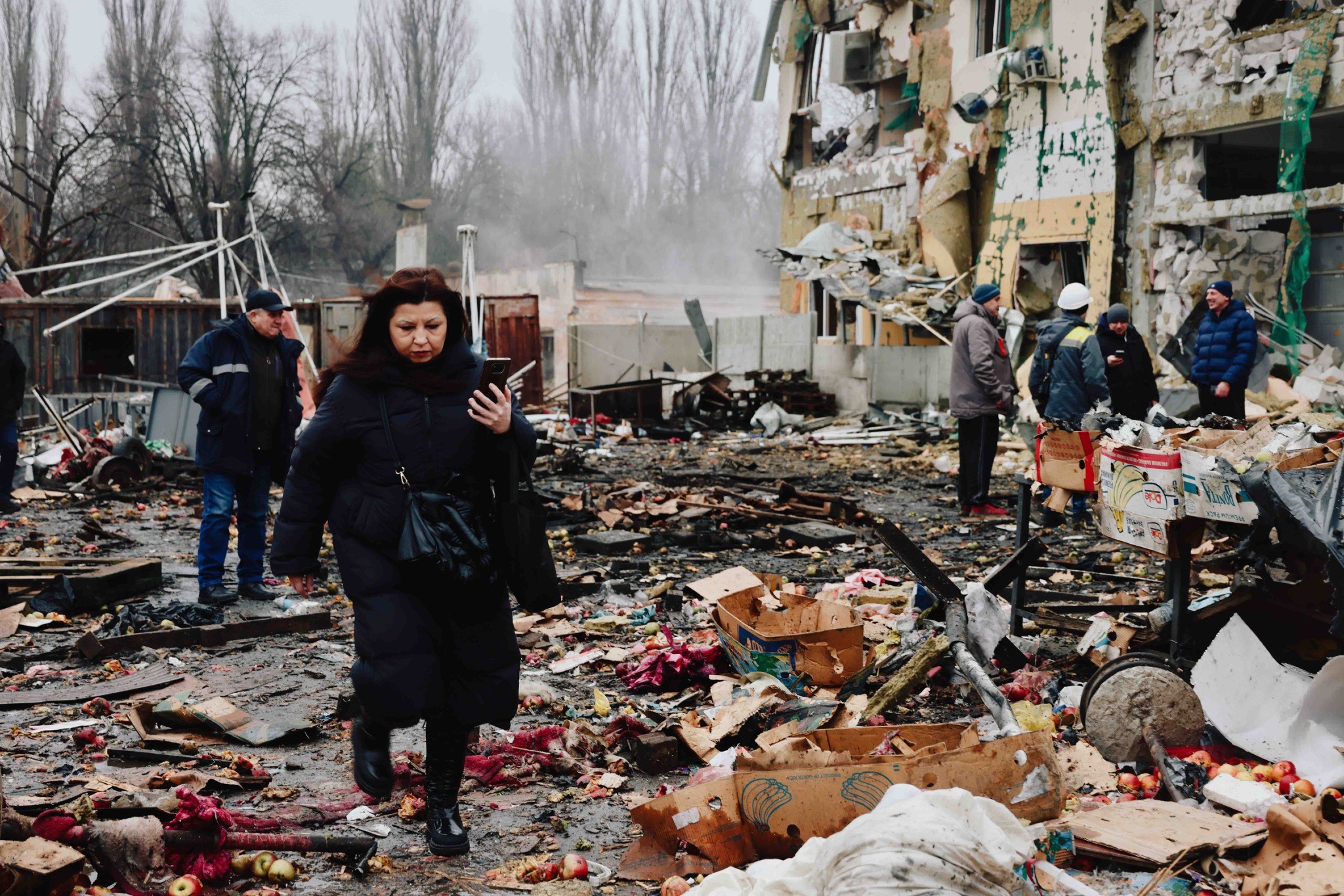
On February 12, the Russian army carried out another night attack on Odesa region. In Odesa, energy and civilian infrastructure were damaged; a nine‑story building was affected and caught fire; fires also raged in trade pavilions, a supermarket, and an infrastructure facility. One person was injured. About 300,000 subscribers were temporarily left without water supply, and nearly 200 buildings without heating.
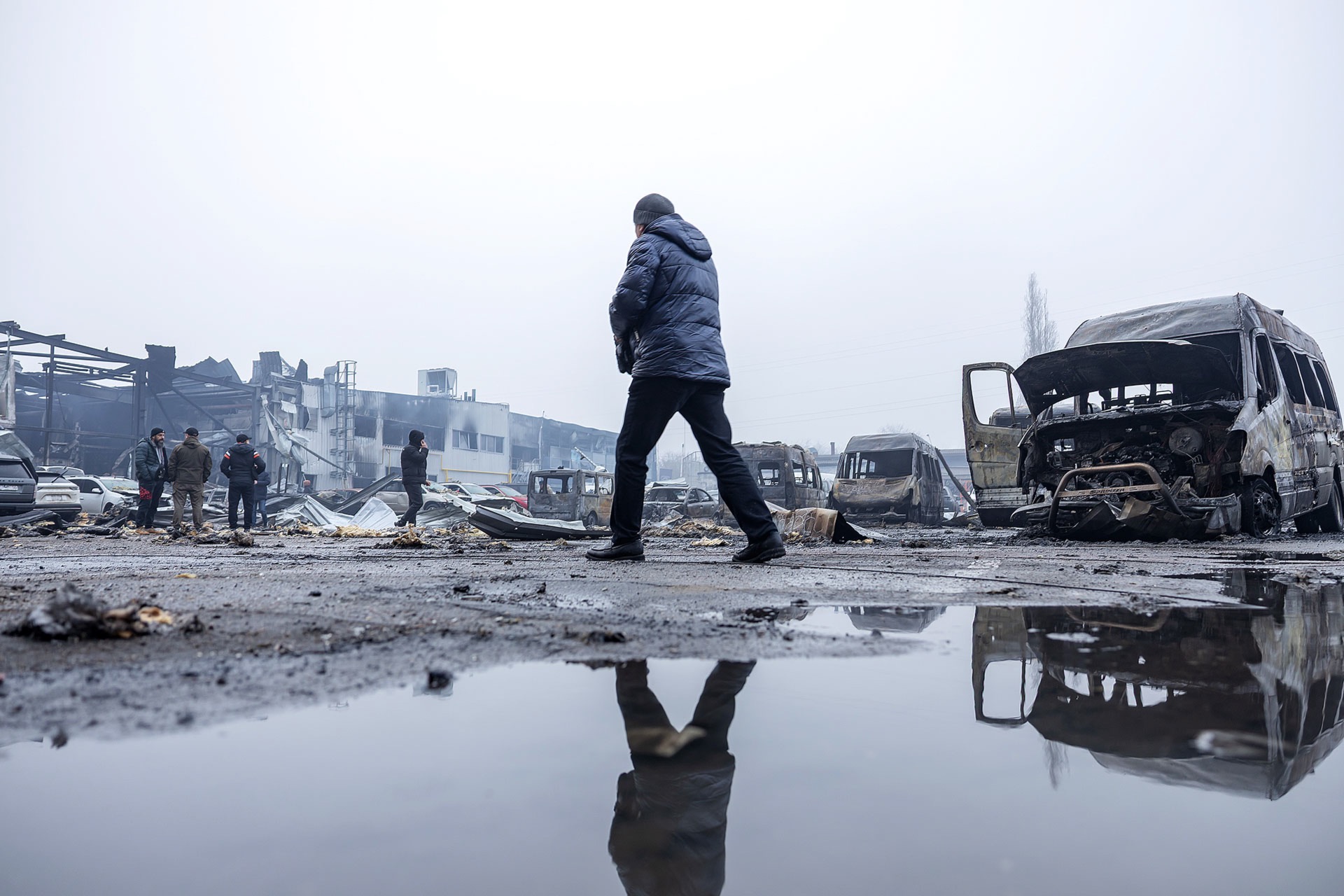
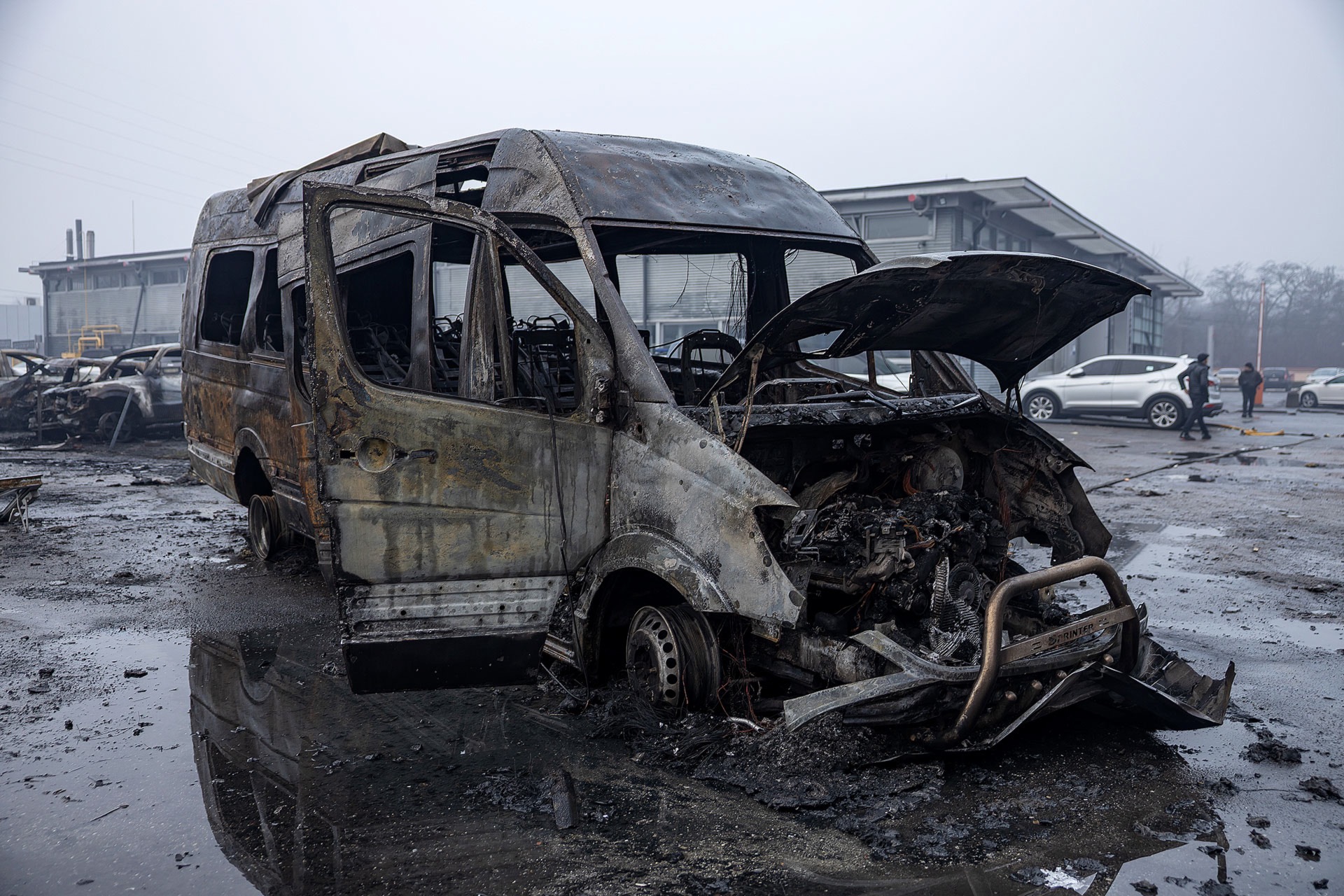
On the night of February 13, the enemy again launched a massive strike on Odesa region, damaging energy, port, industrial, and residential infrastructure. Due to hits and falling drone debris, fires broke out in a car dealership covering 2,000 square meters; garages and an energy facility were burning. Drones hit two residential buildings without causing fires; windows were shattered in a gymnasium and a kindergarten. One person was killed and six were injured. Disruptions to heating were recorded in residential buildings. Due to an attack on the port, fertilizer warehouses were damaged; cars and freight wagons were burning.
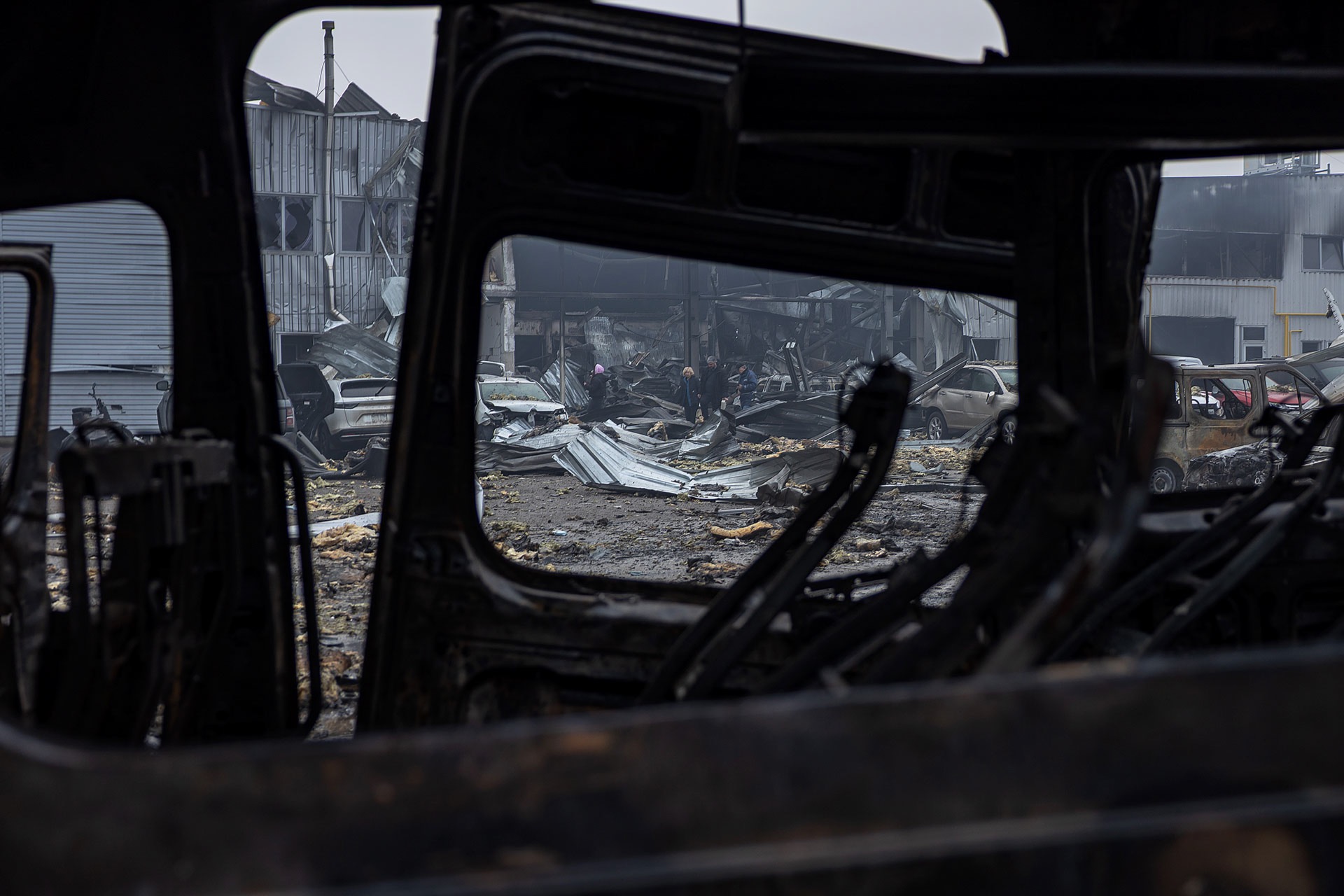
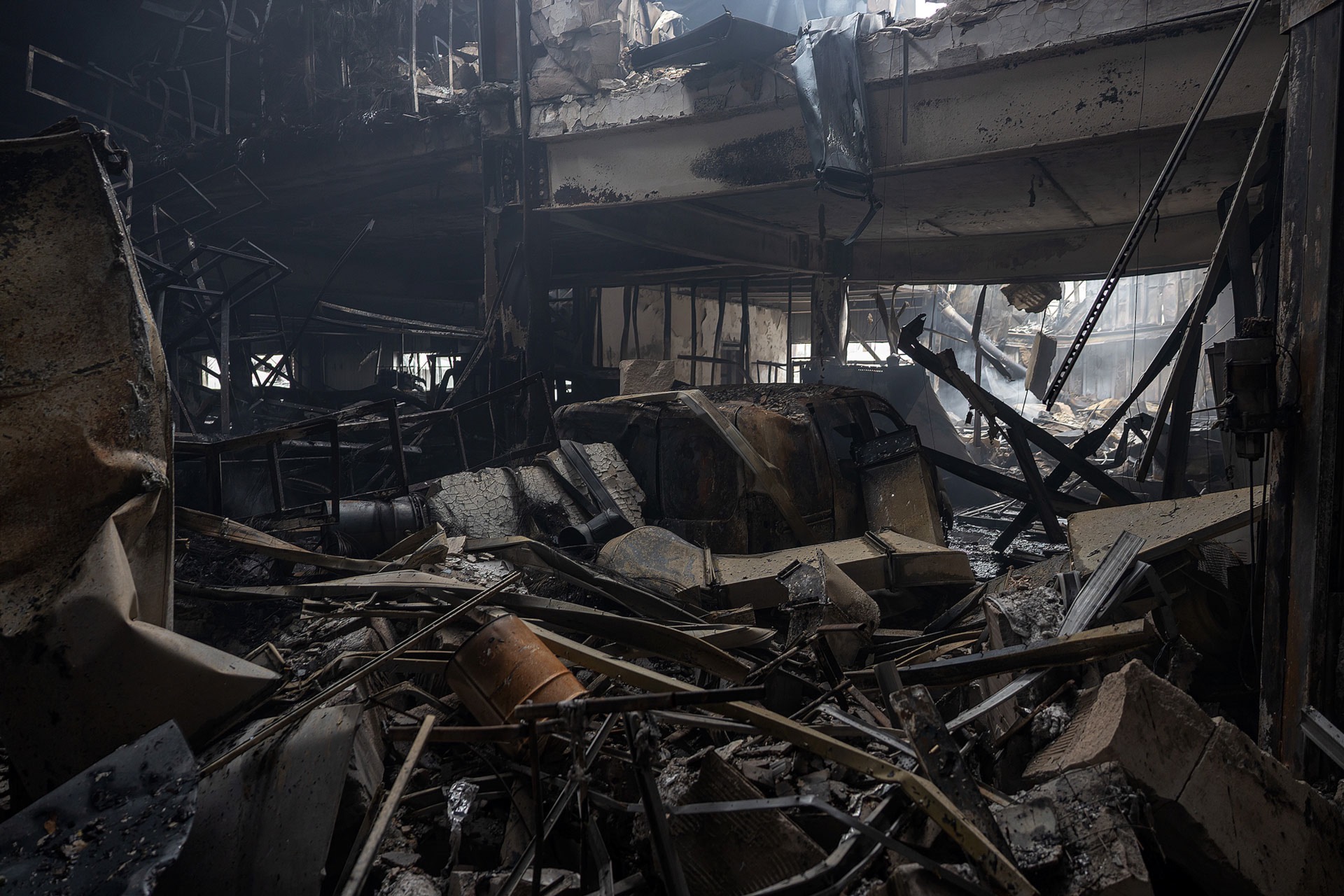
Odesa photojournalist Oleksandr Himanov said about a car service attacked by Russians:
“This is the car dealership where I had my car checked before buying it. A functioning, successful business destroyed in a matter of minutes by a massive enemy strike. Overall, one person was killed during the night and six were injured.”
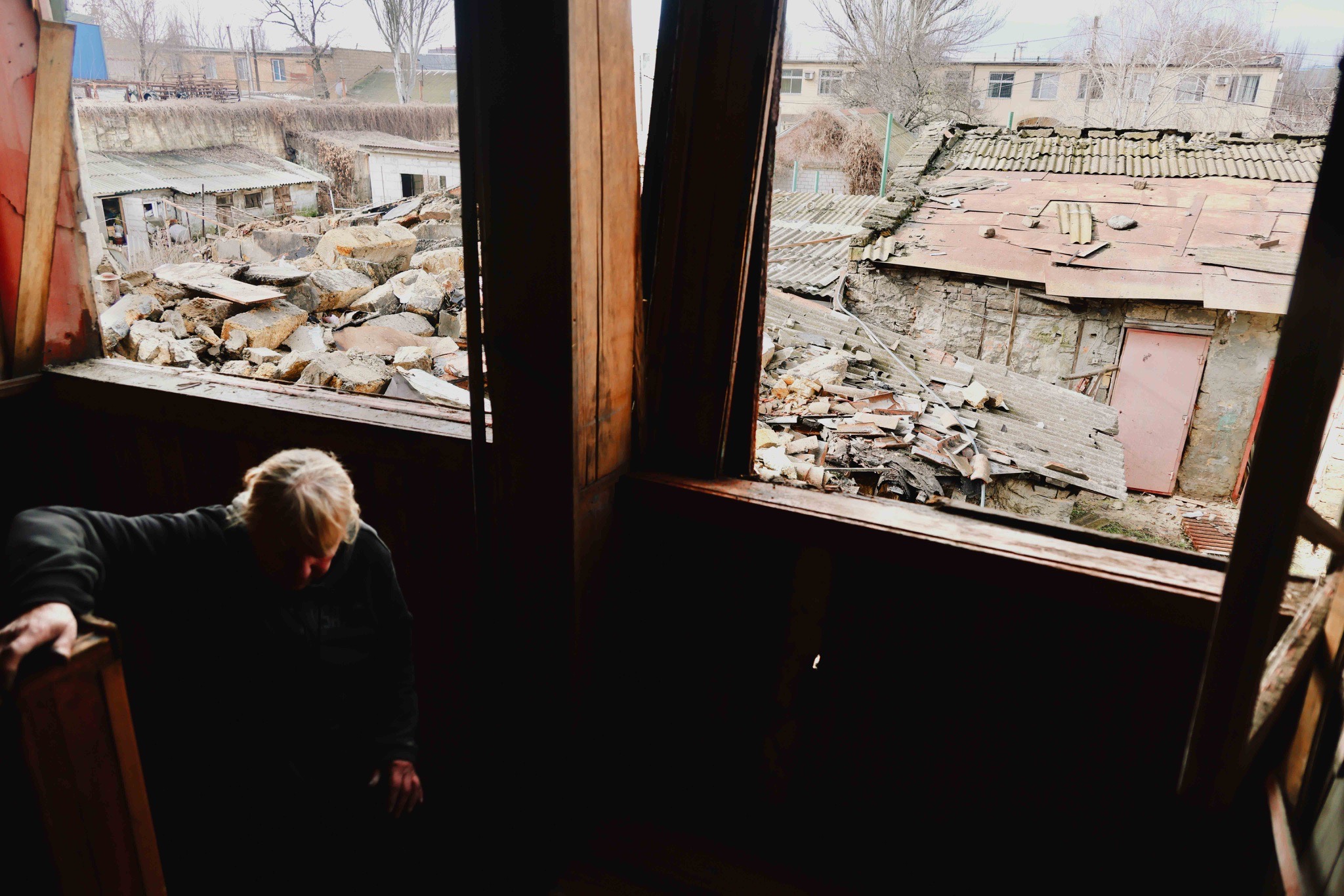
The night of February 14 was also not calm for Odesa; the city came under drone attack. An enemy drone hit the roof of a single‑story residential building, causing a fire. An elderly woman died under the rubble; the blast wave damaged windows of neighboring houses. On the night of February 15, hits and falling drone debris caused large‑scale fires; transport and civilian infrastructure were damaged. In Odesa district, an abandoned single‑story building and a fuel tank were burning; administrative buildings of a railway station were damaged. Railway workers were in shelters.

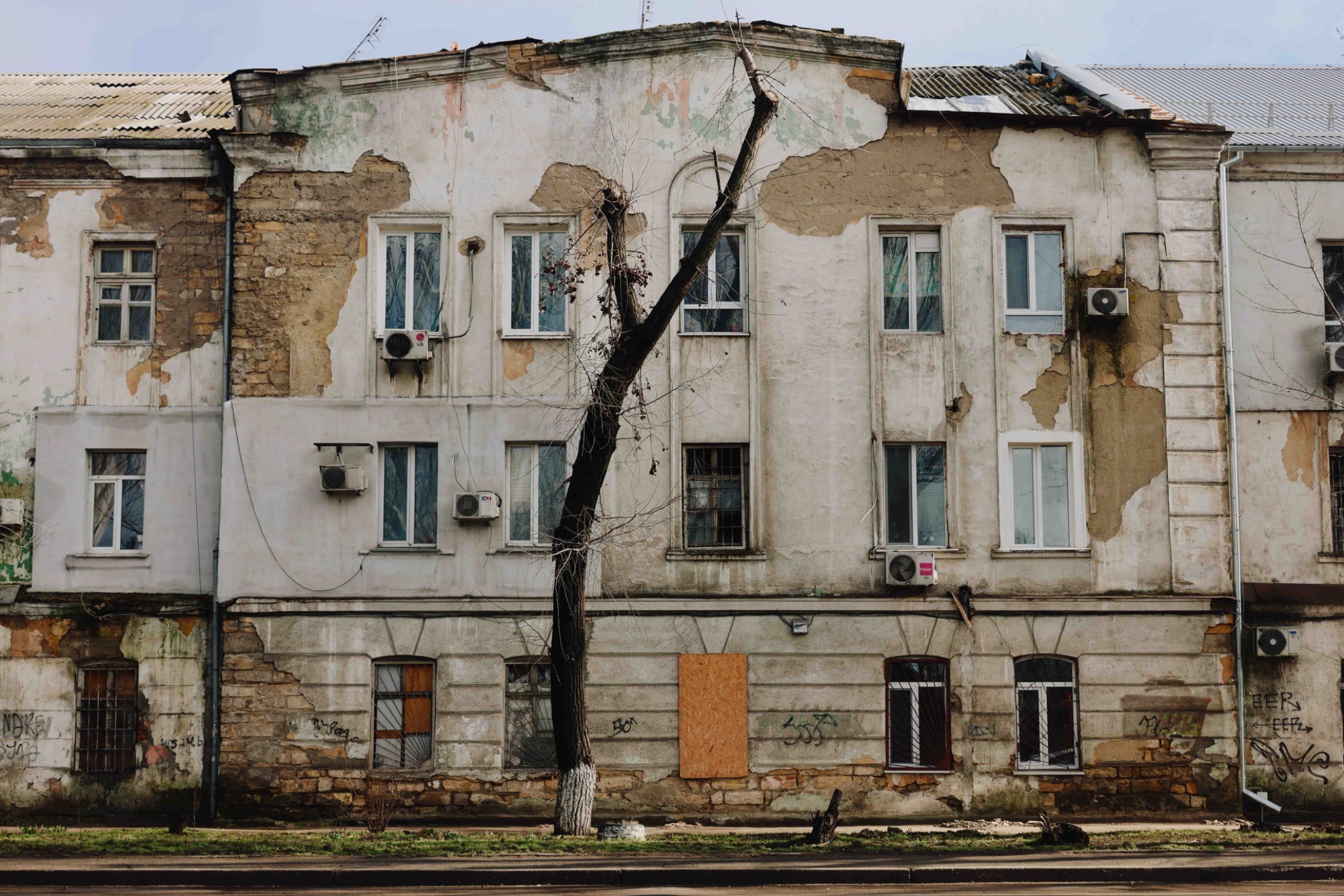
Kharkiv region: tragedies in Bohodukhiv
In Kharkiv region, two families were killed within a week, one day apart. On February 9, in Bohodukhiv, a Russian drone strike on a residential house killed a woman and a child; a fire raged in the destroyed house. That day, six people were injured in the region. The next day, seven people were injured by Russian shelling, including three children; a gas station caught fire after a Russian drone hit. In Kharkiv, drone attacks damaged apartment buildings, cars, and service stations. The energy situation in the region caused by Russian shelling was recognized as an emergency of regional level at a meeting of the regional commission on technogenic and environmental safety and emergencies.
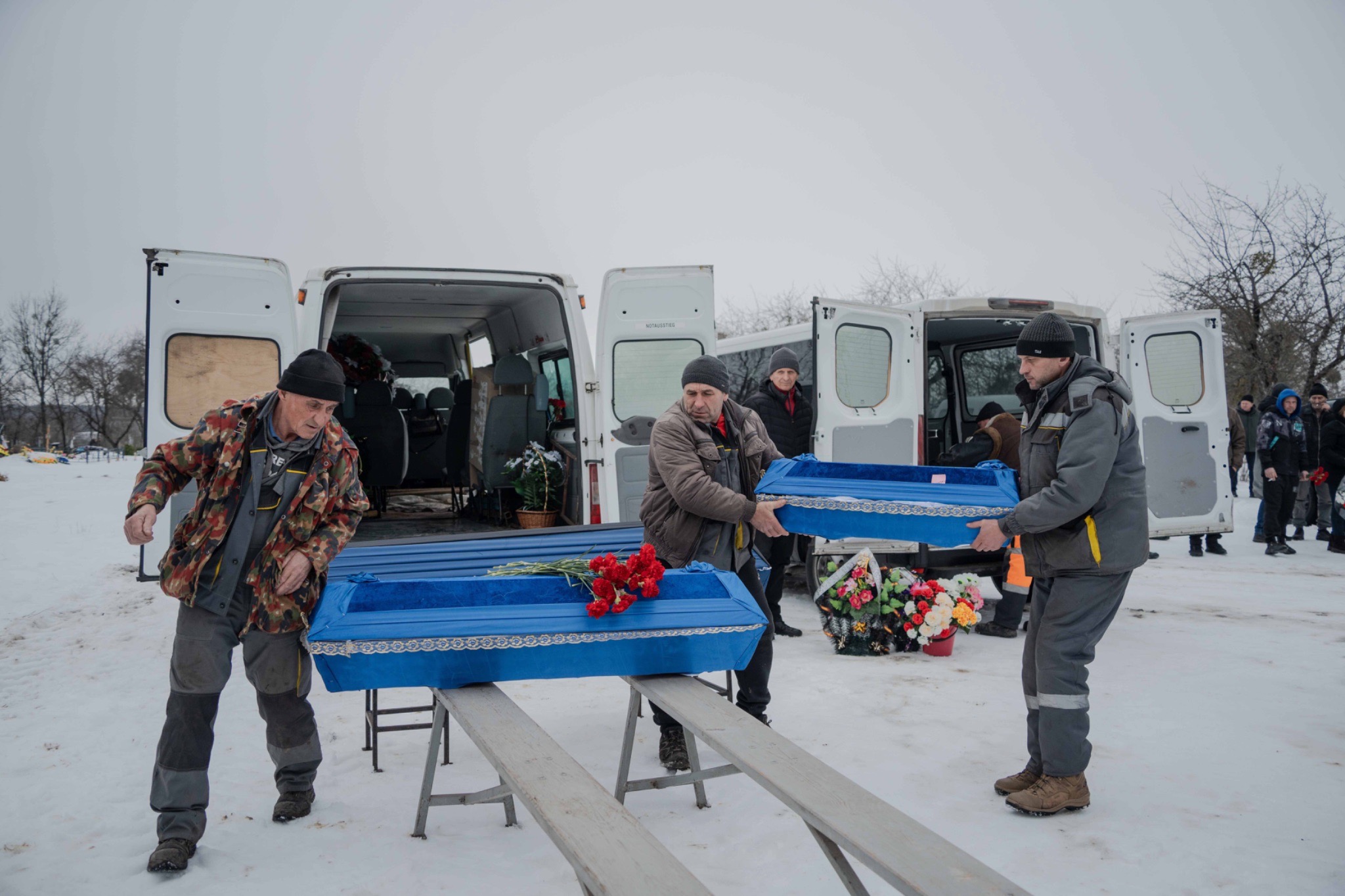
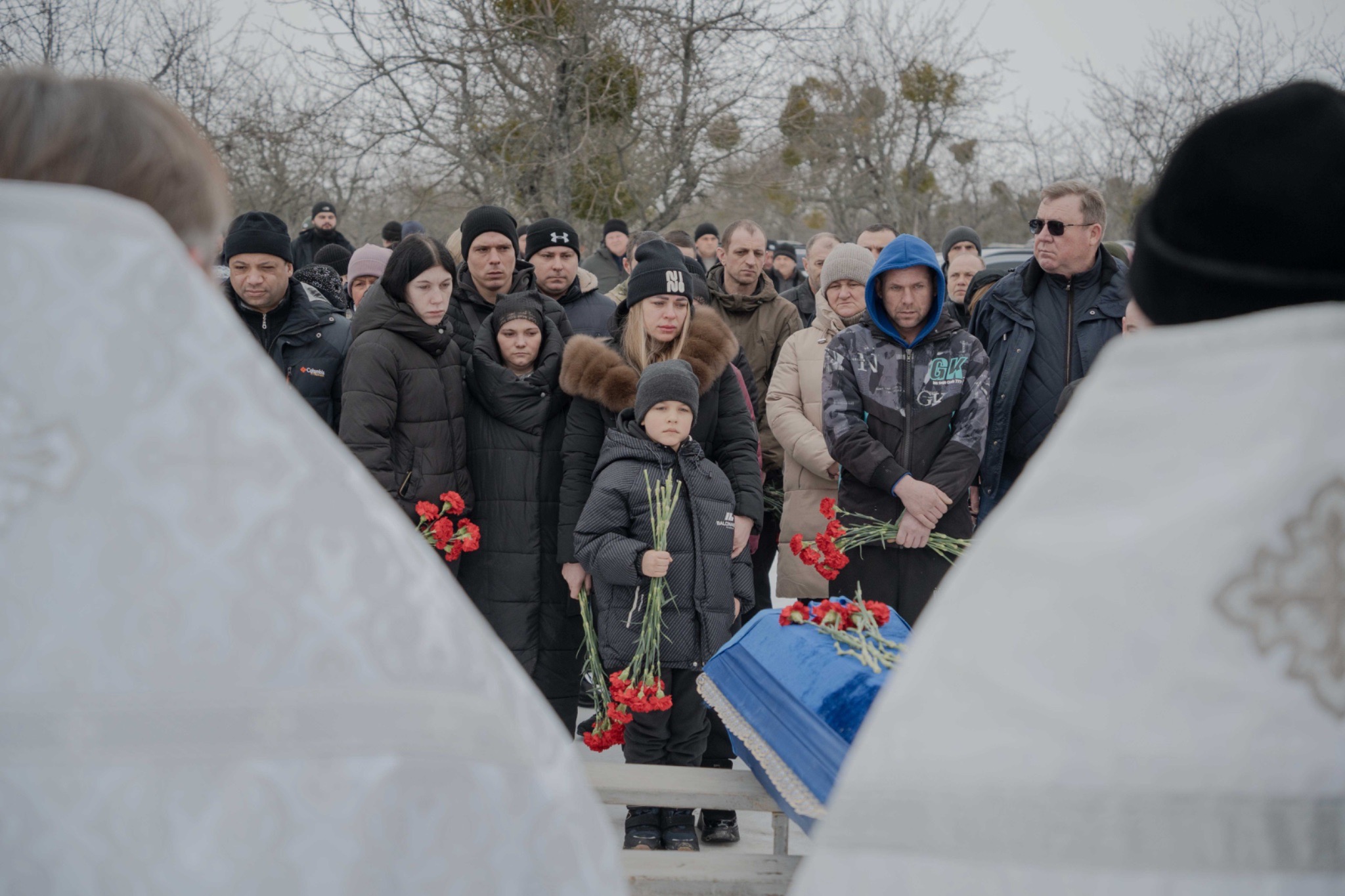
On February 11, tragedy struck Bohodukhiv again. A direct hit by a Russian drone on a house killed four people: two two‑year‑old twin boys, a one‑year‑old girl, and their father, a veteran of the Russian‑Ukrainian war. The pregnant mother of the children suffered injuries and burns and is hospitalized. The house was completely destroyed and caught fire. This was the family’s first night in a new place after evacuation from a more dangerous area. A three‑day mourning period was declared in the city.
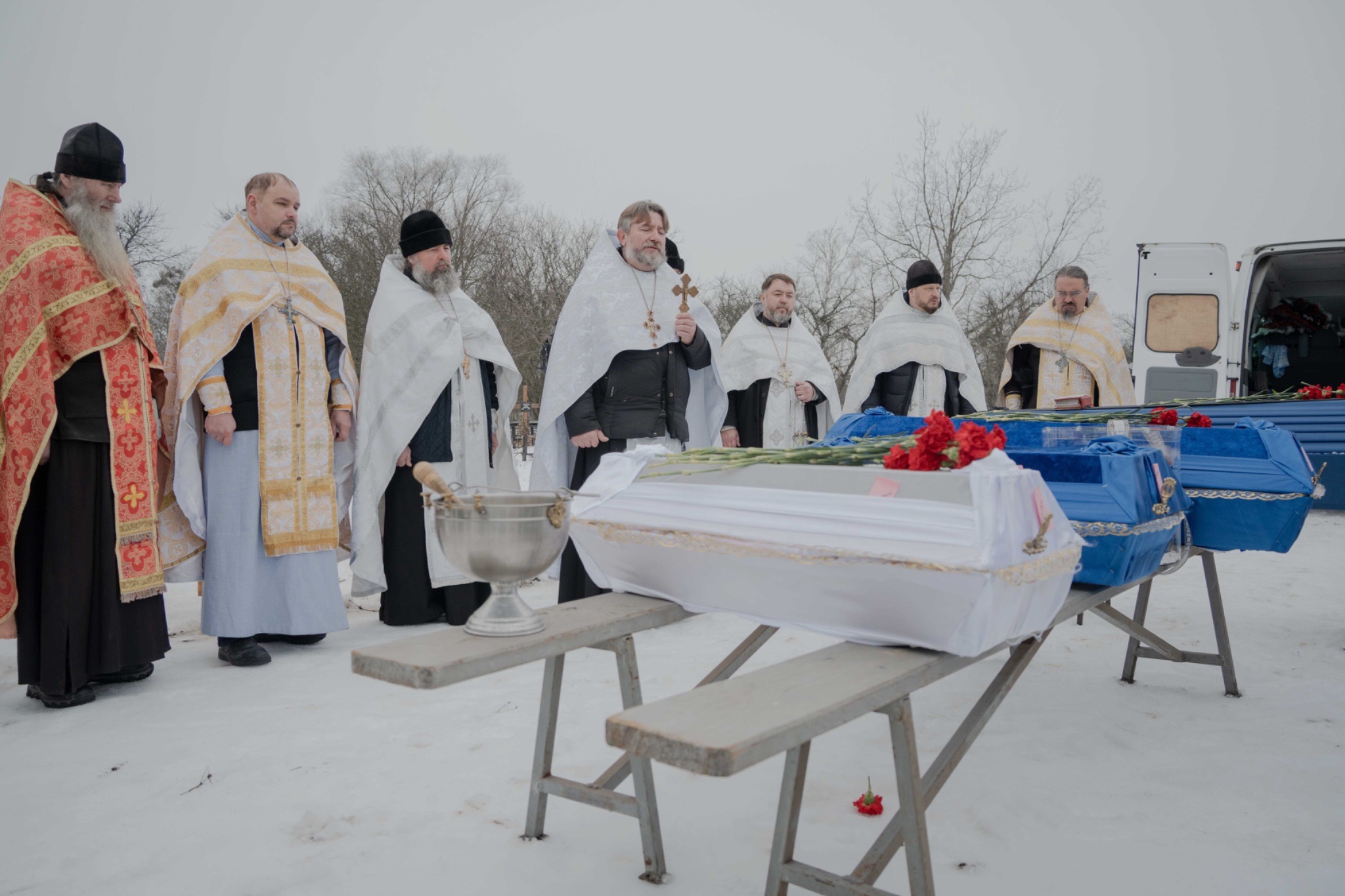
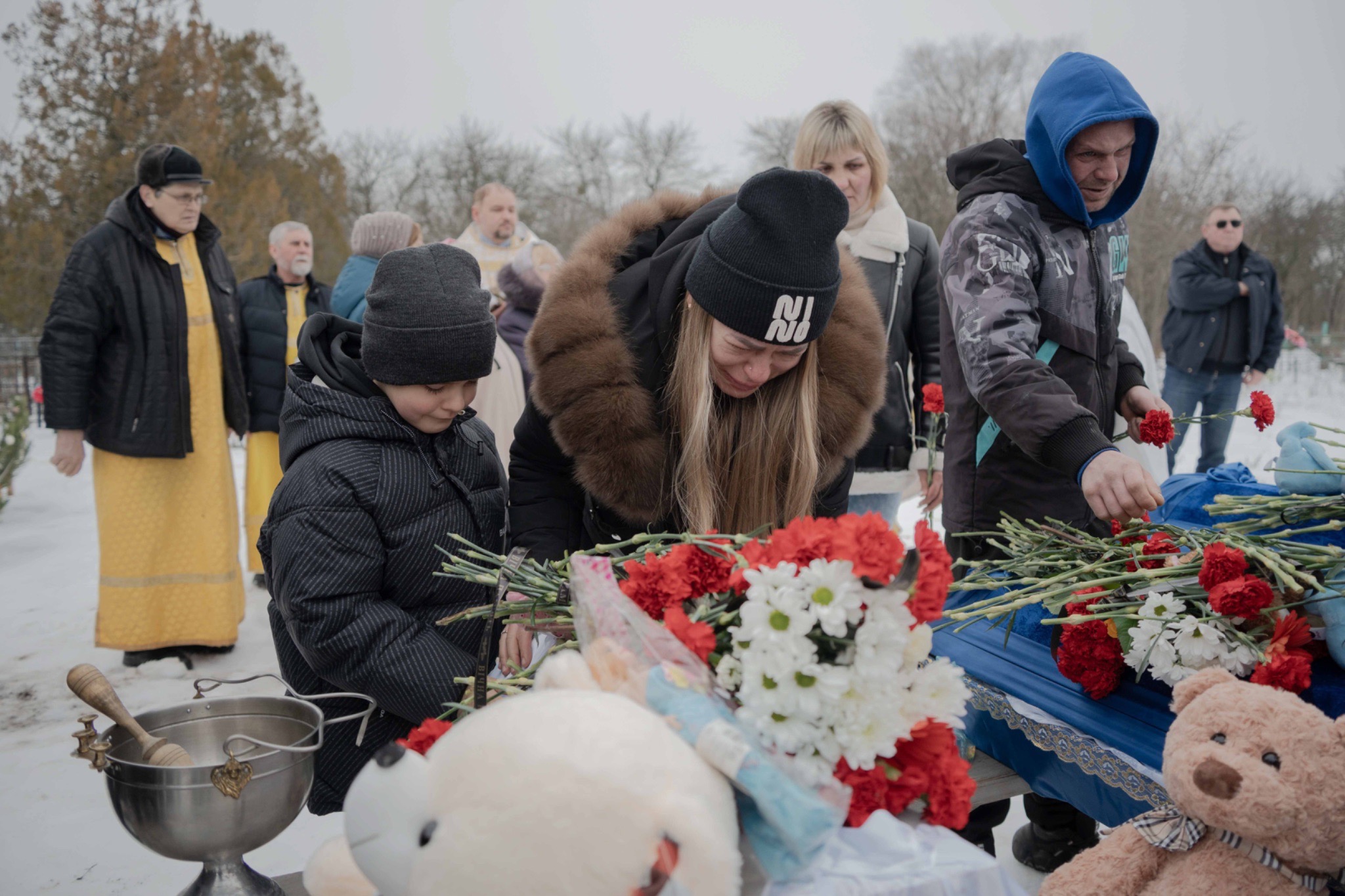
“Bohodukhiv region is in mourning. Again. For the second time in two days, the heart of our community is torn apart by indescribable pain. Today the enemy committed a crime beyond the bounds of human comprehension. As a result of a strike on a private house, we lost the most precious thing — the future. Three little angels: two one‑year‑old boys and a two‑year‑old girl. Along with them, their 34‑year‑old father was killed. The mother and grandmother are fighting for their lives under doctors’ supervision,” — wrote Bohodukhiv Mayor Volodymyr Bielyi on Facebook.
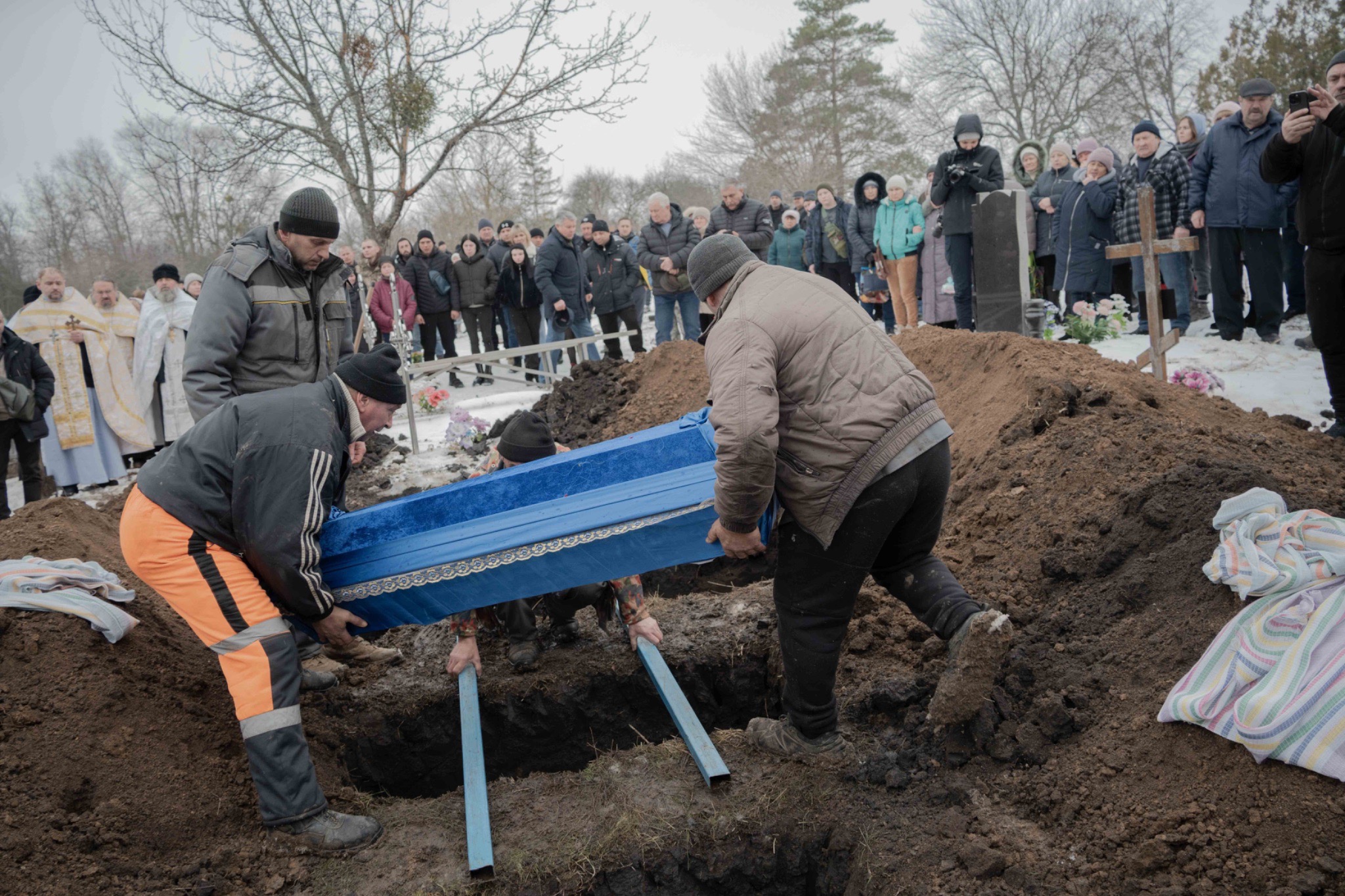
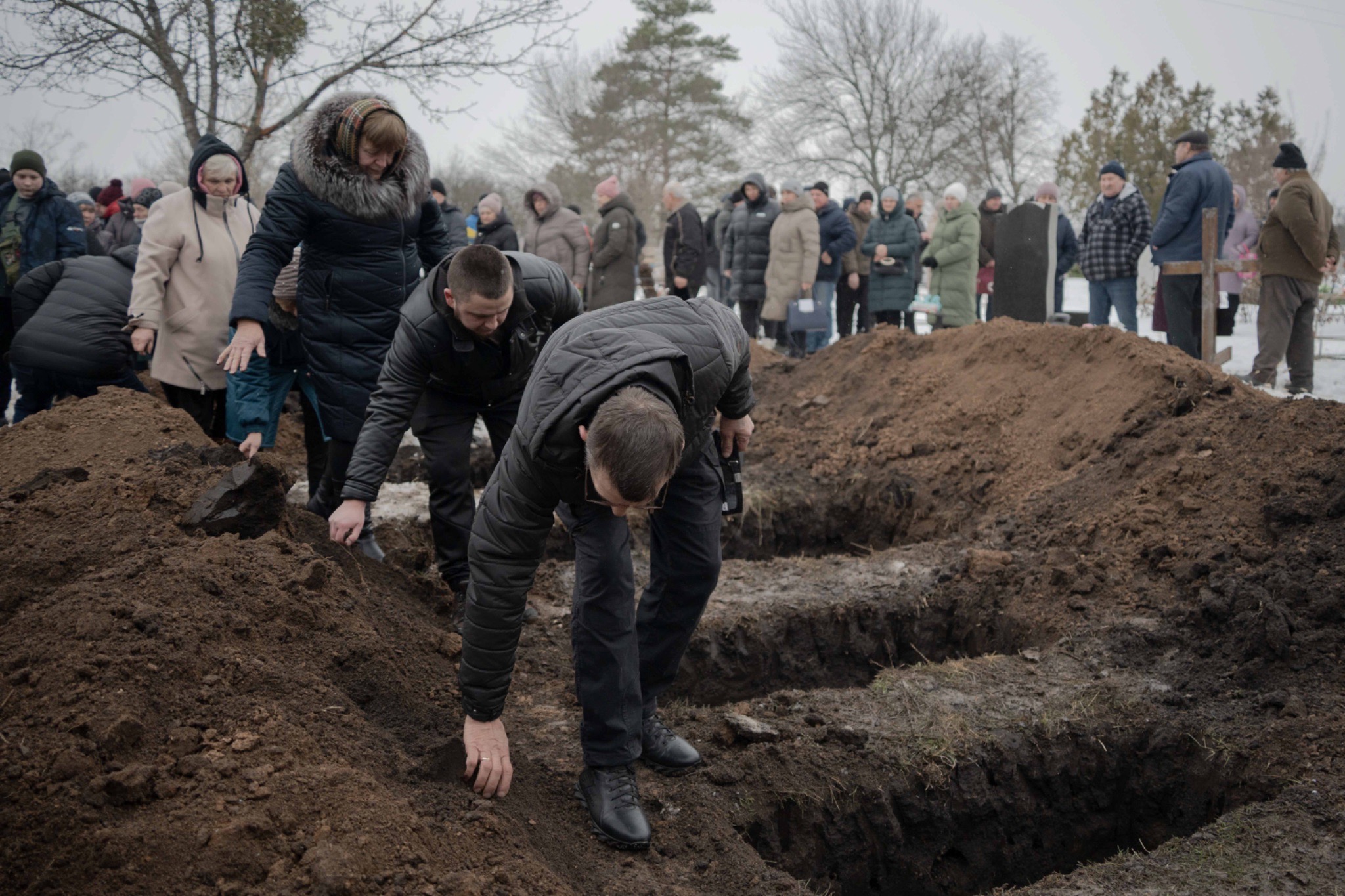
That same day, in Izium district, a Russian drone attacked a primary medical care vehicle; one person was killed and three were injured. In the evening, Russian drones attacked the center of Barvinkove; 13 people were injured, a two‑story shop, apartment buildings, garages were damaged, and a fire broke out. In Kharkiv region, over February 12 and 13, four people were killed and 24 were injured, including one child.
Dnipropetrovsk region: an infant injured
In Dnipropetrovsk region, since February 8, enemy attacks have caused civilian deaths and injuries; among the injured are two children, including a ten‑year‑old child in moderate condition in hospital. The region sees daily destruction of residential infrastructure; Kryvyi Rih was also attacked. Railway infrastructure was hit.
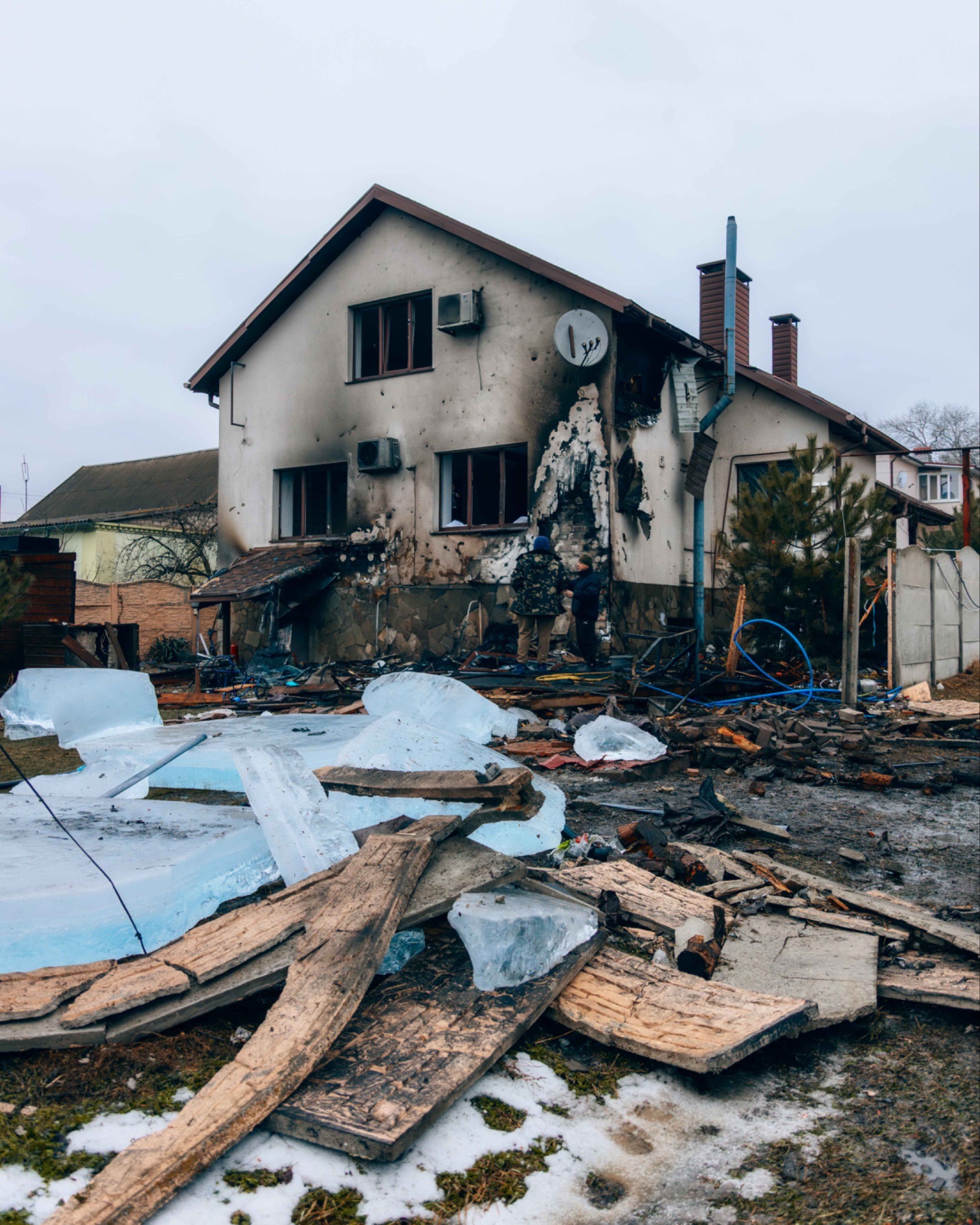
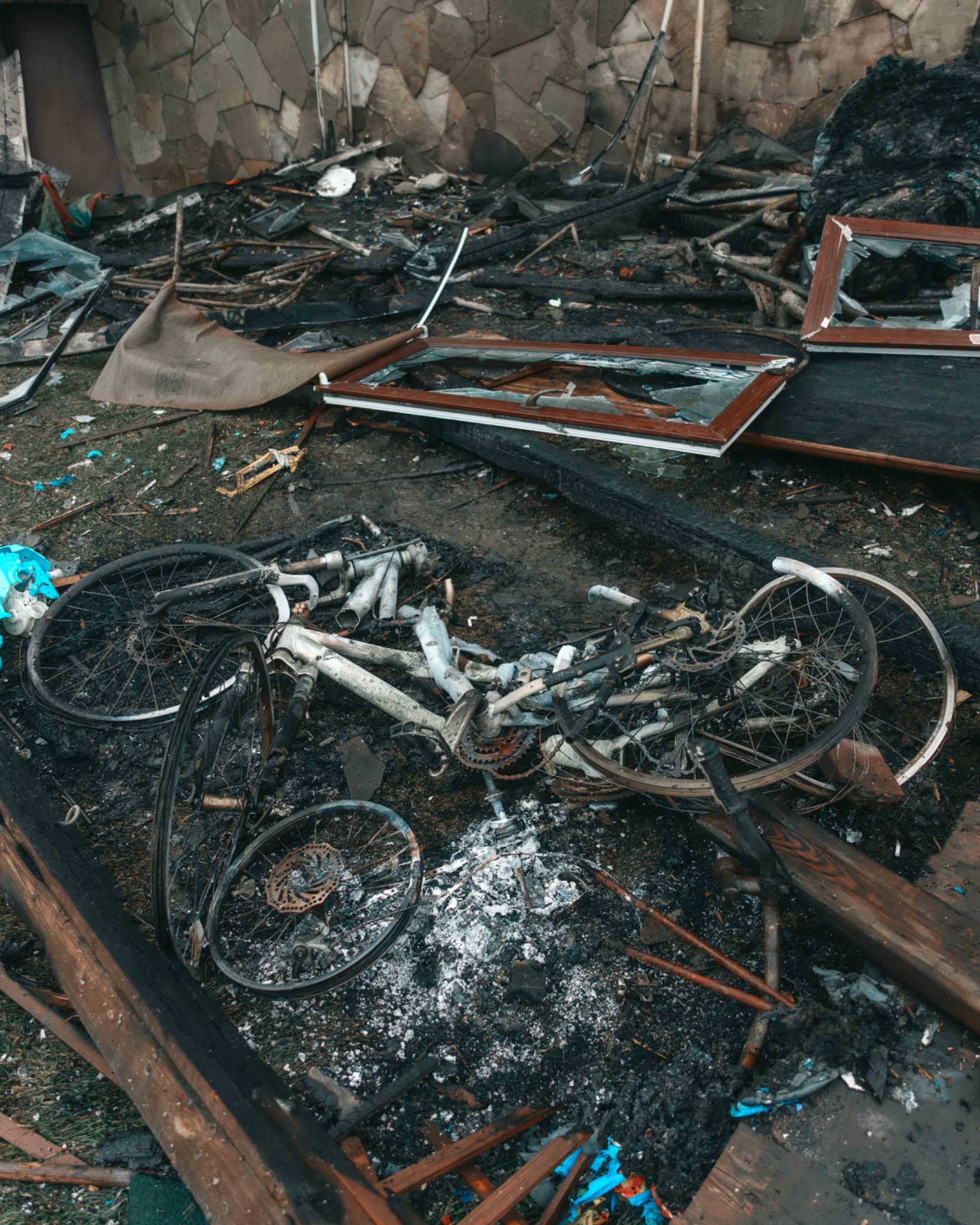
On the night of February 12, during a massive attack on Ukraine, Russians attacked Dnipropetrovsk region with drones and missiles. In Dnipro, a missile‑drone attack injured children — a four‑year‑old girl and an infant, who was hospitalized in moderate condition. Overall, four people were injured in the city. An infrastructure facility and private houses were damaged; fires raged. Ten thousand subscribers in Dnipro were left without heating. On the night of February 15, two people were injured in an enemy attack, one of them a 13‑year‑old girl.
The capital region: without heat and sleep
On February 12, during a massive attack on the energy system in a number of regions of Ukraine, the capital was also targeted. In Kyiv, damage to residential buildings was recorded in the Darnytskyi and Dniprovskyi districts. In Darnytskyi district, debris damaged the facade and windows of a high‑rise building. In Dniprovskyi district, UAVs fell near residential buildings at two locations. Two people were injured in the city; one was hospitalized in critical condition. About 2,600 residential buildings on both banks of the capital were left without heating. On Sunday, February 15, heating was restored to 1,500 buildings. In Brovary district of Kyiv region, premises of two enterprises were damaged.


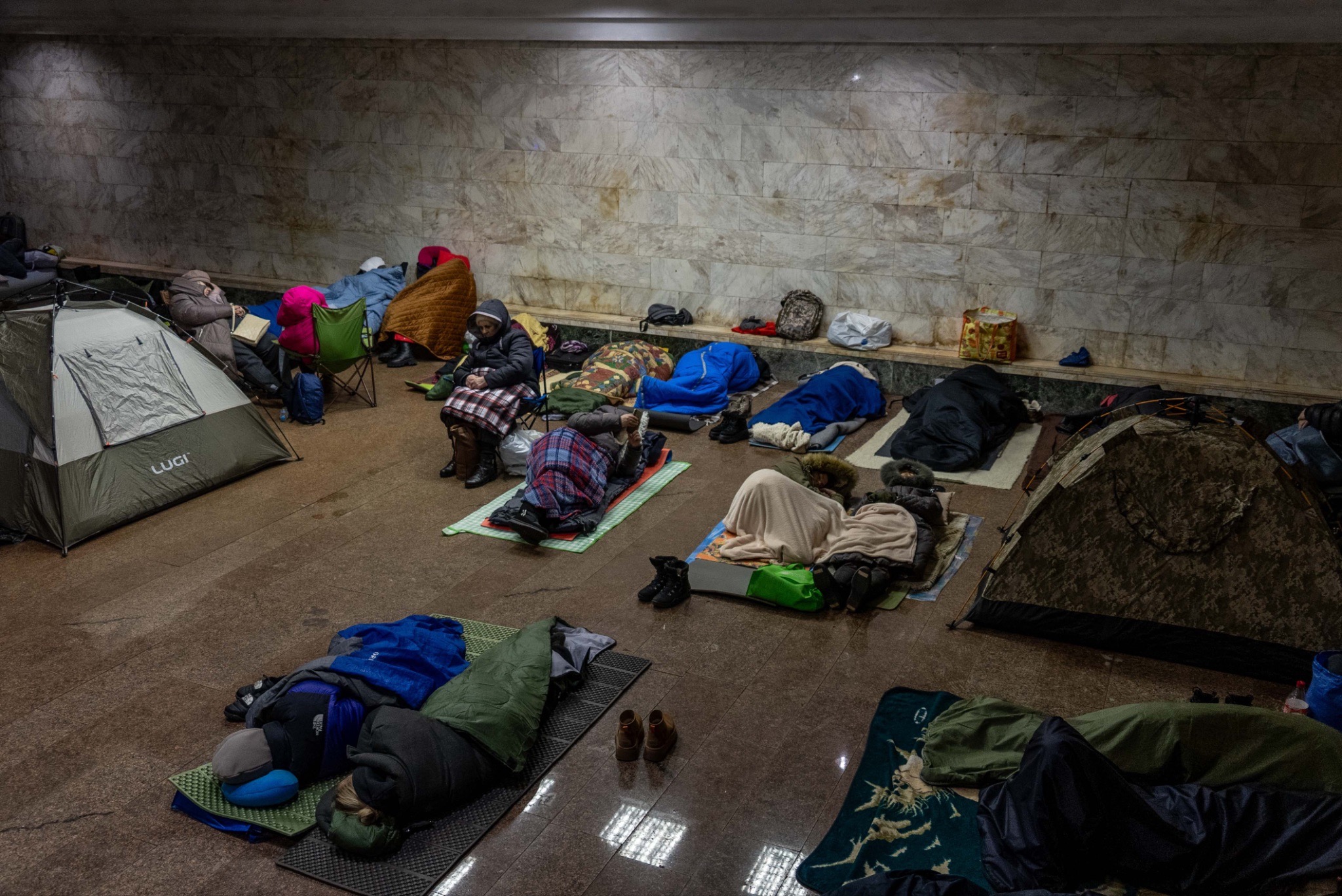
“Another sleepless night in Kyiv — Russians are attacking the city with ballistic missiles. Spending the night in the metro has become so normal that many people bring tents, chairs, folding beds, and other items to make life a bit more comfortable,” — shared his observations photographer Alex Babenko.
Worked on the material:
Researcher, author of the text: Yana Yevmenova
Photo editor: Olga Kovalova
Literary editor: Yuliia Futei