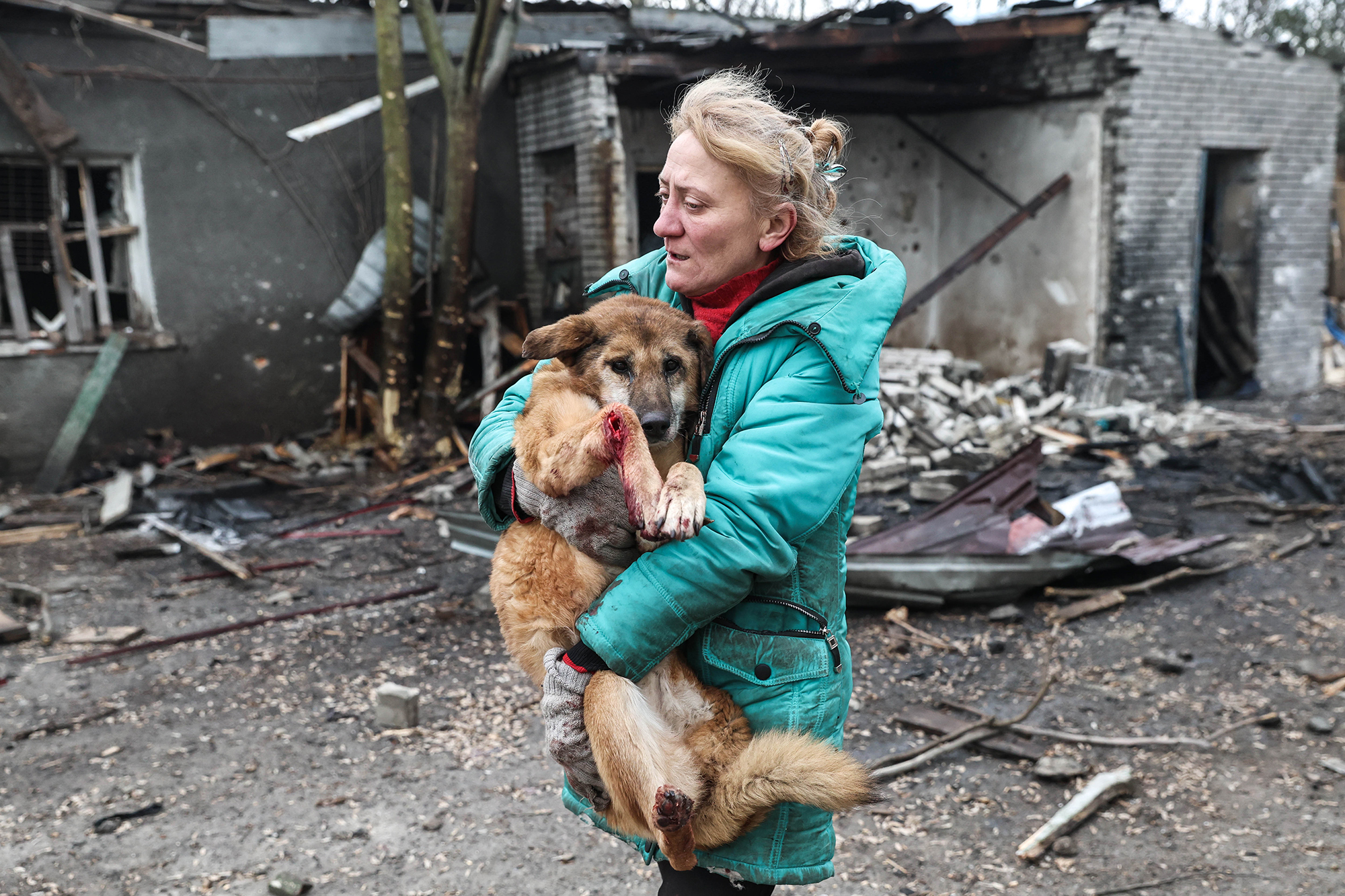
Russia continues to use cold as a weapon against Ukrainians, launching massive attacks on critical infrastructure. Due to significant damage to facilities in Kharkiv, a local‑level emergency has been declared; in Kyiv, more than 1,000 buildings will be”without heating until the end of the heating season, and CHP plants in the west of the country have been damaged. Russian attacks continue to kill Ukrainian civilians: miners in the Dnipropetrovsk region, civilians in Druzhkivka, 18‑year‑olds in Zaporizhzhia, and many others injured in different regions of Ukraine. Particularly shocking were the enemy attack on a maternity hospital and the bloody shelling of a dog shelter in Zaporizhzhia. At least six Russian attacks on fire‑rescue units and emergency responders are known. Russian strikes on railway infrastructure have intensified significantly.
Chronicle of Russian shelling from February 1 to February 8, 2026
February 1 Russian drones attacked a service bus belonging to one of the enterprises in Ternivka of the Pavlohrad district in the Dnipropetrovsk region. One drone hit near the bus, another struck wounded people who were trying to escape the damaged vehicle. It was a bus carrying DTEK miners: at least 12 people were killed and 16 more were injured, the enterprise reported. “Ukrainska Pravda”, citing the defense minister’s advisor on technology Serhii (Flash) Beskrestnov, writes that the miners’ bus was attacked by drones with online control, meaning the drone operators saw that they were attacking civilians.
February 2 at night the enemy launched a massive attack on Cherkasy; four people were hospitalized. Residential buildings, cars, a private enterprise, and garages caught fire; a gas station was damaged. For the second time in one day, a DTEK enterprise in the Dnipropetrovsk region was attacked, with administrative buildings damaged. Journalists from Suspilne Dnipro who were filming the aftermath of the February 1 bus strike also came under attack. A Russian drone hit 700 meters from the filming crew; there were no casualties, the IMI reported. That same day, civilians were killed and injured in the region due to Russian shelling.
During the night of February 3, Russia launched a massive attack on several regions of Ukraine with drones and missiles — a total of 521 aerial attack means, including four Zircon missiles. Air defense managed to shoot down or suppress 450 targets, including 38 missiles. The Sumy, Kharkiv, Kyiv regions and the capital, the Dnipropetrovsk, Odesa, and Vinnytsia regions were affected. Critical infrastructure facilities were again targeted; residential buildings were damaged, and at least nine people were injured. In Dnipro, an infrastructure facility, homes, and a dormitory were damaged. Three people were injured in the region over the day and hospitalized in moderate condition. In the Vinnytsia region, hits on critical infrastructure were recorded, 50 settlements were left without power, and residential buildings and an educational institution were damaged. In Kherson, artillery shelling and FPV‑drone attacks caused fires in residential buildings; one person was injured and three people were rescued, including a child.
February 4 in the Dnipropetrovsk region, two people were killed in a drone attack; there were injured, two were hospitalized in moderate condition. In the Kherson region, four people were killed, including a medical worker. In the Chernihiv region, the border area and the Nizhyn district were struck; Russians are destroying infrastructure — schools, residential buildings, enterprises, boiler houses.
February 5 in the Dnipropetrovsk region, Russians again attacked rescuers while they were extinguishing a fire; a fire truck was damaged. There was extensive infrastructure damage in the region over the day; one person was killed and another hospitalized. In the Mykolaiv region, a fire‑rescue unit was damaged by a UAV attack; personnel were not injured.
On the night of February 6 and throughout the morning, Russians attacked Ukraine with 328 strike drones of various types, two Kinzhal aeroballistic missiles, and five Kh‑59/69 guided air missiles. By morning, power outages were recorded in the Zaporizhzhia, Donetsk, Dnipropetrovsk, Kharkiv, and Kirovohrad regions. In the Dnipropetrovsk region, one person was killed and others injured; a fire‑rescue unit was hit, but rescuers were not injured. In the Poltava region, Russians struck an industrial facility, causing a fire. In Kherson, one person was injured by Russian shelling; drones attacked an evacuation vehicle in the region, it burned completely, three people were injured and one was killed; with the help of the military, evacuation to a safer place was completed. The Kirovohrad region has been under fire since night; the enemy used drones and missiles, damaging a warehouse building, residential houses, and power lines.
February 7 at night, the enemy carried out a combined strike on critical infrastructure facilities in western Ukraine. Volyn, Ivano‑Frankivsk, Lviv, and Rivne regions were affected; Kyiv and Kharkiv regions were also struck. Russians used more than 400 drones of various types and about 40 missiles. In Rivne, a multi‑storey building was damaged and two people were injured. In the Vinnytsia region, a building of an agricultural college and dormitories were damaged. Dnipro came under drone attack; a municipal enterprise and vehicles were damaged. Transport infrastructure was damaged in the Chernihiv region. Emergency power outages were applied in most regions, as nuclear power plants were forced to reduce generation capacity due to the enemy attack.
February 8 at night, the enemy attacked an industrial facility in the Poltava region, causing large‑scale fires. Due to Russian artillery shelling in Kherson, major fires broke out; six people were injured, apartment buildings, private houses, garages, and warehouses were damaged, and two people were rescued.
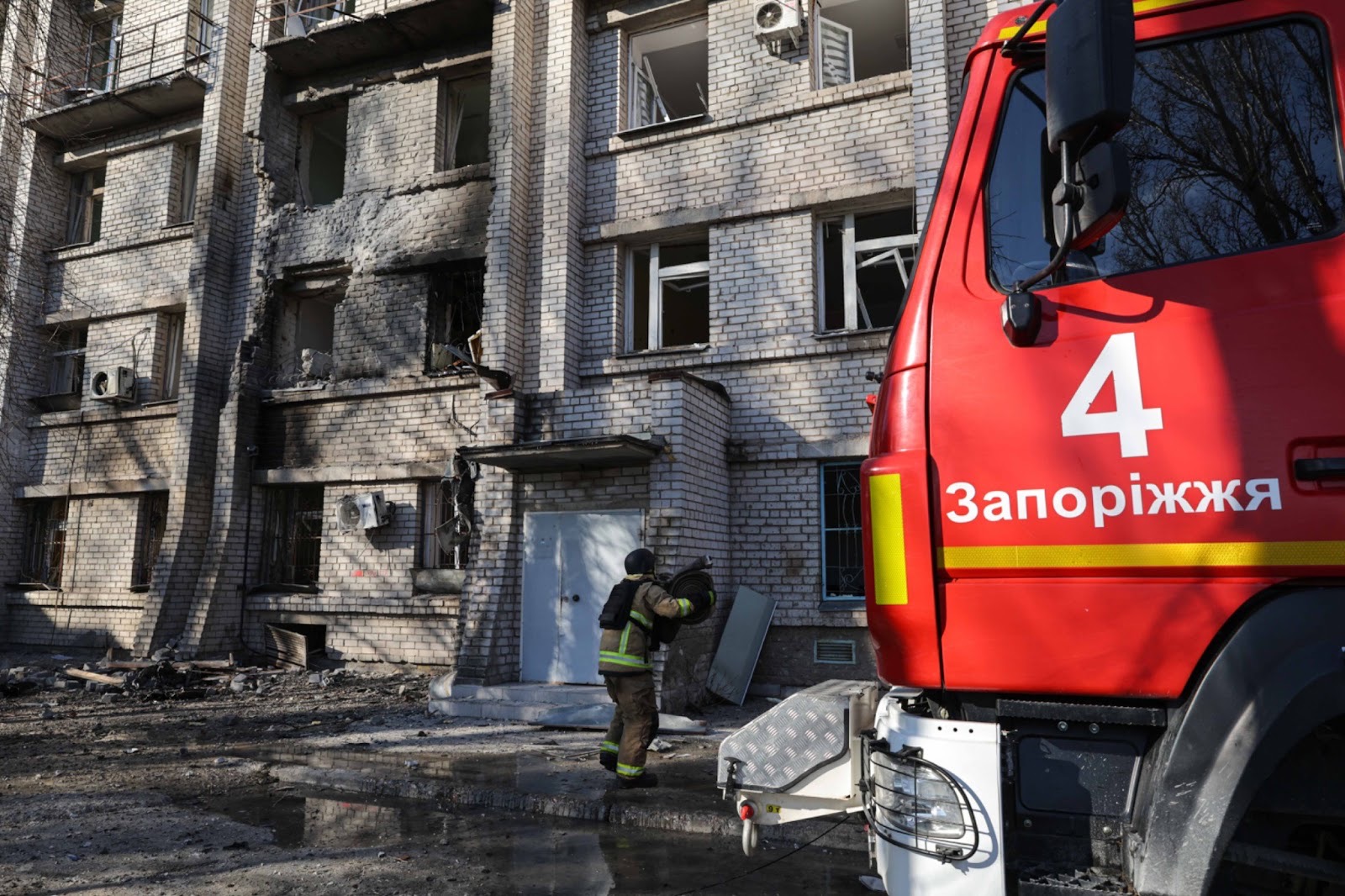
Zaporizhzhia
During the day on February 1, Russian strike drones attacked a maternity hospital in Zaporizhzhia. A fire broke out on the second floor in the reception area of the gynecology department. Two women in labor with newborns were inside; they were not injured. Six people were injured, including two women who were there for examinations. People in a private dental clinic located in the same building were also injured. After the attack, medical staff were transferred to another building, and the maternity hospital temporarily stopped operating.
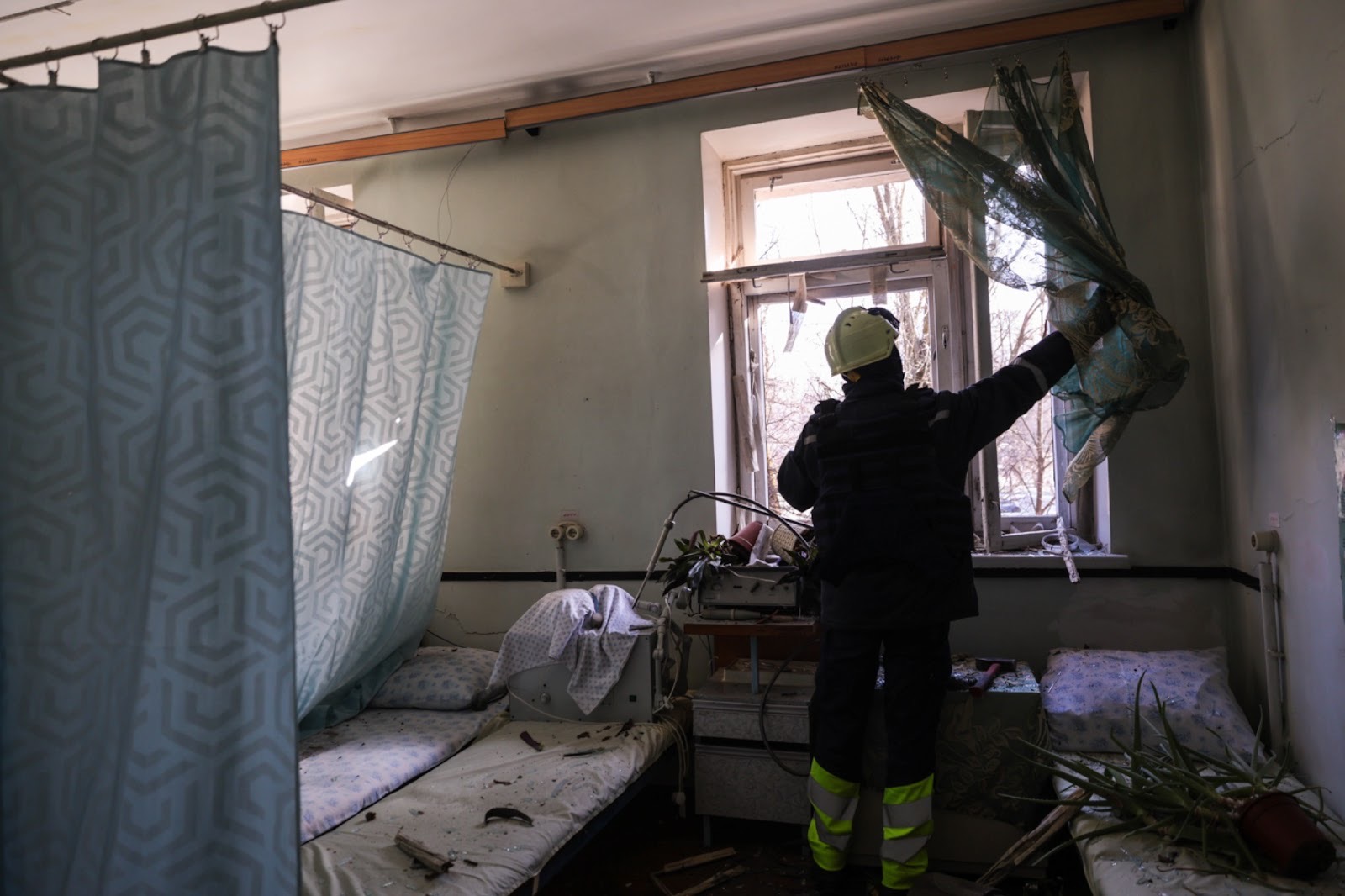
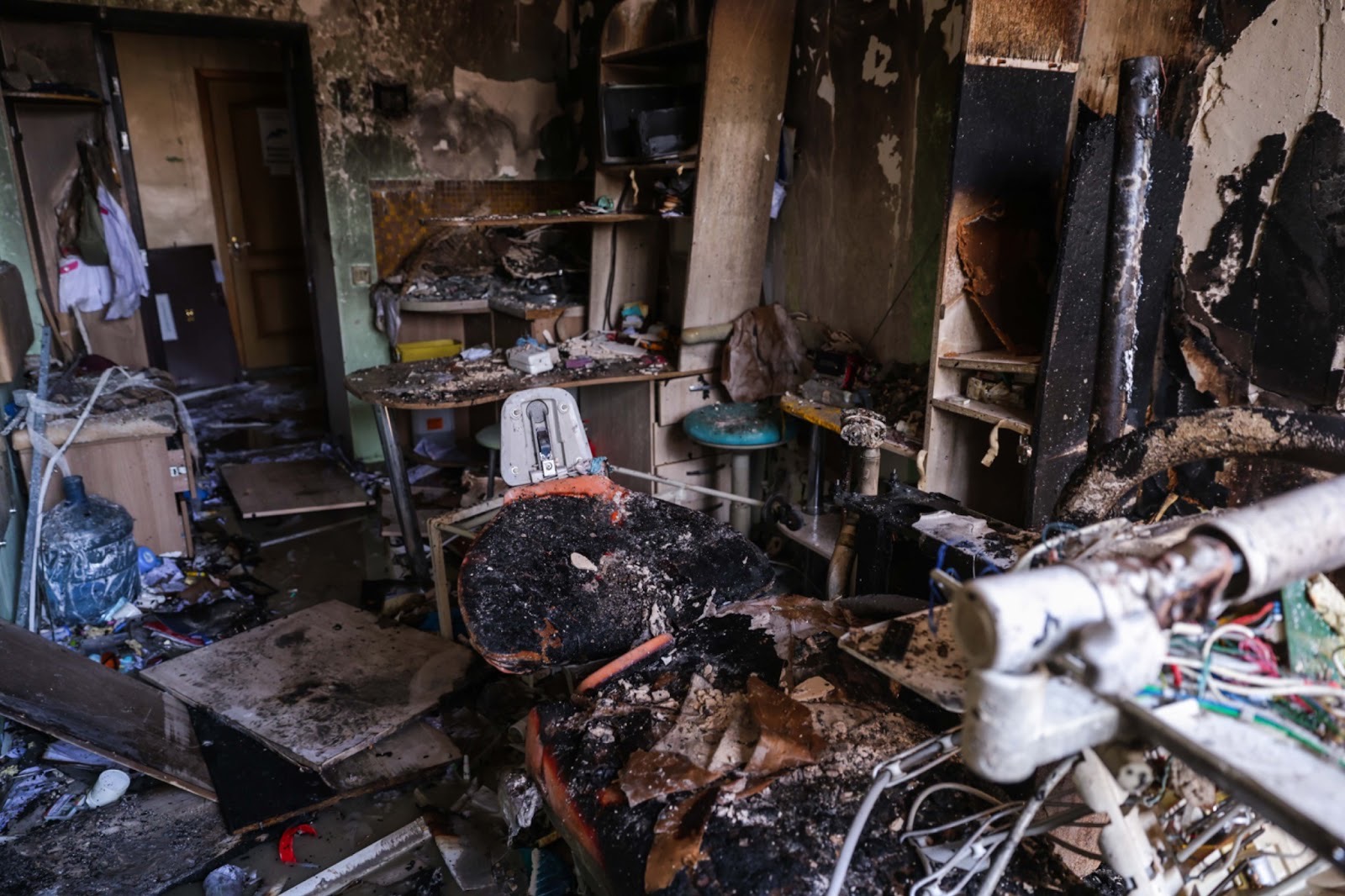
“Today, during the day, a Russian drone struck near the maternity hospital in Zaporizhzhia. The enemy is trying to destroy even those Ukrainians who have not yet been born”, — emotionally captioned the photos from the shelled maternity hospital by local photojournalist Kateryna Klochko.
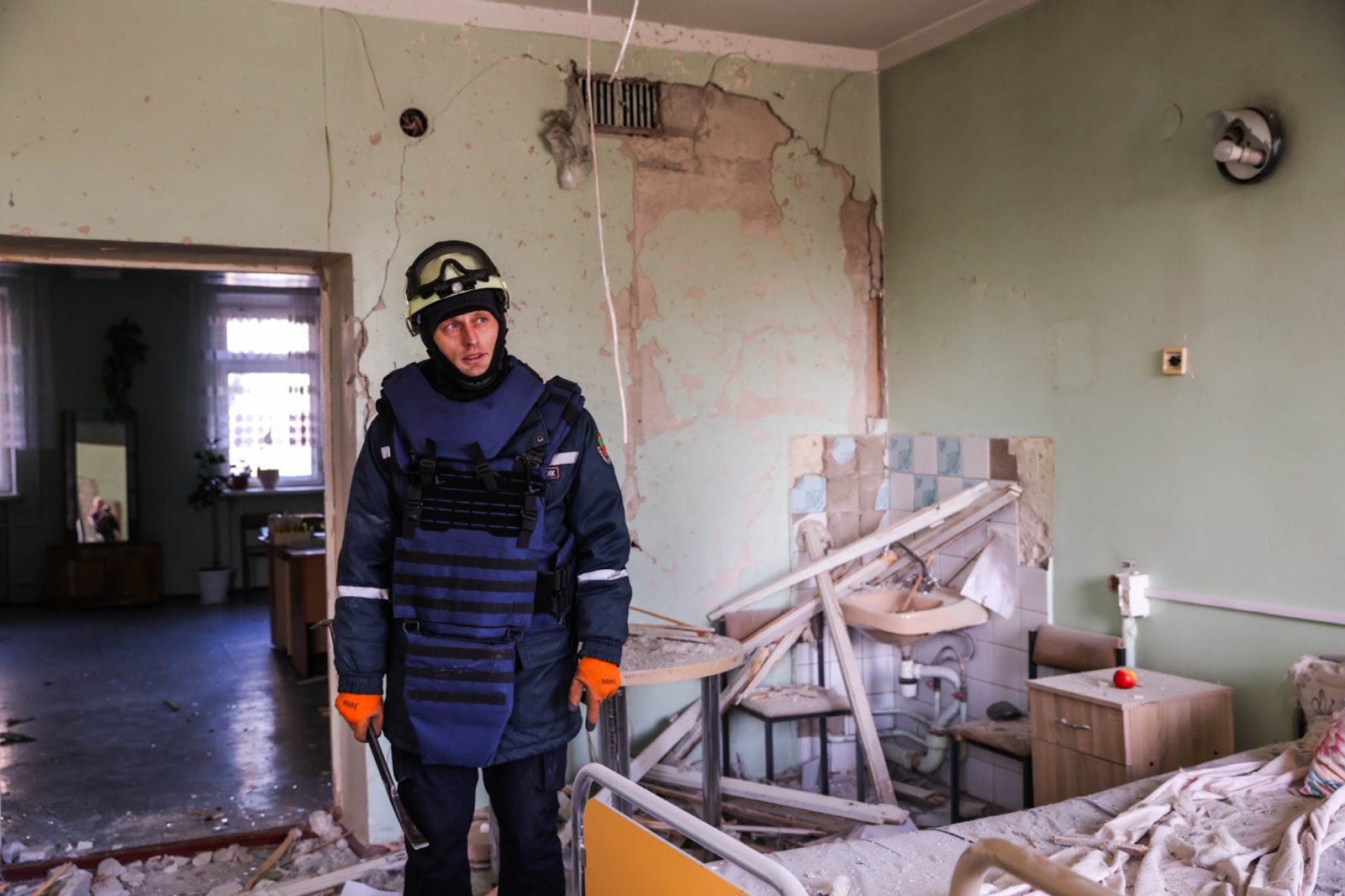
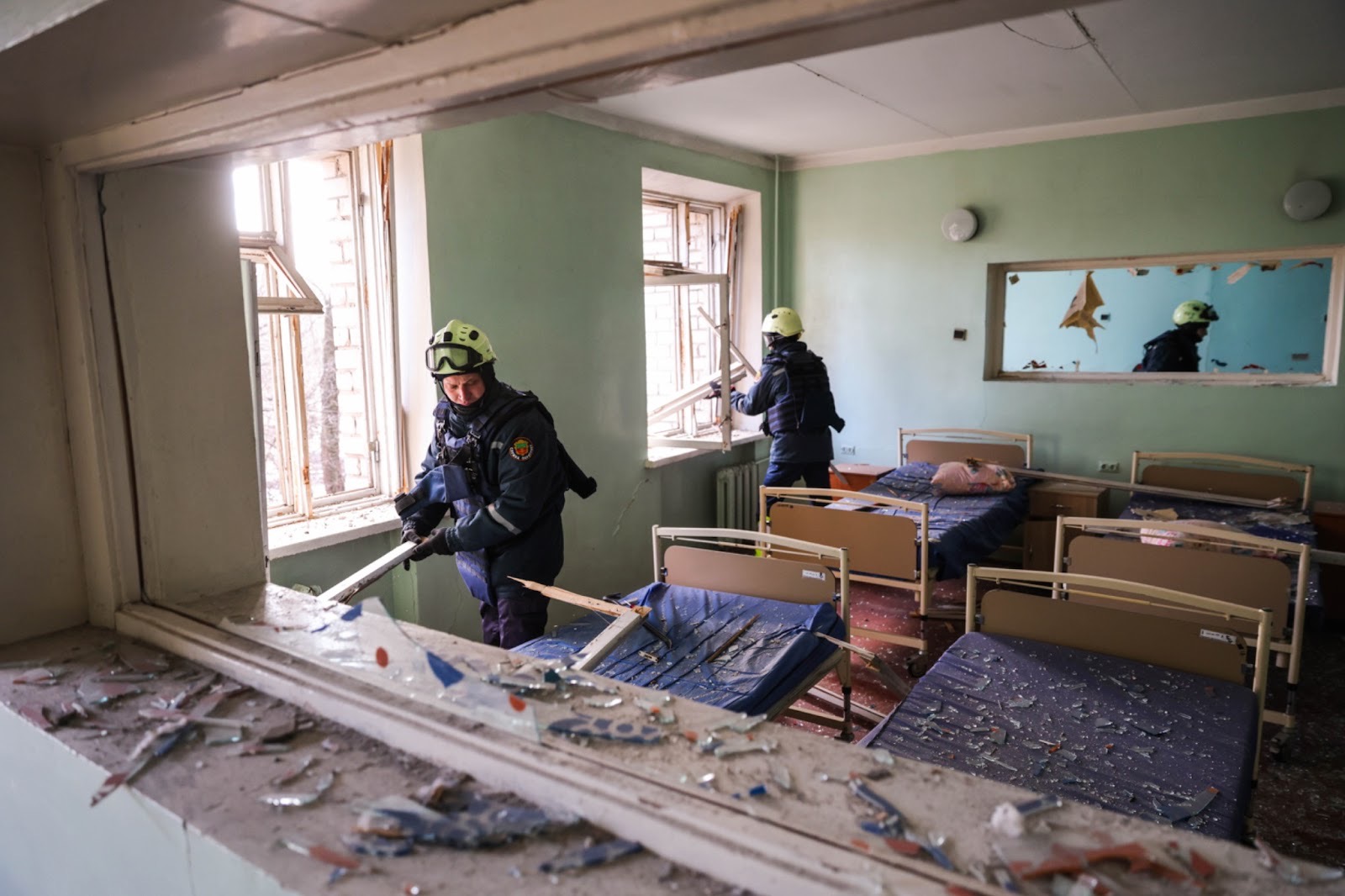
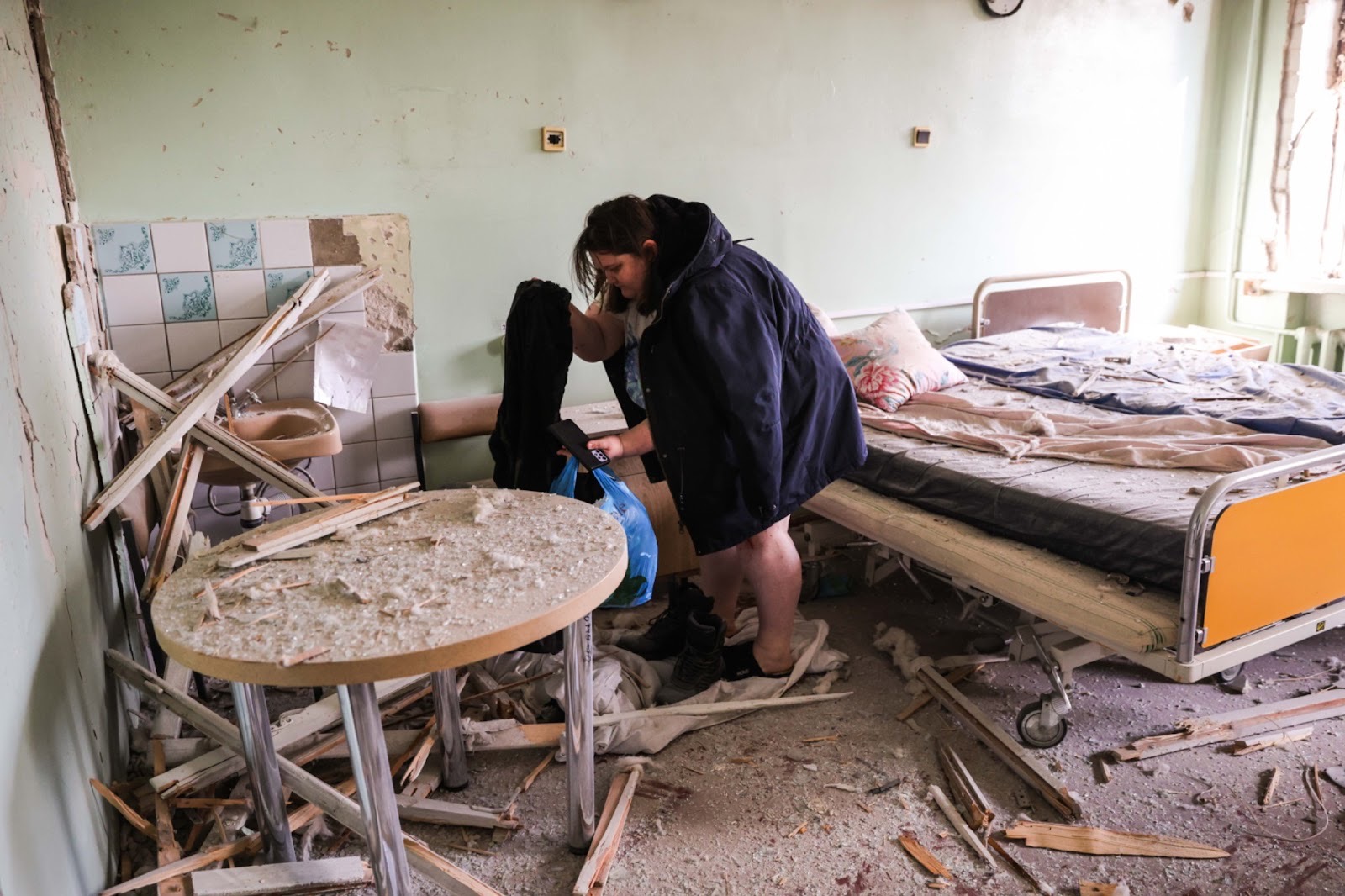
Later, Russians launched another UAV strike on the regional center; two women were hospitalized. A fire broke out. As a result of the enemy attack on February 3, more than 12,000 subscribers in the Khortytsia district of Zaporizhzhia were left without power. That same evening, the enemy treacherously struck the city again: an 18‑year‑old boy and girl were killed, about a dozen people were injured, and a 15‑year‑old girl is in extremely serious condition. A multi‑storey building, shops, and cars were damaged. At midnight, Russians struck Zaporizhzhia again with a drone; one man was injured, the strike hit an open area, and the blast wave damaged the facades of a nearby residential building. In total, twelve people were injured in the city over the day, including four children.
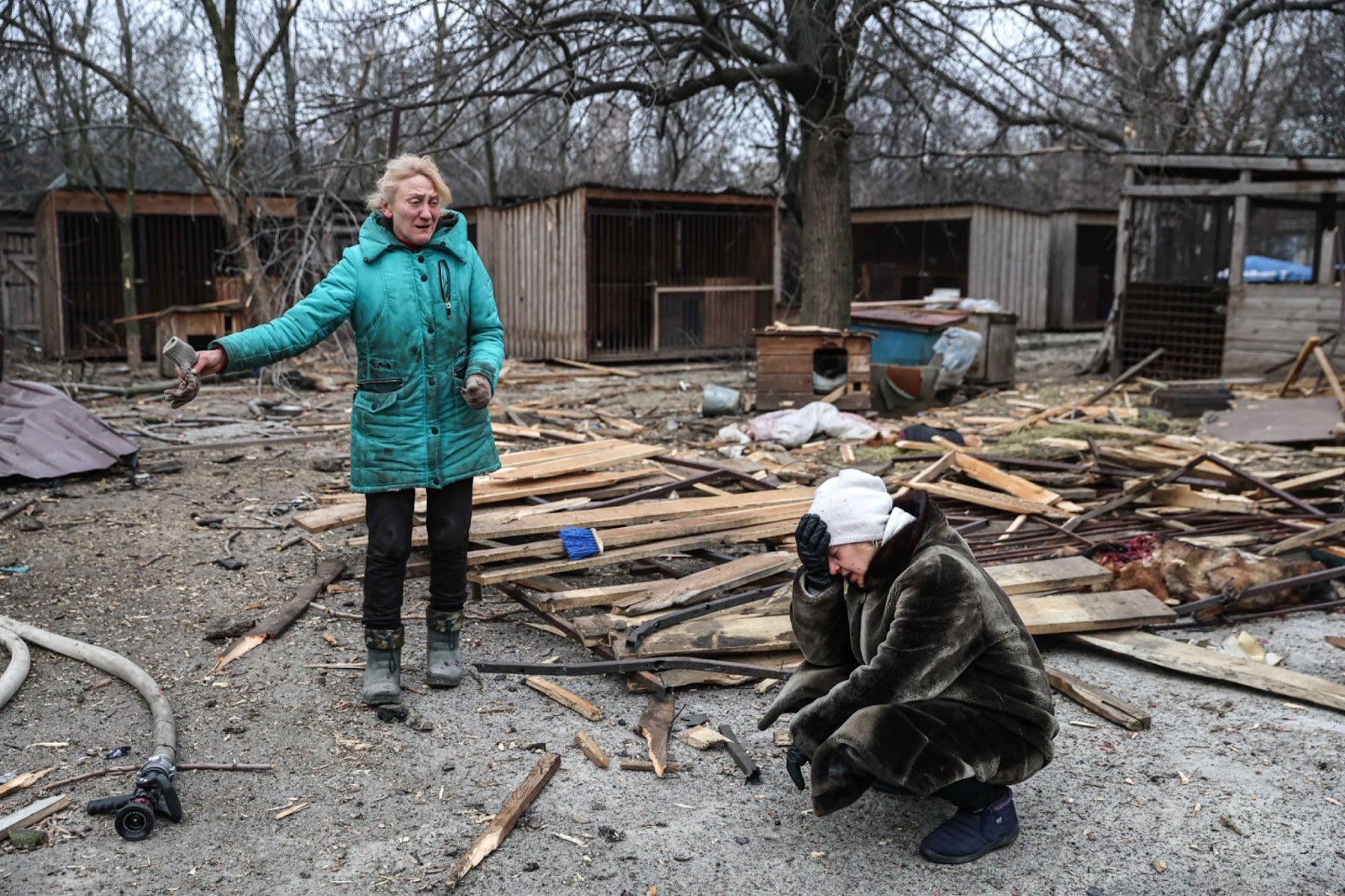
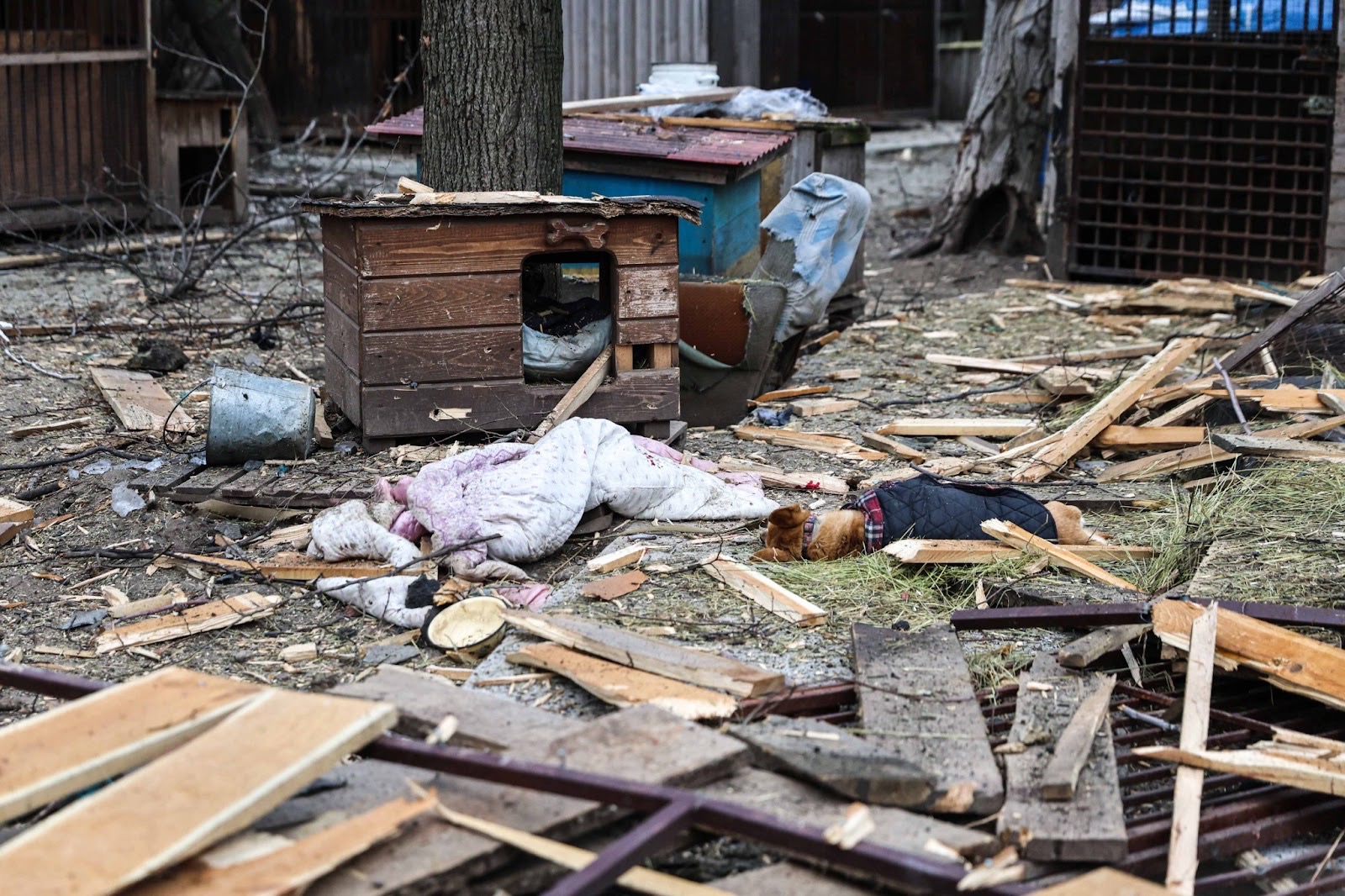
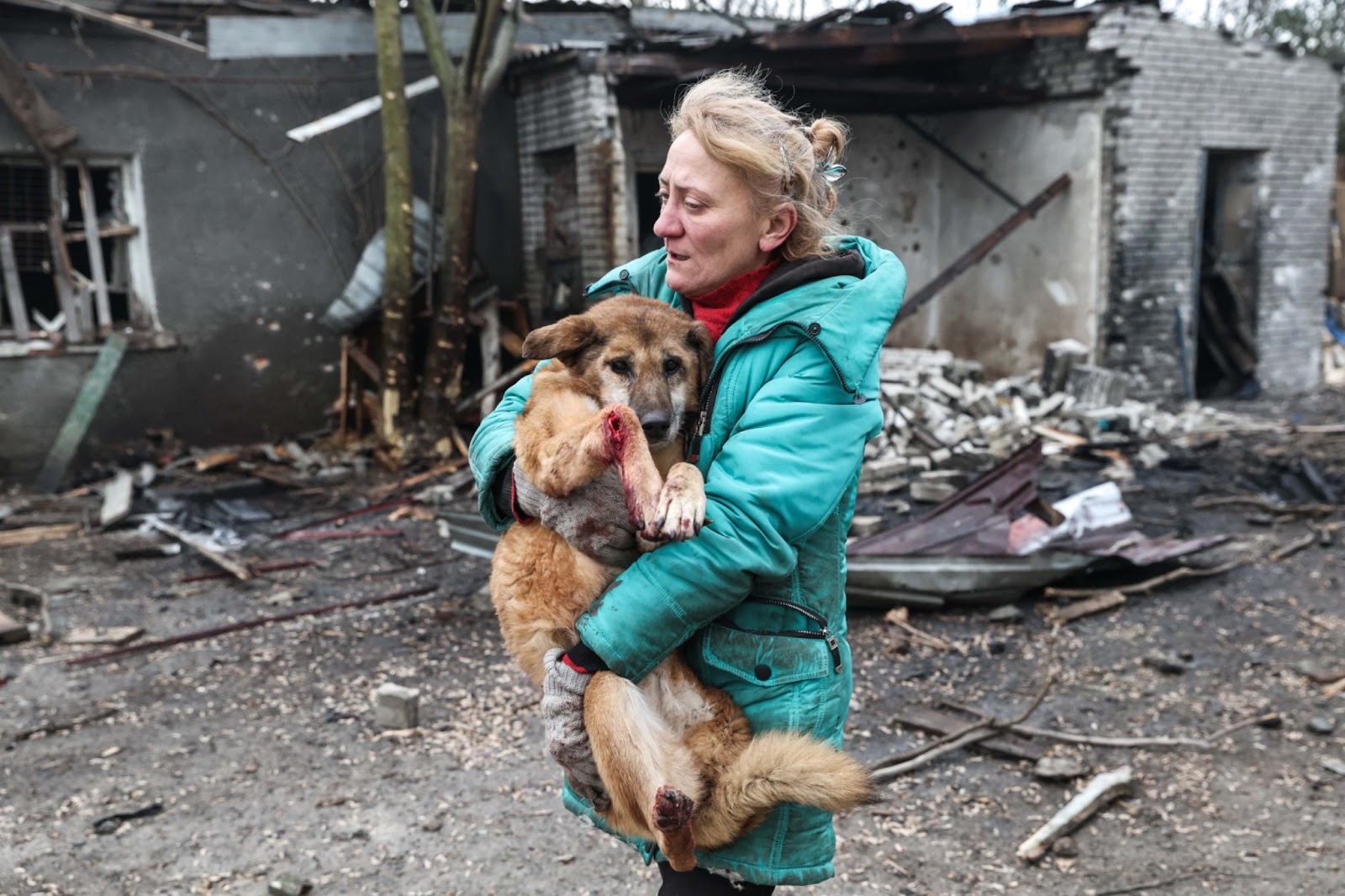
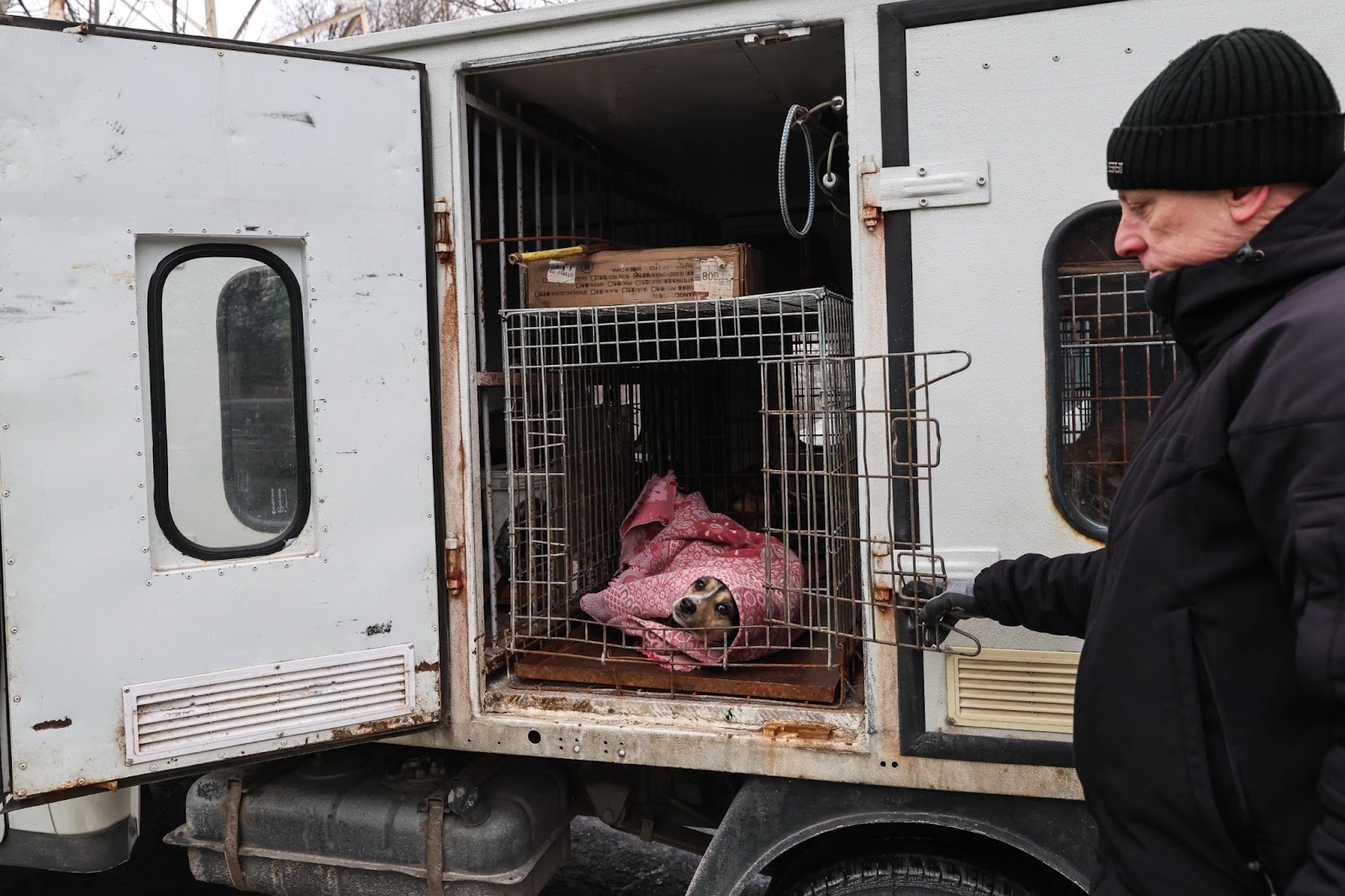
On February 5, in a frontline settlement, the enemy attacked a fire‑rescue unit; equipment and the building were damaged. On February 6, a married couple was killed in a drone attack on a private house in Vilniansk, and five more people were injured. That same day, the enemy attacked the “Give a Paw, Friend” dog shelter in Zaporizhzhia; 13 dogs were killed. Seven others are receiving care. Doghouses and enclosures were destroyed.
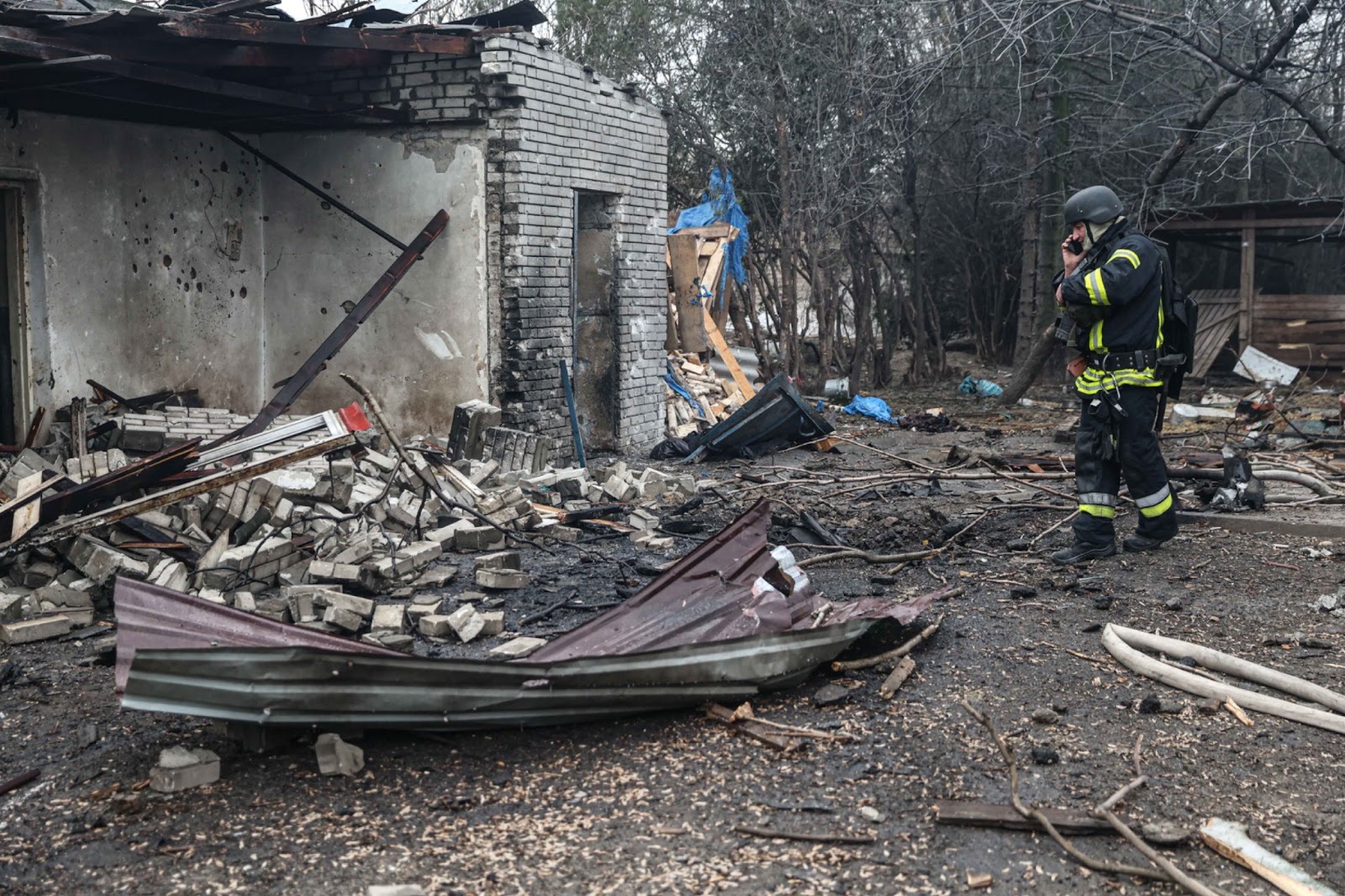
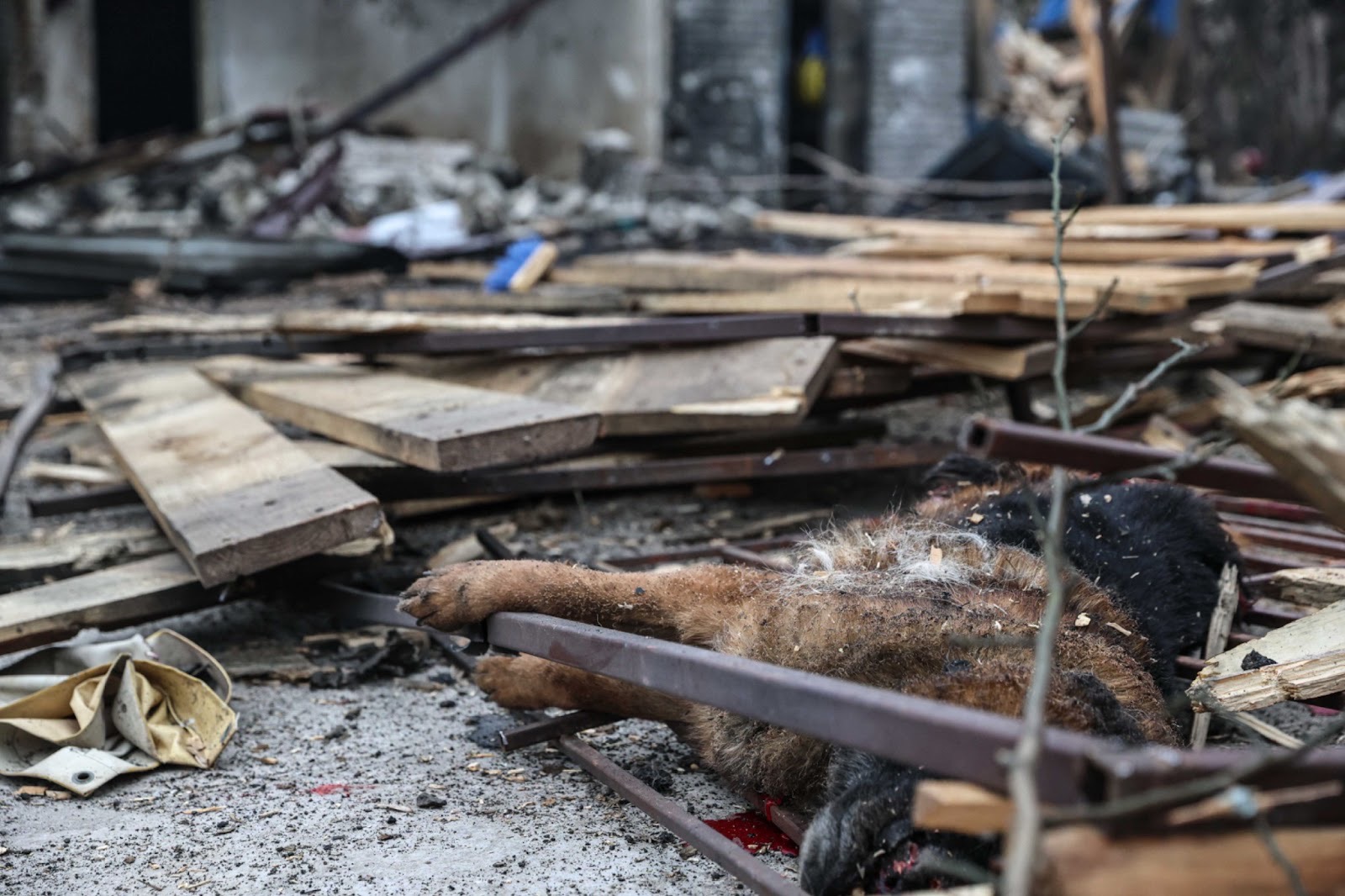
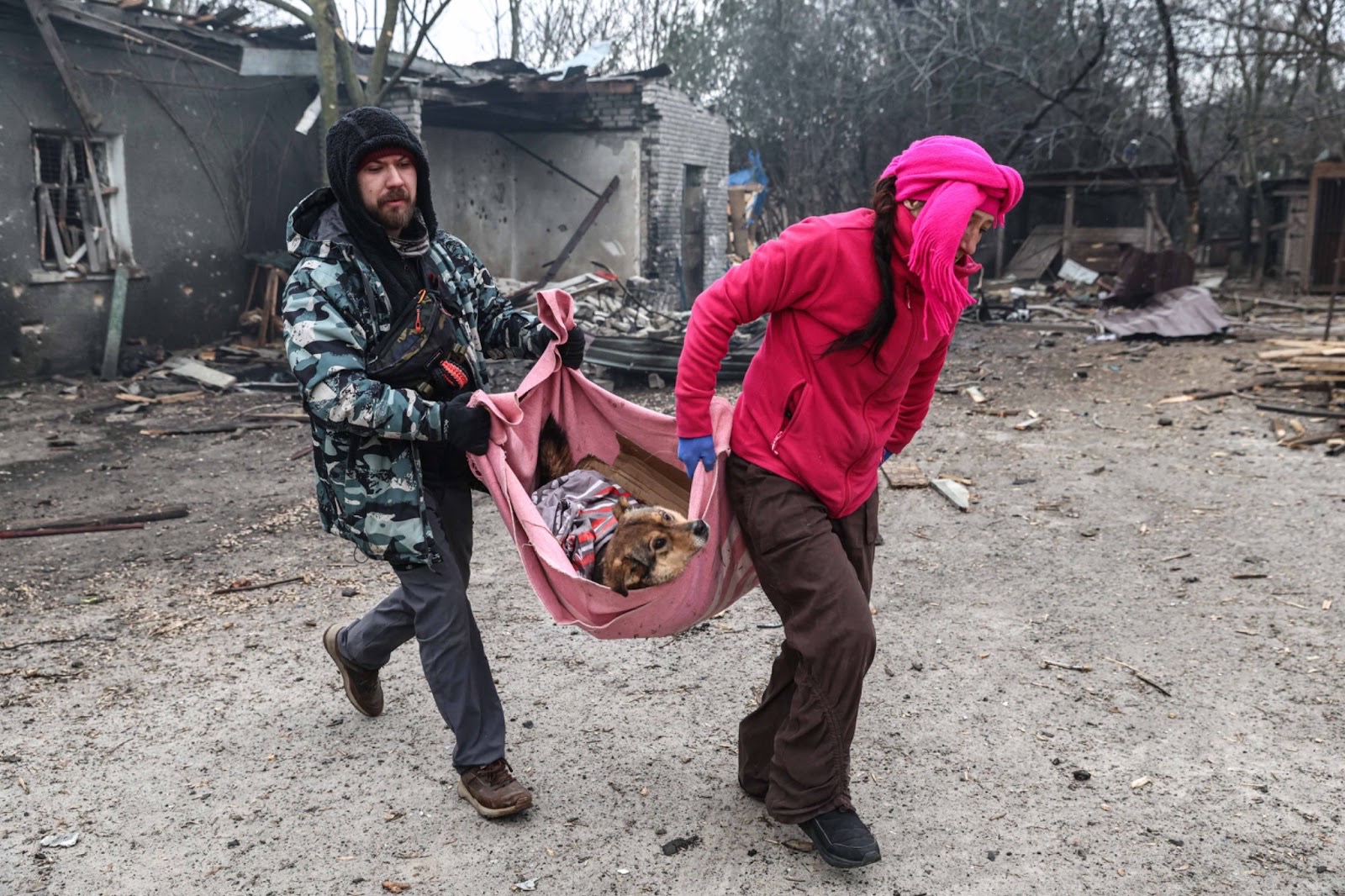
Kateryna Klochko“spoke about the damaged shelter and called for financial or physical help:
“A Russian drone hit the part of the shelter where the house for paralyzed dogs was located. Exactly 10 years ago I filmed volunteers caring for animals who cannot walk, later — how four‑legged animals were rescued during the full‑scale invasion, and today — how volunteers carry out injured dogs and cry over those killed”.
On February 7, Russian drones attacked the private sector in the Zaporizhzhia district; a 7‑year‑old boy and a 54‑year‑old woman were injured, private houses were damaged, and a fire broke out in one of them.
Sumy region
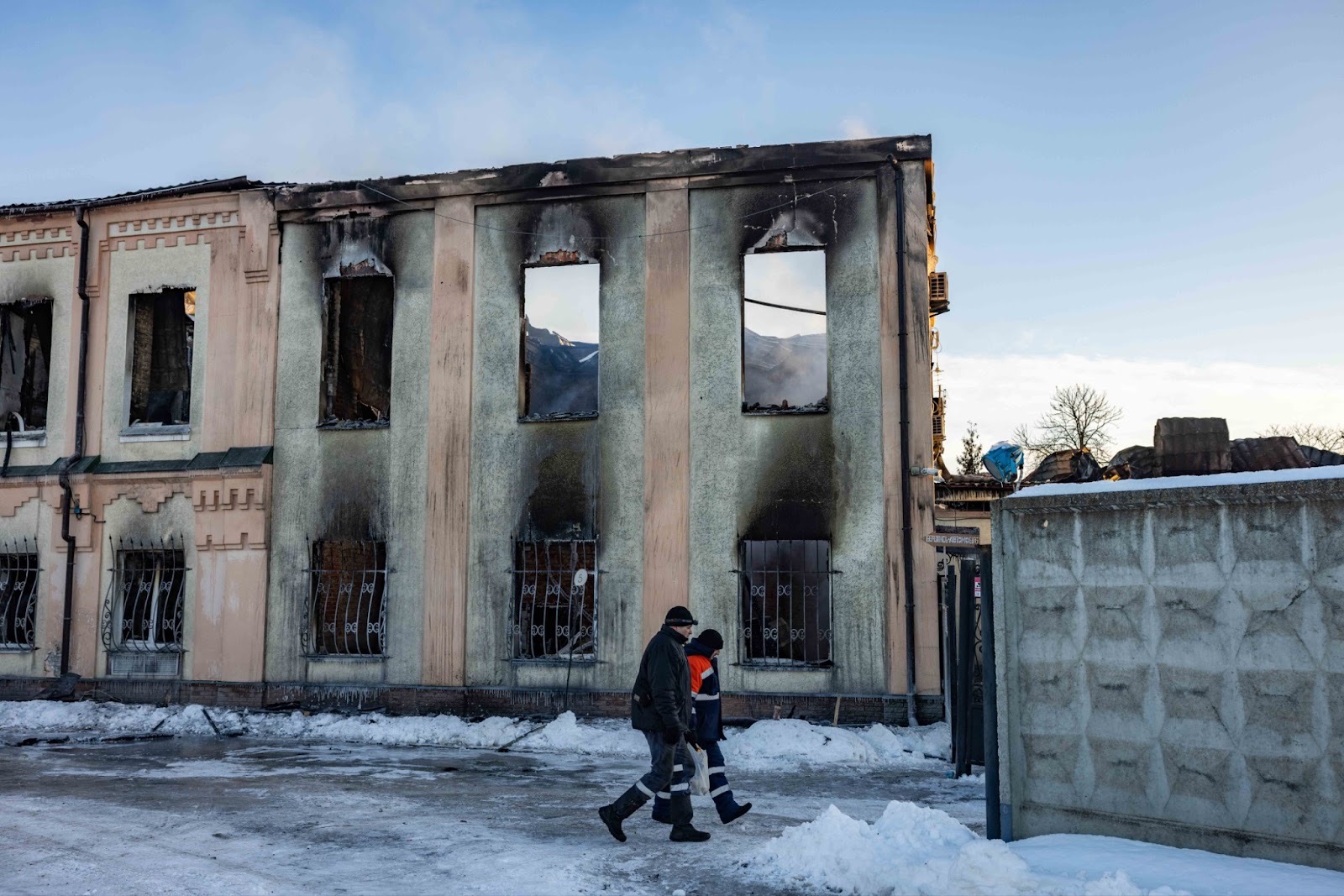
From January 31 to February 1, targeted attacks on civilian railway infrastructure in the Sumy region were recorded. Russians carried out a series of drone strikes on the station and locomotive depot in Konotop. Tracks, station territory, a repair workshop, and an administrative building were damaged; fires broke out. Railway workers were not injured; they were in shelters. On February 2, fires raged in residential areas of the Sumy region; transport was also hit, four civilians were injured, one in critical condition. On February 3, Russian strikes damaged apartment buildings in Sumy and caused a fire. The Konotop community was again hit; the enemy struck the private residential sector, and rescuers saved three people from a burning house.
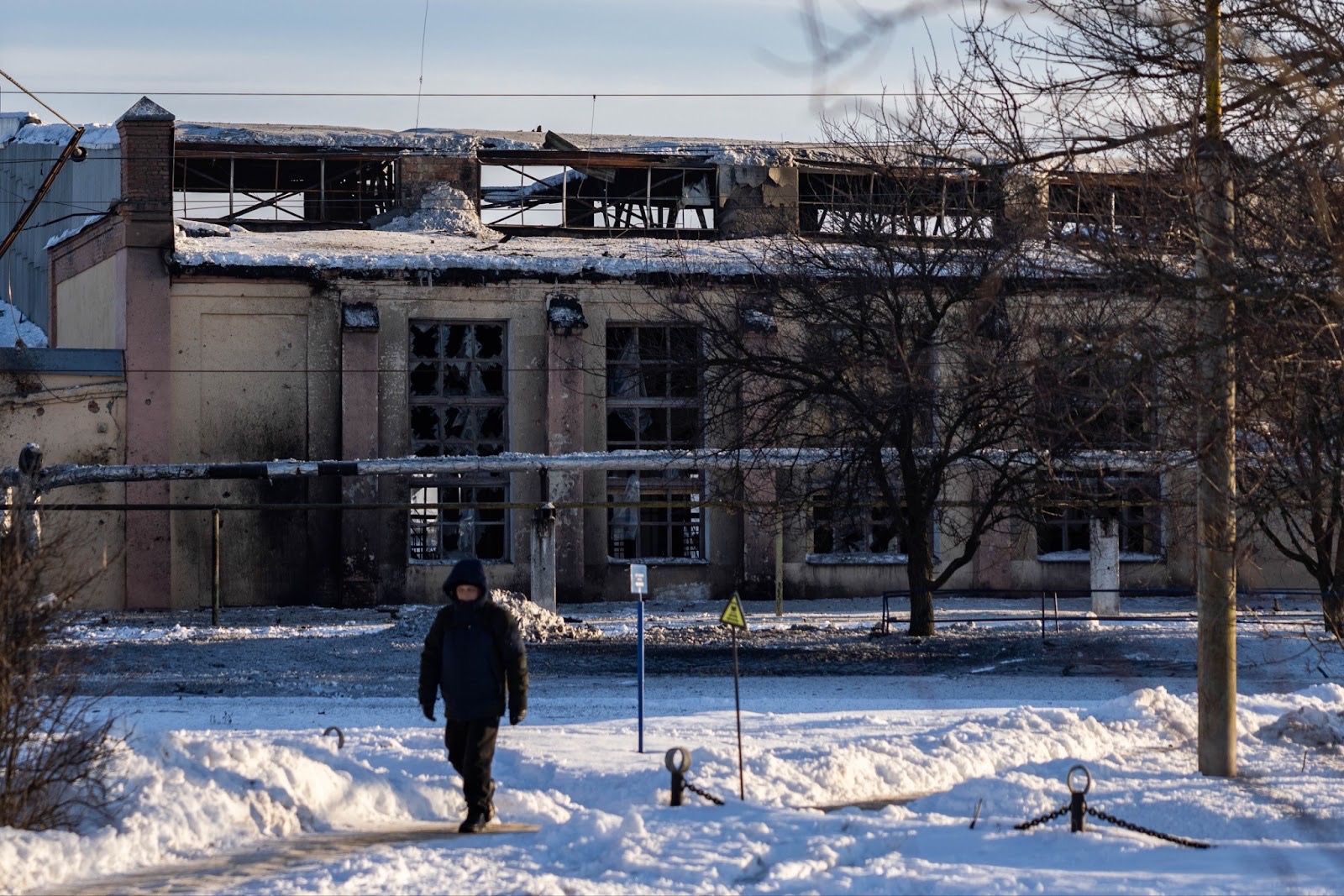
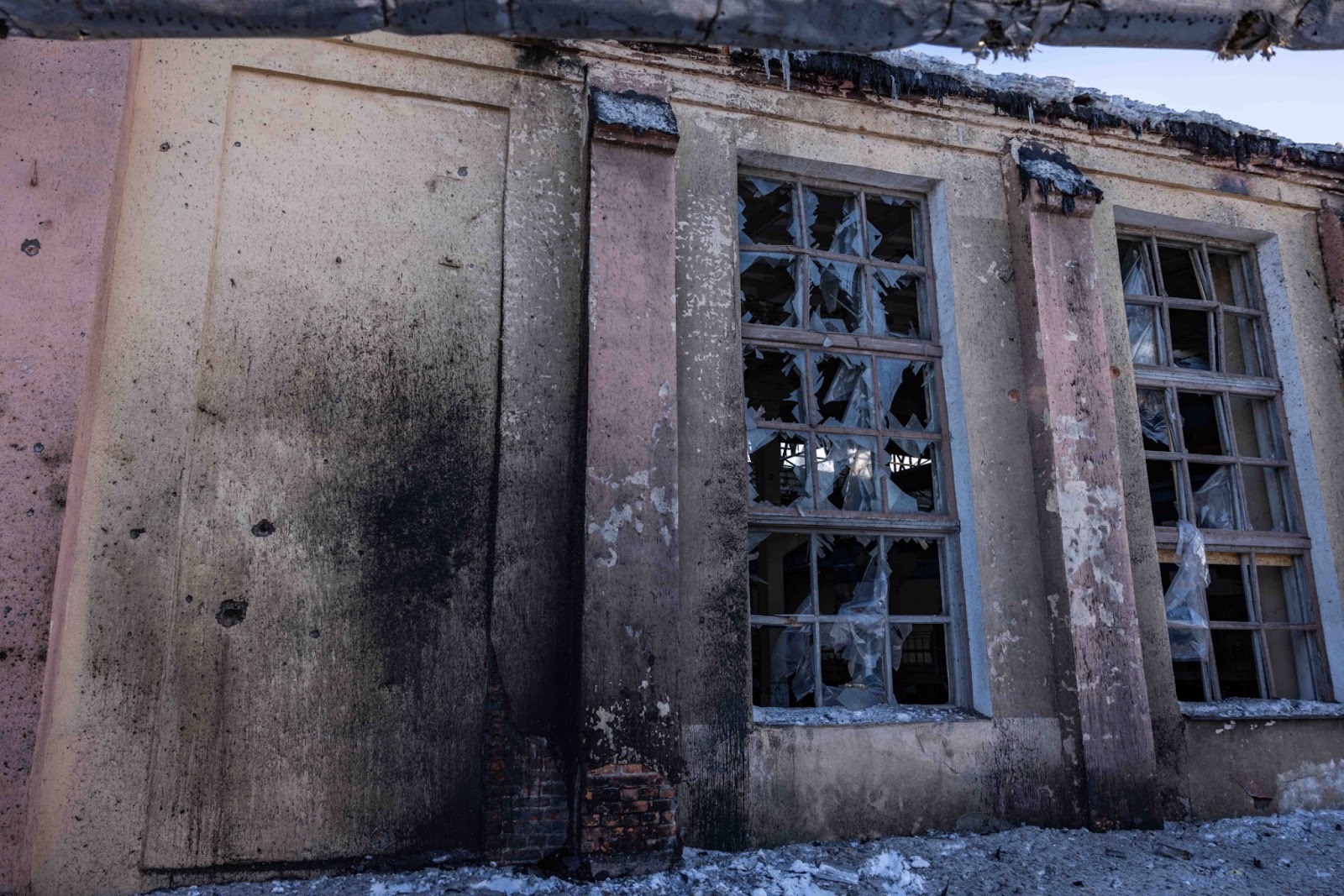
On February 4, in a border community, Russian drones attacked civilian vehicles — four people were injured, three were hospitalized, one woman is in serious condition. On February 5, Russians massively attacked railway infrastructure in the Shostka and Okhtyrka districts with drones. In the Shostka area, a railway building, a diesel locomotive, and railway energy infrastructure were damaged; a non‑residential building burned, and a “resilience wagon” used for heating residents was damaged. People were in shelters; a railway worker was injured. In the Okhtyrka district, technical buildings and tracks were damaged. In Sumy, windows in apartment buildings were shattered, and a mobile heating point was set up.
On February 6, Russians again struck the Shostka community; residential areas were on fire. Firefighters worked under the threat of repeated strikes.
Kyiv and the region
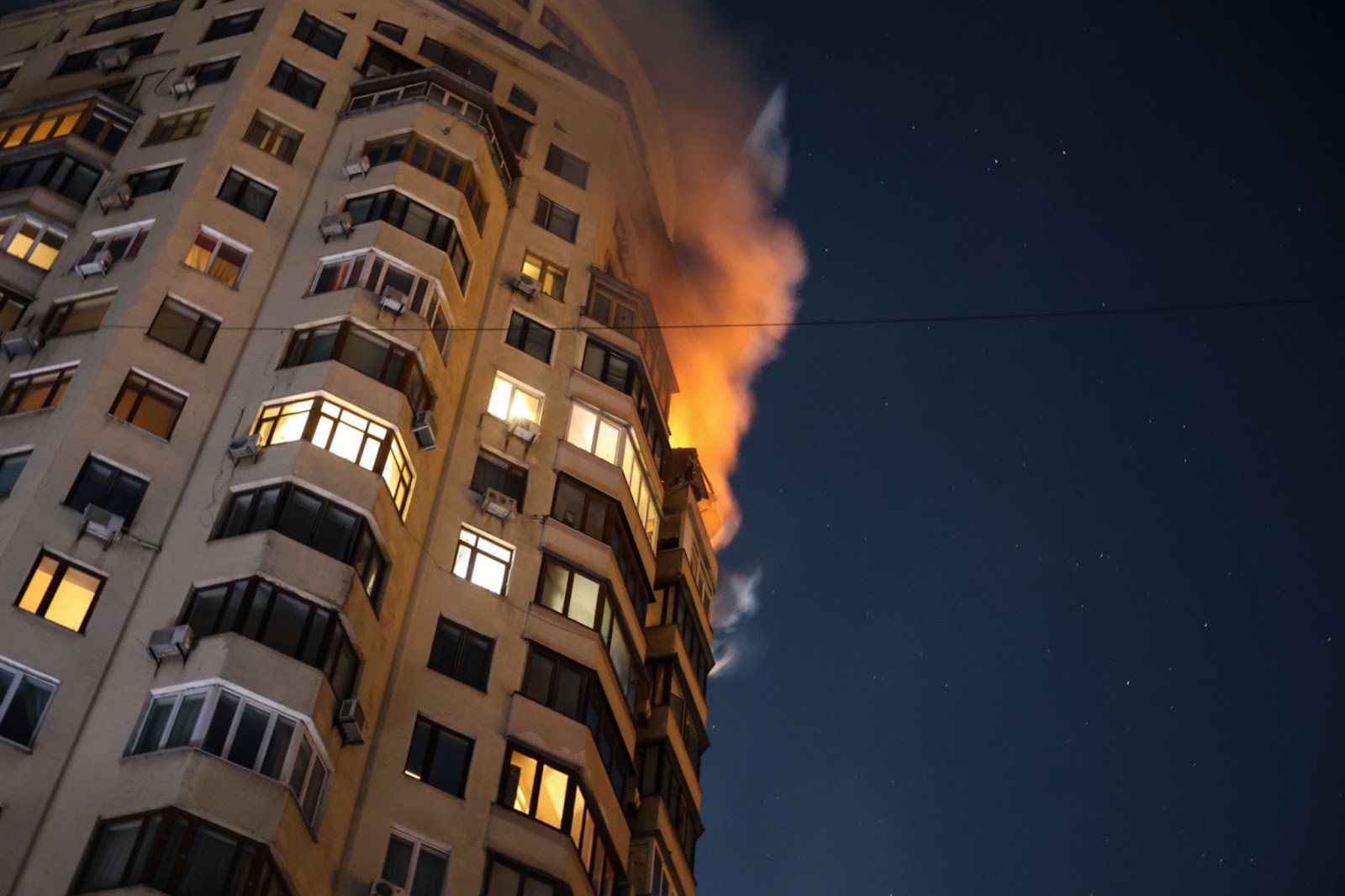
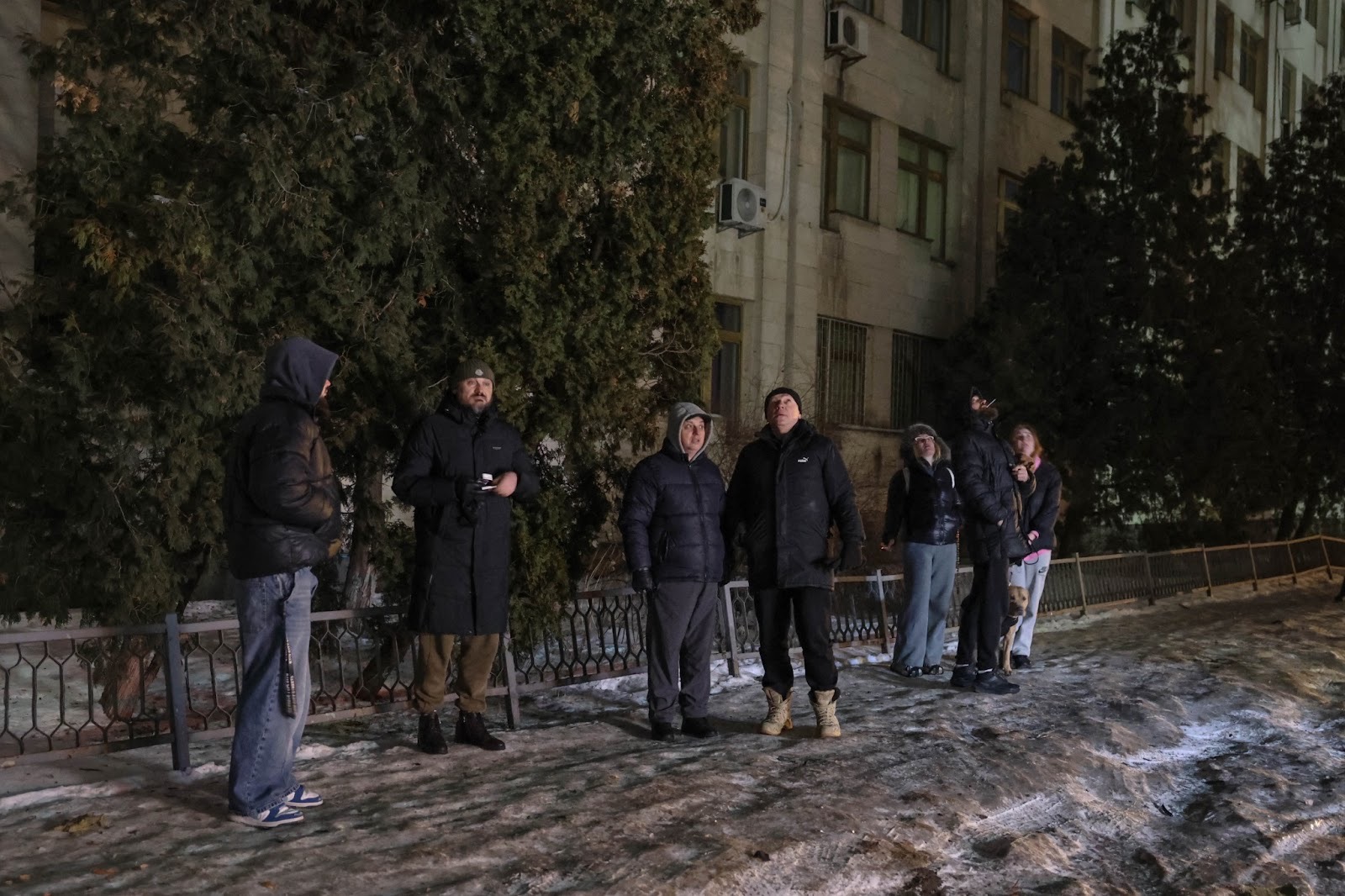
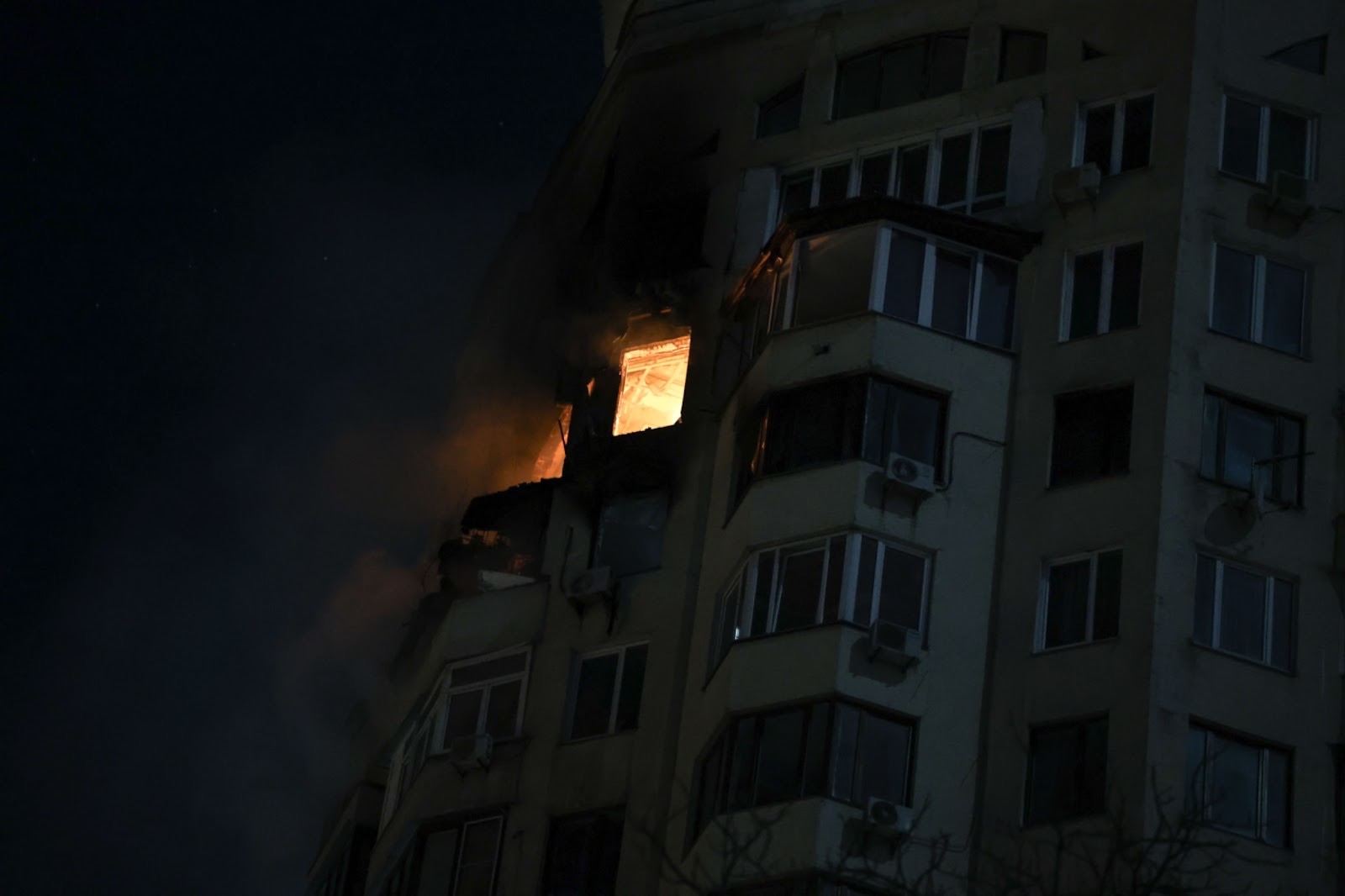
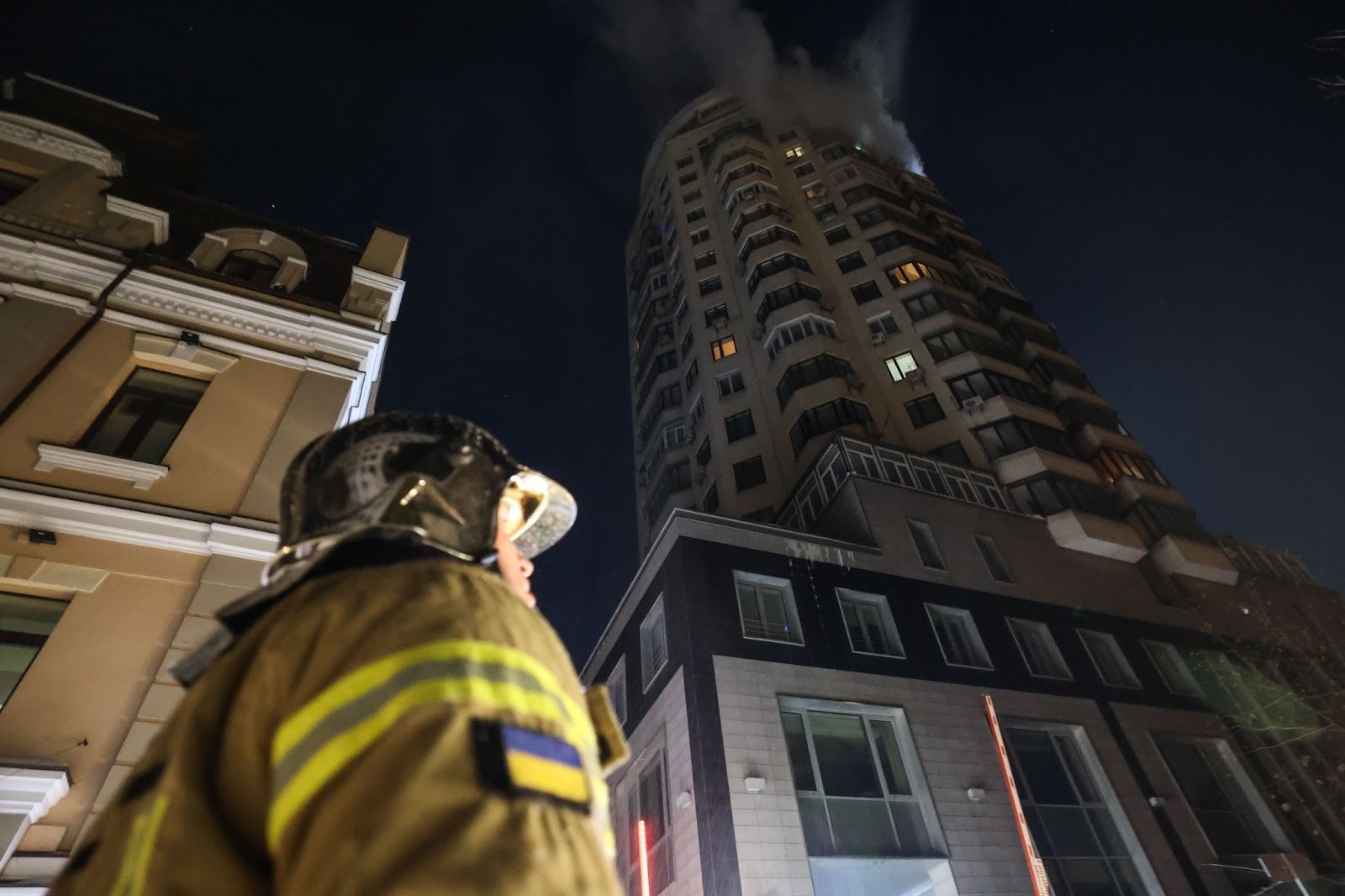
On the night of February 3, the Russian army launched a massive multi‑wave attack on the capital with drones and missiles. UAV hits on residential buildings were recorded, fires broke out, and a preschool facility was damaged. Five people were injured; two were hospitalized. The Dniprovskyi, Darnytskyi, Desnianskyi, Shevchenkivskyi, and Pecherskyi districts were hit.
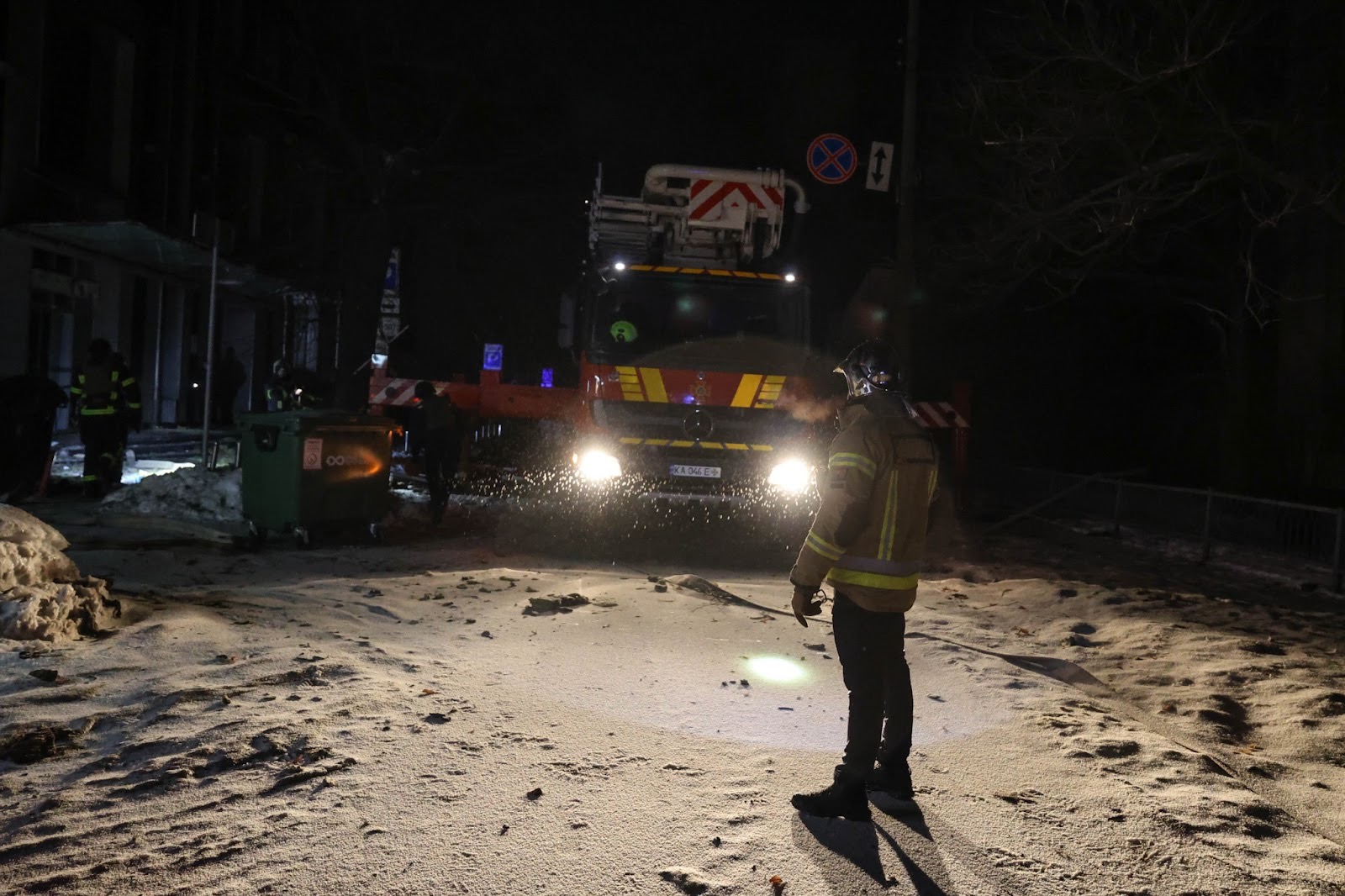
That day, 1,170 multi‑storey buildings in the capital were without heat supply, most of them in the Darnytskyi and Dniprovskyi districts due to the night attack. Kyiv operated 118 emergency heating tents at 84 locations. “Ekonomichna Pravda”, citing Kyiv Mayor Vitalii Klychko, “reported” that the Darnytsia CHP plant sustained critical damage from the February 3 attack, and its restoration would take at least two months provided there are no further Russian shellings. Specialists compiled a list of more than 1,100 apartment buildings that will remain without heating until the CHP plant is restored. Additional heating hubs will be deployed in the affected areas, and максимально lenient electricity supply schedules will be introduced.
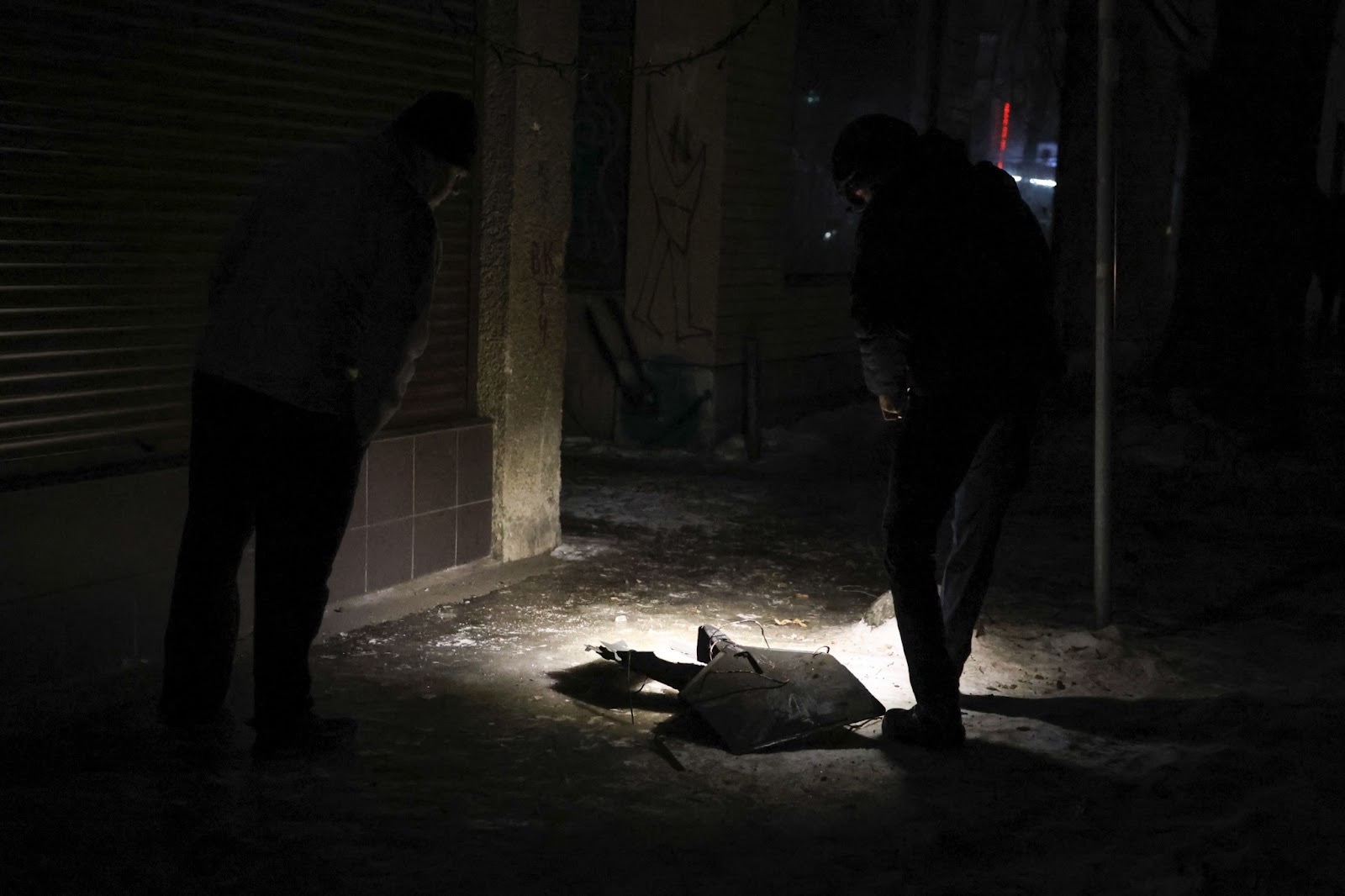
In the Kyiv region, the Obukhiv district was affected by the February 3 attack; private houses and an educational‑rehabilitation center were damaged, and three people were injured.
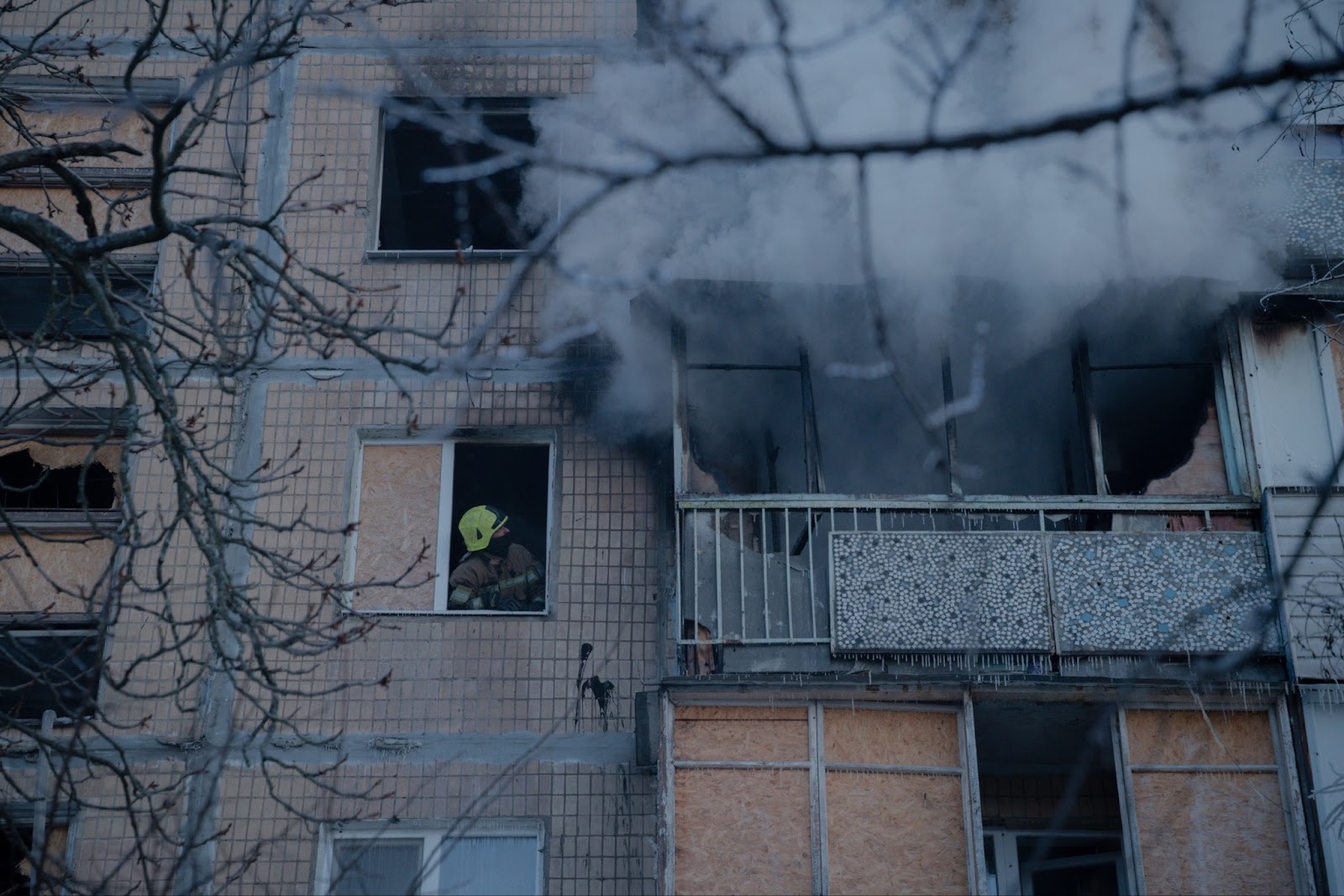
On February 5, Russian drones attacked the capital again; two people were injured and one was hospitalized. Damage was recorded in the Obolonskyi, Solomianskyi, Shevchenkivskyi, and Darnytskyi districts. A four‑storey office building was hit, a kindergarten was damaged, windows in four residential buildings were shattered, and several fires broke out. On the night of February 7, residential houses were damaged in the Brovary district of the Kyiv region. In Yahotyn of the Boryspil district, warehouse facilities of a logistics center burned. During the extinguishing of the large‑scale fire, a firefighter‑rescuer was killed.
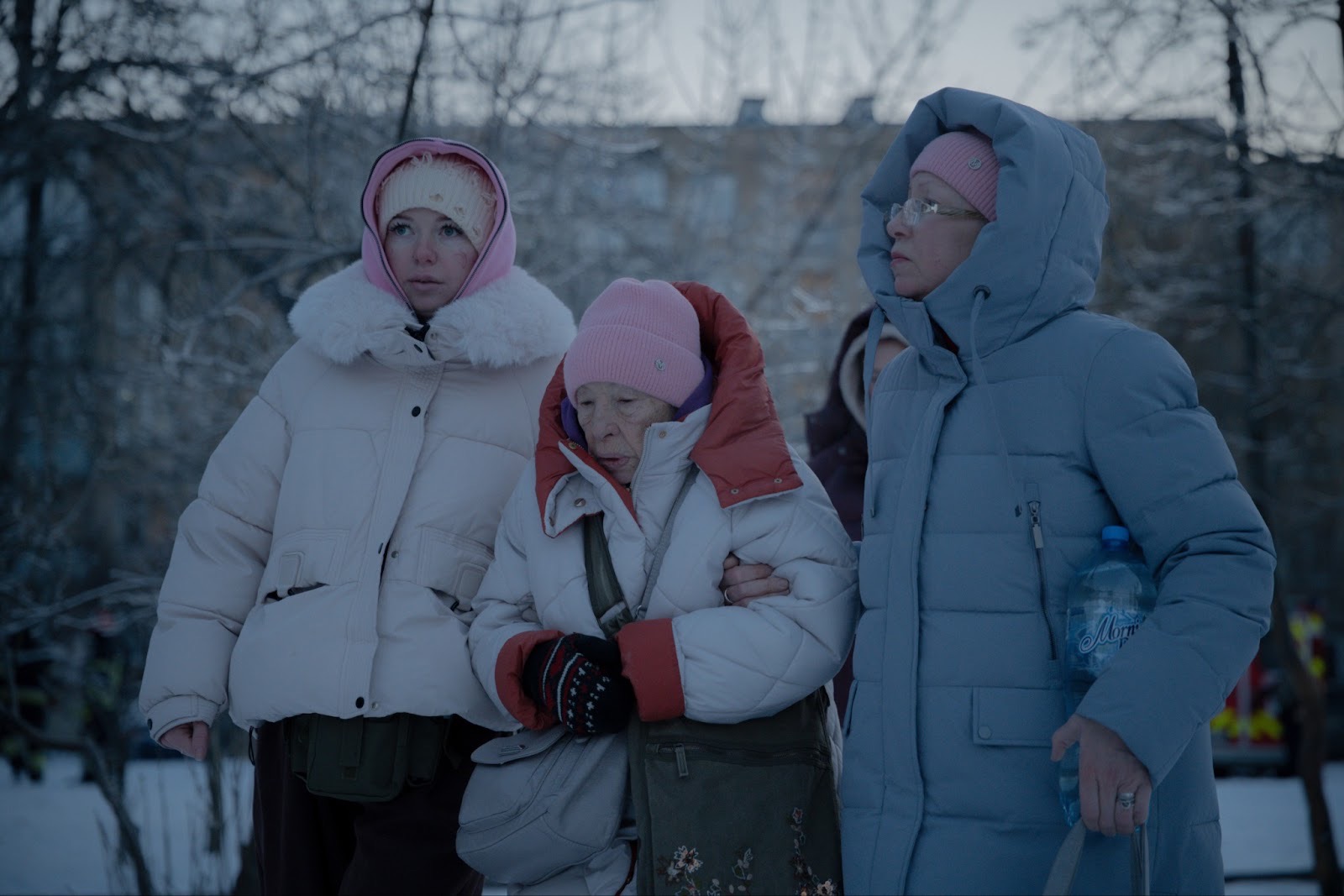
Kharkiv region
Since the beginning of the week, Kharkiv and the region have been under massive enemy attacks. On February 2, a Russian drone struck a road near market pavilions in Kharkiv; a multi‑storey building, a public transport stop, and the facades and windows of trading pavilions were damaged; two people were injured.
On February 3, Kharkiv’s and the region’s energy infrastructure was hit. The Russian shelling damaged CHP‑5 and substations; 929 facilities were left without heating, including 853 residential buildings. The city’s emergency commission classified the shelling and its consequences as a local‑level technogenic emergency. Additional support points for residents were deployed. As of February 5, all consumers left without electricity after the February 3 attack had been reconnected.

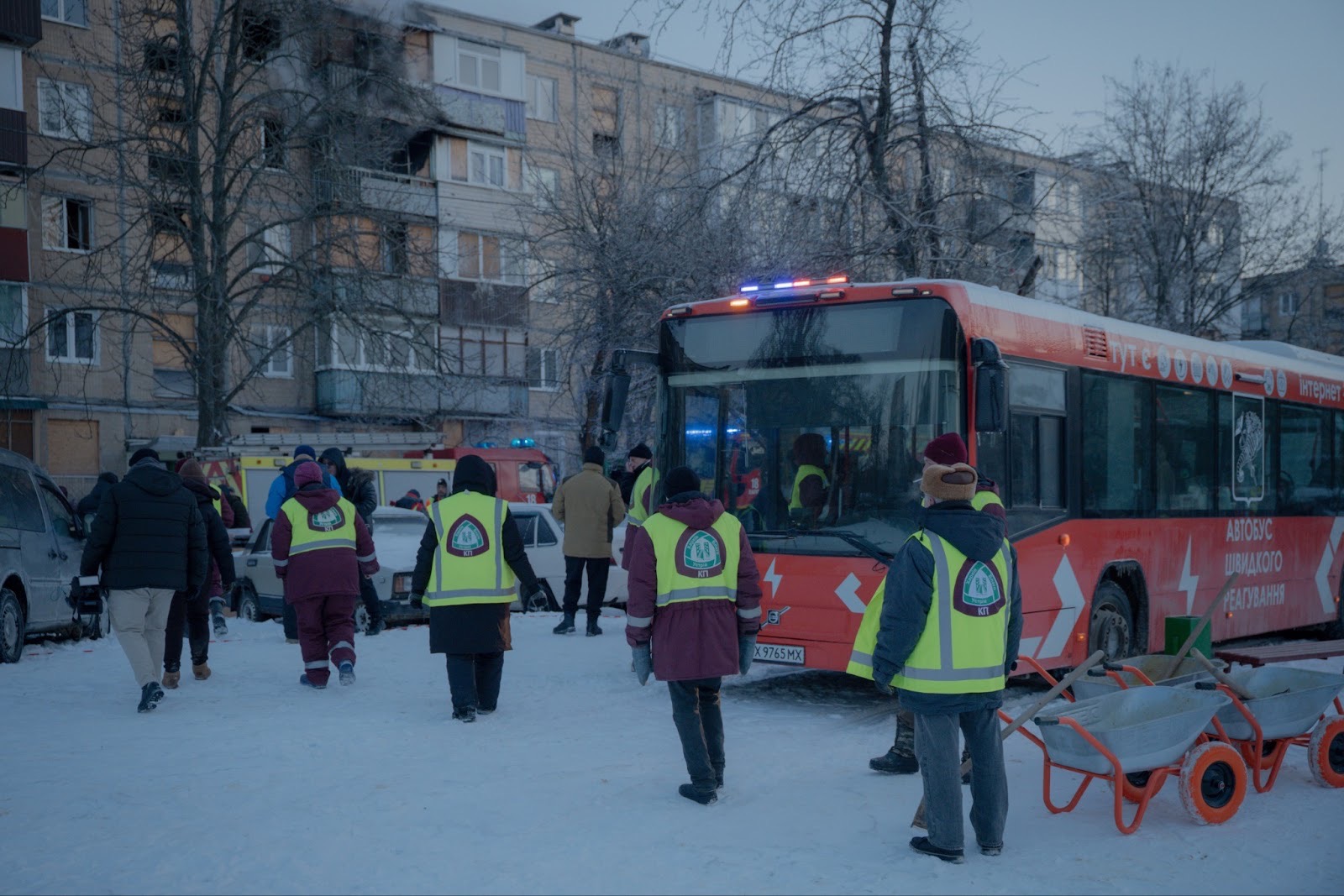

During the day, the enemy shelled Kharkiv with drones and multiple‑launch rocket systems; the Saltivskyi, Novobavarskyi, Shevchenkivskyi, and Kyivskyi districts were under fire. That same day, a drone struck a five‑storey building in the Saltivskyi district; a fire broke out and three floors burned out. Three people were rescued. Six people were injured; there were no critically wounded. Over the day, 16 people were injured in the Kharkiv region, including two children and rescuers who came under repeated fire.

On February 6, Russians attacked the region and Kharkiv again; on February 7, one person was killed and five were injured.
Odesa region
On February 3, energy and civilian infrastructure in southern Odesa region came under massive drone and missile attack; more than 50,000 residents were left without electricity, homes, warehouses, and administrative buildings were damaged. On the night of February 4, Russians again massively attacked Odesa region with strike drones. In Odesa, about two dozen buildings were damaged, windows in two kindergartens and a lyceum were shattered, cars were damaged, five people were injured, and four people were rescued from a damaged building. A critical infrastructure facility was damaged, administrative and industrial premises were affected, and a fire broke out.
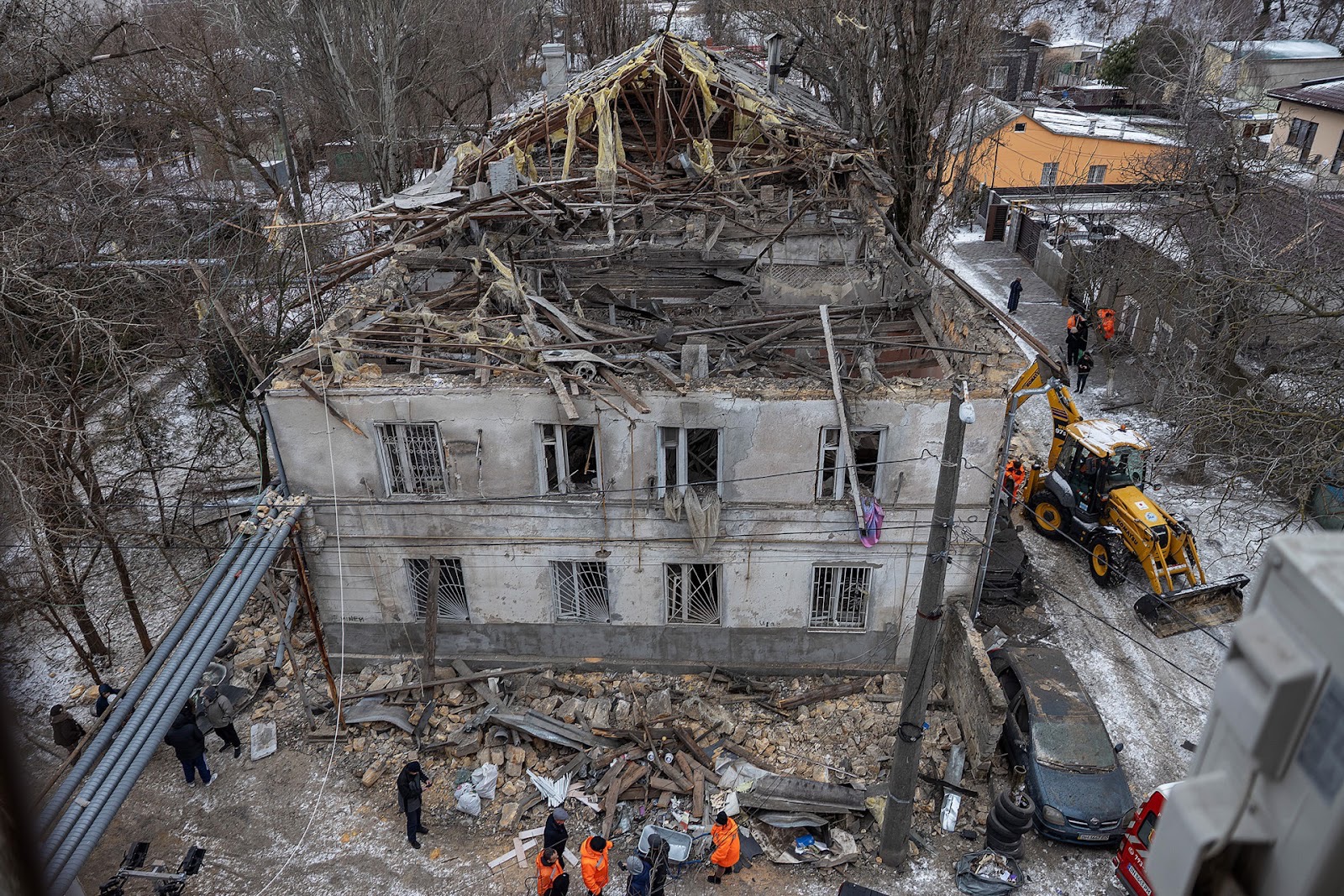


Due to the severe consequences of the massive night attack on Ukraine’s critical infrastructure on February 7, up to 60% of consumers in the Odesa region, including businesses, were left without electricity at the same time, and power outage periods became longer.
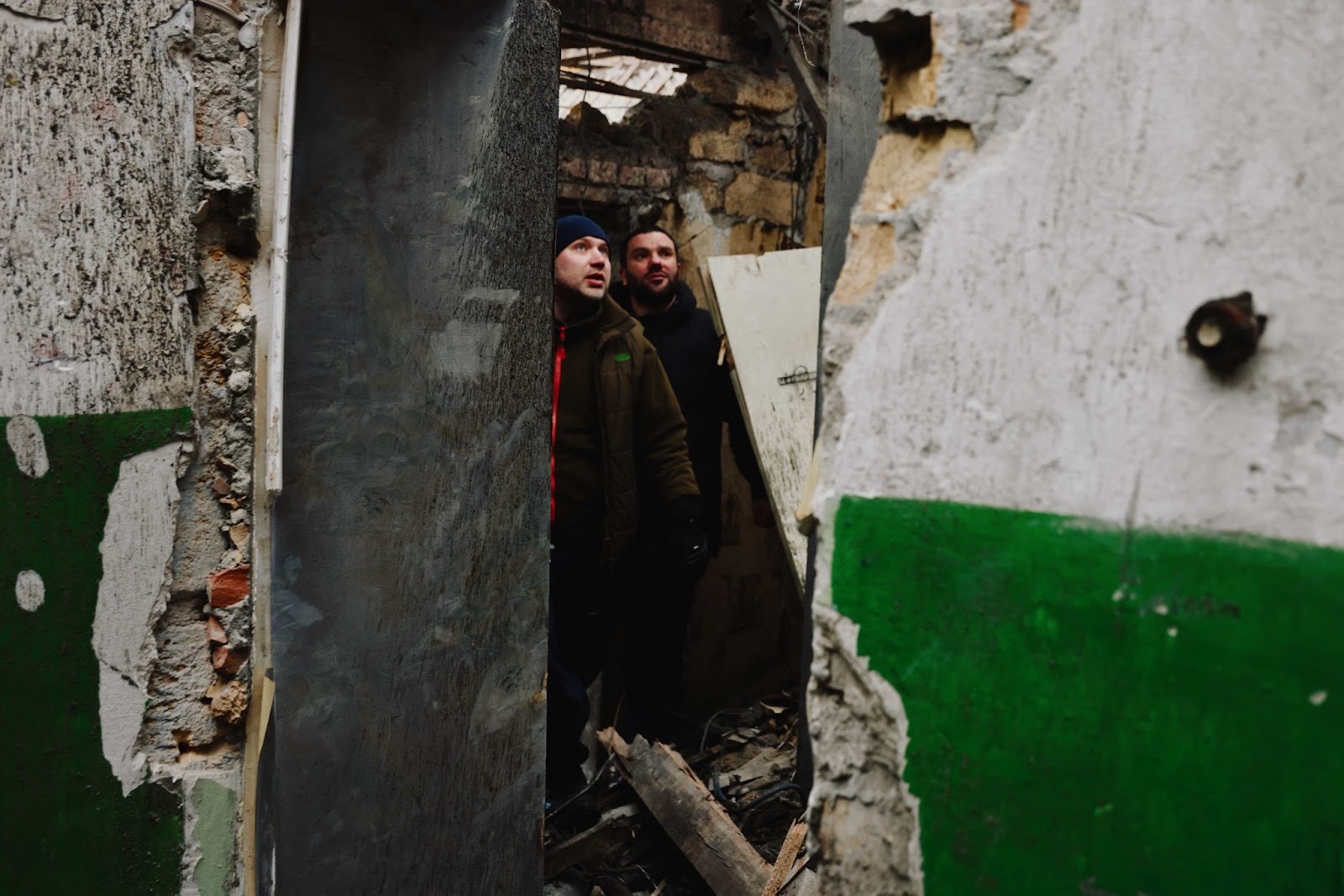
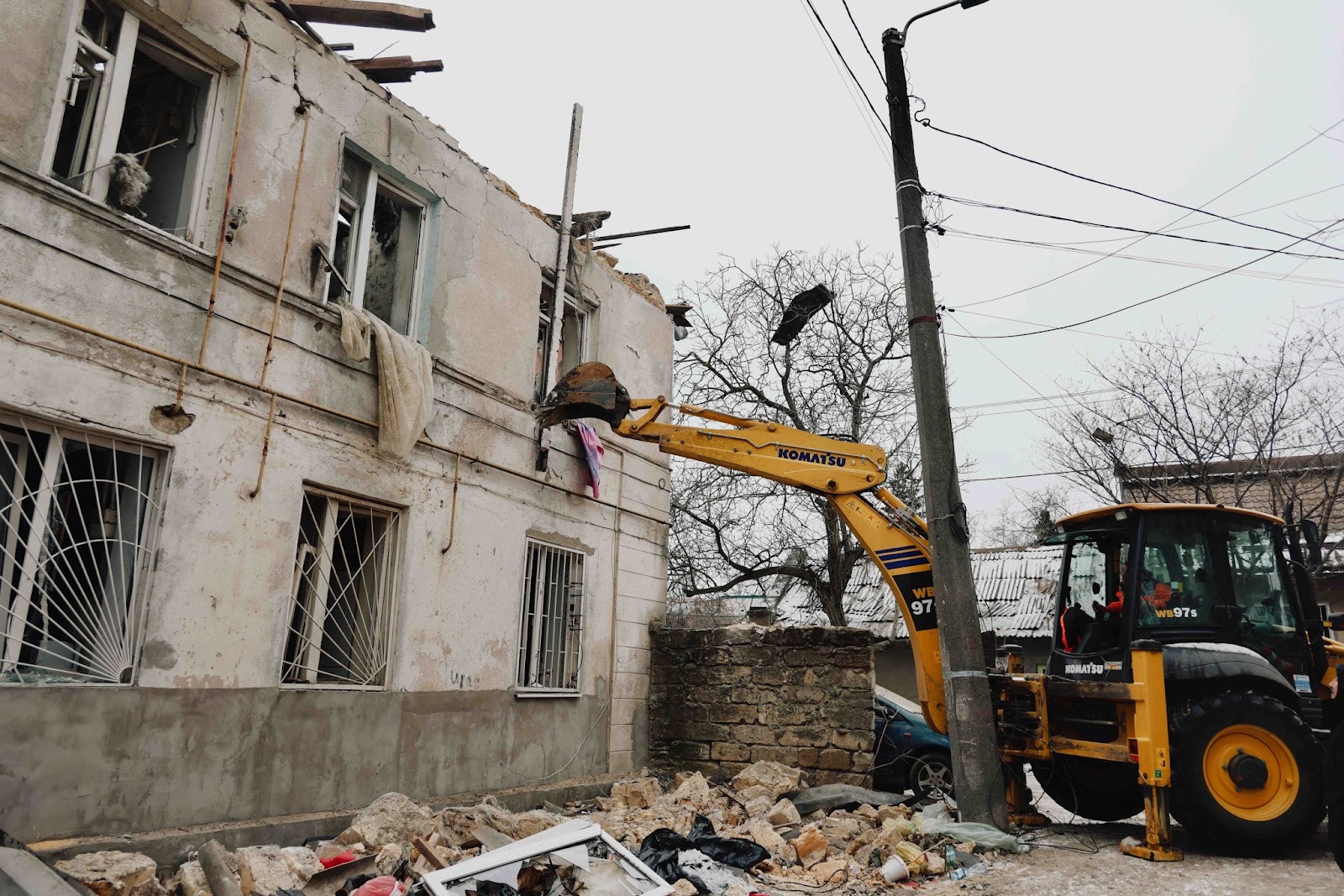
Donetsk region
Frontline cities of Donetsk region are under constant enemy fire. On the night of February 2, in Oleksiievo‑Druzhkivka of the Kramatorsk district, Russians killed two people with an aerial bomb strike; three more were injured. The strike hit a residential building where a family of five was staying: the father and son were killed on the spot; the mother and two children aged 11 and 16 were injured. Russian drones also struck Kramatorsk; private houses, garages, and cars were damaged. In Sloviansk, one person was killed and another injured by an aerial bomb strike; apartment buildings, a shopping center, and a post office were damaged.
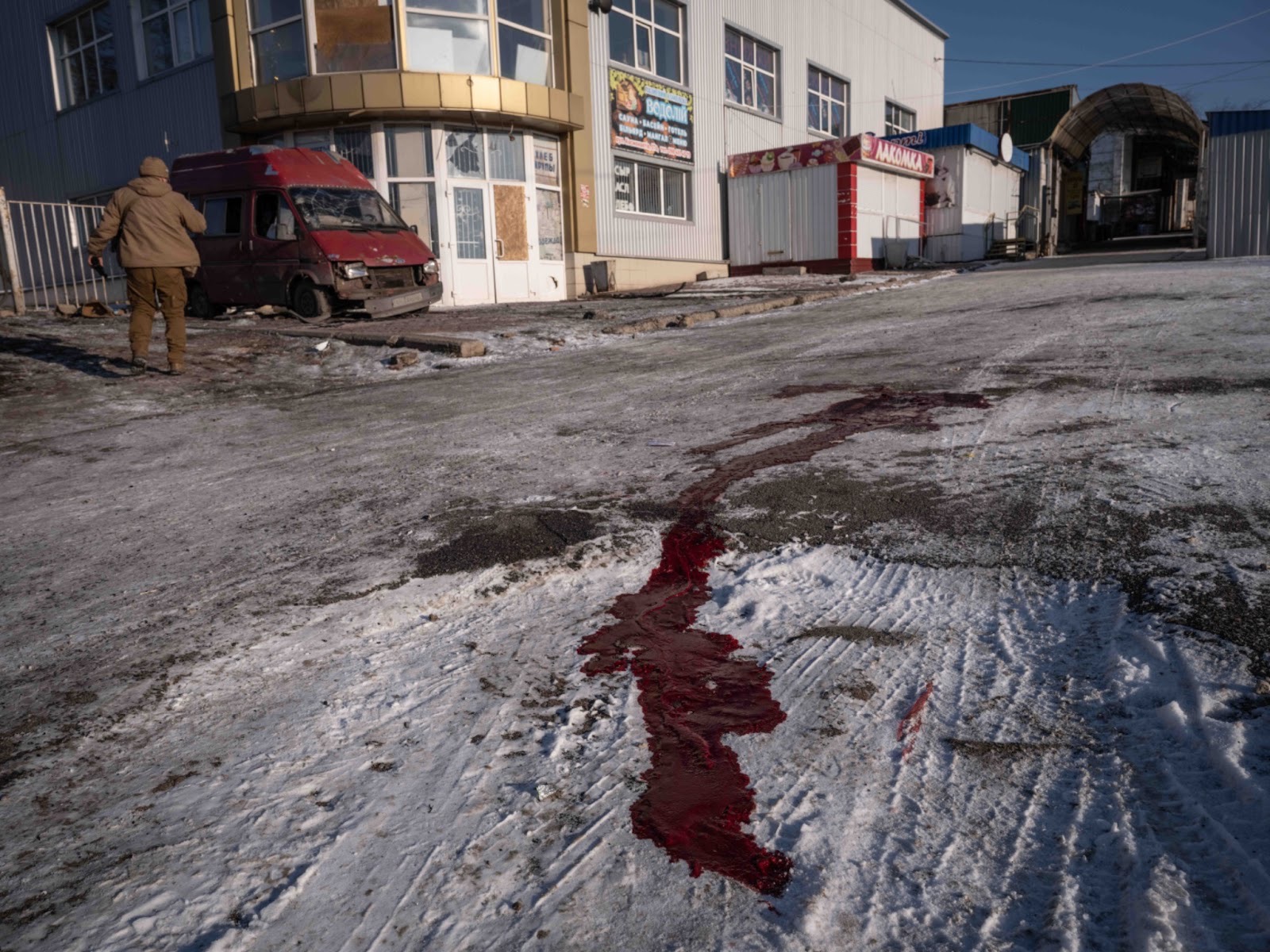
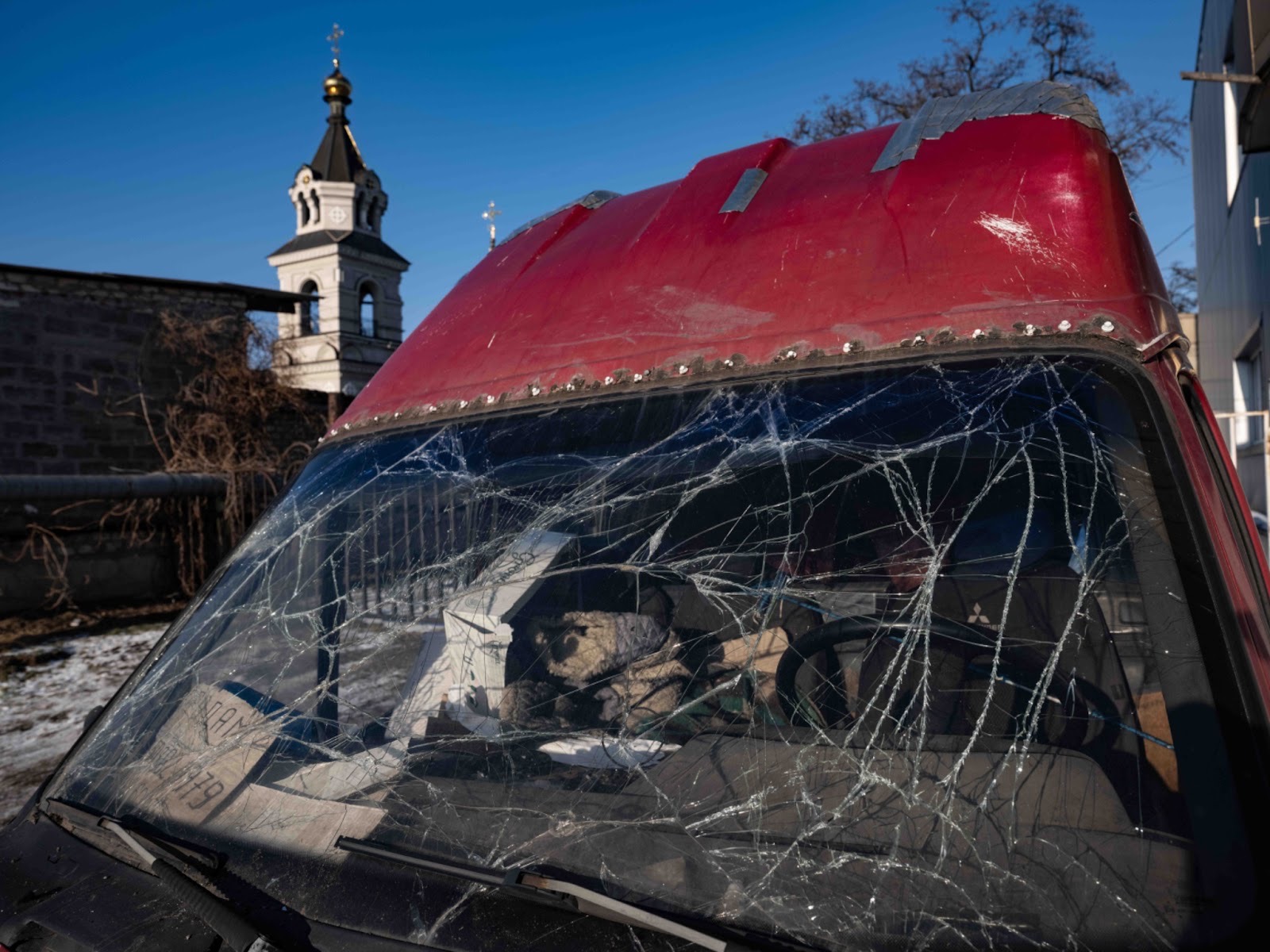
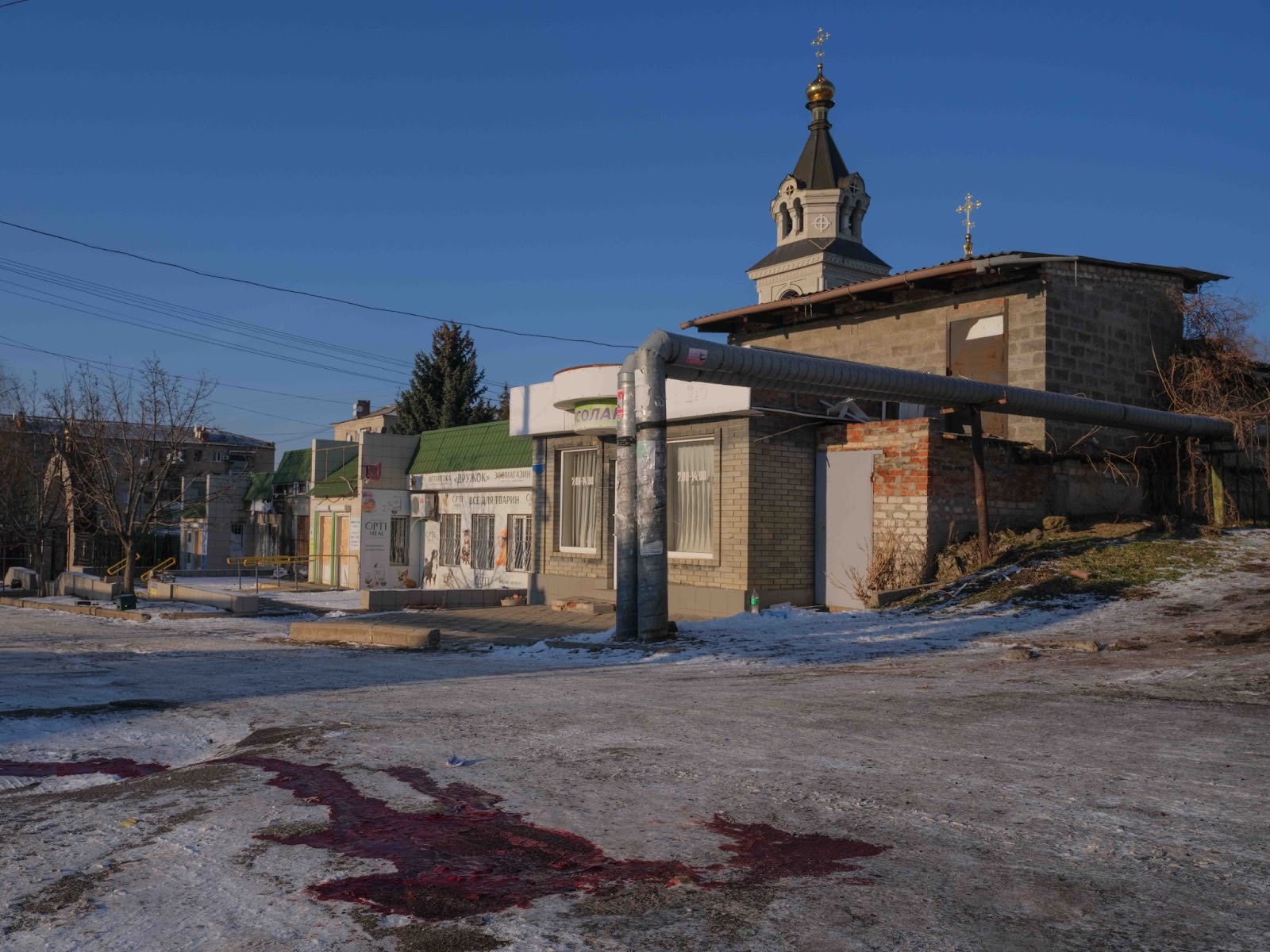
On February 4, in the middle of the night, Russians attacked a fire‑rescue unit in Mykolaivka, damaging the facade of the fire station; firefighters and equipment were not injured. In the morning, Russians shelled a market in Druzhkivka with cluster munitions; seven people were killed and 15 injured, trading pavilions and warehouses were damaged. Another person was killed in Lyman. That same day, the enemy dropped two aerial bombs on the city, damaging an industrial zone, apartment buildings, and private houses.
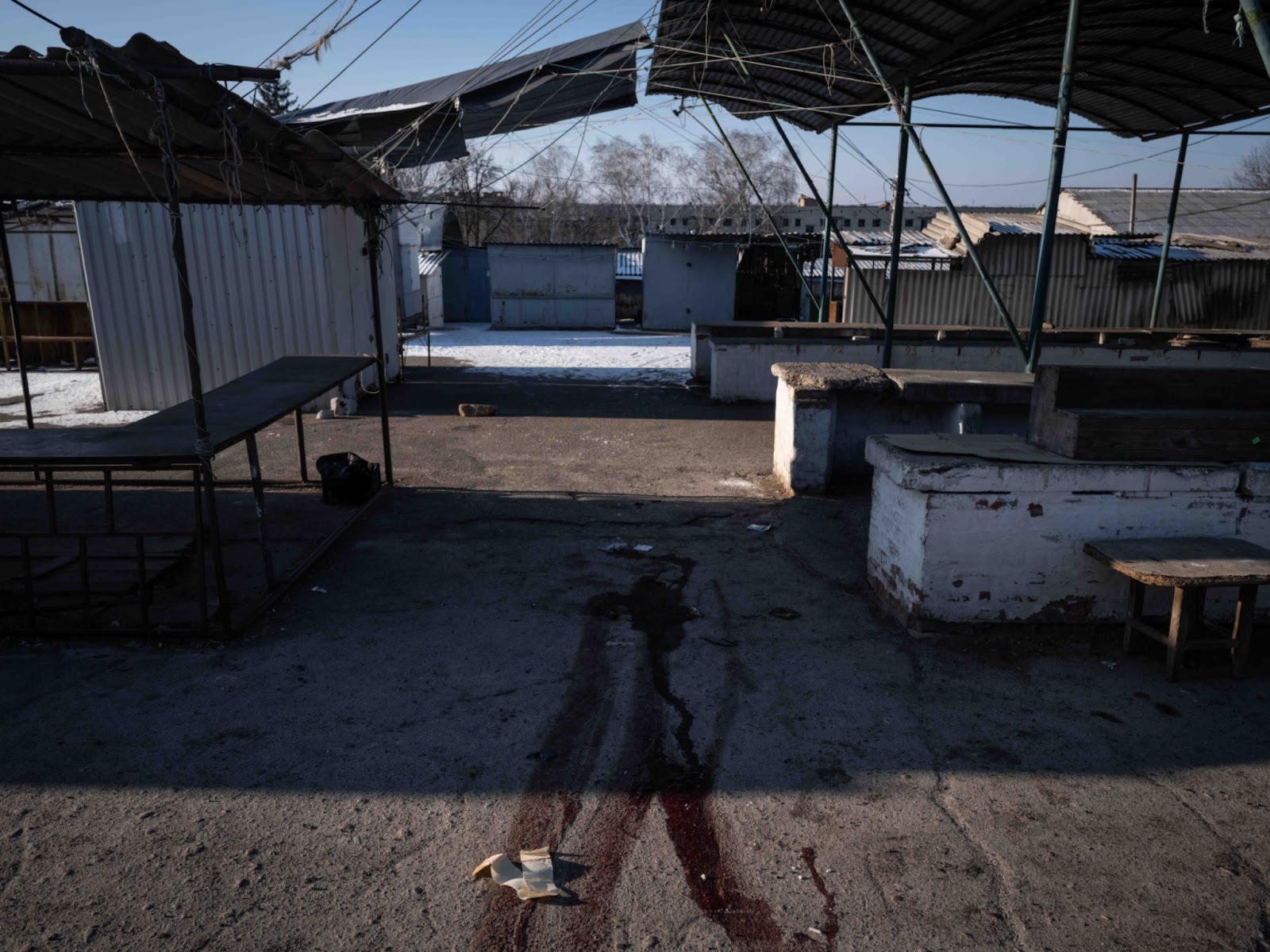

A press officer of the 93rd Brigade “Kholodnyi Yar”, photographer Iryna Rybakova, shared on social media the consequences of the shelling in Druzhkivka:
“Druzhkivka, market. We arrived when everything had already ‘happened’: 7 killed and 15 wounded were evacuated. There were almost no people around, only some stalls were closing, and at the butcher’s they were handing out bones to dogs. Here and there, bright red patches of blood glowed near the ‘stars’ knocked into the asphalt by cluster munitions. The largest patch — a river, right opposite the church.”
On February 5, in Sloviansk, a fire‑rescue unit was damaged by a Russian airstrike; entrance gates, windows, and doors were damaged. Personnel and equipment were not injured. Over February 6, two people were killed and three injured in the region.
Worked on the material:
Researcher, text author: Yana Yevmenova
Photo editor: Olga Kovalova
Literary editor: Yuliia Futei
.png)
.png)
.png)