1%2520(1).jpeg)
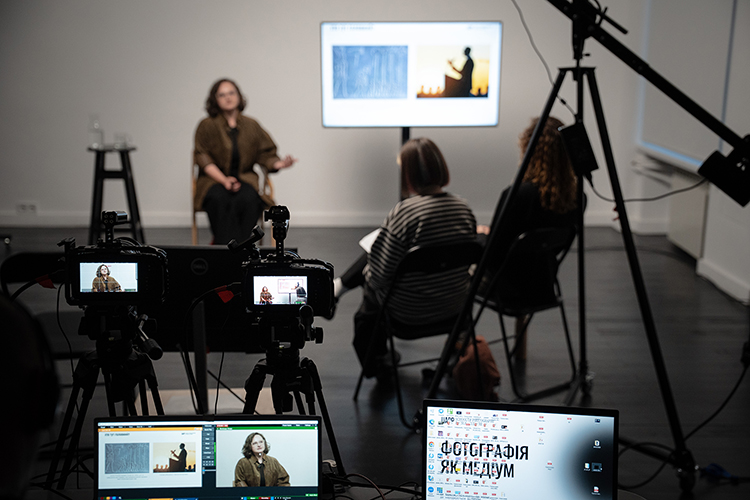
Photoeditor at The Kyiv Independent Iryinka Gromotska shares how shecollaborates with photographers, what editors need from contributors, and howto pitch a project in a way that makes a newsroom want to publish it.
IryinkaGromotska studied in Columbia, Missouri, and worked as a photo editor at the ColumbiaMissourian. She interned at the Magnum Foundation and assisted with aMagnum Photos workshop in New York City. Iryinka also served as assistant photoeditor for the FotoEvidence book Ukraine: War Crimes, helping ensure theinvolvement of many Ukrainian photographers. Since December 2023, she has beenphoto editor at The Kyiv Independent, a leading English-language outletthat explains Ukraine to international audiences. In this role, she activelycollaborates with Ukrainian photojournalists and documentary photographersworking in the country, shaping the publication’s visual language andmaintaining high standards for its imagery.
How toprepare a pitch for a photo editor
Gromotskaworks with many Ukrainian photographers, but she is always open to new ideasand topics. She shared her experience of working with contributors andexplained how to pitch photo stories to editors. “Photo editors work at a fastpace — they’re handling daily news as well as longer editorial features,” shesays. “So it’s important to provide all the key information about your projectright away.” Below are her tips for making communication between photographersand editors smoother and more productive.
Start youremail by explaining the idea in a few sentences: what the project or photostory is about, who it focuses on, and where and when you plan to shoot. Italso helps to note why the topic will interest the publication’s audience. Fora photo editor, it matters when a photographer understands who the outlet isfor and is familiar with its work. “Be sure to say whether you’ve alreadystarted working on the story, what steps you’ve taken so far, and what stillneeds to be done,” Gromotska says. “It’s also important to understand whetherand how your topic can be visualized. A story may be compelling and deep, butif you don’t have a vision for what it will look like, you’ll have to go backto the beginning and rethink it.”

Includevisuals with your pitch. You can attach a PDF with selected images or share alink. “You don’t have to send images from the project you’re proposing if youhaven’t started it yet,” Gromotska notes. “Instead, include your portfolio or acurated selection so the photo editor can understand your style.” She adds thatif she starts working on a story with an author, she stays in touch throughoutthe process.
There arealso practical requirements for the images you send. Gromotska recommends aselection of up to 12 photos in JPEG format, each no larger than 3 MB, withclear file names. Rename your files: you can include your first and last nameplus the image sequence number, or use a descriptive format with the subject,location, or date. That way, when the editor downloads the files, they canimmediately see who sent the material. She says she typically receives photosvia Google Drive or WeTransfer. What you should never do is send images one byone through messaging apps.
“A photoeditor’s biggest headache is receiving images with empty metadata,” Gromotskasays. “When there’s no caption, no shooting date, nothing — it becomes aproblem. Your files should include captions: who is pictured, where the photowas taken, and when.” She emphasizes that an editor shouldn’t have to chase aphotographer for basic information. Captions don’t need to be long, but theessentials should be there. “If you follow simple pitching rules — clearlydefine your story, understand the audience and the newsroom’s interests,prepare a thoughtful selection and captions, and name your files properly —you’ll be seen as a professional and someone people want to work with,” shesays. And if you’ve pitched a strong idea but didn’t get a reply, follow up:editors receive a huge volume of emails and messages every day.
How tobuild professional relationships with photo editors
Professionalrelationships matter, especially in the close-knit community of photographersand photo editors. “In our industry, many people know each other, and you oftencross paths on assignments. Someone you shoot alongside at protests today mayinvite you to take part in an exhibition tomorrow,” Gromotska says. “Abroad,editors and photographers will sometimes invite someone they’ve never met forcoffee to make a professional connection. It’s important to be proactive andbrave — but still, don’t call a photo editor late on a Sunday night.”
Gromotskaadvises photographers to think about their specialization and the kinds ofstories they want to shoot. “If we’re planning a story, for example, about therelationship between a mother and child, I’ll reach out to a photographer whohas experience with that kind of work,” she says. “Having a specialization isimportant — but so is being able to take on different topics and stayversatile.”
“It’s a redflag for me when someone doesn’t ask for any payment at all,” Gromotska says.“A photographer who does quality work and takes it seriously should be able todiscuss a rate. Every newsroom has its own budget, so it’s worth clarifying thefee before you begin.” She adds that The Kyiv Independent paysseparately for assignments closer to the combat zone and for larger reports orphoto stories. “Discuss fees openly — and the sooner, the better.”
If you havean idea that will take months to develop, she recommends seeking grant support.“Sometimes I’d like to publish a long-term photo story, but we don’t have thebudget to cover the full cost,” Gromotska says. “In that case, we can pay afee, while part of the expenses are covered by a grant. And if someone tells methey’re applying for a grant and need to list a publication as a potentialoutlet — I’m always happy to support them.”
Gromotskaalso stresses the importance of staying in contact with editors, askingquestions, and checking in during the process. One common question is how manyimages to send. “I usually work in several stages: a long edit, a short edit,and the final selection. If someone is shooting a photo report, I’ll ask for alonger edit of around 35 photos,” she says. “I review them, narrow the setdown, and the final selection typically includes 10 to 12 images.” Forlong-term collaborations, she asks photographers to do an initial short editthemselves. “Then I can review their selection, add something — or, on thecontrary, remove something.”
If aphotographer gathers a large amount of material, they can often developadditional stories for other outlets — but only after the agreed publicationruns first. “When we buy an exclusive, we don’t want the same material — withthe same selection of photos and captions — to appear elsewhere,” Gromotskasays. “At the same time, if you’ve shot a lot and can create several relatedstories ‘under one umbrella,’ that’s absolutely normal. Just discuss it withthe photo editor in advance. Communication solves a lot.”
At TheKyiv Independent, most reporting from the combat zone is produced by staffspecial correspondents. When the newsroom needs images to illustrate breakingnews, Gromotska uses photos from Getty Images, which the outlet subscribes to.
Professionalphotographers often have a recognizable approach — both in how they shoot andhow they process images. When a photo editor commissions a photo story orreport, those factors matter. “That’s why I assign certain stories to specificphotographers: I understand what I’m likely to get,” Gromotska says. “But ifyou’re just starting out and you feel you have a strong, coherent story, youshould still pitch it to the outlets you’ve long dreamed of working with.”
Workedon this piece:
Topic researcher, text author: Katya Moskalyuk
Photo editor: Vyacheslav Ratynskyi
Literary editor: Julia Futei
Site manager: Vladislav Kuhar