To mark International Fact‑Checking Day — about why manipulation in photography begins not only with the choice of a frame, but also with the substitution of its meaning.
International Fact‑Checking Day is observed on April 2. Usually on this day people talk about verifying quotes, statements, numbers, and news. But in times of war it is no less important to speak about verifying images as well, because a photograph can be entirely real — and at the same time misleading.
We are used to perceiving photography as proof. What has been captured in the frame often seems indisputable. Yet a documentary image never exists on its own. Its meaning is formed in combination with the caption, the accompanying text, the order of images, the place of publication, and the broader context in which the viewer sees it.
This is exactly what Mstyslav Chernov speaks about:
“A photograph does not exist on its own — only in combination with text, captions, and other images. Even in a gallery, we do not perceive one photograph in isolation from others. This is the classic Kuleshov effect, when the first frame influences the perception of the next one. Many countries use photography for propaganda. Today, the publication of images is no longer controlled by the state, but another problem has emerged — an uncontrolled volume of content. There is an assumption that war itself is no longer profitable for anyone, but the staging of wars is. This problem concerns me. There is nothing wrong with there being no war and only images of it — but through documentary images, a convenient reality is constructed. And this is only one layer of manipulation. There is also the reporter’s personal perception — their fatigue or political views… We believe in stories, not facts.”
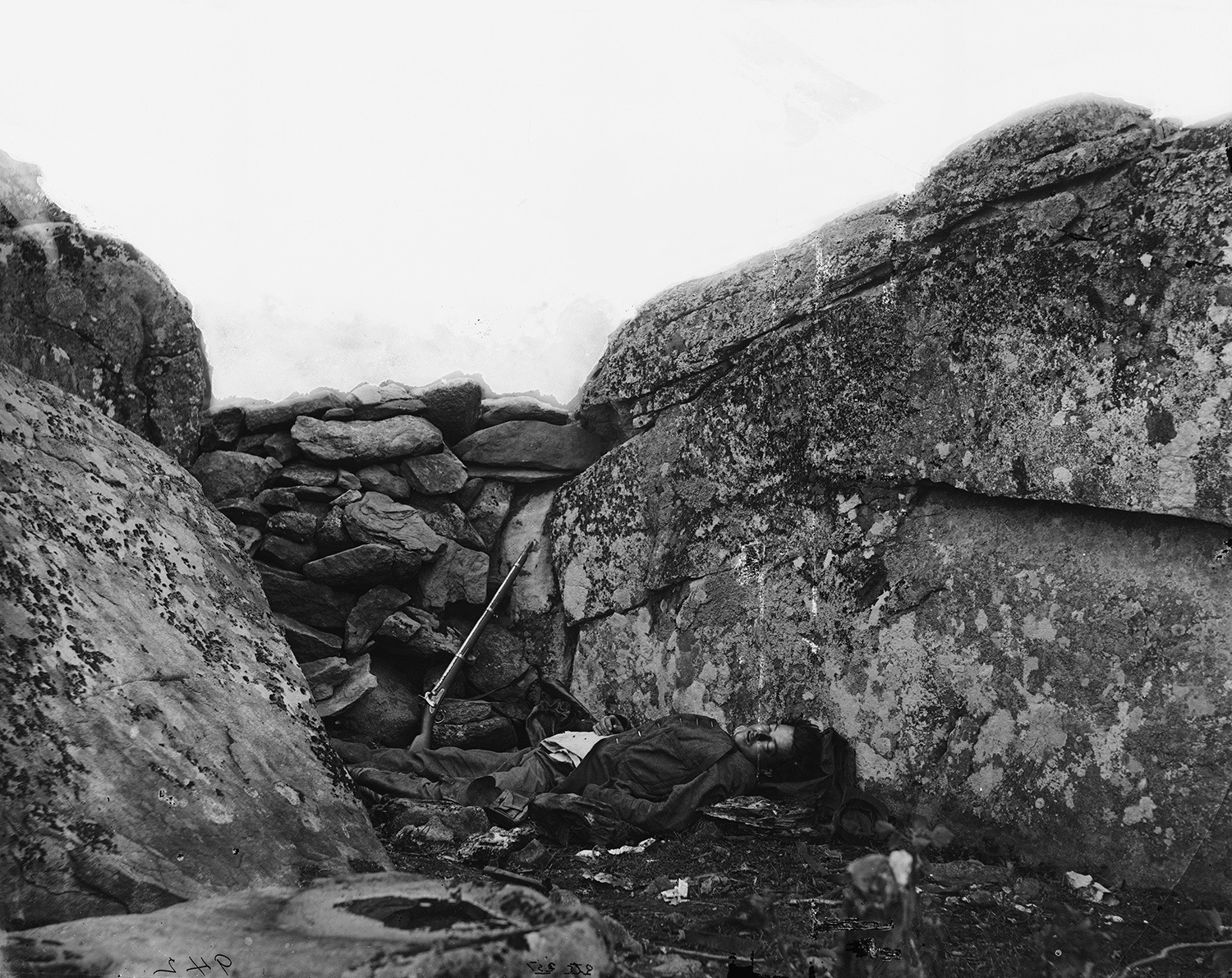
Manipulation does not begin only where an image has been falsified. It often begins where the meaning of a real photograph has been changed. The history of war photography illustrates this well. As early as the 19th century, staging was almost inevitable: bulky equipment, long exposure times, and the impossibility of working directly during combat forced photographers to capture an already partially “organized” reality. War photography began not with pure reportage, but with a compromise between testimony and direction.
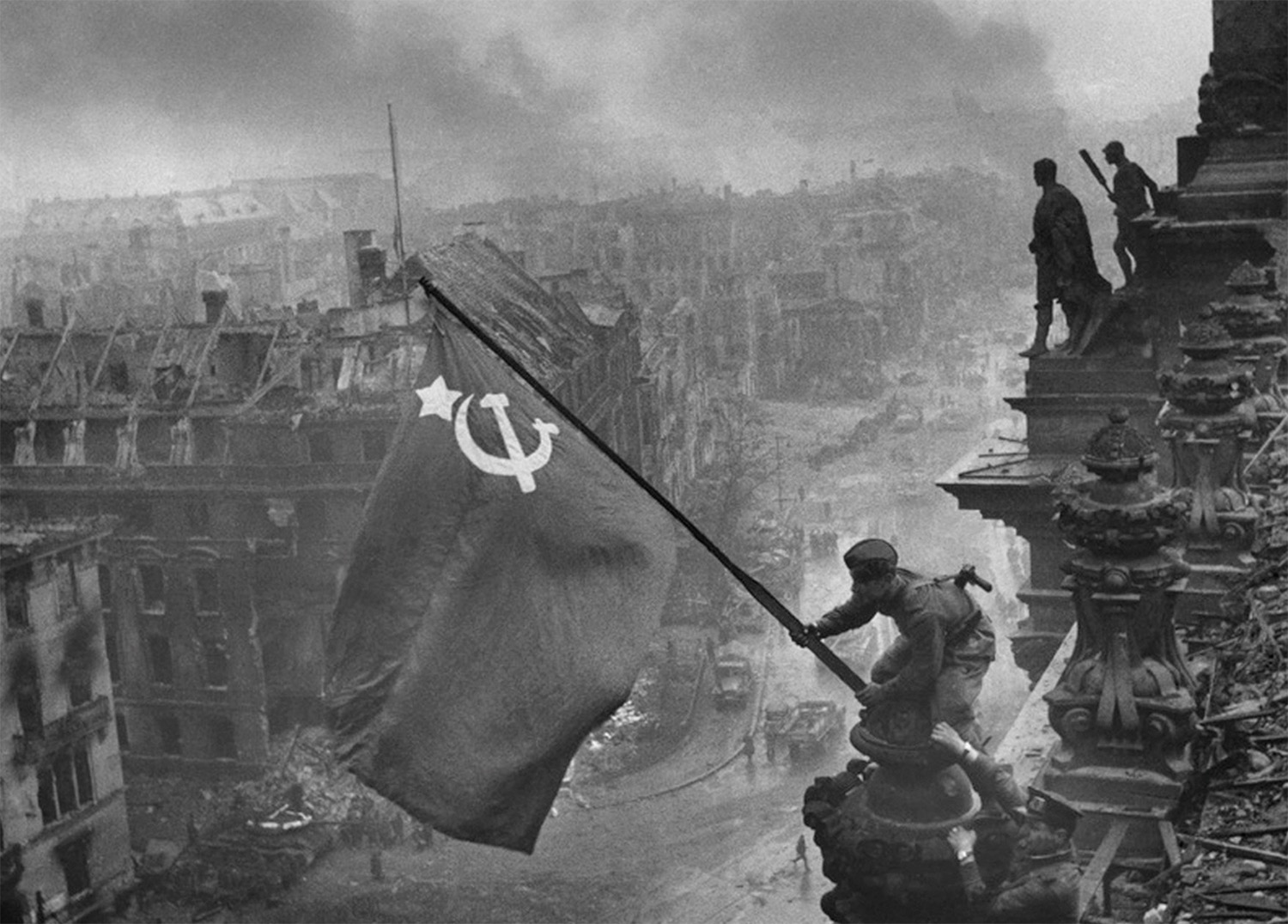
In the 20th century, when photography became more mobile and its influence mass‑scale, it also turned into a tool of propaganda. It was then that images appeared which not only documented war, but shaped its heroic, ideologically beneficial, or emotionally directed versions. Even documentary frames often came under suspicion, because the line between testimony and staging became increasingly blurred.
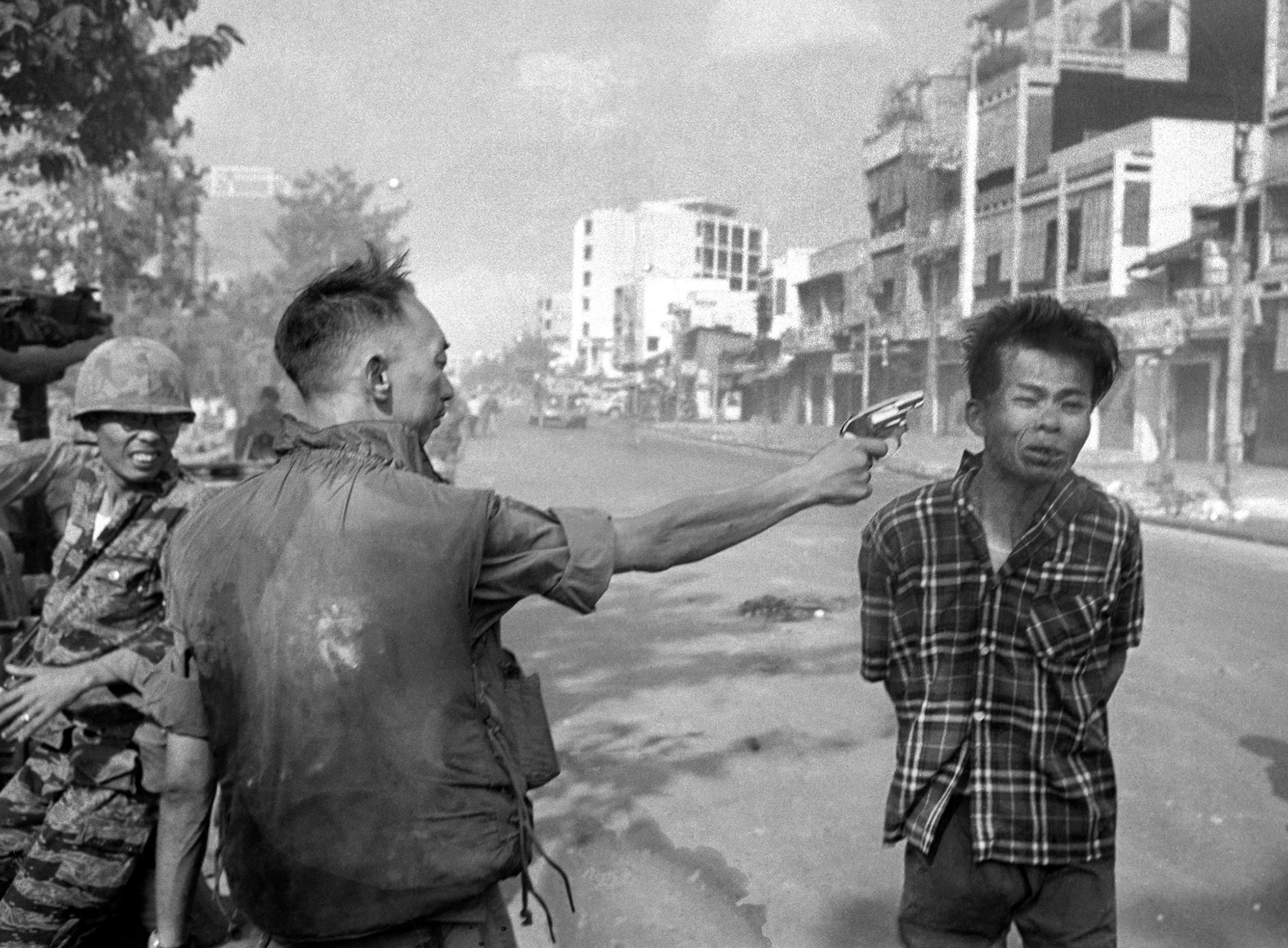
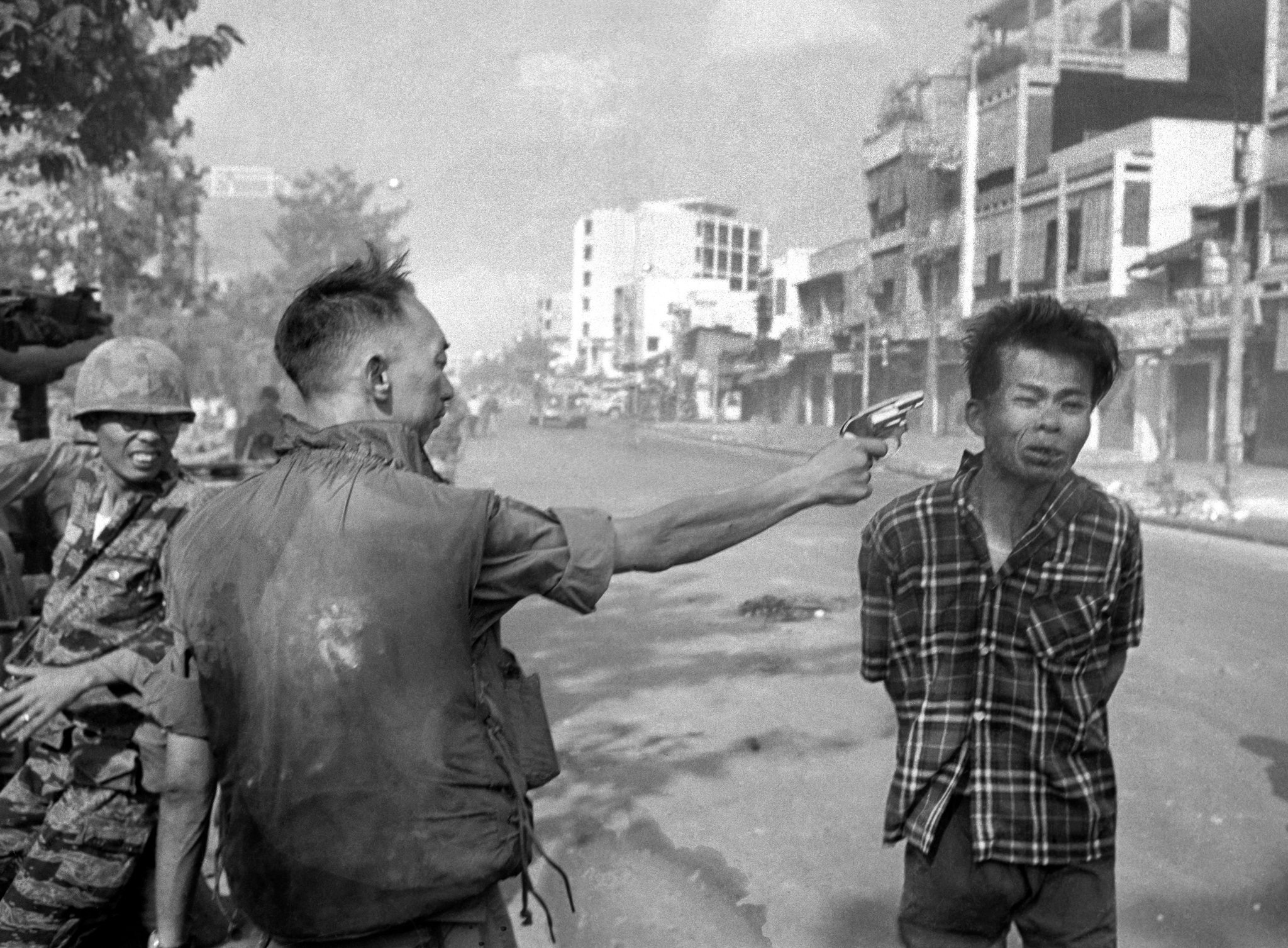
In the digital era, this line has become even more complex. Now it is possible to manipulate not only the scene before pressing the shutter, but also the finished image — through editing, retouching, changing the caption, or tearing a frame out of context. But the most insidious thing is not even this: even an honest photo can function as a half‑truth if it is stripped of important circumstances. This is how American photojournalist Eddie Adams later reflected on his famous photograph “Execution in Saigon,” acknowledging that photography can kill not only physically, but also through meaning, if the viewer does not know the broader context of the event.
Today, another challenge has been added to these — artificial intelligence. If earlier manipulation primarily meant editing, retouching, or replacing captions, now it has become increasingly easy to create images that have no real original source at all, yet look convincingly documentary. AI does not simply “correct” reality — it is capable of fabricating it from scratch, which is why the issue of trust in images becomes even more acute. In this new environment, fact‑checking means not only verifying whether a real image has been altered, but also attentiveness to the very nature of the image: was it taken by a camera at all, does it have an author, a place, a time, and a verified context?
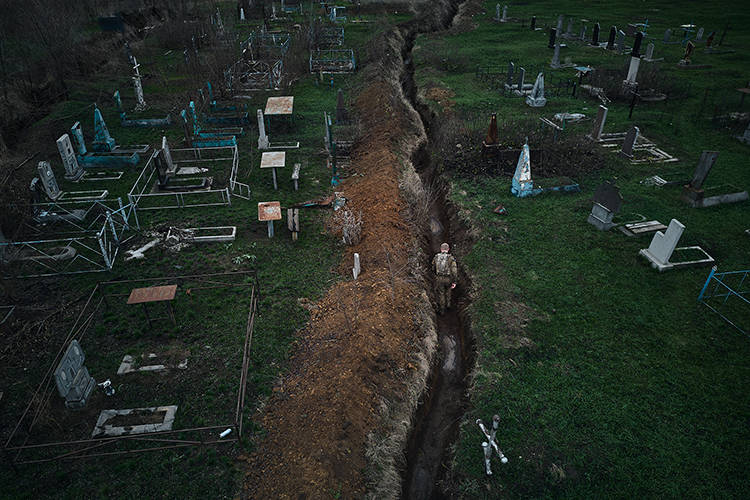
For Ukraine, this conversation is not abstract. In 2016, a photograph from Shyrokyne caused wide resonance; part of the professional community considered it staged. The discussion went far beyond a single frame and raised questions that remain relevant today: where is the line between journalism and propaganda? Is it permissible to direct a scene for the sake of a “stronger truth”? And can accuracy be sacrificed for persuasiveness during war?
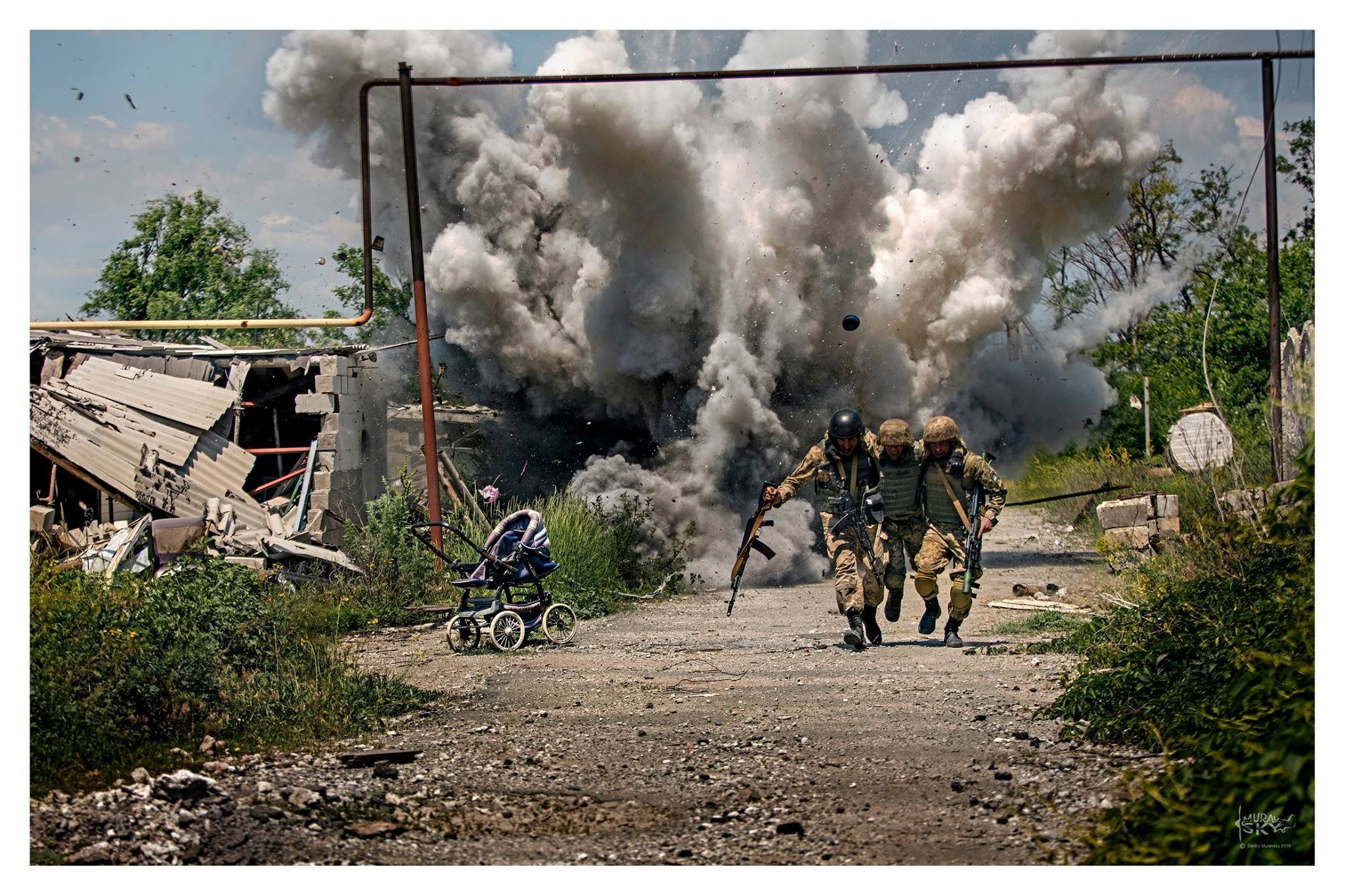
International Fact‑Checking Day is a good opportunity to remind: verifying a photograph is not only about trying to detect Photoshop. It is careful reading of the image. Who took it? When? Where? Under what circumstances? What do we actually see in the frame — and what meaning is imposed on it by the caption? Are there other images from this event? Was the meaning of the photograph changed after publication?
Fact‑checking photography begins where we stop perceiving an image as a self‑sufficient truth and start seeing not only the frame, but also the mechanism of its effect.
For UAPP, this is a principled position. At a time when war unfolds not only on the battlefield but also in the field of images, responsible work with photography means not just taking pictures. It also means verifying, naming things as they are, restoring context, and resisting simplifications. Because a photograph can be evidence — but only when we do not allow it to be turned into a tool of manipulation.
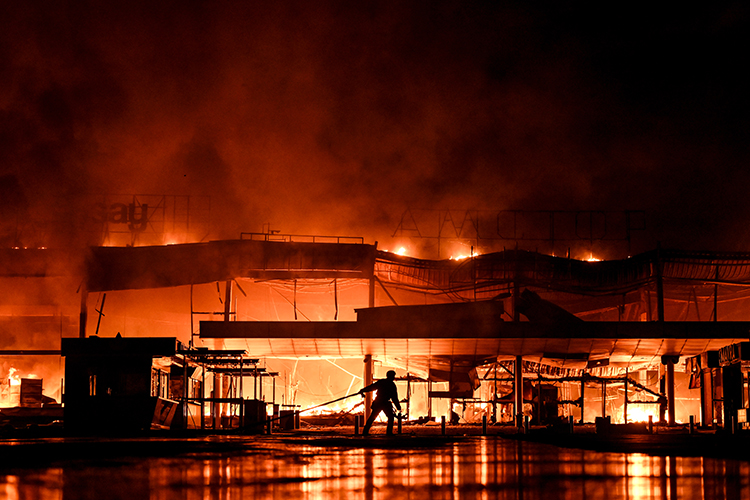
Visual content is an important element of evidentiary materials in cases of Russia’s crimes against Ukraine; it ensures transparency of justice regarding the war in Ukraine. For example, propaganda often uses photographs of shelling in one city in the context of another, presents images from one armed conflict as another, and imposes a certain interpretation of the image.
Photographs taken after the de‑occupation of Ukrainian territories at the beginning of the full‑scale invasion drew the attention of the global community to the crimes of the Russian army and prevented enemy propaganda from prevailing.
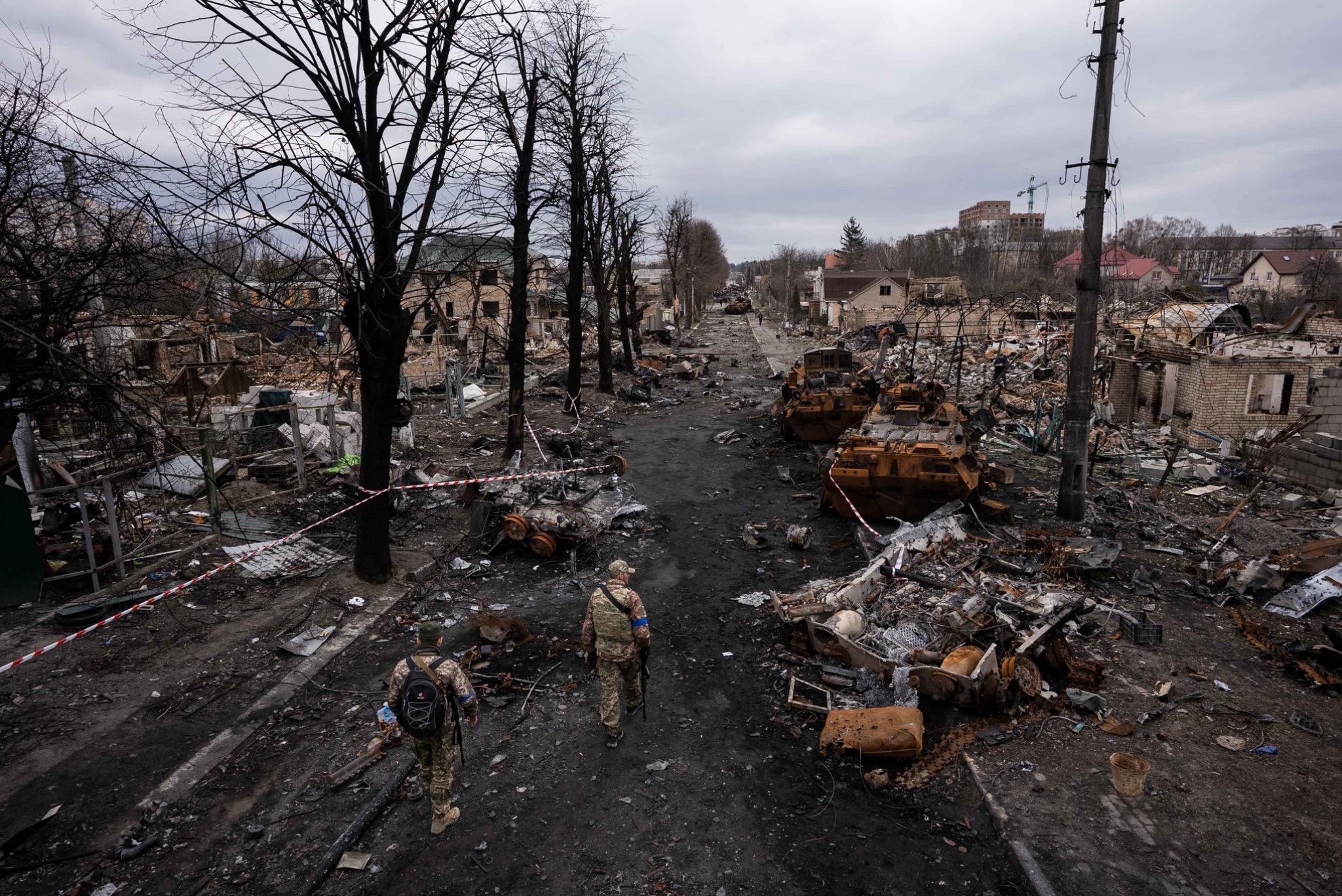
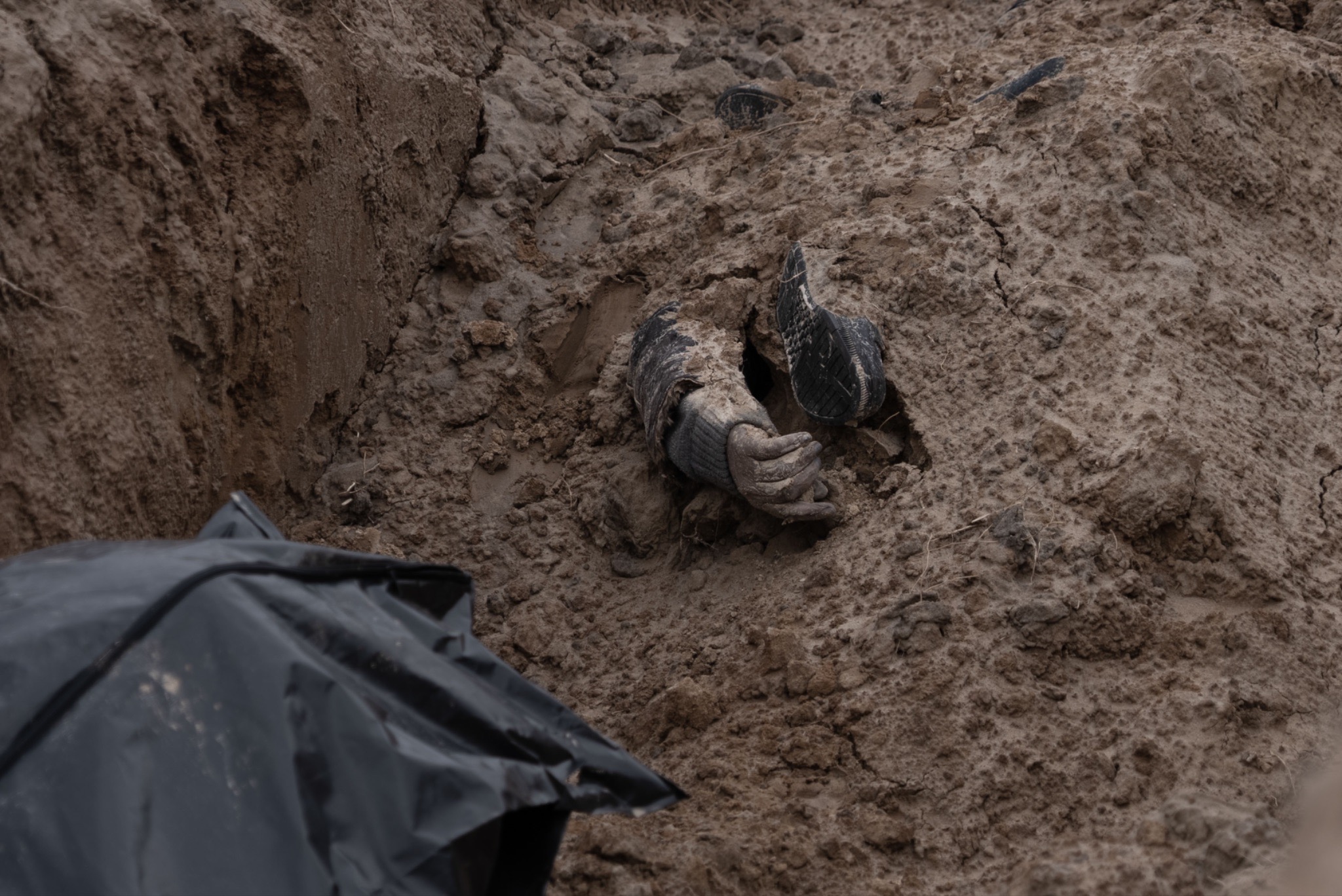
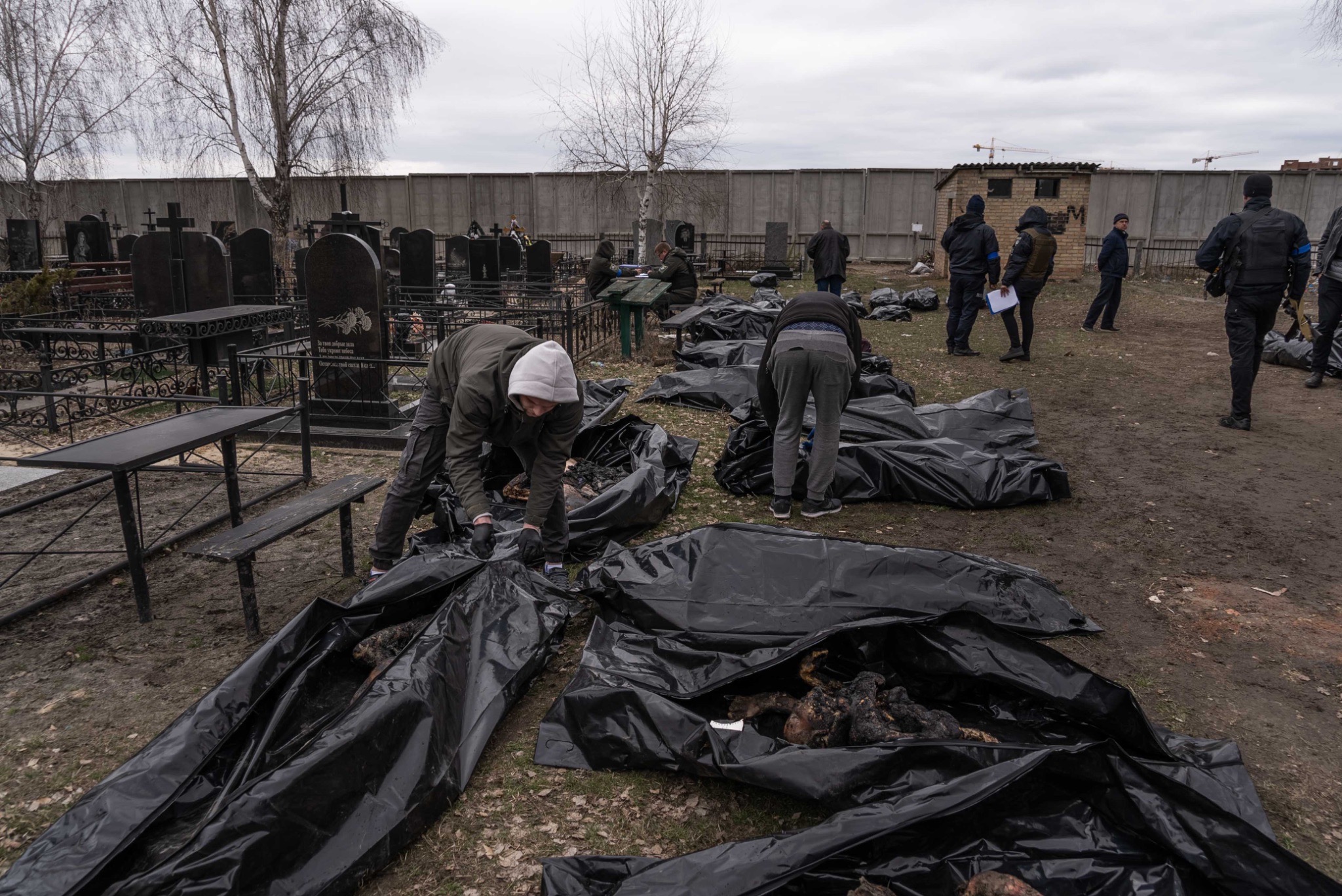
Today, Russian propaganda actively uses photography to distort reality, alter public consciousness, and change the world’s attitude toward Ukraine.
Photography is not merely a visual image; it is an independent product that must be properly read and analyzed, especially in the context of the ongoing war in Ukraine. Documentary photography requires critical reading and perception through the lens of media literacy.
At a time when the information space is overloaded, it is media and civic organizations — not Telegram news aggregators — that must become guides to the truth and support initiatives in media literacy and countering disinformation. UAPP teaches people to read the real meanings of photographs attentively and critically.
Five questions to ask of any war photograph
Who is the author of this frame?
The name of the author, editorial office, or agency is the first level of trust and responsibility. If the source is vague or absent, the image requires especially careful verification.
When and where was it taken?
One of the most common manipulations is the use of a real photo in an incorrect time or geographical context. An old image may be presented as new, and a photo taken in one place — as evidence of events in another.
What is the context of the event?
A single frame almost never explains the situation fully. It is important to understand what happened before and after the moment the photograph was taken, who the participants are, and what circumstances remain outside the frame.
What is visible in the photo — and what is not?
Photography always limits the field of view. It shows something, but at the same time cuts something out. That is why we cannot automatically attribute more meaning to an image than it actually contains.
Does the caption substitute the meaning of the image itself?
A caption, headline, or accompanying text may not explain the frame, but impose a desired interpretation on it. Very often manipulation begins именно here — not in the image itself, but in how we are invited to read it.
This material was created with the support of the British Council program “Creative Economy Grants.”
Worked on the material:
Researcher, text author: Yana Yevmenova / Olga Kovalova
Photo editor: Olga Kovalova
Literary editor: Yuliia Futei
.jpg)