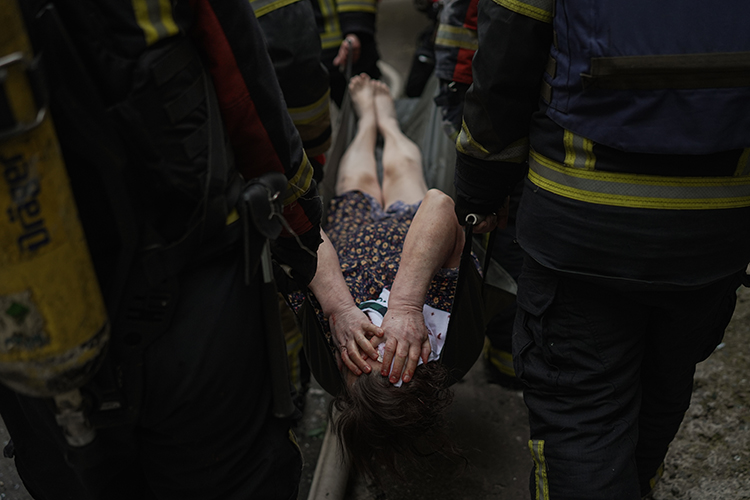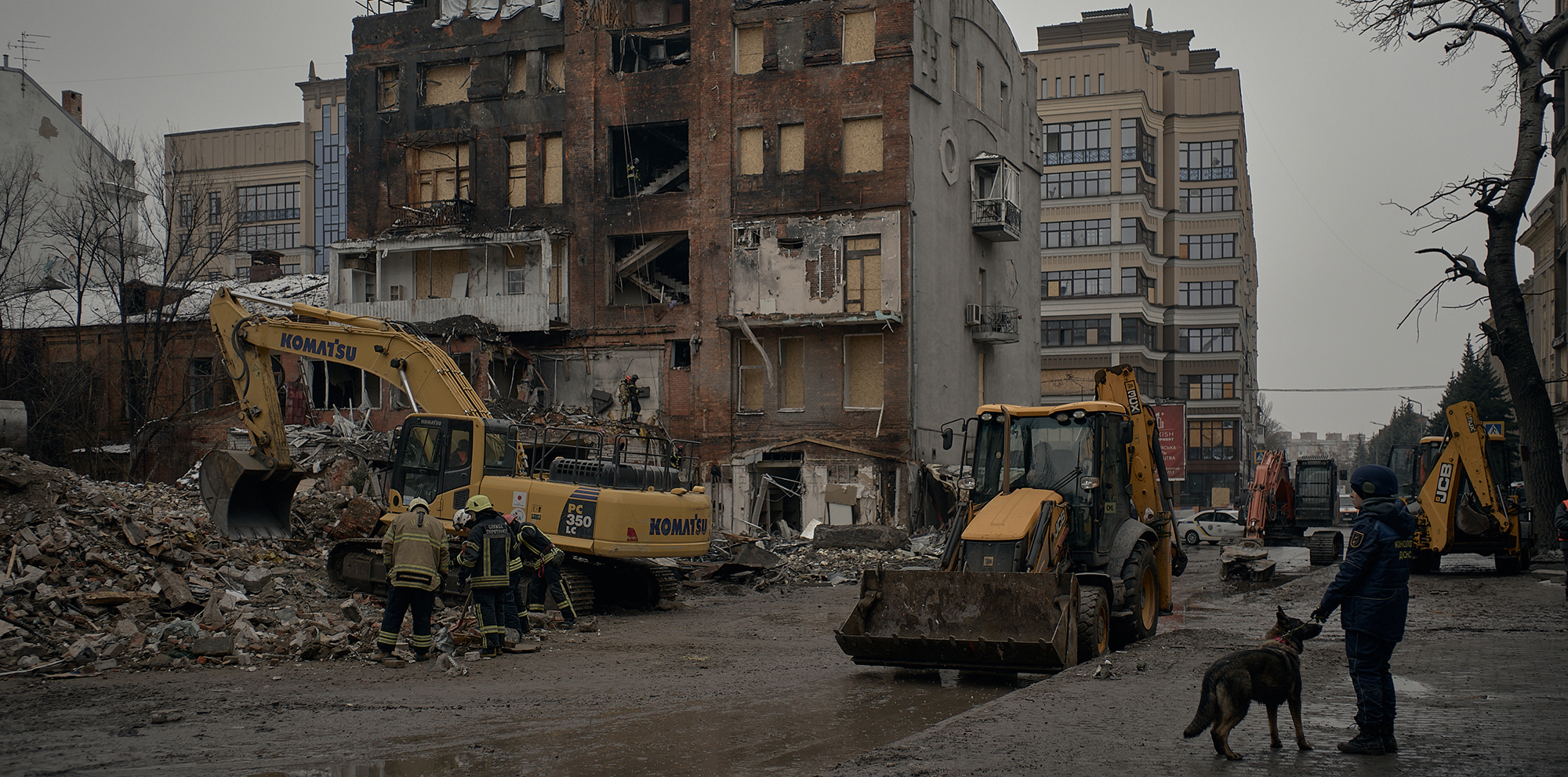
Every week Russia demonstrates to Ukrainians its “desire for peace”. On the eve of the forecast cold snap in Ukraine, the Russian army struck energy and heat supply facilities and destroyed people’s homes. The consequences of Russian strikes on the energy sector were felt most acutely by residents of Kyiv region, Dnipropetrovsk region, and Zaporizhzhia. During the massive attack on the capital on the night of January 9, the enemy attacked a critical infrastructure facility in Lviv region with the “Oreshnik” ballistic missile less than 70 km from the EU border. The week was full of tragic events such as Russian strikes on hospitals and emergency services: there was one killed and wounded medical workers, and wounded rescuers. Meanwhile, in Kharkiv, all week a search-and-rescue operation continued at the site of the Russian missile strike on January 2. We can relive this week once again and appreciate the feat of those who come to help thanks to the work of Ukrainian documentarians.
Chronicle of Russian shelling from January 5 to January 11
The week in Ukraine began with massive Russian shelling. On the night of January 4 into January 5, Russians attacked primarily energy facilities in a number of regions, using nine ballistic missiles and 165 strike UAVs. According to a report by the Ministry of Energy, by morning consumers in Chernihiv, Kharkiv, and Donetsk regions were without power, and Slavutych in Kyiv region was left completely without electricity. Russian drones attacked a humanitarian aid point in a village in Kherson region. One man was killed, and two people were injured; they are in moderate condition. In the village of Orlove in Kherson region, a Russian drone killed the rector of the Intercession Church, Archpriest Heorhii Horbenko, while he was on the parish grounds. Ukrainska Pravda reported this. Overall, seven people were injured in Kherson region over the day, including a child. Russians carried out two airstrikes on Dobropillia in Donetsk region; one person was killed and buildings were damaged.
January 6 and January 7 — Russians struck Sumy region, destroying and damaging residential buildings and agricultural machinery; fires raged. From morning to evening on January 7, the enemy shelled Kherson; multi-storey buildings were damaged, and three men were killed. Russians dropped an aerial bomb on a critical infrastructure facility in Kramatorsk; “Vilne Radio” reported. The airstrike left more than 200 subscribers without heat and gas; nearby houses were damaged. Odesa region’s port infrastructure was under a combined attack: administrative buildings, freight vehicles, and containers were damaged. Large-scale fires broke out. Two people were killed and eight were injured: two are in serious condition, the rest are in moderate condition.
Overnight into January 8, Russians struck critical infrastructure in Zaporizhzhia and Dnipropetrovsk regions. In Zaporizhzhia, several non-residential buildings were damaged; there was a blackout that lasted about seven hours, but power supply was quickly restored. In the morning, the Russian army covered Kherson with fire; there were fatalities and injured. During the day, Russia attacked Odesa region’s port infrastructure with strike UAVs; explosions were heard on the territory of a port in Odesa district.
On the night of January 9, Russians carried out a massive attack on critical and civilian infrastructure, using 242 UAVs and 36 missiles, including a medium-range ballistic missile. The Air Force managed to shoot down (suppress) 242 aerial targets. Hits of 18 missiles and 16 strike drones were recorded at 19 locations. Substations, generation facilities, and overhead power lines were damaged. The main strike was directed at Kyiv region. Lviv, Cherkasy, and Kirovohrad regions were also affected. In Lviv region, critical infrastructure came under a ballistic strike. At midnight, due to shelling in Kherson region, a mother and two children were injured and hospitalized. In Kherson, during the day Russians shelled a medical facility — a shell pierced the wall of one of the wards, and three nurses were hospitalized with injuries. As a result of shelling of the city, an employee of one of Kherson City Council’s municipal enterprises was also injured. In Odesa region, enemy drones struck two civilian vessels; there was one killed and one injured among the crew members; both are Syrian citizens. Two sappers were injured in Sloviansk in Donetsk region while performing their professional duties. An energy worker of a repair team of JSC “Khersonoblenergo” was injured by an enemy drone strike. Over the day in Ukraine, seven rescuers were injured.
On the night of January 10, Russians struck the residential sector in Sumy region, causing destruction followed by a fire. In the morning, Russians hit industrial infrastructure in Odesa district: an empty tank was damaged, and a fire broke out. During the day, the Russian army carried out an airstrike on Sloviansk in Donetsk region; seven people were injured, multi-storey and private houses were damaged, as well as a warehouse, a garage, and cars.
On the night of January 11, the enemy attacked critical infrastructure in Zhytomyr region; two employees were injured and hospitalized. Fires broke out at the strike sites. Rivne region was under attack by Russian drones overnight; during the day the attacks on the region continued. Shelling in Donetsk region does not stop; over the week, seven people were killed in the region and 22 people were injured.
Kyiv and Kyiv region: attacked hospital, killed ambulance medic, massive strike on the energy sector
Over the week, Russians twice carried out massive attacks on the capital region. On the night of January 5, a Russian drone attacked a private medical clinic with an inpatient department in Kyiv’s Obolonskyi district. The hit occurred at the level of the second floor, and a fire broke out. A patient of the clinic born in 1995 was killed. Four people were injured: two of them are in serious condition. There were 26 patients in the clinic; 16 patients were evacuated to municipal hospitals in the capital.
In Kyiv region, the Russian army attacked four districts: Fastiv, Vyshhorod, Obukhiv, and Brovary. Nearly thirty sites were damaged in the region: people’s homes, transport, critical infrastructure facilities, and production premises. In Fastiv district there was the most destruction and one person was killed. The city of Slavutych in Vyshhorod district was completely left without power; almost 8.5 thousand families remained without electricity, though there was heating and water. A multi-storey building was damaged in the city, and people had to be evacuated. On January 7, the Ministry of Energy reported that electricity supply in Slavutych had been restored. However, the next day, due to new Russian attacks, the city was again left without power.
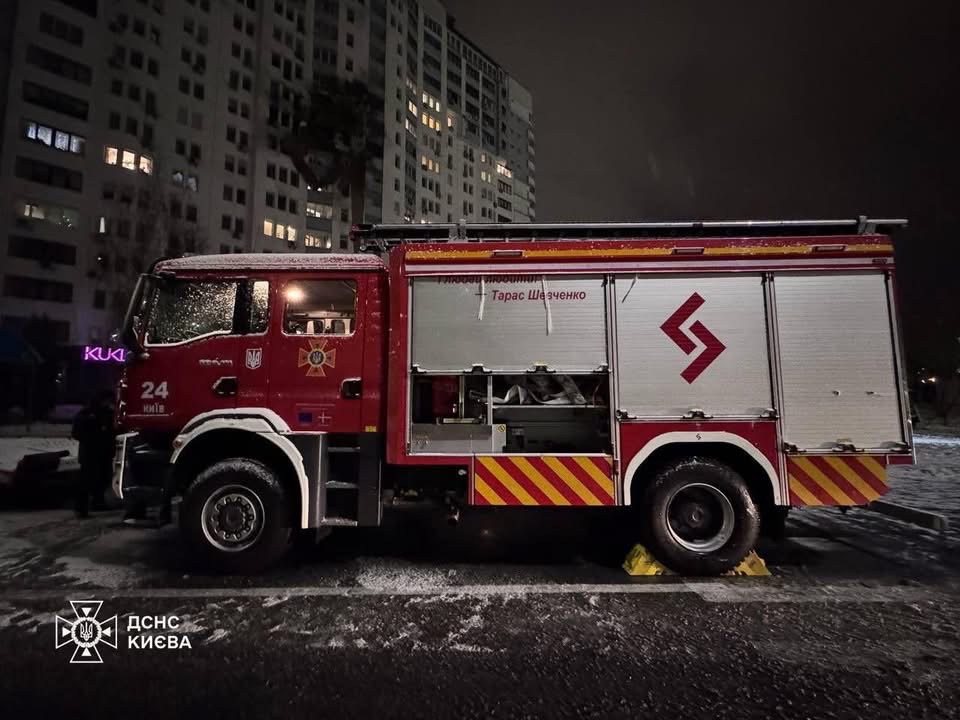
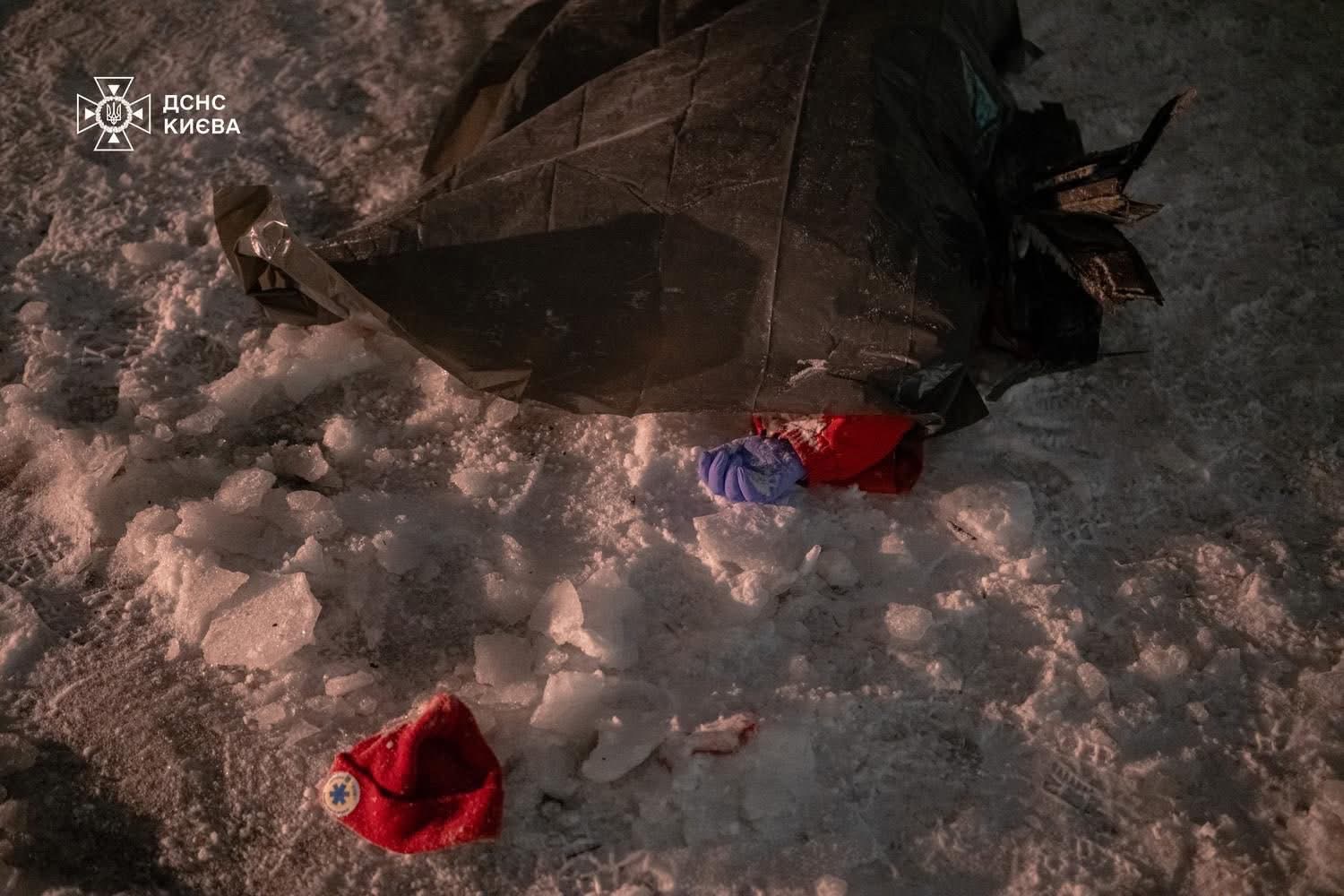
On the night of January 9, Russians attacked critical and transport infrastructure and residential buildings in Kyiv region and in the regional center. Ukraine’s Prime Minister Yuliia Svyrydenko reported that at night Russians deliberately attacked district boiler houses. Due to the attack, more than 500,000 consumers were left without power in Kyiv and the region; the worst situation was on the left bank of the capital and in part of Kyiv region. Thanks to the titanic efforts of energy workers, within a day Kyiv was able to restore electricity for more than 350,000 subscribers.
More than four dozen civilian and industrial infrastructure facilities were also damaged; among them, 20 are residential buildings. A Russian drone damaged the building of the Embassy of Qatar. Four people were killed in Kyiv, and 25 people were injured, including five rescuers. Emergency responders rescued 32 residents of the capital.
In the Darnytskyi district of the capital, there was a repeated hit by a strike drone on a high-rise building. An ambulance medic was killed; four more medics were injured; five rescuers and a police officer were injured. The paramedic who was killed was 56-year-old Serhii Smoliak, who moved from Kakhovka in Kherson region to Kyiv. In Kakhovka, he worked for more than 25 years as a senior ambulance paramedic.
In the damaged building in the Dniprovskyi district, the bodies of three people were found. Locations with fires and destruction were in the Desnianskyi, Pecherskyi, and Shevchenkivskyi districts. Rescue operations were carried out in Kyiv’s Dniprovskyi and Darnytskyi districts. More than 500 rescuers and 100 units of equipment were involved.
“A day that should never have happened. A day when, while rescuing people as a result of a repeated strike, a medic is killed, rescuers are injured and fight for their lives in hospitals. And then comes the realization: these are only thoughts within the bubble of your today. Because reality is even more terrifying, larger-scale, bloodier. We must remember who our enemy is. We must help the Security and Defense Forces of Ukraine, because it is they who every day bring us closer to the end of this horror. This endless February”, — State Emergency Service photographer Pavlo Petrov made an emotional post on social media.
In Kyiv region, almost all districts came under enemy shelling; Brovary district suffered the most. Many fire outbreaks were recorded. Among the affected facilities: production capacities, warehouses, garages, houses, and cars. In Brovary district, emergency responders rescued a family of four from under the rubble of a house; they were hospitalized.
Ballistics and drones on Chernihiv
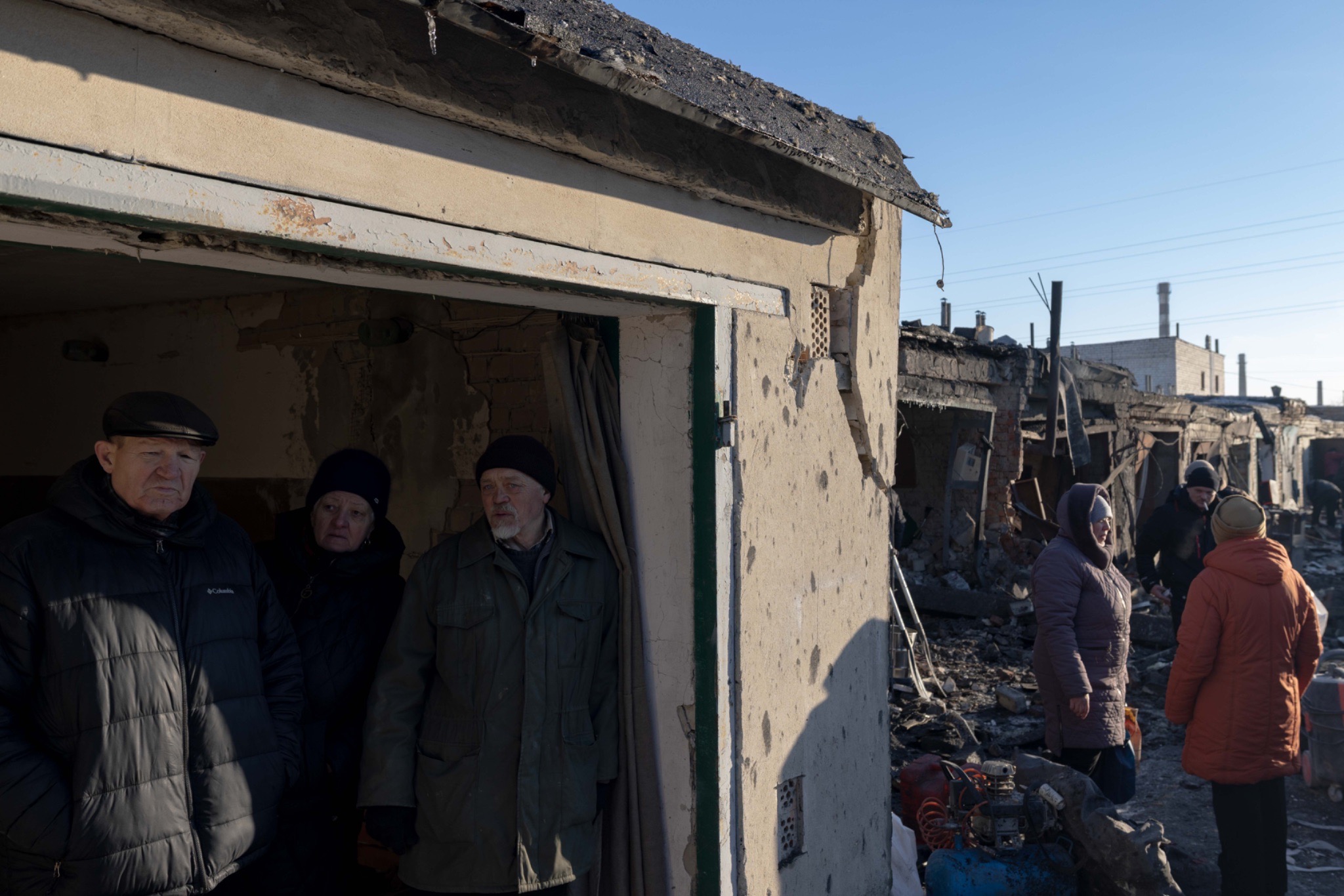
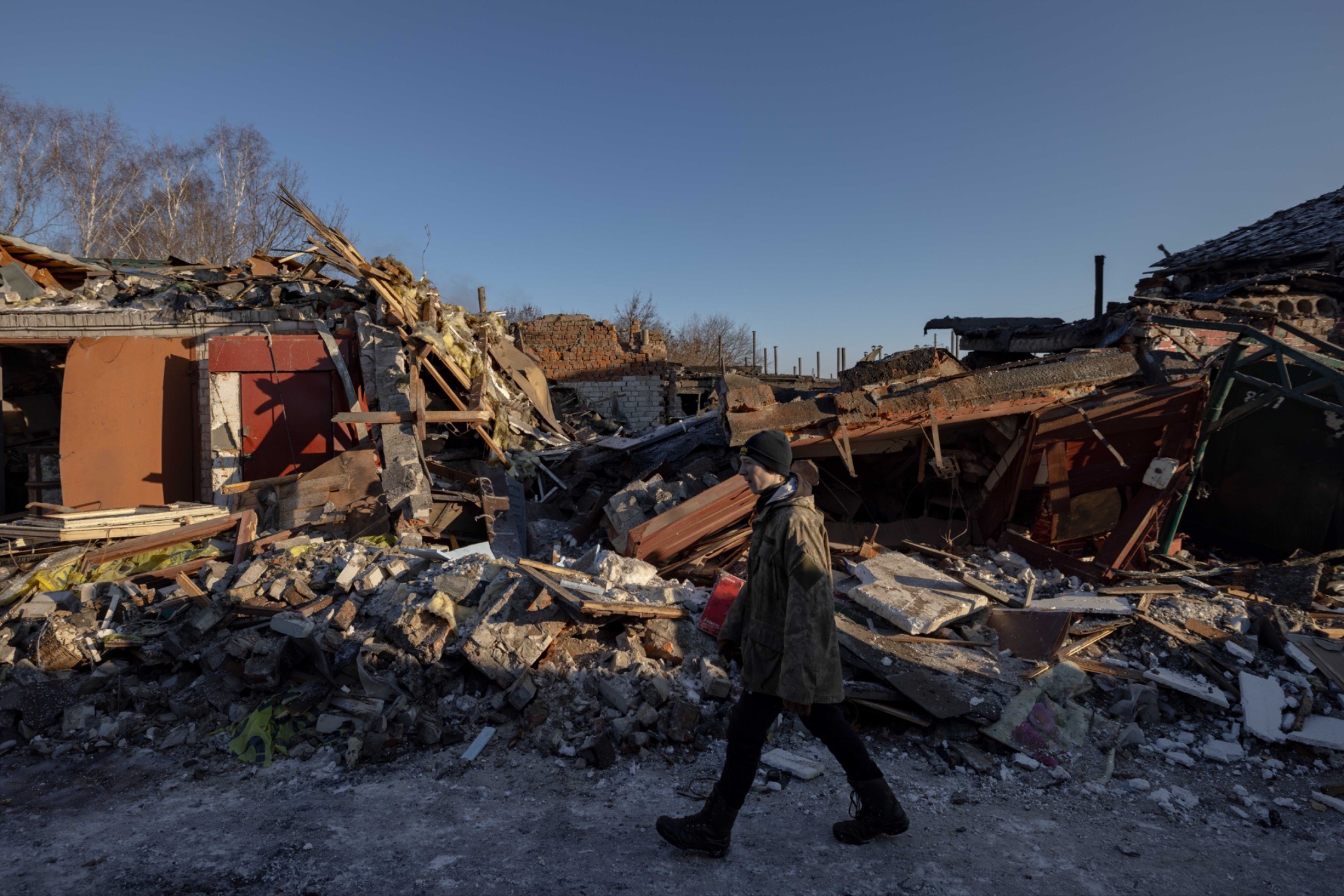
On the night of January 5, Russians struck Chernihiv region and the regional center. Under attack were businesses, agricultural enterprises, residential and critical infrastructure in four districts of the region. In Chernihiv, the enemy carried out a combined strike with ballistic missiles and drones. Hits were recorded at several locations: eight garages in a garage cooperative were destroyed and nearly a hundred more were damaged; a private house was also damaged; a warehouse building of a municipal institution and an educational institution were destroyed. The shelling caused extensive destruction and fires.

In a border district, strike drones attacked a food business — a warehouse and an administrative building burned. In Nizhyn district, 15 strike UAVs hit a critical infrastructure facility and a farm, damaging equipment. Because of a hit on an energy facility in Slavutych, consumers in Chernihiv district were also left without power. In the same district over the weekend, a hangar with potatoes burned due to a drone strike, equipment was damaged, and there was extensive destruction on the farm’s territory. On the night of January 11, Russians attacked Nizhyn with strike drones, damaging civilian infrastructure. Chernihiv’s border area is gradually becoming the most dangerous zone in the region — Russians have begun using FPV drones more often for attacks.
A dark night in Dnipro
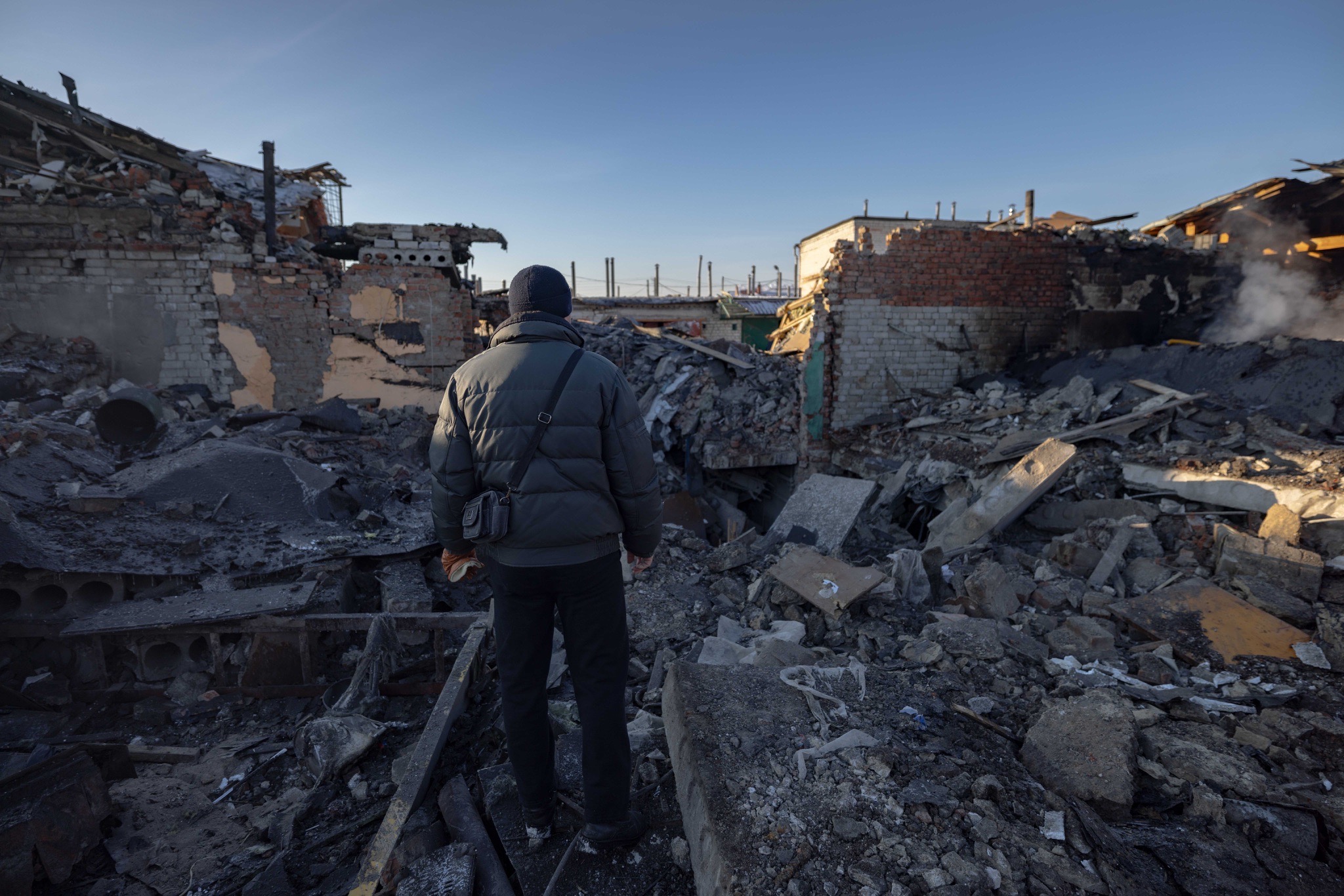
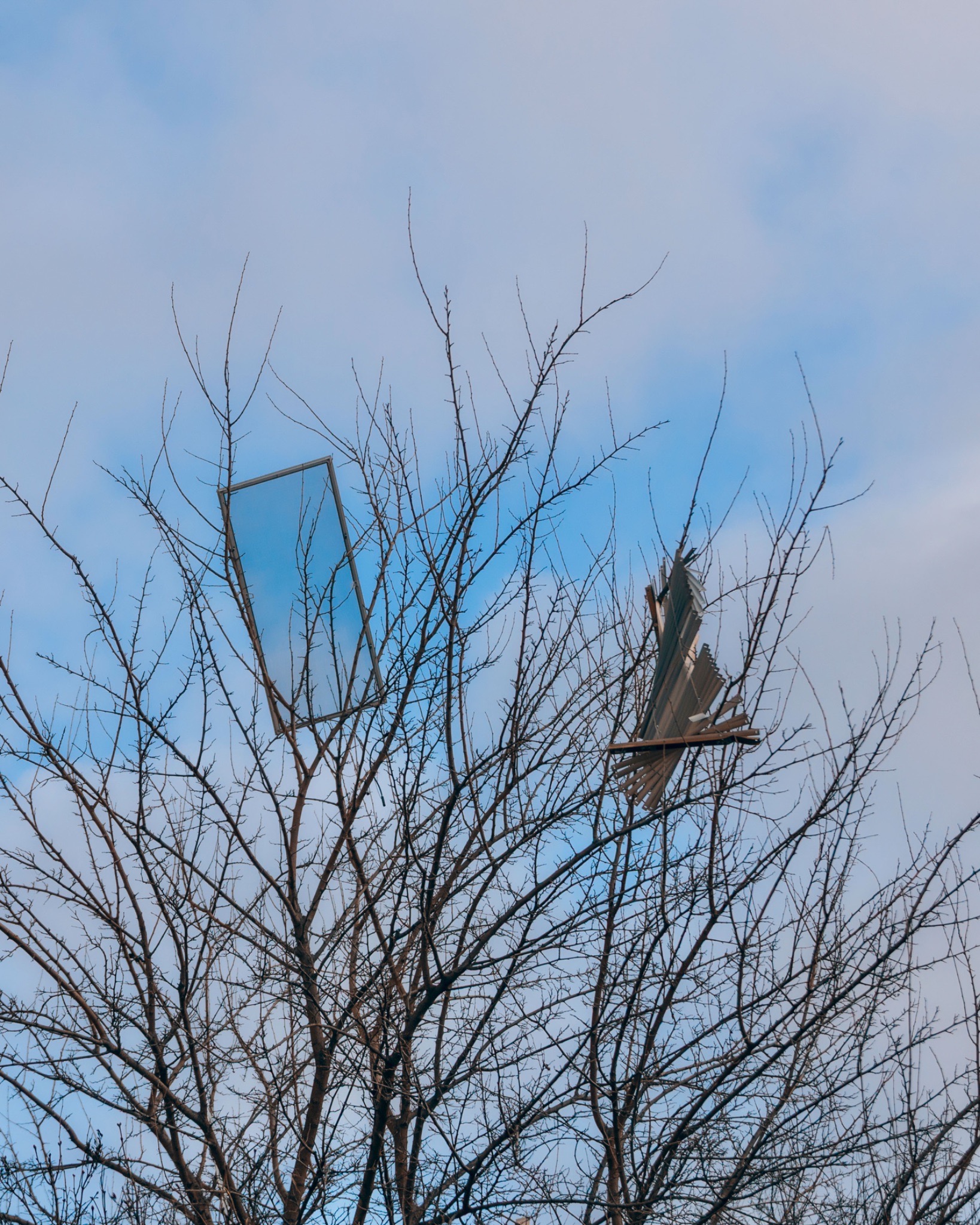
Dnipropetrovsk region and the regional center were under massive enemy attacks with various types of weapons every day throughout the week, which caused serious destruction, injuries, fatalities, and prolonged blackouts. The enemy’s priority targets were critical infrastructure and enterprises. Children were among those affected. In the region, a repeated enemy strike on rescuers was recorded while they were dealing with the consequences of a previous shelling — one firefighter was injured and a fire truck was damaged. On the night of January 7, Russians attacked a DTEK unit in Dnipropetrovsk region; equipment burned, and employees were not injured. On the night of January 8, Russian strikes damaged infrastructure in three districts of the region: Dnipro, Pavlohrad, and Kryvyi Rih districts; some consumers were left without electricity. As of the morning of January 8, about 800,000 consumers in Dnipropetrovsk region remained without power. During the day, restoration work continued in Dnipro, Kryvyi Rih, Kamianske, Nikopol, Pavlohrad, and other cities in the region. As a result of the attack, eight mines lost power; miners were not injured and were brought to the surface. By the end of the week, attacks on the region continued, bringing more destruction and additional outages; there were fatalities and injured.
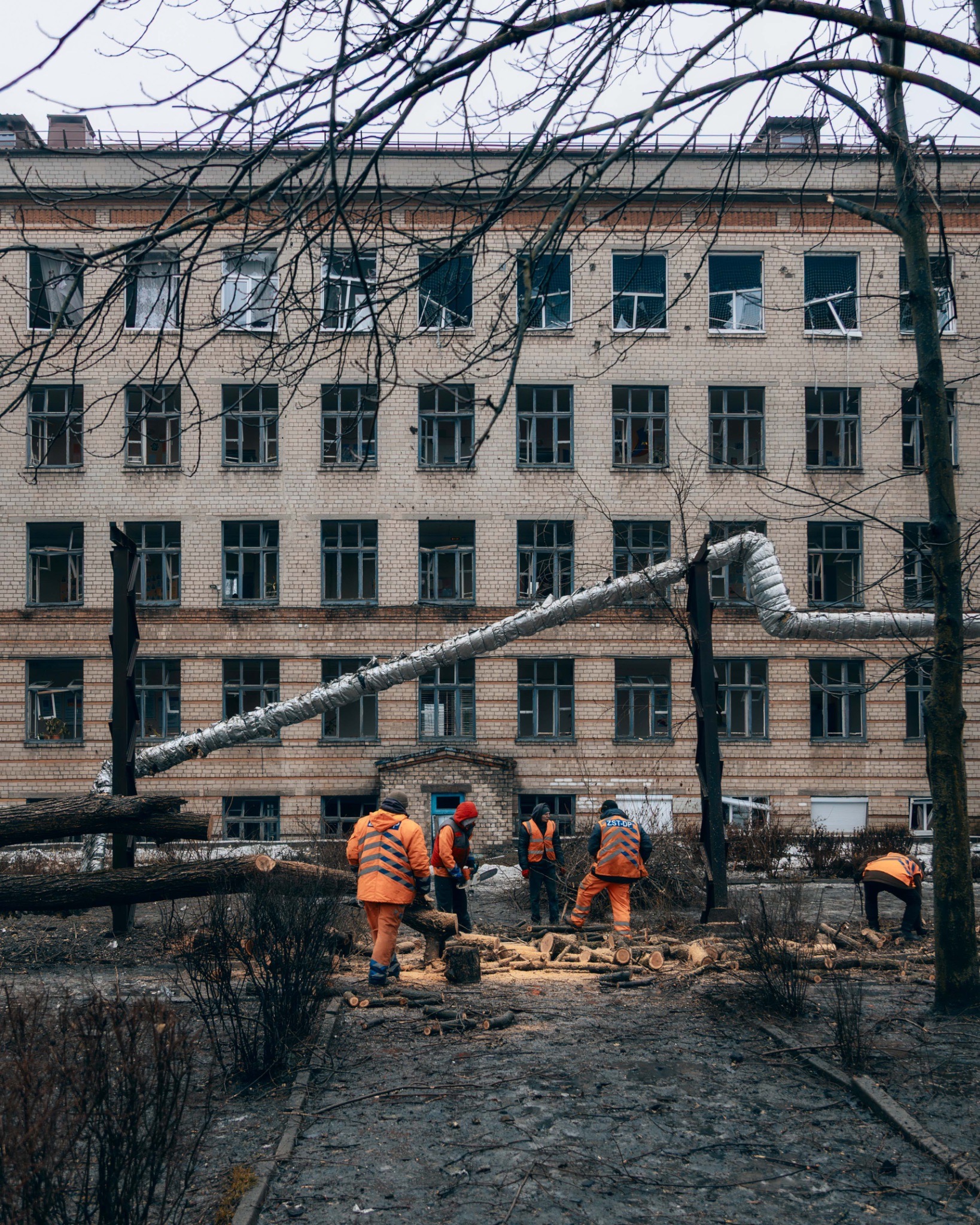
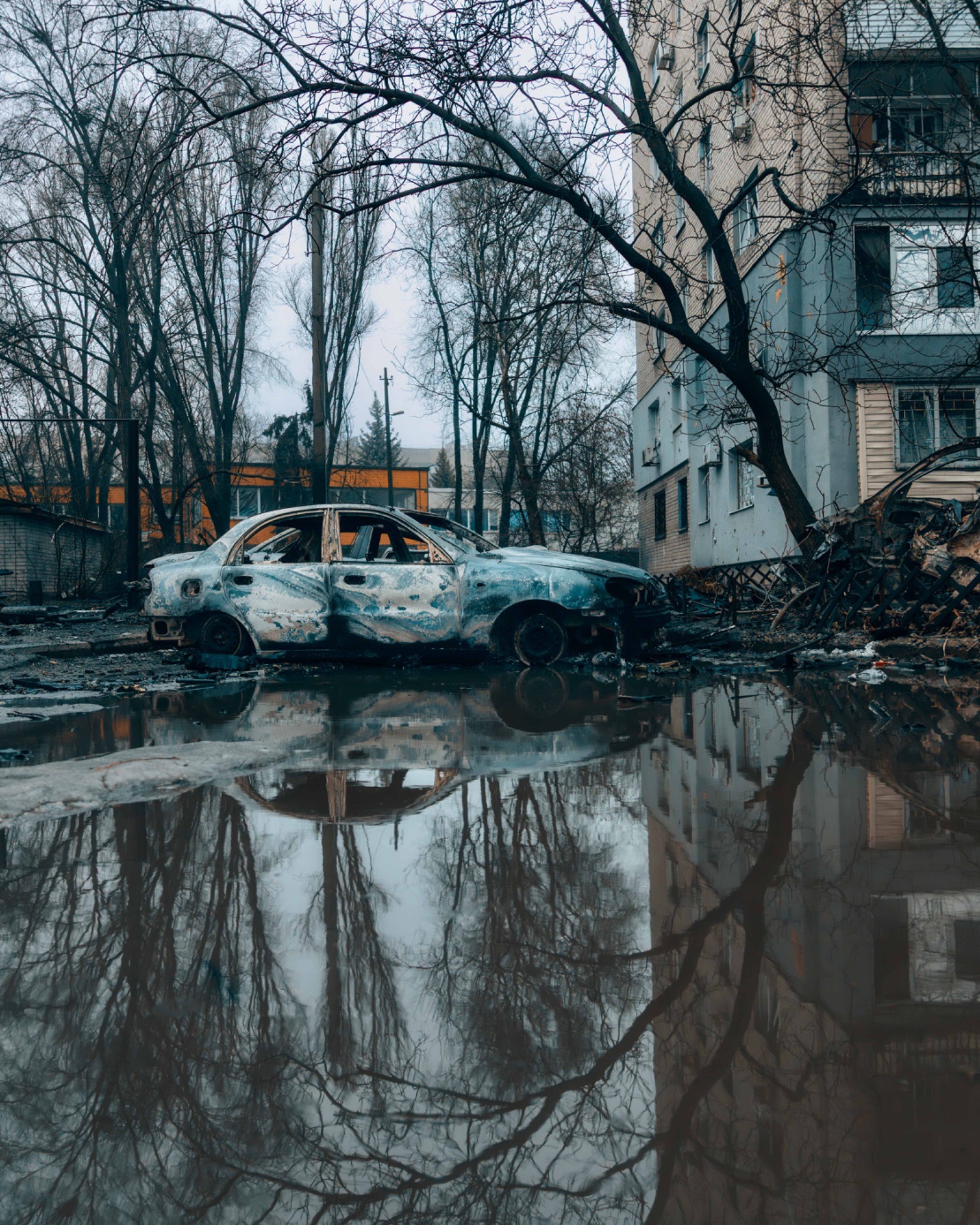
Russian attacks on Dnipro began on Monday — drones damaged an oil extraction plant that belongs to the American company Bunge. 300 tons of vegetable oil spilled onto the roads. In the following days, the Russian army continued terrorizing the city: nearly two dozen people were affected by Russian shelling, including two children; most had an acute stress reaction, while others had shrapnel wounds. Residential buildings, administrative buildings, two kindergartens, a school, a workshop, and a student dormitory of a vocational school, a gas pipeline, municipal transport, and cars were damaged in the city. Fires raged at the locations. Overnight into January 8, the Russian army attacked critical infrastructure in Dnipro district. All boiler houses in Dnipro were de-energized. There was a blackout in the city; problems with water supply and communications were observed. Over the weekend, new Russian attacks in Dnipro left one person injured, damaged a garage cooperative and nine high-rise buildings, and caused fires. More than 50,000 people were left without power.
Kryvyi Rih was also hit hard this week. On January 6, Russians struck an infrastructure facility in Kryvyi Rih district with ballistic missiles. On January 7, the enemy hit an enterprise with a strike drone. During the day and in the evening, Russians massively attacked the city with drones and missiles, striking, among other things, the energy sector. Eight people were injured; two are in serious condition. During the day on January 8, Russians again carried out a ballistic strike on the city’s residential infrastructure; one person was killed, 24 people were affected, including six children; 18 of the injured were hospitalized. More than three dozen multi-storey buildings were damaged, one building was almost completely destroyed, business facilities, an administrative building, and cars were damaged. More than 70,000 consumers were left without power. Four boiler houses were without electricity. On the night of January 10, new Russian shelling caused damage to infrastructure in Kryvyi Rih. Several neighborhoods remain without electricity. Two residents of the city were injured.

Kharkiv: search-and-rescue operation and missile strikes
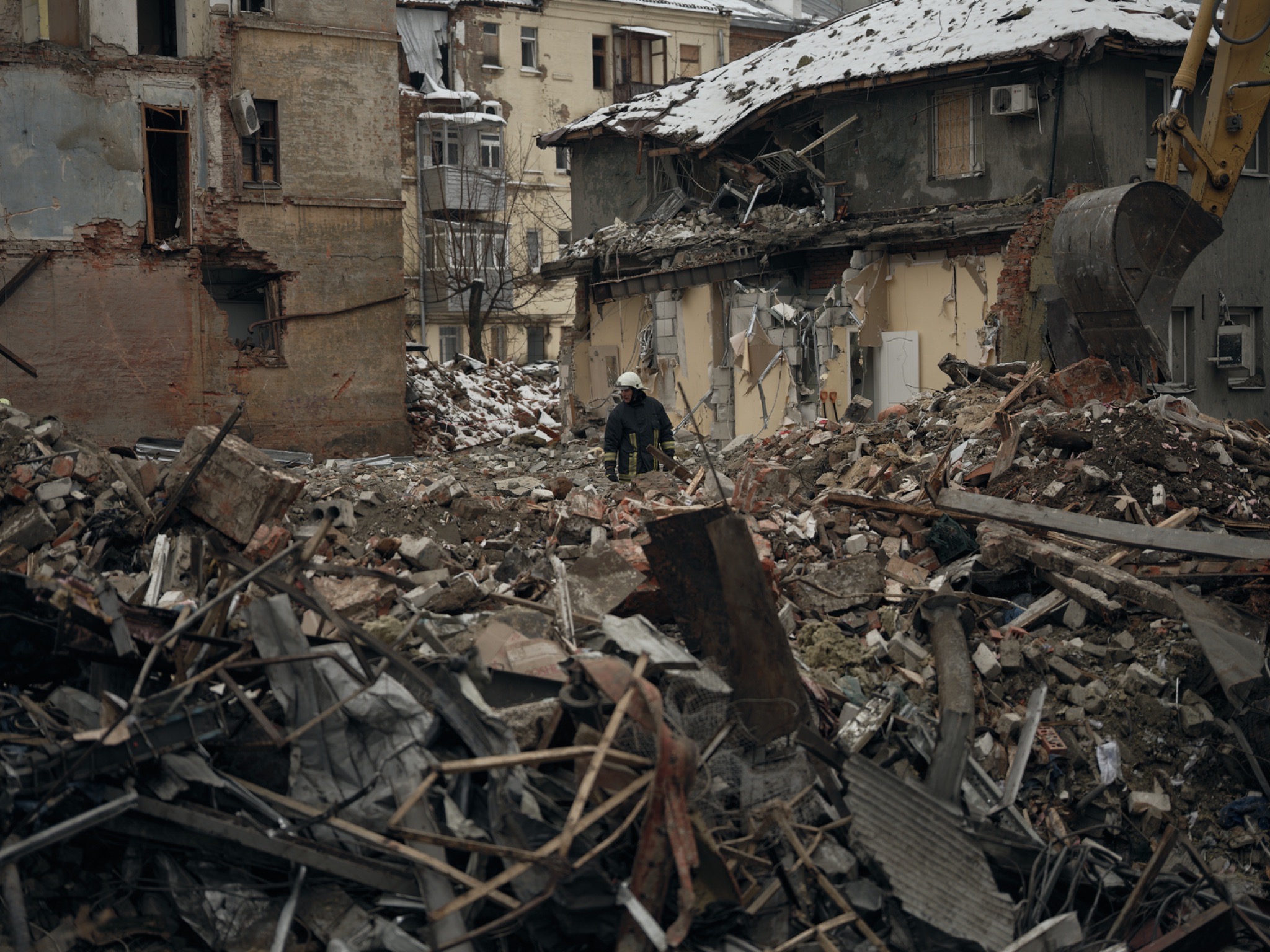
The search-and-rescue operation after the Russian missile strike on Kharkiv on January 2 continued around the clock for more than eight days. More fragments of the bodies of those killed were found under the rubble of buildings. Seven residents of the city were killed as a result of the enemy shelling. The Kharkiv online outlet “Gwara Media” reported that among those killed was a volunteer named Oleksandr who helped the military. A Russian missile completely destroyed the volunteer offices of several organizations.
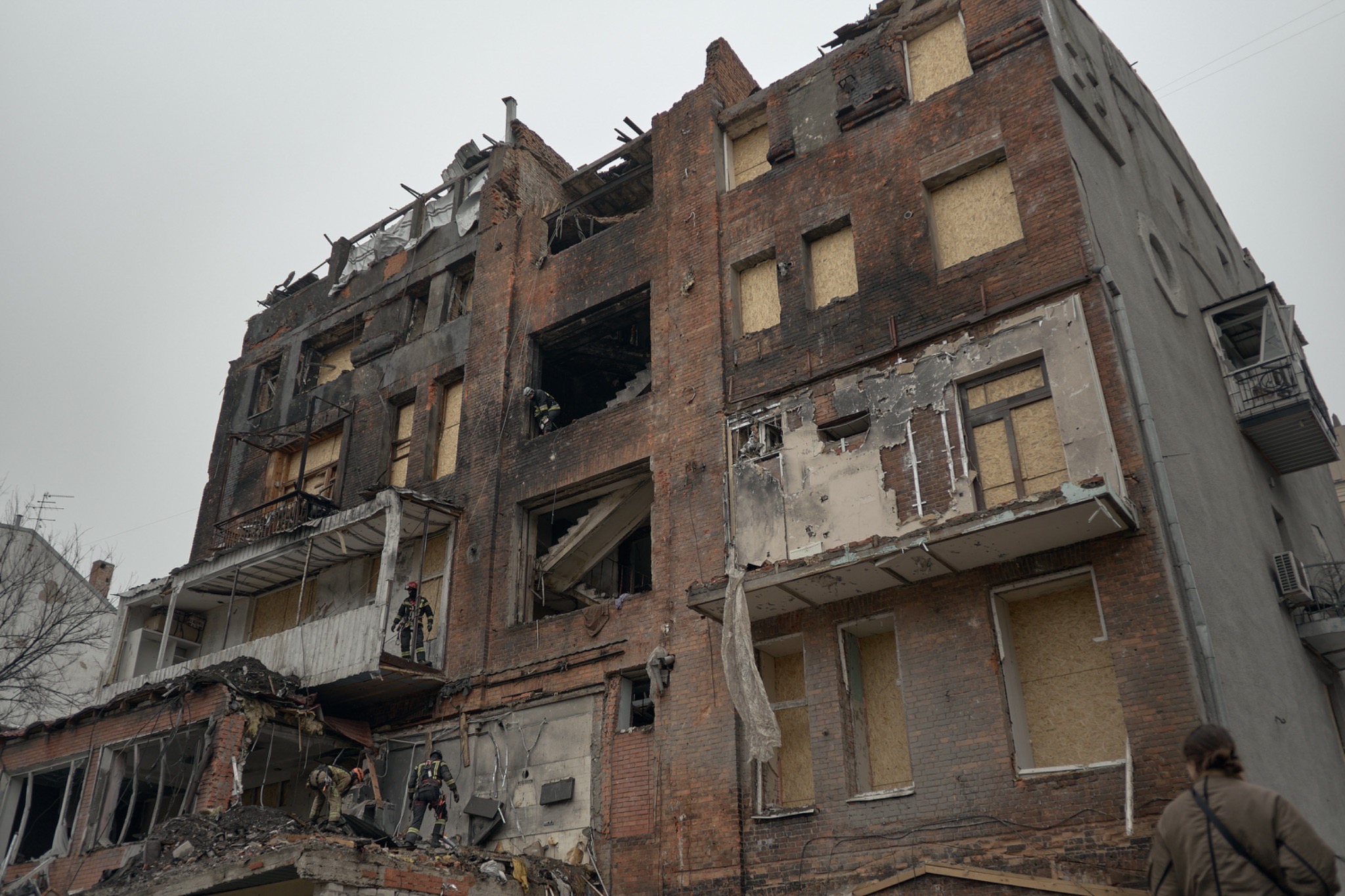
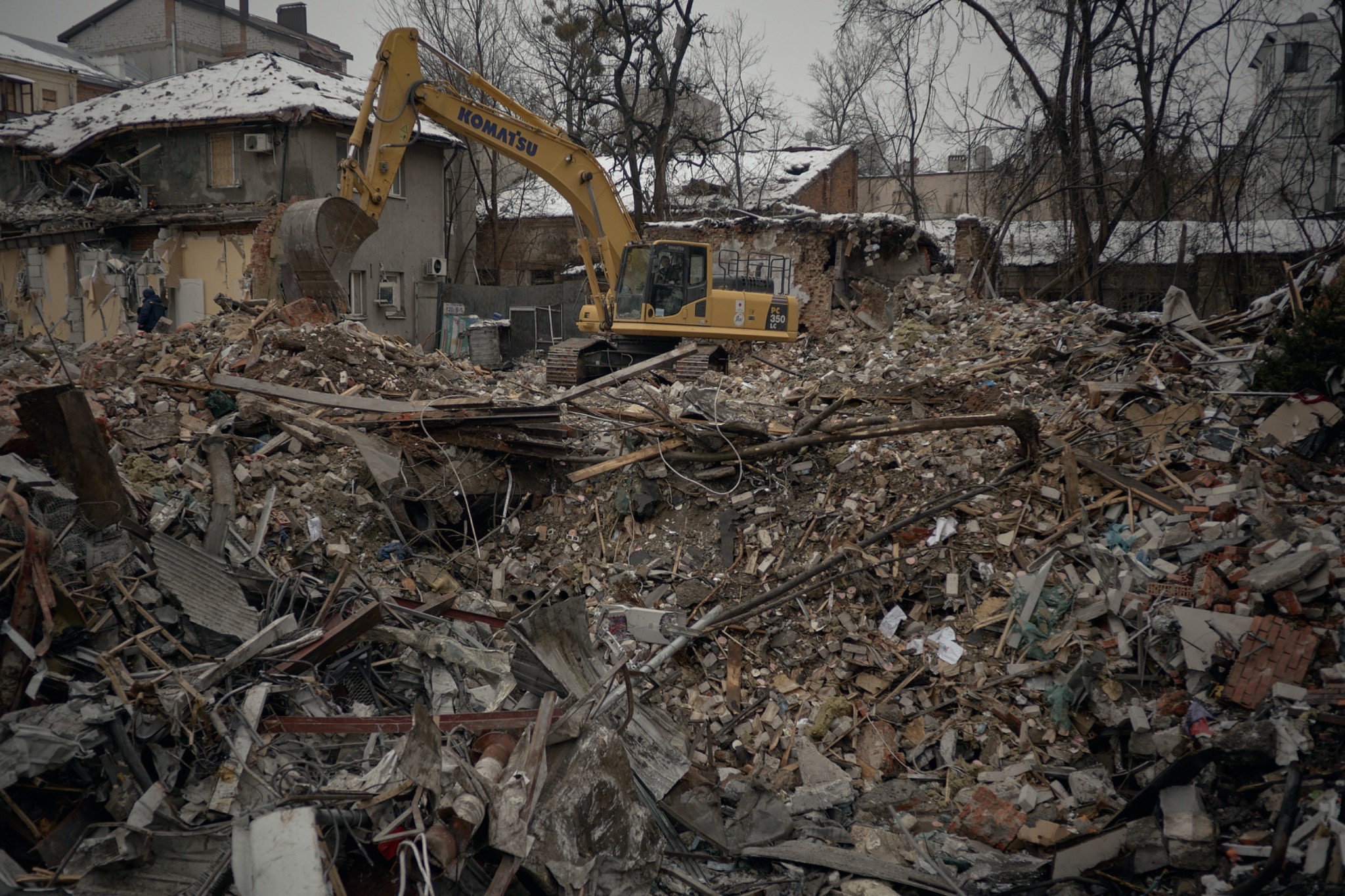
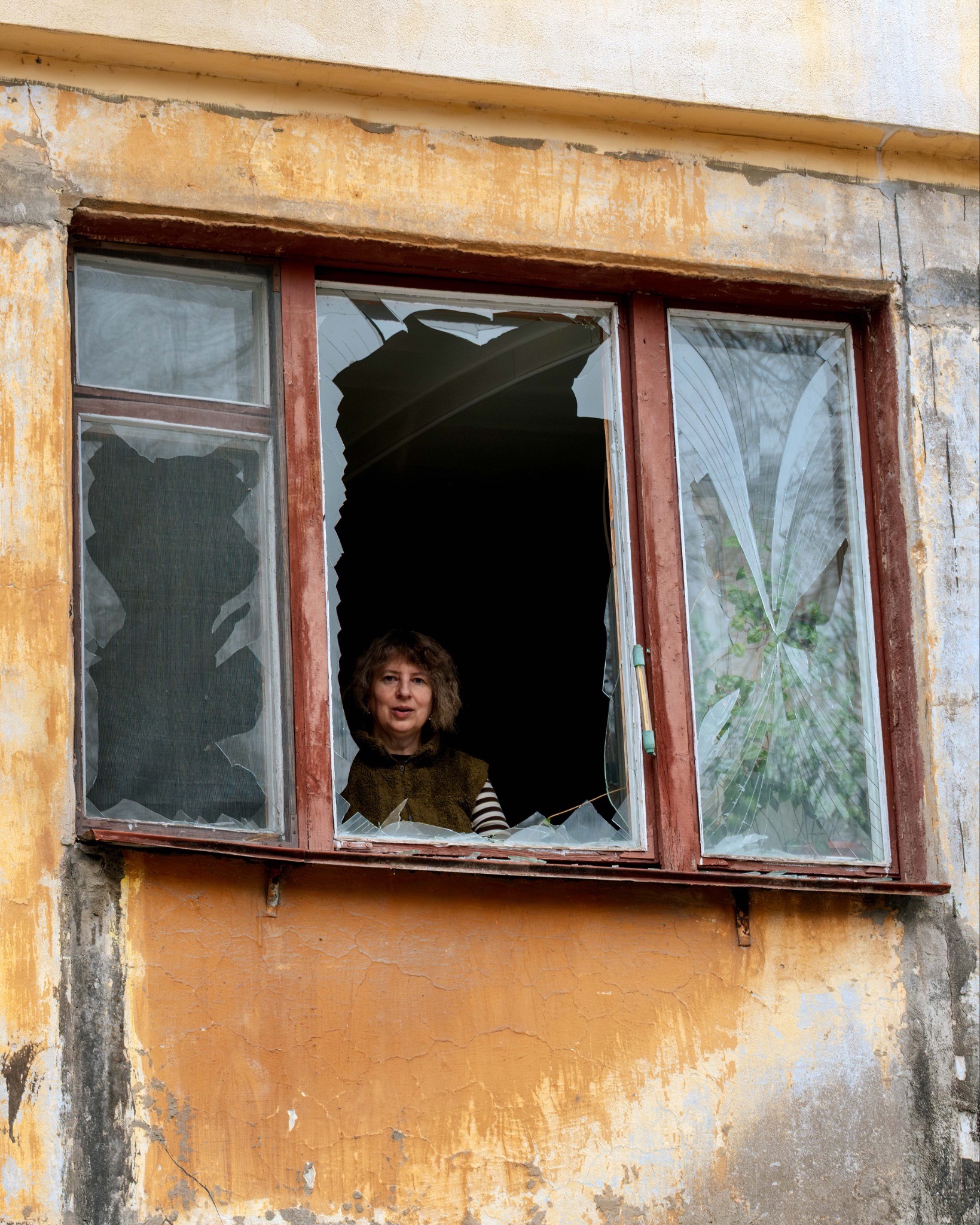
On Monday, January 5, the enemy carried out five missile strikes with the Tornado-S MLRS on an energy facility in Kharkiv’s Nemishlianskyi district. Significant damage to energy infrastructure was recorded; about 350,000 consumers were left without power; a high-rise building was also damaged, and two people were injured. On January 9, the Russian army carried out a missile strike on Kharkiv. A garage cooperative was hit; there was destruction and damage, without fires. The blast wave blew out windows in nearby buildings. Overnight into January 11, Russians struck Kharkiv and the region; there were people affected. In Kharkiv, the enemy hit with missiles and drones, damaging an infrastructure facility.
Worked on the material:
Topic researcher, text author: Yana Yevmenova
Photo editor: Olha Kovalova
Literary editor: Yuliia Futei