%20(750%20x%20360%20%D0%BF%D1%96%D0%BA%D1%81.)%20(2000%20x%20800%20%D0%BF%D1%96%D0%BA%D1%81.)%20(1).png)
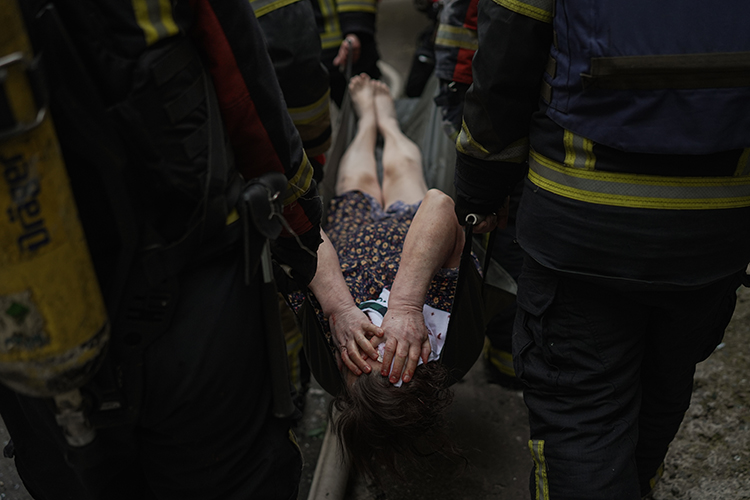
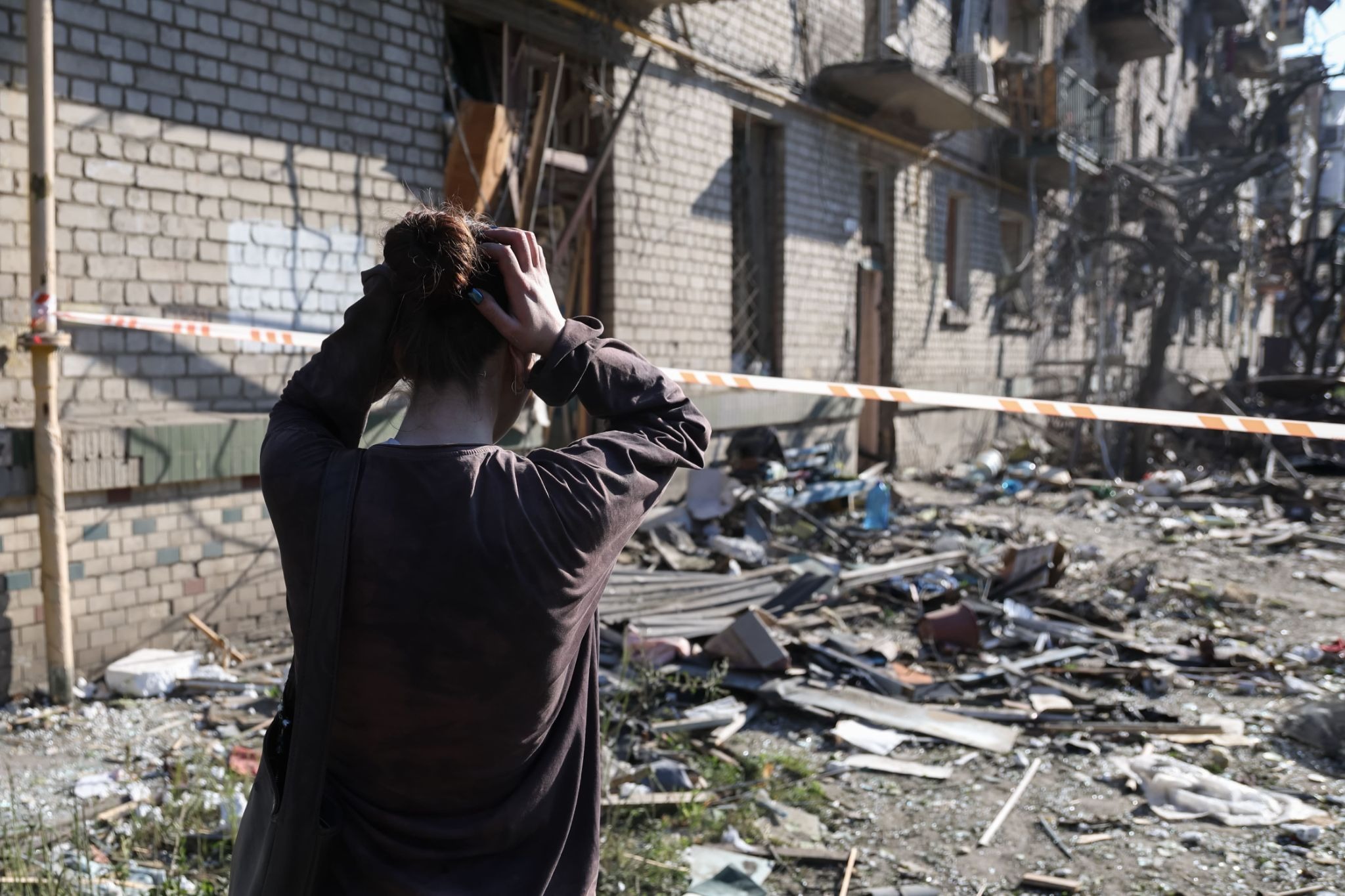
In early July 2026, the Russian army unleashed a campaign of massive aerial terror, using missiles, aerial bombs, and drones against residential neighborhoods, civilian enterprises, transport infrastructure, and gas stations across Ukraine. The capital suffered the heaviest losses; hits on residential buildings left 31 people dead and 102 injured. Shelling in other regions claimed the lives of children, young people, and entire families: in Kharkiv, a 23-year-old woman and a 15-year-old boy were killed; in Lozova in the Kharkiv region and the Dnipro region, girls aged ten and seven fell victim to the strikes; in Sumy, a Russian aerial bomb cut short the lives of a mother and her child; and in Romny, an entire family was killed. As attacks on gas stations in front-line regions have increased, station employees have been injured, and the wounded also include medical personnel and Ukrposhta staff.
Chronicle of Russian shelling from June 29 to July 5, 2026
Throughout the day of June 28–29, the Dnipro region suffered the most massive strikes, where attacks on Dnipro, the Nikopol area, and other districts killed six people and injured over 35, while damaging an enterprise, gas stations, a vocational school, and private homes. The enemy repeatedly shelled State Emergency Service (DSNS) rescuers as they extinguished fires in Nikopol, damaging two fire trucks. In Zaporizhzhia and the surrounding region, bombing with guided aerial bombs (KABs) and targeted drone hunting of civilian transport killed four people and left at least 28 injured, including children. Hits on the regional state administration building and an industrial facility were recorded, along with damage to dozens of houses. The enemy attacked a mother and her three children with drones in the center of Kherson; they were hospitalized. In the Chernihiv region, an enterprise and a gas station were attacked, and a station employee was wounded; in the Sumy region, two people died and nine civilians were injured as a result of a missile strike on a forestry farm in the Hlukhiv community, where houses and administrative buildings were damaged. In the Poltava region, there was a fire at a gas station; in the Kirovohrad region, at an infrastructure facility; and in the Donetsk region, a fire and rescue unit and two pieces of equipment were damaged.
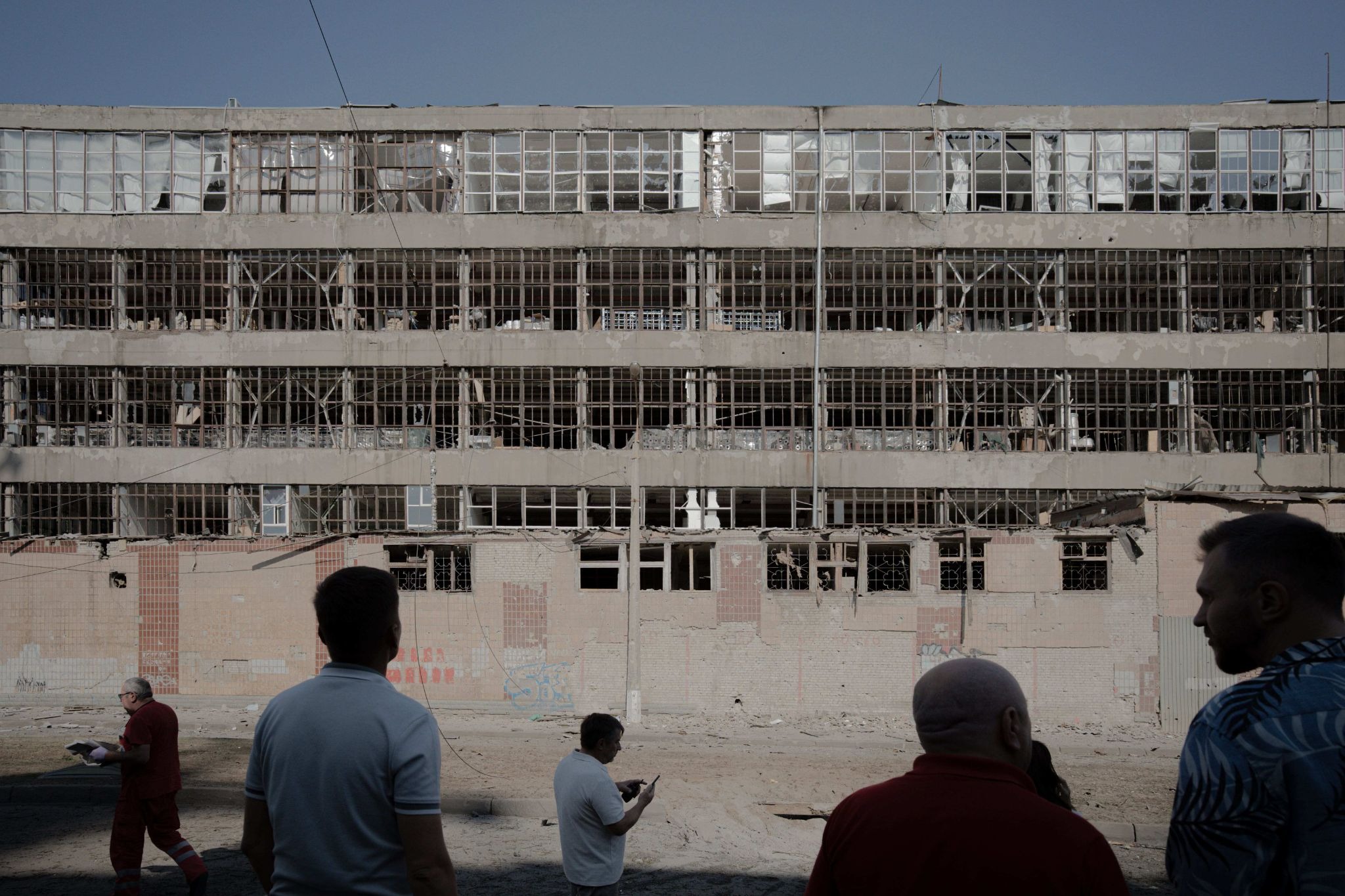
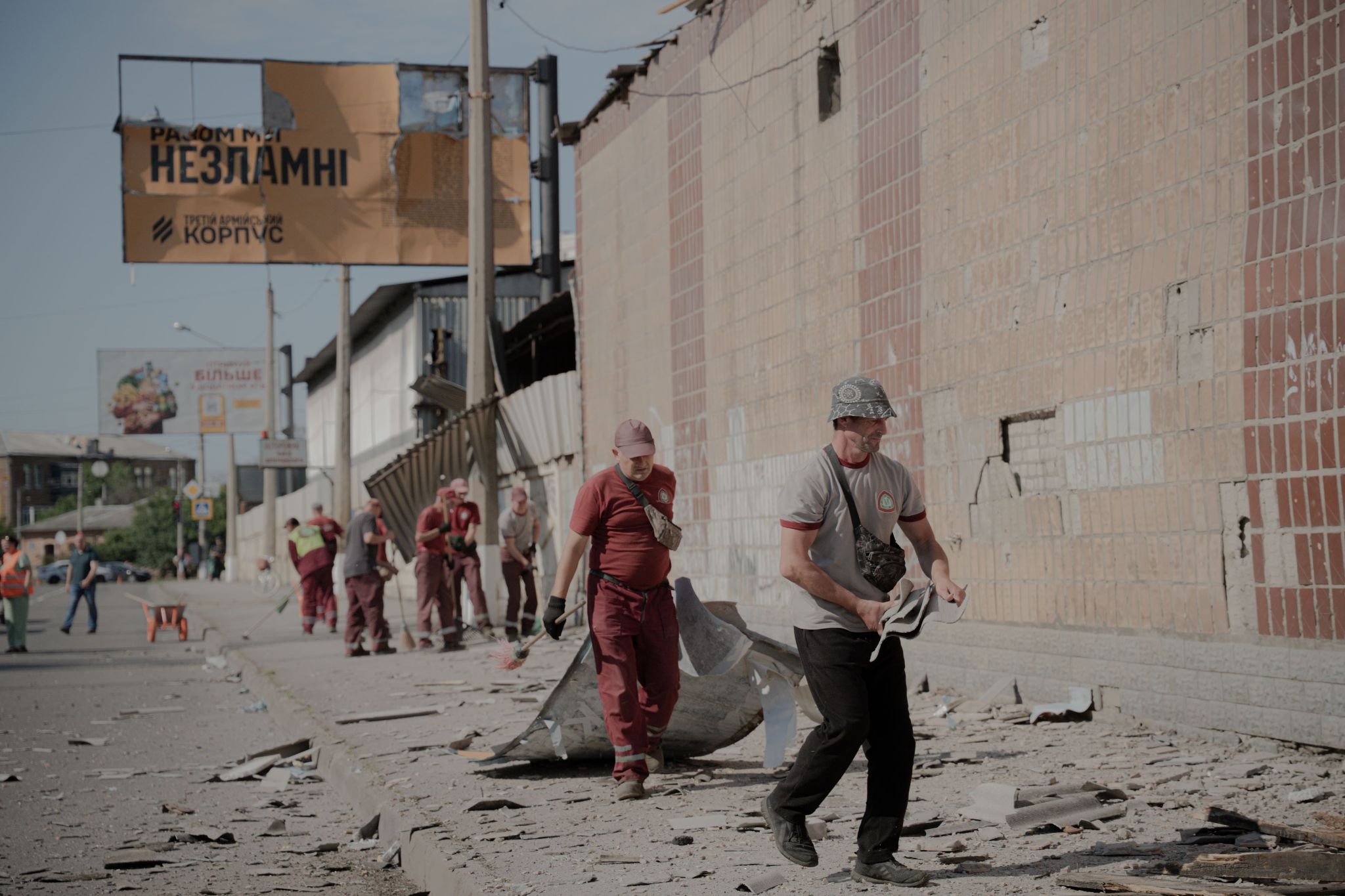
On June 30, in the Sumy region, the enemy launched four KAB strikes on civilian infrastructure, resulting in 21 people being wounded, one man in serious condition. Following an enemy attack on Zaporizhzhia the previous day, three people died and 18 were injured, including a child; during the day, two more people died and 15 were wounded: the enemy dropped seven guided aerial bombs and used drones; blast waves damaged a kindergarten, an administrative building, warehouses, an infrastructure facility, and residential buildings; more than 63,000 subscribers were temporarily left without electricity. In the Dnipro region, seven people were wounded, and enterprises, high-rise buildings, and private houses were damaged; a grain warehouse and a wheat field caught fire. In the Donetsk region, the Sloviansk community was under constant shelling, a woman was wounded, and private homes were damaged; in the evening, three FAB-250 aerial bombs hit Kramatorsk, wounding three people and damaging residential buildings and retail facilities. In the Chernihiv region, three civilians were wounded, and a woodworking enterprise, a gas station, an administrative building, a hospital, a store, and residential buildings were damaged. In the Mykolaiv region, residential buildings and a cultural and educational institution were damaged, and in Ochakiv, an administrative building and a high-rise were hit.
Throughout the day of July 1, the occupiers cynically attacked a route taxi in the center of Kherson with a drone, killing two passengers, including an 18-year-old girl, and leaving 11 others with blast-related injuries, among them two medical workers; one person is in serious condition. In Zaporizhzhia, a service station and a warehouse were damaged. In the Dnipro region, the enemy targeted five gas stations, enterprises, and infrastructure with drones; a woman died, and three other civilians were injured, including a pregnant woman; the regional center was also under attack. The Russians launched an airstrike on a residential area in Kramatorsk, wounding three people and damaging five high-rise buildings, shops, cafes, and a stadium; fires were raging. In Snihurivka, Mykolaiv region, a drone hit a construction supermarket, causing a massive fire covering 5,000 square meters; in Nova Odesa, a warehouse was damaged, a truck driver died, and three people were hospitalized in moderate condition; energy infrastructure was also hit by drones. In the Odesa region, a ballistic missile strike on an enterprise killed two people and injured 13; the resulting fire destroyed two warehouses containing toilet paper and mineral fertilizers. In the Chernihiv region, a woman was wounded, and houses, communication and energy facilities, and a number of gas stations were damaged; strikes were reported on an agricultural enterprise and a market. In Sumy, drone strikes on civilian infrastructure and gas stations wounded four people, leading to serious disruptions in electricity, water, and communications in the city. Four people were injured in the Poltava region, where an enterprise caught fire.
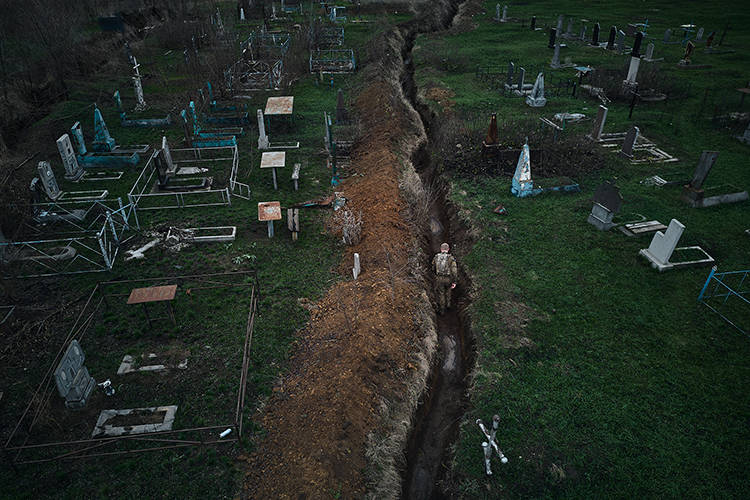
On July 2, in the Dnipro region, a KAB strike on the Bohynivka community killed a seven-year-old girl, and four people, including a child, were hospitalized; in Pavlohrad, cars burned in a parking lot; transport infrastructure was damaged in the Dnipro district. The occupiers hit a hospital in Kherson, killing a 63-year-old doctor and wounding a nurse; a fire broke out, and one of the medical facility's buildings suffered significant destruction. In the Sumy community, a drone attack on a gas station injured three civilians; a KAB strike on a residential sector in Sumy damaged a school and residential buildings, injuring 11 people, including three children. In the region, a Russian drone attacked a civilian mail vehicle, injuring the driver and a mail carrier. In Mykolaiv, a "Shahed" drone attack damaged five buildings and caused fires, injuring three people; in the region, enemy drones destroyed a gas station, killing a 45-year-old man. The enemy attacked Zaporizhzhia and its district with two missiles, KABs, and drones; about a dozen people were injured, including four children; a shopping center, a logistics company terminal, residential buildings, a fitness center, and store warehouses were damaged, and a high-rise building caught fire. In the Chernihiv region, private houses, farms, a vegetable store, a gas station, and a cemetery in Chernihiv were damaged.
On July 3, the Russians struck Oleksandrivka with KABs and shelled Sloviansk in the Donetsk region, resulting in deaths and injuries; over 60 houses, administrative buildings, and educational institutions were damaged. A drone hit the vehicle of a municipal emergency brigade in Kramatorsk, but the workers managed to escape. At night, the Russians launched a missile strike on Kryvyi Rih, damaging nearly four dozen high-rise buildings, two schools, an enterprise, business facilities, garages, and cars, and wounding seven people. A drone hit a one-story apartment building in Romny, Sumy region, causing a fire that killed four people, including two women, an elderly man, and a girl not yet two years old; a series of repeat drone strikes on a gas station in two communities left eight civilians injured, three of whom are gas station employees in serious condition. Russian aviation struck a poultry farm in Chornobayivka, Kherson region, with guided bombs, sparking a massive fire in the production buildings. In Mykolaiv, a drone attack injured four people, two of whom are in the hospital; private houses and an enterprise building were damaged, and in the region, shelling destroyed two gas stations and damaged an enterprise, killing one man and wounding four others. In the Chernihiv region, enemy drones attacked a gas station, a grain elevator, and residential buildings; a gas station operator was hospitalized. In Zaporizhzhia and its suburbs, combined strikes killed two people and wounded 21, including children aged 11, 12, and 16; an enemy drone destroyed a combine harvester in a field, wounding a 30-year-old operator and causing wheat to catch fire.
Overnight on July 4, in Zaporizhzhia, the Russians damaged a high-rise building and the facade of the Zaporizhzhia Regional State Administration; throughout the day in the city and district, the number of casualties rose to 39. A Russian aerial bomb strike on one of the central streets of Sumy claimed the lives of four civilians, including a 34-year-old woman and her five-year-old daughter, and left 33 others injured, including children; a KAB also killed an elderly woman in her own yard in the Sumy community. Throughout the day, the Snovsk community in the Chernihiv region was under massive drone attacks; the enemy purposefully targeted gas stations, enterprises, and agricultural facilities. In the Odesa region, an enemy missile hit civilian infrastructure, destroying and setting fire to food warehouses; two men were hospitalized. In the Donetsk region, Russians killed five residents and wounded 12 more in one day; at least five were wounded, including a child, in Kramatorsk following an airstrike on a retail facility in the city center. A woman who was injured in a Russian shelling on May 24 died in a Kherson hospital; Olena Tarasenko was known for her volunteer work.
Overnight on July 5, the enemy again attacked a gas station in the city of Sumy, where three people are currently known to be injured. Over the course of a few days, two people died in the Dnipro region, and 28 others were injured, including a 13-year-old girl; an enterprise was damaged in Dnipro. In Mykolaiv, a warehouse building of a dairy processing plant was damaged, and a 70-year-old woman was killed by a missile strike on a farm in the region; a gas station was also damaged. Strikes on Zaporizhzhia and its district killed one person and wounded at least 16; at night, the enemy launched an airstrike on the regional center, damaging critical infrastructure, a parking lot, and a residential sector; in one high-rise building, a wall was completely destroyed from the first to the fifth floor, and one child is among the three injured.Kharkiv Region
Kharkiv region
Throughout the day on June 29, Russian troops carried out a massive combined attack on Kharkiv and the region, using missiles, KABs, multiple launch rocket systems (MLRS), and various types of drones. The shelling in the region killed two people and left 26 others injured, including two children. In the regional center, two high-rise buildings, a garage, a gas station, and a warehouse building were damaged, where a massive fire broke out.
In the Kholodnohirskyi district of Kharkiv, a KAB hit the road surface on the afternoon of June 29, killing a 23-year-old woman and wounding 12 others, one patient is in extremely serious condition; business facilities, tram tracks, and warehouse premises were damaged. A second bomb fell into a private yard and did not explode, getting stuck in the ground. State Emergency Service (DSNS) sappers removed the munition and took it away for disposal. In the Kharkiv region, by the morning of June 30, four people had become victims of Russian terror, and the number of wounded over the day reached 39, including two children aged 9 and 10.
"Ukrainska Pravda. Zhyttia" reported that the deceased woman was Fatima Ilyas kyzy Huseynova, a sixth-year medical university graduate. Her friend suffered 90% body burns and is currently in critical condition in the intensive care unit of the regional hospital. The girls had been studying remotely and came to Ukraine to receive their diplomas; on that ominous day, they were rushing to a photo shoot.
From July 1 to July 2, due to the use of guided aerial bombs and drones, the Kyivskyi, Osnovianskyi, Novobavarskyi, and Slobidskyi districts of the city were affected, a 15-year-old boy was killed, and the number of injured residents exceeded 40, including children—girls aged 1, 8, and 17, and a 16-year-old boy. Enemy hits caused massive destruction in the private sector and residential quarters: 38 private houses were damaged, windows in 50 residential buildings were shattered, a warehouse building and over a dozen cars were damaged, windows were blown out in a medical facility and a fire-rescue unit by the blast wave, and fires occurred. At the end of the week, a series of strikes on Kharkiv led to damage to residential high-rises, gas stations, and cars.
.jpg)
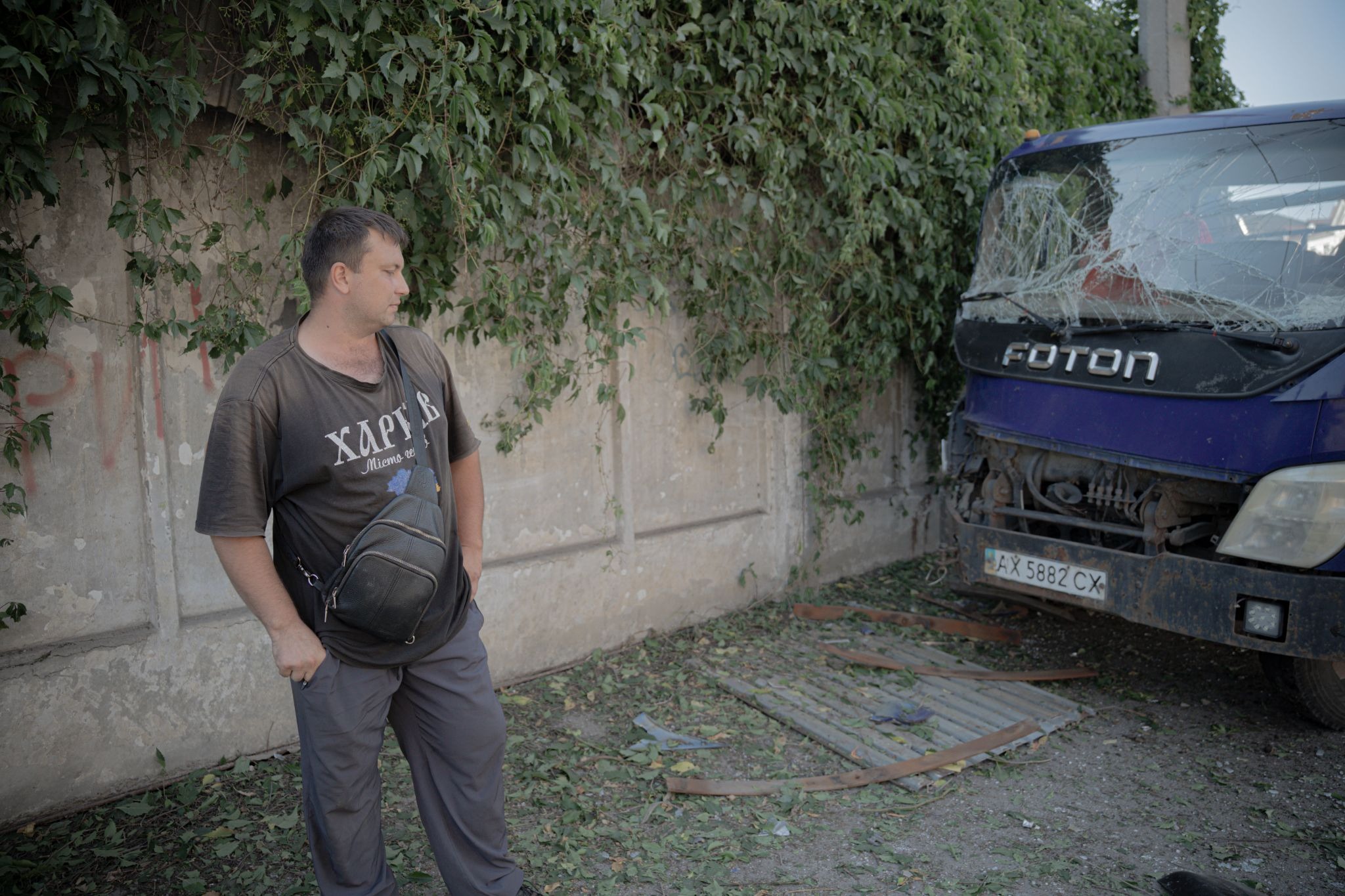
The Russians launched a missile strike on Berestyn and the Zmiiv community, where an enemy hit claimed the life of a woman and injured eight others, including two children. In addition, targeted strikes on gas stations were recorded in different districts of the region. The Bohodukhiv district suffered massive destruction; as a result of a drone hit, a fire broke out at a farm, killing 10 calves and injuring 10 more; the city of Bohodukhiv also suffered, where an attack over the weekend killed two people and damaged a supermarket and a furniture store.
On July 3, the city of Lozova suffered the most destructive drone strike, where a hit on a private house caused a fire; rescuers saved five people from the basement, including two children who were trapped due to doors jammed by the blast wave. The attack killed two people, one of whom—a ten-year-old girl—died in the hospital, and 16 others were injured, including four children. In the Lozova district, an agricultural enterprise was damaged.
Kyiv region
On the night of July 2, the enemy launched an unprecedented, massive combined strike on Ukraine, deploying 74 missiles and 496 drones of various types; air defense shot down 48 missiles and 476 drones, yet 25 ballistic missiles and 12 drones were recorded hitting 33 locations, and debris fell in 18 locations. The main direction of the strike was Kyiv.
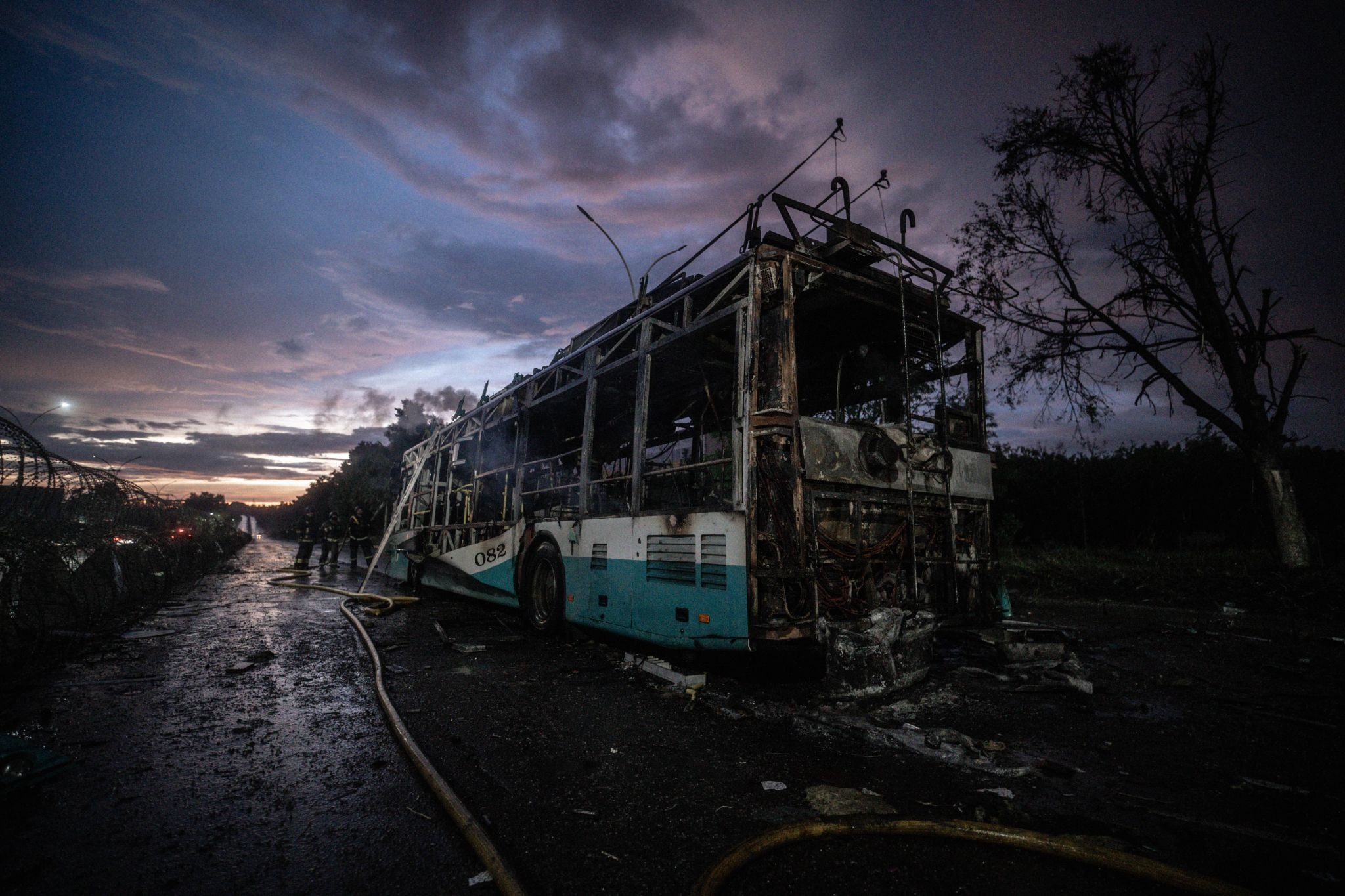
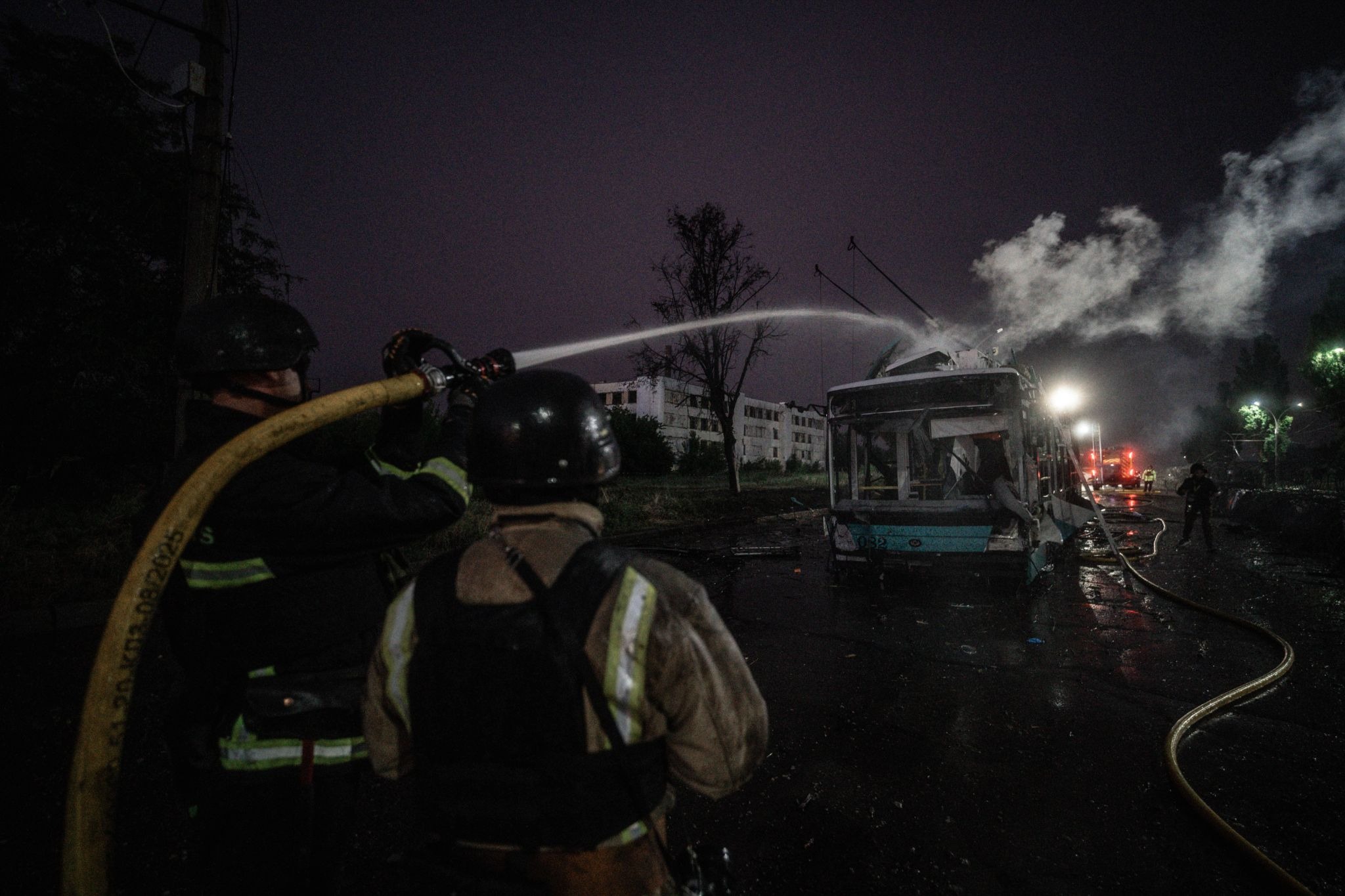
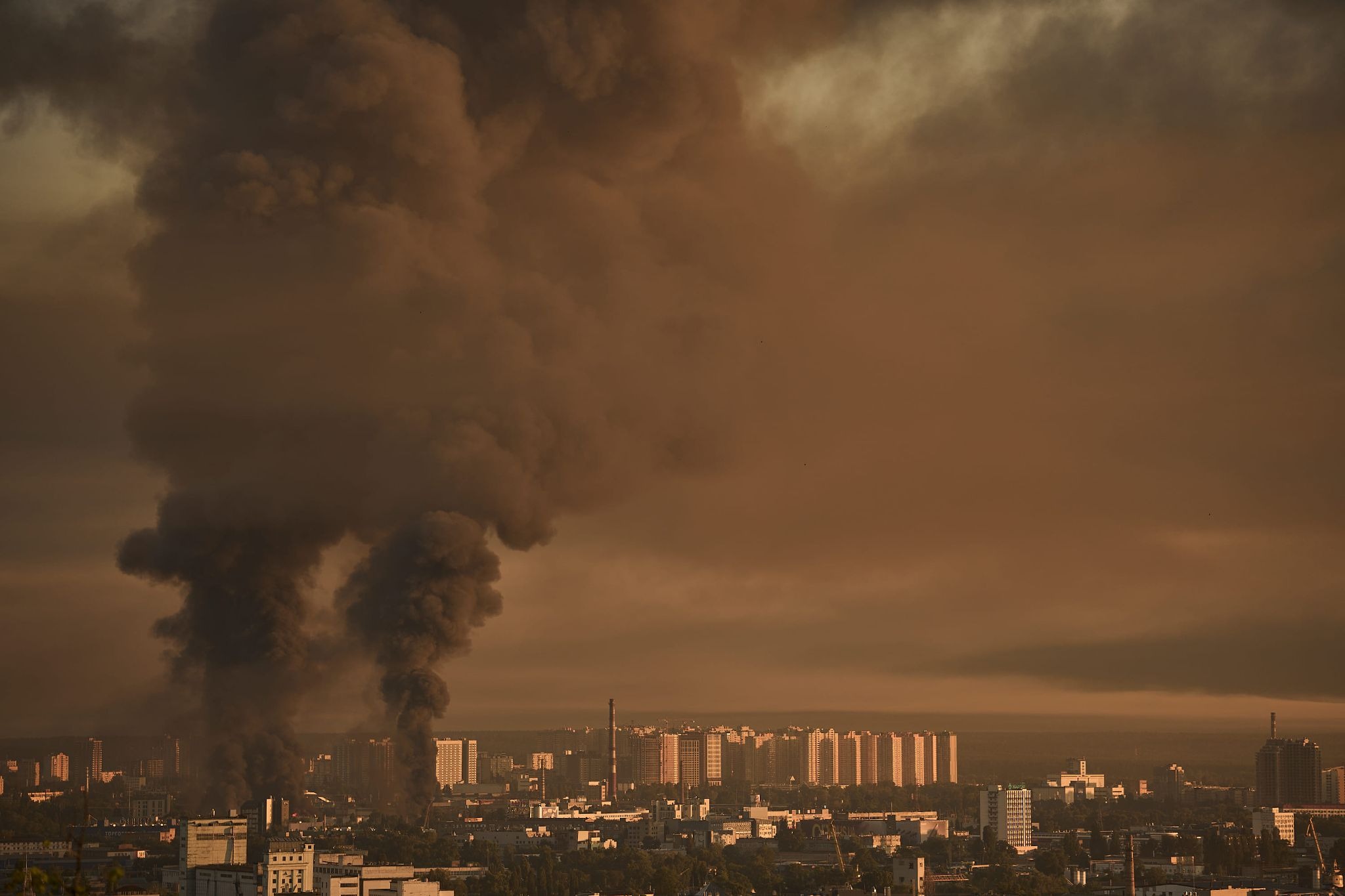
In the capital, massive fires and damage were recorded in 40 locations, primarily in the residential sector, with hits on residential buildings; the death of 31 people was confirmed, and 102 people were injured, including two children. In Kyiv, damage was sustained by: an ambulance station, a scientific institute, a hotel, educational institutions, and a number of enterprises, including the complete destruction of a warehouse and office of the company MOYO, as well as a warehouse containing about 800,000 books from the BookChef publishing house; animals and buildings were affected at the capital's zoo. The enemy attack damaged DTEK company facilities, causing partial power outages in Kyiv. Some 570 rescuers and over 125 pieces of special equipment from the State Emergency Service were involved in liquidating the aftermath of the shelling. In almost all locations where rescuers worked, the enemy launched repeat strikes.
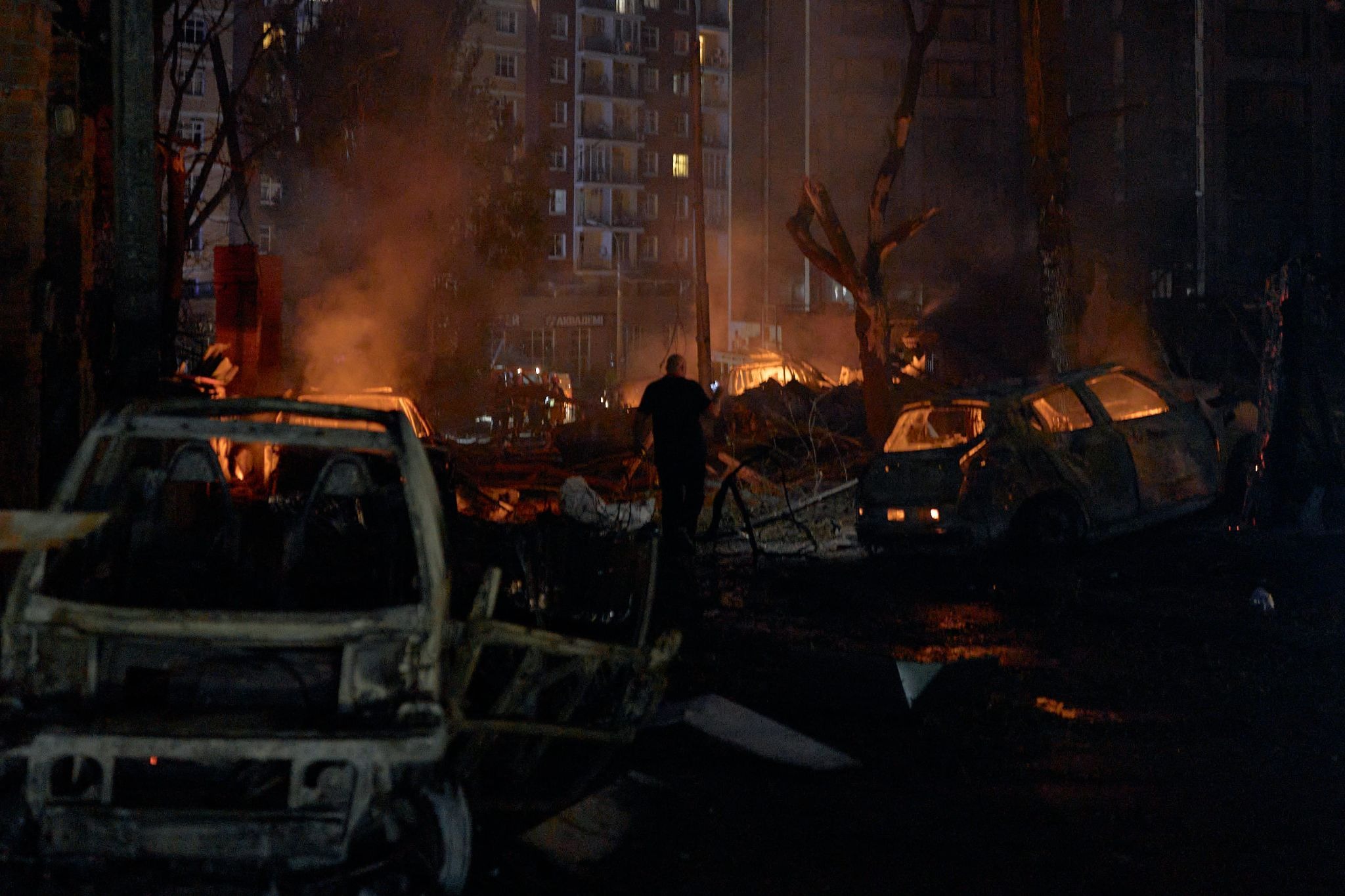
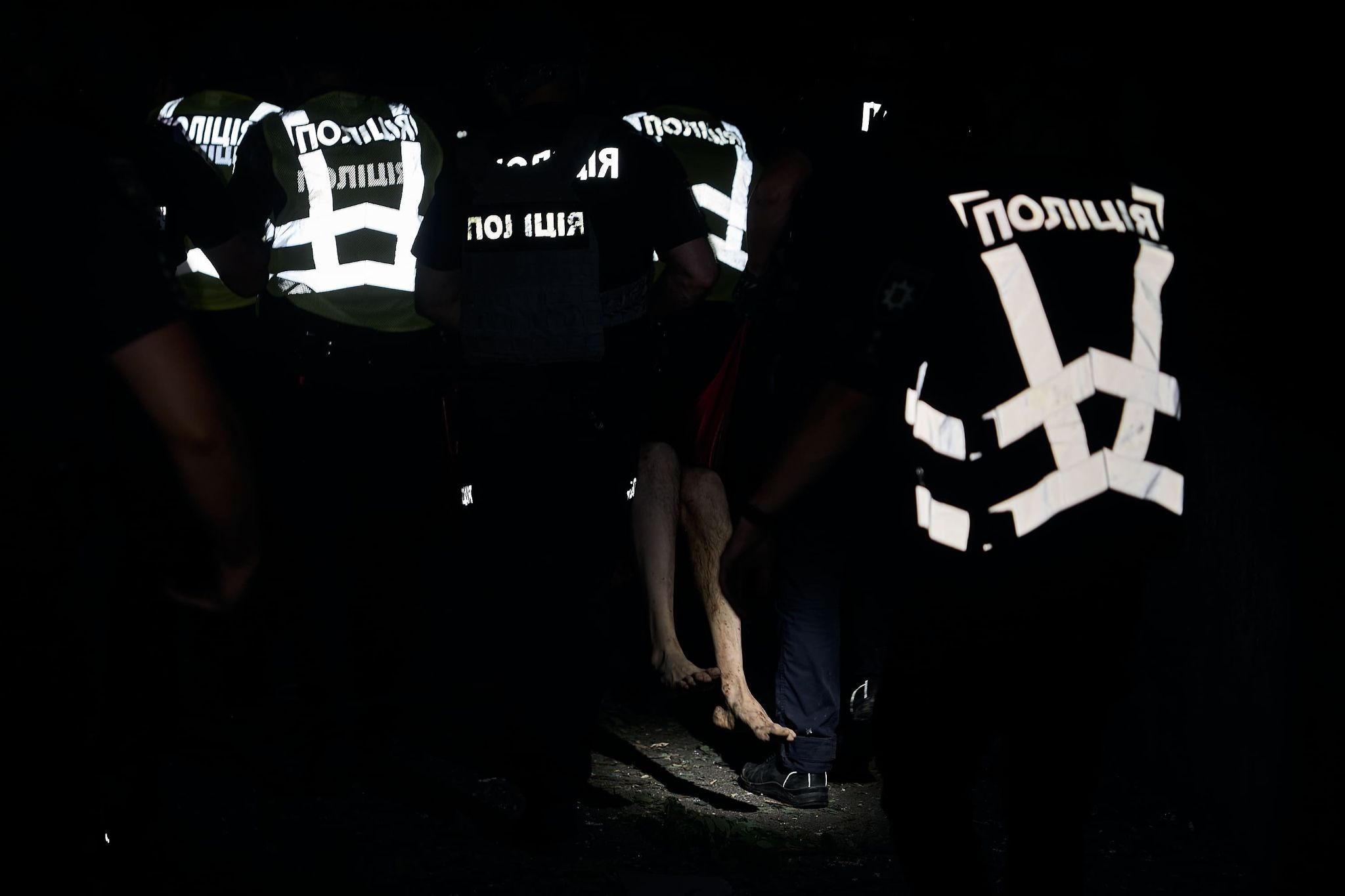
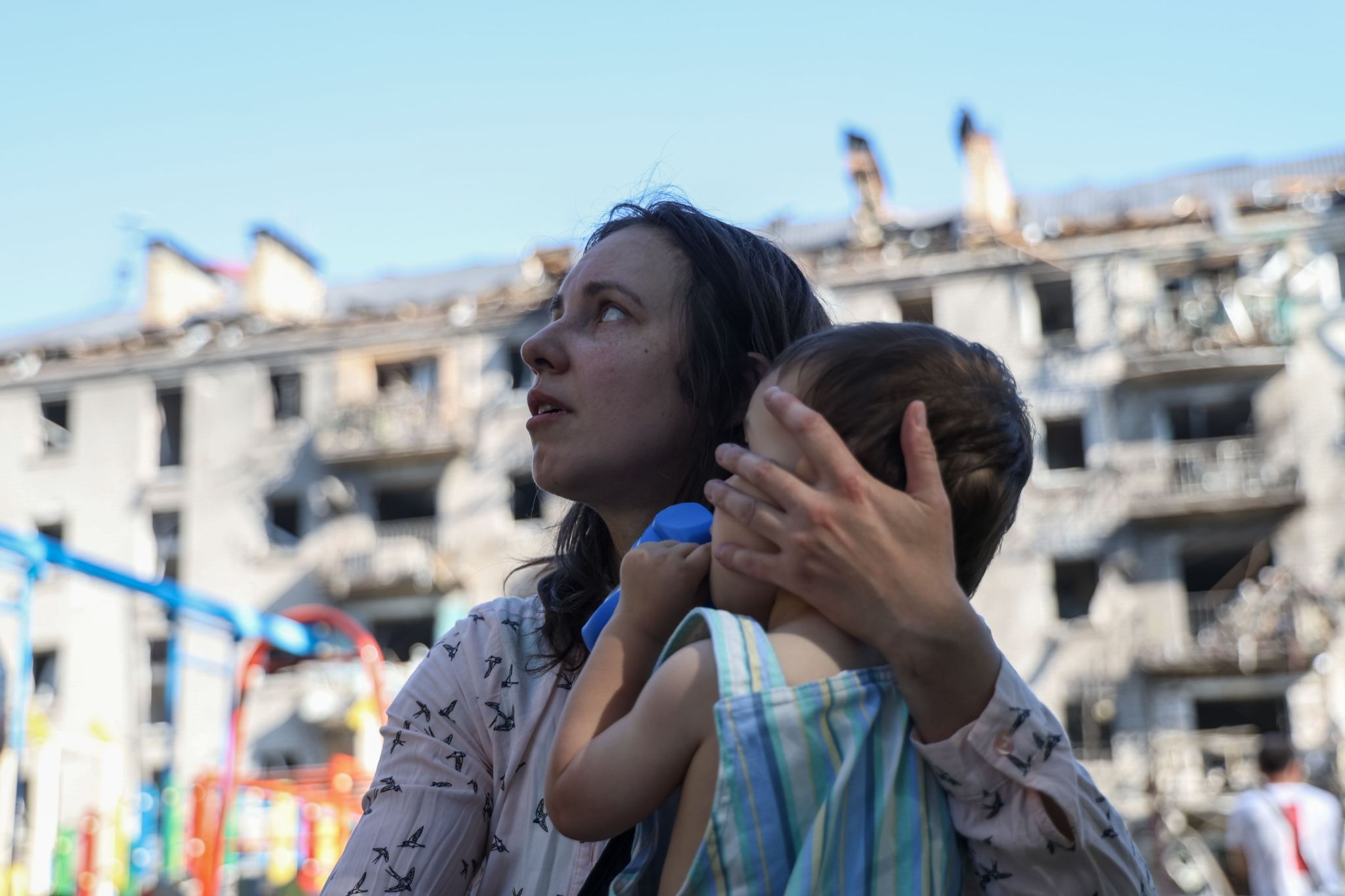
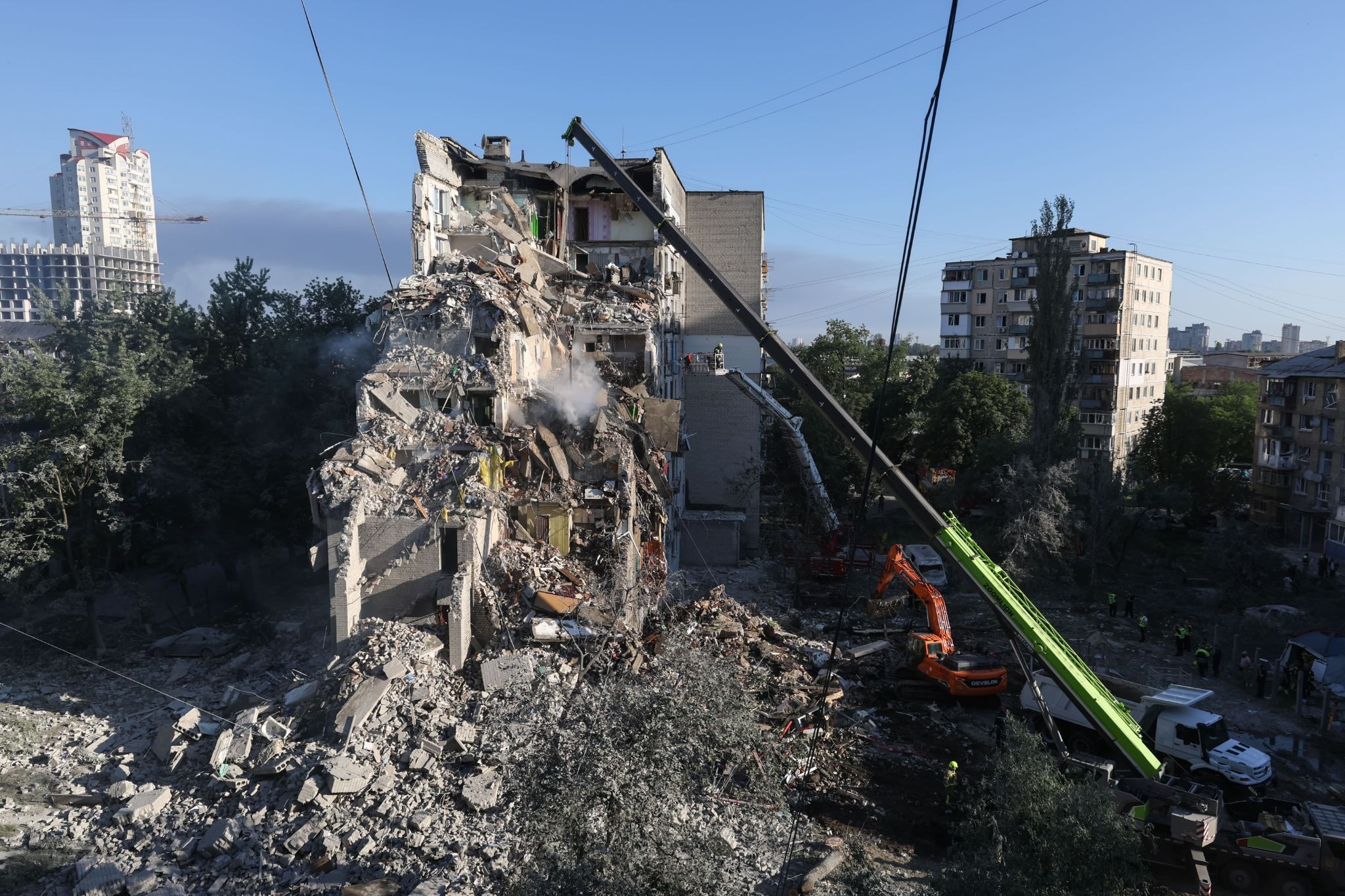
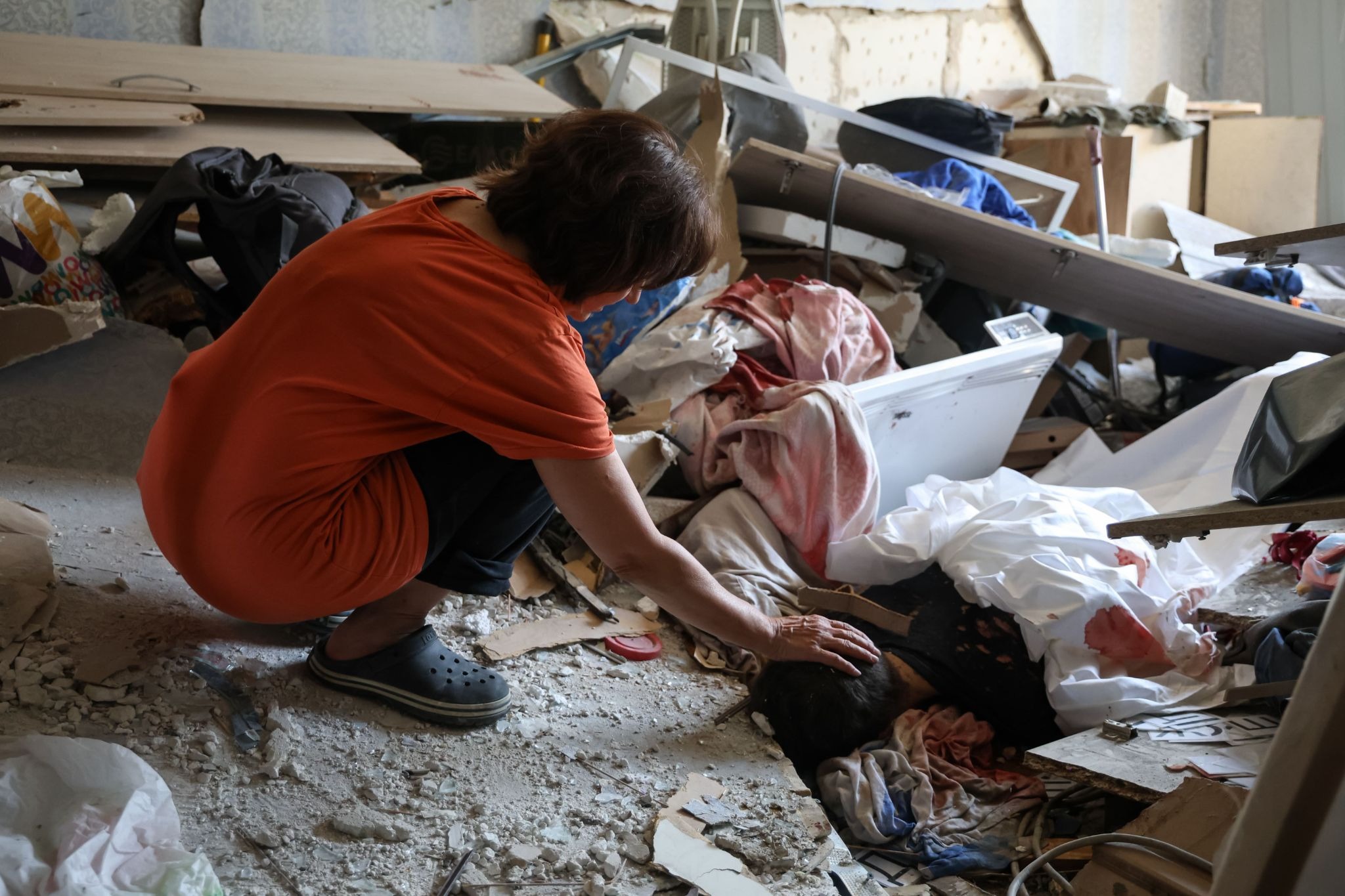
The Darnytskyi district suffered the greatest destruction, where an enemy strike destroyed part of a nine-story building, killing 10 people; 17 people were rescued, seven of whom were extricated from under the rubble, and a five-story building, the upper floors of a 16-story building, and eight private houses were partially destroyed. A search and rescue operation continued in several locations for two days.
"Come in, you can see, but my son Roma is lying there. He is dead, he is not breathing," — quotes photojournalist for Suspilne Novyny Ivan Antypenko in his Instagram, sharing the words of Tetiana from the mangled building in the Darnytskyi district of Kyiv, admitting that while he has seen much grief during the years of the war, every time such a human tragedy is simply impossible to grasp and accept.
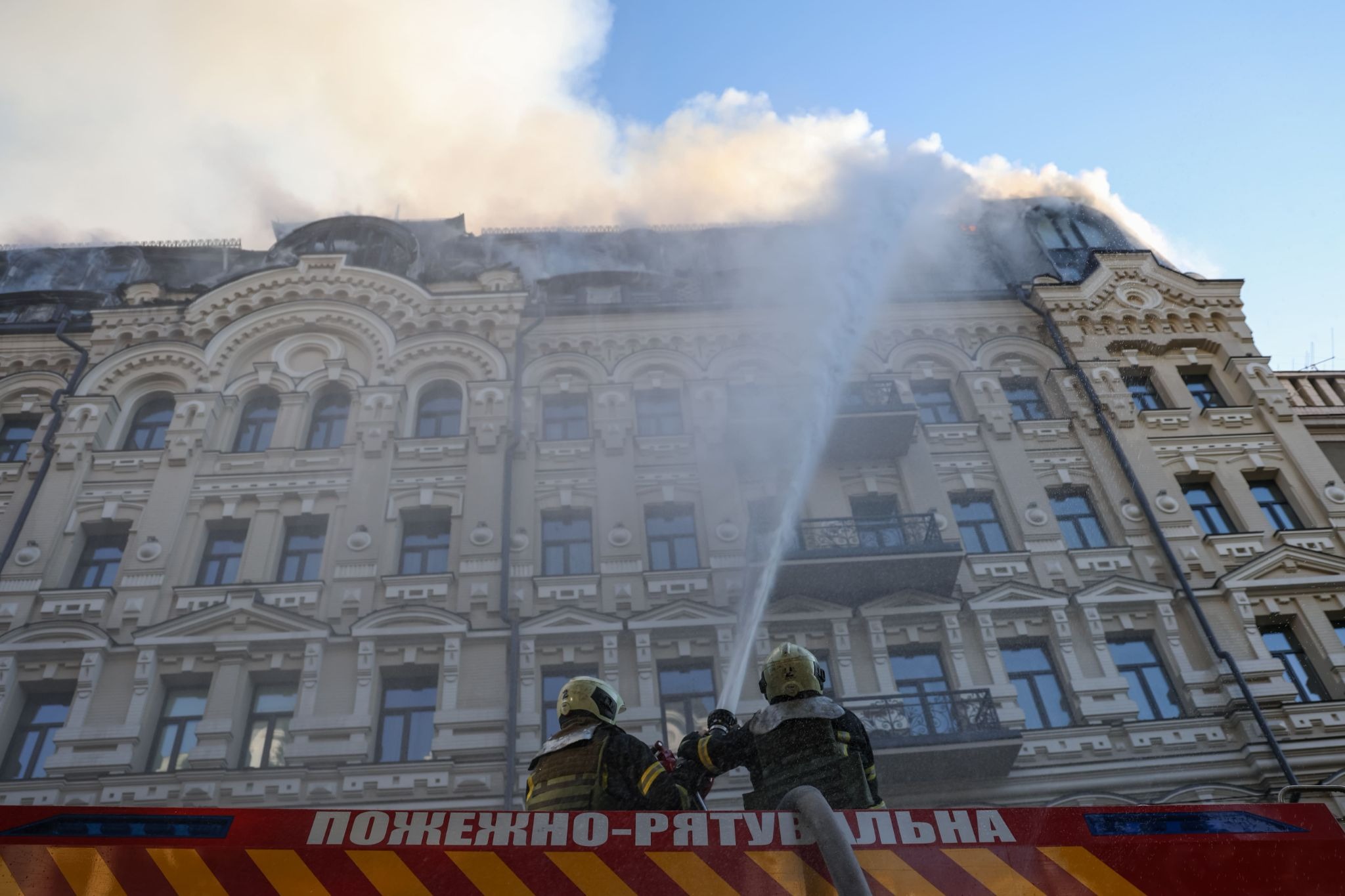
In the Shevchenkivskyi district, destruction of a five-story building was recorded, a massive fire broke out on the common roof of a seven-story residential building and a hotel, a residential five-story building burned over an area of 300 square meters, and a three-story non-residential building caught fire. "Ukrainska Pravda. Zhyttia" reported that a historical building from the early 20th century, which currently houses the CityHotel Residence, was damaged on Shevchenko Boulevard.
The Mayor of the capital, Vitali Klitschko, reported that in the Shevchenkivskyi district, damage was sustained by the building housing one of the ambulance substations; six medics and drivers of the substation were injured, one paramedic is in extremely serious condition, and nine ambulances were damaged.
In the Pecherskyi district, a nine-story building was destroyed, where a fire on the first and second floors was extinguished. In the Holosiivskyi district, the technical floor of a 16-story building caught fire. In the Obolonskyi district, a warehouse site caught fire, from where rescuers evacuated and provided assistance to an injured person. In the Sviatoshynskyi district, two private houses were damaged by debris.
Russian troops damaged the regional intensive care hospital, which had survived the blockade in Mariupol and was relocated to Kyiv, reported the Donetsk Regional State Administration. The polyclinic building suffered the most damage; there is minor damage in the operating room, and specialists are checking the state of the equipment.
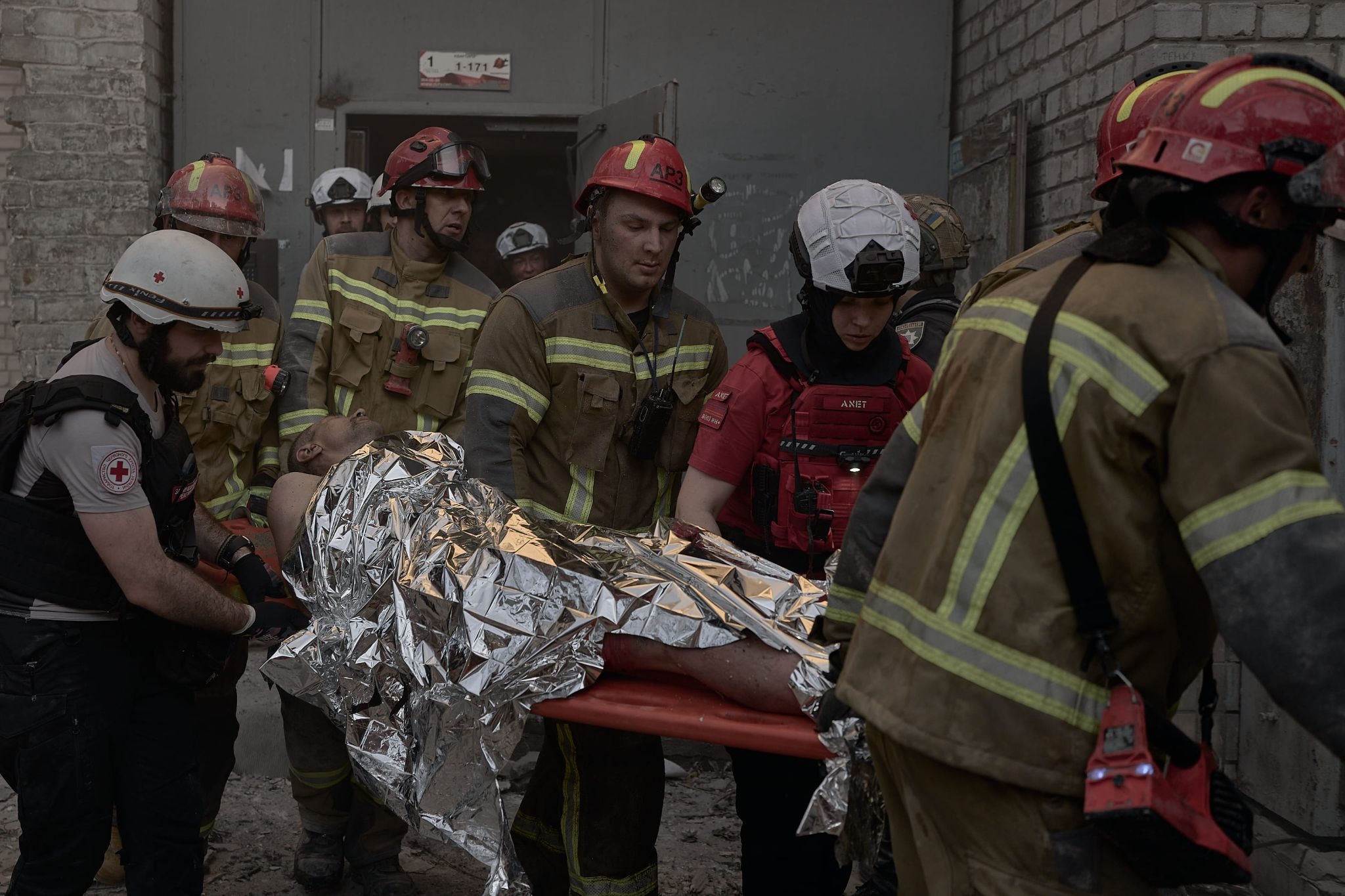
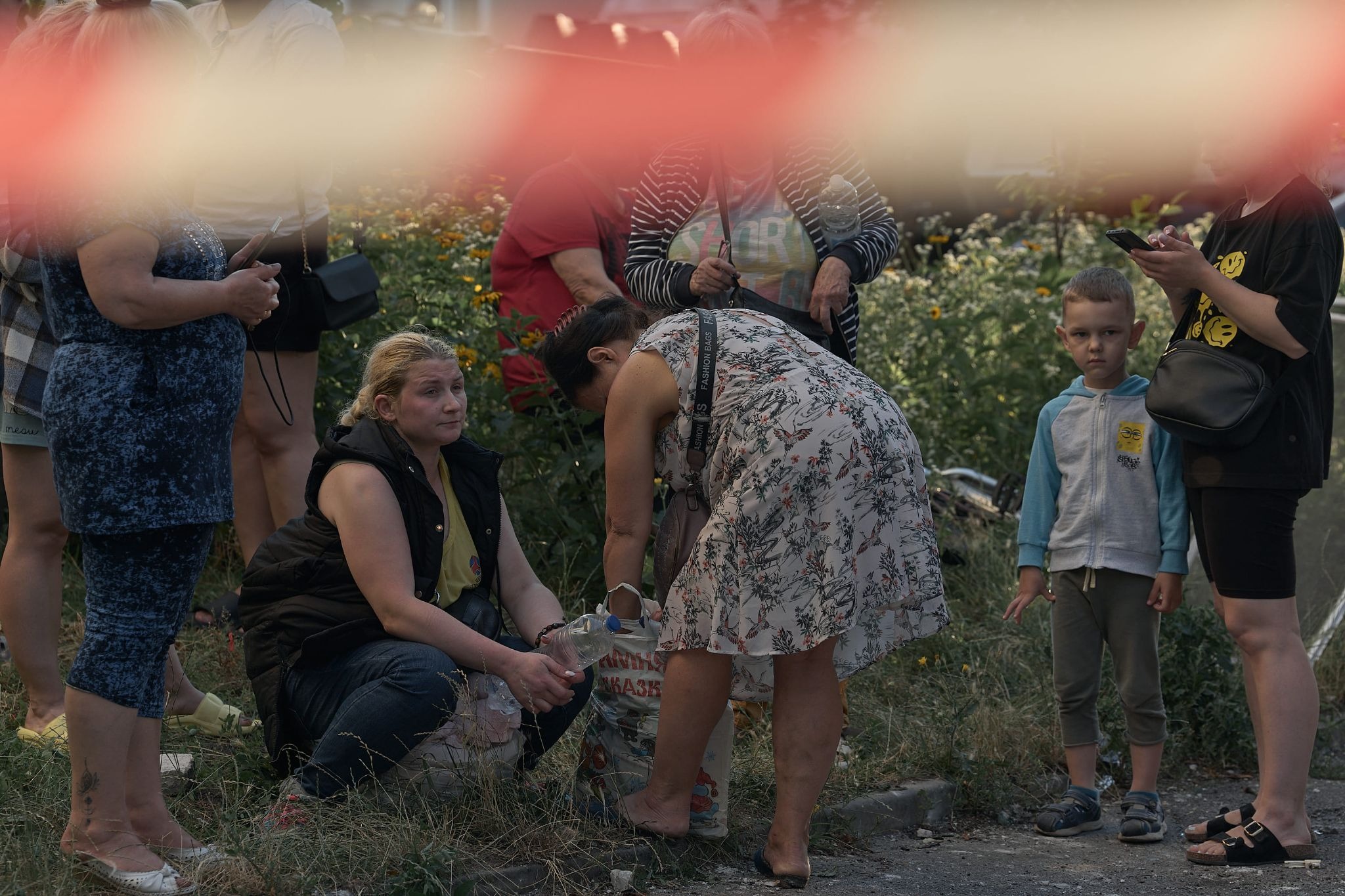
In the wards of capital hospitals, there are 56 hospitalized, including six medical workers and four children. Forensic experts are working on identifying body fragments. In memory of the victims, July 3 was declared a Day of Mourning in Kyiv.
During the strike on the capital, over 52,000 residents of the capital found shelter in metro stations, including nearly 4,500 children—this number became a record for night air raids in recent years, reported the Kyiv City State Administration (KCSA).
In the Kyiv region, damage to civilian infrastructure was recorded, and seven people were wounded. The Bucha district suffered the most, where five people were injured, two men were hospitalized, a fire occurred at an industrial enterprise, and a private house, warehouse premises, an unfinished building, and two cars were damaged. In the Boryspil district, two women were injured and the Porsche Center Kyiv Airport showroom was damaged, with injuries reported among the staff, and the attack destroyed two cars, informs "Economichna Pravda." In the Brovary district, six private houses, a dormitory building, and a passenger car were mangled. In the Obukhiv and Fastiv districts, private homes were damaged.
Due to abnormal heat, calm winds, and fires from the nightly Russian shelling on July 2, air quality in Kyiv sharply deteriorated on the morning of the next day—an excess of dust and ground-level ozone was recorded in the air. Due to the Russian shelling and a fire at one of the enterprises in Kyiv, a leak of fuel and lubricants occurred, which entered the waters of Lake Kyrylivske through the drainage system. Rescuers and chemists from the State Emergency Service isolated the fuel slick using containment booms, preventing the pollution of other lakes in the cascade.
The team that worked on this material:
Topic researcher, author of the text: Yana Yevmenova
Picture editor: Olga Kovalova
Literary editor: Yuliya Futey