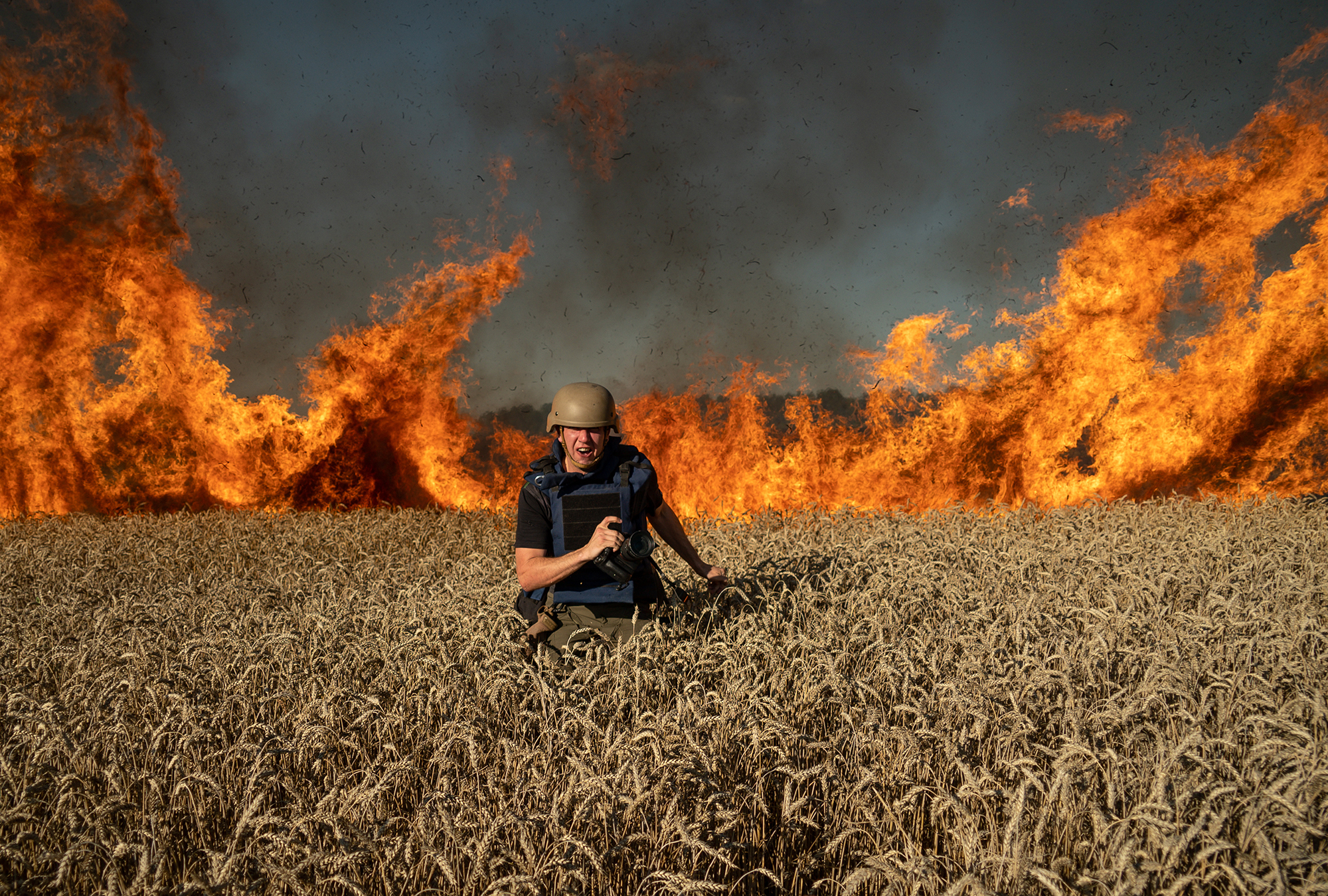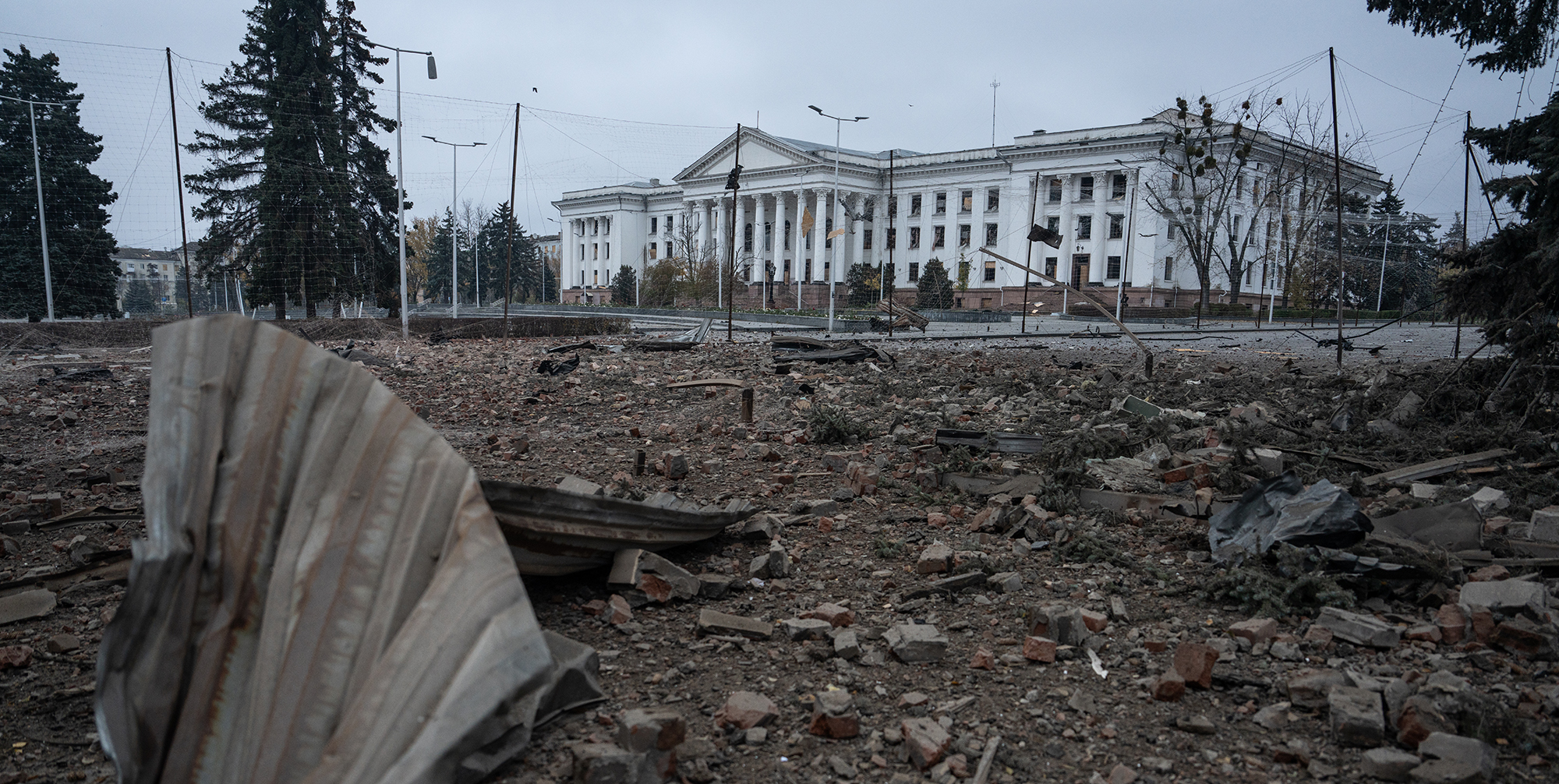
In early November, Russian strikes inflicted extensive destruction on Ukraine's civilian and energy infrastructure. The enemy dropped extra-heavy bombs on an underground school in Komyshuvakha, Zaporizhzhia region, where humanitarian aid was being distributed to civilians: 55 people are confirmed dead, including rescuers and police officers. A search-and-rescue operation has been ongoing for seven days under the constant threat of further shelling. An airstrike completely destroyed the city executive committee building in central Kramatorsk. Drone strikes in the Kyiv and Vinnytsia regions killed two children, aged 14 and 13. The enemy launched several massive attacks against the nation's energy system, damaging the Kyiv regional energy hub, while strikes also hit a substation critical to the stable operation of the Khmelnytskyi Nuclear Power Plant. Due to the severe damage, three DTEK thermal power plants suspended operations simultaneously.
Chronicle of Russian Shelling from November 1 to 8, 2026
From the morning of November 1 and throughout the day, Russian forces launched a massive attack using strike drones across multiple regions of Ukraine. In Koziatyn, Vinnytsia region, a drone struck a vocational school dormitory, killing two people, including 13-year-old Arina Pidruchna; four people were hospitalized, including two five-year-old girls and a 16-year-old boy. In Vinnytsia, a mobile network tower, a warehouse, apartment buildings, a transit stop, a vehicle, and energy infrastructure sustained damage. In Chernivtsi, a double strike on the city damaged the facade and floor slabs of an administrative building, destroyed the roof and property in garages, ignited warehouse premises, and injured a man. In the Sumy region, a 70-year-old woman was killed and five other people were injured.
In Sumy district on November 2, Russian forces targeted a residential area with strike drones: one private home was destroyed and five others were damaged; the body of a deceased man was recovered from the rubble, and his wife suffered severe injuries. In Izium, Kharkiv region, two apartment complexes, 20 private homes, cars, a gas station, bank premises, a shopping mall, a notary office, and power lines were damaged, with five people injured. In Vasyshcheve, a drone strike on a five-story residential building and an industrial facility caused fires, injuring 11 people, including a three-year-old girl. In the Kirovohrad region, a strike ignited a transport infrastructure site. In the Zhytomyr region, enemy strikes triggered a fire at a logistics facility, damaging a residence and injuring three people, including a child. In Kherson, an enemy drone hit a medical facility, while two civilians were injured by an explosive device detonation.
On November 3, Russia conducted a massive barrage against Ukraine, launching 289 strike drones, 17 ballistic missiles, and 59 cruise missiles. Energy infrastructure, generation facilities, and substations across nine regions were targeted, prompting emergency power outages. Ukraine's Minister of Energy Denys Shmyhal reported that three Russian drones struck a substation critical to the stable operation of the Khmelnytskyi Nuclear Power Plant. In Kharkiv and the surrounding region, two people were killed and 114 injured, including two children: the enemy struck a city clinical hospital in Kharkiv's Nemyshlyanskyi district, damaging treatment wards and the cardiology department, forcing the evacuation of over 200 patients; residential apartment buildings, a tram, and over a dozen cars were also damaged. In Izium, a man was killed, 34 people were injured, and residential buildings, an educational facility, a post office, and 25 vehicles sustained damage. In Chuhuiv, five people were injured, fires broke out, and homes, shops, and vehicles were damaged; in Cherkaska Lozova, a man was killed. In the Zhytomyr region, Russian strikes sparked fires at critical infrastructure facilities and targeted an agricultural enterprise, injuring four people. In the Cherkasy region, two civilians were wounded, fires broke out, and residential homes and abandoned industrial premises were damaged. In the Rivne region, a gas station caught fire, equipment and a vehicle were damaged, and a man was injured. In Bukovyna, a fire raged in an administrative building at a critical infrastructure site, and private properties were damaged. In the Sumy region, a woman suffered severe injuries. In central Kherson, residential quarters came under fire, damaging a retail store.
On November 4, Russian attacks caused fires at an enterprise in Poltava and on a private property in Kremenchuk. In the Kirovohrad region, occupiers struck critical infrastructure sites, starting fires at three locations; a private residence and six units of agricultural machinery were damaged in the area. In the Rivne region, an attack set a residential building on fire, injuring one person. In the Zhytomyr region, enemy strikes ignited fires at critical infrastructure facilities, while a residential home was also set ablaze. In the Chernihiv region, a drone attacked transport infrastructure at an industrial site, damaging the building. In Antonivka, Kherson region, a Russian drone killed a man. DTEK announced the shutdown of three thermal power plants simultaneously due to extensive destruction.
In the Vinnytsia region on November 5, Russian strikes set trucks and a trailer on fire, injuring two drivers. In the Sumy region, a strike drone hit a residential house, killing a woman and injuring a man. In the Kharkiv region, six people were injured, including a child; in the Pisochyn and Bezliudivka communities, enemy drones attacked a postal terminal and a warehouse facility. In Kharkiv, residential buildings, educational and medical institutions, a kiosk, several cars, and a garbage truck were damaged. In the Chernihiv region, occupiers attacked an energy facility, igniting private homes and outbuildings. In the Kirovohrad region, a drone strike destroyed a private residential house, causing a fire and injuring three people.
In the Rivne region, Russian strikes on November 6 killed one person and damaged a truck and several buildings. Several settlements in the Sumy district have remained without gas service and experienced power disruptions for nearly a week due to enemy bombardment. In the Kharkiv region, seven people were injured, including a three-year-old child; three vehicles were damaged in Kharkiv. In the Mykolaiv region, the enemy targeted an energy infrastructure site with strike drones. Russian forces launched guided aerial bombs at a residential sector and civilian infrastructure in the Sumy community; seven people were wounded in Sumy, with one woman sustaining severe injuries, and residential buildings were damaged.
On the night of November 7, Russian forces executed a combined attack against energy infrastructure, deploying 172 drones and 36 ballistic missiles, with Kyiv and the surrounding region as the main targets. Substations were also damaged in the Vinnytsia, Zhytomyr, Rivne, Kharkiv, and Dnipropetrovsk regions; a fire broke out at a fuel infrastructure facility in the Zviahel district of Zhytomyr region. In the Vinnytsia region, a State Emergency Service unit building, rescue vehicles, a local market, a kiosk, cars, and adjacent houses were damaged, and one person suffered severe injuries. In Ochakiv, Mykolaiv region, a recreational facility sustained damage. In Kharkiv, a 55-year-old woman was wounded, while a multi-story building, a scientific institution, and nearly a dozen cars were damaged. In the Chernihiv region, a 34-year-old woman was injured, and a fire erupted in a residential house.
Overnight and into the morning of November 8, Russia attacked Ukraine's energy infrastructure, causing fresh power outages in the Dnipropetrovsk, Zhytomyr, Rivne, Sumy, Kharkiv, and Chernihiv regions; the situation remains most critical in the Dnipropetrovsk and Kyiv regions. In the Zhytomyr region, 140 apartment buildings were left without heating following the attack, a boiler plant was damaged in Zhytomyr, and an electrical substation in Ovruch was completely destroyed. In Cherkasy, Russian forces struck a critical infrastructure facility, damaging private businesses. In the Sumy community, three civilians were injured, and a post office and civilian infrastructure were damaged. In the Chernihiv region, residential homes, an enterprise, and an energy facility were damaged or destroyed, and a 34-year-old woman was wounded. In Khmelnytskyi, a drone attack damaged private homes and apartment buildings, injuring one person. In the Poltava region, four people were injured, and fires broke out at private enterprises. In the Kharkiv region, five people were injured; in the regional capital, three apartment buildings, an administrative building, four auto repair shops, over 50 cars, and trolleybuses were damaged. In total over the week, the enemy launched 115 missiles of various types, nearly 1,900 guided aerial bombs, and over 3,000 strike drones against Ukraine.
Donetsk Region
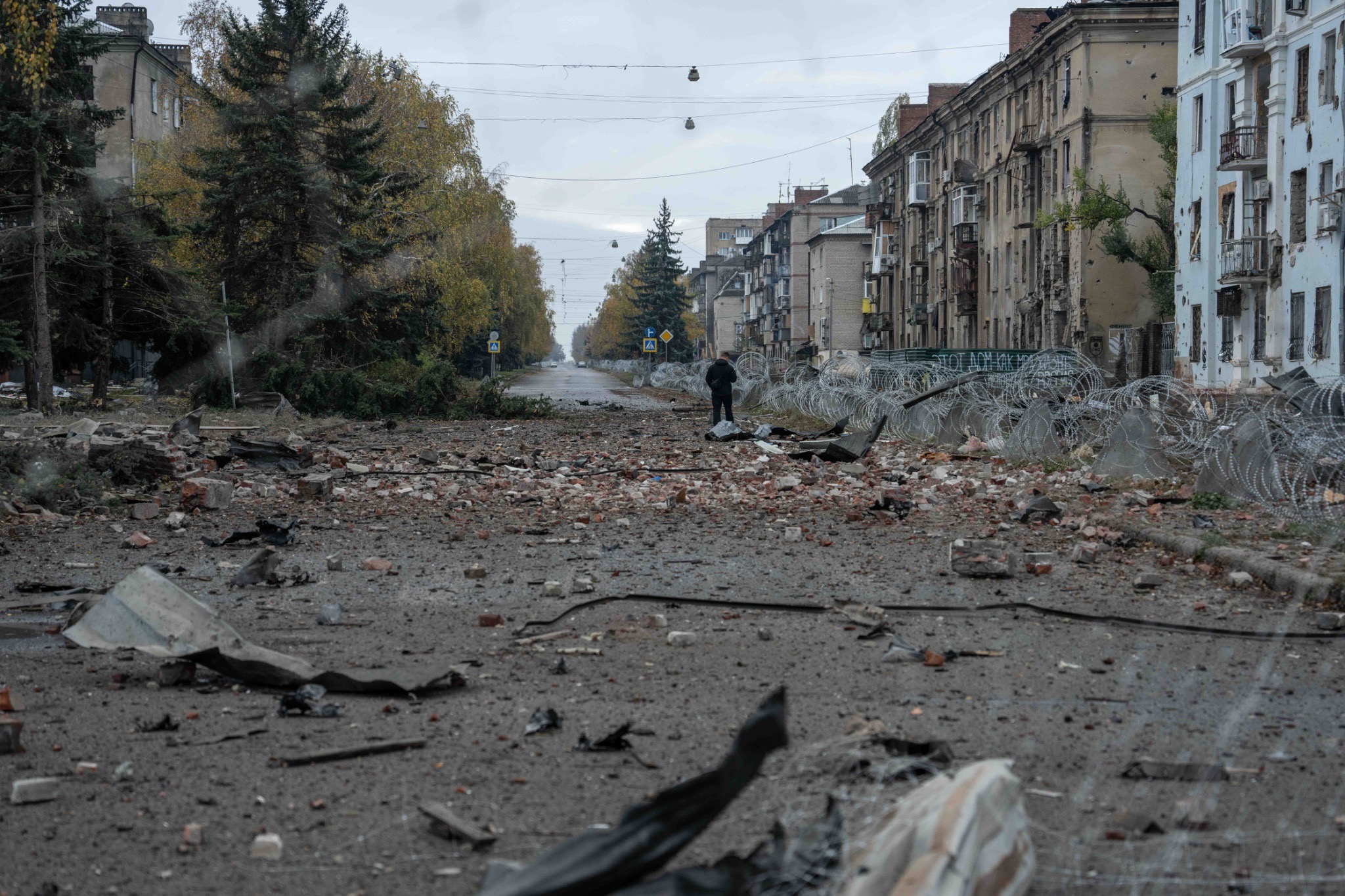
Shelling in Sloviansk on October 1 killed one person and injured two others, damaging two multi-story buildings and 19 private homes. On November 2, FAB-250 bomb strikes on central Sloviansk—including a direct hit on an apartment building—killed a woman and wounded seven others, with three people hospitalized; nine five-story buildings, a post office, a medical facility, a shop, an administrative building, a warehouse, and vehicles were damaged. In total across the Donetsk region on November 2, occupiers killed four civilians.
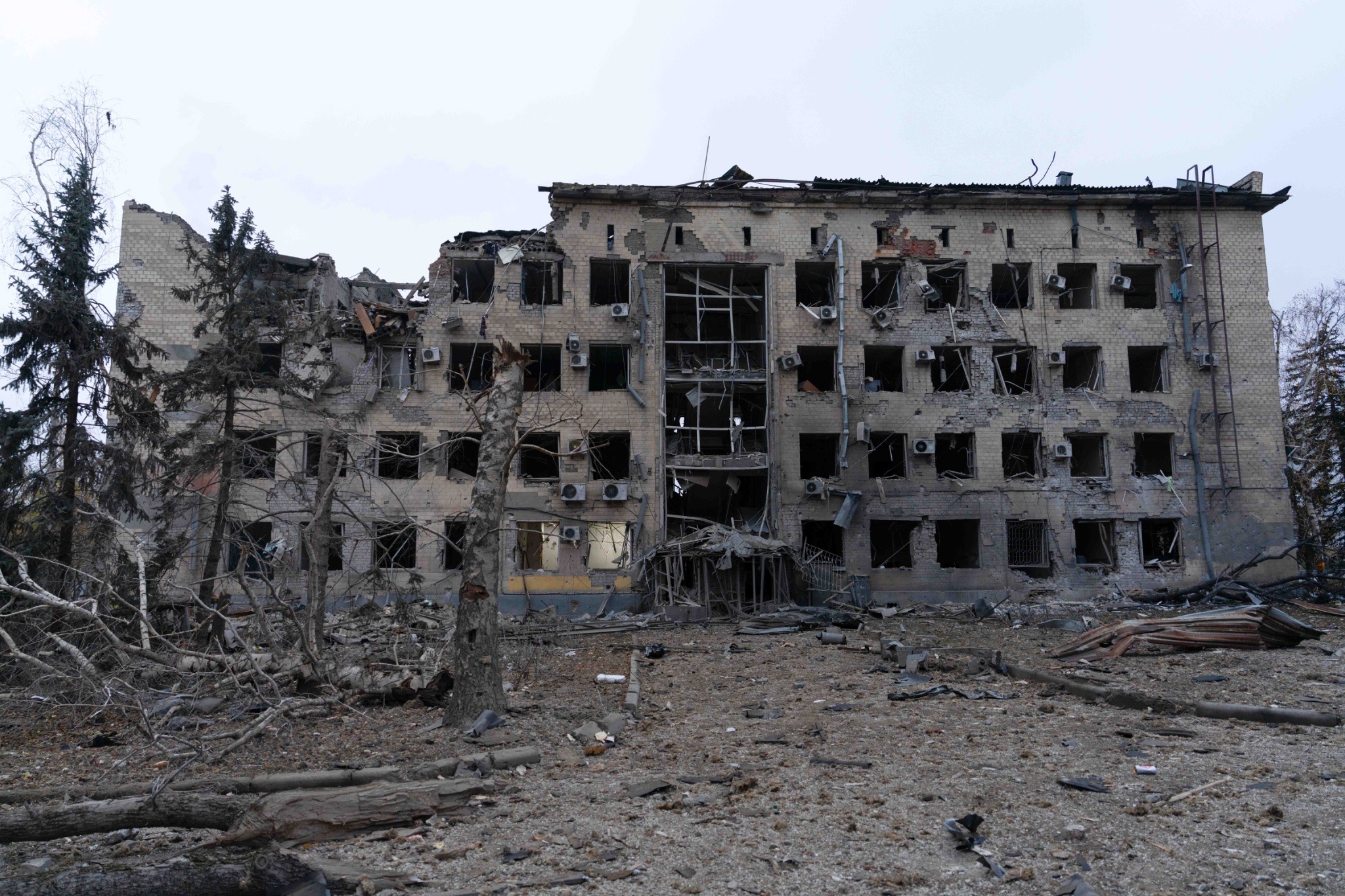
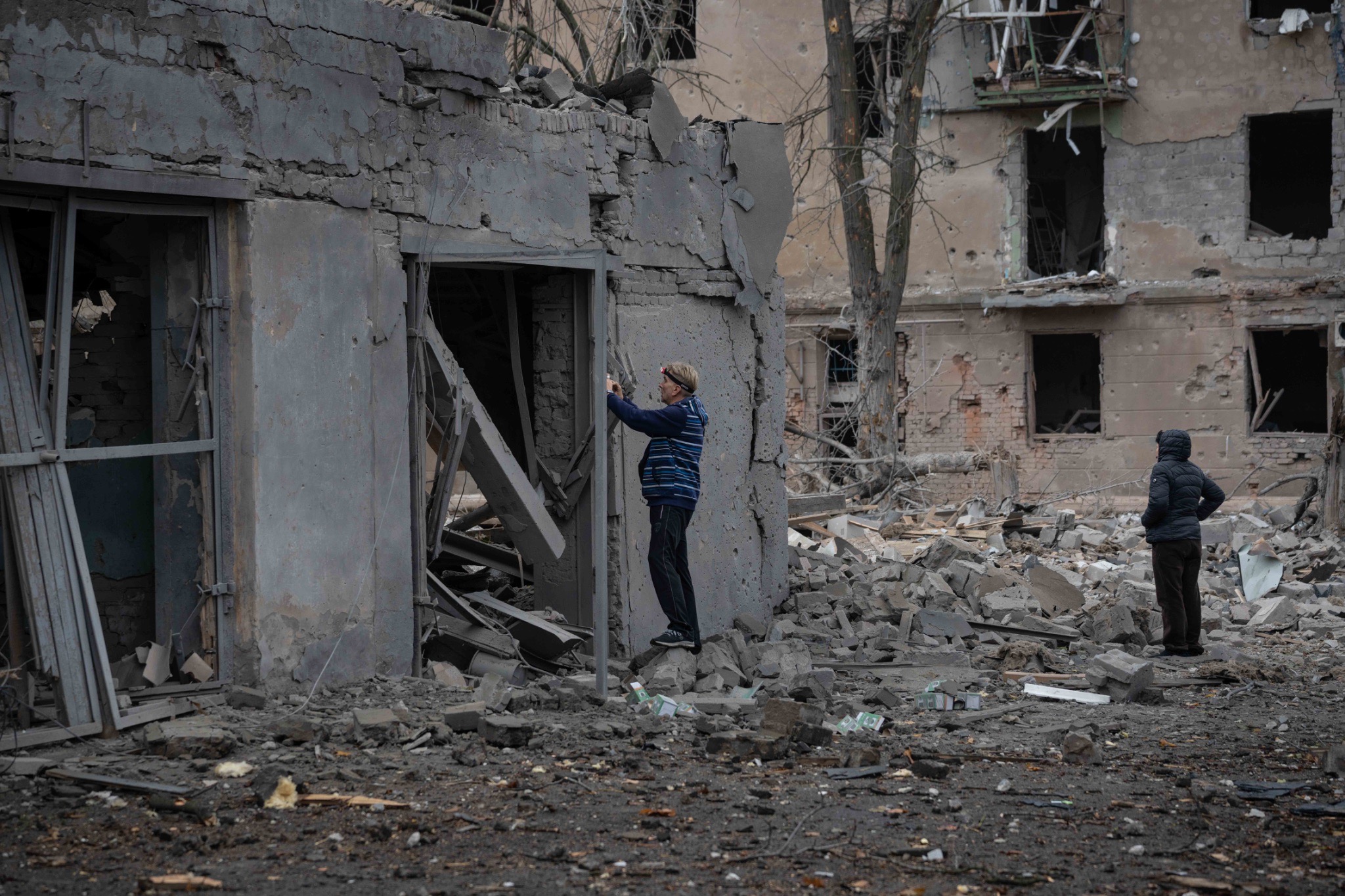
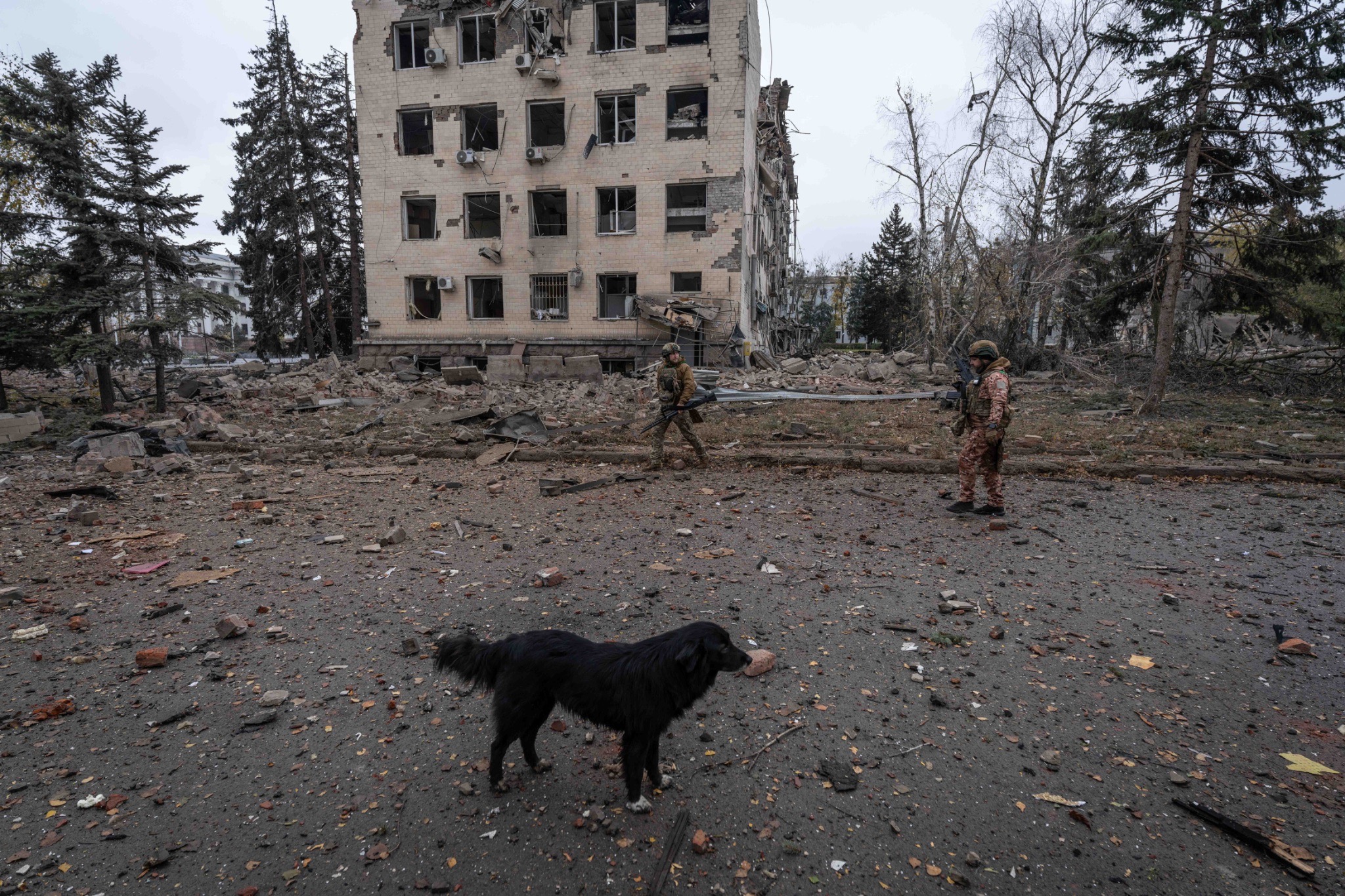
In Sloviansk on November 3, FPV drone strikes injured three people, damaging private homes and vehicles. On November 4, a FAB-250 aerial bomb struck a closed medical facility in the city center that is an architectural landmark; at least 17 private homes and a ceramics workshop were also damaged, and a man was wounded. During firefighting operations at an auto repair shop, occupiers repeatedly targeted rescuers with a drone; the crew managed to take cover in a shelter and was unharm. On November 5 in Sloviansk, a repair facility, two shops, and a car were damaged. On November 6 in the city, three people were wounded, with one hospitalized.
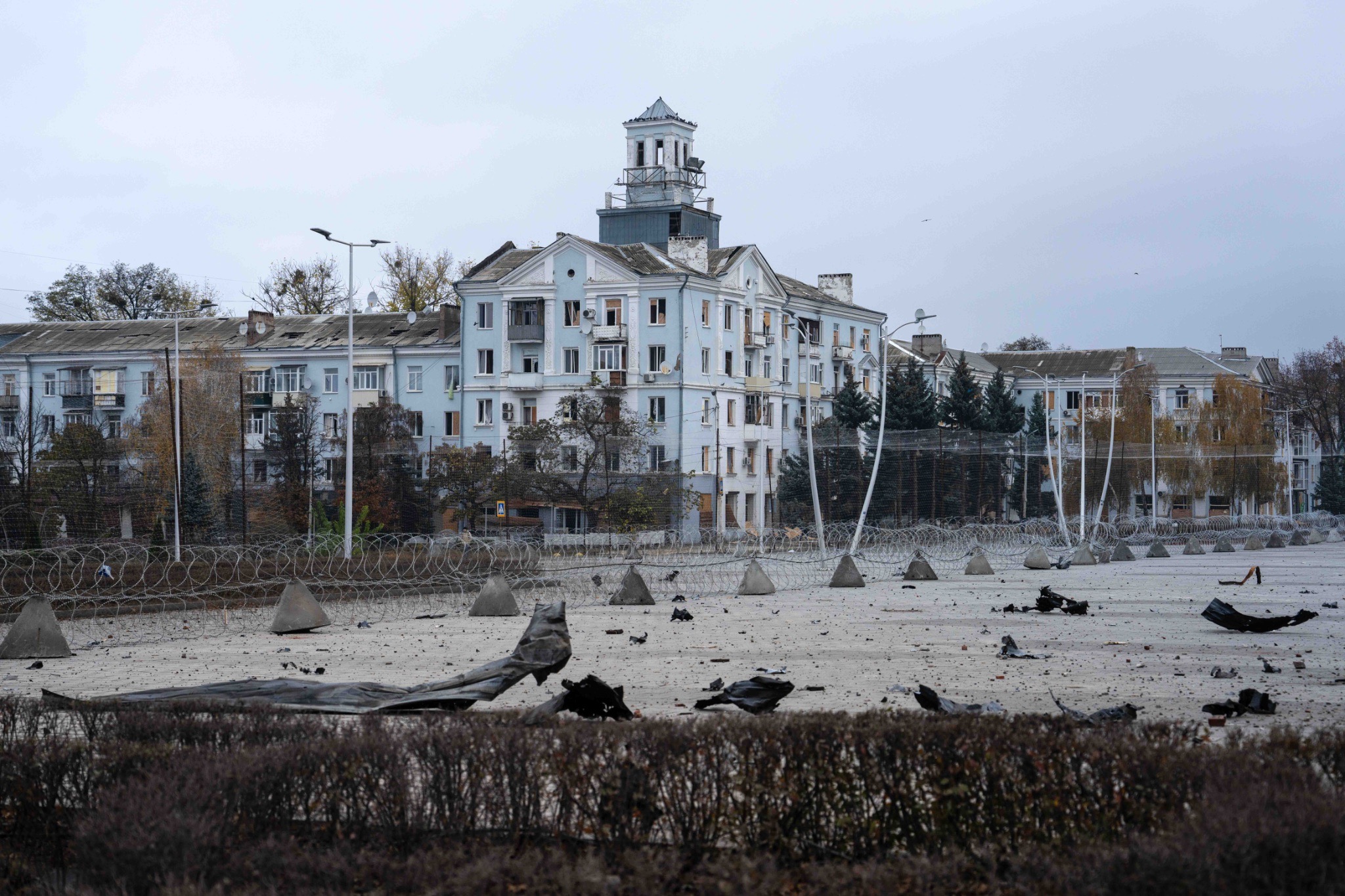
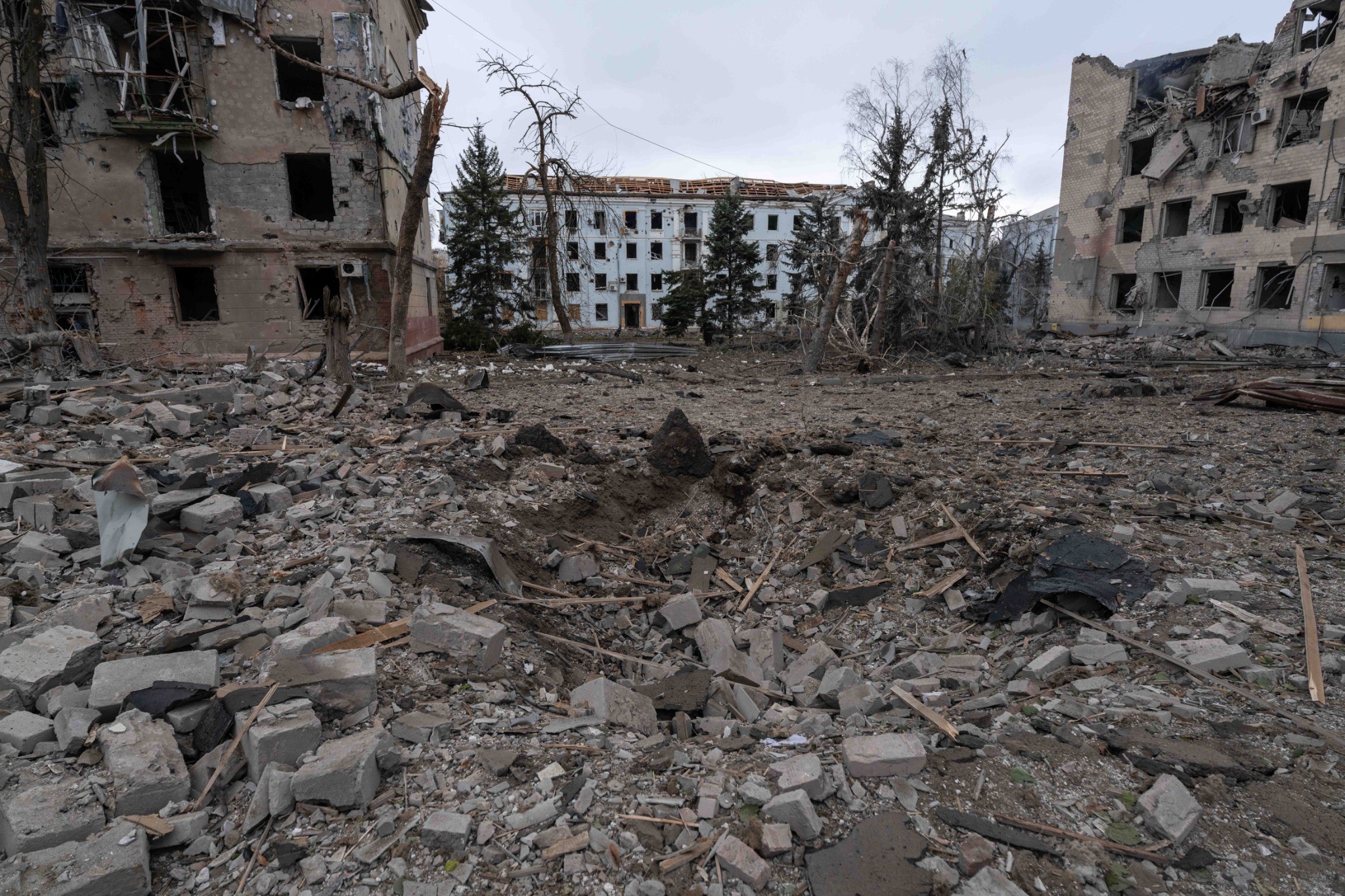
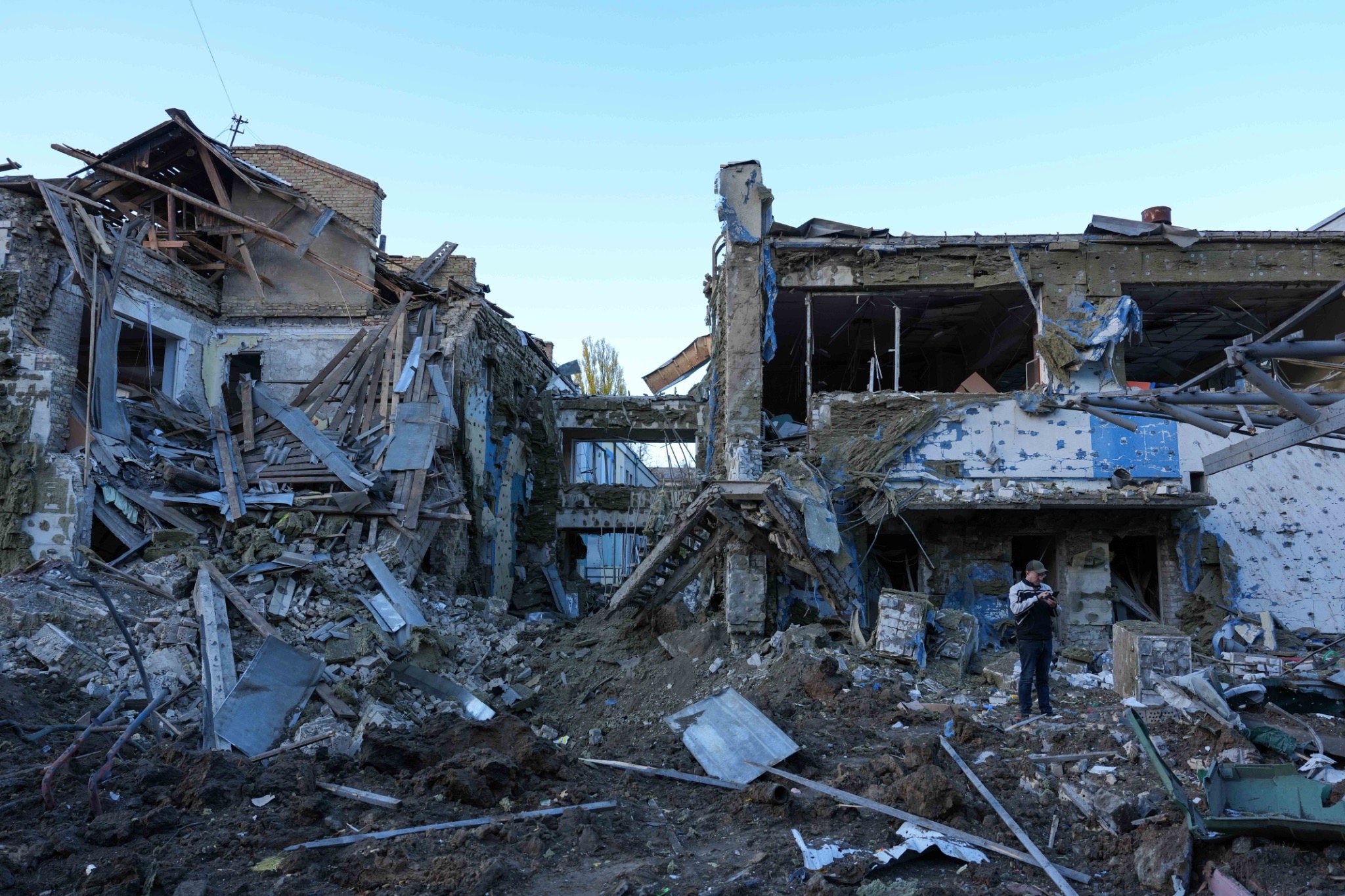
On the night of November 1, Russian forces launched an airstrike on Kramatorsk, completely destroying the city executive committee building; 11 multi-story buildings and vehicles were also damaged, and six civilians sustained injuries.
«Here was history, the spirit of machine building, revolution, the city's life and its plans. The foundation of Ukrainian Kramatorsk. You can destroy a building, scorch our land, and steal memories. But they cannot destroy our right to a future», — commented Oleksandr Honcharenko, head of the Kramatorsk City Military Administration, regarding the Russian strike.
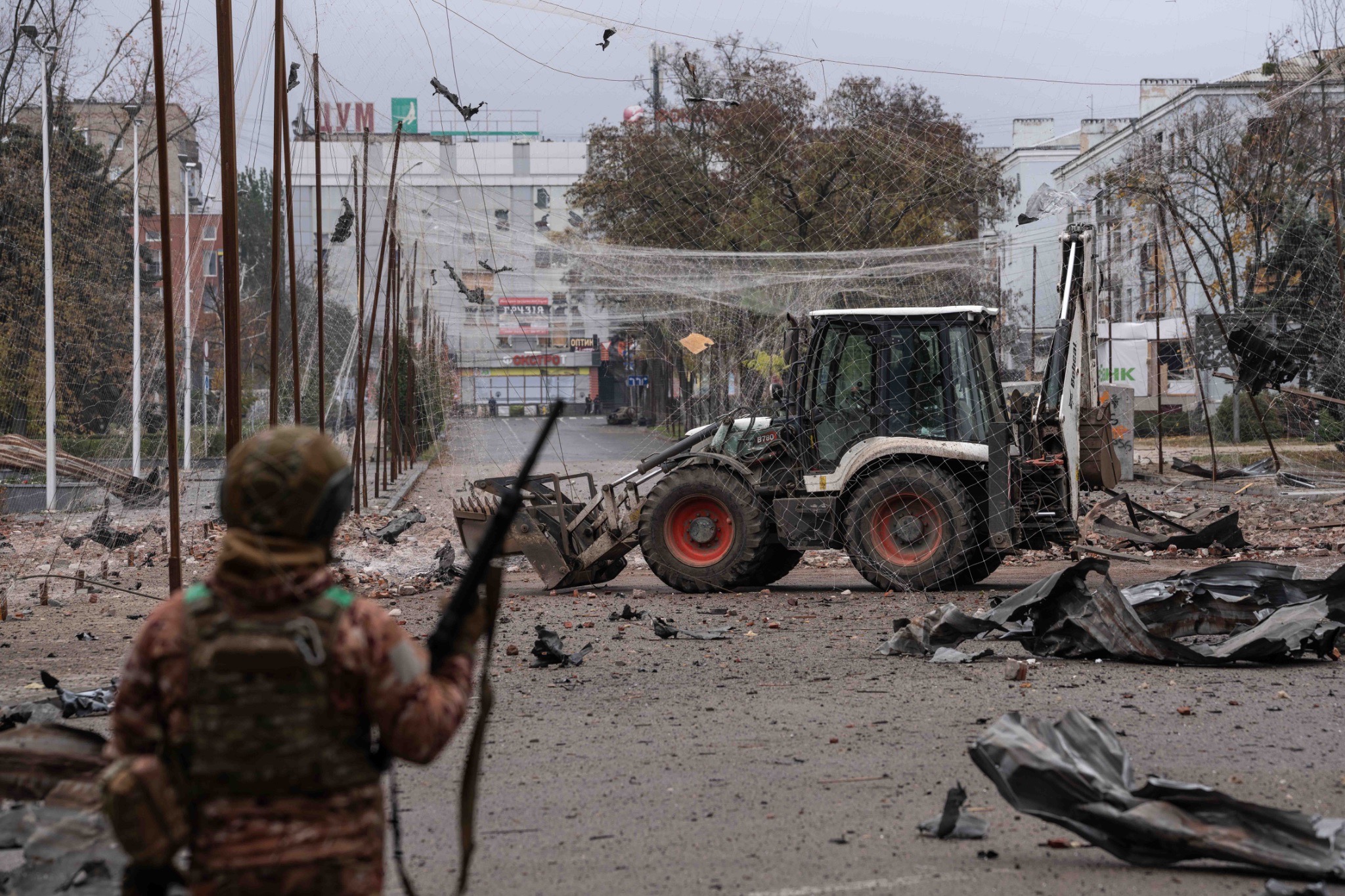
On November 1 in the city, two people were wounded and apartment buildings were damaged. On November 2 in Kramatorsk, an FPV drone strike on vehicles killed two people, damaging a private residence and cars. In Yasnohirka, Kramatorsk community, airstrikes on November 3 and 4 killed three people and wounded six other civilians, damaging at least two dozen private homes. On November 4, Russian forces killed two more people in Serhiivka. In Kramatorsk on November 5, a woman was killed, a car was damaged, and a fire broke out in an apartment.
In the Donetsk region on November 8, five people were killed—three in Kramatorsk and one each in Bilenke and Druzhkivka.
Odesa Region
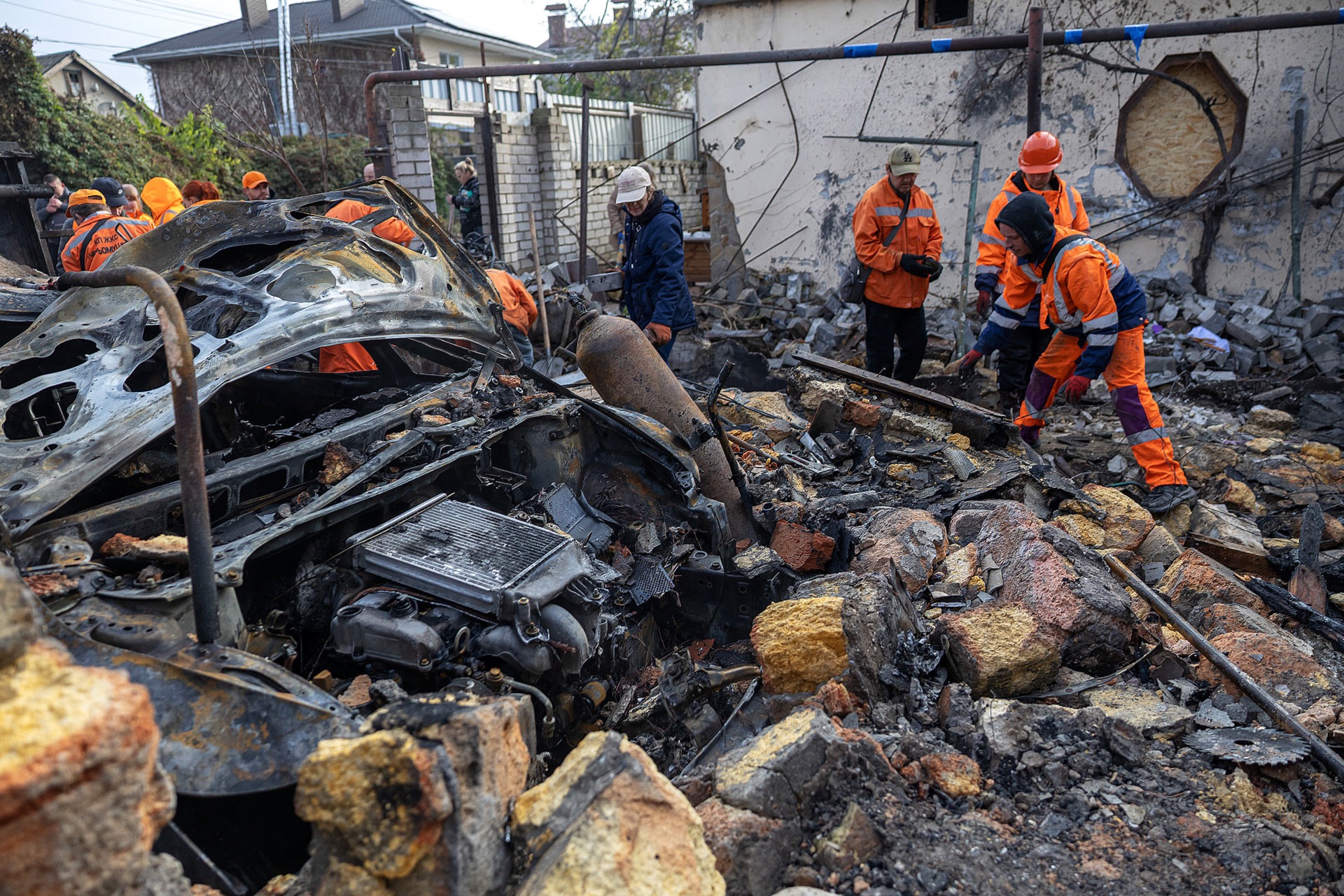
In the Odesa region on November 1, daytime Russian drone attacks damaged at least three private homes. On November 2, during a massive shelling of the region, five people were injured, including four in Odesa; infrastructure facilities, two residential buildings, and a garage were damaged in the city, with windows shattered in neighboring homes.
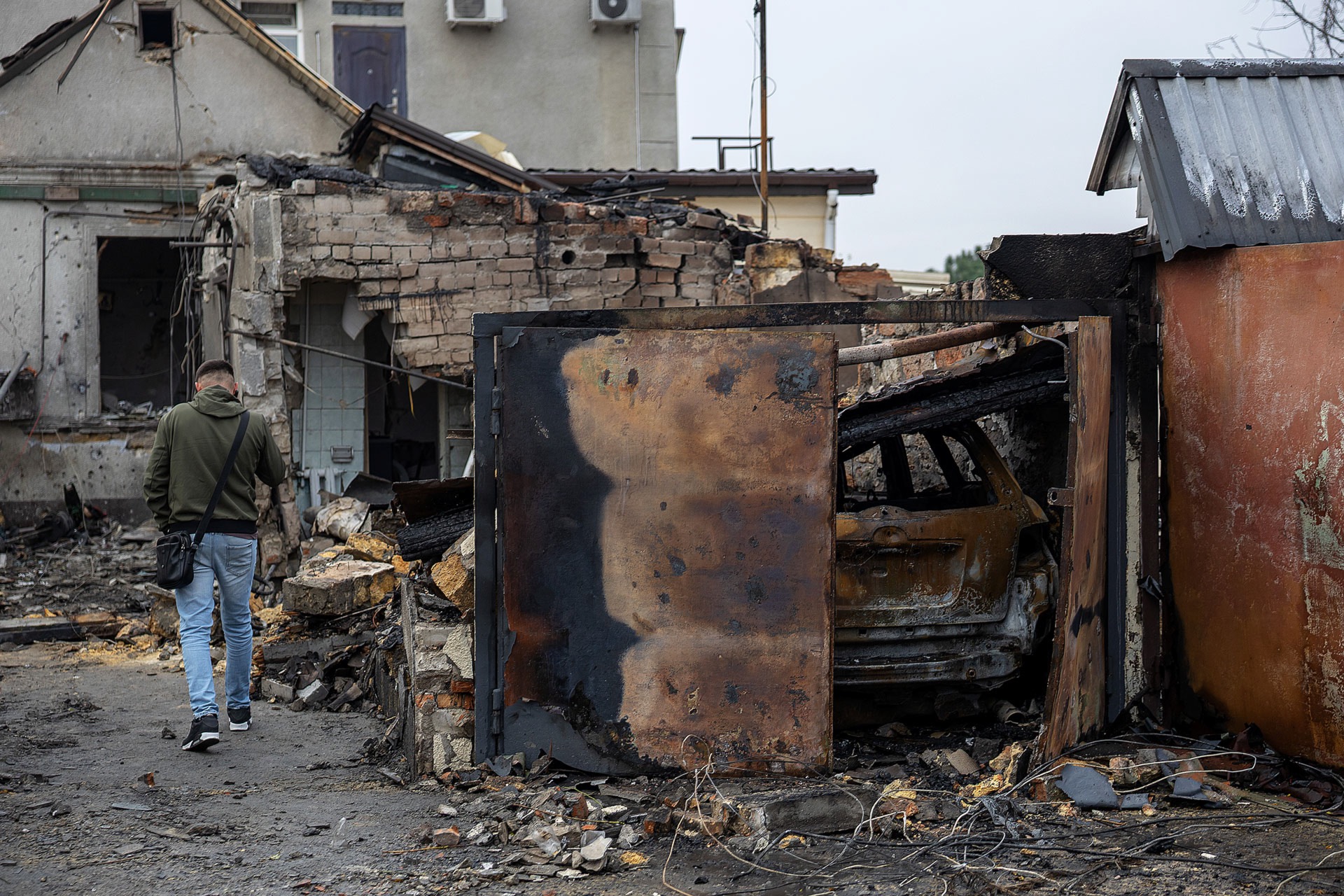
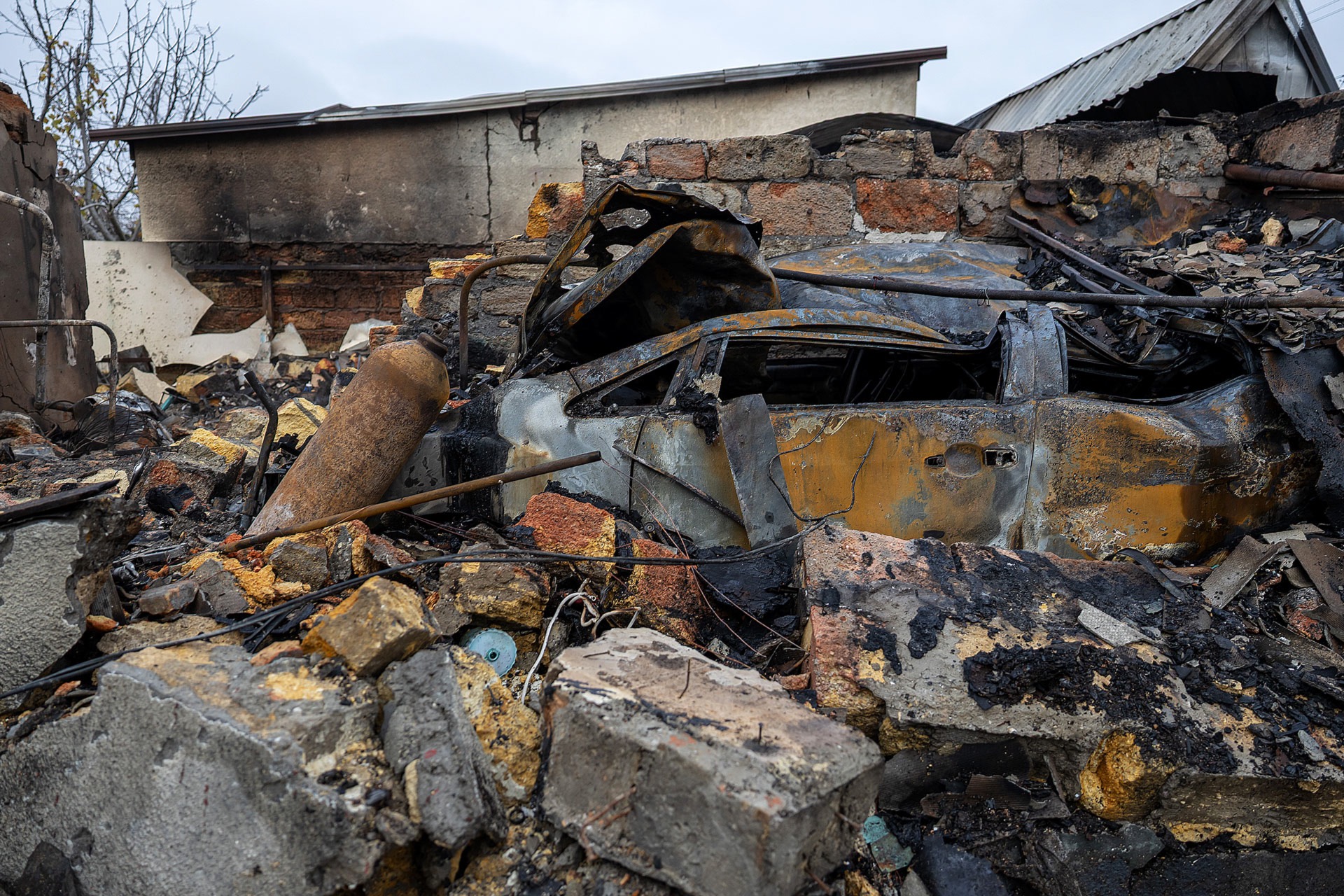
«It is a miracle that no one was killed. Four people were injured, including two elderly women who evacuated to Odesa from the Kherson region three years ago. The ceiling collapsed on the women while they slept in their beds. Anfisa the cat died in the fire from a nearby shelter», — shared photojournalist Oleksandr Himanov, providing details about the injured.
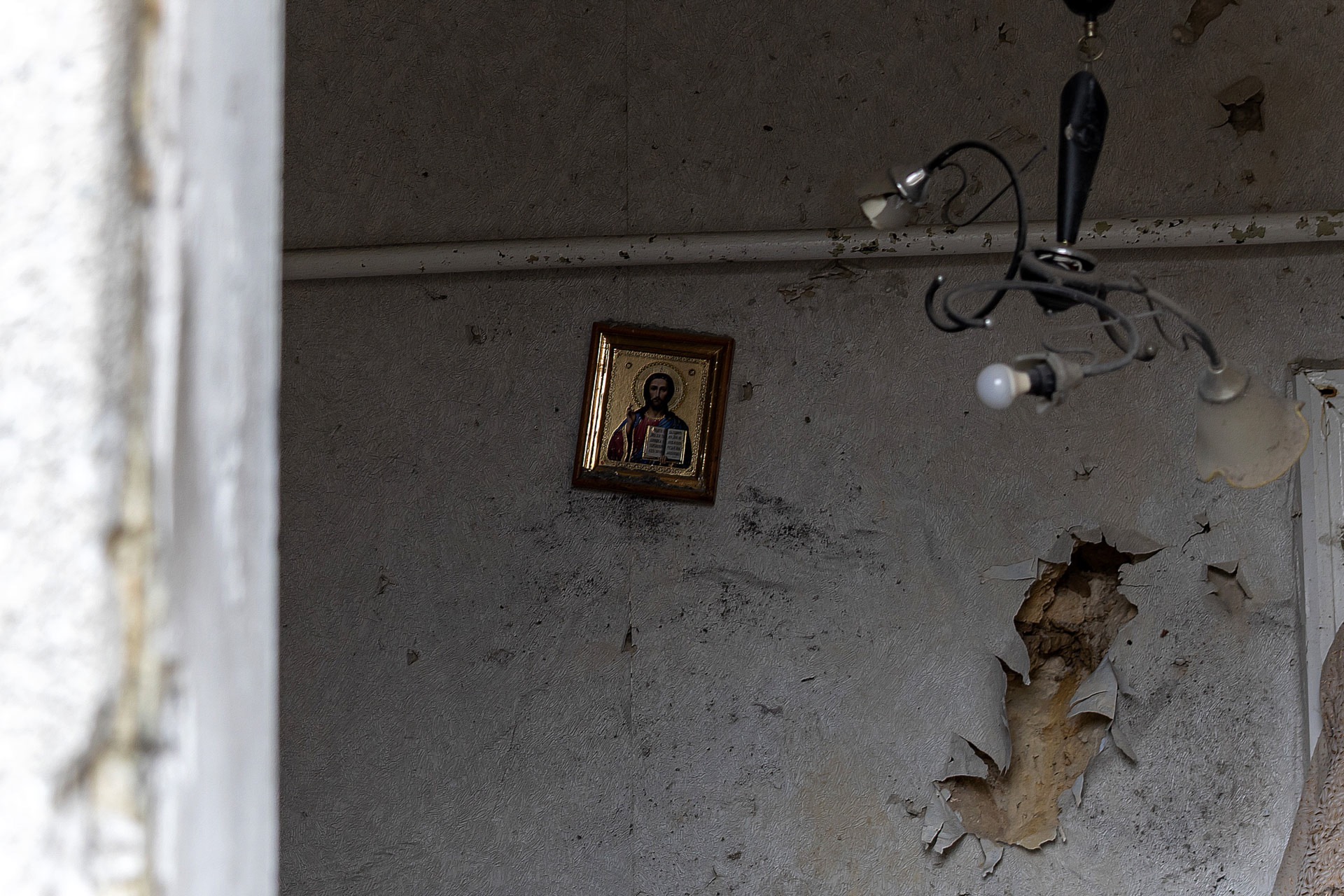
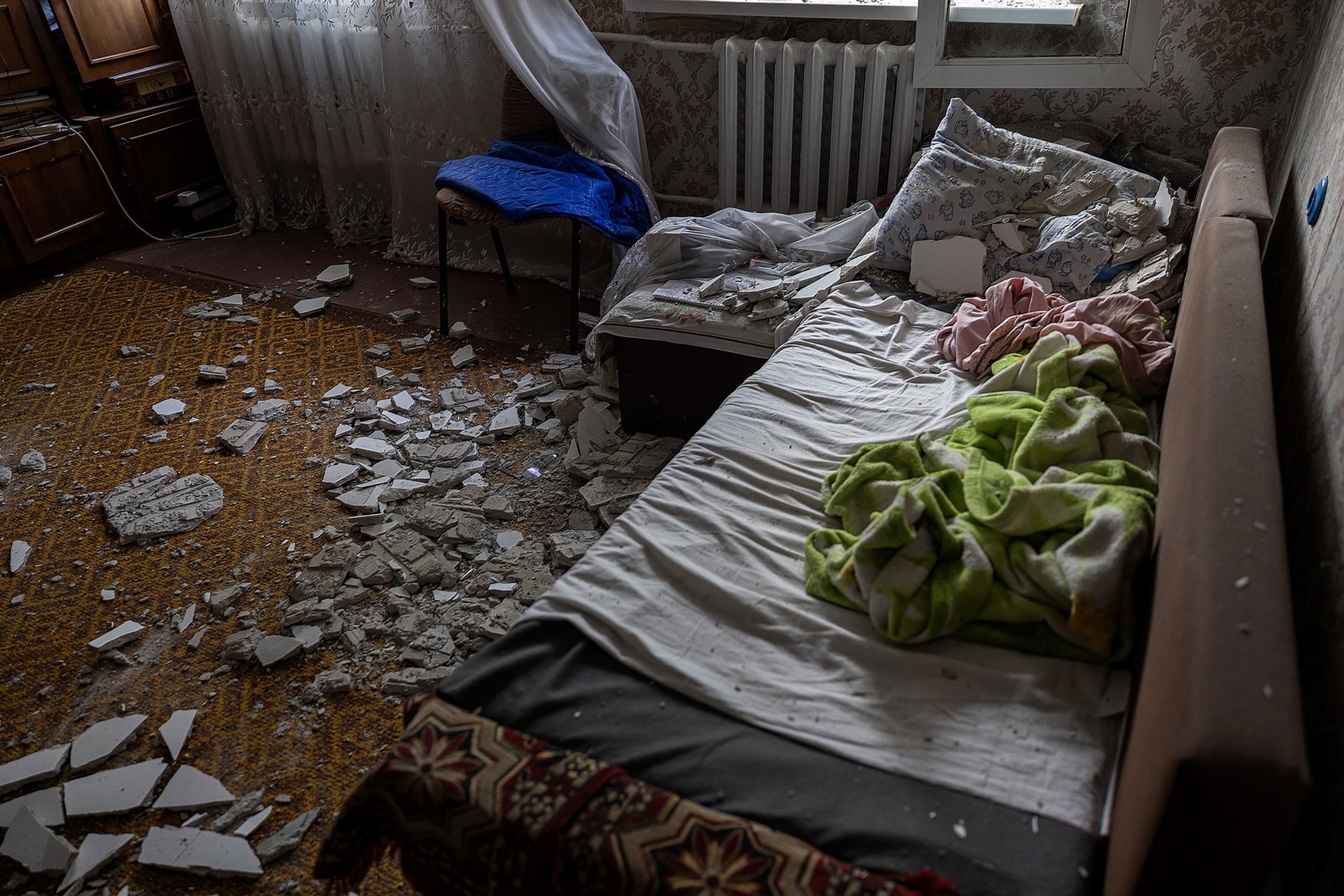
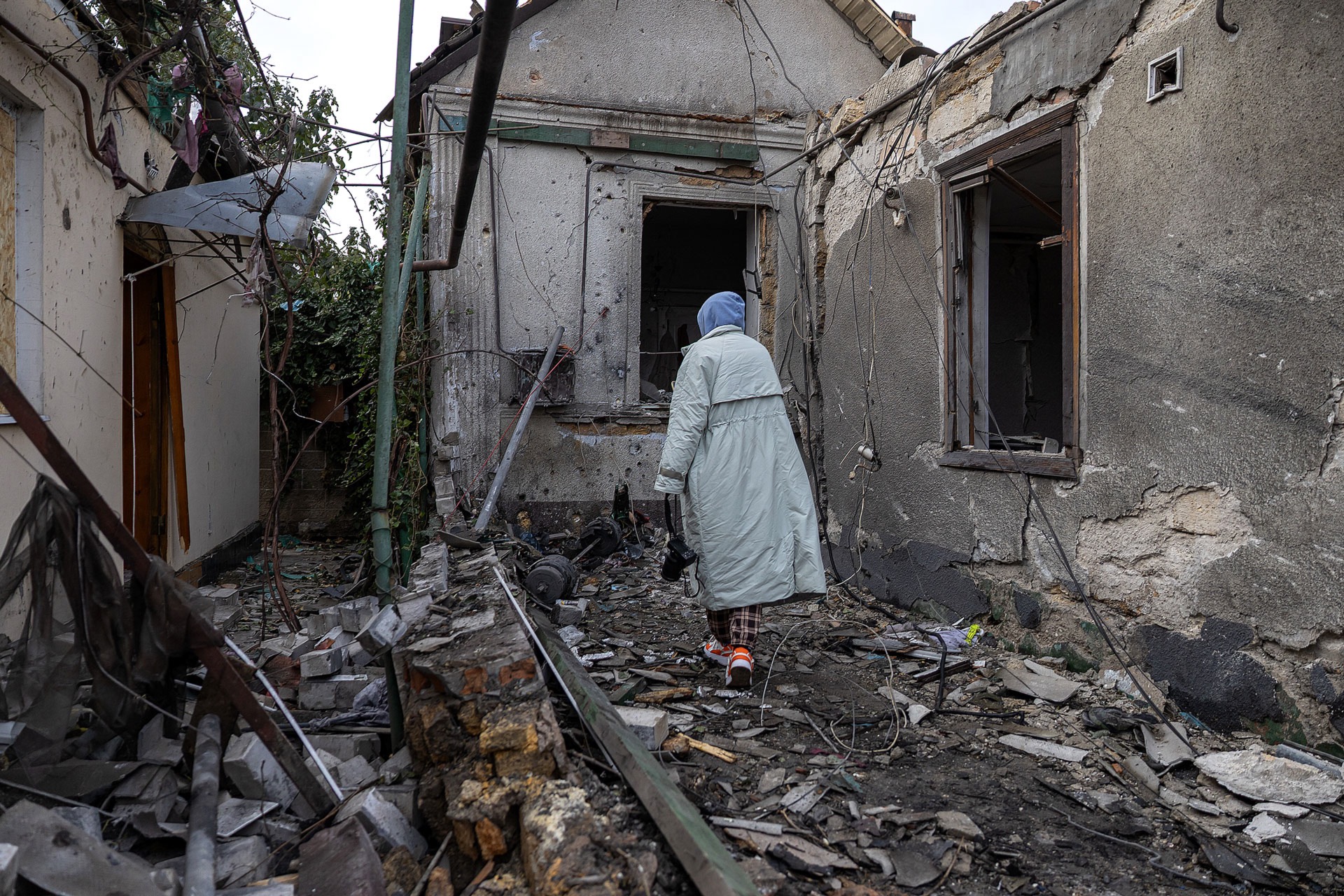
In the southern part of the region, a bakery building was destroyed and warehouses were damaged. Occupiers repeatedly targeted energy facilities belonging to DTEK Odesa Grids, causing emergency power outages. On the night of November 3 in the Odesa region, residential homes, administrative and warehouse facilities, production workshops of a food processing enterprise, a truck, and six passenger cars were damaged.
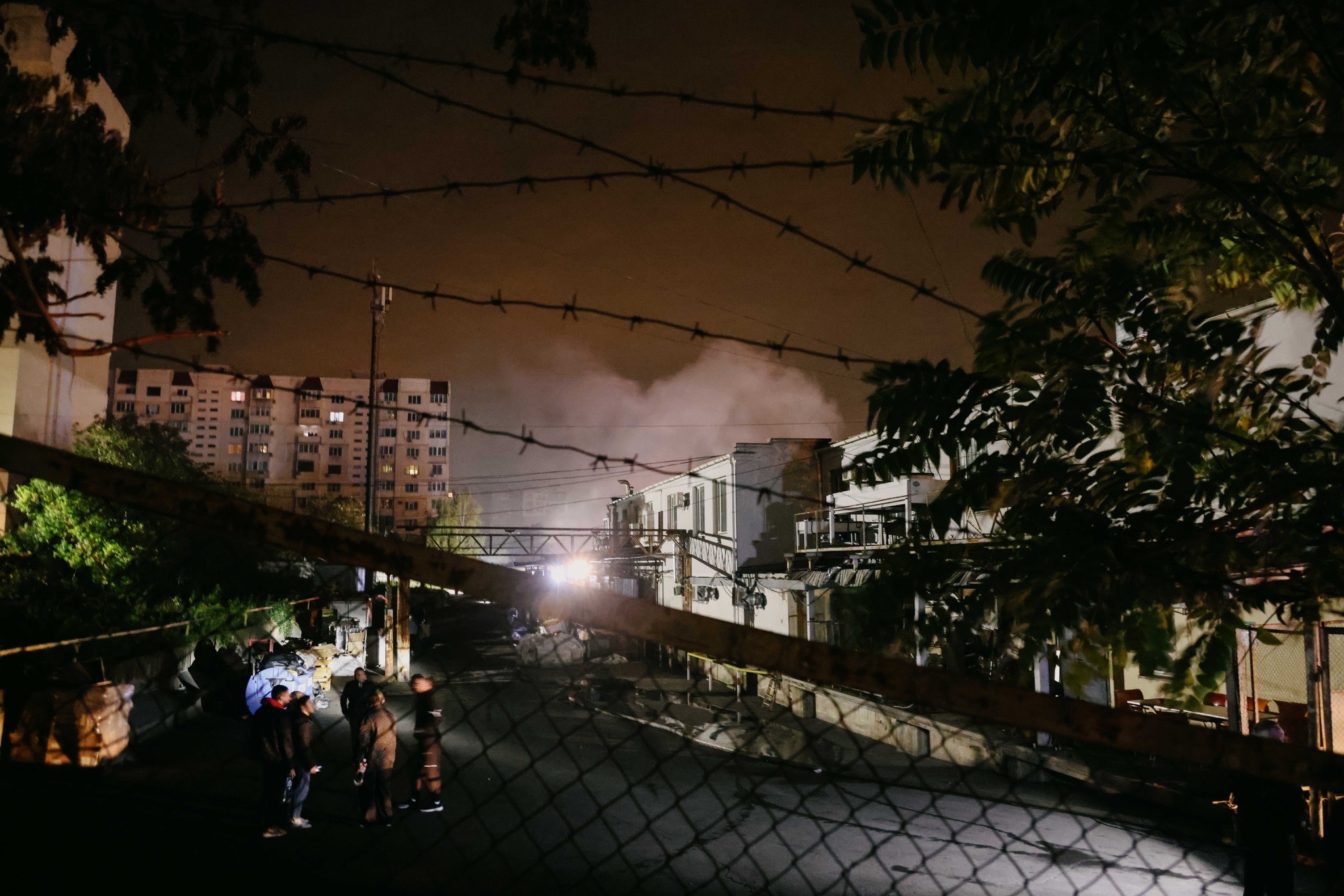
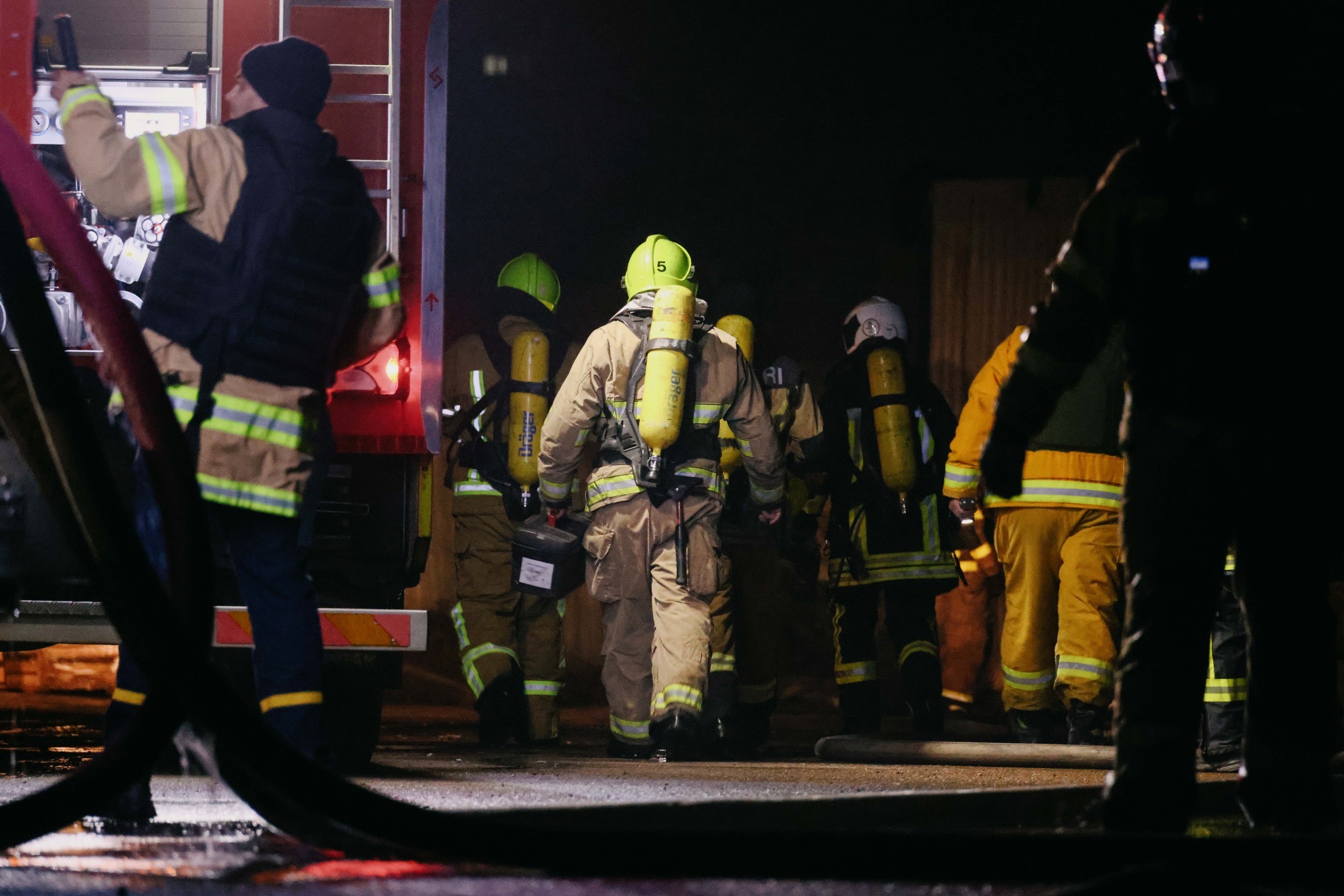
On November 4 in the morning, the enemy struck Odesa again, hitting an energy site, a shopping center building, and a private residential sector; a private house, a vehicle, and road pavement were damaged, a fire broke out in the shopping mall, and shockwaves blew out windows in nearby buildings. That same day, the enemy struck footwear warehouses on the outskirts of Odesa, damaging a logistics company terminal, injuring two people (one hospitalized), and setting vehicles on fire.
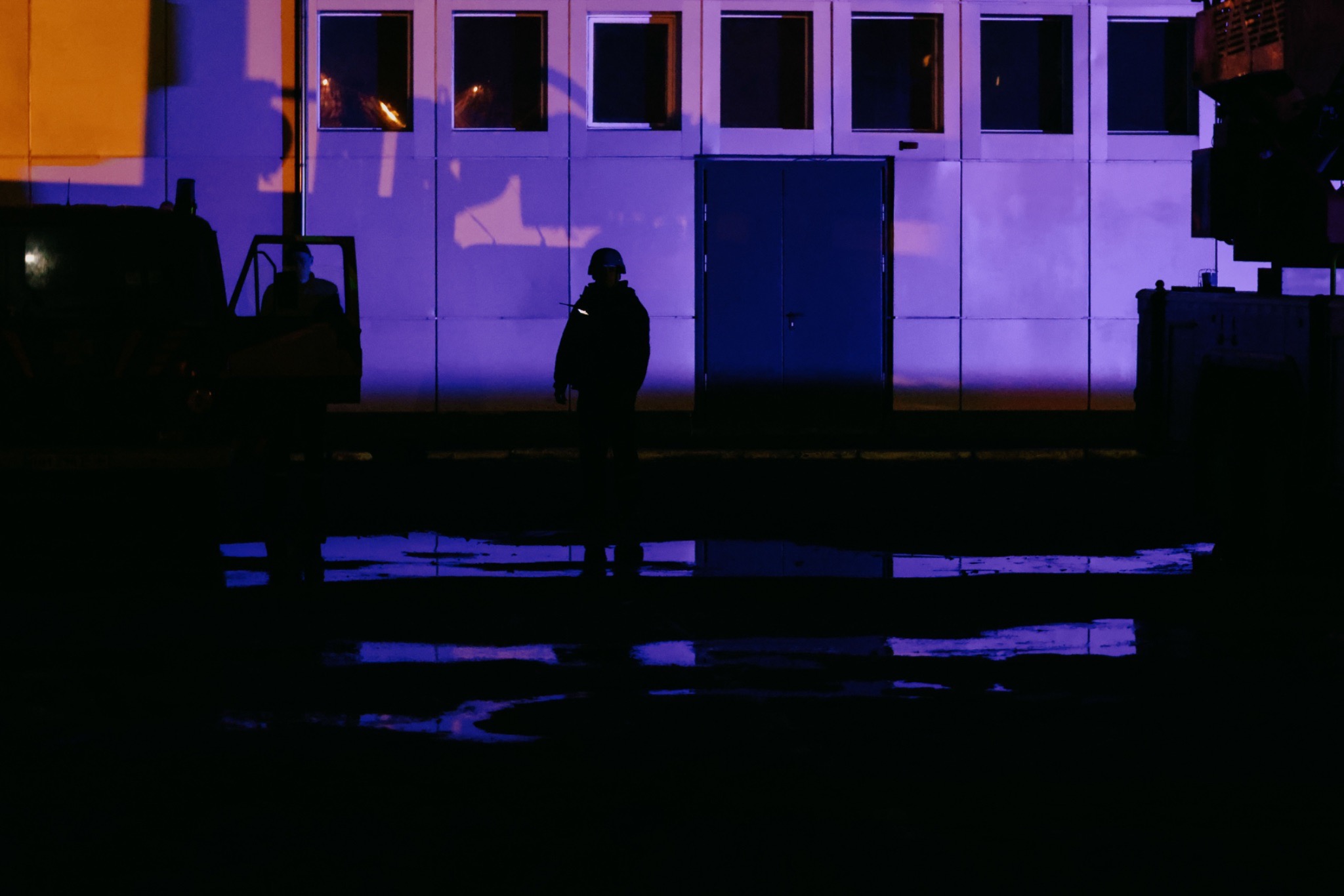
In the southern part of the region on November 5, energy and civilian infrastructure sustained damage: a delivery service warehouse was partially destroyed, an administrative building of a medical products manufacturer was damaged, and windows were blown out in a college and dormitory.
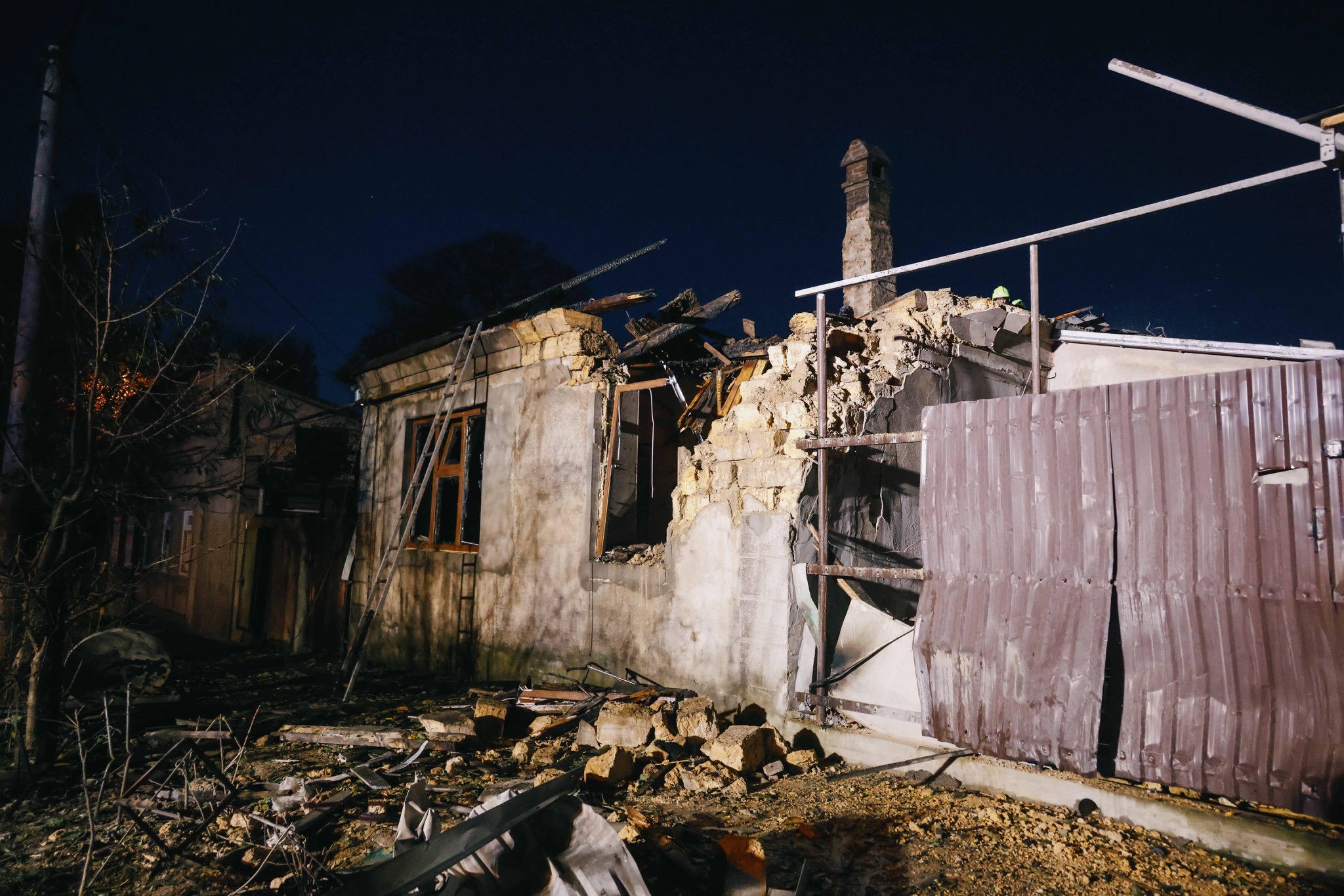
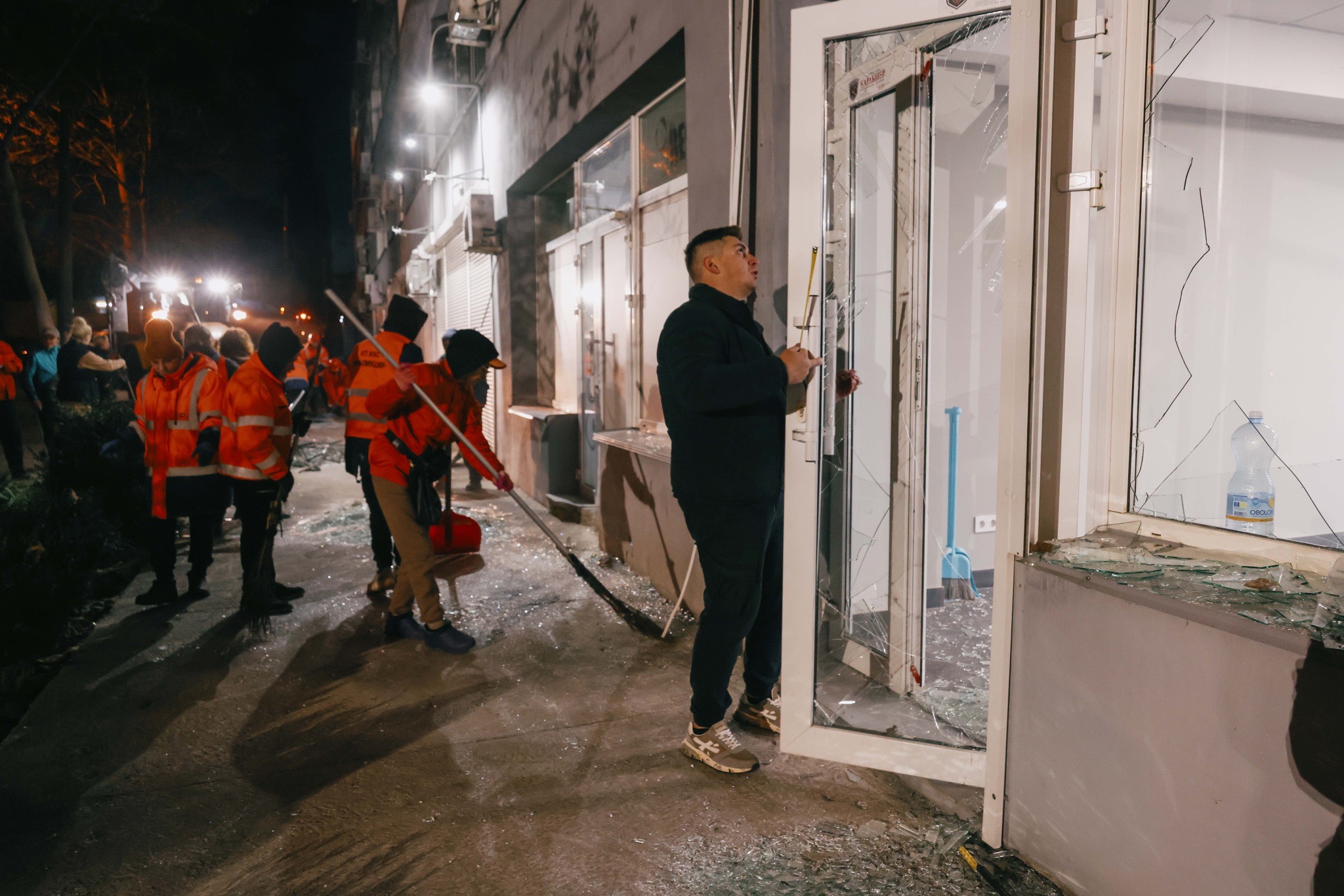
In Odesa on November 7, a direct hit partially destroyed a private home, set an outbuilding on fire, and shattered window panes in an office building. An attack on infrastructure killed one person; the shockwave shattered windows in private housing, damaging an administrative building and an abandoned structure where a fire ignited. In the morning, Russian forces hit a food warehouse, triggering a major fire.

Dnipropetrovsk Region
At the beginning of the week in Dnipro, several enterprises were damaged. In Nikopol, an artillery strike injured a four-year-old boy and his ten-year-old brother, damaging a private home; in the Nikopol district, four people were hospitalized in serious condition and three others in moderate condition; in the Synelnykove district, a man was killed.
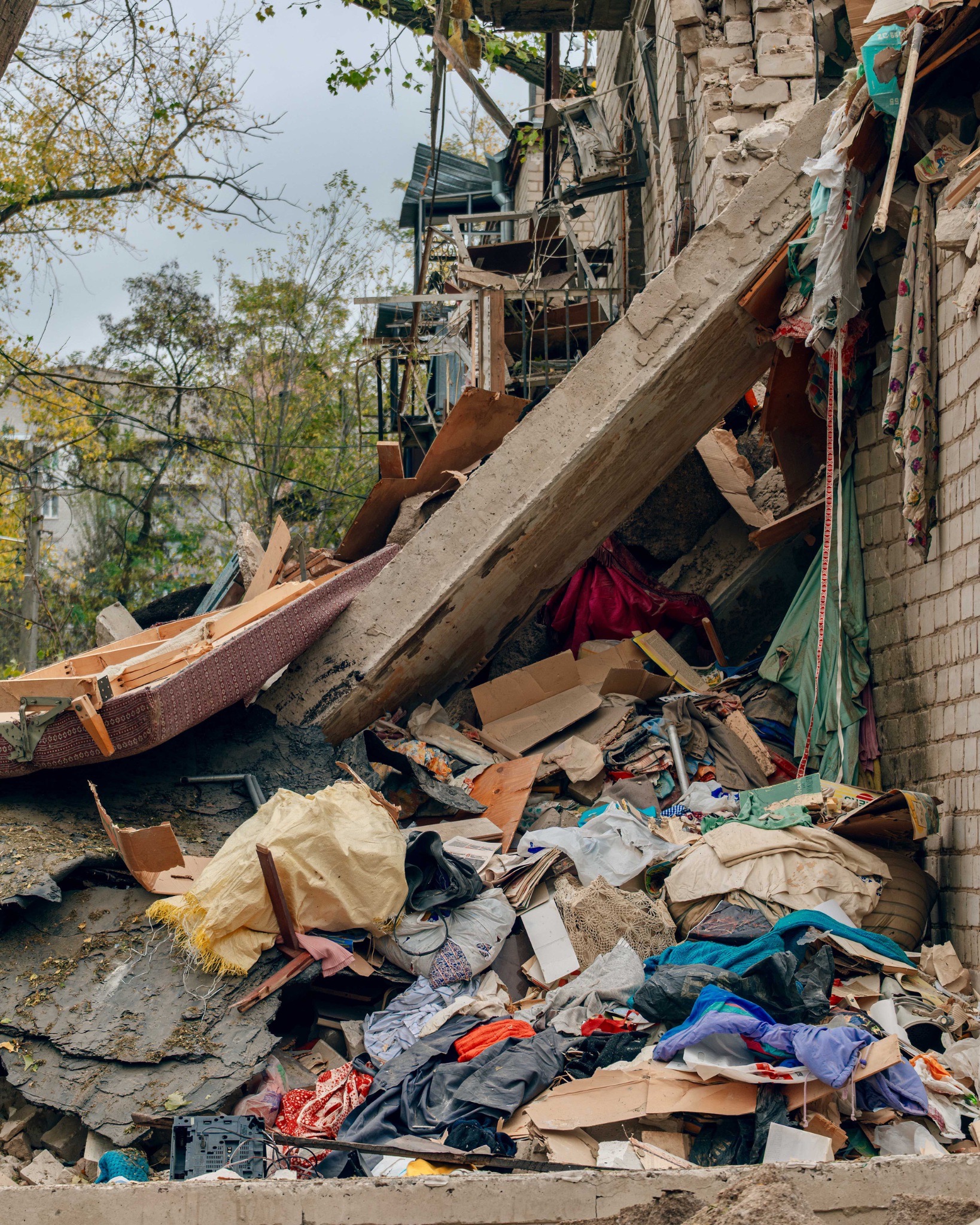
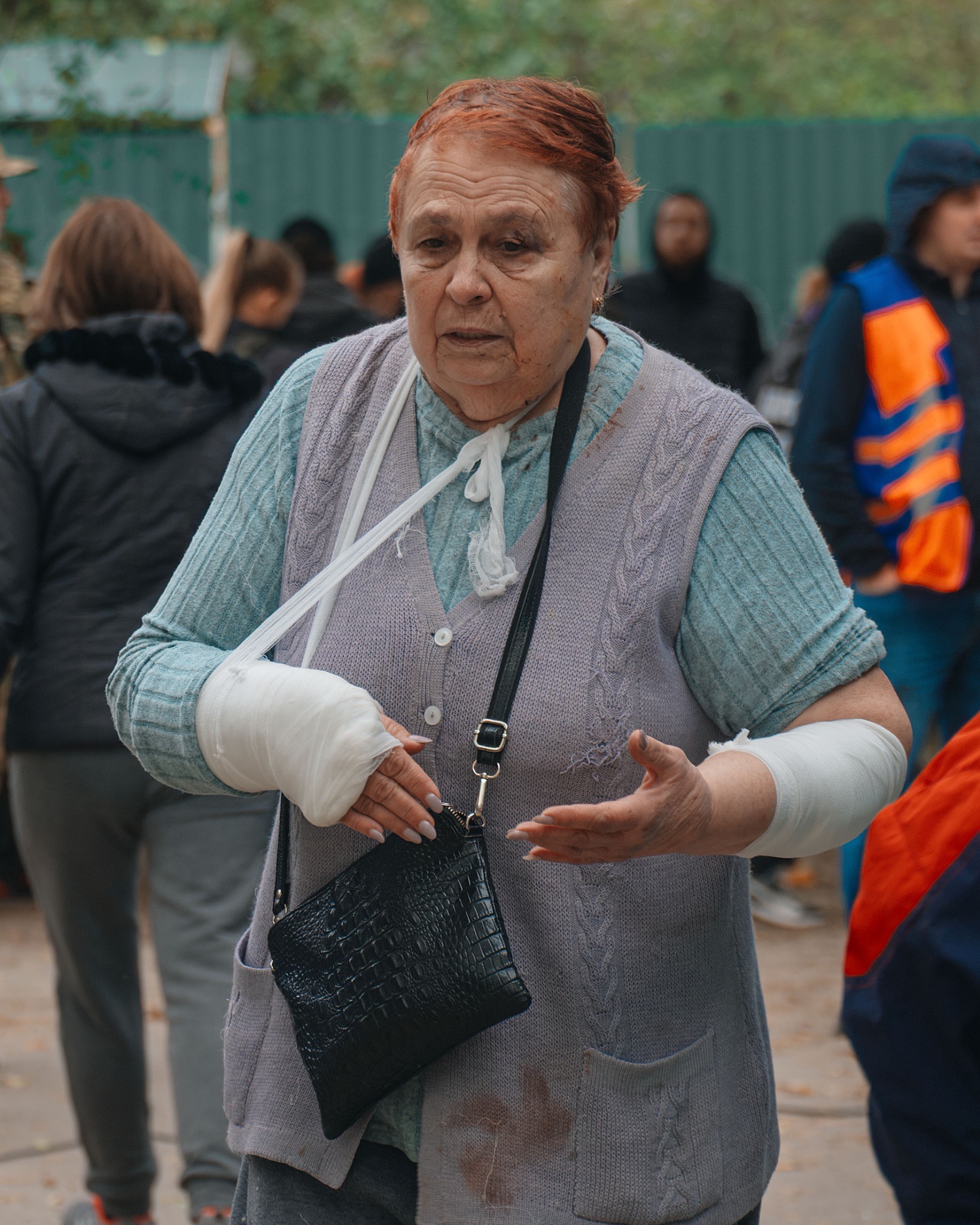
A morning missile attack on November 3 in Dnipro killed two people and injured 20; 14 people remain hospitalized, four in serious condition. During search-and-rescue operations, one woman was rescued from under the rubble. Numerous buildings in the city were damaged: residential homes, a gymnasium, a kindergarten, a music school, a library, the Enerhetyk Palace of Culture, a medical clinic established under a World Bank project, a water intake station, a thermal power plant, and a police department. Two medical facilities were damaged or destroyed, including a hospice that was completely demolished, forcing the evacuation of nearly 50 critically ill patients, the oldest being 90 years old. As reported by Dnipro Mayor Borys Filatov, Russian forces destroyed a healthcare facility that had recently undergone a complete renovation, remaining one of the few places in Dnipro providing palliative care to residents and internally displaced persons.
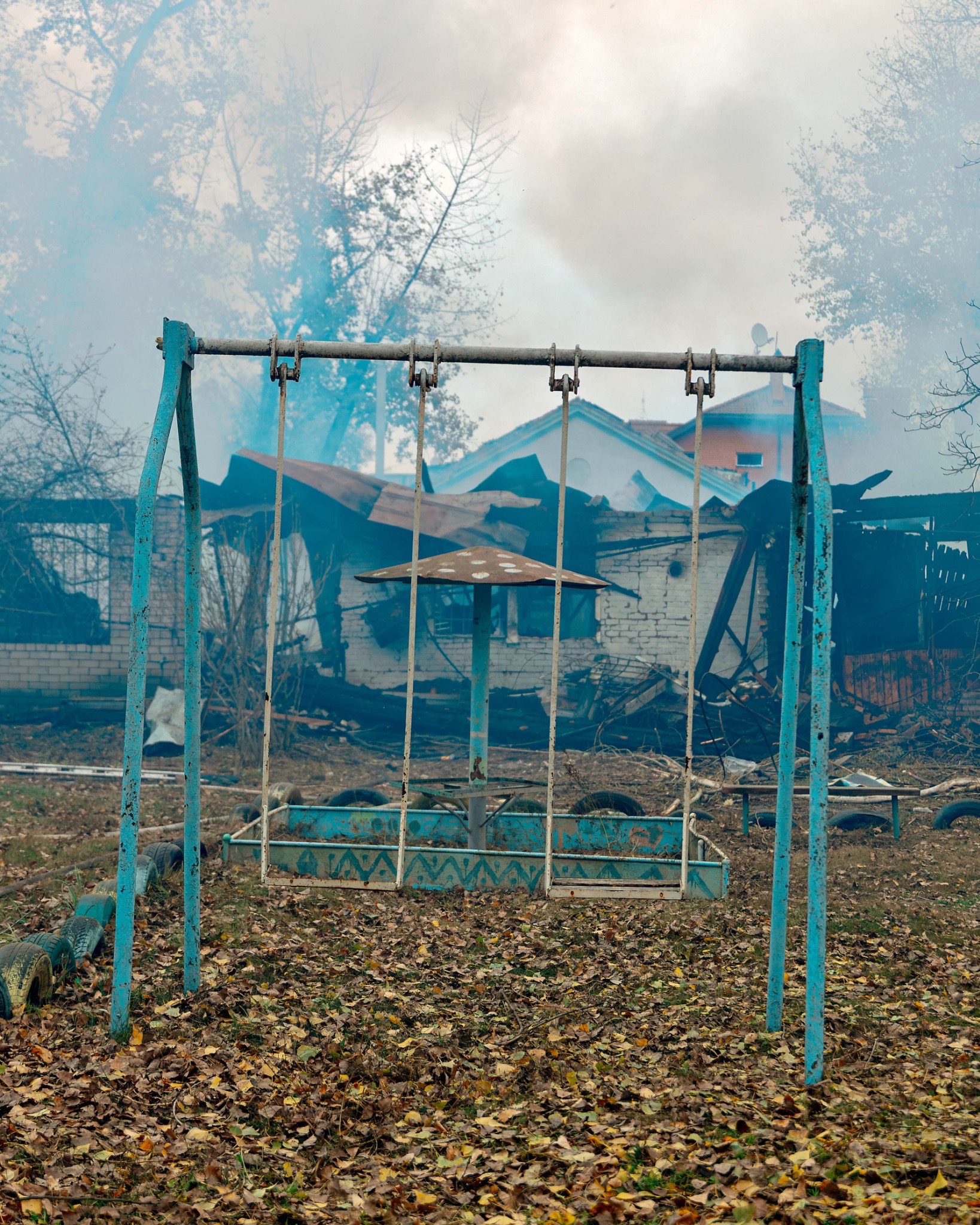
On November 4 and 5, attacks on Dnipro damaged enterprises, critical infrastructure, garages, and 30 private homes; five people were injured or impacted, including a family with members with disabilities. In Marhanets, an artillery strike injured four women, two of whom were hospitalized in moderate condition; private and apartment buildings as well as vehicles were damaged. In Pavlohrad, private homes were damaged; in Samara, Dnipro district, the Synelnykove region, and Kamianske, infrastructure was battered.
On November 6, Russian forces struck Kamianske, damaging a sports complex, starting a fire, and injuring a woman. Due to morning enemy attacks on the region's energy grid, up to 50,000 customers in the Kamianske and Samarivka districts lost electricity, while water supply disruptions occurred in parts of Dnipro.
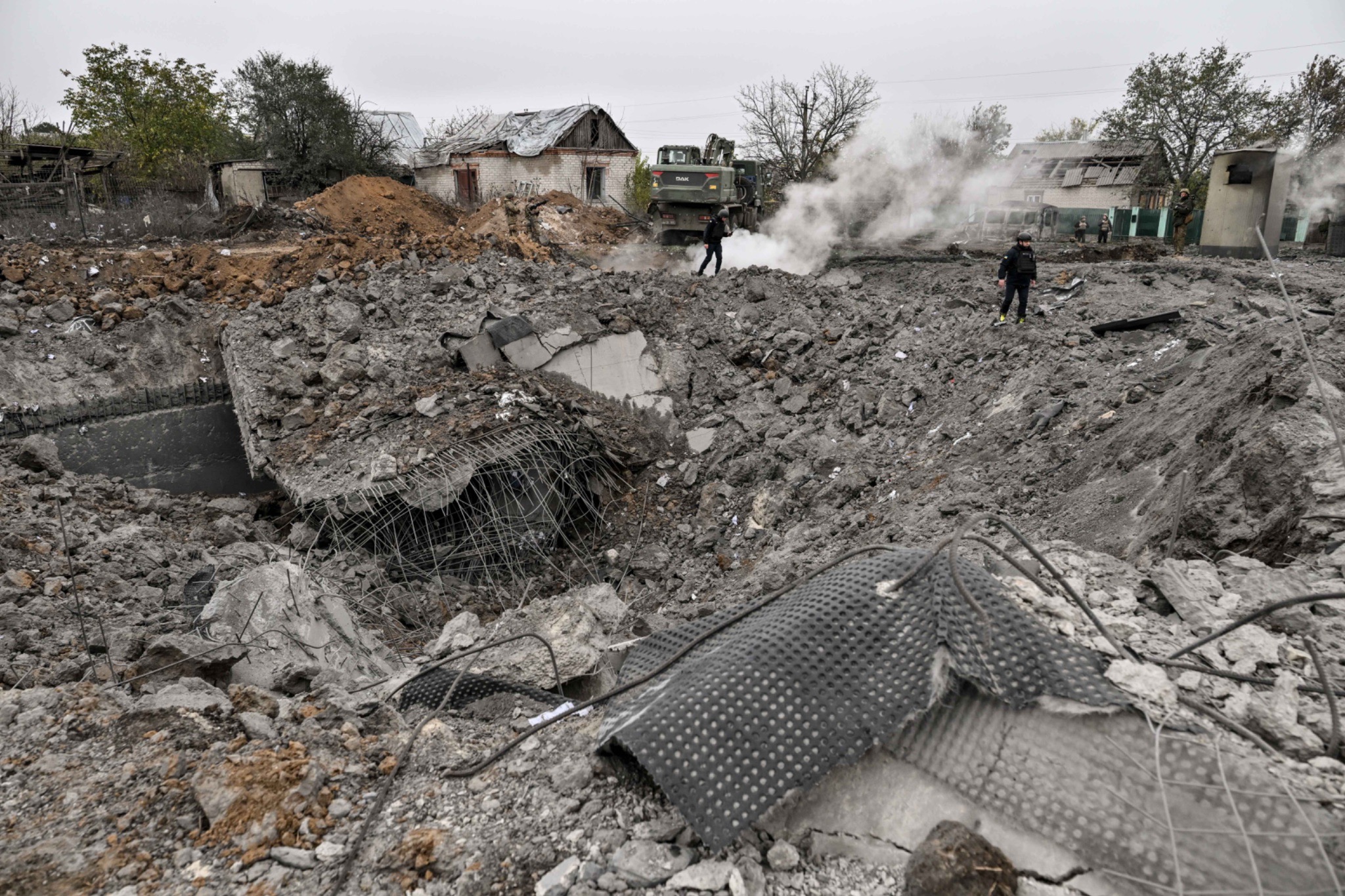
An enemy drone attack on October 7 in Pavlohrad injured three people, including an 11-year-old girl; fires broke out in the city, damaging apartment buildings, an enterprise, cars, and outbuildings. In the Dnipro and Kamianske districts on November 8, infrastructure was damaged, and strikes on the energy system left over 600,000 consumers across five districts without electricity. In Dnipro and its suburbs, Russian forces targeted the private sector and a transport company: one person was killed, three civilians were injured, a private residence was destroyed, and fires erupted in warehouses.
Zaporizhzhia
On November 1, the enemy launched an airstrike on a warehouse facility in Zaporizhzhia; an FPV drone attack the previous day injured a 20-year-old woman and an 18-year-old man with shrapnel. On November 3, during another shelling of the city, a shockwave and shrapnel partially destroyed a private home, damaging several other residences and two cars, and injuring a woman.
On the morning of November 2, Russian forces conducted a massive airstrike on central Komyshuvakha with at least nine aerial bombs, including FAB-500 and FAB-3000, just as residents were receiving humanitarian aid inside an underground school building. As stated by acting head of the Zaporizhzhia Regional Military Administration Mykhailo Semikin, Russian forces initially dropped several FAB-500 bombs, prompting people to immediately seek shelter in the school shelter being used for humanitarian operations. Subsequent targeted strikes with FAB-3000 bombs—designed to demolish concrete fortifications and bunkers—shattered the shelter's reinforced concrete structures.
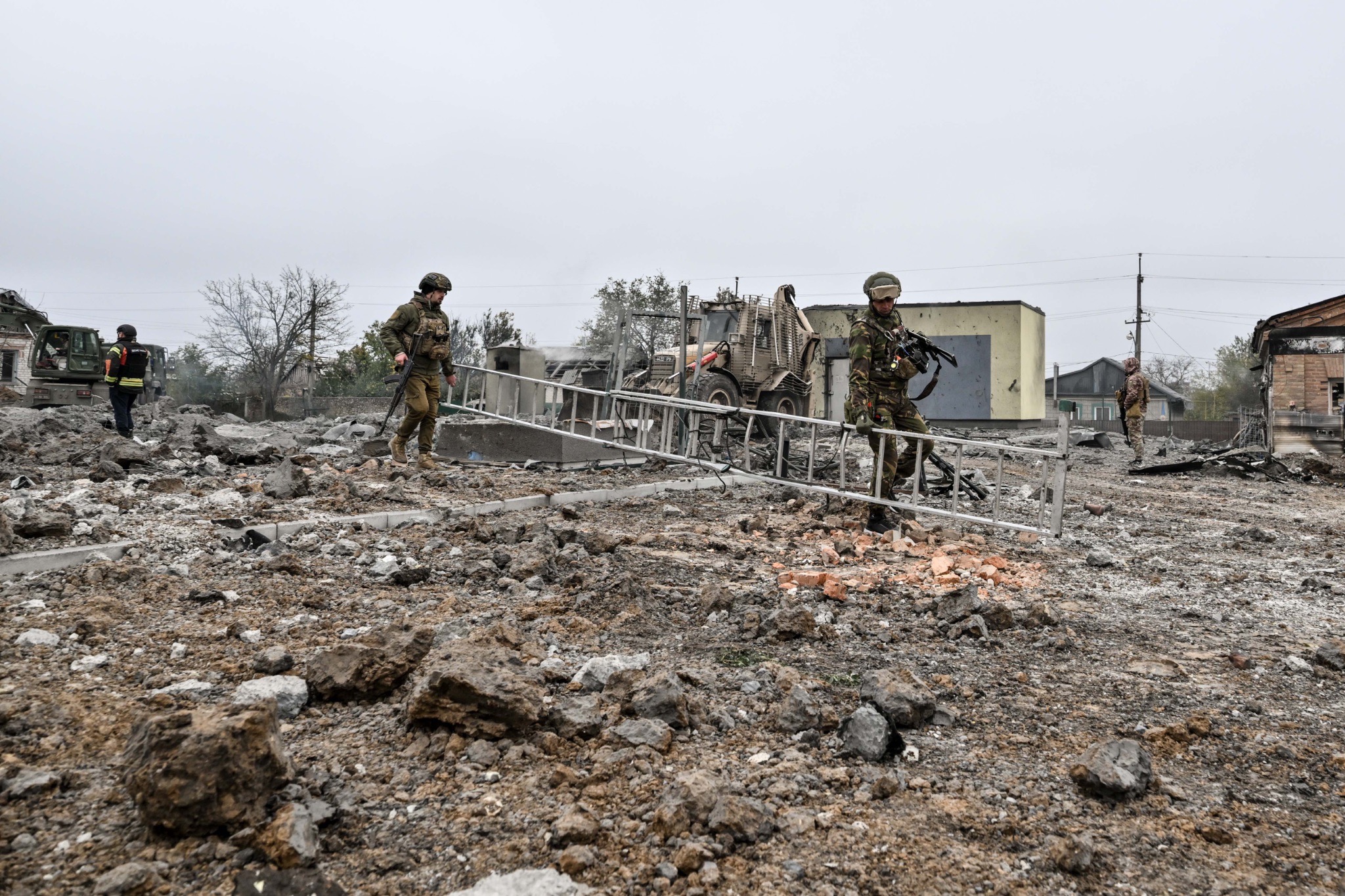
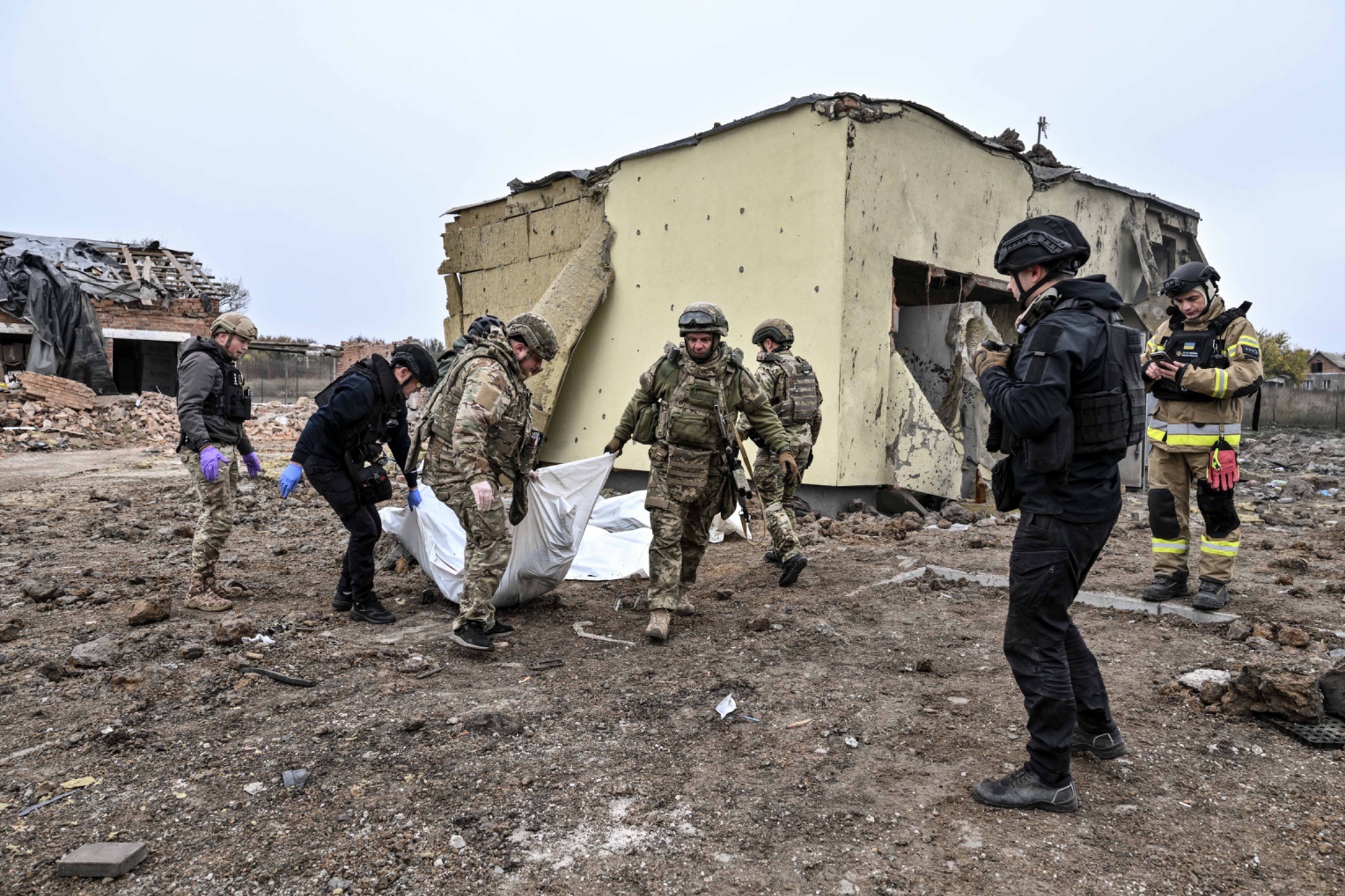
Under the constant threat of follow-up strikes, search-and-rescue operations have continued for nearly a week. To date, 55 fatalities are confirmed, including two State Emergency Service rescuers and four police officers who arrived to rescue victims after the initial strike. As of November 8, 29 individuals have been identified, while 45 people remain listed as missing, some of whom are likely among the recovered deceased. Five civilians were injured, including a 22-year-old woman in critical condition with burns covering 81% of her body; two rescuers also remain hospitalized. A three-day period of mourning was declared in the region. A fire-and-rescue vehicle was destroyed.
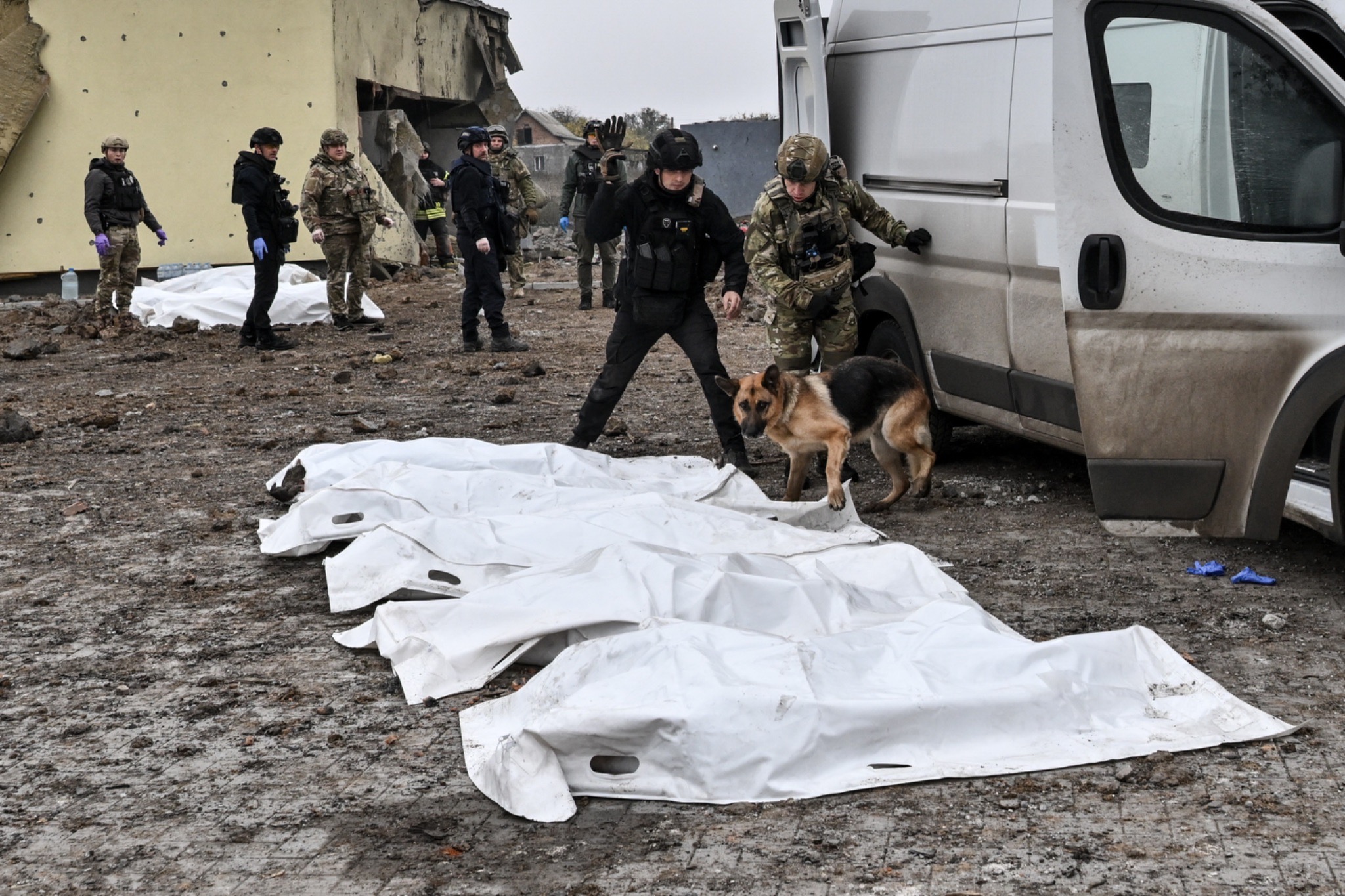
«Ukrainska Pravda. Zhyttia» reports that those killed in the strike include police majors Mykhailo Buzhenko and Mykola Balanda, police captains Mykhailo Romanov and Dmytro Besedin, rescuers Denys Konovalenko and Oleksii Sushchevskyi, Administrative Service Center employee Olha Tverdenko, humanitarian hub head Tetiana Ivanivna, and Nataliia Karapetian, wife of the head of the Komyshuvakha community Yurii Karapetian.
That same evening in the Zaporizhzhia district, the enemy struck a private property, causing a fire and injuring a woman and an 11-year-old boy. On November 4, Russian forces launched two strikes on Vilniansk; a direct hit and fire in a five-story building killed two people and injured one. In Bilenke, a man was killed. On November 4 in the hospital, succumbed to their injuries police officers Oleh Dubetskyi and Serhii Berezhko, who were wounded during a drone strike on November 1 near Komyshuvakha.
On the morning of November 8, Russian forces deliberately targeted emergency responders in Komyshuvakha with an FPV drone as they conducted search-and-rescue operations at the school airstrike site; personnel were uninjured, but specialized rescue equipment was damaged. Due to Russian shelling, the temporarily occupied Zaporizhzhia Nuclear Power Plant once again lost external power and switched to diesel generators.
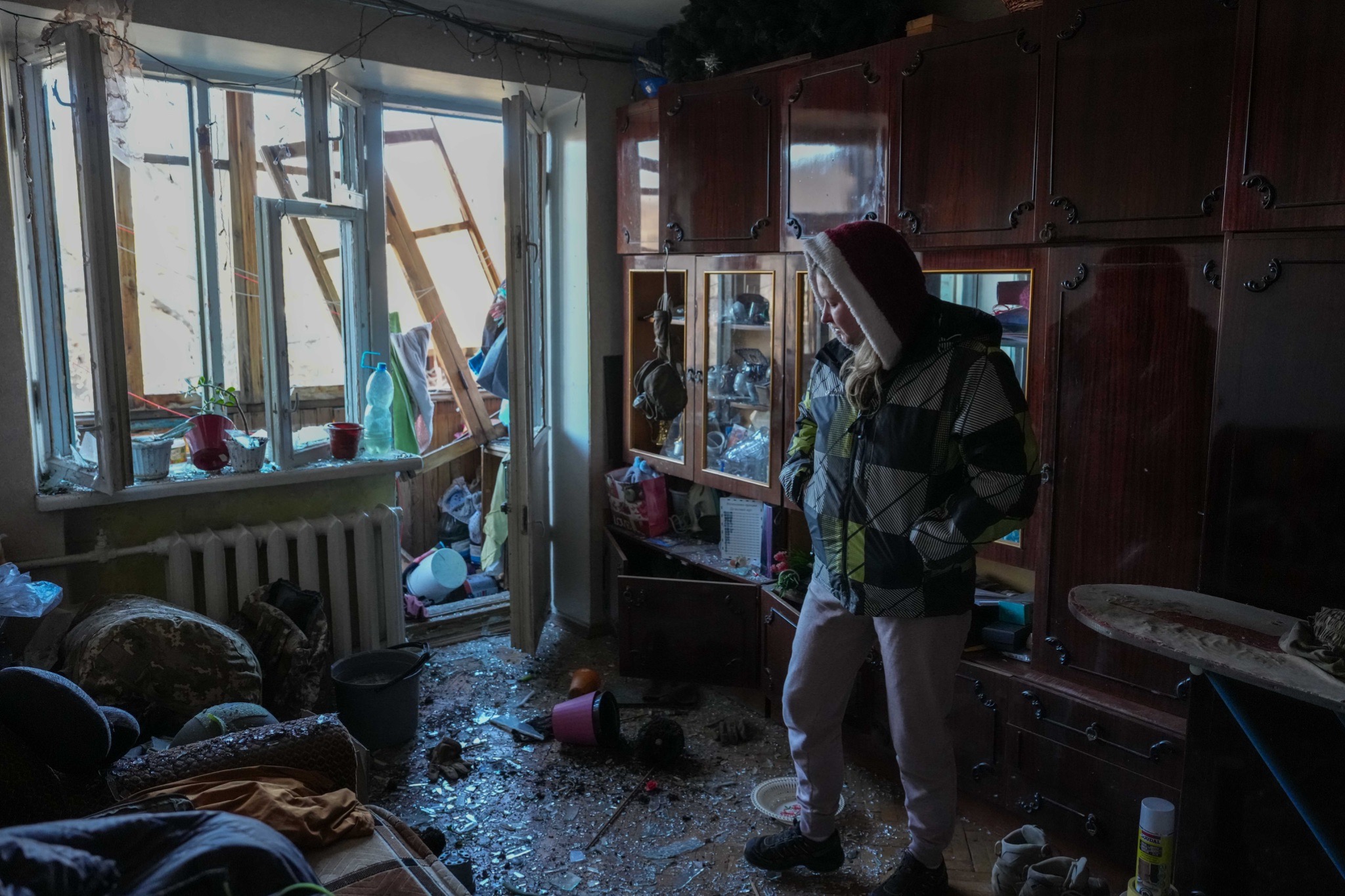
Kyiv Region
Russian attacks in the Kyiv region between November 2 and 7 killed two people, including a 14-year-old child, and wounded eight others, including a 15-year-old boy. The enemy targeted the Bucha, Brovary, Obukhiv, Bila Tserkva, and Boryspil districts, damaging energy facilities, an educational institution, warehouses, a gas station, an auto dealership, a service station, businesses, over 16 private homes, and vehicles. On the night of November 7, during a massive attack on the Kyiv region, substations linking the Rivne and Khmelnytskyi nuclear power plants with central regions and Kyiv were hit, stated Volodymyr Zelenskyy.
On November 3 in Kyiv, during one of the largest strikes on Ukraine's energy system, facilities of the Kyiv regional energy hub were damaged. As a result, emergency blackout schedules were enacted in the capital, alongside disruptions to water supply and public electric transit. Warming centers began setting up in the hardest-hit areas. On November 4 in the Sviatoshynskyi district, falling drone debris caused a fire on the roof of a private house, while in the Holosiivskyi district, a fire ignited in an open area.
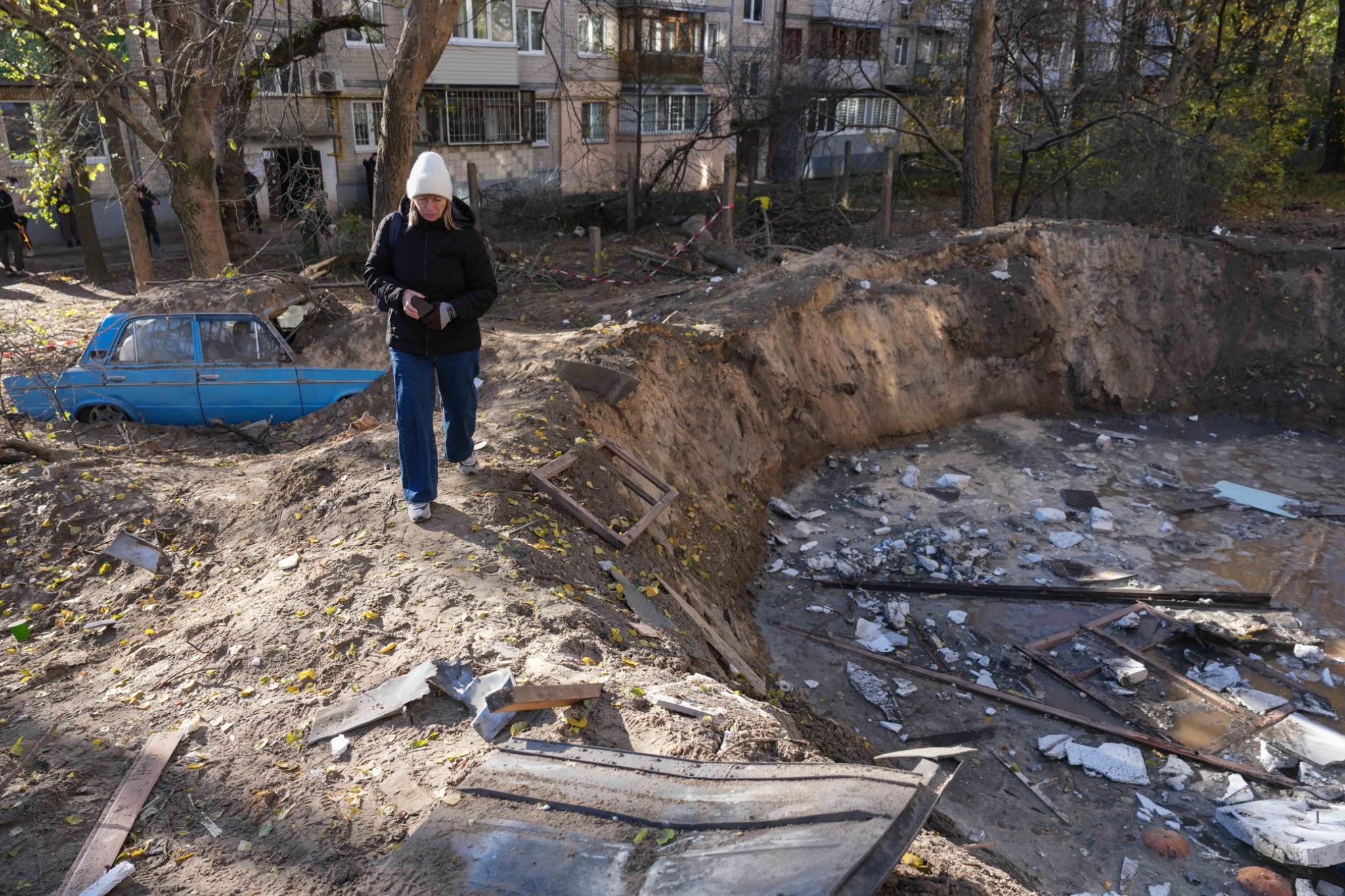
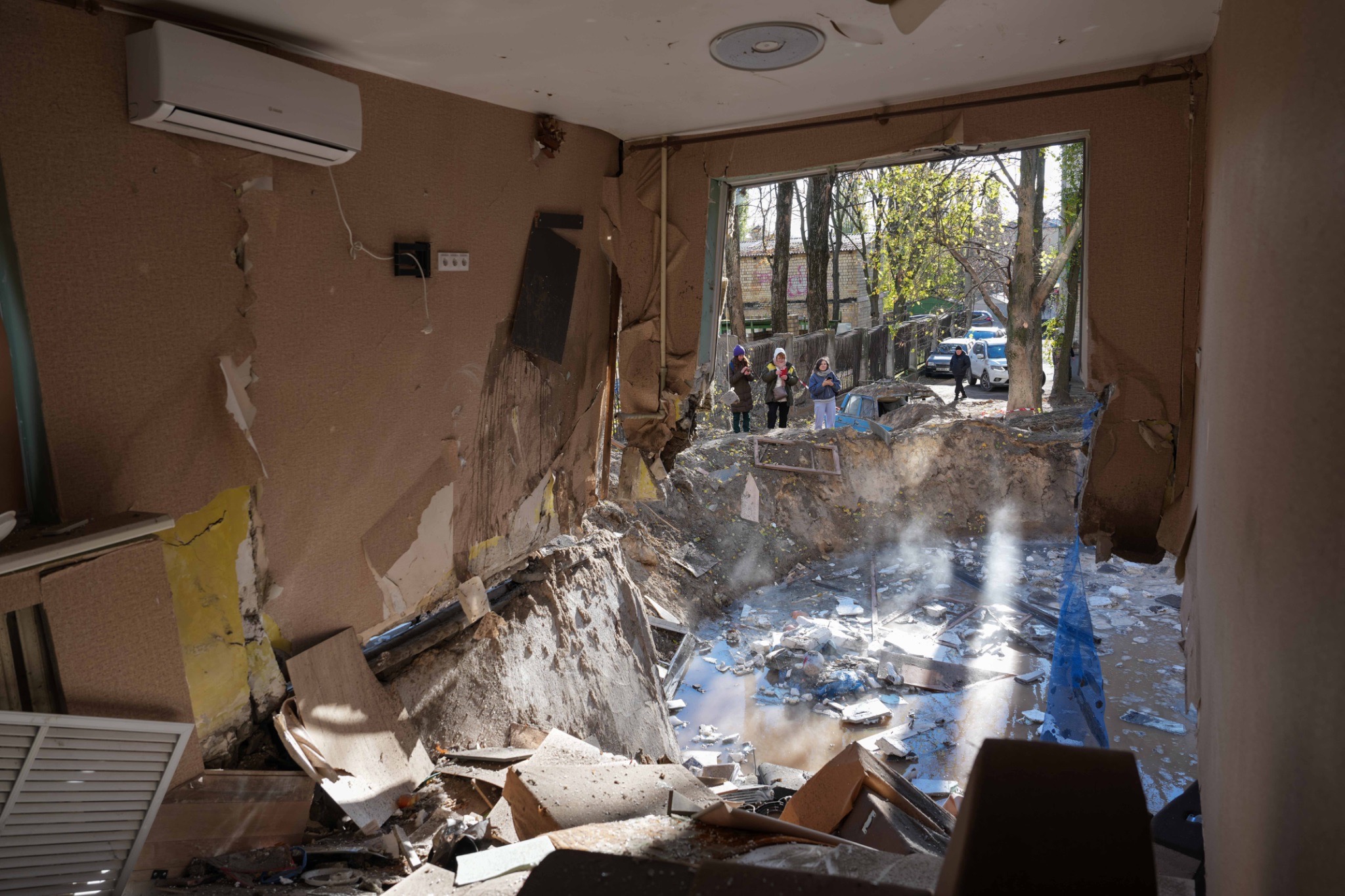
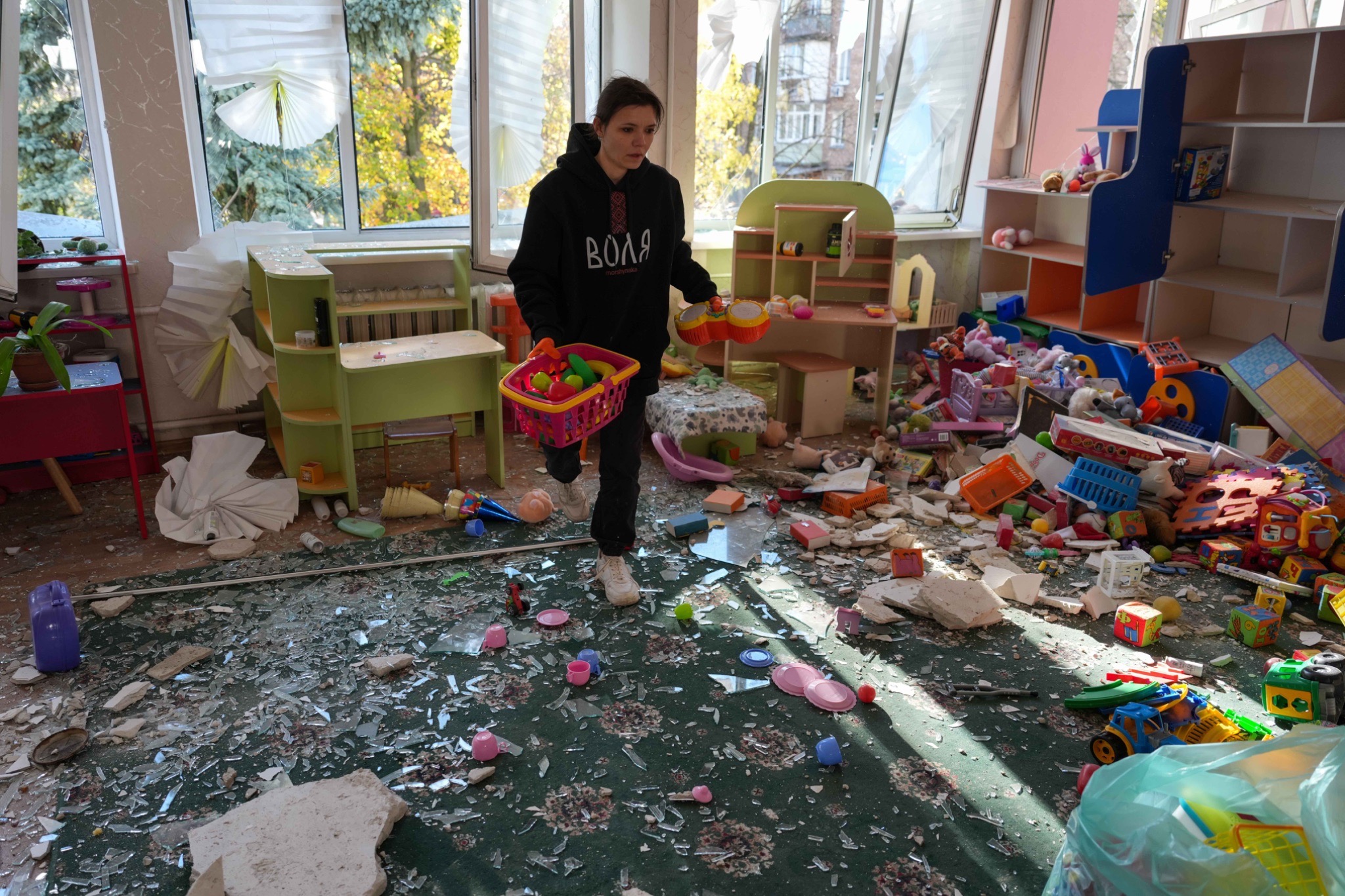
An overnight ballistic missile strike on November 7 wounded six people, including a 14-year-old child. In the Solom'ianskyi, Darnytskyi, and Sviatoshynskyi districts, residential homes and a kindergarten were partially destroyed or damaged, and fires broke out in private residential and industrial areas. On the Pivnichnyi Bridge, road pavement and utility lines were damaged, resulting in traffic closures. The capital faces a challenging situation with power, water, and heating supplies.
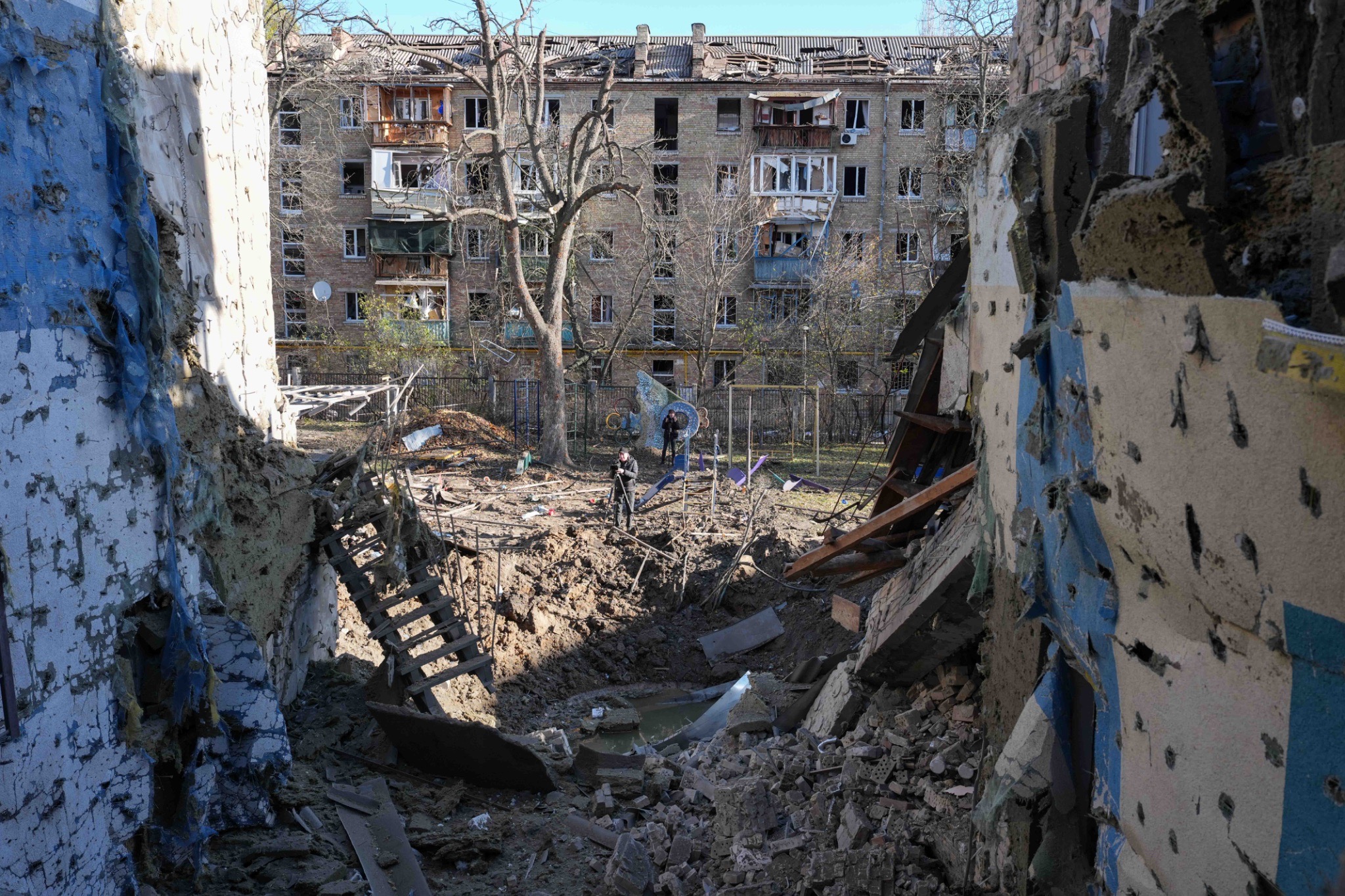
During the day in the Shevchenkivskyi district, a drone hit set a private residential building on fire, damaging two adjacent structures. In the Obolonskyi district, a major fire broke out on warehouse premises.
Contributors to this report:
Researcher and author: Yana Yevmenova
Picture editor: Olga Kovalova
Copy editor: Yuliia Futei