
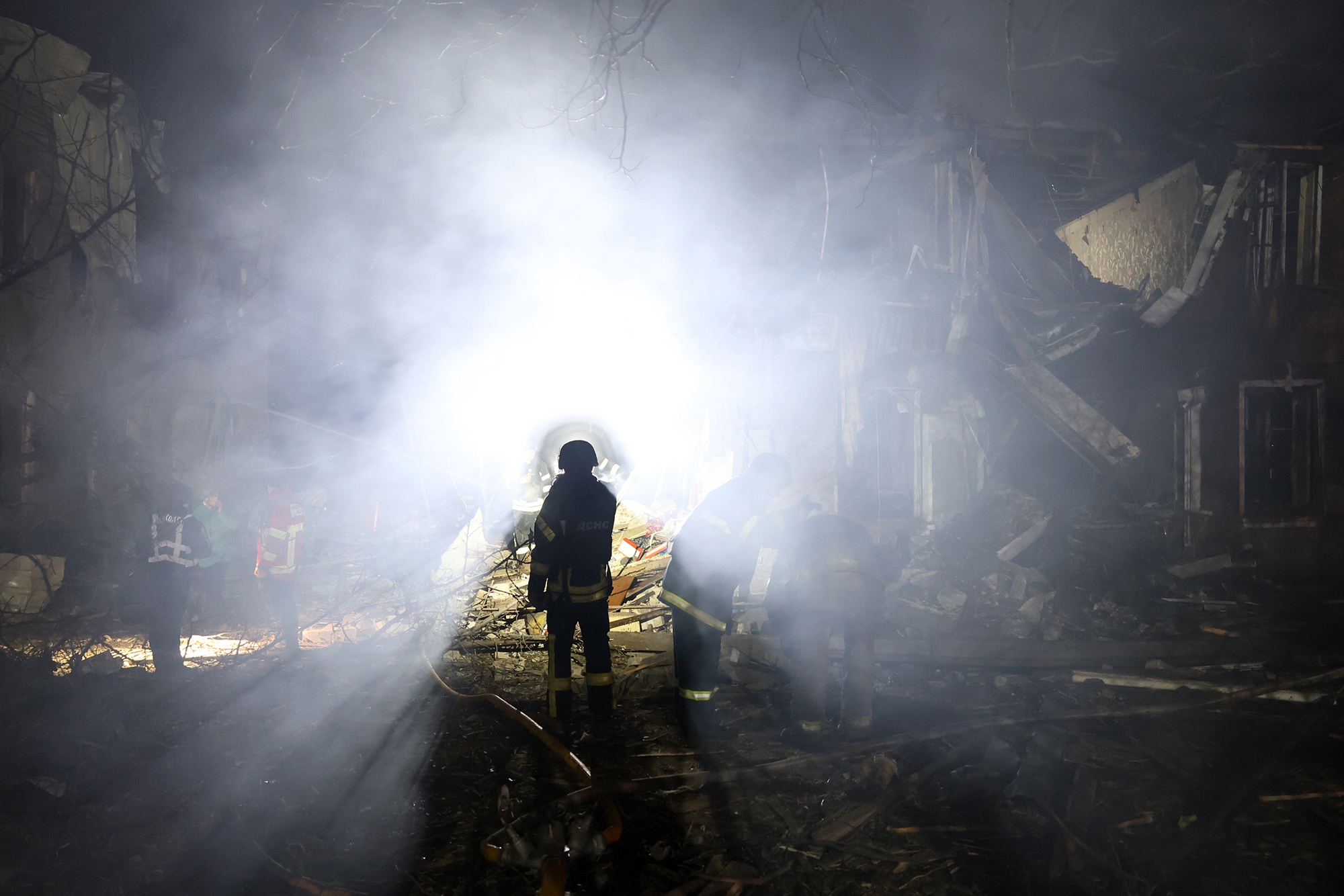
While world leaders hold talks about a “quick peace” in Ukraine, Russia is making even greater efforts to destroy Ukrainian peaceful cities. Since the beginning of the week, the frontline Kramatorsk, Sloviansk, and Kherson have been under intense shelling. In Dnipro, four civilians were killed in a missile strike. On the night of December 6, on St. Nicholas Day, Russians massively struck Ukraine with drones and missiles. The enemy continues to modernize its deadly weapons. Russians are now equipping “Shaheds” with air-to-air missiles, reported “Ukrainska Pravda”, citing radio technology specialist Serhii (Flash) Beskrestnov. These missiles are intended to hit tactical aviation aircraft and helicopters that neutralize “Shaheds”.
Chronicle of shelling from December 1 to December 7
December 1 — as a result of an enemy drone attack in Chernihiv region, two people were hospitalized; critical infrastructure and people’s homes were damaged. In Kherson, Russian drones attacked firefighters while they were extinguishing a fire at a gas station after shelling; there were no casualties. In the morning, Mykolaiv came under a drone attack; a nine-storey building was damaged by debris, and a fire broke out in an elevator shaft. In Sumy region, an enemy drone hit a civilian car; the driver was killed on the spot, and the passenger sustained minor injuries.
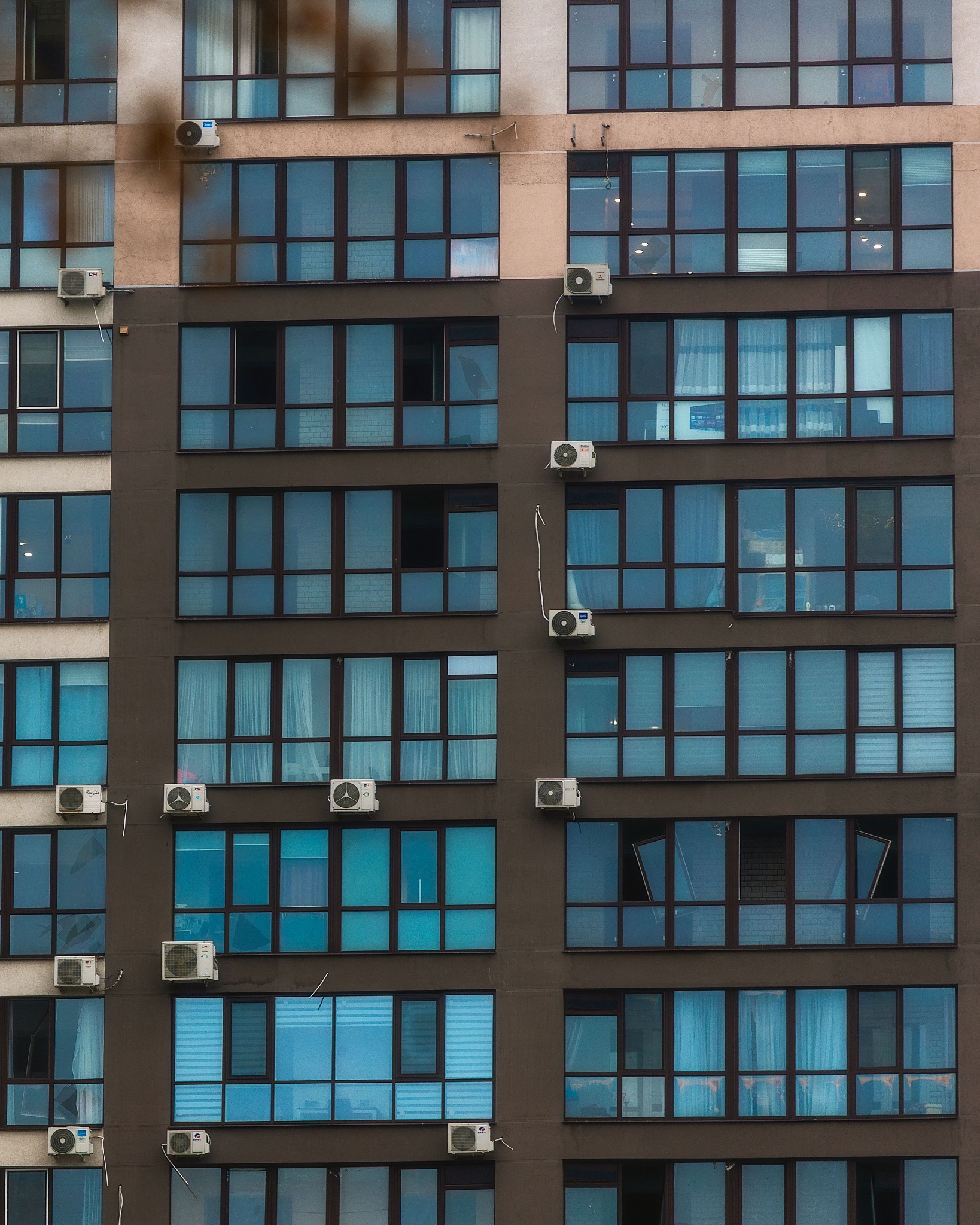

On December 1, Russians delivered a missile strike on central Dnipro. Four people were killed; 43 people were affected, 30 of them injured: 13 in serious condition and the rest in moderate condition. Four people were rescued. On December 2, Dnipro declared a day of mourning for those killed as a result of the Russian attack.
Among the affected facilities: two service stations and more than fifty cars, enterprises, an office and an administrative building, four educational institutions, four high-rise buildings. Fires broke out at the strike site.
December 2 — the enemy attacked energy and civilian infrastructure in Odesa region with strike drones. Fires broke out and there were power outages. It also became known about the deaths in hospitals in Ternopil and Kyiv of severely wounded civilians as a result of Russian attacks on November 19 and November 29 respectively.
Over two days in Kharkiv region and Dnipropetrovsk region, Russian shelling injured civilians and damaged infrastructure.
On the night of December 3 in Kherson, a research associate of Kherson National Technical University, Tetiana Asauliuk, was killed by enemy fire. Russians struck a trolleybus depot; transport, overhead lines, and administrative and production buildings were damaged. From morning to evening that day, Dnipropetrovsk region was under enemy fire: three people were killed, three were hospitalized, and among the injured was a 10-year-old girl. In the evening, the Russian army struck Kryvyi Rih with missiles, injuring six people, including a child. There was extensive destruction of residential and social infrastructure and many fires. Russia again attacked energy facilities in Odesa region; a fire broke out, an enterprise employee was wounded and hospitalized in serious condition. The energy system in Chernihiv region was under attack; Russian UAVs also shelled a farm and an enterprise.
December 4 — enemy drones once again struck Odesa; seven people were injured, and one person was hospitalized. Russian UAVs carried out a repeated strike on State Emergency Service firefighters while they were eliminating the consequences; fire equipment was damaged, personnel were not injured. In Kherson region, a child and two adults were killed by Russian shelling, and seven people were wounded. A perinatal center again came under fire, at the very moment childbirth was being assisted — there were no casualties. Over two days, Russians used all types of weapons to strike the Kherson CHP plant and severely damaged it; the station was shut down and its workers were affected. The Russian army left more than 40.5 thousand consumers without electricity.
Kharkiv and the region were under shelling all day, with numerous destructions and fires. In Kharkiv, as a result of an explosion of a dangerous object, two people were killed and three were injured. In Chernihiv region, a drone attack wounded two employees of a woodworking enterprise; one is in extremely serious condition; equipment and a warehouse at the enterprise were damaged.
On the night of December 5, Russian drones struck the residential sector in Dnipropetrovsk region; a 12-year-old boy was killed, three people were injured, and a house was destroyed. In Sumy, enemy drones hit a high-rise building; the roof and ceiling above one of the apartments were destroyed. In Kherson region, a civilian man was killed after munitions were dropped from a drone. In Kharkiv region, two people were killed by Russian strikes.
During the night of December 6, Russia carried out a massive shelling of Ukraine, using 653 UAVs of various types and 51 missiles, 17 of them ballistic. The enemy’s targets were critical infrastructure, the railway, and civilian homes in Chernihiv, Kharkiv, Dnipropetrovsk, Zaporizhzhia, Odesa, Mykolaiv regions, as well as in Volyn and Lviv regions. This was the sixth attack on the company DTEK’s thermal power plants in the last two months since the start of the full-scale war, stated DTEK. In Lutsk, Bila Tserkva, and Dnipro, large-scale fires broke out at warehouses with food and medicines. Overall, eight people were injured across Ukraine as a result of the night attack. In Fastiv district of Kyiv region, affected sites included a railway station and a motor-car depot, warehouses, and freight trucks. Large fires raged; in particular, in Fastiv the fire destroyed the station building. In Chernihiv region, strikes hit critical infrastructure in different districts and an administrative building, which burned down completely; there were hits in residential areas.
On the night of December 7, the Russian army massively struck Poltava region with strike UAVs and missiles. Industrial and critical infrastructure facilities were targeted. Power, heat, and water supply disruptions were recorded in several districts, including the city of Kremenchuk. In Chernihiv region, as a result of a massive drone attack overnight, one person was killed and a police officer was injured. Damaged sites included a district police department, a medical college, several enterprises, and residential houses; fires broke out. There was shelling in Dnipropetrovsk and Kharkiv regions.
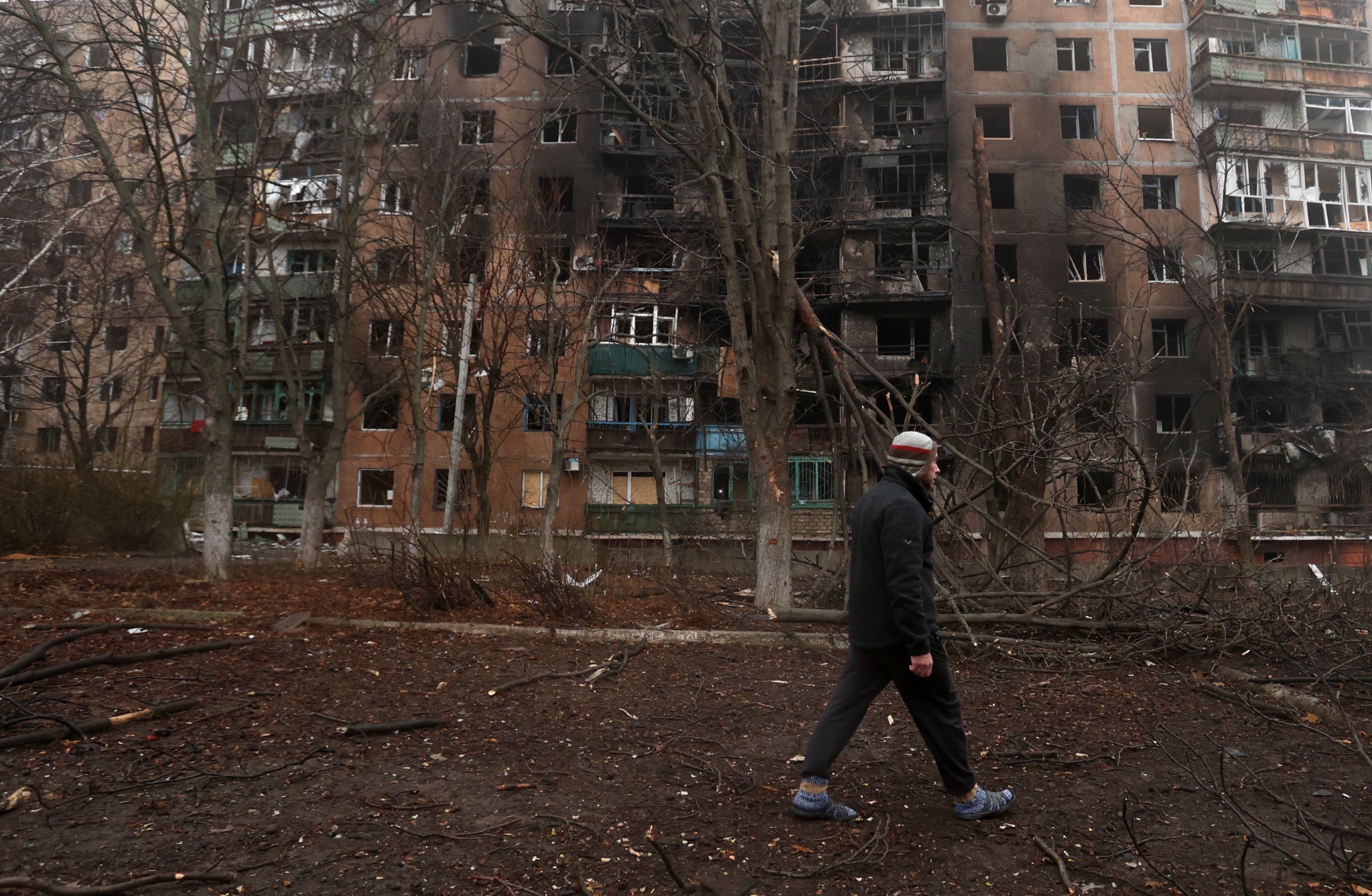
Terror in free Donetsk region
On December 1, the enemy shelled Kramatorsk; eight “Geran” drones flew into the city. The targets were residential areas and infrastructure facilities; hits on high-rise buildings were recorded. As a result of the attack, two people were killed and five were injured; two entrances caught fire from the first to the eighth floors.
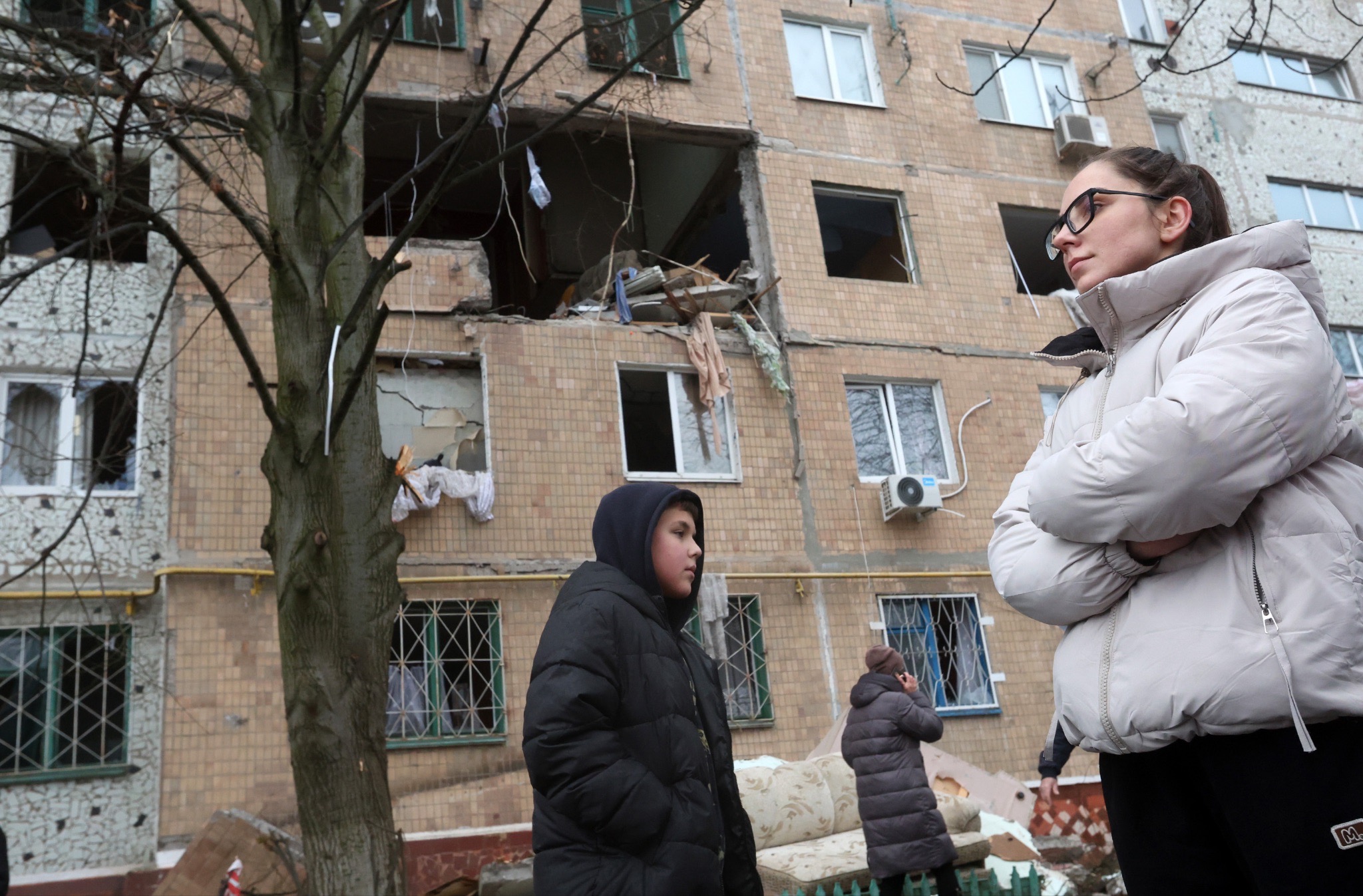
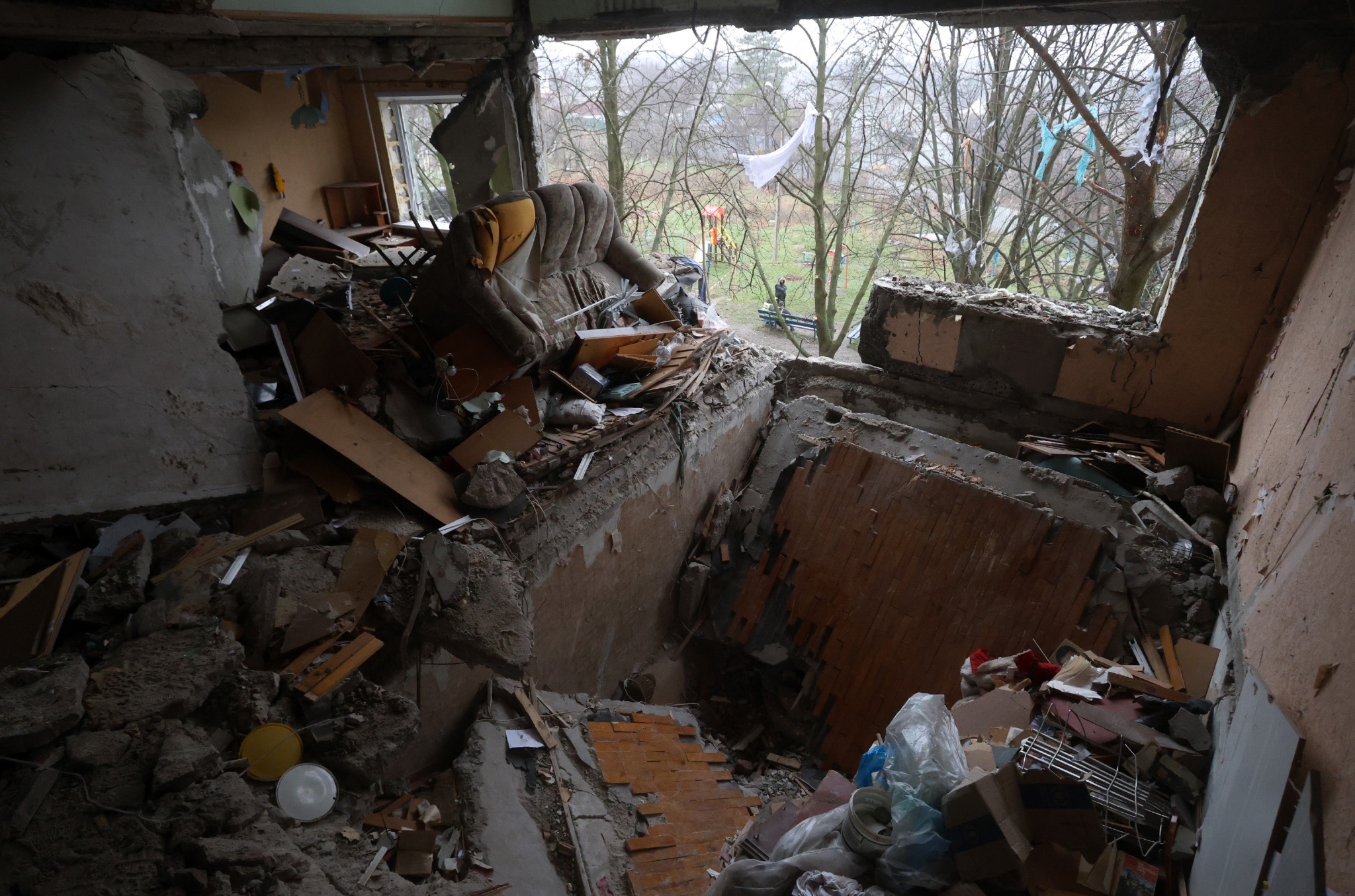
“Kramatorsk has once again faced the painful reality of Russian terror: where yesterday there was life and calm, today there are fragments, craters, and human pain”, — Head of the Kramatorsk City Military Administration Oleksandr Honcharenko responded to the shelling of the city.
On the night of December 4, the Kramatorsk community again came under enemy shelling. The city’s residential and industrial infrastructure was struck by FAB-250 bombs. Three civilians were injured.
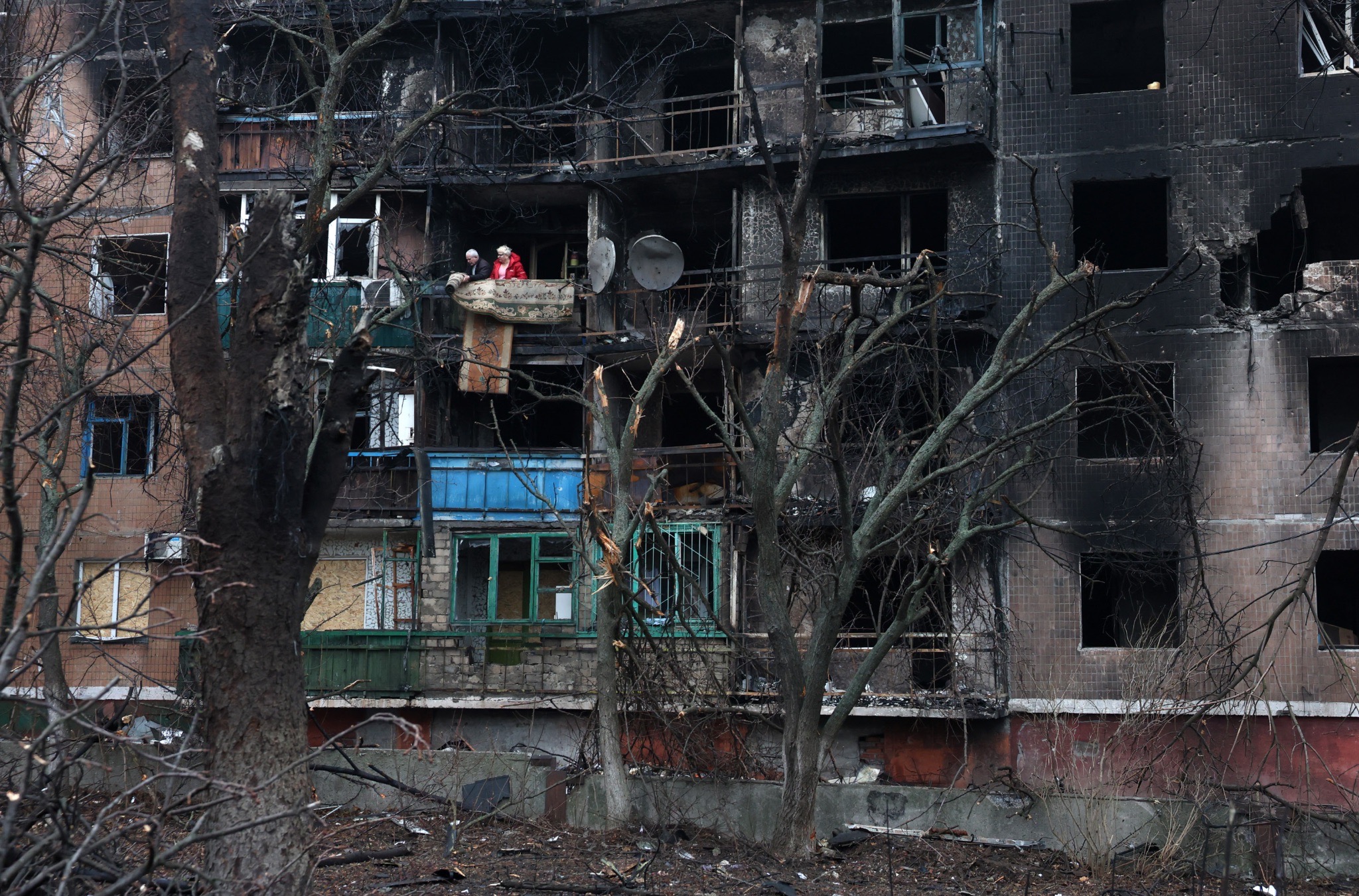
Over the first three days of winter, Sloviansk was shelled with various types of weapons: KABs, UAVs, artillery. More than 30 private houses were damaged, two were completely destroyed, as well as a shop, production premises, a café, a hotel, a trade pavilion, and vehicles.
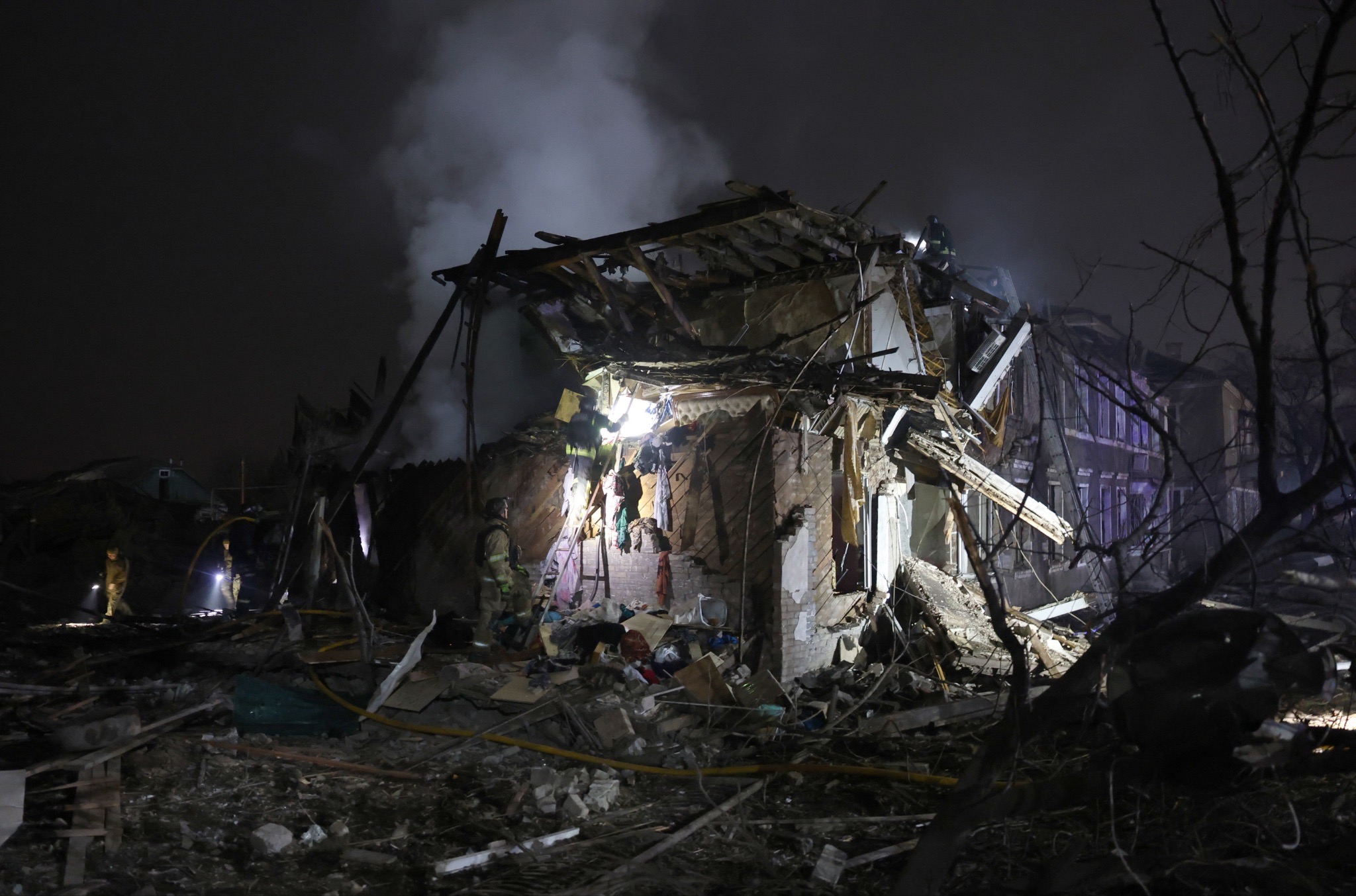
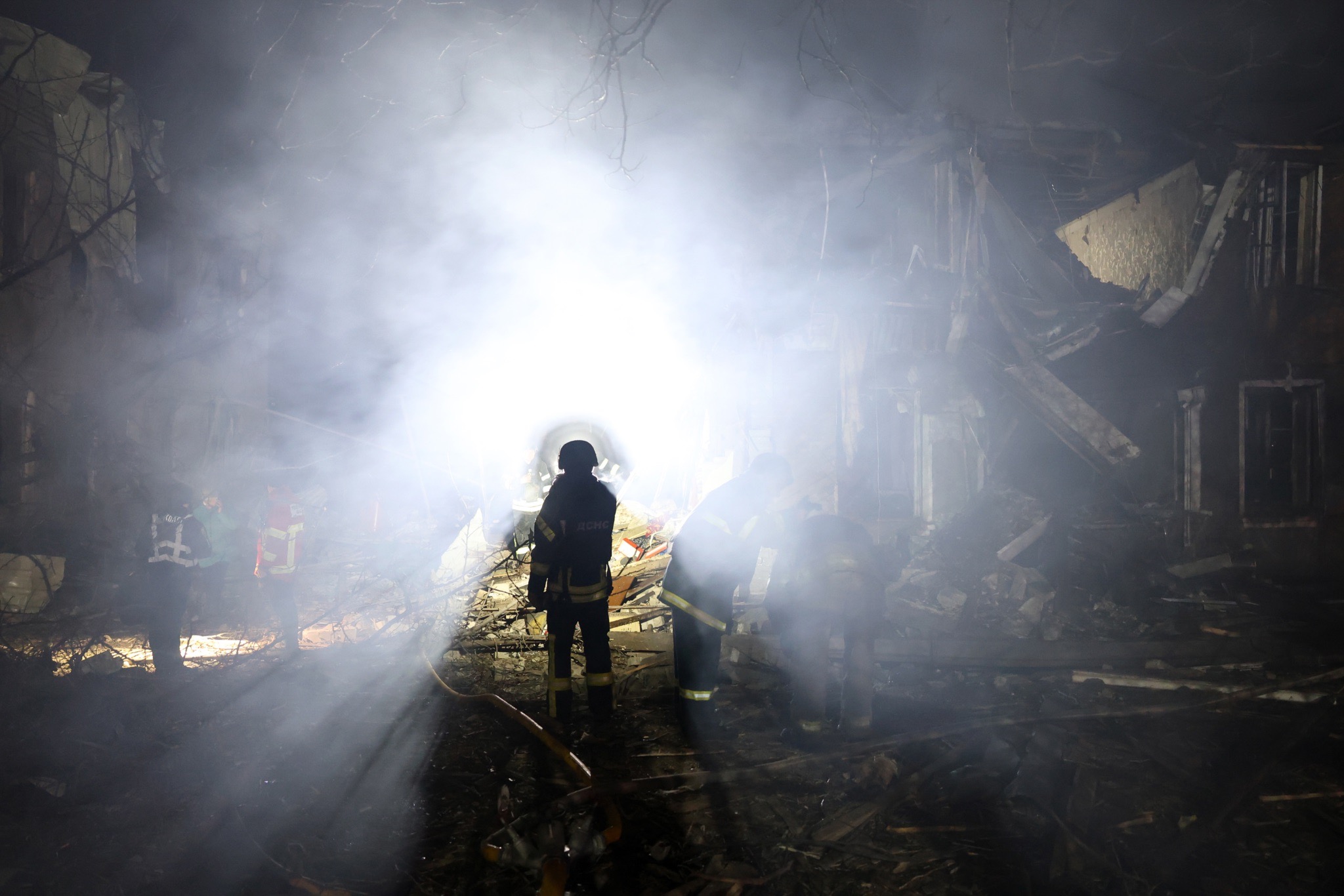
On the night of December 4, Russians dropped nine guided aerial bombs on Sloviansk; one hit a high-rise building. As a result of the attack, eight people were injured, including children — a 7-year-old girl and a 13-year-old boy. The airstrike damaged 11 high-rise buildings, 35 private houses, six shops, an enterprise, a gas station, a post office, and cars. Three fire outbreaks occurred. At night, Russians additionally struck with UAVs, damaging a high-rise building. By morning, three injured people remained in hospital.
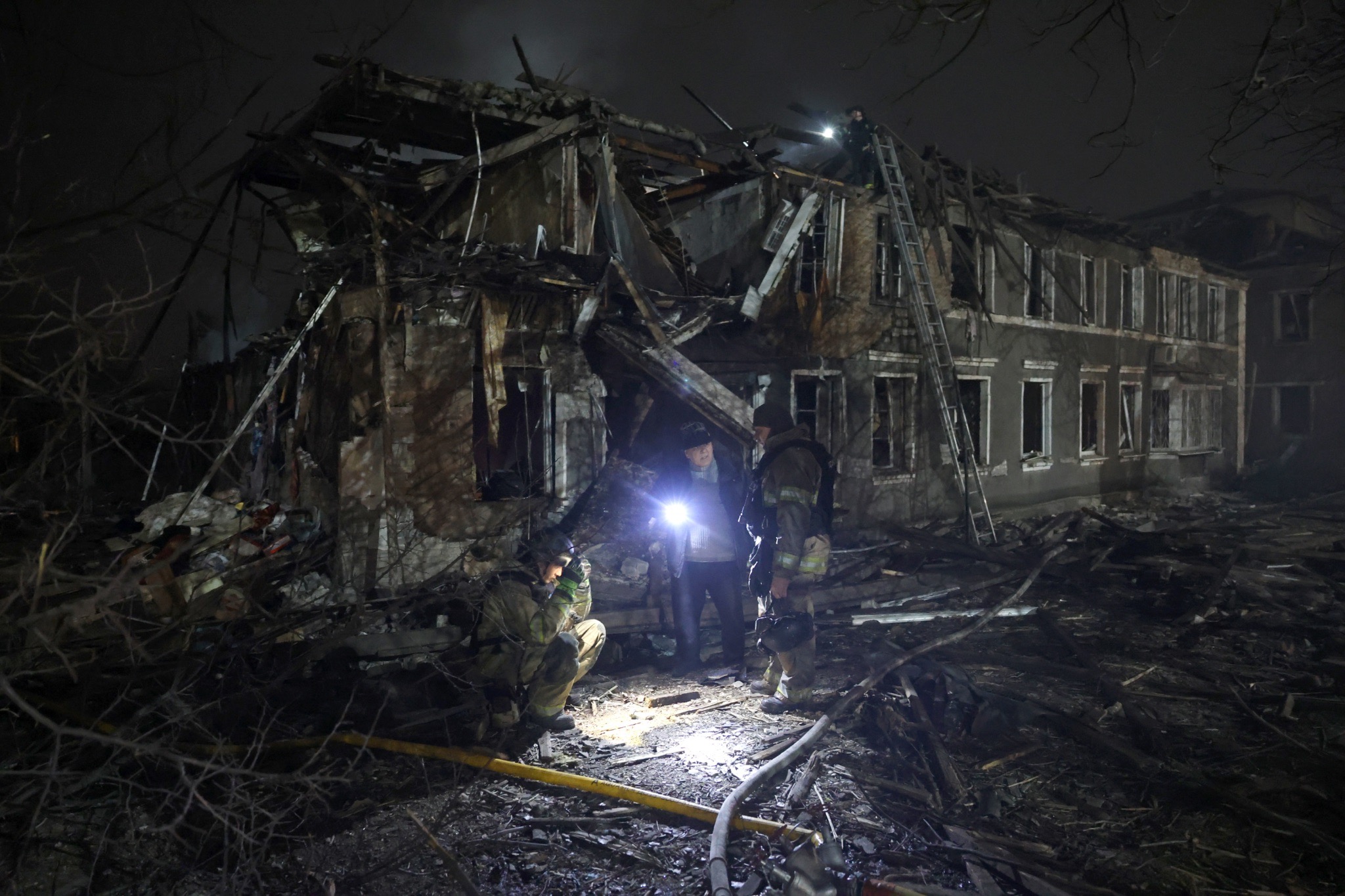
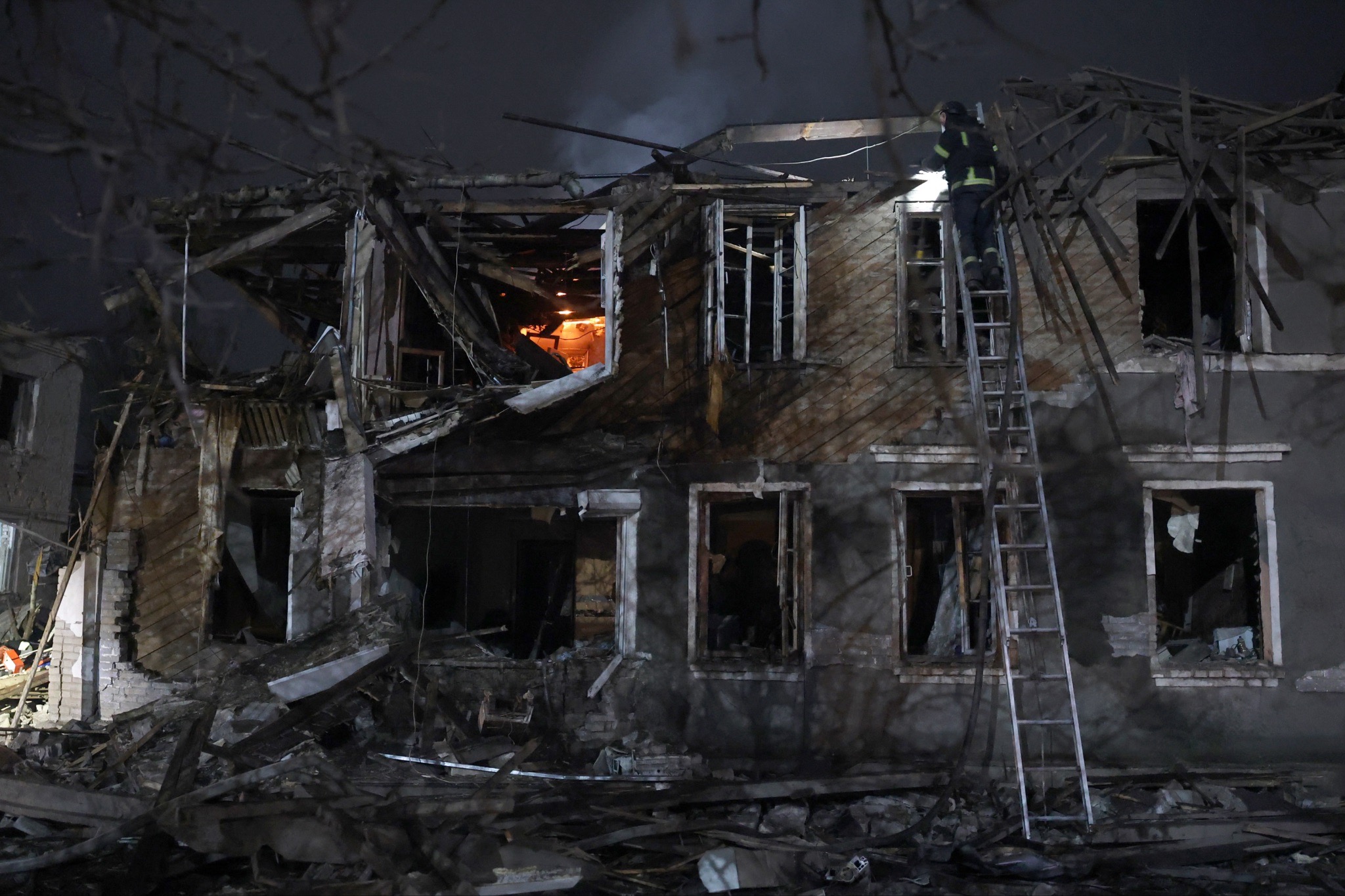
Photographer Anatolii Stepanov, who recorded the aftermath of the airstrike on Sloviansk, told about a civilian man who managed to survive:
Yesterday, after another round of negotiations, the Russian army carried out its own version of “peacekeeping” — by dropping an aerial bomb on the residents of Sloviansk. This time, fortunately, none of the civilians were killed. Many thanks to the crews of the State Emergency Service and to the police for the rapid evacuation of the wounded. I can’t forget the words of Rafik, an elderly Armenian man who miraculously remained unharmed on a balcony — right next to the building that was hit. Once, he lost everything in ten minutes during the earthquake in Armenia. He moved to Ukraine, raised children, and lived to see his grandchildren. Now they are forced to leave abroad. “Now they are killing us and gradually destroying our lives. In front of the whole world…”

On December 5 and 6, Russians struck Sloviansk with FAB-250 bombs; eight people were injured, including a pregnant woman and a teenager. There was extensive destruction of residential areas.
Overall, in Donetsk region during the first week of winter, ten people were killed.
Worked on the material:
Topic researcher, text author: Yana Yevmenova
Photo editor: Olga Kovalova
Literary editor: Yuliia Futei
.jpg)

.jpg)













.jpg)


