“Not Alone” is one of the projects selected within the framework of the third annual micro-grant support program for Ukrainian documentarians, implemented by UAPP. The program's goal is to support authors who continue to document the experience of a country resisting aggression and to create visual testimonies of events that define the history of modern Ukraine. The program is implemented with the support of the Embassy of the Kingdom of the Netherlands in Ukraine.
When we talk about the consequences of war, the first things that usually come to mind are destroyed cities, dead and wounded people, and refugees. But I am always interested in less obvious, less visible stories. As a photographer, I want to draw attention to life after loss. To the women left without husbands, and the children growing up without fathers.
The “Not Alone” project is a documentary series about motherhood in the context of war. I sense how the war is changing the very structure of the Ukrainian family. A new family structure is emerging, where the mother, often unnoticed, almost by default, performs countless roles, struggling with isolation and lack of understanding. I spoke with the girls and women whose husbands died, learned what traumatizes and inspires them, and photographed their stories at home, in their normal daily lives, amidst their routine, next to their children.
I want the wives of fallen heroes not to be left alone with the pain after the most valuable thing—the life of a loved one—was taken from them. Societal support, care for the children, and integration into a new reality—this is our shared responsibility.
The “Not Alone” project tells stories about how no person going through loss should feel alone.

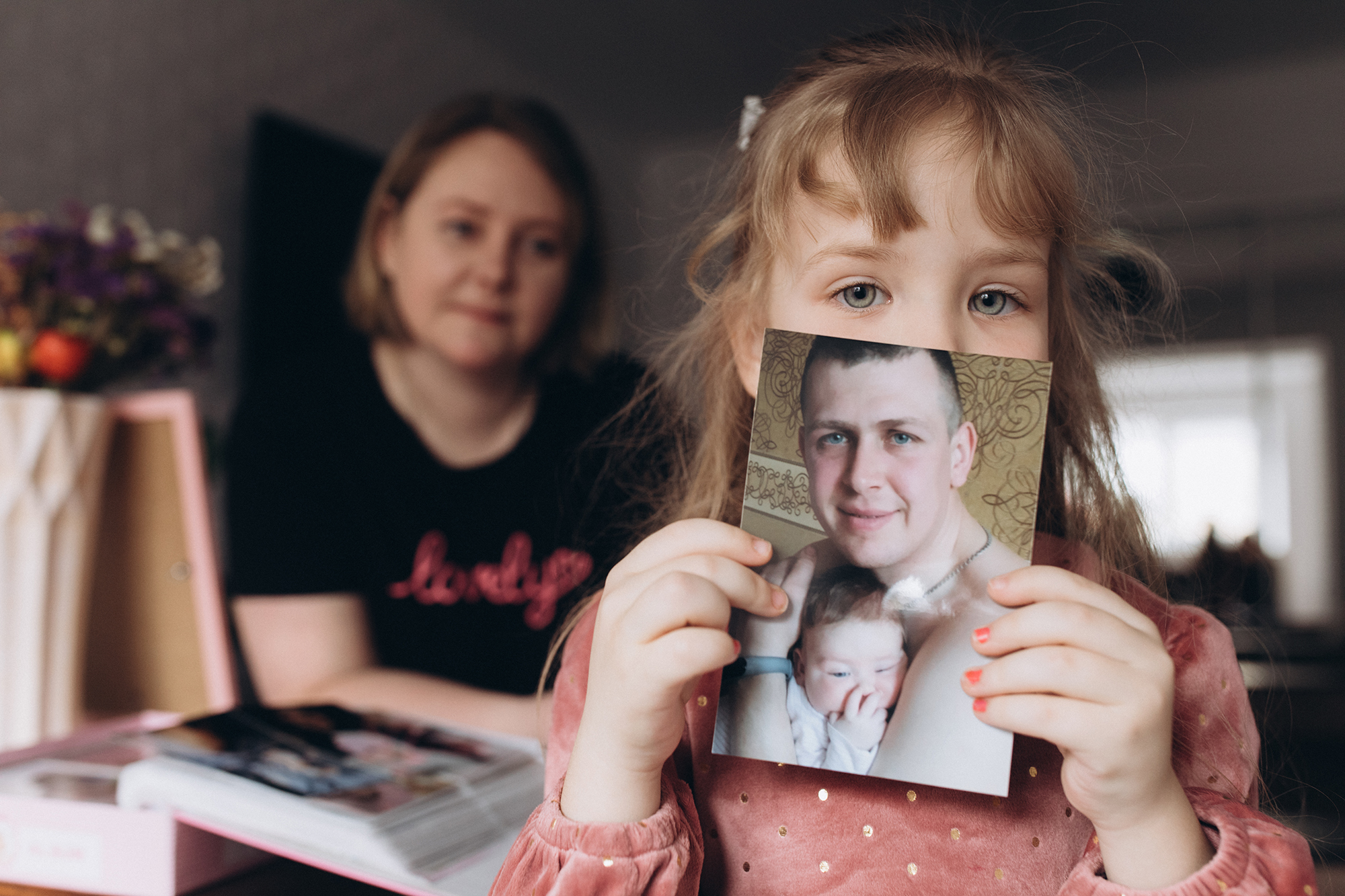
Khrystulya and Vikusya (5 years old)
My husband Serhiy passed away in 2022. At that time, our daughter Vikusya was only one year and four months old. He managed to see her first steps and hear her say “Daddy.”
Now there are two of us. Vikusya goes to kindergarten—adaptation, constant illnesses, worries. And I often feel lonely. Close ones are busy, parents are at work, and sometimes I simply lack the feeling that we are not alone.
When people pity me, it gets even harder. I cry, but I don't have the right to give up, because there is a small person next to me, and I am an example for her. I also feel as if Serhiy is watching over us. I only allow myself weakness when no one can see. In the beginning, I severely lacked psychological help, I shut down, everything inside seemed to quiet down.
People often don't know how to talk to me. I am grateful to those who do not focus attention on my loss.
I want to tell everyone who will look at this project: you must live, even in such a difficult time. Live life to the fullest. So that our loved ones, who have become angels, do not see us only in sorrow. Because no one knows what tomorrow will bring. I believe that victory will come. And I know who to thank—my husband and everyone who gave their life and health. We have no right not to appreciate this. Victory will be ours. You will see!
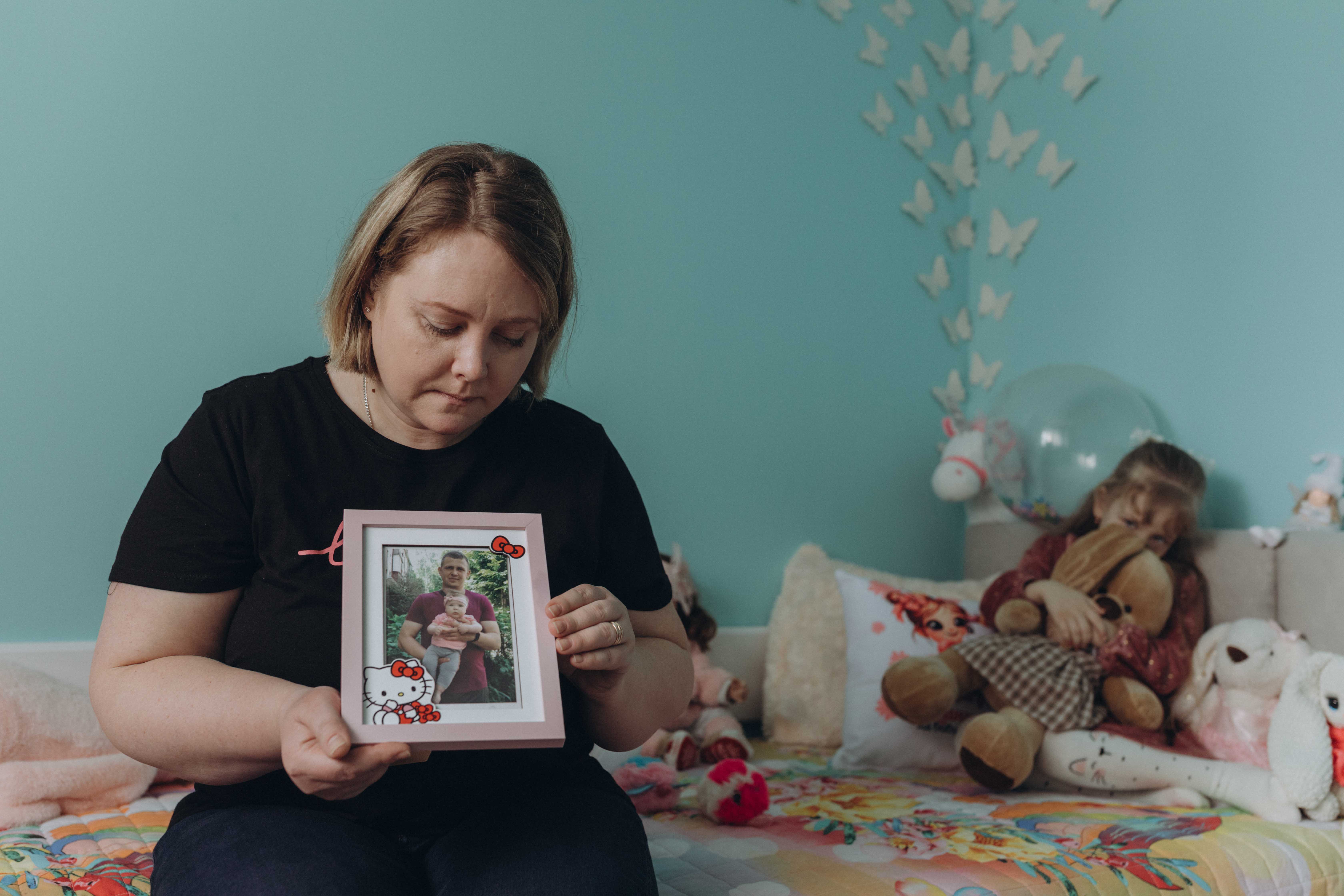

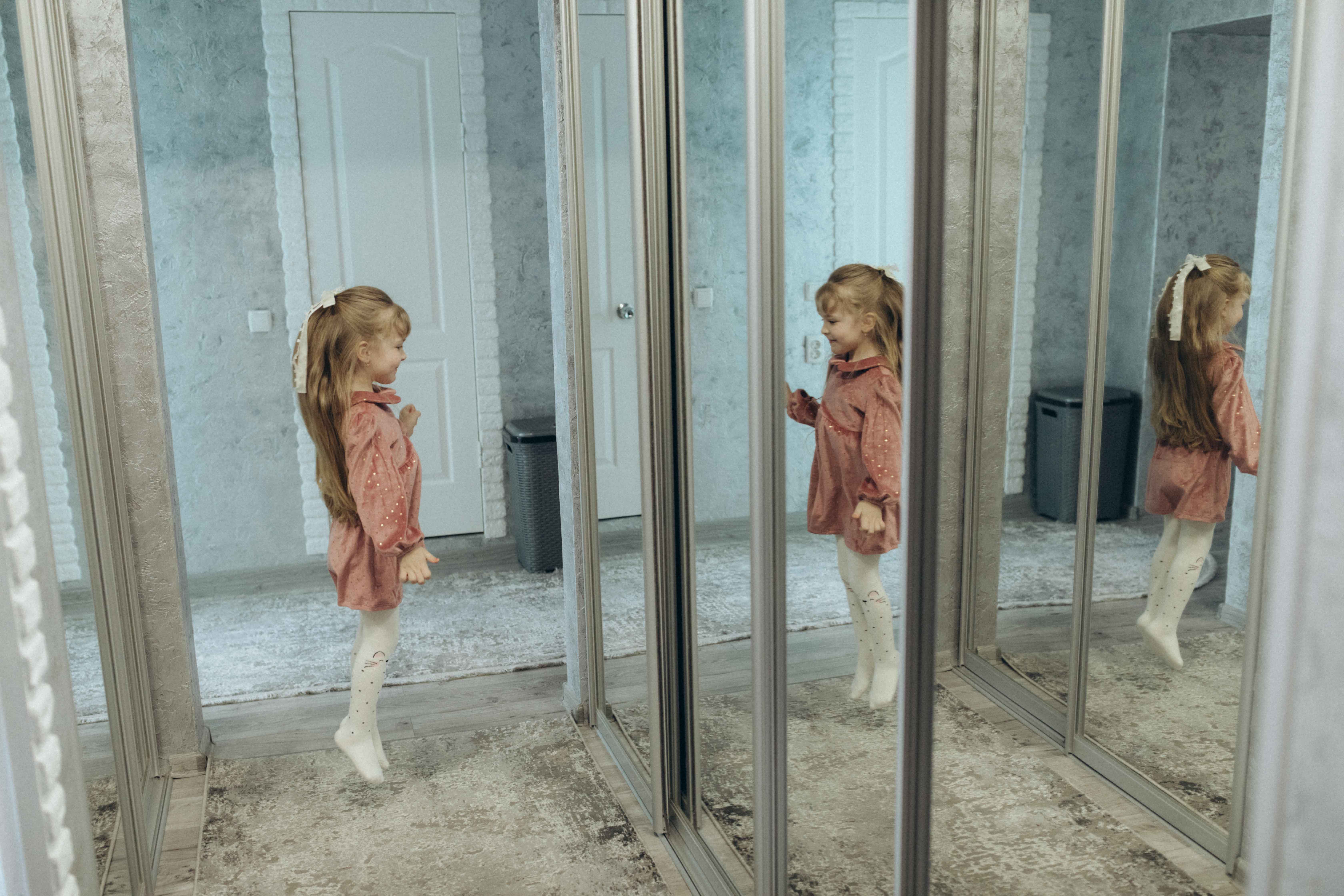

Natalya, Sasha (12 years old), and Taras (19 years old)
I barely remember the first year after Serhiy died. It was in 2022. He was in the combat zone, and I always felt he might not return. We lived together for 18 years. When he passed, our son Taras was 16. He became very withdrawn and wanted to go to war to avenge his father. I see how our younger son, Sashko, lacks his father's love. The hardest thing is watching the children go through this pain. For them, I have to be strong.
The pain never disappears—you just have to learn to live with it. A retreat for women who lost their husbands in the war helped me a lot. It was as if they put my life in order. Before that, everything was like a large house with a hundred rooms, and I couldn't find the exit. We became friends with the other women, but I still often feel like I simply have no one to talk to. Then I go to the cemetery—to talk to Seryozha.
I don't want to be called a widow. I am the wife of a fallen soldier. But I often feel that women like me are somehow isolated. This is especially noticeable in the village: every glance pressures me, people count my money. It's a little easier in the city because there are many of us. But even at school, some parents won't greet me, knowing our story.
I believe that victory will be ours. Otherwise, why did my husband die? And I want to tell everyone: live. Live for yourselves and for those who love you and need you.
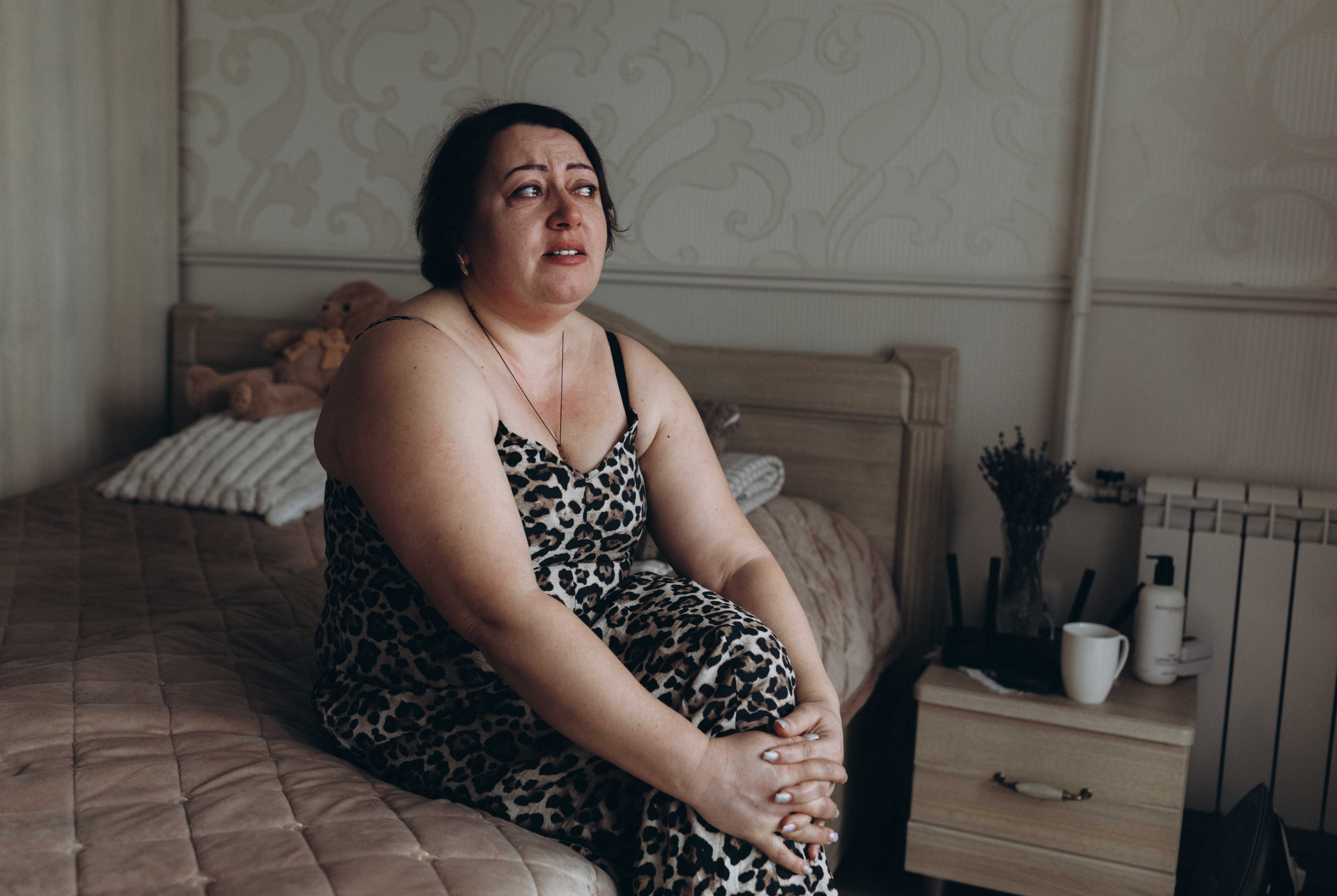


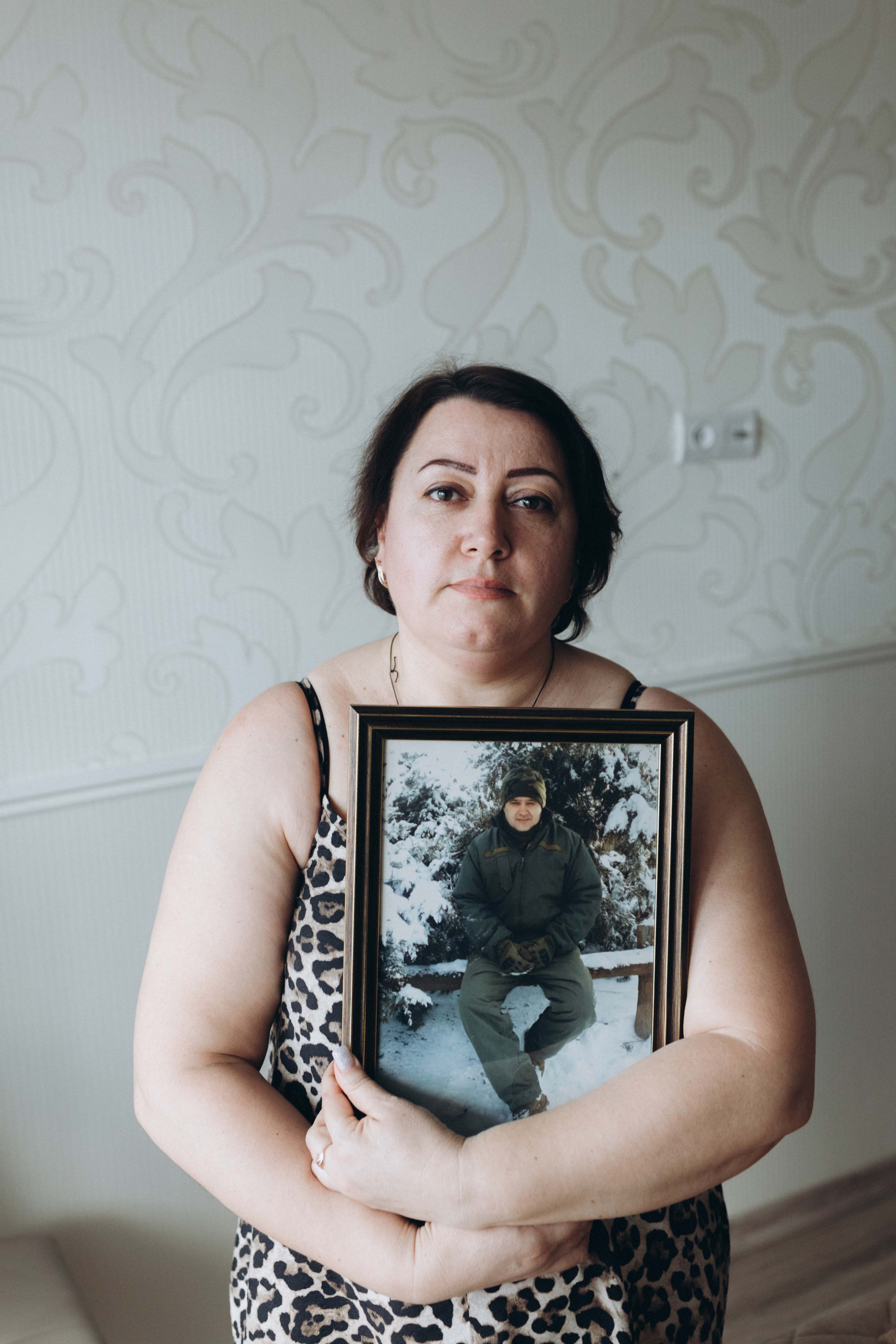
Mariya and Vanya (9 years old)
My typical day is work, school, and after-school activities. This routine helps me hold on and move forward. The hardest thing was figuring out how to live on and how to raise a child alone. I am supported by my faith in God, my children, my mother and brothers, and also by work, volunteering, and hope for a peaceful future. I know I am needed by them, and that gives me strength.
I have almost forgotten what it’s like to be weak. People think I am very strong, but the truth is, I am still waiting for Vitaliy to come back. Sometimes I just cry next to Vanya. Right now, I don't like myself at all, and I want to change something, to start living instead of just existing, to feel like a woman again.
Many people helped us, and I am very grateful to them. But there are also those with whom I stopped communicating because they don't understand me. It’s especially painful to hear: “Hold on, you’re still young, you’ll definitely find someone else.”
Initially, I had a lot of anger and aggression inside me. Then I learned to value silence and solitude. I didn't give up and found the strength to help others. Together with women who also lost their husbands in the war, we created the "Hero's Wife" foundation. We prepare food and deliver it to veterans in hospitals in Chernivtsi.
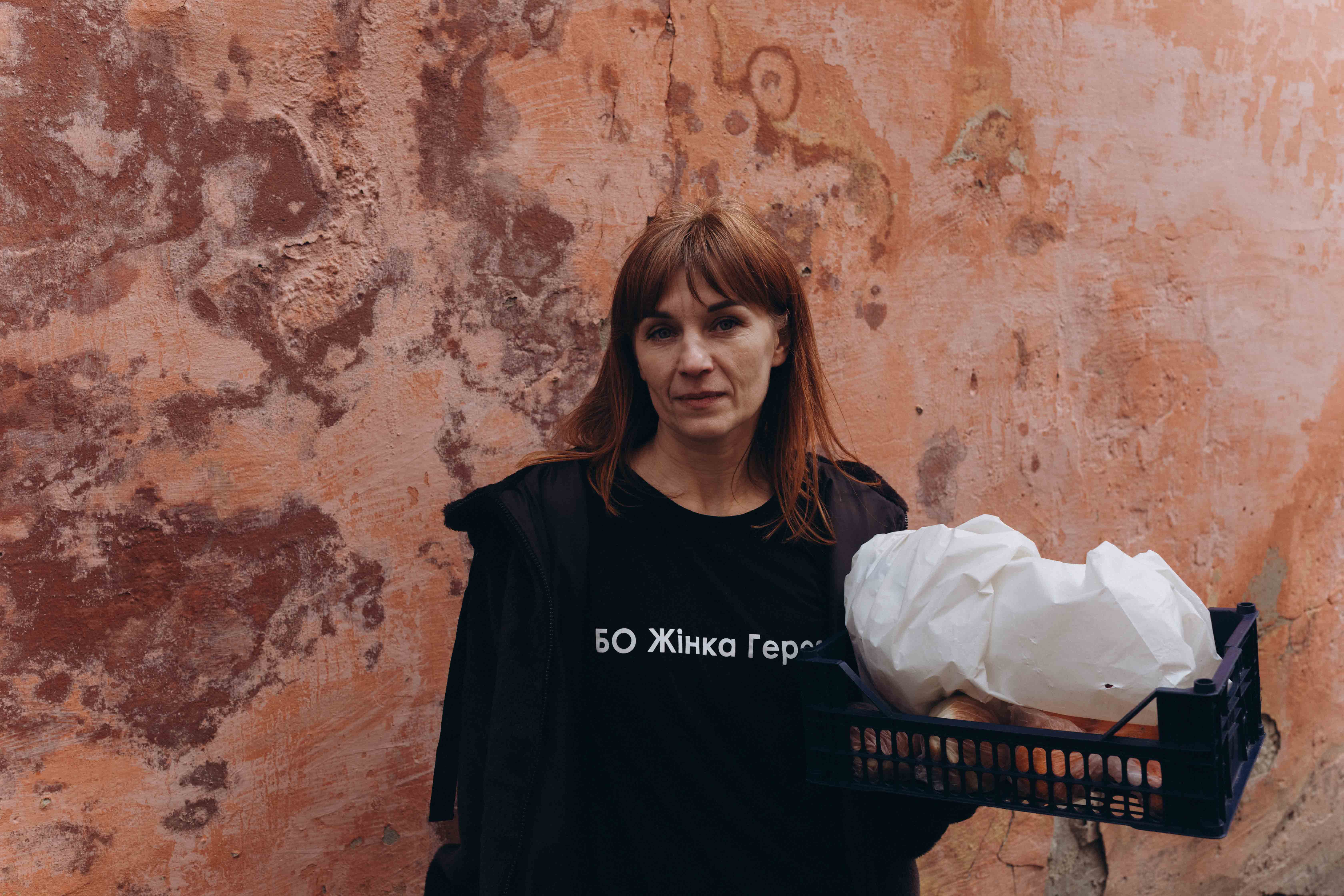
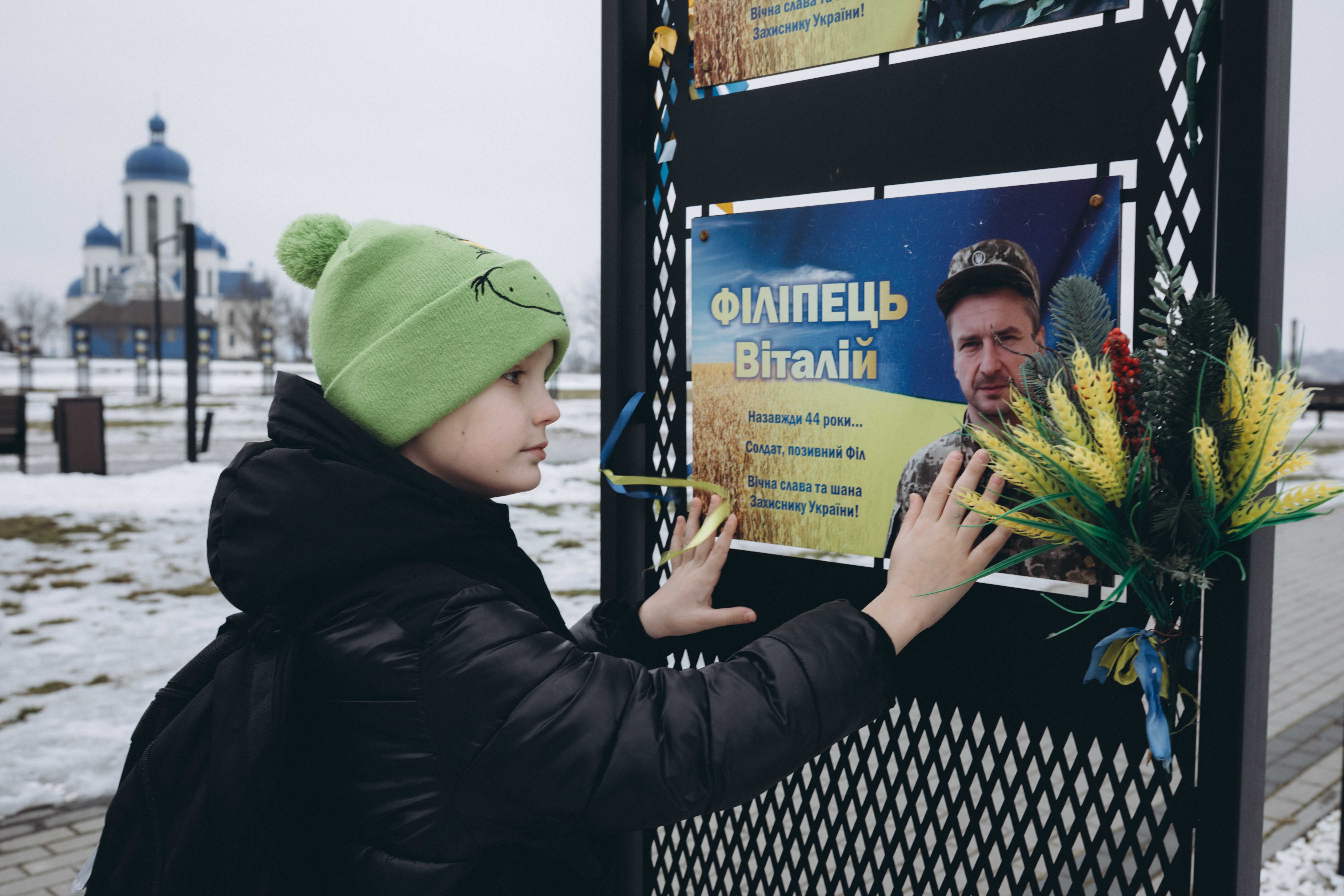

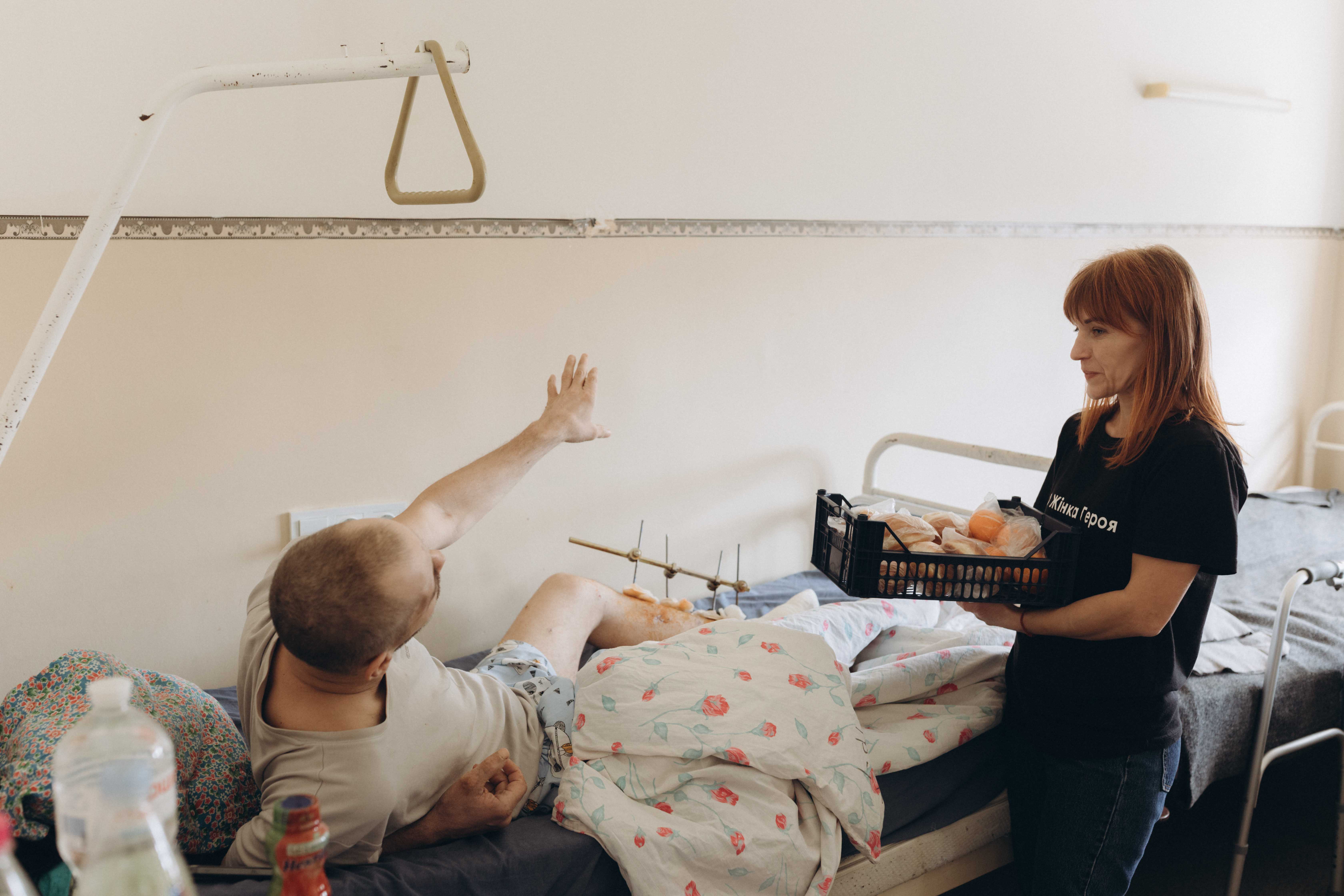
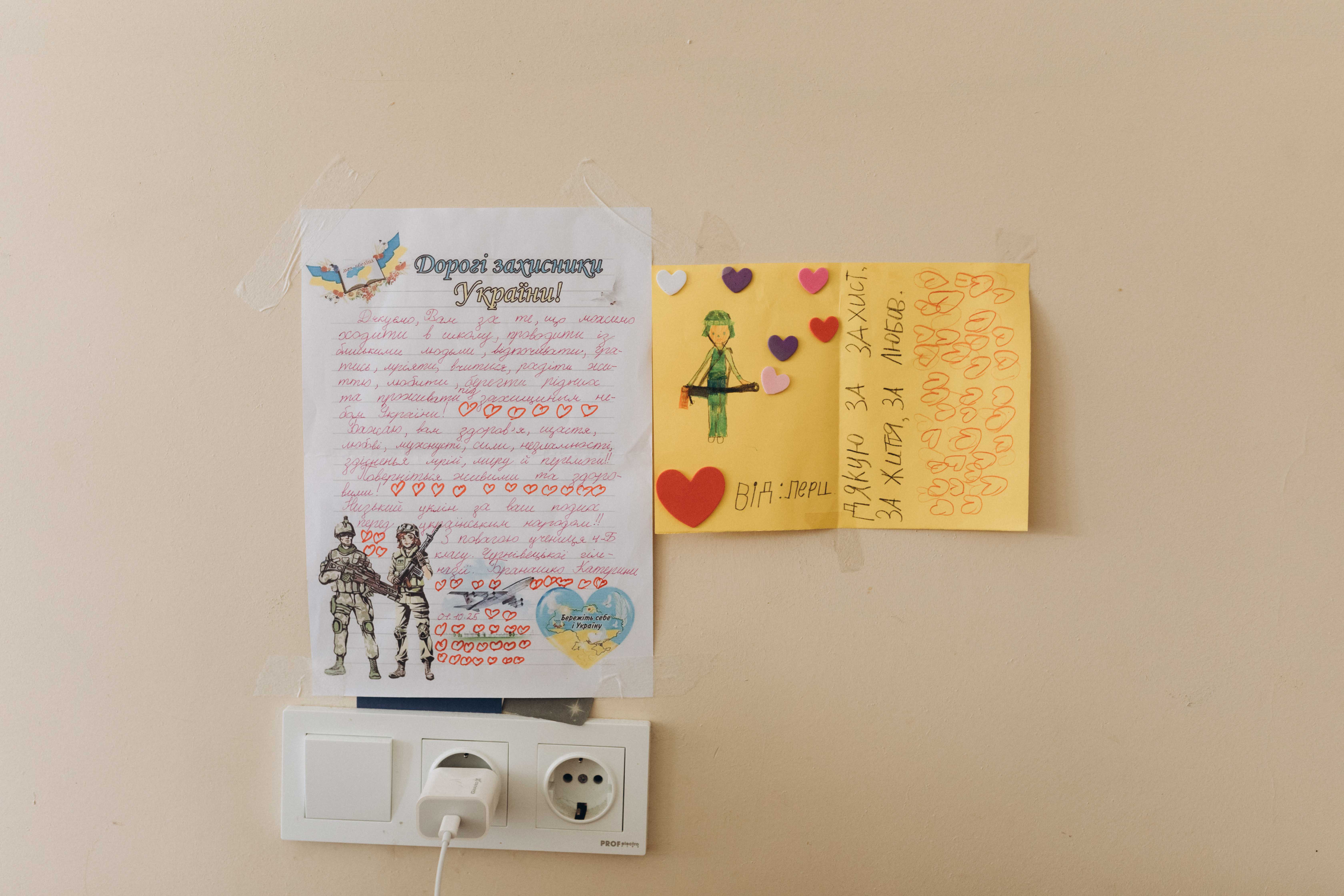
Following the deaths of service members, thousands of women in Ukraine are left alone with the responsibility for themselves and the lives of their children. Support for them means not just help, but also the feeling that they are not alone. That they are seen. Not only sympathized with, but also accepted, with their pain shared.
Today, initiatives exist in Ukraine that support such families. They provide long-term assistance to children who lost their fathers in the war, psychological support, educational opportunities, and medical care. They work with the families of fallen service members, creating support communities for women and children.
But support is not just the work of foundations. It is also the responsibility of society. To be more careful with words, to find time to help, and to recognize that these families have paid the highest price for the safety of all of us.
The “Not Alone” project is a reminder that these women should not be left alone with their experience. It is about life continuing. And about love that does not disappear.
Dasha Tenditna — a portrait and documentary photographer from Kyiv. She has 15 years of professional experience. For the past three years, she has lived in Cambridge with her daughters, while continuing to work on social photo projects in Ukraine. She is the ambassador for the crisis center for women and children "Misto Dobra" [City of Goodness].
This material was created with the support of the British Council program “Creative Economy Grants.”

.jpg)
.jpg)