Every May, we bow our heads to honor the memory of the defenders of Donetsk Airport, who heroically resisted the onslaught of Russian occupying forces and proved their ability to fight and win even in inhuman conditions. The chronicle of events, photographs, and testimonies of documentarians Anatolii Stepanov and Sergey Loiko will help us grasp the feat of the Ukrainian "cyborgs" who held the defense of Donetsk Airport for 242 days.
Ukrainian photojournalist Anatolii Stepanov has been covering the Russian-Ukrainian war since 2014, in cooperation with the Agence France-Presse. He has been on assignment multiple times to the positions of Ukrainian security forces in Pisky, Donetsk region, and at the ruined weather station near Donetsk Airport.
Russian-American journalist and photojournalist Sergey Loiko spent four days in the very epicenter of the Donetsk Airport siege. This experience and his photographic materials formed the basis of his documentary novel, “Airport.” Loiko aimed for, “people to see the eyes of the cyborgs in his frames, exactly as he saw them.” According to a popular version, the enemy—unable to break the resilience of the Ukrainian garrison—dubbed the Ukrainian defenders of the airport “cyborgs,” and the name stuck. Eventually, the whole world saw the cyborgs, and Sergey Loiko’s book, published in Ukraine in 2015, was nominated for the Taras Shevchenko National Prize of Ukraine and highly praised by the service members themselves. All quotes from Sergey Loiko in this article are taken from this edition.Ad fontes
Ad fontes
Russian propaganda in eastern Ukraine never ceased its destructive work since the country gained independence. By the time active aggressive actions began in February 2014 with the annexation of Crimea, the Russian Federation's special services could rely not only on their own militants but also on pro-Russian separatists, with whose help they inflamed pro-Russian rallies in eastern Ukraine. Russia’s plan was simple: a creeping occupation of the Donetsk and Luhansk regions by overthrowing the local government.
In early April 2014, the enemy's hybrid forces seized administrative buildings in Donetsk and Luhansk, and on April 12, they occupied Sloviansk, Kramatorsk, and Druzhkivka.
Following the first armed clash near Sloviansk, Ukraine officially announced the start of the Anti-Terrorist Operation on April 14. Then, in May, fake “referendums” were held under the control of the occupiers, giving rise to the terrorist entities “DPR” and “LPR.”
Spring-Summer: The First Victory and First Losses
In 2014, Donetsk Airport (DAP) was a Ukrainian stronghold that prevented the occupiers from declaring Donetsk fully captured. In March 2014, servicemen from the 3rd Special Forces Regiment and the 95th Airmobile Brigade took up the defense of DAP. On April 17, pro-Russian separatists carried out their first unsuccessful attack on the airfield. Airport operations were completely shut down on May 6.
Pro-Russian separatists first attempted to seize the airfield on May 26. The “Vostok” Battalion, reinforced by Russian military personnel and experienced Chechen militants, spearheaded the offensive. However, a consolidated unit of Ukrainian troops conducted a successful special operation and cleared the airport. In that battle, a group from the 10th Detachment of the Main Intelligence Directorate (HUR) under the command of Colonel Maksym Shapoval distinguished itself; they entered the new terminal in the first hours of the fighting and pushed back the enemy forces. Three Ukrainian defenders were wounded, while the Russians suffered significant losses. During their retreat, one of the KAMAZ trucks carrying Russian "volunteers" came under “friendly fire.” Based on documented facts, the enemy lost at least 36 people. Thus began the heroic 242-day defense of Donetsk Airport, which lasted until January 2015.
Photographer Anatolii Stepanov states that the Ukrainian military had every justification for the special operation:
“If armed people from another country attempt to seize a strategic object, then any state has the full right to remove them from that object. Which is what was done on May 26. Moreover, some of the attackers were destroyed by friendly fire. Their own forces crushed the KAMAZ truck with the militants.”

An relatively calm summer followed at the airport, with rare and brief skirmishes. However, one exchange of fire still brought the first personnel losses. On July 10, the enemy shelled the positions of Ukrainian anti-aircraft gunners of the 72nd Brigade with mortars; one soldier was killed on the spot, and another died from his injuries a few days later.
From August, the airport defense was solidly held by soldiers from the 2nd Battalion Tactical Group of the 93rd Separate Mechanized Brigade, units of the 3rd Separate Special Forces Regiment, and the 74th Separate Reconnaissance Battalion. Subsequently, in September, they were reinforced by fighters from the 79th and 95th Airmobile Brigades of the Armed Forces of Ukraine (AFU) and volunteer formations.
Autumn: Battles for the Old Terminal
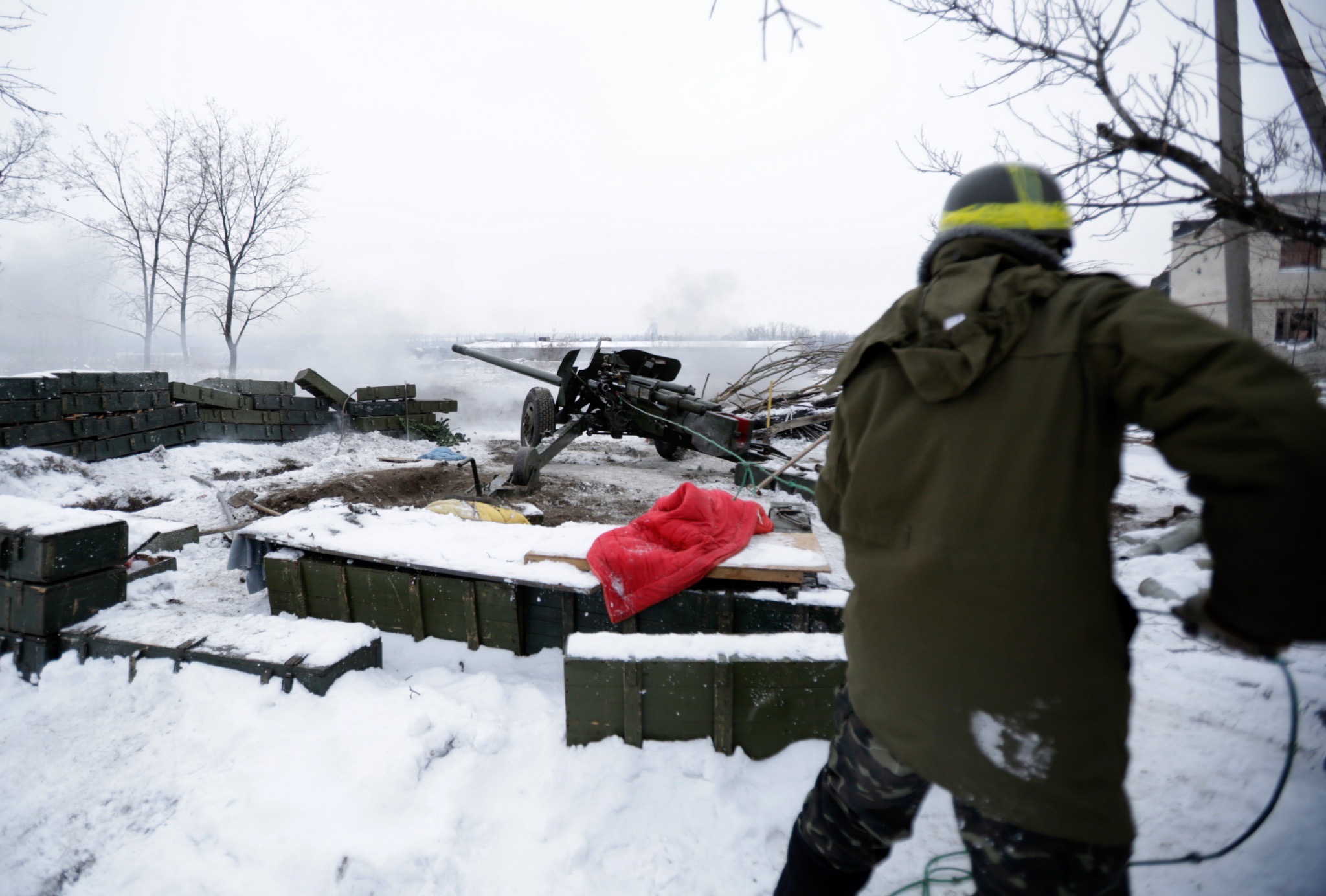
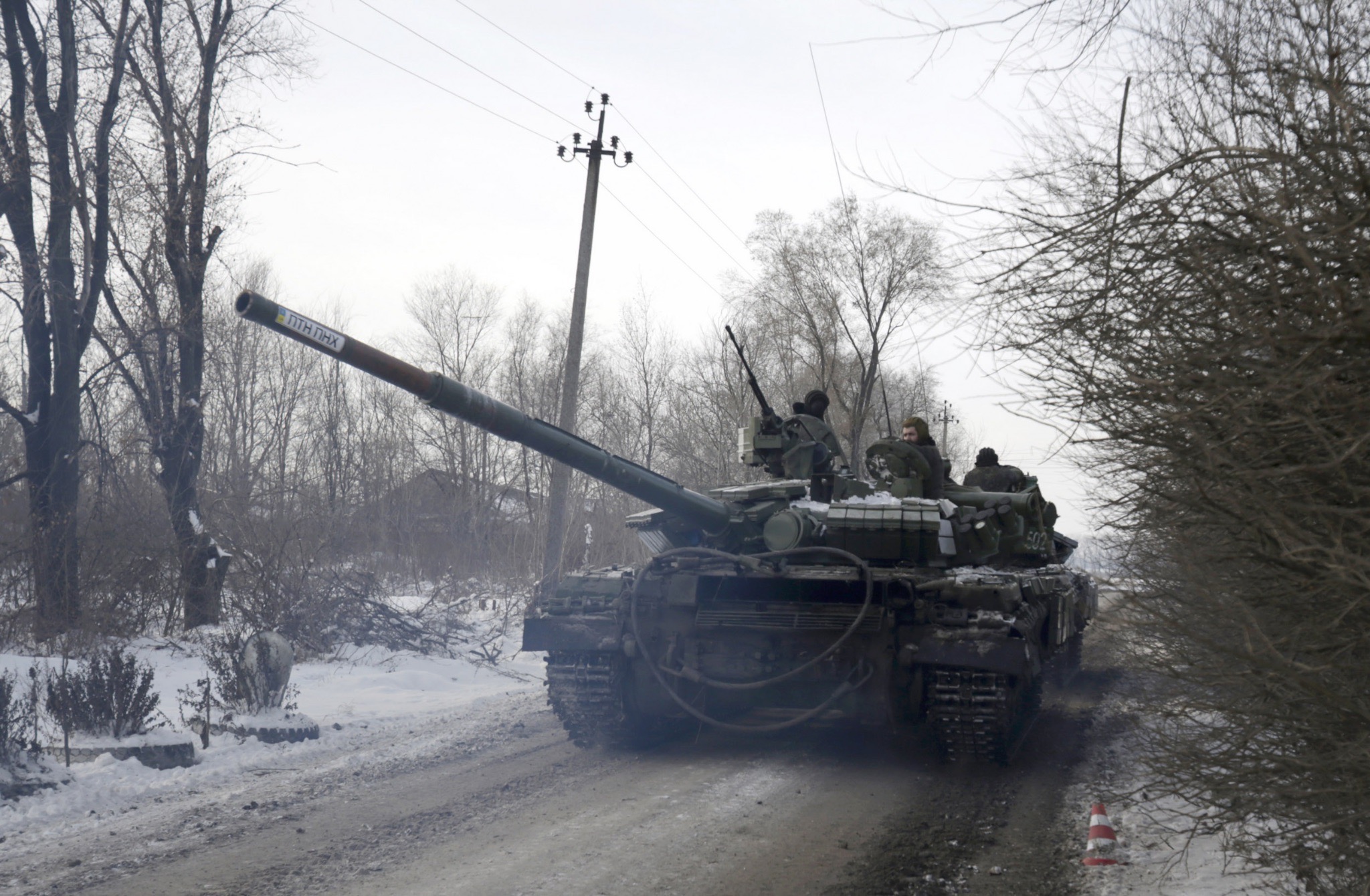
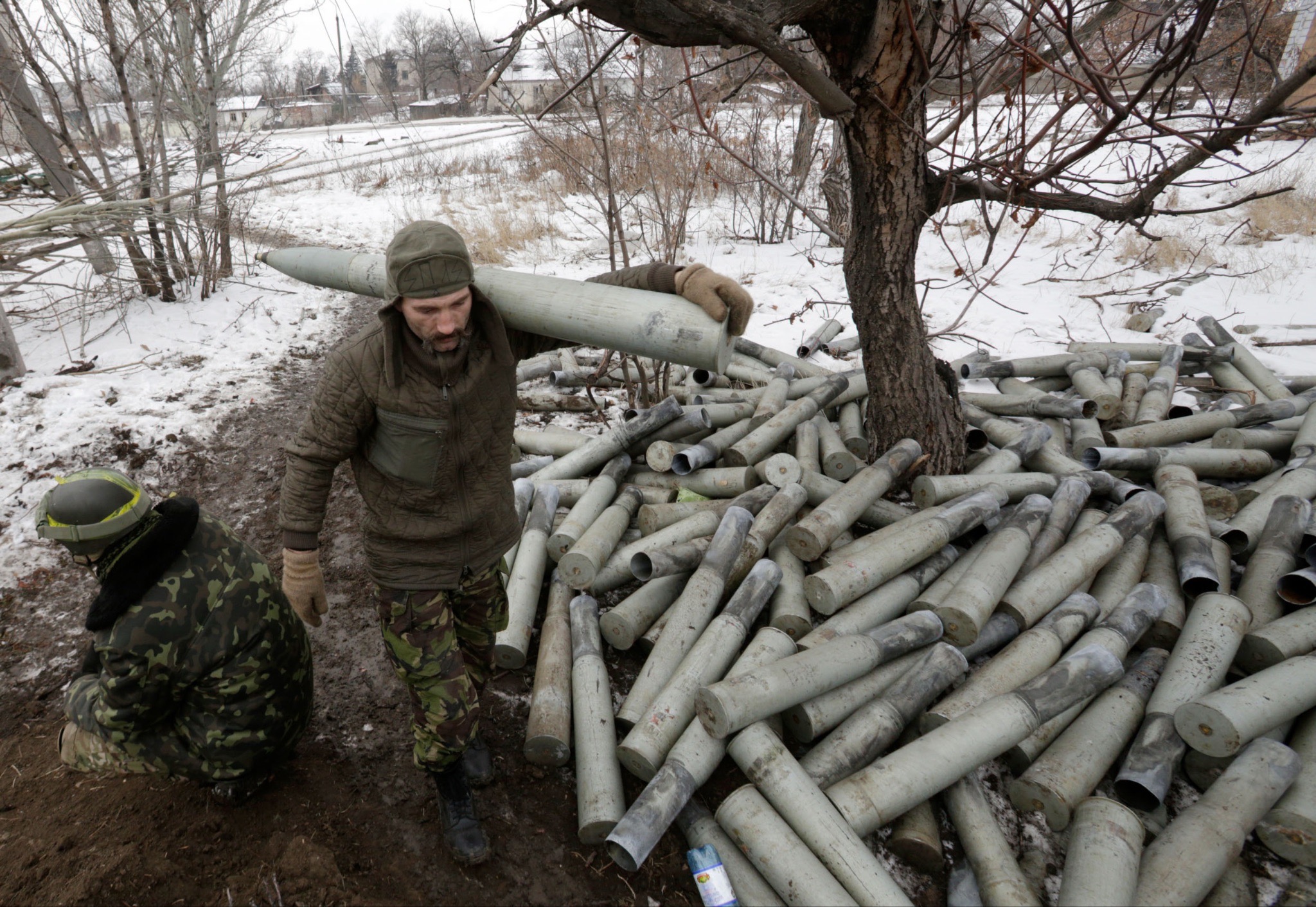
The village of Pisky, essentially a suburb of Donetsk, was the main stronghold of the Ukrainian army. It was the route for supplying ammunition and provisions, conducting personnel rotations, and housing artillery positions for fire cover of the garrison. Together with the airport, they formed the forward defense line of the Anti-Terrorist Operation (ATO) forces. The defense perimeter around the airport remained unstable—due to the ceasefire agreements reached in Minsk on September 5, a new flare-up of hostilities was considered unlikely.
However, Anatolii Stepanov recounts that the Russians constantly shelled surrounding settlements, shifting the responsibility for the destruction and killings of civilians onto the Ukrainian military:
“It was impossible to position heavy weaponry there. Ukrainian artillery worked on its outskirts to prevent the attackers from effectively storming the airport. But they themselves brutally shelled Pisky, Opytne, Orlivka, Avdiivka, Krasnohorivka, Kamianka, Karlivka, Pervomaiske, and many settlements nearby. They killed people and destroyed houses.”»
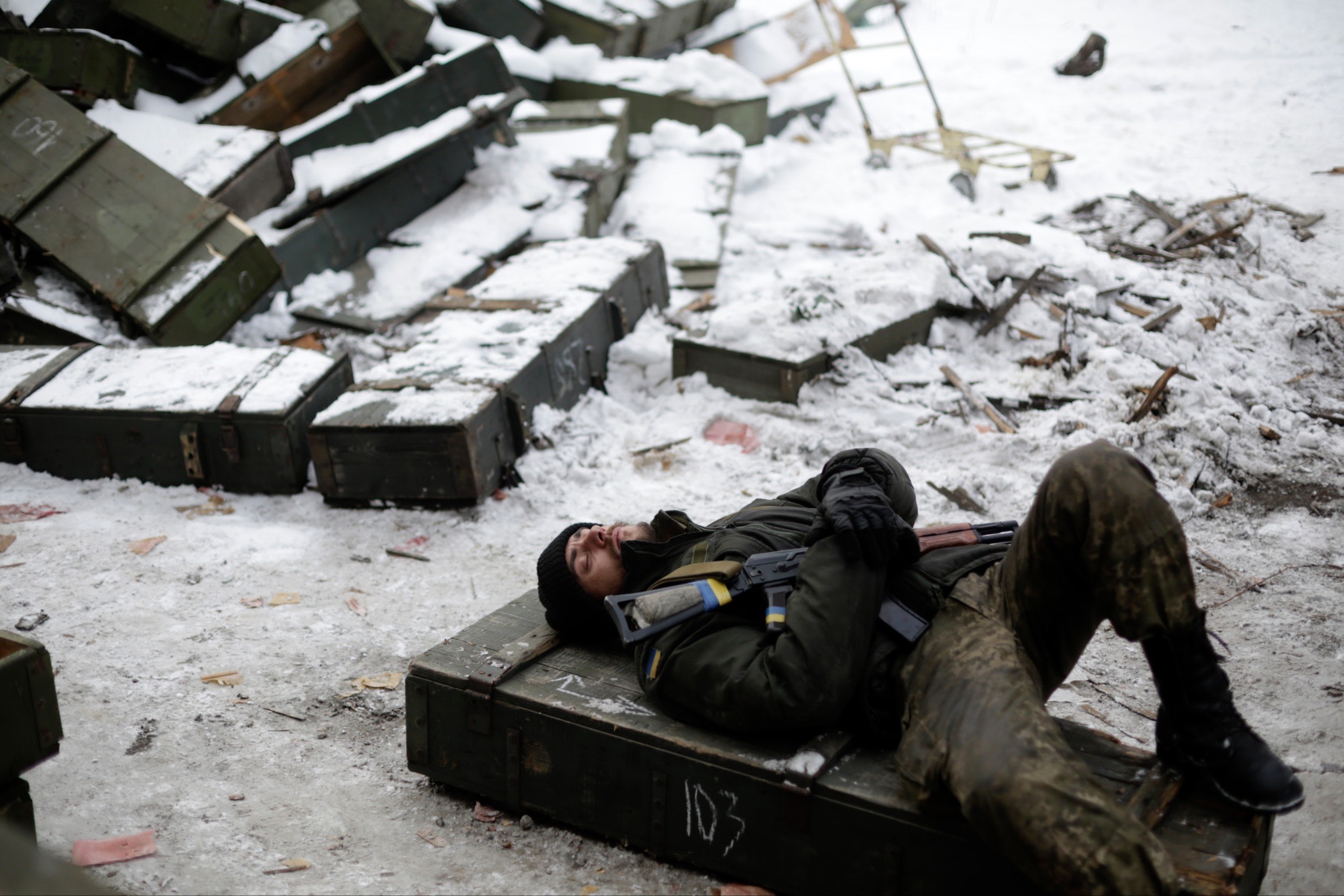
However, already at the beginning of September, the shelling of the Ukrainian garrison and the fighting at the airfield itself intensified with new vigor. Being tightly surrounded and under continuous heavy fire—up to 50 artillery and mortar shellings daily—Ukrainian soldiers held the old and new terminals of the airport and the adjacent territory, restraining the invasion of regular Russian Armed Forces troops and mercenaries. Trapped in the besieged airfield, “where planes no longer fly,” time for the cyborgs turned into one “long last day.”
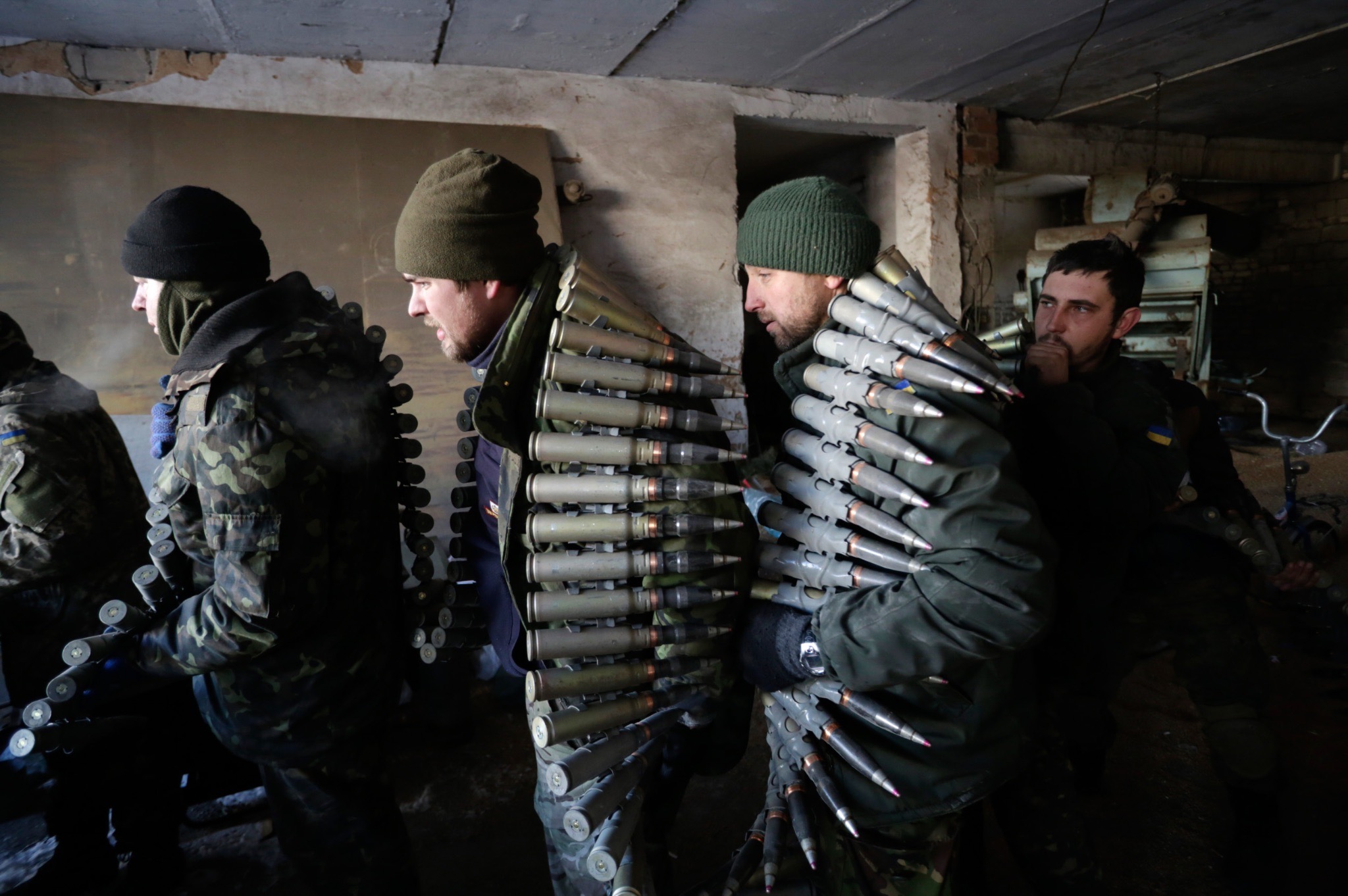
In Sergey Loiko’s memoirs, reflected in his book, the most dangerous aspect of the airport's defense was logistics: “to arrive and depart, drop off ammunition, 'chow,' water, backpacks, and deploy reinforcements,” Loiko writes. While some defenders were unloading vehicles, others were simultaneously pouring fire on the enemy entrenched at the other end of the runway. Trips back and forth were a “death-defying act” performed by the cyborgs, as the route was in plain view, under continuous heavy shelling. Not everyone reached their destination. Fear was caused not only by the explosions but also by the silence itself.
“The silence between shelling and attacks is the most unsettling time. You want to sleep—and it's scary, you could fall asleep and never wake up,” Sergey Loiko writes in his book.
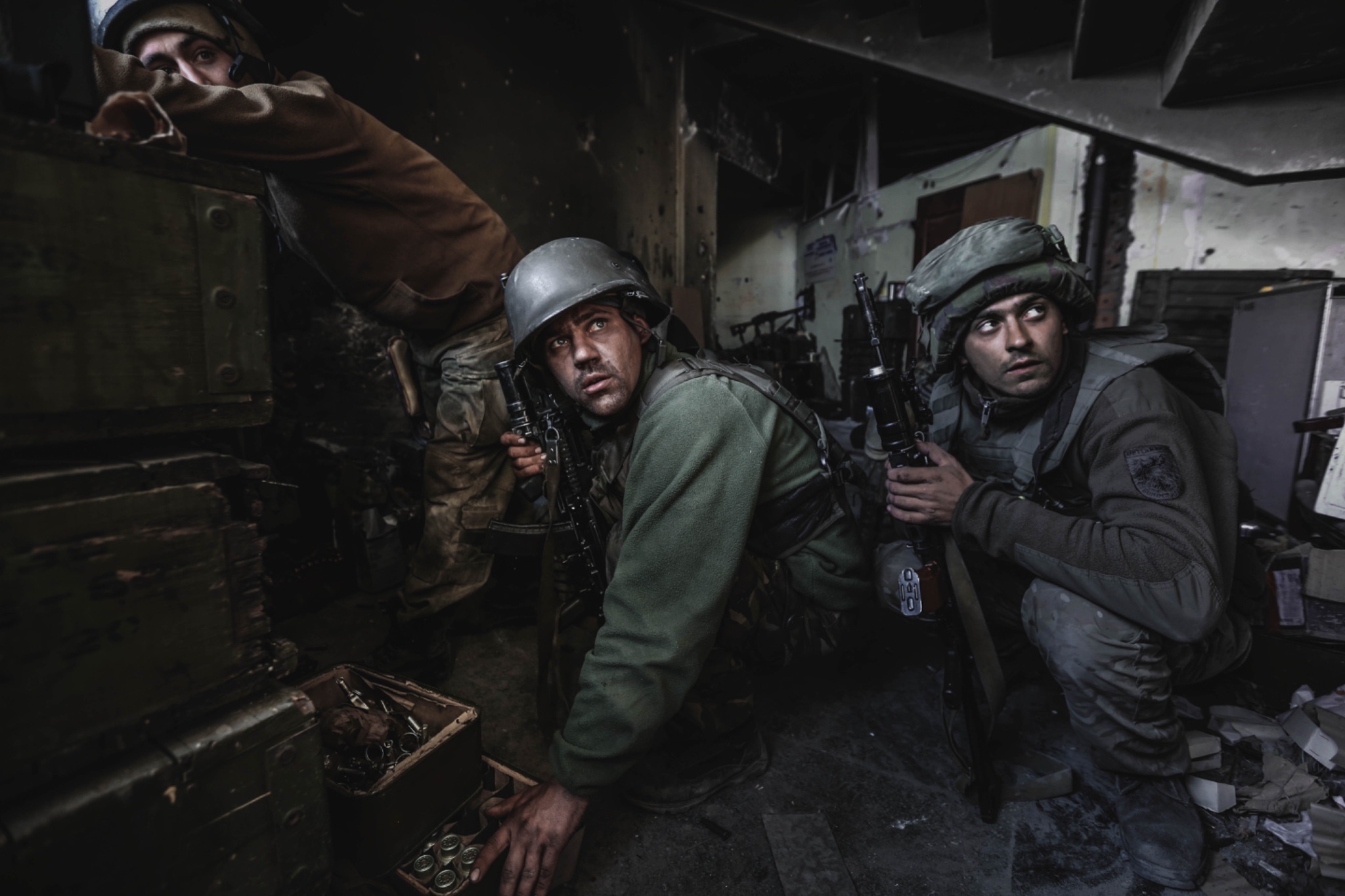
However, periods of quiet became increasingly rare. Late September brought fierce fighting and losses for the Ukrainian military, with nine defenders killed on September 28, 14 wounded, and Ukraine losing two BTR-80 armored personnel carriers. Despite everything, Ukrainian troops steadfastly held their positions, took Russian soldiers captive, and destroyed an enemy T-72 tank. Captain Serhii Kolodii, an officer of the 93rd Brigade who died in that battle, was posthumously awarded the title Hero of Ukraine.
“It was impossible to comprehend why, for what lofty strategic goal, the attackers poured fire and lead onto these transparent ruins day after day. And then sent new and new so-called ‘volunteers’ to their slaughter, most of whom soon returned across the open border to their homeland in wooden crates marked ‘Secret’,” Sergey Loiko shares.

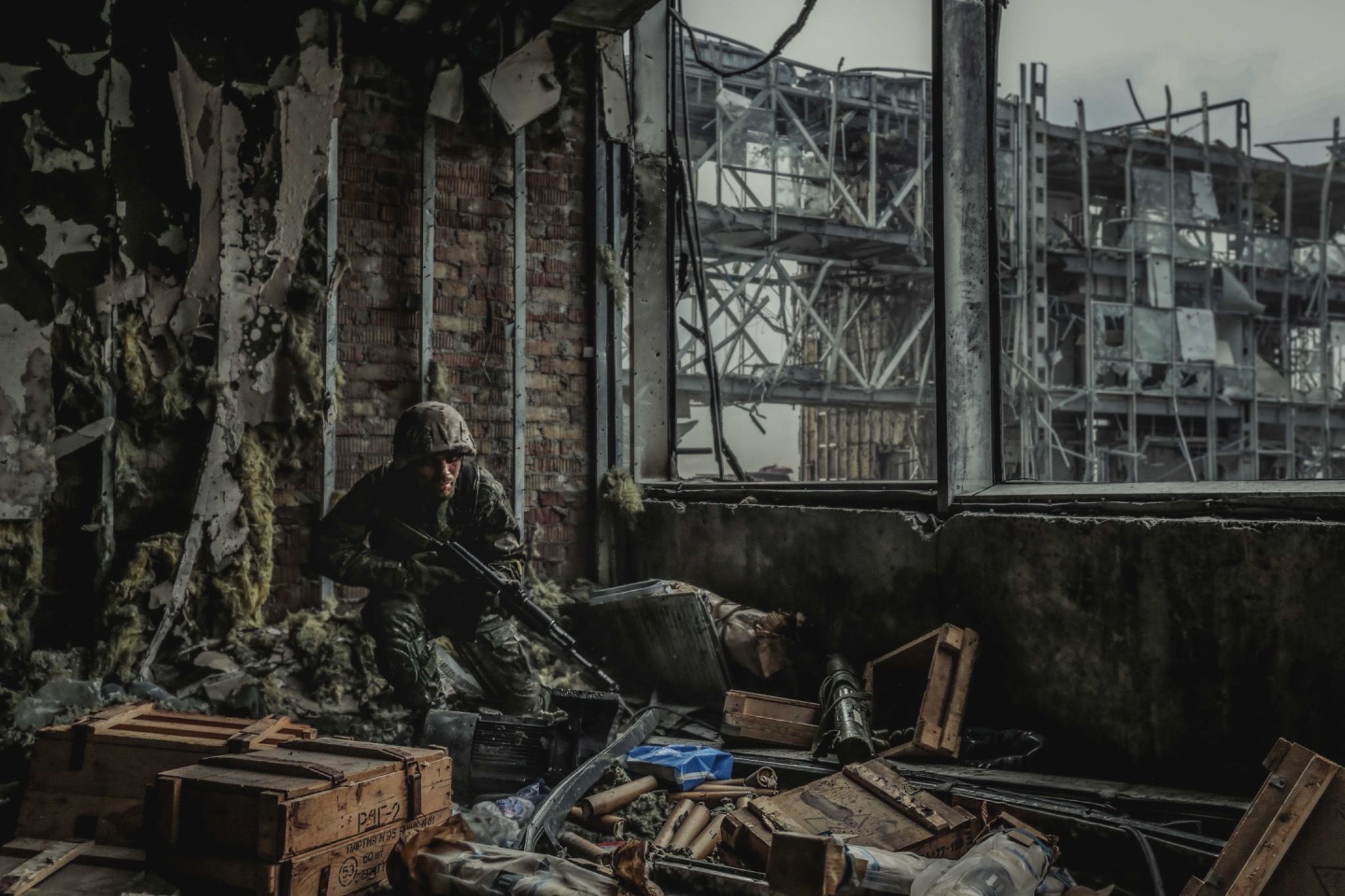
The separatists tried to seize DAP before Russian President Putin’s birthday and reported its capture numerous times. Out of desperation, the enemy pressured and shelled the terminal floors with tanks. Consequently, between October 3 and 6, 11 Ukrainian soldiers were killed by enemy fire, including the entire crew of a knocked-out tank from the 1st Separate Tank Brigade. For a week, it was impossible to break through to the site of the tragedy to evacuate the bodies of the fallen.

On November 29 and 30, during the final battle for the old terminal, two more Ukrainian soldiers were killed and six were wounded. Subsequently, Ukrainian defense forces abandoned the old terminal building, which had been turned into a “formless smoking pile of ruins” by constant shelling, and moved to the new terminal.
“The command of the orcs (as the cyborgs called them for their mass depersonalization, for the impossibility of understanding why they were here and what they were trying to achieve) believed that the Airport had to be taken at any cost to ‘straighten the front line’ during another ‘truce’,” Sergey Loiko writes.
“Radio Svoboda” (Radio Free Europe/Radio Liberty), citing the General Staff of Ukraine, reported that as of September 5, 2014, when another ceasefire regime was in effect according to the Minsk agreements, 162 AFU soldiers had been killed, 300 servicemen were hospitalized—12 of them seriously wounded—185 soldiers were held captive, and 298 were missing in action.
The Most Tragic Winter: Battles on the Terminal Territory, Demolition
On November 30, the rotation of the cyborgs began at DAP, lasting 11 days. Fighters from the 90th Airmobile Battalion, which became part of the newly formed 81st Airmobile Brigade, took up positions. Throughout the first half of December, all repelled attacks fell on the shoulders of the soldiers of this battalion. Due to the fact that the guard at the airfield constantly consisted of representatives of various units and formations, it was decided to transfer the object under the control of a single unit.
In the early years of the ATO in Ukraine, a myth circulated that only professional soldiers and volunteers were fighting in the east—that fighting was their job, their choice, and civilian life and the rest of the country were unaffected. But this myth did not correspond to reality.
“And only the soldiers went to their war, as if this judicious, and sometimes restless and noisy life itself was squeezing them out, like unwanted, superfluous elements”, — Sergey Loiko notes.
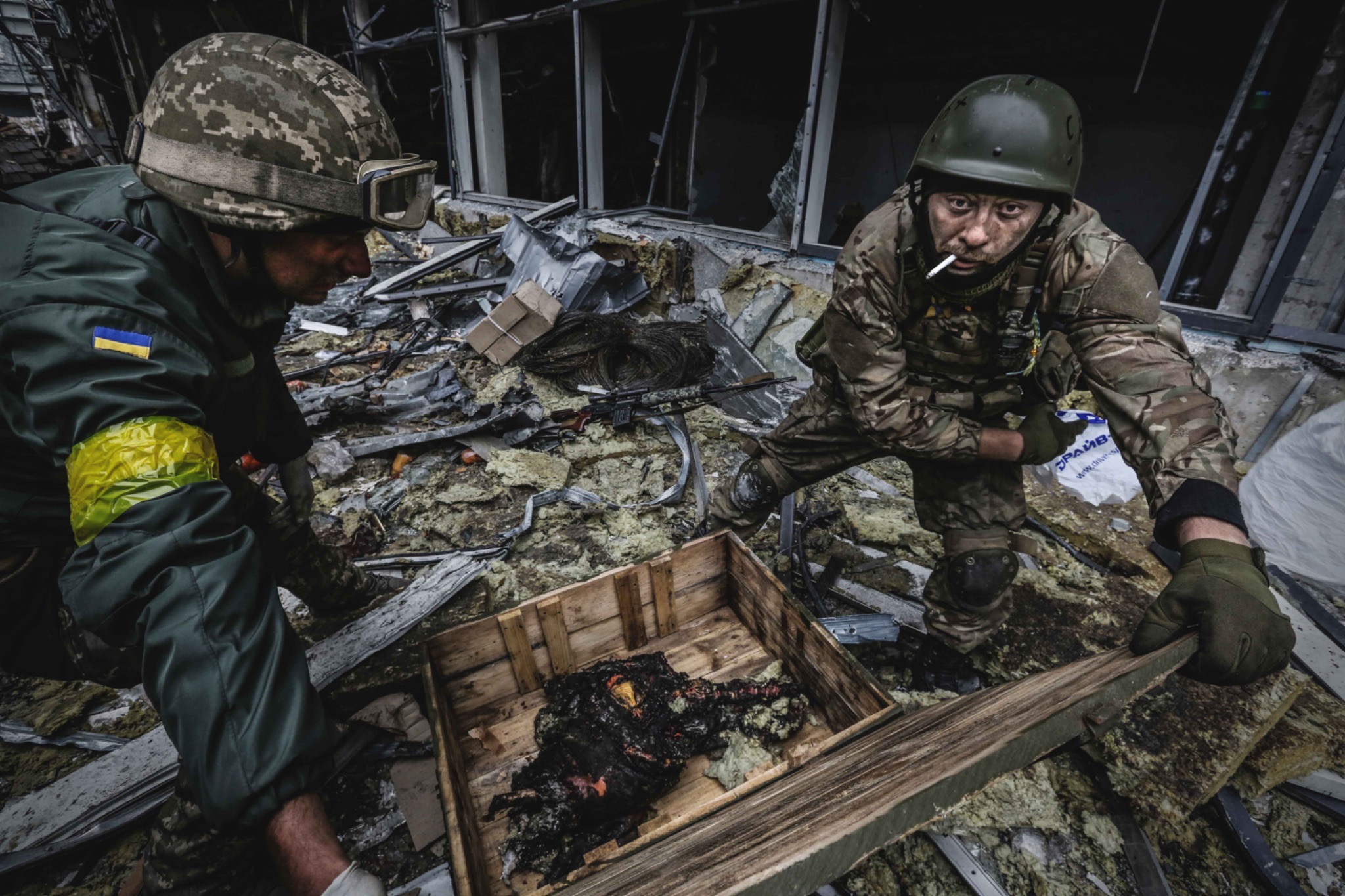
The result of the next round of peace talks was an agreement on a complete ceasefire in the ATO zone starting on the morning of December 9, 2014, and the so-called “green corridor,” which meant a “DPR” checkpoint operating under the OSCE umbrella, through which the rotation of Ukrainian soldiers was supposed to take place. Ukrainians were allowed to carry only firearms and a limited amount of ammunition, while the Russians had the right to search Ukrainian servicemen at the checkpoint. According to the documented testimony of Ukrainian soldier Ostap Havryliak, they were only allowed to return fire. The General Staff explained this by the agreements and pointed to the absence of military casualties during this period, although this undermined the morale of Ukrainian servicemen, as reported by “Radio Svoboda.” However, this “corridor of shame,” as Ukrainian soldiers called it, did not last even two months.
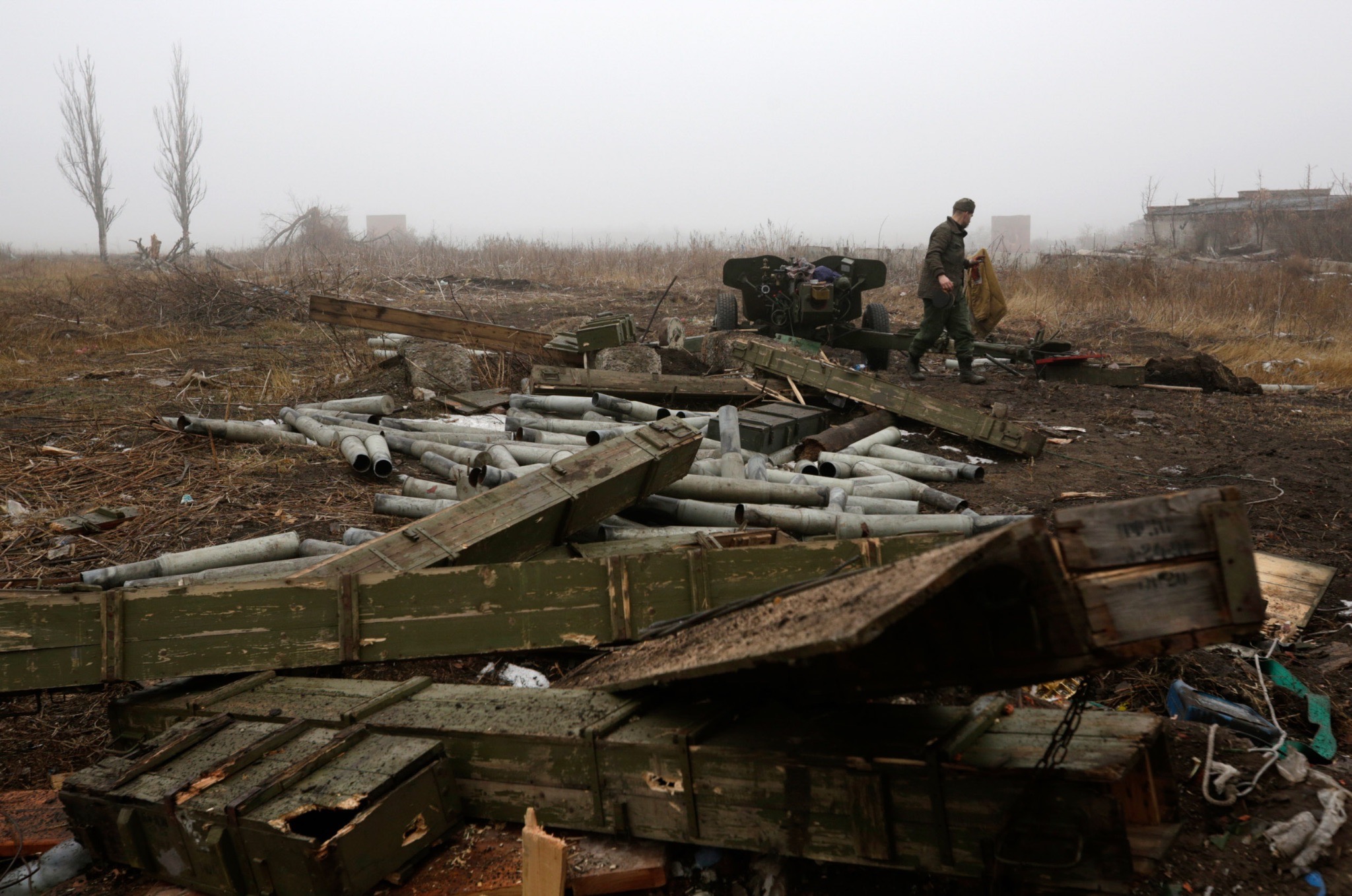
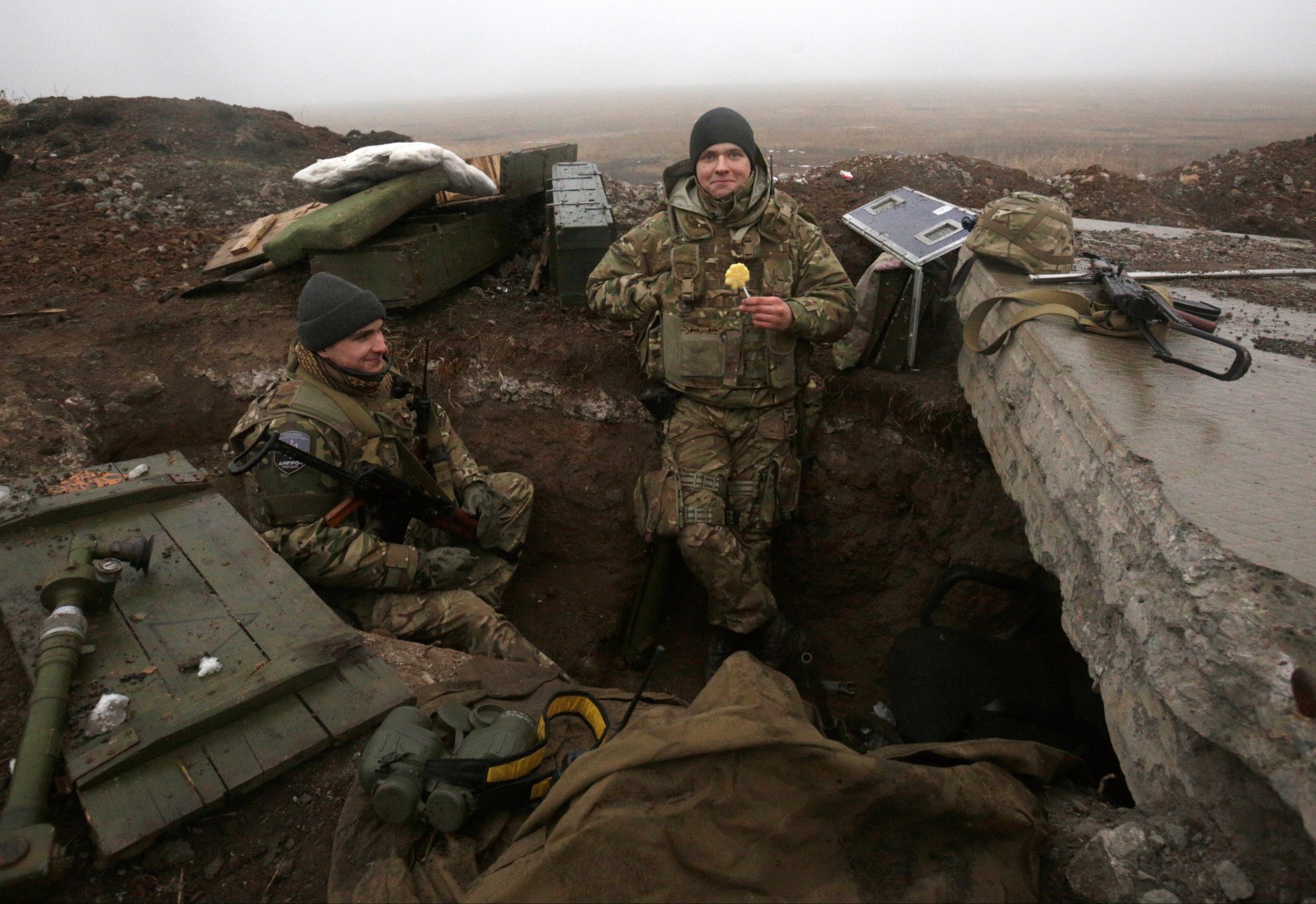
Meanwhile, on New Year's Day, January 1, 2015, the separatists initiated a battle to break into the new terminal. After three hours of fierce fighting, the militants retreated. On the night of January 11, six wounded defenders were evacuated from the airport, even though the Russians were firing at the terminal with grenade launchers and at the weather tower with artillery.
Finally, on January 13, the legendary air traffic control tower, which had been held by seven cyborgs of the 122nd Airmobile Battalion, collapsed due to targeted shelling from a tank. That day, the militants demanded that the Ukrainian defenders leave the new terminal territory by 5:00 PM, but the cyborgs chose to fight and inflicted considerable losses on the separatists—over 250 people killed.
“The only order they ever received and executed as a commandment contained only one word—‘Hold on!’ The order was not canceled, and it seemed unlikely to be. And they held on,” Sergey Loiko writes in his book.
On the night of January 14, the final change of personnel took place at the airfield. Then, from the morning of January 16 until two o’clock in the morning, a fierce battle raged at Donetsk Airport. The cyborgs were surrounded on the second floor, while the militants occupied the first and third floors. Trapped at the edge of the terminal, with casualties, and under the influence of poisonous gas, which the Russians used, the Ukrainian defenders continued to hold on, covering their faces only with wet wipes. At night, a reinforcement of 15 men broke through to the cyborgs, and together they recaptured part of the airport territory on January 17.
“DAP is a strategic airport in a region where a separatist revolt is being attempted. To capture such an airport means gaining the ability to deploy troops there by plane at any time and expand the success. That's why it was held — to deny the Russians that opportunity”», — Anatolii Stepanov reflects.
The last evacuation of the wounded was organized on the night of January 19. Then, in the afternoon, the militants blew up the new terminal. The explosion destroyed the wall that shielded the cyborgs from shelling, forcing them to build barricades from whatever was at hand and fire back. The Russians attacked from all sides. Even in this situation, the Ukrainian cyborgs inflicted losses in equipment and manpower on the enemy and conducted an operation to recapture the airport. Unfortunately, this operation ended tragically; only one combat vehicle reached the new terminal, and most of the newly arrived soldiers heroically died.
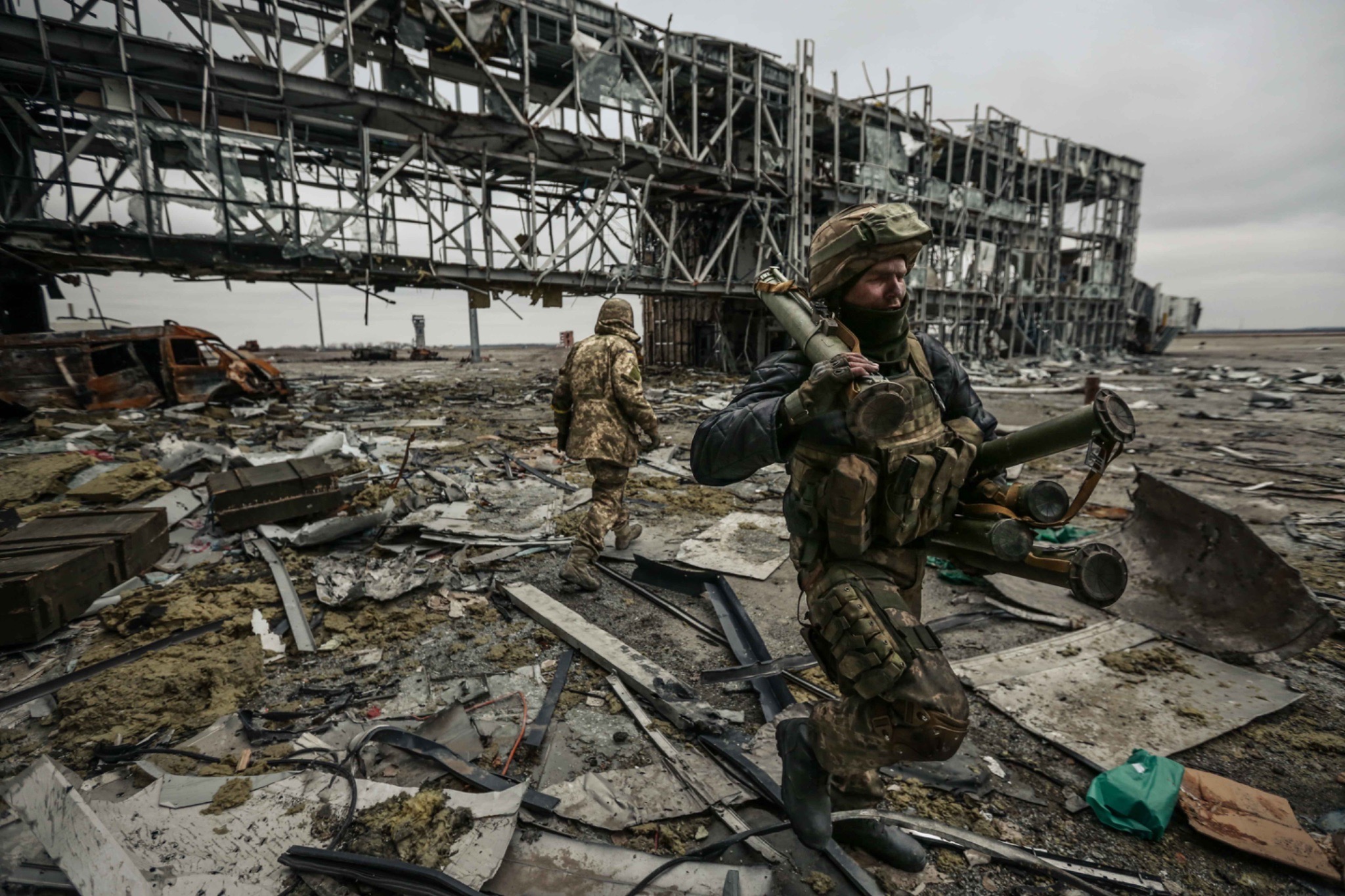
“Looking at the ruins, styled like an apocalypse, it was impossible to understand how all those iron ribs of the jetways, gnawed by endless battles and spreading out from the main building, were still capable of standing at all. As, indeed, was the former building itself. Through its tattered emptiness, bullets and shells now mostly flew without meeting resistance. Unless, of course, they dug into the flesh of the people who had been defending for nearly two hundred and forty days what was impossible to protect and, by all common sense, wasn't worth defending,” Sergey Loiko is struck.
The second demolition of the new terminal occurred the next day, January 20. This explosion proved fatal—51 AFU servicemen died under the terminal's ruins.
A few days later, when there was nothing left to hold onto, the last of the Ukrainian defenders, the soldiers of the 90th Separate Airmobile Battalion, abandoned their positions under the heavy shelling of “Grads.”
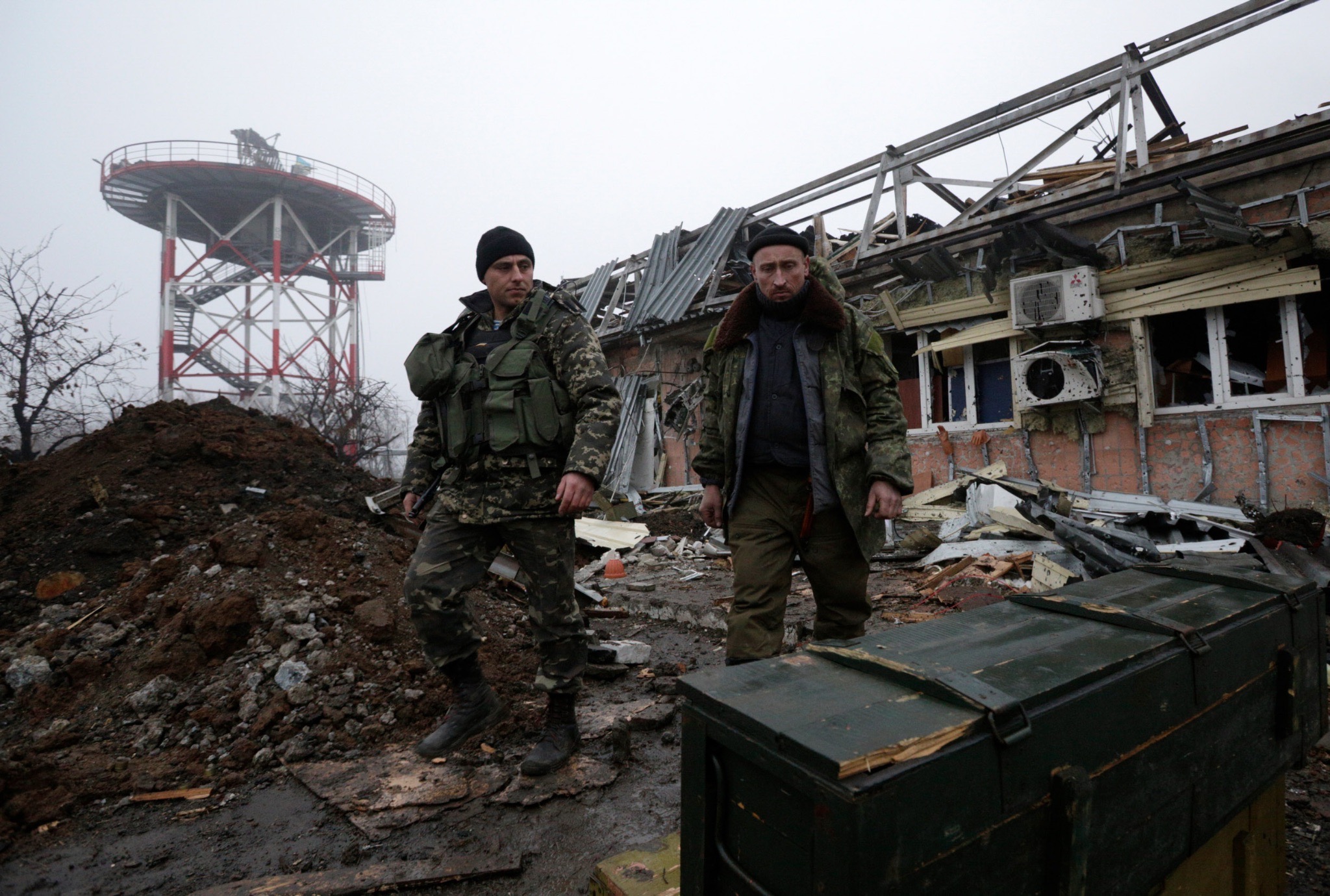
In 2012, Donetsk International Airport named after Serhiy Prokofiev was a source of infrastructure pride—a modern new terminal built before the Euro 2012 football championship, and the tallest air traffic control tower in Ukraine. Yet in just two years, with the start of Russia's undeclared war, the territory, spanning tens of hectares, along with the new terminal, was destroyed by constant shelling and combat operations. Unable to capture the airport in a fair fight, the enemy turned it to ash.
“The new terminal, which came into the world as a stylish beauty of glass, iron, and concrete, now did not have a single cubic meter of space untouched by fire, bullets, shells, and mines,” Sergey Loiko states.
In March 2015, on the territory of the ruined new DAP terminal, Ukrainian prisoners, convoyed by armed militants, cleared the rubble and retrieved the bodies of their fallen comrades. The remains of the Ukrainian defenders were delivered to morgues in Donetsk, and later to Dnipro. During the defense of Donetsk Airport from September 2014 to January 2015, 109 Ukrainian soldiers were killed, 446 were wounded, and 6 were missing in action.
“People did not want war. They wanted to live. And they lived. Soldiers also wanted to live. And they died,” Sergey Loiko writes.
Throughout the defense of DAP, special forces from the 3rd Separate Regiment, soldiers from the 79th, 80th, 81st, and 95th Separate Airmobile Brigades, the 93rd Separate Mechanized Brigade, the 57th Separate Motorized Infantry Brigade, the 90th Separate Airmobile Battalion, the 74th Separate Reconnaissance Battalion, fighters of the "Dnipro-1" regiment, and Ukrainian volunteers fought directly at the airport and its adjacent facilities. Many have been recognized with state awards, some — alas — posthumously.
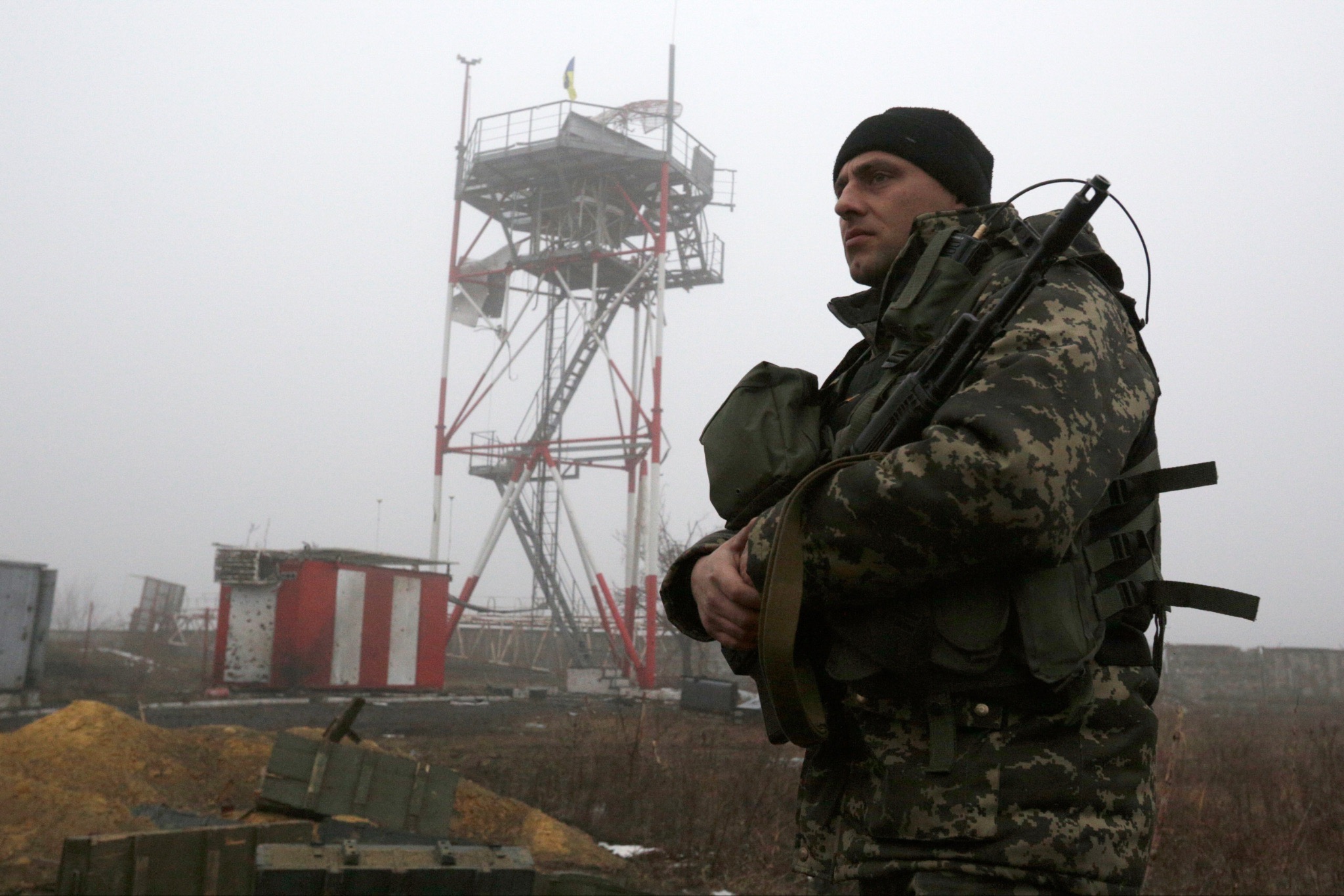
“To understand who the cyborgs were, you have to imagine the defense of a modern structure made of glass and concrete pillars with plasterboard partitions”», — Anatolii Stepanov says.
Over the years of the Russian-Ukrainian war, there have been many examples of the unbreakable spirit of Ukrainian defenders, but the defense of DAP is a separate, heroic page in Ukrainian history. A look at the defense of the Donetsk airfield through the prism of time clarifies how the heroic experience of the cyborgs helped the country survive the first, hardest months of 2022 when Russia launched a full-scale invasion.
“If they try again, for them, everywhere will now be one continuous Airport,” Sergey Loiko concludes.
This material was created with the support of the British Council program “Creative Economy Grants.”
Anatolii Stepanov is a Ukrainian photographer, born and raised in Kyiv, with an engineering background. In 2004 he graduated from Viktor Marushchenko’s School of Photography and since then has worked as a professional photojournalist for various Ukrainian media and international agencies. His work has been published in National Geographic, Spiegel, Stern, Time, and many other international outlets, and he has participated in international photo exhibitions. In November 2017 he gave a talk about his frontline work during the presentation of the photo book RAW at the Ukrainian Museum in New York. His project “Independent,” dedicated to Ukrainian youth fighting for their country, is exhibited online at the Ukrainian National Museum in Chicago. Stepanov has been covering Russia’s aggression against Ukraine since the first days of 2014, collaborating throughout these years with Agence France-Presse.
Photographer’s social media: Instagram, Facebook.
Sergey Loiko — a journalist, writer, war correspondent, and photographer. For many years, he worked as a correspondent for the Los Angeles Times, covering wars, armed conflicts, and political crises in the countries of the former USSR, as well as in Afghanistan and Iraq.
Since 2014, Loiko has been documenting the Russian-Ukrainian war as a journalist and photographer. He became one of the most famous authors covering the defense of Donetsk Airport: in October 2014, he spent several days among Ukrainian soldiers at the besieged airfield. His reportage and photographs from DAP were published on the front page of the Los Angeles Times, and his pictures of the Ukrainian “cyborgs” garnered widespread international resonance. His experience at Donetsk Airport formed the basis for the documentary novel “Airport,” dedicated to the Ukrainian defenders. The book was nominated for the Taras Shevchenko National Prize of Ukraine. Among his other books is “Reis” (Flight), dedicated to the shooting down of flight MH17 over Donbas.
For his reports on the war in Ukraine, Sergey Loiko received the Bob Considine Award from the Overseas Press Club, as well as the Los Angeles Times editorial award for best reporting of 2014.
His work combines journalistic accuracy, war reporting experience, and deep attention to the human dimension of war. Through his texts and photographs, Loiko creates a testament to the events that have become part of Ukraine’s modern history, helping the international audience see the Ukrainian resistance from within.
The Material Was Prepared By:
Topic Researcher, Text Author: Yana Yevmenova
Image Editor: Olha Kovalova
Literary Editor: Yuliia Futei
.jpg)
.jpg)
.jpg)