With the onset of spring, Russian attacks on Ukraine’s railway and port infrastructure have continued. Railway substations, railcars, and bridges were hit, and a civilian vessel was damaged in a port in southern Odesa region. Missiles, drones, and aerial bombs struck Druzhkivka, Sloviansk, and Kramatorsk on a daily basis. On the night of March 7, Russia carried out its fifth large‑scale attack on Ukraine’s energy facilities since the beginning of the year. That night proved tragic for Kharkiv: according to preliminary information, a Russian “Izdeliye‑30” missile destroyed an entire stairwell of a residential building, killing 11 people, including two children.
Chronicle of Russian shelling from March 2 to March 8, 2026
The Russian army continues attacks on Ukraine’s energy infrastructure.
March 2 Power outages were recorded in Donetsk, Zaporizhzhia, and Sumy regions. Russian shelling continues to kill and injure civilians every day. In Zaporizhzhia region, air strikes on residential areas destroyed two houses; among the injured were two girls aged 9 and 16. In Chernihiv region, one person was killed after a Russian drone struck a residential building and caused a fire. In Kryvyi Rih district of Dnipropetrovsk region, a drone attacked a civilian train, killing one person and injuring seven. Overall, two people were killed and ten injured in the region, and several enterprises were damaged. The enemy shells Kherson daily: four people were killed there, three injured — including a child — and many apartments were damaged. In Odesa, a drone strike damaged two households.
March 3 In Odesa region, Russian UAV attacks damaged port and transport infrastructure; there were no casualties or fires. In Sumy region, one person was killed by artillery shelling. In Kherson, an enemy drone dropped explosives on the premises of a municipal enterprise of the Kherson City Council, damaging the building. Overnight attacks on the energy system left customers without power in Donetsk, Dnipropetrovsk, Sumy, and Chernihiv regions.
Overnight shelling of energy infrastructure on March 4 caused power disruptions in Dnipropetrovsk, Mykolaiv, Kharkiv, Sumy, and Kherson regions. In Mykolaiv, an enemy drone attacked an empty train, causing a fire and injuring a Ukrainian Railways employee. Later, drone attacks continued against residential areas, with debris hitting buildings and setting a two‑storey house on fire. In Kherson, two people were killed; over the past day, one person was killed and 15 injured in the region, including two children. A 31‑year‑old serviceman of the National Guard of Ukraine, Yosyp Pavlynskyi, who had been wounded during a terrorist attack in Lviv, died in a hospital there, Mayor Andrii Sadovyi reported. In Dnipropetrovsk region, one person was injured; in Dnipro, windows were damaged at a gymnasium. The enemy struck a railway infrastructure facility in southern Odesa region with a missile, injuring four people — including two children in moderate condition — and damaging the administrative building of a railway station. A Russian UAV hit a civilian vessel as it was leaving the port of Chornomorsk, injuring crew members.
During the night and day of March 5, Russian forces continued drone attacks on southern Odesa region. A fire broke out on the grounds of a non‑operational recreation facility; a four‑storey building was destroyed; a stadium, windows of an educational institution, and civilian vehicles were damaged. Cars burned as a result of enemy UAV attacks in central Kherson, and a man was killed in his own apartment. In Dnipropetrovsk region, people were injured; one person was hospitalized in moderate condition. Residential buildings and transport infrastructure were damaged, and Kryvyi Rih came under heavy shelling.
March 6 Russian forces carried out a double strike on a civilian infrastructure facility in the Trostianets community of Sumy region, causing a fire. Throughout the day, Sumy was under drone attacks: a multi‑storey building’s roof was hit, as were several gas stations; two people were injured. In Chernihiv region, attacks by “Geran” drones caused destruction and fires in residential buildings, injuring one person. In Dnipropetrovsk region, the enemy attacked Nikopol and Kryvyi Rih; three people were injured in Nikopol, including a 16‑year‑old girl, and there was extensive infrastructure damage across the region. In Mykolaiv, three people were injured in a UAV attack; two were hospitalized in moderate condition. Apartment buildings and private houses were damaged, as well as a private clinic building and a gas pipeline; fires broke out at multiple locations.
On the night of March 7, Russian forces launched a combined strike on Ukraine, using 29 missiles and 480 drones. Critical, railway, port, and residential infrastructure was damaged. The most affected areas were Kyiv, Kharkiv, Khmelnytskyi region, Zhytomyr region, and Chernivtsi region. Four railway substations were attacked in Vinnytsia, Zhytomyr, and Khmelnytskyi regions, along with a number of railway bridges. In an Odesa region port, vegetable oil storage tanks burned and a grain warehouse was damaged. Power outages were recorded in several affected regions. In Kyiv, 1,905 buildings remain without heat supply in Pechersk, Dniprovskyi, Holosiivskyi, and Solomianskyi districts, not including buildings that lost heat due to damage to the Darnytsia thermal power plant. In the capital, debris from ballistic missile strikes was recorded; three people were injured, two of whom were hospitalized. In Zaporizhzhia, three apartment buildings and three private houses were damaged, and a three‑month‑old infant was injured. In Sumy region, Russians attacked civilian vehicles, killing one person and injuring four, including two law enforcement officers. One person was also killed in Dnipropetrovsk region.
Over the course of March 8, Zaporizhzhia, Kharkiv, Chernihiv, and Dnipropetrovsk regions came under Russian shelling. In Dnipropetrovsk region, while emergency responders were dealing with the aftermath of the nighttime attack, Russian forces struck them directly: one vehicle was destroyed and two damaged; firefighters were not injured. Over the week, Russia used nearly 1,750 drones, 1,530 guided aerial bombs, and 39 missiles against Ukraine.
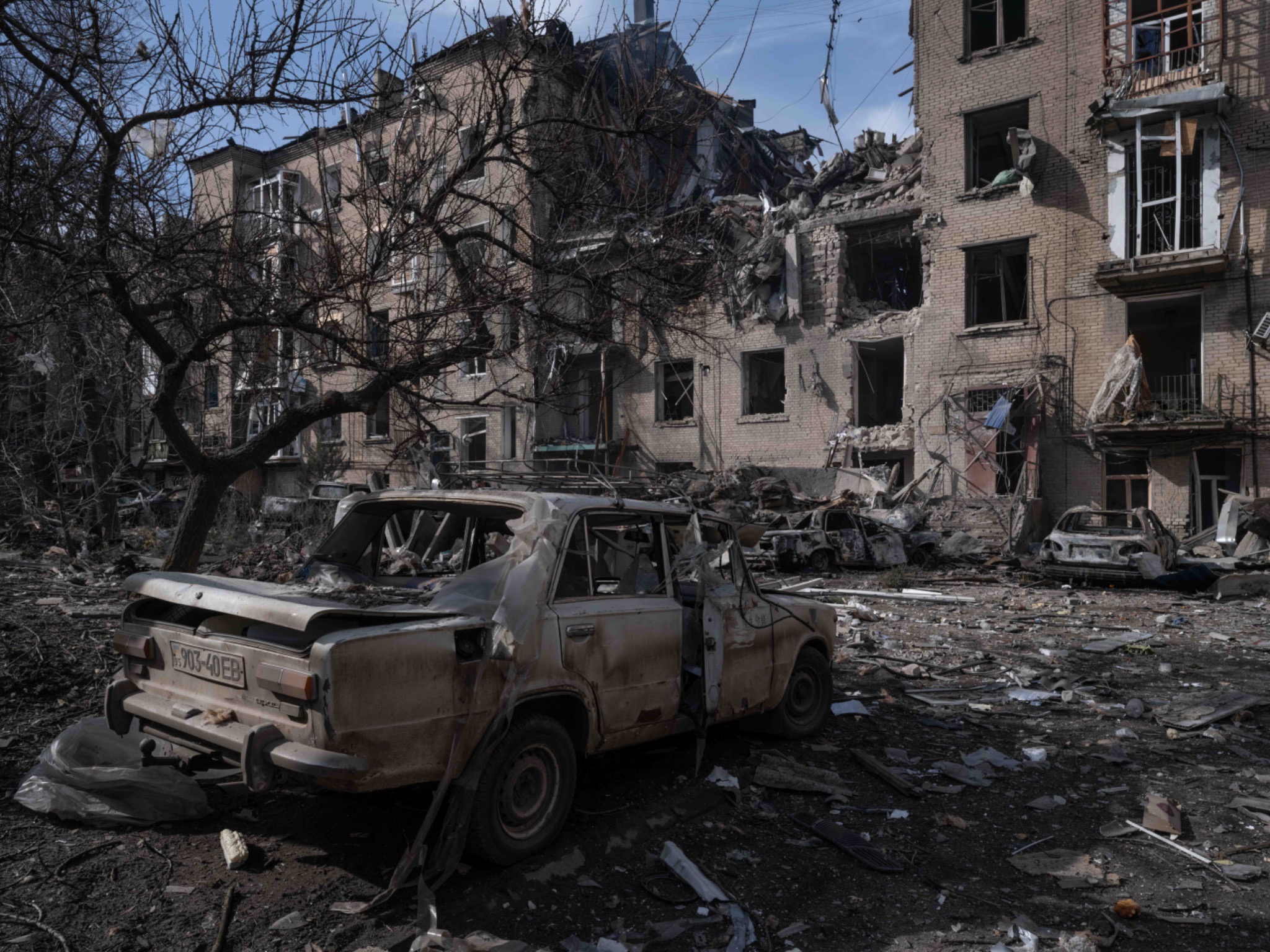
Donetsk region: artillery, drones, aerial bombs
On March 2 alone, Russian forces killed three people in Druzhkivka and three in Kramatorsk. Kramatorsk was shelled with barrel artillery, damaging two apartment buildings, a shop, two cafés, five cars, a critical infrastructure facility, and a children’s home. In Druzhkivka, early in the morning, a Russian FPV drone wounded three elderly women on the street, causing blast and shrapnel injuries. Later, the enemy attacked a car with an FPV drone; five passengers inside sustained injuries of varying severity.
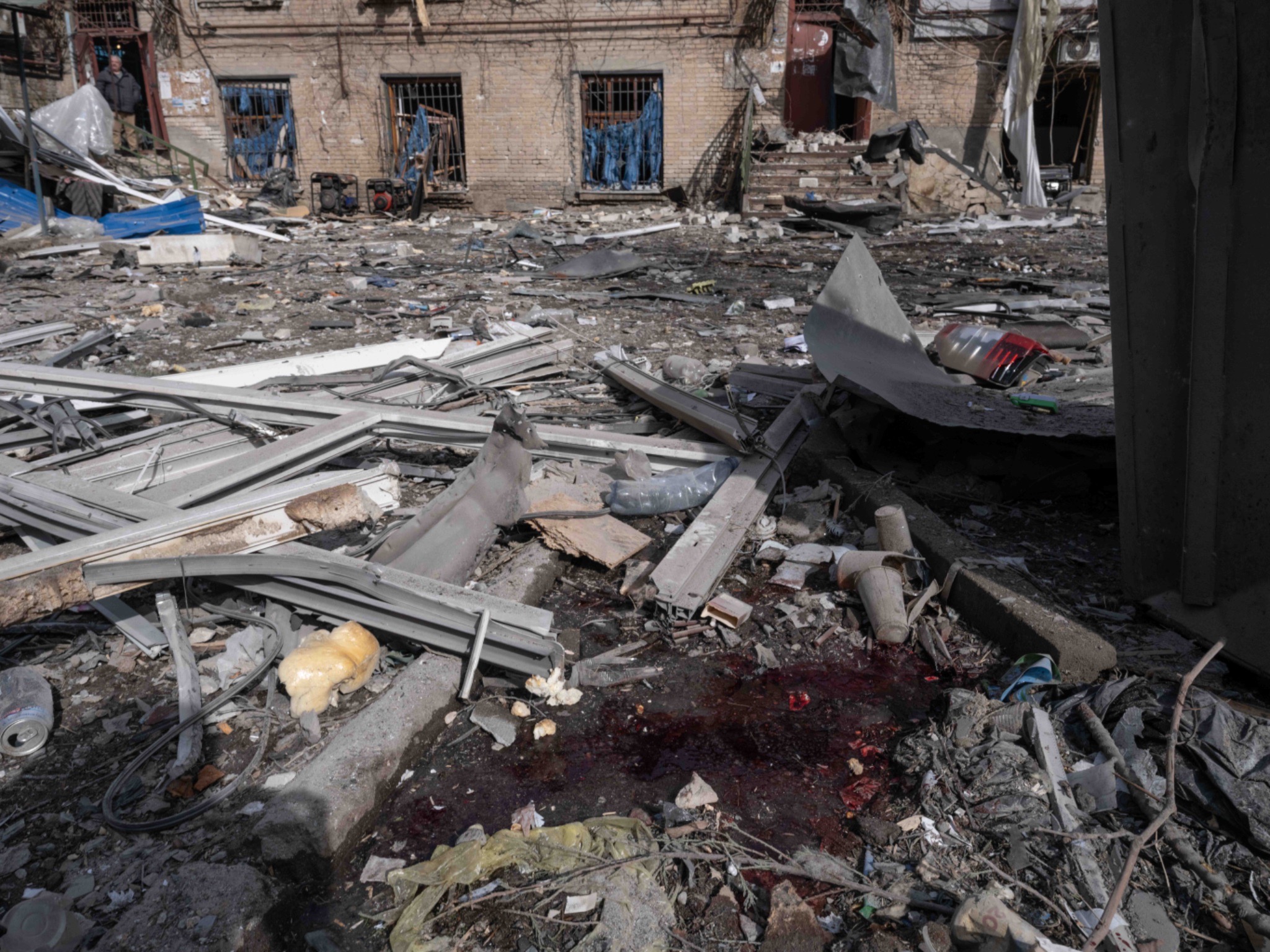
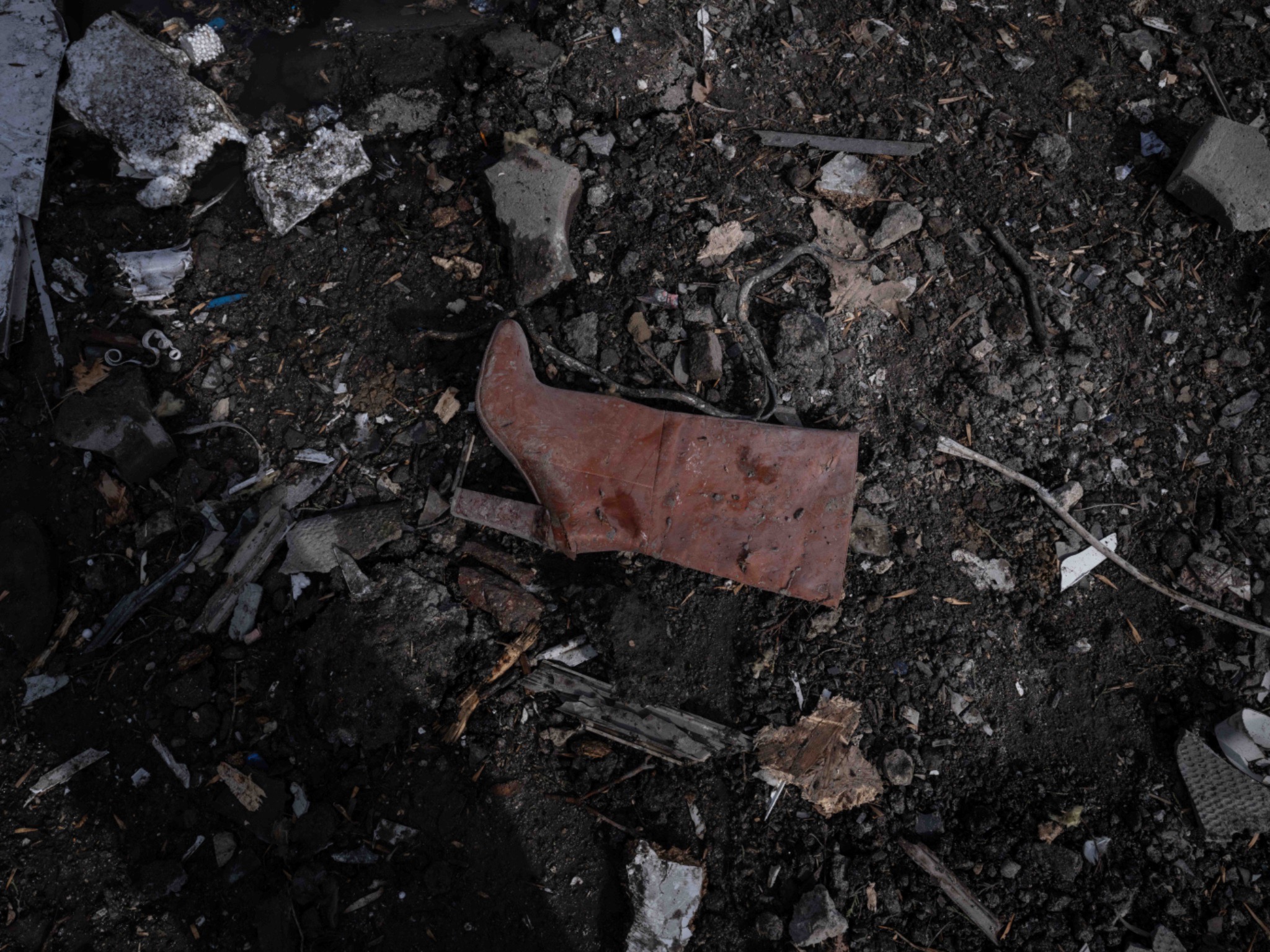
That same day, enemy forces dropped four FAB‑250 bombs with UMPK modules on a residential neighborhood. One of the strikes hit a building housing the Druzhkivka civil registry office. Acting head of the office, Nataliia Pavlenko, was killed there; her body was recovered from the rubble on the third day of search efforts. Thirteen residential buildings, two shops, a bank, a pharmacy, a post office, and 14 vehicles were damaged in the city. A fire raged on the third floor of the damaged building, and cars burned. Rescue operations in Druzhkivka were completed on March 4. As a result of the air strike, three people were killed and 16 injured.
Among the dead was 38‑year‑old police captain Oleksii Kryvenko, Ukrainska Pravda reported. A native of Druzhkivka, he had more than 20 years of service in internal affairs. Among other duties, Kryvenko documented the consequences of shelling and took part in the evacuation of civilians.
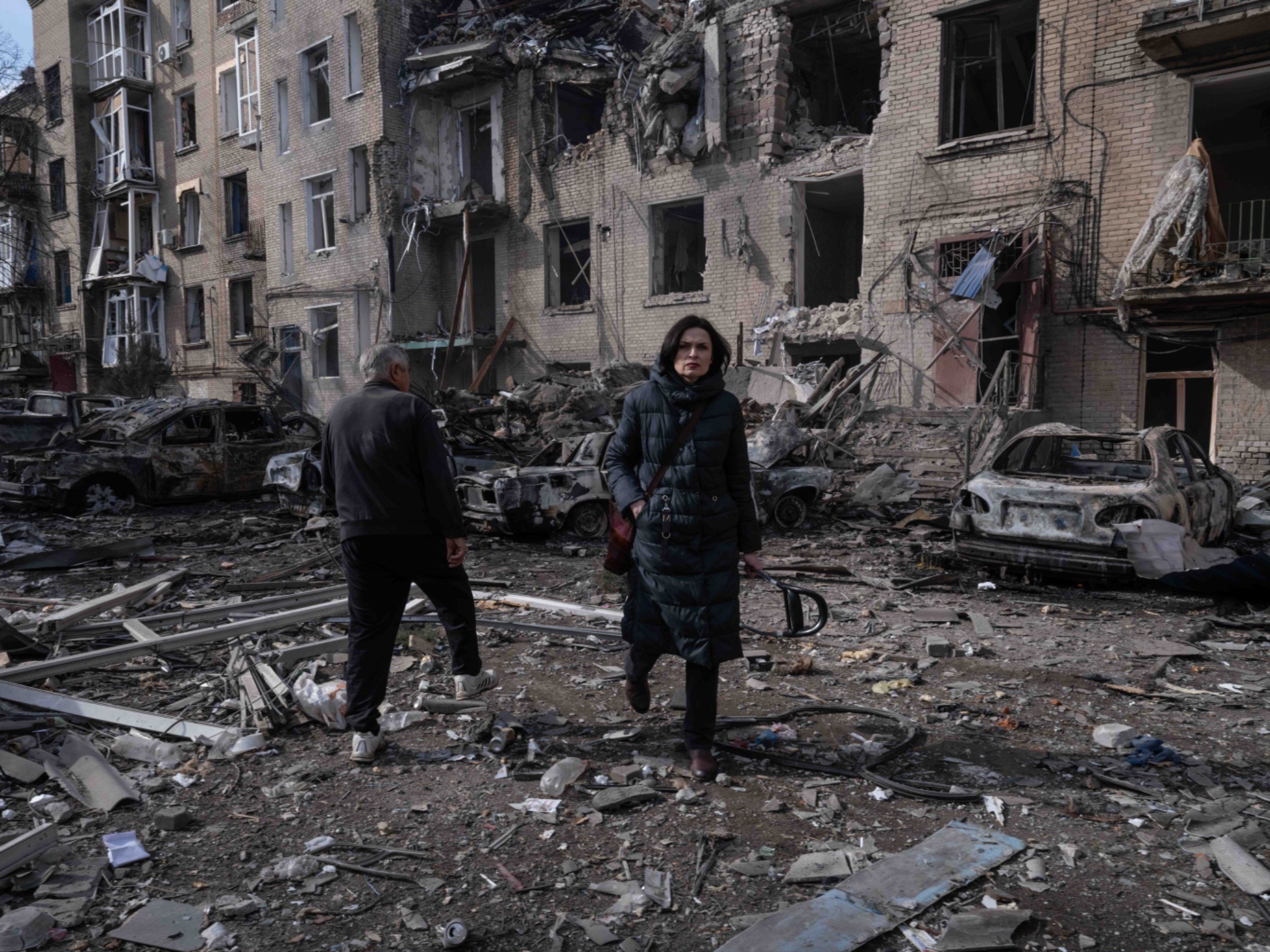
Press officer of the 93rd Brigade “Kholodnyi Yar” and photographer Iryna Rybakova described on social media how, while documenting the strike, a secondary attack by an enemy drone occurred:
“A drone slammed into a civilian Lanos parked near Nova Poshta. Thank God, everyone was unharmed. But not everyone survived the air raid — today alone, and only in Druzhkivka, three civilians were killed and another 14 injured as a result of Russian attacks. Russians are inhuman. Russia kills.”
In Druzhkivka, attacks on critical infrastructure left the 7th microdistrict without heat supply. The timeframe for restoring services is currently unknown. Authorities are urging residents of the community to evacuate.
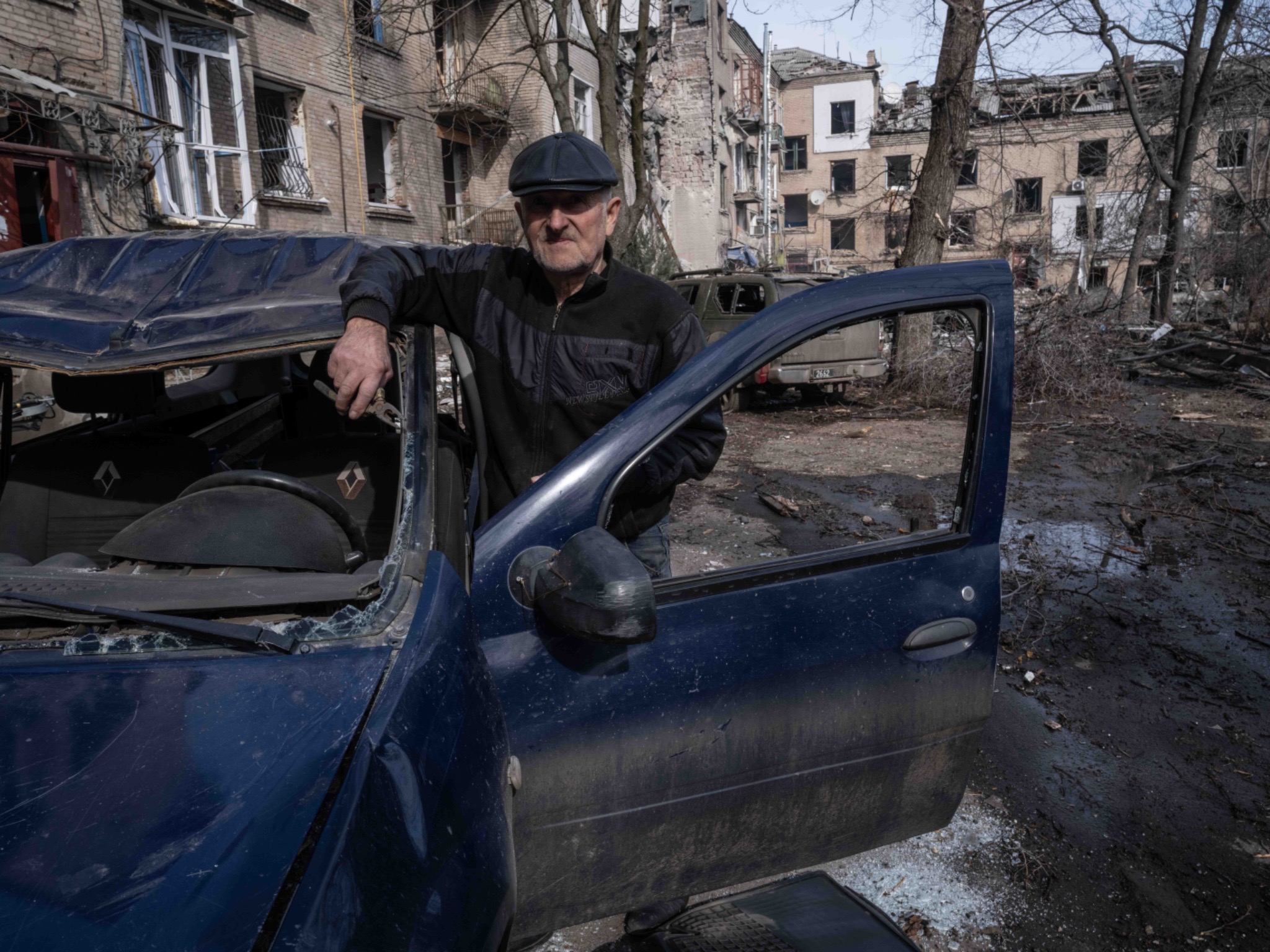
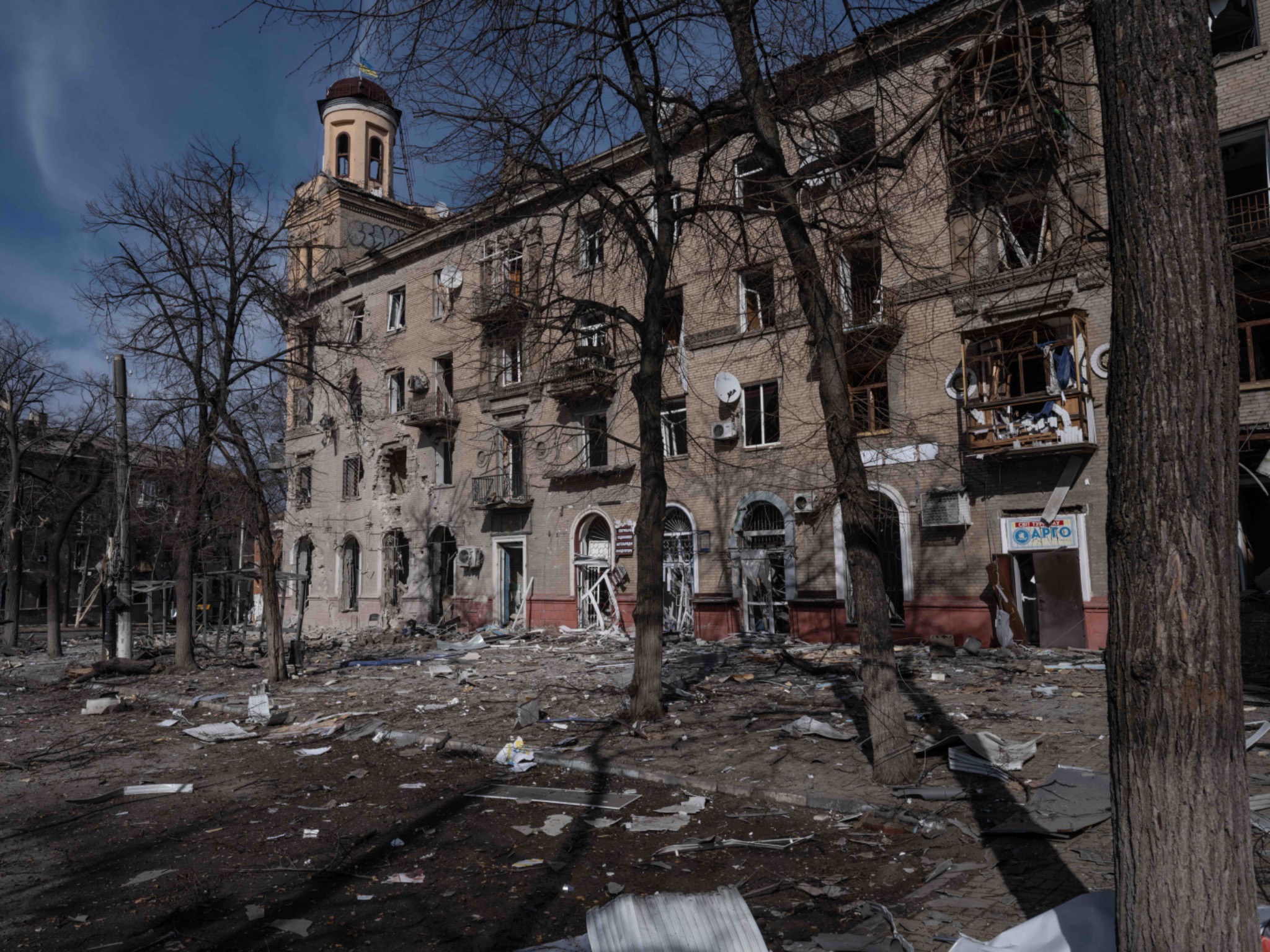

Sloviansk also suffered shelling. On the night of March 3–4, the city’s private sector came under Russian air strikes; one person was killed under the rubble of a house, and six people were injured. Three houses were completely destroyed, and more than 60 were damaged. The following day, the enemy shelled the territory of a private enterprise with artillery and attacked residential areas with strike drones; three people were injured in total, and there was extensive infrastructure damage.
On March 5, an air strike on Kostiantynivka killed two people and destroyed an apartment building. More than 2,000 people remain in the city, but due to the security situation, it is almost impossible to evacuate them or deliver humanitarian aid, said the head of the Donetsk Regional Military Administration, Vadym Filashkin. Vilne Radio reported that on the morning of March 6, the Russian army struck the dam of a reservoir near Kostiantynivka with a FAB‑500 bomb equipped with a UMPK module, flooding part of the area.
On March 7, one person was killed in Kramatorsk and six others were injured. Overnight, the city came under strikes on critical infrastructure and residential areas. In particular, in the middle of the night the enemy struck central Kramatorsk with a KAB‑500 bomb, injuring three children. Over the night, more than a dozen apartment buildings, administrative buildings, and two dozen vehicles were damaged.
Missile strike on Kharkiv
This week, Kharkiv and the surrounding region suffered from Russian shelling. There has been widespread destruction and damage to infrastructure essential for civilian life. There are fatalities and more than two dozen injured, including children. On March 8, in Chuhuiv district, Russian forces struck a State Emergency Service fire engine, completely destroying the vehicle.
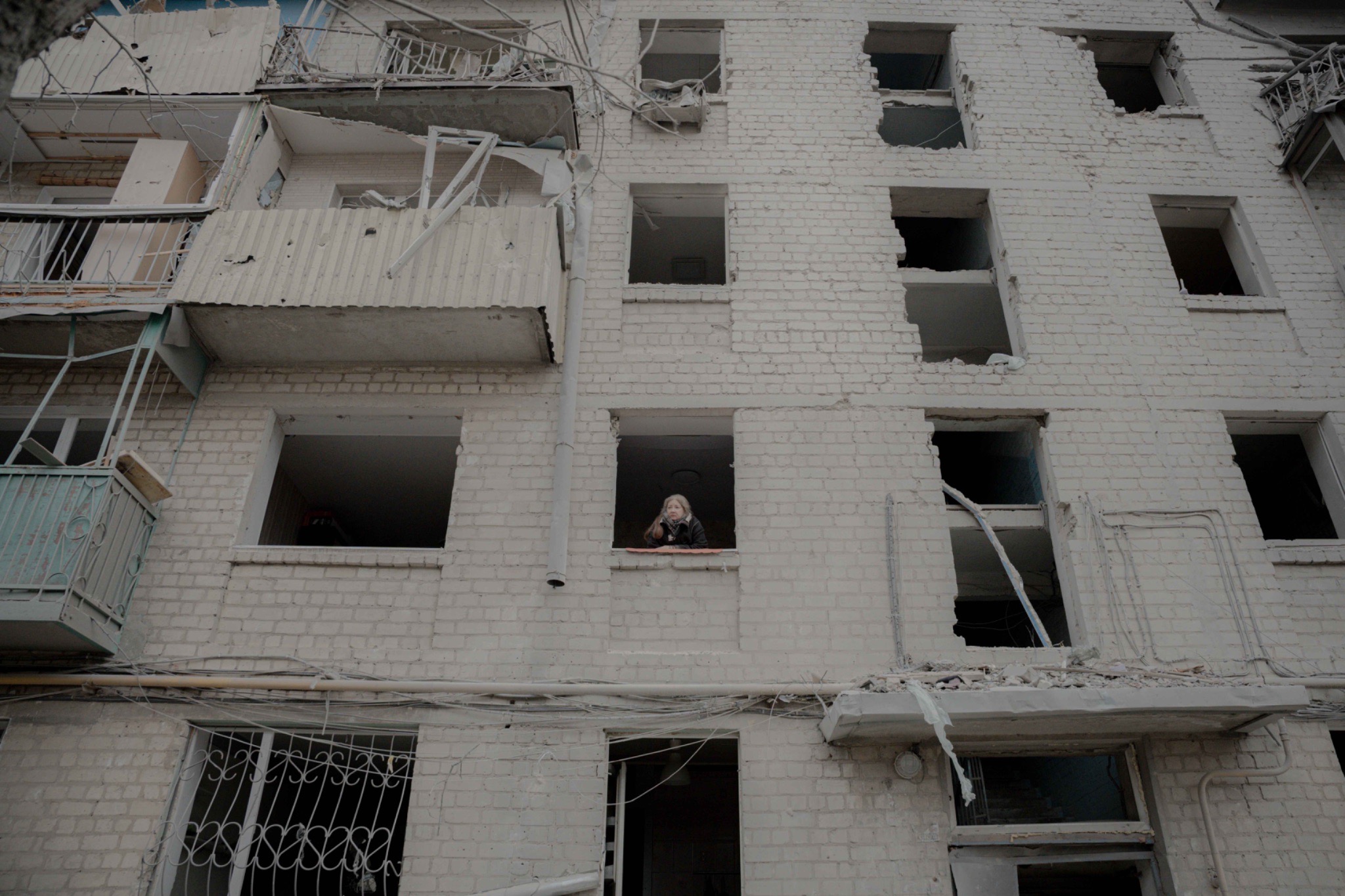
In Kharkiv, the Industrialnyi, Kyivskyi, Nemishlyanskyi, Shevchenkivskyi, and Saltivskyi districts came under attack. Over the course of March 2, an apartment building, three dormitories, windows of a children’s hospital and a shop, an administrative building, and a park area were damaged; three people suffered acute stress reactions. On March 3, the city again saw injuries after a drone struck the roof of an apartment building; among the injured was a ten‑year‑old girl. On March 4, a man was killed and a woman injured by the explosion of an unknown object, damaging an apartment building.
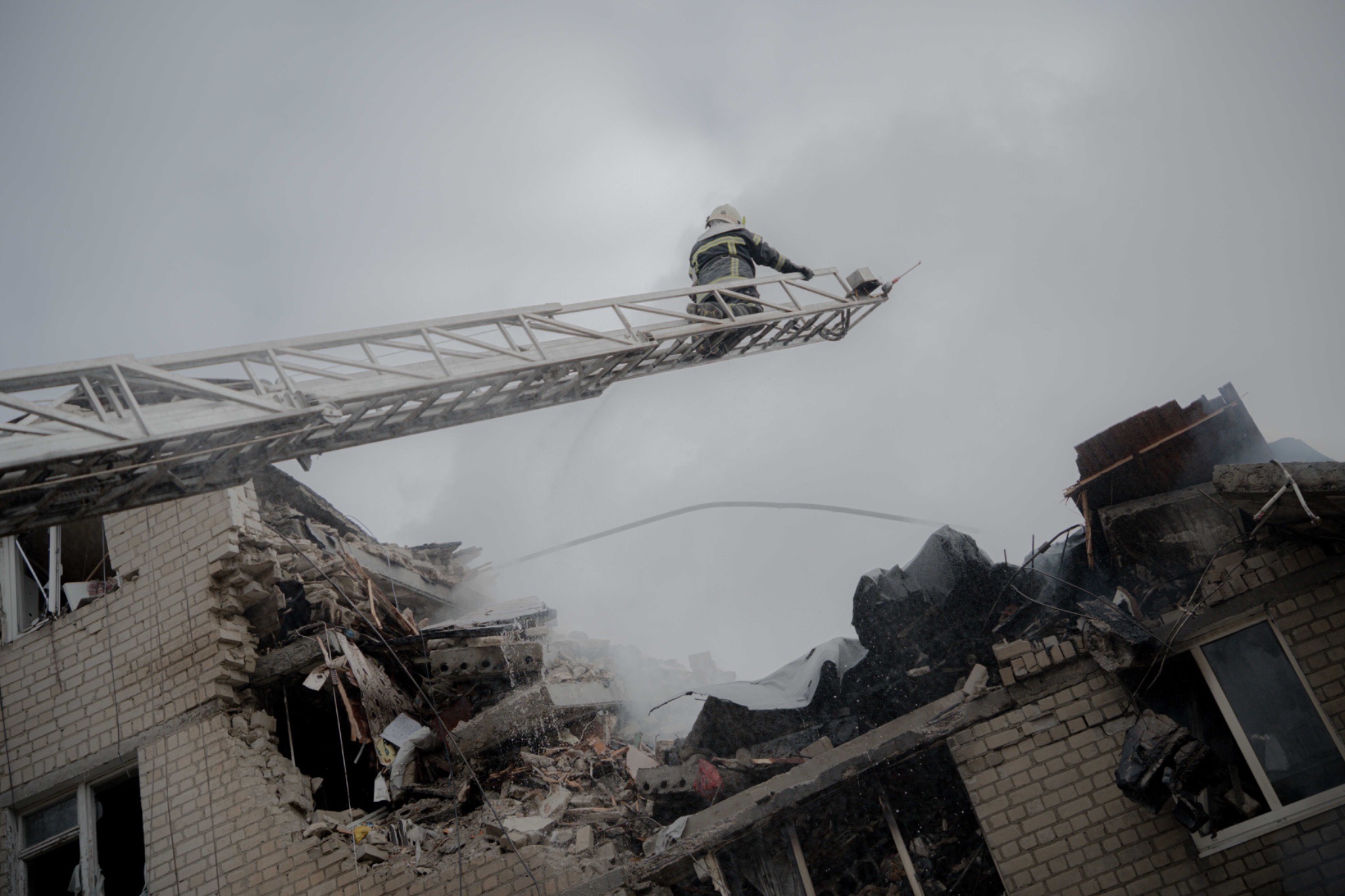
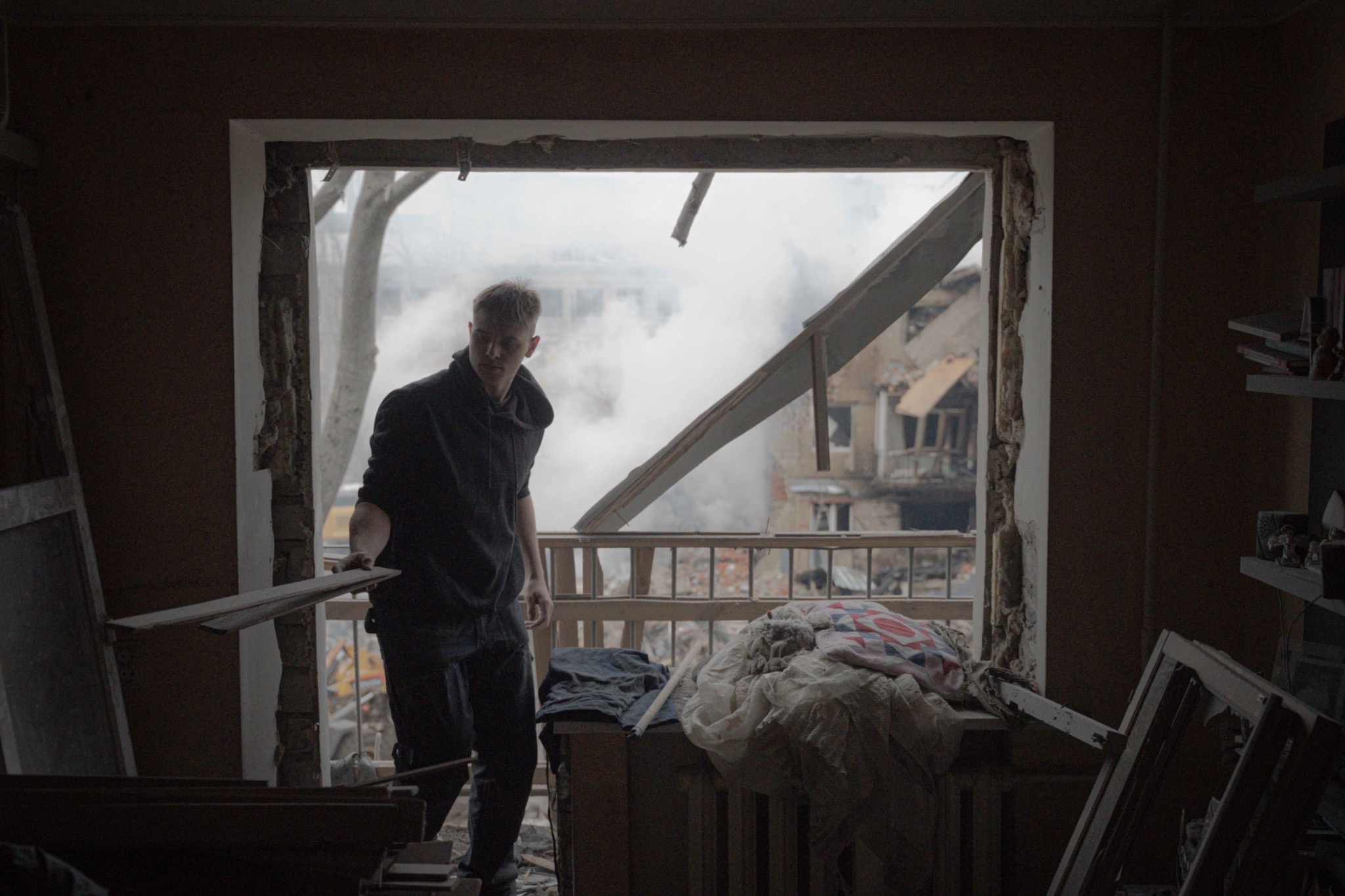
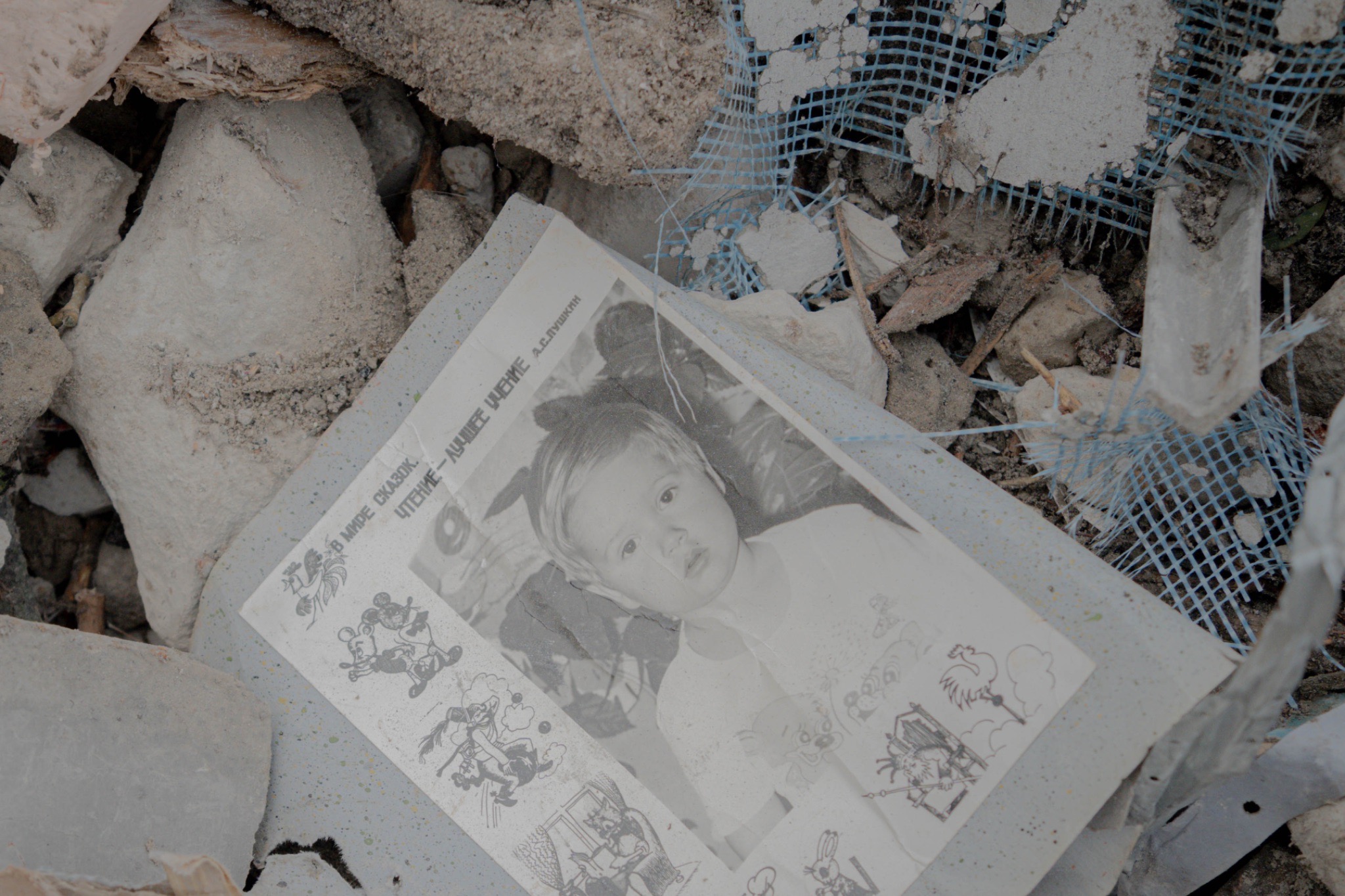
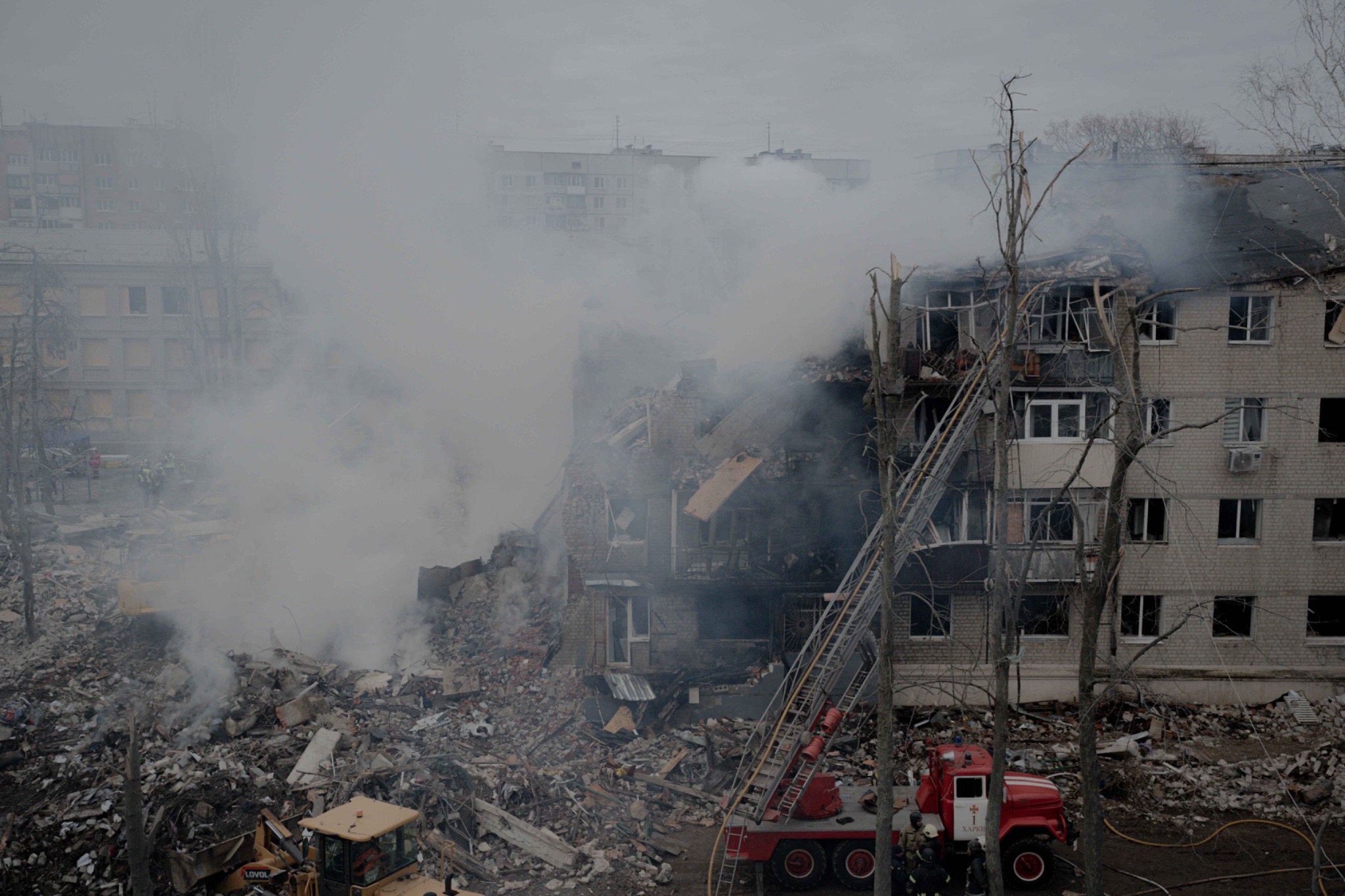
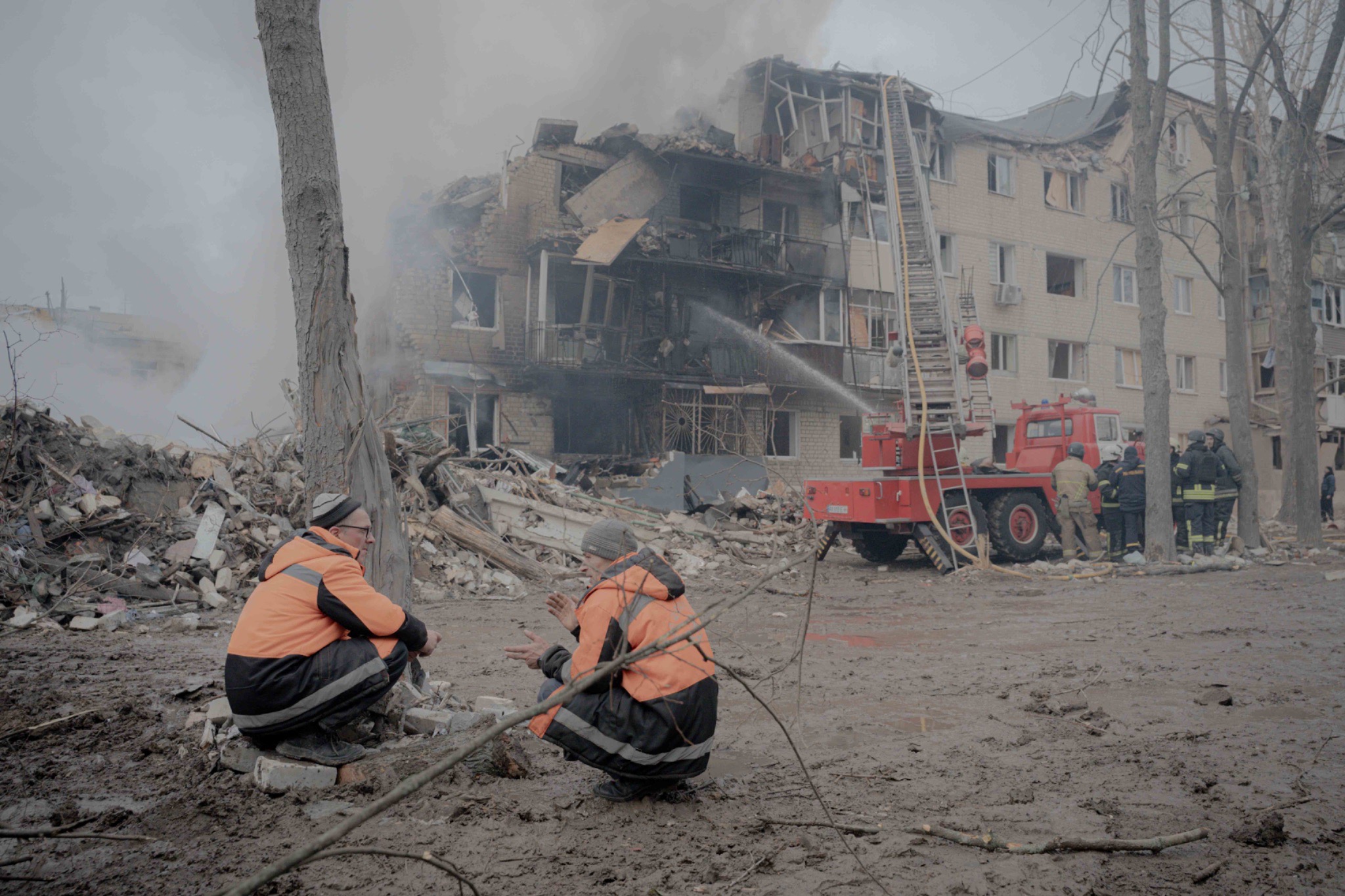
On the night of March 7, Russian forces attacked the Kyivskyi district; a missile hit a five‑storey residential building, completely destroying one stairwell and damaging the upper floors of a neighboring building. In total, 19 apartment buildings were damaged, and a number of retail kiosks were destroyed.
A lyceum was severely damaged — for the third time since the start of the full‑scale invasion. This time, not a single classroom remained intact.
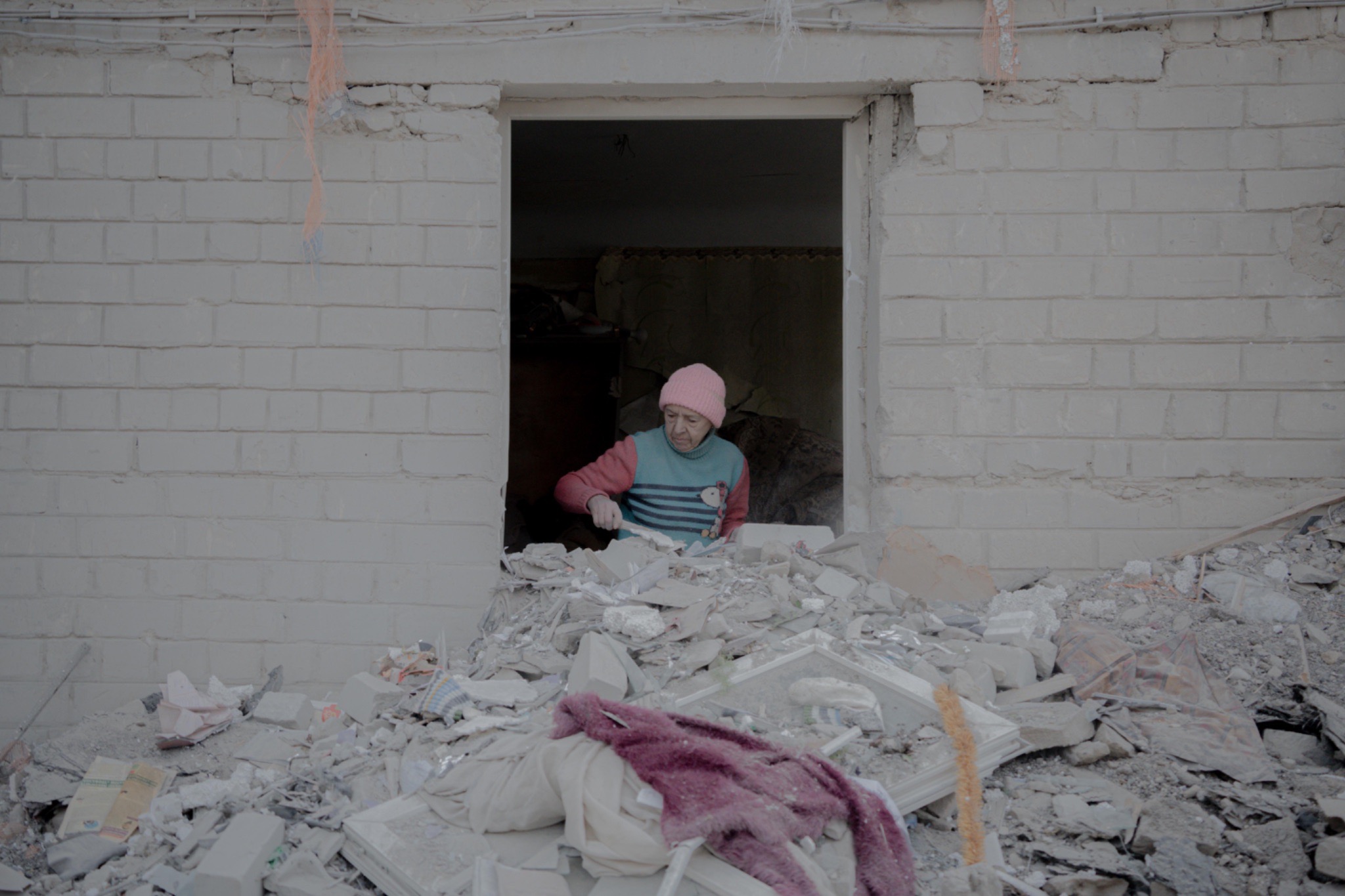
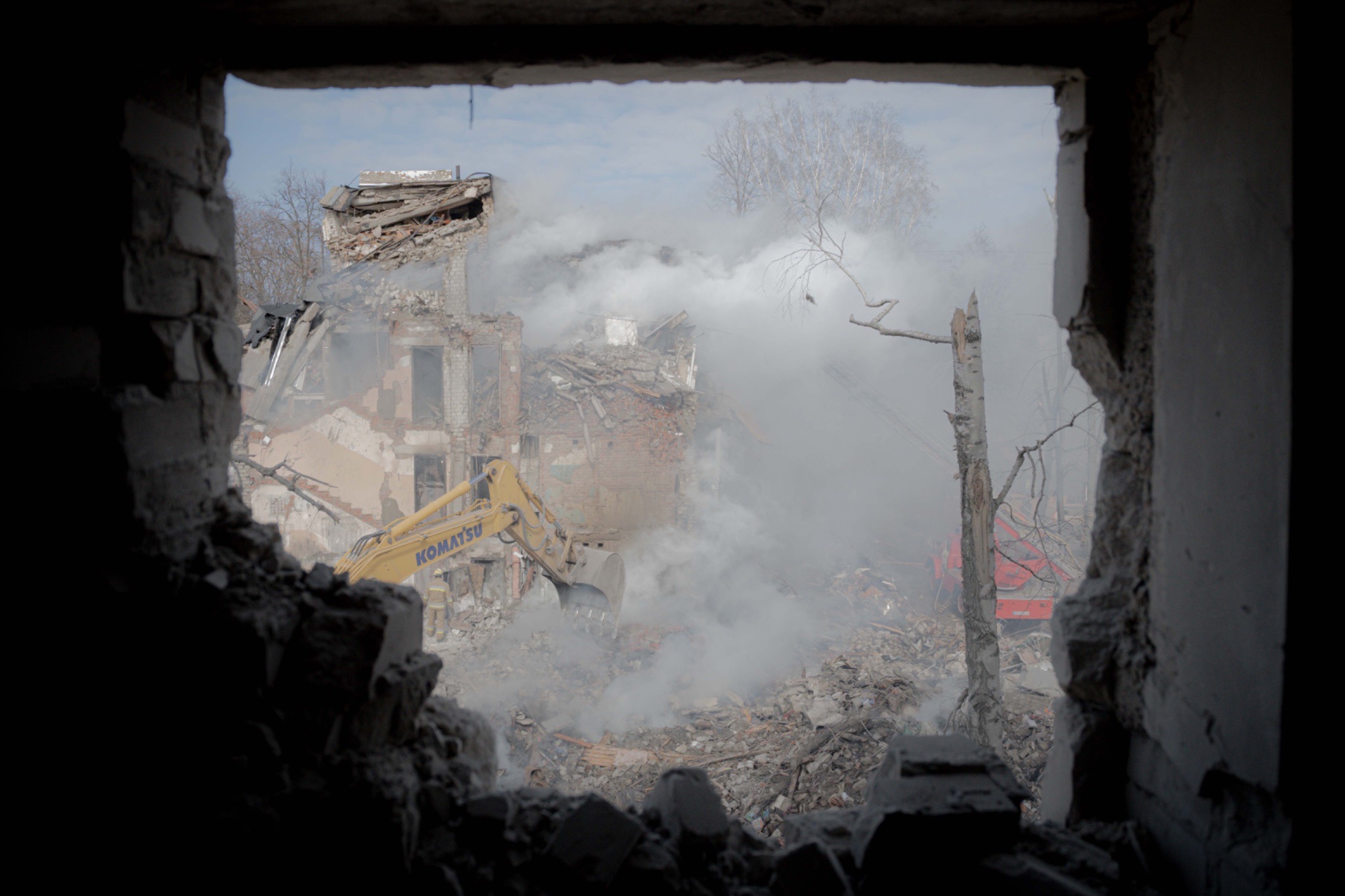
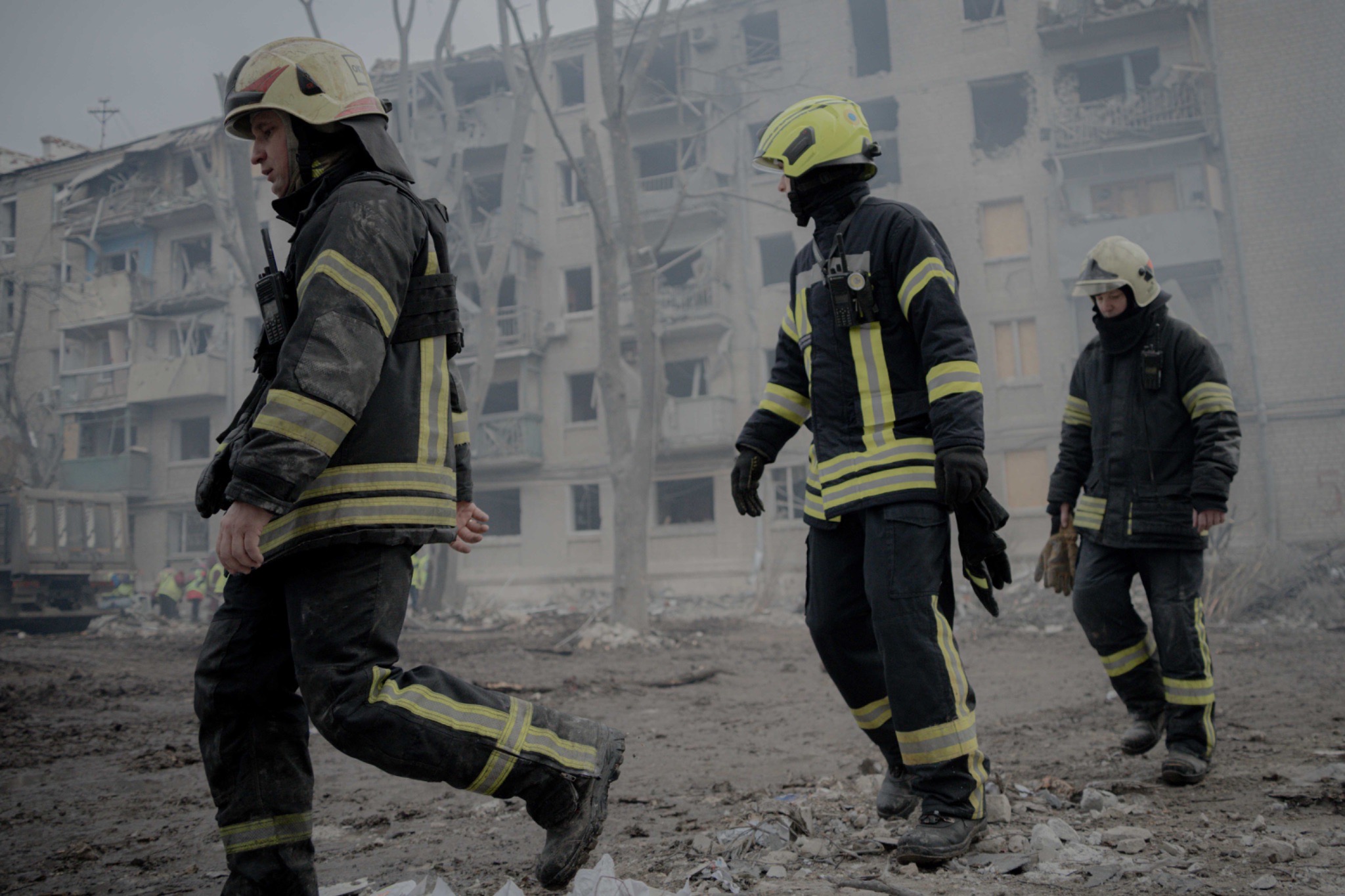
As a result of the missile strike on the building, nine adults and two children — a 13‑year‑old girl and a 9‑year‑old boy — were killed. Among the dead were a primary school teacher from Lyceum No. 6, her son, a second‑grade student, and another schoolgirl. Sixteen people were injured: four were hospitalized, including an 11‑year‑old boy who was transported in serious condition. State Emergency Service units continue search and rescue operations. After their completion, a day of mourning will be declared in the city.
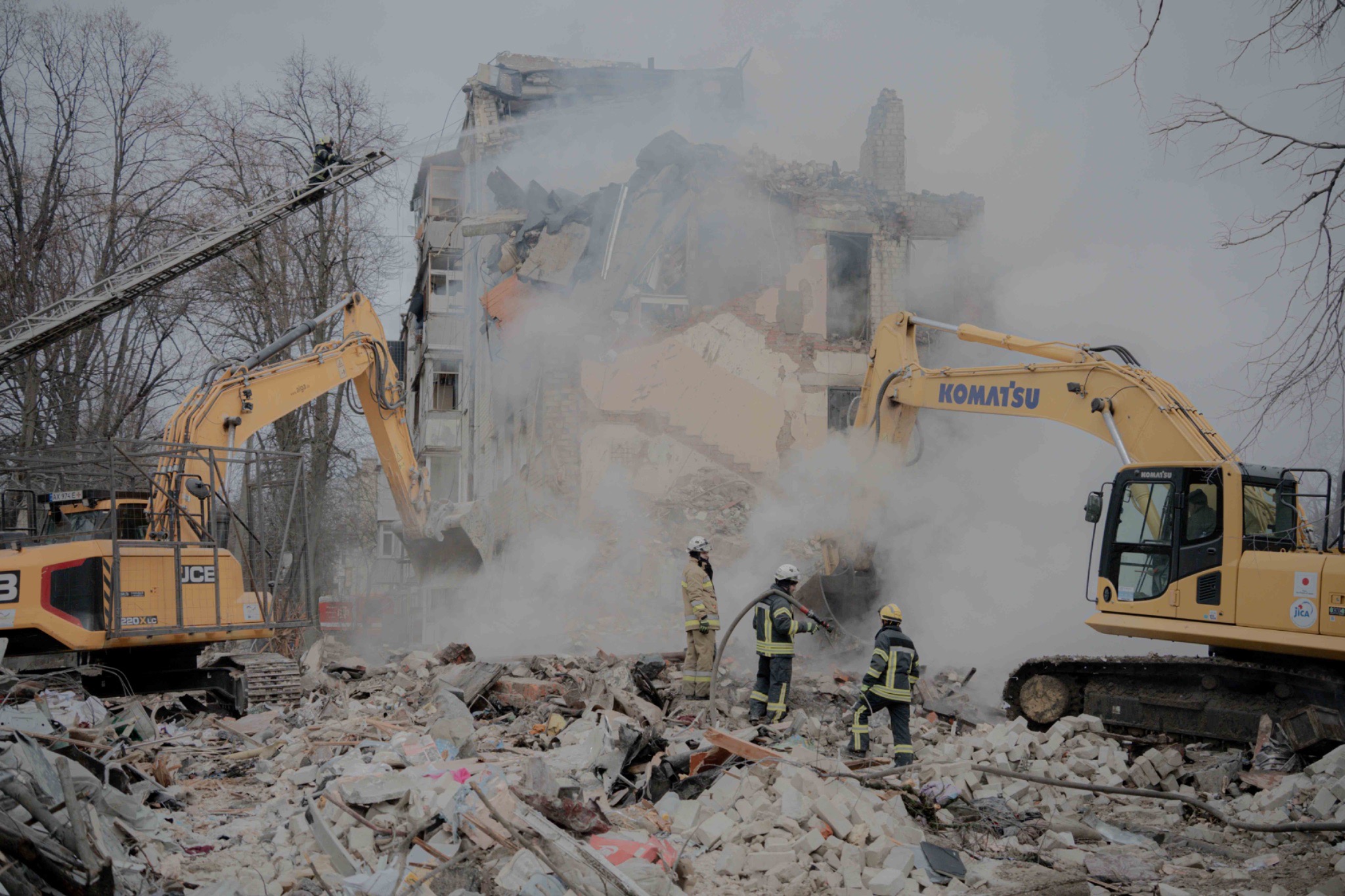
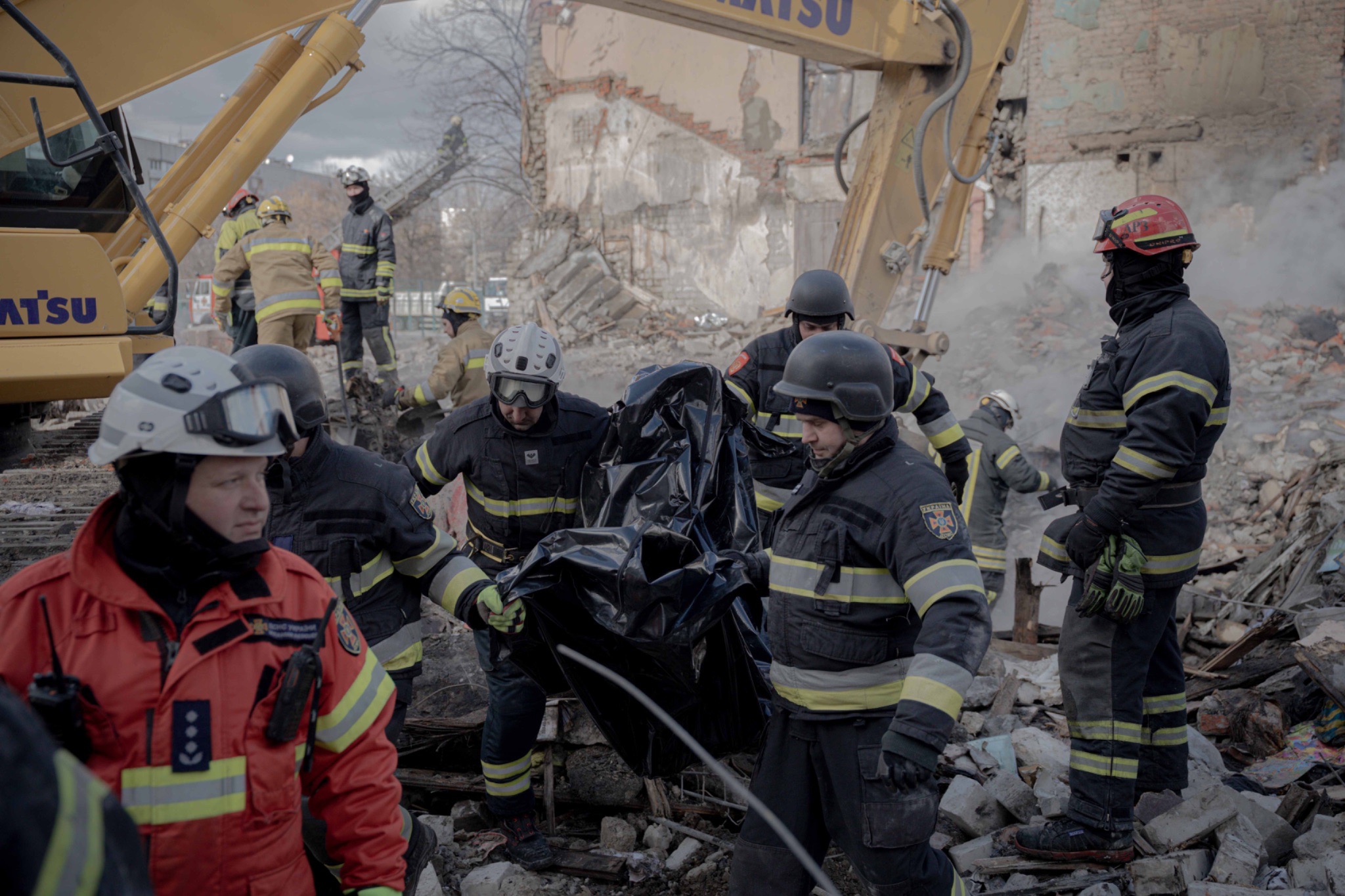
According to preliminary information from the Kharkiv Regional Prosecutor’s Office, the Russian army struck the building with an “Izdeliye‑30” missile. A pre‑trial investigation has been launched into the commission of a war crime resulting in the deaths of people. (Part 2 of Article 438 of the Criminal Code of Ukraine).
Worked on the material:
Researcher of the topic, author of the text: Yana Yevmenova
Picture editor: Olga Kovalyova
Literary Editor: Julia Futei
.jpg)

.jpg)