
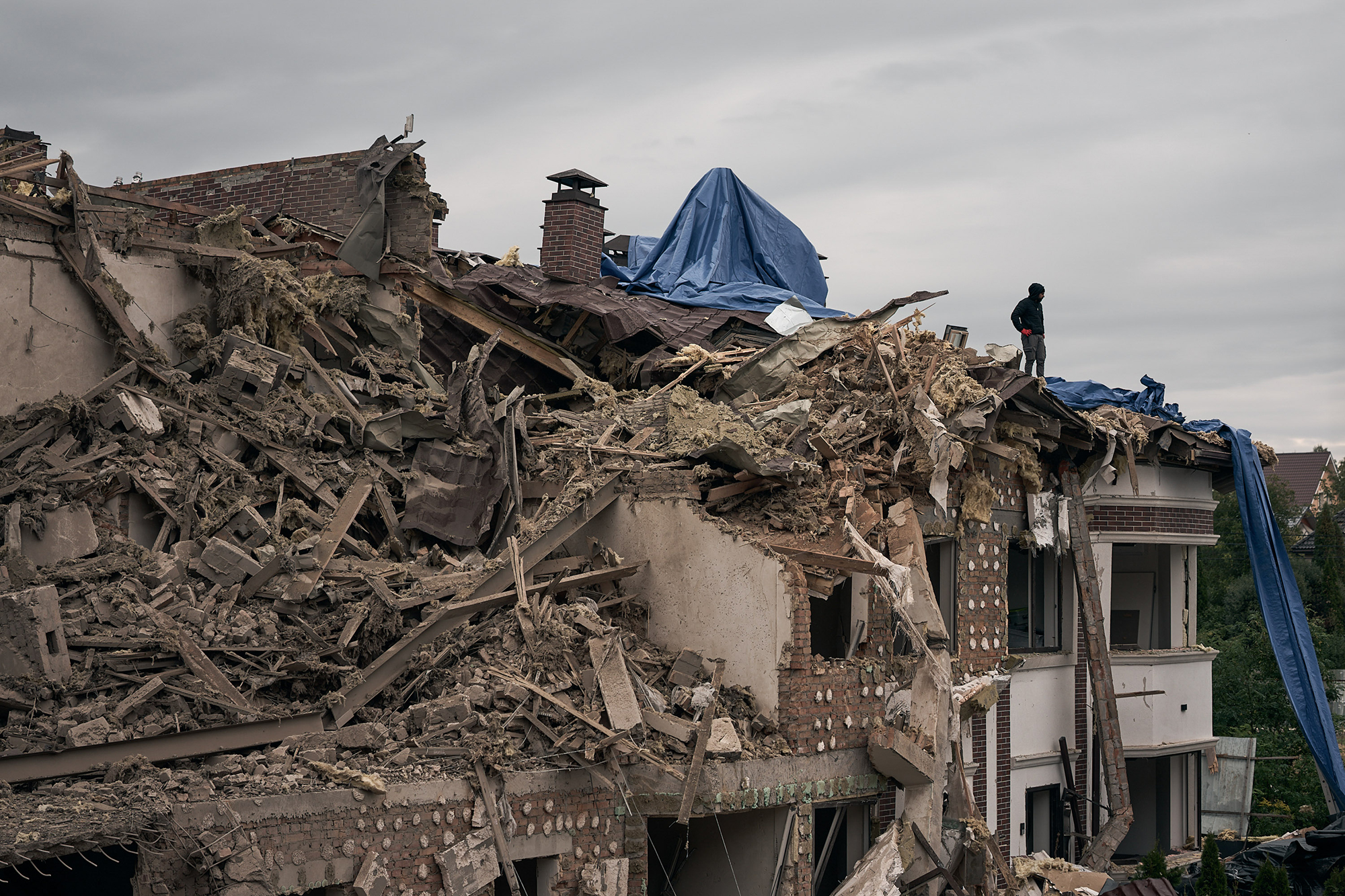
The international news agency Bloomberg writes that the Russian Federation intensified attacks on Ukraine after negotiations in Alaska. This is confirmed by another week of Russian terror. Enemy drones are present in Ukrainian airspace almost around the clock. Civilian infrastructure, enterprises, and energy facilities are under attack. Russians continue to destroy frontline and border regions—Kherson, Zaporizhzhia, Dnipropetrovsk, Donetsk, Kharkiv, Sumy, and Chernihiv—with drones, aviation, and artillery.
Energy facilities in Kharkiv, Vinnytsia, the city of Chernihiv, and Chernihiv region were repeatedly shelled by the enemy this week. There were serious power supply interruptions.
On September 22, Russians shelled a fire truck with an FPV drone in Sumy region. Dnipropetrovsk and Kyiv regions were also under Russian drone attacks overnight—a total of 141 UAVs of various types. Three people were killed in Donetsk region.
In Kherson, Suspilne Kherson Chief Engineer Vadym Khomenko was injured by a Russian anti-personnel mine. This happened on the territory of the Suspilne branch. He received severe leg injuries and underwent surgery.
On the night of September 23, the Russian Federation launched 3 ballistic missiles and 115 UAVs of various types. The ballistic missiles targeted Odesa region, causing one death. Trade kiosks were set on fire. Buildings of a hotel, Ukrposhta, Ukrtelecom, a cultural center, an administrative service center, and cars were damaged.
At night, the enemy attacked Dnipropetrovsk region with artillery and drones, and Kirovohrad and Chernihiv regions with drones. A woman was killed by an FPV drone strike in Nikopol.
On September 24, the Air Force reported a nighttime attack of 152 enemy UAVs of various types. The enemy attacked Kharkiv and the oblast, and shelled Dnipropetrovsk region with missiles, artillery, and drones. Deaths and injuries were reported in Dnipropetrovsk, Donetsk, and Sumy regions.
The Russian army launched a combined strike with drones and two Iskander ballistic missiles on a training unit of the Ground Forces. According to the agency, a precise strike was delivered to a shelter.
A 24-year-old woman who had recently given birth died in the hospital after sustaining severe injuries during the Russian attack on Kyiv on the night of September 7. Her newborn son is in serious condition.
On the night of September 25, Russians shelled Kharkiv region, and during the day—Sumy.
Five residents of Donetsk region were killed over the past day, and two residents of Kherson region died as a result of a Russian UAV strike on a road on September 22.
Minister of Energy of Ukraine Svitlana Hrynchuk reported the 10th blackout at the ZNPP, which occurred due to damage to the only power transmission line as a result of Russian shelling.
On the morning of September 26, Sumy and Kherson were under attack by Russian aviation. In Kherson, there were about fifteen explosions in one hour. Later, artillery struck the central part of the city, destroying a minibus taxi. In total, two people were killed and eight others were injured over the past day due to Russian aggression.
In Kharkiv, an enemy Molniia drone struck the roof of a shopping center in the Kyivskyi district. Four people were injured. A bus was damaged.
IAEA experts recorded the downing and explosion of a Russian drone 800 meters from the perimeter of the South Ukraine NPP, Ukrinform reports.
A Hungarian reconnaissance drone violated Ukrainian airspace twice; its route was shown by the General Staff.
On the night of September 27, Vinnytsia, Dnipropetrovsk, Donetsk, Zaporizhzhia, and Kherson regions were subjected to Russian UAV attacks. Fires broke out, and civilian and critical infrastructure were damaged.
Attack on Kharkiv on September 24: KABs and Drones
On September 24, the enemy shelled Kharkiv with 18 drones. The Kholodnohirskyi and Shevchenkivskyi districts of the city were affected. Fires occurred, and there are casualties. About 80,000 subscribers in the Kholodnohirskyi district of Kharkiv were left without power.
Nine settlements in the oblast were also shelled with various types of weapons. In Kharkiv, residential buildings, an administrative building, a store, and cars were damaged.
“The enemy tries to break us with strikes, but Kharkiv holds on. And it will stand,” reacted Kharkiv Mayor Ihor Terekhov to the shelling.
Smoky night Kharkiv in photographs by local photojournalist Ivan Samoilov.

Massive Attacks on Zaporizhzhia
The city was under massive attacks for three consecutive days—September 22, 23, and 24. The Russian army struck with aerial bombs, drones, and Iskander missiles. As a result of enemy attacks, four people were killed, 31 were injured and hospitalized, and 8 are in serious condition.
On September 26, Russian drones attacked the city again at midnight. There were no casualties. A store, residential buildings, and cars were destroyed, and a fire started.
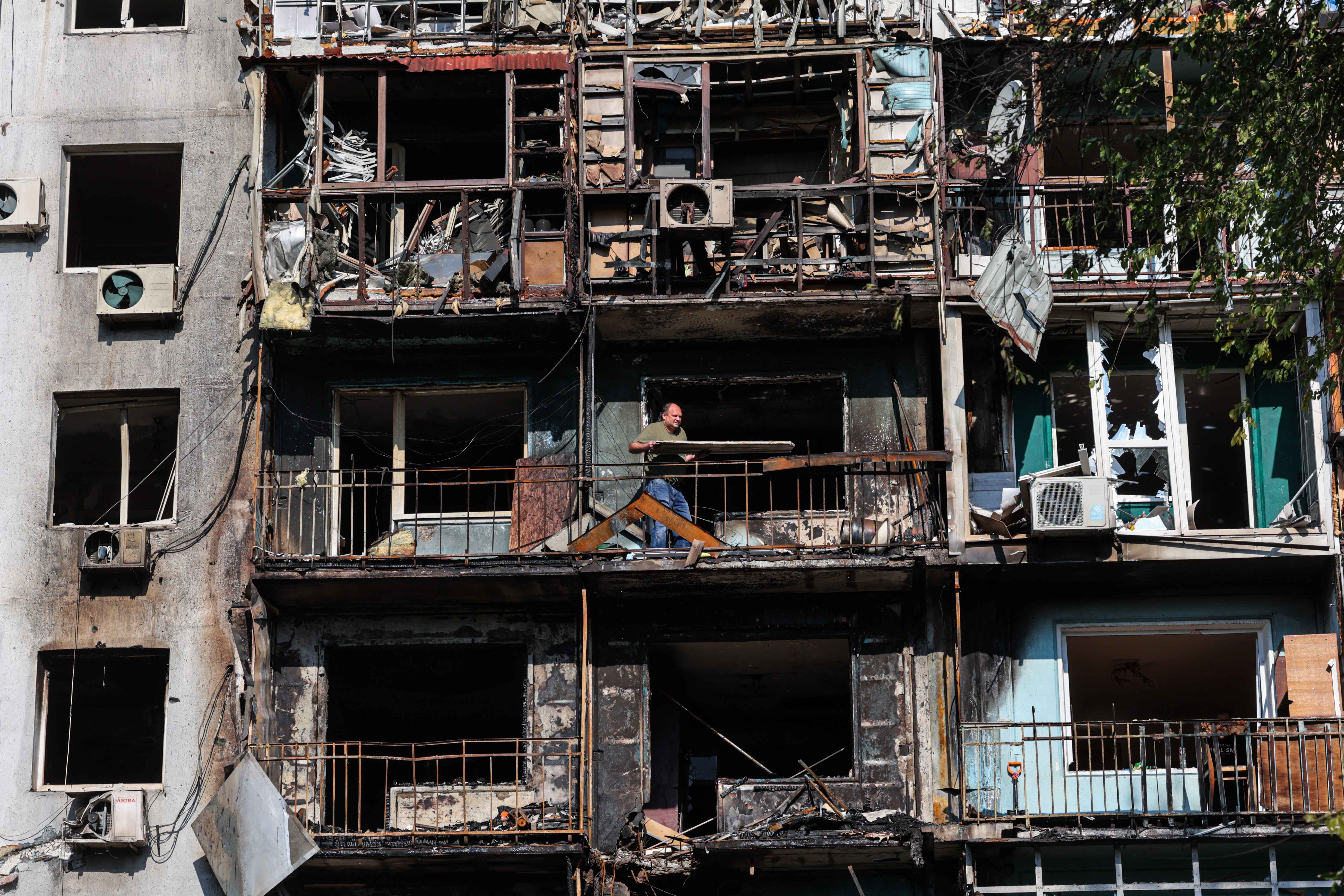
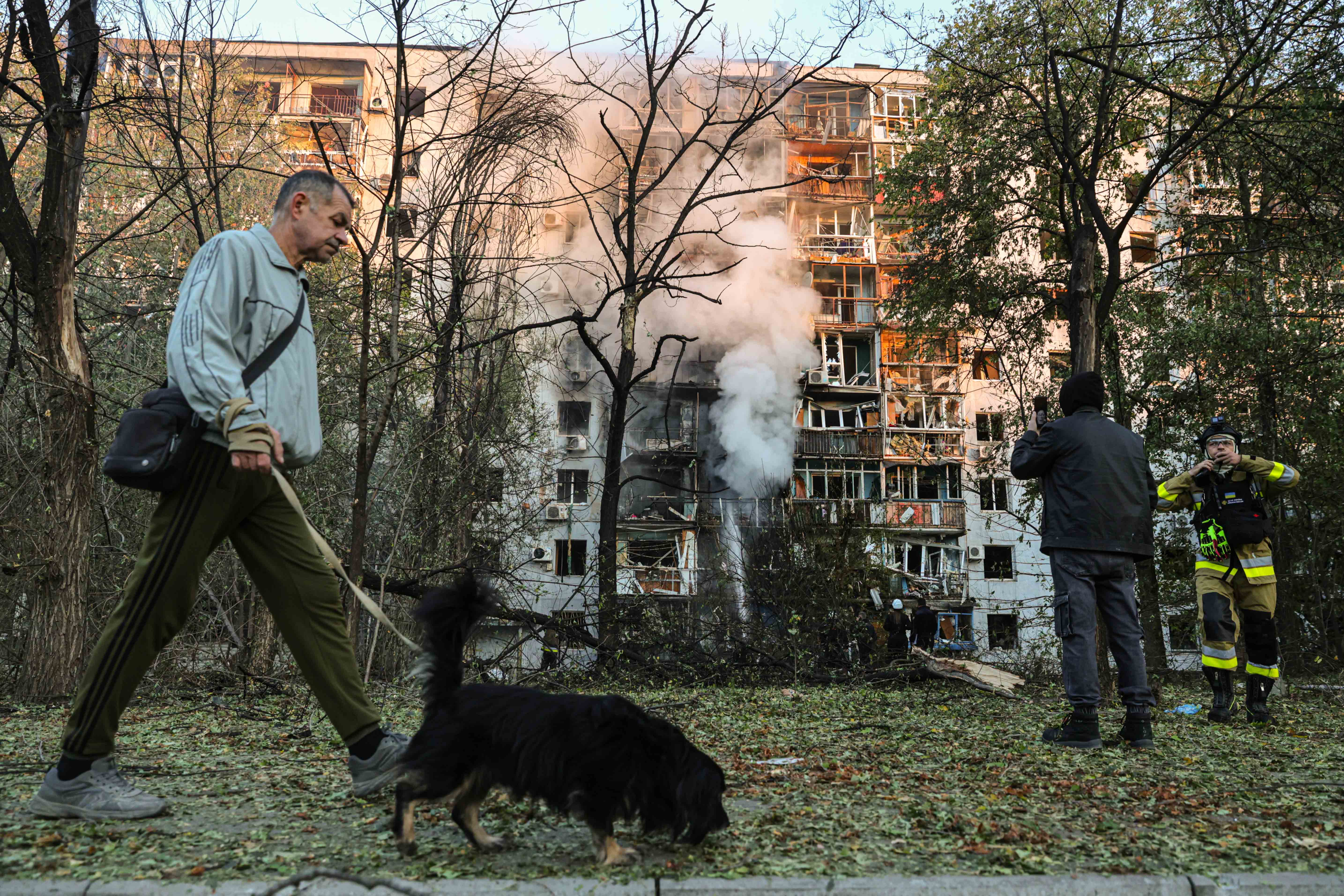
On the night of September 28, Russians shelled Zaporizhzhia again. At least eight strikes were recorded. The Shevchenkivskyi microdistrict was the most affected. The enemy struck with a missile. Houses and a gas station were destroyed, 27 people were wounded, including three children. The rescue operation is ongoing.
Photo report from the scene prepared by photojournalist Kateryna Klochko.
Missile and Drone Terror Against Peaceful Cities: Child Killed, Districts Destroyed
On the night of September 27–28, the enemy army launched a massive strike on Ukraine. For over 12 hours, Ukraine was attacked by 566 drones and over 40 missiles, including Kinzhals. The main direction of the strike was Kyiv. Zaporizhzhia, Khmelnytskyi, Sumy, Mykolaiv, Chernihiv, and Odesa regions were also affected.
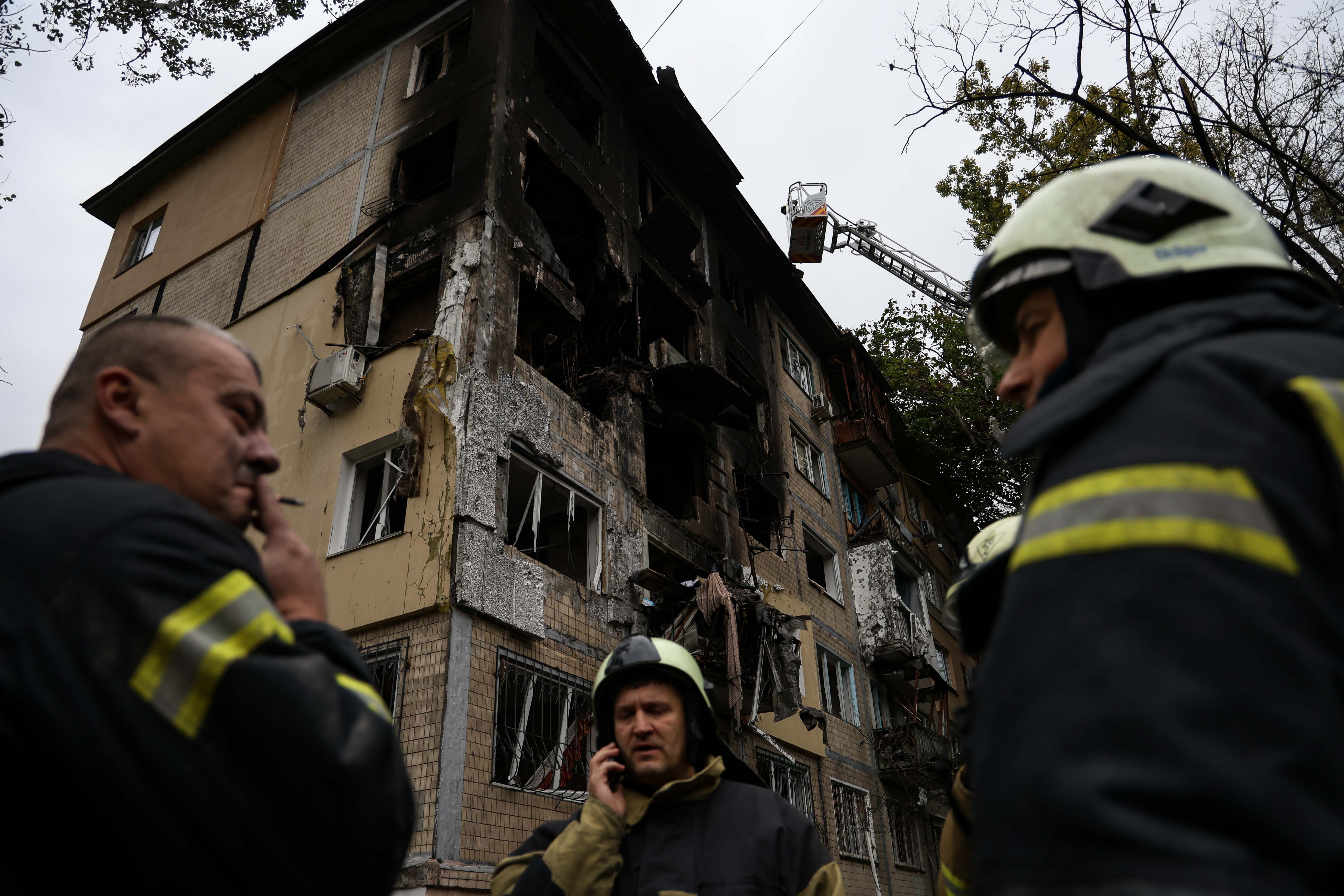
As a result of the insidious shelling, residential buildings, the Cardiology Institute building, a bread production enterprise, an automotive rubber plant, and over 100 civilian objects across Ukraine were damaged. Fires raged everywhere. Over 70 wounded people are reported.
In Kyiv, the Solomianskyi, Sviatoshynskyi, Dniprovskyi, Darnytskyi, and Holosiivskyi districts were the most affected. Falling debris and the destruction of a five-story building in the Solomianskyi district were recorded. The enemy attack took the lives of four people, including a 12-year-old girl, and a nurse and a patient were killed in the Cardiology Institute.
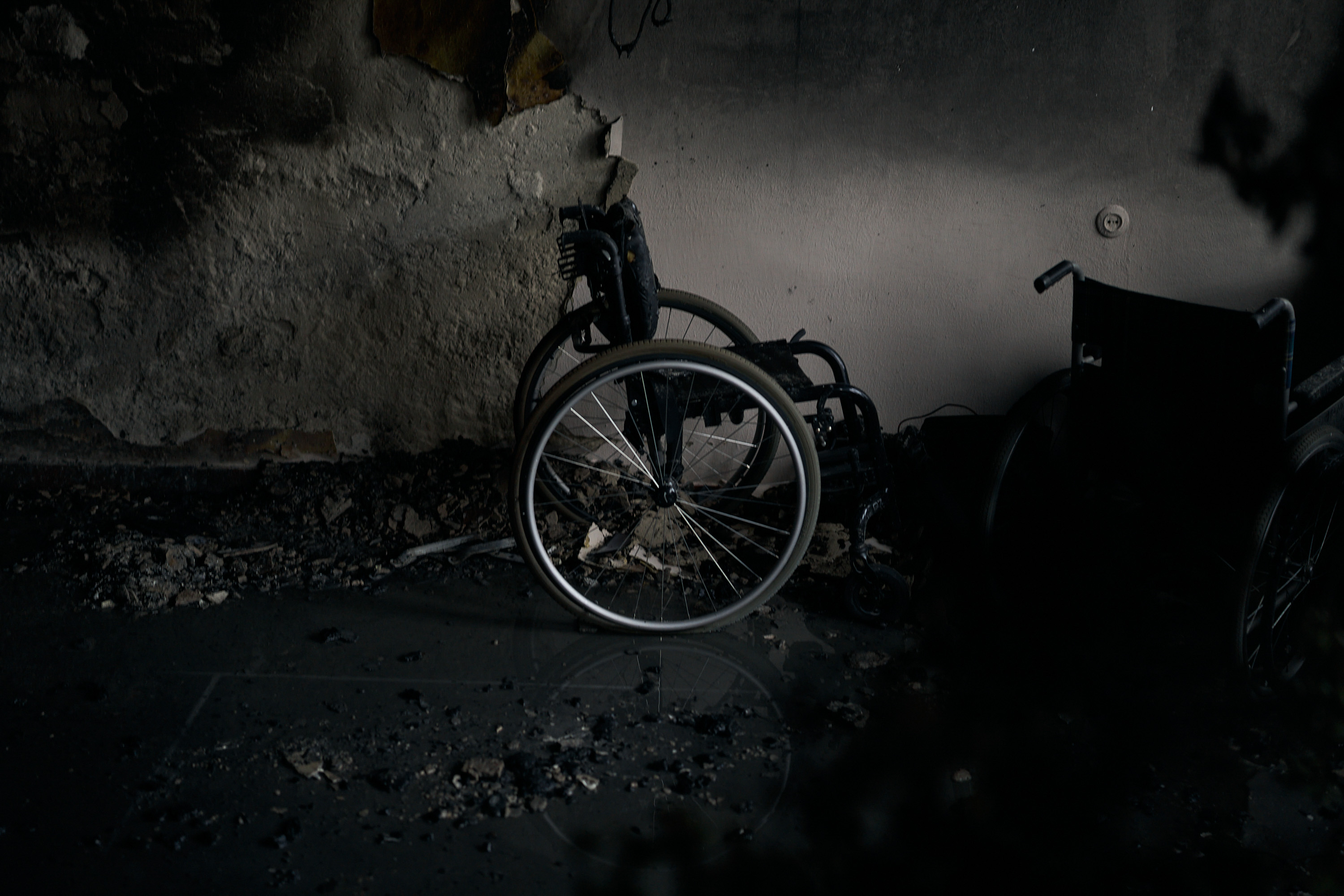
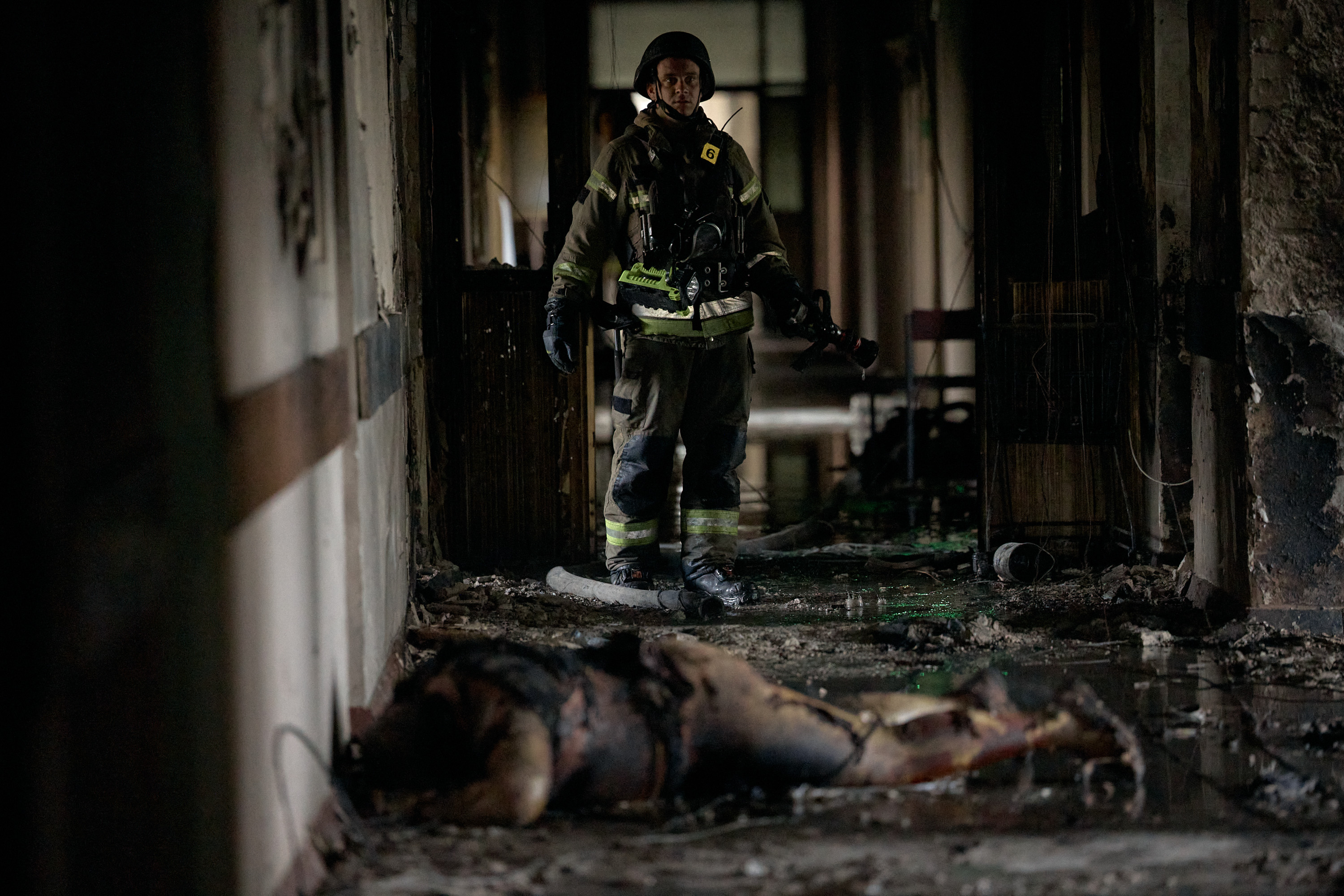
“Russians are sowing terror squared, and they will have no forgiveness. Not for the murder of children, nor for the strikes on our hospitals, kindergartens, churches, or apartments,” reacted Head of the Kyiv City Military Administration Tymur Tkachenko to the night shelling.
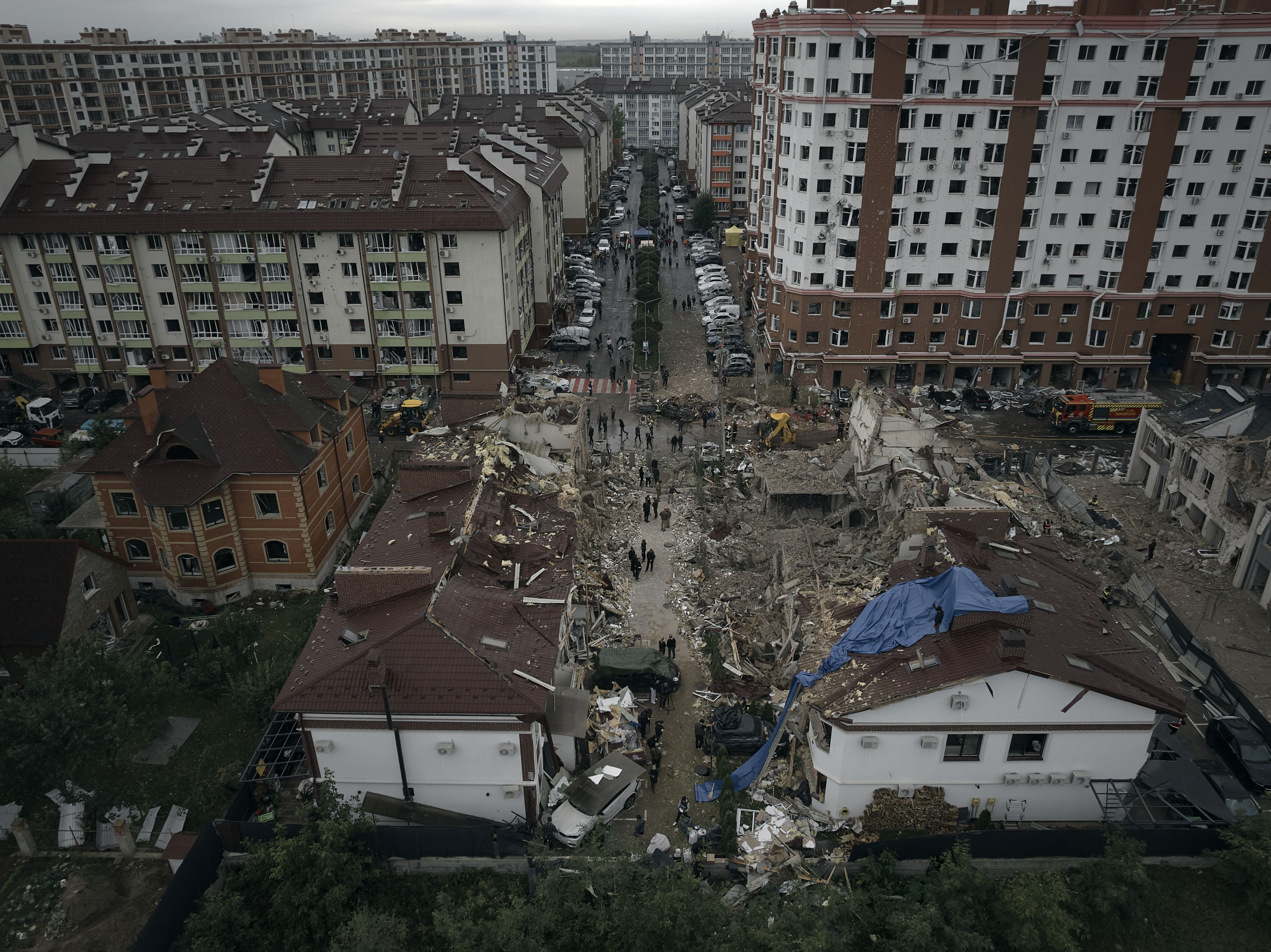
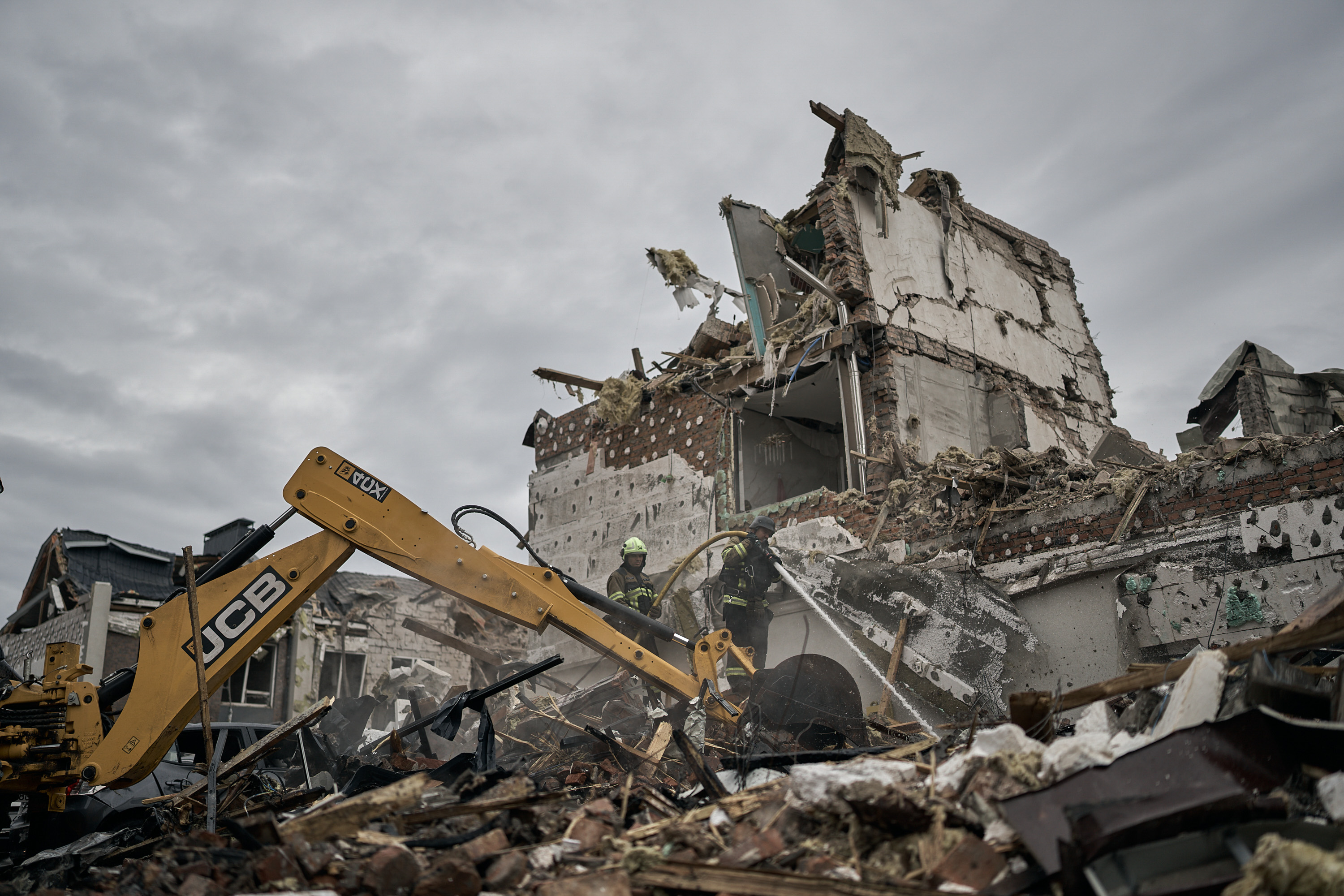
Russian attacks caused massive destruction in Kyiv region, particularly in the Bila Tserkva, Fastiv, Obukhiv, and Bucha districts. A residential complex in Petropavlivska Borshchahivka was destroyed. Work to eliminate the consequences of the shelling is ongoing. 28 casualties are reported, including three children.
Military objects in the temporarily occupied territories and on the territory of the Russian Federation were also attacked. Geography of strikes: from Bryansk to Bashkortostan. Among the affected targets: two Russian Be-12 Chaika anti-submarine amphibious aircraft, two aircraft at the Kacha military airfield, coastal radar stations, the Foros sanatorium with dead and injured, a petrochemical complex, gas processing plants, two linear production dispatch stations, and gas distribution stations. The Armed Forces of Ukraine also hunted down a Su-34 fighter-bomber that was shelling Zaporizhzhia.
Last week, unidentified drones repeatedly violated European airspace: they were spotted near military objects in Denmark, France, and Sweden, and recorded over Germany. Russian military aircraft flew in the Alaska air defense identification zone and over the Baltic Sea near Latvia. Their interception by NATO aircraft is reported.
The material was prepared by:
Topic Researcher, Text Author: Yana Yevmenova
Visual Editor: Olga Kovalova
Literary Editor: Yuliia Futei
.jpg)

.jpg)













.jpg)


