“Beyond the Verdict” is one of the projects selected within the framework of the third annual micro-grant support program for Ukrainian documentarians, implemented by UAPP. The program's goal is to support authors who continue to document the experience of a country resisting aggression and create visual testimonies of events that define the history of modern Ukraine. The program is implemented with the support of the Embassy of the Kingdom of the Netherlands in Ukraine.
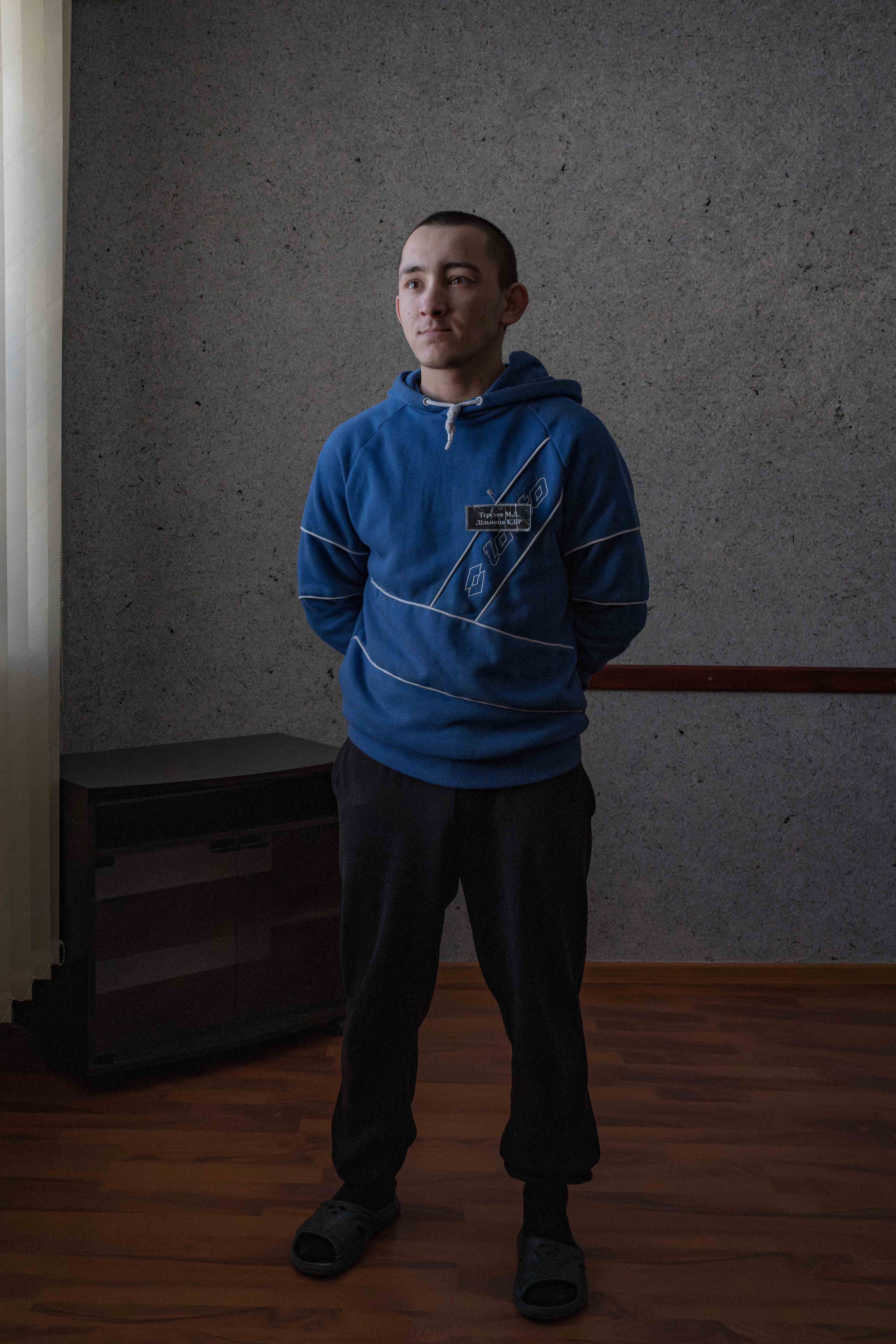
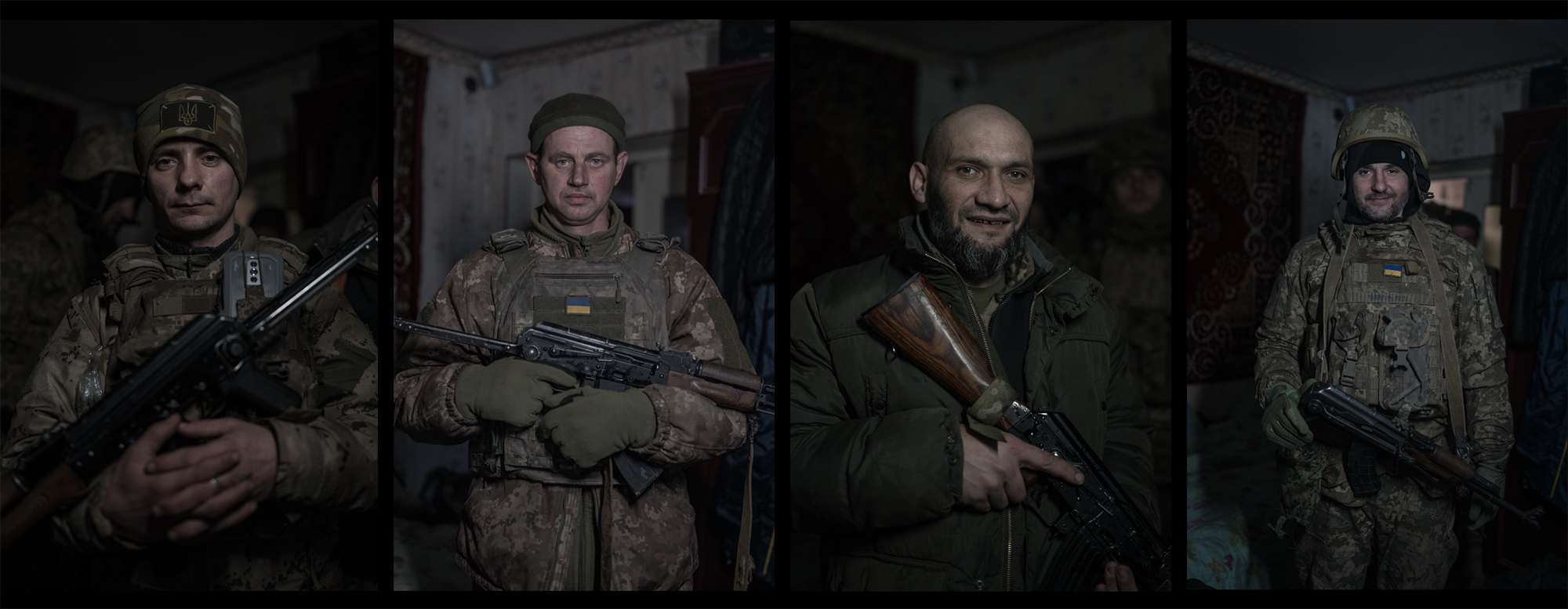
In May 2024, the state allowed prisoners to join the ranks of the Armed Forces of Ukraine (AFU). Approximately 10–11 thousand former inmates signed contracts.
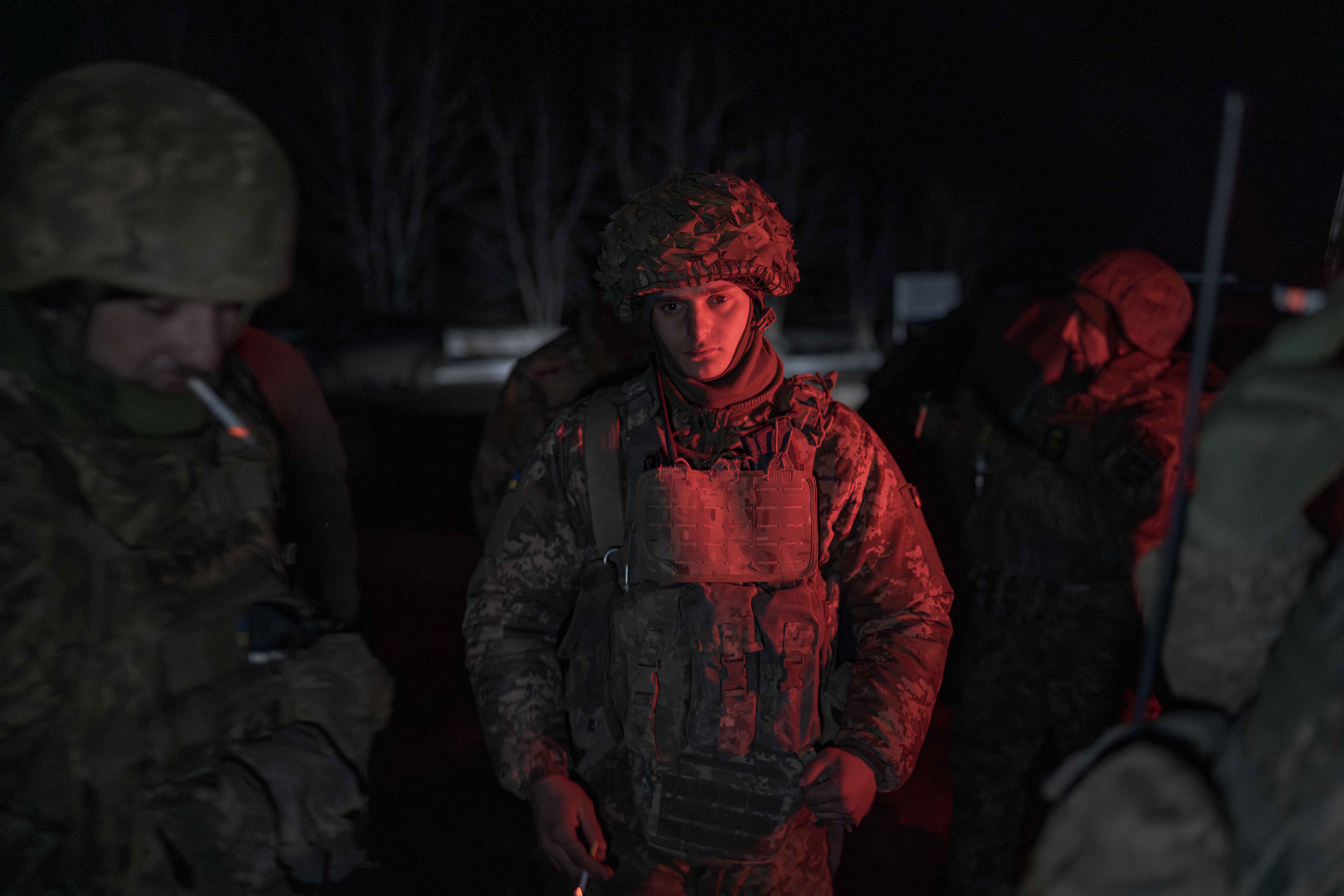
War blurs the lines between “criminal” and “hero.” I filmed this project to understand why people who once lost their freedom are now ready to give their lives for the freedom of others.
This is a story about the transformation of the prisoner’s stigma from “punishment” to “service.” It is also a story about the boundary between the past and the present.
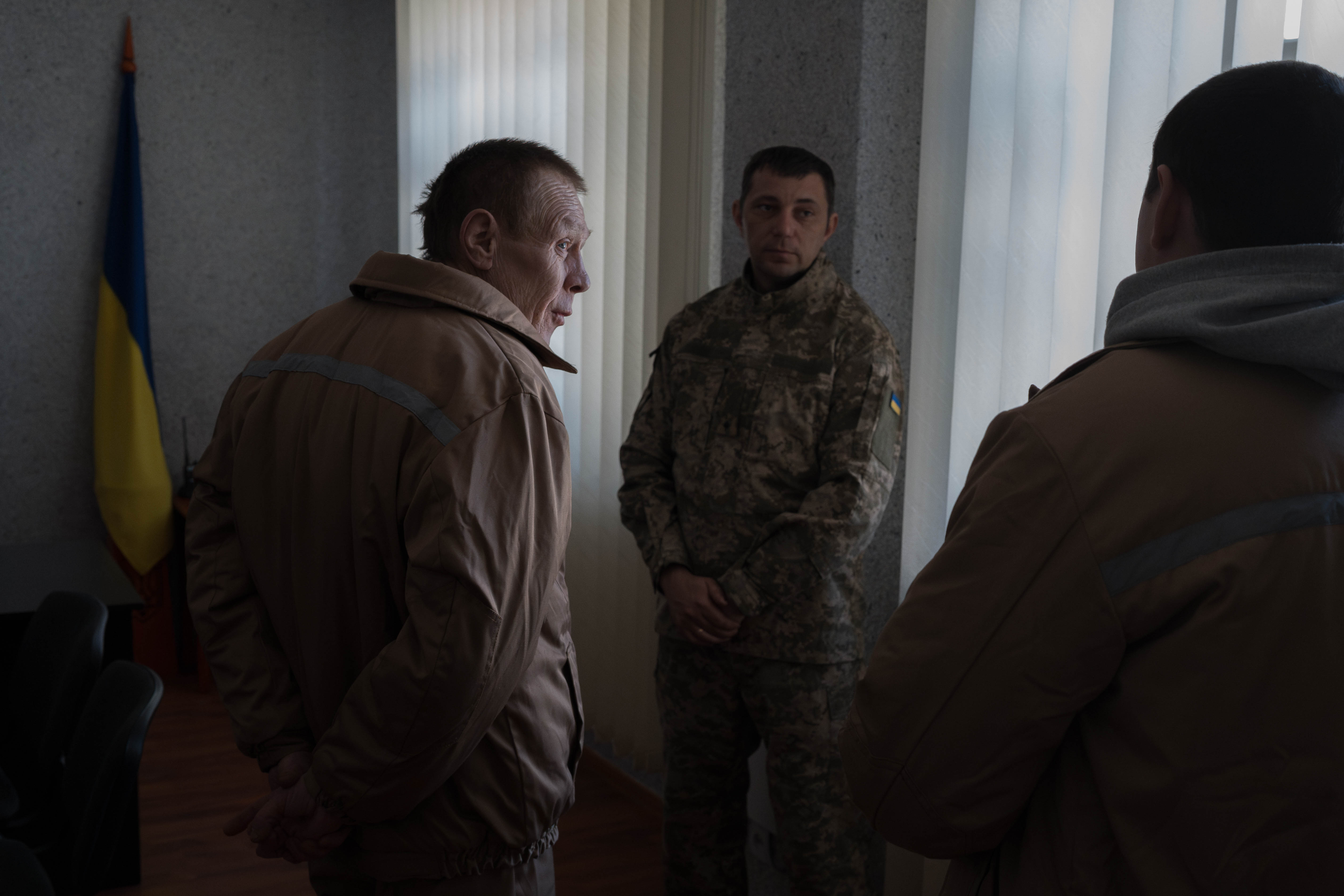
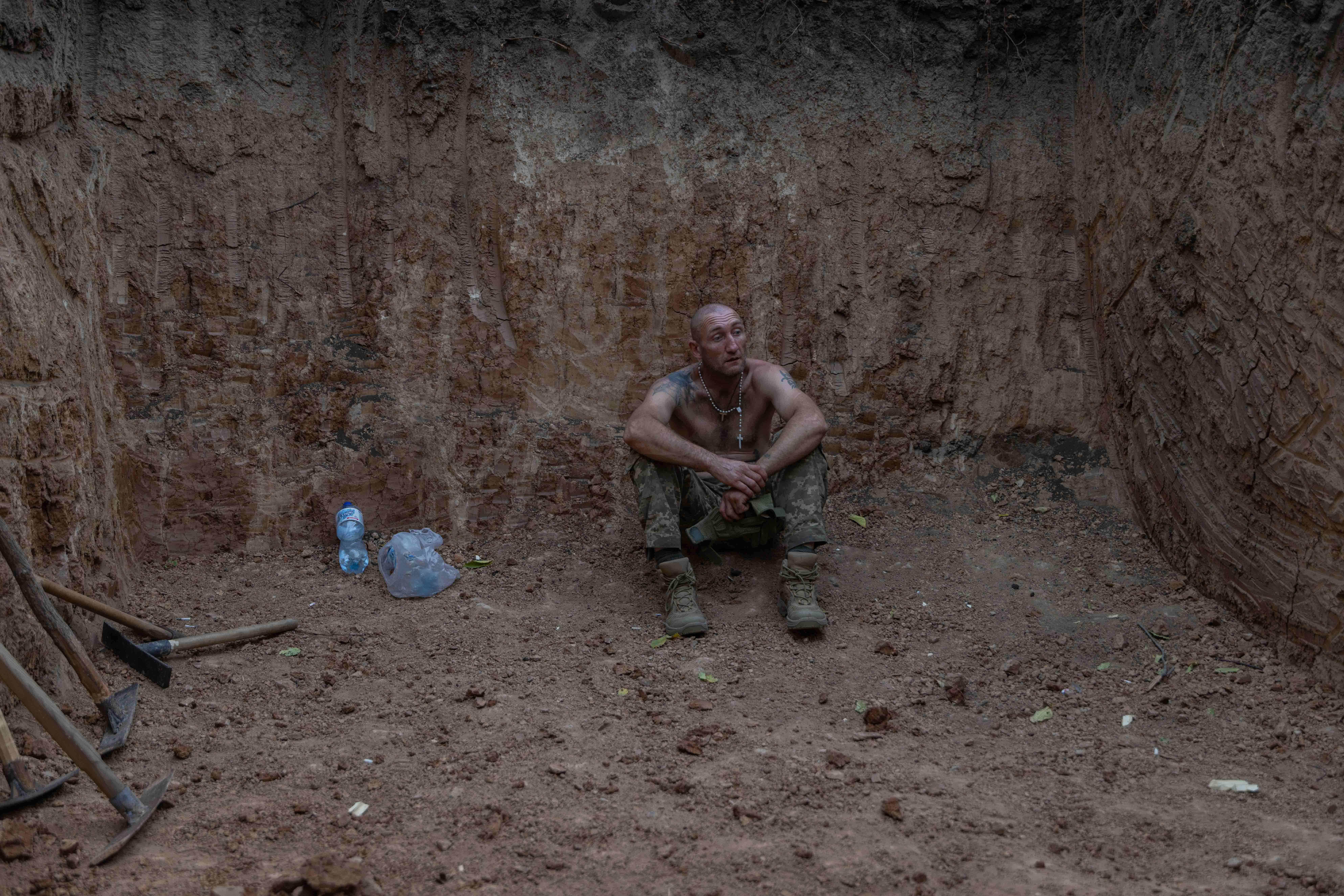

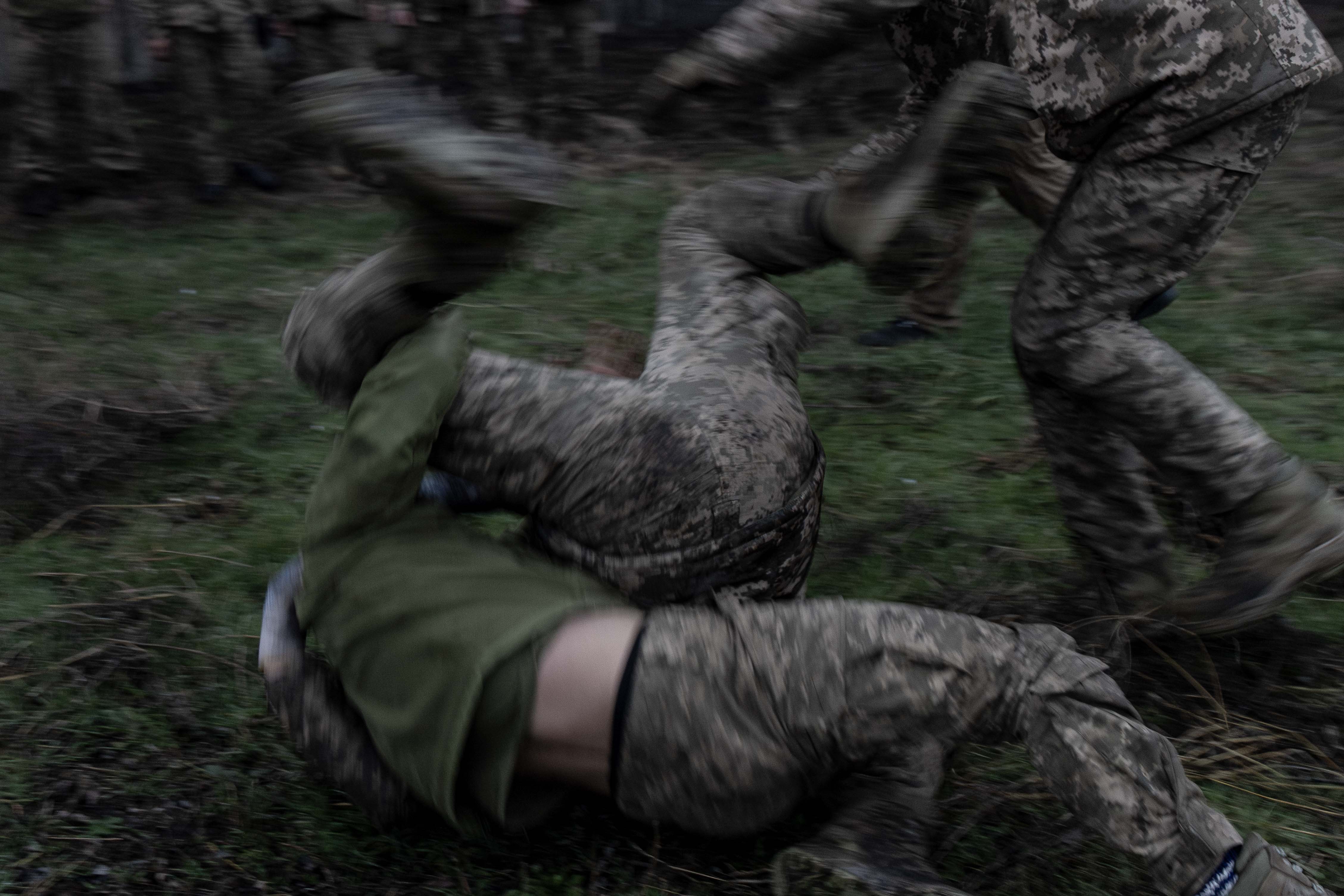
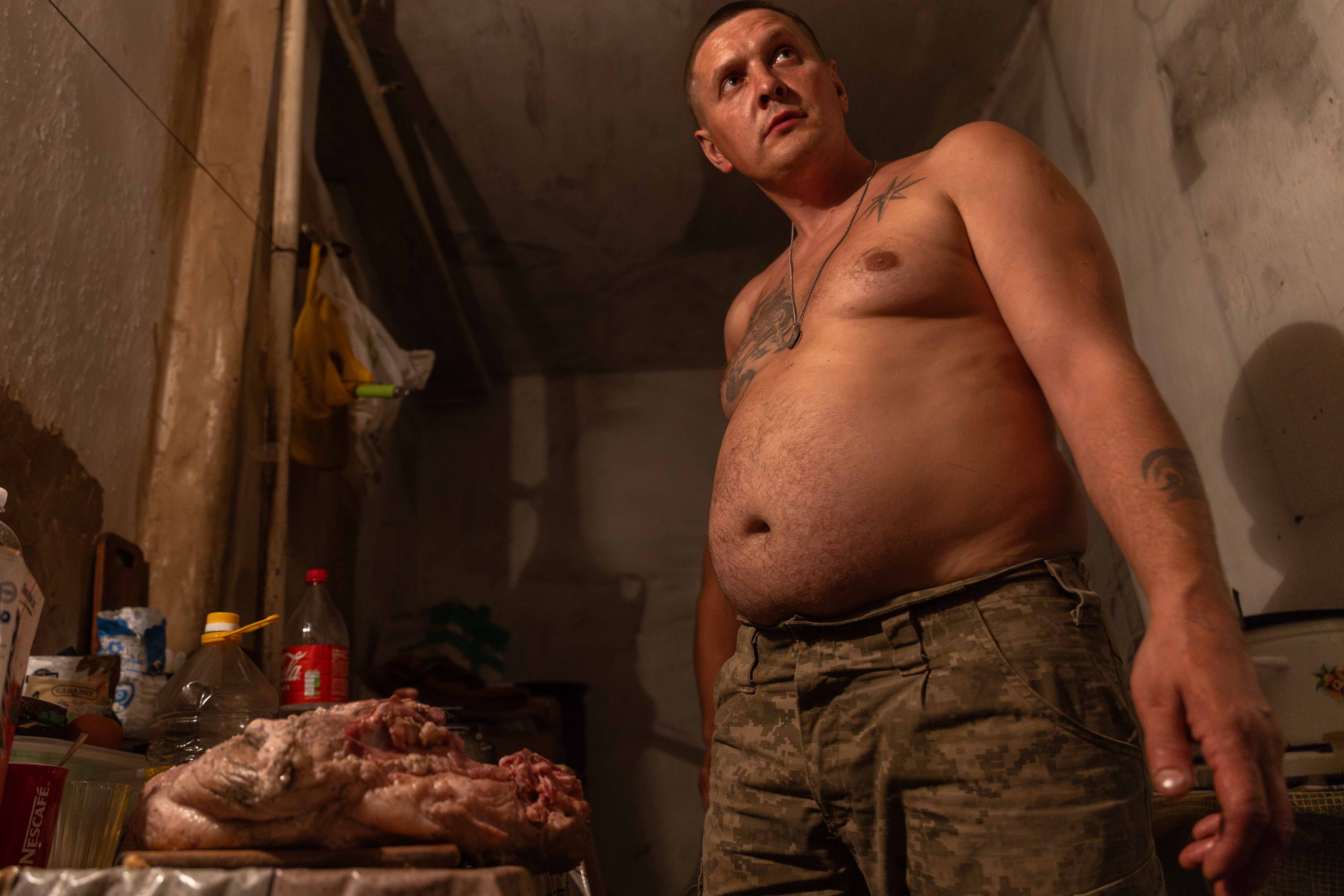

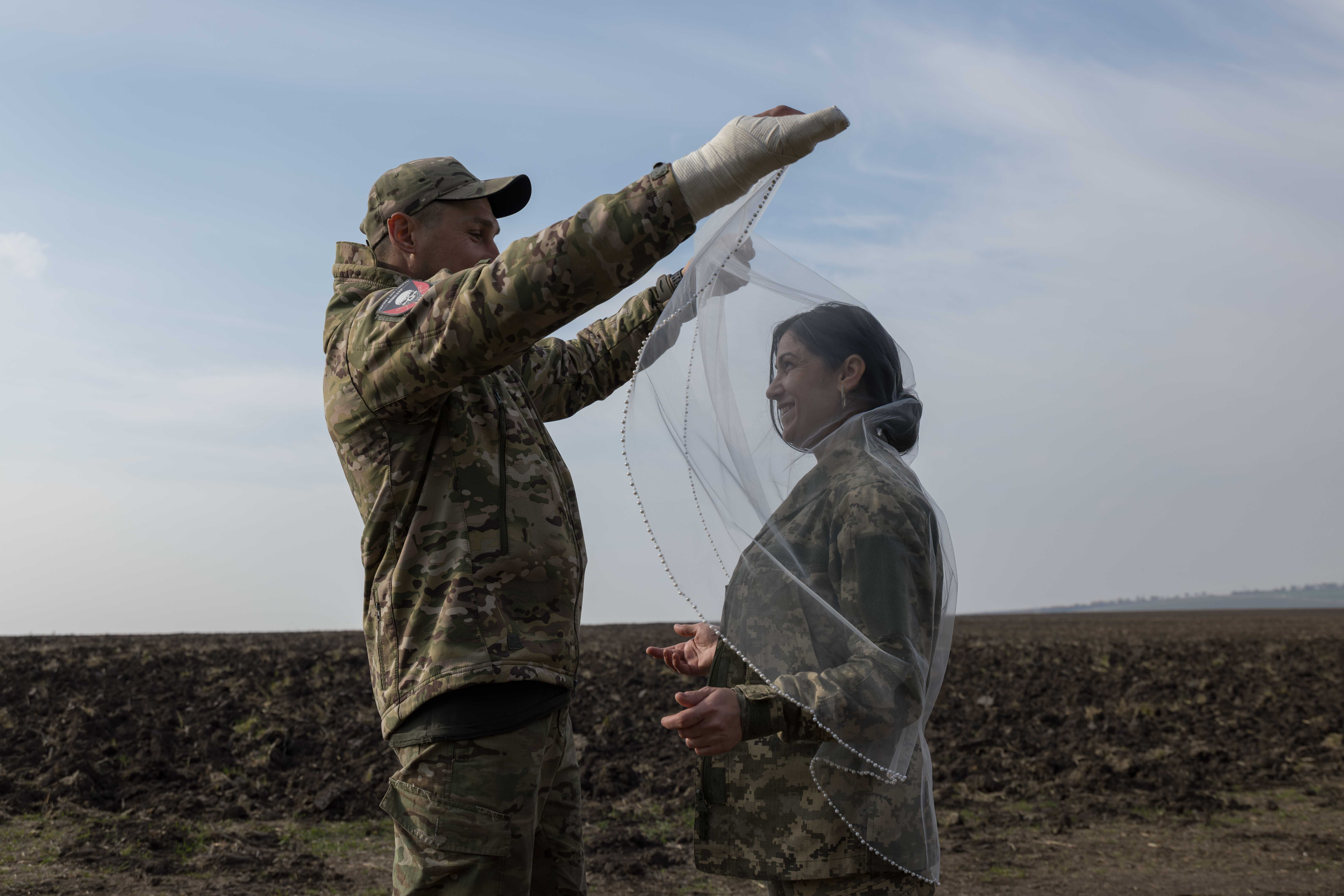
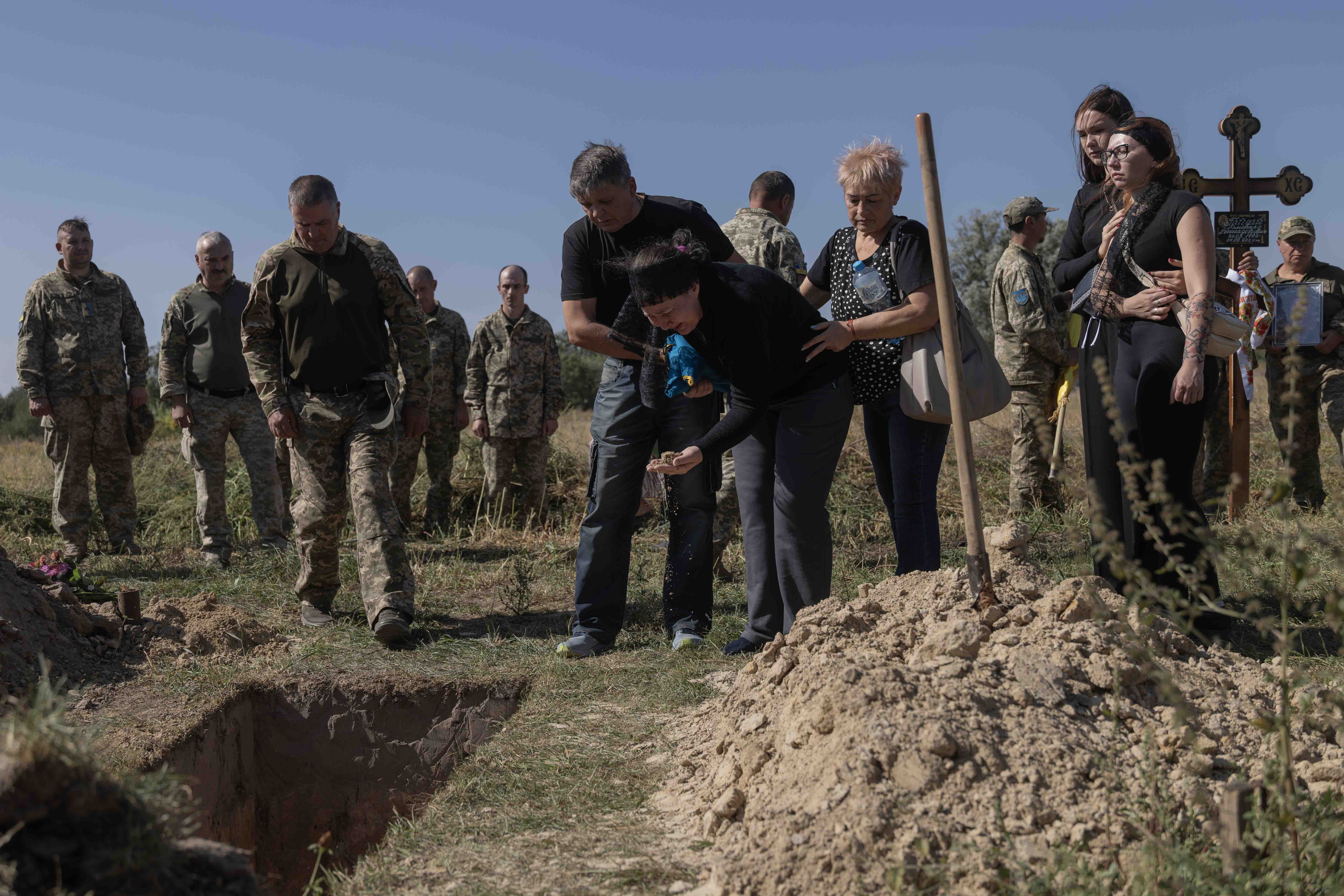
I only saw many of them two or three times. The first burial of a fighter I only knew by call sign changed my attitude. On the cross, I saw a plate: Dmytro Haidai, born 1992—not “Chasik,” but Dmytro, Dima. After that day, I started asking for names, because call signs created distance. And when they became Iliushas, Sashas, Liioshas, I tried to talk to them more, to spend time with them, because I felt the fleetingness of the moment.
Now I no longer ask for names.
But they remain for me the freest people, who do not submit to laws—it is impossible to force them to do what they do not believe in. They live by their own rules. Many of those in the photographs are no longer alive, and the greatest value and honor is to show these shots.

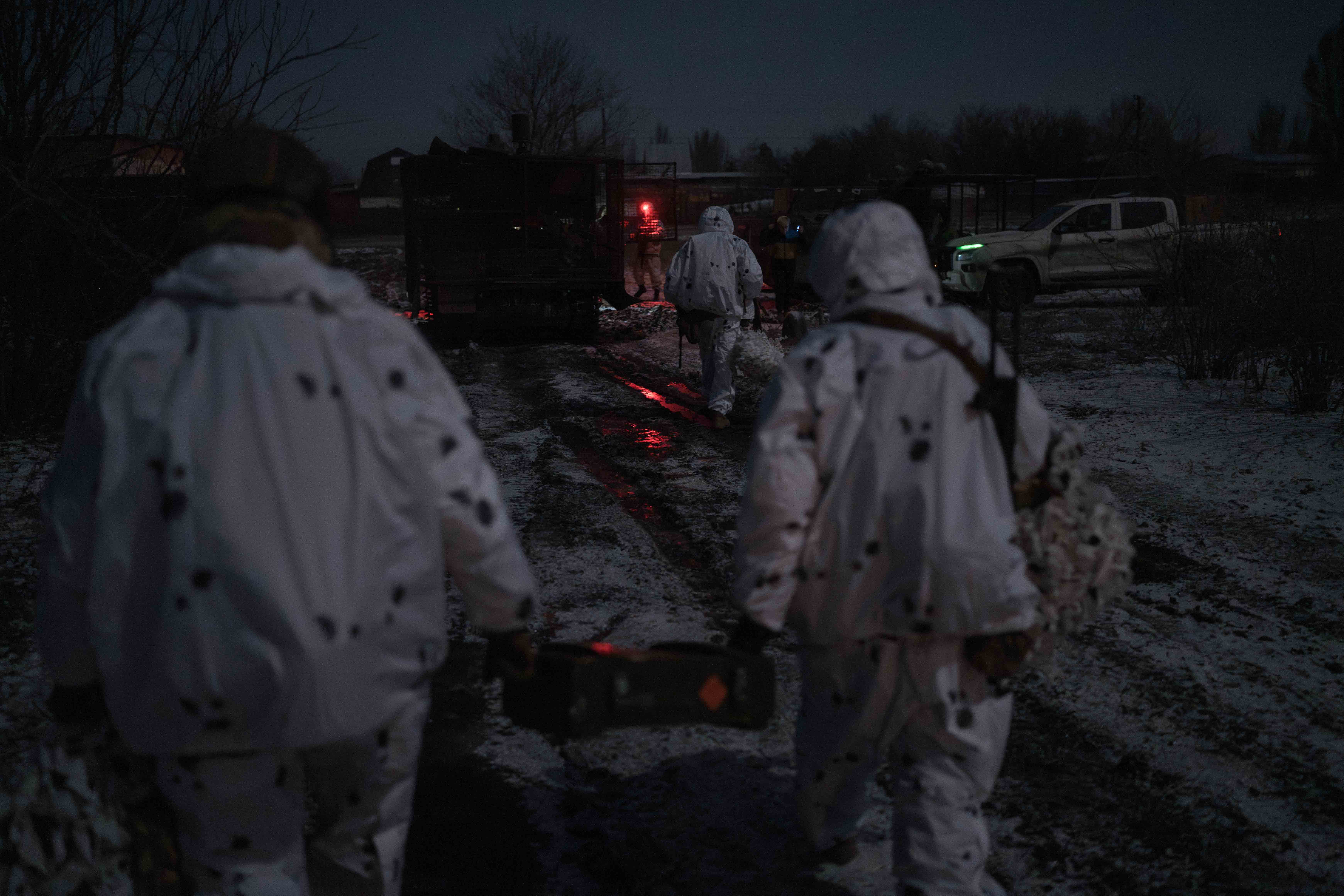


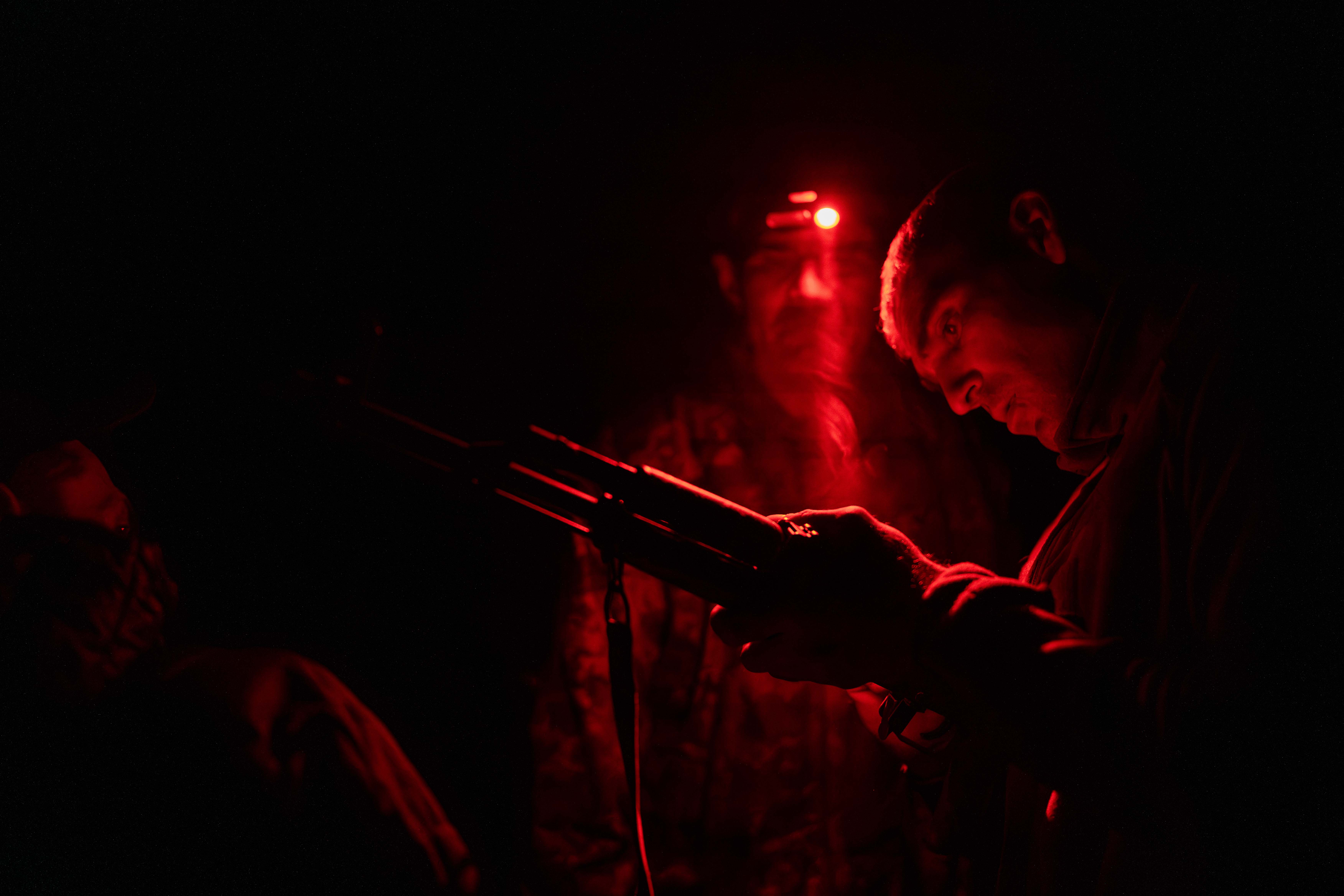


Nadiia Karpova — Ukrainian reporter, video operator, and documentary filmmaker from Dnipro, working for the independent media outlet Frontliner. Before the full-scale invasion, she worked as an actress; since 2022, she has focused on frontline reports and visual storytelling about the war.
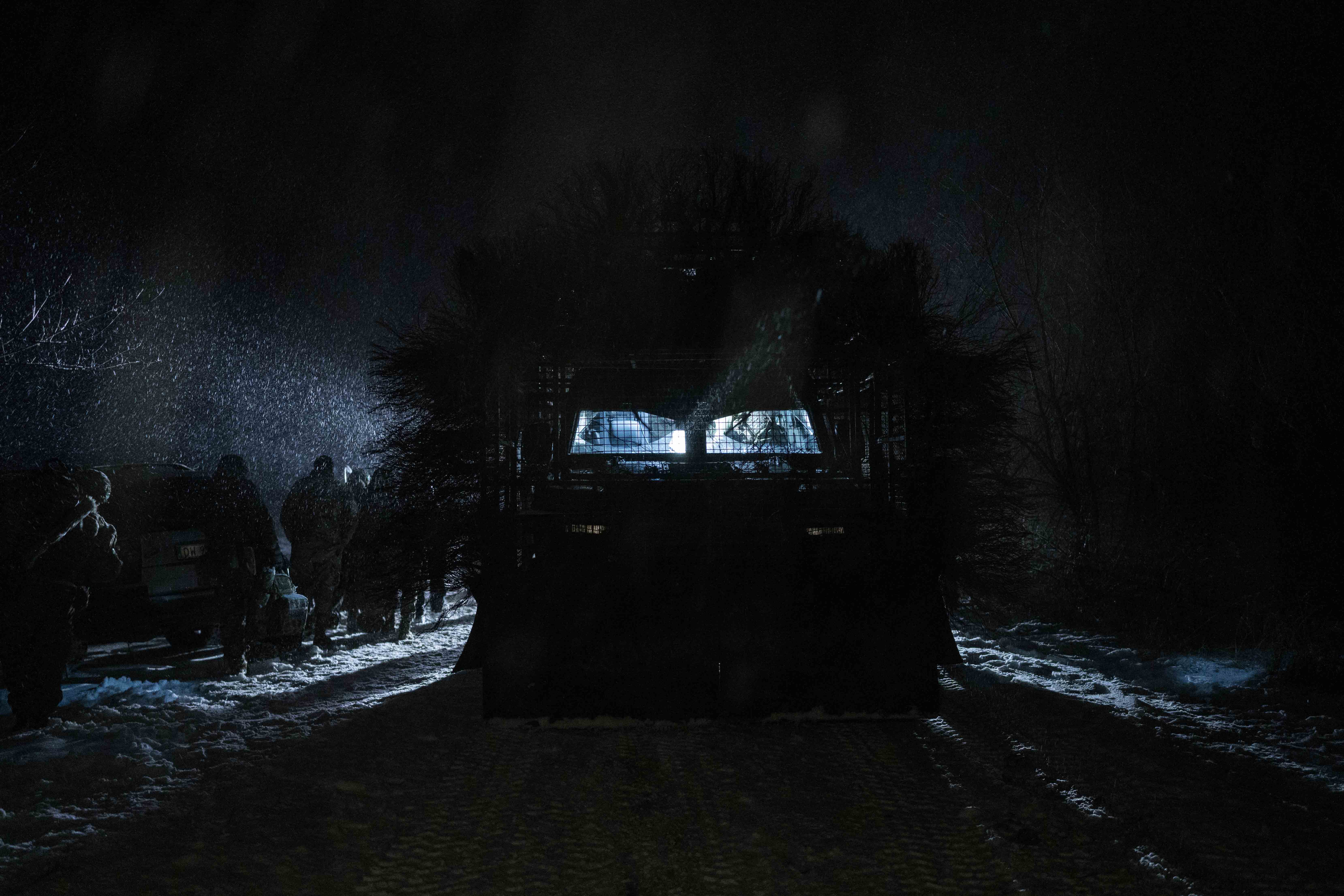
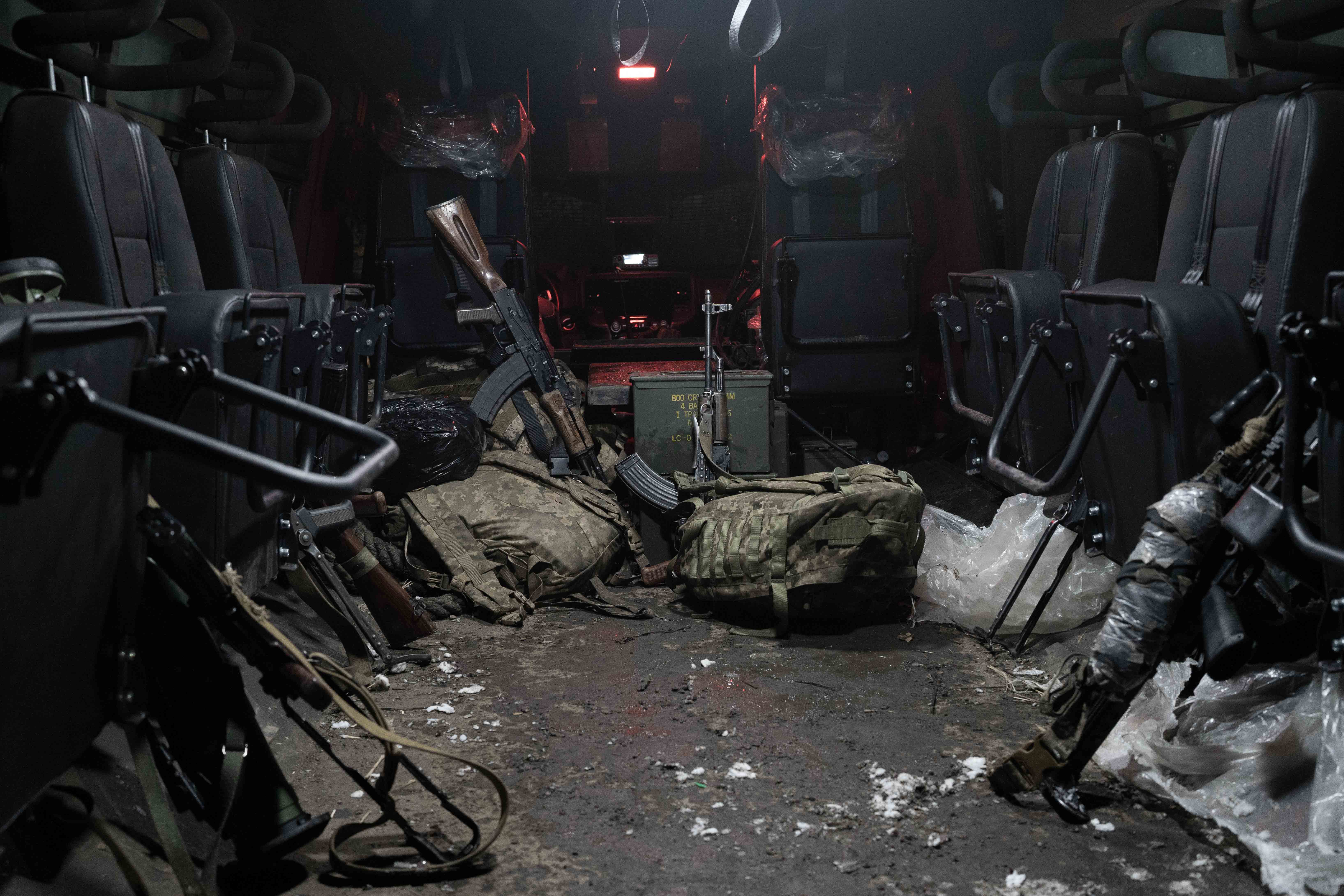
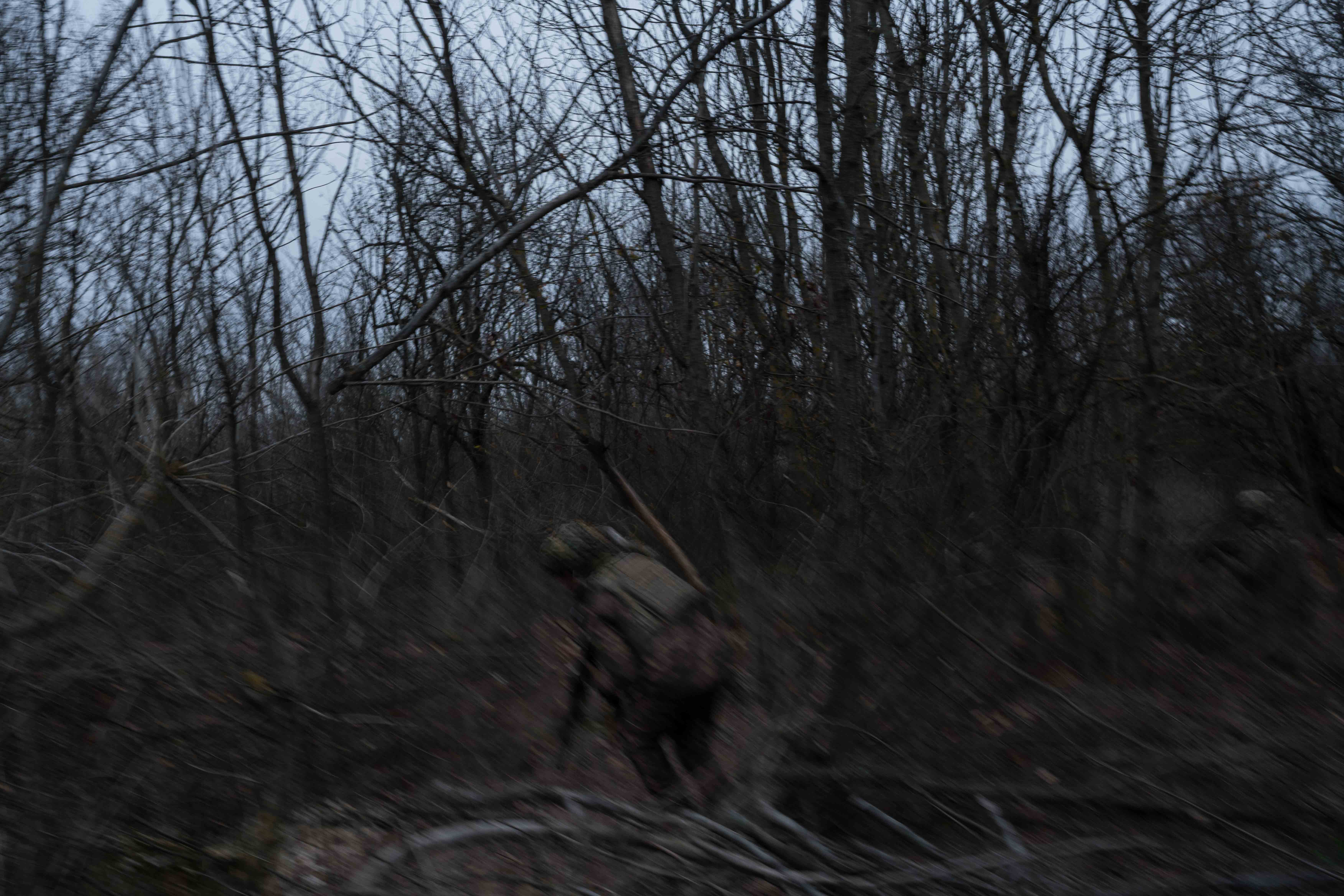
She has been filming documentary stories for about three years and consciously chooses long-term projects where one can trace changes and transformations—how war takes away and simultaneously provides meaning. One of the key directions of her work is the long-term documentation of former inmates who signed contracts with the AFU: Nadiia photographs the heroes, accompanies their path, and prepares material for a future documentary film. In her practice, she talks about the fleetingness of life and the value of short moments, trying to capture the very moment of shift—“the culmination at the moment of disappearance.” Her work often begins with the road: in war, it is as dangerous as the positions, and it requires precise planning, composure, and internal discipline.
This material was created with the support of the British Council program “Creative Economy Grants.”


.jpg)