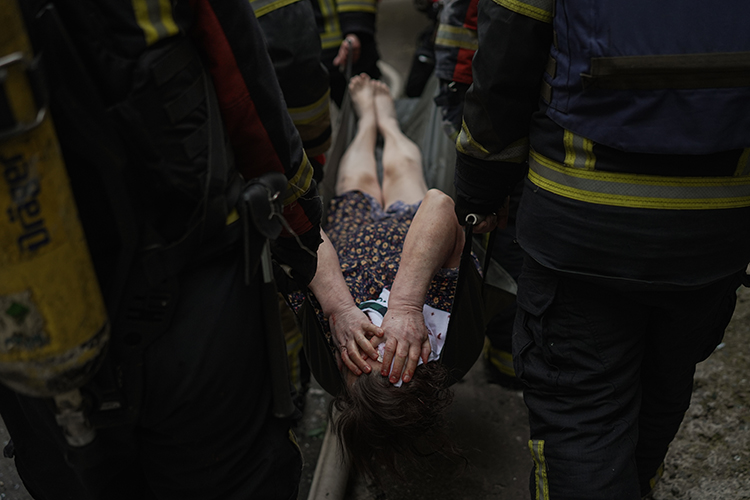
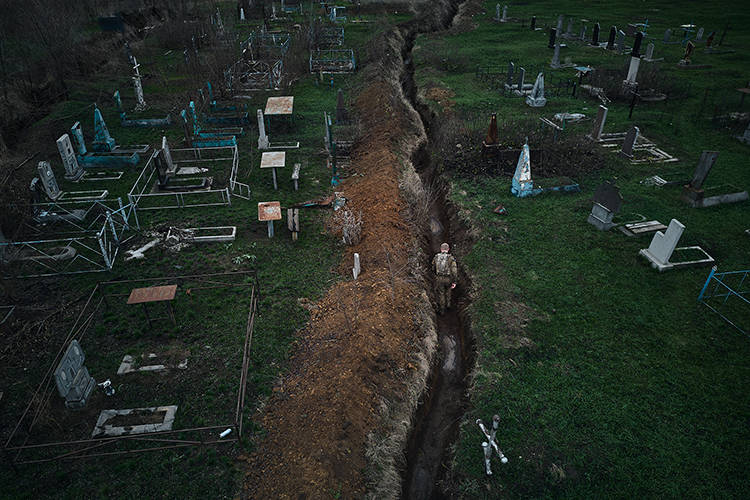
Last week, Ukrainians experienced one of the most massive and tragic attacks since the beginning of 2025. Kyiv, Odesa, Sumy, Poltava, and Donetsk regions were the most affected. Russia launched dozens of missiles and hundreds of strike drones, deliberately targeting residential buildings, civilian infrastructure, and energy facilities. At least 30 people were killed and more than 170 were injured as a result of the shelling. The most destructive attack took place on June 17, when debris from a Russian missile destroyed a high-rise building in Kyiv.
The night of June 16
A Russian drone hit a residential area in the Dnipro district of Kyiv. Two people were wounded, including a young man born in 2004. In the Sumy region, more than 200 explosions were recorded as a result of 44 shellings. In Sumy, a Molniya drone damaged the windows of a house, cars, and a cafe.
June 17 — Massive attack on Ukraine
Russia launched more than 440 Shahed drones and 32 missiles of various types. In Kyiv, a missile destroyed a nine-story building in the Solomyanskyi district. Twenty-eight people were killed, including a child. One hundred thirty-four were injured. In Odesa, two people were killed and more than 26 were wounded as a result of the attack. Other regions: strikes were recorded in the Vinnytsia, Poltava, Cherkasy, Dnipropetrovsk, and Khmelnytskyi regions.
June 18
The rubble continued to be cleared in Kyiv. The body of the last victim was recovered in the evening. A day of mourning was declared in the capital.
June 20–21
A massive attack with “shahids” on energy facilities in Kremenchuk. In Odesa, on the night of June 20, one person was killed and 14 wounded. In Kostyantynivka, Donetsk region, one civilian was wounded as a result of artillery shelling.
June 22
New massive shelling of Donetsk, Kharkiv, and Kherson regions was recorded. Details are being clarified. After a week of Russian drone and missile strikes against the backdrop of the G7 summit, Ukrainian air defense forces destroyed dozens of air targets, but not all of them were intercepted.
Odesa: night drone attack and consequences in the city center
On the night of June 19-20, 2025, Russia launched another strike on Odesa, using attack drones from the Black Sea. The city experienced a series of powerful explosions that caused large-scale fires, destruction of civilian infrastructure, and the death of one person. Another 14 people were injured, including three rescuers.
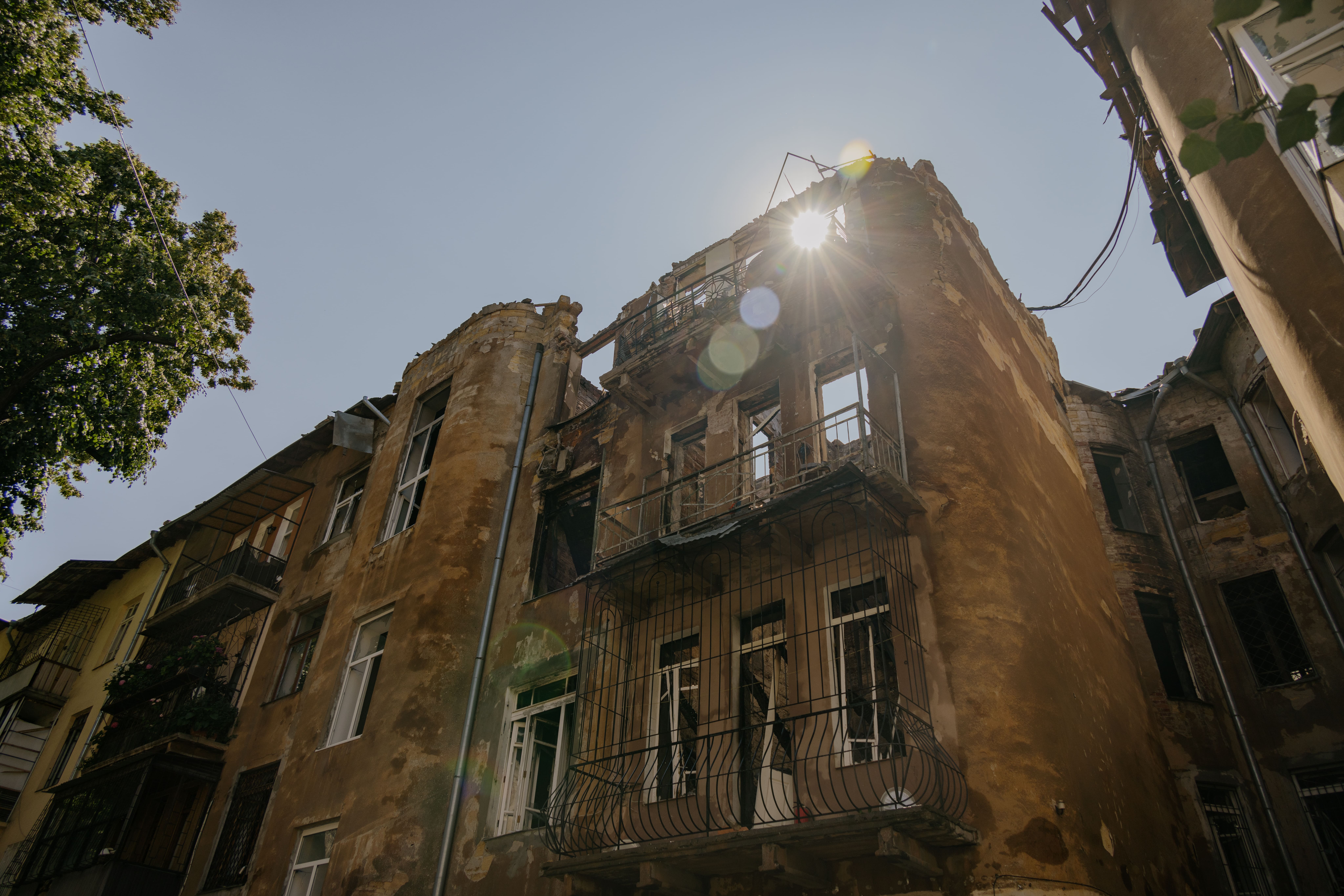
Photo by Timofey Melnikov
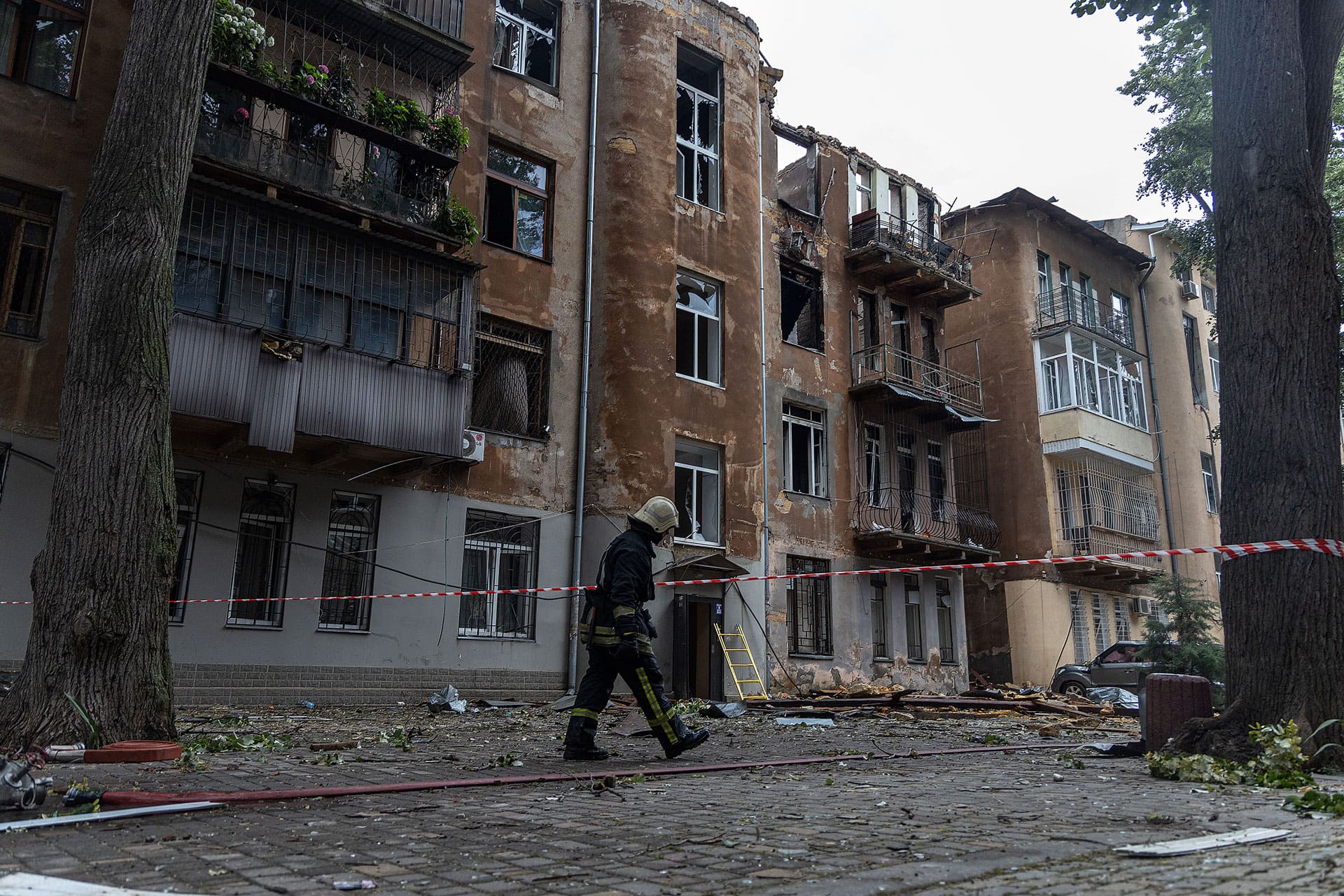
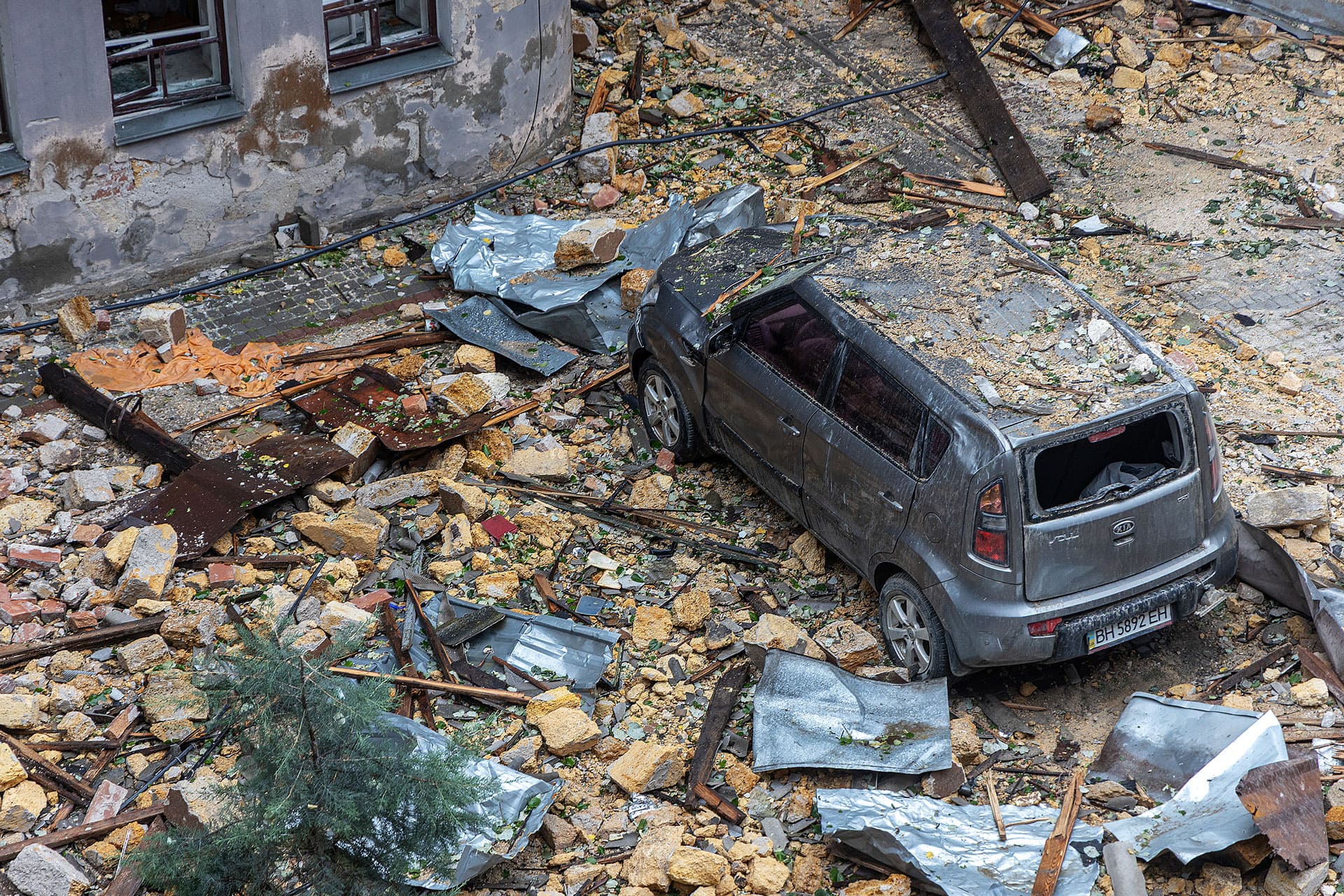
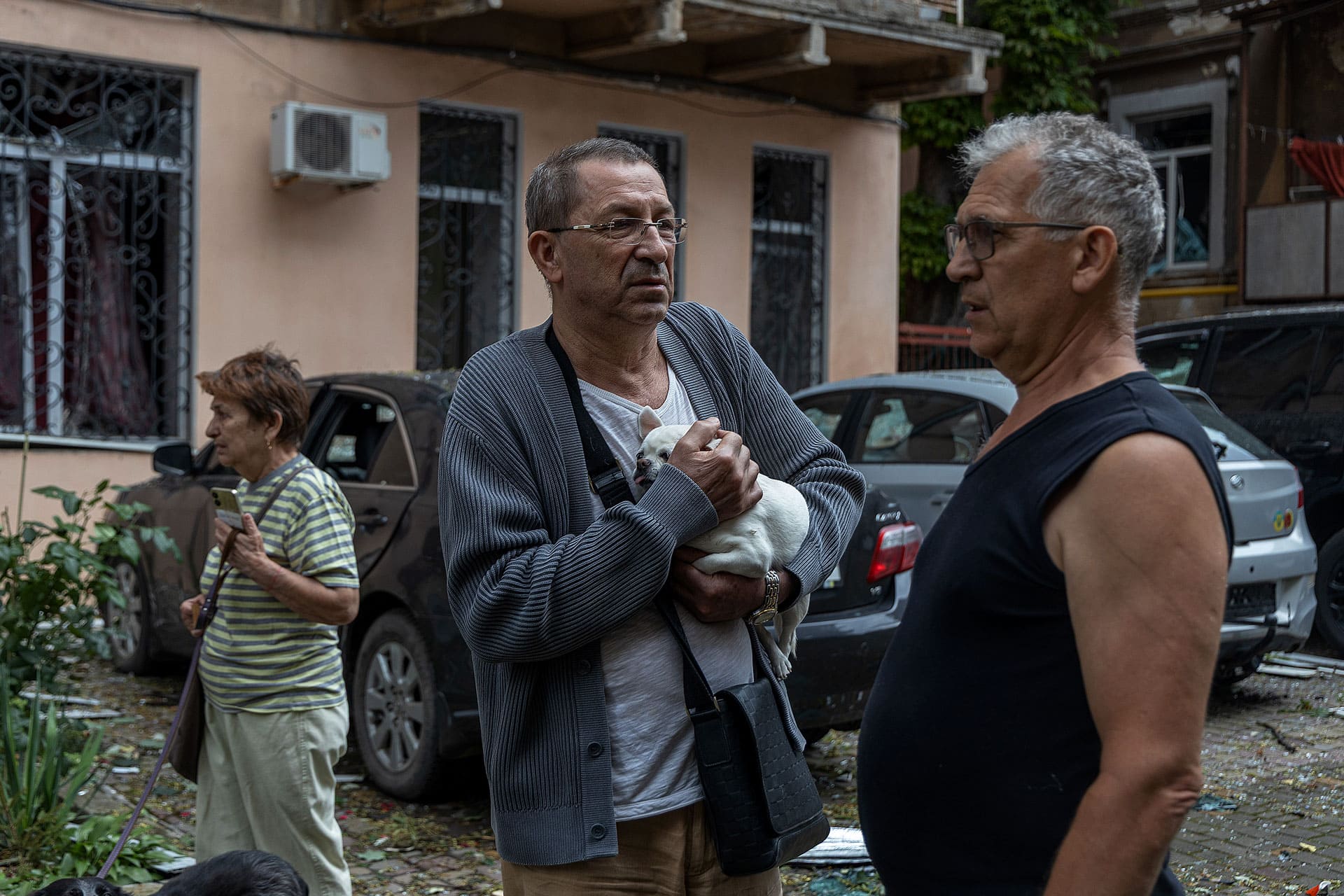
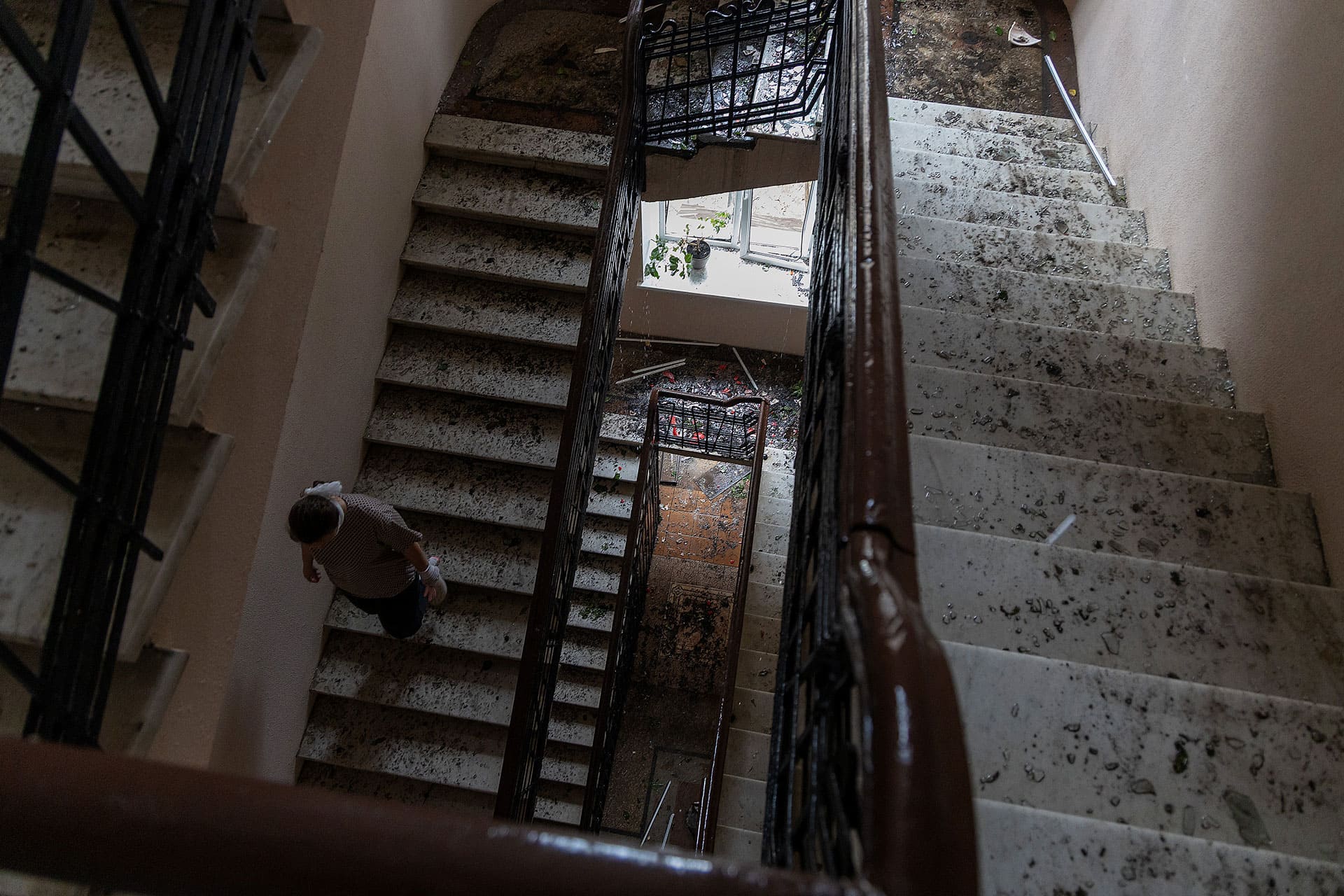
Photo by Alexander Gimanov
The air raid siren sounded at 00:52. Within minutes, explosions were heard over the city. At 1:13, the Air Force reported that the attack was over, and at 1:41, the head of the Odessa Regional Military Administration, Oleg Kipper, confirmed that a drone had hit the city center, setting a high-rise building on fire. Fires broke out at more than ten locations at once.
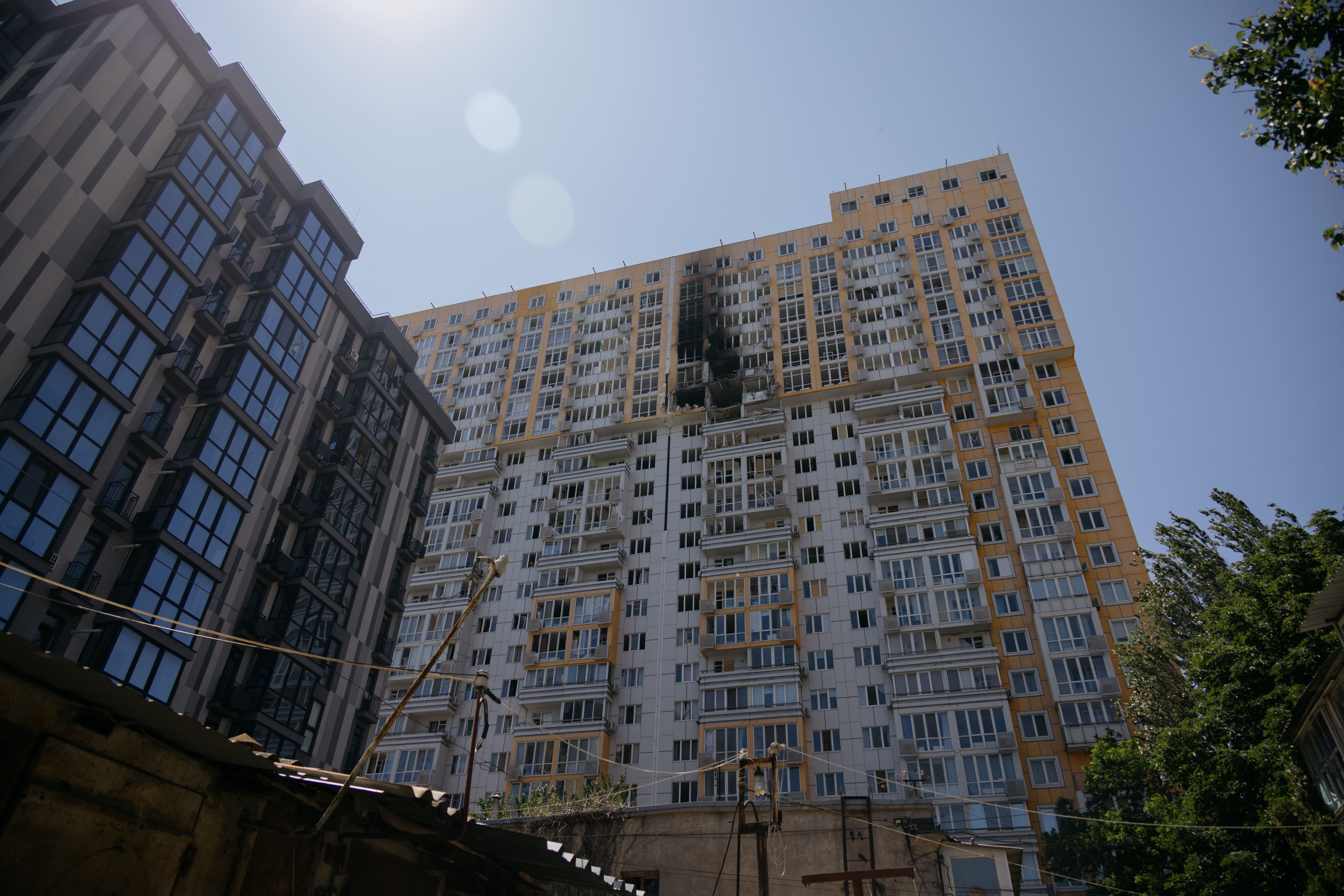
Photo by Timofey Melnikov
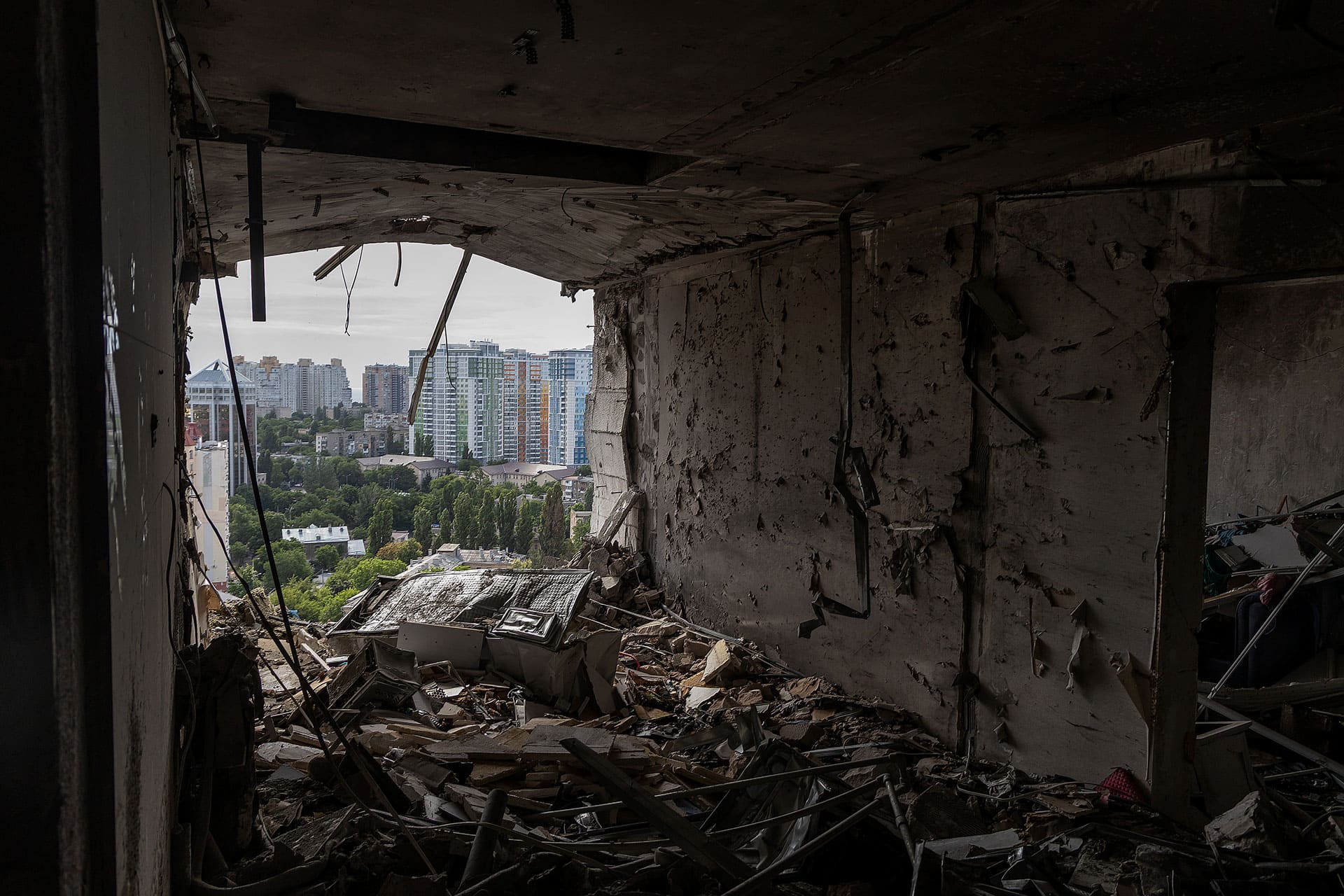
Photo by Alexander Gimanov
Dozens of objects were damaged: a 23-story residential building, several other high-rise buildings, one of which was completely destroyed, buildings of a higher education institution, shops, cars, farm buildings, and a gas pipeline. Among the wounded are civilians and State Emergency Service rescuers who came under fire while extinguishing the fire.
At around 2:00 a.m., Mayor Gennady Trukhanov specified that the central part of the city was hit, where residential areas, infrastructure, and educational buildings were damaged.
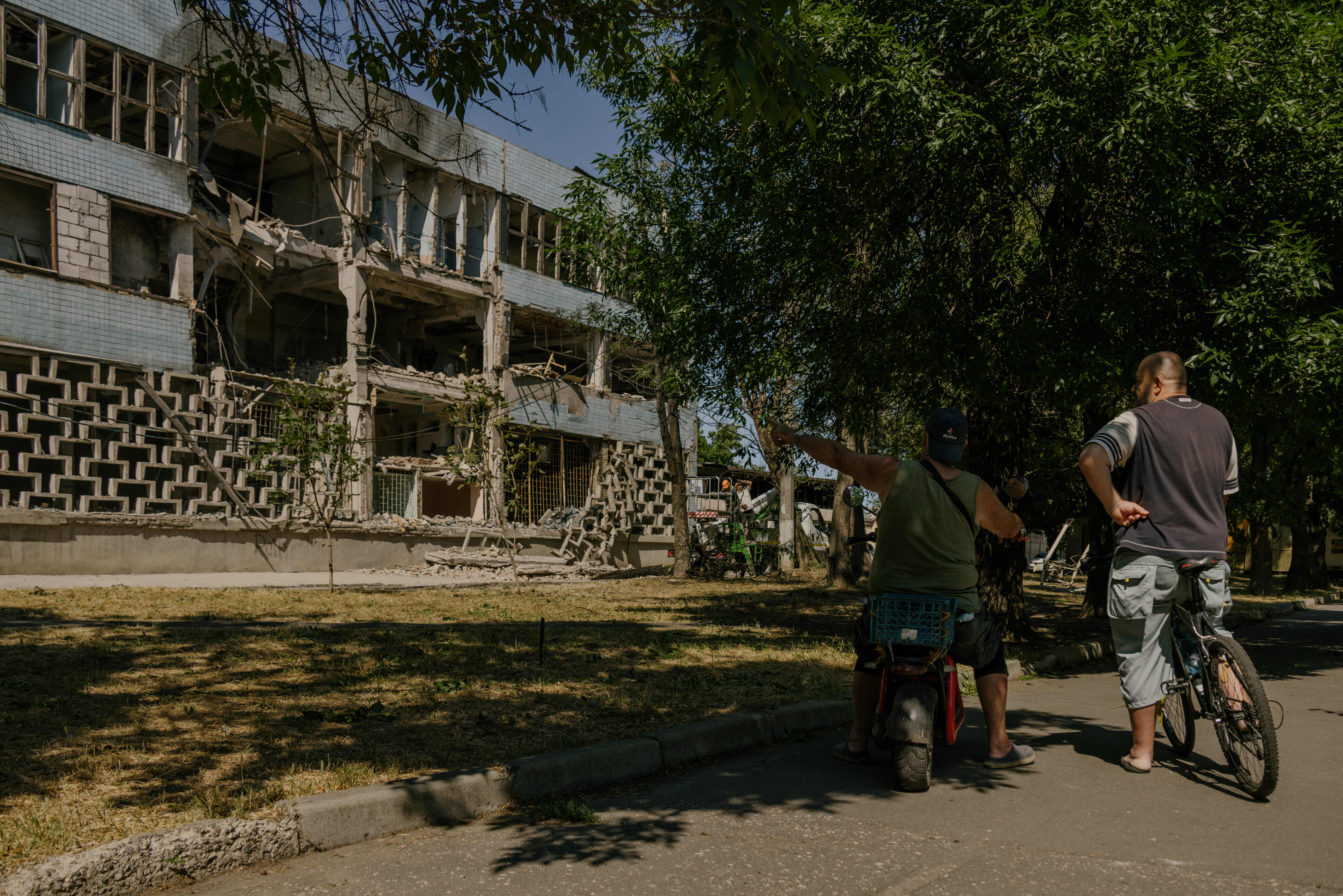
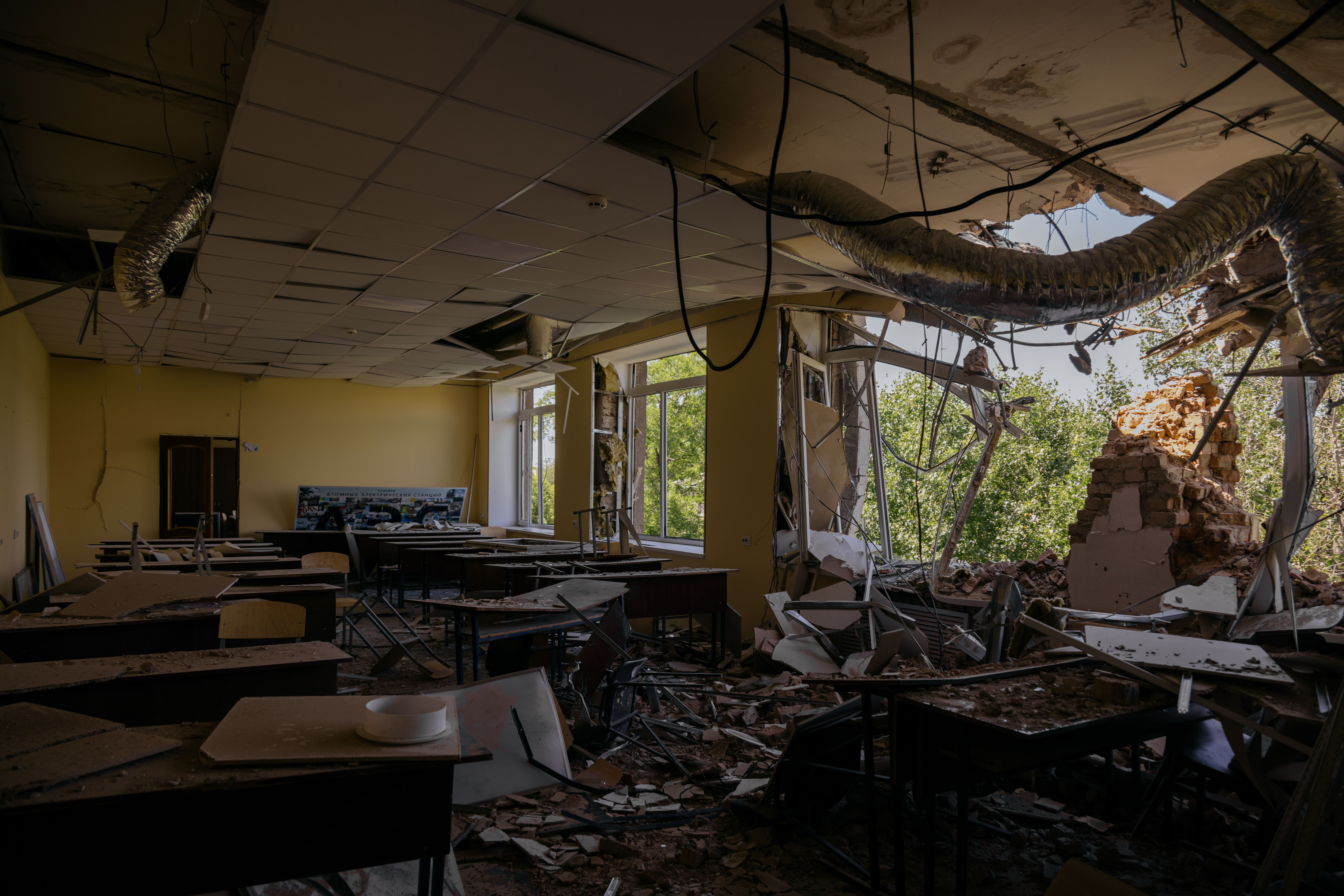
Photo by Timofey Melnikov
A criminal case has been opened under Part 2 of Article 438 of the Criminal Code of Ukraine — “violation of the laws and customs of war.”
The consequences of the strike were recorded by photojournalists Alexander Gimanov and Timofey Melnikov — their photos document the destruction, evacuation of residents, and the work of rescuers in the middle of the night.
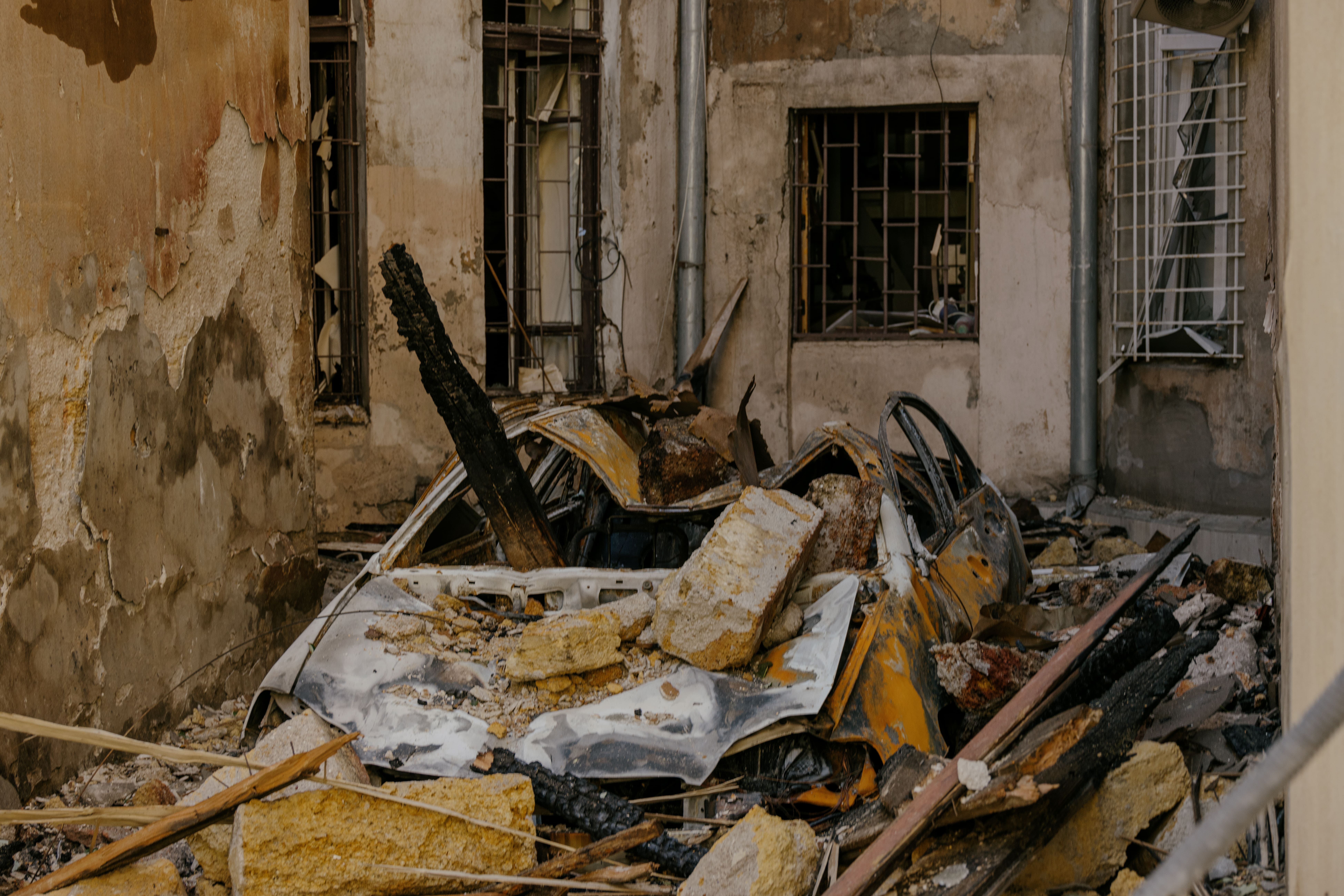
Photo by Timofey Melnikov
President Volodymyr Zelenskyy reacted sharply to Russia's latest attack on Odesa: "Russia continues its tactic of targeted terror against our people. And specifically for this tactic, it must receive a strong response that will significantly affect all of Russia and its ability to continue the war. The G7 countries and the EU know the recipe: strong pressure, sanctions against the energy sector and the shadow fleet, and a price cap of $30 per barrel for Russian oil. The sooner the sick in the Kremlin lose the ability to finance the war, the more lives we will be able to save in Ukraine.
Combined attack on Kyiv: destroyed buildings, casualties, damaged metro
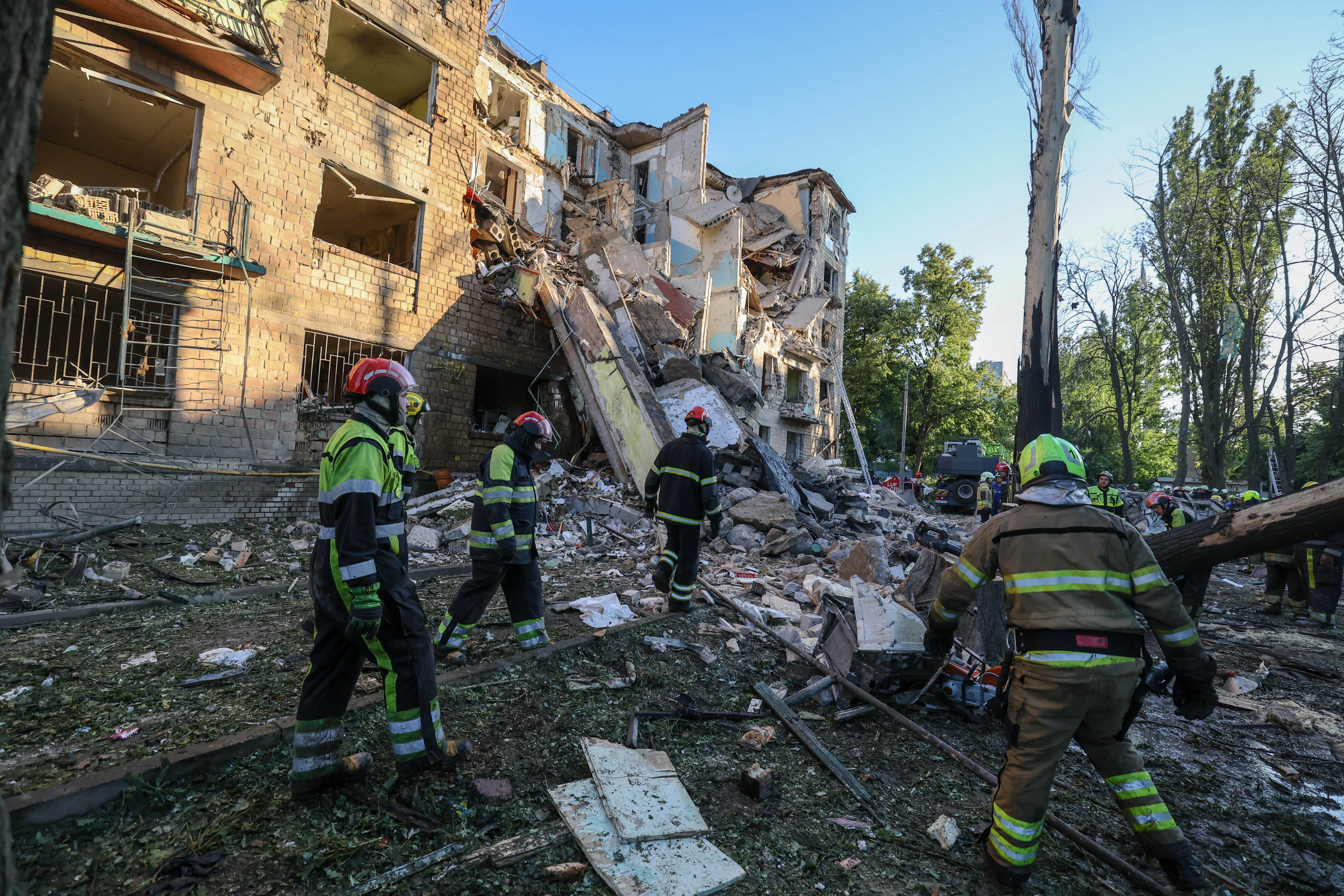
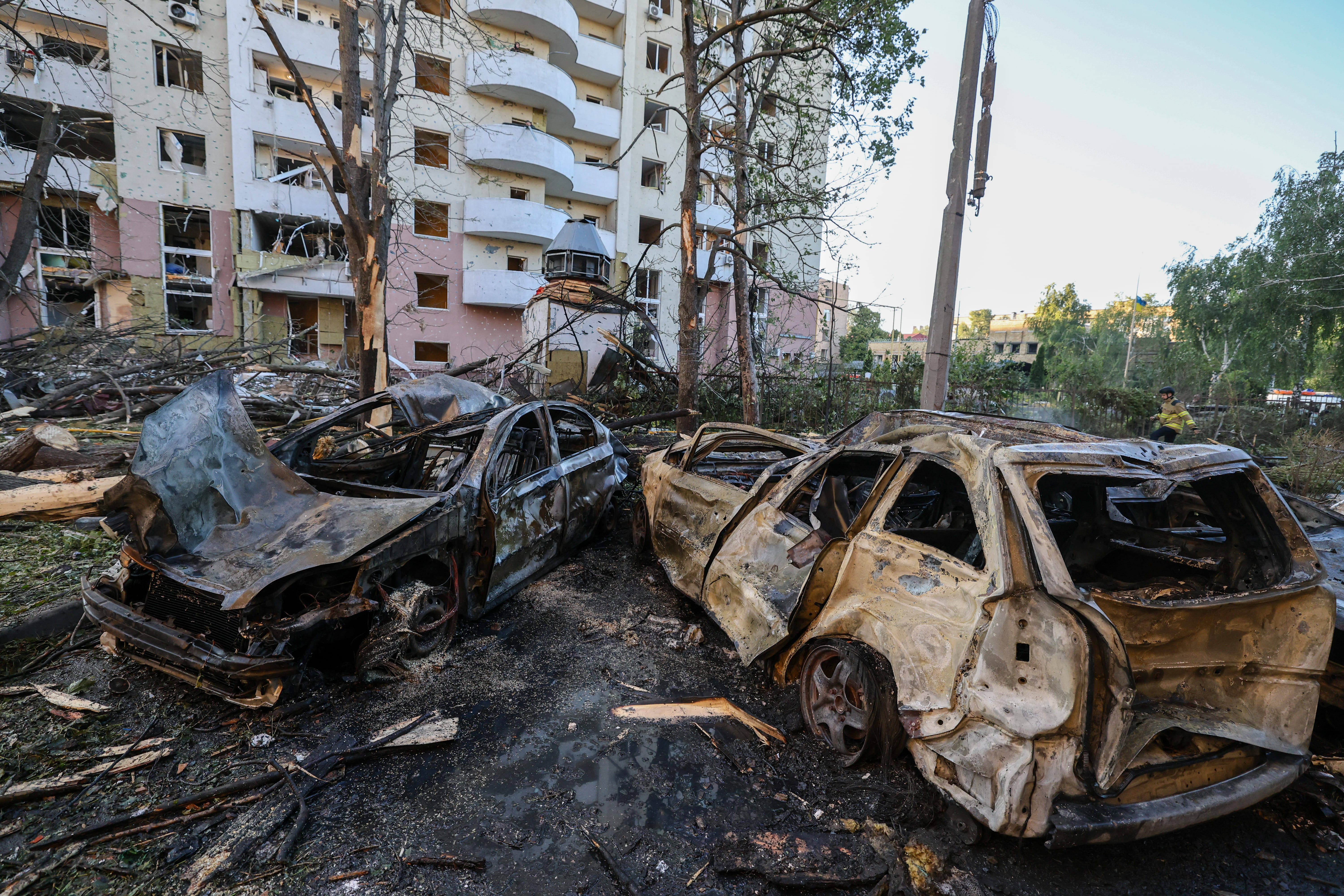
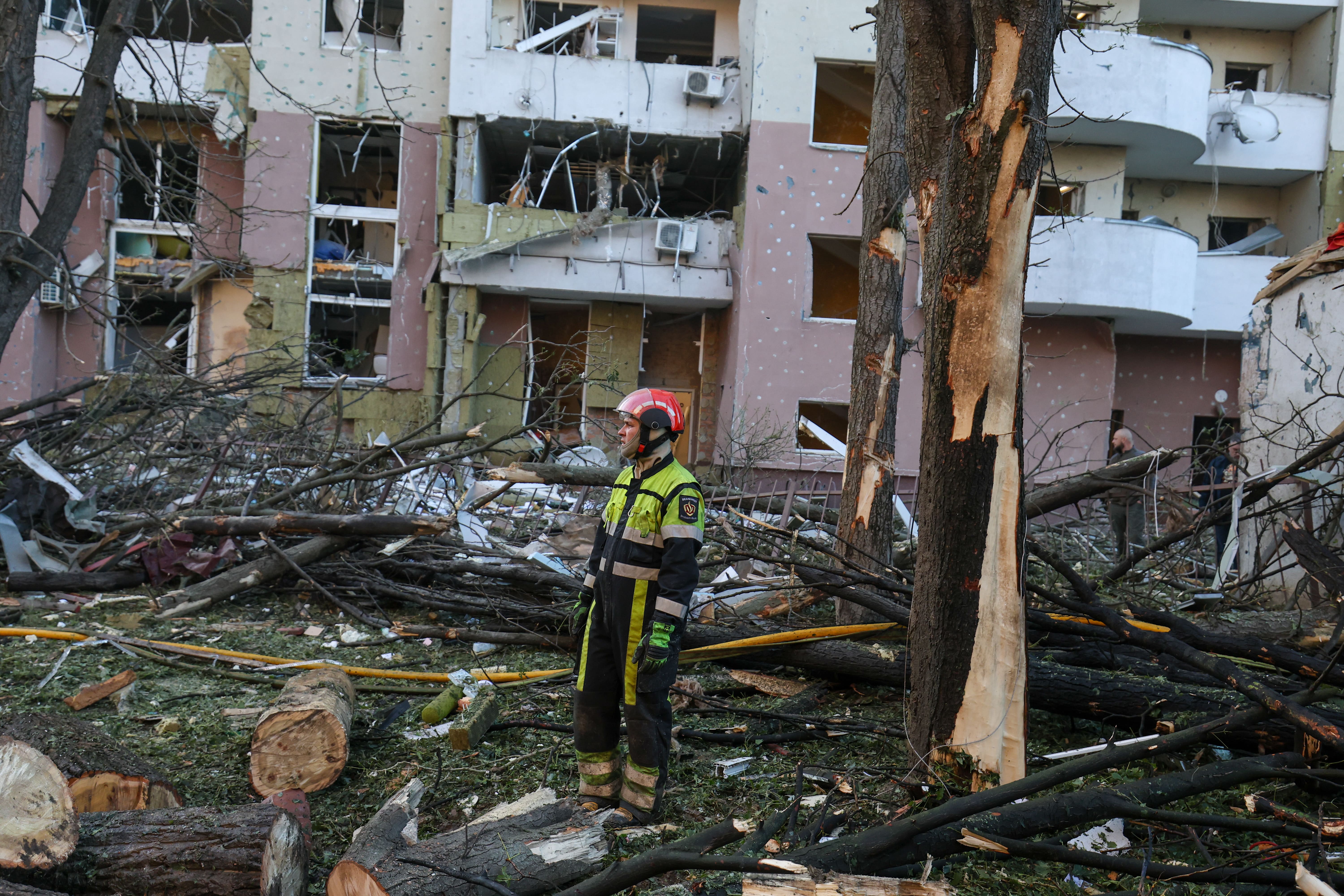
Photo by Serhiy Nuzhnenko for Radio Svoboda.
On the night of June 23, the Russian army carried out a combined strike on Kyiv, using drones, ballistic missiles, and cruise missiles. Residential areas in at least six districts of the capital were affected. The worst situation is in the Shevchenkivskyi district, where a missile destroyed an entire entrance to a high-rise building.
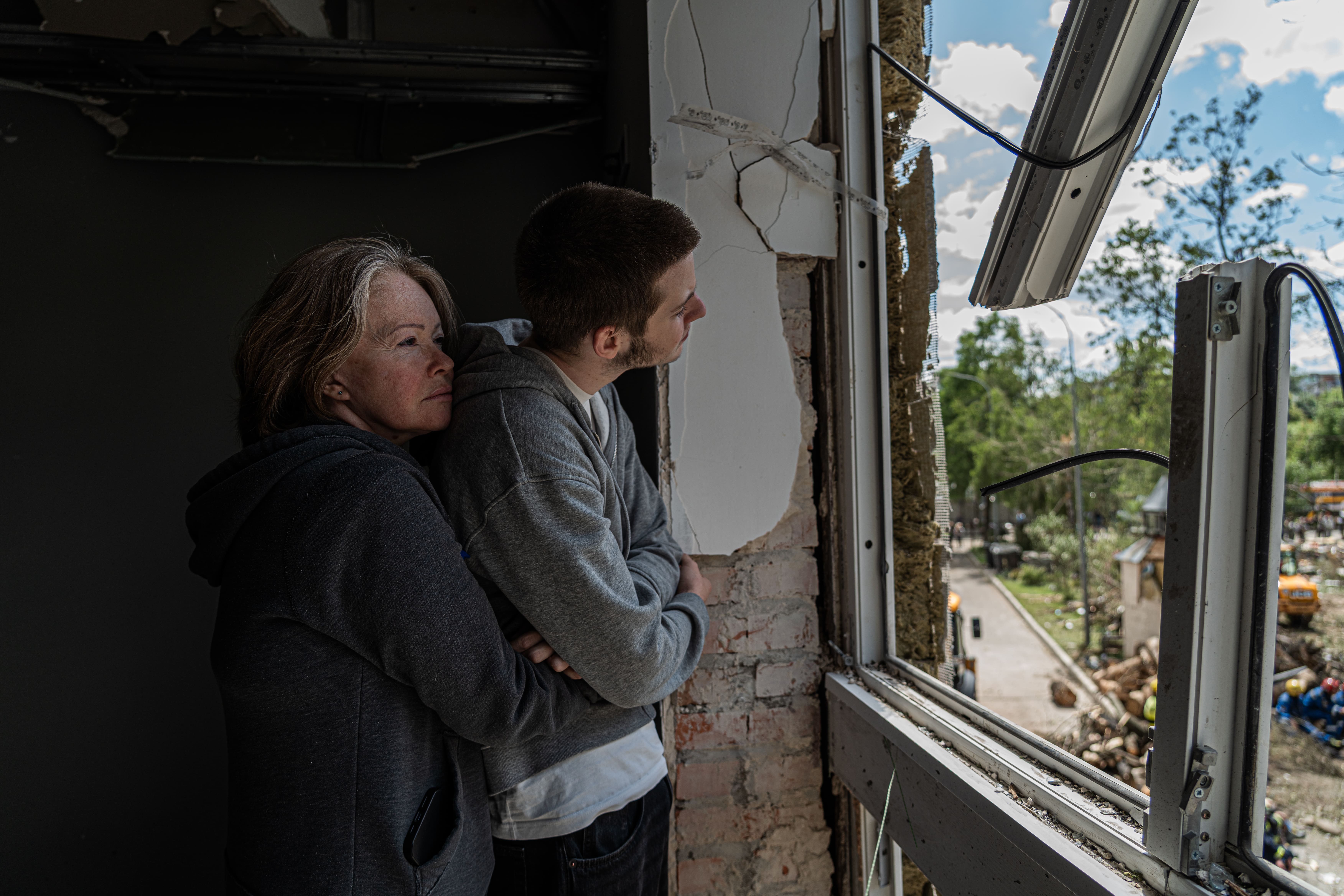
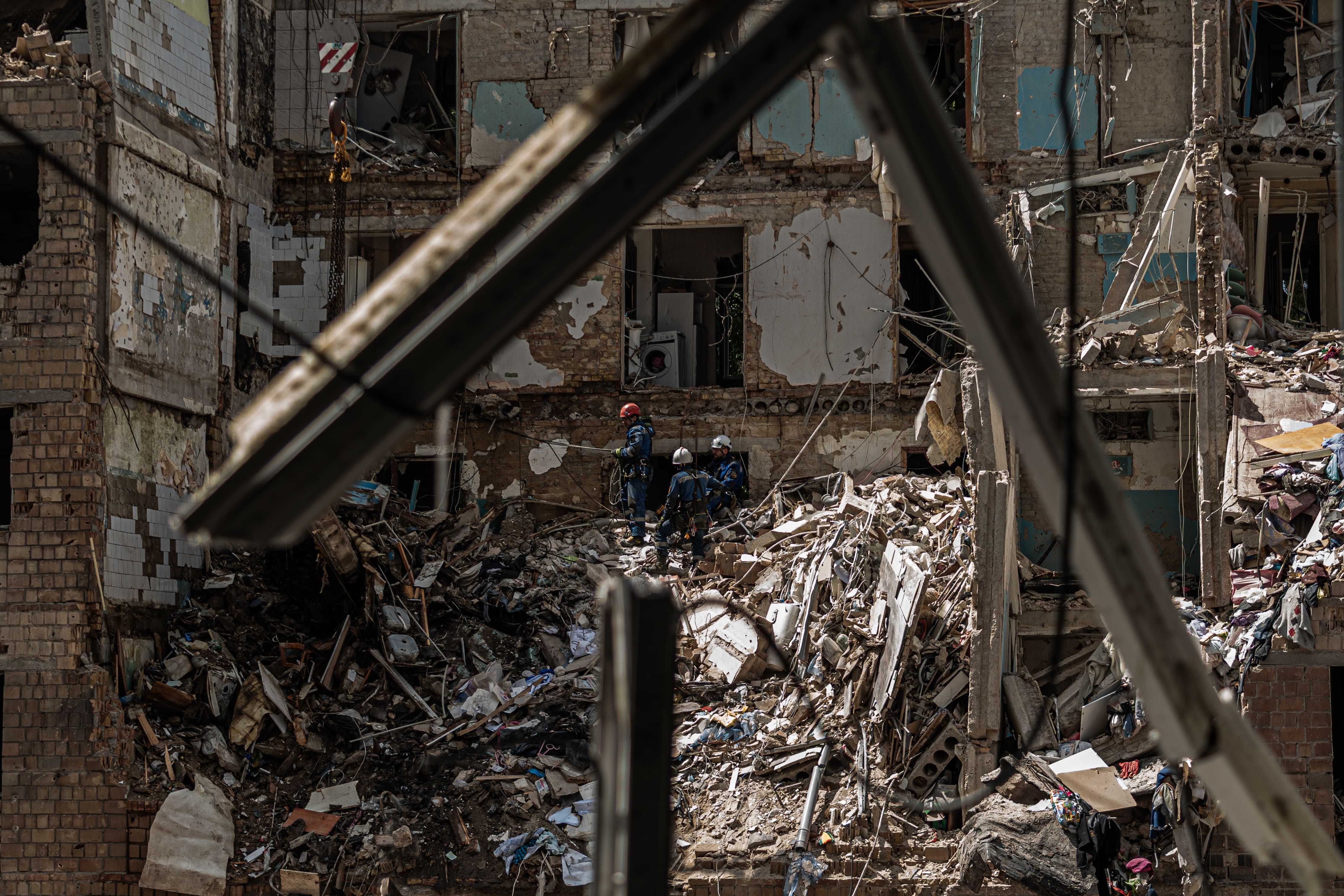
Photo by Anton Shtuka
As of this morning, six people are known to have died and 19 wounded, eight of whom are in hospitals. There are likely still people trapped under the rubble.
Photographers Serhiy Nuzhnenko and Anton Shtuka worked at the scene of the tragedy, documenting the aftermath of the attack: destroyed apartments, burnt windows, mangled bodies, and rescue operations accompanied by the sounds of new alarms.
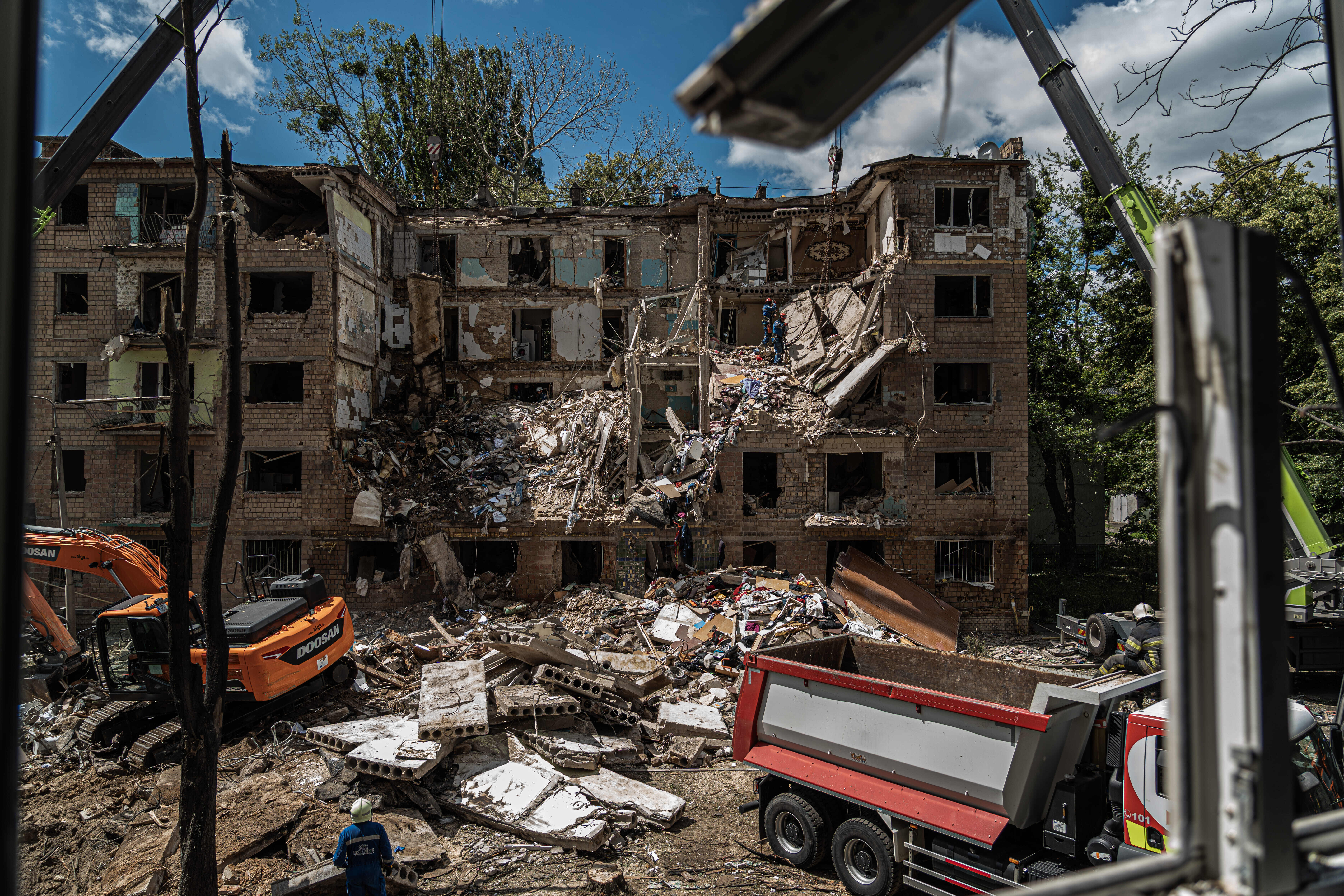
Photo by Anton Shtuka
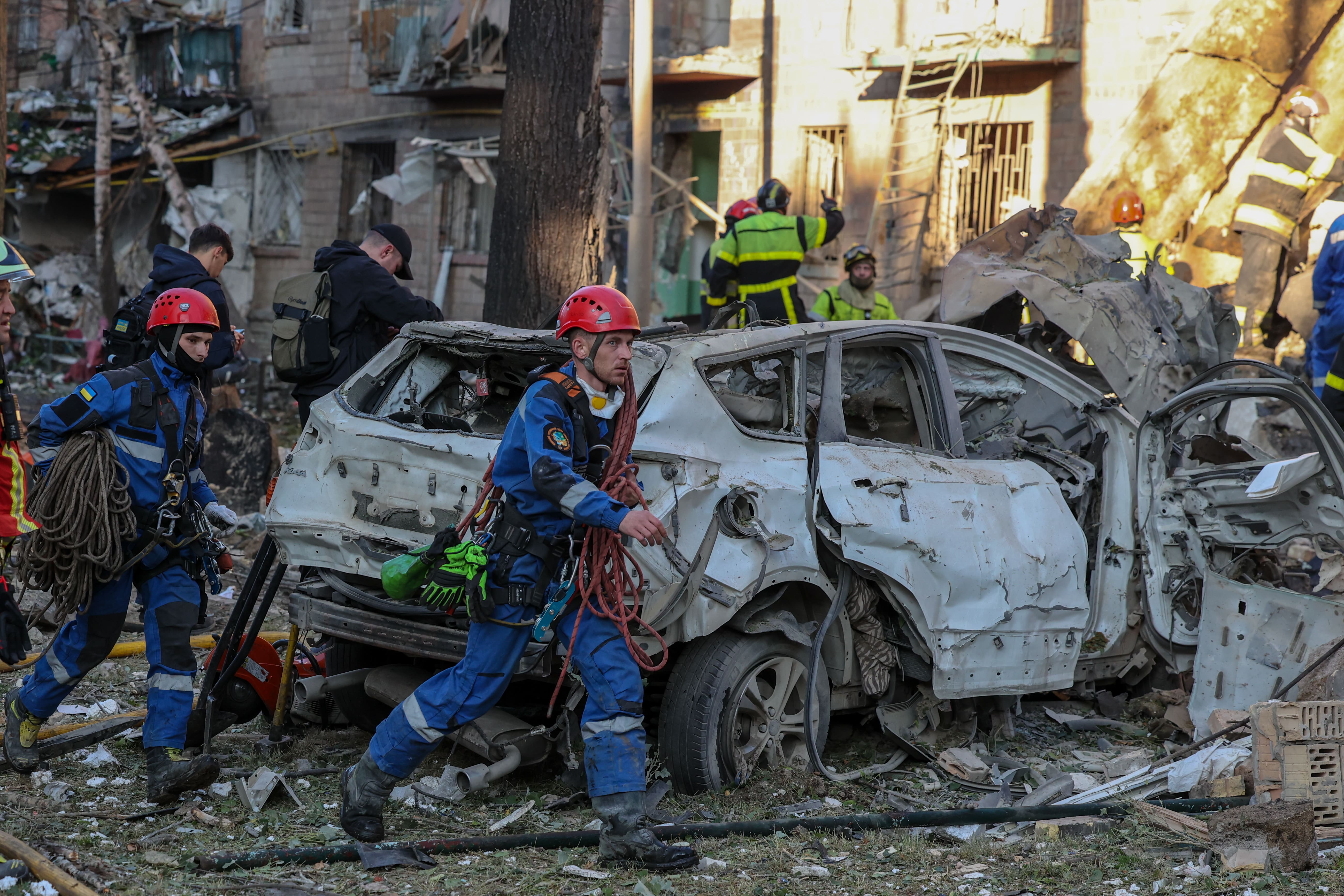
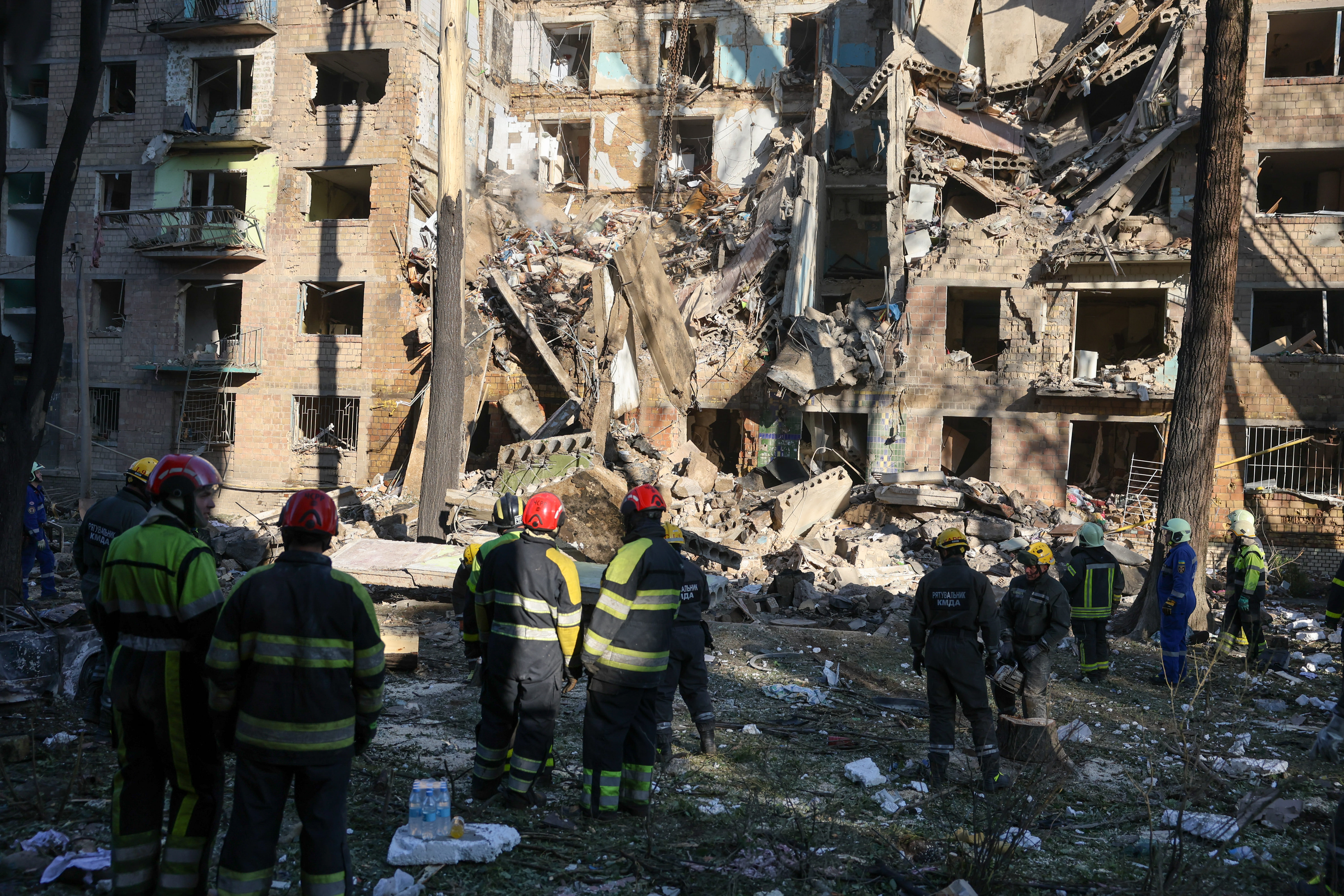
Photo by Serhiy Nuzhnenko for Radio Svoboda.
The Podilskyi, Holosiivskyi, Sviatoshynskyi, Solomianskyi, and Darnytskyi districts were also affected. The blast wave damaged structures at one of the exits of the Sviatoshyn metro station. A nearby public transport stop was also affected—two people were treated at the scene.
Head of the Kyiv City Military Administration Timur Tkachenko emphasized: “The enemy's style is unchanged — they strike where people may be, even in places where they try to hide.” The metro continues to operate, but exit No. 8 from Sviatoshyn is temporarily closed.
In the Kyiv region, at least one person was killed in the Bilotserkivskyi district as a result of the same attack.
Contributors:
Researcher, author: Vira Labych
Image editor: Olga Kovalova
Literary editor: Yulia Futey
Website manager: Vladislav Kukhar