
.png)
Another week—and another series of Russian attacks on Ukrainian cities in the rear and near the front line. Despite technical negotiations between Ukraine, the US, and EU countries, there is no tangible progress toward peace. Instead, Russia is only increasing the intensity of shelling, undermining international efforts for a diplomatic settlement. The Kremlin's aggression this week reached an unprecedented scale: massive strikes with drones and missiles were directed not only at military but also at civilian targets. Despite the effective work of Ukrainian air defense, the scale of the attacks led to numerous casualties and destruction even in cities distant from the front. Such actions only confirm once again—Russia chooses war over peace.
Chronicle of Attacks August 25–30
- August 25. Russia launched 104 drones from five directions across Ukraine. Most were shot down, but hits were recorded in 15 locations. Explosions were heard in Kharkiv and Sumy.
- August 26. Night attack—59 “Shaheds,” 47 of which were destroyed by air defense. The enemy also used decoy drones in the north and east.
- August 27. The Russian Federation launched nearly 100 drones (Shahed and decoy drones). 74 targets were destroyed or suppressed. The Sumy community suffered the most damage, and strikes also hit the Poltava region.
- August 28. Massive strike on Kyiv: destruction and fires in over 30 locations. 25 people died, and over 50 were injured.
- August 30. Combined attack on a number of regions. Zaporizhzhia, Dnipropetrovsk, Volyn, Cherkasy, and Kyiv oblasts came under fire.
At the same time, the Chernihiv, Zaporizhzhia, Sumy, Kherson, Donetsk, and Dnipropetrovsk oblasts remain under daily shelling: houses are regularly destroyed there, and there are wounded among the civilian population.
Kyiv: The Most Massive Strike on the Capital
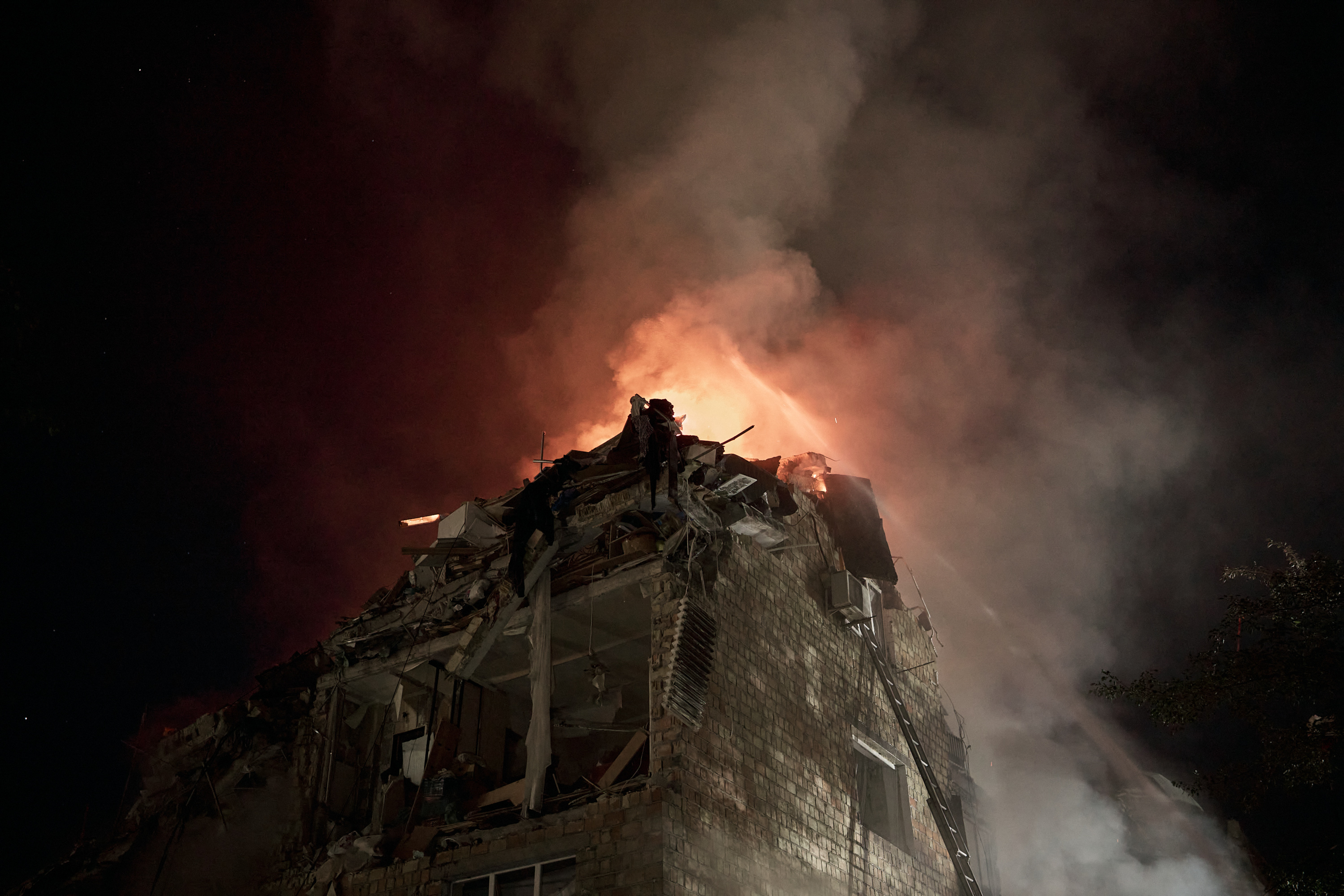
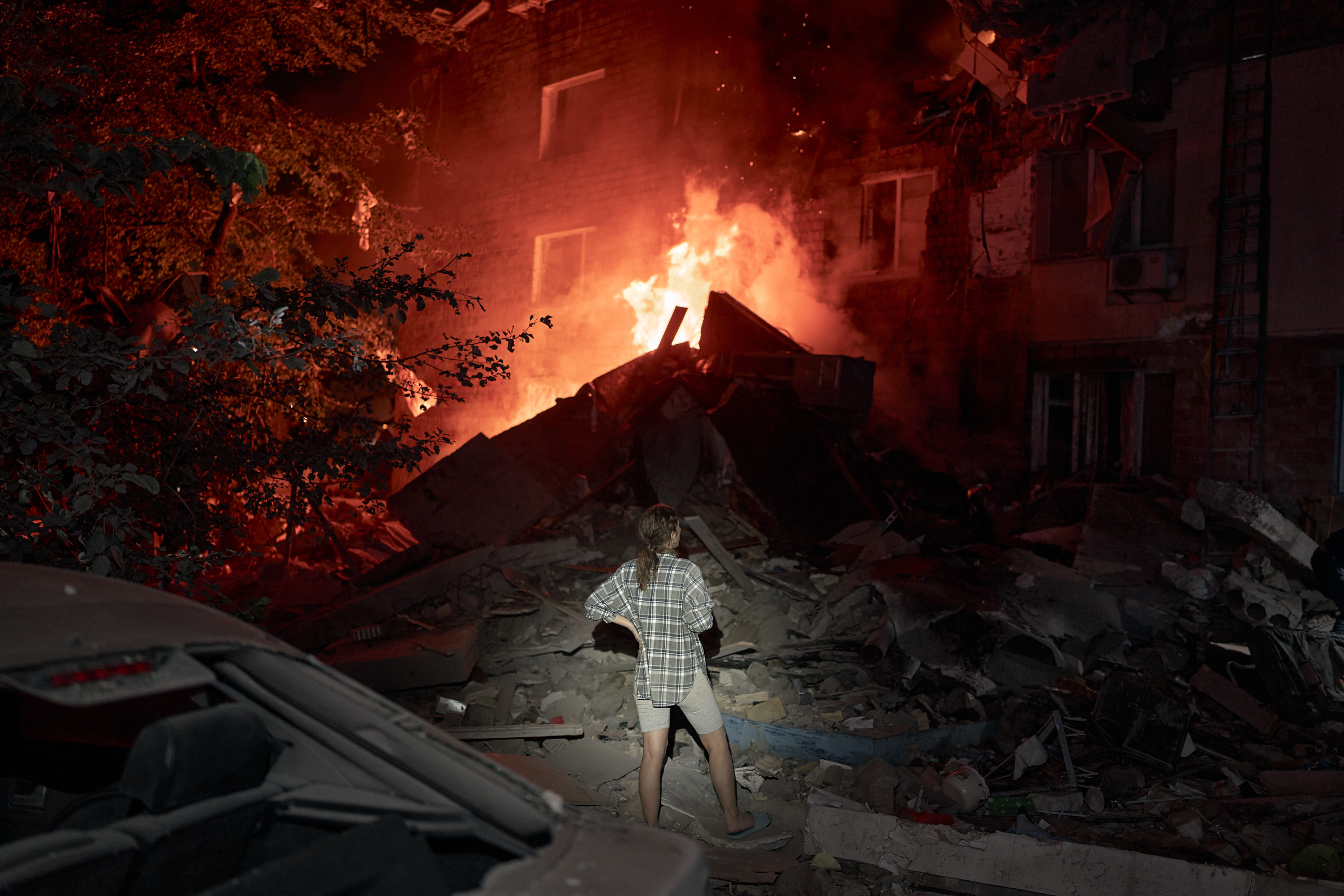
On the night of August 28, Russia launched the most powerful attack on Kyiv and the capital region in recent memory. Over 600 drones and missiles were launched across Ukraine from all directions. The largest strike hit the capital itself.
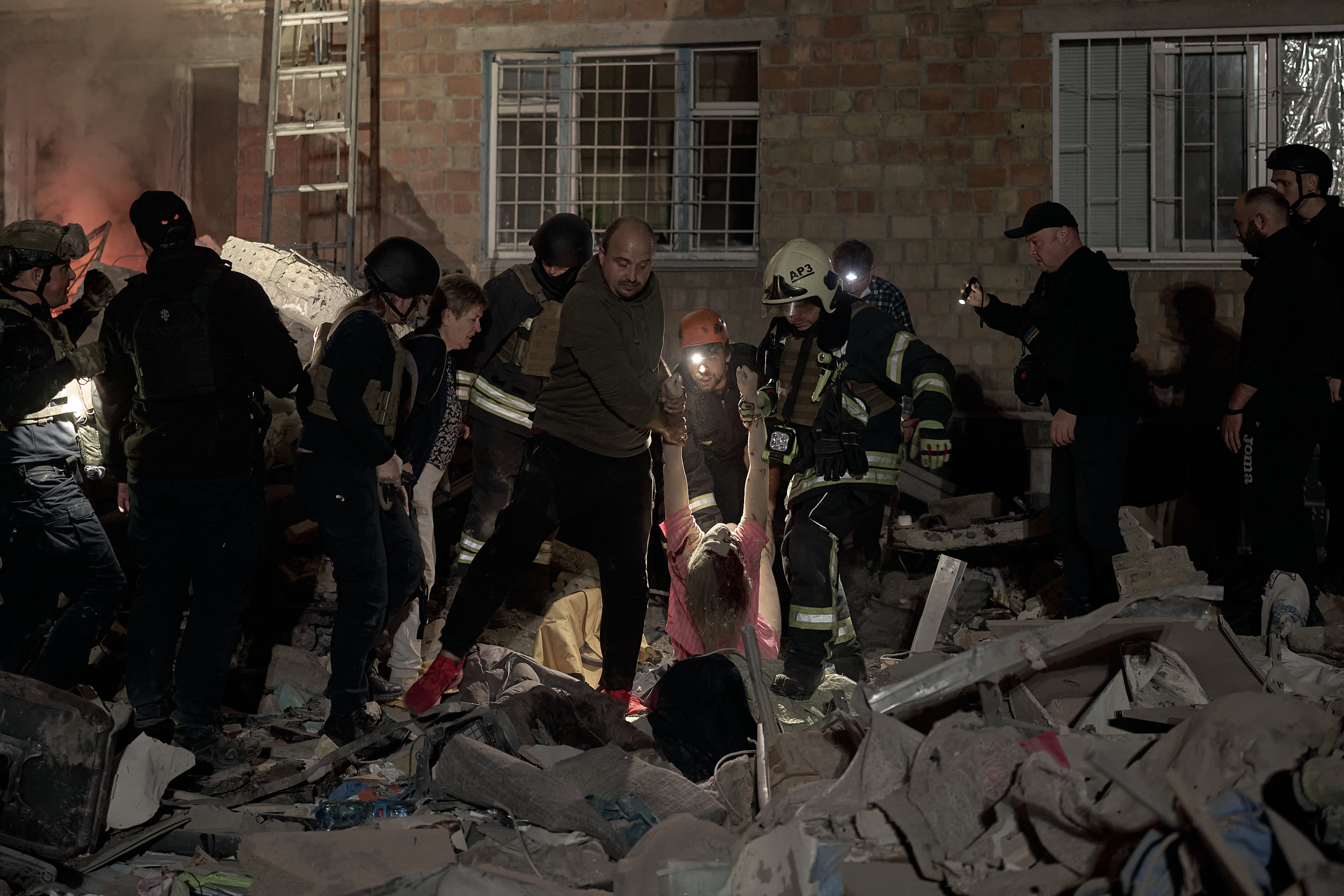
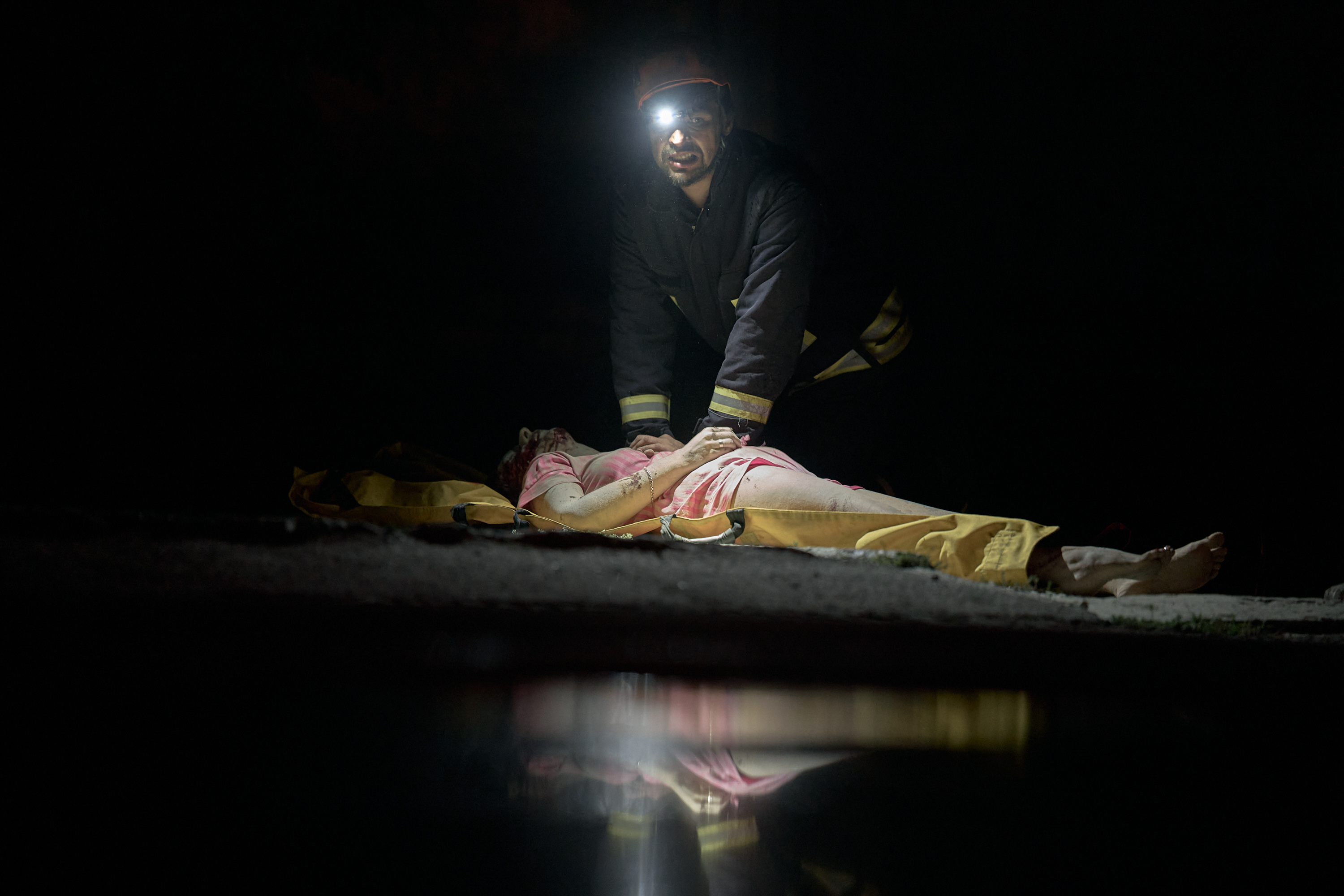
According to official data, the deaths of 25 people have been confirmed in Kyiv, including four children. The youngest victim was only two years old. Dozens of Kyiv residents were injured, and people remain under the rubble.
The Air Force reported that Russia used: 598 Shahed-type attack drones and other UAVs, 2 Kinzhal aeroballistic missiles, 9 Iskander ballistic missiles, and 20 Kh-101 cruise missiles.
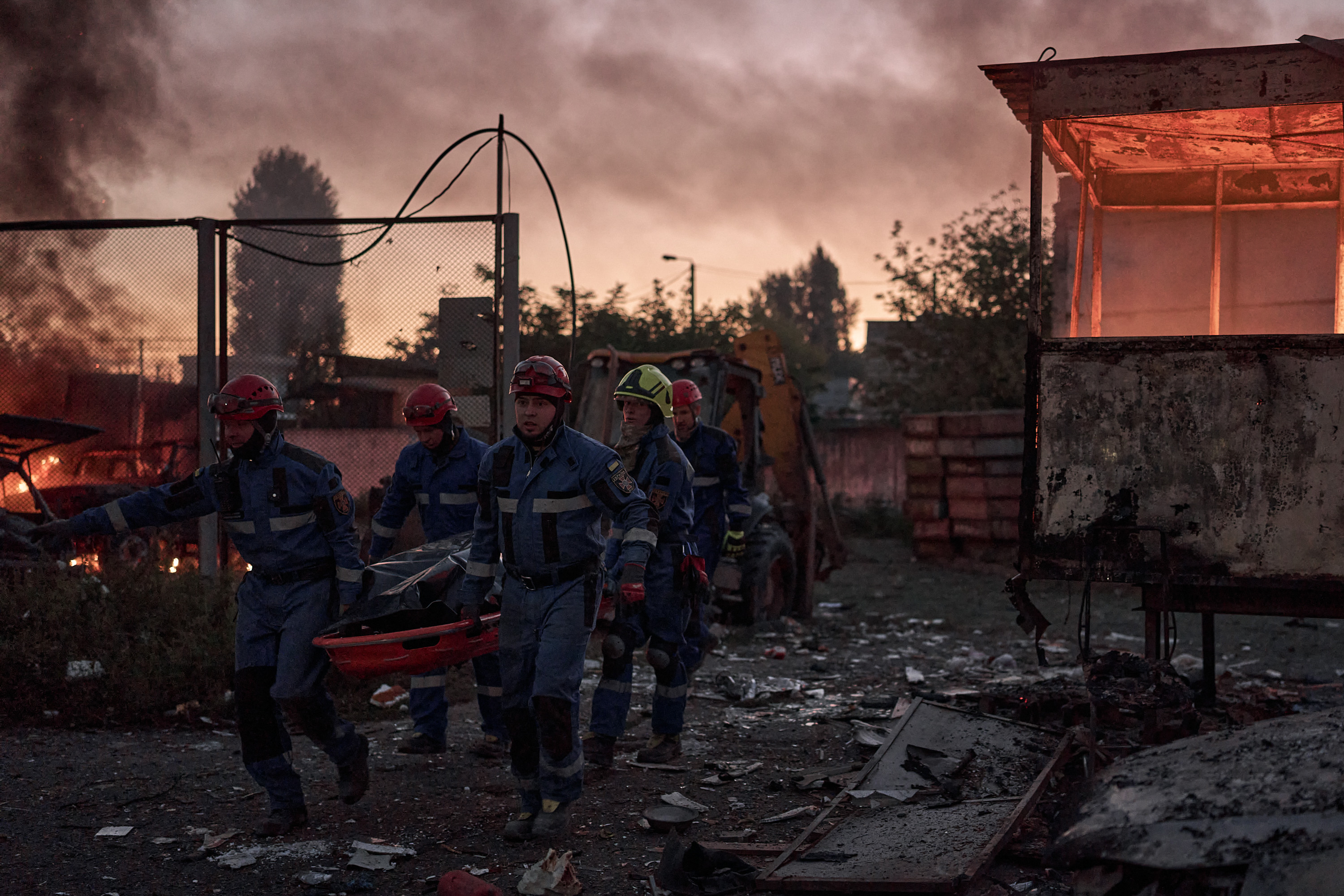
The attack began at 9:30 PM and lasted over nine hours—until 6:30 AM. Already around seven in the morning, a new explosion occurred in the city: another drone hit near the house damaged during the night shelling.
Explosions and falling debris were recorded in 20 districts of Kyiv. Over 100 objects were destroyed or damaged, including residential buildings, offices, educational institutions, shops, and parking lots. In the Darnytskyi district, the entrance of a five-story building completely collapsed.
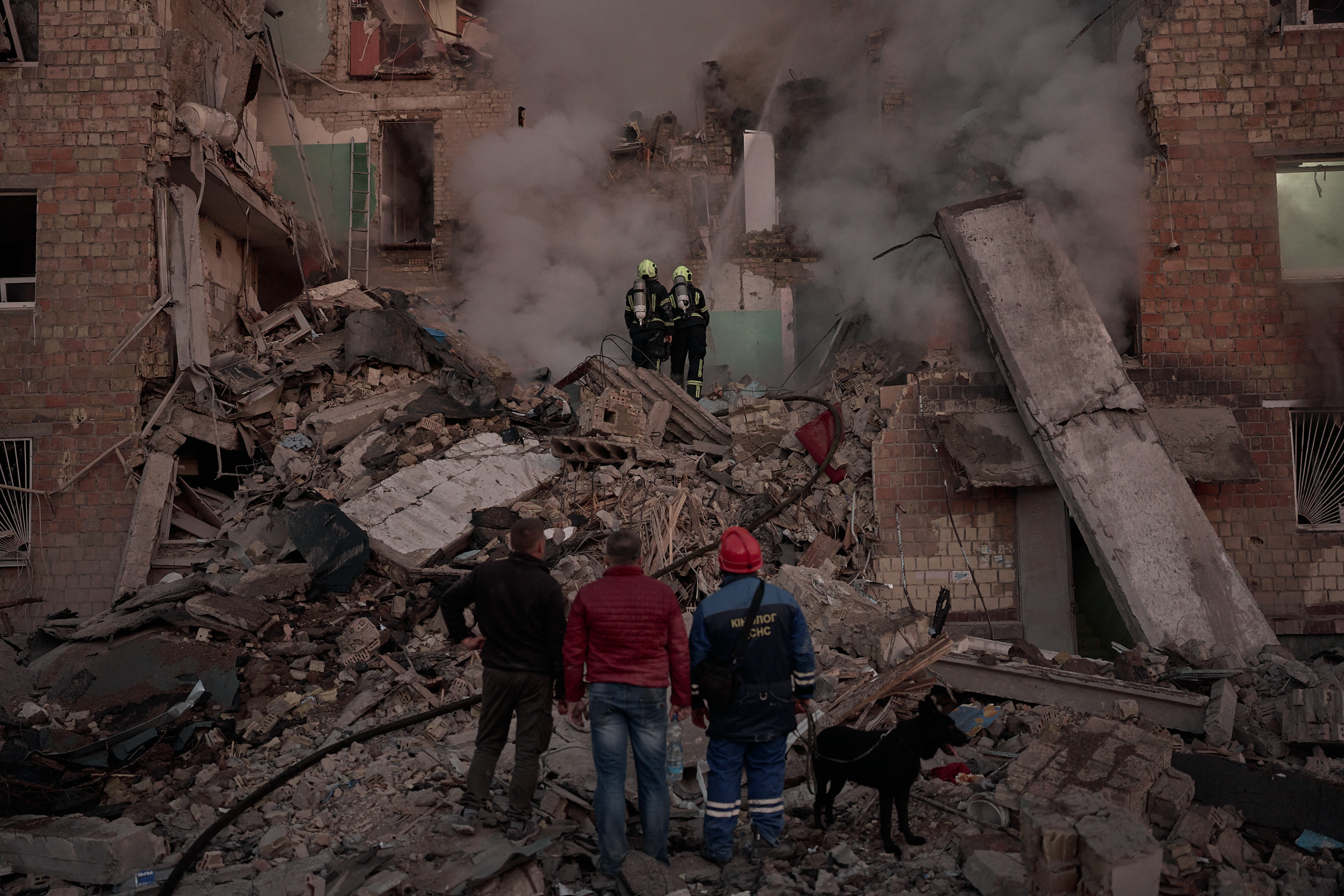
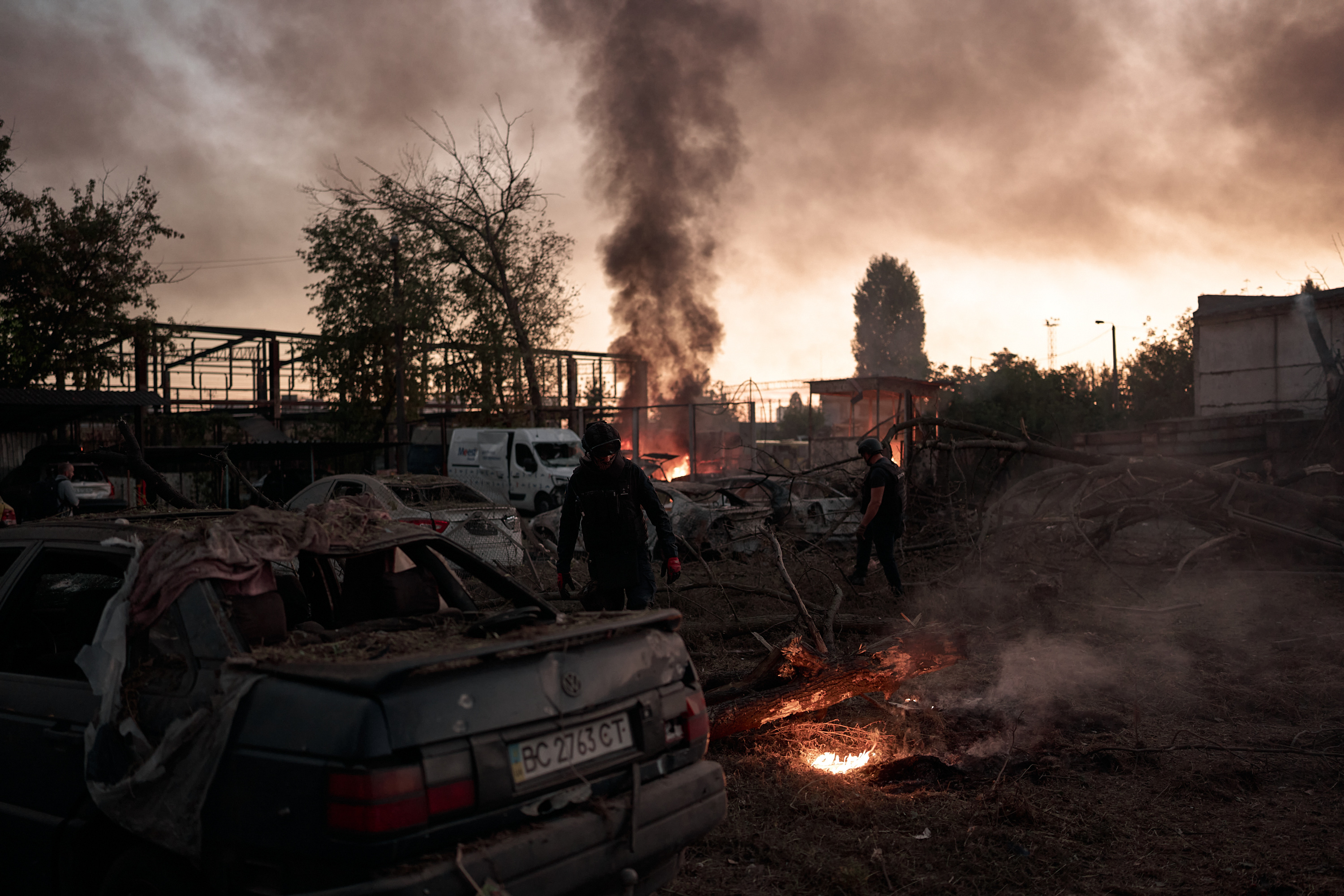
The Head of the Kyiv City Military Administration, Tymur Tkachenko, reported damage to 225 residential buildings, dozens of office and commercial structures, as well as schools and hospitals—including “Feofaniya” and the regional hospital in the Podilskyi district. Over 5,400 windows were broken in the capital, nearly 4,000 of them in the Holosiivskyi district.
About 800 people and over 160 units of equipment were involved in the aftermath cleanup. Communal services and the State Emergency Service (DSNS) removed over 2,060 cubic meters of debris. Aid headquarters were deployed in several districts of the city. The authorities received over 540 applications for financial assistance. In total, 23 families require relocation—they are being offered options for temporary housing.
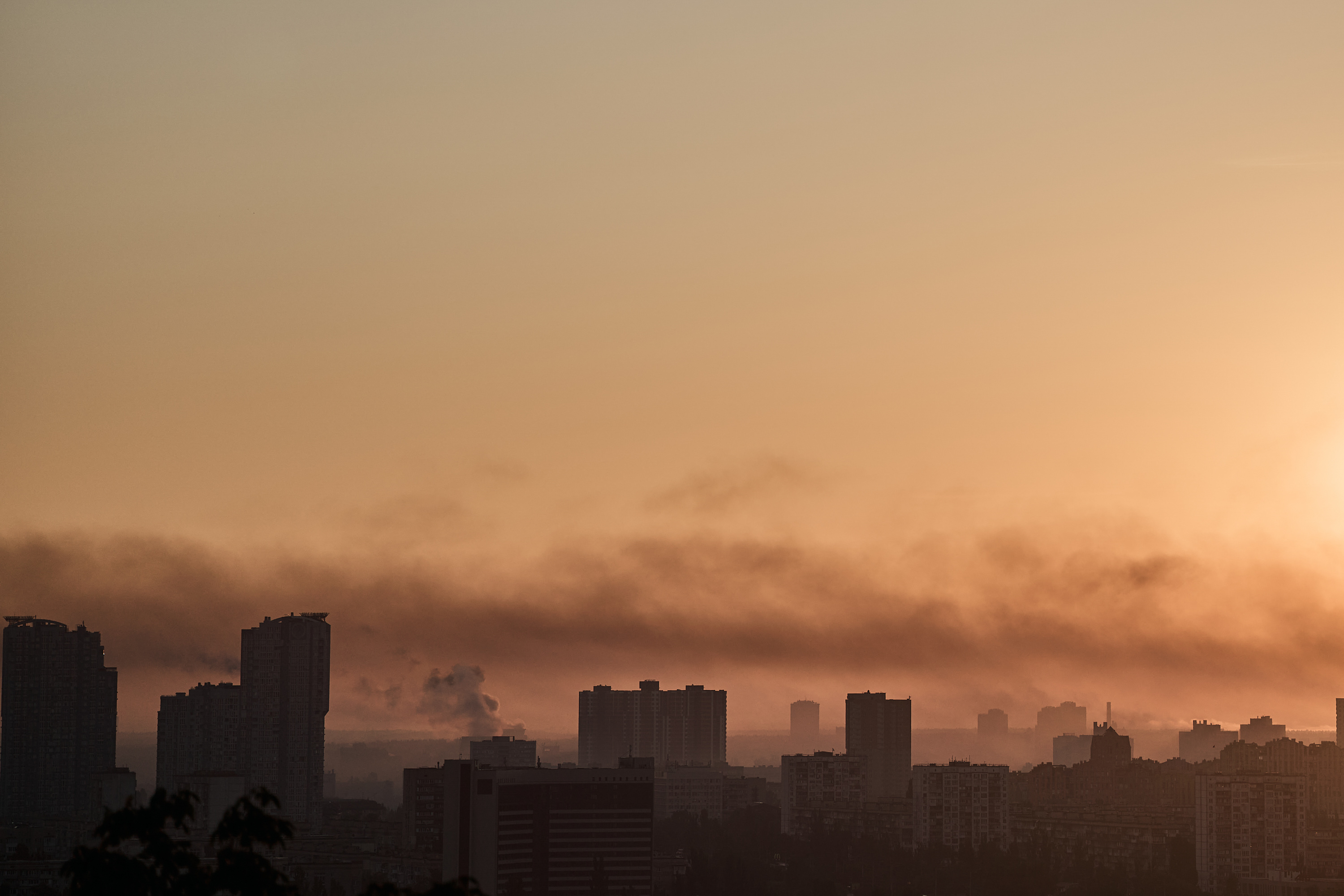
The tragedy was immediately commented on by the President of Ukraine, Volodymyr Zelenskyy. He emphasized that people might remain under the rubble after the attack, and dozens of civilians were injured.
“These Russian missiles and strike drones today are a clear answer to everyone in the world who has been calling for a ceasefire and real diplomacy for weeks and months. Russia chooses ballistic missiles, not the negotiating table. It chooses to continue killings, not to end the war. And this means that Russia still does not fear the consequences. Russia still takes advantage of the fact that at least part of the world closes its eyes to murdered children and seeks excuses for Putin,” — Zelenskyy noted.
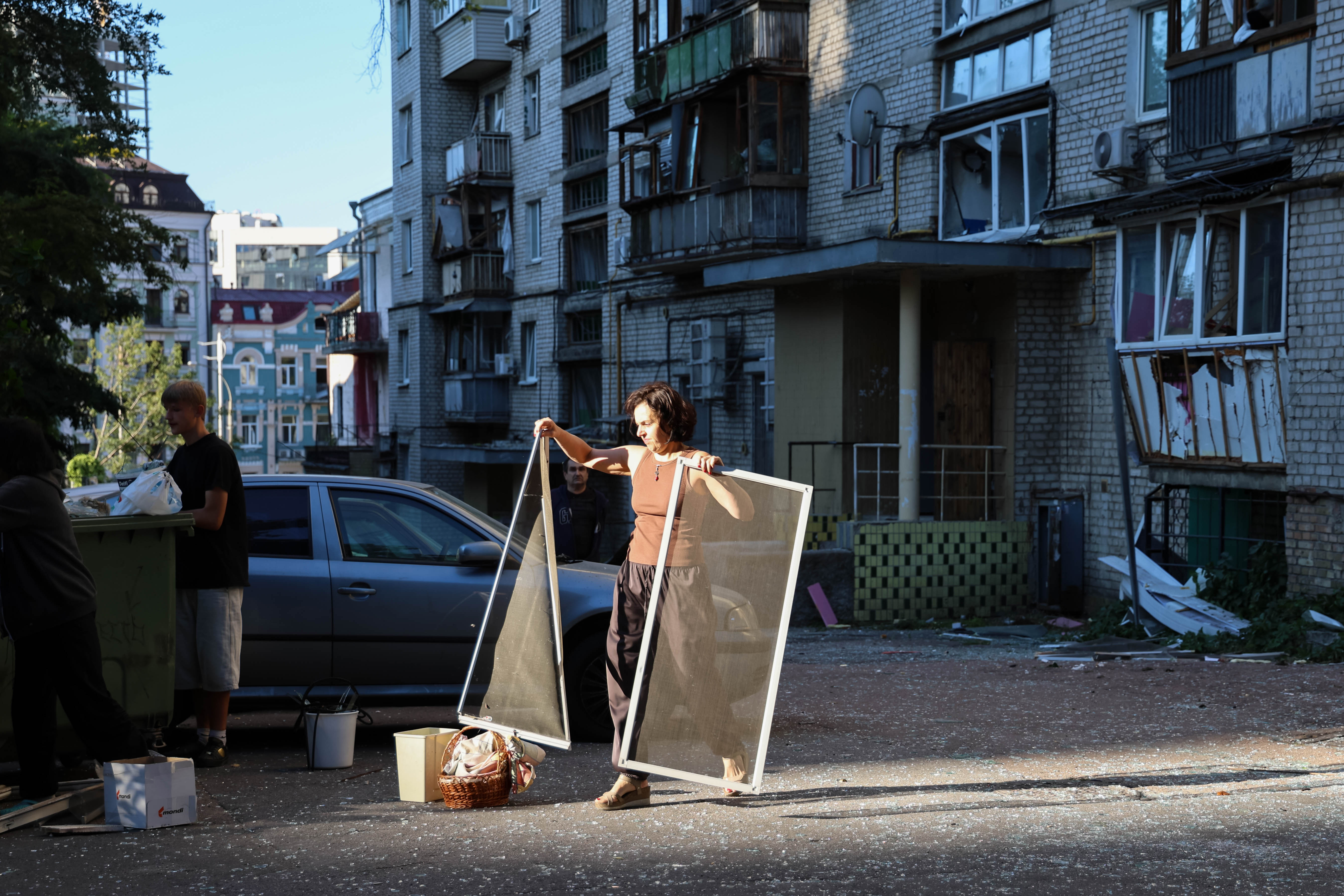
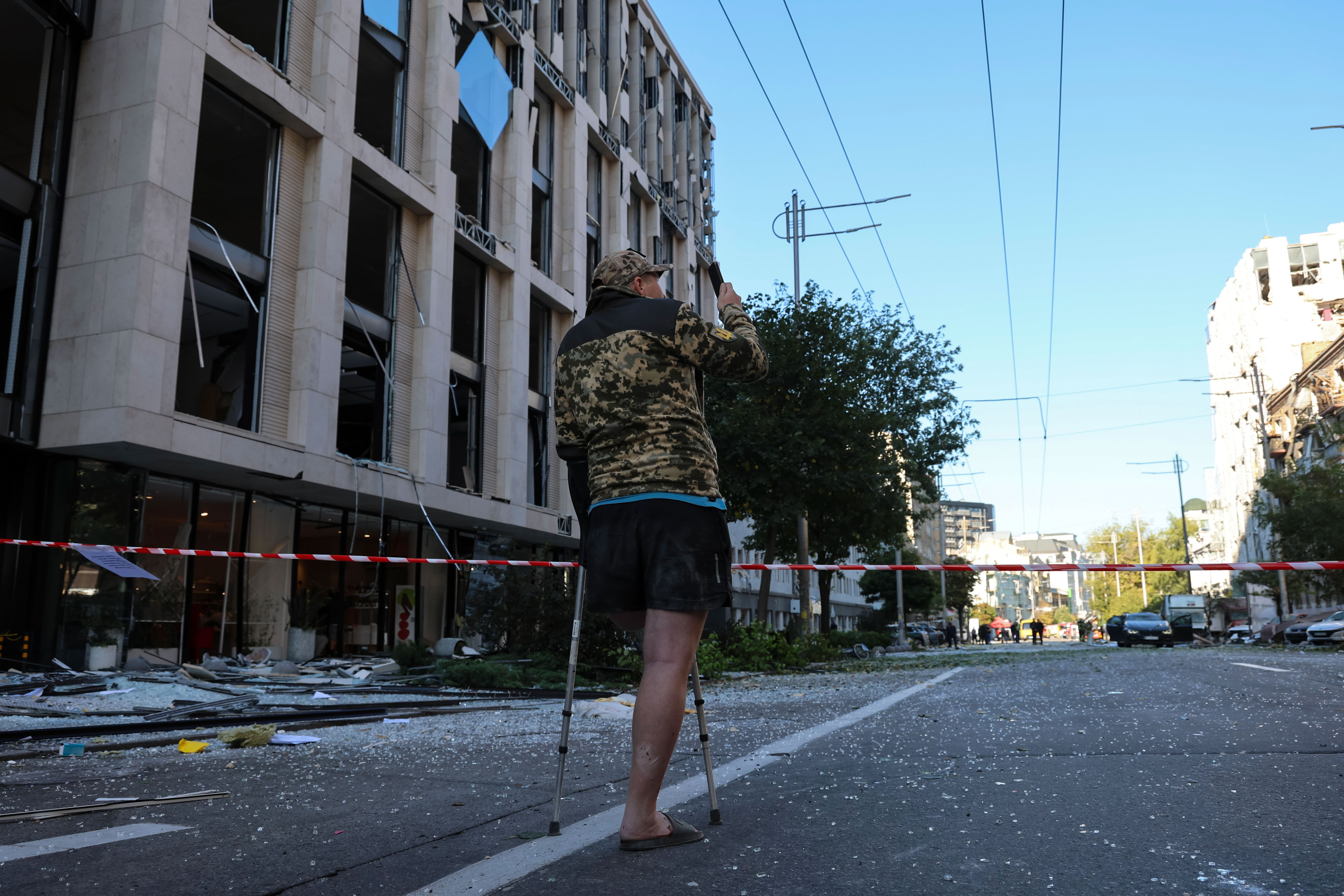
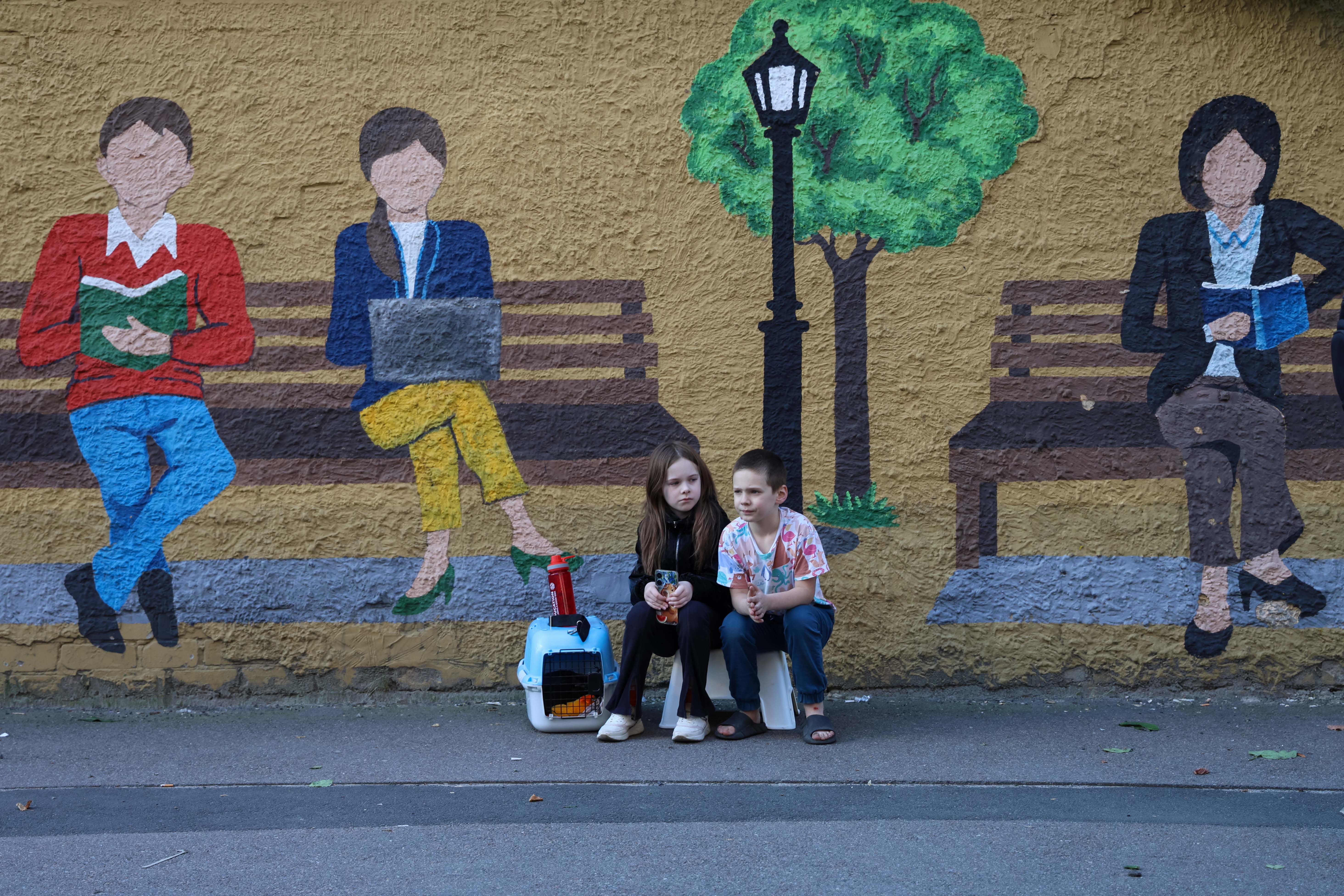
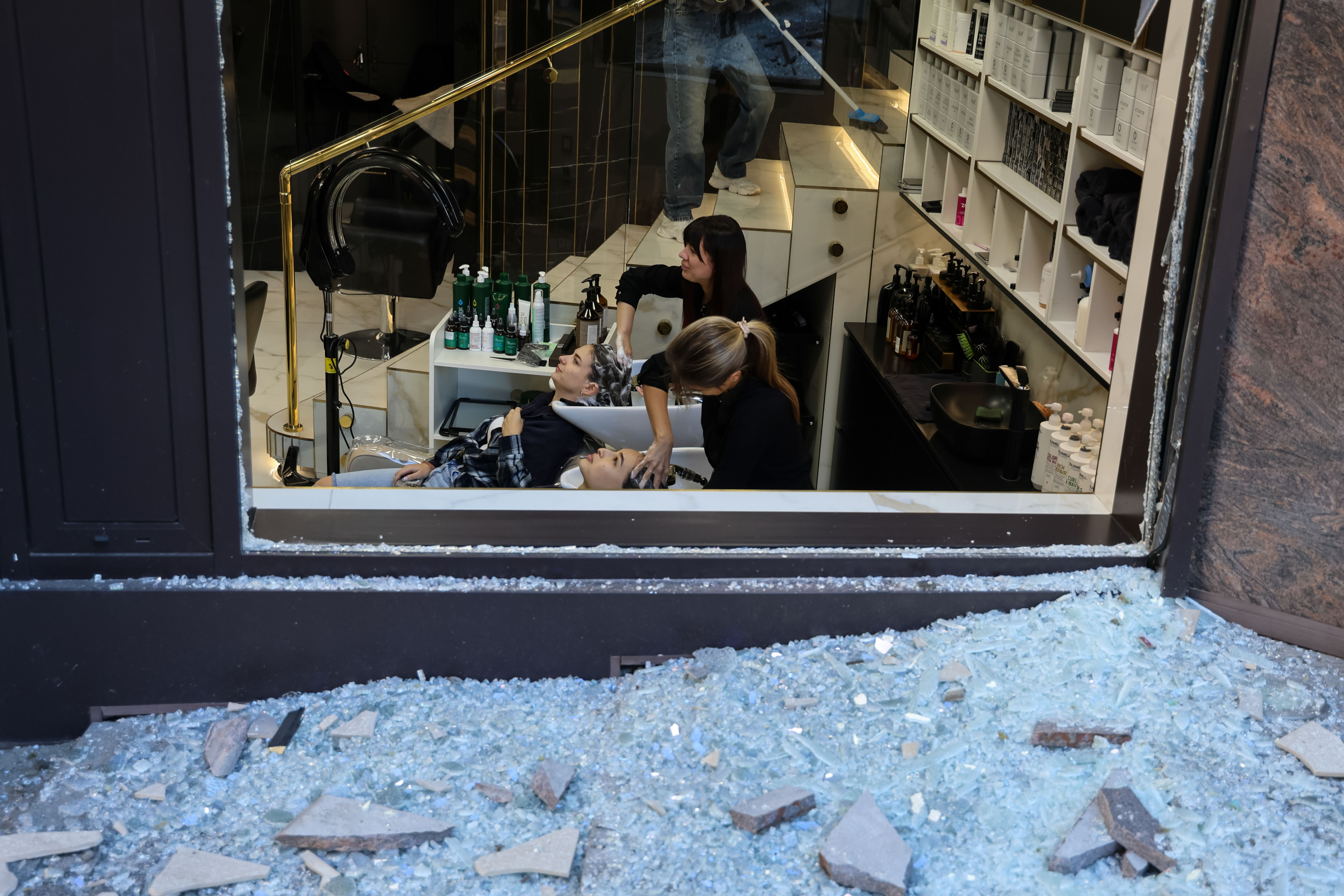
August 29 was declared a Day of Mourning in Kyiv for those killed in the Russian attack, announced Mayor Vitali Klitschko. The consequences of the Russian strike were documented by photojournalists Ivan Antypenko, as well as Kostiantyn and Vlada Liberov, who reported from the scene of the tragedy.
Zaporizhzhia: Night Attack with Casualties and Large-Scale Destruction
On the night of August 30, the Russian army launched a massive attack on Zaporizhzhia. According to local authorities, the city was hit by at least 12–13 strikes using drones and missiles.
One person was killed in the shelling, and 34 more civilians were injured, including three children. Eight victims were hospitalized, including a 9-year-old and a 10-year-old boy, and a 16-year-old girl. The Head of the Zaporizhzhia Regional Military Administration, Ivan Fedorov, reported that most injuries were shrapnel wounds, lacerations, and acute stress reactions.
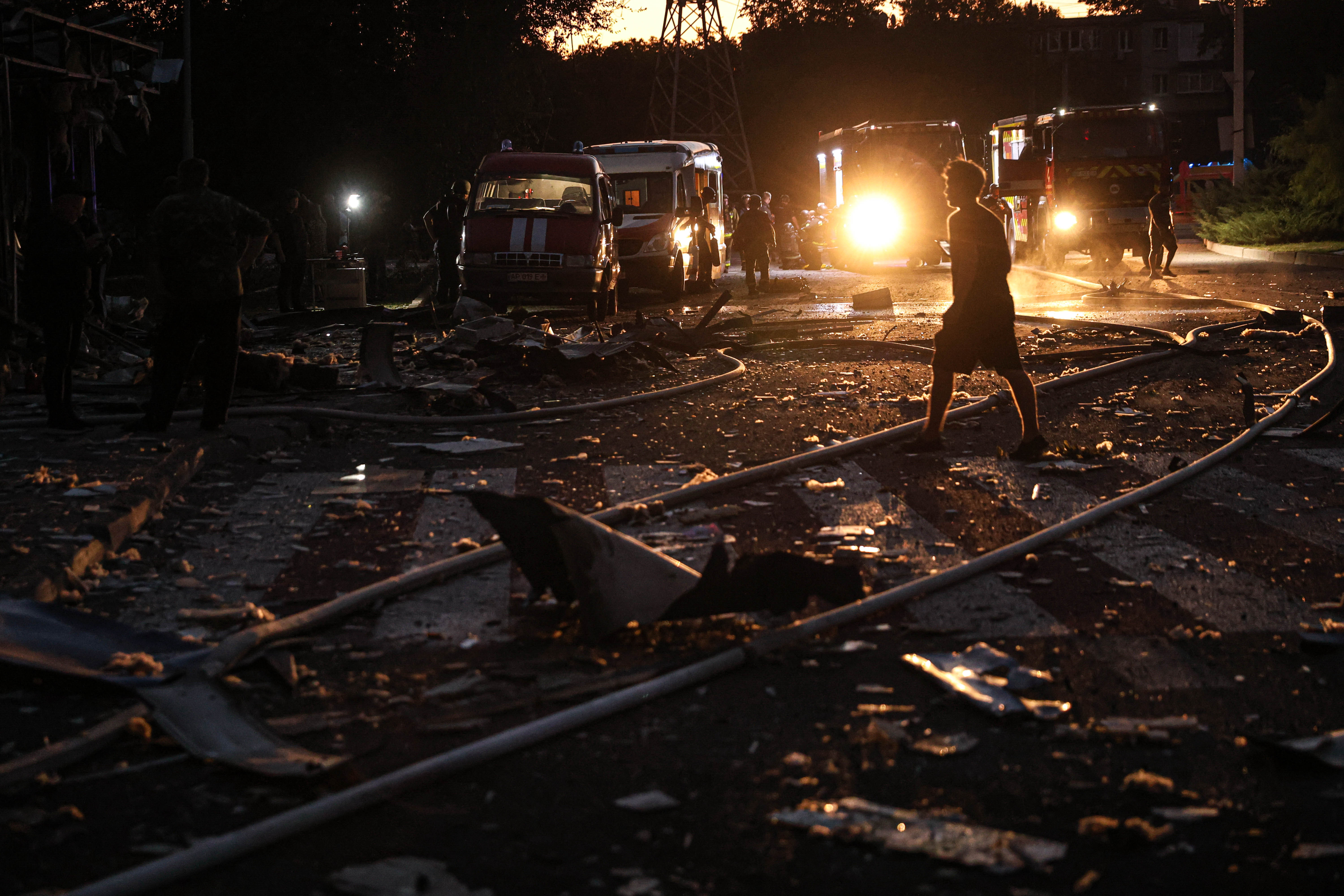
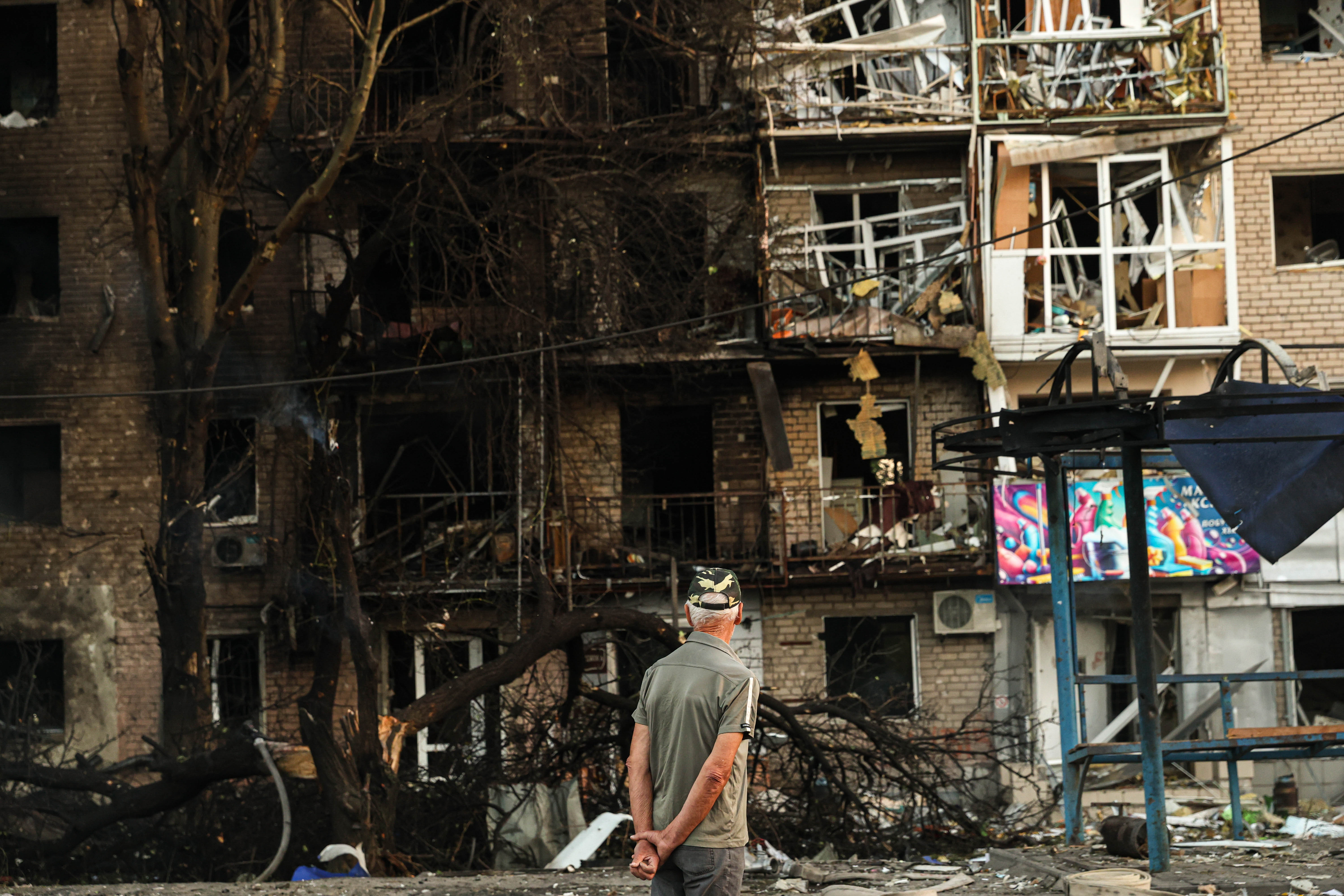
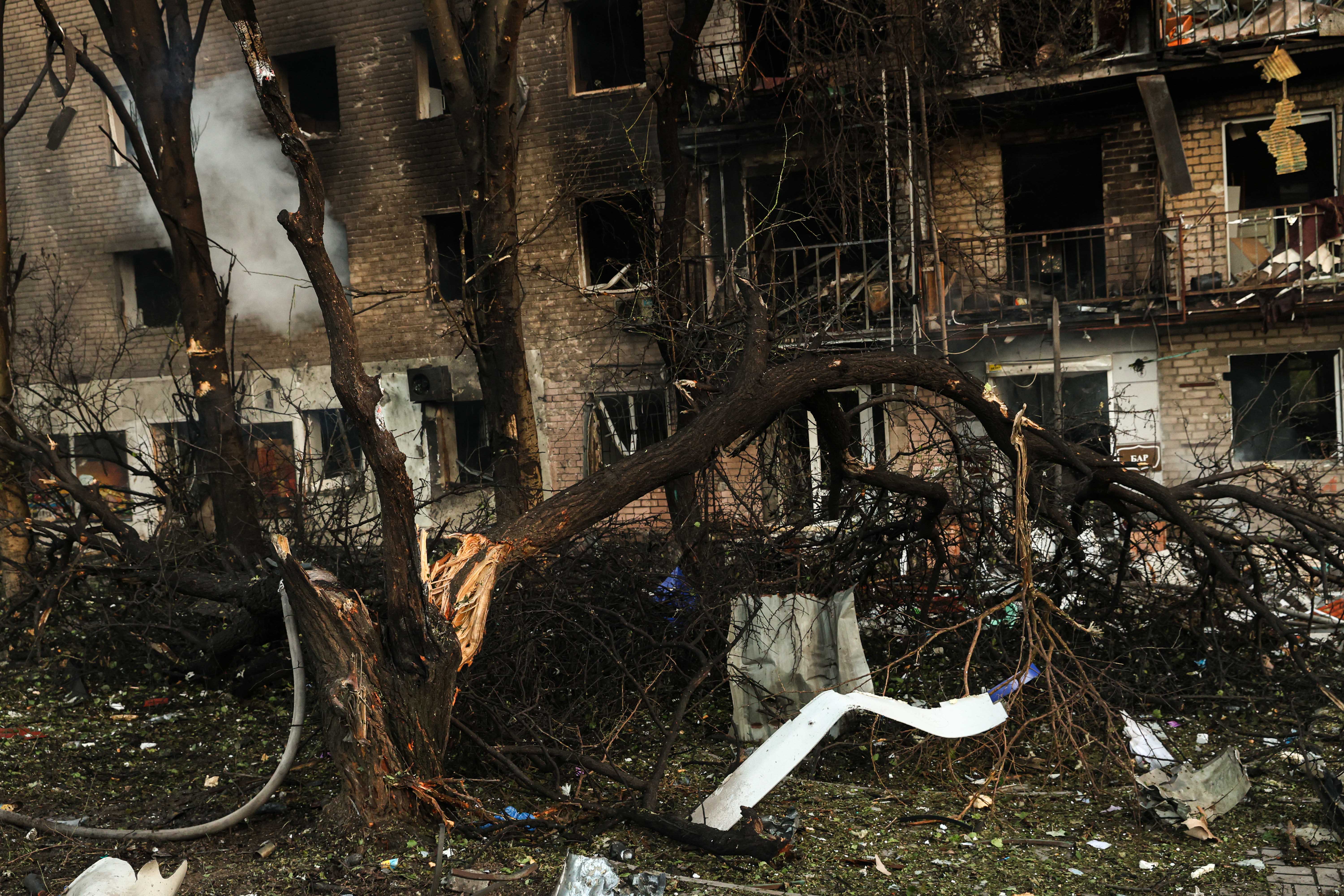
The strikes resulted in destroyed private homes, and damaged apartment buildings and industrial enterprise structures. In the Shevchenkivskyi and Voznesenivskyi districts, damage was recorded in 22 high-rise buildings and about 120 private houses—broken windows, damaged roofs, and balconies. One high-rise building and four private residences suffered significant destruction, and one more apartment was declared unfit for habitation.
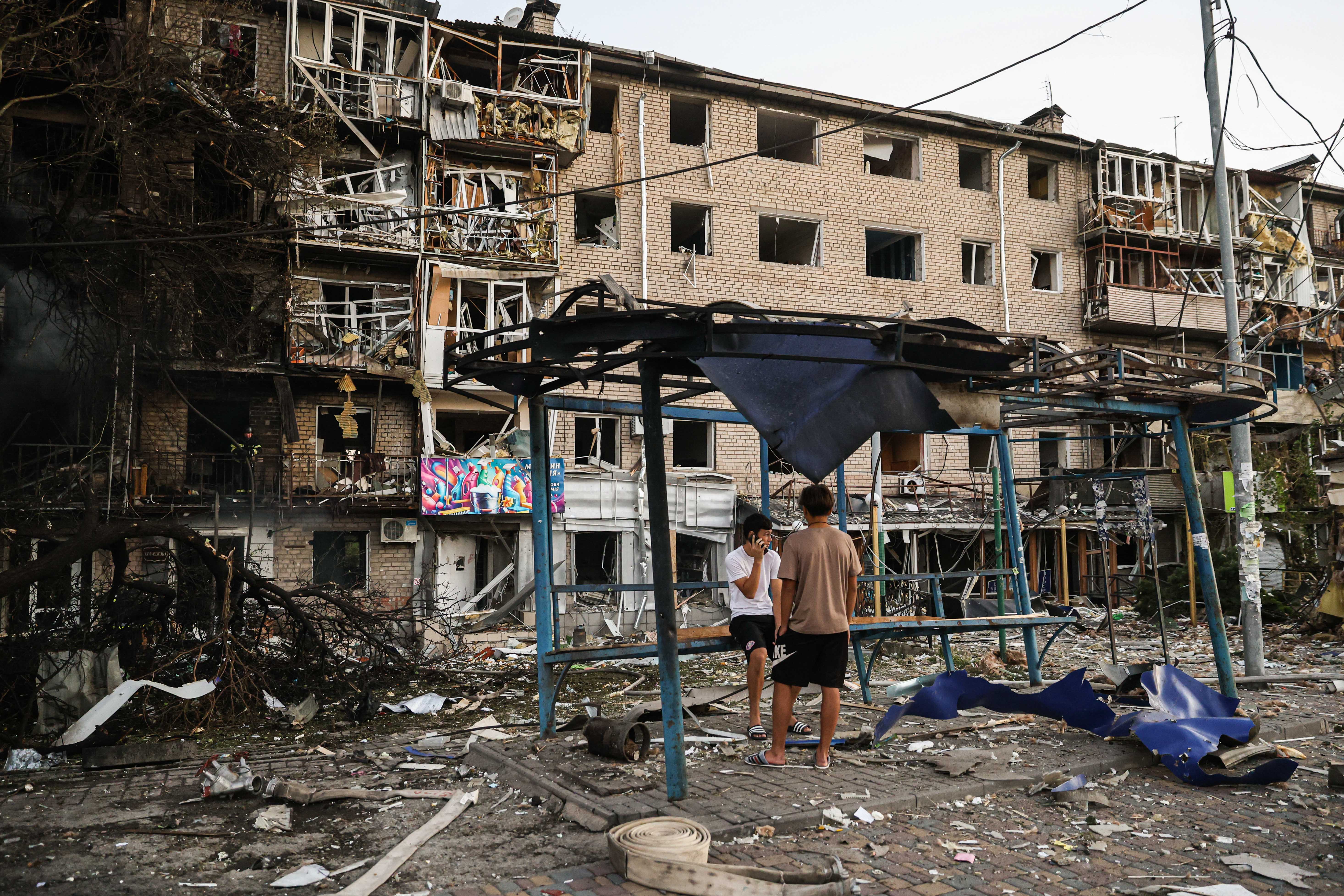
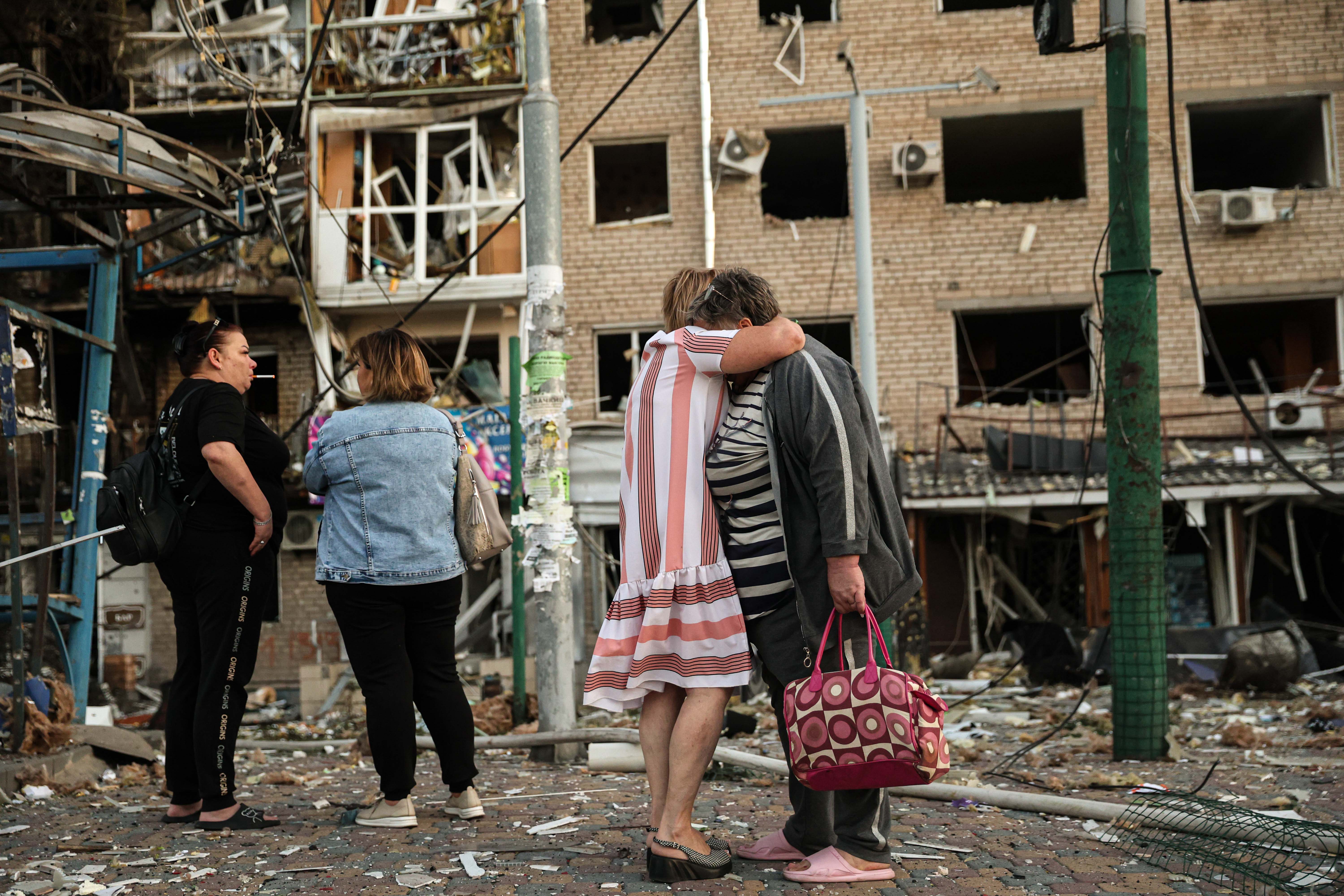
The State Emergency Service extinguished fires in apartments of two five-story buildings, put out blazes in five residential buildings, a service station, and a café. A fire also broke out on a gas pipeline in the private sector.
DSNS units were involved in the cleanup, rescuing six people, including one child. DSNS psychologists provided assistance to 26 citizens, including three children. Power outages due to damaged networks were recorded in several districts.
Photo documentarian Kateryna Klochko documented the scale of the destruction and the lives of Zaporizhzhia residents after the attack in a photo report. Her photographs show the consequences of the night explosions and people's struggle to cope with them.
Material Prepared by:
Topic Researcher, Text Author: Vira Labych
Photo Editor: Olga Kovalova
Literary Editor: Yuliia Futei
.jpg)
.jpg)














.jpg)


