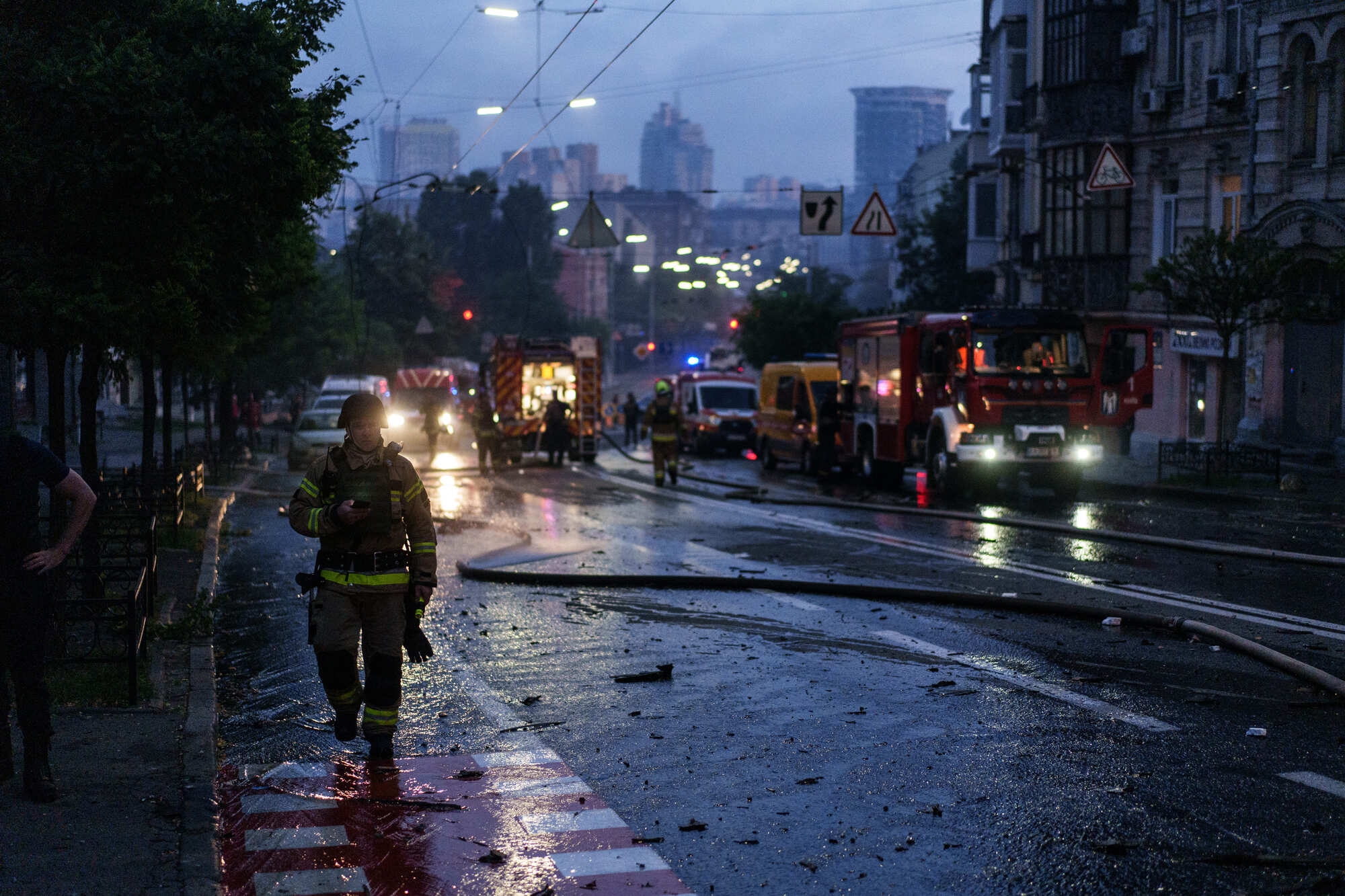
For six days — from July 7 to July 12 — Russia continued to attack Ukrainian cities with drones and missiles on a daily basis. The strikes covered almost all regions — from Donetsk to Lviv. Residential areas, universities, enterprises, airfields, and schools were under fire. At least 15 people were killed and more than 70 were wounded. The attacks were combined: Russia used Shahed-136, ballistic missiles, and Kinjal missiles in an attempt to overload Ukraine's air defense system.
On the night of July 7, Russia attacked Odesa with strike drones. The strikes caused fires and destruction in the city. A security guard at a new building was killed. On the same day, Shahed drones struck Zaporizhzhia: six drones damaged residential buildings, a university, a music school, and businesses. At least 20 people were injured.
On July 8-9, Russian troops killed nine civilians in Donetsk Oblast: five people died in the city of Rodynske, and four more in Kostyantynivka. That same night, one of the largest combined attacks across Ukraine took place. Russia simultaneously used strike drones, cruise missiles, and Kinzhal missiles. In Volyn, an airfield and industrial facilities were hit. A piece of a Shahed drone killed a resident of Khmelnytskyi region. The Kyiv region saw the largest combined strike in recent times. In Zhytomyr region, a carpentry workshop and farm buildings were damaged.
On the night of July 10, Russia struck Kyiv and the surrounding region. The air raid alert lasted almost ten hours. The attack damaged facilities in six districts of the capital: Shevchenkivskyi, Solomianskyi, Podilskyi, Darnytskyi, Obolonskyi, and Desnianskyi. The Shevchenkivskyi and Podilskyi districts suffered the most damage. Among the affected facilities were residential buildings, schools, and offices. Two people were killed in the Podilskyi district. Another person was injured.
On the morning of July 11, drones struck Odesa again. Civilian infrastructure was damaged, including residential and administrative buildings, a service station, a stable, and cars.
On the night of July 12, Russian drones attacked the western regions — Lutsk, Rivne, Chernivtsi, and Lviv. Air defense was also active in Kyiv. In Lviv, at least two residential buildings were damaged — on Mitropolita Andriya and Olena Stepanivna streets. Facades were partially destroyed, windows and doors were knocked out. Two industrial facilities also caught fire in the city. Two people were killed in the attack in Chernivtsi.
The largest night air attack on Kyiv: drones, missiles, and fires in eight districts
On the night of July 10, Kyiv suffered one of the most powerful attacks since the start of the full-scale invasion. The first explosions were heard at around 1:20 a.m. Thick smoke rose into the sky above the city, emergency sirens sounded in the streets, and the capital's residents spent the night in shelters and corridors.
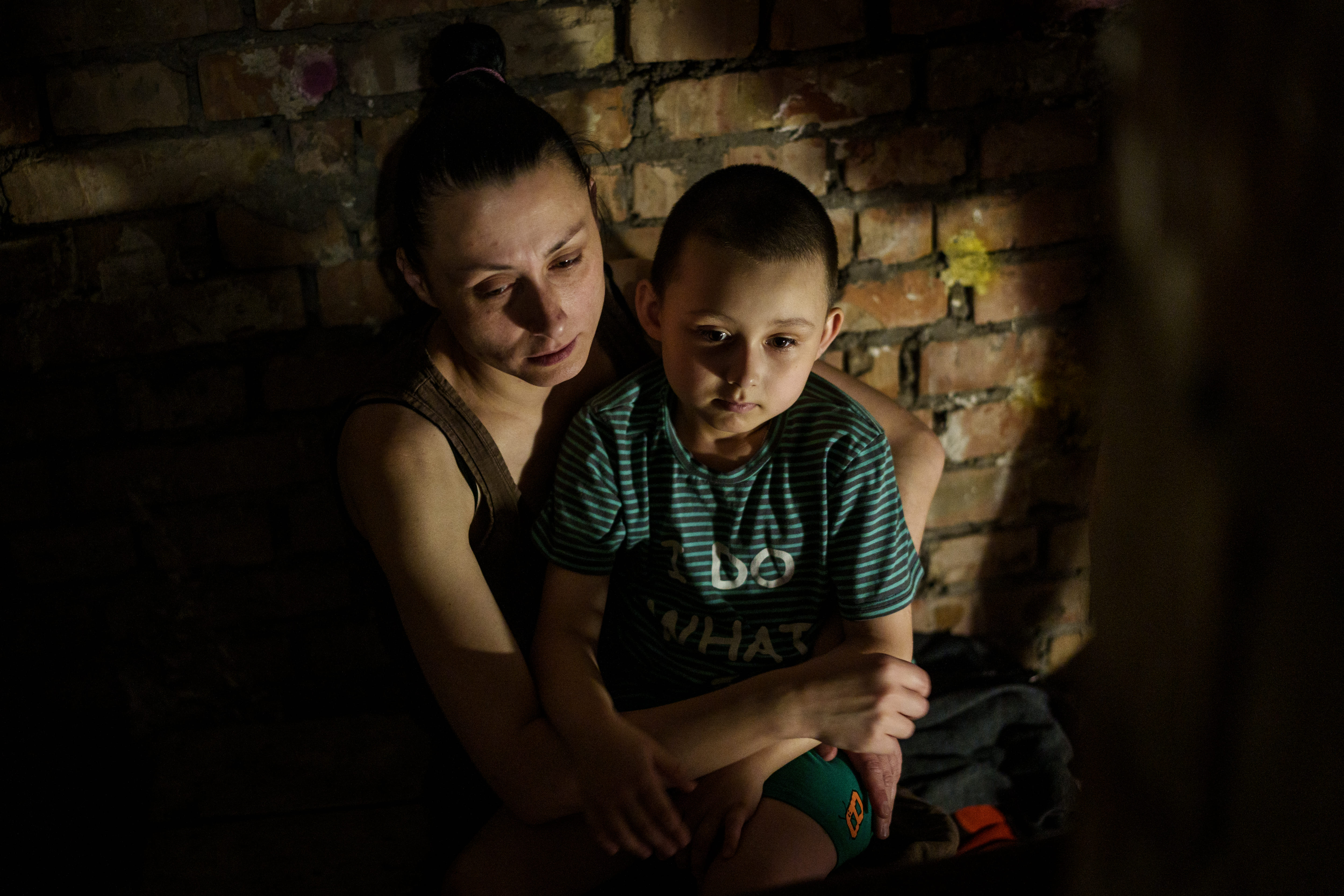
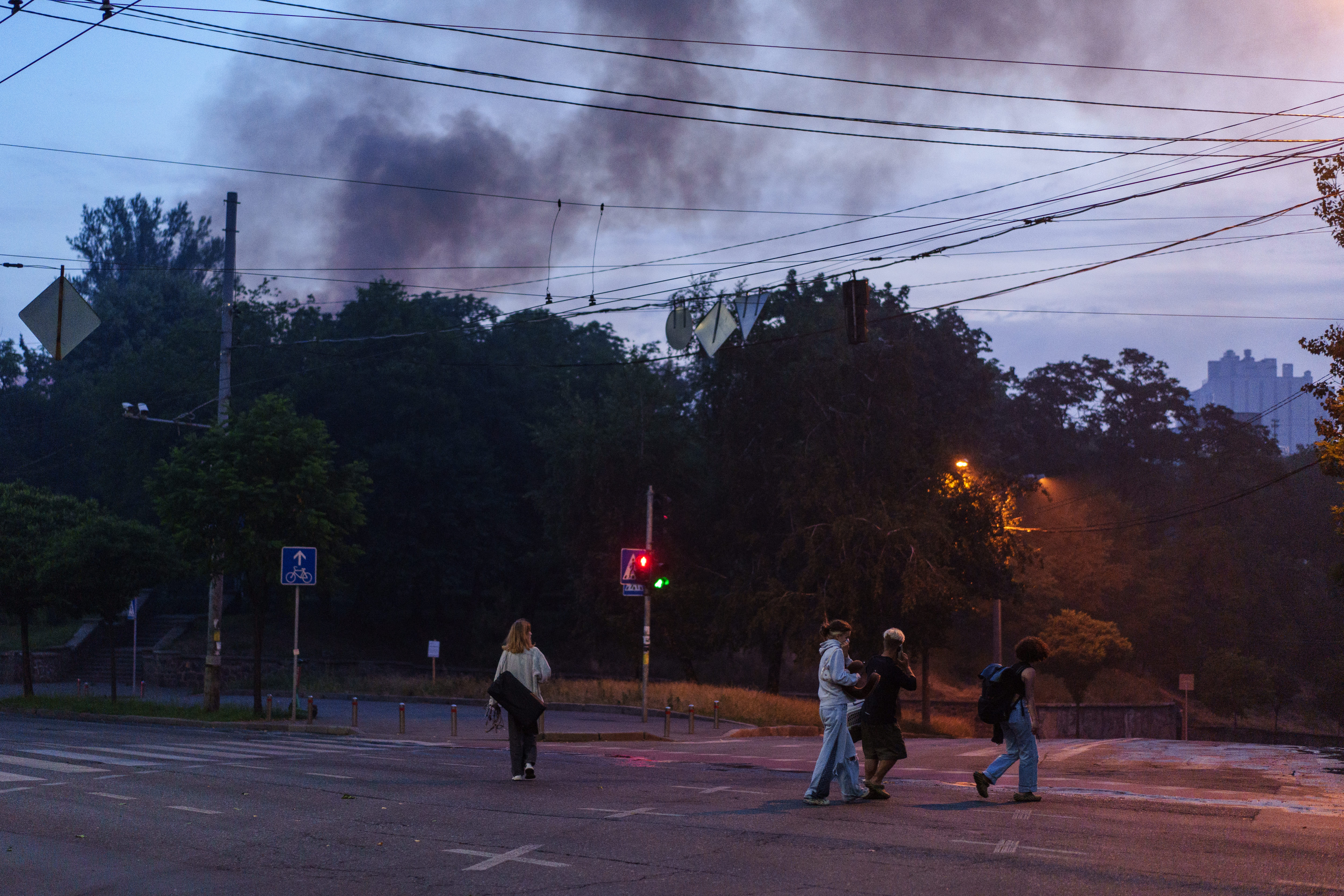
Photo by Serhiy Korovayny
Russian Shahed strike drones approached from the north and east of the Kyiv region. Subsequently, warnings were issued about the possible use of ballistic missiles. The attack lasted until dawn. The shelling caused fires in residential and industrial areas of the capital. Eight administrative districts were affected: Shevchenkivskyi, Solomianskyi, Podilskyi, Darnytskyi, Obolonskyi, Desnianskyi, Holosiivskyi, and Dniprovskyi.

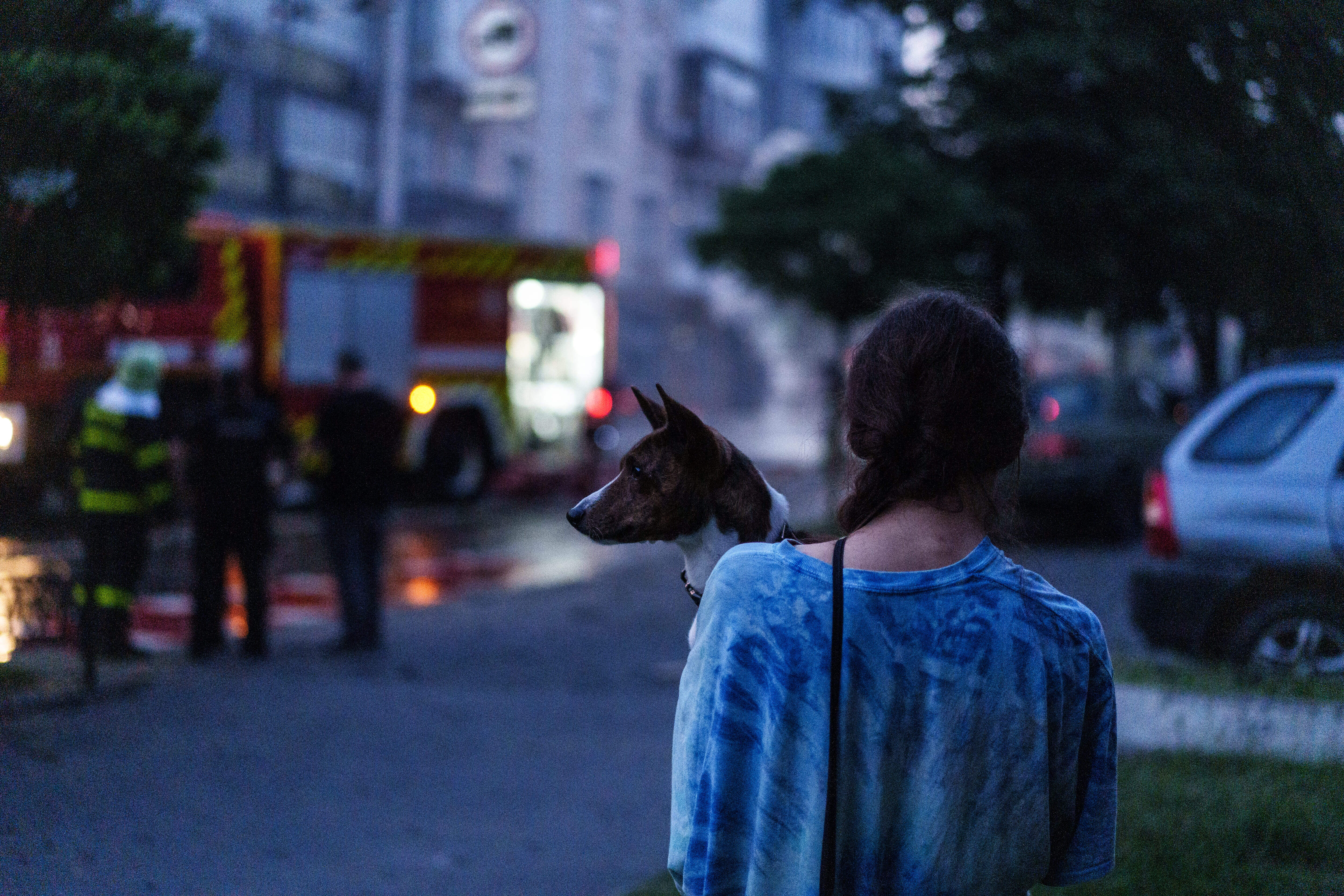
Photo by Serhiy Korovayny
According to the Ministry of Internal Affairs and the State Emergency Service of Ukraine, as of 22:10, two people were confirmed dead and 26 injured, including a minor girl. The victims — a 22-year-old policewoman and a 68-year-old resident of the capital — were in a dormitory in the Podilsky district, which was directly hit. A clinic was also destroyed in the same district.
In the Shevchenkivskyi district, drones hit a residential building — rescuers removed more than 60 cubic meters of debris, and work continues in other areas. In the Solomianskyi district, administrative and storage facilities were on fire. In the Darnytskyi district, debris from a drone fell on the territory of a garage cooperative. In the Obolonskyi, Desnianskyi, and Podilskyi districts, infrastructure destruction and numerous damages to civilian objects were recorded.

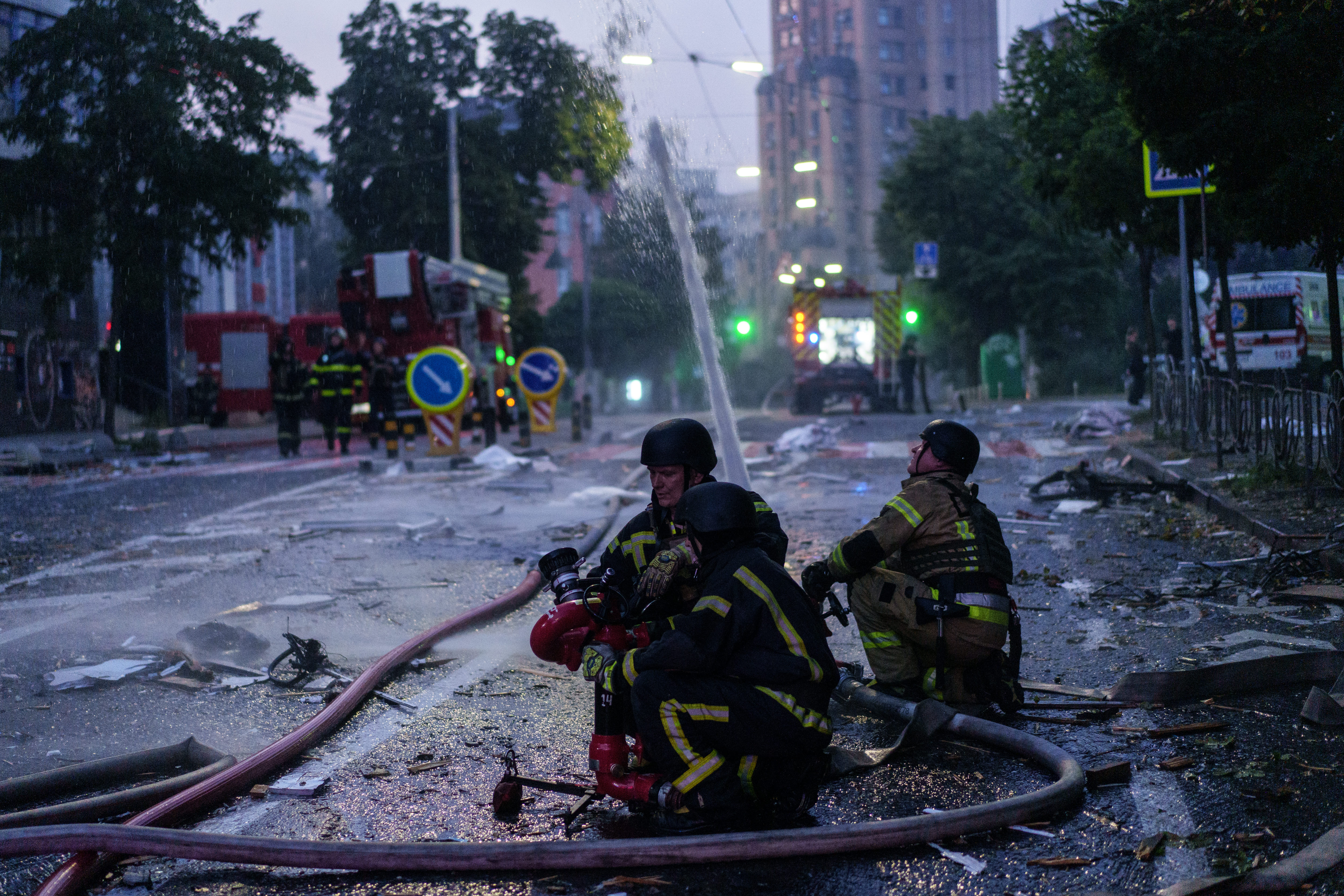
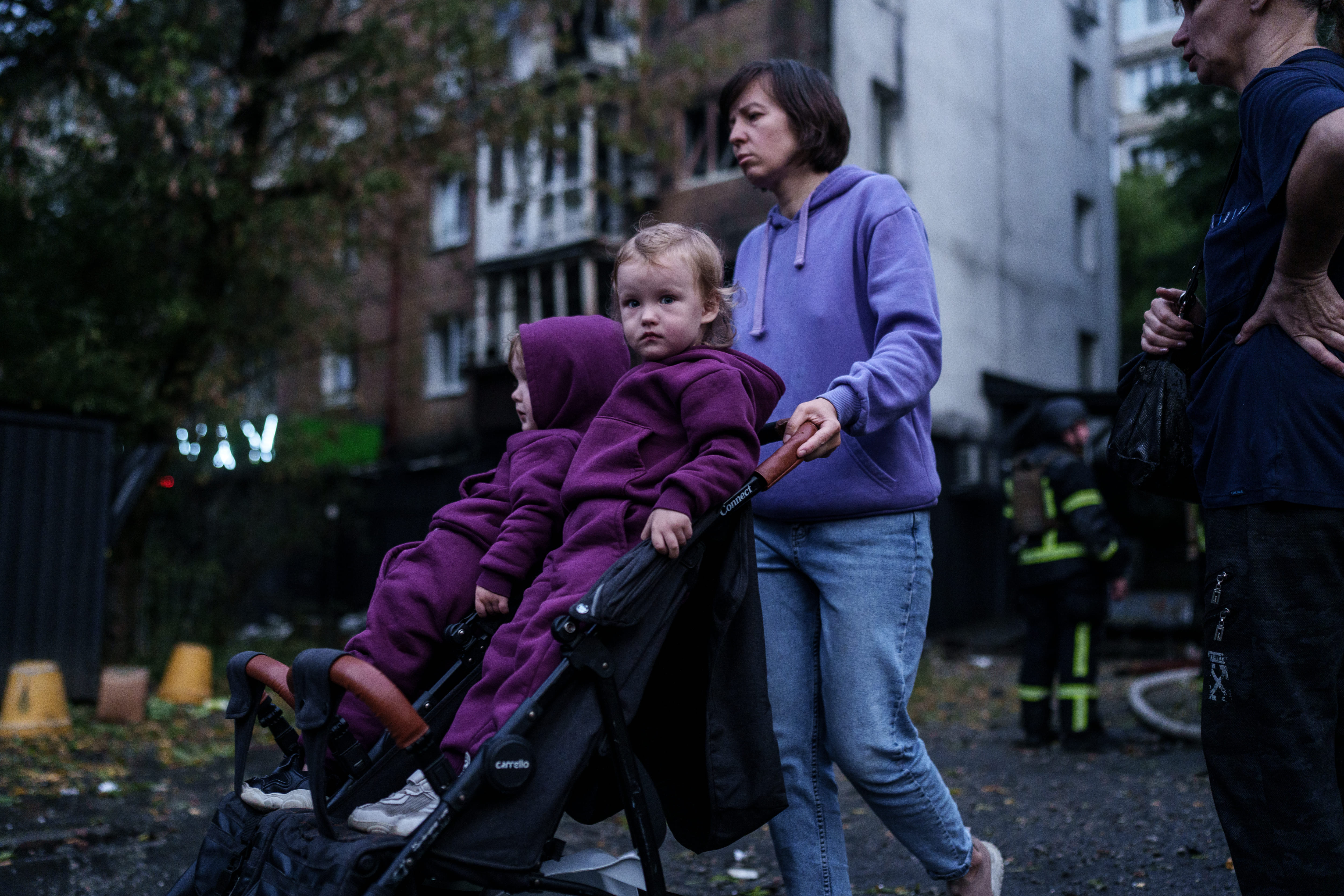
Photo by Serhiy Korovayny
In total, at least 12 residential buildings, 66 cars, healthcare facilities, restaurants, shops, and offices were damaged. Dozens of fires were reported in the city, some of them large-scale.
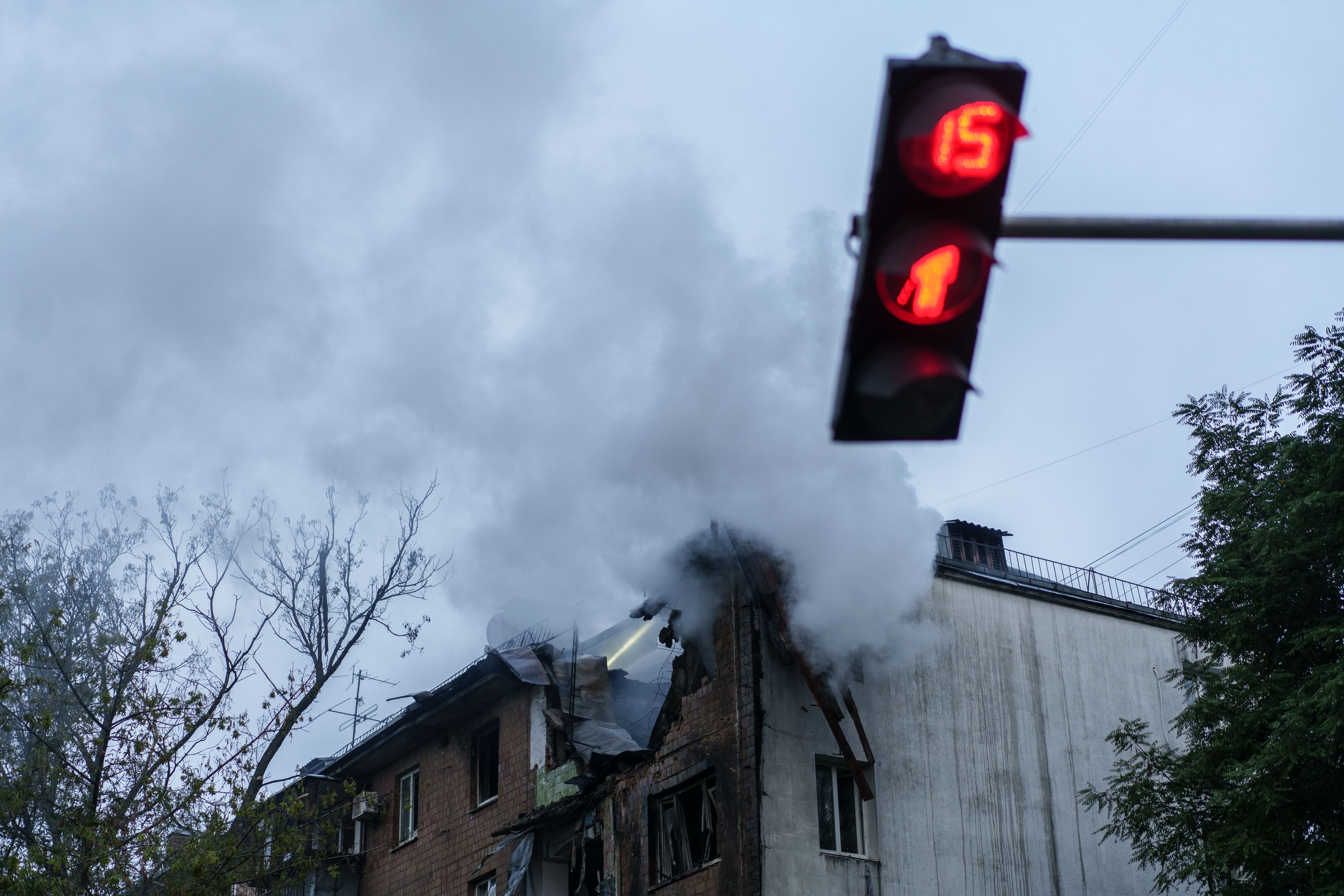
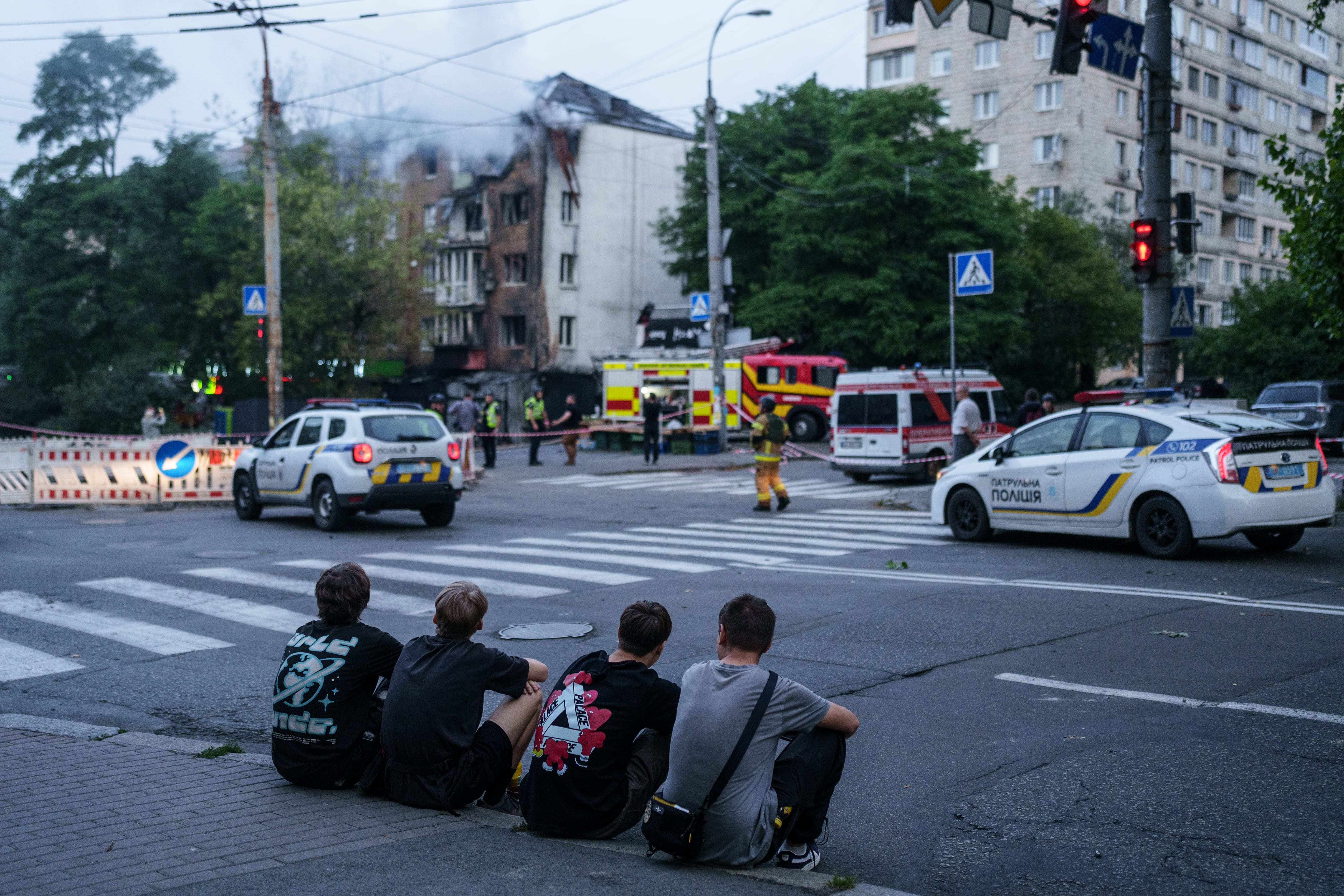
Photo by Serhiy Korovayny
More than 400 rescuers and 90 pieces of equipment were involved in dealing with the aftermath of the strike. Another 300 police officers are documenting the consequences of the shelling, recording crimes, accepting reports of damage, and securing the sites of the strikes.
According to the Ukrainian Air Force, Russia used 415 airborne weapons in the attack on the night of July 10. Among them were 397 Shahed strike drones and dummy drones. About 200 of them were combat Shaheds. The enemy also launched eight Iskander-M ballistic missiles, six Kh-101 cruise missiles, and four S-300 missiles.
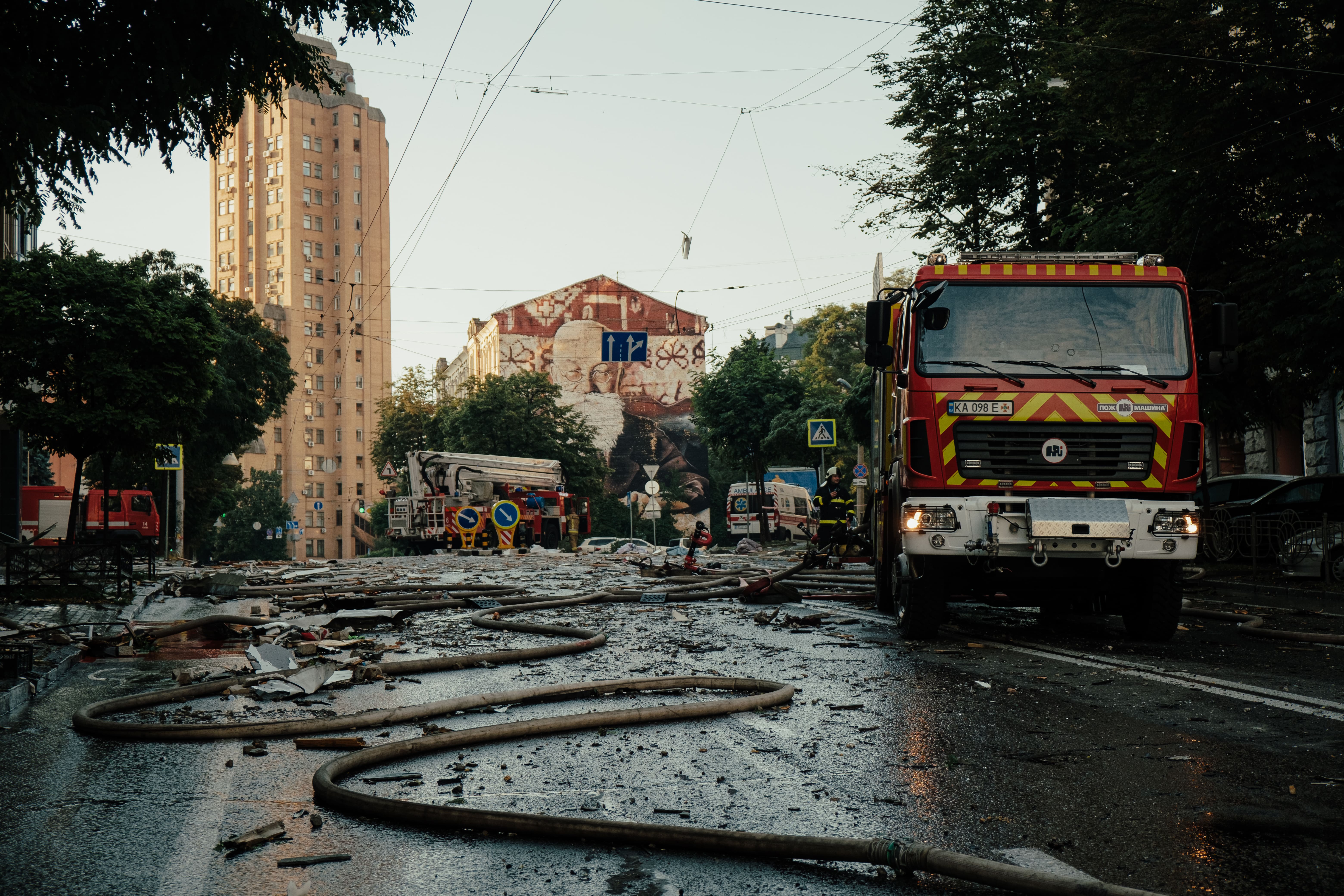
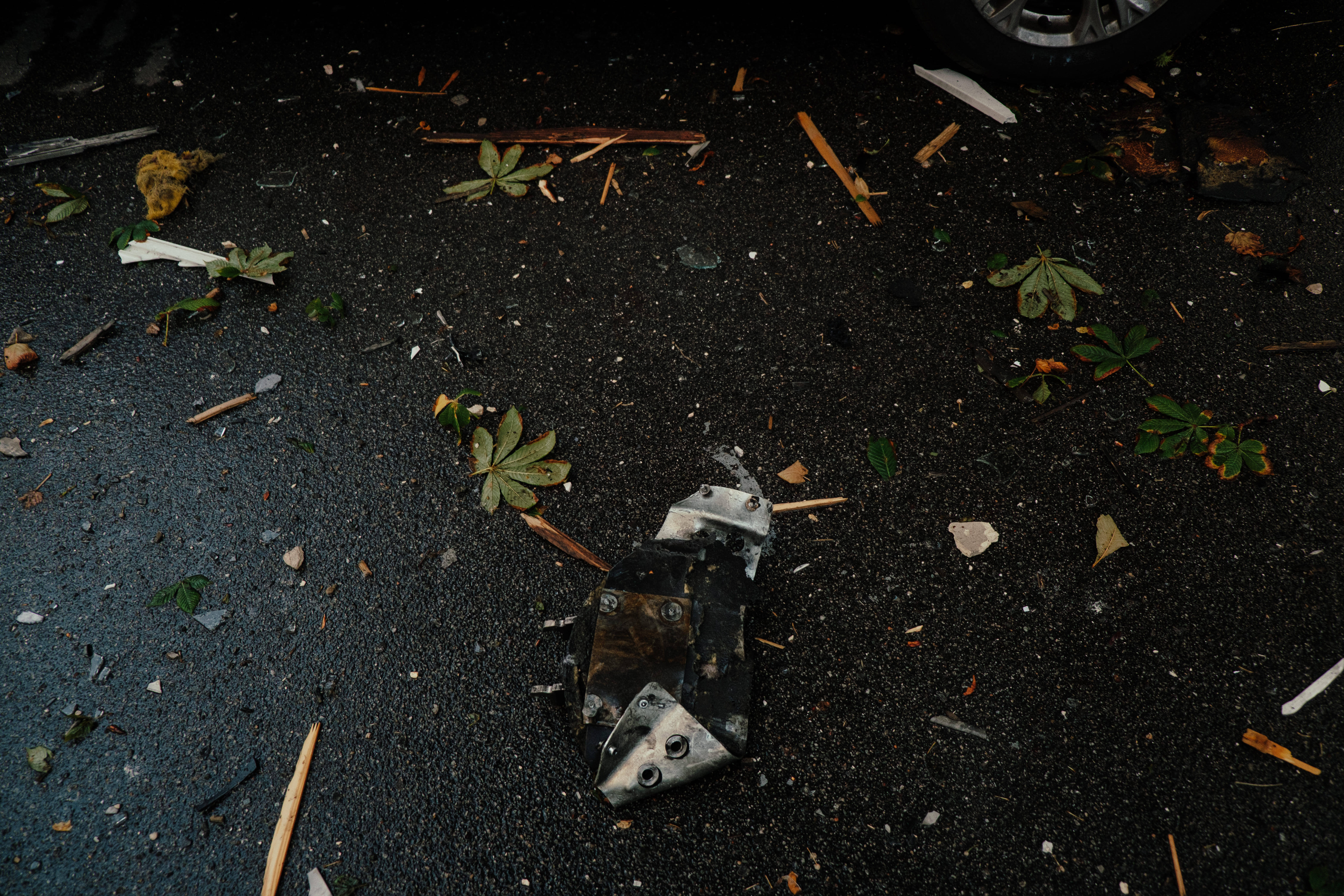
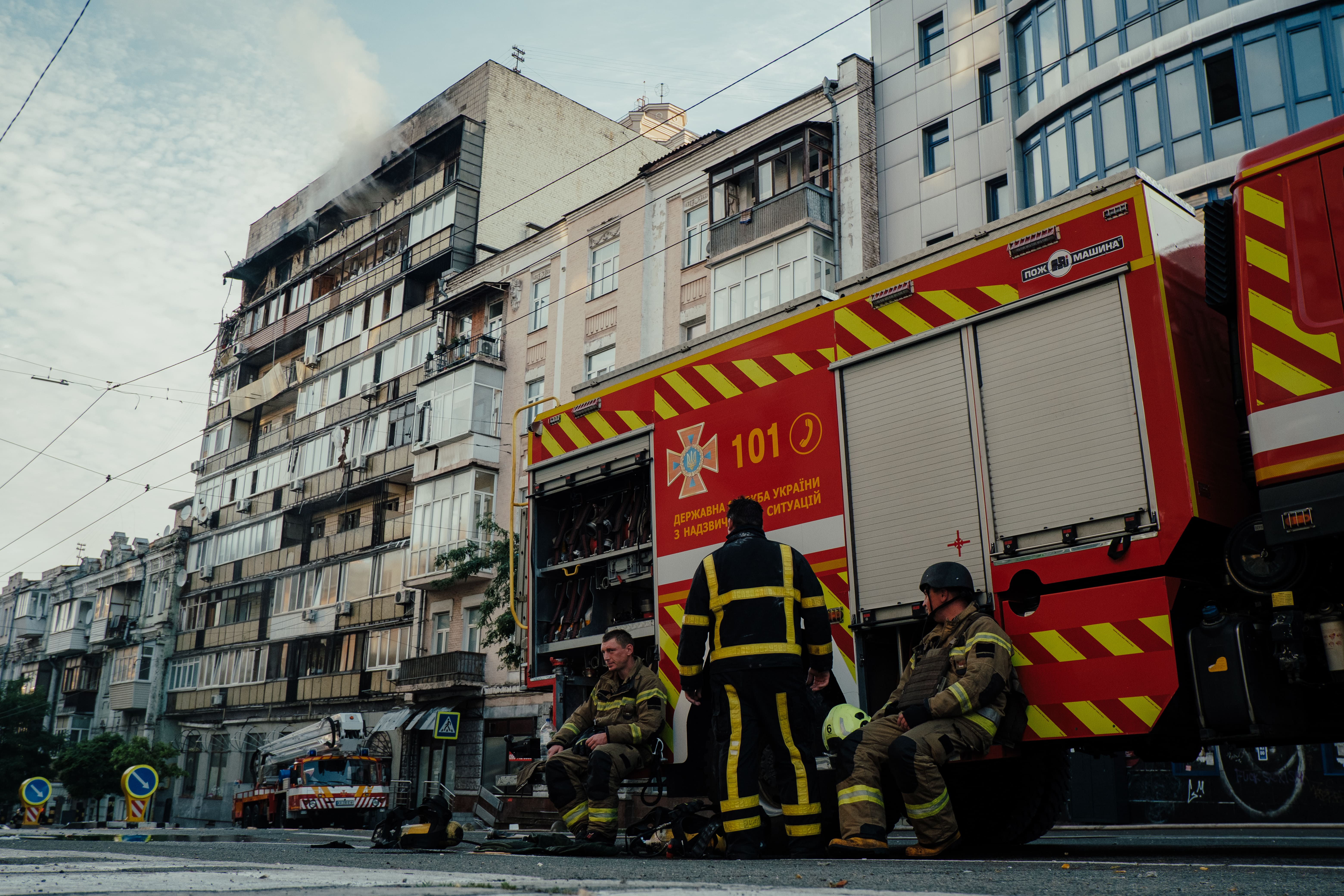
Photo by Taras Fedorenko / Slidstvo.Info
Ukrainian air defense forces, aviation, mobile fire groups, electronic warfare units, and unmanned systems destroyed or suppressed most of them. As of 10:00 a.m., 178 targets have been officially confirmed as shot down: 164 Shahed drones, 8 Iskander missiles, and 6 cruise missiles. More than 200 other weapons were lost or suppressed by electronic warfare systems.
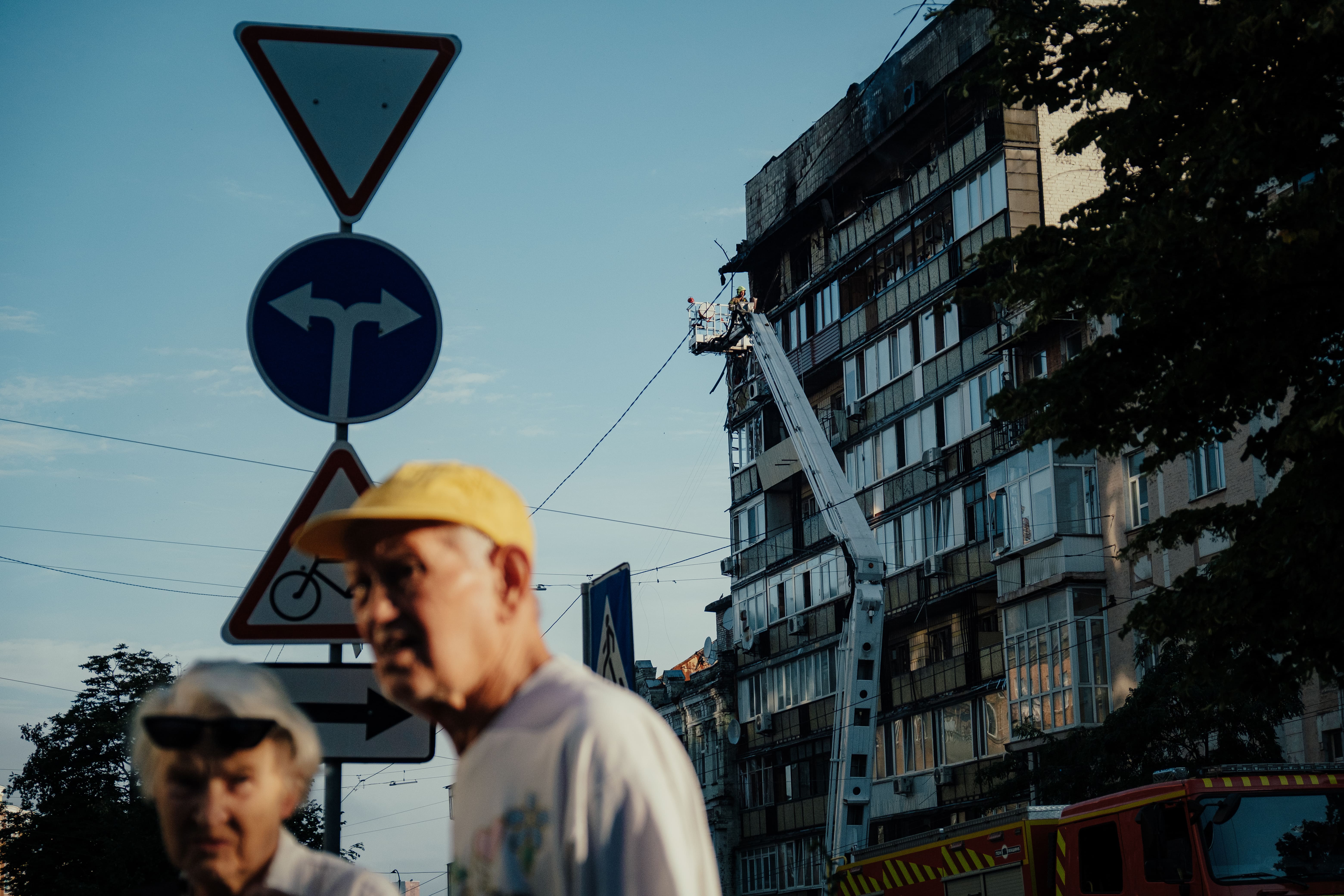
Photo by Taras Fedorenko / Slidstvo.Info
The scale of the destruction and the suffering of the affected areas were captured by Ukrainian photojournalists Taras Fedorenko and Serhiy Korovayny—their photos convey the depth of shock that the capital experienced that night. It was yet another attack not only on the city, but also on its residents—on their right to peace, security, and life.
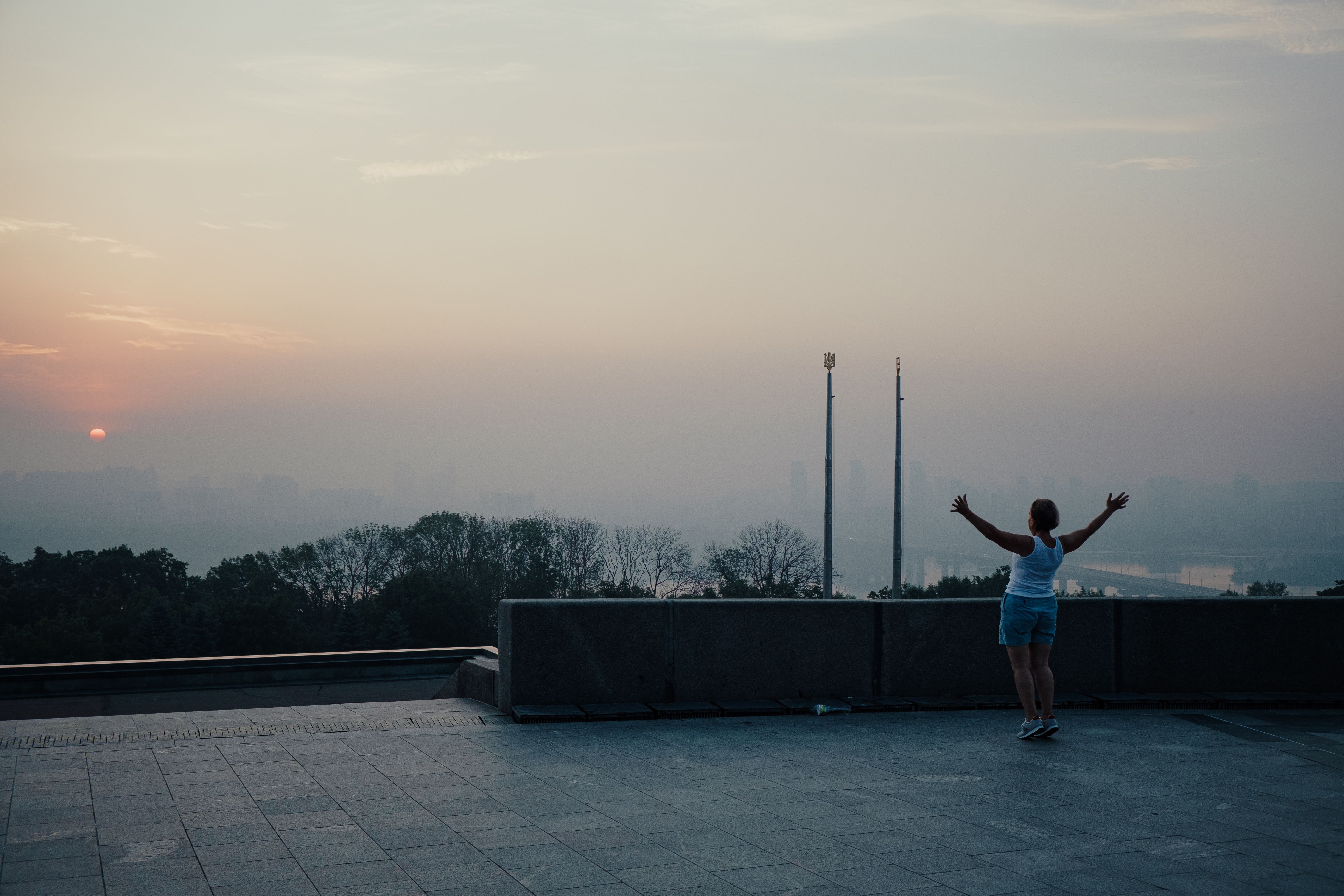
Photo by Taras Fedorenko / Slidstvo.Info
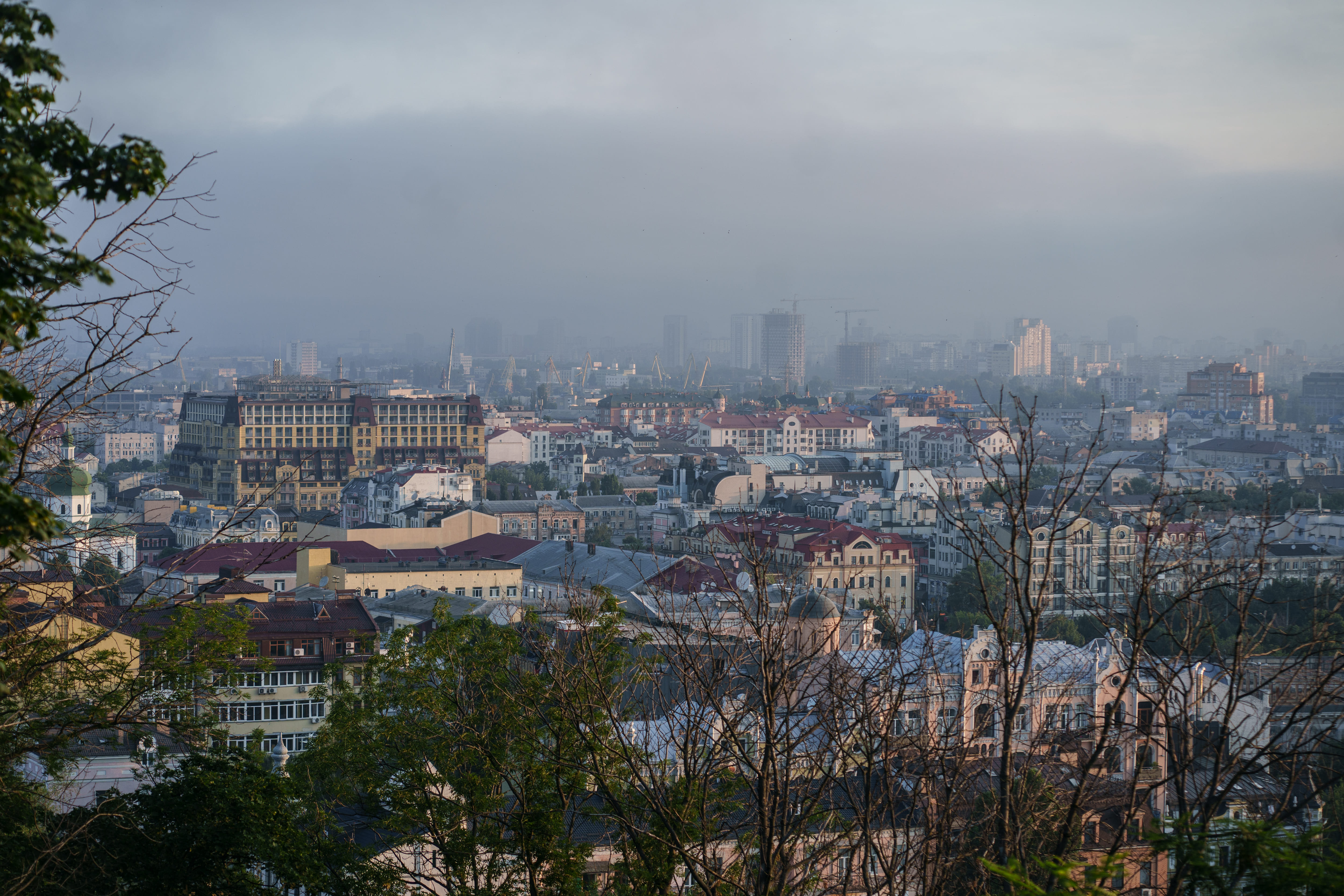
Photo by Serhiy Korovayny
When children went to the sea, drones flew into the city
On the morning of July 11, the Russian army again attacked Odesa with strike drones. At around 9:19 a.m., the Air Force warned of the threat of Shahed drones heading from the Black Sea towards the southern regions. Half an hour later, the first explosions were heard in the city. As of 9:53 a.m., at least five powerful strikes had been recorded. The all-clear signal was given at 10:08 a.m.
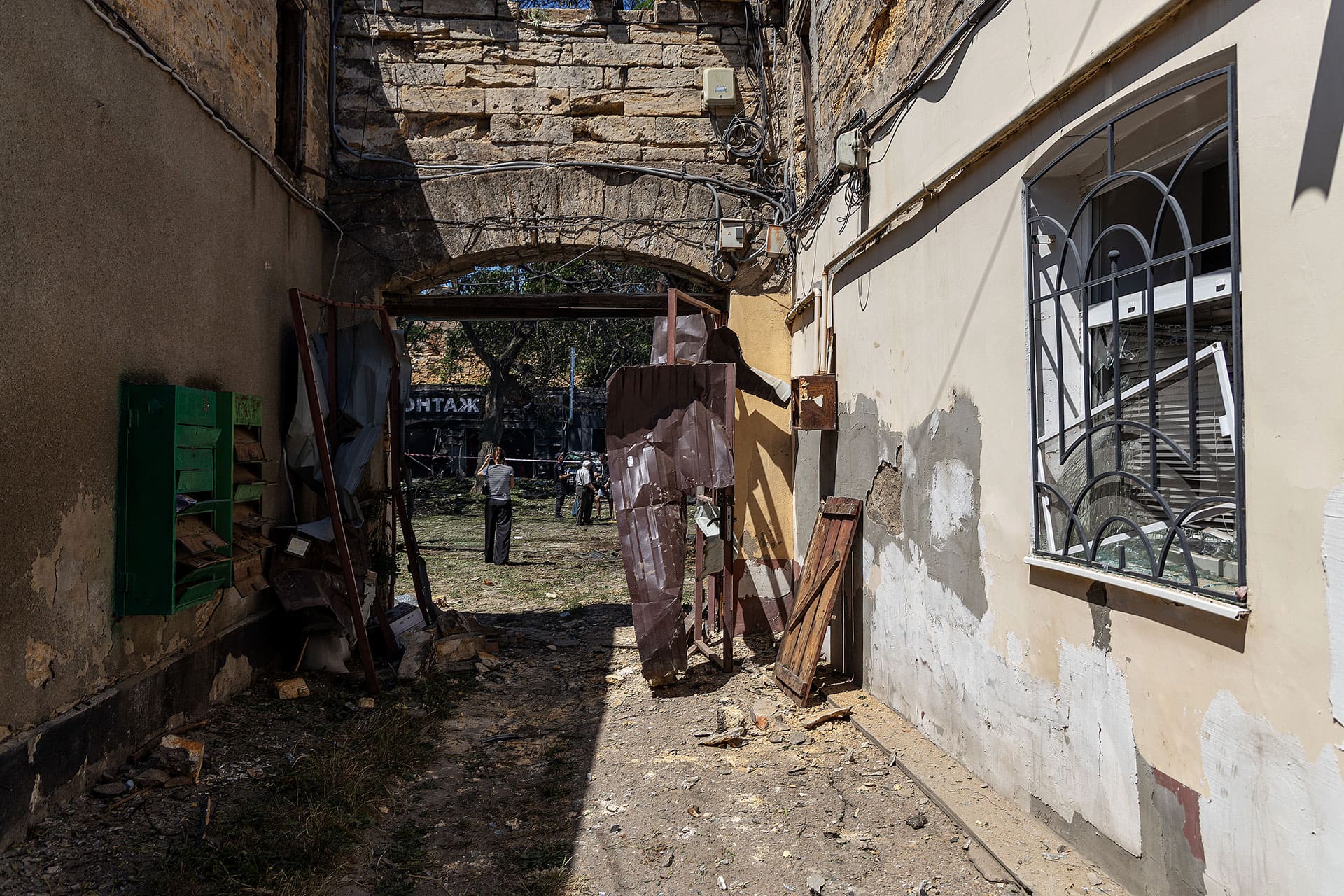
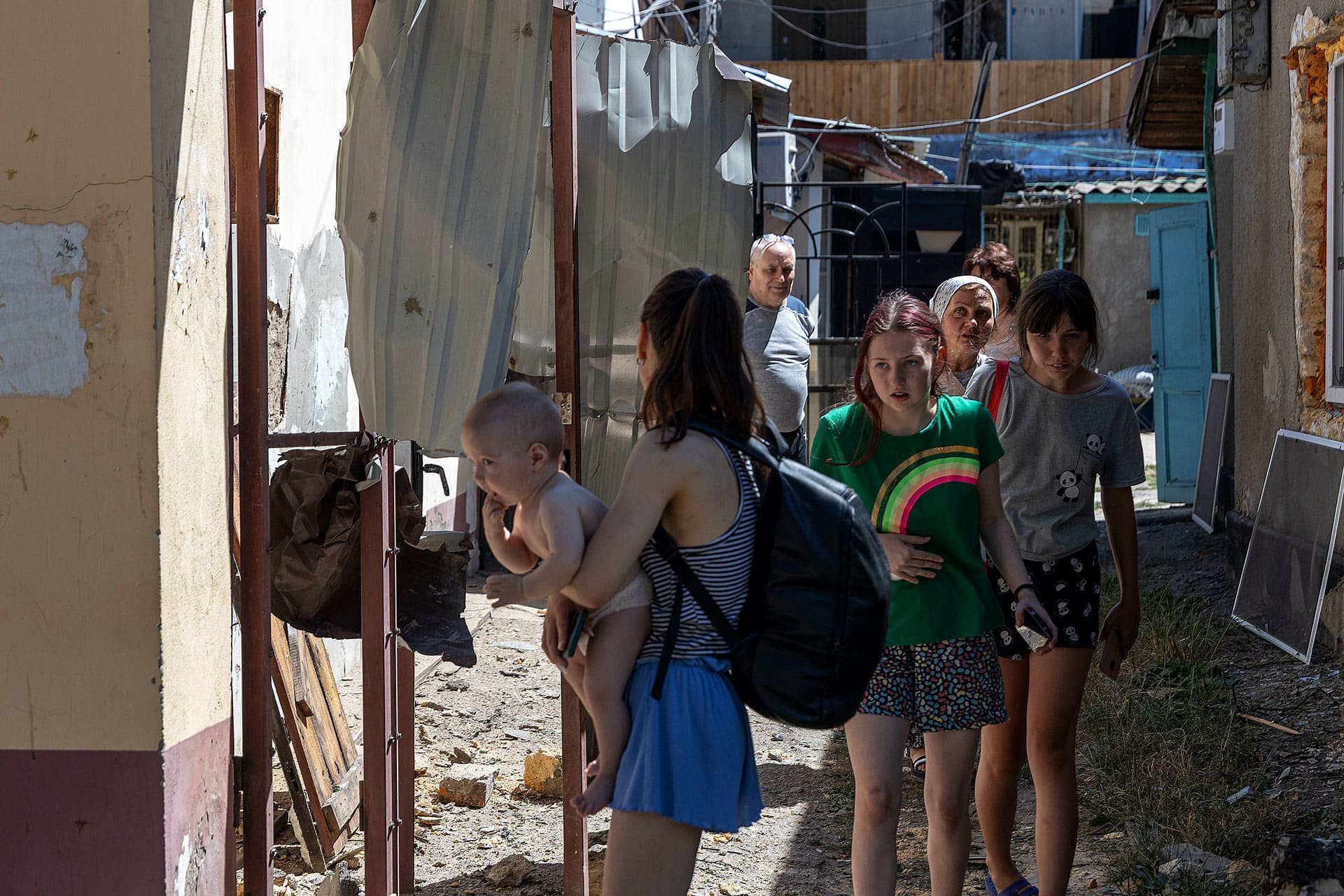

Photo by Alexander Gimanov
The drones struck civilian infrastructure. Residential and administrative buildings, a service station, and private cars were damaged in several areas of the city. At least nine people were injured in the attack, seven of whom were hospitalized. Immediately after the explosions, rescuers and medics arrived at the scene.
The strike also hit the stable area: a mare named Camelia was killed and another animal was injured. At the time of the attack, there were five horses and four ponies in the building.
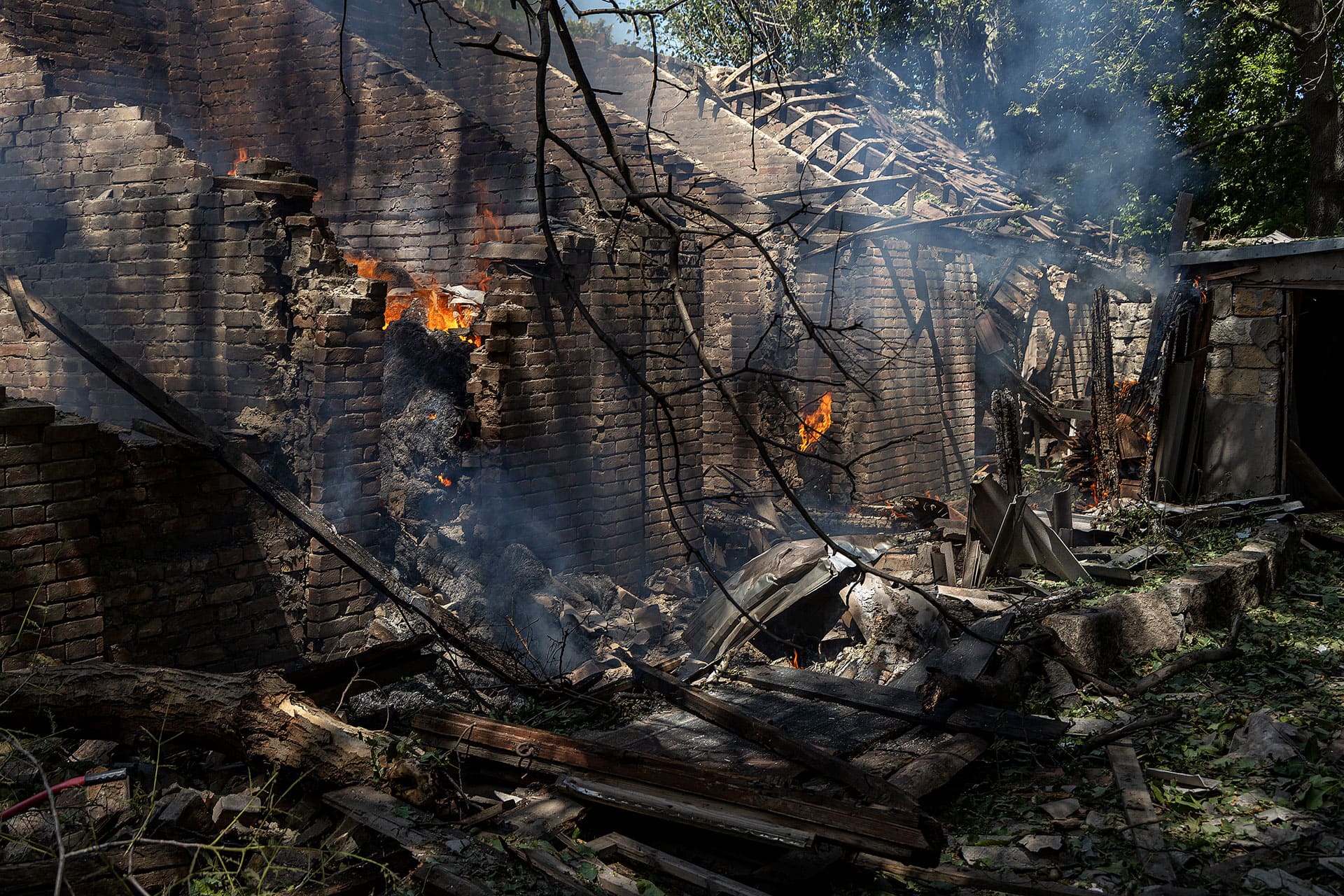
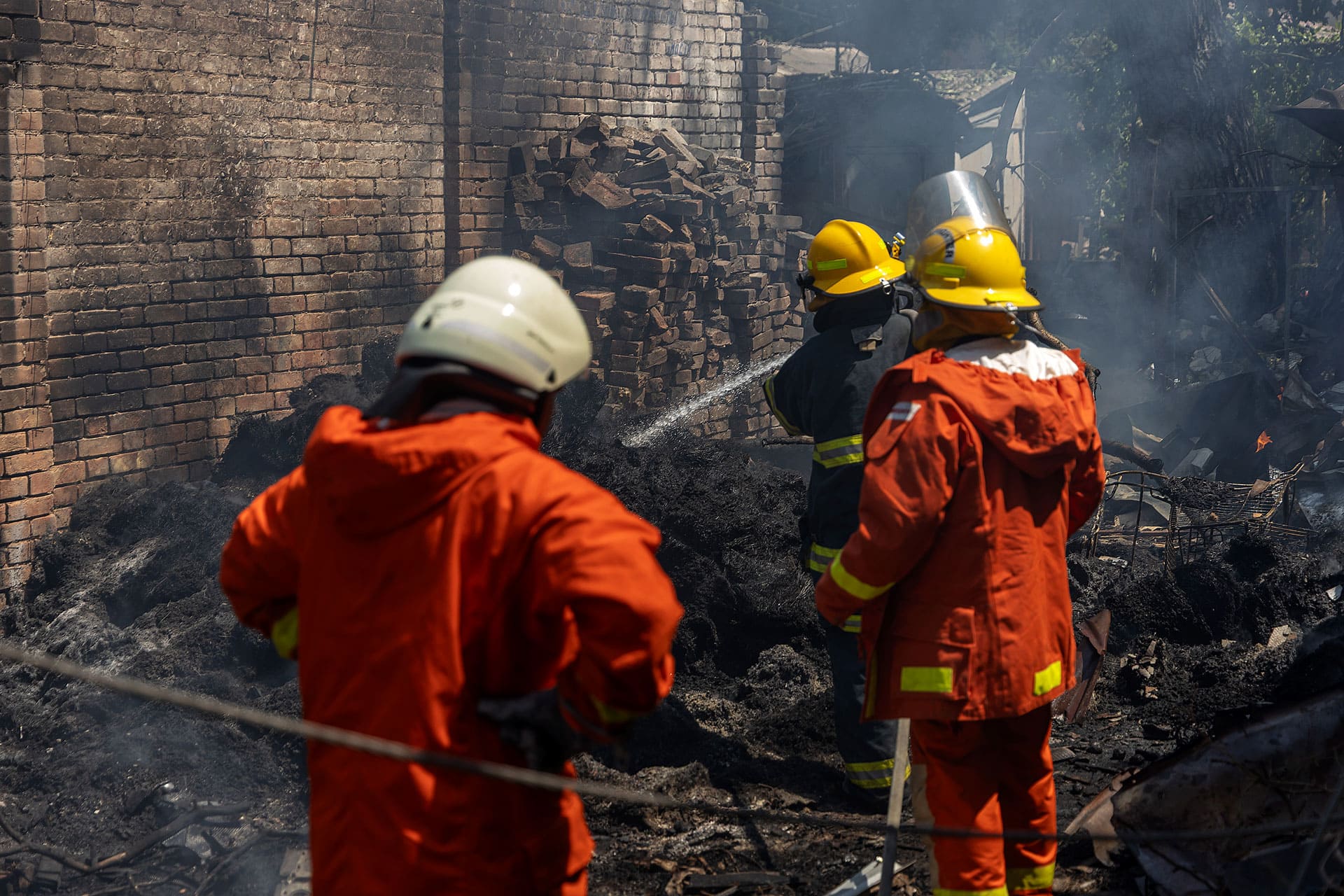

Photo by Alexander Gimanov
Photojournalist Alexander Gimanov, who documented the aftermath at the scene, noted: "Today, for the first time, the Russians launched rockets at the city center in the middle of the day, when people are going to work, to the store, to the beach, and children are playing in the streets. The terrorists are raising the bar higher and higher." His photographs are not just visual evidence of the shelling, but the voice of a city that finds itself under fire every time it is going about its normal peaceful life.
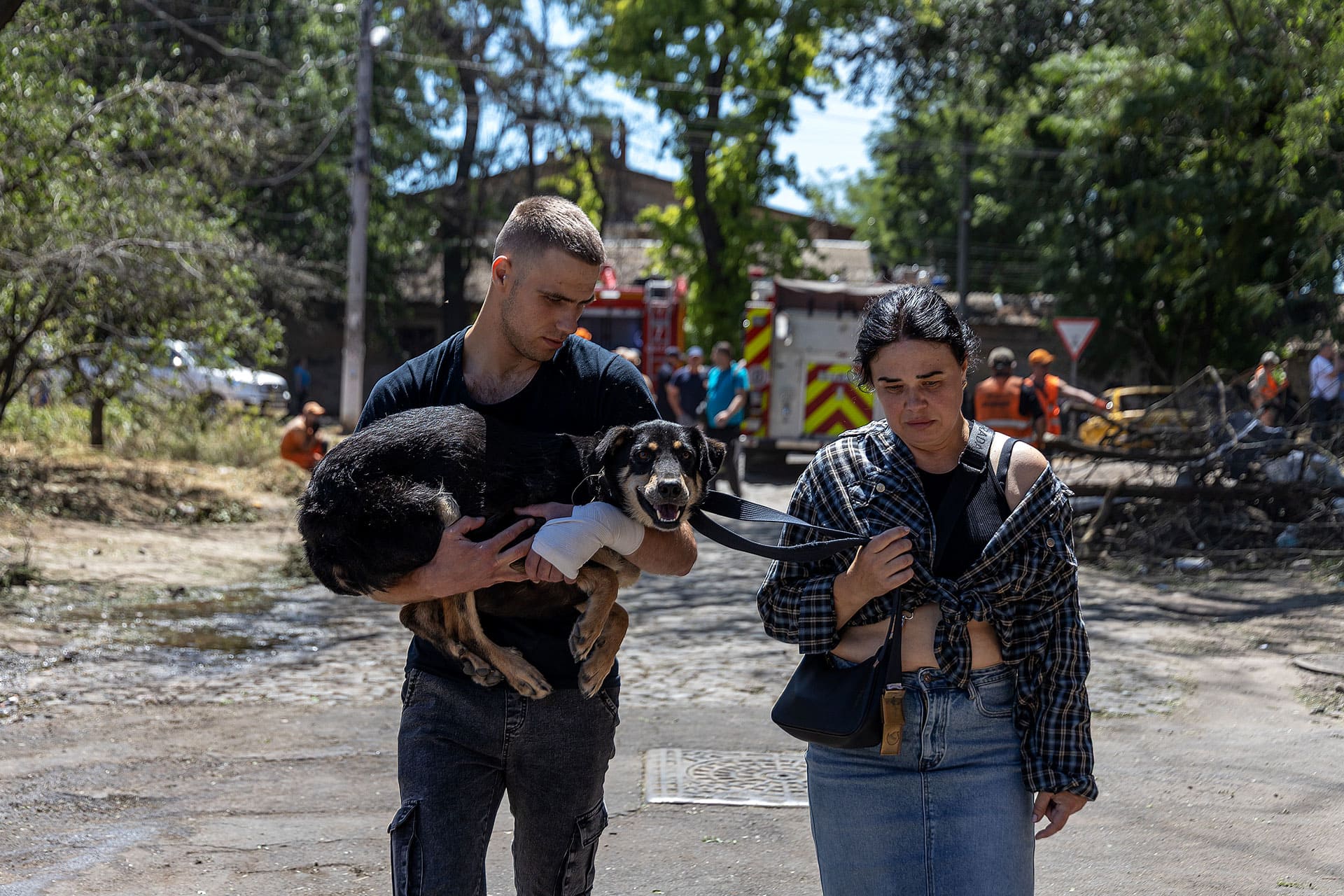
Photo by Alexander Gimanov
The most massive attack on Lviv: a night of drones and fires
On the night of July 12, Lviv suffered the most massive attack since the start of the full-scale invasion. The Russians launched drones at the city, causing explosions in residential areas and the central part of the city. The strike hit residential buildings, a kindergarten, buildings of the Lviv Polytechnic, administrative buildings, and industrial facilities. The city was enveloped in a smoke screen.
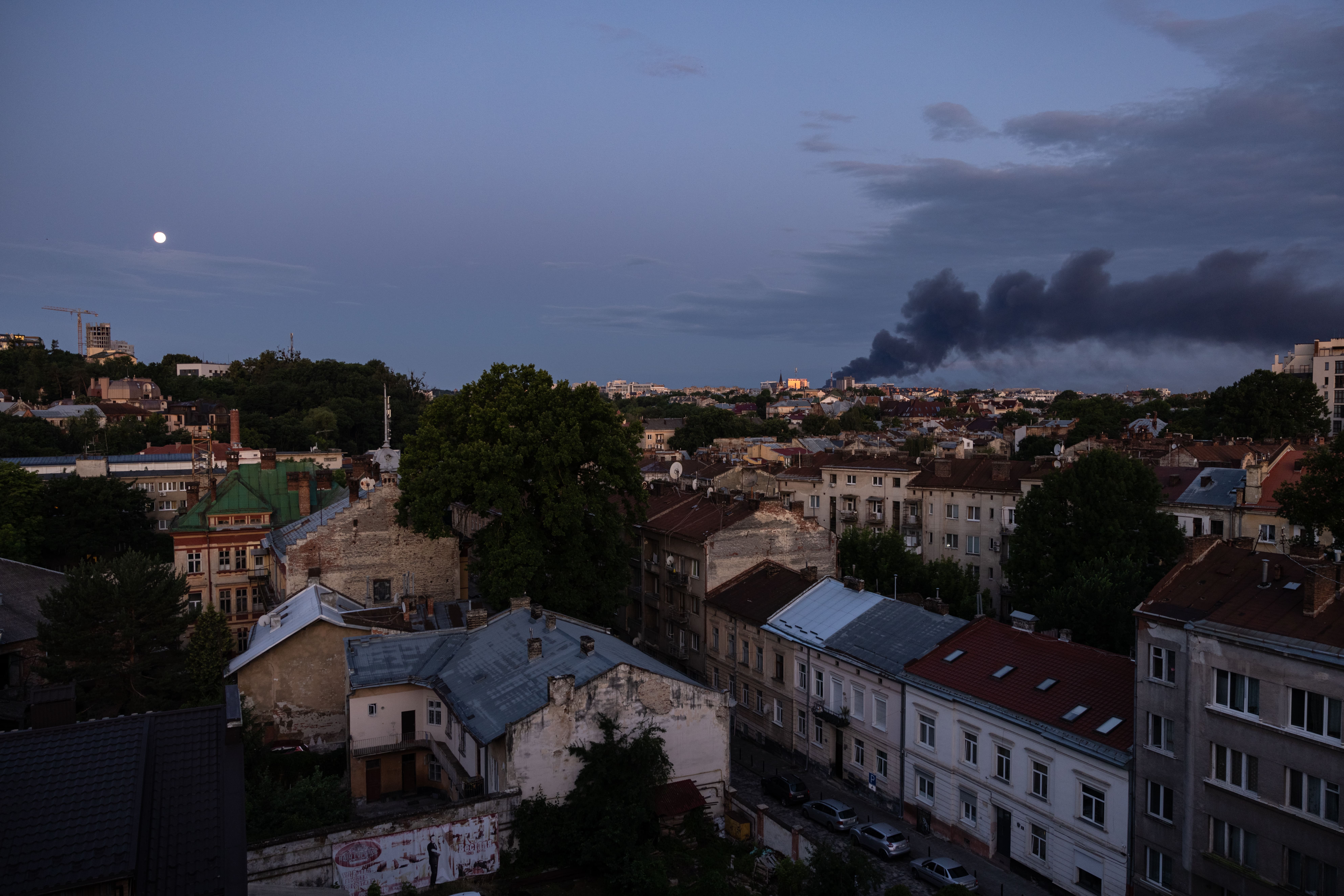
Photo by Kateryna Moskalyuk
Twelve people were injured, including two children. Three were hospitalized, while the rest were treated at the scene. Six more people sought medical attention for injuries sustained during the alarm—not at the sites of the explosions, but on their way to shelters.
A total of 51 buildings (528 apartments), 19 cars, 21 businesses, and two industrial enterprises were damaged. Six families whose homes were rendered uninhabitable were temporarily relocated. An increase in carbon monoxide levels has been recorded in the area of Olena Stepanivna Street — there is no threat to life, but residents are advised to keep their windows closed.
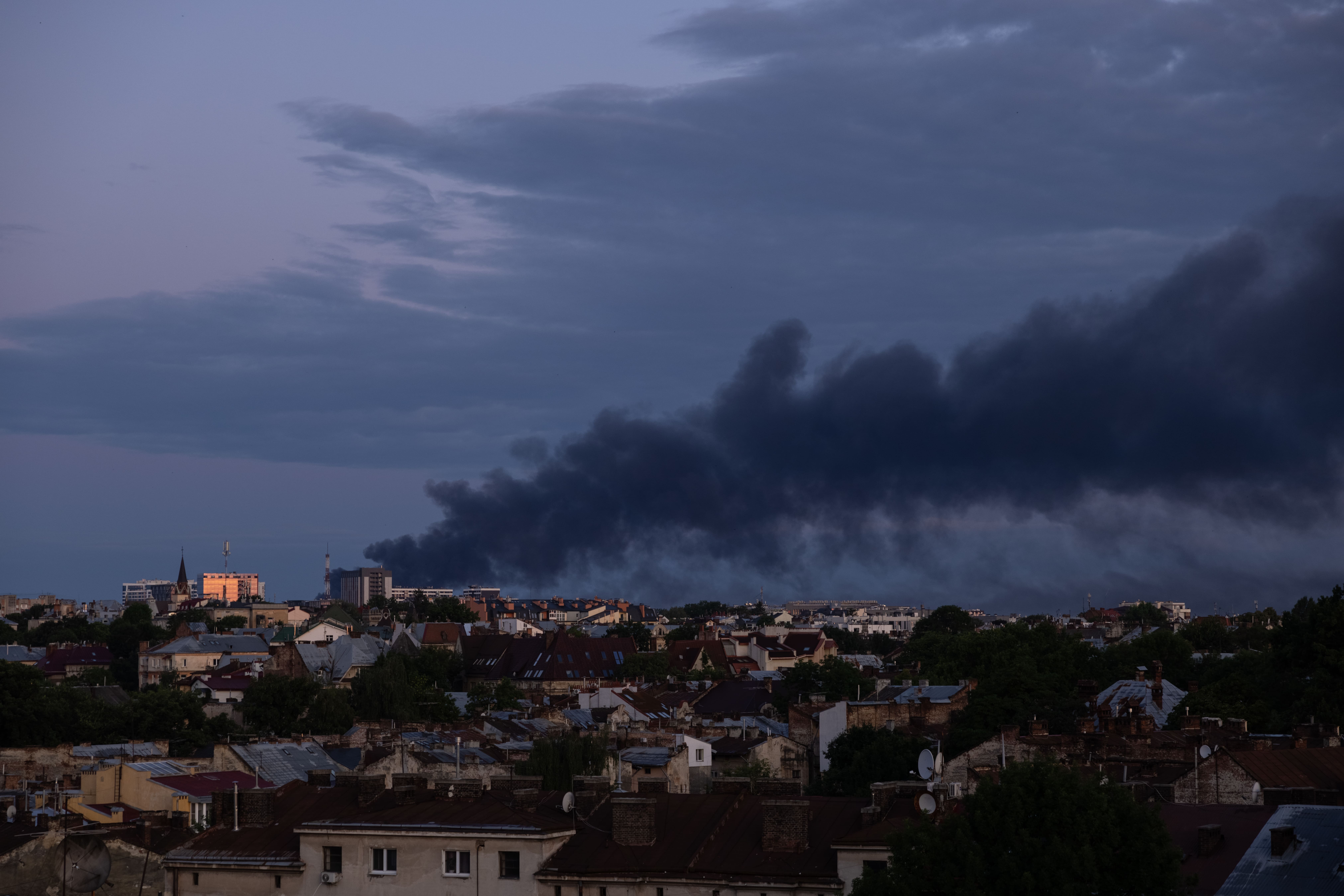
Photo by Kateryna Moskalyuk
The panorama of smoky Lviv in the morning was documented by local photographer Kateryna Moskalyuk.
Contributors:
Researcher, author: Vira Labych
Image editor: Olga Kovalova
Literary editor: Yulia Futey
Website manager: Vladislav Kukhar
.png)
.png)