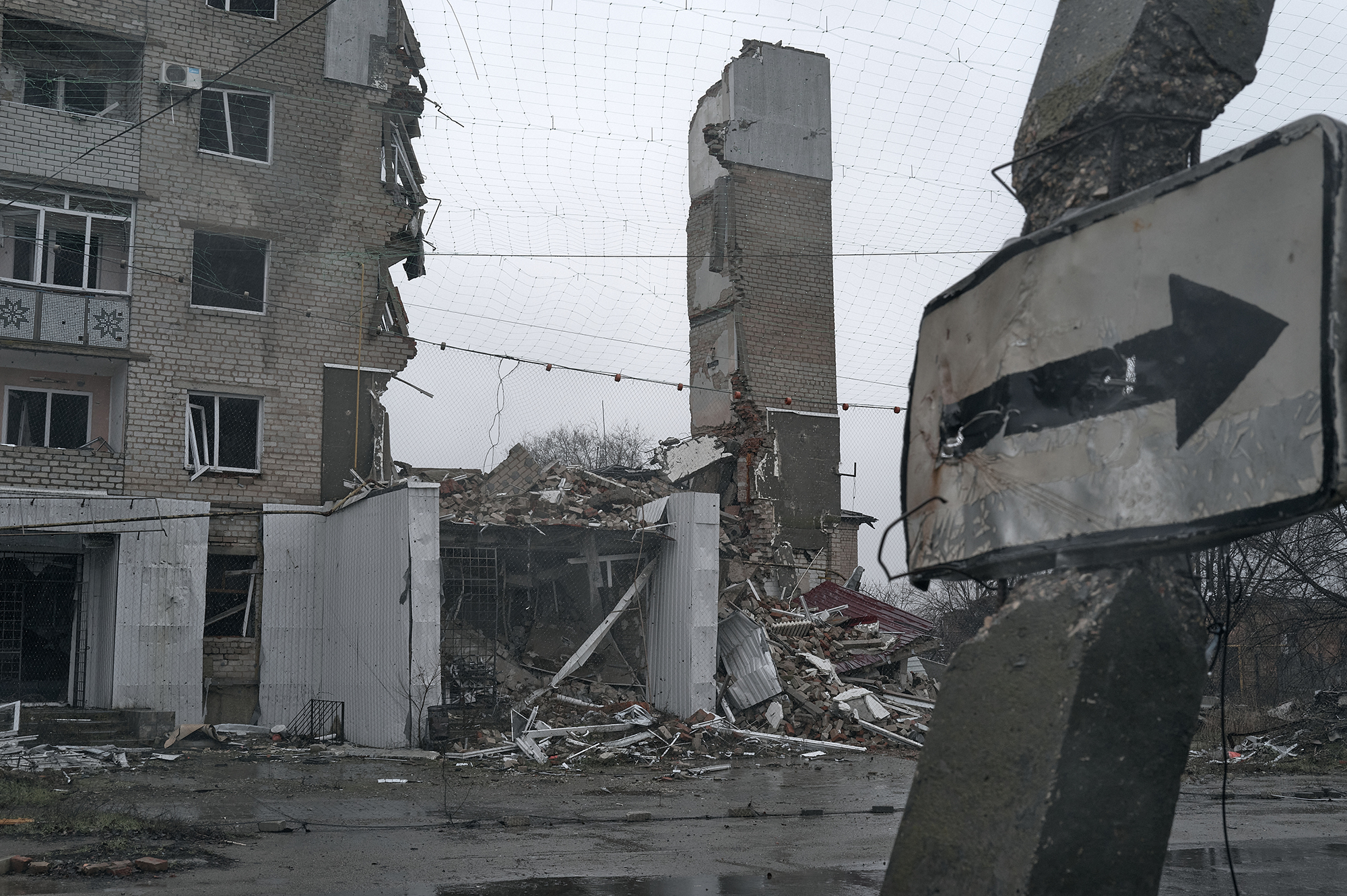
After Russia’s full‑scale invasion of Ukraine, the skyline of cities located near the front line will never be the same again. This is a point of no return to the life that existed before: people are killed, forced to leave, buildings are burned by enemy weapons. The protracted nature of the war has turned Ukrainian cities into military directions. One of these cities is the hero city of Orikhiv. For four years now, Ukraine’s Defense Forces have been holding the line in this direction. The line of contact is blurred and constantly shifting; according to DeepState data, it is approximately 7–10 kilometers from Orikhiv. The news agency Ukrinform reports that Russian units have been tasked with moving as close as possible to Orikhiv and entrenching themselves on its outskirts.
The Ukrainian photographer couple Kostiantyn and Vlada Liberov traveled to eastern and southern Ukraine on assignment in the winter of 2026. The documentarians visit cities affected by hostilities and brought back a series of photographs from frontline Orikhiv. They managed to capture not only how the landscape of frontline territories is changing, but also the everyday reality of a city to which the front line is steadily approaching. The Liberovs’ photographs also draw attention to new environmental challenges that will become pressing after the war ends.
A city where life was once felt
Orikhiv is the administrative center of Orikhiv district in Zaporizhzhia region, located on the left bank of the Konka River. Its entire history is marked by periods of growth linked to trade, industry, and agriculture, as well as dark chapters of destruction and terror. Tragic scars were left by the great fire of 1842, World War I, the Russian Civil War, Stalinist repression, and the Holodomor. Today, Orikhiv is experiencing yet another dark chapter in its history — one shared by the entire country.
We ask Vlada and Kostiantyn whether this was their first visit to the city.
“The first time we were in Orikhiv was during the 2023 counteroffensive. Media entry into the city was closed, so we entered ‘illegally’ together with our friend who serves in the military. It was summer. The city that greeted us was very green and cozy, though already battered by enemy artillery and guided aerial bombs. Overall, there was a sense of life in the city: lots of military personnel and civilians, a large working market,” the couple recalls.

Orikhiv is one of the cities of Zaporizhzhia region that withstood the enemy’s advance at the beginning of the full‑scale invasion in 2022. In March of that year, Russian forces managed to occupy surrounding villages near Orikhiv — Polohy, Vasylivka, and Tokmak. Orikhiv found itself partially encircled. The city became a gateway to the regional center and the only road to Zaporizhzhia free from occupation, which is why Russian forces attacked it around the clock. Nevertheless, the Armed Forces of Ukraine managed to hold Orikhiv, stopping the advance of the Russian army.
During Ukraine’s southern counteroffensive in August 2023, the Armed Forces pushed the front line away from Orikhiv. As the Ukrainian outlet Babel reported, by the end of February 2023 the line of contact in Zaporizhzhia region remained unchanged, with Russian forces conducting pinpoint attacks to seize individual positions or maintain control over the “gray zone.”
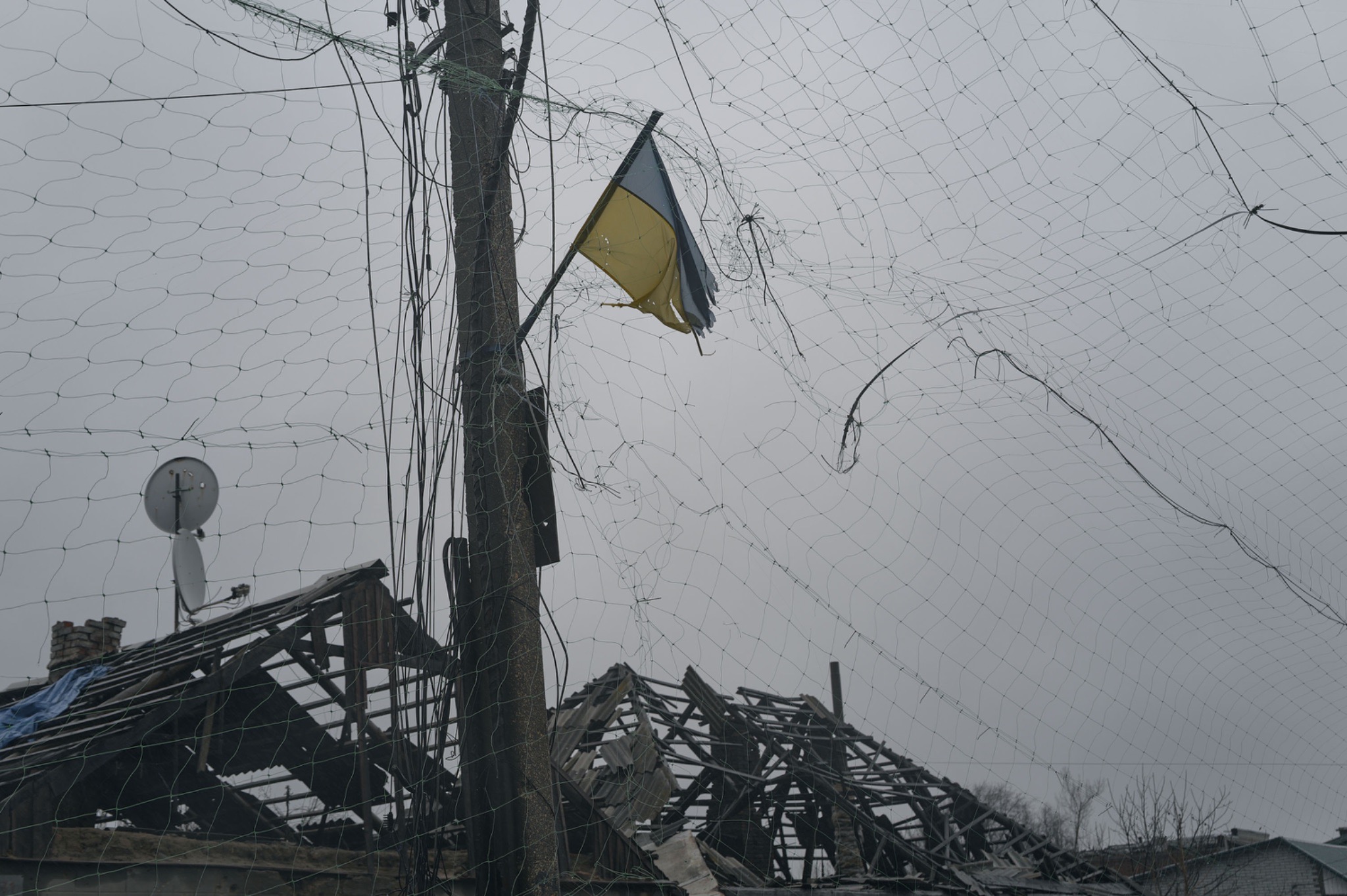
In the winter of 2026, the Zaporizhzhia sector is once again a hot spot on the map of the war. Despite the density of shelling and constant enemy pressure, the city continues to hold. This is evidenced by the tattered Ukrainian flags still flying stubbornly on ruined buildings — the only bright spots in the Liberovs’ photographs from Orikhiv.
Reconnaissance and search operations by Ukraine’s Defense Intelligence, in coordination with the Defense Forces, are currently ongoing in the Zaporizhzhia sector. According to an official statement, the defensive operation has been underway for three months with the aim of disrupting the enemy’s offensive plans and preventing its advance toward Zaporizhzhia. During this period, Ukrainian forces eliminated more than 300 occupiers killed and wounded and captured an additional 39 Russian soldiers.
No building left intact
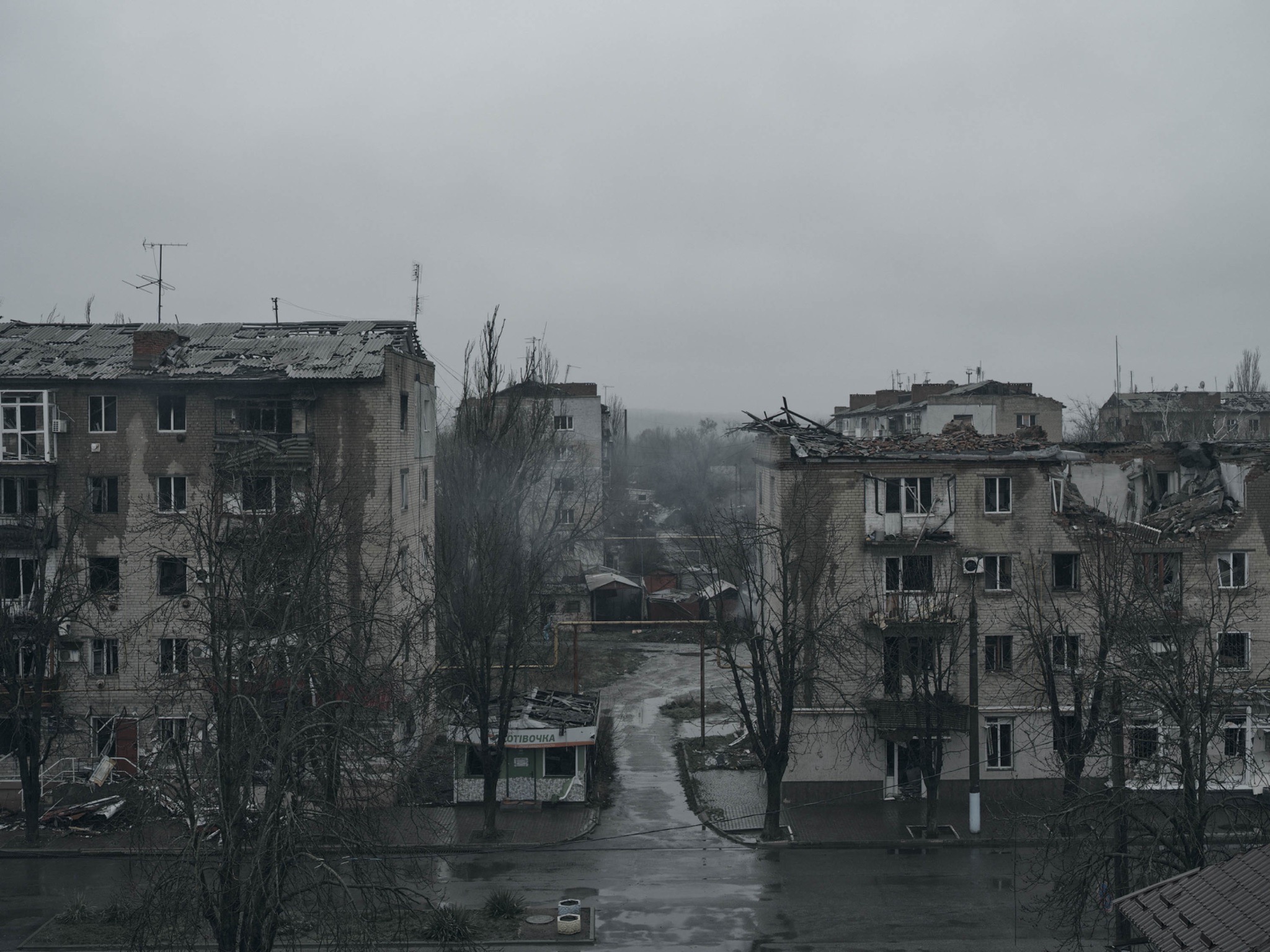
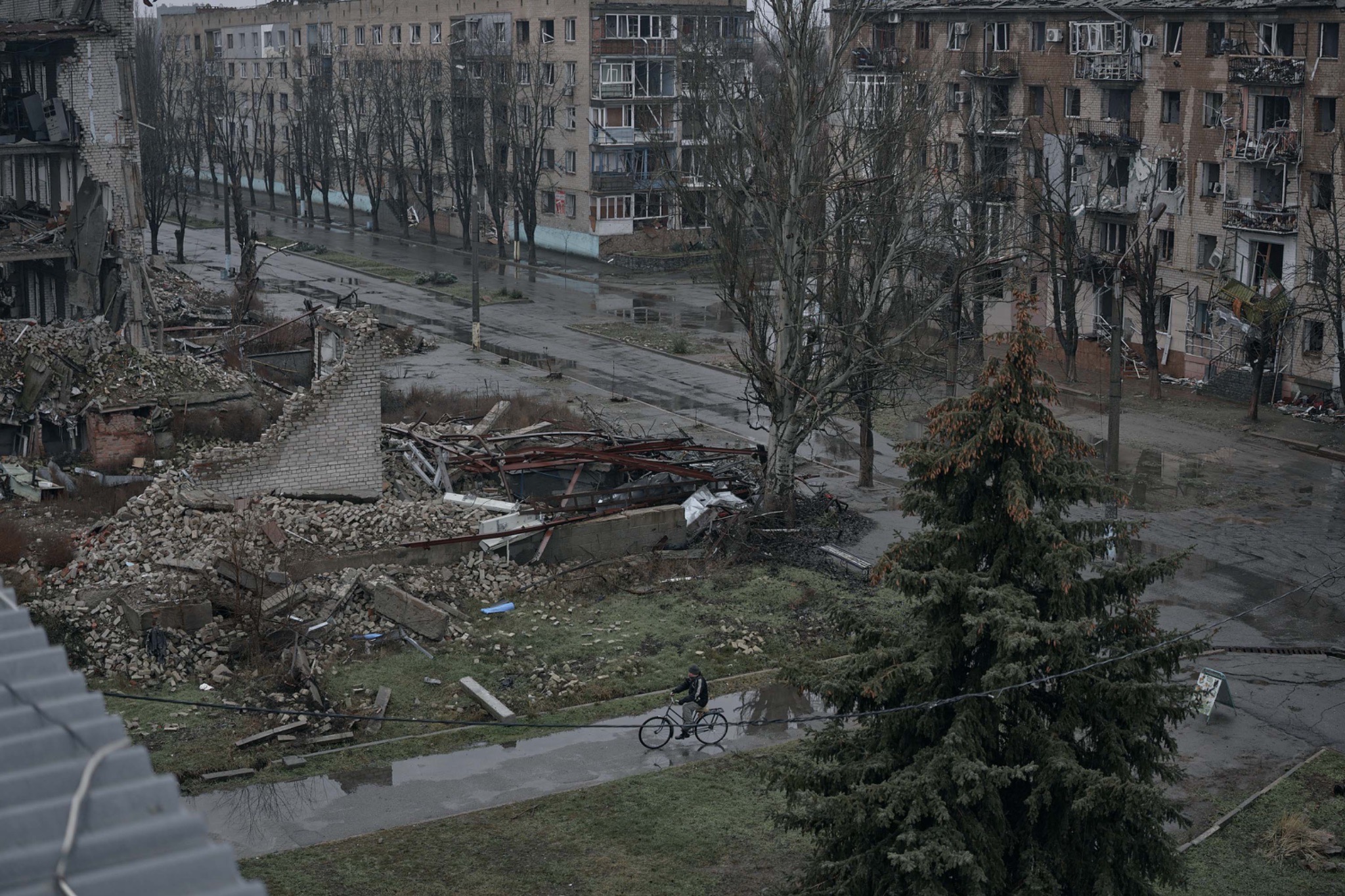
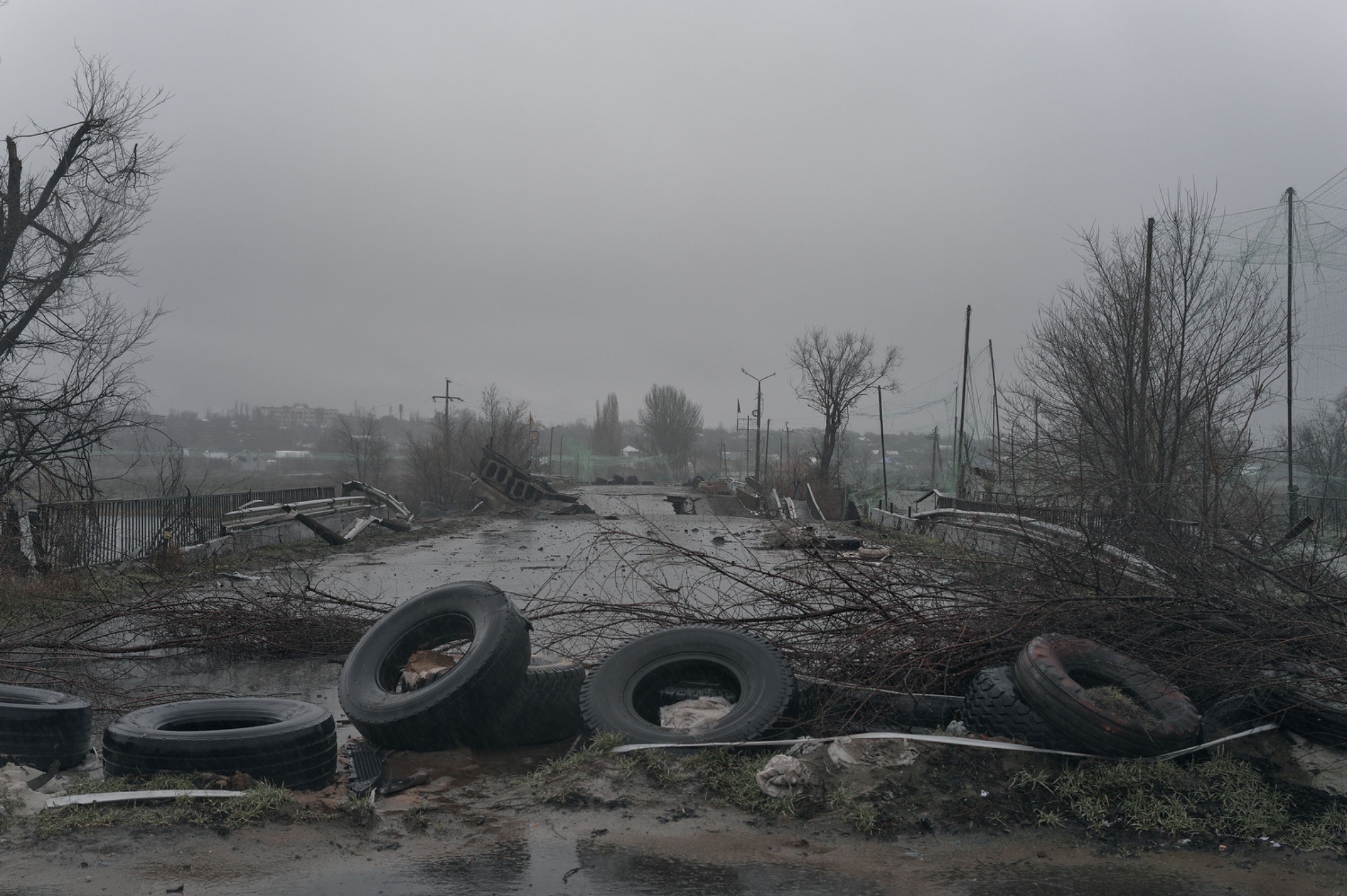
Over four years of the Russian‑Ukrainian war, Russian forces have destroyed Orikhiv’s entire infrastructure. The city is shelled with all types of weapons. Traces of war are visible at every step.
Vlada Liberov says that the cozy, lively Orikhiv they saw in 2023 no longer exists:
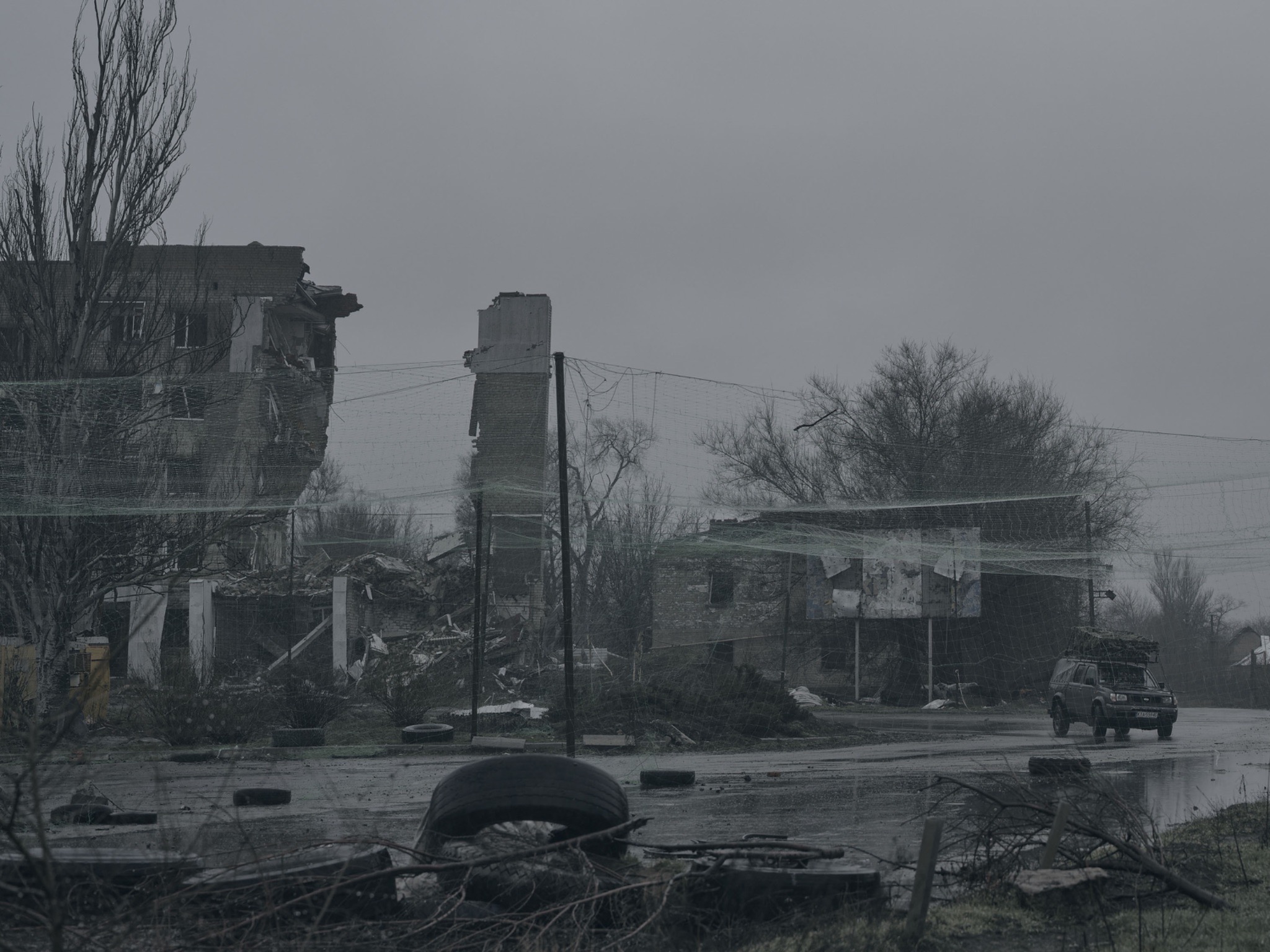
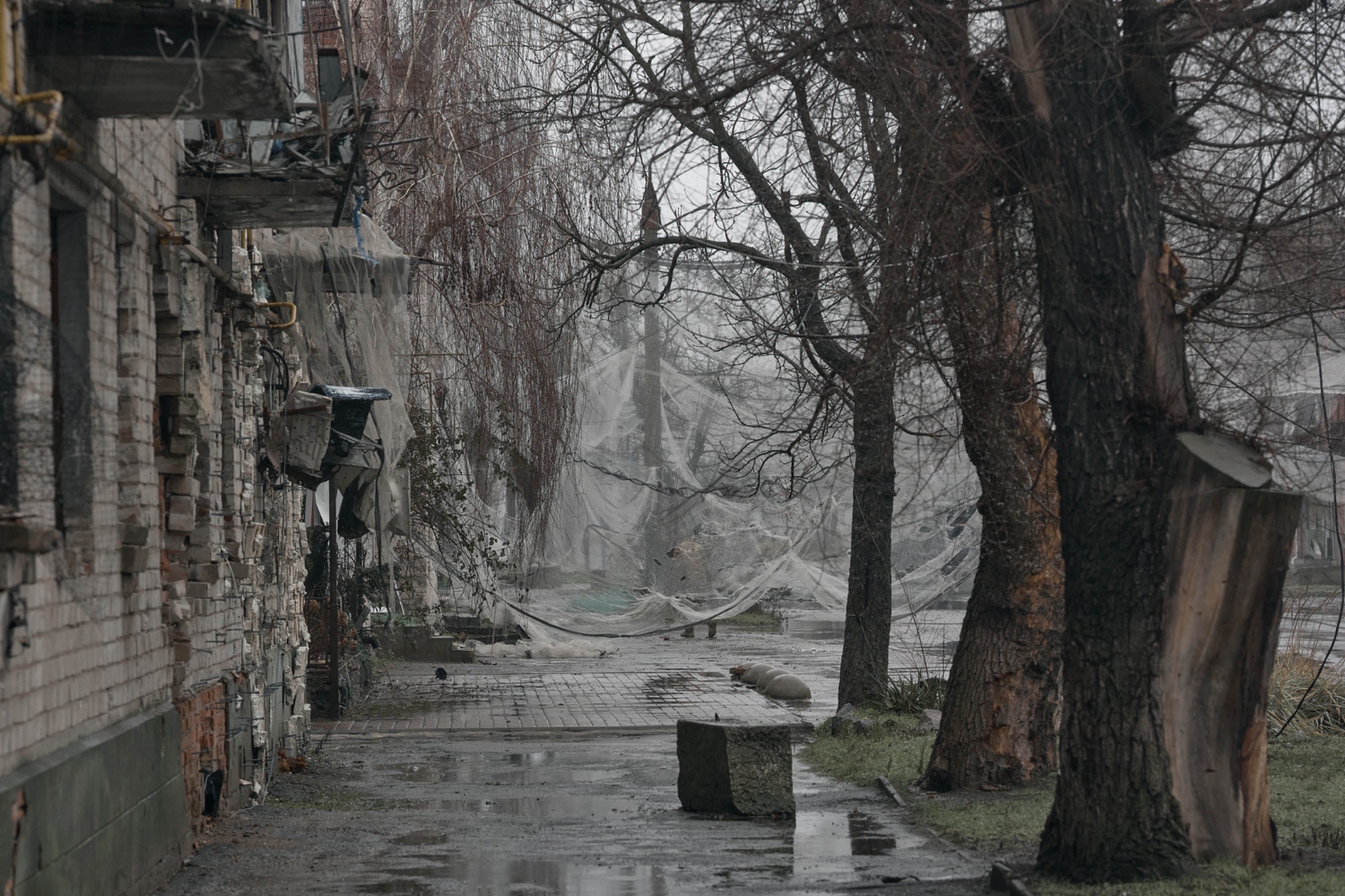
“More than two years have passed since that trip. Everything we saw then is in stark contrast to what we see now. A gray, emptied, mutilated city. Orikhiv is destroyed — we did not see a single building untouched by the war. There are almost no people. The air constantly trembles from explosions.”
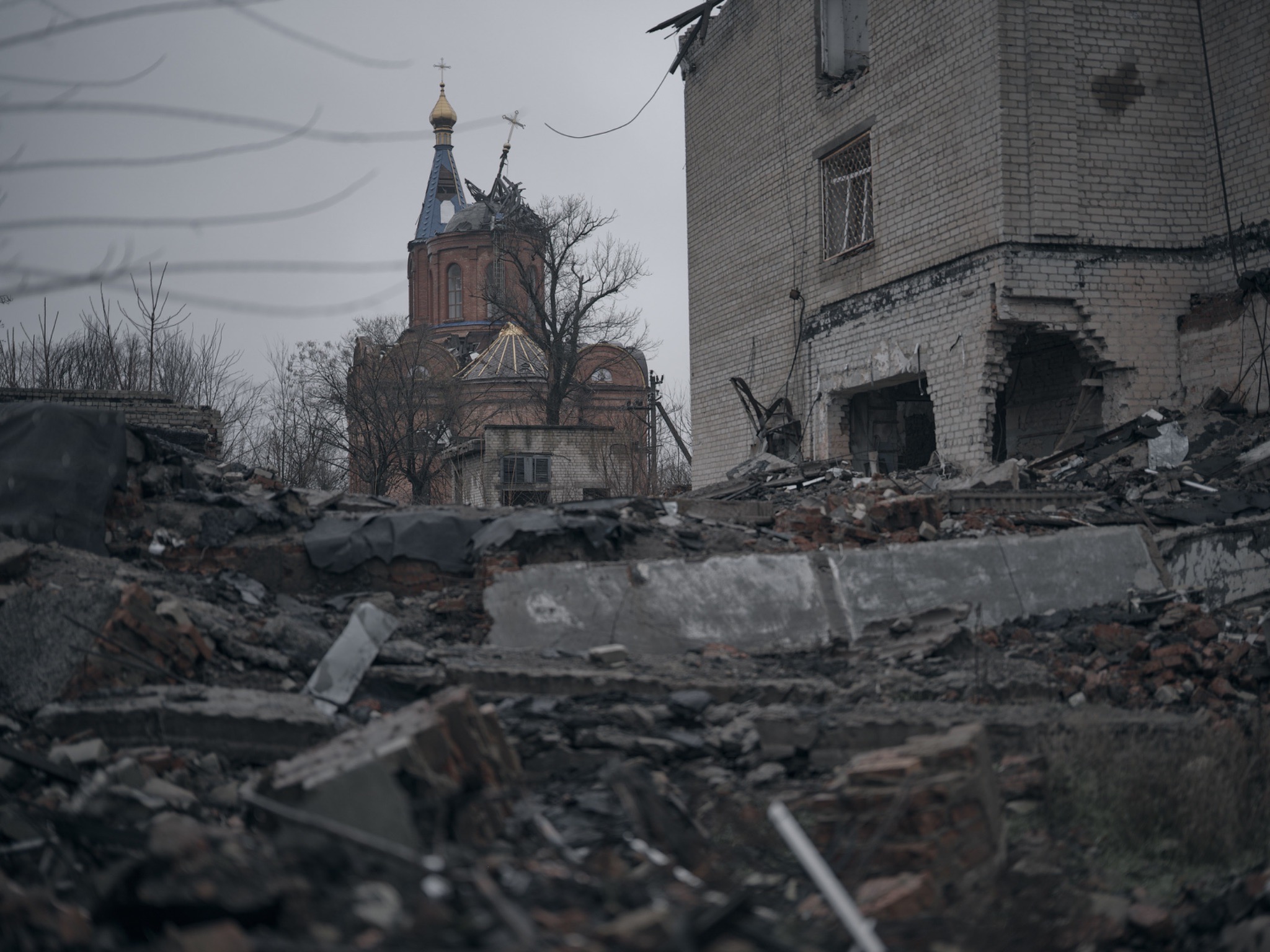
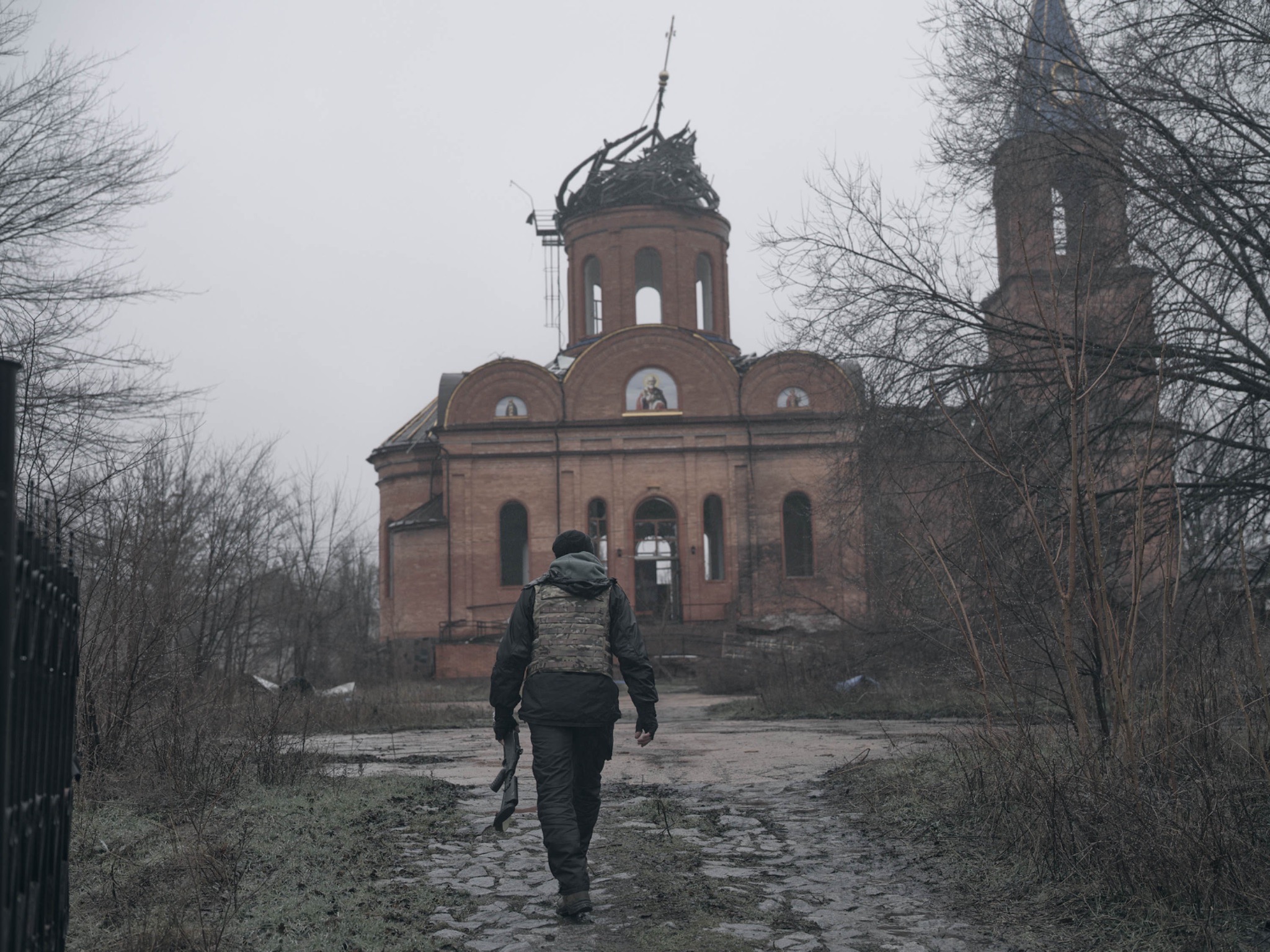
By October 2022, Orikhiv had already been destroyed by 70 percent. Over the years of war, architectural landmarks and cultural and social infrastructure have been destroyed or damaged, including the Suziria school‑gymnasium, the local history museum, the Orikhiv City Council building known as the Jantzen House, and the city’s main landmark — the 100‑year‑old Center for Culture and Leisure, a locally protected architectural monument — as well as the city hospital and religious buildings. The Liberovs’ photographs capture the ruins of a church destroyed by Russian shelling — another stark illustration of Russia’s performative “Orthodoxy.”
“The city is destroyed and emptied. Some areas have been almost completely wiped out by guided aerial bombs. Others are battered by artillery and drones. There are drones everywhere,” the photographers say.
A kiosk as a center of life
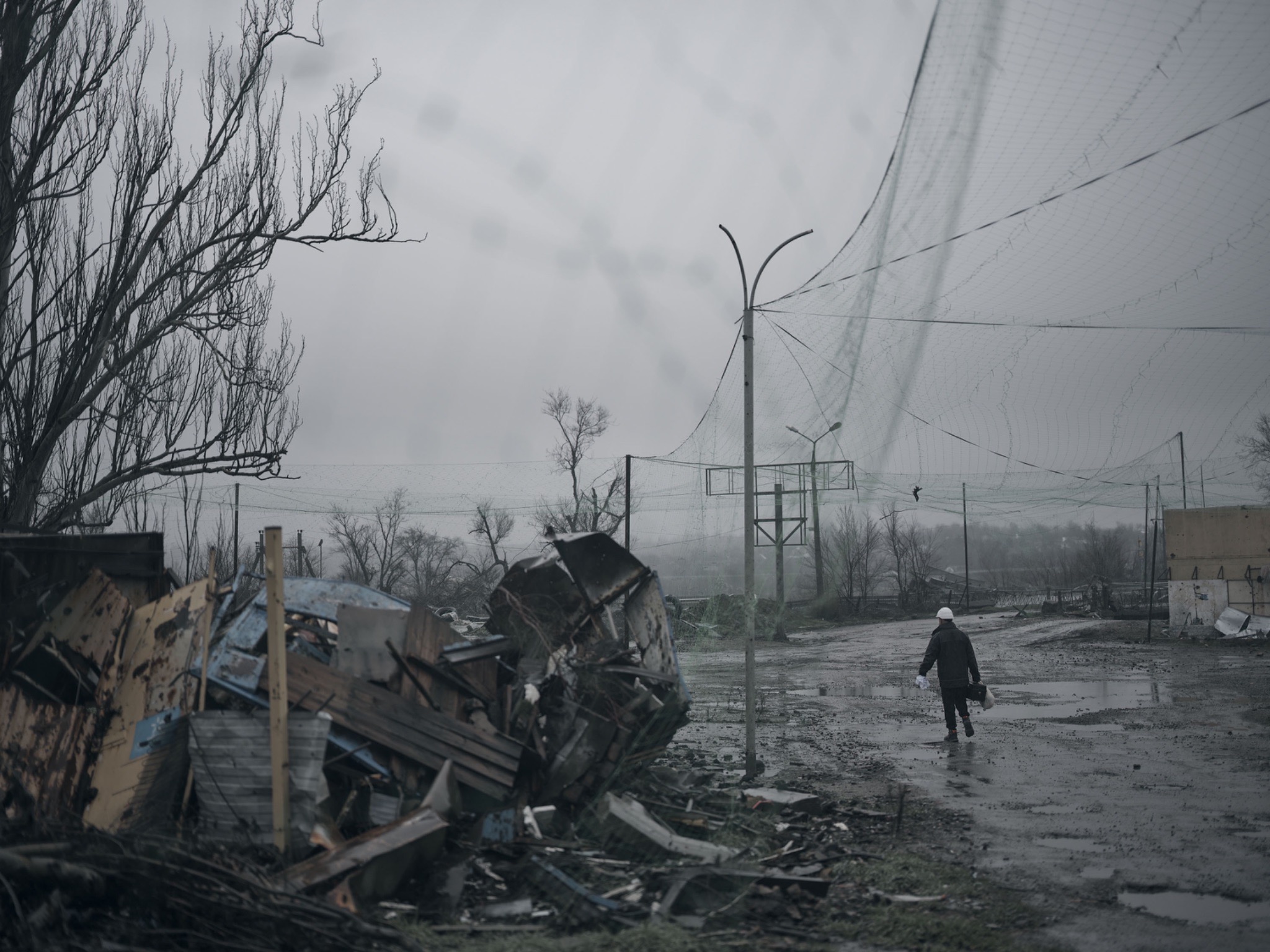
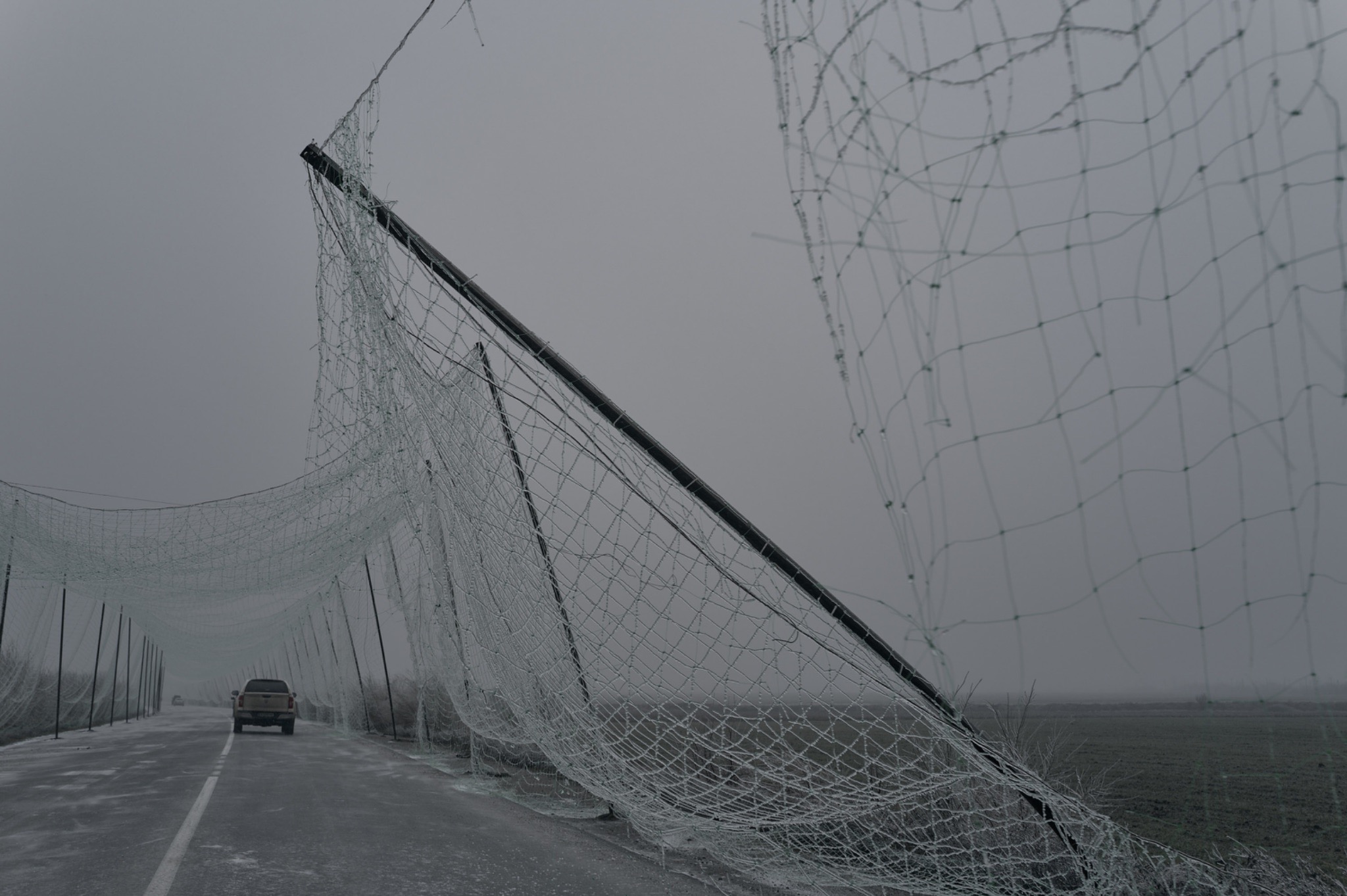
Civilians still remain in Orikhiv, but it is difficult to encounter them. Every trip outside a shelter can be the last due to enemy drones hunting anything that moves. To protect people and transport, anti‑drone tunnels began to be constructed in the Zaporizhzhia sector in the summer of 2025. The first tunnel, stretching 6.5 kilometers, was built along the Orikhiv highway. However, constant explosions and harsh weather conditions tear the anti‑drone nets, which require ongoing repairs.
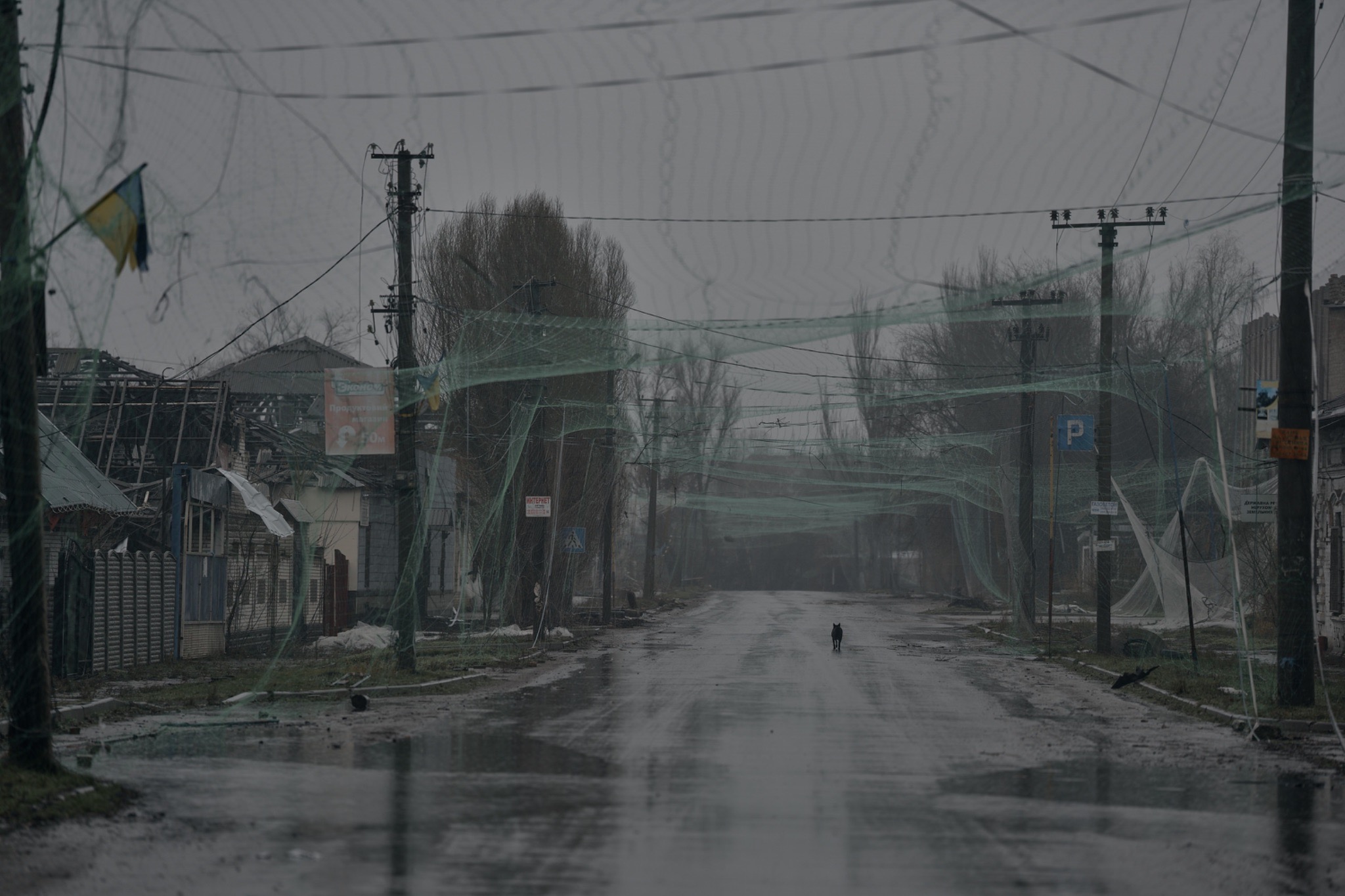
“The city’s streets, even though they are covered with anti‑drone nets, glisten with fiber‑optic threads. This makes moving around the city extremely dangerous and uncomfortable. The ‘Chuika’ drone detector constantly showed a certain number of drones above us. You listen at every step. Anti‑drone nets are the new landscape of Orikhiv. All the streets are covered with them, but due to constant drone and artillery attacks, most of them are torn and full of holes,” Vlada Liberov recounts.
Over four years of war, many residents have left for the regional center; enterprises, schools, and hospitals have been relocated. Only packs of dogs roam the emptied city in search of food.
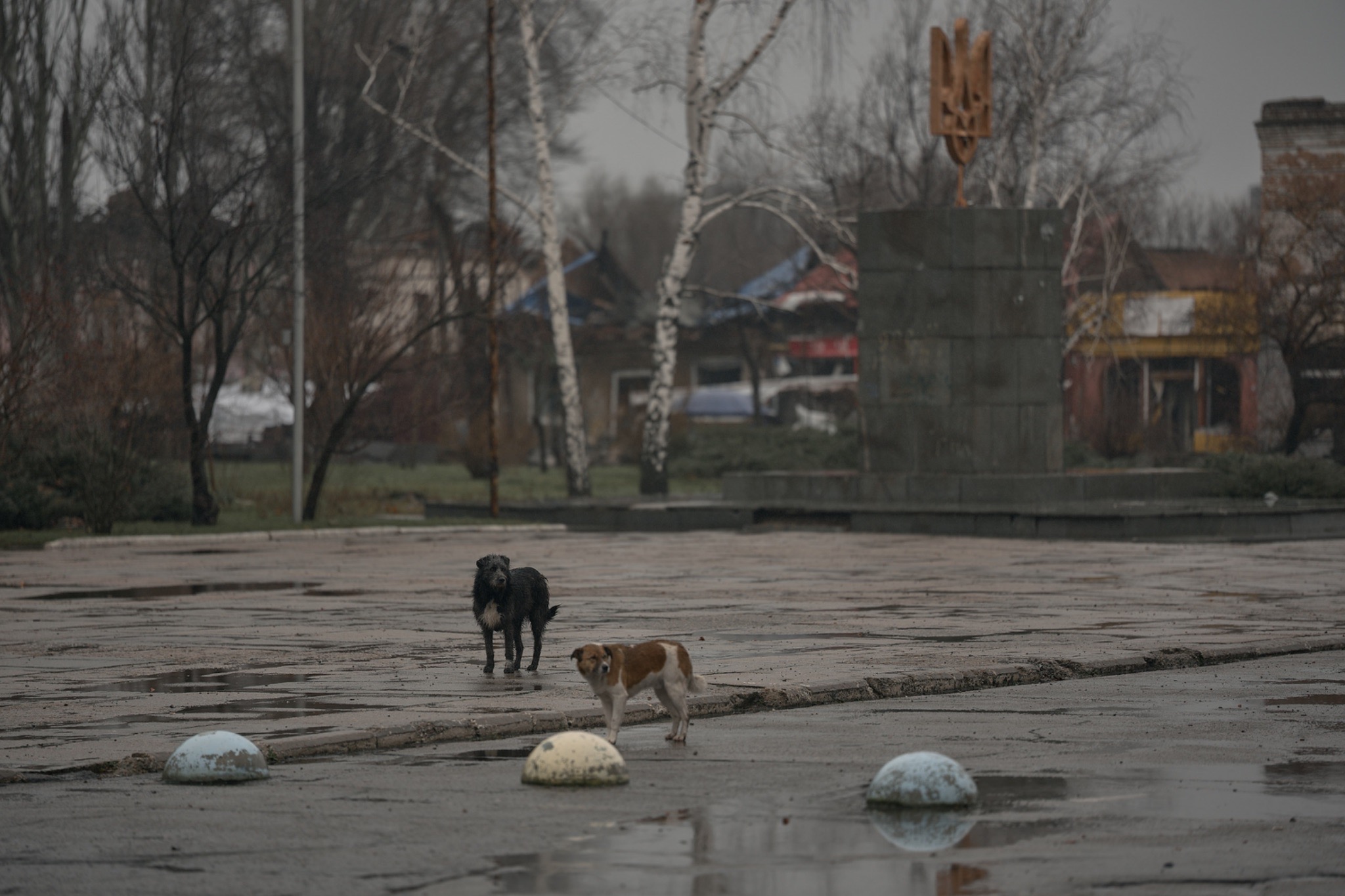
As of January 2026, according to the head of the Orikhiv City Military Administration, Mykola Vinichenko, about 700 residents remained in the city, and around 920 people including nearby unoccupied villages. Three municipal utilities continue operating under shelling, employing about 50 workers. Utility crews clean central streets, including debris after shelling. Vinichenko specifically mentioned the regional water utility, which supplies the city with water. Orikhiv has never had centralized water supply; the city relies on wells powered by generators.
The communications unit of the 65th Separate Mechanized Brigade “Velykyi Luh,” which defends the area, reports that the last official humanitarian mission reached Orikhiv in October 2025. Volunteers can no longer safely access the city. Bread and other aid are delivered to residents through the military administration and the State Emergency Service. The last remaining civilian workers were postal employees of Ukrposhta, but on February 18 the company announced the closure of its branches due to security risks.
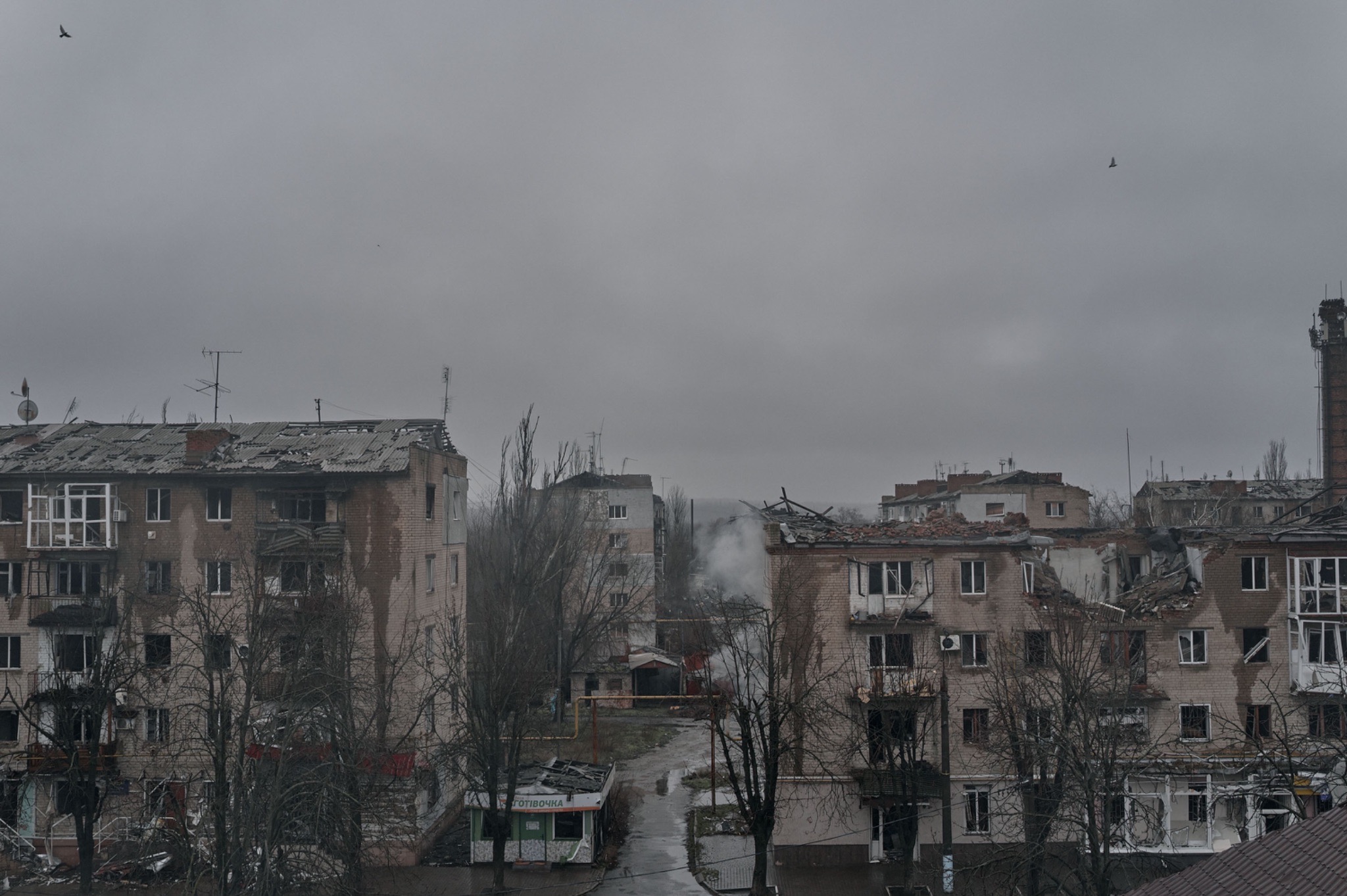

The Liberovs say they barely encountered locals during their visit:
“Among the remaining infrastructure, there is a single kiosk near a completely burned and destroyed market — the same one where life was bustling in 2023. The people trading there were unfriendly and unwilling to talk. They were the only locals we met during this trip. It is unclear who they are serving — perhaps the military and the few civilians who still remain in Orikhiv,” they say.
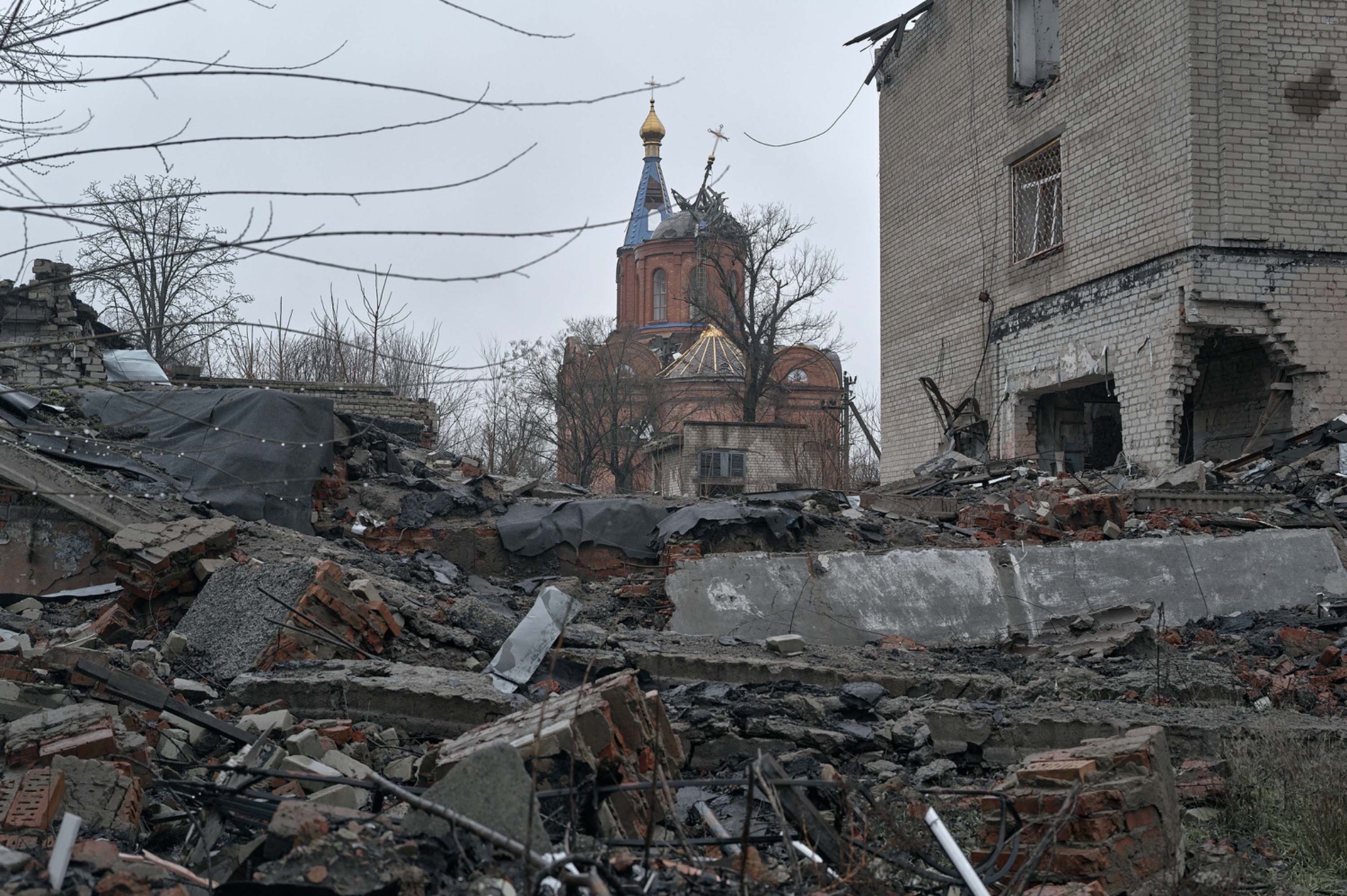
Landscapes of life and death
The Liberovs’ photographs from Orikhiv predominantly show gray, destroyed buildings entangled in webs of anti‑drone nets and enemy fiber‑optic lines. Due to Russia’s mass use of drones of various types — especially over the past two years — the construction of anti‑drone corridors has become a necessary measure to protect both military personnel and civilians.
“This is what the frontline landscape looks like today: hundreds of kilometers of anti‑drone nets. Endless tunnels, the entrance to which means you are entering a zone of heightened danger. For the military and locals alike, this grid‑like landscape has become not just a common sight but something almost familiar. We saw how soldiers set up a New Year’s tree inside such a net, and how life continued beneath it in cities. Humans adapt to everything,” the photographers share.
However, these protective structures combined with strands of enemy fiber‑optic cable represent a new form of pollution, the scale of which specialists will only be able to fully assess after the fighting ends. Thin glass or plastic threads left behind by enemy FPV drones litter fields, steppes, roadsides, and settlements and may eventually lead to plastic pollution of the environment.
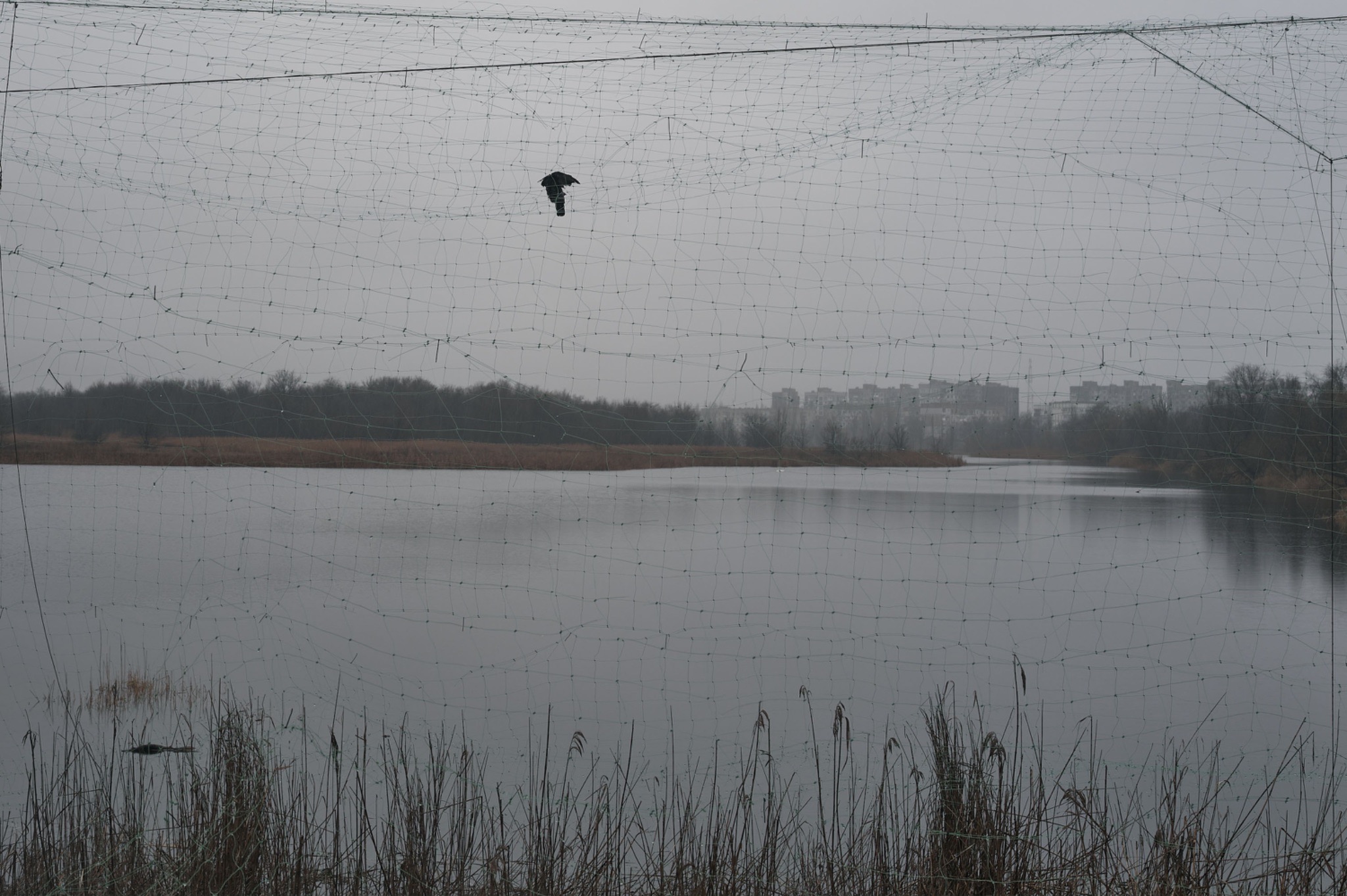
Anti‑drone tunnels already pose a threat to local wildlife. While documenting frontline cities, Kostiantyn and Vlada encountered yet another painful cost of war — birds dying after becoming trapped in anti‑drone nets. Against the backdrop of the war’s immense human toll, this environmental impact is not immediately visible.
“What struck us and stayed with us the most were the dead birds. The city is completely covered in anti‑drone nets where birds constantly get stuck and die. It is an incredibly painful sight — proof that this war spares no one: not people, not animals, not birds.”
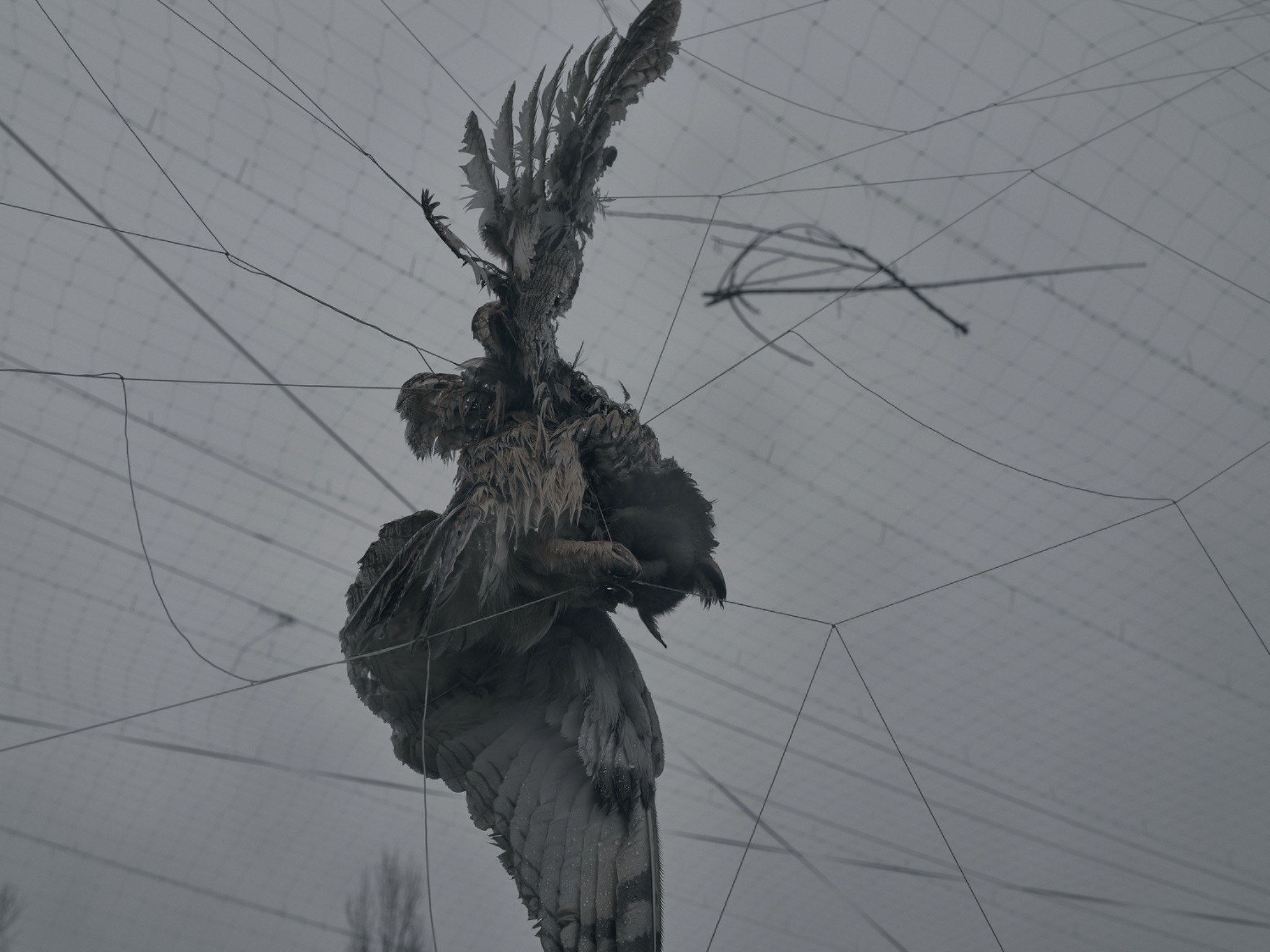
Kostiantyn and Vlada Liberov — a photographer couple from Odesa. They began their careers focusing on creative and emotional love stories. Within a few years, they became among the most recognizable photographers in the field and transitioned into active teaching, with thousands of grateful students around the world. At the beginning of Russia’s full‑scale war against Ukraine, they shifted their focus to artistic documentary photography. Their images from Ukraine’s hottest frontlines go viral on social media, garnering hundreds of thousands of shares, and are published by major outlets such as BBC, Welt, Vogue, and Forbes. Their photographs are also shared on social media by the President of Ukraine and other senior officials. Kostiantyn and Vlada’s goal is to ensure that as many people as possible learn the truth about the war in Ukraine. Photography, for them, is both the meaning of life and a way to bring more harmony into the world. Social media of the photographers.
Worked on the material:
Topic research and text by: Yana Yevmenova
Picture editor: Olga Kovalova
Literary editor: Yuliia Futei
.jpg)

.jpg)