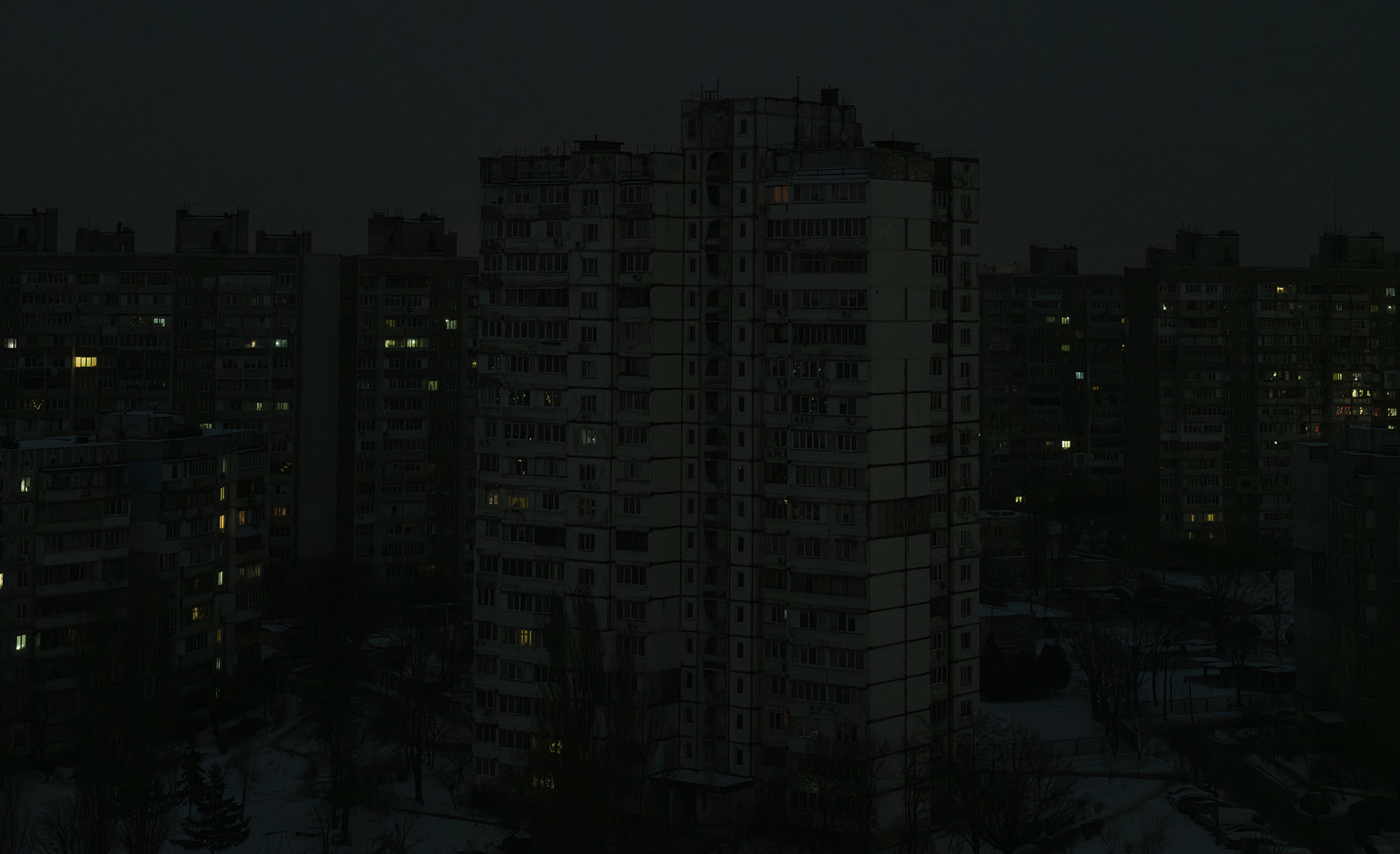
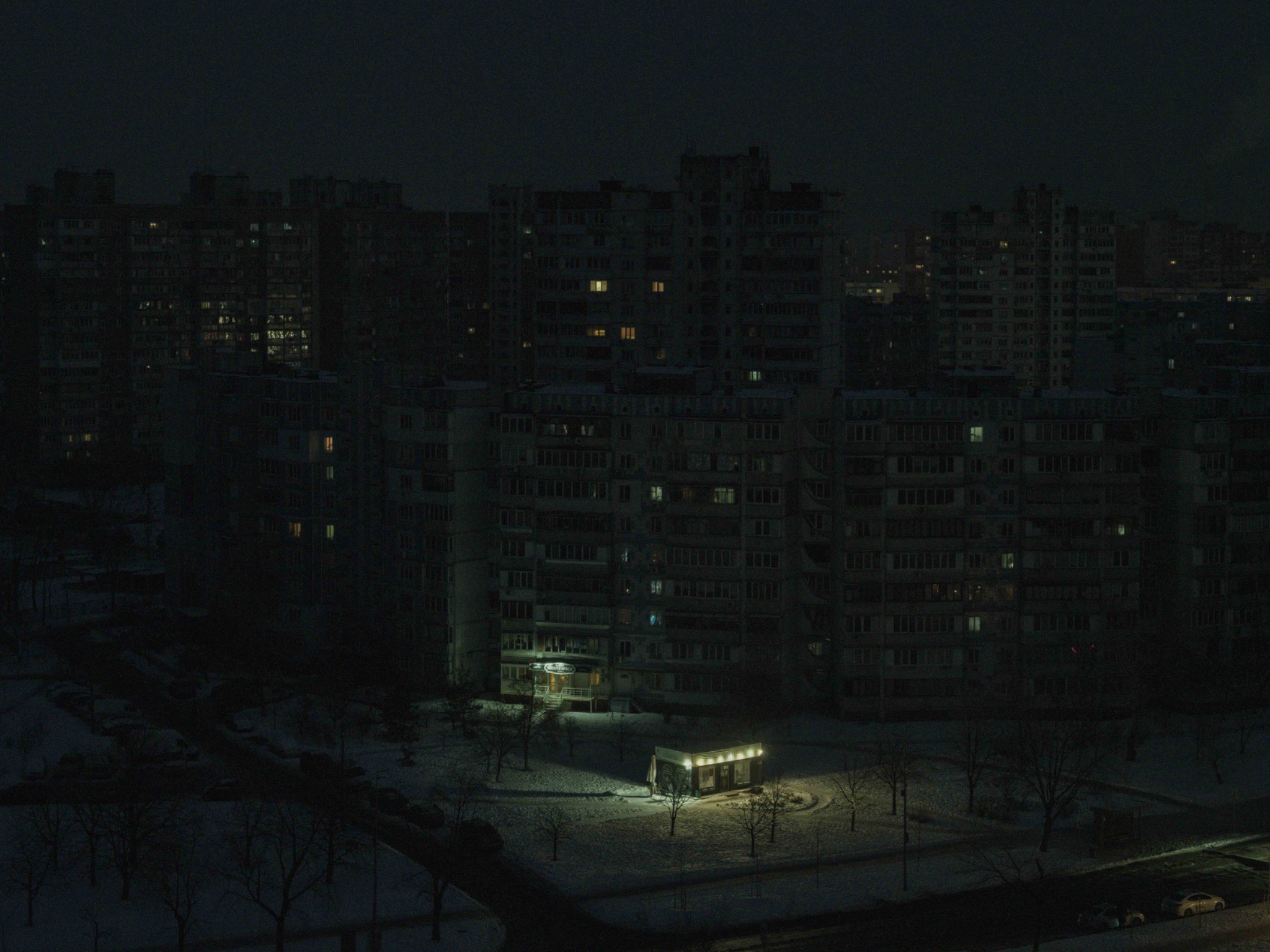
Marysia Mianovska, in her series "Thermal objects," investigates the experience of Ukrainians during attacks on critical infrastructure. Darkness and cold become weapons of mass destruction: by destroying sources of light and heat, the enemy plunges entire cities into gloom. Yet the human body continues to radiate heat. In such moments, energy emerges not as a network of cables and power plants, but as something inherently human. In the darkness, a person becomes the last source of light.
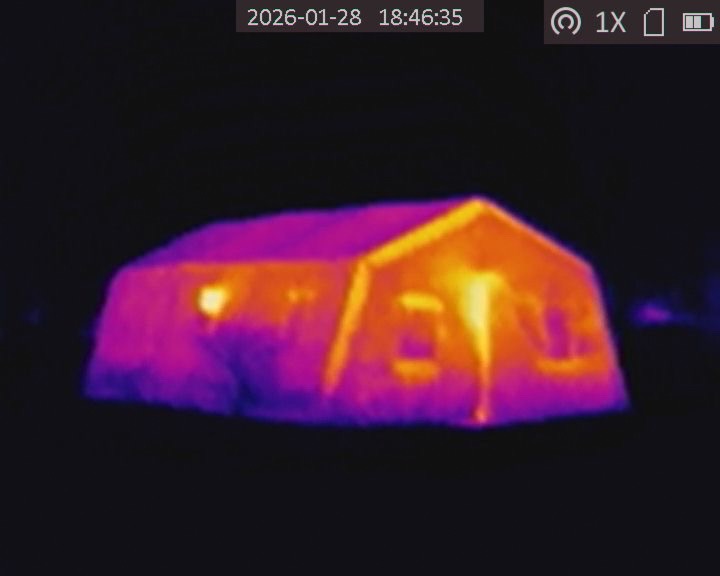
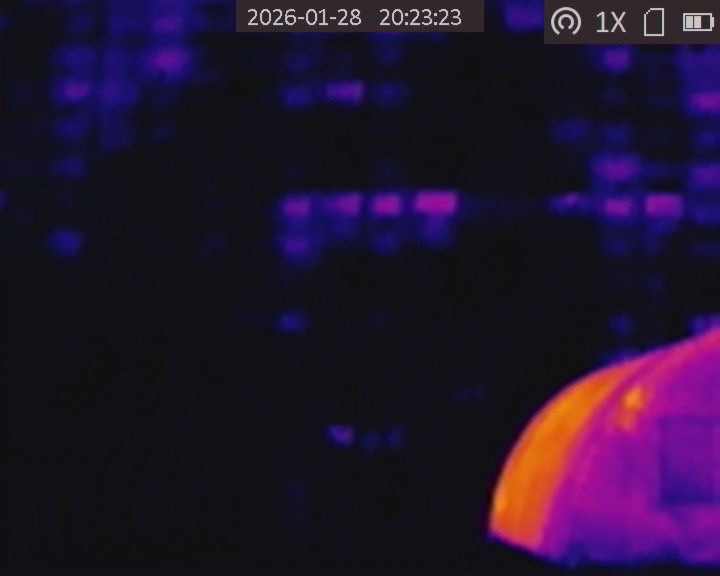
The works in the series are constructed as diptychs: a digital frame where darkness has almost swallowed the figure, and the same moment viewed through a thermal imager, where the person flares up in orange. Marysia presents a single scene twice: as the eye perceives it — and as heat reveals it.
“There is no human presence in the news reports about attacks on critical infrastructure”
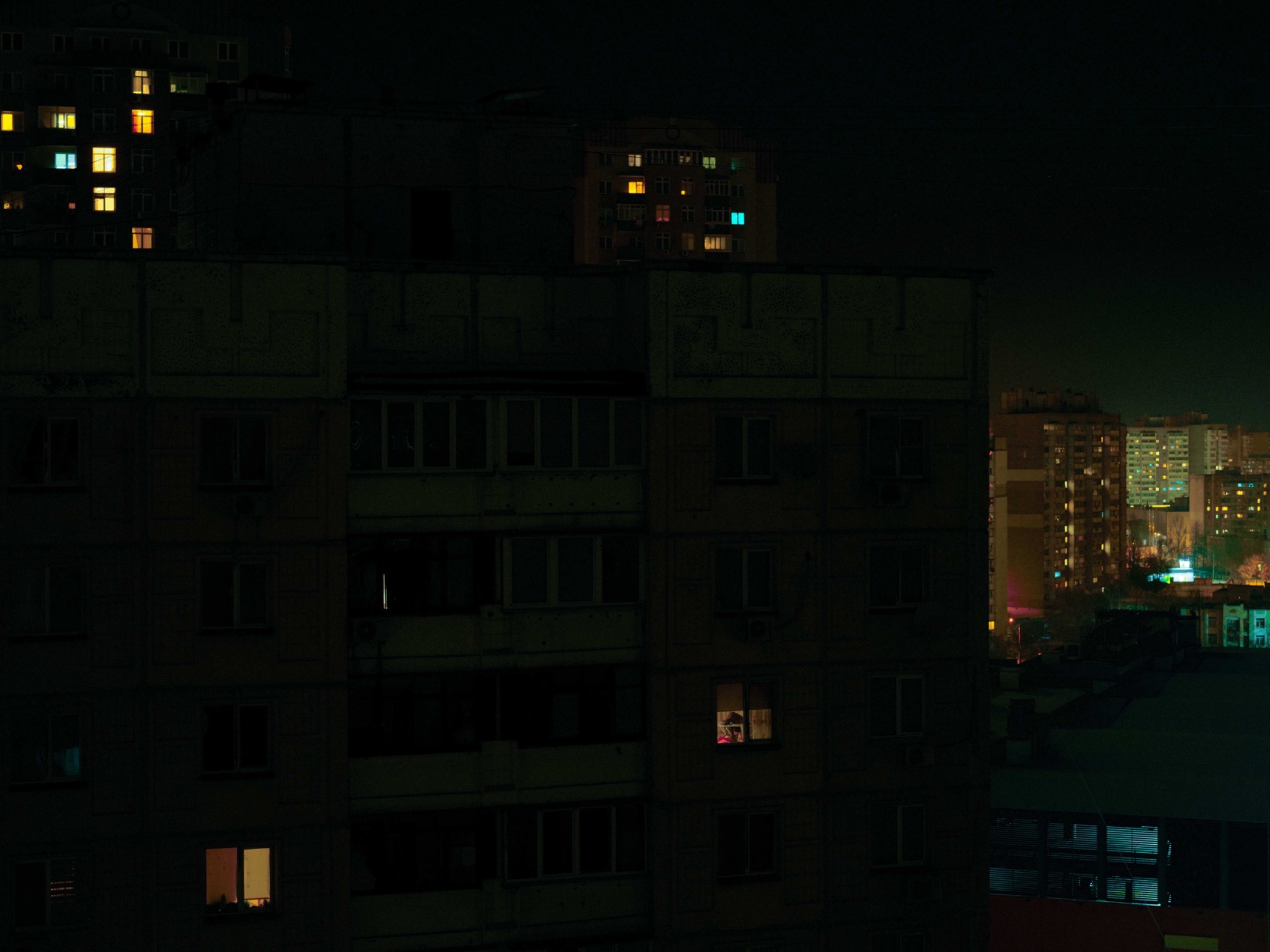
I shot the new part of the series from January to March 2026. I live in Troieshchyna and started documenting everything that was happening around me: the aftermath of strikes, people in warming centers, houses devoid of light. I didn't plan this work — it entered my life on its own.
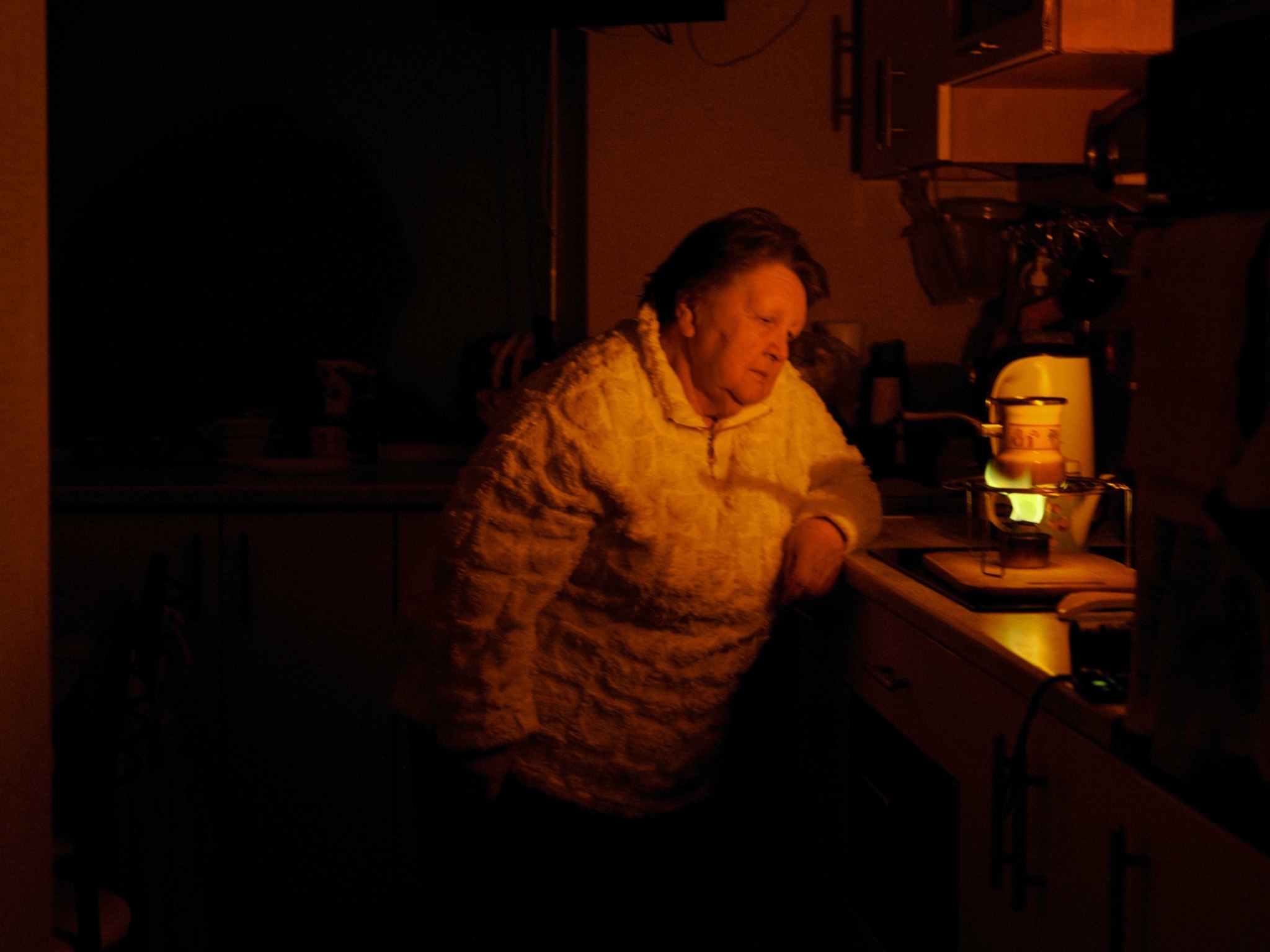
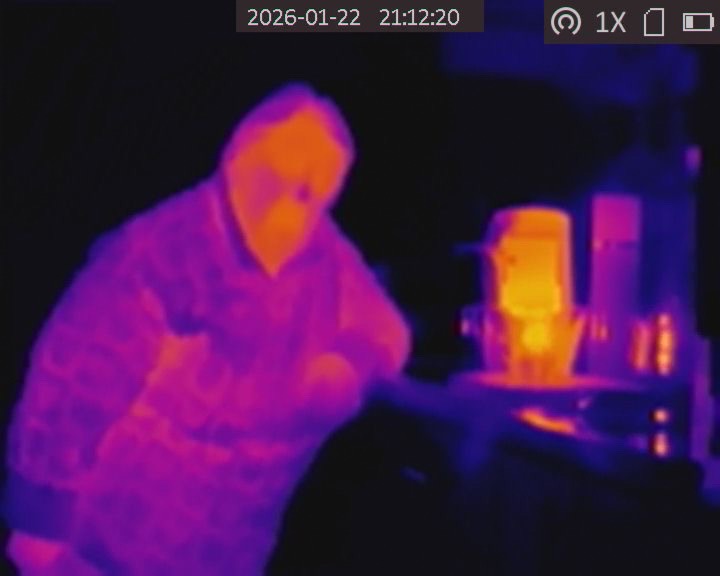
I was introduced to the thermal imager in 2022, when my colleagues and I were buying them and handing them over to the military. As a photographer, I became curious about what the image would look like through this device. That’s how the idea arose to shoot with a camera while simultaneously capturing a frame from the thermal imager.
Very often, there is no human presence in the news reports about attacks on critical infrastructure. Media outlets, especially international ones, write that an attack on energy facilities has occurred and people have been left without light and heat. It sounds detached, impersonal — as if it were not a crime, as if the enemy were shelling machinery rather than killing people.
“Attacks on power plants are an attack on the foundation of humanity”
Such news became a trigger for me: I started thinking about how to speak about the strikes on Ukraine differently. A thermal imager is perceived today as military equipment — we are too deeply acquainted with the war to read it any other way. It allows one to see the energy system as it is seen by those who are aiming weapons at us. And the question is what the enemy actually sees — infrastructure objects or people. I want to show that an attack on the energy system is an attack on life, love, home. On the foundation of humanity.
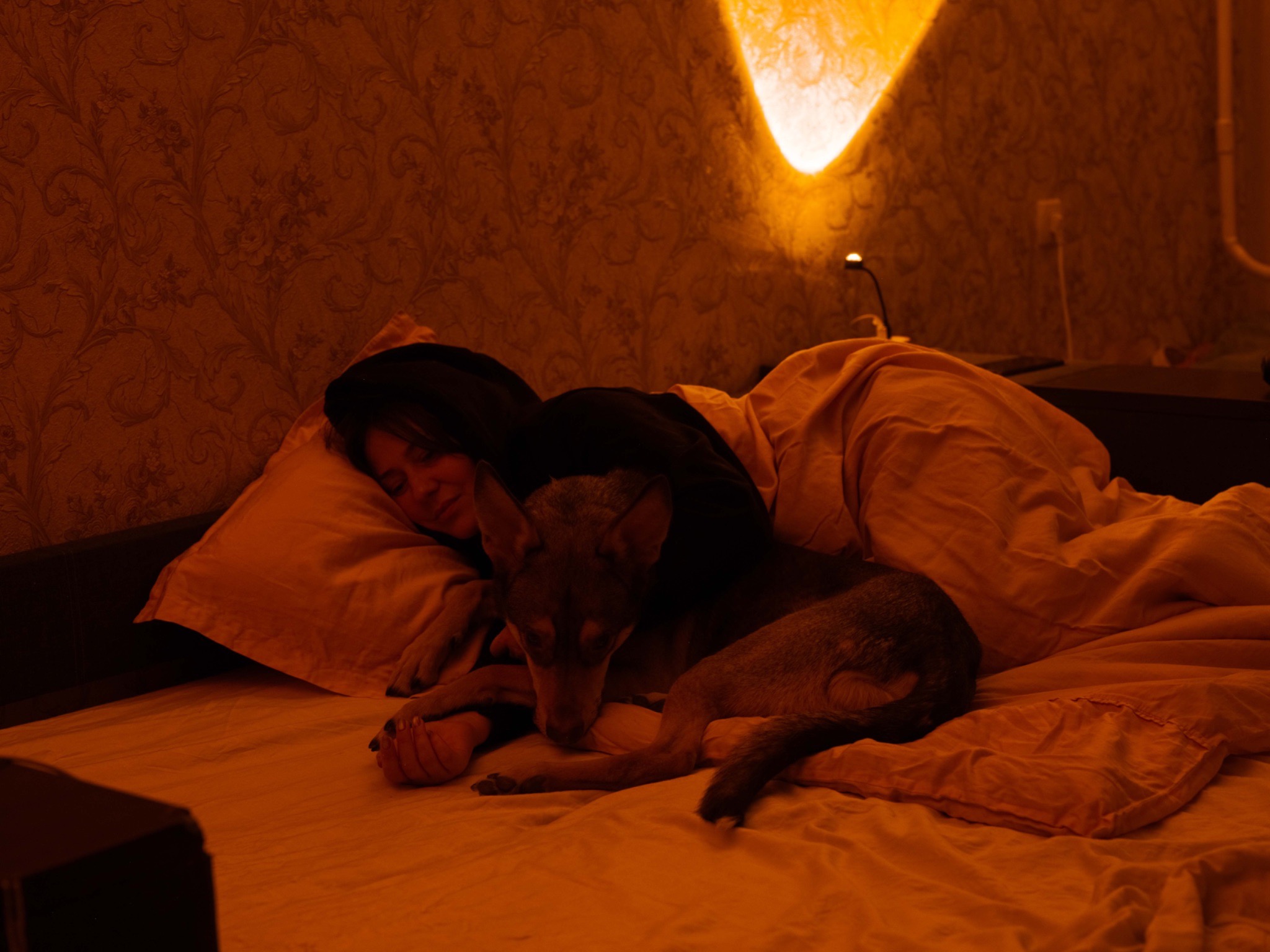
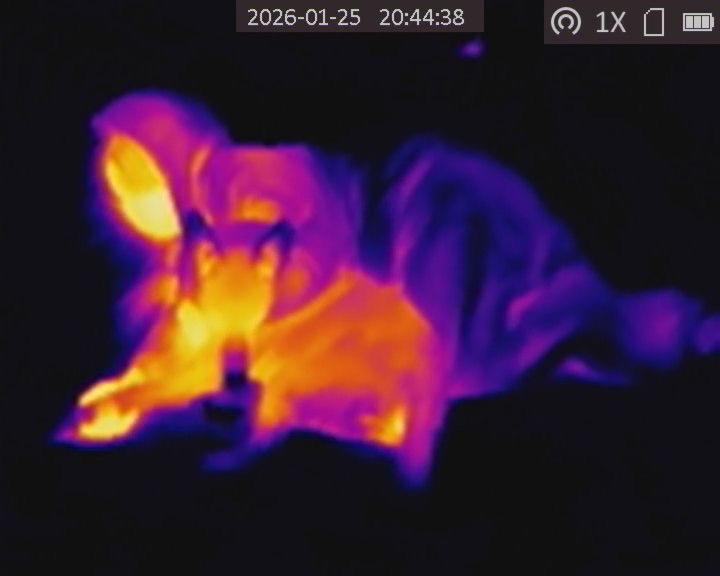
The title "Thermal objects" appeals to the fact that the enemy and their weapons transform us from subjects into objects. The thermal imager camera eliminates the difference between mechanisms, buildings, and people — everything becomes a target. A power plant, loved ones, pets — all are thermal objects subject to destruction.
“We continue to radiate light even when all other sources fade”
I photographed friends, acquaintances, and people in warming centers — everyone who surrounded me in those days. I wanted to show how people survive the winter without heating in one of the largest cities in Europe: cooking food, walking dogs, living through everyday moments that, without light and heat, turn into trials.
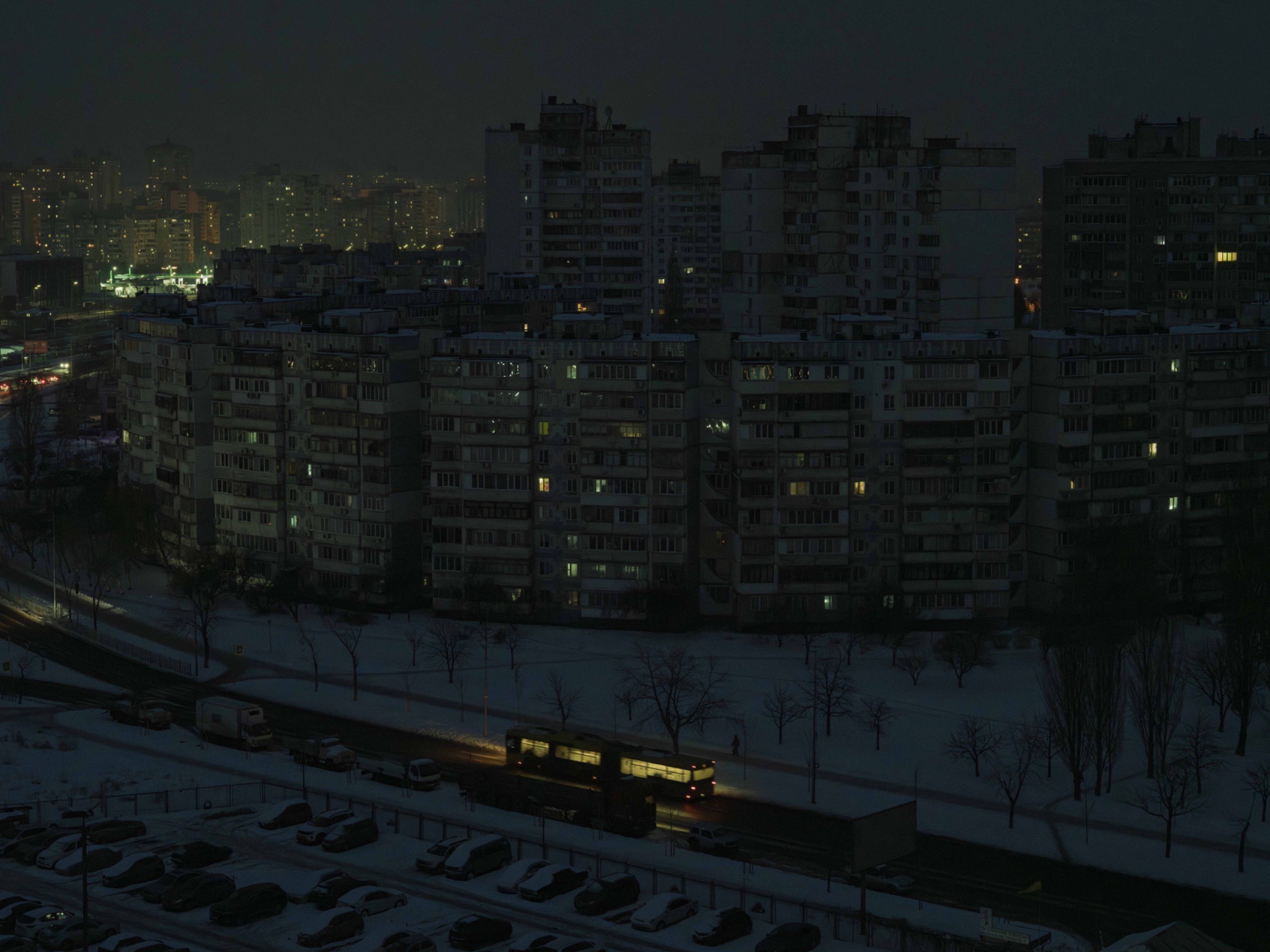
When I photographed buildings with disconnected energy using the thermal imager, they still glowed with warm colors in the frame. Even a tent in a tent city burned orange on the thermal imager because there were people inside. But one residential building turned out to be the same color as the street — and it was minus 20 degrees outside. There had been no light in it for over a week, and it had become cold, dead. That frame struck me the most.
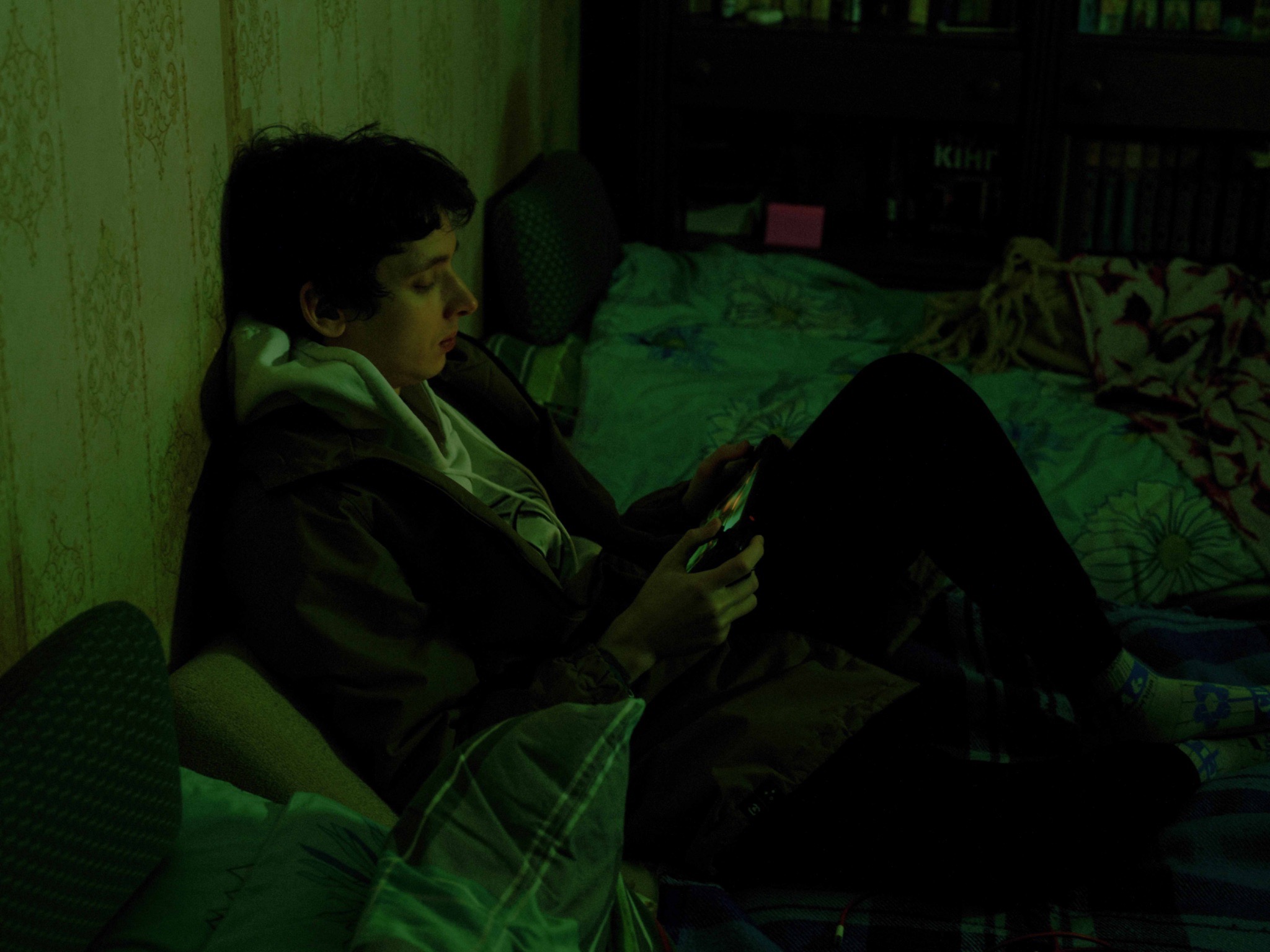
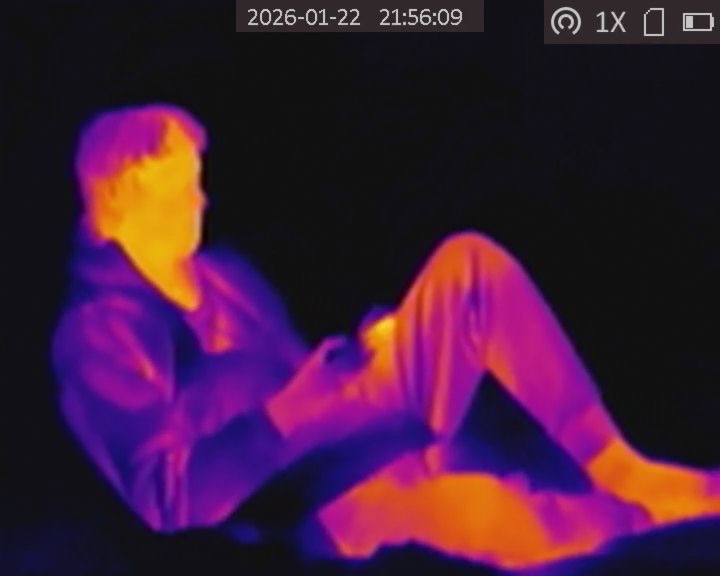
In the tent city near the buildings without light, I met some teenagers: despite the frost and the war, they felt great; they had come to charge their gadgets and hang out. I suppose when you are 16, you might not notice even a nuclear war. I literally charged myself with their faith in the future.
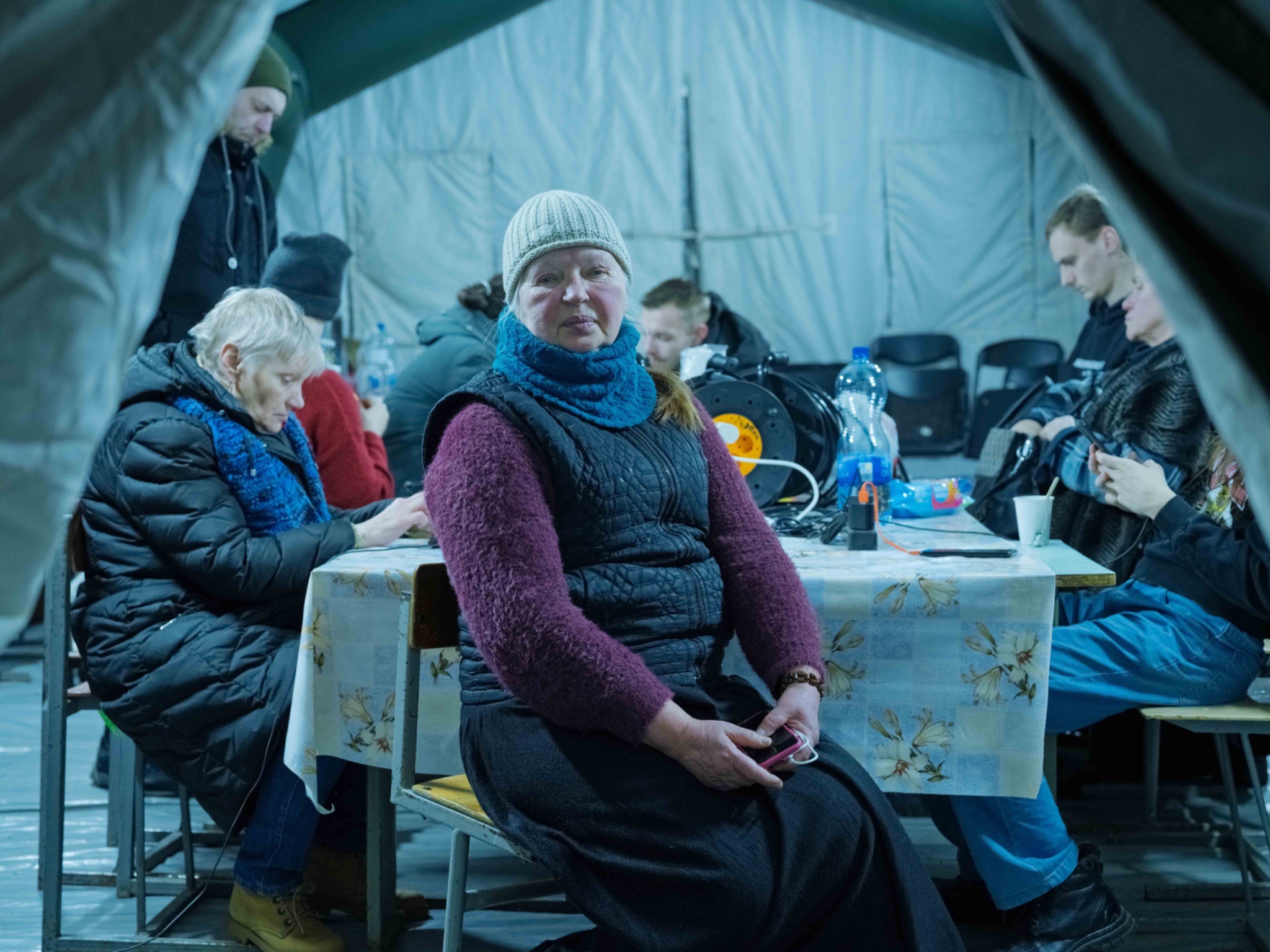
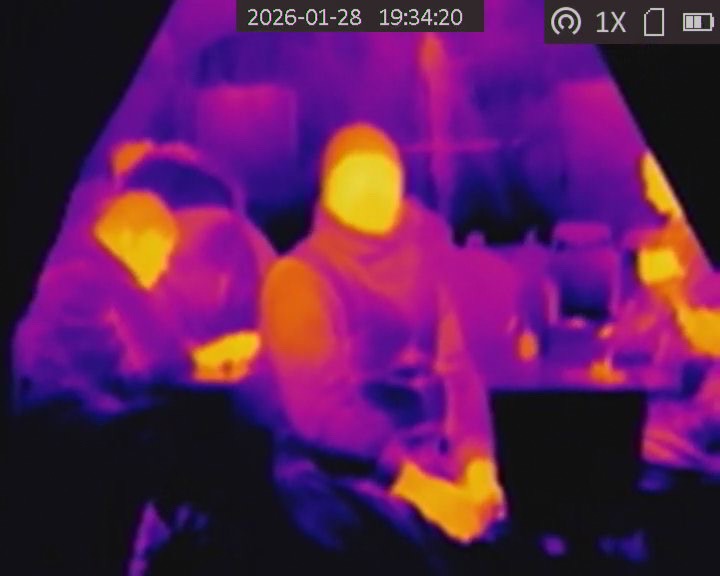
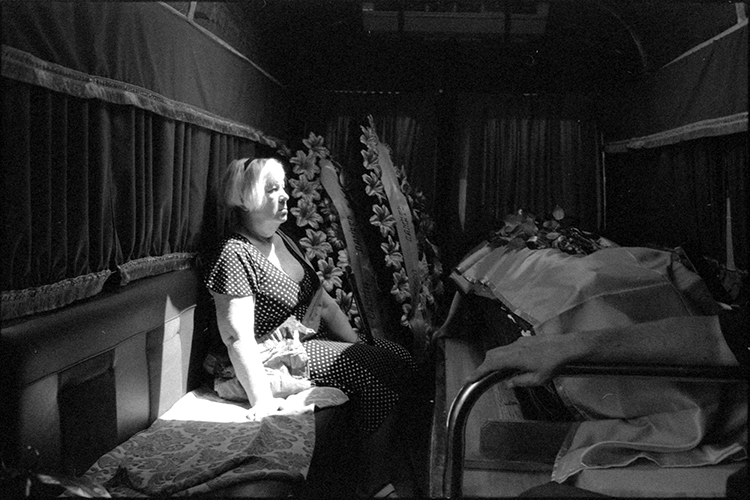
I remember a woman from the warming center — I chose her photo for the series. She reacted warmly and sincerely to me and the camera, and by the end of the shoot, we were already hugging goodbye. The darker it became outside, the warmer people became.
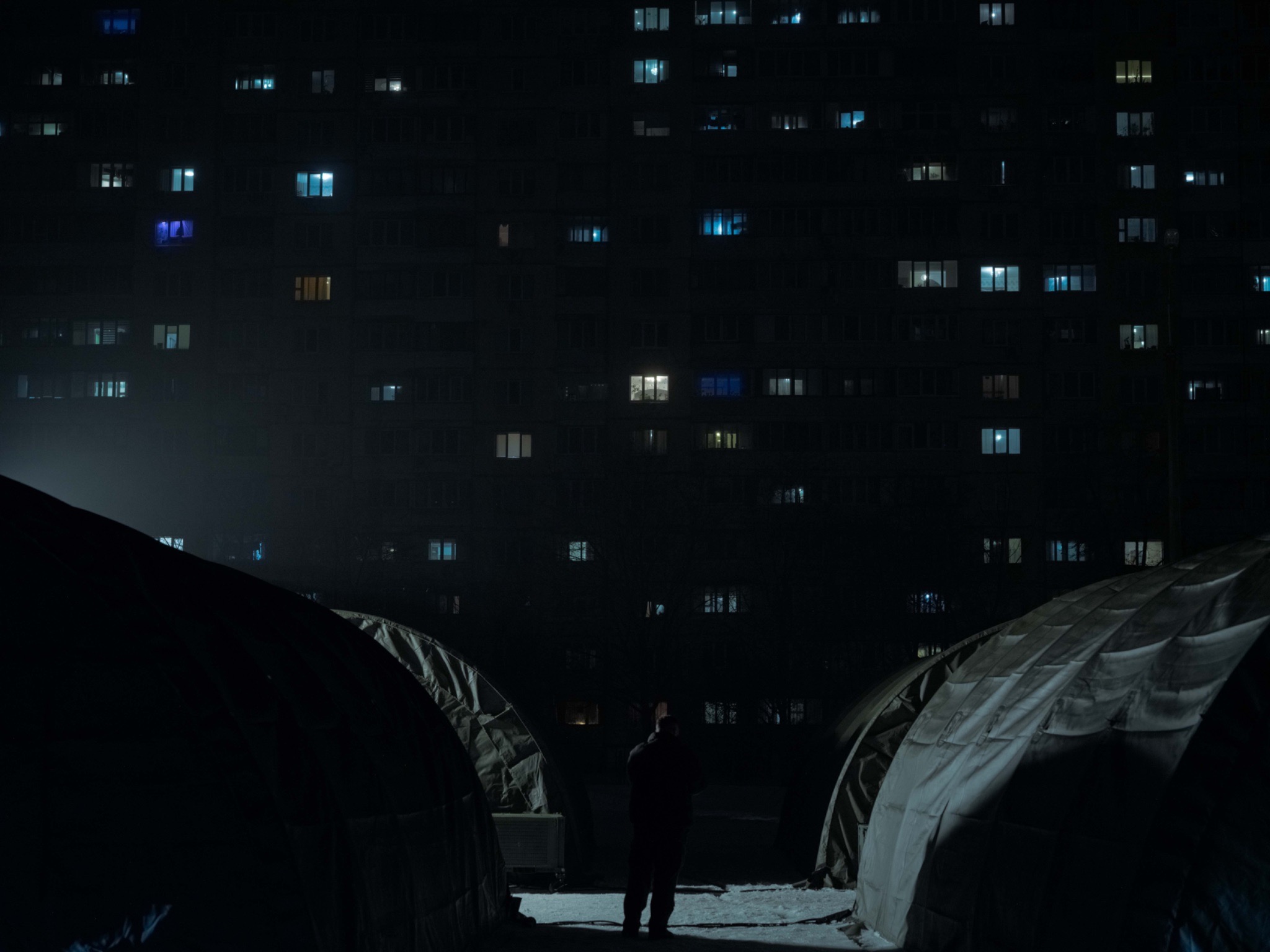
The series includes a quote from Cormac McCarthy's post-apocalyptic novel "The Road": "In the darkness of that cold day he knew that he was carrying fire." This is one of my favorite novels. I recalled these words while sitting in the darkness of my own apartment — without light or heating — and the feeling was truly apocalyptic. That was when I realized that McCarthy was writing about exactly this: we carry the fire and continue to shine even when all other sources have faded.
Material created with the support of the British Council's "Grants for Creative Economy Development" program
Marysia Mianovska — is a Ukrainian photographer working at the intersection of documentary and conceptual photography. She graduated from the Viktor Marushchenko School of Contemporary Photography and the NOOR photojournalism course in Düsseldorf. Born in Kyiv, in recent years she has lived between Poland and Ukraine and documents the consequences of the war's impact. Through her photo projects, Marysia works with the theme of community and explores generational shifts. Her first project, "Oh, Where Art Thou, Brother?", recounts the coming of age of different generations of Ukrainian youth against the backdrop of geopolitical changes and war. Currently, she is working on projects exploring the impact of the war on society.
Instagram of Marysia
Working on the material:
Researcher, author of the text: Katia Moskaliuk
Photo editor: Olha Kovalova
Literary editor: Yuliia Futei
.png)