
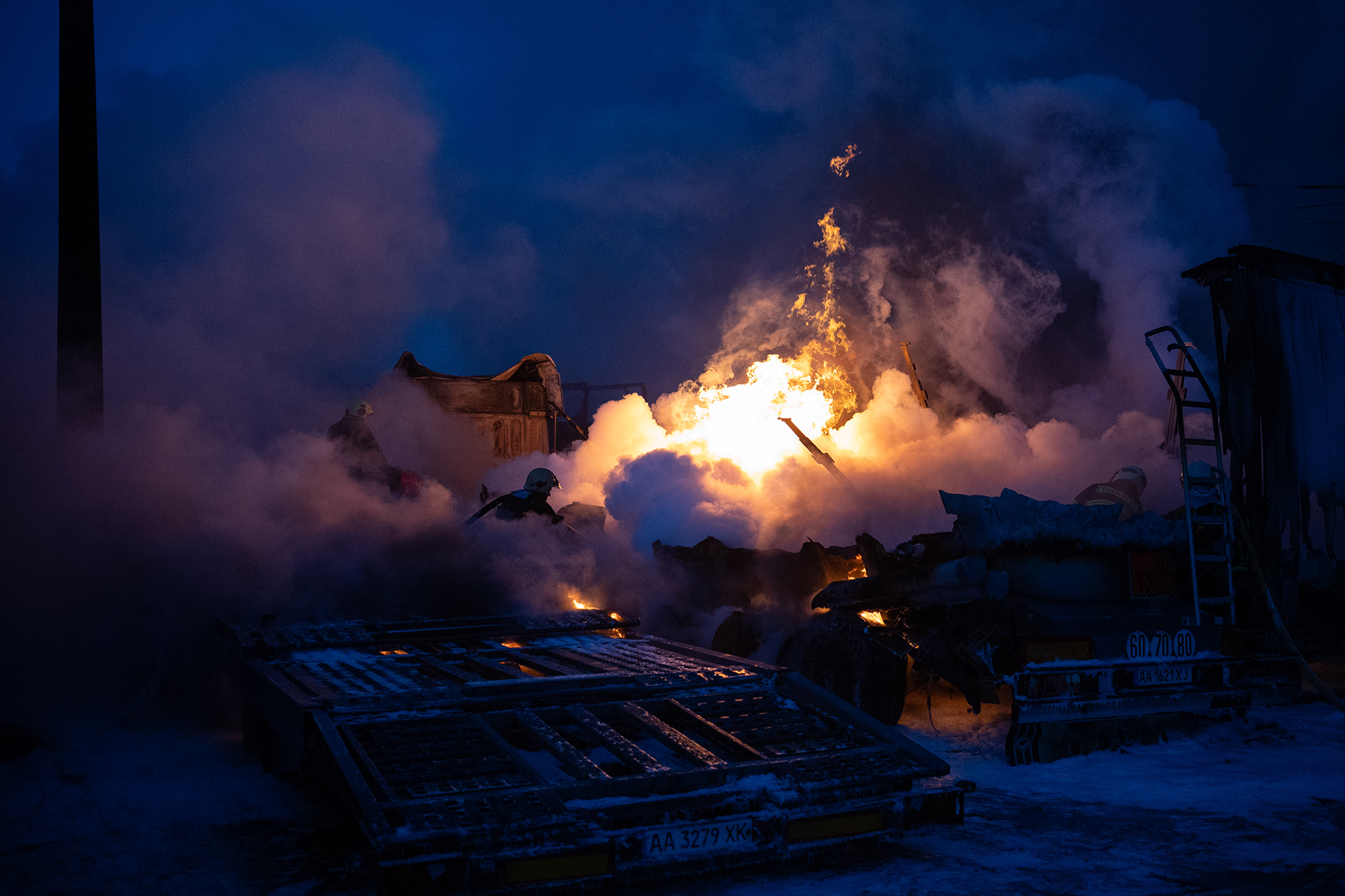
Due to constant Russian attacks on Ukraine’s power grids, the situation with electricity across the country was difficult throughout the week. The energy system was operating at the limit of its capacity; part of the energy facilities required urgent repairs due to accidents. According to Energy Minister Denys Shmyhal, the situation in the energy sector on January 22 was the most difficult since the blackout in November 2022. This week, the enemy focused its aggression on frontline and border regions, the Kyiv region, and the Odesa region. The most devastating and deadly attacks were on Kyiv, Kharkiv, Dnipro, Kryvyi Rih, Zaporizhzhia, and the Kramatorsk district in Donetsk region.
Chronicle of Russian shelling from January 19 to January 25, 2026
January 19 — critical infrastructure in Odesa and Chernihiv regions was under enemy attack. Fires and damage to residential buildings were also recorded. In Chernihiv region, energy facilities were damaged in four communities; about a hundred settlements were left without electricity, with the most difficult situation in the north of the region. The Russian army carried out an airstrike on a private residential area in Kharkiv’s Slobidskyi district: one woman was killed, ten people were injured, a residential house was partially destroyed, and three dozen more houses were damaged. The city was also hit with missiles and drones. In Zaporizhzhia, two women were injured due to Russian attacks; garages were destroyed and damaged, and fires raged.
On the night of January 20, Russians launched a massive attack on several regions of Ukraine: Kyiv region and Kyiv, Dnipropetrovsk region, Odesa region, Zaporizhzhia region, and Vinnytsia region. The enemy used more than 300 strike UAVs of various types and 34 missiles, including the Zircon anti-ship missile. In Poltava region, the enemy struck an industrial facility, causing fires. In Kharkiv, Odesa region, and Chernihiv region, critical and residential infrastructure was again targeted. In Odesa region, premises in a nine-storey building caught fire, and there was a fire at an energy facility. In Kharkiv, one person was killed and 12 people were injured. In Donetsk region, two people were killed; in Zaporizhzhia, three people were killed and two were injured.
January 21 — in Odesa region, the Russian army destroyed a warehouse with furniture products; damage and fires in residential buildings were recorded. One person was injured and hospitalized. Due to airstrikes in Druzhkivka in Donetsk region, five people were injured; another woman was killed under the rubble of a house in Kramatorsk. In Zaporizhzhia region, a Russian UAV attacked State Emergency Service sappers; there were no casualties. However, in the regional center, three people were killed in shelling, and almost 1,500 subscribers were left without power. In Kherson, two people were killed over the day.
On the night of January 22, the Russian army again terrorized Odesa region; a hostile drone hit the upper floors of an apartment building, killing a young man born in 2009. For the second time in a week, Russians struck a fire-rescue unit in Druzhkivka, Donetsk region. The strike occurred at night; the hit was near the station building, with window units and a suspended ceiling damaged. Firefighters were in a shelter at the time, and equipment survived. In Chernihiv region, over the day hostile drones attacked three educational institutions in border areas; two buildings were seriously damaged. Children were studying remotely, so they were not injured. In Zaporizhzhia, one person was killed by shelling; nine people were hospitalized with injuries; one person was rescued from under the rubble; more than two dozen residential buildings were damaged. A Russian drone strike in Kherson killed a man.
January 23 — Russians killed three adult civilians and a five-year-old child in Donetsk region: a UAV hit the private sector in Kramatorsk district. The bodies of two people and the child were pulled from under the rubble of a house; five more people were injured. In Kharkiv region, a Russian drone hit a civilian car: three people were killed and two were hospitalized with injuries. Russians attacked Zhytomyr region; a critical infrastructure facility burned. In Chernihiv region, an agricultural enterprise was attacked; four men were injured during a repeated drone strike and were hospitalized. In the border area, an FPV drone attacked a municipal vehicle clearing roads of snow.
Throughout the night of January 24, the Russian army carried out massive strikes on Ukraine using strike UAVs and various types of missiles — nearly four hundred aerial attack means. In this attack, Russians used two Zircon anti-ship missiles and Kh-22/Kh-32 missiles launched from strategic aviation aircraft. Air defense managed to shoot down (suppress) 372 targets: 15 missiles and 357 drones. The enemy struck energy infrastructure in the capital, Kyiv region, Chernihiv region, Sumy region, and Kharkiv region. There were power outages, hits on residential buildings, fatalities, and dozens of injured. After the night attack, Chernihiv, Nizhyn, and thousands more consumers in the region were left without electricity. Over the day in Chernihiv region, five hits were recorded, while more than 120 Russian UAVs were shot down.
At night, Russians attacked Kharkiv with 25 strike drones; hits were recorded at ten locations, including residential buildings. Fires raged in multi-storey buildings, a private home, and at an enterprise. The Industrialnyi and Nemishlianskyi districts were the most affected. A maternity hospital, a dormitory where 48 displaced people lived, residential buildings, two enterprises, garages, power lines, and about fifty cars were damaged. More than 30 people were injured in the city, including two children and a pregnant woman. In the region, two people were killed and four were injured.
January 25 — at night, Russians struck Dnipropetrovsk region and Kharkiv region. From the evening, Chernihiv region was shelled; several enterprises and people’s homes were damaged, and a grain storage hangar burned.
Overall, over the week, the Russian army launched more than 1,700 strike drones, more than 1,380 guided aerial bombs, and 69 missiles of various types at Ukraine.
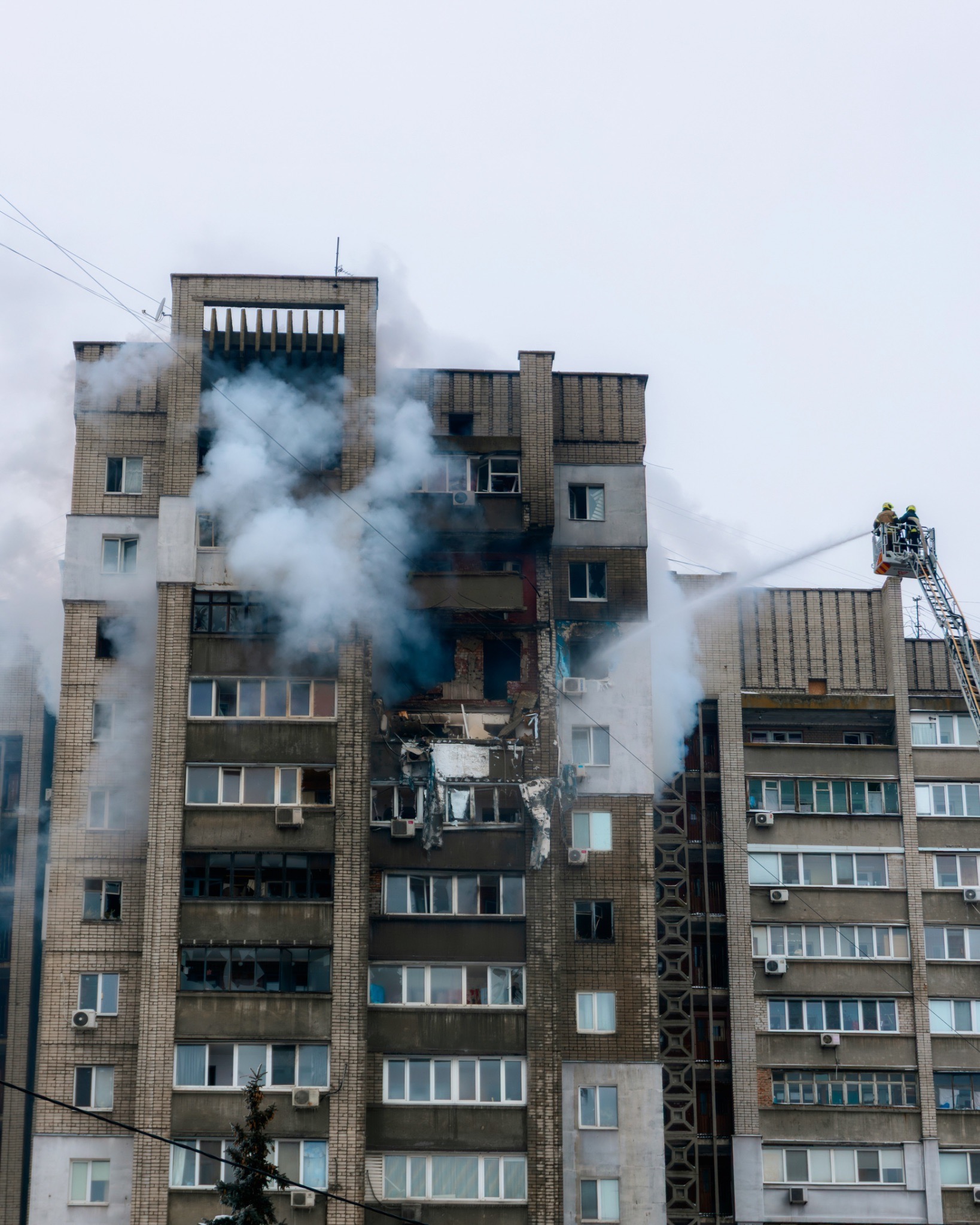
Strike on an apartment building in Dnipro and attacks on Kryvyi Rih
On January 19, eight people in the region were injured due to Russian attacks, most of them in Nikopol; a lot of infrastructure was damaged. On January 20, Dnipro was under massive shelling all night; two people were injured, and an enterprise, a multi-storey building, and an infrastructure facility were damaged. On January 21, two people were killed in the region, and another was hospitalized in moderate condition after a UAV hit a house. The enemy carried out a missile strike on Kryvyi Rih, damaging multi-storey and private houses and an administrative building.
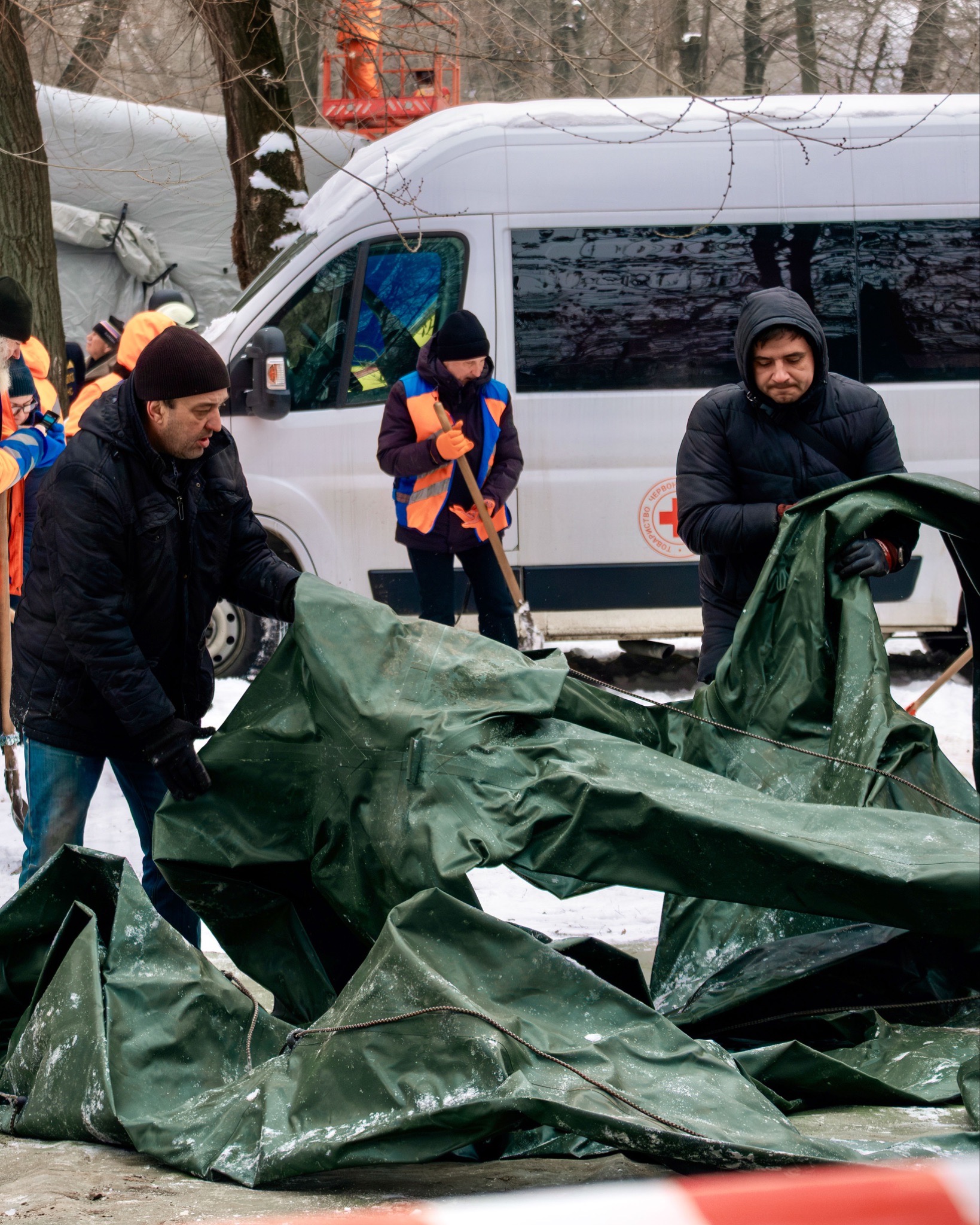
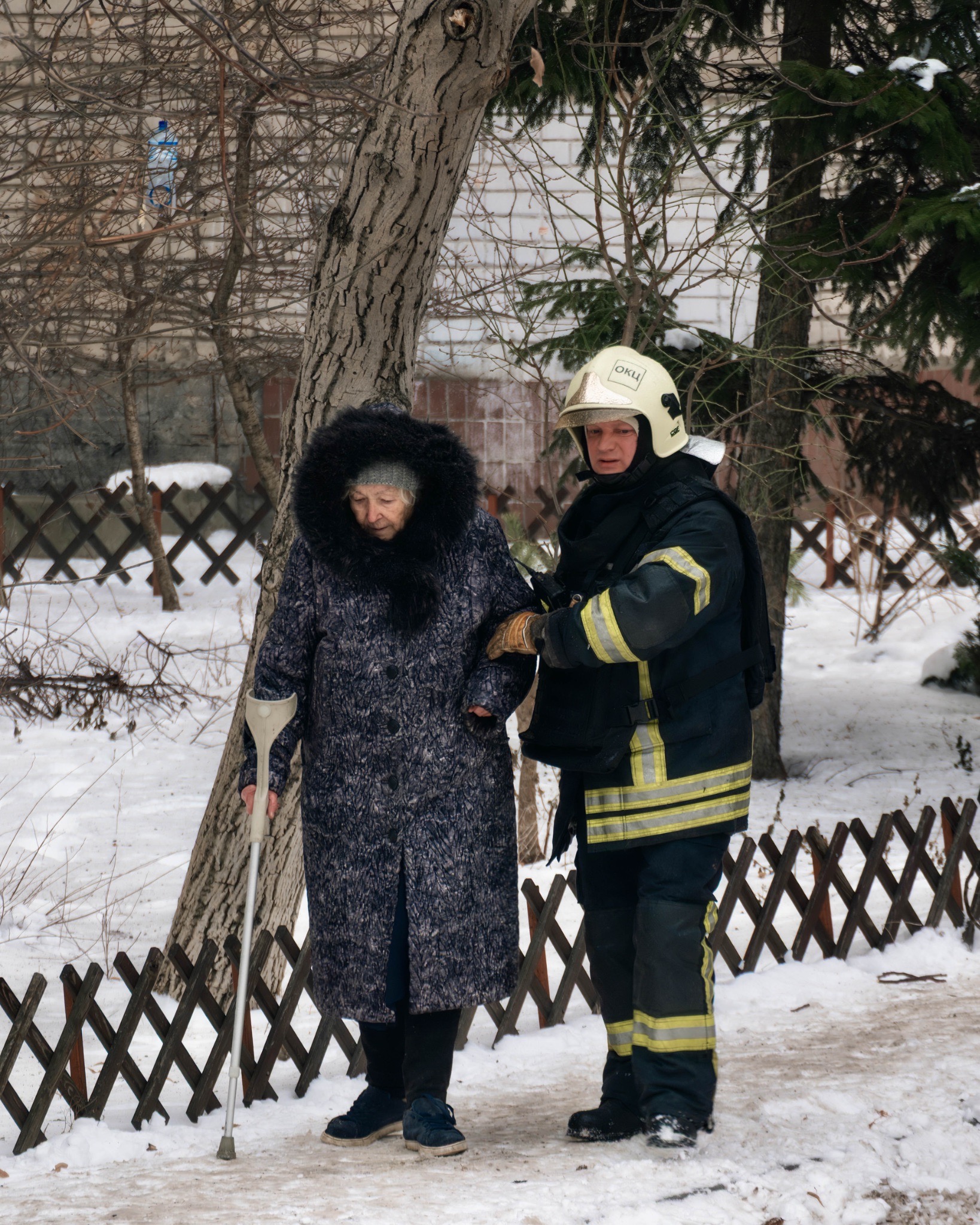
On January 22, Russians struck Kryvyi Rih and Dnipro. In Kryvyi Rih, seven people were injured, including four children; a two-storey building, private houses, an administrative building, and infrastructure were damaged. Russians launched a missile and drones at the city. As a result of the attacks, two mines lost power; mine rescue workers conducted a rescue operation lasting ten hours and brought miners to the surface. In Dnipro, a hostile UAV hit a 16-storey building; the building was partially destroyed.
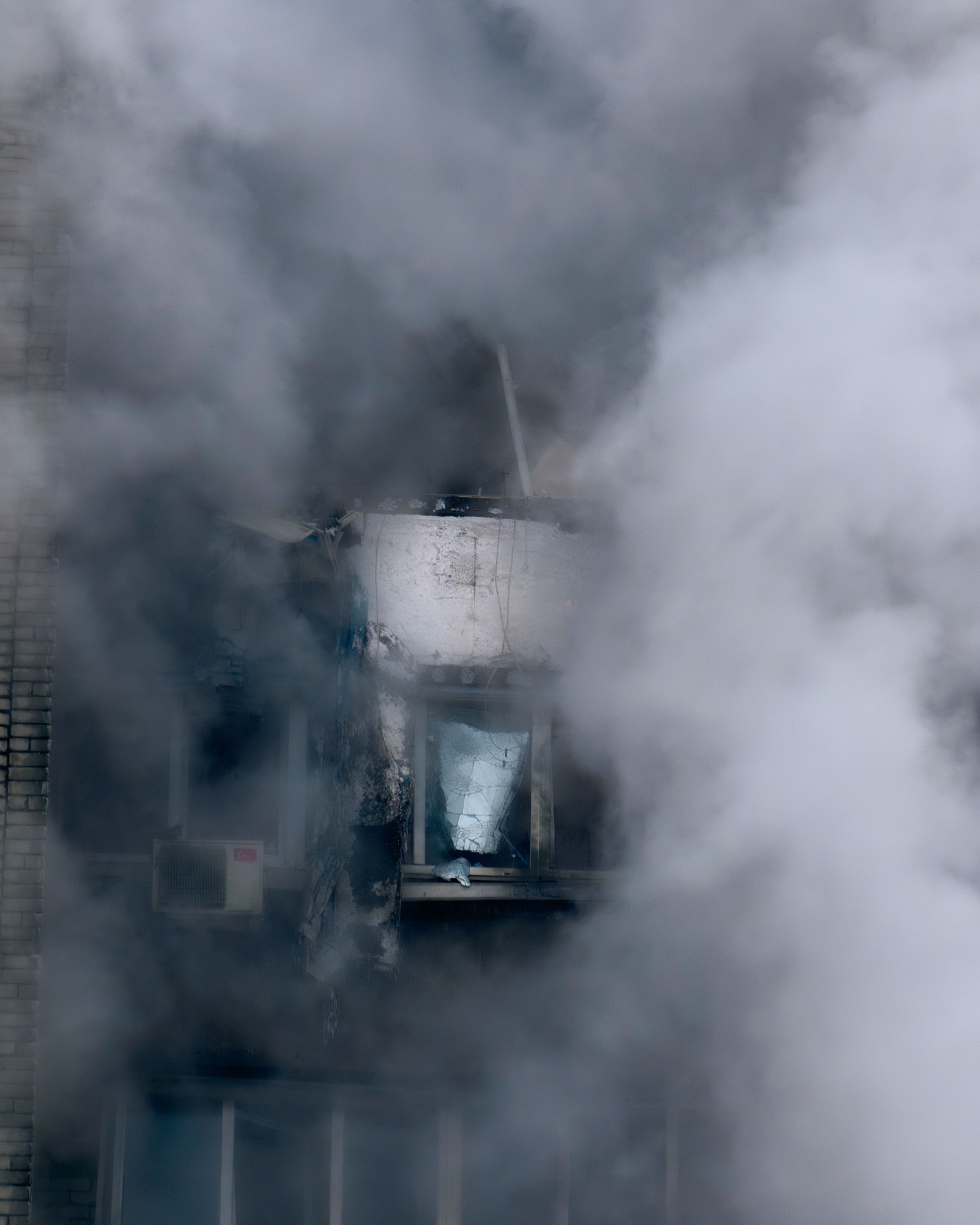
Two apartments caught fire, with the burning area reaching 200 square meters. Twelve people were injured, including a child. Emergency responders rescued 16 people from the upper floors. On January 23 and 24, there was one fatality and seven injured in the region, including a child; one adult was hospitalized in moderate condition.
“Cold hell” in Kyiv
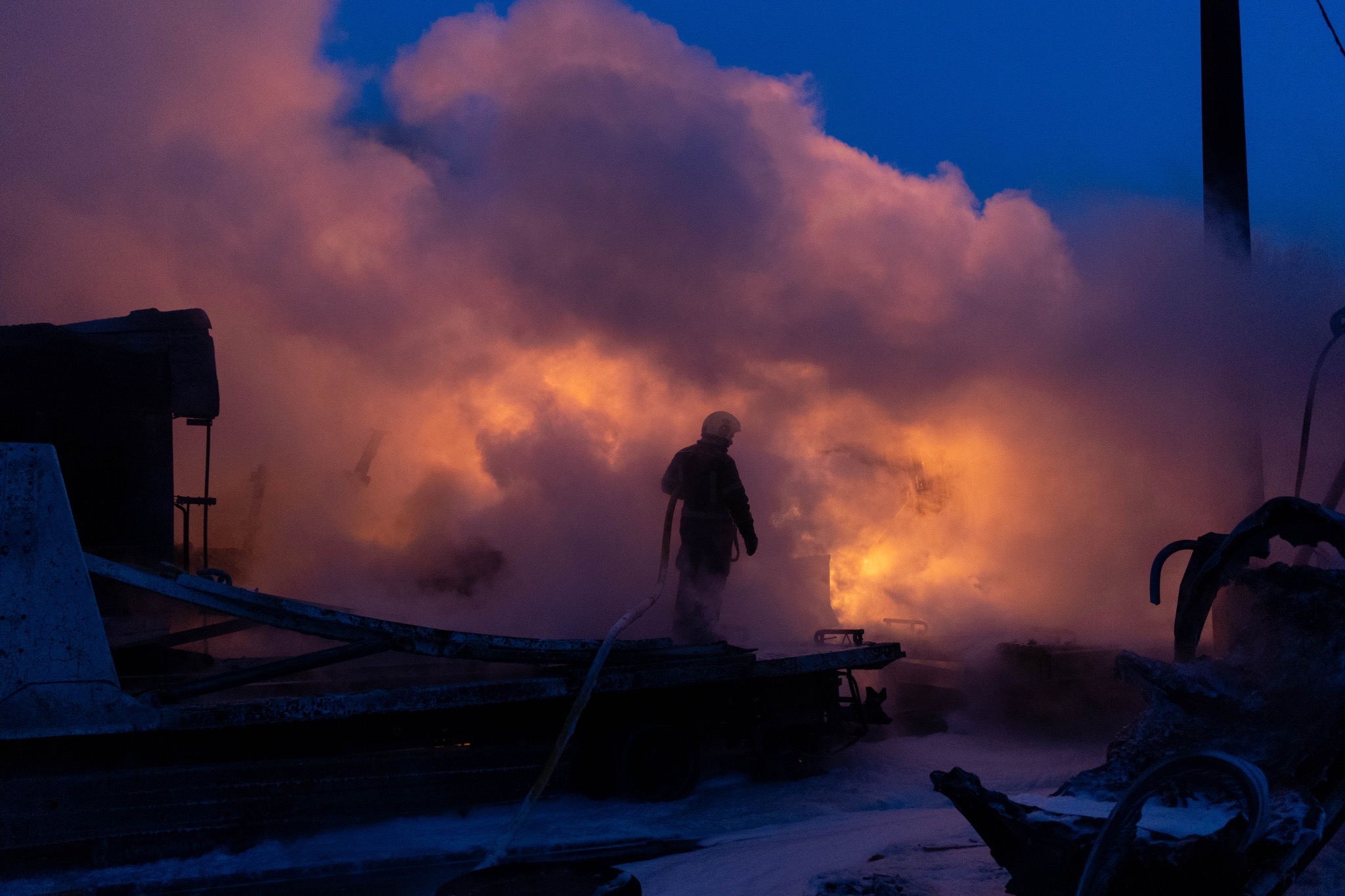
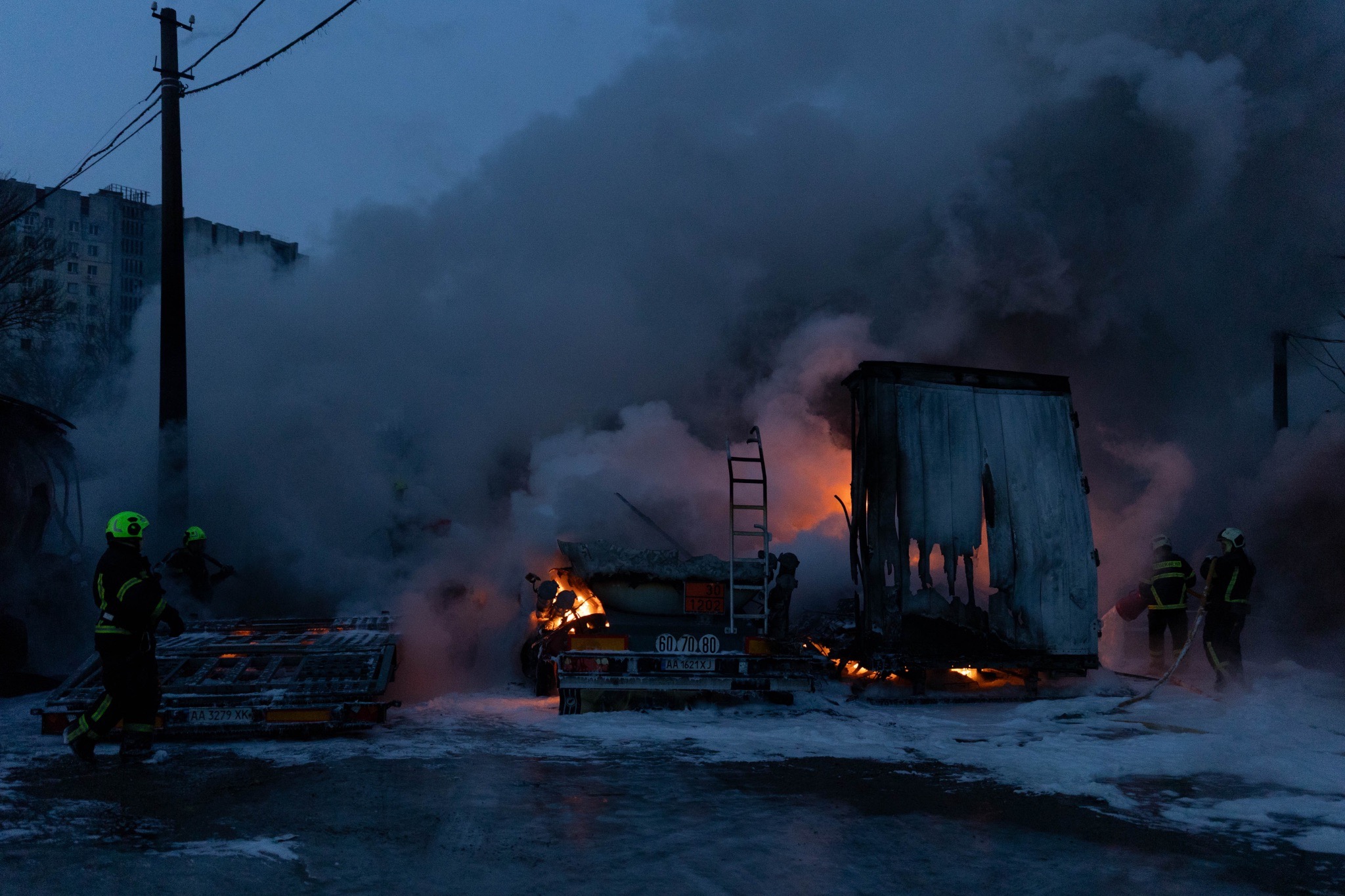
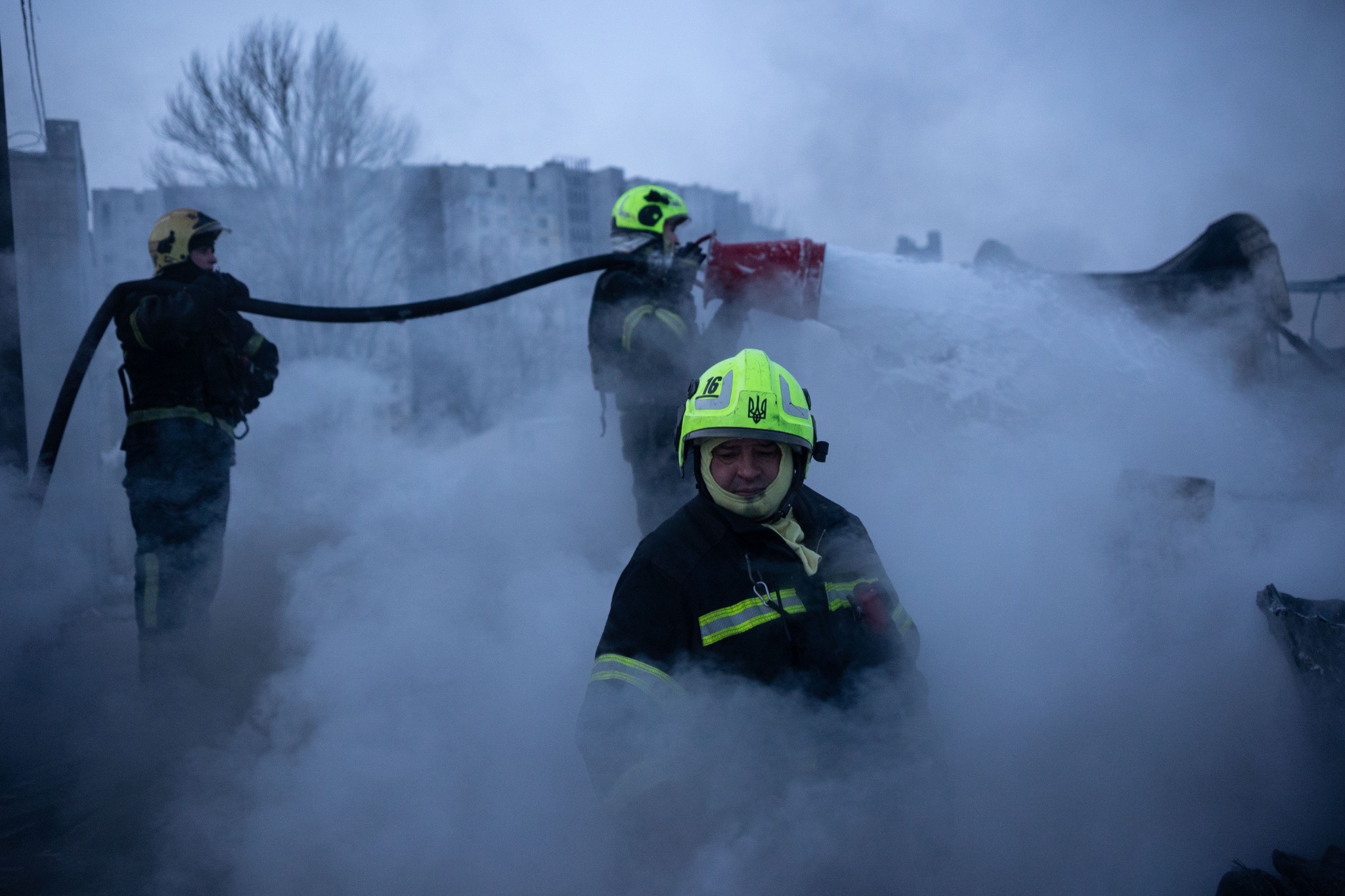
Over the week, Russians twice launched massive attacks on critical infrastructure in Kyiv region and the capital — on the nights of January 20 and January 24. On January 20, warehouses, non-residential buildings, and cars were burning in Kyiv; debris damaged a primary school building. 5,635 apartment buildings were left without heating, 80% of them — those where heat was being restored after the January 9 attack. The situation with heating and water supply was especially difficult on the left bank and in the Pecherskyi district of the capital. In Kyiv region, Bucha and Brovary districts suffered the most; houses, three gas stations, and an enterprise were damaged, and a man was killed.
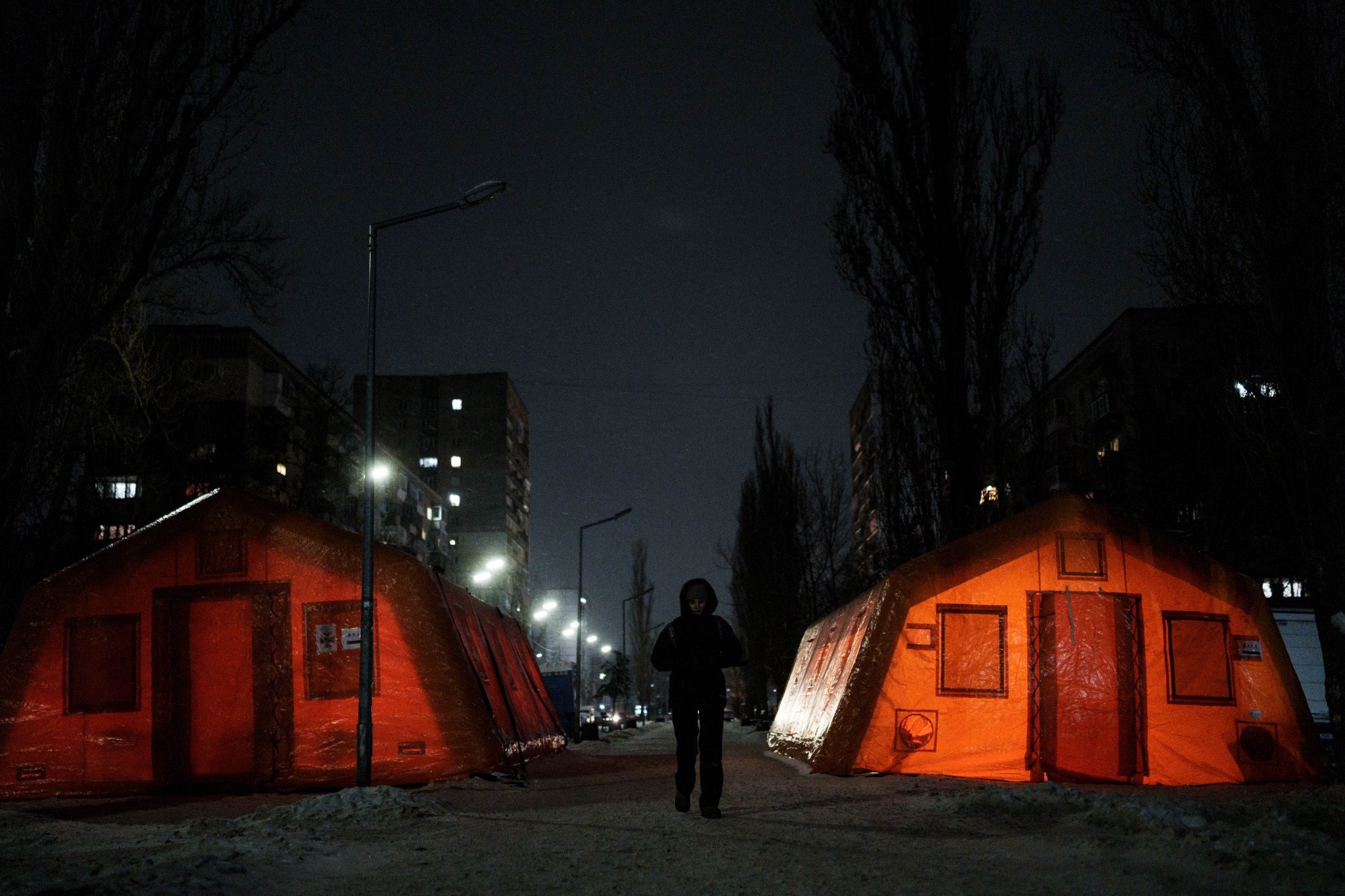
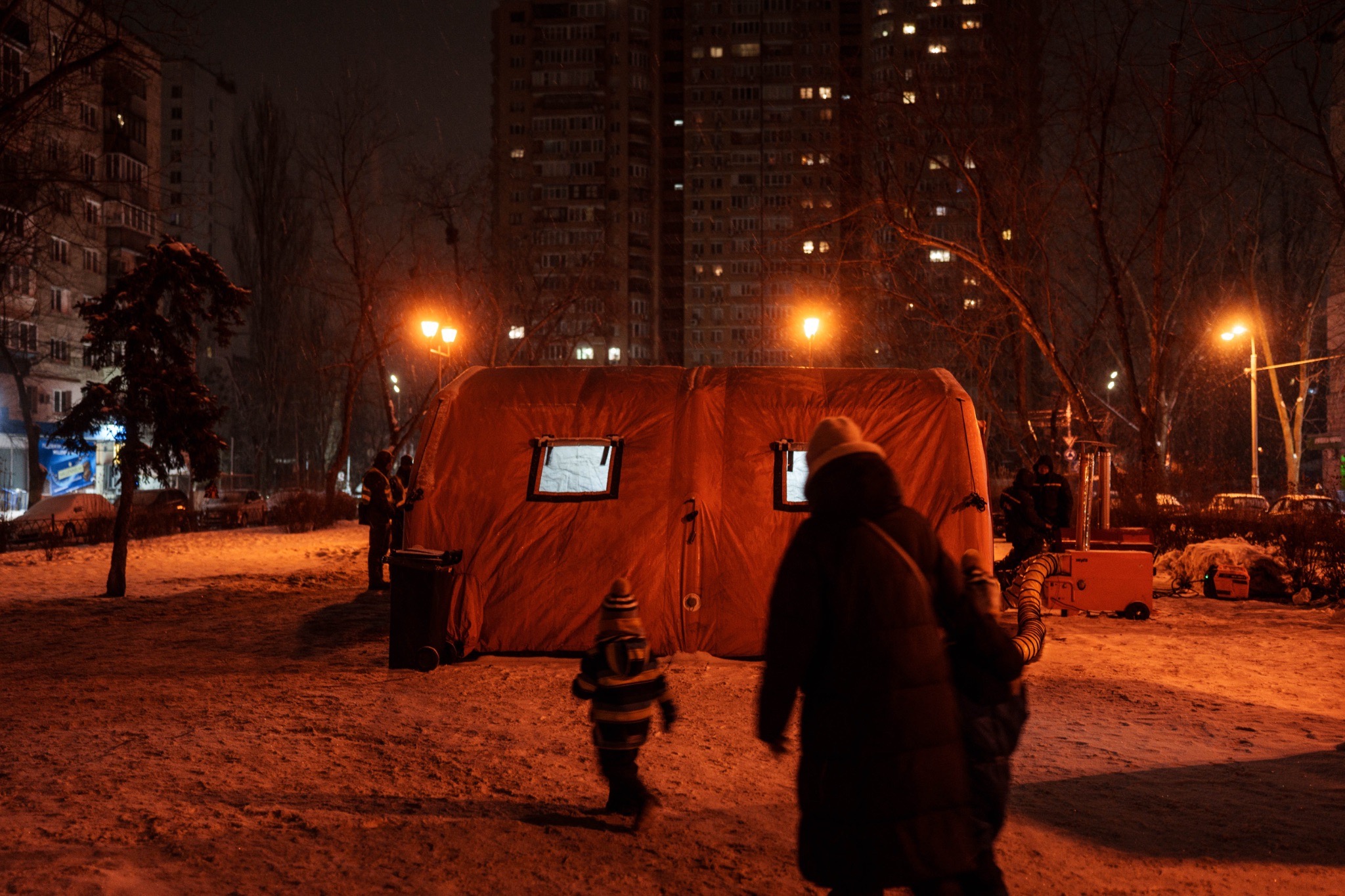
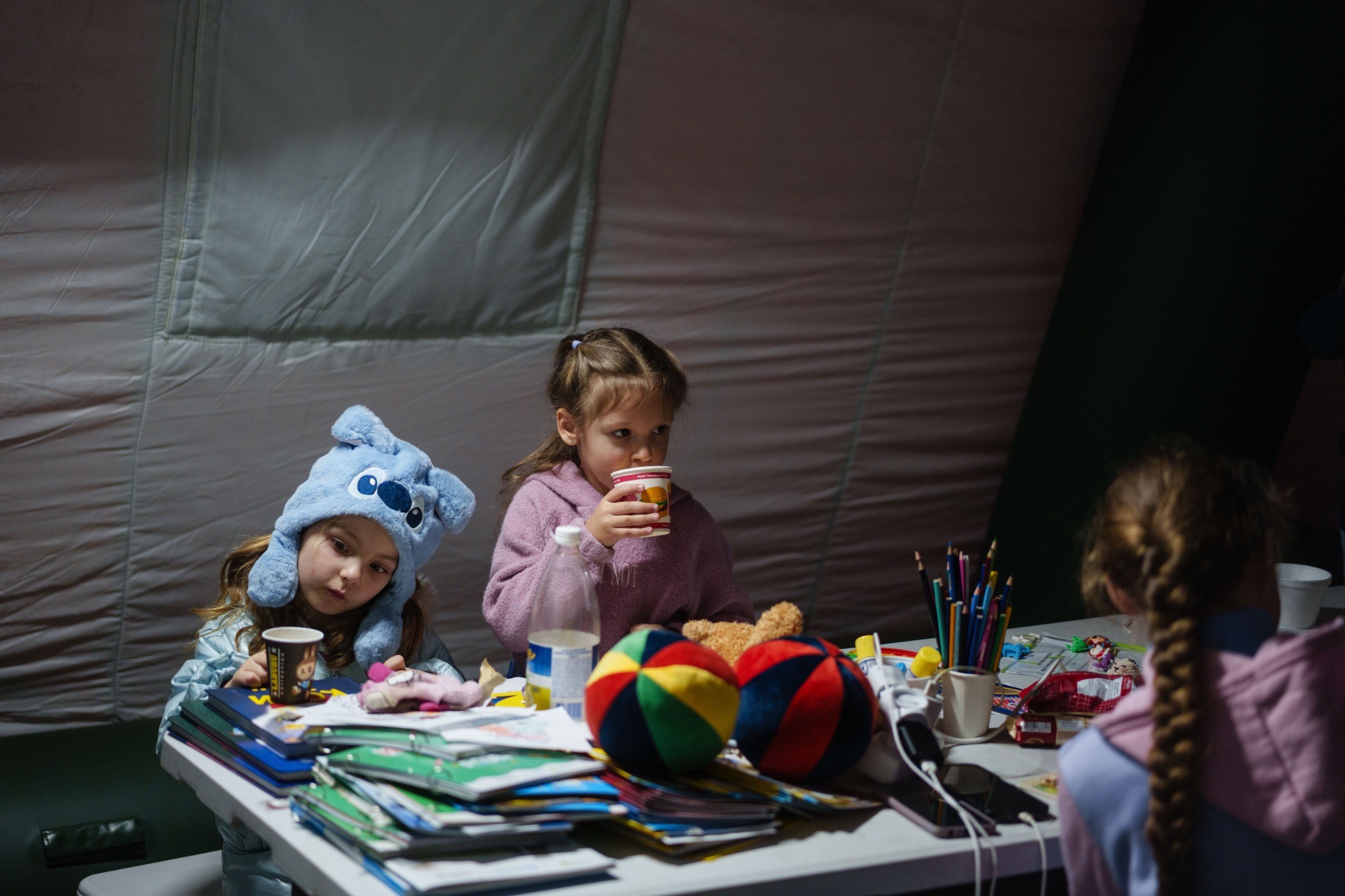
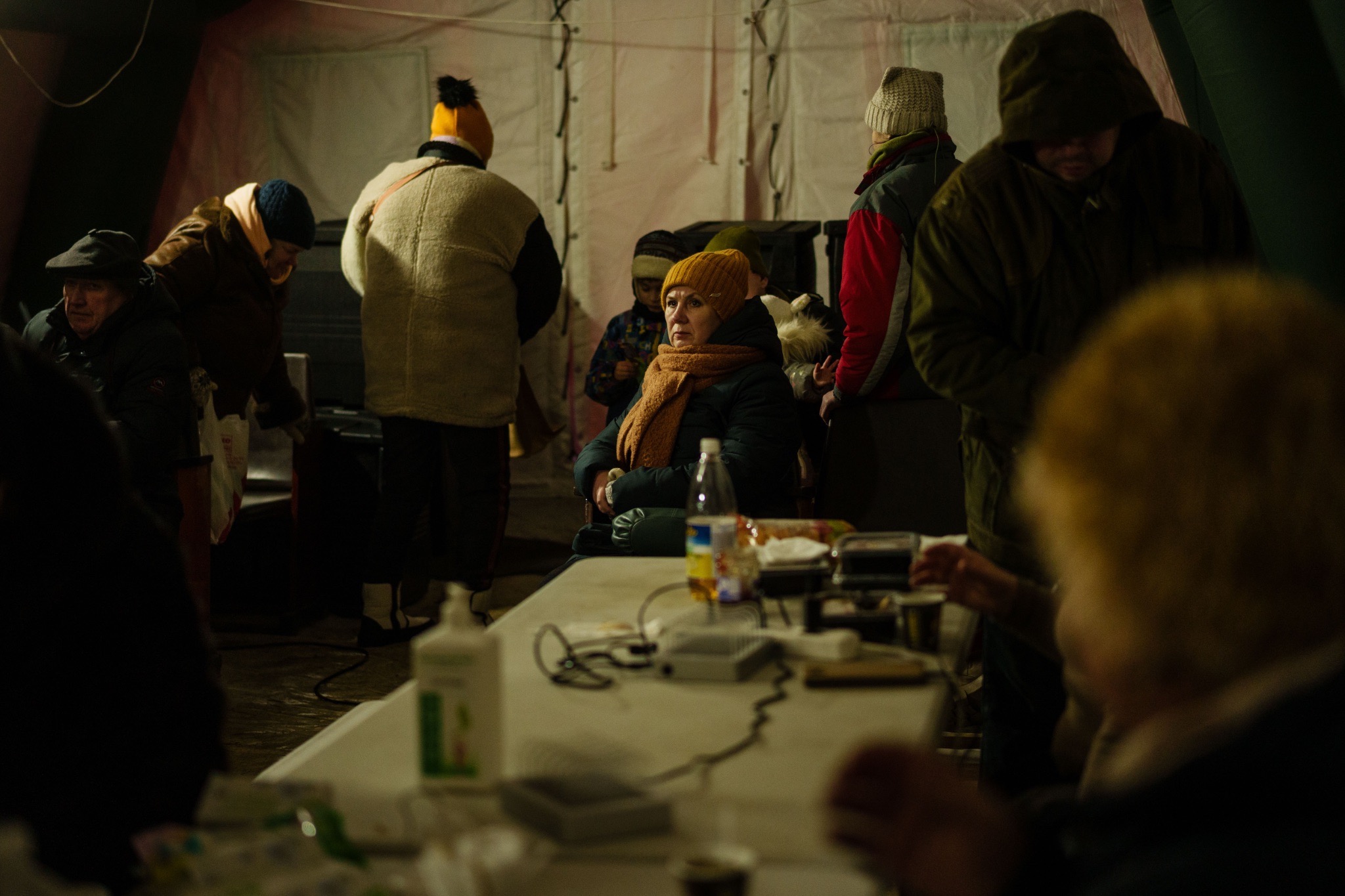
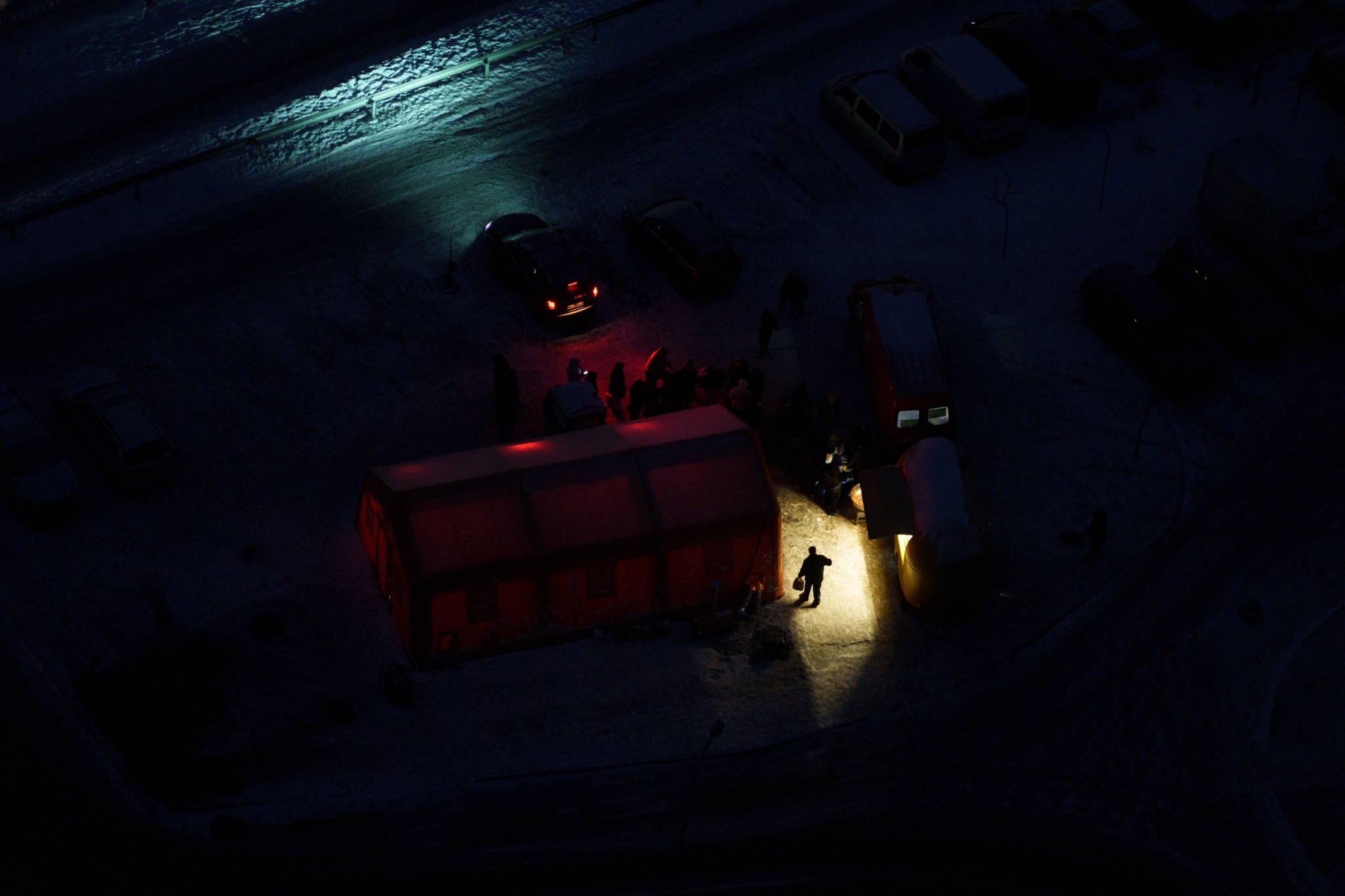
More than 1,300 “Points of Invincibility” are operating in Kyiv, including 91 mobile State Emergency Service points mostly in the courtyards of apartment buildings and 30 police units, where people can warm up, charge devices, and access the internet. This can also be done in shopping centers, food establishments, and gas stations even during curfew hours. Field kitchens and hot food distribution points are being deployed in the capital and the region. Meanwhile, energy workers are working day and night, risking their lives and health to return heat to people’s homes. In particular, State Emergency Service divers carried out a special operation to repair underwater pipes at a city CHP plant that was damaged as a result of enemy shelling. They worked in icy water for six days under the threat of shelling. On January 21, it became known that during restoration work at a critical infrastructure facility in Kyiv region, Oleksii Brekht, acting head of the board of Ukrenergo, was killed.
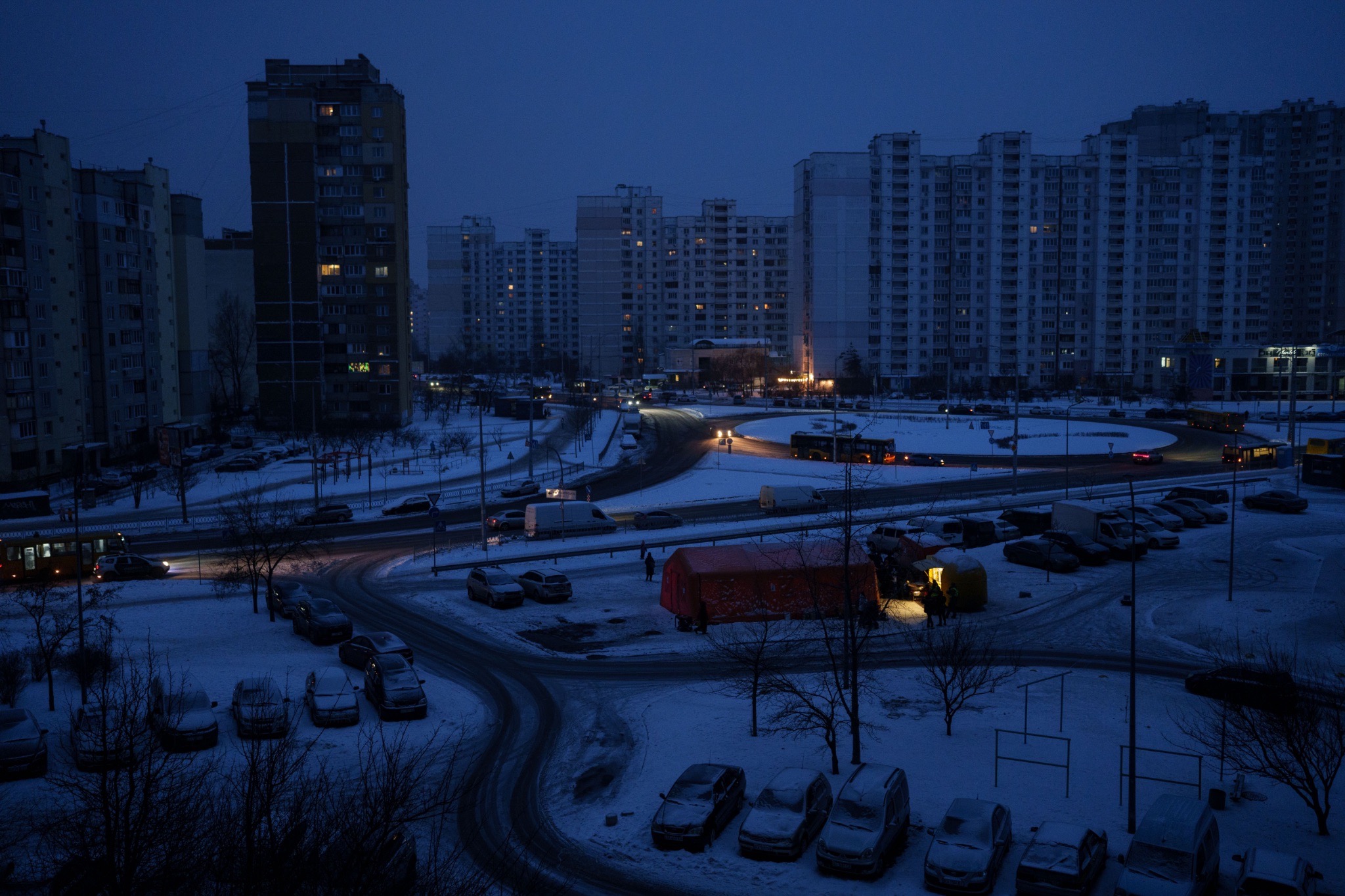
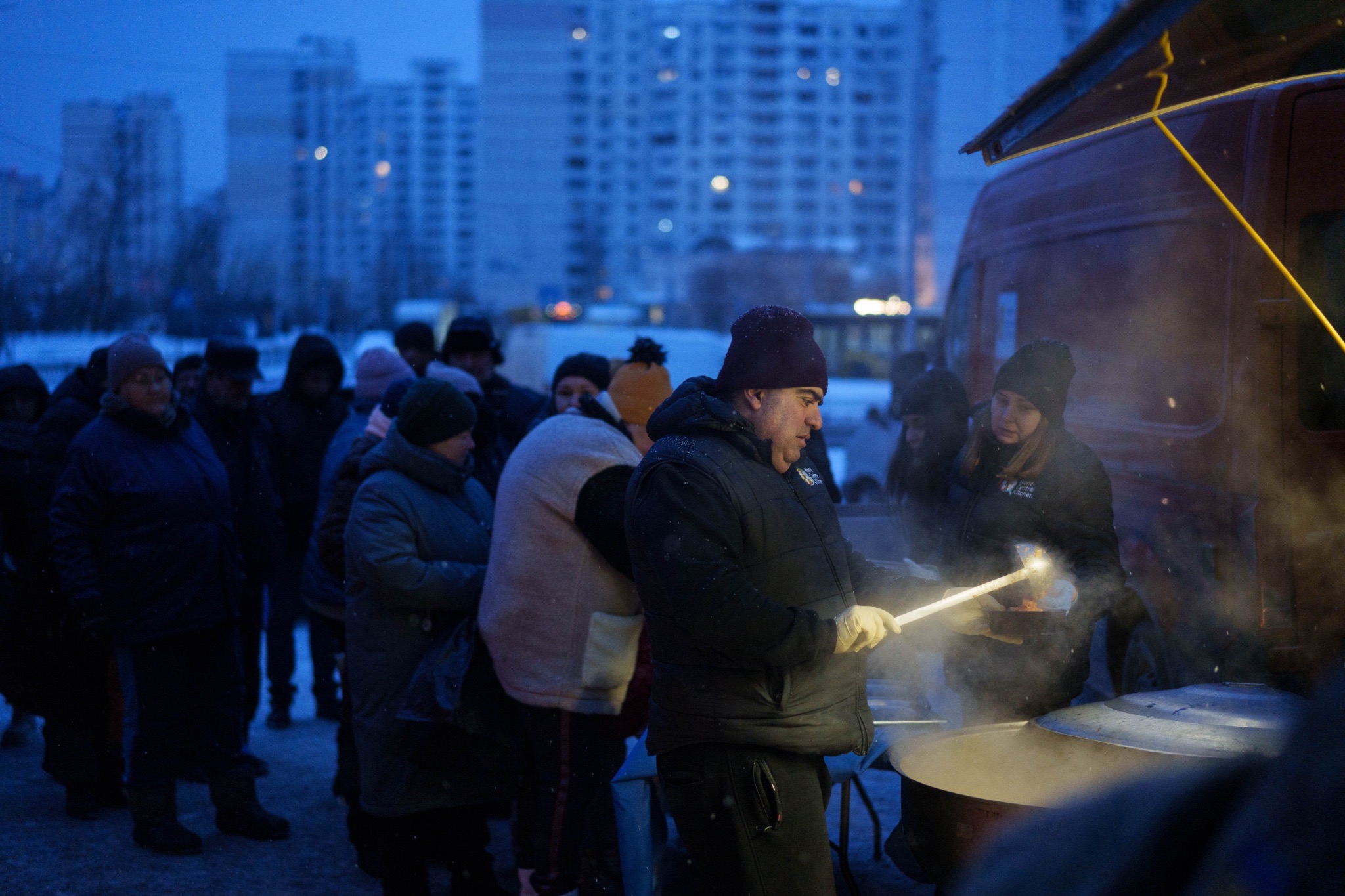

Photojournalist Serhii Korovainyi, who captured frames of survival in cold Kyiv, emotionally addressed a foreign audience:
I know it is pointless to talk about justice as a concept, but think about it. One country decides to freeze another to death, and essentially no one is surprised anymore. The world is rolling into hell; the ayatollahs (the dictatorship regime in Iran — ed.) are drowning protesters in blood, and America is planning to annex an ally’s territory; but who knew hell would be so cold? In Kyiv right now the temperature has dropped to -20°C, and new Russian drones can cross Ukraine’s border right now to continue the terror.
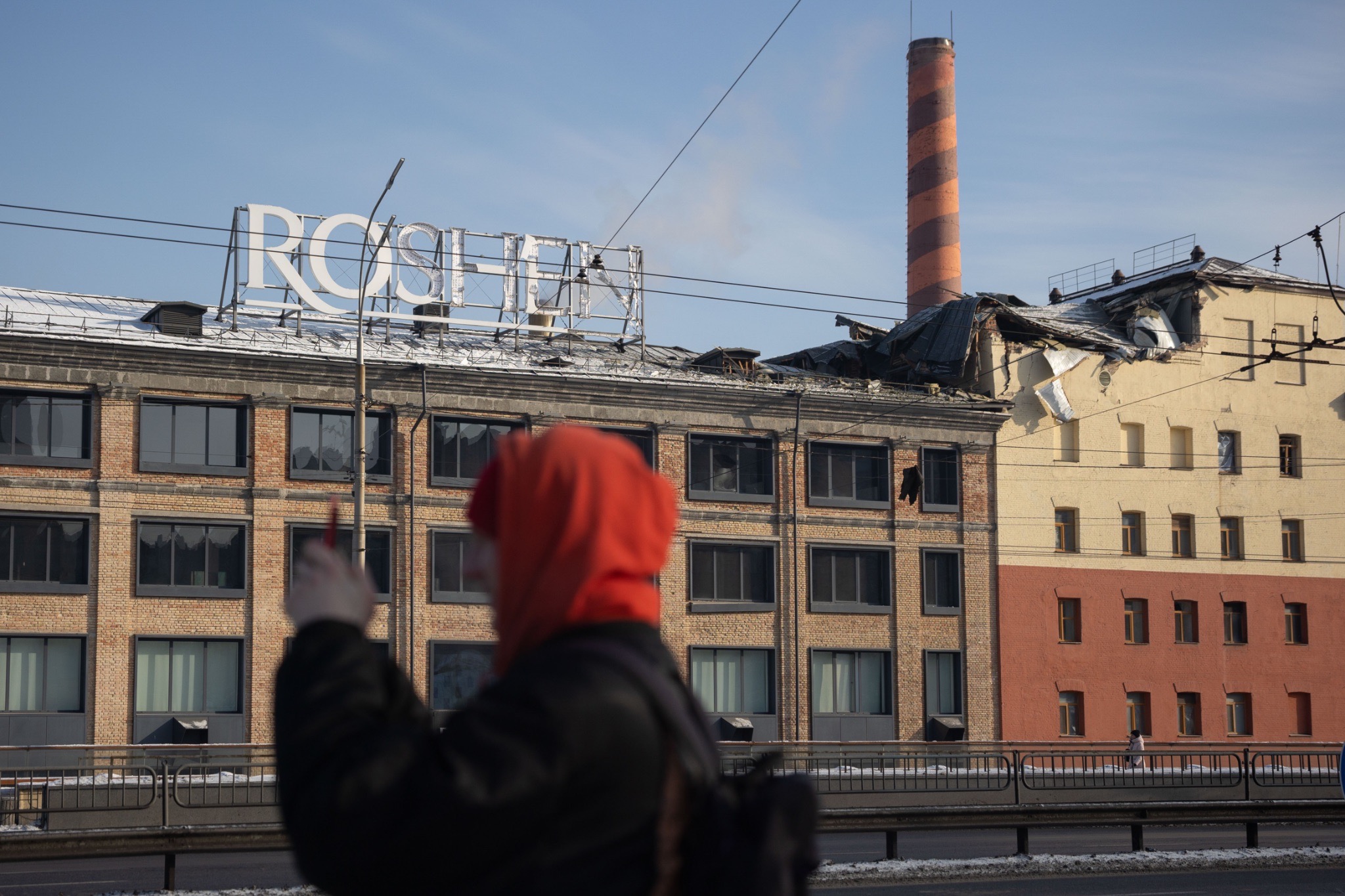
On the night of January 24, Russians once again carried out a massive strike on the capital and the region: one person was killed and four were injured — three were hospitalized. The Desnianskyi, Dniprovskyi, Darnytskyi, Holosiivskyi, and Solomianskyi districts were affected. Falling debris was recorded; windows were blown out in apartment buildings, a private house, and a medical facility; fires broke out in a garage cooperative; non-residential buildings and a fuel tanker burned; a six-storey office building was damaged, as was a confectionery factory — where a woman was killed and two people were injured. Ekonomichna Pravda reported that Russians attacked the Roshen factory and that a production shop worker was killed.
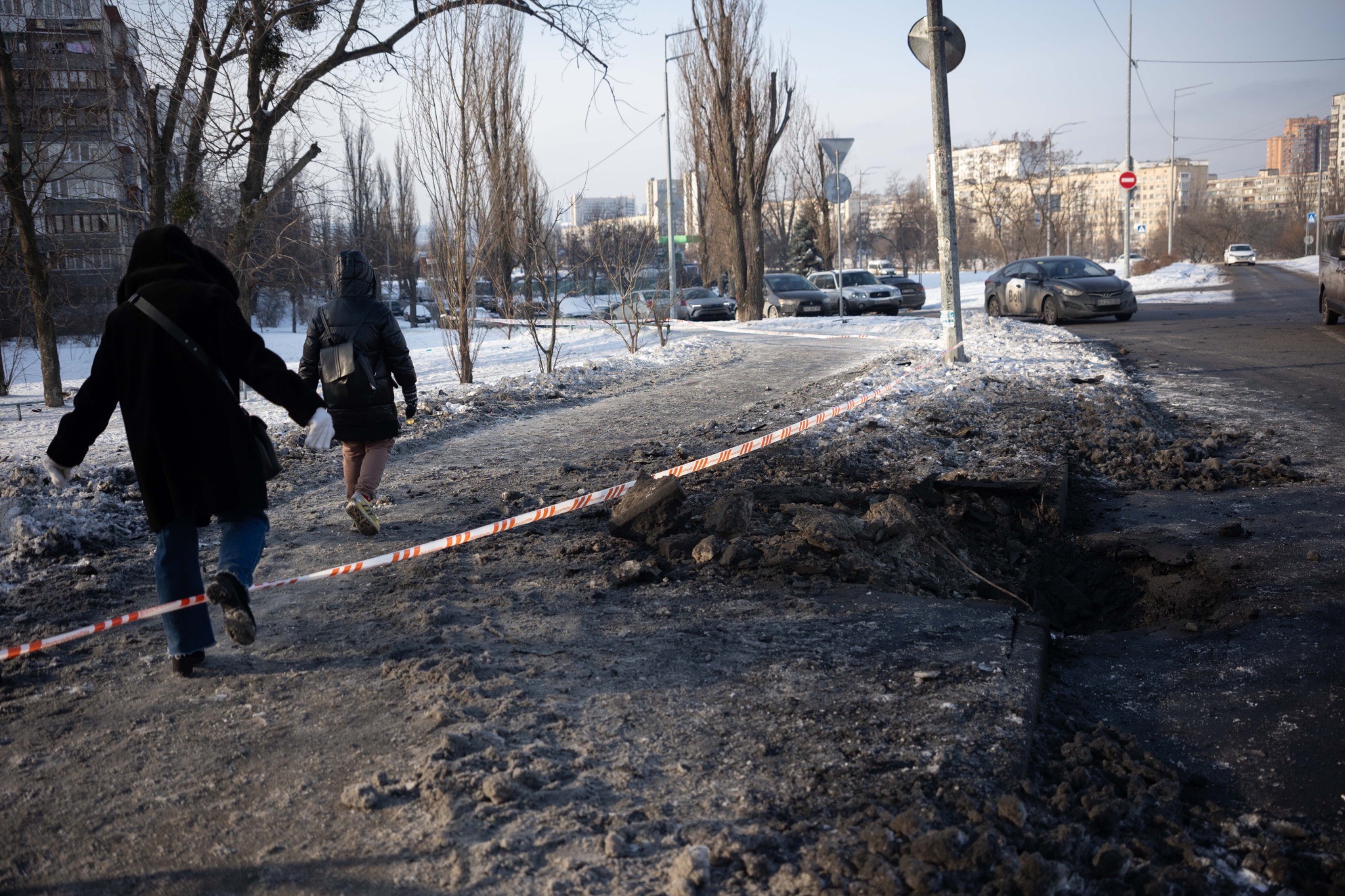
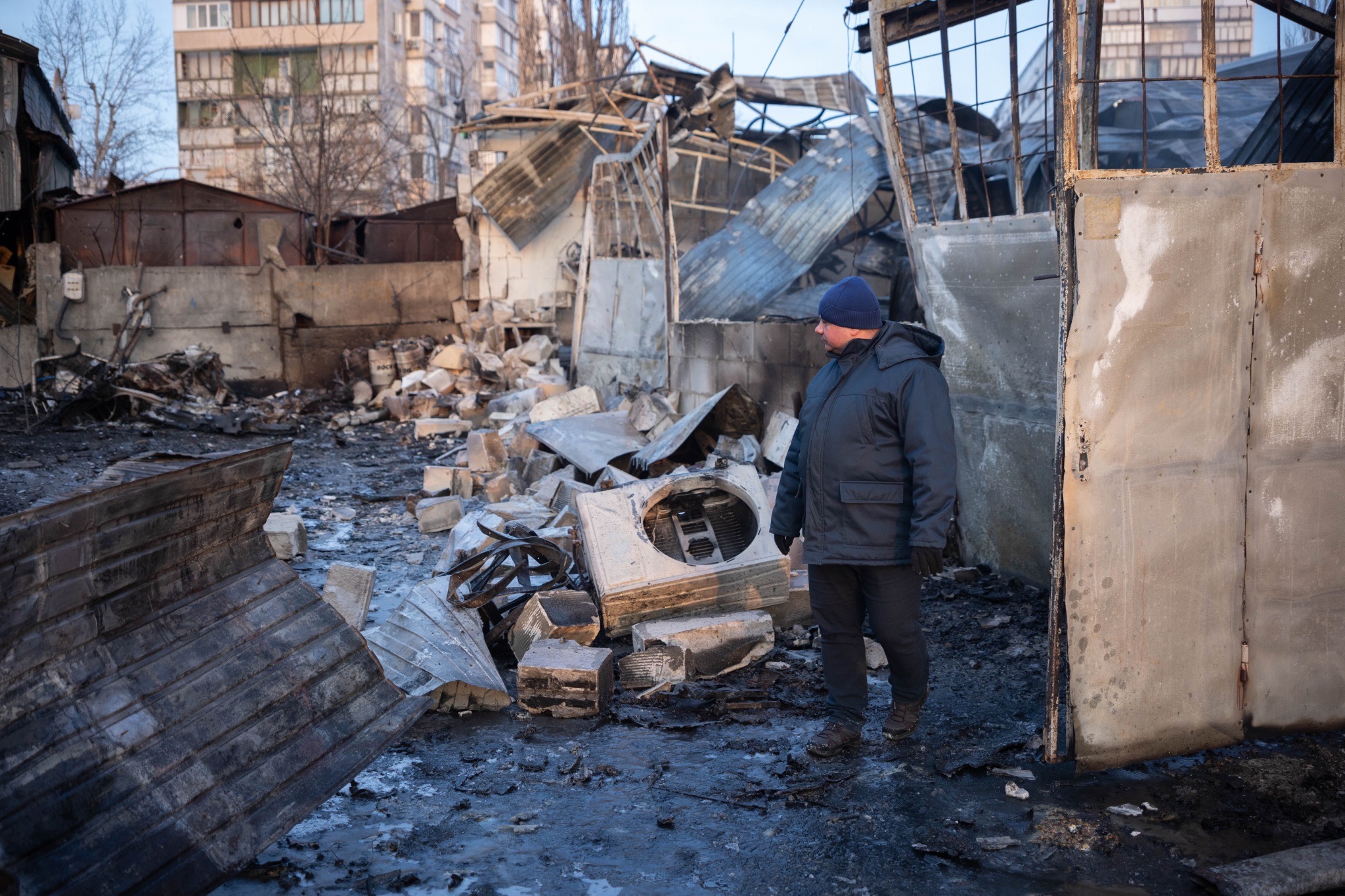
After the massive attack, more than eight thousand consumers in the capital were left without electricity, almost six thousand buildings are without heating, and there are disruptions in heat and water supply on the left bank of the capital and partially on the right bank. Heat supply had already been restored to most of these buildings after the latest January shellings of the capital. The most difficult situation is in Troieshchyna, where additional heating points are being deployed, including for overnight stays. More than 160 repair teams worked to restore communications.
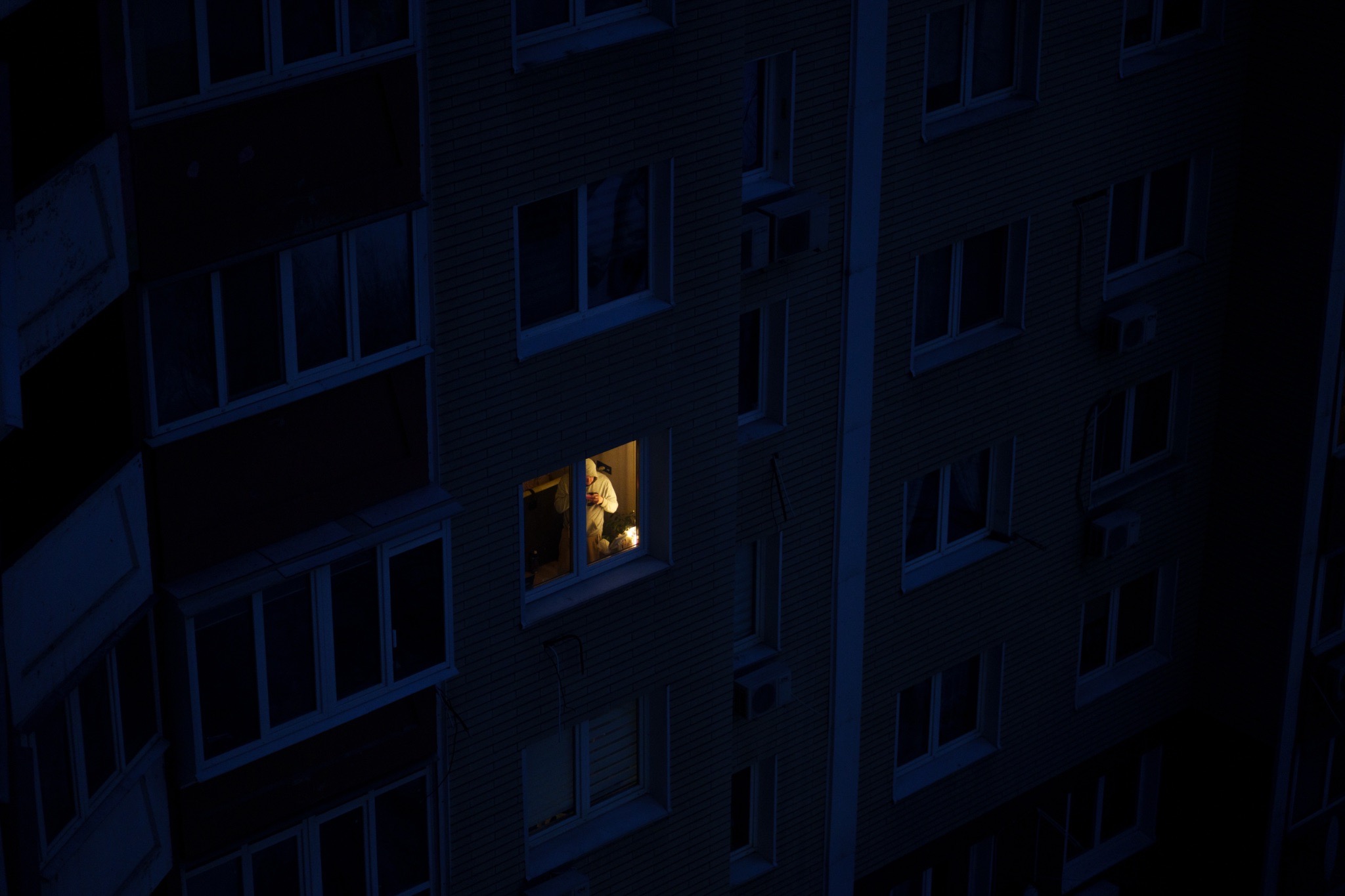
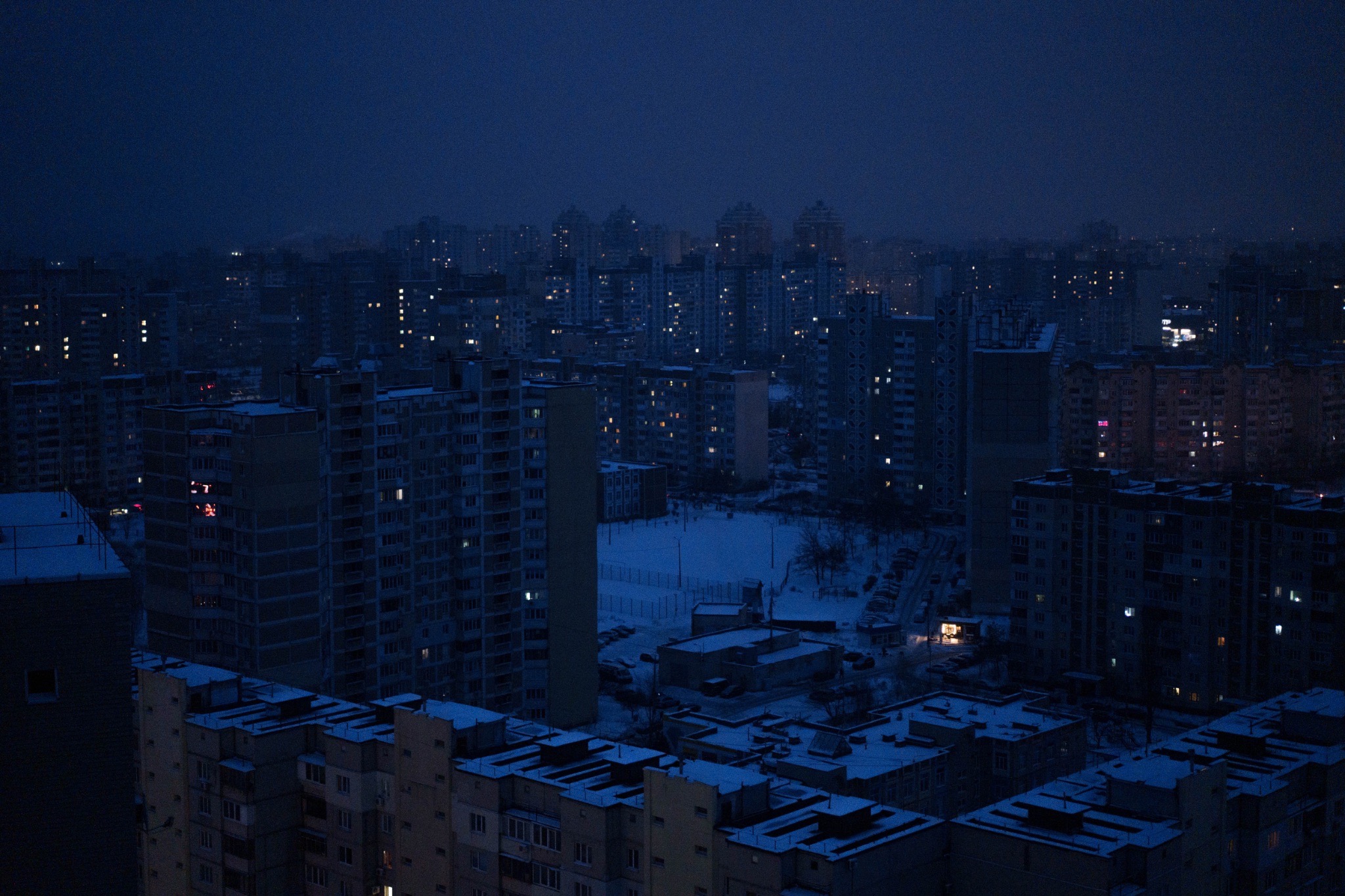
In Kyiv region, Brovary and Boryspil districts were affected; four residents of the region were injured, two of them hospitalized, and people’s homes were damaged. Water supply on the left bank of the Dnipro in the capital was restored by evening. On the morning of January 25, 1,676 apartment buildings in Kyiv remain without heating.
Worked on the material:
Topic researcher, text author: Yana Yevmenova
Photo editor: Olga Kovalova
Literary editor: Yuliia Futei
.jpg)

.jpg)













.jpg)


