
At the end of January, Russians carried out a series of terrorist attacks across Ukraine. Large‑scale strikes hit Odesa, Zaporizhzhia, Kherson, and the Dnipropetrovsk region. In the Kharkiv region, the enemy struck a passenger train, resulting in the deaths of six passengers. In the Kyiv region, a married couple was killed after a drone directly hit a residential building. In just one week, due to Russian aggression, Ukraine lost three rescuers and one energy worker. Toward the end of the workweek, a decrease in shelling of the energy system by the Russian army was recorded. President Zelenskyy stated that Russians are refocusing on strikes against logistics and continue to hit residential neighborhoods. Overall, over the past month, air defense units of the Defense Forces destroyed more than 21,500 aerial targets, including 392 destroyed by aviation.
Chronicle of Russian shelling from January 26 to February 1, 2026
January 26 Russians struck Kharkiv’s energy infrastructure with drones and missiles; residential buildings and two educational institutions were also damaged, and two people were injured. Fires broke out and there was extensive destruction at an energy facility. In Kherson, the Russian army shelled one of the educational institutions with artillery, severely damaging the building. Infrastructure damage was recorded in the Sumy, Chernihiv, Zaporizhzhia, and Dnipropetrovsk regions, including Kryvyi Rih and Pavlohrad.
On the night of January 27, Russians shelled a number of regions: Odesa, Lviv, Dnipropetrovsk, Mykolaiv, Sumy, and Kharkiv regions. Critical infrastructure was targeted. Overnight, Russia launched 165 strike drones at Ukraine. In the Lviv region, an infrastructure facility came under UAV attack; the site was connected to the Druzhba oil pipeline through which Russian oil is transported to Hungary and Slovakia. Smoke was recorded at the impact site, and petroleum products were burning. The enemy army struck the passenger train “Barvinkove — Lviv — Chop” in the Kharkiv region with three drones. Hits were recorded in front of the locomotive and in a passenger carriage, which caught fire. During the aftermath response, bodies and body fragments were found in the train carriage; two more people were injured. It was established that six people were killed at the scene; the identities of the victims will later be determined through DNA analysis. For the past three days, Kharkiv had been under constant enemy attacks, with extensive damage to residential infrastructure. That day, there were fatalities in the Sumy region, in Kherson, and in the Donetsk region. In Nikopol in the Dnipropetrovsk region, a woman was injured and hospitalized in critical condition. In Sloviansk in the Donetsk region, three people were killed by an airstrike on a residential area; three people were rescued, and in Kostiantynivka there was one fatality. Russians carried out a repeated strike on rescuers in Sloviansk, damaging a tanker; the rescuers were not injured.
January 28 Russians launched massive attacks on Zaporizhzhia and the Dnipropetrovsk region. In Zaporizhzhia, six people were injured, including a teenager; more than a dozen apartment buildings and two dozen cars were damaged, fires broke out, and there were partial power outages. In the Dnipropetrovsk region, one person was killed and seven were injured, one of them in critical condition; there was extensive infrastructure damage, with the enemy shelling Kamianske and Kryvyi Rih. Fires and casualties were also recorded in Kherson, the Sumy region, and the Donetsk region — in Druzhkivka there was one fatality. In the Chernihiv region, communications, energy, transport, and an enterprise were under attack, leaving a number of settlements without power. In the Kharkiv region, during the identification of a Russian explosive device, a rescue officer from the Blyzniuky community was killed — Captain of the Civil Protection Service, 35‑year‑old Ivan Sierii. He had served in the State Emergency Service for 14 years.
At midnight on January 29, Russians struck the Zaporizhzhia district; three people were killed and three injured, one house was completely destroyed, and nearby houses were damaged. In Kryvyi Rih, an elderly woman was killed, three people were injured, two of them in moderate condition, and a residential building was on fire. There were fatalities and injuries in the Kharkiv, Kherson, and Donetsk regions. In the Chernihiv region, many strikes were carried out along the border; an FPV drone hit a forestry service vehicle, but the foresters were not injured.
On the night of January 30, Russians attacked Ukraine with a ballistic missile and more than one hundred strike UAVs of various types. In the Kharkiv region, one person was killed and two injured; in the Kharkiv district, a ballistic missile strike damaged a civilian enterprise of the American company Philip Morris. Residential neighborhoods in Kherson remained under constant enemy attacks. During one of the attacks, Russians struck the roadway, damaging a minibus; the driver was killed and five passengers were injured — two in critical condition and the others in moderate condition. In the Dnipropetrovsk region, one person was hospitalized in critical condition. The enemy struck railway infrastructure in the Dnipropetrovsk region and gas infrastructure in the Donetsk region.
January 31 Russians shelled border communities in the Chernihiv region and massively attacked Kherson. Fires raged in the Sumy and Donetsk regions due to Russian shelling. Russian FPV drones continued hunting civilians: in the Sumy region, a 27‑year‑old woman was killed and another person was hospitalized. In the Donetsk region, a strike hit a municipal workers’ vehicle: one worker was killed and two were injured. In the Dnipropetrovsk region, a 31‑year‑old man was killed by Russian shelling; seven people were injured — one in moderate condition; in Zaporizhzhia, one person was injured and there was extensive infrastructure damage. In the morning, a technological accident occurred on the lines between the power systems of Ukraine and Moldova, resulting in power outages in seven regions of Ukraine. The most difficult situation was in the capital and central Ukraine, as well as in Chernihiv, Kharkiv, the Sumy region, and the Odesa region. By evening, electricity supply was restored in the regions and scheduled power outage regimes resumed.
On the night of February 1, the Russian army attacked Dnipro, destroying a private house, causing a fire, and killing two people. In Kharkiv, a garage cooperative was damaged; in Chernihiv, a building on the territory of an enterprise was damaged. Over the day, ten people were injured in the Kherson region, including three children. During the day, Russians struck a maternity hospital in Zaporizhzhia; six injured were reported.
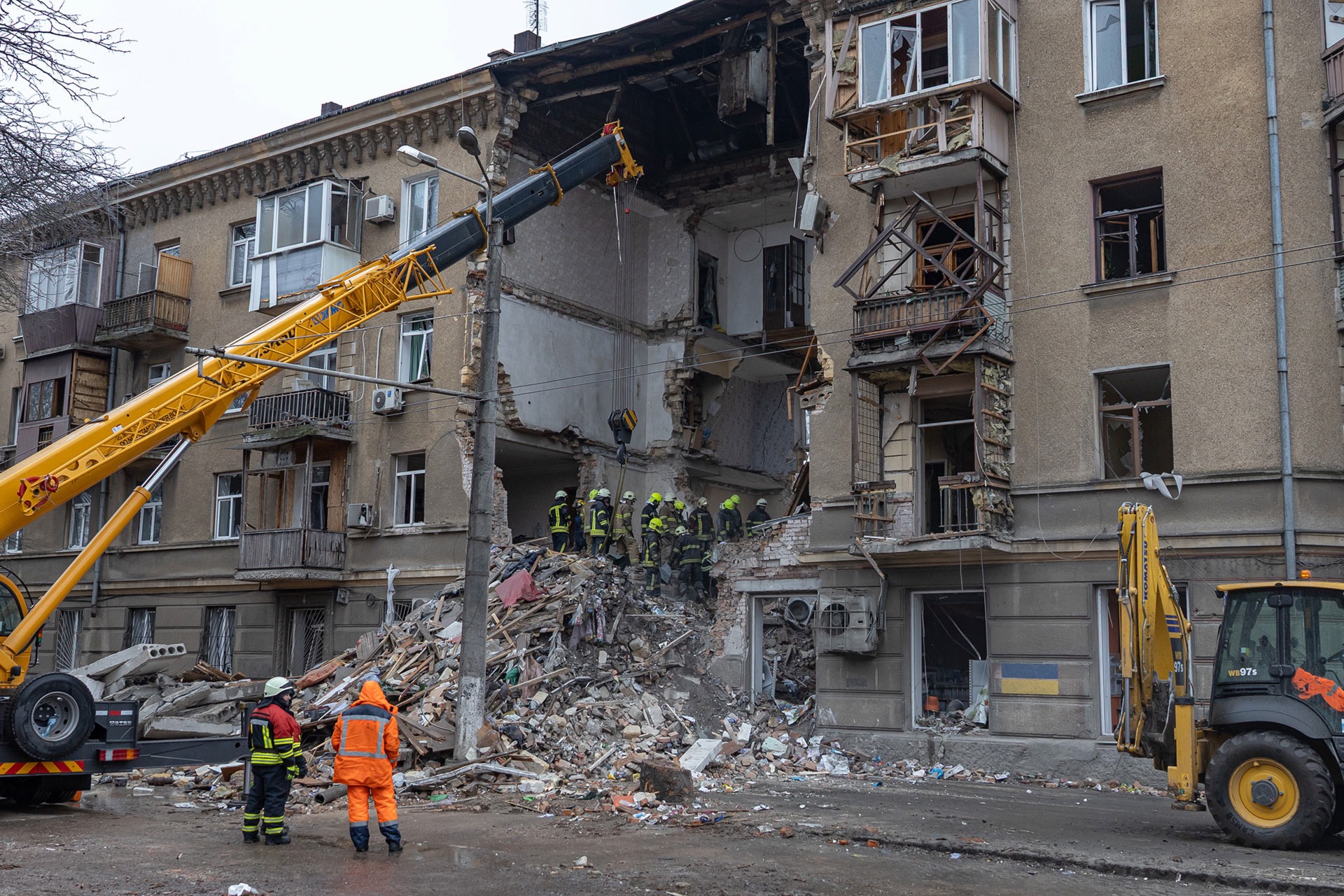
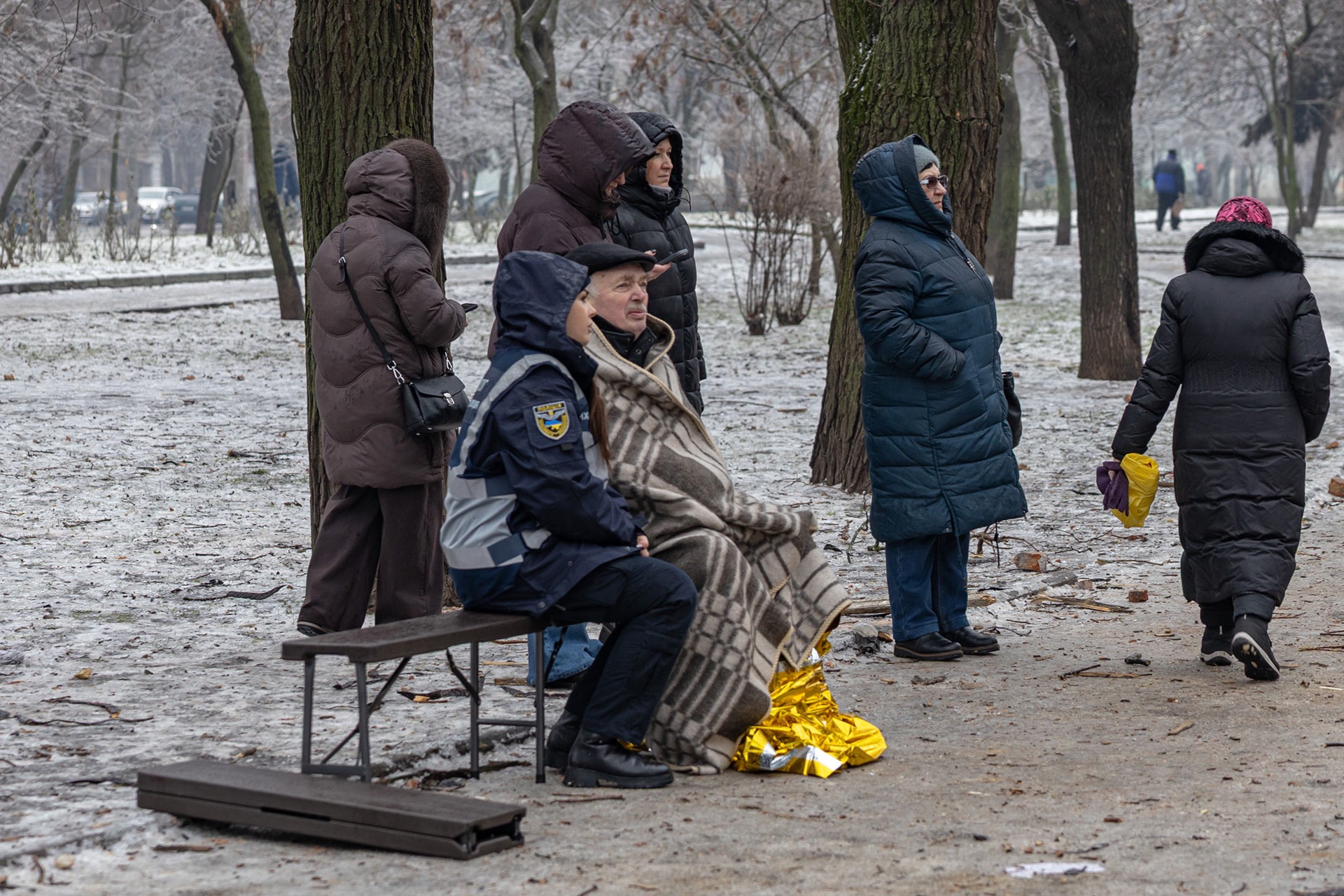
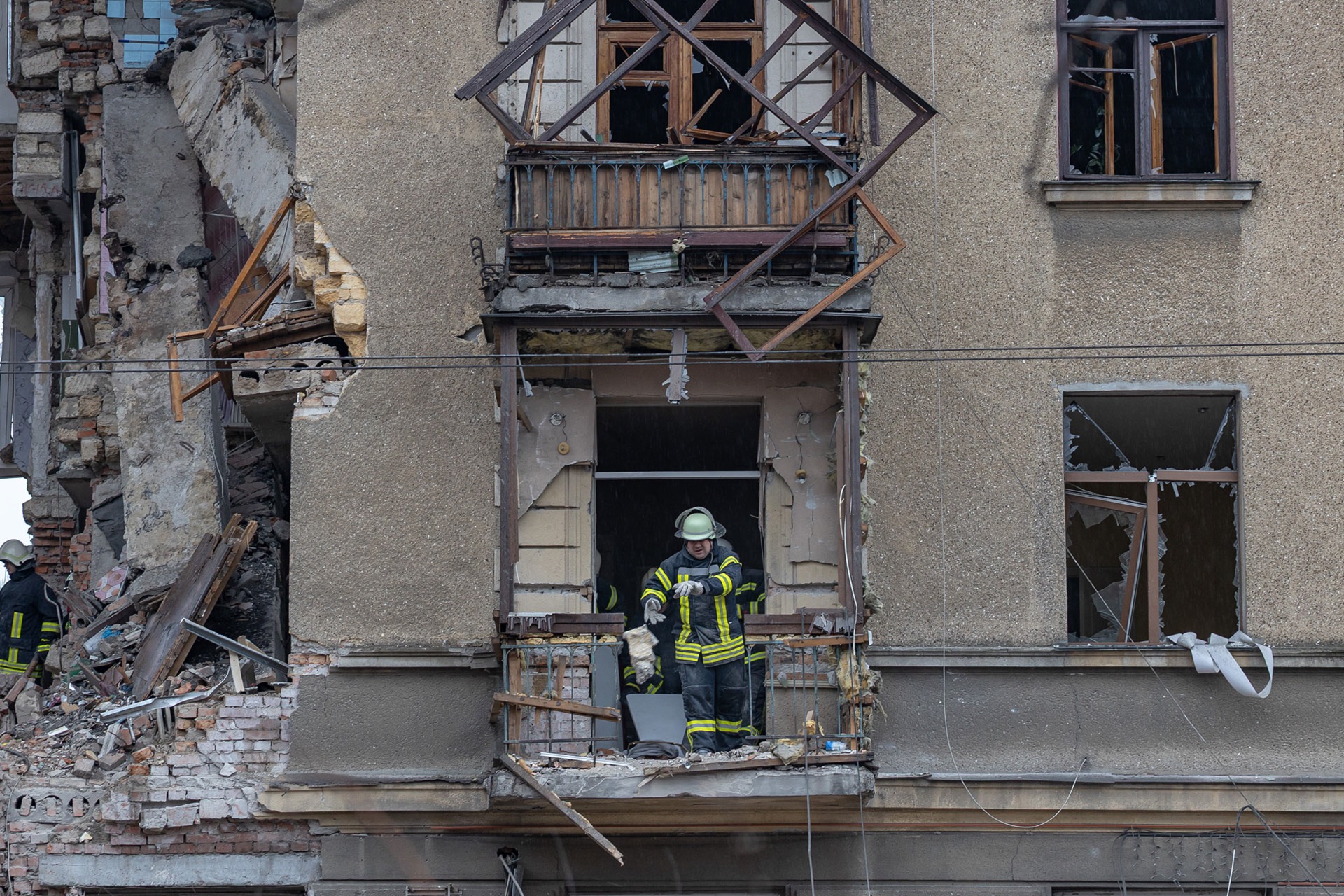
Large‑scale destruction and fatalities in Odesa
Enemy attacks on the Odesa region this week caused severe damage to residential and industrial infrastructure, as well as cultural and religious sites. On January 27, Russians launched a massive drone attack on the Odesa region. More than 50 drones attacked Odesa, striking energy facilities and civilian infrastructure. Four people were killed in the city — one person died in hospital. More than 20 people were injured: nine hospitalized, including two children and a pregnant woman; one person is in critical condition. A Day of Mourning was declared in Odesa for the victims.
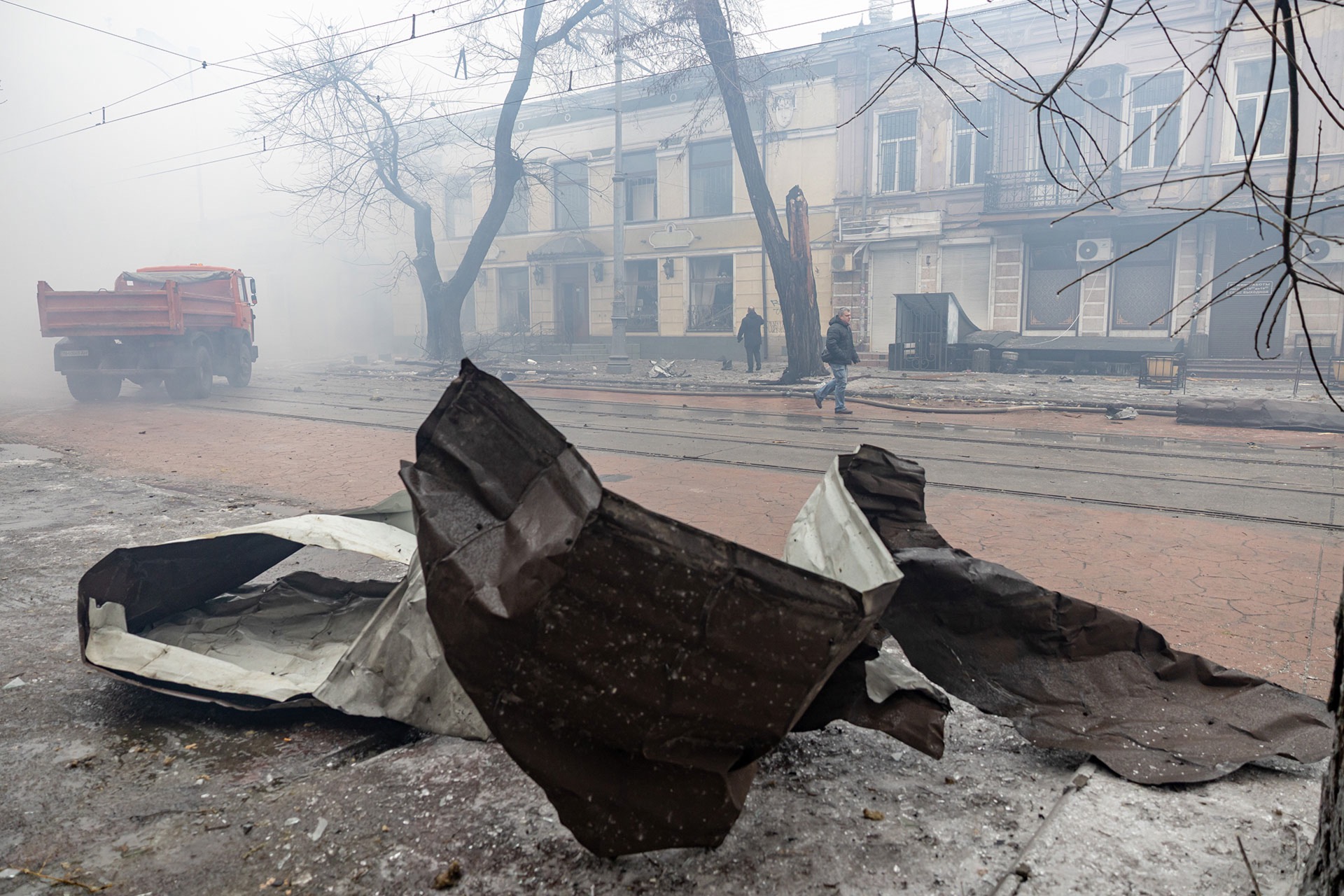
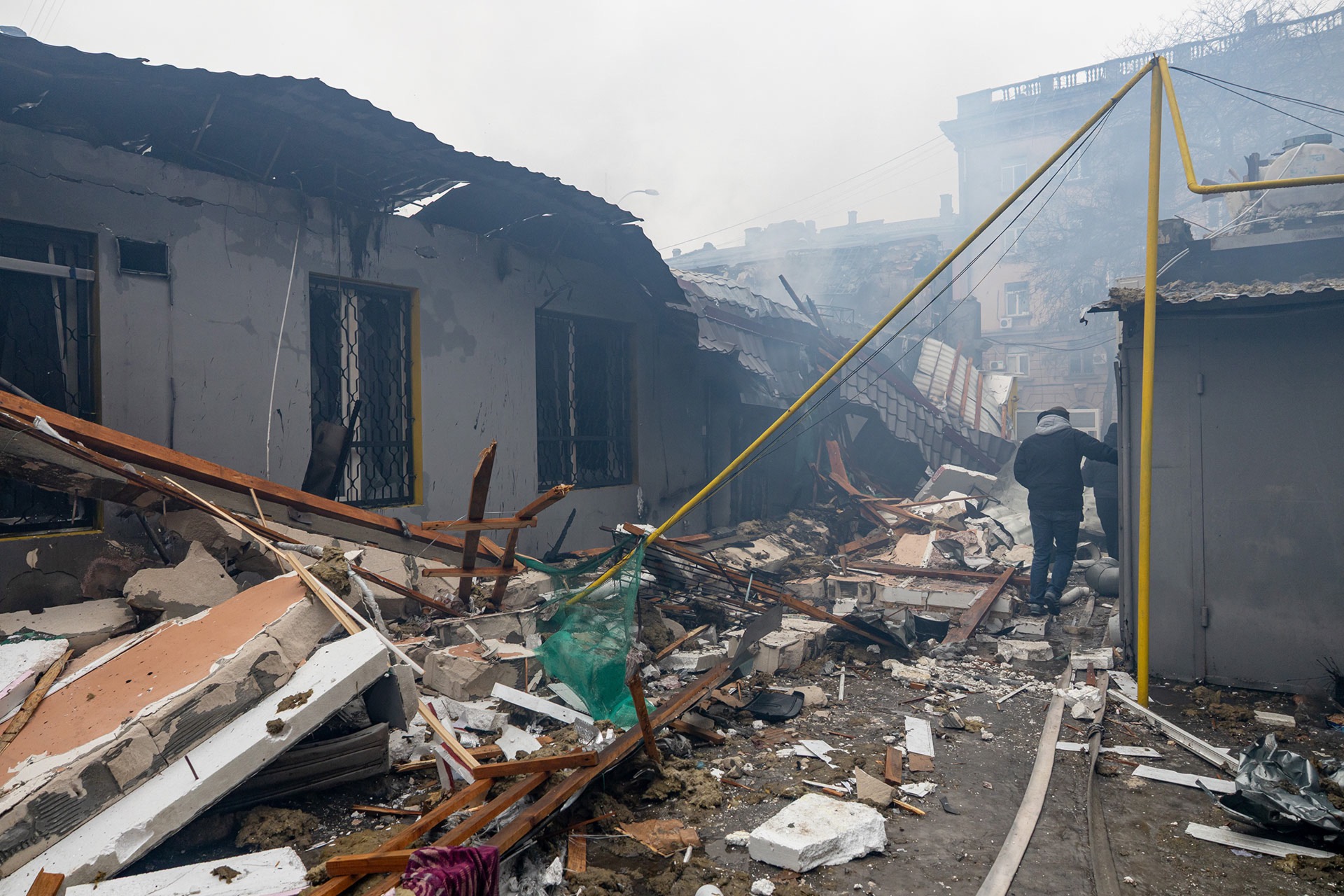
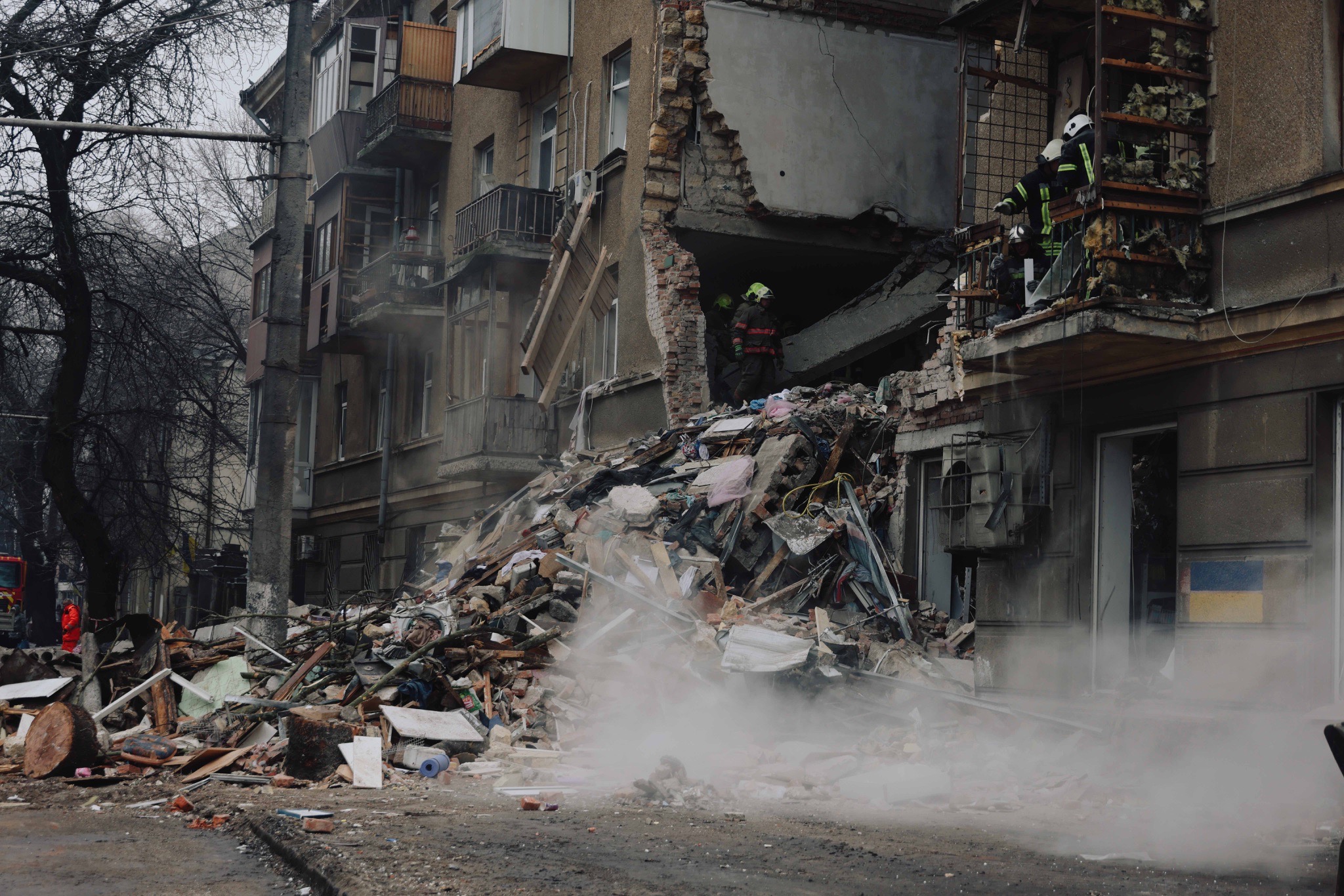
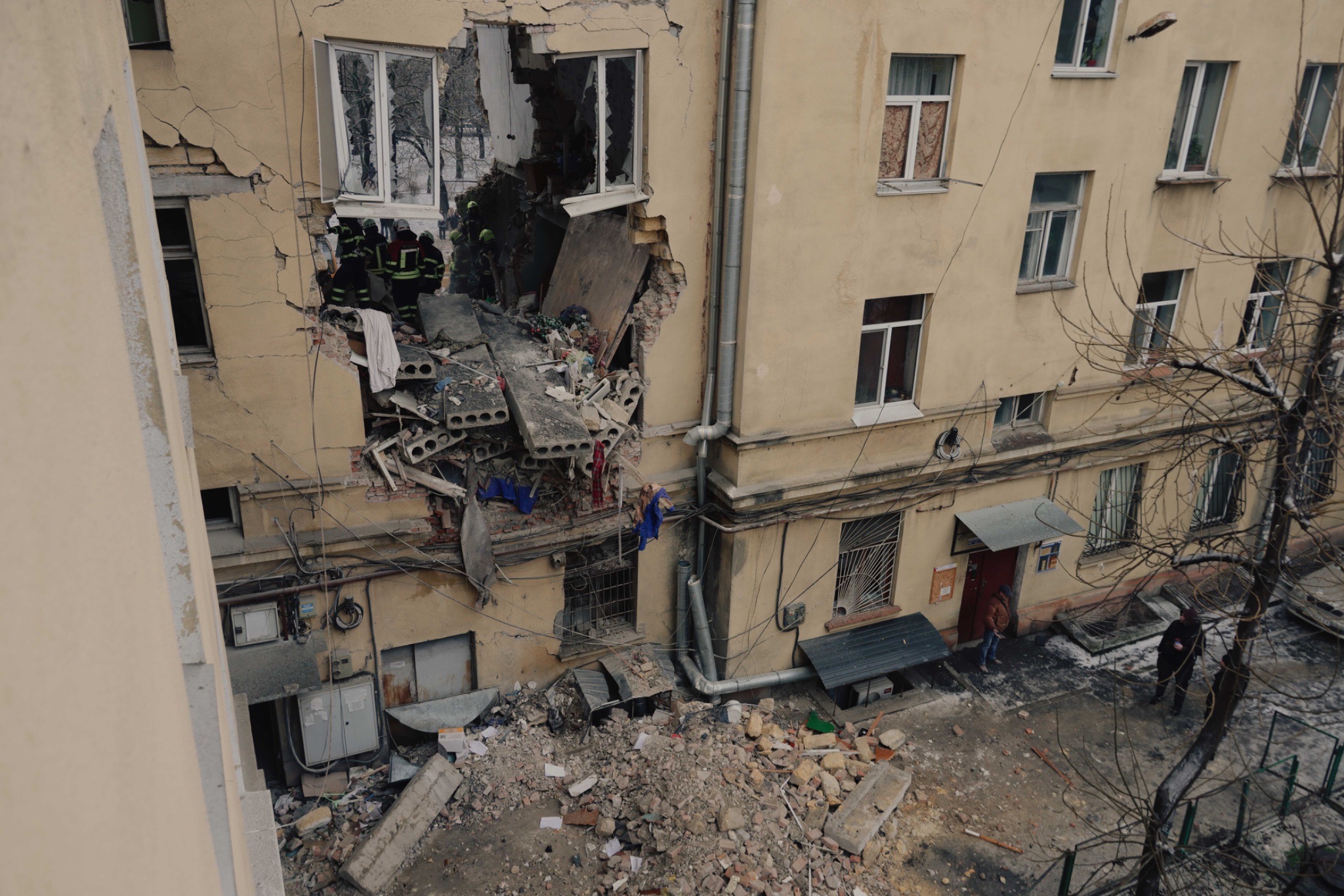
There was extensive damage in the central part of the city: five residential buildings were damaged, entire entrances and apartments were destroyed. Search and rescue operations continued at the site of a severely damaged four‑storey residential building where a drone strike destroyed floors from the second to the fourth. Fourteen people were rescued. Due to the attack, educational institutions were damaged in the city: a kindergarten and a vocational lyceum of construction and architecture — with significant destruction and fire. There was also a hit on a prayer house of Evangelical Christians; a fitness center was also damaged.
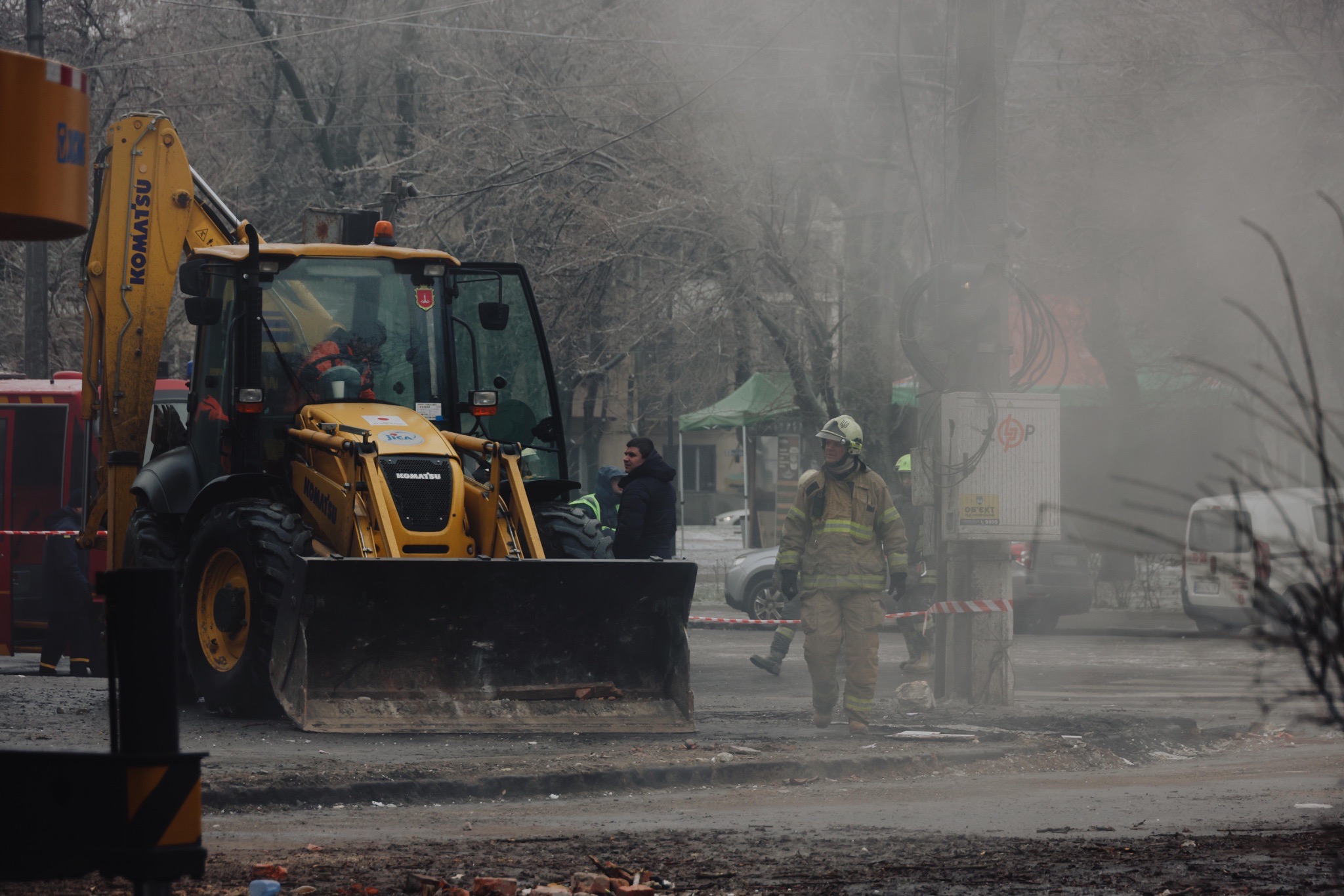
The press service of DTEK reported “colossal” destruction due to a repeated strike on an energy facility. In the Odesa district, an emergency situation also occurred at energy equipment, leading to power outages in the area.
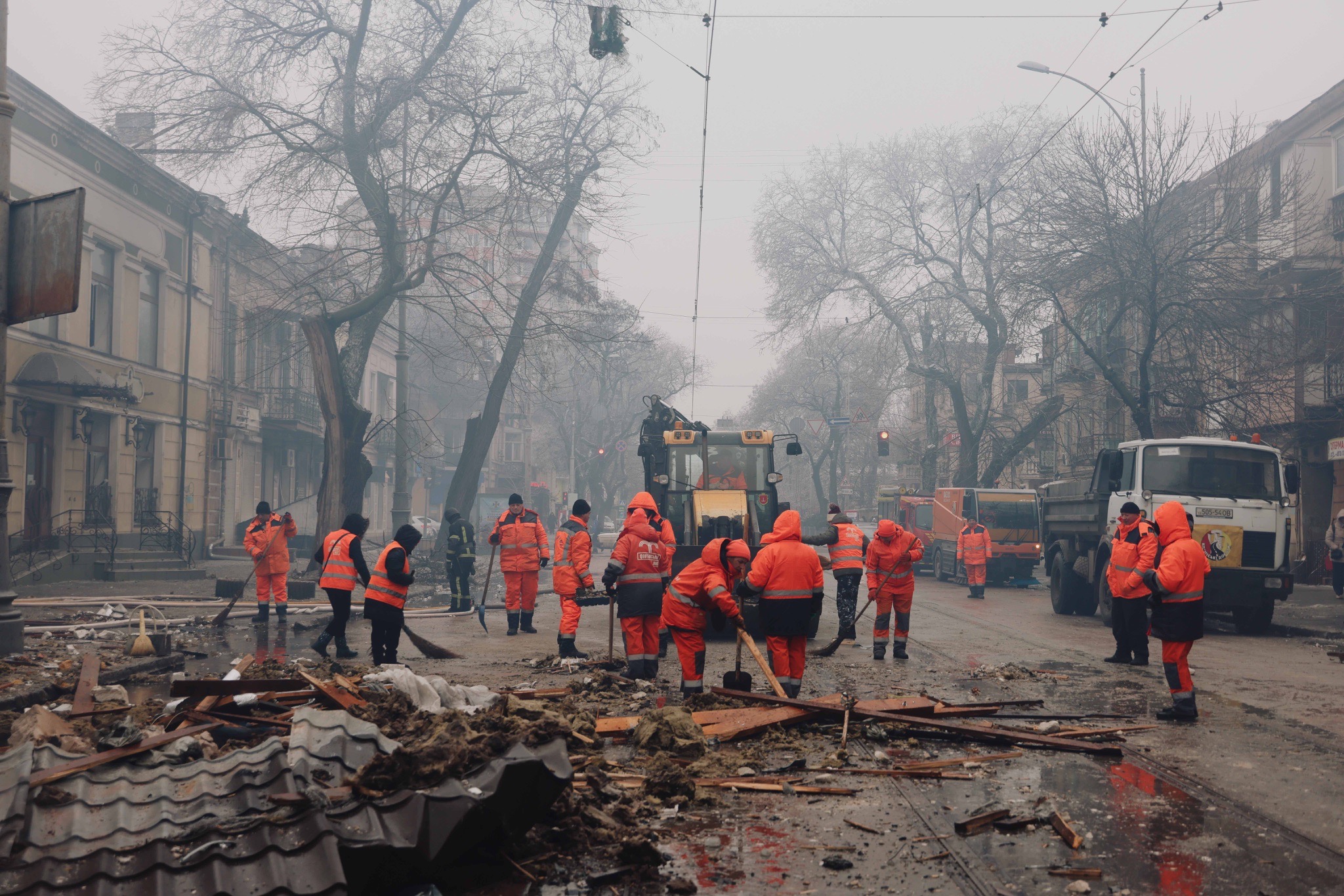
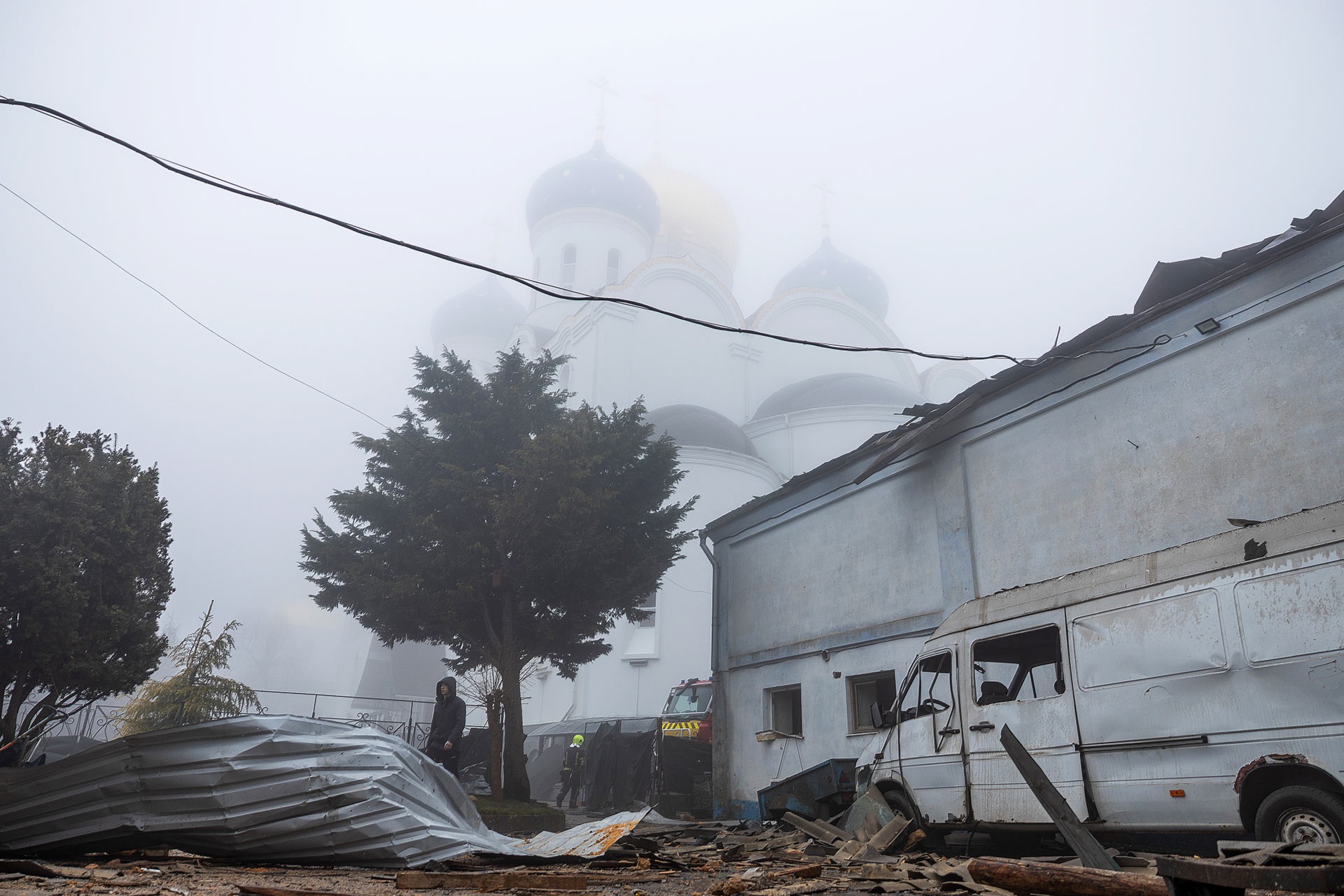
The following night, on January 28, Russians again attacked the Odesa region with strike drones. Three people were injured, and one person was hospitalized. Residential, social, and port infrastructure were damaged; a building on the territory of the Holy Dormition Monastery was also damaged, where a fire broke out. Warehouses, administrative buildings, and vehicles were also damaged. On January 29, a hostile drone attack hit an industrial facility in Odesa — warehouse and production buildings caught fire, and freight vehicles were damaged.
Light in dark times
The last week of January was a time of mourning for Ukraine. On January 25, during emergency repair work at one of Kyiv’s energy facilities, 31‑year‑old rescue climber Oleksandr Pytaichuk was killed. The next day, 36‑year‑old rescuer Oleksandr Zibrov died in hospital after he and his colleagues came under a repeated Russian strike on January 9 in Kyiv’s Darnytskyi district. On January 30, a 66‑year‑old employee of Kyivteploenergo died while on duty at a critical infrastructure facility, the Kyiv City State Administration reported.
Enemy attacks on the capital region also brought death and destruction. On the night of January 28, the enemy attacked the capital and the region with strike UAVs. In Kyiv’s Holosiivskyi district, a residential building and cars were slightly damaged. In Bilohorodka in the Kyiv region, a married couple was killed by a nighttime Russian UAV attack; four more people were injured, including two children. An apartment on the top floor of a seven‑storey building caught fire.
Marian Kushnir urged people not only to retell the story of the rescue, but also to support the girl’s family financially:
I’m not a hero, I just happened to be in that place and did what I had to do. I reacted instinctively, and that was it. The heroes are the soldiers, rescuers, medics, and the many others who save Ukrainians from being killed by Russia every single day. But right now, the girl everyone is talking about needs support — as does her entire family.
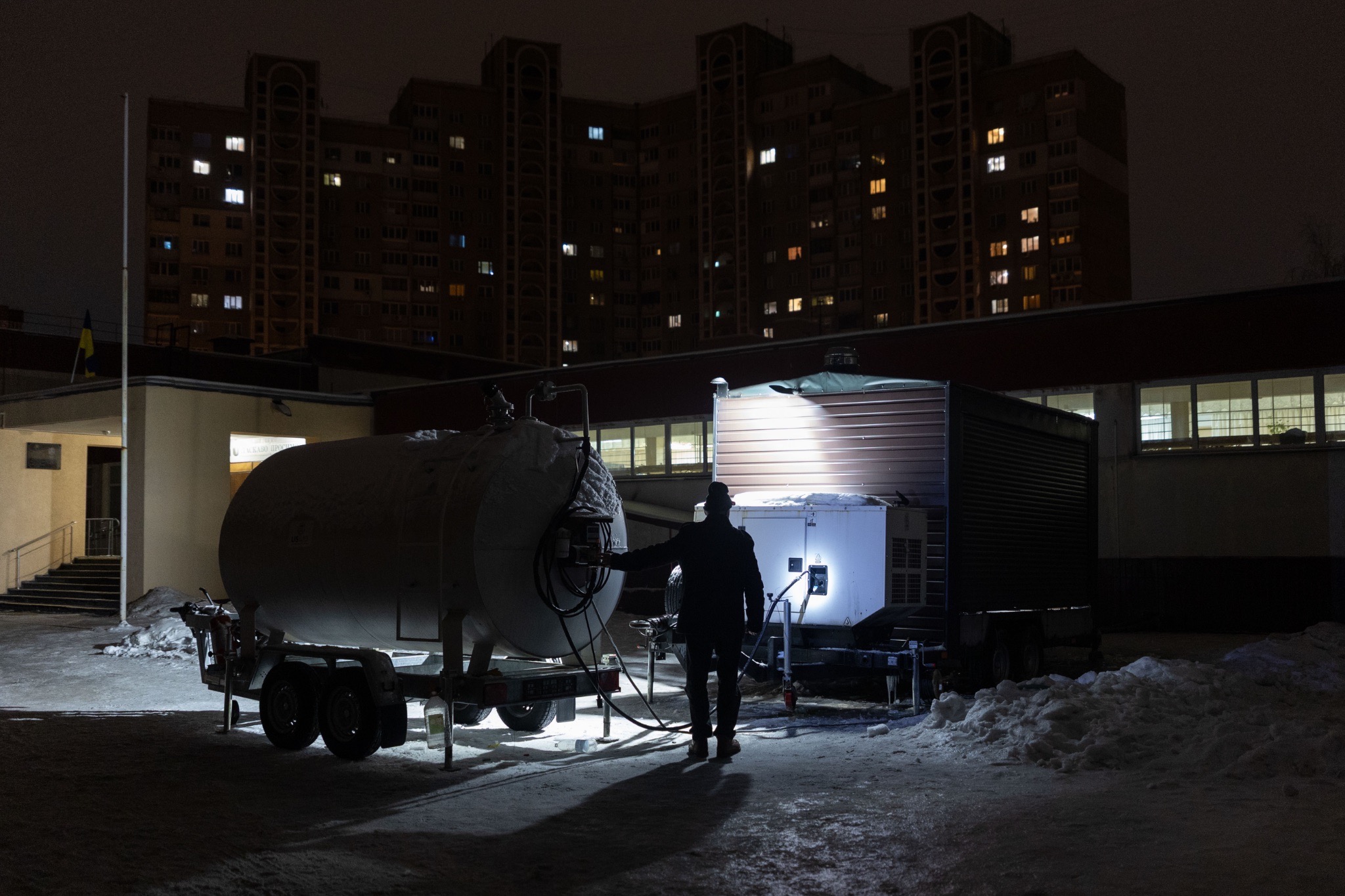
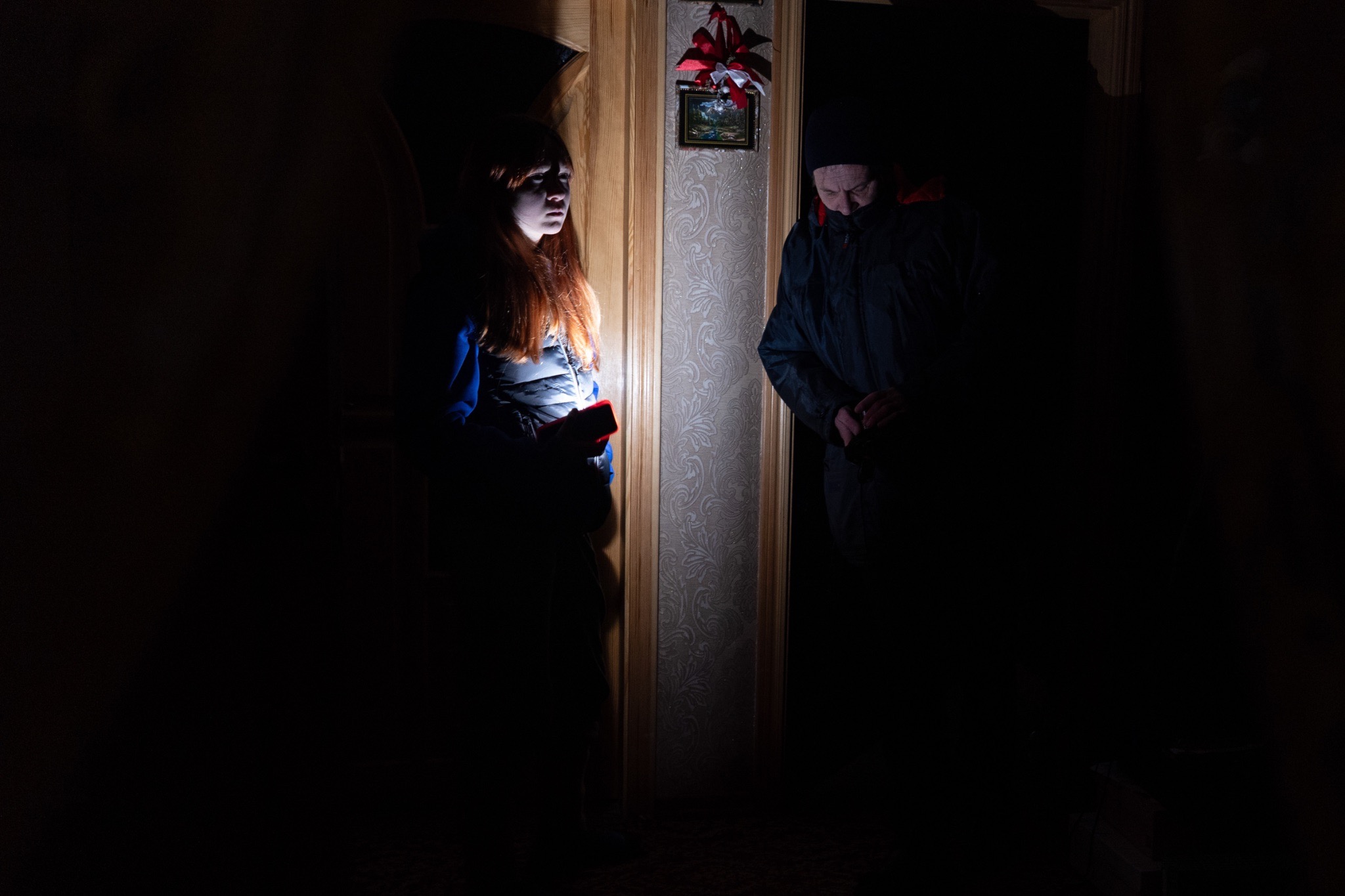
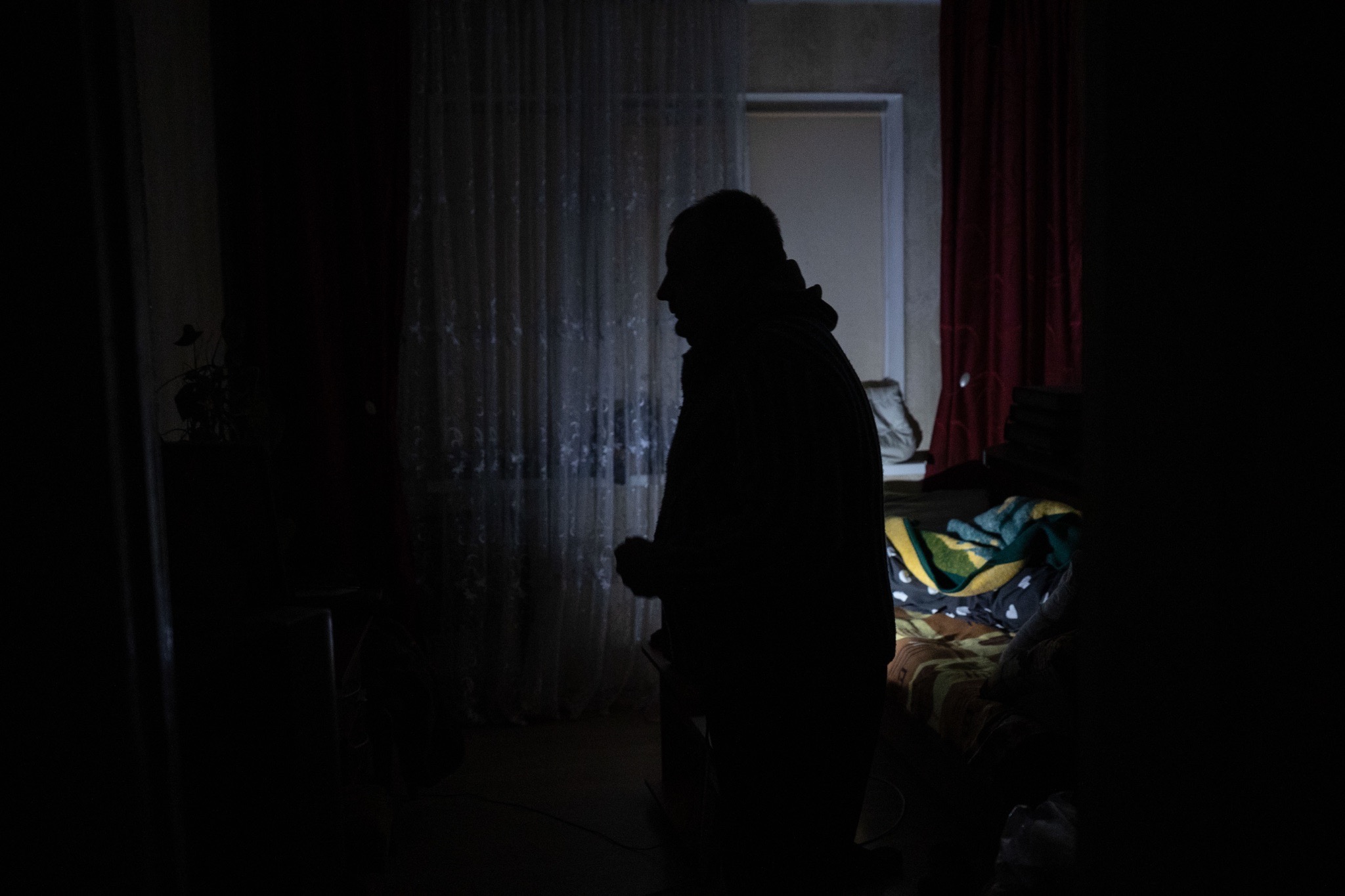
Work continues in Kyiv to restore heat supply to buildings and transition from emergency to hourly electricity outage schedules. As of January 30, 378 apartment buildings in Kyiv were without heat, most of them in Troieshchyna. Due to a systemic accident on January 31, emergency power outages occurred in Kyiv, metro traffic stopped, and the city’s water and heat supply systems ceased operating. A total of 3,419 apartment buildings were left without heating, mostly on the right bank of the capital. Restoration of critical infrastructure continues around the clock. As of February 1, 1,000 buildings in the capital remain without heat, the mayor of Kyiv reported.

Worked on the material:
Researcher, text author: Yana Yevmenova
Photo editor: Olga Kovalova
Literary editor: Yuliia Futei
.png)
.png)
.png)