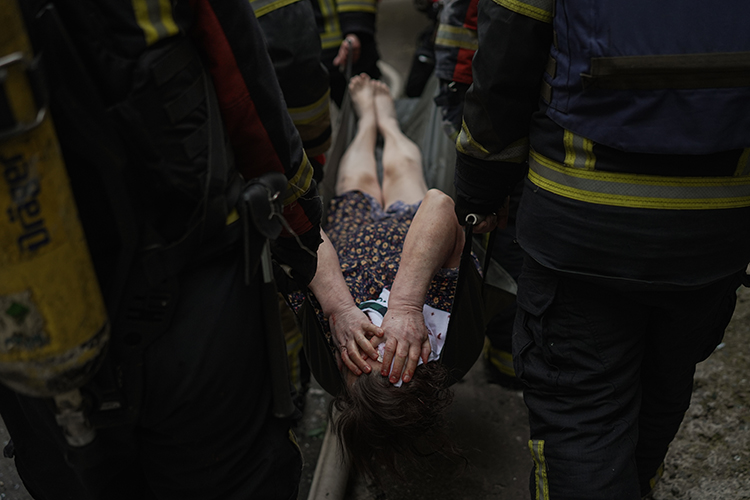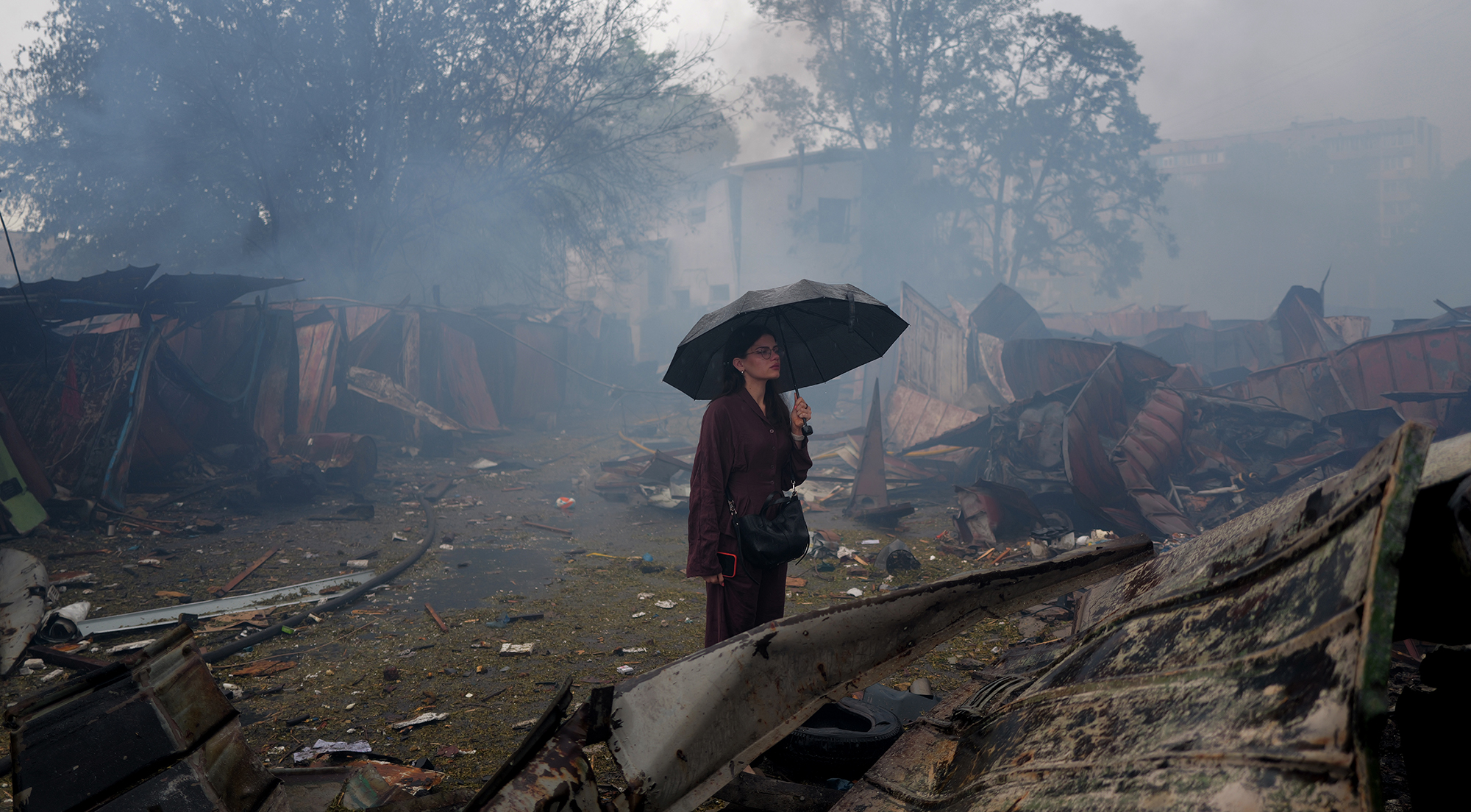
Tragedy in Vyshneve and ballistic strikes on the capital: what else will the week of July 6 to 12, 2026 be remembered for throughout the week, Russian forces continuously shelled Ukraine, massively deploying aerial bombs, missiles, and strike drones. The capital and the region suffered the heaviest blow: Kyiv was hit by ballistic missiles three times during the week, and the city of Vyshneve recorded the most extensive destruction of the residential sector in the entire time of the full-scale war. The enemy purposefully attacked gas stations, logistics centers, and residential neighborhoods; the geography of the strikes covered half the country—from the Chernihiv region to the Odesa region.
Chronicle of Russian shelling
On the Mykolaiv region on July 6, a private house, agricultural machinery, a building in a recreational zone, warehouse premises, a power line, two gas stations, and cars were damaged; there are wounded civilians. In Kherson, two men died and two others were wounded in a strike on a car; as a result of an airstrike on communities in the Kherson region, six people were wounded, including two children, and dozens of human homes, an educational institution, and a church were damaged. The enemy struck Sloviansk in the Donetsk region with MLRS and terrorized Kramatorsk with drone and FAB strikes. In Dnipro and the district, a logistics company was mangled; in Pavlohrad, urban infrastructure, private houses, a service station, and cars were damaged, and trucks caught fire; in Kryvyi Rih, an enterprise was destroyed; in Samara, civilian infrastructure was damaged. As a result of a missile strike on Izium in the Kharkiv region, a 19-year-old young man died, a gas station was destroyed, and a fire broke out; in total, there are three dead and 16 wounded in the region, and at least four gas stations were damaged. In the Chernihiv region, a forestry office, an administrative building, private houses, agricultural enterprises, and energy facilities suffered destruction; in Chernihiv, a logistics company terminal was attacked.
On the Dnipro region on July 7, five people were wounded, including a nine-year-old boy, infrastructure was damaged, a service station burned in the Dnipro district, a gas station in Kamianske, a warehouse of agricultural machinery in Samara, and a logistics company in Kryvyi Rih. In the Poltava region, Russians attacked an industrial enterprise, a railway infrastructure building caught fire, and two people were injured. In the Chernihiv region, drones attacked a gas station, an energy facility, and a woodworking enterprise; residential buildings were destroyed and damaged. In the Donetsk region, 19 people were wounded in total over the day; the Sloviansk community suffered shelling from UAVs and MLRS, houses were damaged, and a canteen was destroyed; in the Kramatorsk community, four people were injured, and cars and the residential sector were damaged. In the Kharkiv region, the enemy used guided aerial bombs and UAVs; four people were injured, and railway infrastructure, a gas station, administrative buildings, and houses were damaged. As a result of a strike by a guided aerial bomb on the Shevchenkivskyi district of Kharkiv, which hit the roadway, a man died; the number of victims reached 21, including four children; two people are in serious condition; medical and educational institutions, a gas station, residential and warehouse buildings were damaged, and there were fires.
On the night of July 8, in the Mykolaiv region, a mother and her 15-year-old daughter died as a result of an airstrike, and two more people, including a 13-year-old girl, were hospitalized in serious condition; 20 private houses, a school, and a power line were damaged. In the Korabelnyi district of Kherson, Russian UAVs attacked a route bus; one woman died on the spot, and six more passengers received blast-related injuries; due to an FPV drone strike on a car, two people died—one in Kherson, one in the region. In Pavlohrad, transport infrastructure was damaged; in the Kamianske and Kryvyi Rih districts, wheat fields burned. In Sloviansk, an administrative building, residential houses, shops, and infrastructure were damaged; in Kramatorsk, a 27-year-old woman died due to an FPV drone hitting a car; in Druzhkivka, there were three dead and six wounded, and private houses were destroyed and damaged. In the Chernihiv region, there were hits on a gas station, transport and utility infrastructure facilities, enterprises, a truck crane, a hangar, and agricultural machinery; there were fires, and two people were injured. The enemy attacked Kharkiv with a missile, a guided aerial bomb, and a UAV; in the Nemyshlianskyi district, two people died due to a strike on a five-story building, 42 were injured, including four children. The upper floors of the building were completely destroyed; another 20 private houses, two gas stations, two civilian enterprises, power grids, a medical facility, an educational institution, a hotel, a restaurant, a hangar, an administrative building, a temple, and nearly four dozen cars were damaged. Numerous destructions of housing, gas stations, enterprises, and railway infrastructure were recorded in the region.
On the night of July 9 in Kramatorsk, as a result of an attack, three residential buildings in the private sector were damaged, and a shopping center caught fire; the enemy damaged a sanitary armored vehicle of the SES that was heading to a call. In the Mykolaiv region, due to enemy UAV strikes, a fire broke out on the roof of a warehouse facility, and a sanatorium building, an educational institution, and a summer house were damaged. In the Kherson region, two people died due to a drone strike on a car. In the Sumy region, an enemy UAV hit a shopping center, and its roof caught fire. In the Kharkiv region, three people died, two of them in Kharkiv; 50 people were injured, including four children; in the region, numerous apartment and private houses, educational institutions, a service station, railway infrastructure, power grids, repair hangars, and cars were damaged and destroyed.
On the Chernihiv region on July 10, the occupiers attacked two gas stations, a water supply facility, a woodworking enterprise, a farm, and an energy facility with drones. In the Trostianets community of the Sumy region, there was a UAV hit on civilian infrastructure; two men were seriously wounded. At night in Kramatorsk, three FAB-250 bombs hit the private sector, destroying 22 households; a married couple died under the rubble of a house. During the day, Russians dropped seven more aerial bombs on an apartment building, a shop, and the private sector in Kramatorsk and Bilenke, killing eight people, including a 14-year-old boy, and wounding nine people. As a result of the night and day UAV attacks, houses, a gas station, and an infrastructure facility in Sloviansk were damaged; in the evening, Russians dropped guided aerial bombs on the village of Bylbasivka—an administrative building, a shop, and private houses were damaged, and three people were wounded, including a 20-year-old girl; she is in serious condition. In Mykolaiv, transport infrastructure was under attack; a weighing complex, 19 trucks, and special equipment were damaged; two people were injured, and one was hospitalized. In the Kharkiv region, a woman died, 11 more people were injured and suffered acute stress reactions, including a five-month-old girl; a gas station was damaged in the regional center. In the Dnipro district of Kherson, during a Russian drone attack, a mother and child were injured, and in the Korabelnyi district, a 17-year-old young man was injured due to explosives dropped from a drone. In Kherson, the occupiers are masking homemade explosives in packages of wet wipes and other household items, reports the Regional Military Administration.
On July 11, Sloviansk came under a strike by three FAB-250s; the body of a dead man was pulled from the rubble of his own house, three more people were wounded; an administrative building, four apartment buildings, at least 15 private homes, and cars suffered destruction. In the Chernihiv region, houses were destroyed and damaged; hits on energy and transport infrastructure, a shop, a truck, a warehouse of a food enterprise, and a farm were recorded; one person died, and three people were injured, including a 12-year-old girl. In Chernihiv, in the Yalivshchyna tract, a fire occurred; also, a civilian was wounded in the suburbs.
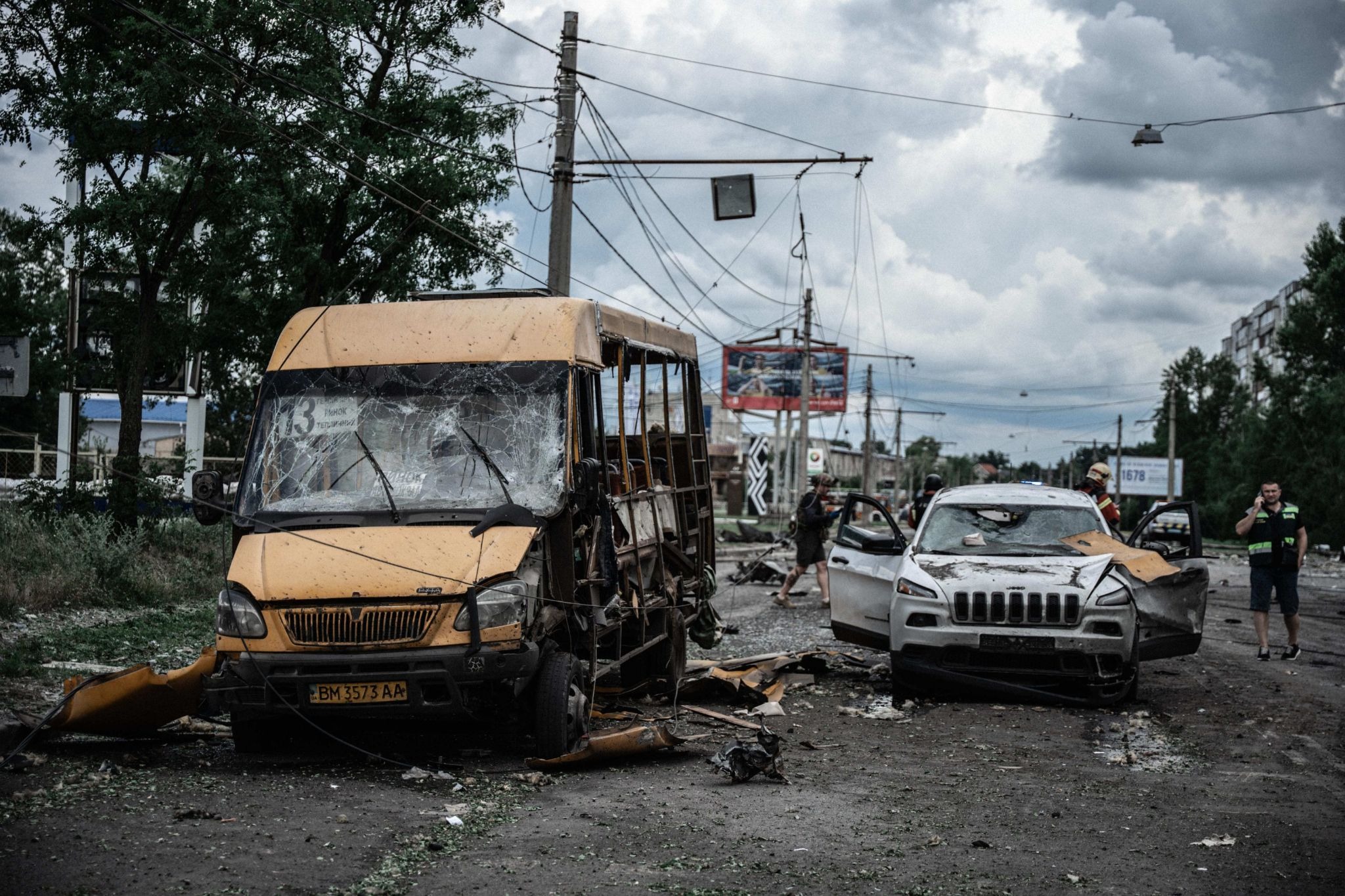
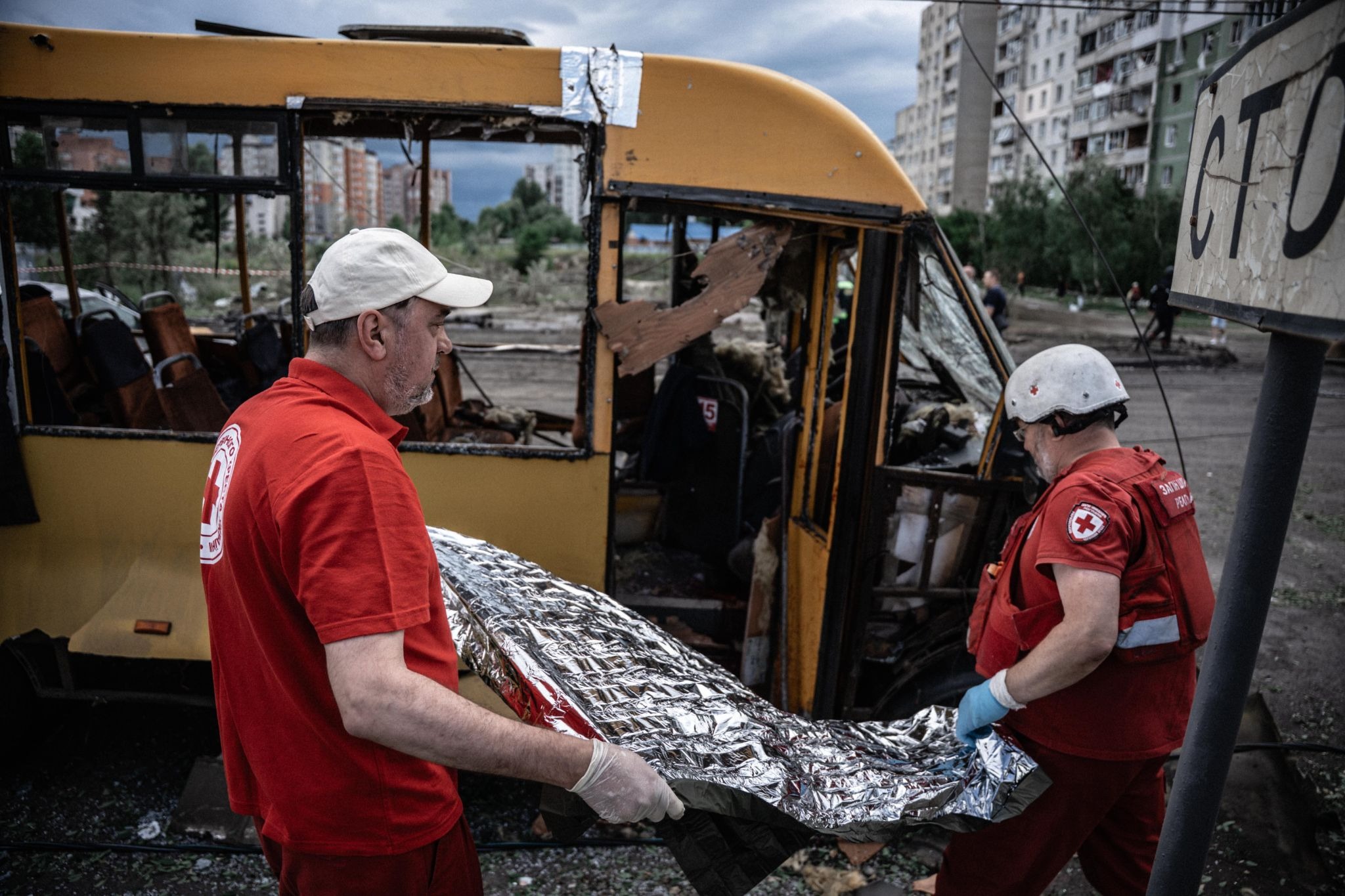
In Sumy, during the day, the Russians dropped three guided aerial bombs—two strikes hit the road and a public transport stop, and another munition hit an infrastructure facility, as a result of which five people died, including a child, and 30 were injured, five of whom are in serious condition; the blast wave blew out hundreds of windows in the surrounding apartment buildings. One of the victims—Eduard Pobehailo—is a relative of the "Kordon.Media" war correspondent Yehor Kryvoruchko. The man was waiting for a minibus at the stop and died right in front of Yehor, who was on duty that weekend, reported Yehor's colleague, Olesya Borovyk. In the Sumy community, July 12 was declared a Day of Mourning for the dead.
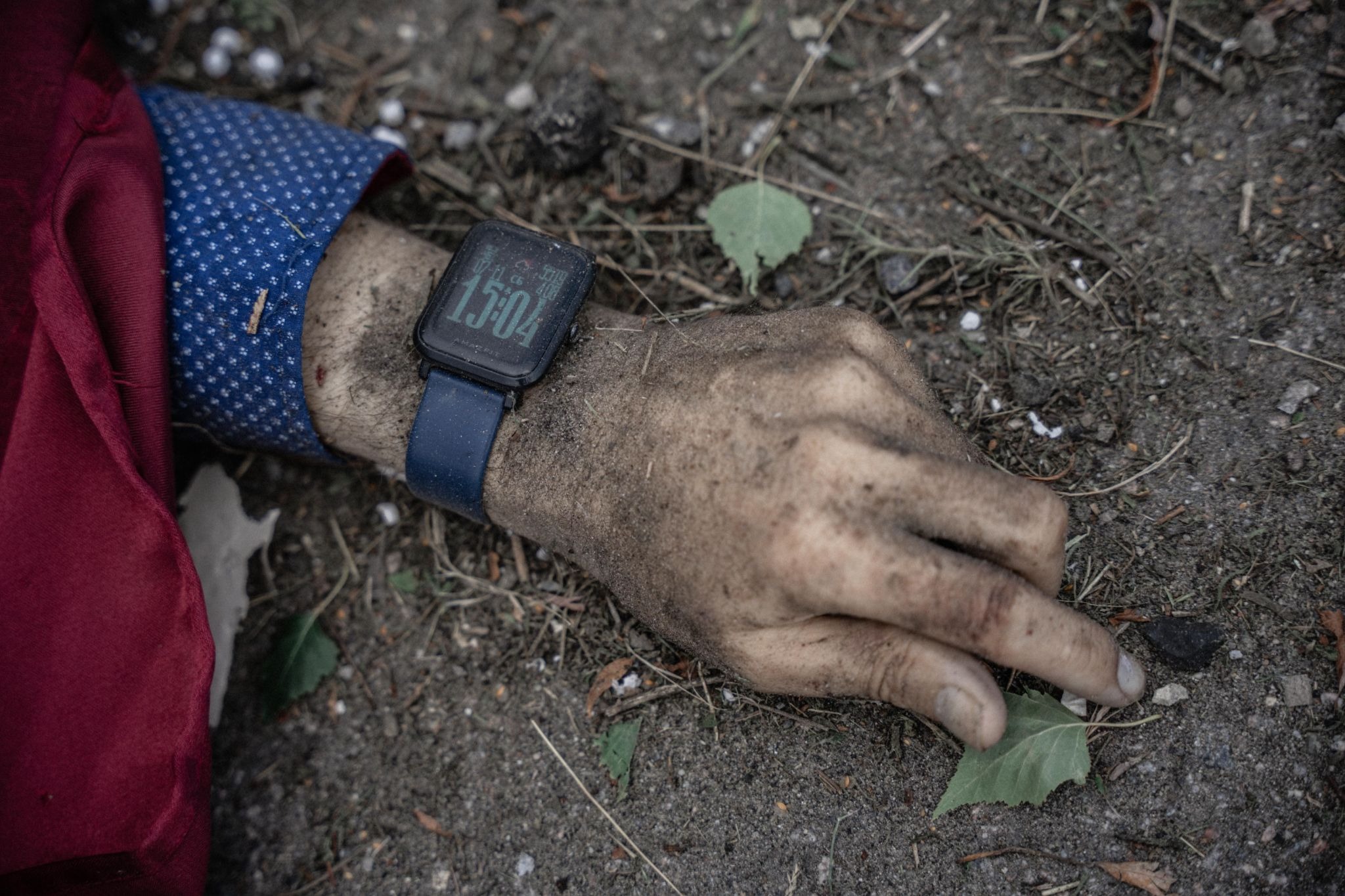
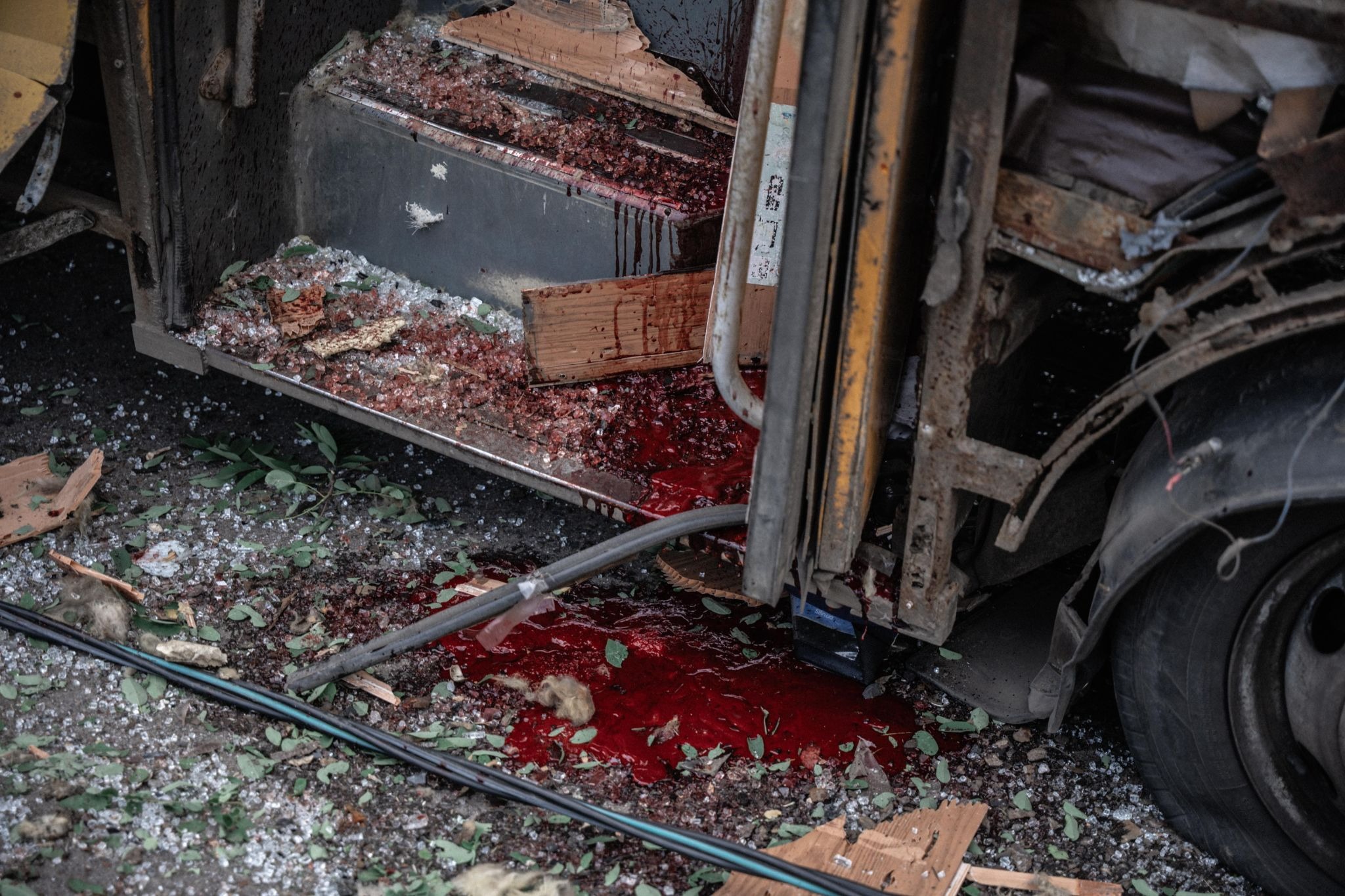
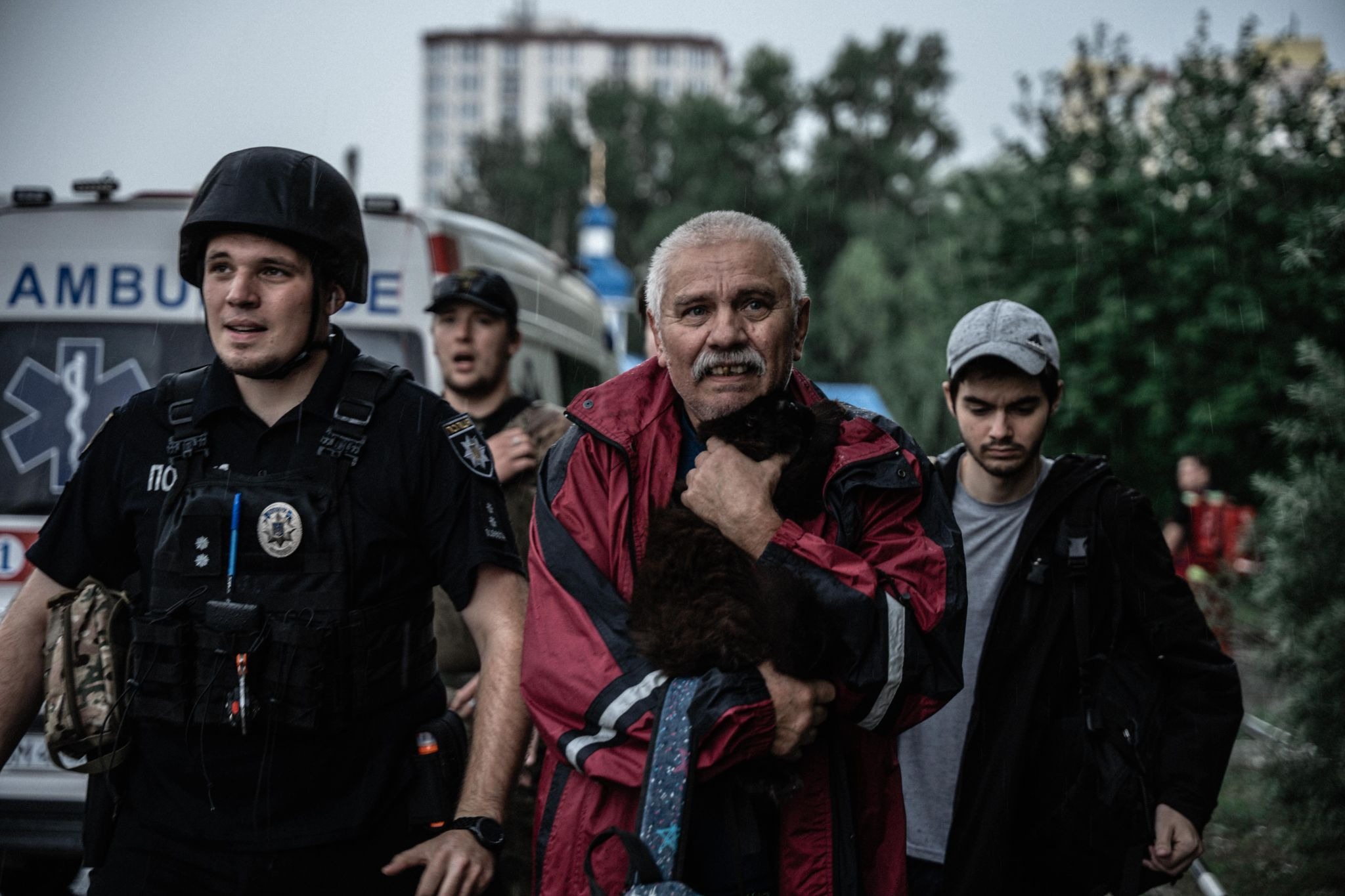
In the Dnipro region on July 12, the enemy killed three people; in particular, in the Kryvyi Rih area, two people died due to damage to an industrial enterprise and infrastructure; in Dnipro, a food industry enterprise was mangled. In the Kharkiv region, 20 people were injured, including 12 in Kharkiv, among them two children; four apartment buildings, three business centers, a gas station, a trade pavilion, a cafe, a bike rental, a warehouse building, a tire repair shop, an auto service center, a car wash, a garage, and about a dozen cars were damaged. In Izium, seven people were injured, and an administrative building, apartment buildings, and private houses were damaged. In the Poltava region, a fire broke out as a result of an enemy attack on one of the industrial facilities. In Kherson, a man died as a result of a UAV attack, and two more citizens received injuries; the occupiers attacked a route taxi in the city center with a UAV, as a result of which the driver was concussed, and a man who was nearby was hospitalized.
Kyiv and Vyshneve: missile and drone strike, secondary detonation
On the night of July 6, Russia launched a massive combined strike on Kyiv and the region using 68 missiles and 351 UAVs. During the repulsion of the attack, Air Defense Forces managed to shoot down/suppress 363 targets; at the same time, hits of 29 ballistic missiles and 18 strike UAVs were recorded at 34 locations, as well as the fall of shot-down UAVs and their debris at 16 locations. In Kyiv, there are 19 dead, including a 12-year-old boy and his mother; 61 people were injured, including seven children; 24 people are in hospitals, including two children.
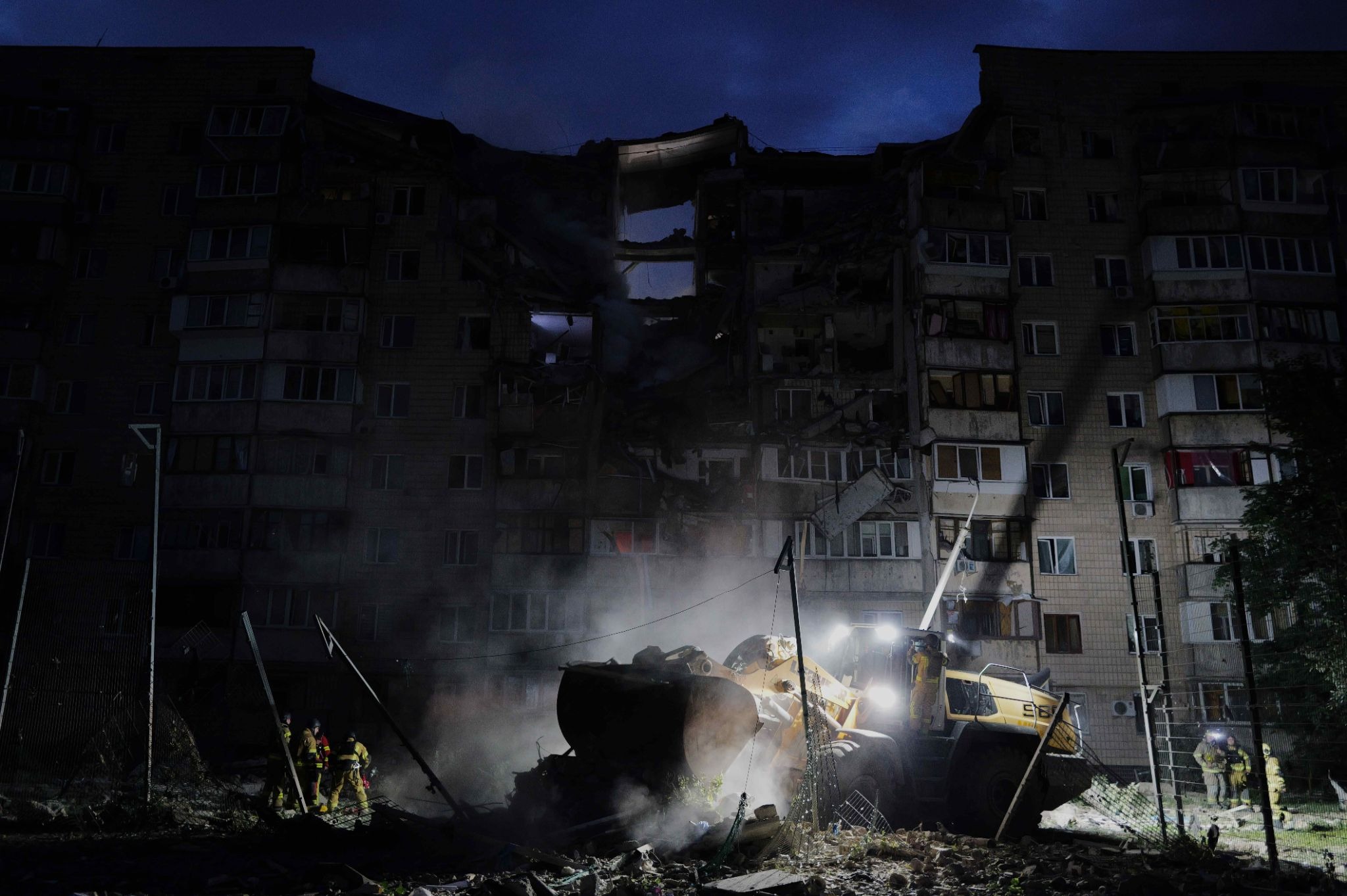
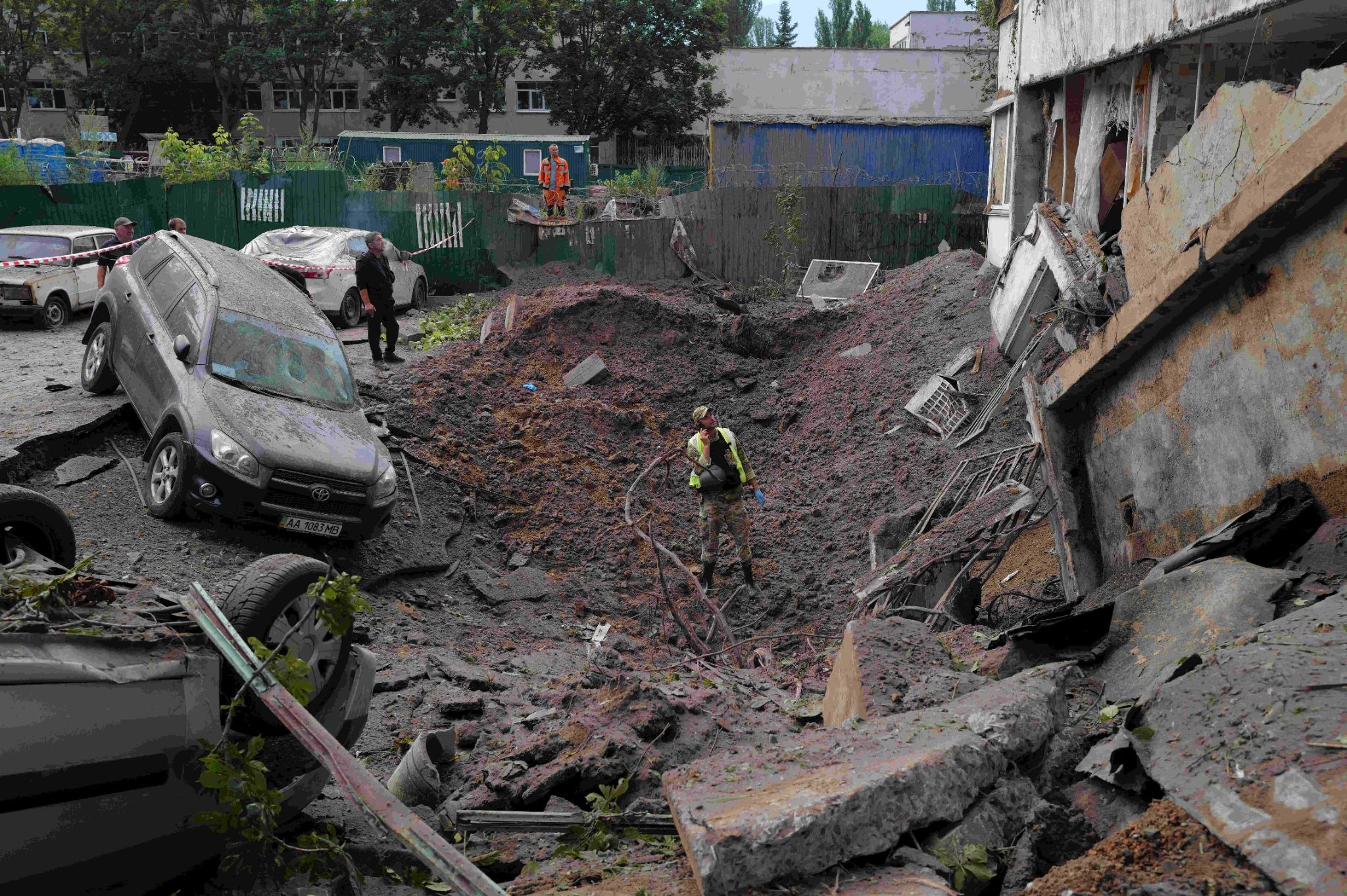
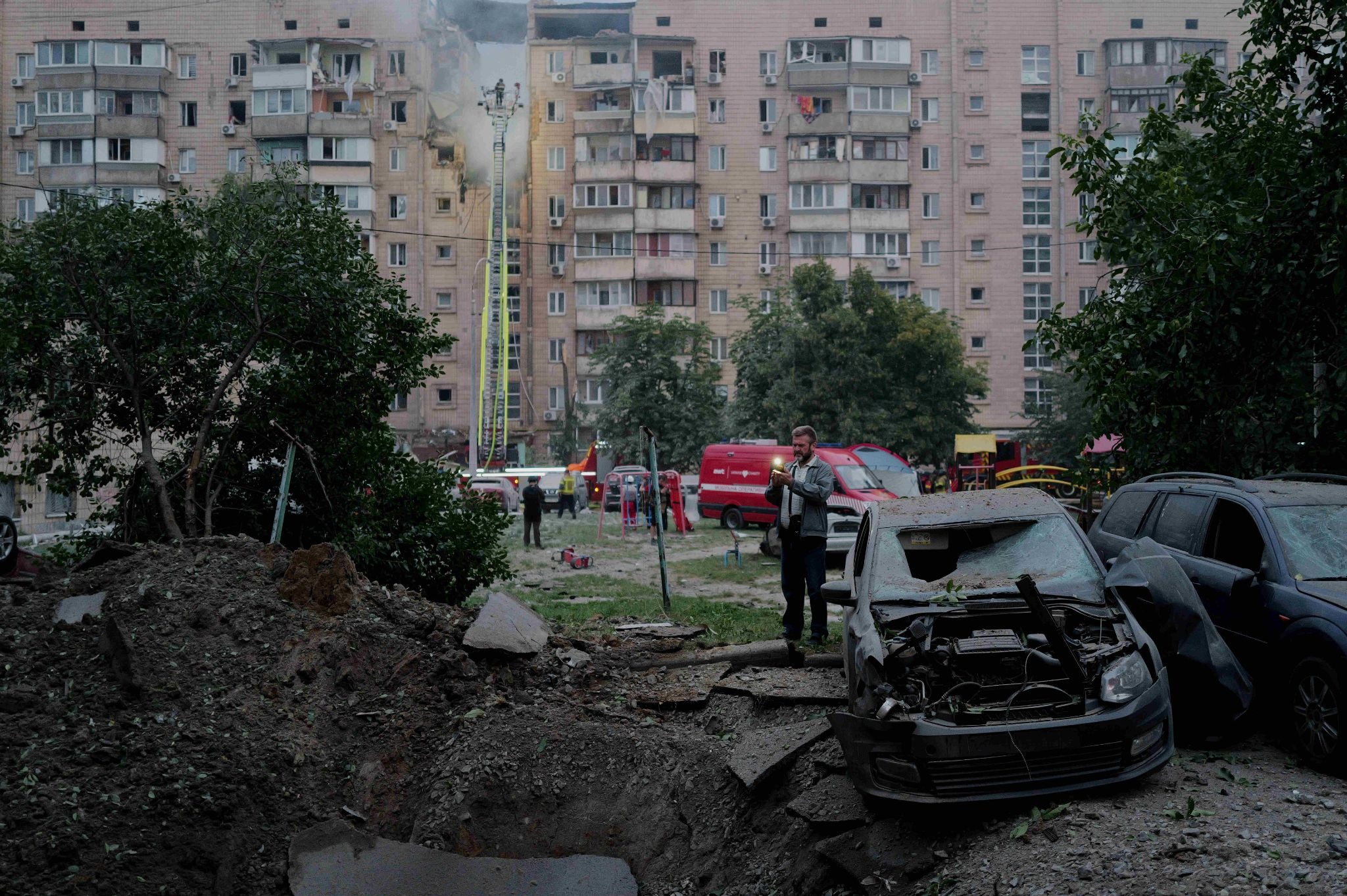
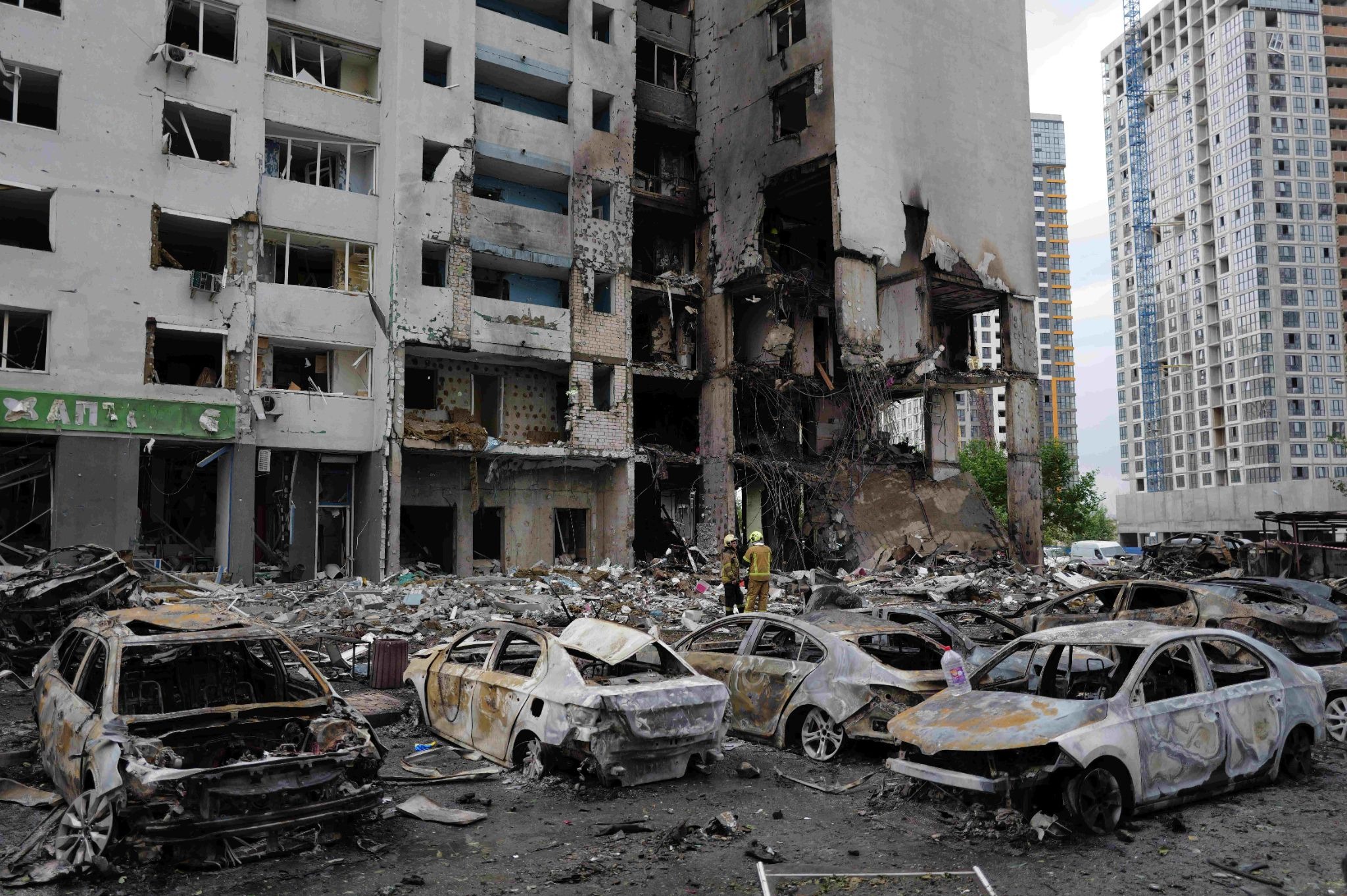
About 30 residential buildings were damaged in the capital. In the Podilskyi district, as a result of a hit, part of the entrance of a nine-story building was destroyed from the ninth to the fifth floors; emergency workers evacuated 45 people from there, including 28 people rescued from the upper floors. Following the completion of the search and rescue operation in this building, the death of eight residents was confirmed. Also in the district, three more apartment buildings were damaged, and cars were burning in the courtyard.
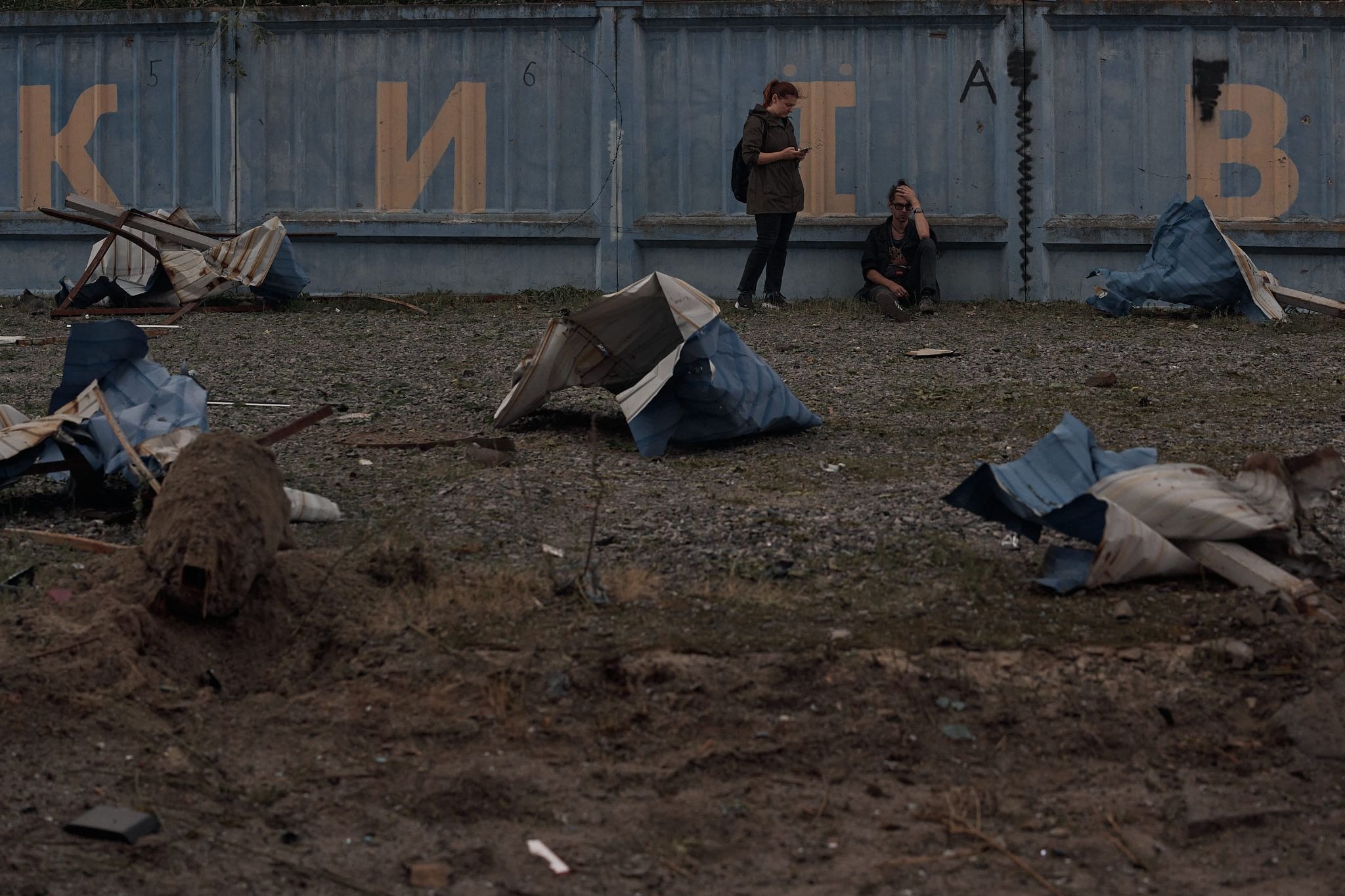
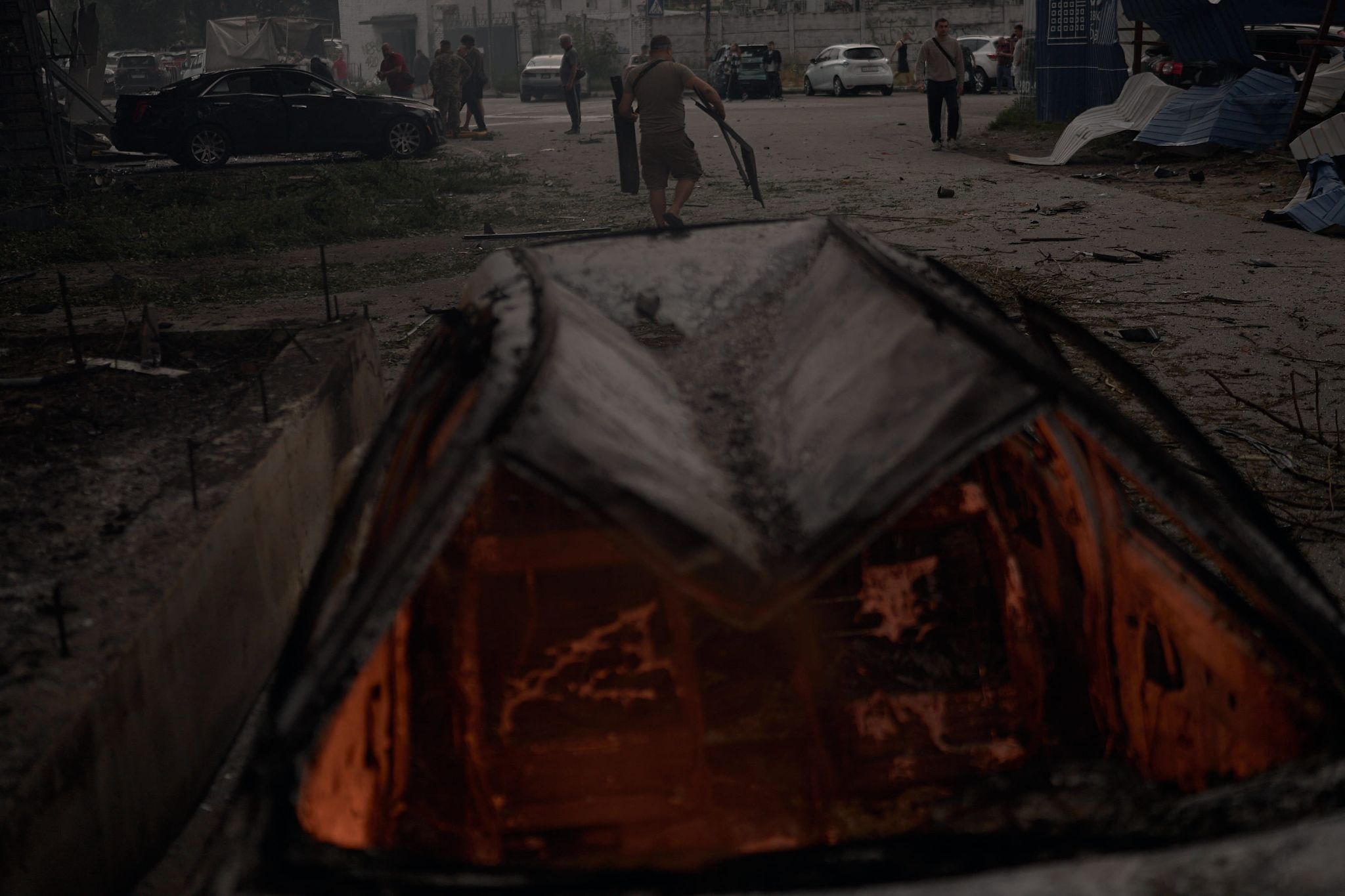
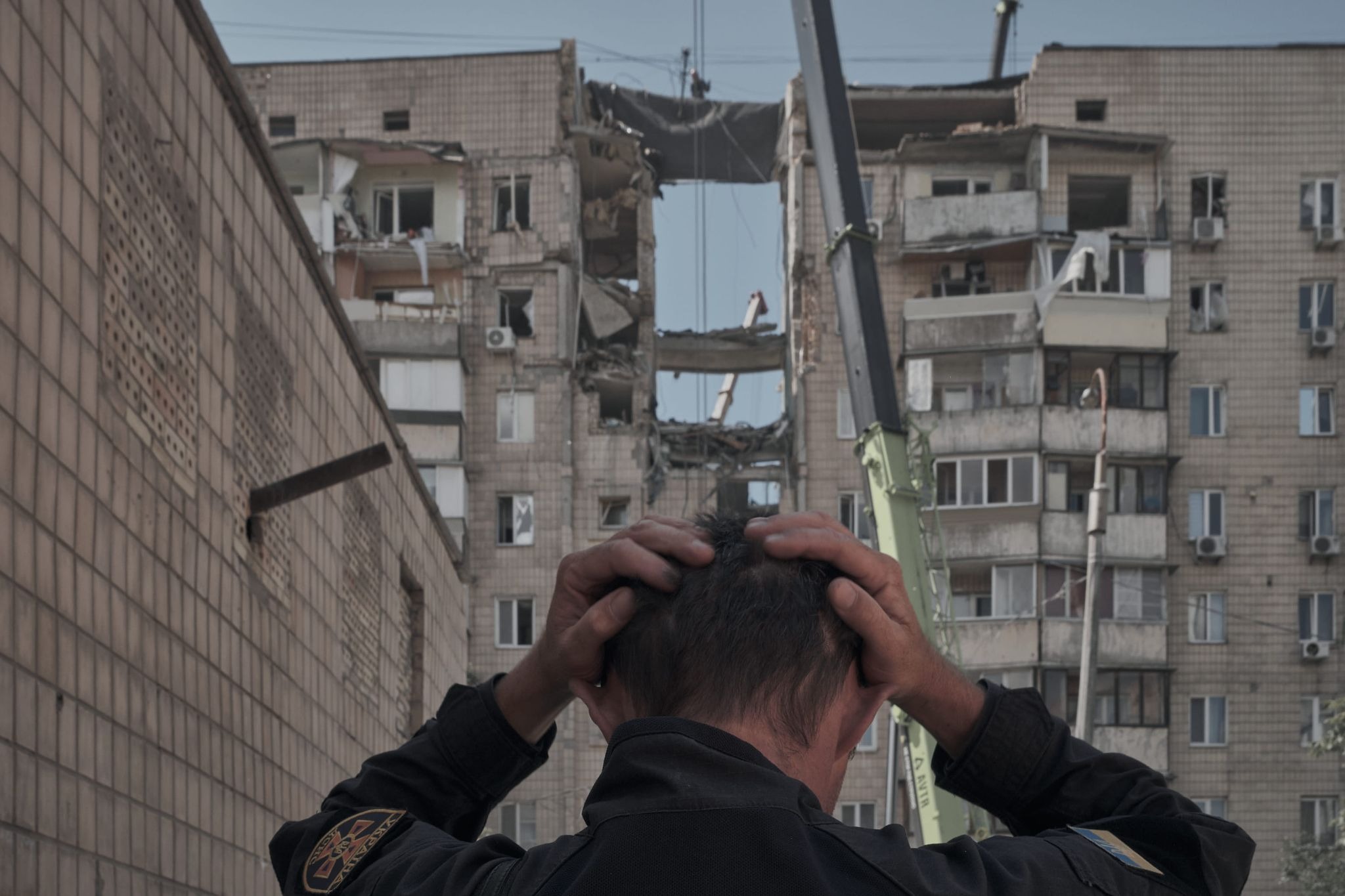
In the Darnytskyi district of the capital, the missile strike hit the courtyard between buildings; two 25-story buildings and a 30-story residential building were damaged; a fire occurred in the apartments and a garage cooperative. With the help of special equipment, emergency workers pumped out about 110 cubic meters of water from the basement of the 25-story building. At this location, after the completion of the aftermath liquidation work, the death of 11 residents was confirmed; 28 people were rescued, including two four-year-old children.
In the Holosiivskyi district of the capital, a non-residential building was burning; in the Obolonskyi district, warehouse premises were burning; dozens of civilian cars were also destroyed.
As a result of the night attack on Kyiv, the Freedom Hall cultural center was damaged: the ceilings of the main stage and the small hall were partially destroyed, the facade was shredded, and windows in the warehouse building were blown out, reported "Ukrainska Pravda. Zhyttia".

The explosion wave damaged the buildings of Taras Shevchenko National University of Kyiv at VDNKh: windows and doors in one of the academic buildings and the dormitory were blown out, reported the acting rector of KNU, Valeriy Kopiyka.
An exhibit at the National Museum in Pirogov was damaged — a windmill from the village of Yunakivka in the Sumy region, located in the "Polissia" exposition: the explosion wave shifted the hipped part of the windmill relative to its main structure and also damaged the blades and mountings. Experts preliminarily stated that these elements are not subject to restoration.
As a result of the massive shelling in the Kyiv region, nine people died, and the number of injured reached 48, including four rescuers, a 12-year-old child, and a nine-month-old baby; 20 people were hospitalized, three in serious condition. The most injured were recorded in the Bucha district, others in the Boryspil, Brovary, Vyshhorod, and Fastiv districts. Dozens of civilian objects in the region suffered destruction: the private residential sector, garages, administrative, trade, and warehouse buildings were destroyed and damaged, as well as an industrial facility and enterprises.
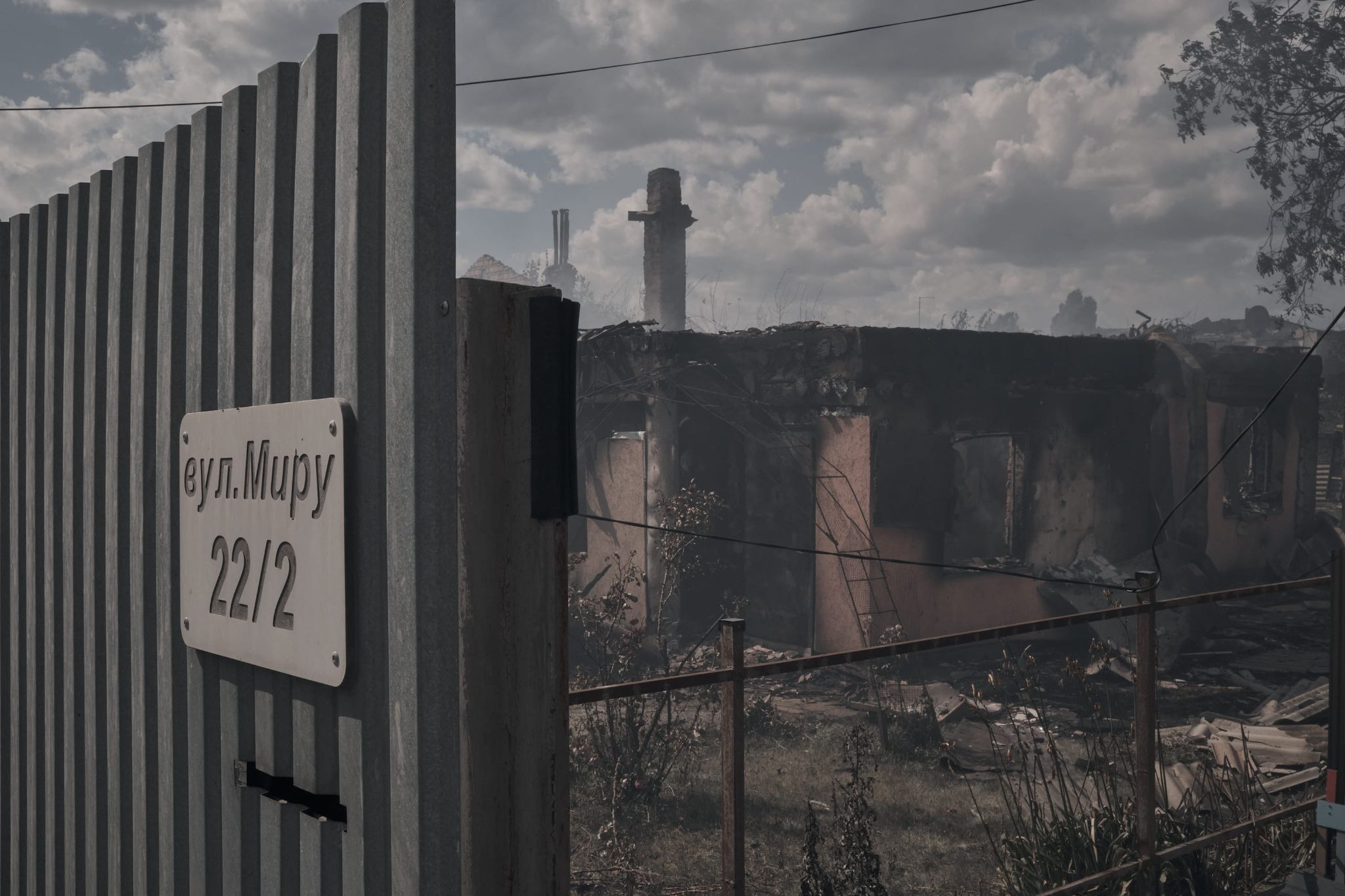
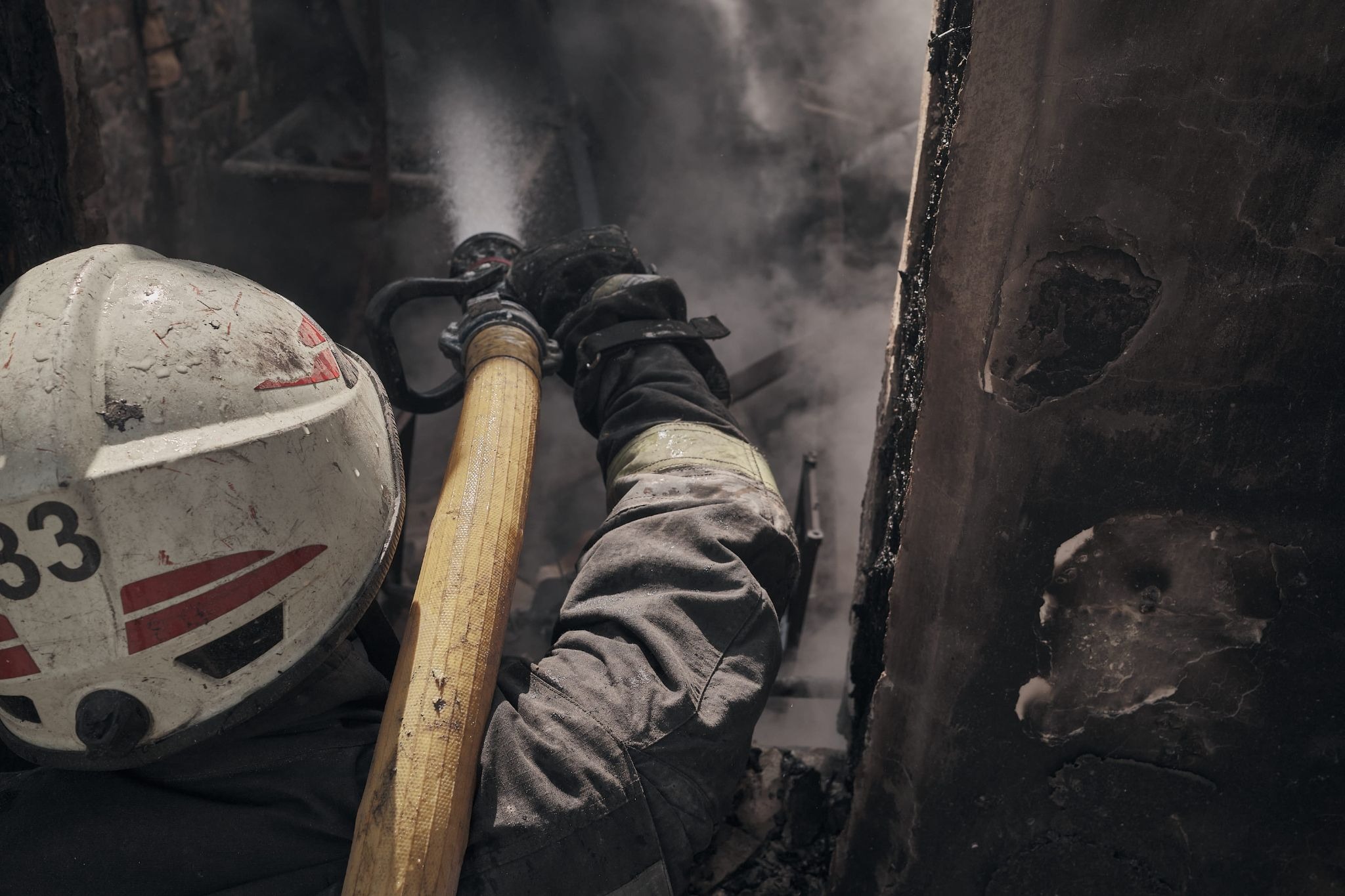
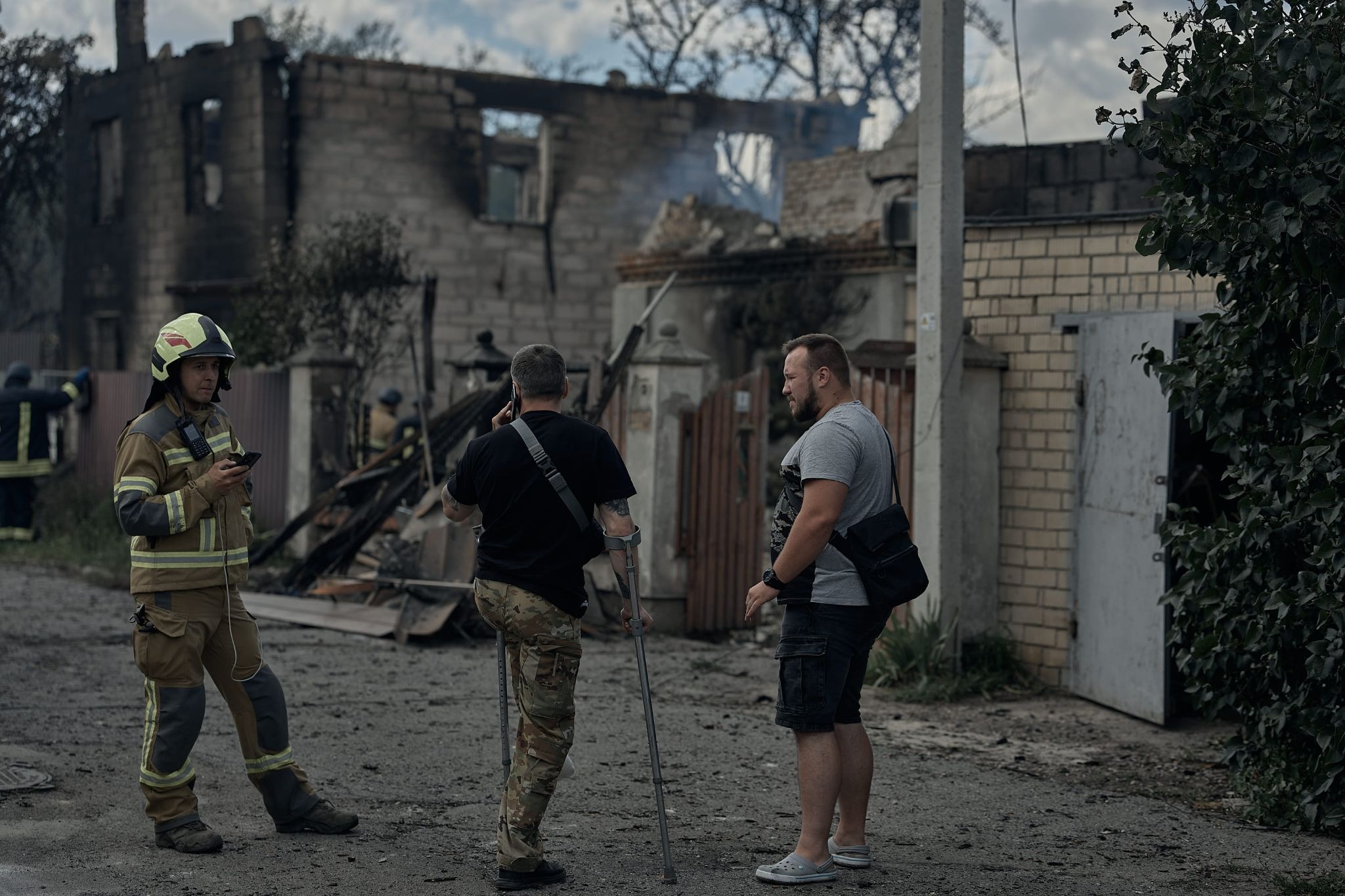
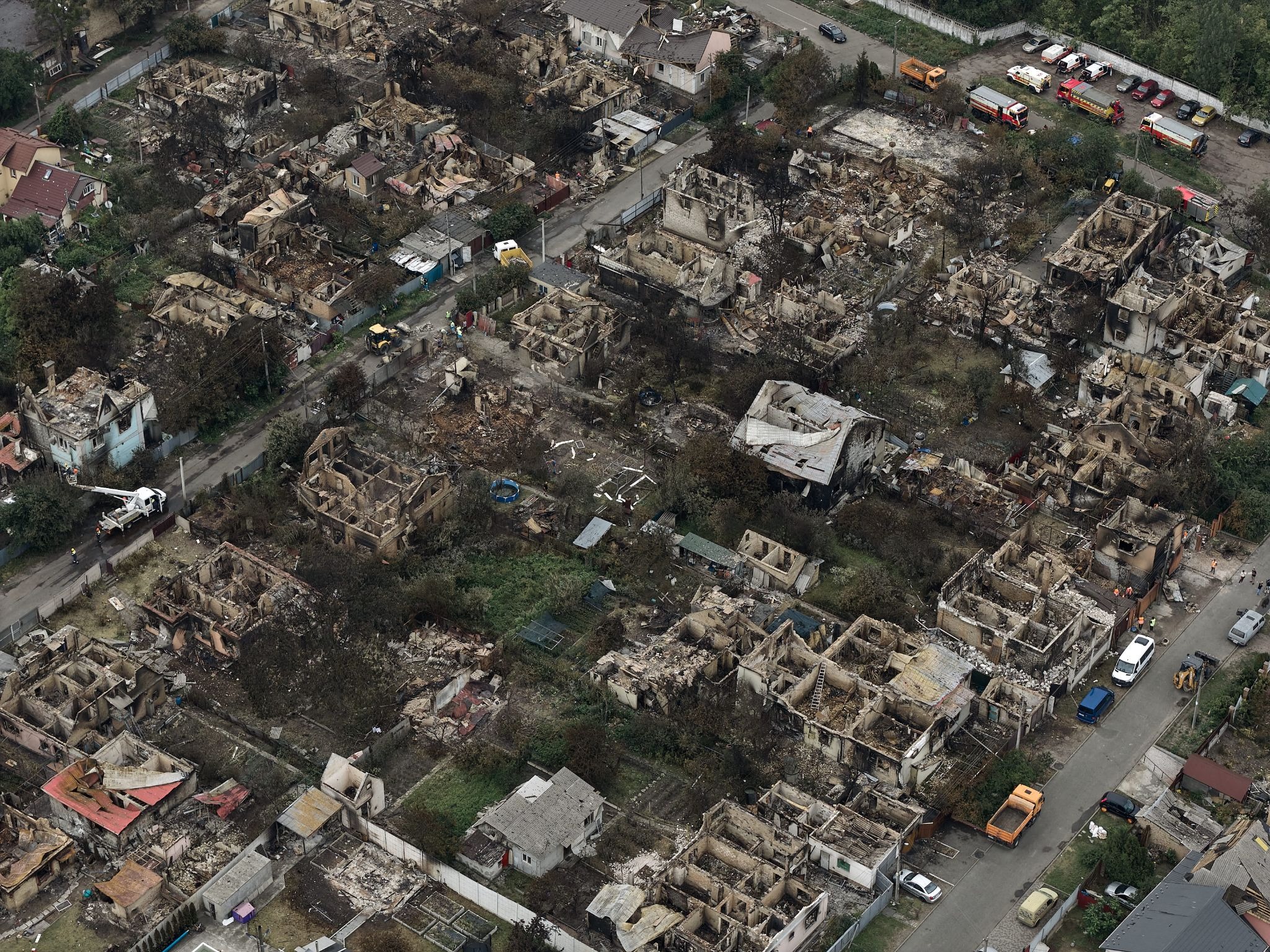
The most critical situation occurred in the city of Vyshneve, where more than 600 residents were evacuated due to the threat of secondary detonation of explosive objects and a massive fire in warehouses, including 117 people who were led out of a shelter that was in the epicenter of the explosion. In the city, the liquidation of the aftermath of the enemy strike continues continuously. More than 300 rescuers and 84 units of SES equipment are dismantling rubble, extinguishing fire pockets, and helping the affected residents. Aviation was involved in bringing the fire under control—an SES helicopter made over 30 water drops; cynological teams and pyrotechnicians are working on the site; they are thoroughly examining the territory and courtyards for explosive objects.
According to Prime Minister Yulia Svyrydenko, the destruction in Vyshneve became the most extensive for the residential sector for the entire period of the full-scale war: 13 hectares of residential development were damaged there. In total, 253 private houses were destroyed and damaged: 115 objects need minor repairs, 47 need capital repairs, and 91 houses were completely destroyed. Windows were also blown out in 27 apartment buildings. To help the community, the government will allocate funds from the reserve fund.
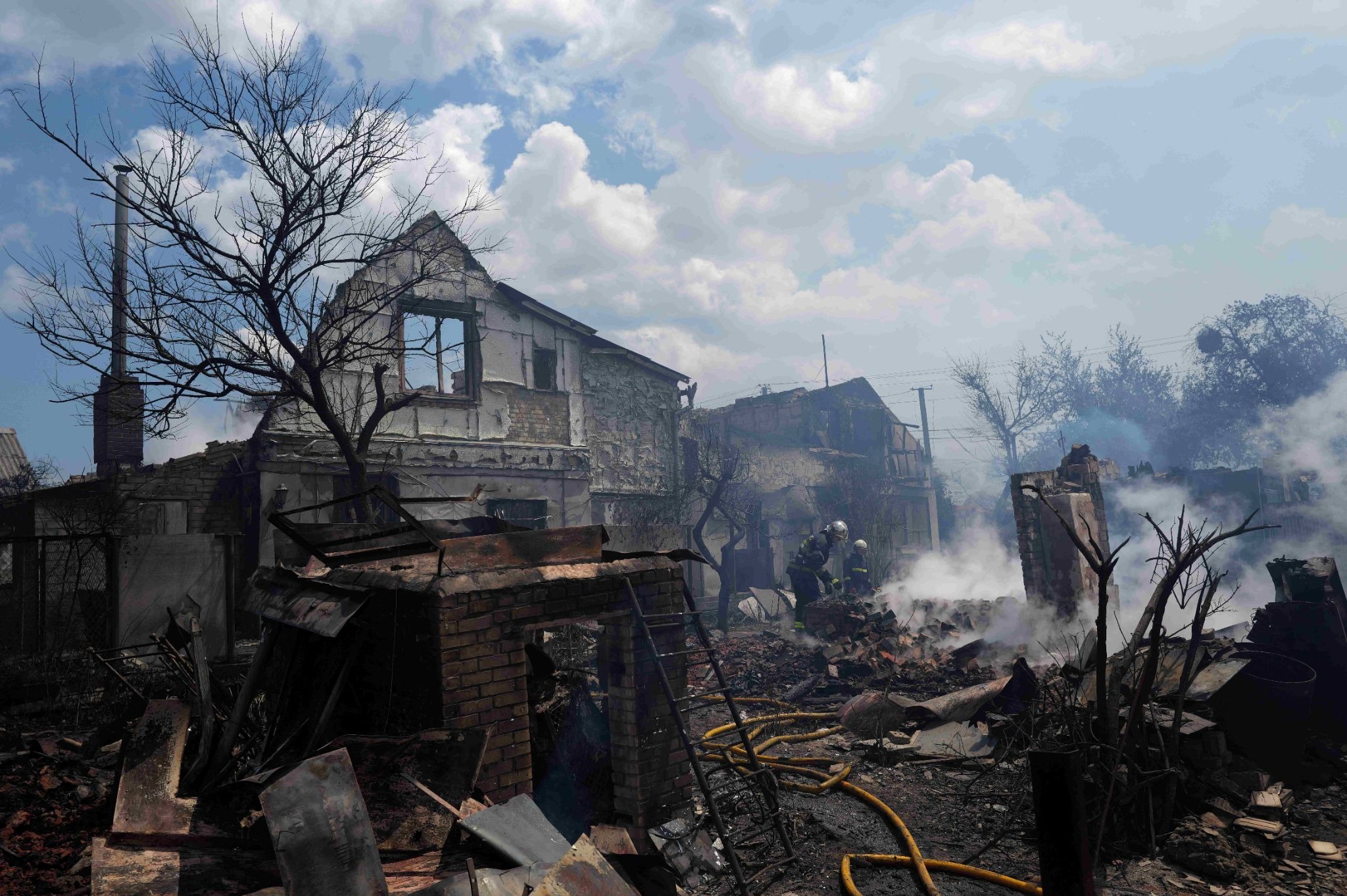
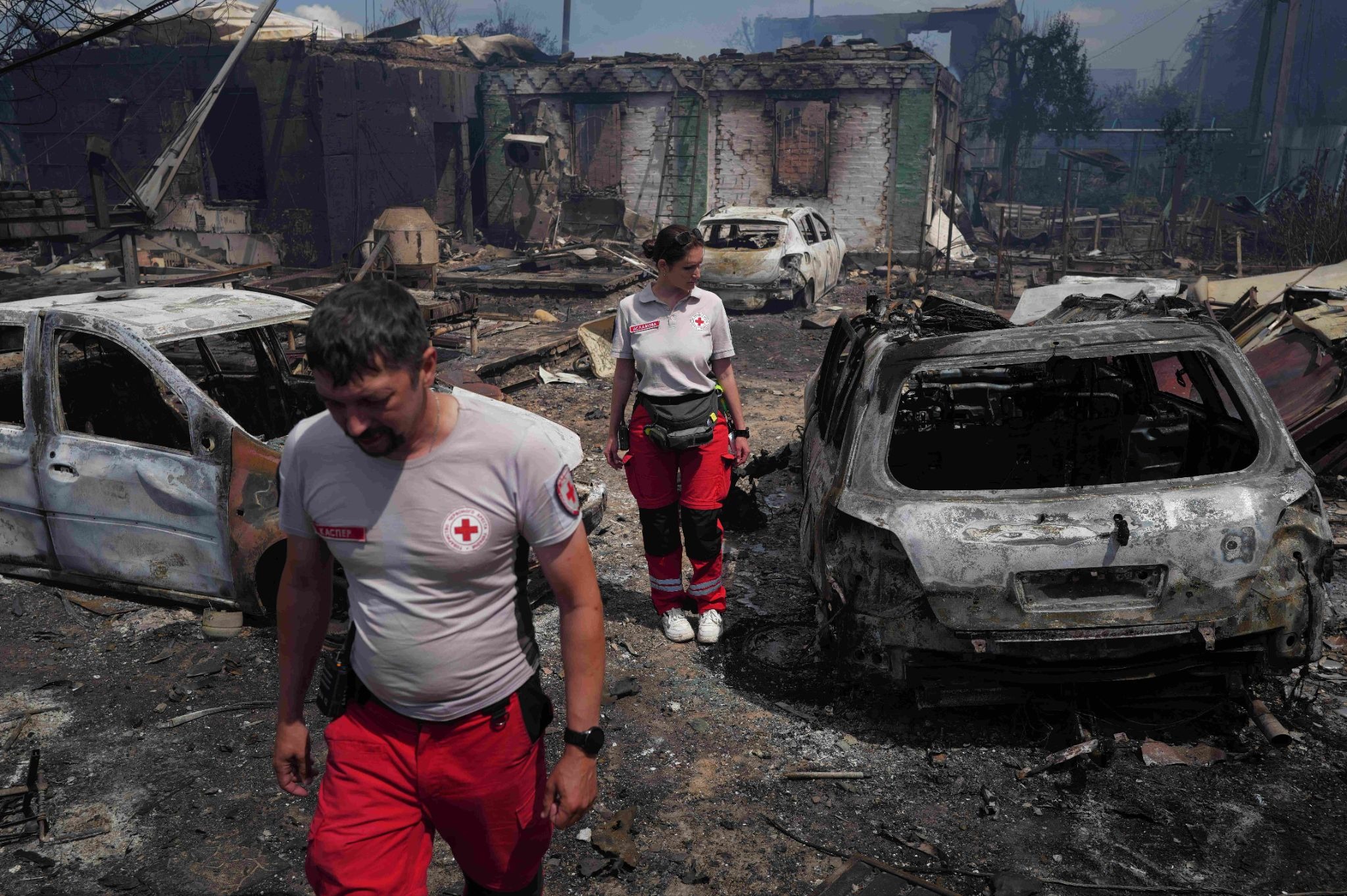
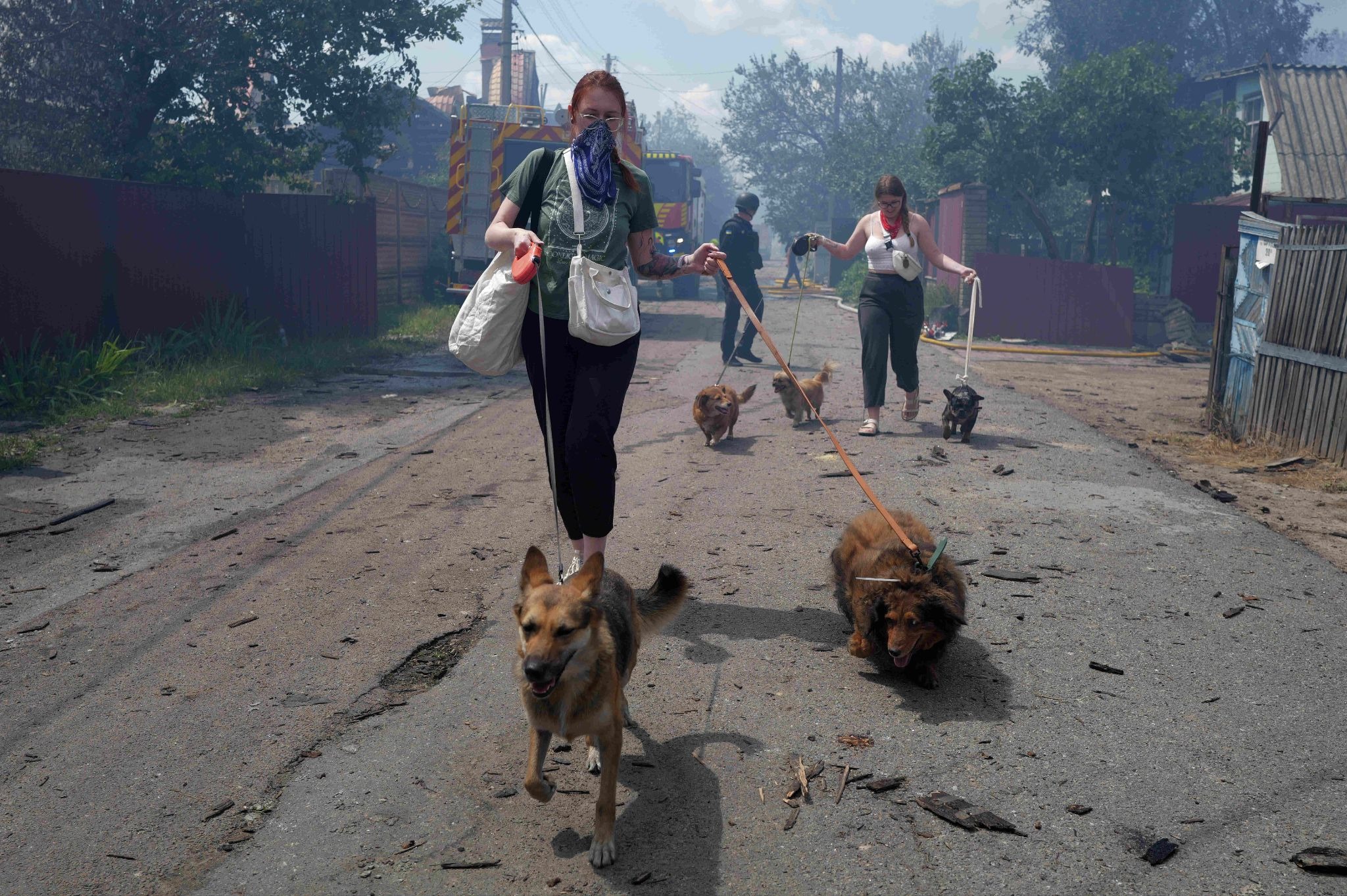
On the night of July 8, the Russians launched a ballistic strike on Kyiv. As a result of the hit in the Desnianskyi district, warehouse premises caught fire; in the Sviatoshynskyi district, a fire occurred in a non-residential building, warehouse buildings, and a garage cooperative; an administrative building and trams were damaged. During the day of July 8, the capital was attacked by Russian drones; in the Desnianskyi district, an enemy UAV fell next to a gas distribution station and on a three-story non-residential building next to a market. A UAV also hit a 25-story residential building at the level of the 16th floor; a fire broke out. As a result of the attacks on July 8, three people died in the capital, 16 were injured; among the injured were a minor girl and two medics.
On the night of July 11, the Russian army launched a ballistic missile strike on Kyiv for the third time in a week; the hits occurred even before the air raid alert was announced. Destruction and fires were recorded in several districts of the city; the number of injured increased to 12 people, including two children, 10 and 11 years old; four wounded were hospitalized. In the Solomianskyi district, a three-story office building and a warehouse building caught fire, a railway locomotive was damaged; in the Dniprovskyi and Sviatoshynskyi districts, non-residential buildings were damaged. In the Darnytskyi district, a hit on the roadway was recorded; a transformer substation and an electrical panel for traffic lights were burning; windows in surrounding residential buildings were blown out. In the Kyiv region, emergency workers extinguished a fire on an area of 4,000 square meters, which arose as a result of an RF attack on one of the infrastructure facilities.
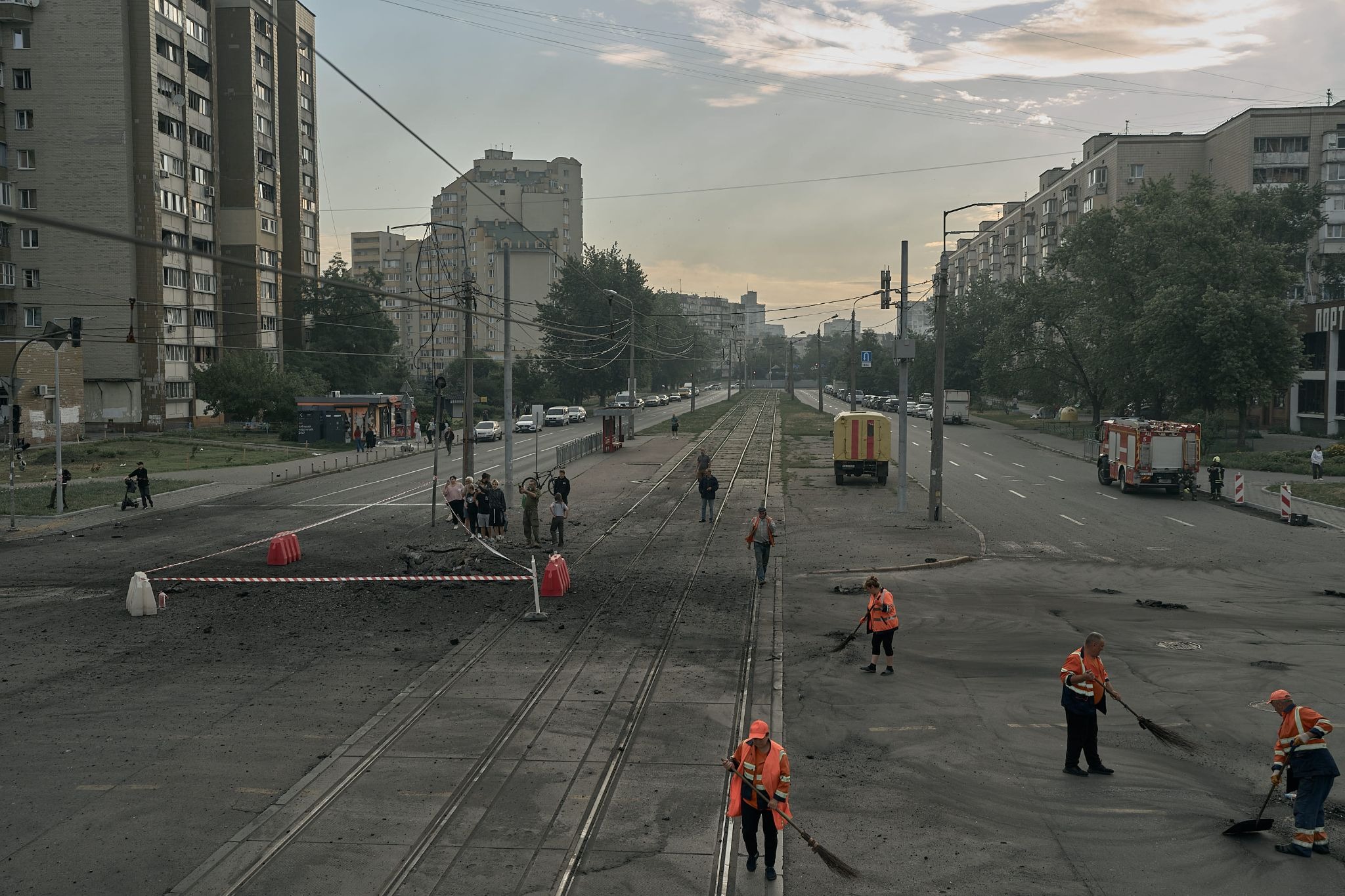

Strikes on the Odesa region: drones and ballistics
On the night of July 6, the Russian army attacked Odesa, as a result of which apartment buildings and five private houses, a dormitory, a parking lot with garages were damaged; a fire broke out in a private house; a 23-year-old man was injured. In the Odesa district, due to a missile strike that occurred during the day on July 6, three private residential houses were damaged; a three-year-old boy was hospitalized in moderate condition.
On the evening of July 7, the Russian army again struck civilian objects in Odesa with a ballistic missile with a cluster warhead, as a result of which a fire broke out in a building on the territory of a manufacturing enterprise and cars caught fire. The number of injured increased to 11 people; nine of them were hospitalized, including one man in serious condition.
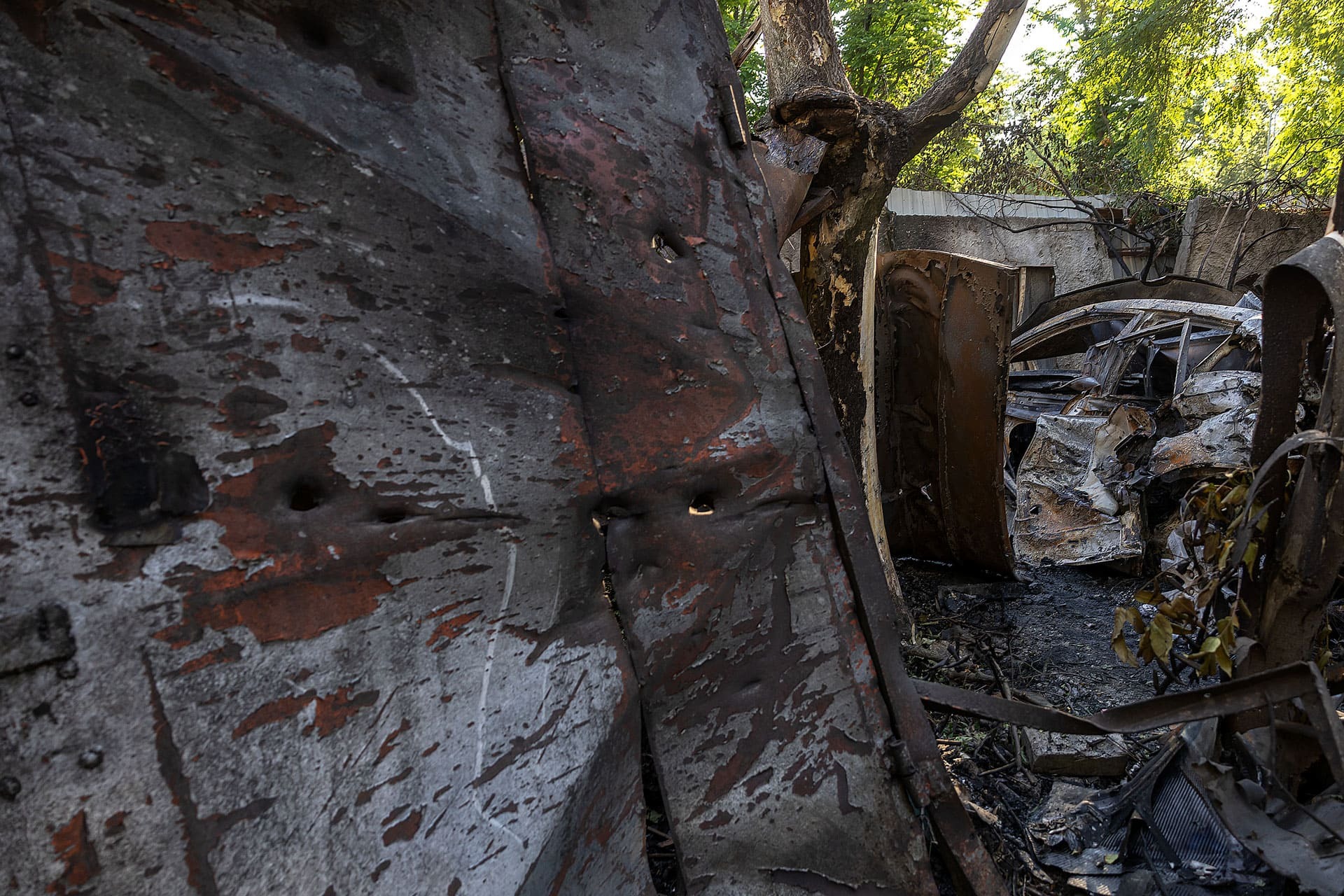
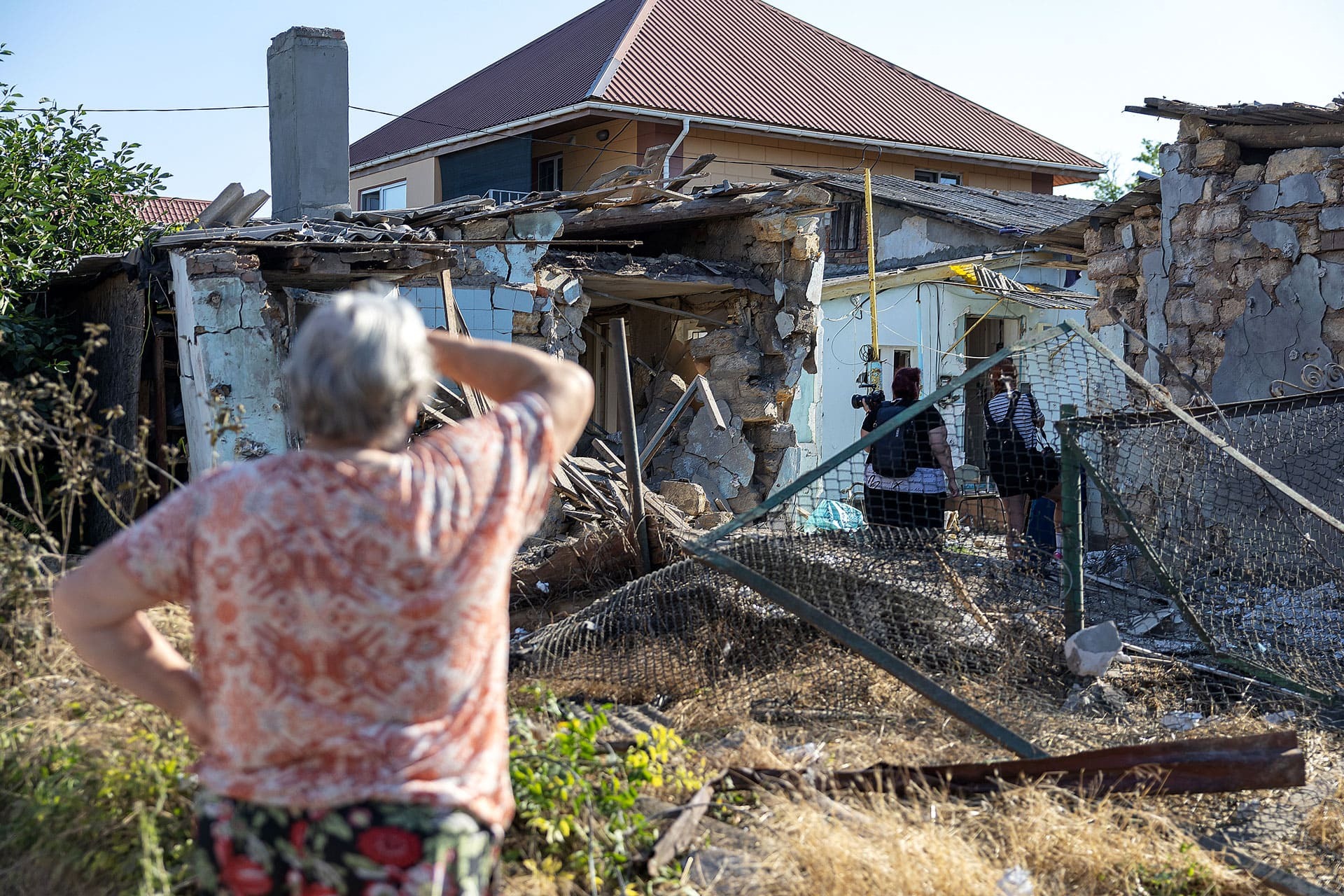
On the night of July 8, the occupiers massively attacked the south of the region with strike drones, damaging three gas stations with subsequent ignition and an energy infrastructure facility. Already on the evening of July 8, the enemy carried out a new ballistic shelling of the Odesa region, hitting a civilian infrastructure facility and the territory of a gas station. This attack took the lives of four people; seven people were injured; six were hospitalized, two of whom are in extremely serious condition; a fuel dispenser, cargo and passenger cars, and a route minibus caught fire. On July 9, a Day of Mourning was declared in Odesa.
Over the following days, the Odesa region suffered a series of fierce enemy attacks using missiles and drones, which were directed against the civilian, industrial, and port infrastructure of the region. On the night of July 10, enemy shelling caused a massive fire on the territory of one of the region's industrial enterprises. As a result of a morning missile strike on a civilian infrastructure object in Odesa on July 11, two people died, five were injured; two injured were hospitalized.
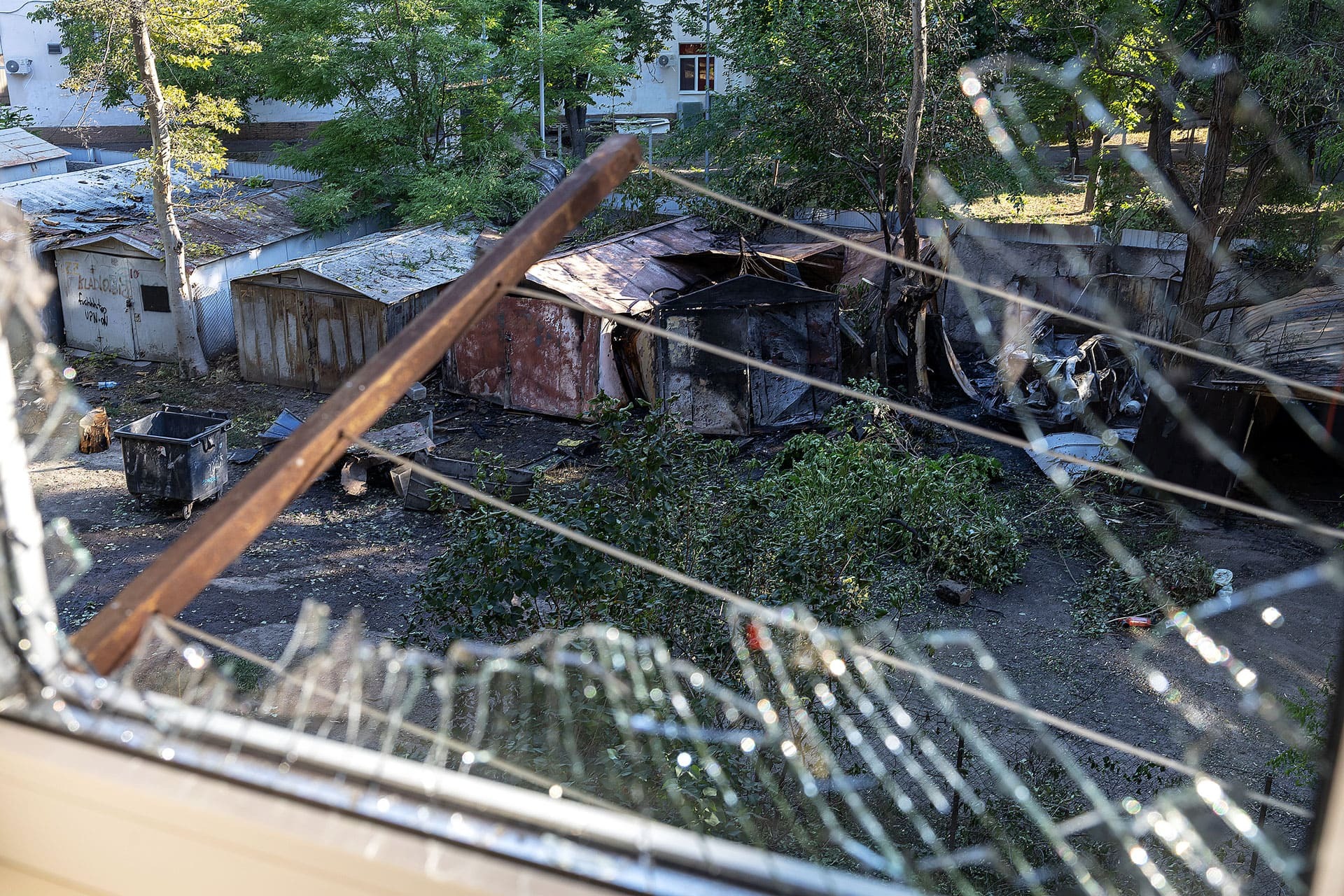
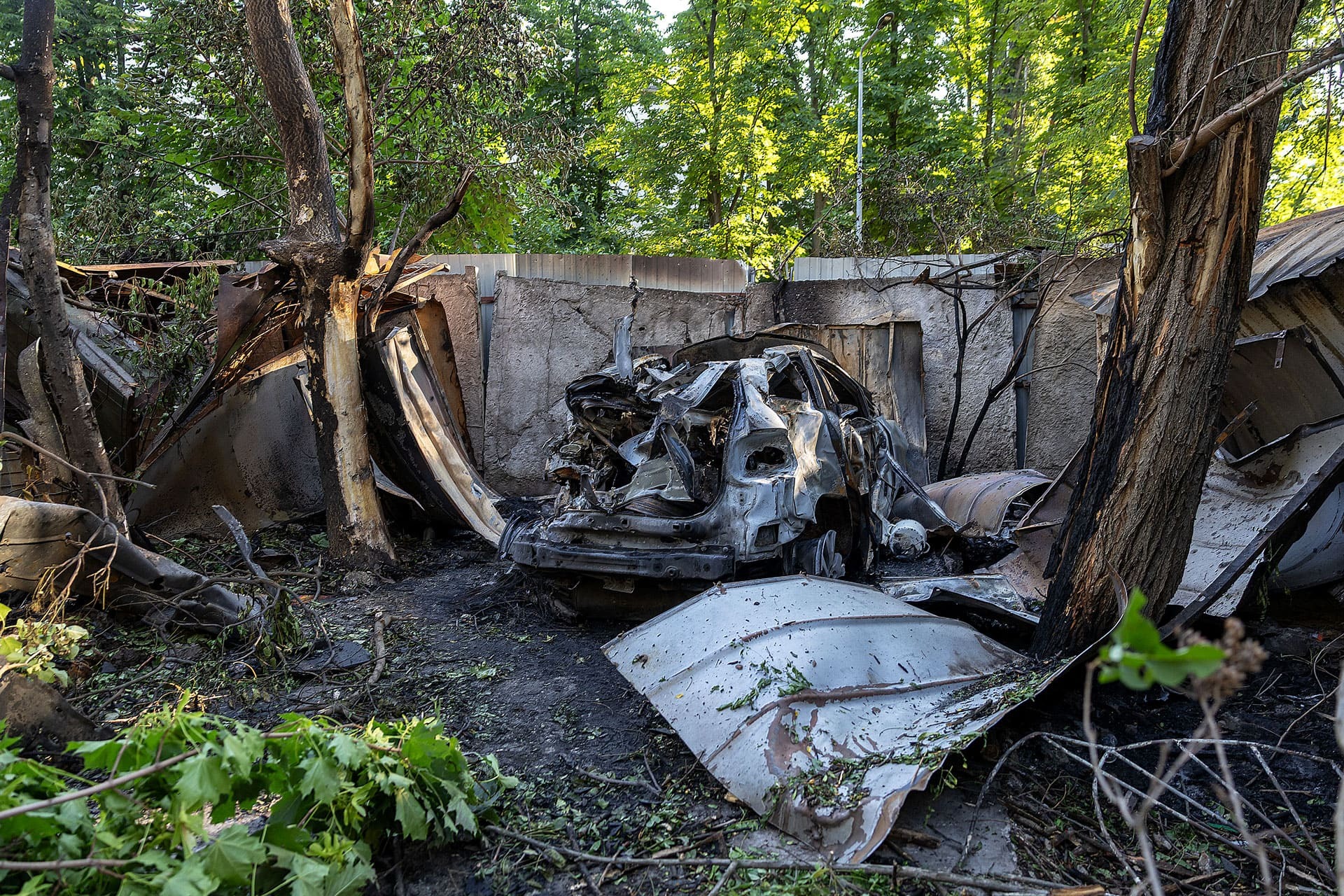
The night of July 11 became difficult for the southern districts of the Odesa region, where a cynical strike damaged at least three private residential houses, infrastructure facilities, and a polyclinic building. In the medical institution, the explosion wave shattered about 60 windows, eight doors, and destroyed over 60% of the suspended ceiling, but medical equipment miraculously survived. Over the weekend, the Odesa district was attacked by enemy drones; buildings and equipment on the territory of an infrastructure facility, private residential houses, and cars were damaged.
Zaporizhzhia: guided aerial bombs and drones
Throughout the week, Zaporizhzhia and adjacent communities were under systematic, daily, and extremely brutal enemy fire. As a result of strikes on Zaporizhzhia and the district on July 5, one person died, at least 16 were injured; at night, the enemy launched an airstrike on the regional center, damaging critical infrastructure, a parking lot, and the residential sector; in one of the apartment buildings, a wall from the first to the fifth floor was completely destroyed; among the three injured is a child.
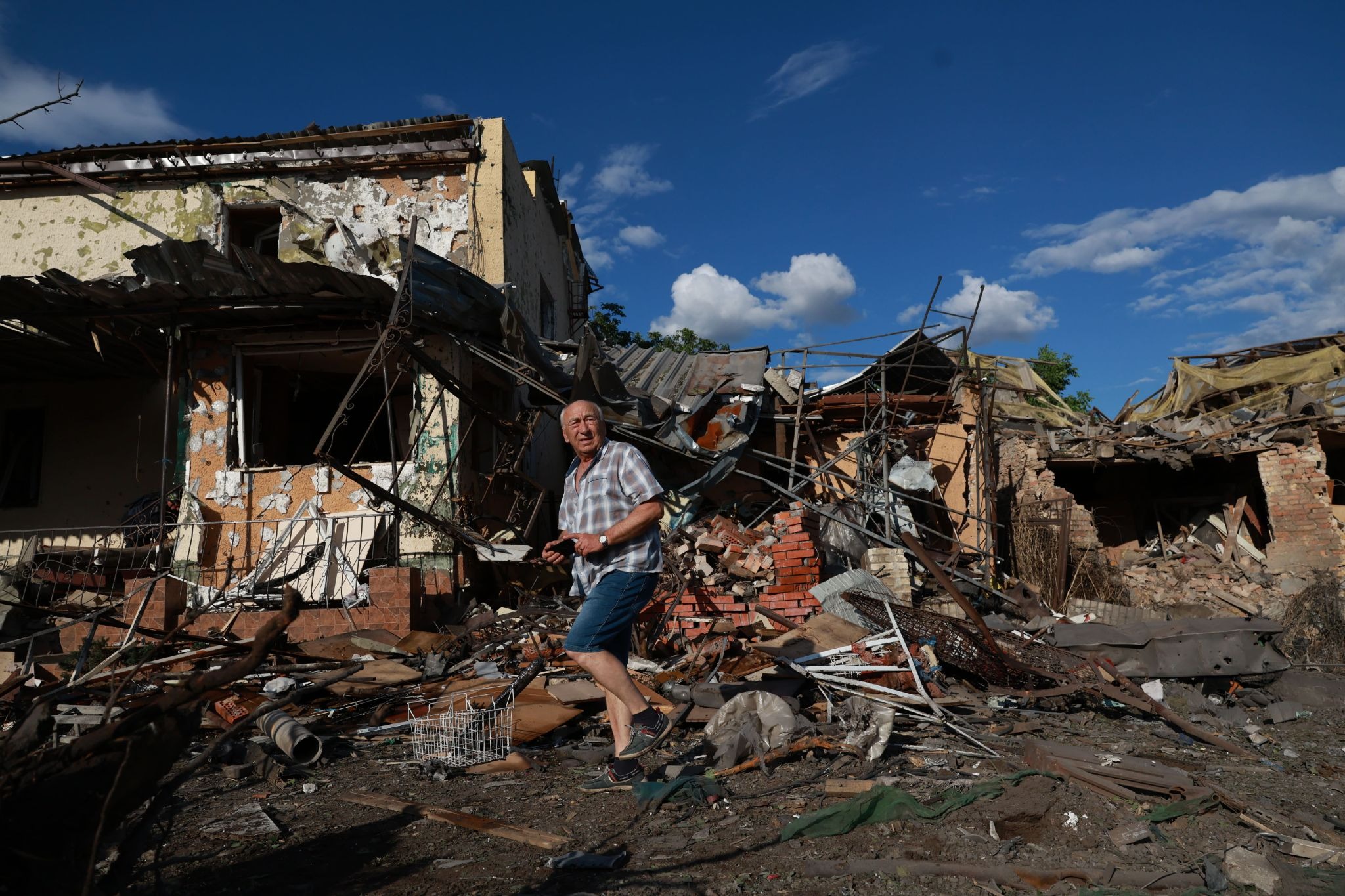
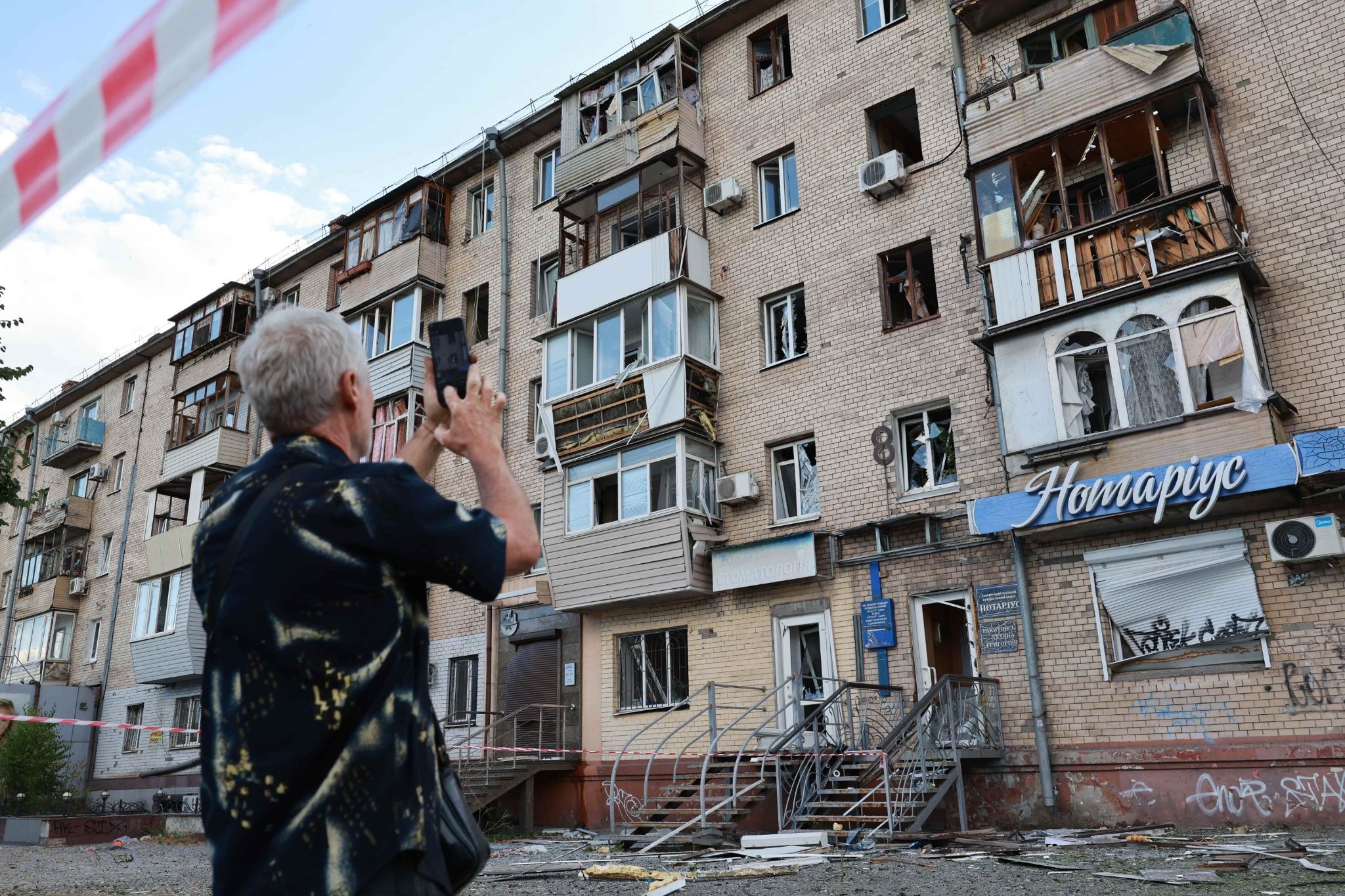
On July 6, in Zaporizhzhia and the district, one person died and 42 more were injured, including two children and two police officers. Private houses were destroyed, an apartment building, several gas stations, a shop, and an enterprise were damaged. The next day, Russians attacked the region with guided aerial bombs and strike UAVs, as a result of which three people died, including an 18-year-old girl, and 28 people were injured, including an eight-year-old boy. The strikes hit an apartment building, transport and food enterprises, a garage cooperative, which caused fires, the destruction of civilian transport, and power outages for over 15,000 subscribers.
As a result of UAV raids on July 8, ten citizens were injured, including a 12-year-old boy; fires were recorded in the courtyard of one of the apartment buildings and on the roof of a residential building. On July 9, the occupiers hit a logistics center and a gas station; due to the shelling, one person died and four were wounded. A gas station complex and cars nearby completely burned down; warehouse premises caught fire and private houses were destroyed.
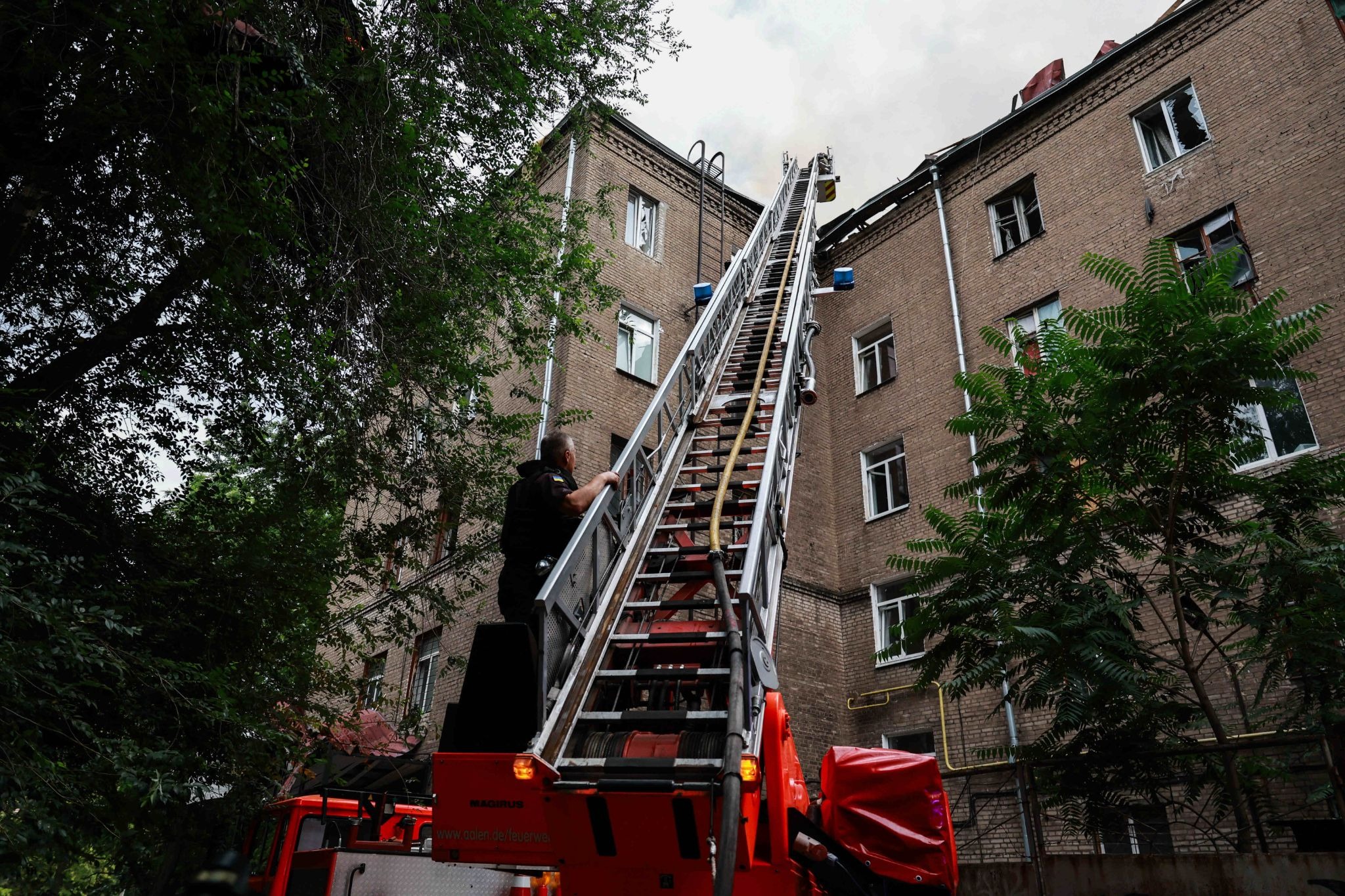
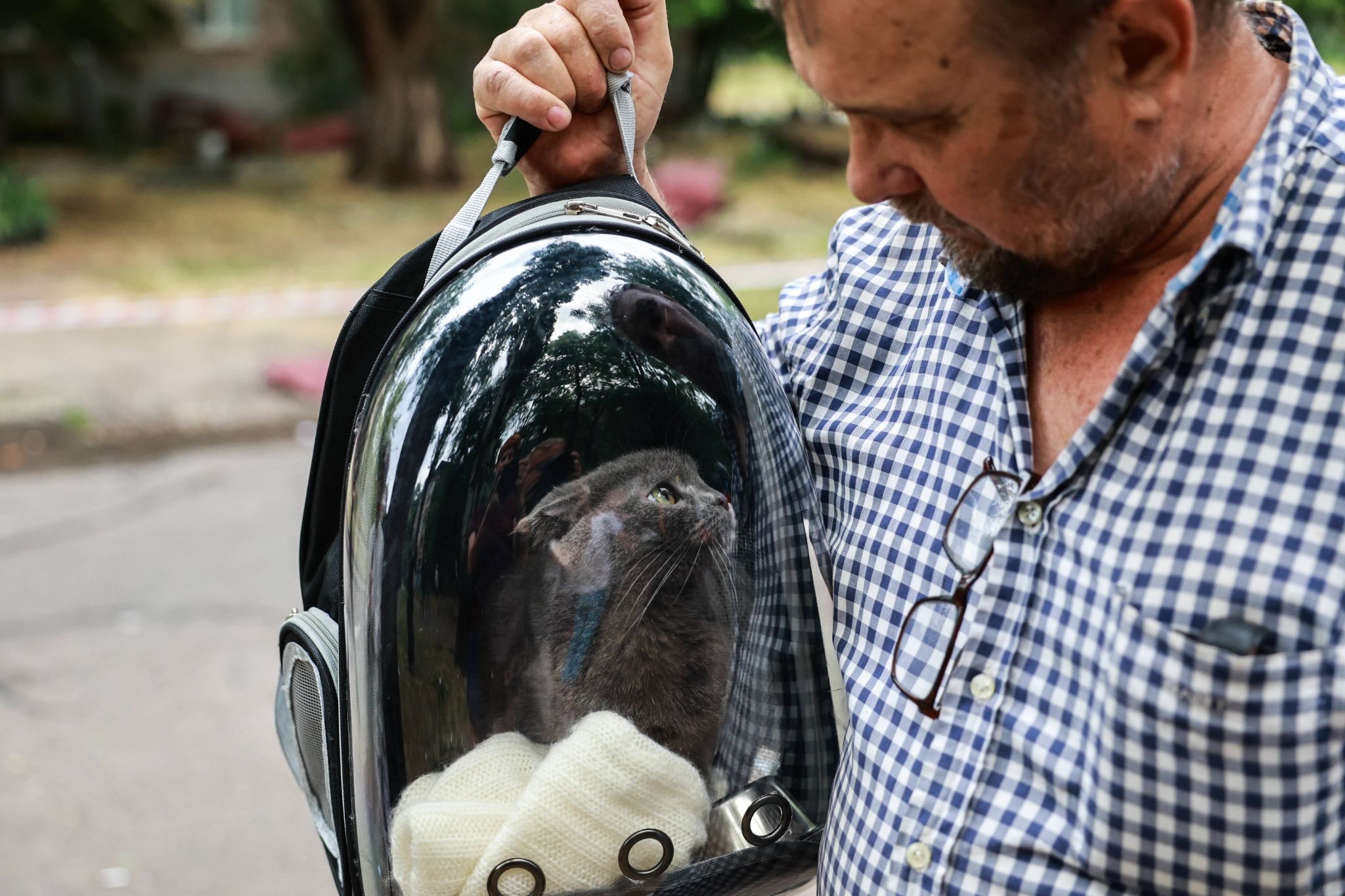
On July 10, another airstrike and a drone hit on the roof of a building led to the death of one person and the injury of 29 residents, including two children. The deceased was a police officer; he died while performing his official duties; his colleague was injured. Explosions of guided aerial bombs completely destroyed and significantly damaged over 15 private houses, caused fires in housing and transport, and from a mangled apartment building, people had to be urgently evacuated. Seven victims were hospitalized; one of them—a 24-year-old man—is in serious condition with a traumatic amputation.
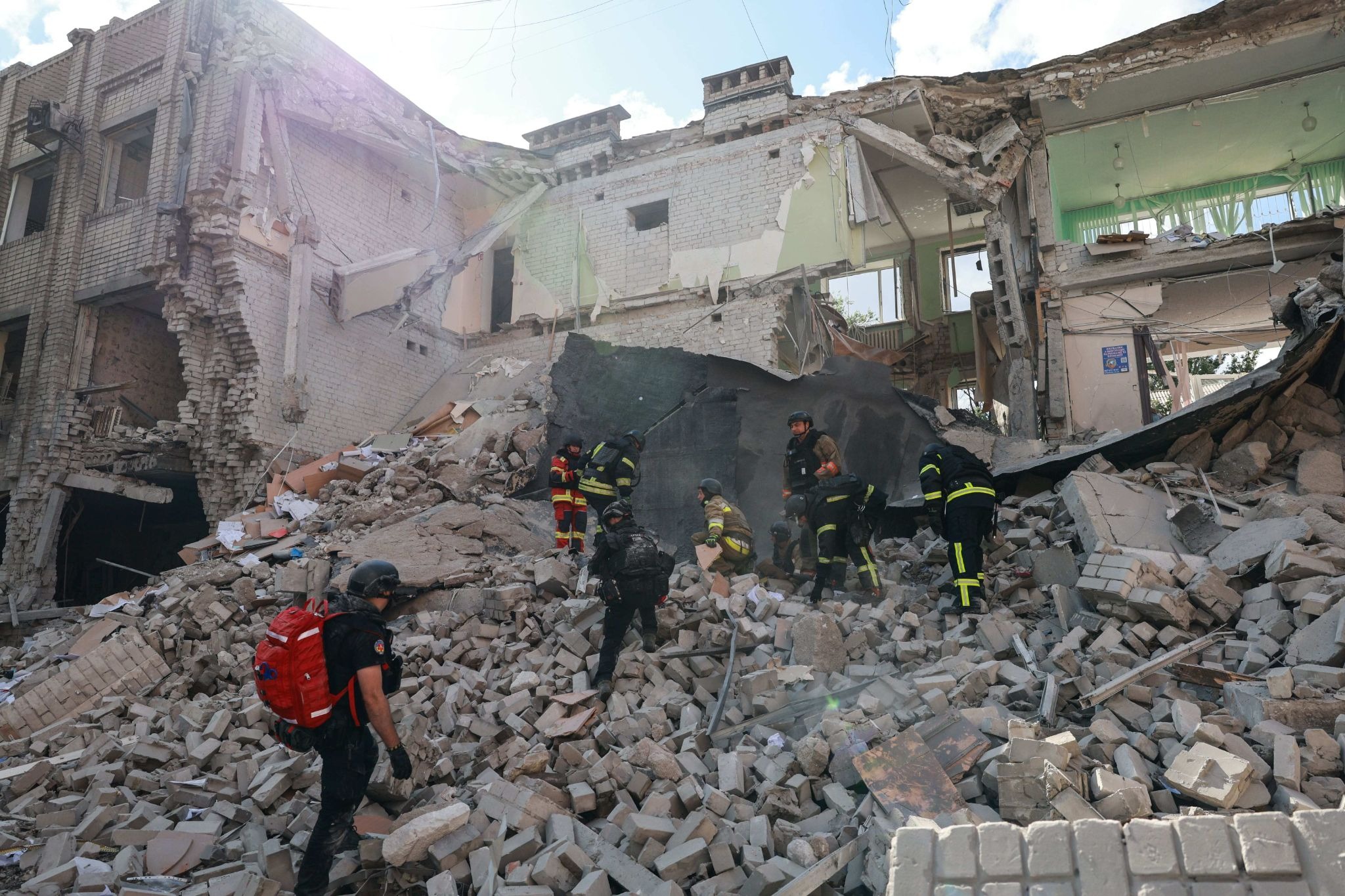
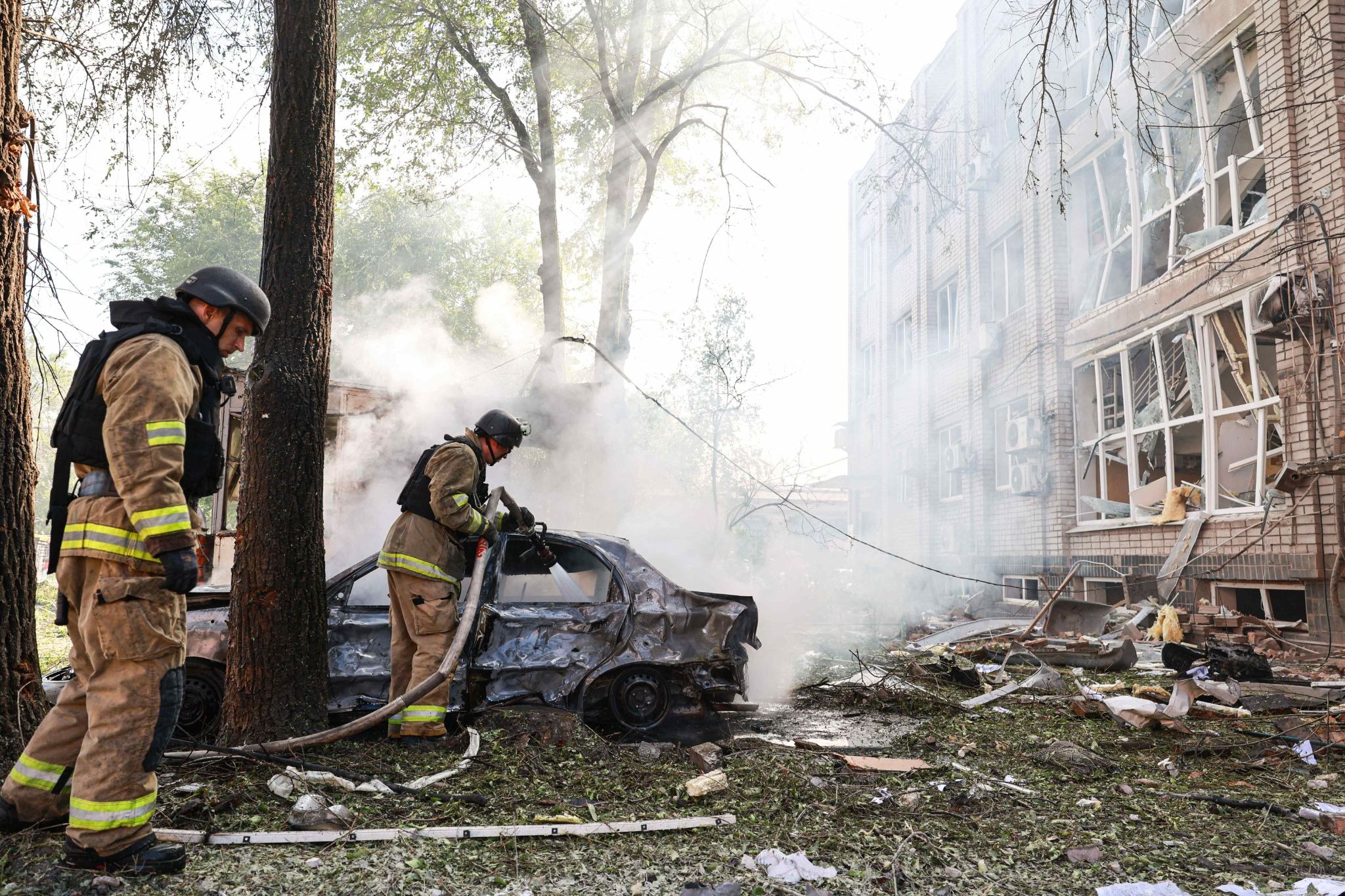
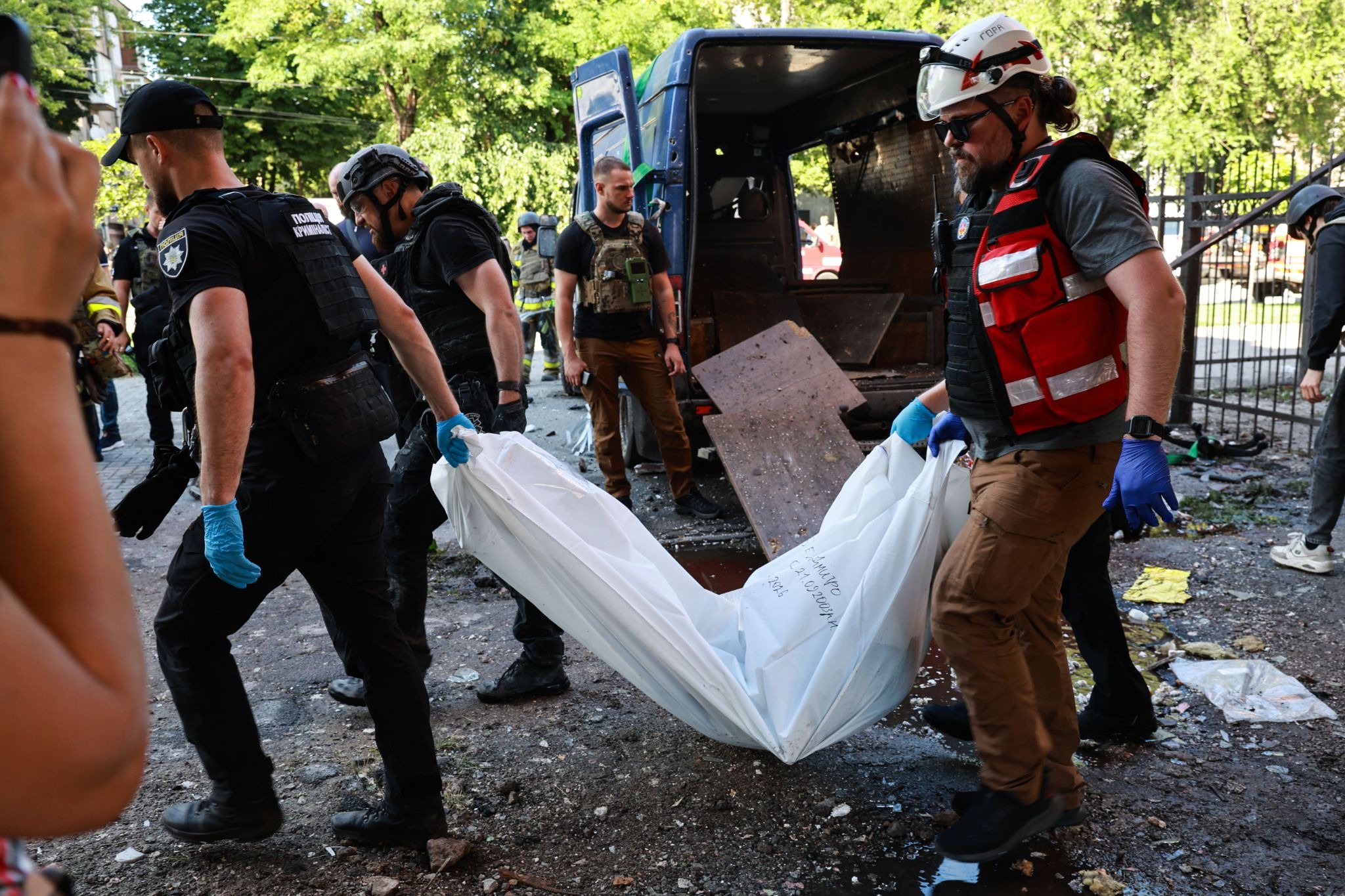
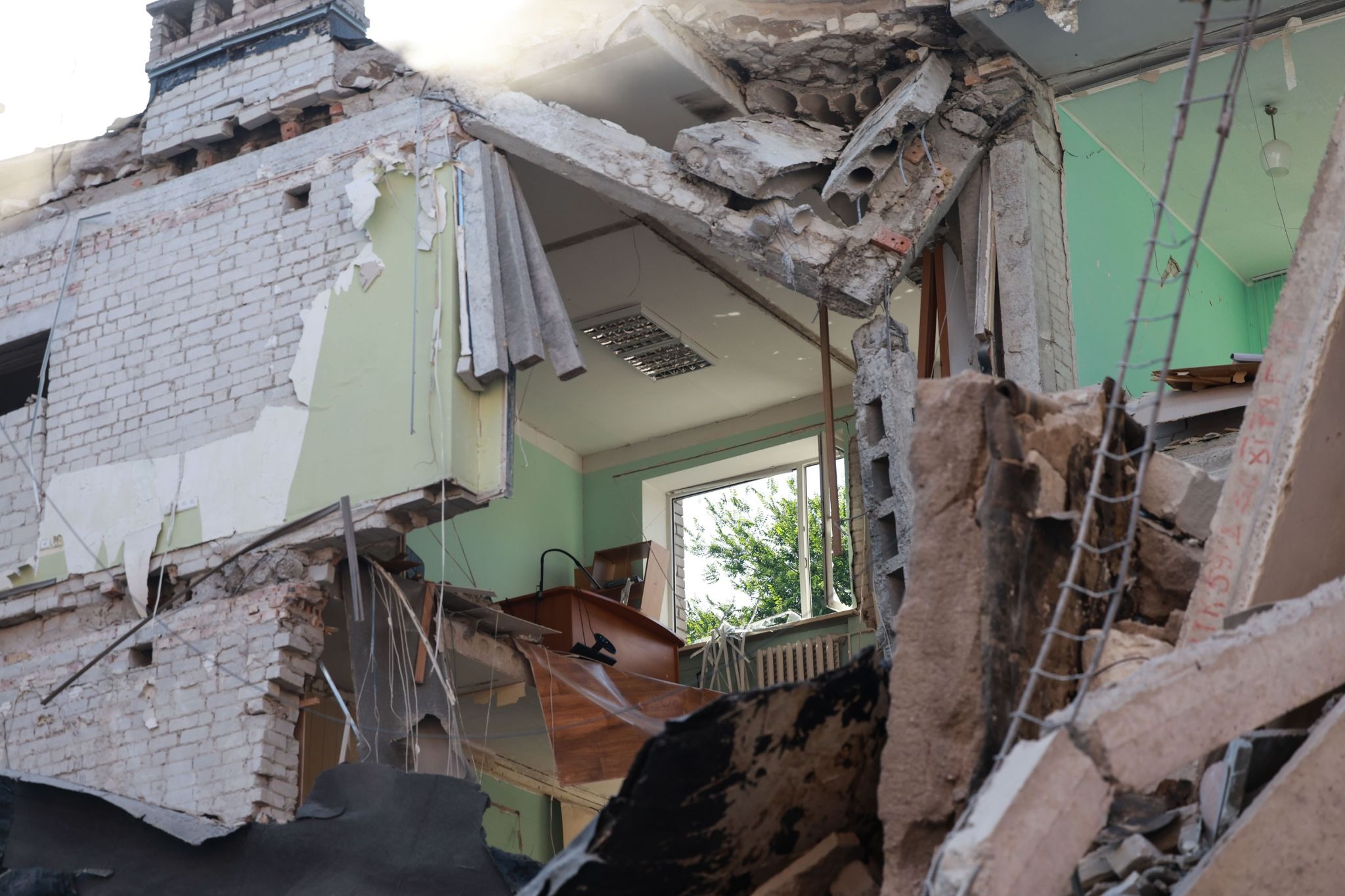
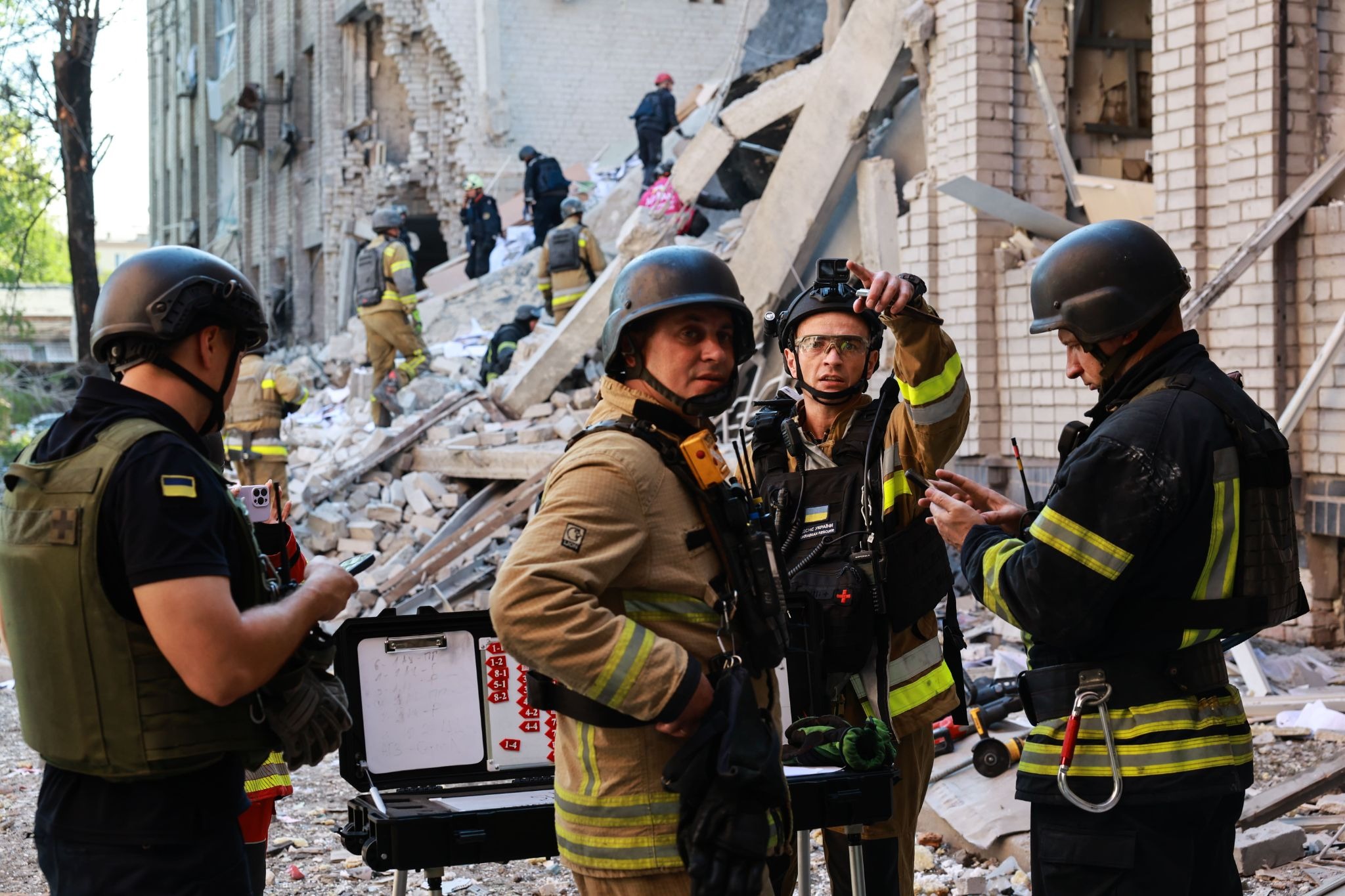
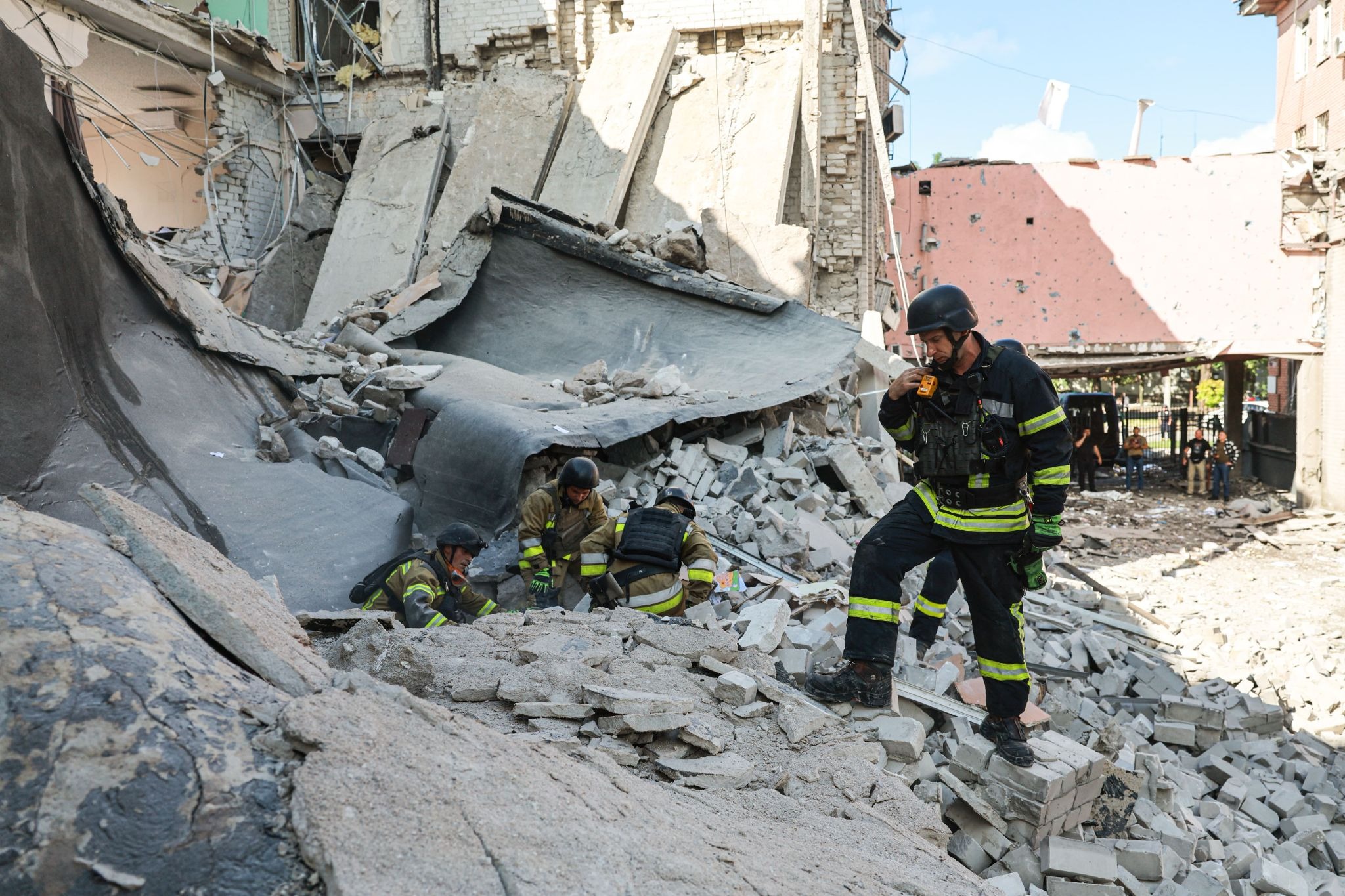
On July 11, the enemy attacked Zaporizhzhia and the Bilenke community. As a result of the strikes, two people died, 33 were injured, including a nine-year-old girl; private homes, a house of culture, a shop, and a car were mangled; a woman was wounded; part of the community was left without electricity.
Working on the material:
Topic researcher, author of the text: Yana Yevmenova
Photo editor: Marusya Maruzhenko
Literary editor: Yuliya Futey